SY3 (pronounced ‘sigh’) is a new project from LA-based Chinese-American artists Kelly Guan, Alex Ho, and Phil Cho. The trio started working on music together in 2023 after connecting over a shared love of Hong Kong New Wave cinema, Cantonese pop songs, r&b, and melody-driven dance music. Singer Kelly Guan aka Jia Pet has been independently releasing ‘bubbly’ pop music since 2022, and recently toured with the genre-bending indie artist Sasami. Multi-instrumentalists Ho (keyboards, saxophone) and Cho (guitar, bass) have collaborated frequently over the past decade, most notably on Ho’s 2021 debut album 'Move Through It' for Music From Memory.
Lead single ‘Tell Me,’ the track that initially caught the ears of MFM's Jamie Tiller and Tako, nods to the hazy downtempo explored by Chinese pop stars like Faye Wong and Zhou Xun in the ‘00s, while also recalling Japanese producer Yoshinori Sunahara’s iconic album 'Lovebeat'. Beyond musical influences, SY3’s neon-drenched pop songs draw from a cinematic language, particularly y2k-era films like Made in Hong Kong and Suzhou River, which speak to a generation of disillusioned youth in an increasingly fast-paced world. Guan’s lyrics depict characters caught in bittersweet love affairs (‘dial tone, when I’m alone, you promised we’ll be in touch') forever looking towards an escape from their current realities (‘I know the walls are high, these graceless hands are slipping’). Title track ‘梦游 Sleepwalker’ features a Cantonese spoken-word story about a sleepwalking young girl who sits alone on a balcony wondering where she might have gone the night before. The drifting ambient production loosely references a traditional Chinese folk melody, and closes out the EP with a delicate, layered saxophone solo from Ho.
Balancing intimacy with a wider emotional and visual language, SY3’s debut unfolds as a series of nocturnal pop vignettes shaped by memory, cinema, and place. Released digitally and on vinyl through Music From Memory on March 25th. Sleeve art and design by Michael Willis.
Search:phil walls
- 1
- 1: Snake
- 2: Moses Kill
- 3: Golden Arm
- 4: Lunch
- 5: Special Power
- 6: The Void / Madison
- 7: White Shirt
- 8: Radiator
- 9: Icepick
- 10: <
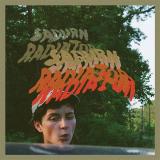
Intimacy is manifested in every moment of Radiator, the debut album from Philadelphia's Sadurn. This feeling of closeness, of being able to lend your every sense to one's confessions of internal conflict, is due in large part to the circumstances under which this album was created. Much of the world fell apart in 2020, but Sadurn tucked themselves away in a Pocono's cabin, creating and recording what would become their first full-length. Within the confines of their close quarters, passing animals as the only auditory witness to a makeshift recording studio created by moving furniture, Sadurn created an album that will break your heart and then slowly piece it back together.Sadurn started as the solo project of Genevieve ??DeGroot. Picking up guitar in 2015, DeGroot started writing songs, eventually playing DIY shows throughout the city of Philadelphia. With time, the direction, sound, and members of Sadurn changed. The beginning of 2020 was meant to serve as their debut as a four member band (Jon Cox on guitar/tenor guitar, Tabita Ahnert on bass, and Amelia Swan on drums), but the world had other plans and the group adapted.Taking influence from artists like Gillian Welch, Alex G, and Jason Molina, Sadurn's emotive indie rock explores the struggles and eventual beauty of grappling with multiple emotional realities, particularly when it comes to relationships. That conflict, the idea of being forced to choose, even when terrified, is present on singles like "Radiator" and "Golden Arm." The latter is an unhurried ballad that shows its truest colors with time, eventually blossoming with unexpected admissions of desire and uncertainty. Indecision, heartbreak, and attempting to live out your days against the actual backdrop of a gradually worsening hellscape is a shared commonality among us all, but on Radiator Sadurn breaks down walls that others so often put up. It's a fleeting, impactful glimpse at one's whole heart, and its sweeping, special nature is evident from the moment the album opens.
Support by Green Velvet, Rebolledo, Dr. Rubinstein, Cormac, DJ Hell and many more! Summer 2013, Comeme label's studio - The District Union. Behind the analog console and hardware - 20-year-old Philipp Gorbachev and Djs Pareja from Buenos-Aires. No plugins, reels, or LTE. Sweltering heat, peak of summer EU tour, the musicians had just a few hours to record. The track drops on the label's compilation and immediately lands in a mix by Chicago legend Green Velvet. It spreads afterwards in all possible ways - Do You Believe in House Music? is blasting in bars, DIY spaces, raves, cars and street parties, the lyrics get sprayed on walls or inked as tattoos System 108 proudly presents the official reissue of the original, boosted with brand-new remixes from shining artists of the Russian dance scene - those whose journeys also began in the 2010s and who, in some way, crossed paths with either the track itself or that very vibe of faith and love, without which a dancefloor can hardly pulse with life. A house is not a home, when there's no one living there
"After being praised as one of the best releases of 2025 by multiple platforms, the highly praised debut album from Obeka lands on vinyl via YUKU.
The rhythmic dynamics and emotive attitudes of A World No More captures the density of soundsystem culture in Obeka's ancestral roots. YUKU presents the Bermudians debut album capturing a Neo-Colonial dystopia, protest and Afro-Futurism hyperextended through decaying sonic structures of a dark past and its grievances which very much exist today.
Growing into adulthood within the walls of British and European Colonial systems meant the disconnection and lostness in a new country hid me from the world at a young age. Unlike London's vast and culturally engaging migrant communities, the industrial milling town of Stockport introduced a coldness towards people from other countries I experienced in my first year after relocating from Bermuda. I couldn't understand why. Whether cold words thrown towards me or actions upon other people who look like me, it has shown to be a dooming societal virus with no cure. The most comfort was found through what was familiar - drums and rhythmic spirituality of my homeland. It was a safe-haven, a place to empty the anger and confusion. It's been 15 years since relocating and as my sound evolved, it seems classism, racism, oppression and civil control of ethnic peoples has become worse - even now more legalised and normalised. Ogun (a powerful Yoruba deity associated with anger, justice and war) acts as the opening sequence of the record and its symbolism. Using distorted bass frequencies and dissected Regga-Dub immersed in live-sampled ghostly voices of the lost ones. This sonic exercising is also applied in Drillaman - a stampede of industrial framework and metallic instruments wielded over moody Dancehall MC'ing, magnifying two parallel worlds in cocooned evolution. The resurrection of Transatlantic African cultures and identity have never been silenced, rather carried elsewhere through trade routes of enslavement, which was pivotal when composing and completing the album upon returning home to the Caribbean for the first time ever. After reconnecting with my heritage my blurred vision of what's wrong in the world became so clear. Guidance in empty plains seek truth throughout the pain - A statement of finding oneself expressed on the poetic closing track A World No More.
On Fawohodie (A West African Adinkra symbol that represents independence, freedom, and emancipation stamped on the album cover) the motive and atmosphere begins to change. Afro-Caribbean idealism which refers to the philosophical concept that emphasizes the interconnectedness of individuals and the importance of community, often contrasting with Western individualism, begins to take shape in a new universe. We can co-exist. The track framework uses machine-led software forming frequencies we have no control over, then manipulated through decomposing soundscapes, scattered hand-drums and human-made weapons of control - exposing the hidden disparity that's been carried over generations whilst balancing hopeful and musical foundations towards equality and peace. On Pressure and Kuduro! the writing direction attempts to wake people up. Not settling for a composed approach like in past projects, quite the opposite. A call for native sonic awareness, dismantled vocals of protests, eroded percussion using chains, gears and motorised harmonies sculpted in challenging abstract behaviors far outside my comfort zone. A direct abrasiveness and weight I want people to feel, whilst finding hope and solace through enchanting choirs and hypnotic basslines in complete synchrony.
"Purity in sound manifests when you least expect it. The smallest memory or feeling grows from a seed into a sonic language that you, and only you can interpret and release back into the world." "
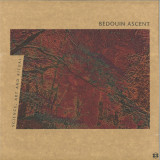
'Science, Art And Ritual' is a story of ‘process'. Growing up in Harrow (a then quiet suburb of London) in the 70’s and 80’s from the age of about 10, Kingsuk Biswas aka Bedouin Ascent's ears opened up to sound as he scanned the airwaves. The undeniable righteousness of 80’s dub via David Rodigan’s Roots Rockers shows was the first prominent influence he received, and with punk roots —and his burgeoning record collection— became exposed to the breathless post punk experimentation that followed in the early 80’s sweeping up free jazz, noise, dub and much more. Throughout though, he maintained his fascination with Indian Classical music which was a mainstay in his parent’s house and spoke with the same infinite space as Joy Division's 'Unknown Pleasures', and King Tubby’s Studio dispatches. Through those teens he assembled and de-assembled, knocking about with fellow travellers —punk bands, garage, space rock, noise. Something was happening. On-U Sound, ECM, Factory Records kept him plugged in and sane.
At that time Kingsuk's core studio setup revolved around his vintage Gretsch, Fender Jazz, Moog, TR-606 and rudimentary FX. He added congas, folk instruments, pipes, hand percussion, gongs, and jammed out shards of funk, noise, jazz fusion, electro and ambience into his hungry Tascam Portastudio. By 1987 these had morphed into what we’d now refer to broadly as techno, but the genre didn't exist beyond the reverberating walls of his bedsit, and he hadn’t yet plugged into the global conversation.
'Science, Art And Ritual' was released in 1994 by Rising High Records and was presented as Bedouin Ascent's debut album, although 'Music for Particles' (released in 1995, again on Rising High) was recorded even before —'SAR' sessions span from 1992-1993, whereas 'Music for Particles' were earlier from 1989-1992, with some older 4-track references from about 1986 too.
Weaved in throughout the album are subconscious references to music that Kingsuk heard in the past that still remained within sight as companions. The opening track "Ancient Ocean III", referencing the extinct ocean Tethis, unapologetically channels Tackhead, Colourbox, Mantronix and Lee Perry. The style was also deliberately juxtaposed to the prevailing sound in techno at the time, which had locked onto a rigid form of symmetrical kicks and light snare drums. Elsewhere 80’s soul and funk are frozen and captured in fragile glass lattices. Electric pianos resound throughout, such as in "He Is She", probably a half-memory of 70’s MOR radio from childhood sleepy night drives. A duel between kick drums from three generations of Roland drum machines —TR-808, TR-707 and R-8— is a central theme in "Transition-R", all in conversation, calling and responding. These were not just machines to Bedouin Ascent, but part of an extended family, with heart and soul.
Three decades after seeing the light, Lapsus is proud to present a special 30th anniversary reissue of this
left-field techno gem in a repackaged and redesigned edition. All pressed on a deluxe 3LP marbled vinyl and including a limited lithographic insert print of the original album cover. All tracks have been restored and remastered directly from the original DAT tapes, and the album also features previously unreleased tracks such as "In the Clouds" and "Thru Water" —regularly performed live at that time and produced in the same period as the album sessions in 1993.
'Science, Art And Ritual’ may refer to esoteric traditions in Indian philosophy, but equally embodies the collision of the science, the art and the ritual that is at the core of being immersed in a deep musical journey.
Support by Nachtbraker (Dirt Crew Recordings), Blue Mondays (Rebirth), S3A (Sampling As An Art), Roman Rauch (Philpot), Julien Guzz (Sure Cuts Records), Space Echo (Luv Shack Records), Simonlebon (Luv Shack Records).
We are starting the year 2016 with several artists. On the A-side of the forTunea Cookies EP we feature the Viennese-Innsbruckian combo JANEFONDAS. Since 5 years they are touring around the country and are wellknown for their mixture of current house tunes and disco classics. In this release they are presenting their newest composition, called - Lovely Secret . A great tool that definitely finds its way in the recordbags and usbs of a house dj. The B-side starts with KLAUS BENEDEK. - Spanked In The Disco sounds at first like your typical 1990s filterhouse. But in the end it builds up to a warm and breathtaking melancholic climax that leaves you with a smile. The third track in the bunch by SCHAMPUS GHOST & KAIROBOY is literally a balls to the walls - Loveletter to disco music. This track will come out only on vinyl. And like the previous releases on forTunea, there will be no repress. So first come, first serve!
Limited to 300 copys
Mastering by Patrick Pulsinger
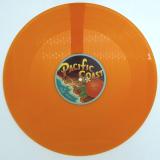
Introducing the 4th instalment of the Pacific Coast House rebirth. We bring back another much sought-after 12” from The Coastal Commission & Jesse Outlaw. “Bring down the Walls” was a nod to Raze’s “Break for Love”, Robert Owens “Bring Down the Walls” and Ritchie Hawtin’s use of the Roland 606 throughout “Sheet One”. Long out of reach and fetching $100+ on Discogs, Atjazz’s freshly remastered editions are finally available .. “Let it Go” was never mastered & only ever cut to dub-plate. It has now been mastered & available in all it’s glory.
Coastal Commission “Bring Down the Walls” “Bring down the Walls” was a nod to Raze’s “Break for Love”, Robert Owens “Bring Down the Walls” and Ritchie Hawtin’s use of the Roland 606 throughout “Sheet One.” We gave the tune a Californian psychedelic twist with conga laden drums, a moody synth, low pulsing 303 patterns + Benjamin Zephaniahs patois call to “Move the Body Rhythmwize!” The first PCH releases had dropped Worldwide to International acclaim from DJ’s far and wide across the Globe with support in London, Paris & New York. However the local scene here in L.A that preached “Love, inclusion & Unity” was anything but that. L.A at that time was very tribal & divided up into 3 camps. If you weren’t affiliated with any of them (aka independent) then you were pretty much locked out of getting any kind of gig support or the Dj’s from those camps actually playing the music. The local feedback from Dj’s was that what we were making wasn’t “house,” but “Techno” which was absurd to me. “Bring Down the Walls” was a mantra to “move the bod”y and in doing so “bring down the walls” of separation not just in L.A but throughout society in general. Thank goodness for support from people like Terry Francis, Eddie Richards, DJ Deep & Philly Stalwart King Britt. After years of copies going for upward of $100+ on Discogs the now freshly remastered copies by At Jazz’s Martin Iveson are finally hitting the platters this Spring.
Jesse Outlaw “Let it Go” I met Jesse at Beatnonstop Records on Melrose Ave with Miguel Placencia in the late 90’s. Miguel (RIP) was a mainstay in the Underground scene and had always been very supportive of my endeavors. He had had success with a huge release on Yellow Orange and was working with Jesse under the moniker “When Worlds Collide.” I signed “Brighter Days” & “Set you Free” from them and released the tracks on my Seductive imprint. They told me that they were making the tracks on a Sony Playstation “Music Now” program and I was like FFS “What.s more Underground than that!?” Later Jesse gave me some of his solo work. The track “Let it Go” was never mastered & only ever cut to Dub-plate and featured on my 1st PCH mix “Pacific Coast House Sounds.” It has now been mastered by Martin Iveson and is available in all it’s glory. The dreamy vocal “You need to let it go” beckons over the top of driving percussive Latin beats and church organ which is a great compliment to the flip side of “Bring down the Walls.” All in all two West Coast stompers now finally available remastered on PCH in Orange vinyl.
In his own time, in his own tone and in his own company.
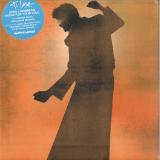
‘Win and lose without losing oneself’’ This line from French rapper Oxmo Puccino greatly accompanied David Walters while composing his fourth studio album. Over the eleven tracks on ‘Ti Love’, David took his time to find the right tone and in turn, tell his truth.
‘Ti Love’, is a French-Creole abbreviation for “petite love”, meaning ‘little love’, evoking that sweet fondness found in those small gestures and little acts of kindness.
Think of things like young kids' brotherly love or a stranger lending you a helping hand, while expecting nothing in return. It’s these motions that allow this album to feel full of real life, carried by beating drums that also pull at our heart strings.
Basing himself in a small village in Martinique, where David had not long since scattered the ashes of his late mother, the multi-instrumentalist decided to remain there and let the writing of Ti Love pour out from deep inside him. Taking influence from around the island, the energy from his makeshift studio set up in Fort de France, allowing a resilient yet grieving man to recount, let go and come to terms with his recent loss.
So embracing these new circumstances, on the rugged coastal Caribbean island of Martinique, David took up an artist’s residency in the island’s capital Fort de France, located near the town’s port is the ‘Manoir des Artistes’, a bustling recording studio space. A place where the walls shake as the latest sounds being created are blasted by locals and visitors alike. Most studio doors are wide open; as music here is a huge part of everyday life, feedback from encouraging neighbouring musicians is on hand and welcomed. A contrast to the isolation often assumed with working in more traditional music studios.
It was here in this stimulating environment that David recorded Ti Love’s initial demos.
With his first collaborator onboard, Neeweed, a 25-year-old producer and gospel expert who David met at the Martinique Jazz Festival.
Of the album’s initial versions of the record David recollects: ‘It took me three years to write it, then I rewrote it, reworked it. In the end I'm really glad I stepped back and listened to myself.’ I found a great ally in GUTS, who ended up being the artistic director of the record”
David surrounded himself with the right people who helped him express himself in the best possible way. He called on other friends and musical comrades; album opener and title track, ‘Ti Love’ features the incomparable Fatoumata Diawara (World Circuit Records / Africa Express) and further along additional production came in from; Izem, Art Of Tones, and GUTS himself, who all added just the right amount of ‘little love’ to this
project. Further helping hands came from Californian producer and DJ Captain Planet, who David was introduced to a few years ago. Closer to home, here in Europe, the German producer Bluestaeb appears on two tracks: the very catchy disco funk ‘Mr Maraboo’ and ‘Kite Koule’, the latter being the first single lifted from the album, where David invited Nigerian guitarist Keziah Jones.
Elsewhere on the album, fellow Heavenly Sweetness recording artist Blundetto contributed two tracks; the reggae ‘Voodoo Love’, which is David's tribute to Studio One, and the very sweet and resilient ‘Bon Voyage’, which closes the album... "It's gold, it doesn't need anything changing.” remarked David - ‘Bon Voyage’ is a goodbye to his mother, whose voice called him from the bottom of the sea one night while he was surfing during the full Moon.
Released almost 20 years after his debut album ‘AWA’ released on French imprint Ya Basta, home to Gotan Project and many others, David boasts a long list of radio supporters including; Gilles Peterson, Cerys Matthews and Don Letts at the BBC, while further field Cosmo Radio in Germany, and KCRW in Los Angeles.
On this new record, David has shown sincerity and vulnerability, while still honouring the infectious groove that he is known for the world over. Despite the upsets, a little love can indeed go a long way.
CREDITS:
Produced by Bluestaeb / Blundetto / Captain Planet / Izem / Art of Tones
A&R : Guts
Mixed by Mr Gib @ Onetwopassit
Except "Bon Voyage” and "Voodoo Love" mixed by Jerome “Blackjoy” Carron
Mastered by Benjamin Joubert @ Biduloscope
Art by Elliott Walters
- 1: On Sitric Road
- 2: The Flood
- 3: Danny
- 4: Cuckoo Storm
- 5: I'll Keep Singing
- 6: Gravity
- 7: Where The Heart Lies
- 8: Mayfly
- 9: Young Again
- 10: Four Walls
- 11: Long Grass
- 12: We Alway Forget About The Rain
Mit "All Tied Together" veröffentlichen Ye Vagabonds ihr bislang eindrucksvollstes Album - ein berührendes, cineastisches Werk voller Erinnerungen, Dankbarkeit und Gemeinschaft. Die vielfach preisgekrönten Brüder Brian und Diarmuid Mac Gloinn verweben in ihren neuen Songs Heimat, Verlust und Zusammenhalt zu einem emotionalen Klangteppich, der weit über Irland hinausreicht. Aufgenommen in einem alten Haus in Galway und produziert von Phil Weinrobe (Big Thief, Adrienne Lenker), entfaltet das Album eine organische Intensität - live eingespielt, ohne Kopfhörer, mit bis zu zehn Musiker:innen. Akustische und elektrische Gitarren, Harmonium, Moog-Synthesizer, Trompete, Cello und die unverwechselbare Geschwisterharmonie schaffen einen warmen, zugleich modernen Sound. Von der nostalgischen Erinnerung in "On Sitric Road" über die mitreißende Hymne "The Flood" bis zur zarten Liebeserklärung "Young Again" erzählen Ye Vagabonds von echten Orten, echten Menschen und dem Wunsch nach Zugehörigkeit. In Songs wie "Danny" und "Mayfly" finden die Übersehenen und Gestrandeten eine Stimme, während Stücke wie "Four Walls" Hoffnung und Halt feiern. "All Tied Together" ist eine Ode an Freundschaft, Verlust, Heimat und das gemeinsame Singen - ein Album, das Herz und Seele gleichermaßen wärmt und die verbindende Kraft der Musik spürbar macht.
- A1: Fugee X Thaehan - The Storyteller
- A2: Tah. X Gatz2Gatz - Witches’ Den
- A3: Elaz X Ariel T - Treats Or Beats
- A4: Lucid Keys - Le Chaudron
- A5: Dosi - Crimson Clown
- B1: Pbdr - Bubble Trouble
- B2: Thaehan X Vimef - Whispers In The Walls
- B3: Fred Paci X Tosso - Vampire Night
- B4: Solar Body - Goosebumps
- B5: Xander. X Philip Somber X Luqęt - Pumpkin Moon
- C1: Goson X Softy - Ghost Nap
- C2: Myceliumbug - Cursed Carousel
- C3: Luqęt X Strong.al& - Muffled Spirits
- C4: Dani Catalá X Fool Parsley - Noche De Espíritus
- C5: Prithvi X Eva Gomi Tenshi - Ghost Valley
- D1: No Spirit X Fool Parsley X Odd Panda - Insidious
- D2: Dani Catalá X Flowray X Kiabits - Memory Lane
- D3: The Fox X Fugee - The Watchmaker
- D4: Klemsis - Spooky Dream
- D5: Towerz X Nadav Cohen - Aynac Rac
The night is restless, the streets eerily silent... only distant echoes and haunting rhythms fill the air. Halloween 2025 drags you deep into the atmosphere of a world forever changed.
As shadows lengthen and whispers grow louder, the familiar coziness of Lofi Girl’s room takes a darker turn. This 20-track compilation gathers artists from across the globe to conjure chilling melodies and spectral beats, the perfect soundtrack for the spooky season. Press play, and lose yourself in a soundtrack where the undead roam and even the walls seem to listen.
Renowned Vienna-based keyboardist and producer Philipp Quehenberger is known for his improvisational approach to electronic music. With a history of notable releases on respected labels like Cheap Records and Editions Mego and his energetic live sets, Quehenberger has built a reputation for a distinctive sound.
His latest release, the vinyl EP "Hot Water", comes as the inaugural offering from the newly established label "other machines".
Opening with "Emortal" a slowed down four on the floor beat is acompanied by a heavy bassriff and wobbly psychedelic synthlines, the record picks up speed but maintains its dark but catchy vibe with the house -like "Heaven" featuring strings and another wallshaking bassline.
Repress!
In the mid-1970s, a force of nature swept across the continental United States, cutting across all strata of race and class, rooting in our minds, our homes, our culture. It wasn’t The Exorcist, Goodbye Yellow Brick Road, or even bell-bottoms, but instead a book called The Secret Life of Plants. The work of occultist/former OSS agent Peter Tompkins and former CIA agent/dowsing enthusiast Christopher Bird, the books shot up the bestseller charts and spread like kudzu across the landscape, becoming a phenomenon. Seemingly overnight, the indoor plant business was in full bloom and photosynthetic eukaryotes of every genus were hanging off walls, lording over bookshelves, and basking on sunny window ledges. The science behind Secret Life was specious: plants can hear our prayers, they’re lie detectors, they’re telepathic, able to predict natural disasters and receive signals from distant galaxies. But that didn’t stop millions from buying and nurturing their new plants.
Perhaps the craziest claim of the book was that plants also dug music. And whether you purchased a snake plant, asparagus fern, peace lily, or what have you from Mother Earth on Melrose Avenue in Los Angeles (or bought a Simmons mattress from Sears), you also took home Plantasia, an album recorded especially for them. Subtitled “warm earth music for plants…and the people that love them,” it was full of bucolic, charming, stoner-friendly, decidedly unscientific tunes enacted on the new-fangled device called the Moog. Plants date back from the dawn of time, but apparently they loved the Moog, never mind that the synthesizer had been on the market for just a few years. Most of all, the plants loved the ditties made by composer Mort Garson.
Few characters in early electronic music can be both fearless pioneers and cheesy trend-chasers, but Garson embraced both extremes, and has been unheralded as a result. When one writer rhetorically asked: “How was Garson’s music so ubiquitous while the man remained so under the radar?” the answer was simple. Well before Brian Eno did it, Garson was making discreet music, both the man and his music as inconspicuous as a Chlorophytumcomosum. Julliard-educated and active as a session player in the post-war era, Garson wrote lounge hits, scored plush arrangements for Doris Day, and garlanded weeping countrypolitan strings around Glen Campbell’s “By the Time I Get to Phoenix.” He could render the Beatles and Simon & Garfunkel alike into easy listening and also dreamed up his own ditties. “An idear” as Garson himself would drawl it out. “I live with it, I walk it, I sing it.”
But as his daughter Day Darmet recalls: “When my dad found the synthesizer, he realized he didn’t want to do pop music anymore.” Garson encountered Robert Moog and his new device at the Audio Engineering Society’s West Coast convention in 1967 and immediately began tinkering with the device. With the Moog, those idears could be transformed. “He constantly had a song he was humming,” Darmet says. “At the table he was constantly tapping.” Which is to say that Mort pulled his melodies out of thin air, just like any household plant would.
The Plantae kingdom grew to its height by 1976, from DC Comics’ mossy superhero Swamp Thing to Stevie Wonder’s own herbal meditation, Journey Through the Secret Life of Plants. Nefarious manifestations of human-plant interaction also abounded, be it the grotesque pods in Invasion of the Body Snatchers or the pothead paranoia of the US Government spraying Mexican marijuana fields with the herbicide paraquat (which led to the rise in homegrown pot by the 1980s). And then there’s the warm, leafy embrace of Plantasia itself.
“My mom had a lot of plants,” Darmet says. “She didn’t believe in organized religion, she believed the earth was the best thing in the whole world. Whatever created us was incredible.” And she also knew when her husband had a good song, shouting from another room when she heard him humming a good idear. Novel as it might seem, Plantasia is simply full of good tunes.
Garson may have given the album away to new plant and bed owners, but a decade later a new generation could hear his music in another surreptitious way. Millions of kids bought The Legend of Zelda for their Nintendo Entertainment System back in 1986 and one distinct 8-bit tune bears more than a passing resemblance to album highlight “Concerto for Philodendron and Pothos.” Garson was never properly credited for it, but he nevertheless subliminally slipped into a new generations’ head, helping kids and plants alike grow.
Hearing Plantasia in the 21st century, it seems less an ode to our photosynthesizing friends by Garson and more an homage to his wife, the one with the green thumb that made everything flower around him. “My dad would be totally pleased to know that people are really interested in this music that had no popularity at the time,” Darmet says of Plantasia’snew renaissance. “He would be fascinated by the fact that people are finally understanding and appreciating this part of his musical career that he got no admiration for back then.” Garson seems to be everywhere again, even if he’s not really noticed, just like a houseplant.
- Things
- Train On A Hill
- King Of A Land
- Son Of Mary
- Highness
- Pagan Run
- The Boy Who Knew How To Climb Walls
- He Is True
- All Nights, All Days
- How Good It Feels
- Take The World Apart
- Another Night In The Rain
Limitierte Auflage, weißes Vinyl + 36-seitiges Booklet. „King of a Land“ ist ein tiefgründiges und bewegendes Selbstporträt eines der beständigsten und beliebtesten Songwriter der Popmusik. Einzigartig und mitreißend zeichnen Yusufs neue Musik, Texte und Melodien ein lebendiges Bild einer Welt, in der kindliche Träume wieder in greifbare Nähe gerückt sind. Sein poetisches Geschichtenerzählen lädt den Hörer auf eine Reise zu den Toren eines alternativen Universums ein – in dem es durchaus Happy Ends gibt. Von der herrlich unerwarteten Hardrock-Intensität von „Pagan Run“ über die Tschaikowsky-inspirierte Orchestrierung von „How Good It Feels“, die zarte Akustikballade von „He Is True“ bis hin zum treibenden Phil-Spector-Gospel-Vibe von „Highness“, dem rollen-Americana-Groove im Stil der Traveling Wilburys von „All Nights, All Days“ und dem kunstvollen, atmosphärischen „Son Of Mary“ ist „King of a Land“ ein episches Werk. Das Album-Artwork stammt von Peter H. Reynolds, dem preisgekrönten Kinderbuchillustrator.
Neben dem Cover hat Peter für jeden Song Illustrationen zu den lyrischen Themen des Albums erstellt, die im 36-seitigen Vinyl-Booklet enthalten sind.
"In less than a ten-year span, Subsonic Eye have established a deep catalog across jangle- and indie-pop spectra. On their 2023 album All Around You, the Singaporean five-piece refined their signature snappy hooks with a renewed appreciation for the natural world’s entanglement with their urban milieu. Ever enraptured by nature and their surroundings, Subsonic Eye have dedicated much of their music to celebrations of their environment.
Their fifth album, Singapore Dreaming, centers their hometown through a more focused lens. Where All Around You comprised a space to sit with the complex feelings inspired by the intense world we inhabit, Singapore Dreaming is that intense world itself — Subsonic Eye’s interpretation of their high energy urban context refracted through straight-to-the-point, poppy, ergonomic songs tinged with tension that could explode at a moment’s notice.
Despite the newly honed vision, Singapore Dreaming still has all of Subsonic Eye’s signature elements: spellbinding walls of tone, hooky riffs, zippy rhythms, and punches in the perfect place — all led by singer Nur Wahidah’s dreamlike voice, whose vaporous and velvety character always makes the layers whole."
- Apartment Life
- The Machinist
- The Men Are Fighting
- Lakeland
- Seven And Seven
- Over & Over, Pt. 1
- Bells And Bells
Fit for Consequences: Original Recordings, 1984–1987 is the first ever archival release from Repetition Repetition, the “two-man electric minimalist band” consisting of Ruben Garcia and Steve Caton hailing from Los Angeles in the mid 1980’s. Repetition Repetition’s unique blend of cosmic art-rock minimalism / maximalism was self-released across a series of cassettes produced in micro editions, and while garnering the attention and participation of luminaries such as Harold Budd, remained under the radar during the band’s existence. Fit for Consequences: Original Recordings, 1984–1987 collects select material from across the duo’s catalog.
It was over a plate of Mexican breakfast food when Ruben Garcia and Steve Caton first told Harold Budd of Repetition Repetition and the worlds they intended to explore by respective way of synthesizers and guitars --- a rendezvous instigated by the former’s fan mail to the legendary composer. If the upstarts entered this restaurant from a one-way street of admiration, they would leave with not only Budd’s interest but, sometime later, a blessing in the wake of many hours shared by the three in Garcia’s Los Angeles home recording studio: “This is going to be difficult, but God help them, I think they’re great,” noted Budd in a USC lecture in 1985. Now several degrees removed from prior rock music aspirations, the real game was afoot.
Between 1984 and 1988, Repetition Repetition operated within something akin to the underground of the experimental underground, although even that designation perhaps overstates the case. The duo’s sparse output consisted of three cassettes self-released on Garcia’s Third Stone Music label: Repetition Repetition (1985), Lakeland (1987), and The Machinist (1987). Their songs would also be included during this period on Trance Port Tapes’ vital scene-scanning compilations assembled by A Produce. Live performances occurred with similar infrequency, but Garcia and Caton counted converts in quality over quantity, numbering among them the aforementioned Budd, a Chambers Brother, and, judging by a memorably drop-jawed reaction following a rare Repetition Repetition gig, Jackson Browne.
Likewise, critical support materialized in the form of KCRW deejays Brent Wilcox and Dean Suzuki, whose steady airplay positioned Repetition Repetition’s music amidst fearless company like Jon Hassell, Hiroshi Yoshimura, and Richard Horowitz. Yet, to hear fellow Trance Port featured players like Tom Recchion and Bruce Licher of Savage Republic tell it, Garcia and Caton moved as ghosts --- a notion more vexingly endorsed by the silence of record companies that failed to come knocking --- and therein lies an overarching truth to the work itself.
Journey to the heart of Repetition Repetition and one discovers a collective ear impossibly attuned to the hypnotic possibilities of stylistic convergence, the resulting music possessed of seamless multimodalities which beckon to a glimmering plane of the disembodied. Where Caton sought his artistic fixes at an intersection of popular genres, Garcia zoned in on the sonically spare, drawing from the same wellspring as the Enos and Rileys of his personal avant-garde pantheon, and in their coming together the two tapped into a deeper cosmic source. Synthetic walls of keyboard sound in forever states of reprise met waves of shimmering --- and at times even punishing --- guitar in reply, their soundscapes hovering convincingly between, as suggested in fittingly dualistic fashion in a press kit assembled by Garcia, such disparate sensations as bird flight in one song and oil drilling in the next.
But don’t call it a push-pull dynamic, as this was a creative partnership founded upon fluidity and organicism by way of, naturally, repetition. In contrast to, say, the Bressonian ideal of repetitive motion as a great stripping away, the concept in the hands of Garcia and Caton equated to ascendancy via continuous unfolding, a maximal route to minimalism. To be sure, their recording philosophy morphed over the course of the act’s short history, and what started as a process defined by consistent in-person interplay developed into a more isolated method formulated by Garcia, who eventually took to his own one-man bedroom-studio sessions in order to fully chart any and all potential ostinato-loaded paths which he could travel down, the Tascam-captured resonances subsequently provided to Caton as blueprints from which to take flight himself, adding layer upon layer of steel to the proceedings.
If the practice and execution changed, however, the evidence certainly didn’t rest in the results: The seamlessness remained, and, despite the brevity of their time together, so has Repetition Repetition. With this finely calibrated collection of songs in Fit for Consequences: Original Recordings, 1984–1987, Freedom To Spend sees to it that the private worlds of Garcia and Caton can now be visited by all rather than just the count-‘em-on-both-hands lucky few whose musical endeavors or collector vocations carried them into this once-distant dimension.
Repetition Repetition’s Fit for Consequences: Original Recordings, 1984–1987 will be released on Freedom To Spend in vinyl and digital editions on May 30, 2025. The collection includes extensive liner notes from Bill Perrine, and wil be offered alongside Over & Over, a supplemental collection of music available exclusively as a mail order cassette from Freedom To Spend and RVNG Intl.
Neues Studioalbum der Neuseeländischen Independent-Helden unter der Leitung des rätselhaften Martin Phillipps. Mit Artwork von Trees' David Costa, meerblaues Vinyl mit Mamor-Effekt, LP inklusive DLC. Dunedin's finest, The Chills, veröffentlichen ihr siebtes Studioalbum "Scatterbrain" zweieinhalb Jahre nach dem enorm erfolgreichen "Snowbound" (2018) und des von der Kritik gefeierten Films "The Chills: The Triumph And Tragedy Of Martin Phillipps' im Jahr 2019. "Es geht um künstlerische Integrität, Selbstverwirklichung, Selbstakzeptanz, und es ist eine Reflexion über Sterblichkeit." (The Guardian) Jetzt, im Jahr 2021, zieht Phillipps Bilanz - über alles. Ja, alles. Das Ergebnis ist das triumphale neue Chills'-Album "Scatterbrain", eine nachdenklich stimmende Aufnahme von einem Mann, der gute und schlechte Zeiten erlebt hat.Eine reife und ehrliche Reflexion über das Leben, das Schicksal und die Geschicke unserer Zeit, vorgetragen in wunderschönen Melodien und mit Phillipps' typischer, prägnanter Wortwahl.Aus der Sicht eines Mannes, der sich seines Alters und seiner eigenen Sterblichkeit bewusst ist, wirft das neue Album einen reifen Blick auf die Dinge, die da kommen, durchaus mit Perspektiven. Scatterbrain" ist ein Leben, das vor Ihren Ohren vorbeizieht, während die Ungewissheit zunimmt und die Fake News weiter rumoren, während Aliens eindringen, Verlassenheit groß wirkt, Welten innerhalb der Welten sich auftun und die Sanduhr sich füllt. Ein bahnbrechendes Album von einem der großen modernen Songwriter, es ist pure Popmusik für eine neue Normalität, spannend zu hören, wie all dies endet...oder weitergeht.
"Although life is hyper-individualised, you rarely go about it alone. This rings especially for RADIOHOP, the 4-man band drawing in everything that derives from Jazz. Aptly titled, ‘All We Do’ sees the band culminating each member’s journey through life as a performer and music head, into one entity. It is a collection of various musical feelings; drawn from all of the widely diverse musical environments they are surrounded by. Their early explorations in Hip-Hop laid the foundation RADIOHOP jetted from. All We Do ventures into Soul, Funk, Jazz, Broken Beat, Brazilian harmony, Fusion and other genres that they see connections with. It engenders a journey through the peaks and troughs of a modern musical spectrum and is an undeniable act of successfully approaching a contemporary Jazz album.
Together, they drew on Jazz as a concept existing outside the walls of formality. In addition to sessions and gigs with like-minded musicians, they explored the Amsterdam nightlife and genre-bending concerts for inspiration. This 3.5-year exploration brought them unconventional writing, producing and performing experiences resulting in All We Do being as much a presentation of the people accompanying them on this exploration, as it is about the journey itself.
RADIOHOP are constantly surrounded by other musicians and creatives from all different genres, disciplines, and spaces. The album is a celebration of the creative, and the ecosystem they operate in. The band likes to root that in the philosophy of Hip-Hop: spoken word, rap, vocals, lyrics, flute solos, photography, digital art, graphic design, tagging and poetry all congregate on the limited vinyl, as they truly believe art should not see any material boundaries. All We Do appreciates the art and the artist's creative endeavour. RADIOHOP gladly shares that with others in a holistic creation that is this album."
Walt Discos Debütalbum "Unlearning" wurde 2022 für den "Scottish Album Of The Year" (SAY) Award und das AIM "Independent Album Of The Year" nominiert, die Band begleitete Primal Scream und Duran Duran auf Tour. Bei dem Nachfolger, dessen aufnahmetechnischen Grundlagen im Studio von Phil Manzanera (Roxy Music) gelegt wurden, hievte das Glasgower Glam-Pop-Quintett seinen Sound dank klassisch ausgebildeter Orchestermusiker auf eine völlig neue Ebene, die sich sowohl fantastisch organisch als auch technisch vollendet anfühlt. Man heißt den Hörer in einer theatralischen Welt willkommen, die zugleich euphorisch und beunruhigend ist. "The Warping" macht die Barrieren von Zeit und Selbst durchlässig, pendelt zwischen Erinnerung und Zukunft hin und her und ruft imaginäre Identitäten hervor. Wir sind nicht mehr in Kansas.
- "Irgendwo zwischen kostümiertem Glam-Rock in unwiderstehlicher New-Romantics-Ästhetik, Musical-Grandeur und bollernden Synths, die den Eurovision Song Contest im Alleingang für sich entscheiden könnten, ist die Band aus Glasgow das nächste Symptom des unaufhaltbaren Spätsiebziger- beziehungsweise Achtziger-Revivals – und bislang dessen wahrscheinlich queerste Vertreter." - plattentests.de zum Debütalbum 2022
Walt Discos Debütalbum "Unlearning" wurde 2022 für den "Scottish Album Of The Year" (SAY) Award und das AIM "Independent Album Of The Year" nominiert, die Band begleitete Primal Scream und Duran Duran auf Tour. Bei dem Nachfolger, dessen aufnahmetechnischen Grundlagen im Studio von Phil Manzanera (Roxy Music) gelegt wurden, hievte das Glasgower Glam-Pop-Quintett seinen Sound dank klassisch ausgebildeter Orchestermusiker auf eine völlig neue Ebene, die sich sowohl fantastisch organisch als auch technisch vollendet anfühlt. Man heißt den Hörer in einer theatralischen Welt willkommen, die zugleich euphorisch und beunruhigend ist. "The Warping" macht die Barrieren von Zeit und Selbst durchlässig, pendelt zwischen Erinnerung und Zukunft hin und her und ruft imaginäre Identitäten hervor. Wir sind nicht mehr in Kansas.
- "Irgendwo zwischen kostümiertem Glam-Rock in unwiderstehlicher New-Romantics-Ästhetik, Musical-Grandeur und bollernden Synths, die den Eurovision Song Contest im Alleingang für sich entscheiden könnten, ist die Band aus Glasgow das nächste Symptom des unaufhaltbaren Spätsiebziger- beziehungsweise Achtziger-Revivals – und bislang dessen wahrscheinlich queerste Vertreter." - plattentests.de zum Debütalbum 2022
"Philadelphia’s So Totally are a portrait of utmost devotion, and how longevity in any kind of relationship can’t occur without it. Since 2015, the band originally called So Totally In Love has humbly studied their surroundings and themselves, perfecting a sound that from inception was present. So Totally’s shimmering guitars and melodies typically sit underneath lush vocals that concurrently embed themselves in a listener’s subconscious, haunting them with heavy mood and nostalgia for 90’s rock groups like Swirlies, Pixies, and The Breeders. Previous releases, and their dedication to spending years playing regionally, brought So Totally to the point of singular focus on drafting a third album, entitled Double Your Relaxation, while in quarantine in 2020.
Upon formation, So Totally collectively bonded over an admiration of Land of Talk. While the influence is certainly present in vocalist/guitarist Roya Weidman’s sugary vocals, the band's love of comfortably resolving melodies, and auxiliary percussion, So Totally sonically have more in common with bands like Sonic Youth, My Bloody Valentine, and Spirit of the Beehive…creating massive walls of sound on each record that plainly implies the quartets towering live experience. Such huge tones aren’t only because of Weidman and guitarist/vocalist Matt Arbiz playing, but the collective effort of the band, which is rounded out by bassist Ryan Wildsmith and drummer Joe McLaughlin.
Lyrically and thematically, Double Your Relaxation explores where influence and “hypnosis” exist in life, specifically in environment, media, relationships, and self (via mental illness), bouncing between perspectives of witnessing, interacting with, and contributing to illusion and how that ultimately affects our idea of identity. The moody and, at times, surreal nature of the songs lends itself very appropriately to the shoegaze and heavy indie style So Totally plays, making them a perfect addition to the canon of the genre."
On side A, Adam Stegemann presents a stunning new mix of a timeless classic. Stegemann’s No Control Mix is a nine and half minute sing-along party starter and end of night club burner. A Brooklyn based producer, key player and disco DJ since 2006, Stegemann was coaxed out of semi-retirement in 2019 spurned largely by the purchase of a used Ensoniq Mirage sampler. He is currently producing under aliases Video Burnout and My Left Speaker among others yet to be revealed.
Universal Cave brings up the B side with two dubby, downtempo, disco groovers perfect for when any ray of light feels too bright and the walls are starting to move. Up All Night is dedicated to Philadelphia’s legendary Making Time parties, and Too Much is a nightlife testimonial for the ages.
Analogue Productions (Atlantic 75 Series)
Celebrating the 75th Anniversary of Atlantic Records!
Hello, I Must Be Going! — Phil Collins' second solo studio album
Featuring "You Can't Hurry Love" and "I Cannot Believe It's True"
180-gram 45 RPM double LP release
Mastered by Chris Bellman at Bernie Grundman Mastering and cut to lacquer from a 1/4" EQ'd Dolby tape copy of the original master tape
Pressed at Quality Record Pressings and RTI
Tip-on old style gatefold double pocket jackets with film lamination by Stoughton Printing
On his first solo album, 1981's Face Value, Genesis drummer-singer Phil Collins showed that he wasn't about to be left behind in the mire of classical-rock sludge. That LP boasted shorter songs and demonstrated that Collins had a true pop sensibility. Hello, I Must Be Going! continues that trend, with some familiar patterns emerging, wrote Rolling Stone's John Milward.
"First, there are the dramatic rock dirges that use drums as a lead instrument; 'I Don't Care Anymore,' with Collins' one-man band playing alongside Daryl Stuermer's atmospheric guitars, wins in this category. Then there are the buttery ballads, of which "Don't Let Him Steal Your Heart Away" is the best by virtue of a Beatles-like melody that buoys Collins' anonymously sweet voice. Both of these styles were already Genesis staples; it was Collins' uptempo soul tunes on Face Value and Genesis' Abacab that surprised old fans and found new ones. 'I Cannot Believe It's True,' with Earth, Wind and Fire's Phoenix Horns casting out clean lines, clobbers the other soul contenders on Hello, I Must Be Going!, especially his remake of the Supremes' 'You Can't Hurry Love.' Collins took the golden-oldie route on that song and the result isn't soulful, it's superfluous. Despite its trend-bucking boast of an 8-track recording, the album's rich luster is of the old classical-rock school. In fact, the LP sounds like stripped-down Genesis, ornamental but not too ostentatious. — John Milward, Rolling Stone (3 Stars)."

This Analogue Productions (Atlantic Series) reissue of Hello, I Must Be Going! has the essential elements that make it a standout for your collection. First, we turned to Chris Bellman at Bernie Grundman Mastering to cut lacquers from a 1/4" EQ'd Dolby tape copy of the original master. Pressing on 180-gram vinyl is by Quality Record Pressings and RTI, and the album is housed in tip-on old style gatefold double pocket jackets with film lamination by Stoughton Printing.
Hello, I Must Be Going! was a triple-platinum-selling hit in the U.S. for Collins in the 1980s and it stayed on the U.K. album charts for more than a year, peaking at No. 2. For the fans it is a drummer's album, a record that expresses rage and desperation as well as loneliness and longing. Not an album for every day, but one that really speaks to you when you need it, wrote Martin Klinkhardt, in a review for genesis
Repress!
In the mid-1970s, a force of nature swept across the continental United States, cutting across all strata of race and class, rooting in our minds, our homes, our culture. It wasn’t The Exorcist, Goodbye Yellow Brick Road, or even bell-bottoms, but instead a book called The Secret Life of Plants. The work of occultist/former OSS agent Peter Tompkins and former CIA agent/dowsing enthusiast Christopher Bird, the books shot up the bestseller charts and spread like kudzu across the landscape, becoming a phenomenon. Seemingly overnight, the indoor plant business was in full bloom and photosynthetic eukaryotes of every genus were hanging off walls, lording over bookshelves, and basking on sunny window ledges. The science behind Secret Life was specious: plants can hear our prayers, they’re lie detectors, they’re telepathic, able to predict natural disasters and receive signals from distant galaxies. But that didn’t stop millions from buying and nurturing their new plants.
Perhaps the craziest claim of the book was that plants also dug music. And whether you purchased a snake plant, asparagus fern, peace lily, or what have you from Mother Earth on Melrose Avenue in Los Angeles (or bought a Simmons mattress from Sears), you also took home Plantasia, an album recorded especially for them. Subtitled “warm earth music for plants…and the people that love them,” it was full of bucolic, charming, stoner-friendly, decidedly unscientific tunes enacted on the new-fangled device called the Moog. Plants date back from the dawn of time, but apparently they loved the Moog, never mind that the synthesizer had been on the market for just a few years. Most of all, the plants loved the ditties made by composer Mort Garson.
Few characters in early electronic music can be both fearless pioneers and cheesy trend-chasers, but Garson embraced both extremes, and has been unheralded as a result. When one writer rhetorically asked: “How was Garson’s music so ubiquitous while the man remained so under the radar?” the answer was simple. Well before Brian Eno did it, Garson was making discreet music, both the man and his music as inconspicuous as a Chlorophytumcomosum. Julliard-educated and active as a session player in the post-war era, Garson wrote lounge hits, scored plush arrangements for Doris Day, and garlanded weeping countrypolitan strings around Glen Campbell’s “By the Time I Get to Phoenix.” He could render the Beatles and Simon & Garfunkel alike into easy listening and also dreamed up his own ditties. “An idear” as Garson himself would drawl it out. “I live with it, I walk it, I sing it.”
But as his daughter Day Darmet recalls: “When my dad found the synthesizer, he realized he didn’t want to do pop music anymore.” Garson encountered Robert Moog and his new device at the Audio Engineering Society’s West Coast convention in 1967 and immediately began tinkering with the device. With the Moog, those idears could be transformed. “He constantly had a song he was humming,” Darmet says. “At the table he was constantly tapping.” Which is to say that Mort pulled his melodies out of thin air, just like any household plant would.
The Plantae kingdom grew to its height by 1976, from DC Comics’ mossy superhero Swamp Thing to Stevie Wonder’s own herbal meditation, Journey Through the Secret Life of Plants. Nefarious manifestations of human-plant interaction also abounded, be it the grotesque pods in Invasion of the Body Snatchers or the pothead paranoia of the US Government spraying Mexican marijuana fields with the herbicide paraquat (which led to the rise in homegrown pot by the 1980s). And then there’s the warm, leafy embrace of Plantasia itself.
“My mom had a lot of plants,” Darmet says. “She didn’t believe in organized religion, she believed the earth was the best thing in the whole world. Whatever created us was incredible.” And she also knew when her husband had a good song, shouting from another room when she heard him humming a good idear. Novel as it might seem, Plantasia is simply full of good tunes.
Garson may have given the album away to new plant and bed owners, but a decade later a new generation could hear his music in another surreptitious way. Millions of kids bought The Legend of Zelda for their Nintendo Entertainment System back in 1986 and one distinct 8-bit tune bears more than a passing resemblance to album highlight “Concerto for Philodendron and Pothos.” Garson was never properly credited for it, but he nevertheless subliminally slipped into a new generations’ head, helping kids and plants alike grow.
Hearing Plantasia in the 21st century, it seems less an ode to our photosynthesizing friends by Garson and more an homage to his wife, the one with the green thumb that made everything flower around him. “My dad would be totally pleased to know that people are really interested in this music that had no popularity at the time,” Darmet says of Plantasia’snew renaissance. “He would be fascinated by the fact that people are finally understanding and appreciating this part of his musical career that he got no admiration for back then.” Garson seems to be everywhere again, even if he’s not really noticed, just like a houseplant.
Knifeplay's sophomore full-length, and first ever studio album Animal
Drowning is a sprawling landscape of shoegaze and lofty slowcore
The album finds the band in a blend of folk instruments, walls of distortion,
orchestral strings and delicate vocals, all carefully organized by Philadelphia
engineer/ producer Jeff Zeigler, known for his work with Nothing, Kurt Vile, and
more.
Though their sonic palette is vast, Knifeplay craft a cohesive aesthetic to carry
frontman TJ Strohmer's thematically heavy songwriting, which touches on loss of
all kinds against the backdrop of a nihilistic world. These songs cry out with
urgency no matter their ever-varied tempo and dynamic, each painting a unique
vignette of tragedy. Yet the band's dense, meticulously composed
instrumentation exudes beauty, creating a lightness to balance the subject
matter.
With Animal Drowning, Knifeplay goes deeper into the sonic experimentation and
brutally honest lyricism so beloved on their early bedroom recordings, creating an
enrapturing experience that deftly builds on previous work.
Rare Montreux festival sessions from 1982.
Live Album by Detroit/Tribe Jazz Icon Reggie Fields.
Featuring an All-Star Line-up.
First ever vinyl reissue.
180g BLACK vinyl limited to 500 copies (w/obi strip) . Non-Returnable.
The Real ShooBeeDoo (AKA Reggie Fields) has always been a consistent name on the Detroit jazz scene … Fields who played with Pharoah Sanders while he was living in Motor City, worked with Sun Ra in the late 1970s and early 80s and who was also a close associate of the Afro-centric TRIBE label and artist collective, leaving his marks on a few essential TRIBE sessions such as Phil Ranelin’s “The Time Is Now!” as well as Ranelin & Wendell Harrison’s masterpiece “A Message From The Tribe”. It was Wendell Harrison who gave Fields the chance to record his landmark solo album (Reminiscing from 1981) to be released on his Wenha imprint. Reggie chose to record under his moniker “The Real ShooBeeDoo” because he built a rock-solid reputation as an internationally acclaimed performer under that name.
In 1982 he embarked on a European tour and performed at various clubs in countries such as Germany, Holland, Belgium, Italy, Switzerland, Luxemburg, France and Norway. This ecstatic touring vibe can later be heard on his fantastic ‘‘Live at Montreux Jazz Festival, 1982” album (simply called ‘Good To Go’).
“Good To Go” which we are proudly presenting you today features 10 tracks consisting of smooth Jazz-rumbas, French avant-garde jazz vocalizations, bass lines that can blow through walls as if they were made from paper, foot stomping rhythmic beats, lyrics that are pure poetry and ecstatic beats that took the crowd on a musical trip that ended in them raving for more. Playing before a large and enthusiastic crowd, Reggie’s spiritual cosmic free-flowing rhythms took the audience by storm…and the stakes were high because the bill was pretty impressive, he shared the stage with some of the biggest names in the genre (the festival bill also included Miles Davis, Dizzy Gillespie and Sonny Rollins).
Also…a quick closer look at the cast of all-star players featured on the album is most likely to be enough to get an impression that this is a very special record. Detroit preferred pianist Earl Van Riper brings his rich musical experience to the table that he perfected during his collaborations with Marcus Belgrave, Eddy ‘Cleanhead’ Vinson, Dinah Washington, Wes Montgomery and countless others. On the tenor saxophone we have Robert Barnes known for his work with Donald Bird…and last but not least we have Tani Tabbal on drums who is famous for his performances and recordings with Roscoe Mitchell and Sun Ra!
All of the above makes this rare album a total must-have that just begs for a prominent place in your record collection.
Tracklist:
Jumping With The Bellboy , Dark Eyes , Qu'est Ceque C’est , Do You Call that Friendship , Oo Shoobee Doo , Crazy She Calls Me , Have You Met Miss Jones , Ye Brac Hareesee , Hit That Jive Jack , Too Late Now
Ein Muss für alle Hard Rocker! Last in Line - die Band um die Original Dio-Mitglieder - veröffentlichen ihr drittes Album:
Auf „Jericho“ liefert Campbell seinen charakteristischen, flamboyanten Gitarrenstil, Appice und Soussan erschüttern mit ihren unverwechselbaren Grooves die Grundfeste, und Freemans Gesang gehört zu den besten seiner Generation.
Die 12 Tracks bestechen durch fette Gitarrenriffs und Soli, sie sind eingängig und voller Energie!
— Exzellenter Hard Rock eines All-Star Line-Ups
— Vivian Campbell (Def Leppard, ex-Dio), Vinny Appice (ex-Black Sabbath, ex-Dio), Phil Soussan (ex-Ozzy Os bourne), Andrew Freeman (ex-Lynch Mob)
Giorgia Angiuli’s 13 track album ‘Quantum Love’ on her UNITED label combines and contrasts fast, insistent dance beats with her signature melodic synths and dreamy lyrics; ‘an eclectic work including piano downtempo tracks and techno melodic tracks with ethereal vocals’ (Angiuli).
The multi-talented live artist/DJ/producer/vocalist/lyricist and studio-building tech wizard used lockdown as a creative nexus. Einstein’s ‘Imagination is more important than knowledge’ led her to explore quantum physics, while her first India tour inspired ongoing interest in sound meditation and philosophy, culminating in the LP.
‘Quantum Love’ has many moods and speeds; physics and philosophy, contemplative and full-on fast, sweet vocals, meaningful lyrics or purely instrumental, it’s all there. ‘’Quantum Love’ is my inner soundtrack to my recent transformation, summarized in the following sentences: we are made of energy, everything is vibration. We are each our own placebo, happiness can be a choice, we have all the elements inside us for the right path. Nature can teach us everything.’ (Giorgia Angiuli)
Press:
DJ Mag Feature
Flow Music Interview
DJ Mag Post
Four Four Magazine News Piece
DJ Feedback:
Sasha (Last Night On Earth) - solid!
Guy Mantzur (Kompakt, Bedrock, Lost & Found, Sudbeat) - love them all
Anthony Pappa (Selador) - The Timo Maas Remix is excellent.
AFFKT (Sincopat) - Superb remixes!
Fur Coat (Oddity / Delete) - Nice Armonica and Glowal remixes
Israel Sunshine (Fur Coat / Oddity) - Great job! digging all tracks specially Timo and Glowal
Animal Trainer (Mobilee / Stil Vor Talent) - fab remix by Armonica!
Dee Montero (Knee Deep in Sound, Selador Recordings, Anjunadeep) - Timo Maas mix for me
Siavash (You Plus One) - Glowal mix takes the cake in this ep
Chris Fortier (Thoughtless / Sullivan Room / Balance) - super super
Pisetzky (JUST THIS / Last Night On Earth / Oddity) - amazing giu
Sinca (Anjunadeep) - Great remix ep
James Trystan (Suara / Bedrock) - Feeling this!!! Timo Maas for me
Henri Bergmann (Automatik) - armonica always!
Cesar Romero (Simply City) nice!
juSt b (Bedrock / Configurations of Self) nice release, love the key work and vox.
Nhii (No Human Is Illegal) (Sounds of Khemit / Stil Vor / Kindisch) - Timo Maas remix right up my alley!
- 1: Main Title
- 2: Speak When Spoken To
- 3: Fool Proof
- 4: Bad Girls Burn In Hell
- 5: Metro Gas Co
- 6: Dog Attack
- 7: The Basement
- 8: Gold Coin
- 9: Dead Leroy
- 10: Hunting Roach
- 11: Dog In The Walls
- 12: Spring Cleaning
- 13: Gutting Leroy
- 14: Brother And Sister
- 15: The Promise
- 16: Fool's In The House
- 17: The Roof
- 18: Go To Hell
- 19: Cellar Friends
- 20: Kiss Your Ass Goodbye
- 21: Way Out
- 22: Open The Door
- 23: You Hurt Your Mother
- 24: Main Title
- 25: Chase
First ever vinyl release of the soundtrack for this Wes Craven classic from 1991.
Limited Electric Blue and Oxblood "AsideBside" with Brown Splatter.
Composer Don Peake created an incredibly atmospheric and spooky score for this film. Peake's career is insane –as a guitarist and member of the Wrecking Crew, he’s played on albums by Marvin Gaye, Phil Spector, Everly Brothers, Mahalia Jackson, John Lennon, Jackson Five and more.
It's an incredible career and his musical diversity shines on this score. Fun fact: People Under the Stairs opened at #1 on the box office chart and stayed in the Top 10 for a month.
For the first time a Black vinyl pressing of the sold out LP of the latest Chills album. Latest studio album from the Dunedin (NZ) songsmiths helmed by the enigmatic Martin Phillipps with artwork by Trees’ David Costa. Dunedin’s finest, The Chills release their seventh studio album ‘Scatterbrain’, a glorious self-examination of Martin Phillipps’ songwriting hot (ish) on the heels of the hugely successful ‘Snowbound’ (2018) and the critically-acclaimed movie ‘The Chills: The Triumph And Tragedy Of Martin Phillipps’ a year later. “It’s about artistic integrity, self-realisation, self-acceptance and a reflection on mortality.” The Guardian…. Now in 2021, Phillipps is now taking stock of things – everything. Yes, everything. The result is this triumphant new Chills’ album ‘Scatterbrain’, a thought-provoking and evocative take from a man who has lived through good times and bad. A mature and honest reflection on life, destiny and the fate of our times delivered in beautiful melodies with Phillipps’ trademarked incisive turn of phrase. Viewed from the perspective of a man understanding his age and indeed his own mortality, the new album takes a mature look at matters arising with a side order of perspective. ‘Scatterbrain’ is a life passing before your ears as uncertainty increases and fake news rumbles on; during which aliens invade, Phillipps scales the walls beyond abandon as he probes the minutiae of worlds within worlds and the hourglass fills. A landmark album from one of the great modern song writers, it’s pure pop music for the new normal and we can’t wait to see how it ends…“This is what a living legend looks and sounds like” Rolling Stone // “An architect of New Zealand’s fabled Dunedin sound” Pitchfork
"You ever wonder what Keith Morris does at the end of the day? Does he maintain that wide-eyed stare, the one that pins audiences to the floor with its very intensity, while he’s putting on his pyjamas? Does he continue spitting venom from that heroically ragged throat of his while he’s making his cocoa? Does he lay his head on his pillow with the same righteous fury that launched thousands upon thousands of moshpits? Hey, I’m just wondering. Y’see, all that intensity and venom and fury… it has to go somewhere while he’s otherwise occupied with mundane tasks like taking off his socks or brushing his teeth, right? And listening to the thrilling racket conjured up by Vancouver’s Chain Whip, you’d be forgiven for thinking that they have somehow become vessels for that energy. I mean, they’re Morris’ spiritual successors - if their 2019 debut ‘14 Lashes’ wasn’t enough of a clue, then this six-song blast of blink-and-you’ll-miss-it brilliance should leave you in no doubt. This is hardcore punk as it was originally conceived, and it slays. ‘But who are Chain Whip?’ I hear you ask. Well, they’re a bunch of dudes from British Columbia who’ve also served time in bands like The Jolts, Fashionism and Corner Boys (among others). They’re the ones who are gonna have you slashing the seats at your local cinema, or taking potshots at lines of empty bottles on street corners, cuz they make you feel so damn tuff. OK, I’m just goofing around here - whereas Chain Whip are serious business. No, really. I dare you to listen to the Germs-go-nuclear b(‘)last of ‘Laguna Bleach’, or the garage-slop-at-200-mph rush of ‘Fresh Paint And Philanthropy’, and not want to launch a stink bomb into your teacher’s car. Or, failing that, to bring about the extinction of global capitalism. If that fails, you’ll just end up wearing out the grooves of this very fine six-song EP while bouncing between walls like the DRI logo guy if he wore jet heels and spring-loaded shoulder pads. Jeez, imagine Keith finishing the night shift and giving these guys a handover. As if they’d even need to be told. Look, Chain Whip are the best straight-up old-skool punk band you’ll hear today. You know what to do. Trust your instincts. Dance that two-step to hell with ‘em. This. Is. The. Shit." Will Fitzpatrick.
- A1: Ok Not Perfect
- A2: Durbin Was A Trap House
- A3: Johann
- A4: I Don't See You
- A5: 54 Spaceships
- A6: Coffee
- A7: I Miss My Friend Scraps
- A8: Talk To Friendly Walls
- A9: What Am I Gonna Do
- A10: Small Towns
- A11: Delonte Needed Help
- A12: Che's Theme
- A13: Someone You Can See
- A14: I Am Different
- A15: Lori Saved Me
- A16: Enjoy Your Little Philosophy
- A17: The Sun It Hurts
- A18: Spin Art
- A19: Dreaming
- A20: 5Htp
- A21: The Difference Between Dust & Powder
- A22: I Feel Better
Simultaneously a tribute to depression & wellness, L’Orange’s “The World Is Still Chaos, But I Feel Better” shows a musical & emotional growth from the North Carolina producer. Tension is built & released throughout the 23 track album. The album features guest narration from comedian Nish Kumar & Jeremy Scott (CinemaSins) as well as musicians Marc Rebillet, Solemn Brigham (Marlowe) & Jeremiah Jae. As the narrator closes the album, “The world is the same as always is. The only difference is that I feel better.”
It all starts with a great song and “You Baby” has it all! Penned by husband and wife team Barry Mann and Cynthia Weil with the magic touch of Phil Spector – what an awesome trio – and the bedrock of a future classic.
The song was originally produced by Spector for the Ronettes, signed to his Philles label, and appeared on their 1964 breakthrough album ‘Presenting The Fabulous Ronettes’ featuring, of course, his wife to be Veronica Bennett. The song was also recorded in the U.S. by pop/rock band the Lovin’ Spoonful for their 1965 debut album ‘Do You Believe In Magic’.
However, in January 1966 Pye Records unleashed JACKIE TRENT’s epic Northern Soul version produced by her husband Tony Hatch. Heralded by a pounding drum beat and trumpet blast it is no wonder that Jackie’s definitive cover shook the walls at Wigan Casino a decade later. And its popularity has never gone away, hence its current price tag of £300-400! Check out Jackie’s performance on the Morecambe and Wise Show on YouTube, what an intro!
“You Baby” was also recorded in May ’66 by Cameo Parkway’s Lovenotes in a very similar vein and in November ’66 by the legendary Len Barry. Other notable cover’s include Sonny & Cher, the Bubblegum pop group Salt Water Taffy and, in 1975, John Holt’s reggae version.
“Lost Summer Love” was originally recorded in 1964 by U.S. actress Shelley Fabares known for her long-running role as Mary Stone in the sitcom ‘The Donna Reed Show’ and as Elvis Presley’s leading lady in ‘Girl Happy’, ‘Spinout’ and ‘Clambake’. She also scored a No.1 pop hit in 1962 with the teen anthem “Johnny Angel”. But, as with our ‘A-side’, it was reborn as a Northern Soul classic when Pye Records picked the song up in 1965 and recorded it on their latest signing, teenager LORRIANE SILVER. Once again the stomping drum track, percussion and handclaps propel you to the dancefloor where you’re greated with an unforgettably catchy tune, a bevvy of backing vocals and Lorraine’s effervescent vocal.
Two fabulous reasons to make this one of the top reissue 45s of 2020!
Celebrating 25 years as a recording artist and 15 years of his label Lazy Days Recordings, Fred Everything teams up with House Legend Robert Owens on ‘I’ll Take You In’. The track was recorded late last year when Robert was invited to perform with Fred in Montreal during a special event by Phil Collins (the artist not the singer!). The event was related to the art installation Bring Down The Walls, which examined racial injustice and the prison industrial complex in the US and Canada, through the unconventional lens of house music.
Robert Owens needs no introduction of course, being the voice behind so many House Classics such as ‘I’ll Be Your Friend’, ‘Mystery of Love’ and of course ‘Bring Down The Walls’. The song was written the night before the studio session after meeting with Fred for the first time.
‘When I meet you, If I meet you, I’ll take you in. You become. Family’
It all came together naturally and has all the elements of a modern House Classic. Bouncy beats, rich chords and a driven bassline but most important : a song with a positive message and purpose deeply rooted in the tradition of this music we call House. On top of the Classic mix, there are 2 BTDW (Bring Down The Walls) versions, more stripped down, inspired by the event that made it possible.
The choice of Remixer was easy, calling on one of his best friend and longest collaborator Martin ‘Atjazz’ Iveson who also collaborated with Robert in the past. Off the heels of his recent #1 remix of St-Germain ‘Rose Rouge’, he brought is A-Game incorporating a latin vibe with a quirk, thanks to his modulars and Moogs rig. Atjazz can do no wrong when it’s time to rework a nice song. A true master with a unique vision and dedication to sound.
Following 2017's 'Path of Ruin', DJ Richard returns to Dial with his much-anticipated sophomore LP, 'Dies Iræ Xerox'. Undoubtedly one of the most distinctive and fully-formed electronic producers in recent memory, DJ Richard imprinted the sound of a bubbling US underground with his label, White Material, founded in 2012 alongside Young Male. His first solo LP for Dial, 2015's 'Grind', found DJ Richard delicately establishing a discipline between his East Coast noise heritage and a physical, emotive tradition of house music, mastered during an extended stay in Berlin. Now firmly settled once more in his hometown of Providence, 'Dies Iræ Xerox' is a personal and uncompromising journey that finds the Rhode Island native in reflective form, journeying without compromise into both his creative influences and personal psyche. In part adapting its title from the Latin hymn 'Dies irae', otherwise known as 'Day of Wrath', 'Dies Iræ Xerox' melds the physical and psychological aspects of DJ Richard's production ethos in sharper, more widescreen vision than before; the oceanic swells of ambience yet more powerful, and the rigid basslines sharper still. With the chaos of the Berlin club scene an increasingly distant memory, the album is enriched with a contemplative, even brittle tone, as informed by film soundtracks and literature as the pulse of city living. Still, this is new material from DJ Richard, a touring DJ as distinctive as any other to be found behind the decks at some of the world's finest clubs and festivals. On 'Dies Iræ Xerox', the artist finds the space to write 'the records I really want to play', and each suggests a template for genuine dancefloor transcendence, beginning with the electrifying 'Vanguard' . The sludgy yet sophisticated crawl of 'Tunnel Stalker' sets the tone for the menacing yet somehow melancholy EBM of 'In Broad Daylight', while the record draws to a breathless close with the affecting, drum machine lethargy of 'Gate of Roses'. Drawing little distinction between his more physically rousing material and searching soundscapes, 'Dies Iræ Xerox' instead finds a passage of catharsis throughout both. 'Dissolving World', the album's breathtaking centerpiece, is a choral feature hypnotically overwhelmed by walls of electronic feedback, forging a dramatic link between old ways and new. On the bold and near-beatless 'Ancestral Helm' and 'Final Mercy', DJ Richard seems to grant both music and raw emotion the ability to simply float in the air, brilliantly, poignantly unresolved. If 'Grind,' inspired by the weathered coastlines of Rhode Island, was a record concerning "the border between civilization and the ocean," then 'Dies Iræ Xerox' is an unapologetic follow-up concerning that between macabre obsessions and fear of death. Produced during a murky, transitional period, DJ Richard found himself particularly drawn to Medieval European art and mysticism, fascinated by depictions and philosophies of the antichrist and end-times. Greatly influencing the uncompromising, apocalyptic tone of the album, these investigations have created an engaging and personal vision of the 'Day of Wrath.'
It's remix time! We open our vaults to let our favourite producers from 'round the globe play around with our releases. This is the first of 3 remix EPs, with fantastic reworks by the hanseatic hedonism force of RSS DISCO, the Australian psychedelic vibes of DREEMS, the Austrian psychedelic vibes of TIGHT PANTS and the Mexican dreams of SAINTE VIE.Tune in, drop out!
Der Pop-Avantgardist John Maus präsentiert sein viertes Studioalbum "Screen Memories"! Nach dem Erscheinen seines aufsehenerregenden Albums "We Must Become The Pitiless Censors Of Ourselves" (2011) ging Maus auf ausgiebige Tour, veröffentlichte ein Jahr später "A Collection of Rarities and Previously Unreleased Material" und verschwand dann von der Bildfläche, um sich seiner akademischen Ausbildung zu widmen. Nachdem er diese mit dem Doktortitel in Politischer Philosophie abschloss, widmete er sich dem Bauen von modularen Synthesizern und eigenen Panels. Gleichzeitig komplettierte er "Screen Memories" in völliger Eigenregie in seinem abgeschiedenen Zuhause, der so genannten Funny Farm in Minnesota. Der erste Vorgeschmack des Resultates war Ende August mit dem Album-Opener "The Combine" zu hören. Darin singt Maus mit sonorer Stimme und im charmant-elektronischen Barock-Soundkleid: "It's going to dust us all to nothing, man. I see the combine coming."
Audio Casette Tape
Following up on the experimental sounds of LP3 and LP4, RATATAT return to their core guitar-driven sound on Magnifique which was recorded over the course of four years in various studios in different locations including Jamaica (the country), upstate New York, Long Island, NY and their home studio in Brooklyn. The art for Magnifique includes a series of sketches drawn by Mast and Stroud during the recording sessions. What else can you expect on Magnifique: pedal steel guitar, the sound of a tiny 1940's guitar amp found in a thrift store in Guadalajara used on Intro,' a song named upon the discovery that the guys both had posters of a ' Countach' on their walls in junior high (the duo met in college), and a cover, their first ever, called I Will Return' by Springwater (aka Phil Cordell).
- 1