
также имеющийся в продаже
Ink & Paint Vinyl[27,94 €]
Сделать предзаказ28.03.2025
он должен быть опубликован на 28.03.2025
27,94 €
Ink & Paint Vinyl[27,94 €]
он должен быть опубликован на 28.03.2025

Opaque Red Vinyl[27,94 €]
он должен быть опубликован на 28.03.2025

Seit ihrem Durchbruch mit dem umjubelten Debütalbum Black Holes haben die Blue Stones mitreißende Live-Shows abgeliefert, die die Gesetze
der Physik außer Kraft setzen und allein durch die beiden Bandmitglieder einen unfassbar massiven Sound erzeugen.
Auf ihrem dritten Album Pretty Monster fängt das Duo das kontrollierte Chaos und die brennende Energie ihres Live-Sets zum ersten Mal vollständig
ein - und baut dabei auf dem starken Songwriting und dem klanglichen Einfallsreichtum auf, den sie auf Black Holes (eine Veröffentlichung aus dem
Jahr 2018, die ihnen eine JUNO-Award-Nominierung als "Breakthrough Group of the Year" einbrachte) und dem 2021 folgenden Hidden Gems (eine
JUNO-Nominierung als "Rock Album of the Year") gezeigt haben. Trotz des kolossalen Wachstums, das sie seit ihren Anfängen in den Spelunken ihrer
kleinen Heimatstadt erfahren haben, versprühen The Blue Stones in jedem Stück gleichermaßen ungebremste Leidenschaft und einen fröhlichen
Abenteuergeist.
Pretty Monster wurde hauptsächlich vom mehrfachen GRAMMY-Preisträger Joe Chiccarelli (The White Stripes, The Strokes, Spoon) produziert und
entstand in 35 aufeinanderfolgenden Aufnahmetagen in einem Studio in Kingston, Ontario. In dieser Zeit arbeiteten Sänger/Gitarrist Tarek Jafar und
Schlagzeuger/Backing-Sänger Justin Tessier unermüdlich daran, die rohe Vitalität der Demos des Albums zu bewahren und gleichzeitig jeden Song
mit so vielen unerwarteten Details zu versehen (düstere Beats, rastlose Grooves, elegant frenetische Texturen). Das Ergebnis ist ein triumphales
Werk, das sich von dem eher atmosphärischen Sound von Hidden Gems abhebt (ein weithin gelobtes Werk, das drei Top-5-Radiohits in Kanada
hervorbrachte) und die harte Dynamik des Rock'n'Roll mit den unauslöschlichen Ohrwürmern des Pop verbindet
он должен быть опубликован на 04.11.2022

Boxset[169,96 €]
он должен быть опубликован на 14.11.2025
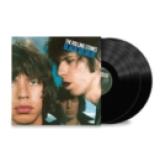
e 5Hey Negrita (Inspiration By Ron Wood) Steven Wilson Remix 2025
[f] 6Melody (Inspiration By Billy Preston) [Steven Wilson Remix 2025]
[e] 5Hey Negrita (Inspiration By Ron Wood) [Steven Wilson Remix 2025]
[f] 6Melody (Inspiration By Billy Preston) [Steven Wilson Remix 2025]
[e] 5Hey Negrita (Inspiration By Ron Wood) [Steven Wilson Remix 2025]
[f] 6Melody (Inspiration By Billy Preston) [Steven Wilson Remix 2025]
он должен быть опубликован на 14.11.2025
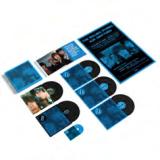
Black Vinyl[25,63 €]
он должен быть опубликован на 14.11.2025

Way back in 1962 all roads led to Dartford in Kent when a coming together of influences would result in the formation of the world’s greatest rock and roll band,The Rolling Stones...
Mick Jagger the singer and Keith Richards lead guitarist were both fans of early rockers Chuck Berry and Bo Diddley, whilst rhythm guitarist and harmonica player Brian Jones and pianist Ian Stewart would be immersed in the Blues that were coming from Chicago,the same influences would bring the original bassist Dick Taylor and drummer Tony Chapman to the party.
он должен быть опубликован на 21.03.2025

The roots of hard rock act Tucky Buzzard lie in psychedelic group, The End, who supported The Rolling Stones on an early tour, leading Bill Wyman to produce their sole LP. The band then morphed into Tucky Buzzard, now with scorching lead guitar licks and Hammond organ parts to the fore, and Wyman still on board as producer and manager. For their final album, Buzzard, released on Deep Purple’s Purple imprint in 1973, there is a mix of hard-edged blues rock, with a fine interpretation of perennial classic, “Who Do You Love,” and wistful originals like “Hanging On In There.” As ever, Wyman’s sterling production and presence on acoustic and electric piano makes this one a must for all Stones fans.
он должен быть опубликован на 05.10.2026
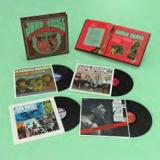
„Guitar Heroes: The Decca Years 1965–1967“ fängt den Moment ein, in dem John Mayalls „The Bluesbreakers“ zur Talentschmiede für eine ganze Generation legendärer Gitarristen wurden.
Anhand von vier wegweisenden Alben – von der rohen Live-Energie von „Klooks Kleek“ bis hin zum
bahnbrechenden „Blues Breakers with Eric Clapton“ – dokumentiert dieses Set die Geburt des britischen
Blues-Rock.
Mit Eric Clapton (Cream), Peter Green (Fleetwood Mac) und Mick Taylor (The Rolling Stones) legten
diese Aufnahmen den Grundstein für einige der bedeutendsten Bands der Rockgeschichte.
Das Paket enthält einen neuen, ausführlichen Essay, der die Abstammungslinie dieser Gitarristen und ihren
Einfluss dokumentiert, sowie einen visuellen Stammbaum, der ihren Werdegang bei Cream, Fleetwood Mac
und den Rolling Stones nachzeichnet.
Die Vinyl-Edition wurde in den Abbey Road Studios nach dem AAA-Verfahren (vollständig analog) von den
originalen Decca-Masterbändern geschnitten, wodurch die volle Dynamik, der Klang und die Authentizität
der Originalaufnahmen erhalten bleiben.
он должен быть опубликован на 09.10.2026
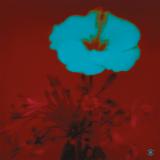
With Sunrise and the Life We Live, John Beltran returns to his ambient techno roots, the sound that garnered him global appeal in the 1990s.
Through ten tracks, the album journeys through lush, aerated textures and beatless expanse. Hypnotic grooves deepen and bloom in a flow of shapes and colors, creating a sound that is both meditative and full of life.
Thirty years after the release of his seminal Ten Days of Blue, Beltran's musicianship, vision and desire to produce remain at a fever pitch. With Sunrise and the Life We Live his gift of extracting emotion from the universe and turning it into
a unique musical experience puts him in a class of his own.
Есть у нас в наличии и готов к отправке

A significant force in the development of British electronic music, Fluke return to the culture and reinvigorate their forward-thinking library of material on an unexpected and powerful new album, The Second Bite.
Due for release internationally via Surface Records in association with !K7 Music, The Second Bite arrives on limited-edition, double-vinyl gatefold LP.
Driven by principal band members Jon Fugler, Mike Tournier and Julian Nugent, The Second Bite boldly yet subtly reimagines twelve Fluke tracks from different eras of the band, including crossover hits Atom Bomb, Groovy Feeling and Absurd. Retaining their peerless groove and cinematic atmosphere, the band rework each with contemporary production touches and arrangements that invite these ambitiousrecordings into a digital future.
Making a significant contribution to both rave and chillout sound systems throughout the nineties and deep into the new millennium, Fluke’s progressive sonic philosophy saw the band invited to remix boundary-pushing artists including Bjork, New Order, Talk Talk and even The Rolling Stones, while their original productions were integral to the cult soundtracks of blockbusters The Matrix Reloaded and Sin City.
Their music remains instantly recognisable to renewed generations of gamers, having featured on the multi-million selling console series’ Need For Speed: Underground as well as seminal racing game Wipeout 2097, for which the band recorded original music to feature alongside The Chemical Brothers, Daft Punk, The Prodigy and Underworld.
Regaining control of their original compositions, Fluke approached The Second Bite with the same sense of creative community and futurist philosophy that has been fundamental to the band since their earliest recordings. Formed on the experimental fringes of London’s nascent acid house culture, informed by a shared love of progressive electronic sounds, Fluke have remained deeply invested in the possibilities of recording technology. Decades later, reunited in a profoundly altered musical landscape, The Second Bite serves as a typically ambitious reintroduction to one of electronic music’s most essential back catalogues.
Есть у нас в наличии и готов к отправке
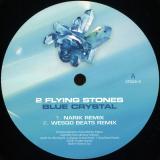
Limited Edition 12” of the Remix Contest Winners!
In November 2024, 2 Flying Stones organized a remix contest. Four of the winners are featured on this 12” record.
The contest winner is Narik, who transforms the massive trance classic “Blue Crystal” into an organic house gem. It's 100% Ibiza-style, 100% downbeat, and perfect for the summer.
Other participants include Wesqo Beats, Stevectro, and DJ Nyano. They each bring their own unique sound, reinterpreting the iconic 90s original in their own style.
These four different versions, each growing within their own scenes, make for a diverse and exciting 12” release.
Есть у нас в наличии и готов к отправке

The album’s title deftly gestures to the sheer vastness of astronomical dimensions, while simultaneously capturing the musical breadth within, where the eight planets are imagined as the eight notes of an octave. The work draws inspiration not only from earlier compositions —most notably Gustav Holst’s The Planets—but also from the rich astronomical and cultural contexts surrounding these celestial bodies. Here, the focus transcends direct citation of melodic motifs, instead embracing an intriguing conceptual approach on a meta level, unfolding in a series of vividly contrasting soundscapes. These contrasts shape a sweeping sonic journey, one that fully embraces the album format with both arms, inviting the listener to venture into realms both strange and wondrous, feeling the immensity of the interstellar space that lies between them. Contrast, after all, is the brushstroke that enriches our world.
Embarking on an auditory voyage, "Astral Guide" establishes the sonic framework that propels us into the boundless expanses of the cosmos. Its ethereal tones evoke the vastness of space, crafting a mood ripe for exploration within the realms of sci-fi. The subsequent tracks unfold like constellations, weaving a rich tapestry of sound that seamlessly marries cinematic soundscapes with pulsating, club-oriented rhythms. This album invites listeners to traverse its immersive landscapes, whether nestled in the comfort of home or dancing under the starlit sky, each note a guide through the transcendent experience of a nocturnal journey.
"Solar Flares" draws its inspiration from the awe-inspiring expanse of solar phenomena, capturing the majestic power of the sun as it reaches into the cosmos. This track resonates with the idea that energy, while vital, can also be a force of destruction when unleashed with overwhelming intensity. The composition beautifully mirrors the sun’s duality, where brilliance and devastation coexist, inviting listeners to reflect on the delicate balance between creation and annihilation. Through its rich textures and dynamic shifts, "Solar Flares" serves as both a homage to the celestial and a poignant reminder of nature's formidable power.
"Mercury – The Winged Messenger" embodies a meticulously crafted soundscape where artistry meets astronomy. The tempo of 173.6 BPM, derived from precise astronomical data, propels the composition into a vibrant realm that resonates with cosmic energy. Synthwave sound design intertwines seamlessly with the fluid rhythms of Drum’n’Bass, imbuing the piece with an uplifting dynamism that evokes the ethereal grace of Mercury itself. In this sonic exploration, listeners are invited to ascend on wings of sound, navigating the celestial tapestry of the universe with each invigorating beat.
"Venus, The Bringer of Peace" strikes a decidedly cozy note, presenting a poignant contrast to the more tempestuous themes often found in cosmic narratives. This composition evokes a nostalgic vision of an optimistic era, one in which humanity transcended borders and embraced the infinite possibilities of space exploration, where no destination felt too distant. The dense, languid atmosphere envelops the listener, creating a tangible sense of serenity that unfolds gradually, allowing for a meditative journey through sound. Each note serves as an invitation to linger in this tranquil embrace, reflecting on the harmonious potential of our collective aspirations and the beauty of connection in a vast universe.
The central theme of „Gaia, The Bringer of Life“ —originally not part of the planetary cycle— is the profound enabler of life on Earth. The arrangement delicately mirrors the slow, tentative unfolding of this potential, marked by an initially sparse orchestration that gradually builds in momentum. This progression crescendos, embodying the explosive dynamism of the Cambrian burst of life, ultimately culminating in a euphoric fanfare—a triumphant, celebratory flourish echoing life’s victorious emergence.
"Blue Moon" unfolds as a contemplative reverie on the tranquil clarity of a night sky, now seldom glimpsed in its natural purity, unclouded by the relentless haze of urban light. The listener is drawn into the vast embrace of the star-strewn firmament, a journey that sways between euphoric awe at nature’s sublime beauty and a profound melancholy for its fragile and imperiled state. Musically, this duality finds expression in the delicate interplay of modal mixtures, while an ever-shifting triplet groove, poised at the intersection of Outrun and melodic house, lends a pulse that is both nostalgic and forward-looking—echoing the beauty and transience of a world on the brink.
Rather than replicating the original composition of „Mars, The Bringer of War“, this interpretation seeks to evoke its profound, foreboding atmosphere. Cyberpunk emerges here as an ideal genre, channeling the dark, relentless march synonymous with Mars, the ancient god of war. The piece reverberates with intensity, as distorted vocalizations rise, embodying the anguish and visceral torment that shadow war’s violent crescendo. This auditory descent into conflict captures the relentless pulse of warfare, where sound itself becomes an embodiment of suffering and fury.
Majestically, "Jupiter, the Bringer of Jollity" emerges on the celestial stage, sweeping away the somber tones with its radiant vigor. Drawing inspiration from the triumphant strains of the original, and borrowing a melodic motif in the refrain, the piece expresses joy and buoyancy through a shift to a major key and the lilting sway of a danceable 12/8 meter. Spirited and exuberant, it leaps boldly from major to minor and back again, playfully shifting time signatures to capture a mood of unbridled festivity and jollity.
Here, a more conciliatory concept is chosen than in the original inspiration. „Saturn“ aligns with the number six, being the sixth planet from the Sun and bearing the iconic hexagonal pattern at its northern pole. What, then, could be more fitting than to render this piece in a 6/8 time signature? The arrangement unfolds with a multifaceted richness, mirroring the countless stones and ice fragments that form the foundations of Saturn’s majestic rings.
„Uranus“ adopts the theme of a light-footed, dancing instrumentation, giving the impression of perpetual motion, never quite settling. This musical choice harmonizes with the planet’s own orbit, as it spins with breathtaking velocity, teetering and swaying, seemingly unable to attain rest or stability.
The chill and vastness of the cosmos find expression in „Neptune, The Mystic“. At its core, an electronic soundscape envelops a classical arrangement, its unreachability intensified by an ethereal, otherworldly choir. Hovering at the outermost boundaries of the solar system, where warmth is but a distant memory, the composition lingers in a slow, contemplative tempo, evoking a realm where space for speculation stretches wide and silence reigns supreme.
Though Pluto may have lost its planetary status, and its companion Charon never achieved one, this shift in classification subtly aligns with the cosmic scale invoked here—one that mirrors the musical tradition of an eight-note sequence. Fittingly, the album closes with „Kuiper Belt“, a composition emblematic of the turbulence and vitality of countless smaller
celestial bodies that, though diminutive, find their rightful place within the vast architecture of the solar system.
They say nature is the greatest composer, shaping the universe with a symphony of chaos and order, beauty and danger. It is this duality that fuels the artistic vision of Edictum—a producer who, armed with a doctorate in chemistry, delves as deeply into the mysteries of molecules as he does into the depths of sound. In the tension between the vastness of the cosmos and the microscopic processes that dictate life’s rhythm, Edictum creates sonic landscapes that dissolve the boundaries between science and art.
His music is a story of contrasts—a sonic tale where the raw forces of nature clash with the intricate structures of human culture. Opposites intertwine to form a harmonious whole: the primal rhythms of the earth meet the celestial melodies of the cosmos, the rigid laws of physics blend with the boundless freedom of art. Edictum explores these polarities with meticulous devotion, each composition an expedition into uncharted soundscapes—a quest to give voice to the unfathomable.
With over 20 years immersed in the realms of electronic music, Edictum has honed a keen sense for rhythm and movement. His driving beats compel both body and mind into a hypnotic flow. Yet beyond the pulse of dance lies a complex framework of conceptual thought. Today, his creative focus revolves around holistic album projects—self-contained worlds with overarching narratives that embrace contrast and complexity. Each track stands alone as a fragment of the whole, but together, they weave a cohesive tapestry, much like the chapters of a novel that guide the listener on an emotional and sonic journey.
Edictum’s distinctive musical signature has earned him international recognition. With over 150 releases, many on prestigious platforms like the iconic *NewRetroWave* label, and collaborations with artists such as Jan Johnston, Azumi Inoue, Powernerd, and Turbo Knight, he has solidified his place in the global electronic music scene. His latest work, *A Cosmic Scale*, marks his seventh vinyl album and is released under his own label, *Echoes of Expanse*. The label’s name is no coincidence—it captures the essence of his art: echoes of infinity, the vibrations of the universe distilled into a singular sonic experience that carries the listener ever further into the boundless expanse of sound and space.
Есть у нас в наличии и готов к отправке

This one is the next in the very sought-after 2 FLYING STONES – COLORED VINYL – series. It follows the blue one (Nico Parisi Remix of Maybe Tomorrow), the orange (Push Remix of A Great Day), the green one (La Bush Team Remix of Maybe Tomorrow), the yellow one (Minimalistix Remix of Kalypsia).
ARE FROGS ELECTRIC is an absolute killer in the harddance/techno-genre. In the 90s it was huge in the North of France and Belgium to become one of the biggest hits in the 00’s Jumpstyle-era in a version of GREC C (Color Sound was a big hit in Metropolis, The Oh!, Le Captain,….)
This one contains a massive jumpstyle remix by MI37 (the alias of DJ W4cko), a more-commercial remix by Dirrrty Dirk and the original 90s mix.
Есть у нас в наличии и готов к отправке
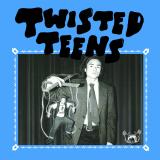
Twisted Teens is a rockin’ roll band from New Orleans.
The Kinks living in a school bus with no wheels on it. The Rolling Stones of Jungian anarchism.
The Buzzcocks of the poisoned bogs of south Louisiana.
Punk inflected country music, or country inflected punk music idk.
Memetic warfare via earworms (it’s extremely catchy). Outperforms all other bands in every metric, drinks every night but still makes it to the gym.
Draws no contrast between the familiar and unfamiliar.
он должен быть опубликован на 18.09.2026
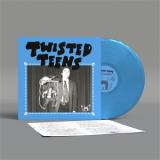
Twisted Teens ist eine rockige Band aus New Orleans. Die Kinks, die in einem Schulbus ohne Räder leben. Die Rolling Stones des jungianischen Anarchismus. Die Buzzcocks aus den vergifteten Sümpfen Süd-Louisianas. Punk-beeinflusste Country-Musik oder Country-beeinflusste Punk-Musik - keine Ahnung. Memetische Kriegsführung mittels Ohrwürmern (es ist extrem eingängig). Übertrifft alle anderen Bands in jeder Hinsicht, trinkt jeden Abend, schafft es aber trotzdem ins Fitnessstudio. Macht keinen Unterschied zwischen Vertrautem und Unvertrautem.
Этот продукт еще не вышел. Ты можешь сделать предзаказ, как только он появится на складе, продукт будет подготовлен к пересылке.
Almost Starlight is the extraordinary new album by Jem Finer (hurdy-gurdy) and John Matthias (violin). Produced by Jay Auborn and recorded in a Medieval Church, deep in the Devon countryside, in the Summer of 2025, the music is suffused with light, heat and the natural acoustics of the space.
The album defies categorisation; forced to pigeon hole it the nearest approximation would be ‘modern-classical’ but this ignores its myriad influences and explorations which encompass inspiration from Arvo Pärt through Terry Riley to Can via Delius, Alice Coltrane and a subtle reimagining of electronic music played purely with acoustic instruments, bending and shaping their possibilities in surprising and unexpected directions.
Jay Auborn plays cello on a number of the compositions and his production opens up and expands the music through a skilled and imaginative use of space, paying homage to the atmosphere of the church; ‘the sound evolved… chasing the imagined acoustics of that church in my mind; a place for worshipping light with sound.’
Almost Starlight will be released on the 4th September by Touch, available as CD, vinyl, cassette and on streaming platforms.
BIOS OF THE ARTISTS
Jem Finer
Since studying computer science in the 1970s, Jem Finer has worked in various fields, including photography, film, experimental and popular music, sound recording, sculpture and installation.
Much of his work relates to systems, extended processes and extremes of scale and includes Longplayer, a musical composition repeating once every 1000 years, and the Gurdy and Hurdy stones, ancient rocks set upright in fields in East Sussex and Gloucestershire with Jimmy Cauty. Their work together includes a band, The Standing Stones, whose most recent release is Twa Sisters, featuring Iona Zajac and Daragh Lynch.
He was a founder member of The Pogues, with whom he has played, written and recorded since 1981.
Recent music revolves around a fascination with the hurdy-gurdy and includes hrdy-grdy, a cassette released by Benedict Drew’s Thanet Tape Centre. His latest collaboration, with John Matthias, Almost Starlight, will be released by Touch in September 2026.
John Matthias
Since studying Theoretical Physics in the late 1980s and 1990s, John has created music and sound in many forms, including for installation, popular music, music for film, for dance and orchestra.
Much of John’s work plays with the physics of complex systems but he is also greatly influenced by stories and song. John has collaborated with Matthew Herbert, Stanley Donwood, Jay Auborn, Radiohead, Thom Yorke, Nick Ryan and many others to create music with a variety of textures and sonorities. He is particularly interested in simplicity and form and how context informs the way music sounds.
His latest collaboration, with Jem Finer, Almost Starlight, will be released by Touch in September 2026.
Закажите сейчас, и мы закажем товар для вас у нашего поставщика.

Der Titel des siebten Studioalbums der kalifornischen Punkrocker bezieht sich auf Mike Ness" doppelte musikalische Heimat. Der Songwriter und Sänger von Social Distortion huldigt auf "Hard Times And Nursery Rhymes" sowohl dem düsteren Amerika eines Hank Williams wie auch dem bluesigen Herumstolzieren der Rolling Stones etwa während der "Exile-On-Mainstreet"-Ära. Altbekannte Einflüsse, die hier jedoch in den Vordergrund treten: "Hard Times And Nursery Rhymes" ist das rockigste und gleichzeitig beseelteste Album der Gruppe, die weltweit über vier Millionen Alben verkaufte. Dennoch finden Fans den typischen Punkrock-Roar in jedem Stück wieder: vom Opener "California (Hustle and Flow)" bis zum düster-rockenden Hank-Williams-Cover "Alone and Forsaken". Aber auch Springsteen- und Tom-Petty-Fans dürften diesen Sound mögen. "Hard Times And Nursery Rhymes" ist das erste Album der Band nach "Sex, Love And Rock "n" Roll" aus dem Jahr 2004. Für Fans von Gaslight Anthem, Rancid, Bad Religion, Tom Petty, Bruce Springsteen und Tiger Army. Die 2LP hat zwei Bonus-Tracks.
Закажите сейчас, и мы закажем товар для вас у нашего поставщика.

Recorded when the band members were barely out of their teens, this 1966 masterpiece captures Los Mockers at their rawest and most inspired. Fueled by obsession, talent, and urgency, the group forged a uniquely South American take on British rhythm & blues - wild, melodic, and timeless more than half a century later. Released at the end of 1966, Los Mockers' debut album stands as one of the defining rock & roll records to emerge from South America in the 1960s. While often compared to The Rolling Stones because of Polo Pereira's unmistakable vocal swagger, the band built a sound of its own: rooted in the bluesier side of the British Invasion, yet rougher, fiercer, and unmistakably rioplatense. Recorded in Buenos Aires under modest technical conditions, the album transformed limitations into creativity. The result is a collection bursting with urgency and inspiration - from swaggering rhythm & blues and explosive rock & roll to infectious pop melodies and unforgettable ballads. More than fifty years after its original release, the album remains as youthful, vibrant, and essential as ever.
он должен быть опубликован на 21.08.2026

In the early 1960s, beat groups from the Dutch Randstad dominated the national charts. Yet far from the big cities, in the clubs of Drenthe, one band was already being billed as “Beatgroup Number One”: Cuby + Blizzards. But frontman Harry Muskee never embraced that label. Raised on broadcasts from The Voice of America, he possessed a deeper understanding of the blues than most of his contemporaries. Muskee didn’t want to sing ‘songs,’ as he called them, he wanted to sing the blues, raw and unfiltered, in the tradition of Howlin’ Wolf, John Lee Hooker and Muddy Waters.
Their debut single “Stumble & Fall” was recorded in the Bavohuis, a simple gym hall in Amsterdam, with Addy Kleingeld as producer. But the debut album Desolation marked a turning point, recorded at the Phonogram Studios in Hilversum with renowned blues producer Tony Vos, it captured the band exactly as Muskee intended.
The resulting album became a jewel of Dutch music history. Never before had the Netherlands heard a blues singer who poured his emotions into a recording with such conviction and authenticity. Muskee even outshone his British peers. Eric Burdon (The Animals), Paul Jones (Manfred Mann), Mick Jagger (The Rolling Stones) and Van Morrison (Them).
At the 1968 Grand Gala du Disque (the Dutch equivalent of the Grammys), Muskee received an Edison Award for Desolation, handed to him by cabaret artist Wim Sonneveld, whose lukewarm speech couldn’t diminish the significance of the moment.
Sixty years later, the legacy of this groundbreaking album still resonates, an essential document of European blues and a defining moment in the story of Cuby + Blizzards.
This 60th anniversary edition of Desolation is now available as an expanded 2LP-set including the original 1966 album plus fifteen bonus tracks. The gatefold version features songs “Things I Remember”, “Stumble & Fall”, “L.S.D. (Got A Million Dollars)”, is a limited edition on blue vinyl and includes new liner notes by Dutch Blues authority Johan Derksen.
он должен быть опубликован на 07.08.2026

Soul Music legend Candi Staton returns to her down-home Alabama roots on her 32nd album, Back to My Roots. The twelve-track Americana set features an array of Staton-penned originals and some well-chosen covers.
"These songs represent my roots," Staton adds as she reflects on her many trials and triumphs. "Even the new songs on some level represent something I've experienced and that's what real soul music is about." Back to My Roots was produced by Staton with her second eldest son, Marcus Williams, a professional drummer who has toured with the likes of Peabo Bryson, Isaac Hayes, and Tyler Perry. They brought in Mark Nevers of Lambchop fame, who produced three of Staton’s prior Americana albums for Honest Jon’s and Thirty Tigers, to sweeten certain tracks. “Some of the first songs I ever heard were songs like `Peace in the Valley’ and `It’s Gonna Rain,’” says Staton. “The new songs or cover songs are tracks that remind me of that era when I was growing up as a child and evolving as a young woman. That’s why I named the album Back to My Roots because I’m going back to the roots that made me who I am.”
Staton received the Americana Music Association UK’s highest honour, the International Lifetime Achievement Award, at the UK Americana Music Awards ceremony at Hackney Church in London last year for her southern soul work that stretches from her 1969 Muscle Shoals hits to her more recent collaborations with the likes of Americana kings Jason Isbell and John Paul White.
The album opens with a mid-tempo Bonnie Raitt-styled contemporary blues “I Missed the Target Again” that finds Harry Connick Jr.’s longtime guitarist Jonathan DuBose Jr. (aka the Prophesying Guitarist) showing off his skills that set the tone for the song and the album.
Staton’s older sister, Maggie Staton Peebles (who alongside Staton was a member of the Jewel Gospel Trio in the 1950s), joins her for two duets. The first, “It’s Gonna Rain,” features just a drum, steel guitar and vocals. “My mother used to sing that song to us all the time when I was a child,” Staton recalls. “It’s a really soulful kind of song I wanted to revisit.” They then take turns leading Thomas Dorsey 1939 gem “There Will Be Peace in the Valley” that Elvis Presley popularized in the 1950s.
“Hang on in There” is a new, mid-tempo song that has an old school gospel flavour and features vocals from veteran bluesman, Larry McCray.
While in Europe in 2023 for her farewell concert tour that took her to the Glastonbury Festival and Love Supreme, Staton and her British band, PUSH, went into a London studio to record a new version of The Rolling Stones’ 1972 gem, “Shine A Light.” “I love the way that came out,” Staton says. “We put a big choir on it and put our own twist on it.”
From there, Staton revives another Thomas Dorsey classic, “The Lord Will Make a Way Somehow,” with a bluesy vibe. When Al Green started recording gospel in the early 1980s, he re-introduced this song into the culture.
“God’s Gonna Use Me Anyway” is a new mid-tempo blues with subtle Caribbean influences.
The mood takes a turn on “1963.” It’s a poignant, spoken-word reflection on September 15, 1963, when four black girls were killed in the Birmingham Church bombing. “I was in the city that day and I remember the chaos and horror after the bombing,” Staton recalls. “Just thinking of how racism and hatred caused those men to kill those girls was so emotional for me that I could only do it in one take.”
It's a perfect segue into "Reach Down and Touch Heaven," a haunting, plea for divine intervention into the affairs of mankind. "That's straight Baptist," she says. "I used to be a church pianist back in the 1960s. I've never played piano on one of my records before so that's a unique song for me because I’m finally playing on one of my records. The message of that song is about the homeless. It came to me when a homeless person on the street asked me for $5. When God touches your heart to help somebody else that’s heaven to God’s hears. So, when we reach into our purse or wallet to help someone, we’re touching heaven."
Staton offers love as an antidote to hate on the bouncy, Motown-styled, “Love Breakthrough.”
Her publicist brought Aaron Frazer & the Flying Stars of Brooklyn NY’s 2017 cut “My God Has a Telephone” to Staton’s attention. She shifts the track from a retro 1960s groove to more of a 1980s Malaco Records arrangement, a subtle but distinct variation. Staton brought in her longtime friend and STAX Records legend, William Bell (“I Forgot to Be Your Lover” and “Trying to Love Two”), to add raspy seasoning to the track.
The album closes with the wistful, “In God’s Hands We Rest Untroubled,” that was originally written and recorded by the late country star, Lari White, who died in 2017 at the age of 52. “Lari sent me that song to consider at least ten years ago and I always loved it,” Staton says. “The record label didn’t want it on the album or something, so I just held it.”
Staton says, “I grew up hearing a lot of these old songs when they were new songs. I toured with the Jewel Gospel Trio in the 1950s and we got to know people like Mahalia Jackson, Sam Cooke and others who sang these types of songs. So, I’m sort of paying tribute to them and the influence they had on me by refreshing these songs and making new songs in the old style.”’
он должен быть опубликован на 31.07.2026

Songs, interpretiert von Memphis Slim, Sonny Boy Williamson, Big Bill Broonzy und anderen. Als United Artists 1959 ,Blues in the Mississippi Night" endlich veröffentlichte - nachdem man das Album jahrelang als ,zu kontrovers" eingestuft hatte -, erhielten die mitwirkenden Künstler Pseudonyme, um ihre Familien zu schützen. Das war der Preis dafür, dass sie die brutale, ungeschönte Wahrheit aussprachen. Heute wissen wir, dass ,Natchez, Sib & Leroy" die legendären Bluesmusiker Big Bill Broonzy, Memphis Slim und Sonny Boy Williamson waren. 1947 nahm Alan Lomax die drei Giganten mit einem Presto-Disc-Aufnahmegerät in den Decca Studios in New York City auf, nachdem sie im Rahmen seiner ,Midnight Special"-Konzertreihe in der nahegelegenen Town Hall aufgetreten waren. Lomax bat sie, ein paar Songs zu spielen und über ,den Blues" zu sprechen, und ermutigte sie, offen über die Ungerechtigkeiten des Lebens der Schwarzen in Amerika zu reden. Das Ergebnis war ,Blues in the Mississippi Night", eine bahnbrechende Aufnahme ihrer Songs und Geschichten, die die Ursprünge der Musik in Blut, Schweiß und Tränen der Afroamerikaner aufzeigt, die im Mississippi-Delta unter den Ausbeutungsbedingungen der Jim-Crow-Gesetze lebten. Einfach gesagt: Die Aufnahmen sind atemberaubend in ihrer brutalen Ehrlichkeit und ihrer fesselnden Meisterschaft. Heute hat das Lomax-Archiv die Originalbänder dieser historischen Aufnahme digital remastert, um sie zum ersten Mal seit 1959 wieder auf Vinyl zu veröffentlichen. Im Paket enthalten ist ein 20-seitiges Deluxe-Booklet mit einer vollständigen Transkription der gesamten Aufnahme sowie brandneuen Liner Notes von Anna Lomax Wood und einer Einleitung des renommierten Schlagzeugers und Produzenten Steve Jordan (Rolling Stones, John Mayer). ,Ich fordere jeden, der das Leben und die Wahrheit liebt, auf, sich diese Aufnahme anzuhören", sagt Jordan. Wenn man sich die Texte und die Musik darin anhört, wird das schnell klar. Dies ist eine unverzichtbare Aufnahme - ein Eckpfeiler in der Plattensammlung jedes Blues-Fans und ein unbestreitbarer Teil der amerikanischen Geschichte.
он должен быть опубликован на 24.07.2026
Early Days (2016-2019) is a new collection of previously unreleased songs from Mauri Tapia a.k.a Los Retros. From a young age, Tapia has been a prolific songwriter, spending his teenage years writing and recording song after song. Influenced by soft rock and left-field South American pop, Early Days (2016-2019) captures the sound of this formative era Streaming everywhere today, Early Days consisting of 15 tracks, recorded from Mauri's parents' living room using nothing more than an old four-track recorder, that only existed in low quality online, now mastered, sequenced, and physically released for the first time. It was during these sessions that Los Retros created the song "Someone to Spend Time With", now certified Gold. Early Days comes with a companion visual for "Without You", edited by close friend and collaborator Ross Harris from found footage of early Los Retros tour stops. Check out Los Retros proper debut "Odisea" released simultaneously too. FFO soul, bedroom pop, indie, modern jazz, downtempo, soft rock, Mac DeMarco, Thee Sacred Souls, Skinshape, Men I Trust, Too Slow To Disco
Закажите сейчас, и мы закажем товар для вас у нашего поставщика.

The Hillmen is a bluegrass super-group of including future Byrd Chris Hillman, country music legends Vern and Rex Gosdin, and banjoist Don Parmley. The Hillmen is the seminal bluegrass LP recorded by a super-group of players including mandolin prodigy (and future Byrd) Chris Hillman, country music legends Vern and Rex Gosdin, and banjoist Don Parmley. Recorded in 1963-'64, these recordings would not see official release until 1970 as an 11-track LP. The Hillmen displays their unique takes on Bob Dylan, Pete Seeger, Woody Guthrie and Maybelle Carter, alongside several original songs by the Gosdin Brothers. The original 11-track album is now enhanced with 6 bonus tracks and will recreate the original artwork by Dean Torrance of Jan & Dean fame. Produced by Byrds manager Jim Dickson, all of the tracks were mixed from the original 3-track tapes in 1970 by engineer Dave Hassinger (Rolling Stones, Jefferson Airplane, Jackson 5). This new expanded release is a must-have for fans of bluegrass music and is a true treasure of Americana. For fans of the Nitty Gritty Dirt Band, Billy Strings, Nickel Creek and The Del McCoury Band Includes the original album artwork designed by Dean Torrance (of Jan & Dean fame) with album liner notes by Chris Hillman. Includes six bonus tracks not on the original 1970 LP Has not been available re-released on vinyl in many decades
он должен быть опубликован на 17.07.2026
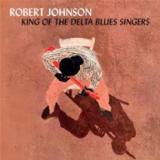
Robert Johnson , the legendary blues guitarist, sold his soul at the crossroads in Clarksdale, Mississippi, for musical greatness. Ryan Coogler's latest film, Sinners , resonates with that story, exploring ambition and sacrifice. His 'King of the Delta Blues Singers' LP epitomises that story
[a] Cross Road Blues [aka Crossroads]
он должен быть опубликован на 26.06.2026

Random Color ReVINYL Edition. Never has a Songs: Ohia album's process been so integral to its overall feel as is the case with DIDN'T IT RAIN, the band's sixth proper full-length. The album, like the working class South Philadelphia neighborhood in which it was birthed, has a real used goods kinda feel to it. Engineer Edan Cohen employed what some may consider "old-fashioned" recording techniques -- the entire album was recorded live with no overdubs, the full band playing in one room with the players always within arms' reach of one another; singers Jason Molina, Jennie Benford and Jim Krewson (the latter two of Jim & Jennie And The Pinetops) sharing microphones singing live together, sometimes sitting in chairs, sometimes standing. The result is a sound which resembles the warmth and personality of the classic Muscle Shoals Sound recordings of the early- to mid-70s: Willie Nelson's PHASES & STAGES, the Rolling Stones' "Wild Horses", and others by Aretha Franklin, Boz Scaggs, Bob Seger, Lynyrd Skynyrd and Wilson Pickett.Inspired by the Mahalia Jackson song of the same name, the title track is a beautiful song about the shifting tides of life and the old cycle of "a lot of shit going down before shit clears up". It's a damn fine place to start an album that seems in no hurry whatsoever to make a universal statement, instead perfectly content to walk its own path toward resolution. And damn if Songs: Ohia principal songwriter Jason Molina hasn't gone and created a record that is even more intensely personal and healing than any of his previous works. Neil Young had his AFTER THE GOLDRUSH, this is Molina's DIDN'T IT RAIN. Indeed, this is the album with which Molina really leaves his mark as a serious songwriter and artist. On 1999's genre-bending Ghost Tropic full-length, Songs: Ohia made it clear that it could make a cohesive album that took its listener on a journey from front to back. Its dislocated feel set a haunting tone, and its largely instrumental and drone-like quality was the process of the Ohia eluding itself and its own tendencies, searching for the underside of its roots freshly yanked. With DIDN'T IT RAIN, Molina & Co. return to the beauty of the song form and offer up a startlingly soulful and introspective song cycle in which Molina -- accepting a comfortable degree of anonymity amongst the other players -- meditates on what it means to feel rooted again (in the city of Chicago, where he's called home for the past three years), sounding more sturdy at his core than ever.
он должен быть опубликован на 26.06.2026

Heartbreak Station, released in 1990, is the third studio album by American rock band Cinderella. The record climbed to No. 19 on the Billboard 200 and earned platinum certification the following year. VH1 described the album’s shift in direction as “bluesy and brawny,” a fitting summary for a project that produced three Billboard Hot 100 singles; “Shelter Me,” “Heartbreak Station,” and “The More Things Change.”
The album marked a deliberate move away from the glam‑metal sound that defined Night Songs and Long Cold Winter. Instead, Cinderella embraced a rawer, more stripped‑down blues approach. Speaking to the Los Angeles Daily News shortly before release, frontman Tom Keifer explained the evolution: the band aimed for a “rawer, simpler approach,” reducing reverb and overdubs to let the songs breathe. Keifer also noted that blues played a major role in shaping his songwriting during this period.
Adding to the album’s depth, former Led Zeppelin bassist John Paul Jones arranged the string sections for two tracks. The band sought him out after being impressed by his orchestral work for artists like The Rolling Stones and Donovan.
Heartbreak Station includes an insert with lyrics and is available on black vinyl.
он должен быть опубликован на 05.06.2026

Singer/Songwriter Joshua Ray Walker’s made a name for himself with poignant, human portraits of flawed, fascinating characters. Now, on his latest album, Ain’t Dead Yet, Walker’s telling a more personal story – his own. “Human beings are super multi-faceted, and part of the reason I wrote about characters in the first place was because I could explore things about myself that I didn't feel comfortable exploring if I were to admit that it was really about me,” Walker says. “All my songs are about parts of me, I just didn't try to stick them on another fictional character this time.” Beneath the album’s flippant title resides some of Walker’s heaviest storytelling yet. Three years ago, when he started writing Ain’t Dead Yet (his sixth studio album, to be released May 29 via Thirty Tigers/East Dallas Records), Walker hadn’t yet received the cancer diagnosis that rearranged and threatened his life (he currently has a clean bill of health). But that year was still uncommonly fraught with mental, physical, and career stresses. Pulling the songs out of the can to finalize them for the album – including re-writing and re-working almost all the songs – Walker, who was then undergoing and recovering from cancer treatment, was surprised by their prescience.
он должен быть опубликован на 29.05.2026

Tauche ein in die zeitlose Magie des legendären Gitarristen Roy Buchanan! 1969 wurde Buchanan der Job als Nachfolger von Brian Jones bei den Stones angeboten. Er lehnte dankend ab und überließ Mick Taylor und später Ron Wood den Platz. In den 1970er Jahren erschien eine Reihe von Alben, die teilweise recht erfolgreich waren, und er seinen Status als "the best unknown Guitarist in the World" einbüßte. Das Meisterwerk "You"re Not Alone" veröffentlichte Buchanan 1978 und bietet eine einzigartige Mischung aus Blues, Rock und Soul, die vom ersten Ton an fesselt. Die Mitwirkung herausragender Musiker wie Ray Gomez (Gitarre), der mit seiner technischen Finesse und Vielseitigkeit Buchanans Stil perfekt ergänzt, sowie Willie Weeks (Bass, u.a. Doobie Brothers und Gregg Allman Band)), der für seinen Beitrag zur Fusion von Rock, Jazz und Funk bekannt ist, und Sly & The Family Stone - Drummer Andy Newmark bereichert das Album und fügt ihm verschiedene musikalische Nuancen hinzu. Roy Buchanan hat mit diesem Album eine zeitlose Sammlung von Songs geschaffen, die sowohl alte Fans als auch neue Hörer begeistern wird. Seine unverwechselbare Spielweise und sein einzigartiger Sound machen dieses Album zu einem Muss für jeden Musikliebhaber. Am 14. August 1988 beging Roy Buchanan im Alter von 49 Jahren Selbstmord. Er war nach einem Streit mit seiner Frau vorläufig festgenommen worden, Vollzugsbeamte fanden den Musiker leblos in seiner Zelle. Seine Musik lebt weiter.
Закажите сейчас, и мы закажем товар для вас у нашего поставщика.
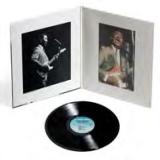
Wie Amerika selbst ist auch die Geschichte von Chess Records eine Geschichte von Chancen in neuen Ländern, in denen Grenzen zwischen Hautfarbe und Kultur überwunden wurden, um Rhythm and Blues-Musik
zu schaffen, die Zuhörer auf der ganzen Welt beeinflusste. Das beeindruckende Künstleraufgebot von Chess
– und seine Gründer – haben den Blues von Volksmusik zu populärem Sound weiterentwickelt und verändert.
Chess Records wurde 1950 von den polnischen Einwanderern Leonard und Phil Chess gegründet und entstand im Süden Chicagos, aber der Einfluss ist weltweit und über Generationen der Popmusik hinweg spürbar
– von Acts der British Invasion wie den Beatles, den Rolling Stones und Eric Clapton, die Chess-Künstler
als ihre Vorbilder nannten, bis hin zu den heutigen Stars wie Beyoncé, Jack White, Questlove und Bruce
Springsteen.
Im Jahr 2025 feiert Chess Records sein 75-jähriges Jubiläum.
Am 22.05.2026 erscheint die Vinyle von Howlin’ Wolf ”The Real Folk Blues” und Muddy Waters ”The
Real Folk Blues”
он должен быть опубликован на 22.05.2026

Wie Amerika selbst ist auch die Geschichte von Chess Records eine Geschichte von Chancen in neuen Ländern, in denen Grenzen zwischen Hautfarbe und Kultur überwunden wurden, um Rhythm and Blues-Musik
zu schaffen, die Zuhörer auf der ganzen Welt beeinflusste. Das beeindruckende Künstleraufgebot von Chess
– und seine Gründer – haben den Blues von Volksmusik zu populärem Sound weiterentwickelt und verändert.
Chess Records wurde 1950 von den polnischen Einwanderern Leonard und Phil Chess gegründet und entstand im Süden Chicagos, aber der Einfluss ist weltweit und über Generationen der Popmusik hinweg spürbar
– von Acts der British Invasion wie den Beatles, den Rolling Stones und Eric Clapton, die Chess-Künstler
als ihre Vorbilder nannten, bis hin zu den heutigen Stars wie Beyoncé, Jack White, Questlove und Bruce
Springsteen.
Im Jahr 2025 feiert Chess Records sein 75-jähriges Jubiläum.
Am 22.05.2026 erscheint die Vinyle von Howlin’ Wolf ”The Real Folk Blues” und Muddy Waters ”The
Real Folk Blues”
он должен быть опубликован на 22.05.2026

Wasteland is a record that is unafraid to plunge into the darkness of the modern world and embrace the weirder, edgier and more unnerving moments that come from doing so. It is an album that captures all the enormity of life from the micro to the macro, zooming in on the personal as well reflecting on broader societal issues.
“Wasteland is about the idea of a place once known or familiar that is now broken down and unrecognisable,” says Ghedi. “It’s about exploring the process of watching someone’s surroundings and environment collapse.” And within that you have a lot going on. “It also explores death, personal loss, grief, mental health and how the natural world provides solace and meaning for that loss and how these worlds blur into one another.”
Ghedi has always been an artist that in many ways perfectly encompasses folk music in its purest form but he is also someone that frequently pushes the boundaries of that label and no more so is that apparent than on this record. As like previous albums, such as 2018’s A Hymn for Ancient Land and 2021’s In the Furrows of Common Place, Ghedi uses traditional folk songs as a means to explore contemporary issues via modern and experimentally-leaning music. “With the traditional material on this album I wanted to find songs with content that resonated with me,” says Ghedi. “But also that were based roughly around the north of England.” This is a central underlying theme to the album for Ghedi. The feelings of loss, erosion, and degradation are often most pronounced in working class communities and this was something he wanted to weave in. “It was important to voice and choose material that represented or expressed issues that correlated with things going on around me.”
However, as remarkable as some of the traditional material is, some of the most arresting work on the album is Ghedi’s entirely original compositions. Lead single ‘Wasteland’ is a stunning piece of work that while rooted in an environment being corrupted and broken – “there’s violence on these hills” Ghedi sorrowfully sings, before claiming this is no longer somewhere that can be called home – it is also a stirringly beautiful composition that soars and glides as it opens up, as sweeping strings swoop and in and out of Ghedi’s twangy electric guitar.
The decision to incorporate more fuller sounds, such as electric guitar and huge drums, results in a notable shift and evolution in tone for Ghedi. “The lyrical content needed something more band-driven and loud to deliver them,” he explains. “Incorporating the electric guitar in my songwriting was also a big part of opening the sound up, using drop tunings pushed me to use my voice in a wider range, which forced me to use falsetto a lot which I haven’t previously done before. That then opened the sound up and gave me creative ideas for bigger arrangements and to sonically really push things.”
What Ghedi has done in creating his masterpiece is construct a remarkable space where deeply intimate and personal feelings coexist with reflections on environment, place and society, while also interweaving historical context via traditional songs. Wasteland is as much of a world to explore and exist in as much as it is an album, with Ghedi carving out his distinctly unique sonic language and voice to explore that singular environment.
он должен быть опубликован на 01.05.2026

Wasteland is a record that is unafraid to plunge into the darkness of the modern world and embrace the weirder, edgier and more unnerving moments that come from doing so. It is an album that captures all the enormity of life from the micro to the macro, zooming in on the personal as well reflecting on broader societal issues.
“Wasteland is about the idea of a place once known or familiar that is now broken down and unrecognisable,” says Ghedi. “It’s about exploring the process of watching someone’s surroundings and environment collapse.” And within that you have a lot going on. “It also explores death, personal loss, grief, mental health and how the natural world provides solace and meaning for that loss and how these worlds blur into one another.”
Ghedi has always been an artist that in many ways perfectly encompasses folk music in its purest form but he is also someone that frequently pushes the boundaries of that label and no more so is that apparent than on this record. As like previous albums, such as 2018’s A Hymn for Ancient Land and 2021’s In the Furrows of Common Place, Ghedi uses traditional folk songs as a means to explore contemporary issues via modern and experimentally-leaning music. “With the traditional material on this album I wanted to find songs with content that resonated with me,” says Ghedi. “But also that were based roughly around the north of England.” This is a central underlying theme to the album for Ghedi. The feelings of loss, erosion, and degradation are often most pronounced in working class communities and this was something he wanted to weave in. “It was important to voice and choose material that represented or expressed issues that correlated with things going on around me.”
However, as remarkable as some of the traditional material is, some of the most arresting work on the album is Ghedi’s entirely original compositions. Lead single ‘Wasteland’ is a stunning piece of work that while rooted in an environment being corrupted and broken – “there’s violence on these hills” Ghedi sorrowfully sings, before claiming this is no longer somewhere that can be called home – it is also a stirringly beautiful composition that soars and glides as it opens up, as sweeping strings swoop and in and out of Ghedi’s twangy electric guitar.
The decision to incorporate more fuller sounds, such as electric guitar and huge drums, results in a notable shift and evolution in tone for Ghedi. “The lyrical content needed something more band-driven and loud to deliver them,” he explains. “Incorporating the electric guitar in my songwriting was also a big part of opening the sound up, using drop tunings pushed me to use my voice in a wider range, which forced me to use falsetto a lot which I haven’t previously done before. That then opened the sound up and gave me creative ideas for bigger arrangements and to sonically really push things.”
What Ghedi has done in creating his masterpiece is construct a remarkable space where deeply intimate and personal feelings coexist with reflections on environment, place and society, while also interweaving historical context via traditional songs. Wasteland is as much of a world to explore and exist in as much as it is an album, with Ghedi carving out his distinctly unique sonic language and voice to explore that singular environment.
он должен быть опубликован на 01.05.2026

Color Vinyl[26,68 €]
On their seventh studio album, Lost Cause Lover Fool (due April 24th on Far Cry/Thirty Tigers), The Milk Carton Kids deliver 9 songs that, more than ever, invite listeners to lean in close and hover in the small moments the album magnifies. Much has changed since The Milk Carton Kids — Los Angeles-based singer-songwriters Kenneth Pattengale and Joey Ryan — burst on the Folk scene in 2011. And The Milk Carton Kids have changed too. But at least one constant remains. Pattengale and Ryan continue to make music that entices us turn down the volume on a chaotic world and dwell as long as possible on what matters most. With rootsy arrangements, Lost Cause Lover Fool expands on the duo’s signature minimalist sound their fans love while also, somehow, making it even smaller. Lost Cause Lover Fool begins with the lonesome pluck and strum of the banjo on “Blue Water.”
Often employed either for lightning-speed or rhythm, here the banjo is handled carefully, with reticence, so that it feels more like light cast across a stretch of grass than a whole bluegrass instrument. Lyrically, this album-opener zooms in on a snapshot of a man walking along a riverside, remembering the child that used to lay on his chest who has now grown to share his worried mind. It’s a moment so small it might easily have been dismissed, except that it holds an emotion as universal as it is fleeting. Lost Cause Lover Fool magnifies many such small moments, turns them into mesmerizing worlds, and reminds us — pleads with us — to pay attention to them as they go by.
он должен быть опубликован на 24.04.2026

Recorded in 1960, The Genius Hits the Road was a conceptual album by the great Ray Charles with all its songs referring to a geographical location. Arranged and conducted by Ralph Burns and featuring key members of Ray's band - including saxophonist David "Fathead" Newman and trumpeter Marcus Belgrave - plus strings, the album includes the perennial hit "Georgia On My Mind" - the Hoagy Carmichael song that Ray Charles made his own.
он должен быть опубликован на 17.04.2026
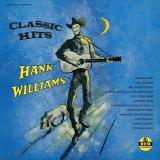
Regarded as one of the most significant and influential musicians of the 20th century, Hank Williams recorded 55 singles that reached the top 10 of the Billboard Country & Western Best Sellers chart, five of which were released posthumously, and twelve of which reached #1. After a life of alcoholism and substance abuse, Hank Williams died on New Year’s Day 1953 at the age of 29 in the back seat of a car, while going to perform a concert in Canton, Ohio. His songs have been covered by hundreds of artists and he influenced the careers of such stars as Chuck Berry, Elvis Presley, Waylon Jennings, Johnny Cash, Bob Dylan, and the Rolling Stones. Presented here are his 22 greatest hits. 22 TRACKS - 180-GRAM VIRGIN VINYL - SPECIAL GATEFOLD - LIMITED EDITION
он должен быть опубликован на 10.04.2026

Wie Amerika selbst ist auch die Geschichte von Chess Records eine Geschichte von Chancen in neuen Ländern, in denen Grenzen zwischen Hautfarbe und Kultur überwunden wurden, um Rhythm and Blues-Musik
zu schaffen, die Zuhörer auf der ganzen Welt beeinflusste. Das beeindruckende Künstleraufgebot von Chess
– und seine Gründer – haben den Blues von Volksmusik zu populärem Sound weiterentwickelt und verändert.
Chess Records wurde 1950 von den polnischen Einwanderern Leonard und Phil Chess gegründet und entstand im Süden Chicagos, aber der Einfluss ist weltweit und über Generationen der Popmusik hinweg spürbar
– von Acts der British Invasion wie den Beatles, den Rolling Stones und Eric Clapton, die Chess-Künstler
als ihre Vorbilder nannten, bis hin zu den heutigen Stars wie Beyoncé, Jack White, Questlove und Bruce
Springsteen.
Im Jahr 2025 feiert Chess Records sein 75-jähriges Jubiläum. Anlässlich dieses historischen Meilensteins
wird Chess im Oktober dieses Jahres eine umfassende Jubiläumsreihe mit einer kuratierten Auswahl audiophiler Vinyl-Neuauflagen starten, beginnend mit Muddy Waters’ „The Best of Muddy Waters“ und Howlin’
Wolfs „Moanin’ in the Moonlight“.
Die fortlaufende monatliche Serie wird Veröffentlichungen von legendären Künstlern aus dem renommierten
Chess-Kader präsentieren, darunter Chuck Berrys „Berry Is on Top“, Etta James’ „At Last“, Little Walters
„The Best of Little Walter“ und Sonny Boy Williamson IIs „The Real Folk Blues“.
он должен быть опубликован на 20.03.2026

Wie Amerika selbst ist auch die Geschichte von Chess Records eine Geschichte von Chancen in neuen Ländern, in denen Grenzen zwischen Hautfarbe und Kultur überwunden wurden, um Rhythm and Blues-Musik
zu schaffen, die Zuhörer auf der ganzen Welt beeinflusste. Das beeindruckende Künstleraufgebot von Chess
– und seine Gründer – haben den Blues von Volksmusik zu populärem Sound weiterentwickelt und verändert.
Chess Records wurde 1950 von den polnischen Einwanderern Leonard und Phil Chess gegründet und entstand im Süden Chicagos, aber der Einfluss ist weltweit und über Generationen der Popmusik hinweg spürbar
– von Acts der British Invasion wie den Beatles, den Rolling Stones und Eric Clapton, die Chess-Künstler
als ihre Vorbilder nannten, bis hin zu den heutigen Stars wie Beyoncé, Jack White, Questlove und Bruce
Springsteen.
Im Jahr 2025 feiert Chess Records sein 75-jähriges Jubiläum. Anlässlich dieses historischen Meilensteins
wird Chess im Oktober dieses Jahres eine umfassende Jubiläumsreihe mit einer kuratierten Auswahl audiophiler Vinyl-Neuauflagen starten, beginnend mit Muddy Waters’ „The Best of Muddy Waters“ und Howlin’
Wolfs „Moanin’ in the Moonlight“.
Die fortlaufende monatliche Serie wird Veröffentlichungen von legendären Künstlern aus dem renommierten
Chess-Kader präsentieren, darunter Chuck Berrys „Berry Is on Top“, Etta James’ „At Last“, Little Walters
„The Best of Little Walter“ und Sonny Boy Williamson IIs „The Real Folk Blues“.
он должен быть опубликован на 20.03.2026

With their two previous albums, Hoarse (2019) and New World Blues (2022), the band delivered uncompromising rock rooted in an international guitar-rock tradition (think The Rolling Stones, The Replacements, The Saints, and Flamin’ Groovies), while a few sleek mid-tempo ballads added dynamics and variety. The new 1st Impression #2 completes the trilogy and is also the band’s first release on Beluga Records.
он должен быть опубликован на 27.02.2026

In 1991, Chris Whitley made his debut with the beautiful album Living with the Law, which immediately showcased his brilliant songwriting and unique guitar playing. Blending blues, roots and folk, the debut was positively received by critics and aficionados of these more traditional genres. Growing up, Whitley listened to Southern radio, which played artists such as Muddy Waters, Howlin' Wolf, Bob Dylan and Jimi Hendrix. His career started by playing with artists like Arto Lindsay and Michael Beinhorn. Interestingly, Whitley lived in Belgium for a short time in the 1980s, where he started his career playing guitar for 2 Belgen and Nacht und Nebel. In the 1990s, he started his solo career at Kingsway Studio in New Orleans, owned by none other than Daniel Lanois. The result was an album characterized by the use of traditional instruments such as the slide guitar and banjo. All of this is accompanied by his splendidly timbred voice and honest lyrics exploring themes such as freedom, desire and human struggle. Sadly Chris Whitley passed away in 2005, but his influence on contemporary songwriters and blues artists remains strong. a_Living with the Law is available as a 35th anniversary edition of 1000 individually numbered copies on gold coloured vinyl and includes an insert.
он должен быть опубликован на 30.01.2026
