Gatefold, 140g pink/green Splatter Vinyl. Limitiert auf 300 Exemplare, handnummeriert. Ein rauhbeiniges und unerbittliches Debüt des bayerischen Trios "Tame The Abyss". Eine schweißtreibende Verschmelzung von progressivem Alternative-Rock mit einem Vintage-Sound, der Live im Studio eingefangen wurde. Analoge Handarbeit voller Blut, Schweiß und Tränen. Krachende Breaks, gefolgt von fein gestrickten Instrumentals. Songs jenseits vorhersehbarer Strukturen, die dennoch einprägsame Hooks und eingängige Refrains zum Mitsingen bieten.
Suche:a hand
Ever wondered how The Is Dying would sound on vinyl? Well here’s your chance, as for the first time ever (!) STAKE will be releasing their debut album When The Candle Dies Out on vinyl, as well as repressing our sophomore album All Is Chaos, this time on colored vinyl. Both albums have been carefully remastered to mark the 20th anniversary of STAKE and will be released through Mayway Records.
Vision of Disorder is the first album by American hardcore/metalcore band Vision of Disorder, released on October 22, 1996.
The album showcases a band with a solid sense of songwriting, good melodic riffs, and a lot of variety in tempos and textures. Likewise, the social consciousness of the lyrics is handled in a Rage Against the Machine-reminiscent fashion. Raw, naked anger about everything wrong with American society in the 1990s. Listeners looking for just those qualities will love this album. Elements” and “Excess” are some of the highlights on the album.
Vision of Disorder is now available on black vinyl and contains an insert.
- First To Betray Me
- Runaway From You
- I Hope Somebody's Loving You
- Skirty
- Goddamn Biscuit
- Living With Strangers
- Zollifer Files
- Devil In My Pocket
- California Loner
- My Only Friend Is You
- Crooked Road
- The Children Are Waiting
- This Little Light Of Mine
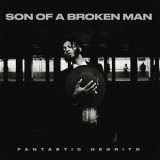
- Son Of A Broken Man
Born Xavier Amin Dphrepaulezz, by now much has been made of Fantastic Negrito's own unique story--his early years growing up in an orthodox Muslim household, the doomed major label deal that turned him off of the music industry altogether, the near-fatal car crash that permanently damaged his guitar playing hand--as well as the remarkable redemption arc that began in 2015, when he won the first ever NPR Tiny Desk Contest. In the years that followed, Negrito would go on to take home three consecutive GRAMMY Awards for Best Contemporary Blues Album, tour with everyone from Sturgill Simpson to Chris Cornell to Bruce Springsteen, collaborate in the studio with the likes of Sting and E-40, launch his own Storefront Records label, perform at Lollapalooza, WOMAD, Glastonbury, Newport Folk, Byron Bay Blues, and nearly every other major festival on the map, and found the Revolution Plantation, an urban farm aimed at youth education and empowerment. Son of a Broken Man sees Fantastic Negrito encapsulating the inimitable elements of his celebrated body of work to date, from hard-hitting distorted guitar riffs to melodic and expressive ballads, all fueled by the unexpected twists that have become his trademark. The album stands as perhaps Fantastic Negrito's most personal thus far, exploring family, deception, and the human desire to hide the true self as he dives deep into one of the oldest conflicts in human history, the struggle between father and son. Beginning at a young age, Negrito was served untruths by his father. A made-up last name, a fabricated ancestry, and a fake Somali accent. Why lie? Why create this false narrative? Those are the questions Negrito had to ask himself and the questions that lie at the heart of Son of a Broken Man.
The debut album by much-loved Yorkshire band, Shed Seven, Change Giver released on vinyl for the first time since 1994, this reissue faithfully replicates the original Polydor UK pressing and is pressed on high-quality 180gm vinyl. Change Giver was released on Polydor Records in September 1994, on the leading edge of the Britpop movement and established the group as one of the most successful and cherished of the era. Although not garnering the headlines and controversy of other acts of the time, Shed Seven vocalist Rick Witter, guitarist Paul Banks, bassist Tom Gladwin and drummer Alan Leach - established a trademark sound and a fervent fanbase, resulting in a lengthy career and a string of hit albums. Formed in 1990 (and named after a railway shed) after making a name for themselves in their hometown of York, Shed Seven played London, gaining a reputation for their fearsome live shows an came to the attention of influential BBC Radio One DJ Steve Lamacq. After a bidding war, the group signed to Polydor in 1993, and group recorded what was to become Change Giver with producer Jessica Corcoran. First single, Mark/Casino Girl was released in March 1994 ahead of the album, and with each subsequent single release, the group pushed higher into the UK charts. Released as Britpop was accelerating, Change Giver was described by Melody Maker as "a chipper, cocky collection of brassy Northern pop songs." The album reached the UK Top 20,and established the band to be one of the most popular acts of the final years of the 20th Century. Listening to the album today, the bravado of youth combined with strong melody and powerful lyrics put the album on a par with early works of The Jam and Blur.
Amandra, half head honcho behind Ahrpe Records, goes for subtly evolving and droning atmospheres. With releases spanning electronic genres and record labels: Nous klaer Audio, AD 93, Tikita or Semantica, just to name a few; the French producer ba with coherence his own vision of acid and tribal rhythms that can be presented with either bright and soft feelings or through a
Brera Som Som EP
As always with Amandra, there is a blend of poetic and soft hidden touch given to the music through carefully crafted personal Som is a 4 tracker EP, recorded back when he lived in Warsaw Poland, showcasing the artists ability to navigate through nich double 12 package cherry topped with four intelligent and eclectic remixes from artists with their own unique identity: Shieldin Brainwaltzera.
Amandra on disc 1
Brera Som Som
I want my music to breathe dirty so its alive to my ears, trying to stay away from surgical, clean, electronic music. The Prophet recorded by hand, with assumed offbeat imperfections, as always. I wanted to get a naive Asian mood out of it, just to try and c track. I tend to think a lot about my tracks and their meaning more in terms of feelings, art and techniques than in terms of dee
dance floors or whatever. Brera Som Som is a try at using the chiaroscuro technique depicted in classical paintings for instance interesting focus on some very specific elements.
Cyborg Pelikana
Recorded out of a jam on a Soma Pulsar 23 and some heavy distorted synths, it ended up sounding like no other recordings bit different as I wanted to have a more composed like approach here.
Fanfaron
Here is a try at going jungle... with a Moog DFAM and a 303 processed through a Sherman Filterbank.
Prorokini
This one belongs to a phase where I was exploring the sampling side of electronic music. Until that moment I was building 100 based on raw drum machines and some processing, then started feeling how it would feel to sample some raw external beats and process them my way. I didnt pursue that sampling lead much afterward because it felt like a boring approach to me that
stood out anyway, like this one, which Im very proud of. The synths are clearly programmed on the Prophet 08, it cant go any Instruments than that, if you like them, go grab that synth
Remixers on disc 2
Cyborg Pelikana Shielding Remix
I liked the dry and direct qualities of the original track and wanted to maintain that feeling while collaging it using my own proc Recorded in my old home studio in Stockholm.
Brera Som Som Brainwaltzera Remix
no comment.
Fanfaron Whylie Remix
The remix was made using resampling techniques, the rhythmic noises were transformed into driving percussive layers pushi character. A more emotional overlay was added to the track based on the sentimental and personal approach I built through.
Brera Som Som Martinou Remix
Interpreting Amandras work has been on my bucket list for a while. Theres something in it that is innately humanizing and raw capture in my remix. The melody line from the remix is just a snapshot of a small part of the full original track, but it stuck with my improvisation to what you see before you today. With this remix I wanted to make something that would swell slowly and ring o
All original tracks written and produced by Amandra.
Remixes written and produced by Brainwaltzera, Whylie, Martinou and Shielding.
Mastered by Amandra.
Artwork by Neurotypique.
The Zeros is a pioneer punk rock band formed in 1976 in Chula Vista, California. Comparisons with The Ramones are often made when describing the energetic and fierce guitar driven sound of the group. The first singles recorded by the band instantly catapulted The Zeros into a top draw on the local scene and have become legendary. Unfortunately, the band never cut an album during these days. Their debut single was released in 1977 on Greg Shaw's very own Bomp! Records. It included 'Don't Push Me Around' and 'Wimp', two of the greatest punk rock songs of all time, both written by Javier Escovedo. It was followed by another single in 1978, "Wild Weekend" and a third one in 1980, "They Say That (Everything's Alright)". This release compiles all their early singles, some rare tracks (including the previously unreleased 'Left to Right') and songs taken from a 1978 live show. Munste is thrilled to reissue this essential '80s power pop gem as part of a series of releases celebrating Bomp! 50th anniversary.
Keshavara tragen prächtige Schnurrbärte, verwegene Kopfbedeckungen und sprechen ein abenteuerliches Patois aus Englisch, Hindi, Deutsch und Gibberish. Auf ihrem neuen Album "III" kreieren die Kölner um den deutsch-indischen Musiker Keshav Purushotham Klänge, wie andere Leute Drinks mixen, nachdem sie schon drei genossen haben: Verwaschener Kraut-Pop und diasporische Dub-not-Dub-Exkursionen werden nach Augenmaß miteinander kombiniert und wild geschüttelt. Zuckersüß mäandernde Melodien, entlehnt einem fantastischen Niemandsland in der Grenzregion zwischen exotischen Library-Kompositionen und psychedelischen Soundtracks, verschmelzen mit den Grooves einer Rhythmusgruppe, die sich auch in den Tonstudios des funky Beirut der Mittsiebziger Zuhause gefühlt hätte. Das Ergebnis sind mit surrealistischem Zuckerrand gekrönte Cocktails mit der Wirkung einer halluzinogenen Götterspeise. Musik, die schillert und flirrt, wie eine Fata Morgana in der Wüste. Keshavara klingen in einem Moment, als hätte Ennio Morricone einen Bollywood-Film vertont, und im nächsten wie ein von Curt Boettcher produzierter Eden-Ahbez-Song, oder - nicht ganz so spinös aber nichts desto weniger fantastisch - als hätten Khruangbin und Sven Wunder endlich ein gemeinsames Album aufgenommen. In den glanzvollsten Momenten fügt sich das alles wie von magischer Hand zusammen und kulminiert dann in Songs wie "Spiegelmann" und "Tableau Vivant" - fantasmorgiastischen Partys voller transkultureller Clashes, die uns Hörer dazu einladen, sie in farbenprächtige Gruppenchoreografien zu überführen.
War das Debüt von Keshavara noch ein Solo- und der Nachfolger "Kabinett der Fantasie" im Kern ein Duo-Album, so sind Keshav Purushotham, Niklas Schneider, Benedikt Filleböck und Christopher Martin mit ihrem selbstproduzierten, schlicht "III" betitelten dritten Album endgültig zu einer vierköpfigen Band zusammengewachsen … und zwar um eine alte Farfisa-Orgel herum, die eines Tages als Geschenk im Proberaum gelandet ist: Ein, auf sämtlichen Songs mal mehr, mal weniger präsentes UFO aus einer Zeit der Slow-Jams, Live-Takes und des exzessiven Space-Echo-Einsatzes. Sein analoges Blubbern und sein wabernder Funk rollt dem warmen, organischen Bandsound den roten Teppich aus, und verpasst ihm einen zärtlichen Schubs Richtung 70er. Erfrischenderweise kommt er dort niemals so richtig an, sondern bleibt immer im Fluss. Denn das eigentliche Ziel der halldurchtränkten Korridore dieses Albums ist stets der Weg, genau genommen der kunstvoll gezimmerte Holzweg, der phantastische Irrpfad. "III" ist eine Reise, auf der Zeiten und Orte keine Fixpunkte sind, sondern austauschbare Koordinaten eines augenzwinkernden Vexierspiels. Da ist es nur folgerichtig über "Indische Götter im Sauerland" zu singen. Dass ungeachtet der Nostalgie, die alle neun Songs durchweht wie ein warmer Mittelmeerwind, niemals Sentimentalität aufkommt, ist nicht zuletzt diesem Humor geschuldet.
Die ätherischen Drones, sanft nuschelnden Akkorde und geisterhaft seufzenden Soundschwaden, die Keyboarder Benedikt Filleböck seiner altersschwachen Farfisa bevorzugt in den ruhigeren Momenten und den Instrumentalnummern des Albums entlockt, bilden einen stimmungsvollen Kontrast zu den beiden anderen Säulen des Keshavara-Sounds: Christopher Martins leichtfüßig hüpfenden Bass-Dreiecken und Keshavs sonnendurchfluteten Gitarren-Ornamenten. Im Zusammenspiel mit Niklas Schneiders crispen Drumbeats entsteht ein Fundament, mit dem die kaleidoskopischen Texturen und Melodien vollständig verschmelzen.
Das Ergebnis ist das bisher homogenste Album des Quartetts. Mit "III" erweisen sich Keshavara als gewiefte Soundalchemisten und Weltenwanderer, als eine softe Macht, deren Stärke sich aus ihrer enormen Musikalität, ihrer Fabulierlust und ihrem surrealistischen Witz speist.
- A1: Human Universe (6 21)
- A2: Jesus Joy Of Man's Desiring (3 26)
- A3: Ground In C Minor (2 41)
- A4: In Paradisum (3 27)
- B1: Nocturne I Pre Rain (3:29)
- B2: Nocturne Ii After Dawn (3:22)
- B3: Nocturne Iii Once In A Blue Moon (3:57)
- B4: Pavane Pour Une Infante Defunte (6 07)
- C1: Nocturne In C Minor (5:44)
- C2: Recollection (4 36)
- C3: Clair De Lune (2 49)
- C4: Solari (2 42)
- D1: Day One" (From Interstellar) (3:18)
- D2: New Birth (3 36)
- D3: Bolero (8 39)
- D4: 7 Variations On Twinkle Twinkle Little Star (3 50)
Auf seinem Sony Classical Debut-Album "Human Universe" zeigt der außergewöhnliche japanische Pianist und Komponist Hayato Sumino seine facettenreichen musikalischen Einflüsse in einer vielfältigen Auswahl an Stücken klassischer Komponisten wie Bach, Händel, Purcell, Chopin, Fauré und Debussy, ikonischer Filmmusik von Hans Zimmer und Ryūichi Sakamoto sowie seinen eigenen Kompositionen und Arrangements.Die Besonderheit an Hayato Suminos Klavierspiel ist sein einzigartiger, souverän-virtuoser Stil, bei dem er eine präzise klassische Technik mit dem feinen Gespür eines Arrangeurs und ausgeprägten Improvisationsfähigkeiten verbindet. So lässt er beständig Eindrücke aus Genres wie dem Jazz oder der Popmusik, in denen er ebenso aktiv ist, in seine fundierten klassischen Interpretationen einfließen."Für `Human Univers' habe ich mich von den antiken Vorstellungen des Universums und dem Zusammenhang zwischen Kunst und Wissenschaft inspirieren lassen. Die alten Griechen glaubten, dass Himmelskörper im Universum Töne aussenden und dass das gesamte Universum Harmonie und Musik erzeugt, die sogenannte 'Musik der Sphären'."Hayato Sumino ist ein außergewöhnliches Phänomen: Bereits als Teenager begeisterte der 1995 in Tokio geborene Pianist und Komponist unter dem Namen "Cateen" mit virtuosen Videos klassischer Klavierdarbietungen und emotionalen Klavierarrangements von Anime- und Games-Soundtracks ein Millionen Publikum bei YouTube. Bis heute hat über 200 Millionen Aufrufe erzielt und über 1,5 Millionen Follower bei YouTube und Instagram gewonnen. Wenngleich Hayato Sumino bereits seit seinem 2. Lebensjahr Klavier spielte und Unterricht erhielt, studierte er bis zu seinem ausgezeichneten Master-Abschluss im Jahr 2020 Informationswissenschaft und -technologie an der Universität Tokio. Noch vor Abschluss seines Studiums gewann er 2018 als Außenseiter völlig überraschend den Grand Prix bei einem der wichtigsten Klavierwettbewerbe Japan - dem PTNA-Wettbewerb. Der Gewinn war der Startpunkt seiner Karriere als professioneller Pianist. Im Anschluss nahm er für ein halbes Jahr Klavierunterricht bei Jean-Marc Luisada in Paris und avancierte seitdem auf einer Welle der Begeisterung zum Klavier-Superstar in Japan. So spielt er am 14. Juli 2024, seinem 29. Geburtstag, ein Klavierrecital vor 14.000 Menschen in der ausverkauften Tokioter Konzerthalle Nippon Budōkan.Internationale Aufmerksamkeit erregte er 2021 beim Internationalen Chopin-Wettbewerb, wo er mit seiner hervorstechenden Interpretationen das Halbfinale erreichte. Im April 2024 feierte Hayato Sumino sein spektakuläres Debüt in der Royal Albert Hall mit seiner Aufführung von Gershwins "Rhapsody in Blue", die sowohl online als auch im Konzertsaal für Aufsehen sorgte. Als Solist tritt er mit zahlreichen Orchestern auf der ganzen Welt auf, darunter die Hamburger Symphoniker, das NHK Symphony Orchestra, das Boston Pops Orchestra, das Chicago Symphony Orchestra, das Baltimore Symphony Orchestra, das Tokyo Philharmonic Orchestra, das Japan Philharmonic Orchestra und das Polish National Radio Symphony Orchestra. Sein Debüt in der Elbphilharmonie gibt Hayato Sumino im Januar 2025.
Warehouse Find
Mike Huckaby is back on his own label 'Synth' with the final two tracks in his Bassline series. If you were lucky enough to get your hands on Bassline 87 (Released last year on Sushitech) then expect nothing less than two tracks produced from the classic Detroit Techno sound. Hurry quick as you know Mike Huckaby productions don't last long.
Jawad Nawfal and Mazen El Sayed, better known by their stage names of MUNMA and EL RASS, met for the first time in Beirut, during the summer of 2011. A common friend told Jawad wonders about an MC who rapped and slammed in the classical Arabic language, as opposed to the vernacular Lebanese dialect. The two musicians met in a small café in Beirut’s Hamra neighborhood, spoke of music, argued about politics, and decided to collaborate at once. They began working on tracks the following day. A month later, they had already produced a dozen sketches, instrumental beds and accapella vocal tracks. These demos eventually landed in the hands of Ziad Nawfal and Fadi Tabbal, who set out to bring to life the duo’s first recorded album. “Kachf el Mahjoub” (the title is from a Sufi master-work penned some 900 years ago) was eventually released as a limited edition of 500 CD’s, during a launch event at then-budding alternative venue Metro al Madina in Hamra, on the 22nd of February 2012. These CDs went out of print in record time, as can be expected, and the album’s mythical status became reinforced over time – El Rass & Munma collaborated sporadically during the next ten years, but never fully grasped the level of musical intensity and explosive tension attained on this first outing. It has been a longstanding dream of ours, here at Ruptured, to produce a vinyl version of this album, and we are thrilled to say this moment has finally come. Artist ALI RAFEI’s original artworks have been painstakingly reproduced, the music has been dutifully remastered for vinyl by CEDRIK FERMONT, and the records were pressed by our friends at Mother Tongue in Verona. We added bonus track "Fi Kala'at Tarablus" to this 10th anniversary reissue for good measure – recorded during the same sessions that yielded “Kachf el Mahjoub”, it appears on the digital version of the album. “Kachf el Mahjoub” is a landmark album in Lebanon’s alternative music scene, and the MENA region’s hiphop and indie scenes writ large. At the time of their collaboration, El Sayed was a prolific writer and musician, at ease with a variety of instruments, notorious for his masterful flow in the classical Arabic language, with lyrics tackling both social and political sensitive subjects; Nawfal has previously released an impressive number of albums and EPs, exploring downtempo electronica and ambient dubstep, for a number of Lebanese and international labels. The collision of the former’s brazen, slammed vocals and the latter’s harsh beats works wonders on “Kachf el Mahjoub”, Munma’s sound-world perfectly fitting El Rass’s agitated discourse, alternating between broken beats, elaborate percussion, and ambient layers of synths. At times reminiscent of mutant hiphop outfit Shabazz Palaces, at others of the collaboration between dubstep producer Kode9 and the late vocalist The SpaceApe, this album is an uncanny meeting of Arabic hip-hop and electronica, an exceptional event in the realm of contemporary Lebanese alternative music.
Pique is the sensational debut solo album from Dora Morelenbaum, one of the key talents spearheading Brazil’s new musical wave. A member of the Latin Grammy award-winning band, Bala Desejo, Dora showcases a new side to her solo productions on this special LP. Whereas Dora’s first solo EP, Vento de Beirada, was a leap of faith, Pique sees her soaring as one of Brazil’s standout stars, emboldened, emphatic but ever elegant. Building bridges between past and present, it’s a funkier, more groove-based affair, weaved together with those signature, slower, celestial tracks. Touching on disco, MPB, soul, R&B and jazz, the album is enriched with an indie pop aesthetic courtesy of fellow Brazilian star and co-producer, Ana Frango Elétrico.
With an ethereal, enveloping air few can match, Dora’s gift shines through both the serene and the spirited songs contained within. The blissful, sun-soaked ‘Não Vou Te Esquecer’ opens, before the funk-fuelled, feel-good ‘Venha Comigo’ and ‘Sim, Não.’ give a glimpse of the creativity bursting from the production partnership between Dora and Ana Frango Elétrico. Elsewhere, the album reclines into hazy lean-back realms via ‘A Melhor Saída’ and ‘Petricor’, virtuoso jazz funk in the form of ‘VW Blue’ and radiant MPB through the album’s title track ‘Pique’.
The drumming is tight, fresh and swung, the horns and strings deftly arranged, as funk-driven basslines and strutting guitars mesh with playful production touches that give an added vibrancy to the record. It is an album that exhibits every side of Dora and one she has been involved in from the ground up, from the songwriting, singing, arrangement and production to booking the studio time and sourcing the artwork designer, Maria Cau Levy.
An exchange of musical ideas powers every great scene and Rio’s contemporary landscape is no different - a family of interconnected musicians and friends that collaborate on each other’s productions. Pique is graced by a wealth of these leading Brazilian lights including her Bala Desejo bandmates Lucas Nunes, Julia Mestre and Zé Ibarra, as well as Guilherme Lirio, Alberto Continentino and Tom Veloso to name just a handful. This exchange crosses generations merging tradition with modernity. In a full circle moment, Dora’s parents Paula and Jaques Morelenbaum, who featured in countless recordings from Tom Jobim's Nova Banda and Ryuichi Sakamoto to Gal Costa and Gilberto Gil, join on the album through backing vocals and arrangement.
Pique sees Dora embrace a freedom through fresh forms, showcasing the depth and diversity of her creative artistry. An infinitely listenable release that nods to Brazilian greats like Gal Costa, Banda Black Rio and Lincoln Olivetti, fused with the indie pop edge of Ana’s production. The result is truly unique and sure to be a future Brazilian classic.
Wewantsounds is delighted to announce the release of one of Japan's most coveted albums of the 70s, "Mangekyou" by singer-songwriter Yoshiko Sai. Produced in 1975 by Master musician Yuji Ohno, the album features Yoshiko Sai's superbly crafted songs and crystal clear voice over Ohno's lush, funky sound and breezy arrangements. A strong buzz has been growing around the album over the years and original copies now change hands for large sums of money. This is the first time "Mangekyou" is available outside of Japan, featuring remastered audio, original artwork and a 4 page insert including new liner notes by Paul Bowler.
SONGS OF A LOST WORLD’ is the long-awaited new album from The Cure, their 14th studio release and their first in 16 years.
'SONGS OF A LOST WORLD' was written and arranged by Robert Smith, produced and mixed by Robert Smith & Paul Corkett and performed by The Cure - Robert Smith: Voice / guitar / 6string bass / keyboard, Simon Gallup: Bass, Jason Cooper: Drums / percussion, Roger O'Donnell: Keyboard, Reeves Gabrels: Guitar. The album was recorded at Rockfield Studios in Wales.
Robert Smith created the sleeve concept, and Andy Vella, a long-time Cure collaborator, handled the album's art and design. The cover art features 'Bagatelle', a 1975 sculpture by Janez Pirnat
The Bobby Donny ACE Series is back for its third VA instalment of previously digital only releases. Hand picked by label head Frits Wentink, these six tracks have already been in pretty much constant rotation for DJ’s in the know & now they’re gracing vinyl for the first time. Another great edition to this ongoing series!
Planet Pearl' ist das bereits zweite Album des französisch-amerikanischen Duos Pearl & The Oysters für Stones Throw und der Nachfolger ihres 2023 erschienenen insgesamt dritten Albums 'Coast 2 Coast'
'Planet Pearl' zeigt Juliette Pearl Davis und Joachim Polack als schiffbrüchige Weltraumforscher, die auf der Erde gestrandet sind und über ihre eigene Entfremdung vom Planeten nachdenken, während sie sich in einer fremdartigen Welt bewegen.
Die Songs von 'Planet Pearl' reichen von fröhlichem Jazz-Pop bis zu depressiver Disco-Musik und behandeln schwere Themen wie Familienkrankheiten und Neurodivergenz mit leichter Hand.
Aber egal, wie melancholisch oder entfremdet sie sich fühlen, P&TO sehen immer auch die lustige Seite. Bereit zur Landung auf 'Planet Pearl'?
Making a return to his Chronicle alias for the first time since 2001, Tim Cant brings his unique blend of laid back atmospherics to the Spatial family for the first time with Time and Space on Curvature. Sit back, relax, or dance Chronicle has you covered for either with this welcome return to the scene.
A1 Geosynchronous
Getting straight to business with an intro of thick Hot Pants breaks, Geosynchronous sees Chronicle bring his unique take on atmospherics to Curvature in welcome style. An early breakdown with synths and subtle melodies is followed by a dreamy layer of two step amens and 808 basslines, completing a collage of beats as the increasingly memorable melodies slowly weave their story throughout the track.
A2 Life On Earth
A dream like, reflective affair is up next with Life On Earth Chronicle returning to the late 90s vibe of the moniker with a plethora of classic FX, vocal samples and long constant synthwork cascading above. Utilising a simple but effective core melody, danceable two step breaks and layers of detail that would fit in any retrospective set from the Progression Sessions era to the modern renaissance, this is one to savour.
B1 Future Fragments
A real treat for fans of synthy, sci fi tinged atmospheric goodness from eras gone by as Chronicle transports you to 99 Shepherds Bush Empire you had to be there now you can be with a track that encapsulates the era perfectly. Drizzling the mix with frequent echoing effects and washes of spacey synths and pads over an earworm melody not to mention the crisp rolling breaks this is a versatile and enduring track youll keep going
back to.
B2 Nostradamus
Closing out the EP, we have Nostradamus which opens lightly with hi hats and airy padwork before finely edited old school breakwork injects energy to the mix.
The breaks build with additional elements creating a very danceable and rhythmic loop, punctuated by a catchy melody. One sample proclaims The Future Is Power - if its in the hands of producers like Chronicle, effortlessly channeling the past with a modern twist, we know
we are in good hands.
Words by Chris Hayes Spatial Red Mist
- Duke Ellington - Drop Me Off In Harlem 03:48:00
- Duke Ellington - I Let A Song Go Out Of My Heart 03:52:00
- Billy Strayhorn - Lush Life 06:40:00
- Duke Ellington - Come Sunday 04:57:00
- Duke Ellington - In A Mellow Tone 06:02:00
- Billy Strayhorn - Take The "A" Train 04:12:00
- Duke Ellington, Jonny Hodges, Don George, Harry James - I'm Beginning To See The Light 03:53:00
- Duke Ellington - Sophisticated Lady 04:19:00
- Duke Ellington, Don George - Ain't Got Nothing But The Blues 04:38:00
- Duke Ellington - I Got It Bad 06:20:00
- Duke Ellington, Billy Strayhorn - Satin Doll 03:56:00
Al Jarreau hat immer gesagt, dass er Al Jarreau-Musik singt, und er war wirklich einzigartig: Seine sechs Grammy-Awards und neunzehn Nominierungen als "Bester Sänger" decken nicht weniger als drei Kategorien ab – Jazz, Pop und R&B – mit anderen Worten, musikalische Genres interessierten ihn nicht wirklich. "Musik mag für andere Leute in Kategorien fallen, und ich verstehe das", sagte er, "aber für mich gilt: Wenn ich einen Song mag, muss ich ihn machen, und das war's. Wenn du zu meinen Konzerten kommst, setze ich mich auf deine Schulter und flüstere dir etwas ins Ohr. Ich öffne den Geist und gehe durch viele Türen." Diese Art von reichhaltigen, beschreibenden Bildern beschwört die Höhenflüge der stimmlichen Fantasie herauf, zu denen sein Gesang jederzeit fähig war. Er konnte einen Song plötzlich in neue und unerwartete Richtungen lenken. Er erklärte es immer so: "Wenn es ein Rückgrat für das gibt, was ich tue, dann ist es die Jazz-Umgangssprache."
Musik, Klänge und Rhythmus schienen ihn zu durchströmen, und das war kein Wunder. 1940 in eine musikalische Familie geboren, war er ein überdurchschnittlicher Student und schloss sein Studium mit einem Bachelor of Science in Psychologie und anschließend einem Master in beruflicher Rehabilitation ab. Und doch war die Musik nie weit von ihm entfernt. In den späten 1960er Jahren schloss er sich einem Trio an, das vom Pianisten George Duke geleitet wurde, und arbeitete daran, das Singen zu einer Vollzeitbeschäftigung in Los Angeles zu machen.
Zu diesem Zeitpunkt hörte ihn Siggi Loch, der damals ein hochkarätiger Manager bei Warner Brothers Records (WEA) war und später ACT Records gründete. "Ich sah Al Jarreau 1974 zum ersten Mal im Troubadour in Los Angeles und war sofort von seiner Stimme und seiner Bühnenpräsenz gefesselt", erinnert er sich. "Am nächsten Tag ging ich zu Mo Ostin, dem Präsidenten der WEA, um ihn davon zu überzeugen, ihn zu unterschreiben." Nach anfänglichen Widerständen erhielt Loch grünes Licht und 1975 erschien Jarreaus Debütalbum für WEA, "We Got By". "Ich habe Al nach Deutschland gebracht, bevor er in den USA Erfolg hatte", fährt Loch fort. "Al trat drei Nächte lang in Hamburg auf und ich schaffte es, Michael Naura, den Chef der Jazzabteilung des NDR, davon zu überzeugen, den dritten Abend für die Live-TV-Übertragung aufzunehmen." Diese Show machte Al über Nacht in Deutschland berühmt, und seitdem hat er immer einen besonderen Platz in den Herzen des deutschen Publikums. "We Got By" gewann den Preis der Deutschen Schallplattenkritik und seine erste Deutschlandtournee füllte große Konzertsäle.
Es folgte "Glow" (1976), das in Europa erneut gut ankam und einen zweiten Preis der Deutschen Schallplattenkritik gewann, in den USA aber nicht so gut ankam: "Das richtete sich an ein 'Smooth Jazz'-Publikum", so Loch. "Es hat Al nicht vor einem Live-Publikum eingefangen. Also bat ich darum, dass seine nächste Veröffentlichung ein Live-Album sein sollte. Mo Ostin stimmte widerwillig zu", und "Look to the Rainbow" wurde in Europa ein Riesenerfolg, "Als es in den USA veröffentlicht wurde, wurde es Al's Durchbruchsalbum und brachte ihm seinen ersten Grammy ein, also ist es wirklich richtig zu sagen, dass seine Karriere vor allem in Deutschland begann!", sagt Loch.
Jarreaus langjährige Zusammenarbeit mit dem NDR veranlasste Jörg Achim Keller, Chefdirigent der NDR Bigband, 2016 eine Zusammenarbeit mit dem Sänger vorzuschlagen: "Eine Produktion mit der Musik von Al und Ellington zu machen, war etwas, was ich schon seit Anfang der 2000er Jahre machen wollte", erinnert er sich. "Die Reaktion von Al war von Anfang an sehr positiv." Jörg bereitete eine Liste von einigen hundert Ellington-Titeln vor, und wie sich Jarreau später erinnerte: "Wir gingen einfach die Liste durch, und es war ein Fall von 'Oh, der funktioniert für mich' und 'Lass uns das als alten Darm-Blues machen – was für mich wichtig war, war, mich in der Musik wiederzufinden und vielleicht eine andere Art von Aussage über Ellington zu machen, damit die Leute die Musik auf eine andere Art und Weise hören konnten. alles, was sie vorher gehört hatten."
Beim Schreiben der Charts achtete Jörg darauf, Jarreaus Herangehensweise an das Material zu respektieren, indem er ihm Raum ließ. Tracks wie "I'm Beginning to See the Light" oder "I Got It Bad (and that Ain't Good)" geben den Solisten der Band ebenfalls Spielraum, um ihr Bestes zu geben. "Das sind hochentwickelte, intelligente Solisten, die mit jedem auf der Welt spielen können", sagte Jarreau. "Sie pushen mich, und ich liebe den Push, und sie lassen mich wie eine echte Sängerin klingen!"
Jarreau und die Band tourten in der zweiten Hälfte des Jahres 2016 mit der Musik, "Es gab immer noch einige Feinabstimmungen während der Tour, von Konzert zu Konzert", fügte Jörg mit einem Lächeln hinzu. "Er liebte es, diese Balladen zu singen – und jede hatte ein anderes Gefühl. "Am Sonntag" war ihm aber sehr wichtig. Diese Tabelle wurde zweimal überarbeitet, bevor er schließlich damit zufrieden war! Bei einigen Songs entschied er sich für einen reinen Balladenstil – 'I Got It Bad (and that Ain't Good)', einige Melodien wurden in eine Pop/R&B-Tasche gesteckt ('Lush Life', 'Come Sunday') und er liebte das 'Old Gutbucket Blues'-Feeling von 'I Ain't Got Nothing but the Blues'."
Rückblickend auf diese Sessions und Tour sagt Jörg: "Es waren Al's Stil und Persönlichkeit, die alles zusammenhielten. Das Ganze war eine echte Kombination aus der musikalischen Meisterschaft von Jarreau und Ellington – es hat das Publikum in ganz Europa angesprochen, sie liebten das Programm." Dieses Gefühl teilt auch Siggi Loch, der Jarreau mit der NDR Bigband in Paris erwischte: "Es war offensichtlich, dass er es wirklich genoss, diese Musik aufzuführen, und er tat es mit so viel Energie und Emotion, es war eine Freude zu sehen und zu hören. Leider verstarb Al nur wenige Monate später."
In vielerlei Hinsicht schließt sich mit "Ellington" ein Kreis: Es fühlt sich sehr richtig an, dass Jarreaus letztes Album auf ACT veröffentlicht wird, dem Label, das von Siggi Loch gegründet wurde, dessen starkes und unerschütterliches Eintreten für den Sänger ihn ursprünglich auf den Weg zum Superstar brachte. Und die Tatsache, dass es vom NDR und seiner hauseigenen Bigband aufgezeichnet wurde, ist eine passende Erinnerung daran, dass es sich um eben jenen Sender handelte, dessen TV-Sendung Jarreau einst über Nacht in Deutschland berühmt gemacht hatte. Darüber hinaus wurde "Ellington", genau wie "Look to the Rainbow", das Jarreaus internationales Durchbruchsalbum war, auch live aufgenommen. Manchmal gibt es Verbindungsfäden zwischen Ereignissen, die auf den ersten Blick in keinem Zusammenhang zu stehen scheinen, und das Ergebnis erweist sich nicht nur als besonders und magisch, sondern auch bedeutungsvoll und tief berührend. Das ist hier auf jeden Fall der Fall.
Stuart Nicholson, Musikjournalist und Autor






![El Rass & Munma - Kachf el Mahjoub / Unveiling the Hidden [10th Anniversary Reissue]](https://www.deejay.de/images/l/7/0/997770.jpg)


