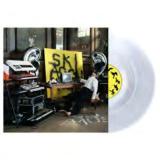
Mit „Ski Aggu Musik“ beginnt Ski Aggu das nächste Kapitel seiner Karriere. Nach seiner Pause präsentiert
er sich erwachsener und facettenreicher, ohne seine unverkennbare Party-DNA zu verlieren. Zwischen dem
roughen, 2016-codierten Dubstep von „GELD“, der melancholischen Club-Euphorie von „Verschwommen“
und dem kompromisslosen Abriss von „Hardtekk Tutorial“ zeigt das Album die ganze Bandbreite seines
Sounds. Laut Aggu steckt darin sein gesamtes Leben – entsprechend persönlich, elektronisch und direkt
fällt die Albumreise aus. „Ski Aggu Musik“ erscheint am 23.10.2026 und ist unter anderem als durchsichtige
1LP-Vinyl erhältlich.
A document of chill-out room dreamscapes transmitted from San Francisco circa 1993-1994.
Rooted in live improvisation and arriving at the sweet spot where nascent dance music collided with dub tradition, Selene Songs marked an early highpoint for Sunshine and Moonbeam Jones' enduring partnership as Dubtribe Sound System. This collection of dreamy, harmonious grooves and ambient excursions were recorded between November 1993 and January 1994, captured live in the chill-out room at the duo's legendary Come-Unity parties held at their home on Bryant Street in San Francisco.
Selene Songs was originally released on Chicago-based label Organico in 1995 as a CD and abridged 12" EP. Now it receives a full reissue that spreads the blissed-out majesty of the full seven-track album across a double vinyl pressing and CD digipak edition. Across all formats, Kristen Anderson's original artwork has been faithfully reproduced.
“… All the elements of classic ambient dub with the Tribe’s own sense of love wonderment. One from the heart." - Muzik Mag - 1995
“ We have faith that the universally accessible warmth oozing from these tracks will eventually entice a larger audience." - Billboard - 1995
Number 1 on the Eastern Bloc shop chart - Muzik Mag - 1995
A document of chill-out room dreamscapes transmitted from San Francisco circa 1993-1994.
Rooted in live improvisation and arriving at the sweet spot where nascent dance music collided with dub tradition, Selene Songs marked an early highpoint for Sunshine and Moonbeam Jones' enduring partnership as Dubtribe Sound System. This collection of dreamy, harmonious grooves and ambient excursions were recorded between November 1993 and January 1994, captured live in the chill-out room at the duo's legendary Come-Unity parties held at their home on Bryant Street in San Francisco.
Selene Songs was originally released on Chicago-based label Organico in 1995 as a CD and abridged 12" EP. Now it receives a full reissue that spreads the blissed-out majesty of the full seven-track album across a double vinyl pressing and CD digipak edition. Across all formats, Kristen Anderson's original artwork has been faithfully reproduced.
“… All the elements of classic ambient dub with the Tribe’s own sense of love wonderment. One from the heart." - Muzik Mag - 1995
“ We have faith that the universally accessible warmth oozing from these tracks will eventually entice a larger audience." - Billboard - 1995
Number 1 on the Eastern Bloc shop chart - Muzik Mag - 1995
In August 2025, we gathered in Tindafel, a village by the sea in the north of Morocco, with a bunch of instruments our friend Abdou had lent us, along with a few things we brought ourselves.
At the core, Pablo plays gimbri, Miguel plays drums, Juan plays guitar and keyboards, sings and handles the radio transmissions, and Javier sings, plays keyboard and works with digital effects. Loops were created interchangeably by Pablo, Miguel and Javier, while Pablo would often also pick up the guitar or keyboards, with everyone moving between instruments and roles throughout the recording.
Nothing was written beforehand. All tracks were improvised and recorded in a single take using a room microphone, so no mixing was possible. To this day, as we write this, none of the tracks have been played again — yet!
The album was edited by Pablo and mastered by Tobias.
The cover photograph was taken in the kitchen of the house, the same place where Magic Pony Productions first came together.
The poem on the sleeve was written by Oscar García Sierra.
Bruce returns blistered and ablaze, with three flame-licked, windswept and deadly dancefloor deities on 12” vinyl, for the second edition of Poorly Knit.
Following on from it’s daft and fisty older brothers on The Price / Mimicry, the raw power of wind and fire takes over on Belly / Burned Alive, as we are plunged into devastating sonic worlds, adorned in UK sound-system badness and Mother Nature’s vengeance.
Providing elemental catastrophe catharsis, through sound exploration, Belly’s steppas storm of wailing wind and clattering thunder is backed by Burned Alive’s soaring and demented UK garage inferno, to finally subside to the smoldering, dubbed-out vocal remains from Hot One (Chapped Lips Version).
With a continued emphasis on the importance of physical medium within dance music, the digitals are an abridged edit of the full release; Hot One is vinyl only and only on the vinyl can you hear the full mixes of Belly and Burned Alive. Pressed on eco-friendly “Eco-Mix” reground PVC and sleeved in DIY lino printed sleeves, each record is a unique shade of marbled storm grey. Cut loud at 45rpm, not only does this sustainable slice of dance floor mayhem come at an attractive price tag, you can rest assured that sound quality has not at all been sacrificed.
Romania’s Floog has grown to become a reputed figure in the microhouse scene for his releases on the likes of Visionquest, TARTOUFFE, Moscow, Enfasi and Atipic among many others and here we see him teaming up with Brizman the minimal alter ego of Techno stalwart Gel Abril, his music under this guise has found a home on the likes of Caprices Records, Subtil Records and SCI + TEC. This new collaborative project however will see its release via Adam’s Bite and follow recent output from IULY.B, Lumieux and Audio Werner.
Title-track ‘Lose Connection’ leads, laying down a bouncy sub bass line underneath a crunchy saturated drum groove, twitchy synth licks and glitched out vocal lines before ‘That Hook’ edges into more dynamic and meandering realms, fusing an amalgamation of synth lines, modulating flutters and vocal whispers atop a heavily swung rhythm section.
‘True Believer’ then rounds out the EP, featuring Stockholm, Sweden’s Linn Stern, the powerful collabrative closing cut embraces a more anthemic feel with cinematic atmospherics, robotic voices, fluttering arpeggio licks and skippy, raw drums intertwined with powerful vocal lines.
Nuclear decay occurs when the nucleus of an atom is unstable and spontaneously emits energy in the form of radiation. The result is that the nucleus changes into the nucleus of one or more other elements. These daughter nuclei have a lower mass and are more stable (lower in energy) than the parent nucleus.
“Ábris Gryllus is a cross-disciplinary media artist and musician based in Budapest. He is well-known for several projects, collaborations and performative works with choreographers, sculptors, dancers and other musicians. As a tireless artist always open to new possibilities, Gryllus has worked on dance pieces, educational workshops and installations; he is one-half of the beat-oriented group FOR., and not least of all, he produces immersive electronic music under his own name. His solo materials include the frantic vocal-based ‘Canon’ (The Death of Rave) and two releases on Farbwechsel (‘Post_’, ‘A.D.’) that feature a rather focused, slowly forming approach to composition.
Baile is the third strike from the Mangue Crew. This time supported by Pierre Deutschmann (Low Spirit, Vandit, Platform B, Exx Records) and Click Click (Kassette, Autist, Kaufe Digital). Great tribalistic Four Tracker. Played & supported by The Advent, James Zabiela, Paco Osuna, Gel Abril, Someone Else !!
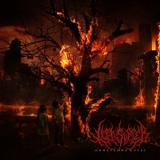
GER Erstes Album mit Hopeless der Atlanta Nu-Deathcore-Band LEFT TO SUFFER! Left To Suffer zählen zu den intensivsten und eindringlichsten Acts der modernen Heavy-Musik, eine Band, die mit der Wucht einer Abrissbirne und der Präzision eines Skalpells zuschlägt. Ihr Sound entsteht an der Schnittstelle zwischen Moshpit-tauglicher Brutalität und eindringlicher Melodik; er richtet sich an Hörer, die ihre Katharsis laut, körperlich spürbar und kompromisslos erleben wollen. Von zermalmenden Breakdowns bis hin zu unheimlicher, atmosphärischer Spannung haben sich Left To Suffer eine ganz eigene Nische geschaffen. Hier existieren Wut und Verletzlichkeit unmittelbar nebeneinander, getragen von messerscharfem Songwriting, gewaltigem Tiefenfundament und Hooks, die wie Nachbeben einschlagen. Left To Suffer jagen keinen Trends hinterher. Sie erschaffen etwas, das schwerer, schärfer und unüberhörbarer ist, und dieses Kapitel hat gerade erst begonnen. Oranges Vinyl, Digisleeve CD Hopeless debut from rising Atlanta Nu-Deathcore band LEFT TO SUFFER! Left To Suffer are one of modern heavy music's most visceral acts, a band that hits with the force of a wrecking ball and the precision of a scalpel. Their sound lives at the collision point of pit-starting brutality and haunting melody, built for listeners who want their catharsis loud, physical, and uncompromising. From pulverizing breakdowns to eerie atmospheric tension, Left To Suffer have carved out a lane entirely their own. One where rage and vulnerability coexist in the same breath, anchored by sharp songwriting, massive low-end weight, and hooks that land like aftershocks. Left To Suffer aren't chasing trends. They're building something heavier, sharper, and harder to ignore, and this chapter is just getting started. Orange coloured vinyl, digisleeved CD.
Underground Hip Hop vets, Dillon & Paten Locke aroused appetites with their 2016 standout release, 'Food Chain', the follow-up to 2009's cult classic, 'Studies in Hunger' and prequel to 2025's 'Rations'. The flagship release of their fledgling label, FULL PLATE, 'Food Chain' opened many doors (and ears) for the Atlanta, GA /Jacksonville, FL based crew, setting the table for their sprawling catalog today.
Produced entirely by Paten Locke (the Boston-bred triple threat who cut his teeth with Mr. Lif, Akrobatik, Edan and his groups: Asamov + The Smile Rays), Food Chain's recipe starts with rugged chops of impossibly rare samples from Paten's world-renowned vinyl collection. Once that's simmering, just add Dillon's razor sharp rhymes; ranging from aggressively self-sure to deeply self-reflective, then finish with their signature seasoning - comedic relief! Food Chain also boasts an impressive list of guest features including Count Bass D, Homeboy Sandman, Supa Dave West, J-Live, Von Pea of Tanya Morgan, Phill Most Chill, Boog Brown, Malkovich, Tone Tank and their FULL PLATE FAM, Willie Evans Jr. Too many chefs? We say, 'Let 'em cook!!'
Now 10 years later this critically acclaimed album receives the treatment it deserves: a proper double LP pressing of the album in its entirety - including a lost bonus intro + bespoke poster insert. 2016's pressing was an abridged single LP that was missing songs, interludes & skits in order to fit the time limits of the format. With the 2xLP, you finally get to enjoy the full album, they way it was meant to be heard. What makes this 10th Anniversary reissue even heavier is that Paten Locke passed in 2019 and never got to see the full impact of his work, so this release doubles as a delicious celebration of Paten's lifelong creative pursuits & accomplishments.
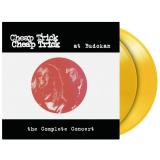
Cheap Trick - At Budokan: The Complete Concert is the the full version of the famous best-selling live album by the American rock band Cheap Trick. The louder, roaring versions of classics like "I Want You to Want Me" and "Surrender" connected to a wide audience in the late 1970s.
The recording became the band's best-selling album and captures the performance exactly as it was experienced on stage. Their raw-powered riffage and three-chord songs, combined with the posterboy looks of singer Robin Zander and the outrageous guitars played by Rick Nielsen made an impression all over the world. After this recording in Japan, and releasing an abridged 1-LP version of At Budokan, Cheap Trick became instant rock stars.
In 1998, the full Budokan show was finally released on CD, followed by a double vinyl release on Music On Vinyl in 2016. Both Cheap Trick fans and rock lovers in general will need this document of the band's most celebrated concert.
Cheap Trick At Budokan: The Complete Concert is available now as a limited edition of 3000 individually numbered copies on yellow vinyl and in packaged a gatefold sleeve.
Die vielleicht größte Herausforderung für jeden Musiker ist es, zu lernen, als Künstler zu wachsen und sein Repertoire zu erweitern und gleichzeitig eine kohärente, übergreifende Vision für die eigene Arbeit beizubehalten. Seit ihren Anfängen und über die Spanne von drei Alben hinweg haben Blackwater Holylight stets eine Aura, als ob die Mitglieder der Band sowohl den Raum als auch das Vehikel gefunden hätten, ihre emotionale Abwehr zu senken, indem sie ihre Position mit purer klanglicher Kraft verstärken. Diese anhaltend eindringliche und bezaubernde Qualität hat sich in einer Vielzahl von Ansätzen manifestiert. Gleichermaßen versiert in Doom-Riffs, narkotischen Neo-Folk-Melodien, lysergischen psychedelischen Streifzügen und zerklüftetem Art-Rock-Abrieb, decken Blackwater Holylight mit ihrem Arsenal an Gitarre, Bass, Schlagzeug, Synthesizer und Stimme ein breites Spektrum an Klangfarben ab. Auf ihrer neuesten EP If You Only Knew gehen Blackwater Holylight den eingeschlagenen Weg konsequent weiter. Letztlich ist "If You Only Knew" ein mutiger Schritt, der die Ungewissheit im Privatleben der Bandmitglieder widerspiegelt. der Bandmitglieder widerspiegelt.
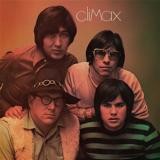
Second EP (1970) by the legendary Bolivian band Climax, recorded during their hard rock period, before evolving their sound toward progressive rock a few years later with the release of their well-known album "Gusano Mecánico". Includes a new funky version of 'Born to Be Wild' by Steppenwolf, as well as three original compositions by the band. On October 7, 1974, the now-historic "Gusano mecánico" was released - the only full-length album by the legendary Bolivian rock band Climax. Founded in 1968 from the remnants of the disbanded Los Black Byrds and the unrealized project The Turtles, Climax was formed by guitarist José "Pepe" Eguino and bassist Javier Saldías, who developed a strong bond with drummer Alvaro Córdova, cemented by their shared passion for rock. Together, they embarked on a journey of self-discovery, spending several months in the United States during a crucial period straddling the end of the Summer of Love and the lead-up to Woodstock. This period, perhaps the most significant of the 1960s Bolivian countercultural movement, saw an explosion of artistic expression driven by dissatisfaction with the society that the youth had inherited from their parents. Within this context, the influence of iconic bands such as The Jimi Hendrix Experience, Cream, Blue Cheer, and Emerson, Lake & Palmer played a pivotal role in their decision to return to Bolivia and form the country's first 'power trio'. Their early EPs paid tribute to their musical heroes. Their second EP "Born to Be Wild II" was released in 1970, it featured a new funky version of the Steppenwolf original. It also introduced the band's first original compositions and their new influences: 'Ritmo de la Vida,' an instrumental chord-driven melody with Latin jazz overtones where we begin to hear the influence of Santana; 'El Abrigo Café de Piel de Gallina,' a standard blues number that recalls 'All Your Love' by Otis Rush; and 'The Seeker,' with a Latin vibe and lyrics that include the first reference to drug use in Bolivian music. First time vinyl reissue.
Weiß-blaues Halstuch, das Dorf im Rücken, die große Bühne vor der Brust: TREAM hat in den vergangenen Jahren aus einer Welt, die lange eher nach Bierzelt, A-Klasse-Fußball und letzter Zigarette am
Weiher klang, eines der eigenständigsten Erfolgsmodelle der deutschen Poplandschaft gebaut. Der 27-
Jährige aus Büchelkühn bei Schwandorf verbindet HipHop, Pop und modernen Schlager zu einem Sound,
der genauso drückt wie er mitsingtauglich ist, genauso größenwahnsinnig wie bodenständig und genauso
laut wie herzlich. Oder, wie TREAM selbst es sagt: »Meine Musik klingt nach Leben«. Genau das ist auch
die Überschrift über seinem neuen Album »STAMMTISCHPAROLEN«.
Dass TREAM längst mehr ist als ein Phänomen mit Kultstatus, zeigt sein Weg der letzten Jahre ziemlich
eindeutig. Nach der restlos ausverkauften »Biergarnitour 2024«, einer Arena-Tour 2025 mit über 130.000
verkauften Tickets und drei Abenden hintereinander in der Münchner Olympiahalle geht es im Sommer
2026 auf die nächste Stufe: die erste große Open-Air-Tour. Dazu kommt in diesem Jahr seine Teilnahme
bei »Sing meinen Song – Das Tauschkonzert«. Das alles wirkt bei TREAM nicht wie der glattgebügelte
Aufstieg eines Künstlers, der sich für den Mainstream passend gemacht hat, sondern eher wie das konsequente Durchziehen einer eigenen Vision.
Genau deshalb passt auch der Albumtitel so gut. »STAMMTISCHPAROLEN« ist nicht politisch gemeint,
sondern ein selbstbewusstes Etikett für 15 Songs, die TREAMs eigenes Lebensgefühl bündeln: Provokation,
Herz, Heimweg, Heimweh, Abriss, Eskalation, Freundschaft, Sehnsucht und ein Humor, der nur funktioniert, wenn einer weiß, wo er herkommt. Das Album spielt mit bayerischen Bildern, ohne darin stecken zu
bleiben, und macht aus Klischees Gegenwart.
Schon der Opener »BAYERN GO HIGH (INTRO)« macht klar, dass hier niemand langsam anlaufen will:
808s drücken, Hörner dröhnen, irgendwo zwischen US-Rap-Sound und bayerischer Folklore wird sofort der
Claim abgesteckt. »DIE KENN ICH NICHT« zieht als vergnügter Spießrutenlauf weiter, »SAUNAKONTAKT« erzählt mit Uptempo-Beats den Wahnsinn einer Begegnung, und »HASENJAGD« liefert eine
Hymne, die klingt, als würde die Nacht schon beim Intro eskalieren.
Auch in den Kollabos zeigt sich die Erweiterung seiner Welt: »EISENBAHN« mit Bausa, »APRES SKI«
mit Gzuz oder »K2« feat. Blümchen verbinden scheinbar Gegensätzliches und funktionieren genau deshalb.
Dass »STAMMTISCHPAROLEN« mehr kann als Abriss, zeigen die ruhigeren Momente: »WUNSCH FREI«
erzählt von den Schattenseiten eines Lebens, das von außen nach Dauerparty aussieht, »99 LUFTBALLONS« ist ein Lovesong, während »PSYCHO« und »ALLERLETZTE FAHRT« die Platte in eine nachden-klichere Richtung ziehen.
Gerade darin liegt die Stärke des Albums: Es macht aus Bayern kein Postkartenmotiv und aus TREAM
keine Kunstfigur, sondern zeigt einen Künstler, der Wirtshaus, Wahnsinn und Weltoffenheit gleichzeitig
denken kann – laut, liebevoll, verletzlich und provokant.
From dancefloor anthems to deep, soulful grooves-pure contemporary fire - a stunning fusion of soul, jazz, hip hop, and funk from Spain's most exciting artists presented in volume 5 of Sampladelia series. The Groove Family kicks off the compilation, Sampladelia 2025, with a dancefloor banger, while Carlos Abril takes us on a soulful journey, and producer Blunted Soul dives into instrumental hip hop infused with funk. From Jerez, Maestro Mutante delivers a distinctive sound full of contemporary soul, while Sr. Zambrana blends jazz, hip hop, and Japanese influences. Smart K., from Vigo, brings his signature Spanish-sung R&B, and guitarist Juanma Montoya proves that soul-funk and flamenco accents are a perfect match. Karmasound mixes jazz with electronic textures, MrFoxMad pays an elegant tribute to Roy Ayers, and Malage delivers a killer track for the dancefloor. Laboca joins Flavia Beaká with experimental, conscious hip hop, and to close the compilation, Pablo Torti represents the new wave of Spanish contemporary jazz. Enjoy this new volume of Sampladelia series!
Mit SAMMA?! zünden SOAB die nächste Eskalationsstufe und präsentieren ein Album, das ihre ohnehin explosive Mischung aus Rap, Alternative und Metal noch weiter verschärft. Die zweite Platte der Band wagt deutlich tiefere Ausflüge ins Metal-Terrain: härter, düsterer, kompromissloser - und gleichzeitig überraschend witzig, direkter und musikalisch reifer. SOAB kennen inzwischen genau den Ort, an dem sie landen wollen: irgendwo zwischen völliger Abrissbirne, ehrlicher Melancholie und kollektiver Eskalation. SAMMA?! ist ein Album voller emotionaler Spannungsfelder, das mühelos von brachialen Breakdowns zu eingängigen Refrains wechselt, von pointierten Zeilen mit Tränenpotenzial zu Riffs, die selbst "Omma zum Headbangen bringen". Egal ob Mitgrölen auf der WG-Party, Auspowern im Gym, Frustabbau nach einem harten Tag oder kollektives Durchdrehen auf Konzerten - SAMMA?! liefert den Soundtrack für all diese Momente. Energetisch, laut, direkt und kompromisslos authentisch. Mit ihrem zweiten Album beweisen SOAB endgültig, dass sie gekommen sind, um die deutschsprachige Alternative-Metal-Rap-Szene gründlich aufzumischen.
Interdimensional exotica in the form of eccentric space jazz, sonic experimentation, Afro-centric rhythms, and ostinato electronic freakouts! Includes three platters worth of tunes pressed on orange vinyl, all curated by Irwin Chusid - who also co-wrote the liners with Brother Cleve - for all those with cocktail in hand and ready for a slice of Ra’s jetpack jetset recorded legacy!
Du glaubst, du brauchst keine neue Sniffing Glue Platte mehr? _doch, diese Platte brauchst du!!! HORSEHEAD. Fünf Songs, fünf Hits. Abrisskante und Kälte. Mehr gibt es nicht zu sagen_ SNIFFING GLUE started in 2006 to waste you and your friends with early 80ies styled hardcorepunk. Aufgenommen am 28. & 29. Juni 2024 bei Denny / Werner-Wiese-Studios HORSEHEAD kommt als 12" EP mit Download Link, Textblatt und ist auf 300 Stück limitiert.
Ein vor über hundert Jahren verstorbener Magier scheint zurückgekehrt zu sein. Wer will den Abriss seines Wohnhauses verhindern? Noch immer hat Aden Tangury viele Fans, die das Grundstück des Magiers retten wollen. Sie erzählen noch heute davon, wie Tangury sich damals bei einem seiner Zaubertricks in einen riesengroßen Barrakuda verwandelte. Nun demonstrieren seine Anhänger vor der Baustelle und es kommt sogar zu nächtlichen Sabotageakten. Können die drei ??? für Klarheit sorgen und die Demonstranten aus dem Bann des Barrakudas befreien?
Ein vor über hundert Jahren verstorbener Magier scheint zurückgekehrt zu sein. Wer will den Abriss seines Wohnhauses verhindern? Noch immer hat Aden Tangury viele Fans, die das Grundstück des Magiers retten wollen. Sie erzählen noch heute davon, wie Tangury sich damals bei einem seiner Zaubertricks in einen riesengroßen Barrakuda verwandelte. Nun demonstrieren seine Anhänger vor der Baustelle und es kommt sogar zu nächtlichen Sabotageakten. Können die drei ??? für Klarheit sorgen und die Demonstranten aus dem Bann des Barrakudas befreien?
The collaborations between Chet Baker and Art Pepper were originally issued in such a disparity of ways that it might seem difficult at first to think about them as a coherent body of work. Their first session, for instance, was originally segmented in a variety of compilation albums, one tune each, and many times the selections were even abridged, suppressing a solo here or there.
Along with another equally splendid session, it was included in Baker and Pepper's most famous album together, Playboys, which was also released under the title picture of heath. At the time, both Baker and Pepper were at their peaks, which is to say that each was playing as much or more on his instrument than anyone in jazz.
pas en stock
Dernière livraison il y a 10 mois réapprovisionnement sans garantie
The debut from Berlin's Misere is a new jewel in the modern post punk crown. Sit back, relax and let the darkness engulf you with their primitive and sparse sound. Standout "Prickelnd" starts with the pounding floor tom and snare and slightly flanged bass before the guitar kicks in and the song takes twists and turns. It’s like a minimal sounding Xmal Deutschland and Blood and Roses with a vocalist that sings with a deadpan delivery. Another standout "Dracula" has the sound and spirit of the first Kleenex single down to a tea, but adds a hint of classic early 80’s goth. Final track "Abrieb" sounds like it could fall apart at any moment, in all it’s glorious chaos. It’s the sound of what UK Decay would have sounded like, if they were women. A superb release that shows the sound of Berlin in 2025.
Uncharted musical terrains beyond jazz standards, precise and beautiful vocal arrangements, pop minimalism, Portuguese folk, R&B and playful loops. This is how we could define the first album “Un a Un”, by the Portuguese musician and singer based in Barcelona, Marta Garrett, which has been produced and multiinstrumented by Leo Aldrey and with the collaborations of guitarist Santi Careta and bassist Ramon Vagué. An album that tells us about the melancholic but hopeful search for a sense of belonging and the impulsive fight against fear and insecurity.
Einatmen. Ausatmen. Einatmen. Ausrasten! Mit ihrer neuen Platte "The Power of Now" heben THE DEAD END KIDS die Messlatte für energiegeladenen Punkrock auf ein neues Level. Unbändig, mitreisend und voller Entschlossenheit nehmen Caro, Charlie und Fatima ihre Hörer*innen mit auf eine wilde Achterbahnfahrt durch den Zeitgeist. Egal ob Millennials in der Krise, Z-Promis im Trash TV, missglückte Datingversuche im Fitnessstudio, dem Empfinden, sich aus einer gescheiterten Beziehung nicht lösen zu können oder der Abschied eines geliebten Menschen, die vielseitigen Kids finden für jedes Gefühl und jeden Moment die richtigen Worte und die passende Tonlage, um die jeweilige Stimmung, zu unterstreichen. Jeder Song gleicht einer Explosion aus dynamischen Gitarrenriffs, treibenden Schlagzeugrhythmen und Texten, die von den Dramen und Triumphen des Alltags erzählen. Und seien wir ehrlich: keine Punkband hat so schöne Gitarrensoli wie das Trio Infernale.âÇ¿Aufgenommen wurde "The Power of Now" von Thies Neu und Rodrigo Gonzalez in der Tonbrauerei in Berlin, das Mastering hat Andi Jung übernommen.
Einatmen. Ausatmen. Einatmen. Ausrasten! Mit ihrer neuen Platte "The Power of Now" heben THE DEAD END KIDS die Messlatte für energiegeladenen Punkrock auf ein neues Level. Unbändig, mitreisend und voller Entschlossenheit nehmen Caro, Charlie und Fatima ihre Hörer*innen mit auf eine wilde Achterbahnfahrt durch den Zeitgeist. Egal ob Millennials in der Krise, Z-Promis im Trash TV, missglückte Datingversuche im Fitnessstudio, dem Empfinden, sich aus einer gescheiterten Beziehung nicht lösen zu können oder der Abschied eines geliebten Menschen, die vielseitigen Kids finden für jedes Gefühl und jeden Moment die richtigen Worte und die passende Tonlage, um die jeweilige Stimmung, zu unterstreichen. Jeder Song gleicht einer Explosion aus dynamischen Gitarrenriffs, treibenden Schlagzeugrhythmen und Texten, die von den Dramen und Triumphen des Alltags erzählen. Und seien wir ehrlich: keine Punkband hat so schöne Gitarrensoli wie das Trio Infernale.âÇ¿Aufgenommen wurde "The Power of Now" von Thies Neu und Rodrigo Gonzalez in der Tonbrauerei in Berlin, das Mastering hat Andi Jung übernommen.
This new album you hold in your hands, Sleep Circle, is this newly recorded, abridged version of Sleep informed by those concert experiences and focusing on the movements within the composition that are more in the foreground. This way Sleep Circle becomes a hallucinatory 90-minute trip into the hypnagogic state. For Max, the approach offered new insights into his epic composition: “Some of these compositions, such as Dream 11, Moth-like Stars or Non-Eternal, are so rich in their poetic core that I wanted the music to be experienced in a more traditional way. I first wrote a structure for a concert performance. The new version we’ve recorded now is based on these performances, which also means that it has a slightly different architecture. It's like Sleep distilled.”
pas en stock
Dernière livraison il y a 13 mois réapprovisionnement sans garantie
In Guadeloupe, many people think that jazz and ka music are like a ring and a finger. To some extent, the same could be said about so called Latin music and the music played in the French West Indies.
Both aesthetics were born in the Caribbean and bear so many connections that they can easily be considered cousins. In constant dialogue, there are lots of examples of their fruitful alliance and have been for a while. The English country dance that used to be practiced in European lounges came to be called kadrille in Martinique and contradanza in Cuba. They both featured additional percussion instruments inherited from the transatlantic deportation. Drawing from shared feelings about the same traumatized identity – later to be creolized – it would be hard not to assume that they were meant to inspire each other. The golden age of the orchestras that graced the Pigalle nights during the interwar period further proves the point. As soon as the 1930s, Havana-born Don Barreto naturally mixed danzón and biguine music in a combo based at Melody's Bar. In the following decade, Félix Valvert, a conductor who was born and raised in Basse-Terre in Guadelupe, also worked wonders in Montparnasse with La Coupole, which was an orchestra made up of eclectic musicians. Afro- Caribbean performers of various origins were often hired on rhythm and brass sections in jazz bands, which used to enliven the typical French balls of the capital. In the 1930s and onwards, Rico’s Creole Band was one of them.
Martinican violinist-clarinettist Ernest Léardée, who would become the king of biguine music as well as the main figure of French Uncle Ben's TV commercials (a dark stigma of post-colonial stereotypes), had musicians from the whole Caribbean sphere play at his Bal Blomet – and they all enchanted "ces Zazous-là" (according the words of Léardée's biguine-calypso piece). In les Antilles (French for French West Indies), music history started to speed up in the 1950s, when trade expanded and radio stations grew bigger. The Guadelupean and Martiniquais youth tuned in their old galena radio sets to South American and Caribbean music. As for the women traders, les pacotilleuses, they bought and sold goods across different islands (the "passing of items through various hands" was thought to be most pleasurable) and brought back countless sounds in their luggage. Such was the case of Madame Balthazar, who once returned from Puerto Rico with the first 45rpm and 33rpm to ever enter Martinique.
Out of this adventure was created the famous Martinican label La Maison des Merengues, a music business she opened and undertook with her husband and which proved to be a major landmark. At the end of the 1950s, in Puerto Rico, Marius Cultier competed in the Piano International Contest playing a version of Monk's Round 'Midnight. He won the first prize and this distinction foreshadowed everything that was to come. Cultier, the heretic Monk of jazz, was quickly praised for writing superb melodies, always tinged with a twist that conferred a unique sound to his music. It didn't take long for the gifted self-taught musician to get to play with Los Cubanos, making a name for himself thanks to his impressive maestria on merengues.
The rest is history. Besides, in the late 1950s, Frantz Charles-Denis, born into the upper middle class in Saint-Pierre and better known by his first name Francisco, went back home after working at La Cabane Cubaine – a club located rue Fontaine where he had caught the Latin fever. Francisco's music was therefore heavily marked by his Cuban cousins' influence, which gave the combos he led a specific style and also led to renewal. Things were swinging hard in La Savane, located in the main square in Fort-de-France. He set up the Shango club close by and tested out the biguine lélé there, a new music formula spiced up with Latin rhythms. Soon afterwards, fate had him fly to Puerto Rico and Venezuela.
As for percussionist Henri Guédon (percussions were only a part of his many talents), he was born in Fort-de-France in May 22nd 1944, the day marking the celebration of the abolition of slavery. As an old man, he could remember that in " his father's Teppaz, a lot of hectic 6/8 music was constantly playing...". In the opening lines of his Lettre à Dizzy, a small illustrated collection of writings published by Del Arco, he highlighted the huge impact that cubop had on him as a teenage boy, around 1960. He eventually turned out to be the lider maximo in La Contesta, a big band steeped in Latin jazz. He was also the one who originated the word zouk to describe music which brought the sound of the New York barrio to Paris. It was the culmination of a journey that started in Sainte-Marie: "a mythical place for bélé, the equivalent of Cuban guaguancó". In the early 1960s, the tertiary economy developed to the detriment of agriculture. Yet rural life was where roots music emerged in Martinique and in Guadeloupe.
Record companies played a major part in the process of Latin versions sweeping across the islands – before reaching everywhere else. Producer Célini, boss of the great Aux Ondes label, and Marcel Mavounzy, both the head of Émeraude records - a firm which was founded in 1953 - as well as the brother of famous saxophonist Robert Mavounzy, were big names to bear in mind. Although there were many of them - all of whom are featured on this record - Henri Debs was definitely the major figure in the recording adventure. He proved to be so influential that he even got compared to Berry Gordy. In the mid 1950s, when he acquired his first Teppaz, he worked on his first compositions: a bolero and a chachacha. Then, he became the one man who made people discover Caribbean music, from calypso to merengue. He was among the first ones to rush out to San Juan, Puerto Rico, to buy records and distribute them through a store run by one of his brothers in Fort-de-France. He had members of the Fania All Star come and perform there, which he was madly proud about. He was also the first one to pay attention to Haitian music, such as compas direct and various other rhythms which would soon flood the market. As a result, many of the combos hitting his legendary studio would end up boosted by widespread "Afro-Latin" rhythms. However, he never denied his identity: gwo ka drums were given a major role, although they were instruments which had long been banned from the "official" music spheres. The present selection bears witness to such a creative swarming. Here are fourteen tracks of untimely yet unprecedented cross-fertilization: all types of music rooted in the Creole archipelago have found their way, whatsoever, to the tracklisting. Whether originating from the city or being more rural, they all go back to what Edouard Glissant, in an interview about the place of West Indian music in the Afro-American scope, called "the trace of singing, the one which got erased by slavery." "It is so in jazz, but also in reggae, calypso, biguine, salsa... This trace also manifests through the drums, whether Guadelupean, Dominican, Jamaican or Cuban... None of them being quite the same. They all point to the idea of a trace, seeking it out and connecting to each other through it. This is the hallmark of the African diaspora: its ability to create something new, in relation to itself, out of a trace. It may be the memory of a rhythm, the crafting of a drum, a means of expression which doesn't resort to an old language but to the modalities of it." The opening track features one of the emblematic orchestras of this aesthetic identity, criscrossing many music types from the archipelago. The 1974 Ray Barretto guajira – Ray Barretto was a major New York drummer influenced by Charlie Parker and Chano Pozzo – is magnificently performed by Malavoi, a legendary Fayolais group (i.e from Fort-de-France). Additionally, the compilation ends on a piece by Los Martiniqueños de Francisco. It symbolically closes the circle as it is a genuine potomitan of Martinique culture which also functions as a tireless campaigner for Afro-Caribbean music. Practicing the danmyé rounds (a kind of capoeiria) to the rhythm of the bèlè drum, it delivers a terrific Caterete, a kind of champeta of Afro- Colombian obedience which was originally composed by Colombian Fabián Ramón Veloz Fernández for the group Wgenda Kenya. The icing on the cake is Brazilian Marku Ribas, who found refuge in Martinique in the early 1970s, bringing his singing to the last trance-inducing track. These two "versions" convey the whole tone of a selection composed of rarities and classics of the tropicalized genre, swarming with tonic accents and convoluted rhythms. It is the sort of cocktail that the West Indians never failed to spice up with their own ingredients. For instance, the Los Caraïbes cover of Dónde, a famous Cuban theme composed by producer Ernesto Duarte Brito, has a typical violin and features renowned Martinique singer Joby Valente and his piquant voice.
The track used to be – or so we think – their only existing 45rpm. The meaningful Amor en chachachá by L'Ensemble Tropicana, a band which included Haitian musicians among whom was composer and leader Michel Desgrotte, also recalls how Latin music was pervasive in the tropics in the mid-1960s. They were the ones keeping people dancing at Le Cocoteraie in Guadelupe and La Bananeraie in Martinique. Around the same time, another "foreign" band, Congolese Freddy Mars N'Kounkou's Ryco Jazz, achieved some success on both islands by covering Latin jazz classics – such as their adaptation of Wachi Wara, a "soul sauce" by Dizzy Gillespie and Chano Pozo whose interweaving of strings and percussions can have anyone hit the dancefloor. How can you resist Dap Pinian indeed, a powerful guaguancó by Eugene Balthazar, performed by the Tropicana Orchestra and published by the Martinique-founded La Maison des Merengues? It also acts as a symbol of the maelstrom at work. Going by the name Paco et L'orchestre Cachunga, Roger Jaffory used to play guaguancó too: his Fania-inspired Oye mi consejo is one example of his style. Baila!!!!! Dancing was also one of the Kings' focus points. Oriza is a Puerto Rican bomba and a "classic" originally composed by Nuevayorquino trumpeter Ernie Agosto, which reserves major space for brasses, giving it a special sheen.
Emerging from the New York barrios crucible was also La Perfecta, a Martinique group originating from Trinidad, whose name directly references the totemic Eddie Palmieri figure as well as his own band, also called La Perfecta. Here they borrow Toumbadora from Colombian producer and composer Efraín Lancheros and interpret it by emphasizing percussions, which set fire to the track even more than the wind instruments. The same goes for Martinique's Super Jaguars, who use Tatalibaba – a composition by Cuban guitarist Florencio "Picolo" Santana which was made famous by Celia Cruz & La Sonora Matencera – as a pretext for sending their cadences into a frenzy. In a more typically salsa vein, the Super Combo, a famous Guadelupean orchestra from Pointe-Noire that was formed around the Desplan family and had Roger Plonquitte and Elie Bianay on board, adapt Serana, a theme by Roberto Angleró Pepín, a Puerto Rican composer, singer and musician also known for his song Soy Boricua. Here again, their vision comes close to surpassing the original. In the 1970s, L'Ensemble Abricot provided a handful of tracks of different syles, hence reaching the pinnacle of the art of achieving variety and giving pleasure. They played boleros, biguines, compas direct, guaguancó and even a good old boogaloo - the type they wanted to keep close to their hearts for ever, "pour toujours", as they sang along together in one of their songs. Léon Bertide's Martinican ensemble excelled at the boogaloo which had been composed by Puerto Rican saxophonist Hector Santos for the legendary El Gran Combo.
Three years later, in 1972, Henri Guédon, with the help of Paul Rosine on the vibraphone, tackled the Bilongo made famous by Eddie Palmieri. Such a classic!!!!! And so were the Aiglons, the band from Guadelupe: choosing to execute Pensando en tí, a composition by Dominican Aniceto Batista, on a cooler tempo than the original, they noticeably used a wonderfully (un)tuned keyboard in place of the accordion. On the high-value collectible single – the first one released by Les Aiglons under the Duli Disc label – there is a sticker classifying the track under the generic name "Afro". Now that is what we call a symbol. Jacques Denis
pas en stock
Dernière livraison il y a 7 mois réapprovisionnement sans garantie
“I cross the void beyond the mind. The empty space that circles time... Eternal wisdom is my guide. I am the Doctor!” Demon Records celebrates Jon Pertwee’s flamboyant portrayal of the famous Time Lord, 55 years after he made his screen debut on 3 January 1970. Available on Blue and 4 x Blue and Green Vinyl, with a beautifully illustrated cover, this set presents Jon Pertwee narrating two classic Doctor Who Target Books, an array of bonus Jon Pertwee audio appearances, and his own 1972 pop single, Who Is The Doctor? Doctor Who and the Curse of Peladon is Brian Hayles’ abridged TV novelisation set on a medieval-style world, and Doctor Who and the Planet of the Daleks is Terrance Dicks’s abridged adaptation of the Terry Nation adventure set on the jungle-like Spiridon. Bonus features are also included on each disc spanning the 1970s to the 1990s, including BBC radio interviews, a Goodwood Races sketch with Elisabeth Sladen, comedy featuring Mel Giedroyc, and tributes paid by family members and Doctor Who producers. This also includes a frameable photographic print of the Third Doctor. Accompanied by the BBC Radiophonic Workshop’s familiar Doctor Who theme, the Jon Pertwee Collection celebrates one of the most stylish, iconic and beloved Doctors of all
Es gibt einen wilden Südstaatenmotor im Inneren des Debütalbums von Billy Allen + The Pollies Black Noise, das ein neues Kapitel in der der Entwicklung des ,Muscle Shoals Sound". Wie The Swampers vor ihnen, schöpft die Band aus unzähligen Einflüssen des Rock'n'Roll, klassischem Soul und Psychedelia zu einem um einen ganz eigenen, das Genre sprengenden Sound zu kreieren. Die Band wurde während der Pandemie Pandemie im Jahr 2020, als Billy Allen und Pollies-Frontmann und Haupt-Songwriter Jay Burgess begannen Demos auszutauschen und gemeinsam Songs zu schreiben. Als sich die Abriegelung lockerte, wurden mehr Mitglieder von The Pollies beteiligt, und aus einem lustigen Schreibprojekt entwickelte sich zu einer richtigen Band. Als es an der Zeit war, eine richtige Platte aufzunehmen, holten sie sich ihren Freund und manchmal auch Pollie Ben Tanner (Alabama Shakes) und sein Studio in Florence, Alabama. Das Ergebnis ist ein 11-Song-Klassiker, der stöhnt und jammert und tanzt und feiert, eine großartige Band, angeführt von einer der einer der wirklich großen Stimmen der heutigen Südstaatenmusik.
Es gibt einen wilden Südstaatenmotor im Inneren des Debütalbums von Billy Allen + The Pollies Black Noise, das ein neues Kapitel in der der Entwicklung des ,Muscle Shoals Sound". Wie The Swampers vor ihnen, schöpft die Band aus unzähligen Einflüssen des Rock'n'Roll, klassischem Soul und Psychedelia zu einem um einen ganz eigenen, das Genre sprengenden Sound zu kreieren. Die Band wurde während der Pandemie Pandemie im Jahr 2020, als Billy Allen und Pollies-Frontmann und Haupt-Songwriter Jay Burgess begannen Demos auszutauschen und gemeinsam Songs zu schreiben. Als sich die Abriegelung lockerte, wurden mehr Mitglieder von The Pollies beteiligt, und aus einem lustigen Schreibprojekt entwickelte sich zu einer richtigen Band. Als es an der Zeit war, eine richtige Platte aufzunehmen, holten sie sich ihren Freund und manchmal auch Pollie Ben Tanner (Alabama Shakes) und sein Studio in Florence, Alabama. Das Ergebnis ist ein 11-Song-Klassiker, der stöhnt und jammert und tanzt und feiert, eine großartige Band, angeführt von einer der einer der wirklich großen Stimmen der heutigen Südstaatenmusik.
Neues Scheibe - Neue Wut: Nach Ihrem erfolgreichen Debutalbum gleich noch diese EP nachgelegt! Maschine Mensch beschreibt den alltäglichen Wahnsinn eines Individuums gesehen von unserer westlichen Welt. Wir werden geboren um ausgebeutet zu werden, alles zum Wohle des Kapitalistischen Systems. Maschine Mensch ist die Antwort auf die Frage: Was machst du aus deinem Leben? Auch wir müssen uns jeden Tag neu hinterfragen was unser Sinn des Lebens ist. Mit ,Maschine Mensch" schlägt die Berliner Punkband Shell Shocked ein neues Kapitel auf - und zwar laut. Die EP ist eine musikalische Abrissbirne gegen die Entmenschlichung unserer Zeit: gegen Algorithmus-Alltag, gegen soziale Kälte und gegen die leise Resignation im Kopf. Mit voller Wucht aus den Kellern Berlins meldet sich Shell Shocked zurück - roher, lauter und kompromissloser denn je. Auf ihrer neuen EP "Maschine Mensch" prallen schneidende Gitarrenriffs auf treibende Drums und Texte, die wie Faustschläge gegen die graue Realität wirken. Zwischen Großstadtbeton, Systemkritik und persönlichem Aufbegehren liefern Shell Shocked 6 Songs, die aufrütteln, antreiben und aufregen. Ein Soundtrack für alle, die nicht stillhalten können, wenn die Welt im Gleichschritt marschiert. ,Maschine Mensch" ist mehr - es ist ein Aufschrei. Punk aus Berlin. Direkt. Unverfälscht. Keine leeren Phrasen sondern Songs die verbinden und bewegen. Für alle die nicht blind mitlaufen wollen.
One of the world’s best-selling albums, Dire Straits’ Brothers In Arms, celebrates its 40th anniversary with a 1LP pressing. Re-issued in this configuration for the first time since 1985, the single-sleeve 1LP mirrors the original pressing where tracks ‘So Far Away’,’Money For Nothing’, ‘Your Latest Trick’ and ‘Why Worry’ were abridged to fit the vinyl format. Brothers In Arms spent 14 non-consecutive weeks at Number 1 in the UK Albums Chart and is the 8th best-selling album in UK chart history.
pas en stock
Dernière livraison il y a 6 mois réapprovisionnement sans garantie
One of the world’s best-selling albums, Dire Straits’ Brothers In Arms, celebrates its 40th anniversary with a 1LP pressing. Re-issued in this configuration for the first time since 1985, the single-sleeve 1LP mirrors the original pressing where tracks ‘So Far Away’,’Money For Nothing’, ‘Your Latest Trick’ and ‘Why Worry’ were abridged to fit the vinyl format. Brothers In Arms spent 14 non-consecutive weeks at Number 1 in the UK Albums Chart and is the 8th best-selling album in UK chart history.
pas en stock
Dernière livraison il y a 15 mois réapprovisionnement sans garantie
Mit seinem ersten Full Length Album "Ruinenkampf" begibt sich Das Kinn auf einen musikalischen Parforceritt durch die Ruinen unserer Zeit. Mittels Kickbox Phonetik und Elektronik Armada führt es uns durch eindringliche Klanglandschaften irgendwo zwischen DAF, den Kosmischen Kurieren und Frankfurter Bahnhofsviertel. Beats auf Anschlag. Knochen klappern. Die Orgel leiert. Warme Synthlines, gespielt von kalten Händen. Ein Saxophon sinniert über das Danach. Hymnen für den Abriss. Musik zum feierlichen Untergang. Toben Piel geht gern auf Friedhöfe. Orte der Ruhe und Idylle. Abstand finden, Vergänglichkeit erahnen. Das Danach als konkreten Ort erkunden. Auch sein Debut-Album "Ruinenkampf" stammt aus diesem Mindset. Dort geht er in Distanz, um dann mit Anlauf auf den Punkt zu kommen. Nach Ruhe und Idylle klingt das nicht. Kassettenszene, 80er Jahre, Stakkatogesang, Synths zwischen DAF und den Kosmischen Kurieren. Ästhetik des Untergrunds. Reißende Melodieströme, Raffinesse, unentwegt pendelnd zwischen Hymne und Abriss. Dieser krasse, erhobene Kraftgesang. Acht Stücke Zuhören, ohne eine Sekunde des Abdriftens. Wie geht das? Wie erschafft man so etwas? Nun, der Mit-40er aus FFM, jung geblieben und hungrig, hat eben gut gelernt: Bei Antitainment (2005-2010), danach zusammen mit der großen Charlotte Simon bei les trucs, im Kontext seines Kassettenlabels MMODEMM, aber auch als Musiker für diverse Theaterbühnen. Zum ersten Mal hat er mit DAS KINN nun das Gefühl, Musik im Sinne einer Selbstbefreiung hervorgebracht zu haben. Vielleicht liegt das am Alter. Da, wo er zuvor oft verkopfte, die Kontrolle suchte, Dinge zerdachte, nicht aufhören konnte im Sinne eines Perfektionismus, hat er sich diesmal ein loses Konzept grundiert, um dieser Selbsterkenntnis entgegenzutreten: Schnelligkeit. Fokus. Abschluss, Absprung. Nicht in Abwertung seines bisherigen Werkes - sondern vielmehr im Sinne einer Geistesgegenwärtigkeit, diese Erfahrungen walten zu lassen, ohne sich ihrer bewusst zu sein. Es ist ihm äußerst gut gelungen!
pas en stock
Dernière livraison il y a 17 mois réapprovisionnement sans garantie
Grammy-nominated Canadian ensemble BADBADNOTGOOD present the latest edition of Mr Bongo’s iconic Brazil 45 boxset series.
Hailing from Toronto, the band, which now consists of Alexander Sowinski, Chester Hansen and Leland Whitty, made its name by crossing genres and developing a distinctive amalgamation of jazz, hip hop and psychedelic grooves. Their rise to the forefront of their scene has led to collaborations with icons such as Tyler, The Creator, Kendrick Lamar, MF Doom, Samuel T. Herring (Future Islands) and Ghostface Killah. With a penchant for an earworm hook, their sound takes cues from across the globe, both past and present, not least from the wealth of music that has emanated out of Brazil over the last 70 years.
Beatmakers, musicians and record collectors at their core, the influence of Brazilian music on BADBADNOTGOOD’s productions is clear to see, with previous collaborators including Arthur Verocai and Tim Bernardes. It seemed only right then, to hand them the reins for the next edition of our signature boxset series. As ever, the brief was simple, compile a selection of your favourite Brazilian cuts from the country’s rich musical makeup. A captivating collection of sought-after tracks crossing genres, decades and tempos, offering a glimpse into BADBADNOTGOOD’s eclectic tastes, whilst exploring ever further the richness of Brazil’s musical history.
pas en stock
Dernière livraison il y a 17 mois réapprovisionnement sans garantie
Die vielleicht größte Herausforderung für jeden Musiker ist es, zu lernen, als Künstler zu wachsen und sein Repertoire zu erweitern und gleichzeitig eine kohärente, übergreifende Vision für die eigene Arbeit beizubehalten. Seit ihren Anfängen und über die Spanne von drei Alben hinweg haben Blackwater Holylight stets eine Aura, als ob die Mitglieder der Band sowohl den Raum als auch das Vehikel gefunden hätten, ihre emotionale Abwehr zu senken, indem sie ihre Position mit purer klanglicher Kraft verstärken. Diese anhaltend eindringliche und bezaubernde Qualität hat sich in einer Vielzahl von Ansätzen manifestiert. Gleichermaßen versiert in Doom-Riffs, narkotischen Neo-Folk-Melodien, lysergischen psychedelischen Streifzügen und zerklüftetem Art-Rock-Abrieb, decken Blackwater Holylight mit ihrem Arsenal an Gitarre, Bass, Schlagzeug, Synthesizer und Stimme ein breites Spektrum an Klangfarben ab. Auf ihrer neuesten EP If You Only Knew gehen Blackwater Holylight den eingeschlagenen Weg konsequent weiter. Letztlich ist "If You Only Knew" ein mutiger Schritt, der die Ungewissheit im Privatleben der Bandmitglieder widerspiegelt. der Bandmitglieder widerspiegelt.
The label "Das ist das Ja" from Cologne has decided to press their «rst record after «ve years of intense music production. "DIDV001" is a best-of collection from «ve years of music production in Cologne. The sound remains consistently energetic, aiming to «ll the dance ¬oors. Tight bass lines and complex grooves ensure that the party never slows down
pas en stock
Dernière livraison il y a 19 mois réapprovisionnement sans garantie