"577 Records’ The Sea, The Space, and Egypt, Vol. 1 is what happened when old friends and a new connection united in the name of music. A heartfelt tribute to the great Sun Ra, the otherworldly album debuts the collaborative gifts of Michael Sarian (on the trumpet), Matthew Putman (on the keys), Federico Ughi (on the drums), and up-and-coming Cuban bassist Ledian Mola.
Sure, most of these musicians have played together in the past. Sarian and Putman have made many albums together, while Putman and Ughi have conspired on melodies for fifteen years. However, we guarantee you have never heard them all in one spot like this.
Alabama’s Sun Ra rose to the top of the Chicago music scene in the 1940s with something unprecedented. A cosmic pioneer of Afrofuturism, he became known for his diverse and unique avant-garde experimentalism. Modern artists champion him as a true innovator.
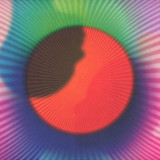
The new band revives the late Sun Ra’s magic in this appropriately named new release. Matthew Putman even plays the same keyboard model as the experimental music icon (the Rocksichord). Even the cover art is a nod to Sun Ra's ancient Egyptian influences, featuring an upside-down pyramid over a galactic setting created by Robert Mirolo.
Meanwhile, Ledian Mola adds vocals inspired by Cuban folklore to these incredible improvisations. The album marks Mola’s first time recording with the other artists in the group (and 577 Records), but you would never know it. Their abstract rhythms sound like they’ve been playing together for a lifetime! He was hand-chosen for this project from 577 Records’ 2022 SOF music residency in Italy and has performed at several of the New York Forward Festival's live events."
Trumpet by Michael Sarian.
Keyboards by Matthew Putman.
Bass by Ledian Mola.
Drums by Federico Ughi.
Cerca:afro rock
The last great African rock LP from Nigeria's post civil war underground. Be Nice to the People was recorded in 1977 by Fela producer Odion Iruoje as he chased the runaway success of high school band Ofege. The Western world was in the throes of peace, love and flower power as Nigeria descended into civil war in 1967. The rock scene that developed during the following three years of bloodshed and destruction would come to heal the country, propagate the world-wide ideal of the modern Nigerian, and propel Fela to stardom after the conflict ended in 1970. The members of Question Mark were children when the Nigerian civil war ended and by the time they recorded their only album in 1977 they were college students, chasing rock n' roll dreams as Afro-beat turned to Afro-disco. Theirs is a fiery reminder of a once vibrant scene
War Head Constriction, a trio that defined an uncompromising afro psych-rock sound, began by playing shows that combined dark proto-metal influences from Black Sabbath and Deep Purple with afro-rhythmic elements. Their raw energy caught the attention of Afrodisia, a progressive record label, which signed them to release a single in 1973: "Graceful Bird" b/w "Shower of Stone." Unfortunately, the record was too experimental for mainstream audiences and quickly faded, leading to the band's breakup. Despite this, they played their biggest show opening for Fela & the Afrika 70 at the National Stadium in Lagos before disbanding. However, the members quickly moved on, continuing to form new groups.
Amenechi recalls jamming with Soga Benson, his cousin Skid, and Ben Bruce at St. Gregory’s, where they wrote and performed together. Benson, who had previously been in rival groups, became close with Amenechi once he joined Greg’s. Benson, a talented guitarist, joined Ofege for their second and third albums in 1975 and 1977. Despite this, his main group, Grotto, had yet to record. That changed when EMI Records, the leading afro-rock label, took interest in Grotto in 1977.
Odion Iruoje, A&R manager at EMI Nigeria, recalls his first encounter with Grotto, noting their cocky attitude and raw material. He sought to help them find an authentic sound, avoiding the typical influences of British rock or groups like Ofege. Iruoje was passionate about youth bands, seeing them as a fresh opportunity to experiment and create something unique. Despite skepticism from EMI Nigeria about the youth market, Iruoje felt confident that Grotto’s originality would shine through.
- A1: No More Drama - Ft Ernest Ranglin
- A2: Tell Me Why - Ft Ken Boothe
- A3: Got To Live - Ft Earl 16
- A4: Look No Further - Ft Ms Maurice
- A5: Gone Are The Days - Ft Alexia Coley
- A6: Meanwhile Shuffle - Ft Matic Horns
- B1: Cee Rocka - Ft Dougal & Ciyo
- B2: The Underground - Ft Devon Russell
- B3: Where The River - Ft Earl 16
- B4: Harder - Ft Ernest Ranglin
- B5: Futile Cause - Ft Alexia Coley
- B6: Down River - Ft Ms Maurice
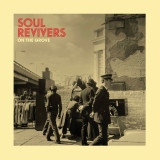
"On The Grove" is an ambitious and passionate collaboration project, it features musicians spanning seven decades, including Jamaican legends: Ernest Ranglin, Ken Boothe, Earl 16 and Devon Russell; alongside contemporary artists, including jazz trumpeter Ms. Maurice (known for her work with Afro—Jazz Ensemble Kokoroko and Nubya Garcia), and vocalist Alexia Coley.
Cuban music has a new global ambassador: Cimafunk. With a name and image that pays tribute to the Cimarrons – Cubans of African descent that resisted slavery – and music and showmanship that re-embodies funk legends from the last century, the medical-school student turned funk artist has developed into a musical force crafting the sonic future of the island and a global, cultural phenomenon that unites and celebrates blackness across borders, oceans and languages.
After the success of El Alimento, Cimafunk delves even further into his exploration of the intersections between funk and the sounds of the continent and gives us Pa' Tu Cuerpa (Mala Cabeza Records), his most polished and mature production to date. For this occasion, Cimafunk has summoned a constellation of extraordinary artists and musicians.
"Collaboration is something I really enjoy," he confesses. "This album has artists that I had always wanted to work with, of whom I am a fan and of whom I have a lot of influence from them." From the legendary touch of funk master George Clinton, who also appeared on Cimafunk’s last album, to the jazz mastery of top AfroCuban pianist Gonzalo Rubalcaba, through the vibe of Colombian rockstars Monsieur Periné, to the Caribbean rhythms and melodies of Haitian producer Michael Brun, and the youthfulness from Havana’s urban street scene of Cuban newcomer Wampi, each guest works like a piece of clockwork in this masterpiece.
“Cuchi Cuchi” is the track that immediately takes you to the Cimafunk of 2024. Catchy, danceable and super funky, “Cuchi Cuchi,” which is a playful way to say “hooking up,” is a Cuba meets New Orleans mashup ready to explode when performed live. “It’s really funky and you can envision me on stage with my band and feel the way I dress, dance and live life just by playing the track,” says Cimafunk. “My musical director Dr. Zapa is the producer and he’s been with me since the beginning. ‘Cuchi Cuchi’ is Cimafunk & La Tribu after a few years of exploring the world thru festivals, venues, dressing rooms and parties.”
New Orleans – Cimafunk’s new home – jumps out track-after-track on “Pa’ tu cuerpa.” The explosive flow of New Orleans bounce-icon Big Freedia on “Pretty” and the unreplicated, powerful horns of Trombone Shorty on “I don’t care” highlight Cimafunk’s affinity with and full-on embrace of New Orleans music and culture. He’s now a regular performer at the New Orleans Jazz Festival and leads an annual New Orleans – Cuba festival and cultural exchange program, Getting Funky in Havana, that has brought New Orleans top artists and musicians to Cuba to perform for the Cuban people and do work in the schools. The result is a sonic experience as innovative as it is impossible to label; Caribbean but borderless, rooted in Havana but with echoes of Detroit funk and New Orleans bass, horns and street-corner vibes.
In making his long awaited return to Periodica, Milord steps away from the mysterious electro and new age mysticisms of past releases, and instead delivers the freaked out boogie funk free-for-alls brain-bending disco dubs, and summertime pop perfections of ‘Party Line’.
The club mix is an extended excursion through hypnotizing and ever-evolving club psychedelia, with wild phonecal detritus accenting a riffing and body-rocking banger led by svelte lyricisms, energized chants, and future gazing vocoder treatments. Elsewhere, the dub is a building body bomb of Afro-tribal grooves techno bass, echoing cascades of drum fx, and pianos soaked in interstellar aether. And for the ultra infectious radio mix, touches of Kraftwerk meet sunshine pop jam band as a molten bubblegum bass guitar bounces on an earworm drum groove, while all around, vocals soar and six-strings jangle through solar-soaked licks.
- A1: Have You?
- A2: Be Nice To People
- A3: Hey Hey Girl
- A4: Love
- B1: Oh My Girl
- B2: Freaking Out
- B3: Scram Out
- B4: Mary Anne
The last great rock LP from Nigeria's post civil war underground. Be Nice to the People was recorded in 1977 by Fela producer Odion Iruoje as he chased the runaway success of high school band Ofege. The Western world was in the throes of peace, love and flower power as Nigeria descended into civil war in 1967. The rock scene that developed during the following three years of bloodshed and destruction would come to heal the country, propagate the world-wide ideal of the modern Nigerian, and propel Fela to stardom after the conflict ended in 1970. The members of Question Mark were children when the Nigerian civil war ended and by the time they recorded their only album in 1977 they were college students, chasing rock n' roll dreams as Afro-beat turned to Afro-disco. Theirs is a fiery reminder of a once vibrant scene.
The Chris Greene Quartet - led by the Evanston saxophone colossus - played its first gig in 2005 and has since become one of the most highly visible, award-winning and critically lauded bands in the Chicago area. While honoring jazz's tradition, the band incorporates elements of funk, hip-hop, rock, Afro-Cuban, the blues and reggae, reflecting their diverse backgrounds.
- Obsession
- The Duke Ellington Bridge
- Conduit
- Fascist Discotheque
- Restructuring
- Apocalyptic Boom Boom
- Angola
- Elvis And Nixon
- Miles Davis Headwound Blues
- Backwards Man
- Arthur Lee Bomb Squad
- Psychic Bloc
- Des Demonas Against Fascism
Washington, DC’s DES DEMONAS have been hailed as a favorite of Henry Rollins (KCRW FM/Black Flag), Marc Riley (BBC6 Music/The Fall), and Iggy Pop (BBC6 Music/The Stooges) since the release of their debut LP on In The Red Records and their subsequent singles and EP. DES DEMONAS’ much anticipated follow-up LP “APOCALYPTIC BOOM! BOOM!” is out this fall on In The Red Records. The group is made up of some familiar names from the DC punk, garage, and indie scenes. A Kenyan punk-poet-politique Jacky “Cougar” Abok (Foul Swoops, Thee Lolitas) is on vocals & percussion, Mark Cisneros (Hammered Hulls, Kid Congo and the Pink Monkey Birds, The Make-Up) is on guitar, Paul Vivari (Benjy Ferree, DJ Soul Call Paul) is on Farfisa organ and bass machine, and Matt Gatwood (Two Inch Astronaut) is on drums. Des Demonas’ music is a melding of disparate sounds and influences, hitting with a driving pulse and fiery intent. “The sonic fuel of the band is a blend of post punk, punk, funk, blues, psych rock, Afro beat, even bubble gum but the noise you hear is pure Des Demonas.” - Kim Salmon / The Scientists “Dig the Des Demonas. Play it loud. Twist your wig.” - Kid Congo Powers
- A1: Keep Right On
- A2: Chronic Tonic
- A3: Hot Tamale
- A4: Pocket Rocket
- B1: Near-Earth Objects
- B2: Othership
- B3: Mind's Eye
- B4: Possibilities
Stalwarts of the London music scene The Boom Yeh are at the forefront of redefining British Jazz-Funk with the release of their new album Near-Earth Objects. Featuring a host of musicians that have worked with Jamiroquai, The Brand New Heavies, Incognito, Alice Russell and Leroy Hutson.
Keep Right On
A blistering syncopated jazz-funk assault reminiscent of The Brecker Brother and Tower Of Power. Featuring solos from trombone player Tom White and sax player/horn arranger Ian Bailey, followed by a virtuosic drum solo courtesy of Alessio Barelli.
Chronic Tonic
A smooth jazz-funker with hip-hop undertones, echoing early Prince with a boogie funk outro in the vein of George Duke, propelled by bass player Matteo Grassi.
Hot Tamale
If Jimi Hendrix was stuck in a Mexican traffic jam, it would probably sound like this. An abrasive funk-rock stomper featuring a heavy duty guitar solo from band leader Jon Speedy.
Pocket Rocket
Deep pocket funk in tribute to George Clinton's Parliament-Funkadelic with be-bop infused horn riffs. Featuring solos by Paul Silver on baritone sax and guest keyboard player Carl Hudson on Oberheim synth.
Near-Earth Objects
High energy jazz-fusion exploring the universe of Herbie Hancock and The headhunters with an afrobeat inspired horn outro. Featuring guest keyboard Carl Hudson on Fender Rhodes and synth.
Othership
Bombastic big band jazz-funk with a rare groove flavoured mid section. Composed by band leader/guitarist Jon Speedy as a nod to his father Dave Speedy - a jazz trumpet player and big band leader.
Mind's Eye
Laid back Ibiza chill out mixtape vibes meets Donald Byrd and the Mizell Brothers. Featuring blissful Fender Rhodes and synth by guest keyboard player Carl Hudson.
Possibilities
A slow burner in the spirit of Roy Hargrove's RH Factor and early neo-soul with a gospel flavoured outro.
The Peace Chant compilation series is a Temple, a reliquary of sacred harmonious statements made by enlightened artists throughout time. With Tramp Records' latest offerings, "Peace Chant, Raw Deep and Spiritual Jazz volumes 5 & 6, deeper, darker, and even more remote chambers of this already exalted temple are brought to light. The team at Tramp, with their torch of love and with reverence for those builders who came before, have returned from their quest with musical treasures unfathomable. Indeed, some of these tracks sound as if they may have literally been plucked from the ancient hands of some towering golden idol. But this quest was no looting effort, no. The Gods, as well as the artists and their families were fairly compensated through Tramp Records' rigorous and historically conscious licensing efforts.
Volume 6 ululates with a rich flute and Fender Rhodes-rich microtonal fusion called "Cataracts" by Musica Orbis that even comes with some sparkling Afro-harping moments ala Dorothy Ashby; a 5/4 dreamscape conjured by the Fredric Rabold Crew called "Januschka" with enraptured wailing soprano; and a very interesting and likely heretofore unheard version of a tune that, in Dizzy's words, "... has withstood the vicissitudes of the contingent world and rocketed in an odyssey into the realm of the metaphysical...", A Night in Tunisia, with rich vocals and scatting.
- A1: Nobuo Yagi - Mi Mi Africa
- A2: Nobuyuki Shimizu - Silver Spot
- A3: Piper - Samba Night
- B1: Haruko Kuwana - Akogareno Sundown
- B2: Aru Takamura - Koi Wa Saikou
- B3: Hitomi Tohyama - Love Is The Competition
- B4: Homma Express -What The Magic Is To Try
- C1: Colored Music - Colored Music
- C2: Shohjo-Tai & Red Bus St Project - Electric City
- C3: Yumi Murata - Krishna
- D1: Eri Ohno - Live Hard, ,Live Free
- D2: Minnie - Rocket 88
- D3: Shoody - Tokyo Melody
2024 Repress
at mule musiq, we've focused on shining light on the many aspects of what electronic music can be, putting out house, techno and ambient releases on our main label, while releasing alternative-leaning dance music through our endless flight imprint. but with the launch of our new label, studio mule, we are stepping away from electronic club music for a bit. the label will not be tied to a specific genre, as we will instead focus on releasing any kind of music that we feel is a little bit different and interesting, but somehow make sense in this day and age. for our first batch of releases, we will be focusing on japanese music.
to be honest, i have been watching the recent rise of global interest in japanese music with a skeptical eye, not sure of how to feel about all these labels overseas licensing great albums that were birthed in our country. but then, i was told by somebody i greatly respect that i should do something similar with mule, and put our own spin on it, which sounded like a good idea to me. after a period of procrastination, i finally got around to doing it. we are starting things off with a compilation of japanese disco, boogie and soul music that we selected from a modern dance music perspective — the kind of songs that we feel would intrigue music fans across the world.
at first, i started seeking authentic-sounding disco that sound like it could have been recorded in the states, but after struggling to get licensing rights for many of those tracks, i started to wonder if that was really the direction we should be going in. when we start new labels or projects, we often come up with the title or artwork first, before deciding on the actual music. we came up with the title midnight in tokyo first, which dictated that we needed to find music that would be a perfect soundtrack to listen to at night in tokyo. we ended up compiling a selection of tracks that you could both listen to at home, and play in clubs at certain time slots. the compilation also ended up sounding a lot more pop than we initially imagined...
during the selection process, we did not care whether the tracks have been reissued already or not, and how rare the original copies of the records were. our sole purpose was to gather a handful of songs from across labels, major or otherwise, that we felt could be listened to for many years to come — even after this whole japanese music trend dies down. although we put together this release mainly for listeners outside of japan, the compilation can also be a chance for japanese music lovers to rediscover the greatness of domestic music, as we did during the process.
the compilation starts off with the afro disco classic 'mi mi africa' by harmonica player nobuo yagi, which was also included in the compilation mastercuts.
'silver top' is a jazzy fusion disco taken from composer, arranger and multi-instrumentalist nobuyuki shimizu's first album, which he released when he was 19. the track features singer epo, whom he worked with many times over the years as an arranger.
'samba night' is by vocalist keisuke yamamoto and his band piper, from their masterpiece second album summer breeze. a delightful city pop number that should appeal to tatsuro yamashita fans.
'akogareno sundown' is a japanese soul classic, sang by singer haruko kuwana (the sister of well-known musi-cian masahiro kuwana). recorded in hawaii and produced by mackey feary band, known for the soulful classic 'a million stars.'
'koiwa saiko (i'm in love)' is a mellow and groovy track by singer aru takamura, the great-grandchild of sculptor kouun takamura, whose son kotaro takamura is a famed poet and sculptor. can be thought of as japan's answer to cheryl lynn's 'got to be real.'
'what the magic is to try' is a cult electropop track by honma express, a project helmed by producer kanji honma. hailed as japan's trevor horn, he is also known as the producer of legendary techno pop band tpo.
'colored music' is a song by colored music, a duo of pianist ichiko hashimoto and her partner atsuo fujimoto, who have gone on tour with ymo. taken from colored music's sole album, the japanese rare groove treasure is a mesh of new wave, synth pop and jazz influences.
the dubby electronic new wave disco 'electric city' is a b side of pop idol group shohjo-tai's debut 12' single, but the girls aren't actually singing on it, making the instrumental one of japan's greatest '80s dance tracks.
'love is the competition' is a breezy disco jam by okinawa-born bilingual artist hitomi tohyama. featured on her album next door, the song's melody seems like an interpolation of the whispers' 'it's a love thing.'
taken from mariah project's diva yumi murata's first album, 'krishna' is a funky and soulful rockin' disco cut.reminiscent of chaka khan's 'i know you, i live you,' 'live hard, live free' is a song by jazz vocalist eri ohno who is known for her work with dj krush and singing on the soundtrack to anime rupin the third.
'rocket 88' is a melancholic disco number by singer minnie. though the track was released through sapporo's independent label paradise records, the superb production quality suggests otherwise.
closing out the 13-track compilation is japanese disco staple 'tokyo melody,' sang by half african and half swedish american singer shoody and backed by tetsuji hayashi's disco band the eastern gang.
- Meditation
- Going Home
- A-1 Funk
- Every Step Of The Way
- Black Magic Woman
- Gypsy Queen
- Oye Como Va
- Yours Is The Light
- Batukada Xibaba (She-Ba-Ba)
- Stone Flower (Introduction)
- Waiting
- Castillos De Arena, Part I
- (Sand Castle)
- Free Angela
- Samba De Sausalito
- Matra
- Kyoto
- Castillos De Arena, Part Ii
- (Sand Castle)
- Se A Cabo
- Samba Pa Ti
- Mr. Udo
- Toussaint L’overture
- Incident At Neshabur
One of the Most Exhilarating Live Albums Ever Released: Santana’s Lotus Documents 1973 Performances Distinguished by Passionate Soulfulness, Chemistry, and Inventiveness
Mobile Fidelity’s 180g 33RPM 3LP Set Features Reference Sound and Deluxe Trifold Packaging Faithful to That of the Original Japanese Import: Strictly Limited to 5,000 Numbered Copies, Includes Four Photo Inserts and Two Fold-Out Posters
The bizarre legacy of Lotus transcends its status as both the definitive onstage document of Santana’s career and one of the most spectacular live albums ever released. Originally issued in 1974, the triple LP contains exhilarating performances of the band recorded at two shows in early July 1973 at the 2400-seat Osaka Kosei Nenkin Kaikan concert hall. It bears witness to the eight-piece collective playing with a chemistry, inventiveness, cohesiveness, and soulfulness no other Santana lineup would ever surpass. Featuring seven previously unreleased tracks as well as remarkable renditions of material from Santana’s first four albums and the Carlos SantanaJohn McLaughlin collaboration Love Devotion Surrender, Lotus simultaneously suggests and inspires, dreams and delivers.
Transferred by original engineer Tomoo Suzuki, strictly limited to 3,000 numbered copies, and housed in deluxe trifold packaging faithful to that of the original pressing, Lotus benefits from reference audiophile treatment on Mobile Fidelity’s 180g 3LP set. Featuring rich tones, smooth dynamics, excellent separation, deep soundstages, and involving presence, this reissue pays tribute to both the virtuosic lineup and the magnetic fusion of Latin- and Afro-Cuban-influenced jazz, rock, psychedelia, R&B, and blues. The complexity of the spiritual passages, demands of the crescendos, delicacy of the calm transitions, electricity of the solos: everything is rendered with superb balance and free of the harshness, compression, and fatiguing peaks that would otherwise distract from the presentations at hand. Black magic, indeed.
Many happy returns to Detroit's Rocksteady Disco, an undeniably consistent label that has reached the ripe old age of ten years old. To celebrate, they're releasing a series of anniversary EPs containing fresh jams from the label's roster of artists. Mainstays Sol Power All Stars get things going with off-kilter Afro-house scorcher 'Solsibisa' - all heavy horns, hot-stepping drum machine beats, squelchy synth-bass and heady vocal snippets - before Eddie Logix combines lightly pitched-down First Choice vocal samples with Balearic guitar bursts and plenty of deep house nous on '2nd Choice (It's Still Not Over)'. Over on the reverse, Blair French gets summery on the Latin-tinged deep house joy of 'Whispers of You', while Topher Horn reaches for dense drums (acoustic and electronic), sparse melodic motifs and heavy bass on 'Gratiot Dub'.
A hard rock mash up - Bandleader Paul Ngozi's split album with his drummer and co-vocalist Chrissy Zebby Tembo. The set includes an oversized 8 page booklet detailing Ngozi’s arc, rare photographs, discography and annotations.
"Zambia’s Zamrock movement that exploded in the 1970s...provided young musicians access to European and American music, and created a unique sound. At its root, Zamrock melded fuzz-toned psychedelia, chugging garage rock and roiling funk with a broad mix of African cadences and beats...enlivening a scene that included bands like Musi-O-Tunya, Amanaz and the Ngozi Family” - New York Times
Zamrock was a bona-fide rock scene: on the African continent, only Nigeria can claim one so comprehensive, and Nigeria’s was largely catalyzed and funded by subsidiaries of the European major labels. Zamrock was as independent as the newly-named country, formerly known as Northern Rhodesia. Zamrock is starting in its completeness, especially for a scene that emerged, unfurled and disappeared so quickly. From Musi-O-Tunyaís fusion of Fela’s Afro-beat, Hendrix’s rock, South African jazz and traditional Zambian melodies and rhythms to Salty Dog’s acid folk/rock, Zambia’s rock scene contained all of rock’s subgenres. Zamrock was much more than an imitation of American and European rock music: it quickly became a uniquely Zambian movement, befitting of its name. WITCH, Paul Ngozi and Amanaz sound nothing like other rock music from the African continent - or elsewhere. Zamrock came from a nation's youth carrying forth the momentum of a political and social revolution with a musical revolution that maintained the fiery power of early rock - in the mid-to late-70s. From that era, Zamrockís energy is matched only by the punk and hip hop scenes of England and America.
The Leeds jazz scene is the gift that keeps on giving. From the dub-leaning ambience of Submotion Orchestra through to the afro-jazz fusion of Nubiyan Twist and TC & The Groove Family, a multi-generational lineage has emerged. Adding yet another page to the eclectic story of jazz from the city, emerging punk-jazz upstarts Plantfood announce the imminent arrival of their debut album ‘Carnivores’ on Friday 4th October via Bridge The Gap.
Consisting of JJ Petrie (percussion), Ruben Maric (keyboards), Joe van der Meulen (tenor saxophone), Woolley (baritone saxophone), Finn Hamilton (drums) and Woody Hayden (bass), Plantfood began in the throes of lockdown, during which all the members lived together. The group spent day after day sharing their eclectic music tastes, ranging from the electronic punk of The Prodigy and art-rock of Black Country New Road, through to the jazz dance of Steam Down and The Comet Is Coming. Taking these influences, they crafted their own sound, but without live shows, their only audience was the plants in their rehearsal room:
“We called the band Plantfood because we were writing and rehearsing in one of our bedrooms which was full of house plants. The plants kind of became our only audience, so it was like the music was food for the plants.”
The band’s debut album ‘Carnivores’, plays on this theme, referring to the plants as carnivores for consuming the bands music, whilst also reflecting the apocalyptic palette of sounds and chaos found within the record. However, mirroring the dynamism of a Plantfood live show, the album is anything but one-dimensional. The group expertly balance moments of serenity and vulnerability with cataclysmic urgency, all brought together under the guidance of producer David Haynes (TC & The Groove Family, Nubiyan Twist). The group share:
“The album’s moments of vulnerability and hope are intended as the depiction of a return-to- earth theme (circle of life, growth and decay), reflecting that the cycle of nature is not simply destructive.”
The project’s lead single ‘Y.U.S.’ drew praise from tastemakers including Jamz Supernova on BBC Radio 6, with the track featuring the talents of UK-Palestinian MC Yung Yusuf, a serial collaborator who also appears on album closer ‘Monstera’. Both tracks channel Plantfood’s explosive live energy into a blend of afro-latin rhythms and broken grooves, with the distinctive blend of tenor and baritone saxophone weaving in and out of grime-leaning, poetic exchanges with Yusuf.
Elsewhere, the second single from the project ‘Birdgang Pt. II’ is a fresh take on the band’s contemporary jazz sound, blending jazz, Balkan folk and Moroccan rhythms with a punk edge. The album’s title track resets the balance, soothing the soul through a swirling approach to spiritual jazz that wouldn’t be amiss amongst the Gondwana Records catalogue.
Hailing from the Democratic Republic of the Congo, Afropop, funk, rock and jazz outfit Jupiter & Okwess returns with the explosive ' Na Kozonga' album, a blast of energy that bewitches the body and feeds the spirit . Their latest invites guests from around the world
From the samba of carioca Rogê to the rap of Brasilian pioneer Marcelo D2 , via the horns of New Orleans' Preservation Hall Jazz Band or the voice of the militant Chilean singer Ana Tijoux , the guitar riffs of French guitarist Yarol Poupaud or soulful voice of American vocalist Maiya Sykes , Jupiter & Okwess have no fear of strange encounters, nor the craziest journeys.
Produced in Los Angeles at the studios of Mario Caldato Jr (Beastie Boys, Seu Jorge, Beck, Bjork, Blur, John Lee Hooker, Manu Chao).
They have toured the US including Central Park Stage, NewOrleans Jazz & Heritage Festival and Outside Lands. They performed on NPR's Tiny Desk and they were booked on Bonarroo 2020 before its cancellation.
Jupiter & Okwess previous album is also available on CD/LP. 'Kin Sonic" was voted Best Album by the NY Times in 2018 and a pick on Obama's playlist that year.
l 12: Bolingo (Ça Va Saravá) feat. Rogê
First Word Records are very proud to present a brand new album from Kaidi Tatham!
'An Insight To All Minds' is Kaidi's 3rd solo album under his own name, following several EPs and two albums for First Word; 2018's acclaimed 'It's A World Before You' and the re-press of his seminal 2008 sophomore album 'In Search Of Hope' last year.
For those that don't know, Kaidi Tatham is a legendary multi-instrumentalist. Once dubbed "the UK's Herbie Hancock" by Benji B, he's a virtuoso on the keys and a true innovator in sound production as one of the original creators of the Broken Beat sound. Over the years his musical prowess has blessed numerous projects, initially with the likes of Bugz In The Attic and The Herbaliser, and more recently with DJ Jazzy Jeff (through the PLAYlist projects), Andrew Ashong (on the acclaimed 'Sankofa Season' EP last year) and with longtime accomplice, Dego. This in addition to session work for artists such as Mulatu Astatke, Slum Village, Amy Winehouse, Soul II Soul and Leroy Burgess, along with First Word label mates such as Eric Lau, Children of Zeus and Darkhouse Family. Kaidi is also a revered DJ known for rocking parties globally, whilst his solo catalogue spans tons of EPs and releases for labels such as 2000 Black, Eglo and Theo Parrish's Sound Signature.
On 'An Insight To All Minds', Kaidi says it's "not about a destination, but a process. It's about how you drive, not where you're going. Nothing in this world can torment you as much as your own thoughts… We are all going through it. We can all feel what the next person is feeling, believe it or not. It's learning how to tap into it".
The album is comprised of an assortment of Kaidi's unique flavours - uptempo jazz-funk bruk, laced with rhodes, flutes, live bass and delicious percussion. Using that blueprint he moves effortlessly through latin and samba, half-step, deep afro house and a sprinkle of curveballs, all presented in Kaidi's inimitable way.
'Intergalactic Relations' brings with it some 110bpm synthed-out spacey electro-breaks, 'Could It Be' sets off sounding like a Morricone film score, whilst 'Rodney' is some serious heads-down business; stark and punchy off-kilter broken beat and vocal stabs. There are a few guests too - 'Chungo' sees the return of Uhmeer (who previously appeared on 'Cupid' on the album 'It's A World Before You'); here the young Philly MC deftly rides a 9/4 time signature beat. Meanwhile 'Stro Kyat' invites in another supreme talent, Stro Elliot (The Roots), who provides a suitably crisp & crunchy riddim to accompany Kaidi's key play over a mind-bending 5/4 time signature.
With this new album, Kaidi Tatham adds further to his already impressive catalogue, a body of work that falls within the cracks of jazz and dance music, exemplifying modern British black brilliance once again; uncompromising, innovative, groundbreaking, intricately sophisticated and deeply funky. His fanbase expands on every release and it's no surprise that that fanbase includes peers such as Madlib ("ahead of his time"), Gilles Peterson ("a key part of an entire movement"), K15 ("a limitless source of inspiration"), Alexander Nut ("a true virtuoso") and Kyle Hall.
- Movin' Much Too Fast
- A Groovy Thing Going
- Hey Mr. Skyjacker
- What I Feel
- Take A Ride
- Work Your Show
- Neath The Heat Of The Summer Sun
- Barbara With The Kooky Eyes
- Mojo Shingaling
- Rhythm And Soul
- Lucy's Spanish Harlem
- Love It Up
- Jumpin' Around
- Takin' Over
- Hey, Mama
- We Belong Together
- Come Live With Me
- Got This Happy Feeling
- Do It
- Pamoja Watu (Together People)
- It's Your Thing
- Undress My Mind
- Isco Kid
- Gimme, Take It
Those in the know are well aware of Bobby Marin's work, and the fact that he was behind the scenes for some of the best boogaloo and salsa of the '60s and '70s. Yet, until now, no one has explicitly put Bobby's name in the headline and given him his due on the cover of a properly credited Latin soul compilation. This compilation comprises twenty four essential boogaloo, Latin funk, rock and afro disco gems, each one bearing the mark of quality: "A Bobby Marin Production", including songs by Ricardo Marrero, the Ghetto Brothers, Ocho, Louie Ramírez_ A freshly curated overview of his fascinatingly complex back catalog in these genres. Since the late 1980s there have been numerous Latin soul and boogaloo compilations, and certainly much has been written about the history of the music too and an an excellent documentary (We Like It Like That, by Mathew Ramírez Warren) have brought the music to a broader audience. Generally, when discussing the "first wave" of Latin soul and boogaloo, it's the bands and their leaders, the singers and the songs that get all the recognition. But what of the producers, composers, and arrangers behind the music? Over the years, one of the best old-school New York Latin music producers, Bobby Marin, has occasionally been given some well-deserved credit and popped up sporadically in articles or liner notes (Wax Poetics, Fania, Gladys Palmera). However, to the casual public, he is not a household name, even among some fans of boogaloo. There are even some contemporary Latin soul compilations that contain mostly material licensed, produced and / or written by Bobby (or his brother, Richard), and a tip of the hat must go to Bobby's friend Dean Rudland for all his work in this area, as well as to Rocafort Records for digging up the long-lost Nitty Gritty Sextet album. Yet, until now, no one has explicitly put Bobby's name in the headline and given him his due on the cover of a properly credited Latin soul compilation. This collection aims to change that and give the man his Latin soul "props" for the first time on a freshly curated overview of his fascinatingly complex back catalog in this genre.
The fertility of the Cuban music scene in the 1970s was rich and blooming. FA-5’s self-titled album from 1976 is a perfect example of the energy and vitality emanating from the country’s musicians and marks the next release in Mr Bongo’s Cuban Classics series. A unique musical fusion that encompasses Latin rock, funk, soul, disco and Afro-Cuban rhythms to form a diverse and alluring album.
The exquisite, funk-fuelled opener, 'Muevete Con Las Fuerzas Del Corazon', is maybe the most-known song on the album. It is a super catchy cut powered by a dynamite bassline, joy-filled horn playing and splashes of drum breaks that will ignite any dancefloor.
The record surfs through genres as it progresses. 'Di Tu Que Haras Sin Mi’ and 'Paso Sin Mas' lean back with a West Latin rock / AOR flavour to their grooves. Elsewhere, the dreamy, cosmic, Balearic-tinged 'El Blue' and fuzzy funk-rock breaks of 'Pero Lo Cierto Es Que No Quise Mas' further show the breadth of styles at play on the LP. Another big highlight on the album is the Latin, disco-funk sounds of 'Casa De Ladrillo', which morphs into a cover version of the Commodores 'Brick House'. The result is a superb alternative take on a much-loved classic.
Released on the state-owned Areito Records, the album was directed by Nestor Caballero, who arranged the songs alongside Aneiro Taño and Osvaldo Caraballoso. The prolific Tony Taño produced the album with the recording courtesy of Tony Lopez who worked with Juan Pablo Torres, Los Reyes 73, Grupo Los Yoyi, Raúl Gómez and many other Cuban greats that we have featured in the Cuban Series.
A fabulous, under-the-radar classic, that will enrich any collection.
- A1: Intro/Love (Feat Coco Maria)
- A2: Casa Loca (Feat Baldo Verdú)
- A3: The Cheeky One (Feat Coco Maria)
- A4: Cachetón
- A5: Sabrohito (Feat Coco Maria)
- A6: Gwely & Môr (Feat Elan Rhys)
- A7: Vamonos! (Feat Coco Maria)
- A8: El Cañon (Feat Baldo Verdú)
- A9: The Mountains Of The Mind (Feat Coco Maria)
- A10: Padre Tiempo (Feat Luzmira Zerpa)
- B1: El Konto (Feat Coco Maria)
- B2: Esa Tristeza (Feat Nina Miranda &Amp; Little Barrie)
- B3: Bom Dia! (Feat Coco Maria)
- B4: Oh Minha Querida (Feat +2`S)
- B5: A Secret Rendez-Vous (Feat Coco Maria)
- B6: Sempre Amor (Feat Elan Rhys)
- B7: For All The Side Chicos & Chicas (Feat Coco Maria)
- B8: Maybe Man (Feat Silvia Machete)
- B9: Hay Esperanza (Feat Coco Maria)
- B10: She`s In L A. (Feat. Young Gun Silver Fox)
- B11: Todo Chévere (Feat Baldo Verdú, Coco Maria & Don Leisure)
By it's very nature "Radio Chevére", the new album by Rio 18 and their host of guests cannot be categorized simply: at once both a Latin mixtape and a radio show, it's also an internationalist love letter, an offering to the goddess of Tropical Music and all that it encompasses. Ambitious, yes. Foolhardy, possibly. But sincere, committed and FUNKY? Definitely.
With the voice of guest DJ Coco Maria as our guide, "Radio Chévere" takes us on a journey through myriad musical styles and stories. Stopping off at Uruguay, Brazil, Venezuela, Colombia, Mexico, California, New York and countless other sonic destinations via Samba, Salsa, Funk, Cumbia, Joropo, Disco, Psychedelic and Electronic stylings, "Radio Chévere" is also a musical metaphor for migration - a journey from one continent, one life to another.
This album features songs in no less than four languages (Spanish, Portuguese, Welsh and English) and includes collaborations with Brazilian legends the +2's (Moreno Veloso, Kassin and Domenico Lancellotti) on the tender samba ballad, "Oh Minha Querida", transatlantic Yacht Rock gods Young Gun Silver Fox ("She's In LA"), "Sao Paulo's finest" Silvia Machete on the sweaty funk "Maybe Man" and Venezuelan Llanera and Joropo queen Luzmira Zerpa sings "Padre Tiempo", set to an incessant Afro-Venezuelan pulse. Why this torrent of eclectica now? Having recorded three albums in Welsh, predominantly inspired by Brazilian music, Rio 18 founder, Carwyn Ellis had a hard time following 2021's "Yn Rio": "We'd made a concept album with an orchestra. How do you follow that?" he says. "So I retreated to my laboratory, learned as much new music as I could, started learning Spanish too, and ended up writing tunes in a bunch of languages and styles, all of which reflected things I've learned or experienced over the last couple of years."
Since the group's inception in 2018, on the suggestion of Chrissie Hynde when he toured South America as a member of the Pretenders, Carwyn has been on a voyage of musical discovery through the styles of that continent. And in those five years he learnt a lot! But in a radical new move, Carwyn has stepped back from the mic, preferring to focus on writing and producing, handing over the vocal duties to band members Baldo Verdu (Venezuela) and Elan Rhys (Wales) plus a host of collaborators. "They can sing and express what I'm feeling so much better than I can, and both Elan and Baldo bring an authenticity and strength to our songs that surprise and elevate me. Collaborating with so many other inspiring artists on this album has helped us to grow and assimilate more styles - we're halfway through our next album already."
Rio 18 is an internationalist collective with Celtic and Latin roots and love at their core. With eye popping carnivalesque cover art by the brilliant Colombian graphic artist, Yoda, "Radio Chévere" is both timely and timeless.
Individually, JD Simo and Luther Dickinson are building their own legacies as solo artists, sidemen, songwriters, and guitar heroes. Together, they're a creative force to be reckoned with, making their own version of amplified American roots music. On the pair's first collaborative album, Do The Rump!, the musicians trade blistering guitar solos, take turns at the microphone, and turn their classic influences -- including hill country blues, spirituals, swamp rock, and Afrobeat -- into something contemporary, reinterpreting a number of their old-school favorites into eclectic, electrifying anthems. The partnership began onstage, where Simo and Dickinson first shared the spotlight as touring members of Phil Lesh and Friends. Dickinson had already established himself as co-founder of the Grammy-winning duo North Mississippi Allstars, as well as a celebrated guitarist for acts like Black Crowes and John Hiatt. Similarly, JD Simo had built an audience not only with his solo project, but also as a session musician for Jack White, Beyonce, Chris Isaak, and Baz Luhrmann's Elvis movie.
Between December 2022 and January 2024, the collective De Niemanders (producer Rick Wiegerinck joined the team) visited asylum seekers' centers in the Netherlands with a mobile studio, searching for singers, musicians, and their music and stories. The music sessions were mostly filled with pure joy, while the conversations were heavy, hopeless, hopeful, cheerful, and everything in between. The collective connected with creative individuals from all over the world, who in turn introduced them to even more artists, writers, and storytellers. Rocco, Wout, and Rick quickly realized that they needed to offer more than ‘just’ the music album as a platform, so a completely unique Niemanders newspaper was born, and journalist Christianne Alvarado joined for a six-part podcast series.
Following their instincts, they created a new Niemanders album that became a genuine collaboration between the people they met and themselves. A significant difference from the prisons was that this time, the singers and musicians could be recorded in a mobile studio. As a result, the album is a mix of many singers and languages, telling the stories of their journeys, dreams, families, past lives ‘back home,’ and their current situation as refugees. There are songs inspired by the stories that residents of asylum seekers' centers told or wrote down, sung by Rocco, while other tracks emerged from writing sessions with singers Isma IP, Guy-El Mabiala, Q-Mars, and Hamid Reza Behzadian, and are also sung by them. The song material is a creative melting pot of colorful music that ranges from swinging afrobeat, highlife, desert rock, and rootsy psychedelia, but the alternative rock for which Ostermann and Kemkens are known also seeps through. You could say that, with few exceptions, each song is a film soundtrack for the text.
Unfortunately, the harsh reality of asylum procedures also intruded into some of the blossoming musical friendships. Due to a negative decision by the Immigration and Naturalization Service (IND), one of the great singers was forced to leave the Netherlands. This is just one example of the lack of control over—and the nerve-wracking wait for—an IND decision, which unfortunately seems to be something every person in an asylum procedure must endure. The asylum process can bring years and years of uncertainty and waiting, or sudden deportation.
Yannis Philippakis von Foals veröffentlicht sein erstes Solowerk, eine Kollaboration mit dem verstorbenen legendären Schlagzeuger Tony Allen. Yannis & The Yaw" präsentieren die EP 'Lagos Paris London', die nach den Orten benannt ist, an denen sie geschrieben und aufgenommen wurde und an denen sie beide gelebt haben. Das fünf Tracks umfassende Werk wird am 30. August auf Transgressive veröffentlicht.
Im Jahr 2016 bot sich Yannis die Chance seines Lebens: eine zweitägige Session mit dem großen Schlagzeuger Tony Allen, den er für seine einflussreiche, genreübergreifende Arbeit mit Künstlern wie Fela Kuti, Sébastien Tellier und Jeff Mills sehr bewundert.
Als Yannis sich in ein verrauchtes 70er-Jahre-Studio in Paris begab, erwartete er, dass sie eine nostalgische Afrobeat-Platte aufnehmen würden. Doch es kam etwas ganz anderes dabei heraus. Die beiden entwickelten schnell eine intuitive Telepathie, die Musik entstand aus Jams und Loops, und die verschiedenen Berührungspunkte - Rock, Funk, Jazz, Dub und mehr - wurden durch die einzigartige Atmosphäre des Aufeinandertreffens zweier Kulturen und kreativer Köpfe ergänzt, deren Ausdruck durch das Musizieren im und für den Moment selbst befreit wurde.
Zusammen mit Tonys regelmäßigen Mitstreitern Vincent Taeger (Schlagzeug), Vincent Turrell (Tasten, Marimba) und Ludovic Bruni (Bass, Gitarre) entstand bei diesem ersten Treffen eine Handvoll fast fertiger Songs, die in einigen nachfolgenden Sessions weiter entwickelt wurden. Aufgrund von Terminproblemen und Corona-Einschränkungen wurden die Aufnahmen jedoch nie abgeschlossen, bevor Tony im April 2020 im Alter von 79 Jahren verstarb.
Yannis fühlte sich zutiefst verpflichtet, das Projekt zu vollenden, nicht nur als bittersüße Art, seinen alten Freund zu ehren und zu feiern, sondern auch, weil Tony so begierig darauf gewesen war, diese Songs mit der Welt zu teilen. Das Ergebnis ist die kommende Fünf-Track-EP 'Lagos Paris London' unter dem Dach von Yannis & The Yaw - ein Projekt, zu dem er in Zukunft zurückkehren möchte, um weitere Kollaborationen mit inspirierenden Musikern aus der ganzen Welt einzugehen.
- Ltd. 12" EP
A late period hard-rock, proto-punk entry in Zambian guitarist and bandleader Paul Ngozi’s extensive catalog. Featuring drummer Chrissy Zebby Tembo. LP includes oversized 8 page booklet detailing Ngozi’s arc, rare photographs, discography and annotations. Released under license from the Estate of Paul Nyirongo. “Zambia's Zamrock movement that exploded in the 1970s ... provided young musicians access to European and American music, and created a unique sound. At its root, Zamrock melded fuzz-toned psychedelia, chugging garage rock and roiling funk with a broad mix of African cadences and beats.... enlivening a scene that included bands like Musi O Tunya, Amanaz and the Ngozi Family.” - The New York Times Zamrock was a bona-fide rock scene, with albums released through independent labels based in Zambia. This music scene was complete, encompassing the genres of rock, acid folk, fusion, Afro-beat, South African jazz and traditional Zambian melodies. It quickly became a uniquely Zambian movement, befitting of its name. WITCH, Paul Ngozi and Amanaz sound nothing like other rock music from the African continent or elsewhere.
Darren Hayman New Starts are a spikey, fresh sounding band recalling the poppier ends of new wave and angular guitar rock. Their influences include The Cars, Breeders, Bay City Rollers, The Velvet Underground and ZZ Top. Lead singer Darren Hayman has his own long career running from the late 90s with John Peel faves Hefner to his more recent thematic and historical albums dealing with the English Civil War, William Morris and forgotten rural idylls. “I wanted a band again,” says Hayman, “and not a band that just backed me up and played my old songs. When we form our first bands in our teens we just find some friends and work through the musical differences. I usually look for players who play in a way I’m used to. This time I looked for variance and was led by people’s personality.” Guitarist Joely Smith of South London’s noise-pop adults and recently DIY-punks Fresh was recommended by a mutual friend who said, ‘She makes everything better’. Hayman and Smith shared a coffee and agreed on the correct number of guitar pedals and decided to proceed without an audition. “There is a tendency for me to make my chords too pretty. Joely cuts against that and plays in the opposite direction.” Hayman is a fan of rules and constraints and employed a new, oblique strategy on this record. “Even though I wrote all the songs, I wanted the songs to belong to everyone during arrangement. I decided that I would say ‘yes’ to every suggestion from the band, regardless of my instinct.” This made the songs warp and bend into new shapes and ensured that the record was the product of four individuals. Bassist Giles Barrett and drummer Will Connor come from funky afro beat influenced band Tigercats. “Pretty much the only rhythm I use, left to my own devices, is the ‘road runner’ rhythm. Will takes to care to find where the drum beat can be and we always end up somewhere I didn’t expect.” More Break Up Songs is a collection of 12 Break Up songs because Darren broke up with someone. Again. “I suck’, he says, “But it’s never anyone’s fault. It makes me very sad but I do have to work through these things in song and there’s always something to learn. I try to make songs about breakups that could be understood by both parties. I’m not interested in nasty songs.” Opening song ‘Little Stone in my Heart’ blisters along with Joely’s wildest guitars. The protagonist will do anything to make things right, but nothing ever is. ‘Under the Striplights’ has driving, choppy, incessant riffs, and is about the need to be anywhere but somewhere other than here. We could be under the moon or under the strip lights as long as we have each other. Another barely kept rule that Darren instigated on this album was that each song would be a tonal equivalent to one from The Velvet Underground’s third album. To that end ‘Don’t Need Persuading’ is this record’s ‘Pale Blue Eyes’ with the narrator being unable to break free of a vortex, knowing they will stay the night against all better judgment. ‘I’ve had a long standing distrust of the guitar,’ says Darren, ‘despite it being my primary instrument for twenty years. I thought it was time I made a record with two guitars and drums and bass. I wanted it to be bright, immediate and young sounding, despite the fact I’m old. We recorded it in four days and I think this might be the record a lot of my audience has wanted me to make for a long time.’ “bold and unique" The Sunday Times. // “Hayman has hit a creative purple patch… a treat” Mojo // “uniquely intimate and very satisfying”
Continuing the Mr Bongo Cuban Classics Series, we shine a light on Los Reyes 73 and their sensational debut LP from 1975. The album had multiple different pressings under various titles and artworks, but the music stayed the same and speaks for itself. The group set the bar high with this fiery Afro-Cuban-funk gem, letting loose a vibrant Latin workout combining psych rock trippiness with a heavy dose of deep funk. Elements that fuse to firmly cement this album as a ‘70s Cuban masterpiece and one of our favourites here at Mr Bongo HQ.
Releasing just two albums and a handful of 7-inch singles, the band were a popular and influential group in Cuba at the time. Since then, they have featured on several compilation albums across the 2000s that have helped raise their profile amongst new audiences worldwide.
Produced by the magical Raúl Gómez, the album featured a list of heavyweight Cuban musicians. Directed by Santiago Reyes and Ovidio Guerra, with orchestration from greats including Ricardo Eddy Martinez who also released the much-loved album 'Expreso Ritmico' in 1978 alongside Ignacio Herrera, Mario Valdes and Gilberto García. The album also features the writing prowess of Los Van Van’s Miguel Ángel Rasalps.
Blending traditional Cuban Son aesthetics with funk influences and psychedelic touches, the music housed within showcases a cosmic fusion that stands up on any modern dancefloor. The scintillating opener ‘Grandes Amigos’, the tripped out ‘Adeoey’ and the grooving ‘Un Lamento Hecho Cancion’ are just a handful of examples that exhibit the sheer musical melting pot of this album.
For this reissue, we have chosen to use the artwork from a Mexican version of the album released on Pentagrama Records that features the beautiful bird illustration cover art. The Cuban edition was released on the state-run Areito.
Over 10 years ago, Leon Michels released his first full length record, Sounding Out The City. It was Michels' first full length record under the moniker El Michels Affair. At the time, the budding retro soul scene consisted of mostly organ quartets a la The Meters and of course, Sharon Jones & The Dap Kings were in the early days of their ascent to world domination. Leon Michels, who was 18 when recording Sounding Out The City began, had just released Thunder Chicken, the first record by his high school band The Mighty Imperials. At the time of SOTC, Michels was just discovering early rocksteady, afrobeat, and 60's garage rock, which inevitably crept its way into the songwriting. He purchased a Tascam 388, an 80's 1/4" reel to reel 8 track intended for home recordings, and began recording music in a 10x10 box with no windows that also doubled as his childhood bedroom. Along with fellow Mighty Imperials Nick Movshon, Homer Steinweiss, and Sean Solomon, and Michael Leonhart, Thomas Brenneck, and some of the musicians from The Dap Kings, Michels recorded the LP over a two year period. Upon it's release, it received some rave reviews and the small deep funk community ate it up, but due to the lack luster promotion and distribution the rest of the world was slow to catch on to the instrumental gems featured on SOTC, which Michels appropriately labelled as "cinematic soul". However, in 2005 it found it's way into the hands of the people who were organizing a series of concerts for Scion that paired bands with MC's. El Michels Affair was contacted about playing one show with Raekwon The Chef of Wu Tang Clan fame. The show was such a success it led to a tour, and then to another set of concerts that featured multiple members of the Wu-Tang Clan. This eventually led to the release of El Michels Affair's second record, "Enter the 37th Chamber" which introduced them to a much larger audience and has been their most successful release to date. Michels has since gone on to produce and co-produce numerous records for powerhouse soul artists like Lee Fields. He shares songwriting credits with Adele, Jay-Z, Ghostface Killah, Aloe Blacc, and has played on records by Ray LaMontagne, Lana Del Rey, The Black Keys and Dr. John.
Celebrated Zambian guitarist and bandleader Paul Ngozi’s concept album about the stuggles of those living in Africa’s 1970s townships Includes Oversized 8 Page Booklet That Details Paul Ngozi and The Ngozi Family’s Arc, Including Rare Photographs, Discography And Annotation. The third entry in an era-defining reissue series on Now-Again centered around this Zamrock legend and his band - previous entries include Day Of Judgement and 45,000 Volts
"Zambia’s Zamrock movement that exploded in the 1970s...provided young musicians access to European and American music, and created a unique sound. At its root, Zamrock melded fuzz-toned psychedelia, chugging garage rock and roiling funk with a broad mix of African cadences and beats...enlivening a scene that included bands like Musi-O-Tunya, Amanaz and the Ngozi Family” (New York Times)
Zamrock was a bona-fide rock scene: on the African continent, only Nigeria can claim one so comprehensive, and Nigeria’s was largely catalyzed and funded by subsidiaries of the European major labels. Zamrock was as independent as the newly-named country, formerly known as Northern Rhodesia. Zamrock is starting in its completeness, especially for a scene that emerged, unfurled and disappeared so quickly. From Musi-O-Tunyaís fusion of Fela’s Afro-beat, Hendrix’s rock, South African jazz and traditional Zambian melodies and rhythms to Salty Dog’s acid folk/rock, Zambia’s rock scene contained all of rock’s subgenres. Zamrock was much more than an imitation of American and European rock music: it quickly became a uniquely Zambian movement, befitting of its name. WITCH, Paul Ngozi and Amanaz sound nothing like other rock music from the African continent - or elsewhere.
Habibi Funk is thrilled to share a second collection of deep grooves and unreleased songs from Algeria's Ahmed Malek, often compared to Italian heavyweight Ennio Morricone. Malek’s music effortlessly switches between thematic jazz, funk, reggae and Algerian folk – creating indelible soundscapes that intersect the musical innovations made in African jazz by Mulatu Astatke, Bembeya Jazz National along with some of Europe’s finest experimental composers like Piero Piccioni and Janko Nilovic. “Musique Originale de Films, Volume Deux” is out June 28th, 2024 via Habibi Funk.
Whenever an interview asks about a “memorable moment” in Habibi Funk label history, one we always reference is how we got in touch Ahmed Malek’s (22K Spotify Followers, 285K Spotify Monthly Listeners) music and subsequently his family. It all started with us coming across Ahmed Malek’s music on YouTube in 2012. We were mesmerized by how effortlessly the music would switch between jazz, funk and Algerian folk while counterweighting it with an undertone of melancholia. Musical perception is different for every person, but there is a chance that his music will touch you in one way or another. At the time, we had just started the Habibi Funk label and we felt Ahmed’s music might be a good fit for the sound we were trying to highlight. Fast forward three years: we had become captivated with the idea of reissuing some of Ahmed Malek’s music. We knew some people had tried to locate his family but, but with no success. In the end it was an incredible amount of luck that made it possible for you to read these words and listen to Ahmed’s music. We were on a DJ gig in Beirut playing old Arabic records and we mentioned our passion for Ahmed Malek’s music to a friend. She said she knew one person in Algier, and as much as it would be a shot in the dark, she could ask her if she had an idea of how to find Malek’s family. Two weeks went by before we heard back, and what we got was incredibly good news - her Algerian friend was the neighbor of Ahmed Malek’s daughter! We’re not spiritual people, but it felt like the universe wanted to see the release happen. We started to speak with Henya, Ahmed Malek’s daughter and she was more than happy with our idea. She assured us that her father would have loved the plan as well. She provided us with tons of awesome material, from great photos, to unseen video footage and unreleased tracks. Eventually we visited Henya in Algeria and we licensed some of her father’s music, first for one (Habibi 003), then for another (Habibi 005), then we eventually organized an exhibition in June/July 2019 – Planète Malek – Une Rétrospective – at the Musée Public National D’Art Moderne & Contemporain in Algiers, focusing on Ahmed Malek’s artistic life. We also produced a small movie about him that our friend Paloma Colombe shot and directed. “Musique Originale de Films, Volume Deux” is a deep collection of unreleased songs and stemmed grooves from the Algerian master, from jazz, funk, psych to reggae rhythms and Latin flavors, all under the sonic umbrella of “Planète Malek;” and to quote the maestro, “I didn’t choose music, music chose me.” Lead single is the subtlety funky “Thème Rythme Léger,” out May 3rd along with LP Pre-Order (coincided with Bandcamp Friday for a larger impact) a delicate sonic dance between flute, piano and Spanish guitar with a Bossainfluenced groove. The steady, swingin’ drum groove is cloudlike - definitely toe-tapping friendly so just grab a partner to feel the Rhythme Léger. Second single out May 17th is the reggae-infused “L’Empire Des Rêves” – a sultry sax melody weaves through a prismatic rocksteady thematic groove. 3rd and final single “Thème Djalti feat. Aïda Guéchoud” – is a true Western-inspired ode to his Italian counterpart Ennio Morricone. “Thème Djalti” features the haunting vocals of Aïda Guéchoud, and combines elements of baroque and Bossa-jazz in a timelessly thematic way that seems grandiose yet remains uniquely personal to your ears. Swelling strings, trumpet, fem vox, flute, and plucked guitar expertly arranged, feels like you’re riding a horse into the sunset. Focus track “La La La” is fiery afro-arab-funk of the highest order! Put on your dancing shoes as Ahmed cuts the rug and gets us grooving along. Sonically the cut sounds like if Ahmed ran into The JB’s and Fela Kuti at a Cymande concert. Driving guitar and organ solos vie over pulsating bass riffs and afro-funk drumming that’ll have you out on the dance floor in no time. As always, both vinyl and CD come with an extensive booklet featuring background and interviews with Ahmed compiled through found newspaper clippings and newsreels, also including unseen photos, scans and more. “Ahmed Malek: Musique Originale de Films, Volume Deux” will be out everywhere June 28th.
- A1: Srirajah Sound System - Si Phan Don Lovers Rock
- A2: Perikas - Laberinto
- A3: Mac Thornhill - No Way To Control It
- A4: King B. - Love Is Crazy
- B1: L'innovateur Djoe Ahmed Et Le Zoukabyle - Amek Amek
- B2: Champagn’ - Bel Ti Négress
- B3: Androo - Lyriso
- B4: Hidrogenesse - La Carta Era Muy Larga (Dub)
- C1: Kajou - Tet Chajé
- C2: Conjunto Baluartes - Nira Gongo
- C3: Landshark - Tie Me Up - The Nas T Version Instrumental
- C4: Pellegrin El Kady - Selva De Carnaval
- D1: Lee Jackson - Call On Me
- D2: Lta - What Comes To Ya?
- D3: Urban Volcano - Ame No Uta (Rain Song)
Black[28,36 €]
To celebrate 10 years of one of London’s most loved underground club nights, Tangent, Mr Bongo are thrilled to launch this new compilation series. Crafted by its two residents, John Gómez and Nick the Record, it aims to transmit a taste of Tangent’s spirit. A party rooted in inclusivity and open-mindedness, whose name captures the spontaneous switches in musical direction that are a defining element of their nights. For the compilation, the pair have cherry-picked a selection of their prized, rare and dancefloor-ready tracks from around the globe, that have soundtracked the past decade of parties.
Friends for close to 20 years, music lovers, record obsessives and internationally renowned DJs in their own right, John and Nick have two lifetimes worth of musical knowledge to draw from. John a long-standing NTS Radio resident and compiler for Music From Memory. Nick one of the UK’s go-to record dealers, resident DJ since the ‘90s at one of Japan’s pioneering parties, Life Force, and co-captain / co-edit-expert of Record Mission with Dan Tyler (Idjut Boys).
In 2014, the pair decided to bring some of Life Force’s grassroots principles to the UK, whilst channelling underground clubbing institution Plastic People’s meticulous attitude to sound. Tangent grew from being a small gathering of friends, to an established fixture in London’s nightlife, whilst always maintaining a strict no guest DJ policy. “As London’s clubs have become increasingly reliant on international guests, we wanted to emphasize the importance of a club night growing through its residents”, John and Nick reflect. With 10 years of the duo at the helm, an intimate connection between DJ and dancefloor has been built, allowing for freedom of expression on both sides of the decks.
Tangent reaches around the globe and across different eras to make connections that stimulate emotional reverberations in the unfamiliar. Where the blissfully Balearic ‘Laberinto’ by Miguel Perikás, goes hand-in-hand with the Cameroonian hip-house of King B.’s ‘Love is Crazy’. The thundering ‘Amek Amek’ by L'Innovateur Djoe Ahmed et le Zoukabyle, rubs shoulders with the soulful Caribbean-influenced touch of Champagn’s ‘Bel Ti Négress’. And Pellegrin El Kady’s afro-cosmic ‘Seiva de Carnaval’, crosses paths with Kajou’s Kompa disco anthem ‘Tet Chajé’.
Tangent’s longevity is in part down to it having always embraced contemporary sounds. The sub-rattling bass of Srirajah Sound System’s stunning Molam dub stepper ‘Si Phan Don Lovers Rock’ and the slow, woozy mantra of leftfield dancehall explorer Androo’s ‘Lyriso’, are two shining examples.
This compilation represents an ongoing dialogue between past and present, transporting listeners to the heart of a pure musical experience, where open minds and open hearts are eager to follow the tangent.
Veiga lands straight on the dancefloor, no ambiguity about it. Spurred by the guys from RS Produções, he's been honing his DJ skills since he was 17 (currently 23), initially with partner Nunocoox, who gave him even more motivation. Production came naturally sometime in 2020. We venture: maybe one of the good things coming out of the lockdown? Summer of '22, his debut at Musicbox (at the Príncipe monthly residency) is recorded as a festive, lively set, punctuated by the kind of crowd shouts only heard when things go really happy and sweaty. Since then, Veiga's name has been spotted regularly in the afro club scene, growing in reputation
This side of kuduro, "Leandro" is as expressive as it gets, with percussive forces pulling in deceitfully different directions, much in the same style as the slower form of tarraxo. But we can call this house, yeah? No niceties, however: little over 3 minutes and the track abruptly cuts into silence, exuding the raw power of something made for the mix, not in the least "for the people". In a similar pragmatic mode, the stabs in "Sem Nome" get the party started unannounced. Full mode, for the duration. Minimal groove, broken beats and emotive highlights. "Boiler Room" may be wishful thinking, an interpretation of what is required to rock the place or, ultimately, just a title to wrap up the project. In any case, here's a feisty vocal-and-whistle driven stormer, building up to perfection over three and a half minutes. All elements exactly where they belong. Relentless pace in "X de Destroi", a dark side operation, unreal ambiance, breakneck beats, a purgation?
The title "Tudo É No Guetto" contains all the necessary theory. Everything happens in the ghetto. This uplifting house slab celebrates life as it is, freezing hardships for a moment, the ghetto seen as welcoming, a natural place to be. Vocals stashed away in his cell phone come from the animação crew Os Twinni (he joined them for a while). Clipped, repeated and manipulated to convey the very simple feeling of good times. Veiga himself talks about growing up with minimum resources but still happy. That is the memory he retains from being a kid in the ghettos of Amadora, just outside of Lisbon, born to a Cape Verdean father and Portuguese mother. Though the music sounds carefree and the message is chilled, let us not be tempted to rebrand Reality.
Krautige Cumbia der Zukunft trifft auf unverzerrte Gitarre! Bewusstseinserweiternd! Der in Bogotá lebende kolumbianische Komponist Eblis Alvarez, bekannt als Meridian Brothers, kreiert seit 1998 eine einzigartige Mischung aus psychedelischen Klängen. Mit seinem neuesten Projekt "Mi Latinoamérica Sufre" erkundet Alvarez das ungenutzte Potenzial der E-Gitarre in einem tropischen Latin-Kontext. Inspiriert von afrikanischen Highlife- und Soukous-Traditionen schafft Alvarez ein furchtloses Klangexperiment voller Erfindungsreichtum, Verspieltheit und Emotionen. Im Gegensatz zu typischen tropischen Gitarrenalben verzichtet dieses Album auf Verzerrung und Klischees und setzt stattdessen auf einen reinen, sauberen Ansatz. Mit komplizierten Kompositionen, die Cumbia, Champeta, Soukous, brasilianische Tropicalia und psychedelischen Underground-Rock mischen, huldigt Alvarez der goldenen Ära der kongolesischen Rumba, des ghanaischen Highlife und des nigerianischen Afrobeat. "Mi Latinoamérica Sufre" ist ein Egotrip, der eine humorvolle und zugleich introspektive Reise der Selbstfindung und Identität darstellt. Die Hauptfigur, Junior Maximiliano der Dritte, navigiert mit Hilfe psychedelischer Substanzen, politischer Philosophie und Folklore durch die Komplexität der Selbstfindung. Während er sich mit Nostalgie, Paranoia und geteiltem Leid auseinandersetzt, stellt Alvarez sein stimmliches Können unter Beweis und schafft ein akustisches Theater des Geistes. Begleitet von visuellen Erzählungen des kolumbianischen Künstlers Mateo Rivano, porträtiert das Album verschiedene psychologische Zustände von Desorientierung, Selbstmitleid, Erleuchtung und Optimismus. "Mi Latinoamérica Sufre" entpuppt sich als würdige und innovative Ergänzung der Konzeptalbum-Tradition und bietet eine unverwechselbare Mischung aus bittersüßen Aromen, die von Latinoamérica inspiriert sind.
We're back! And we've brought some local aussie legends to join us on a cosmic outback bush boogie with 4 x epic dub-olicious, psych rock, Afro disco jams. On the A-side is the Space Jockeys who consist of Ash Moses (Tunnel Signs) and David Smith of mid 80's and 90's seminal dance act 'Boxcar' fame. If you don't know who Boxcar are then you need to hit that search tab and get familiar! Space Jockeys deliver an epic twist on Kingdom Comes - Time Captives, followed by Barney In The Tunnel with their take on classic Australian psych rock group The Ferrets - Tripsville. On the B-side Jerk Boy delivers some JB Edit re rubs of Snakeskin Tracksuit by African Head Charge followed by Super Mama Djombo's funky number tittled Dissan Na M'bera. JD Twitch (Optimo) - super good Charles Webster - headcharge edit is my fave here....thnx Fred Everything - Sankeskin and Time Captains for me thanks! Rob Da Bank () - wondrous music! Kenny Carpenter - Love this track. Horse Meat Disco (Severino) (Severino) - yeeeeees DJ Coco (Nitsa / Primavera Sound) - great, thanks!
Turkish psych, Afro-Latin rhythms, funk, and surf rock effortlessly converge on "Ma Belle Fille" and "Solar Heart", the latest offerings from Berlin-based band Saturno 4000. These tracks, featured on their debut 45 for Batov Records, demonstrate the band"s eclectic melding of diverse musical styles with seamless precision.
*REMASTERED ROUGH TRADE 4 TRACK E.P LIMITED TO JUST 500 COPIES*
Everything on “Up Home!” is bigger, richer; the guitars are huge, as though they’re being played through the clouds, massive gusts of blue-green noise that move across the stereo spectrum like weather systems. “Baby Milk Snatcher” is built around face-flattening dub bass, with glinting piano and shards of guitar ricocheting through the song. “W.O.G.S.” is delirious to the point of expiration; “One Way Mirror” is their attempt at weird, lopsided ‘anti-funk’, the song’s melody crushed by avalanches of six-string interference. And the closing “Up” is AR Kane’s masterpiece, a disembodied thud pulsing at its heart as a six-note guitar melody spirals ever onward, Ayuli’s voice lost in its own reverie, hymning escapism via references to Jamaican political activist Marcus Garvey’s ‘black star line’.
• Jon Dale, lead review in Uncut Magazine
who grew up together in Stratford, East London. From the off the pair were outsiders in the culturally mixed (cockney/Irish/West Indian/Asian) milieu of the East End, with Alex and Rudy’s folks first generation immigrants from Nigeria and Malawi, respectively. The two of them quickly developed and fostered an innate and near-telepathic mutual understanding forged in musical, literary and
artistic exploration. Like a lot of second-generation immigrants, they were ferocious autodidacts in all kinds of areas, especially around music and literature. Diving deep into the music of afro-futurist luminaries such as Sun Ra, Miles Davis, Lee Perry and Hendrix, as well as devouring the explorations of lysergic noise and feedback from contemporaries like Sonic Youth and Butthole Surfers, they also thoroughly immersed themselves in the alternate literary realities of sci-fi and ancient history (the fascination with the arcane that gave the band their name), all to feed their voracious cultural thirsts and intellectual curiosity.
It was seeing the Cocteau Twins performing on Channel 4 show the Tube that spurred A.R. Kane into being - “They had no drummer. They used tapes and technology and Liz Fraser looked completely otherworldly with those big eyes. And the noise coming out of Robin’s guitar! That was the ‘Fuck! We could do that!
The duo debuted with the astonishing ‘When You’re Sad’ single for One Little Indian in
1986. Immediately dubbed a ‘black Jesus & Mary Chain’ by a press unsure of WHERE to put a black band clearly immersed in feedback and noise, what was immediately apparent for listeners was just how much more was going on here – a tapping of dub’s stealth and guile, a resonant umbilicus back to fusion and jazz, the music less a conjuration of past highs than a re-summoning of lost spirits.
The run of singles and EPs that followed picked up increasingly rapt reviews in the press, but it was the ‘Up Home EP’ released in 1988 on their new home, Rough Trade that really suggested something immense was about to break. SimonReynolds noted the EP was: Their most concentrated slab of iridescent awesomeness and a true pinnacle of an era that abounded with astounding
landmarks of guitar-reinvention, A.R. Kane at their most elixir-like.
If anything, the remastered ‘Up Home’ is even more dazzling, even more startling than it was when it first emerged, and listening now you again wonder not just about how many bands christened ‘shoegaze’ tried to emulate it, but how all of them fell so far short of its lambent, pellucid wonder. This
remains intrinsically experimental music but with none of the frowning orthodoxy those words imply. A.R. Kane, thanks to that second generation auto-didacticism were always supremely aware about the interstices of music and magic, but at the same time gloriously free in the way they explored that connection within their own sound, fascinated always with the creation of ‘perfect mistakes’ and the possibilities inherent in informed play.
Reel People Music breaks new ground, in more ways than one, with the launch of fresh compilation series Broken, Deep & Dope. A spin-off from acclaimed compilation brand Soulful, Deep & Dope – introduced back in 2015 – this new series sees the much-loved independent imprint pushing further at the boundaries of soulful music. All with that customary Reel People feeling.
Broken, Deep & Dope 2024, the series’ first instalment, unleashes 20 superlative examples of the soulful ‘bruk’ (broken beat), nu beat and nu jazz sound that has so innovatively informed contemporary dancefloors around the world since its inception back in late Nineties West London.
Bringing together classic cuts from the Reel People Music stable (including those by Daz-I-Kue, Monkey Brothers and Reel People) and key productions from some of its closest affiliates and biggest inspirations (such as Vikter Duplaix, Jazzanova, Bugz In The Attic, Kaidi Tatham, and Sean McCabe), this white-hot selection nips and tucks beautifully between stuttered Latin and Afro rhythms, deep house-edged jams and soaring flights of soul-jazz fancy.
Reel People Music is a label borne out of the soulful success of acclaimed collective Reel People but representing so much more. Launched in late 2009, the imprint has built a fiercely loyal international fanbase through its passion for artist development, musicianship, song-craft and authentic soulful groove.
Broken, Deep & Dope 2024, with its scattered yet compulsive beats, frisky basslines and acrobatic melodies, promises to further expand Reel People Music’s reputation for soulful depth and drama. Gathering old and new favourites from some of the world’s finest taste-making DJs and producers, this is another scorching, oh-soul essential hustle. End of.
One can hardly imagine the genre-busting, culture-crossing musical magic of Outkast, Prince, Erykah Badu, Rick James, The Roots, or even the early Red Hot Chili Peppers without the influence of R&B pioneer Betty Davis. Her style of raw and revelatory punk-funk defies any notions that women can’t be visionaries in the worlds of rock and pop. In recent years, rappers from Ice Cube to Talib Kweli to Ludacris have rhymed over her intensely strong but sensual music.
There is one testimonial about Betty Davis that is universal: she was a woman ahead of her time. In our contemporary moment, this may not be as self-evident as it was thirty years ago – we live in an age that’s been profoundly changed by flamboyant flaunting of female sexuality: from Parlet to Madonna, Lil Kim to Kelis. Yet, back in 1973 when Betty Davis first showed up in her silver go-go boots, dazzling smile and towering Afro, who could you possibly have compared her to? Marva Whitney had the voice but not the independence. Labelle wouldn’t get sexy with their “Lady Marmalade” for another year while Millie Jackson wasn’t Feelin’ Bitchy until 1977. Even Tina Turner, the most obvious predecessor to Betty’s fierce style wasn’t completely out of Ike’s shadow until later in the decade.
Ms. Davis’s unique story, still sadly mostly unknown, is unlike any other in popular music. Betty wrote the song “Uptown” for the Chambers Brothers before marrying Miles Davis in the late ’60s, influencing him with psychedelic rock, and introducing him to Jimi Hendrix — personally inspiring the classic album Bitches Brew.
But her songwriting ability was way ahead of its time as well. Betty not only wrote every song she ever recorded and produced every album after her first, but the young woman penned the tunes that got The Commodores signed to Motown. The Detroit label soon came calling, pitching a Motown songwriting deal, which Betty turned down. Motown wanted to own everything. Heading to the UK, Marc Bolan of T. Rex urged the creative dynamo to start writing for herself. A common thread throughout Betty’s career would be her unbending Do-It-Yourself ethic, which made her quickly turn down anyone who didn’t fit with the vision. She would eventually say no to Eric Clapton as her album producer, seeing him as too banal.
Her 1974 sophomore album They Say I’m Different features a worthy-of-framing futuristic cover challenging David Bowie’s science fiction funk with real rocking soul-fire, kicked off with the savagely sexual “Shoo-B-Doop and Cop Him” (later sampled by Ice Cube). Her follow up is full of classic cuts like “Don’t Call Her No Tramp” and the hilarious, hard, deep funk of “He Was A Big Freak.”
repress !
Favorite Recordings proudly presents this new official single reissue of Music Madness by Beckie Bell: A killer disco anthem produced in 1980 by famous French producer, Pierre 'Berjot' Jaubert.
Pierre Jaubert has been one of the great producers from the Funk and Disco French music scene during the 70s and 80s, mostly known for his work with the group ICE, who he then transformed into Lafayette Afro Rock Band. During his long and prolific career, he's been involved with many artists and labels, including Motown, Chantal Curtis, Brenda Mitchell or Robert Helms to name just a few.
'Music Madness' is a brilliant disco track from Beckie Bell's rare album, In Need Of... After highlighting it in an extended version, on the compilation French Disco Boogie Sounds (2015), Favorite Recordings decided to reissue this killer song on a proper 12inch single. The package including the original album version and two hot remixes by Tom Noble and Voilaaa.
Black Truffle is pleased to announce the first vinyl reissue of Trancedance, a wild slice of Swedish Afro-fusion from Christer Bothén, originally released in 1984. A major figure in Swedish jazz and improvised music since the 1970s, often heard on bass clarinet and tenor sax, Bothen studied doso n’koni (the large six-stringed ‘hunter’s harp’ of the Wasulu) in Mali in 1971-2 before turning to the guinbri (the three-stringed lute of the Gnawa/Gnauoua) in Marakesh later in the decade. In between, he performed extensively with Don Cherry during his Organic Music Society period and taught Cherry the doso n’koni. In the later 70s and 80s he worked with the most important figures in the distinctive Swedish jazz-rock-world fusion scene, joining Archimedes Badkar for their African-influenced Tre and participating in Bengt Berger’s legendary Bitter Funeral Beer Band. Many of the musicians who played on the Bitter Funeral Beer Band’s ECM LP (including Berger on drums, Anita Livstrand on voice and percussion and Tord Bengstsson on piano, violin and guitar) joined Bothén for one of the sessions that produced Trancedance, the first release under his own name, dedicated to his compositions. The other session introduced his seven-piece group Bolon Bata, heard on the second track of each side. The title track opens the album with the rubbery buzzing strings of the doso n’goni playing a hypnotic ten beat pattern, soon joined by bass and piano before the entire nine-piece group kicks in with a rollicking Afro-jazz workout, Berger’s drums driving an intricate, winding melodic line played by the horns with Mattias Helden’s cello throwing in pizzicato slides and smears. Bothén then takes centre stage on tenor sax, soloing with a wide, vibrating tone and moving seamlessly from soaring melodies to guttural stutters. After a return to the composed horn lines and a solo from Elsie Petrén on alto sax, the piece builds to an ecstatic conclusion of yelping voices and handclaps, gradually simmering down to return to the solo doso n’koni where it began.
The hypnotic sounds of the hunter’s harp carries over to ‘Mimouna’, where it is joined by Bothen’s overdubbed guinbri. The piece develops into a haunting whispered and sung invocation, gradually building momentum until the organic textures of strings, voices, and hand percussion are ruptured by Lennart Söderlund’s distorted guitar, which brings an unmistakable touch of 1984 to the otherwise timeless sound. Joined by chicken scratch guitar and increasingly dominated by the insistent clang of three of Bolon Bata’s members on karqab (a kind of cast-iron castanet), the grove develops frenetically.
The B side opens with the multi-part epic ‘9+10 Moving Pictures for the Ear’, at over 16 minutes the record’s longest piece. Though Bothen is heard only on horns on this piece, the hypnotic repeating bass line carries on the first side’s link to African musical traditions. Using an expanded 16-piece ensemble, the music balances untethered improvisation with carefully arranged passages of knotty ensemble playing that at points suggest Mingus, Moacir Santos or some of the ambitious post-free work being done in the same years by figures like David Murray or Henry Threadgill. The piece ends with a triumphant passage of looping unison melody reminiscent of the Scandinavian folk explorations of Arbete och Fritid (whose Kjell Westling is heard on bass clarinet and soprano sax here). The sound of Bjorn Lundqvist’s fretless bass introduces the odd left turn made by the record’s final track, a spaced-out expedition into bluesy horn lines and distant guitar atmospherics set to a semi-reggae beat, perfumed by the core Bolon Bata group and bearing the appropriate title of ‘The Horizon Stroller’. A must for fans of the Swedish scene around groups like Arbete och Fritid and Archimedes Badkar, as well as any listener who has been seduced by Louis Moholo’s Spirits Rejoice!, The Brotherhood of Breath, or, more recently, the guinbri grooves of Natural Information Society, Trancedance is a lost classic ripe for rediscovery.