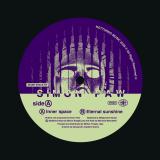
Twenty years ago, somewhere in Scotland, an album that was the missing link between The Black Dog, Chain Reaction and Irdial was released by an enigmatic Glasgow producer called Pub, on his equally mysterious label Ampoule.
The album ‘Do You Ever Regret Pantomime?’ (2000) has become the stuff of local folklore, a key work in the UK’s rich history of IDM and ambient, and one of the most celebrated albums of the early noughties. Bizarrely, it even infiltrated the Billboard Top 100.
‘Do You Ever Regret Pantomime?’ is also very much a key statement from a producer who has chosen to stay in their own space, where everyone is welcome. Records like these are about losing yourself in the sound and creating your own universe to explore.
Over the record's 70 minutes or so you’re instantly wrapped in a deep matrix of spacious chords, abstract textures and gently shifting rhythms.
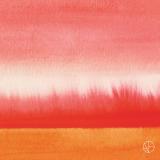
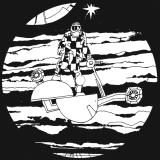
The 2020 reissue has been re-mastered and cut at Berlin’s Dubplates & Mastering, pressed as a 2x12” and features new artwork and a bonus track.
This release also heralds the return of Ampoule, the Glasgow label which released music from the likes of Lucky & Easy, Omens Jot and Moped Endo among others. Forthcoming releases will be a mixture of new music and re-issues from the archives.
KinAhau returns to Crosstown Rebels with his introspective three-tracker, ‘Cicek’ EP.
Out on 3rd July 2026, the young producer delivers a deeply personal excursion, featuring Mahmut Orhan, exploring themes of identity, independence, and creative freedom.
Few artists have arrived on the electronic scene quite like KinAhau. First entering the spotlight through a chance encounter that led to his breakout collaboration with Solid Grooves founder Michael Bibi, the exciting DJ/producer quickly found himself moving through some of the world's most respected clubs and festivals. Yet while early attention centred on an unlikely origin story, the years since have revealed a more nuanced artistic voice, one increasingly focused on reflection rather than reaction, and expression rather than expectation. That perspective sits at the heart of his return to Damian Lazarus’ Crosstown Rebels imprint as he lands on the label with his latest EP, ‘Cicek’.
Opening title track ‘Cicek’, created alongside Mahmut Orhan, unfolds through emotive melodies, organic textures, and a sense of quiet tension that feels deliberately removed from conventional club formulas. It's a record that prioritises atmosphere and feeling over immediacy, setting the tone for the wider release.
Across the EP, that idea takes different forms, shapes and directions. ‘Plane Jane leans’ is a stripped-back, hazy journey through vibrant keys and woozy textures, while ‘Danza De La Pau’ flips the script and tunnels into trippy, ping-pong synths, cascading tones and off -kilter pockets of sound. Together, the three tracks feel less like individual records and more like snapshots from a broader creative conversation, one shaped by a growing distance from formula and a desire to explore something more personal and unique.
A special one-sided 12” promotional pressing from Love Universal Music.
Built on hypnotic rhythm, deep groove pressure, and widescreen atmosphere, Yankari have quietly been carving out a sound that feels both timeless and impossible to pin down — blending afrobeat pulse, psychedelic textures, and ritual energy into something raw, transportive, and deeply physical.
For this exclusive remix, Frawl strips and dubs the original into deeper territory — extending key passages and reshaping sections for dancers, selectors, and late-night floors. A spacious, hypnotic rework built to stretch out and lock in.
Pressed in an ultra-limited run of 100 copies, this release acts as an early transmission from the wider world of the forthcoming Yankari LP — a record already generating serious attention behind the scenes.
Nectax returns to Up Ya Archives with a single that throws three of the most physically demanding genres in club music into the same crucible. Juke’s stuttering vocal chops collide with footwork’s 160bpm grid-locked percussion and jungle’s time-stretched breaks. When asked on his process behind ‘Schematics’, Nectax said:
“I really like how Schematics turned out, it sounds like it was done on an old MPC but in truth was just trusty FL 11. Re-chopping all the breaks into triplets was a meticulous quest, but it’s given the track quite a unique flow & pacing.”
One of modern jungle’s most in-demand producers, Nectax has built a reputation for releases that treat adjacent genres as raw material rather than reference points - as featured on the upcoming EP.
Nectax on the EP:
“Newcastle Juke Party EP taps into the synergy between Chicago Footwork & UK Jungle, two styles I personally love & feel don’t get enough credit for how well they compliment each other.”
Recent output on Over/Shadow, play:musik and Future Retro has cemented him as a key figure in the current wave of UK club music pushing junglism forward.
Never Sleep charity tape series ends up in Thornton Heath, London for the grimiest of bedroom work outs.
Early Fruity Loops philosopher Plasticman aka Plastician teams up with fellow trailblazers DJ Suicide & N Double A crew for a prompt internet radio set of prototype Grime. Rugged, raw and filled with the occasional KAOS Pad trigger / gunfinger FX; the devilish miscreants bring the lyrical vehemence.
Broadcasting from his parents place and utilising early productions Plasticman keeps the fibre optical momentum burning with early production, laser precision polyphonic instrumentals and quantified eski.
N Double A crew have so many quotables but its a "pass the mic" affair as limited equipment fort his bedroom bedlam. L Man spits certified gold on demand whilst Narstie echoes his signature cadence, Typah goes in hard with the colder than waiting in a queue outside Plastic People flow and Uzi destroys the stream with typical flair.
A landmark moment in innovation, internet radio was a key player in the growth of Grime and Dubstep. Helping build profile, connections and galvanize the online community.
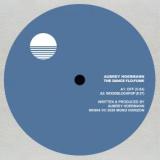
Low-key Detroit producer, Aubrey Hoermann, gained notoriety with his Odic Force label launched in 1998 (home for his own minimal techno productions until 2002).
2001's 'The Dance Flo-Funk EP' is widely considered his most iconic release - a minimal percussive journey and the perfect DJ tool. Stripped to the bone. A sound that echoes the late 90s Detroit movement.
Hugely sought after, now reissued for the first time from the original tapes and remastered with love
Back on Celestial Echo Records with a true modern soul classic — Jan Jones “Independent Woman”, finally given the treatment it deserves.
A record that’s been circulating in DJ sets and collector circles for years, often via bootlegged pressings as the originals are incredibly rare, this is the first fully licensed reissue, presented properly and with both sides intact - something the bootleggers didn’t do.
A-side Part 1 delivers the track in its purest form — tight, uplifting, and driven by that unmistakable modern soul groove. On the flip, Part 2 stretches things out into a longer, more open version, letting the arrangement breathe and giving the dancefloor the 6 minutes it deserves.
Musically, it sits right in that sweet spot for us — rich vocals, warm keys, and a rhythm section that just grooves. It’s one of the ultimate modern soul tracks.
Licensed officially, as always. Celestial Echo is here to put proper soul records back into circulation — respectfully cut, properly pressed, and ready to play.
Red Deviil returns to X-IMG with their first ever vinyl release titled “Tesoros Infernales” featuring five original cuts of their uniquely sinister Techno Body Music topped off by three exquisite remixes by distinguished veterans of the underground dark electronics scene. The LP consists of forty minutes of sinister, brooding, groovy & cutting edge tracks with a bonus digital track included with the attached download code. Remixers include Filmmaker, Arnaud Rebotini & Mind | Matter. This release follows their incredible first X-IMG debut album from 2023 titled “Tendencias Ocultas”.
Red Deviil is the project of Guni Ca & Blak G hailing from the deceptively picturesque town of Tuxtla Gutiérrez in Chiapas Mexico. They are based out of their Astro Bar headquarters & event space where they host regular nights of underground electronic music, cultivating the local scene in Mexico while inviting and performing alongside international acts. The pair’s thick & heavy dark electronic music output contrasts heavily with their idyllic surroundings where they play a key role in developing the local underground community.
The incredible story that began with The Most Mysterious Song on the Internet (TMMS) now enters an exciting new chapter: Skyscraper, the debut album by FEX.
Skyscraper features ten original tracks recorded in the early to mid-1980s-carefully re-transferred, remastered, and brought back to life. The album cover, designed by Darius S., brings the story full circle. Darius is the very person who preserved the now-iconic track Subways of Your Mind by recording it from NDR radio in the mid-80s. Without him, FEX may never have been discovered.
FEX's debut opens with its namesake, Skyscraper-a brooding, previously unreleased track the band once described as part of their "psychedelic phase." With haunting synth-helicopter textures and deep guitar riffs, it immediately sets the tone and raises tension.
The release flows naturally into the energetic and fully remastered studio version of Subways of Your Mind. This version of the TMMS - re-discovered on the "yellow label tape" by Reddit user Marijn-was long believed to be from a smaller home studio, but was actually recorded in November 1984 at Hawkeye Studios in Ganderkesee, near Hamburg.
Goldrush, first teased in raw form on FEX's YouTube channel, bends toward mechanical rhythm and shimmering synths, a snapshot of the band's experiments with programmed drum machine sound. Rückwardt's lyrics point to greed and criticizes materialism, and while the music leans toward pop sensibilities, it carries a raw, fractured edge.
Heart in Danger and I've Got My Eyes On You offer contrasting experiences-one rooted in classic post-punk tension, the other floating in melodic synth layers. The latter in particular feels like a fragment from a parallel radio history: a precise and one of a kind synth pop love song with a progressive touch.
From a rehearsal tape comes Dirty Slapstick, its urgency intact. Missing keyboard parts were later reconstructed by Michael Hädrich using his original DX7 synthesizer-recovering lost elements without rewriting the past. The lyrics take a wry look at forced optimism. Also included are the songs Talking Hands, Jenny and Strange Feeling, the latter being a slower blues-tinged cut, revealing yet another facet of the band's reach and Rückwardt's songwriting diversity.
The album closes where the legend began-with the original radio recording of Subways of Your Mind from Darius' cassette. This version of The Most Mysterious Song features alternate vocal effects, contributing to the track's enigmatic aura. Digitally transferred using a high-end Revox machine and carefully remastered, it now has its long-deserved official release.
The cover features a photo of the Eichenberg Bunker in Kiel-one of FEX's original rehearsal spaces and a symbolic monument to their sonic legacy.
Last year Ace Records were delighted to reissue The Brides of Funkenstein’s debut LP from 1978, “Funk Or Walk”. Featuring their hit single ‘Disco To Go’, this album put the Brides on the map and sold strongly.
Before sessions commenced for a second album, Lynn Mabry left the group before sessions commenced for a second album, leaving Dawn Silva alone at the altar. George Clinton added P-Funk backing singers Jeanette McGruder and Sheila Horne to the mix, creating a three-pronged vocal attack.
Sessions featured the cream of the P-Funk players including keyboard wizard Bernie Worrell, bassist Bootsy Collins and guitarist Garry Shider. The resulting album, released in 1979, was even better that their debut.
The title track ran for over 15 minutes on side one, showcasing the vocal and musical prowess of all concerned. Other tracks included ’Party Up In Here’, ‘Smoke Signals’, ‘Mother May I?’ and the gorgeous ballad ‘Didn’t Mean To Fall In Love’.
Although it did not spawn a hit single, “Never Buy Texas From A Cowboy” sold as strongly as “Funk Or Walk” and over time has been hailed as a classic P-Funk album.
With liner notes from Ace’s Ian Shirley, we are delighted to release it on orange vinyl and CD. You don’t need your mother’s permission to buy it either.
Founded in Puebla City in 1998 by Alberto Tlahuetl, Grupo Soñador played a key role in shaping a distinct regional take on cumbia at a time when the genre was largely dominated by Mexico City and the coastal scenes. Working with minimal resources, home recordings, cassettes, and affordable keyboards, the group developed a clean, melodic, and dance-driven sound that resonated deeply within the sonidero circuit. Their breakthrough track El Paso del Gigante (2001), spread organically through DJs and street dances, establishing Grupo Soñador as a cornerstone of Puebla’s emerging musical identity. Without a formal label structure, their music travelled hand to hand, from local fairs to migrant communities in the United States, becoming part of a wider underground network of circulation. Blending electronic instrumentation with sonidero rhythms, Grupo Soñador helped place Puebla on Mexico’s cumbia map, not through industry infrastructure, but through the dance floor.
Connecters Vol. 1: Original Recordings, 1992-1999 ist die erste Veröffentlichung von Larrison, dem Pseudonym des bildenden Künstlers und Musikers Larrison Seidle aus dem Mittleren Westen. Larrison komponierte, programmierte und nahm alles komplett auf einem Casio CZ-5000 auf, während der guten alten Zeit der selbstgemachten Experimente und Entdeckungen in den frühen 90ern. Er lebte in einer Traumwelt, die er selbst erfunden hatte, mit Soundtracks aus Space-Age-Pop-Vignetten, gespickt mit hypnotischen, überschwänglichen, vielschichtigen Synthesizer-Melodien. Mit 26 Tracks, die alle neu restauriert und aus den Originalquellen gemastert wurden, erfindet sich Connecters Vol. 1 Song für Song neu, überwindet die Zeit und trotzt der vorbestimmten Vergessenheit dieser brillanten, diskreten Musik, die vor drei Jahrzehnten entstanden ist. Larrison Seidle wuchs in den 70er und 80er Jahren in Greenwood, Indiana, einem Arbeitervorort von Indianapolis, auf. Er stammte nicht aus einer Musikerfamilie, aber aus einem Haushalt, in dem Musikalität gefördert wurde. Sein Vater kaufte eine elektrische Orgel, in der Hoffnung, dass Larrison und sein älterer Bruder das Instrument lernen würden. ,Am Ende saß mein Vater einige Abende an der Orgel, improvisierte und spielte immer wieder dieses eine Lied, von dem ich mich noch an die ersten Takte erinnern kann", erinnert sich Larrison. Möglicherweise war es in diesem Moment, in dem es zwar keine formale Ausbildung gab, aber viel Ermutigung und Entdeckungsfreude, dass der Künstler seine ersten musikalischen Experimente machte. Diese Erlaubnis, sich auszuprobieren, sollte seine kreative Arbeit in den folgenden Jahren deutlich prägen. Während in Larrisons Elternhaus klassische Rockplatten leicht zugänglich waren, lieh sich sein Vater 35-mm-Dokumentarfilme aus der Bibliothek aus, um sie im Wohnzimmer zu zeigen, die alle mit skurrilen Instrumentalstücken unterlegt waren. Als Teenager nahm er John Carpenters und Alan Howarths Endthema aus ,Die Klapperschlange" mit einem kleinen Kassettenrekorder neben dem Fernsehlautsprecher auf und liebte Tangerine Dreams Beiträge zu Ridley Scotts düsterer Fantasy ,Legend". Seine Faszination für diese weitgehend textlosen, synthesizerbasierten Kompositionen führte zu einem eigenwilligen Verständnis davon, wie Musik nicht nur das ergänzt, was wir vor uns sehen, sondern auch das, was wir in den Tiefen unseres Bewusstseins erleben. 1985, als er dreizehn Jahre alt war, überzeugte Larrison seinen Vater, ihm ein Casio CZ-5000-Keyboard zu kaufen. Wie zuvor die Orgel war auch dieses Instrument eine Neuheit im Haushalt der Seidles. Erst nach seinem Highschool-Abschluss 1991 und dem Beginn seines Studiums an der Herron School of Art in Indianapolis entdeckte er den in das Casio integrierten Sequenzer und begann, seine Kompositionen auf Band aufzunehmen. ,Das CZ-5000 und sein 8-Spur-Sequenzer sind die einzigen Musikinstrumente, die ich benutzt habe. Es hat eine fast unbegrenzte Funktion zur Erzeugung neuer Klänge", erklärte Seidle. Während seiner Zeit an der Herron School of Art freundete sich Larrison mit seinem Kommilitonen und Klangkünstler Michael Northam an, den er bei einem Konzert auf dem Campus kennengelernt hatte. Nachdem Northam Larrison für die Musik von Severed Heads, Throbbing Gristle und Roger Doyle begeistert und damit seine Zuneigung und sein Vertrauen gewonnen hatte, überredete er ihn, nach Austin, Texas, zu ziehen, das in den frühen 90er Jahren für seine lebendige Kunst- und Musikszene bekannt war. Die beiden wohnten zunächst bei Northams Freund Daniel Plunkett, dem Herausgeber und Verleger von ND, einem einflussreichen Magazin, das sich von 1982 bis 1999 mit DIY-Musik und Tape-Trading beschäftigte. In seiner Blütezeit hatte ND Tausende von Lesern, und Plunkett verschickte die Ausgaben weltweit. In den letzten Monaten des Jahres 1993 und Anfang 1994 schrieb und nahm Larrison mit begrenzten Mitteln und grenzenloser Intuition eine Reihe von Songs mit seinem CZ-5000 in einer kleinen Wohnung nördlich der Innenstadt von Austin auf, bastelte eine farbenfrohe, illustrierte Beilage, in der einige Songtitel durch Linien oder Pfeile dargestellt waren, und gab sie an Plunkett weiter, damit er sie für ND rezensieren konnte. Diese einzelne Kassette mit dem Titel Connecters sic war eine von 1200, die im Laufe des Bestehens der Publikation bei ND eingereicht wurden und die Jed Bindeman, Mitbegründer von Freedom To Spend, 2020 erworben und fast wie durch ein Wunder entdeckt hat. ,Ich hatte große Schwierigkeiten, mir die Kassetten in dieser Sammlung anzuhören", gibt Bindeman zu. ,Aber dann legte ich Larrisons Connecters ein und dachte sofort: ,Wow! Was höre ich da?' Die Kassette war von Anfang bis Ende einfach fantastisch." Mit Musik von genau dieser Kassette und anderen Aufnahmen aus Larrisons Experimenten in den 90er Jahren ist Connecters eine Übersicht über Instrumentalmusik, die sowohl durch vielfältige konzeptionelle Strategien als auch durch spielerische Neugierde geprägt ist. Seidle arbeitete unter Bedingungen, die viele Musiker als Einschränkung empfinden würden, und entwickelte technisch innovative Ansätze, um die Klänge und integrierten Effekte des CZ-5000 zu modifizieren. Das Gerät ermöglichte es ihm, die Wellenform, die Hüllkurve und die Tonart von Klängen mithilfe der Phasenverzerrungssynthese zu verändern und so im Grunde genommen Instrumente zu schaffen, während er Songs komponierte. Die Tracks zeichnen sich durch eine durchdachte impressionistische Vielfalt aus, die mal lo-fi, mal symphonisch klingt. Inmitten der Zerlegung und Verstärkung der Fähigkeiten des CZ-5000 gibt es auch einen geschmackvollen Rückgriff auf eine kindliche Interaktion und Erfahrung von Klang. Vielleicht ist es diese Erfahrungsqualität, die es so schwierig macht, Larrisons Projekt einfach als Ambient oder Elektronik zu verstehen. Sein Wille, die ihm zur Verfügung stehenden Werkzeuge zu transformieren, hebt die daraus resultierenden Kompositionen auf eine persönliche Ebene und verleiht der Musik einen bezaubernden Sinn für Mystik. Connecters ist ein Beweis für eine künstlerische Vision, die sich nicht durch Grenzen einschränken lässt und keine Angst vor Informalität hat. Diese Aufnahmen, die dreißig Jahre nach ihrer Dokumentation auf magische Weise an die Oberfläche kommen, zeigen, wie personalisierte Produktionsmittel die Zeit ausdehnen und verkürzen können. Larrison lädt die Zuhörer ein, sich auf die Wunder der auditiven Vorstellungskraft einzulassen - eine Brücke zwischen visueller Erinnerung, emotionaler Resonanz und der grenzenlosen Möglichkeit, mit den uns zur Verfügung stehenden Mitteln Musik zu machen. Larrison's Connecters Vol. 1: Original Recordings, 1992-1999 wird am 3. April 2026 von Freedom To Spend als Vinyl- und Digitalausgabe veröffentlicht.
The world of UKG is as fruitful as ever right now and someone who continues to make fresh moves in it is IsGwan, a Melbourne/Naarm-based artist adding his own twist to the classic template. London label Bad Parrot welcomes him for a series of bouncy and bright originals as well as some on-point remixes. 'Next To Me' has low-key groove that skates and scuffs along with a classic r&b vocal from Amber Ferraro, adding the sunshine. There's a slow, more bass-driven heft to 'All That You Want', 'On Your Mind' is sun-baked and blissed out and 'Feel Free' brings more adventurous synth work to a busier framework. Of the remixes, Harvey Sutherland brings his usual sun-facing synth sounds and Rich Ellis makes 'Feel Free' into a more dark and gritty low-end workout.
Released on Polydor in 1972, He’s Coming captures vibraphonist Roy Ayers at a creative apex, as Ubiquity’s sound settled into the blend of jazz improvisation, funk rhythm, soul harmony, and spiritual import that would define his work throughout the decade. Emerging at the start of the 1970s, the album reflects Ayers’s deepening move toward a groove-centred musical language rooted in soul-jazz and early jazz-funk. The vibraphonist, keyboardist, composer, and bandleader is supported by a core ensemble that includes Harry Whitaker on electric piano, organ, and vocals; John Williams on bass, with Ron Carter featured on ‘We Live in Brooklyn, Baby’; David Lee Jr. and Billy Cobham on drums and percussion; guitarists Sam Brown and Bob Fusco; saxophonist Sonny Fortune; and percussionist Juma Santos. Tracks like ‘He’s a Superstar’, ‘Sweet Butterfly of Love’, and ‘Fire Weaver’ embody the record’s mix of urban narrative, spiritual reflection, and deep rhythmic momentum — qualities that would later make Ayers’s catalogue a source of inspiration for soul, funk, hip-hop, and neo-soul artists.
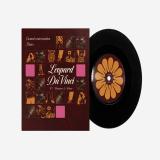
Leopard DaVinci is the official keyboardist of Dabeull's Band.
“Casual Conversation” pairs Leopard DaVinci’s high-gloss funk production with Moniquea’s signature vocal charisma for an instantly addictive modern funk single. Flirty, confident and groove-heavy, the track balances retro-inspired synth textures with a contemporary boogie pulse, making it a strong fit for editorial playlists centered around funk-forward, danceable and soulful music.
Moniquea already holds a respected position in the global modern funk community, and this release delivers exactly what that audience wants: attitude, melody, replay value and undeniable groove. “Casual Conversation” has crossover potential between dedicated funk listeners, nu-disco audiences and feel-good R&B selectors.
“Flaws” pairs Leopard DaVinci’s signature synth-led funk production with Helena’s fresh and expressive vocal presence for a release that feels both timeless and relevant. Built around a message of self-acceptance and inner strength, the track transforms vulnerability into groove, offering a refined mix of modern funk, boogie and soulful pop energy.
Its lyrical theme makes it especially effective beyond niche funk circles, opening space for playlisting tied not only to groove and retro-funk aesthetics, but also to confidence, empowerment and uplifting mood. “Flaws” is melodic, elegant and emotionally direct — a strong crossover track with both artistic identity and listener accessibility.
'Electronic lullabies and folk songs from Ethiopia! A landmark recording from Ethiopia’s vibrant cassette era of the 1980s, Resonance of Time features pioneering composer Wesenyeleh Mebreku reimagining Ethiopian folk melodies through the humble circuitry of an early Casiotone keyboard.
'Historically, the works featured on Resonance of Time (የጊዜ ቃና Yegizie Kana) stand as quiet documents of Ethiopian musical memory. Many of the original songs included in this release emerged during important moments in Ethiopian history when music carried the collective emotion of the nation - love, loss, resistance, dignity, and hope. By arranging these pieces from Ethiopia’s musical heritage instrumentally, Wesenyeleh Mebreku aimed to preserve their essence while protecting them from being confined to a single era or performance style. In doing so, his preservation of Ethiopia’s musical heritage became a contribution to his country’s musical legacy itself, as Resonance of Time serves as an important musical milestone of this composer’s innovative recordings and musical developments in the prolific era of Ethiopia’s 1980s cassette tape culture.
'On Resonance of Time, Wesenyeleh made use of the first Casio electronic keyboard - the Casiotone CT-201 - to arrange and perform Ethiopian folk songs in his own unique style. Implementing the soulful, lo-fi character of the keyboard, Wesenyeleh’s interpretations of these works take on a life of their own. Charming analog tones interpret swirling sounds of organ and piano in kignit modality to the beat of a nostalgic rhythm machine while twinkling synthesizer sounds carry the melodies drifting out of time. The recordings reflect a watershed moment in Ethiopian musical history - when traditional melodies started being interpreted on electronic keyboards, and the advent of cassette tape recording allowed for music to be transmitted more accessibly than centuries-old oral traditions. During this time, Ethiopian musical modes were syncretized with new technology and budding musical experimentation, and Wesenyeleh’s interpretations on Resonance of Time are a landmark recording of this era, following in the tradition of reflecting upon and re-interpreting historical Ethiopian music for a new generation.
'Featured on the release are timeless Amharic folk songs and lullabies, Tigrinya love songs, Gurage and Oromifa popular songs, and even works closely associated with performers from Ethiopia’s 1970s popular music era such as Tiz Alegne Yetintu (ትዝ አለኝ የጥንቱ) which was famously performed by Tilahun Gessesse. Each piece, thoughtfully chosen by Wesenyeleh, is beautifully transformed into instrumental music of his own style - allowing these worlds of song to echo into the future while they are synthesized with the electronic innovations of the 1980s and Wesenyeleh’s own musical history.
'Wesenyeleh says this about his musical approach - ”Instrumental music, for me, is a space of reflection. Without words, the listener is invited to remember, imagine, and feel freely. In Resonance of Time, I hear my own musical philosophy: respect for Ethiopian kignit, careful dialogue with Western harmony, and a deep trust in melody as a storyteller.”
'Each piece performed on Resonance of Time speaks to a time when Ethiopian music was shaped by oral transmission through live performance and communal listening. In today’s fast-moving musical environment, revisiting these works is an act of cultural responsibility. These works remind us that melody once traveled slowly, settling deeply in the listener’s heart. The instrumental format allows these works to cross linguistic and generational boundaries, making them accessible to audiences who may not know the original lyrics but can still feel their spirit.
'Resonance of Time also reflects a broader historical dialogue: the meeting of tradition and adaptation. Ethiopian music has always evolved while holding onto its core identity. These arrangements affirm that evolution does not mean abandonment. Instead, it can be a form of safeguarding - ensuring that the musical wisdom of the past continues to resonate in the present and inspire the future.
'In this sense, the album is both personal and collective. It carries Wesenyeleh Mebreku’s own musical fingerprint, shaped by decades of practice, but it ultimately belongs to a wider cultural continuum. It is the artist’s contribution to keeping time audible so that memory, history, and sound may continue to speak to one another.'
New 4-track Ep From Austin, Texas Analogue Hardware Enthusiast Bill Converse. Immersed In The Early Days Of The 90s Midwest Rave Scene, Bill Began Djing At A Young Age In Lansing, Michigan. Luminaries Such As Claude Young, Traxx, And Derrick May Were Key Early Influences. Techno, Noise, Ambient And Tape Processing Are All Part Of His Uncanny Sound Palette. His Debut Album 'meditations/industry' Was Released On Cassette In 2013 And Edited For A Vinyl Release On Dark Entries In 2016 Followed By Two 12' Singles 'warehouse Invocation' And '7 Of 9' The Same Year. In 2017 Converse Released His Second Album 'the Shape Of Things To Come' Followed By The Double Ep 'salt Of Mars'.
'hulled' Is A 25 Minute Journey Spread Across 4 Tracks Of Glacial Abandon. All Tracks Were Recorded Directly To Tape With No Overdubs, Made At Converse's Home Studio. Bill Says These Tracks Represent 'ocean Waves In Stormy Conditions, Dark Grey Blue Water, Or More Generally Speaking Something Ominous And Beautiful.' The Songs On This Album Reveal A Sublime Influence From Detroit Techno, Idm, And Acid. Built Around Vintage Synthesizer Lines And Gritty Drum Machine Percussion, The Tracks Ebb And Flow Like The Effect Of Sun Shimmering On Water, Woozy, Gauzy And Ephemeral. All Songs Were Mastered For Vinyl By George Horn At Fantasy Studios In Berkeley.
Each Ep Is Housed In A Die-cute Jacket Designed By Eloise Leigh With Peachy Pink Patterns Landing On An Alien Water Planet And Seeing Mysterious Playing Forms Under The Turquoise Water. Each Copy Includes A Postcard Featuring Photo Of Bill With Notes.
As a follow-up to his most recent release on Fatsouls, we are pleased to present Trinidadian Deep’s – Deep Rooted Isle. As you could anticipate from him, the project is a fantastic collection of three excellent stand-alone pieces. With mesmerizing keys, dreamy pads, and layered percussion, the package produces a lush, ethereal soundtrack. We hope you enjoy it as much as we do.
Winter Collection arrives a little late, but it arrives right. Four tracks across two sides, drawing from Chicago, Detroit, Oakland, and Portland, mastered for DMM cut by Lawrie Dunster of Curve Pusher. The vinyl sounds like it means business.
The A-side opens with the Bryan Zentz Remix of Basic Analogue, originally written and produced by Mazi and Joshua Collins. Dunster’s remaster serves the synth work well, keeping the melodic lines clear and the low end present without overcrowding the mix. Zentz built something durable here, and the vinyl pressing confirms it.
Sound Whore by DJ Mes follows, and Mes doesn’t waste any time. The wah-wah guitar arrives early, the trumpet not far behind, and then the Latin percussion and vocal samples start stacking up. It’s a lot, but Mes holds it together with a groove that keeps pulling everything back toward center. You don’t resist it. You just follow.
The B-side belongs to the most requested track in the label’s catalog, and it’s easy to understand why. Mike Huckaby’s remix of Cesar Ramirez’s Congo Fury anchors itself to a conga line and then opens outward, synth lines drifting across the rhythm like smoke. Huckaby had a particular gift for this, the ability to make a moment feel like it could last forever without ever losing tension. Ramirez’s own keyboard solo survives toward the end, a subtle crescendo that feels earned. Dunster captures the whole thing with care.
It’s Time to Jack by Da Outlawz closes the record. 909 drums, cracking snares, chopped vocal fragments. Barebones Chicago house, designed for a sound system that can take the weight. Nothing complicated about it, and that’s the point.
Play it loud.
Track A1 written and produced by Maziar Namvar and Joshua Collins. Remixed by Bryan Zentz.
Track A2 written and produced by Jason Sutton.
Track B1 written and produced by Cesar Ramirez. Remixed by Mike Huckaby.
Track B2 written and produced by Gabriel Palomo & Geto Mark.
Mastered by Lawrie Dunster at Curve Pusher, UK.
Copyright Control
2026 Fresh Meat Records
Shorter Version
Winter Collection arrives a little late, but it arrives right. Four tracks across two sides, drawing from Chicago, Detroit, Oakland, and Portland, mastered for DMM cut by Lawrie Dunster of Curve Pusher. The A-side opens with the Bryan Zentz Remix of Basic Analogue, originally written and produced by Mazi and Joshua Collins. Dunster’s remaster keeps the melodic lines clear and the low end present. Zentz built something durable here, and the vinyl confirms it. Sound Whore by DJ Mes follows. The wah-wah guitar arrives early, the trumpet not far behind, then Latin percussion and vocal samples start stacking up. Mes holds it together with a groove that keeps pulling everything back toward center. You just follow. Mike Huckaby’s remix of Cesar Ramirez’s Congo Fury anchors itself to a conga line and opens outward, synth lines drifting across the rhythm like smoke. Huckaby had a gift for making a moment feel like it could last forever without losing tension. Ramirez’s keyboard solo survives toward the end, a subtle crescendo that feels earned. It’s Time to Jack by Da Outlawz closes the record. 909 drums, cracking snares, chopped vocal fragments. Barebones Chicago house, designed for a sound system that can take the weight. Play it loud.
For thirty years, Alden Tyrell has been at the forefront of electronic music. This analogue alchemist has concocted heady grooves that transmute genres: acid, disco, electro, house, italo and techno; no style left unturned. Under his Tyrell Corporation moniker, he returns to the Bordello with a sound forged for dancefloors. Midnight Machines is a warm embrace that melts electro‑disco with star‑gazing synthlines. “Midnight Machines Pt. 1” balances robust melodies and incising snares with soulful undercurrents and joyous breaks. Past energies are re‑channelled. Arpeggiators rumble as beats throb. Beneath it all, there is a greater consideration of the interplay of elements.
This focus pulsates through speaker cones on the needle‑drop of “Love in Decay.” Elated key changes and bright shifts are tempered by bittersweet moments, early‑morning light piercing fresh mists of grey. Tempos rise on the flip with “Midnight Machines Pt. 2.” Sci‑fi‑scored disco lifts ever higher as scaling notes untether themselves from the floor and soar above vibrant rhythms. Coy and alluring, the bright “Romance Obscura” closes the record. Cowbells and bending wavelengths open into an expansive, intoxicating melody where keys search the horizon as arms fold around celestial bodies.
After years in the shadows, THE GOAT returns. LA CHEVRE is back with CHE007 - three powerful edits by MOOGLY, already making serious noise in clubs and underground after-hours, supported by key figures such as Chez Damier, Dawidu, and many more.
WRWTFWW Records presents the first ever vinyl release for the Startled Insects’ 1984-1985 abstract/synth-pop/post-punk/electronic run compiled into one album : The Antenna Years. The Bristol music must-have comes as a limited edition LP with astonishing artwork, liner notes and a heavyweight sleeve.
The Antenna Years compiles the independent EPs/mini-LPs the Startled Insects released in 1984 (self-titled) and 1985 (Underworld/Black Spring), with two bonus unreleased tracks that were only ever played in their live shows (W.W.W and What A Waste, both amazing).
Astonishingly futuristic when they landed in 1984, the Startled Insects sounded like they came from another planet while staying rooted in Bristol’s underground. Abstract electronic, leftfield synth-pop, dub science, gamelan heat, post-punk edge, cinematic atmosphere : The Antenna Years delivers one beautifully odd voyage into the sonic unknown.
In the 90s, the band released two albums, including the classic Curse Of The Pheromones via Antilles New Directions (Island Records), then evolved into The Insects: film composers for BBC/National Geographic, Emmy winners, and key architects of the 90s Bristol orbit, working with Massive Attack, Goldfrapp, Tricky, and members of Portishead.
Four decades on, The Antenna Years still hits like a transmission from the future. Dive in with no fear.
BAILE & Nuage land on Shall Not Fade with their ‘Back 2 Earth’ EP
Four deeeep timeless tracks on this 12 inch. Sleek, progressive, acidy house & trancey ethereal breaks ‘Back 2 Earth’ is full of that headsy 90’s energy à la Underworld and Orbital…..we’ve been getting very lost in these ones!
Written remotely between Brooklyn, New York (BAILE) and Yerevan, Armenia (Nuage) both producers are more than a decade deep in their craft and it shows. They say “this all began with Nuage sending over a few short demos. BAILE took those pieces and constructed them into more fleshed out tracks, after which the two passed the songs back and forth slowly filling in the blanks.” …and that's the key here - no rush, no agenda just the realest takes expertly hewn.
Same Beat on the A1 is just that.. breakbeats, spoken word vocal chops and repetitive synth lines, but less is more. The percussion, bassline and programming do the work. Sometimes it's more about what you leave out than what you put in.
On ‘TSP’ you Nuage’s signature metallic synths. It’s a definite eyes closed/hands in the air weapon. Hypnotic flow building and ratcheting up the energy.
Flip over to title track’ Back 2 Earth’ and we get a trancey, garage and house blend. Sleek synths & arpeggios and minimal chops that seem to whisper ‘heaven…earth’.. BAILE utilized the Prophet Rev2 for pads and synths and a Moog Little Phatty and Minitaur for the bass but we want to know can a breakbeat soothe?
'Catch Yourself' closes out the EP.. More breaks and arpeggios but this time with an acid lead from the TB-03, grungy bass and warm gated synths underneath. Sample spotters you aren’t scoring any points here, the “I know that sample” vocal here come from Felicia Douglass (a frequent collaborator of BAILE’s who is in The Dirty Projectors and Ava Luna) and makes double the point that this EP is one of those ones that even on first listen you already know it. ‘Back 2 Earth’ has been on the SNF schedule for a minute so big up BAILE & Nuage for the patience but what that extra private time has meant, is that we can say with certainty that this EP keeps sounding better & better & better..
In the beginning of the 1970’s, Guinea-Bissau was a country broken up into many ethnic groups and at the heart of a war for independence. By reviving traditional musical genres as Gumbé and singing in guinean Kriol, José Carlos Schwarz & Cobiana Djazz established an immediate affective bond with their audiences. Through its music and politically engaged spirit of the lyrics, the band played a significant role in shaping the social and political consciousness of the masses. As well as influencing local bands like Super Mama Djombo and giving back a deep sense of cultural identity to bissau-guineans.
The explosive birth of Cobiana Djazz brought about other kinds of detonation. Schwarz became involved in urban guerilla activities which resulted in several bombings in the centre of Bissau, leading to his imprisonment and torture. He remained in lockup for a total period of about 2 years, between 1972 and 1974.
The process of decolonisation, in the wake of the Portuguese revolution of 25 April 1974, led to the recognition, during the same year, of the sovereign nation of Guinea-Bissau.
Schwarz, a key figure in the fight for independence, played an important part in the transition to the democratic regime, profiting from his popularity as an artist. Soon, his criticism (underscoring opportunism and irresponsibility in high places) became a thorn in the side of the political elite. Uneasy with the disquieting effects of his work, government officials effectively separated the author from the masses by assigning him to the embassy in Havana.
José Carlos Schwarz met a tragic and untimely death at the age of 27, when his plane crashed on arrival at Cuba's José Martí International Airport, on May 271th 1977.
Hailed by african giants like Orchestra Baobab, Letta Mbulu or Miriam Makeba (with whom he recorded his first and only solo album), “Zé Carlos” and his poetry won a lasting position in the annals of Guinea-Bissau. However, this collection of songs remains relatively unknown outside the country and its diasporas.
We are proud to offer, in close collaboration with the Schwarz family, this first official reissue on vinyl. Remastered and pressed on heavyweight vinyl.
This is not a Ben Vida, Booker Stardrum, and Will Epstein record; it’s a Play Time record. That’s a subtle but important distinction, for a couple reasons. One, the sound of Magic Object—a polymetric blend of improv and pulse minimalism for saxophone, drums, and Moog—doesn’t really sound anything like any of their many other ensembles or respective solo projects. And two, it was only while making Magic Object, their debut album, that Play Time realized they were a band at all.
Let’s back up. The roots of the trio date to 2020-21, when Will and then Booker moved to the Hudson Valley, where Ben was already living. The three got into the habit of playing together at Ben’s house, and they soon realized that their hang sessions felt fundamentally different from making music in some falling-down studio in Bushwick. Where those experiences were rushed and cramped, a new sense of time and space now suggested itself. Where once they rat-raced the music, now they relaxed into it.
Early gigs yielded similar revelations. A booking at Tubby’s, the beloved Kingston venue, evolved into a kind of residency. Tubby’s is a small space, fitting around 100 people, with a bar in the front room and a stage in the back. Play Time decided that they didn’t want to play on the stage; they wanted to play in front, among the people in the bar. Rather than hogging the spotlight and overpowering the other voices in the room, they blended with the energy of their surroundings and emerged as a sort of minimalist-jazz-krautrock bar band.
Gradually, they discovered a newfound “elasticity”—Ben’s word—that reshaped the music from inside. “It’s this communal thing,” he says. “It’s vibes. And it’s embedded in the community up here, which feels really vital and nourishing.” They were jamming, but it wasn’t just a free-for-all; they found themselves listening to each other in new ways. “Ben and Booker joke that they’re always playing in different time signatures,” Will says. “We’re all going forward with our own ideas, but we’re open to each others’ as well, and they’re all sort of dancing together.”
“We all have our painterly solo projects,” Will says—where, Booker adds, “we do a lot of studio arranging and thinking and composition that takes shape over a period of time.” Play Time, on the other hand, is all about being in the moment. That spontaneity was key to the process of recording the album. They booked two days in their friend Joey’s studio, a converted wooden barn. “It’s just a live room,” Booker says. “There’s no separation or anything. So we’re all in the space together and it’s got this beautiful, woody sound, and that’s very much the sound of the record.” For two days, they just jammed, for seven or eight hours each day. When it was over, they went through, edited down the portions they liked, and added very judicious overdubs designed to enhance the original recordings without fundamentally altering them, staying true to the spirit of the sessions.
The result is something like a snapshot and a mission statement all rolled into one. “You’re hearing us discover the voice of the band in real time,” Ben says. “We finished those sessions and we were like, ‘Oh, that’s what our band sounds like now.’”
Now, with Magic Object, the rest of us get to find out too.
—
Balmat is a label with a cloudy outline. Jointly shepherded by Albert Salinas and Philip Sherburne, two friends living in Cardedeu, Catalonia, and on the Balearic island of Menorca, Balmat grew out of Lapsus Radio, a weekly show born almost ten years ago. Balmat’s mission is simple: to foster new ideas, expand upon personal obsessions, and put enveloping sounds out into the world.
“Balmat” means “empty” or “void” in Catalan. But quite apart from any negative connotations, we prefer to think of it in terms of possibility: a space waiting to be filled.
In the creative Bologna of the 1980s and 1990s, Kinki was the first gay (LGBTQ+) Club in Italy: a visionary space where House music exploded
and the night became a symbol of freedom, identity, and cultural revolution. Through the DJs and charismatic figures who shaped it’s future,
the documentary tells how this small club beneath the Two Towers forever changed the way music and clubbing were experienced.
The documentary, produced by RCO Europe and directed by Lorenzo Miglioli, is available on Amazon Prime and Google Play platforms throughout Europe, the UK, the US, Australia, and South Africa.
The soundtrack, curated by Luca Trevisi (LTJ Xperience), features a selection of 1990s and more recent tracks, ranging from Italo House to
Nu Disco. Most of the tracks are re-edited by LTJ himself.
A double vinyl album packaged in a gatefold sleeve, also containing a 16-page color booklet featuring images of the Kinki crowd.
Gorizont Sobytiy (Event Horizon), the duo of veteran electronic musician Nocow and his wife, DJ Designer, mark the project's debut with an album worth of material of 'frogg-step' / Pankratov Step. It's safe to say this is an intriguing proposition for even those well-initiated into the world of the contemporary Russian underground. What is perhaps most immediately obvious across the 11 tracks is a clear appreciation for golden-era Rephlex records, as if the duo are reflecting on how the iconic label was perceived in the Eastern bloc at the time. There's a nostalgic touch tugging at the heart strings with the warm ambient tones of 'Bananoivy Twist' or even the ballroom-esque organ melodies of follow up 'Chacha', both swiftly followed by a switch back into frantic gabber style kicks that recur across the album.
To give a little more away in terms of a background story, Nocow and DJ Designer draw influence from a film called Winter Evening in Gagra, a somewhat distant feeling artefact of late-Soviet cinema about a tap dancing champion's late nights spent gallivanting across the glitz of Moscow's pop music scene in the 1980s. Maximalist in its sound design, Pankratov Step draws its name from actor-protagonist Pankratov, not quite an out-of-time soundtrack as such but at the least a wry nod to the former world in which the film takes place. The cascading, brittle synthesis of 'Cemetry's Boss' forms an icy cinematic fusion again with a gabber influence at play whilst a fierce acid line works alongside myriad glitch rhythms and repeating keys on 'Octopus Werk'. Influenced by the local humour and sentimentality surrounding the film, a melodrama with themes of lost art and a kind of old-world transcendence the young circus performer yearns for, the duo use it as a vessel to describe the projects sound - a coalescing of vintage Soviet soundtracks, early IDM, Jake Slazenger and Expert Knob Twiddlers album. 'Pankratov-Step' becoming their own fictional genre. The LP marks another avant-garde chapter in Nocow's long back catalogue, as well as a fully formed collaborative debut for the currently enigmatic DJ Designer. Pankratov Step is the second release on GOST ZVUK sub-label MEMONT, curated by Kuzma Palkin.
Good Morning Tapes are back with a new album of lushest New Age sound-bathing x emotionally gooey trip hop from Andro Gogibedashvili aka Saphileaum.
Saphileaum has spent the past decade in passage between notable houses of atmospheric sorcery - Mule Musiq, Not Not Fun, Slow Life, Constellation Tatsu - and of course Good Morning Tapes, who now host their 3rd meeting, »Heavenly Hills«. A definitive chapter in his ten year saga, it is flush with symphonic strings and sky born keys, breezily urged by percussion that straddles chill out and folk zones. That said there’s also a Balearic - or should that be Black Sea? - appeal to its title tune, that lingers in the glistening wake of »Your Grace«, to the shimmering breaks of a parting piece »Alarko (Cosmic Eagle)«, falling into the space between Boards of Canada’s cult-inspired hauntological nostalgia and Shackleton’s hallowed ethno-dub.
»The tracks in the album were written with the inspiration of the kingdom of Shambhala in the Himalayas. I’m deeply fascinated and touched by it. Even the album title, holds the idea of its Heavenly nature and the tracks are like individual, elemental parts of it. The album is not a journey into Shambhala, but rather a play and a dance with its energy, image and presence in my world. »Alarko (Cosmic Eagle)« is dedicated to my grandfather, Temur Tsiklauri, and I dedicate the whole album to my country Georgia, which I deeply love«.
Uncompromising Italian DJ/producer The Southern makes his vinyl debut on Mutual Rytm's sub-label, Spectra, with remixes from Alarico, Temudo and Sciahri. An EP marking an impressive label debut, Carmine Portarulo, aka The Southern, lands on Mutual Rytm’s sub- label Spectra with a powerful showcase of his much-loved sound. With the lead track featuring as one of label head SHDW's most requested IDs of the year so far, and packaged alongside outstanding remixes by close label associates Alarico, Temudo and Sciahri, the EP comes having established himself with a sound rooted in old school value and pure techno, favouring energy and authenticity over hype. The track’s backstory comes from the moment Carmine and his partner found out they were expecting a child and went for their first ultrasound appointment. Overwhelmed by the emotion of the moment and the beauty of what nature is capable of, he returned home and poured those feelings into the music. The result, ‘Ultrasound’, is an anthemic, punchy techno cut with euphoric energy rising up through the synths and its catchy lead melody. Joyful melodies sparkle amid vocal groans, adding a raw emotional pull as the warm, driving drums march on. Berlin-based artist Alarico is the first to remix on his return to the label, and his ‘Sad Mix’ has a more melancholic mood, with dark chords and tightly programmed drums that bring lo-key funk. Hayes Collective founder Temudo also returns and flips the vibe on his ‘Neuro Interpretation’ with a more psyched-out, twisted tune featuring trippy synths and booming drums for peak-time impact. Italo-Iranian Sublunar Records head Sciahri then drops his trance- inducing, hypotonic ‘Tunnel Vision Mix’, followed by two digital bonuses: ‘The Stripped Mix’, a bouncy workout with futuristic melodies, and Temudo’s ‘Neuro Interpretation 2’, which is raw, textured, and dark.
Growing up just across the water from Italy, Clint Spiteri and Madeleine Baldacchino absorbed the shimmer of Italo disco long before Deadisko took shape. Their analogue pop celebrates the past while embracing the future. “1987” melts an addictive piano house groove with clean rhythms, a sleek and smooth sound with just a hint of romance. Cat-like, “La Costa” stretches before finding its funk-filled footing. Synth stabs are ruffled, teasing rhythm patterns opening avenues for melodies to bend, curve and race. The flip is introduced with the pop opulence of “This World.” Blue undercurrents are bolstered by Sean Kamati’s emboldening vocals, his smouldering voice accompanied by daring keyboard play. Brassy tones are veiled in smoke for “Ssunrise Drive.” Mechanical reverb is offered a human touch, organic warmth breaking through to an incandescent shine. Echoes of Italy that pulsate with the rhythm of Malta.
Welcome to THE VAULT for 1985. A collection that digs deeper into the year’s musical landscape – uncovering singles that may not have always reached the highest chart positions but remain essential to the rich and diverse pop story of 1985. Some were overshadowed at the time, some were highlights from albums that had already sold huge amounts, some found greater success internationally – but all deserve their place in this continued celebration of 80s pop.
45 tracks across 3-LPs – pressed in gorgeous green vinyl – NOW Yearbook – The Vault: 1985.
LP1 opens with a trio of tracks from huge-selling albums:- Bruce Springsteen’s ‘My Hometown’, the sixth single in the UK from ‘Born in the U.S.A’ - one of the best-selling albums of the decade, followed by Bryan Ferry with the stunning ‘Windswept’ from ‘Boys And Girls’ and Sting’s ‘Love Is The Seventh Wave’, taken from his solo debut ‘The Dream Of The Blue Turtles’. Next up, Go West with a U.S single release ‘Eye To Eye’, Scritti Politti with ‘Perfect Way’ – their biggest hit in America, and ABC with ‘Be Near Me’. The first side closes with two established bands; Heaven 17 and Orchestral Manoeuvres In The Dark… Flip the LP over for Adam Ant with ‘Vive Le Rock’, Midge Ure, Blancmange and the second collaboration between Philip Oakey & Giorgio Moroder with ‘Good-Bye Bad Times’. The Style Council’s ‘Welcome To Milton Keynes’ leads to LP1’s closer’s from Simply Red and Fine Young Cannibals who followed their debut ‘Johnny Come Home’ with ‘Blue’.
LP2 opens with Cocteau Twins and the dream-pop atmospherics of ‘Aikea-Guinea’, ahead of The Jesus And Mary Chain with ‘Just Like Honey’, and The Dream Academy with ‘The Love Parade’.
Brilliant with their cover of James Brown’s ‘It’s A Man’s Man’s Man’s World’ and jazz-influenced pop from Matt Bianco are up next ahead of the sublime ‘Castles In The Air’ from The Colourfield and Elvis Costello & The Attractions, who released the 1979 track ‘Green Shirt’ to promote their ‘Best Of’ collection … and the side closes with The Clash’s ‘This Is England’ which would become their last originally released hit…whilst on the other side…celebrate the dancefloor, with a vibrant mix of Hi-NRG, soul, electro and club-influenced pop:- Opening with Sheryl Lee Ralph’s ‘In The Evening’ and Barbara Pennington’s equally superb ‘On A Crowded Street’, the hi-energy continues with Miquel Brown and Hazell Dean ahead of a US hit from Laura Branigan (‘Spanish Eddie’) and Divine’s cover of ‘Twistin’ The Night Away’. LP2 finishes with a massive U.S. dancefloor smash for Eddie Murphy with ‘Party All The Time’.
The final LP kicks off with a bunch of singles that achieved bigger hit status in the US than here and opens with Billy Joel’s ‘You’re Only Human (Second Wind)’, a track written exclusively for his ‘Greatest Hits – Volume I & II’ compilation, ahead of pop-rock from John Mellencamp plus an anthemic smash from Bon Jovi. Pat Benatar’s ‘Invincible’ features ahead of The Power Station’s third US Top 40 hit…whilst back in the UK Chris Rea enjoyed his biggest chart hit to date with ‘Stainsby Girls’ and the side is completed by Marillion with ‘Heart Of Lothian’ the third hit from their huge ‘Misplaced Childhood’ album… Flip to the final side for the stellar vocals on ‘Act Of War’, the huge collaboration between Elton John & Millie Jackson ahead of dancefloor smash ‘New Attitude’ from Patti Labelle and ‘Show Some Respect’ a U.S. single from Tina Turner. Sophisticated pop-R&B from Michael McDonald and Daryl Hall & John Oates come ahead of the collection’s closers- and two outstanding vocal performances: Chaka Khan’s ‘Through The Fire’ and the U.S. breakthrough hit from Whitney Houston with ‘You Give Good Love’ – signalling the arrival of one of the decade’s brightest new stars.
NOW Yearbook – The Vault: 1985 – A deeper dive into an unforgettable year in pop.
Originally released by Time Capsule in 2021 and long out of print, Stories From Another Time 1982-1988 returns in an upgraded edition following years of demand and rising collector prices on the secondhand market. Widely regarded as a modern cult classic, Mário Rui Silva’s visionary recordings blend acoustic folk, cinematic soul, spiritual jazz and saudade-filled Lusophone rhythm into a deeply timeless and universal work that transcends genre and geography.
This new edition features half-speed mastering cut at Metropolis alongside an expanded 4-page insert with a tribute essay and unseen photographs following Silva’s passing in 2024.
The roots of Angolan popular music explored in the meticulous guitar studies of Mário Rui Silva. For fans of Naná Vasconcelos, John Hassell’s Fourth World ambient, Eduardo Mateo’s psychedelic folk and Cameroonian electronic music visionary Francis Bebey.
Whether on mesmerising acoustic ballads or hypnotic groove-led tracks, the music of Angolan guitarist, researcher and intellectual Mário Rui Silva has a beguiling, melancholy quality, woven into the dynamics of his deft guitar playing.Rhythmically complex yet supremely effortless, the music collected here stems from three albums Mário released in Luanda in the 1980s that reflect his diverse range of influences, from traditional Angolan and West African rhythms to European jazz and classical instrumentation. It is united by a sense of low-key beauty, whether on the chugging opener ‘Kazum-zum-zum’, the jazz-funk keys of ‘Lembrança Dum Velho’, or the twinkling, late-night poly-rhythms of ‘Kizomba Kya Kisanji’.
Born in Luanda, Angola in 1953, Mário dedicated his life to Angolan popular music. His fifty-year career has seen him live between Angola and Europe, rub shoulders with Cameroonian musicians Francis Bebey and Ewanjé, record the seminal album Angola ’72 with fellow Angolan musician Bonga, and draw influence from Brazilian guitarist Baden Powell.
It was the teaching of Angolan legend and Ngola Ritmos co-founder Liceu Vieira Dias that Mário gained a technical, political and spiritual understanding of Angolan musical culture. In the hands of Liceu, the traditional Angolan semba and kazukuta rhythms of the 1940s and ‘50s helped create an emancipatory sense of national pride and collective agency that awakened its listeners to the racism and tyranny of colonial rule, underpinning the country’s push for independence in the process.
What might sound like the intonations of Brazilian influence are what Mário attributes to the “African rhythms taken by the slaves which gave rise to other musical cultures” around the globe. Instead, this music emerged from a collective instinct to assert a cosmopolitan Angolan identity free from the patronising falsehoods of Lusotropicalism.
“There was a need within me to contribute in doing new things,” Mário describes. “In the sense of solidifying the music of Angola that was the result of the meeting of two cultures, and wanting to value the Angolan part whenever possible.”A selection from Mário’s three 1980s albums, Sung’Ali (1982), Tunapenda Afrika (1985) and Koizas dum Outru Tempu (1988) have been compiled here as a 2xLP release by Time Capsule’s Sam Jacob and Kay Suzuki. Together, they provide a snapshot of one man’s journey to the core of his nation’s music, charged with the search for a culture uprooted by colonialism
oom 318 Productions and Laced Records are stepping into the fog to bring Akira Yamaoka’s score for the 2026 motion picture, Return to Silent Hill, to vinyl.
This 2LP features 29 specially remastered tracks carefully curated by series composer and executive producer, Akira Yamaoka, to capture the key themes of love, loss, guilt and obsession from Return to Silent Hill and the SILENT HILL 2 video game on which the film is based.
Yamaoka’s musical signature has been an integral part of the series since the first note of the original video game. His work for Return to Silent Hill marks his third time writing music for a motion picture set in the SILENT HILL universe, but this time he returns as the sole composer.
The score for the motion picture was guided by three guiding principles he’s developed while working on SILENT HILL scores – to “not decide music through emotions,” an aspiration to “blur the boundary between music and environmental sound, between reality and the inner world,” and finally, to “not reject beauty.”
“The horror of SILENT HILL is not merely unpleasant or violent. There is always something fragile, human, and irretrievably beautiful mixed within it. Refusing to deny that has remained unchanged since the beginning,” Yamaoka explains.
Working closely with director Christophe Gans, Yamaoka built the score piece by piece to extract the underlying sensibility of the world of SILENT HILL 2 and reconstruct it into music that can stand on its own as a film score. Series veterans will recognize iconic cues from the video games that have been reimagined in tracks such as “Chasing Laura” and “Brookhaven Hospital”.
“The goal was never to replay the game’s music as it was,” Yamaoka explains. “Instead, the challenge was to reinterpret it—to alter its meaning, its distance, and its placement—so it could breathe within the film’s sense of time, imagery, and the inner lives of the characters. It was not a quotation, but a reimagining.”
Whether you consider yourself a master of survival horror or this is your first time stepping into the fog of SILENT HILL, the Return to Silent Hill Original Motion Picture Soundtrack is a melting pot of distorted sounds and jagged textures unified by a single sensation: unstable, murky, and yet somehow beautiful.
Mit "Consume" erweitern The Joy Hotel ihr musikalisches Universum.
Die für den SAY Award nominierte Glasgower Band The Joy Hotel veröffentlicht ihr zweites Album "Consume" (SO Recordings). Mit dem Nachfolger ihres von der Kritik gefeierten Debüts "Ceremony", das auf der Shortlist für den "Scottish Album of the Year Award 2025" stand, führt die Band ihren weitläufigen, cineastischen Sound in ungewöhnliche und dringliche Gefilde. Das Album setzt sich mit der endlosen Flut an Informationen, Ablenkungen und digitalem Konsum auseinander, die das moderne Leben prägen. Dabei werden Themen wie Liebeskummer, Nostalgie, Panikattacken, Ambitionen und das Ringen um Hoffnung in einer zunehmend gleichgültigen Welt behandelt. Musikalisch bewegen sich The Joy Hotel im Spannungsfeld zwischen Psychedelic Rock, Folk, Indie und cineastischem Alternative. Vielschichtige Harmonien, Call-and-Response-Gesang sowie eine stetig wachsende Palette an Gitarren, Keyboards und Rhythmus-Sektionen erzeugen einen Sound, der sich zugleich intim und gewaltig anfühlt.
Want to know who “Poo-Sun” really was? Start here. A landmark masterpiece featuring the era-defining classic “Dancing Mist”.
Widely regarded as one of Japan’s greatest pianists, Masabumi Kikuchi was a towering figure whose unique musical vision and commanding presence helped shape the Japanese jazz scene from his professional debut in the late 1950s until his passing in 2015. Acclaimed both at home and abroad, his discography is filled with essential works, but POO-SUN, named after his longtime nickname, unquestionably stands among his finest achievements.
Driven by the powerful interplay of twin keyboards and twin drums, the album generates a groove that is both weighty and intensely dynamic. The center piece, “Dancing Mist”, can be seen as the culmination of the musical territory Kikuchi had reached during this period, a stunning statement of artistic maturity and vision. The album also features the ethereal beauty of “Yellow Carcass in the Blue” and the thrilling, edge-of-your-seat intensity of “Puzzle Ring”, making every track a highlight in its own right.
Sharp yet resilient, sophisticated yet visceral, POO-SUN is a masterwork that captures Kikuchi’s extraordinary talent at full force.
Big Crown freut sich, das zweite Album von Thee Marloes, ,Di Hotel Malibu", zu präsentieren. Es erweitert den Rahmen - ein selbstbewusster Schritt weg von den Grenzen, die ihren Sound einst klar definierten, hin zu etwas Durchlässigerem, Gesprächigerem und zutiefst Indonesischem. Zwei Jahre sind vergangen, seit ,Perak", das Debütalbum des Trios aus Surabaya bei Big Crown Records, ihren einzigartigen Sound vorstellte. Dieses neue Album bricht nicht mit dieser Tradition, sondern erweitert sie und zeigt, wie sehr sie als Band seit der Veröffentlichung ihres Debüts und all den damit verbundenen Erfahrungen gewachsen sind. Bestehend aus der Sängerin und Keyboarderin Natassya Sianturi, dem Gitarristen und Produzenten Sinatrya Dharaka und dem Schlagzeuger Tommy Satwick, haben Thee Marloes stets als Einheit gearbeitet, wobei ihre Songs von Satwick, haben Thee Marloes stets als Einheit gearbeitet, wobei ihre Songs von gemeinsamen Referenzpunkten und einem ausgeprägten Sinn für Groove geprägt sind.
Auf diesem Album erweitert sich diese gemeinsame Sprache. Die Arrangements bewegen sich über ein breiteres Spektrum, mit neuen instrumentalen Farben, unerwarteten rhythmischen Wendungen und einem lockereren Ansatz in Bezug auf die Struktur. Die Band beschreibt es als eine Reaktion auf die letzten zwei Jahre ihres Lebens: soziale Realitäten, Liebesleben in Der Album-Opener ,Under the Silver Moon" ist ein kühler Two-Stepper, der die bitteren und süßen Seiten von Fernbeziehungen vor einem luftigen musikalischen Hintergrund thematisiert. ,Six Years" ist eine Seite aus dem Leben der Sängerin Natassya Sianturi und ihrem Kampf, den Schritt zu wagen, einen bequemen und sicheren Tagesjob aufzugeben, um ihrem Traum von einem erfüllten Leben zu folgen.
Luke Una introduces a new series of original, dancefloor-focused productions on his É Soul Cultura imprint, in partnership with Mr Bongo. True to the label’s ethos, the series pushes sonic boundaries into deeper, more expansive territories, delivering forward-thinking music for discerning dancefloors. The first release brings together UK garage royalty Zed Bias and the underground talents of MJK, as we’re served up a double hit of hypnotic, futuristic techno and house.
Zed Bias is an artist that needs little introduction. The main moniker of Manchester’s Dave Jones, over the past 25+ years he’s cemented himself as a crucial figure in UK garage and dance music as a whole. He’s remixed hundreds of artists including Whitney Houston, The Streets and Azymuth, been nominated for a MOBO award and, through his more experimental take on 2 step garage, helped lay the foundations for the development of bass music into dubstep. For this new release he teams up with Ghanaian-British producer and DJ, MJK. Earmarked as ‘One To Watch’ by DJ Mag, and similarly championed by Mixmag, MJK’s sound draws from the worlds of bass, grime, house and beyond.
Opening track ‘Keep On Livin’’ sees Zed Bias and MJK coming together in the studio. Passed to Luke by his manager If Khan, it’s a sonic alchemy rooted in black heart soul music yet seen through a prism of bass futurism. A heads-down cut of driving techno, with nods to Detroit, and firm UK foundations, that is both bass-heavy and otherworldly. It’s a simple yet effective, entrancing combination of percussion, bass, and keys, peppered with old soul samples that lock you into a groove and never let go. A track built for dancefloors big or small.
On the flip, MJK steps up solo with ‘Late to Camberwell’, diving into deeper, late-night territory. Known for his three-deck DJ mixing style, MJK has a real understanding of how to layer elements to keep people moving. A swirling cosmic feel reverberates through ‘Late to Camberwell’. Drum hits, shakers and synth loops are weaved together in style, creating a dose of deep, immersive rolling house. In Luke’s own words, “I found it very exciting to hear a new artist create such a beautiful sound that reminded me of Detroit and Artwork's late ‘90s techno alias Grain. It’s stripped-back raw house music of the highest calibre”.
Turkey’s first stereo LP. A foundational recording of Anatolian psychedelia. Audio transferred from the original analog master tapes, mastered and lacquer cut by Frank Merritt at The Carvery, London, and pressed on 180g heavyweight black vinyl at Record Industry in the Netherlands.
Released by the legendary Yonca Müzik label in 1973 as Turkey’s first stereo LP, Türküz Türkü Çağırırız! now returns as the first official reissue. The album captures Mazhar Alanson and Fuat Güner at a pivotal moment before their later success with MFÖ, one of Turkish pop-rock’s most influential and enduring groups.
Mazhar and Fuat first met in 1966 through a shared love of The Beatles’ Rubber Soul. Inspired by the close vocal harmonies of The Beatles and Crosby, Stills & Nash, they initially believed this music could only work in English. Producer Ergin Bener encouraged them to develop their own musical language in Turkish.
Previously members of Kaygısızlar, the pioneering group that accompanied Barış Manço, Mazhar and Fuat explored a more intimate Turkish folk-rock sound on this album. Zafer Dilek’s arrangements bring his distinctive guitar and keyboard work to a recording in which acoustic guitars, organ and electric guitar touches frame Anatolian melodies. Country-rock influences and the English-language “Upside Down” add to its range.
The title roughly translates as “We are Turks, and we sing Turkish folk songs” — reflecting a search for a new, distinctly Turkish musical identity. The album draws on works by Âşık Veysel, a defining voice of Turkish folk poetry, and Yunus Emre, the great Anatolian Sufi poet.
“Adımız Miskindir Bizim” was sampled on Action Bronson’s “Easy Rider,” while Stones Throw producer Oh No sampled “Sür Efem Atını.”
The Dead Mauriacs is the project of French artist Olivier Prieur, "Paravents et miroirs, une cérémonie" is a live soundtrack.
The Dead Mauriacs describe their music as "Exotica Concrete" - their music is composed of field recordings made on a daily basis, as well as a diverse collection of sounds, including piano, Indian harmonium, violin, ukulele, didgeridoo, pieces of wood, glass, paper, and metal plates. The album is a spectacular 40-minute sound collage, assembled by sampling Exotica music represented by musicians and arrangers such as Les Baxter and Arthur Lyman, who were active in the 1950s.
"Exotica is a musical genre or sub-genre that emerged in the 1950s in the United States with musicians and arrangers like Les Baxter or Arthur Lyman. It is an extraordinary music because it is false: bird calls imitate bird songs, you can hear the sound of the waves, it is a Western fantasy, particularly North American, of a world and an imagery that never existed. It is a music associated with mass tourism, mass entertainment, consumerism. Arthur Lyman recorded about 30 records in 10 years in Waikiki. With his band, they played and recorded under a geodesic aluminum dome. The dome belonged to the owner of the hotel he played for every night. They did this at night to avoid noise. It's music that is both profoundly naive and totally flawed. In this, it is seductive and intellectually interesting. It is music that could easily be criticized today, but it is an imaginary in itself, like the Italian film music of the 1960s and 1970s." (Excerpt from the calax's interview)
The Dead Mauriacs are not only involved in music, but also in a wide range of other creative endeavors, including video and painting. He also repsonsible for the artwork of this LP. The inside of the product is also accompanied by an 8-page interview with Mauriacs and compiled his amazing artworks.
The Dead Mauriacs
Paravents et miroirs : une cérémonie / Screens and mirrors: a ceremony
Side A
Courte dérive, une ouverture / Short drift, an opening
Le retour des insectes électriques / The return of the electric insects Les oiseaux étranges / The strange birds Tension, terreur factice / Tension, false terror
Dénouement malais / Malaysian ending
Rituels et vanités 1 / Rituals and vanities 1
Rituels et vanités 2 / Rituals and vanities 2
Italiens dʼHambourg / Italians in Hamburg
Side B
Secrets pour piano / Secrets for piano
La suite Monory, Padoue-Le Caire-Nassau / The Monory Suite, Padua-Cairo-Nassau Hommes à découper / Men to cut out Lassitude moite / Clammy weariness
Le soleil artificiel du pont croisière / The artificial sun on the cruise deck
Pirogues et palmiers, vus de la scène / Pirogues and palm trees, seen from the stage La traversée / The crossing Rideau / Rideau
Fields recordings : Semproniano and Siena, Italy, Figueira, Portugal, Charentes, France. An electrical wire with a frequency shifter gave birth to the insects. Real and fake piano. Everything made with a computer and a midi keyboard.
Music premiered at Hörbar, Hamburg, 28th of December 2017. Music (and video) Olivier Prieur.
Thanks to Thorsten Soltau and all people at Hörbar.
Hello to Felix Kubin & Marie-Pierre Bonniol, Julia & Jan Warnke. Kisses to Hélène.
LOS ANGELES—To celebrate the 40th anniversary of the celebrated Talking Heads and Jonathan Demme’s concert film Stop Making Sense, the set will be re-released as a 2LP and 2CD/Blu-ray set this summer.
Released last year, the sold-out Deluxe Edition of the soundtrack will return as a 2-LP black vinyl on Rhino and 2-LP crystal clear vinyl at retail. Both variants feature a 12-page booklet with liner notes from all four band members –Tina Weymouth, David Byrne, Chris Frantz, and Jerry Harrison—and band photos. The 2CD/Blu-ray version includes the entire 28-page booklet from last year’s Deluxe Edition and a Dolby Atmos mix of the complete concert, mixed by Jerry Harrison and E.T. Thorngren, who also mixed the original release. Both will be available on July 26. Pre-order now.
The band appeared together for a sold-out screening and Q&A last night at the Pantages Theater, the same theater at which Stop Making Sense was recorded. They were joined by Blondshell, who performed “Thank You For Sending Me an Angel.” Another special screening with the band will occur in Brooklyn at the King’s Theater on June 13, with the Q&A hosted by Questlove and The Linda Linda’s performing “Found a Job.” The two events cap off a banner year of celebrations for what many consider to be the best concert film of all time.
The inspiration for Stop Making Sense came when director Jonathan Demme saw Talking Heads perform during the band’s 1983 tour for Speaking in Tongues. Afterward, he approached them with the idea of making the show into a concert film. They agreed and worked together over the next few months to finalize the details. Ultimately, Demme filmed three shows at Hollywood’s Pantages Theater in December 1983 to create Stop Making Sense.
The concert film presents a retrospective of the band up to that point, with a performance that weaves together songs from all six of its studio albums. The show progresses methodically, opening with Byrne onstage performing “Psycho Killer” alone with a drum machine. After each song, he’s joined by a new band member until Weymouth, Frantz, and Harrison are all on stage with him. The group continues to grow throughout the concert as members of the stellar touring band are added: keyboardist Bernie Worrell, percussionist Steve Scales, guitarist Alex Weir, and backup singers Lynn Mabry and Ednah Holt.
The band performs 18 songs in Stop Making Sense, including its recent single at the time, “Burning Down The House.” That summer, the song was in heavy rotation on radio and MTV, helping the song become the band’s first top 10 hit in America. It was, however, a different song from Speaking in Tongues that was destined to deliver one of the film’s signature moments. Talking Heads would perform “Girlfriend Is Better” wearing the now iconic, oversized suit inspired by costumes worn in traditional Japanese theater. For good measure, a picture of David Byrne in the suit also graces the album cover.
Stop Making Sense focuses mainly on music by Talking Heads but does include a few songs recorded outside the band: “Genius Of Love” by Tom Tom Club, “What A Day That Was” and “Big Business” from Byrne’s 1981 album, The Catherine Wheel. Limited edition vinyl versions of both of these albums, along with Harrison’s The Red And The Black, were released for this year’s Record Store Day.
When it arrived in September 1984, Stop Making Sense was an artistic and commercial triumph. The film had people dancing in theatre aisles, and the soundtrack sold over two million copies. Just last year, the Library of Congress added Stop Making Sense to the National Film Registry in recognition of its cultural, historical, and aesthetic significance.
Weymouth praises Demme as a collaborator: “…Jonathan was a very enthusiastic, highly adaptive, and imaginative guy who was just as good a listener as he was a talker and collaborator. From the get-go you just got the impression he was as flexible as he was disciplined. Being team players, that boded well for a great relationship and a great film!”
Harrison says the film still holds up today: “To me, Stop Making Sense has remained relevant because the staging and lighting techniques could have been created in a much earlier time period. For example, Vari-Lights, lights with motors to re-aim them, had just come into vogue. Had we used them, there would have been a timestamp on the film, and it eventually would have felt dated...The absence of interviews, combined with the elegant and timeless lighting, created a film that can be watched over and over.”
Byrne says it’s interesting that this album was – for many people – an introduction to Talking Heads. “We had done a live album before this, but coupled with the film, and with the improved mixes and sound quality, this record reached a whole new audience. As often happens, the songs got an added energy when we performed them live and were inspired by having an audience. In many ways, these versions are more exciting than the studio recordings, so maybe that’s why a lot of folks discovered us via this record.”
Frantz recalls the sheer joy surrounding the entire Stop Making Sense experience. “I’m talking about real, conscious, transcendent joy… I’m talking about what the Southern gospel people call ‘getting happy,’ which means ‘to be filled with the Spirit.’ That is what happened to us onstage every night, and from my seat behind the drums, I recognized that this was happening to the audience too. Joy was visible in front of me and all around me every night.”
Kercha’s debut album ‘Open The Door’ arrives this April via DNO Records. The Black Sea artist’s mystical, disorienting style has set the tone for the label since he dropped the inaugural release six years ago. Now, across 16 tracks — including collabs with Mystic State, Congi, NST, Khromi and Finnoh — his smoky sampledelic dubstep is tighter, heavier, and more curious than ever, with a new sense of danger and bubbling rage that feels fit for our chaotic times.
Themes of movement and change course through the LP. On the opening gambit ‘A Path Into The Unknown’, twinkling arpeggios emerge from the gloom like stars lighting the way. Tracks like the eponymous ‘Open The Door’ and ‘Mind Extraction’ deliver that classic Kercha sound, where left-field samples dart in at right angles. ‘Dangerous Road’ weaves between the call and response action of grotty stabs and devilish subs. ‘Take A Break’, featuring Mystic State, goes on the attack with searing acid. ‘Can’t Wait For Today’, though lethargic in its pace, sees San Francisco-based rapper Finnoh deliver stream-of-consciousness bars that skewer our present and nudge us to revolution.
Work took place over the course of several years, during which Kercha relocated with his family from Russia to Georgia, where he now resides in the capital, Tbilisi. “Sometimes I wrote music while travelling on a bus, sometimes late at night while my family was asleep, sometimes just sitting on the grass in a park, and of course in my home studio as well,” he says. “By the time the album was finished, it included music from different periods, and it may vary in sound and concept.”
Any major upheaval in life will result in moments of hardship, but also hope. Both can be found throughout ‘Open The Door’. There’s times when the darkness threatens to envelope everything: during the cold, crackling ‘Disclosed’ and the eerie, dystopian ‘Infection Of Lies’; on ‘Trigger Activation’, with its grunting lows and broken glass hook, and ‘Ballistics’, where a wall of sub-bass is pierced by shrapnel stabs.
The balancing light comes on ‘4 AM’, featuring Nottingham duo Congi, when clashing swords and cinematic strings, meet a soft Rhodes piano — the juxtaposition between heavy low-end and floaty keys and vox reflecting those moments of transcendence often found in the early hours. From the injection of garage energy on ‘Bubs’, with Edinburgh’s Khromi. And on with ‘My Feeling’, featuring South Russian vocalist NST, which closes the album on a deep but expansive note, bookending the experience with more starlight synth tones.
“It’s a reflection of my life journey and the changes connected with emigration and overcoming various difficulties,” explains Kercha. “This period means a lot to me, which is why the album includes tracks from the time of preparing to leave up to adapting to a new country.”
Still, he wants listeners to be able to derive their own understanding. “I think the essence lies in the ability to contemplate, not in any predetermined meaning,” he says. “I can only say one thing: thank you for appreciating what I do and for your support. I hope it inspires you to make the same firm decisions to change for the better as it did for me.”
Out via 4 x 12” vinyl, ‘Open The Door’ is a captivating artistic statement, showcasing the journey of an artist with a truly original signature sound — a rarity that should be treasured and celebrated.
Rhythms of postmodern realism at the very bottom of the DNO.
The "TRACK TRAX EP" is the new vinyl of the "Computer Controlled Minds"
The yellow vinyl clearly indicates the direction – ACID!
As the name suggests, it will be a fast-paced race.
On the A side, our track days start with a driving track, it quickly becomes clear that this will not be a leisurely Sunday ride. It's going to be a tough race. When approaching the apex, it is always important to remain seated and open the tap slowly.
The second track is a confession of love to Kerb, he wants to be loved and touched. But this love also harbors great dangers. If you drive too hard over the limit, the Kerb will pay back mercilessly.
With B1, the DOWNSIDER brings ecstatic acid acceleration to the slopes. If the braking point is exceeded, it can fall massively to the ground. The experienced technoracer has everything under control and brings the necessary momentum to the next straight.
As the race goes on, the strength dwindles and a clean line becomes more and more difficult, but at the same time it is the key to the thrill. The struggle with body and machine becomes clear, every action makes the body burn. Giving up is out of the question, the race is only over with the chequered flag. But now off to the bar!
Last but not least on the B-side, two short bonus sounds for all mix DJs
The Computer Controlled Minds show their clear roots, ACID and hard RACE.
TCCM can be booked as a live act via insta: __NEXT_DOOR__. You will never forget the race!
Fresh his Keysound D&B opus Blue, Sully returns to Astrophonica with four pristine slabs of breakbeat science. "Flock" places the full strength melodic elements over the faraway amen echoes in a way that's not dissimilar to early Good Looking. "Helios" is a much colder flashback to the darker corners of jungle's formative dance; all breathy minor key chords and vapour trails of paranoia countered neatly by a precision dub vocal sample. "Crystal Cuts" recalibrates the focus to the drums by way of broad jazz chord strokes while "Hours/Miles & Still" concludes affairs on an emotional electronica tip where the breakbeats thanks to a beautifully arresting intro. Powerful.
We feel like Frank & Tony and Smallville have been on the same musical wave-length since forever. Our musical paths have crossed back and forth over the years and we have always shared a lot of the same values- steadily putting out quality music, that stands the test of time - growing consistently - never stop following our very own way - always not-following trends forever..
Frank & Tony is the collaborative guise of Scissor & Thread co-founders Francis Harris and Anthony Collins aka Grant. Both have long been staples of the underground with material under their own names and numerous other guises shaping the musical landscape of House Techno and beyond since the turn of the millennium. Both lived together in New York and as Frank & Tony the pair have delivered multiple albums and many EP’s on their own label, Tokyo’s Mule Musiq and Pacific Rhythm- now they are warmly welcomed onto the Smallville Records roster with their latest collection of works.
‘Ways Of Mine’ leads on the A-Side and showcases the pairs signature deep hypnotic house style via soft billowing pads cascading metallic chimes psychedelic spoken word and dreamy dubbed out keys floating atop a robust bouncy rhythm
section.To open the flip-side title-track ‘After All’ lays down a subtly blooming chord sequence shuffled drums and bumpy bass stabs at its core all subtly nuanced while the latter half introduces more dynamic rhythmic elements and intertwined melodic touches. ‘Dimension’ then concludes the release diving deeper with saturated ethereal pads and bubbling resonant arpeggio lines alongside heavily swung crisp drums jazzy keys and delayed vocal chants.
After All comes with a full cover artwork by Stefan Marx.
All tracks written & produced by Francis Harris & Anthony Collins
Mastering and Vinyl cut by Helmut Erler at Lathesville
The new 12" release, "Call and Response", by the enigmatic artist MD, is a masterclass in the resurgence of retro techno, bridging the gap between the raw industrialism of early 90s Detroit and a modern, high-fidelity punch. The A-side is defined by its massive, anthemic vibes, built around a thundering TR-909 kick and a soaring, crystalline synth lead that feels both nostalgic and startlingly fresh. What truly sets this record apart, however, is its intricate counterpoint structure; rather than relying on simple loops, MD weaves multiple independent melodic lines together in a rhythmic dance of tension and release. The "call" begins as a jagged, percussive stab that is immediately answered by a "response" of lush, interlocking minor-key arpeggios, creating a sense of constant movement and architectural depth. It’s a track that demands attention on a massive sound system, proving that the classic techno blueprint can still be expanded into something grand and deeply intellectual.
Alina Valentina ignores rule books. When it comes to making music, she bends genres to her own sound and vision. Acid, electro, synth wave, vocoders. All are melted to produce a bracing style that is floor focussed and strikingly individual. It is this distinctive perspective that The Hague based artist brings to Schrödinger’s Box for NPC Dream, eight tracks that map a journey that disregards genre limitations. The intent and mood are immediately set with the fierce “Air Slasher” plunging through the fog as kicks roll and beads of acid bulge. Raw electro is further coarsened by scything keys and vicious vocoder words in the title piece before the technoid mutations and pain-streaked “Echo of Ecco.” The ground is never stable, the direction and ideas darting and shifting to new sonic territory. Punishing and pure, “Mine Cart Madness” is EBM-encrusted cruelty. Tempos shift on the flip, the slow and cinematic atmosphere of “Pixel Swamp” feeding into the sinister and snarling snares of “Wishing Engine.” Paranoia and tension collide in the stabbing chiptune chords and spiking percussion of “Come Get Some”, acid barbs ballooning into a blistering barrage in this warped wrecking ball. “Light Warrior” is cut from the same raucous cloth. Knobs splinter against machined lyrics, sirens blare as kicks thump in this basement lurking beast.
NPC Dream is a relentless record. From the needle drop, Alina Valentina enforces her sound as she teases and taunts styles. Fiery and brimming with energy, this 12” encapsulates the sound of an exciting talent who carves their music with a truly unique ear.
Introducing Sum Of Its Parts: A new collaborative music project led by Alex Nut. Featuring remixes by Boddhi Satva.
London, UK — A new musical project titled Sum Of Its Parts brings together a dynamic collective of musicians under the direction of DJ, curator and Eglo Records mainstay Alex Nut, who steps into a central creative role as the project’s musical director and producer.
Sum Of Its Parts is built on a fluid, collaborative model, featuring a rotating cast of musicians drawn from some of the UK’s most exciting contemporary music circles. Including Sam Crowe (Lianne La Havas) on Keys, Junior Ali-Balogun (Sault/Cleo Sol) on percussion and Duane Atherley (Kokoroko) on Bass.
Debut EP, The Message, introduces the project’s expansive sonic identity across two original compositions. The title track, The Message, is a 10-minute spiritual jazz odyssey—deep, meditative and expressive. In contrast, Hello High – which previously appeared on the Eglo Records Vol. 3 compilation – delivers a soulful, jazz-inflected house energy with dancefloor sensibility. Extending the release further, the B-side features two amazing remixes by revered House producer Boddhi Satva, who reinterprets the project’s sound through his unique Ancestral Soul lens.
Dario Rossi approaches electronic music like few others. His work as a percussionist has brought his unique rhythmic abilities to audiences around the globe. Born in Italy, Rossi combined percussion with samplers and synthesizers. His energy and talent have allowed these machines to be incorporated into his distinctive palette with very special results. 07Sep83 is his Bordello debut, with the title piece opening the four tracker. Beats cascade as analogue warmth laps the shore. Slow with a magnetic groove, elements of italo, wave and synth-pop intertwine to create a clean, bright sound that is at once familiar and totally unique.
Vocals arrive with “We’ll Meet Again.” Tempos rise while keys are emboldened by rich guitar strings. Lyrics counter with a melancholic tone that shifts into hope and fortified belief as melodies rise ever higher. The flip is “Lost.” Sharp drum patterns support notes that hark back to the majesty of Bobby O, the live sax by Augusto Pallocca and disco glory combining in this journey through genres. “Beat the Devil” closes. Sizzling from the outset, snares roll and snap. Rossi’s percussive prowess is on full display as synthlines flow over rhythmic ripples to the subtle and soulful strings that bring down the curtain.
Jazz-fusion, disco-funk, Latin jazz and batucada rhythms get the Filipino treatment onAfter Midnight, the sublime second album from keyboardist Boy Katindig. Originally released in 1980, After Midnight draws heavy influence from soul and funk contemporaries in the US as well as Latin America, in particular the famed Brazilian percussionist Paulinho da Costa.
It’s a testament to his musical prowess that Katindig weaves effortlessly between styles and tempos. His reverence for Paulinho da Costa extends far, with covers of several songs from the latter’s 1979 Happy People album. This includes slow-burner ‘Déjà Vu’ written by Isaac Hayes originally for Dionne Warwick; on the Filipino instrumental version, local legends Jun Regalado and Roger Herrera (from Regalado’s ‘Pinoy Funk’ single) are reunited on drums and bass respectively.
But Katindig’s original compositions hold just as much weight and unique personality: title track ‘After Midnight’ opens with a sultry funk serenade reminiscent of The Isley Brothers, and quickly transforms into a catchy, blistering, saxophone chorus that brims with swagger. Hidden B-side gem ‘Got The Need’ is an uptempo tribute to batucada that would not be out of place in a jazzy house set, and boasts increasingly elaborate and psychedelic solos from Katindig on keys and Ben Concepcion on soprano sax.
Meanwhile, ‘Love Till the End of Time’ is a masterclass in instrumental disco funk, penned by the prolific Greg Phillanganes who at that same time was writing for many of the greats including Chaka Khan, George Benson, Stevie Wonder, The Jacksons and Cheryl Lynn.
This album is lovingly reissued by Sama Sama Records, a boutique label from DJ and collector Norsicaa, who ran the esteemed Soundway Records for 8 years and released the compilation Ayo Ke Disco in late 2024.
Obscure disco gem from 1985. Singer Penny Mtya, like many others, journeyed from small-town South Africa to the bright lights of Johannesburg in search of fame. There her path collided with Muntu Semenya, the son of long-exiled stars Caiphus Semenya and Letta Mbulu, who had recently arrived from the US and was making his mark in SA as a producer and keyboardist. There demo secured a deal with the local office of WEA Records and they soon entered RPM Studios with co-producer Thokoza Memela to record three tracks.
‘Cassanova (Stop That Game)’ is a seven-minute Afrofunk workout reminiscent of Kiki Gyan or Sylvester, showcasing Penny’s sultry vocals and Semenya’s stabbing synths. On the flip side, ‘I Feel It’ is a chugging instrumental climaxing in a fuzzed-out solo from session guitarist Jethro Butow. Defying expectations again, the album closes with a Motown-worthy slow jam, ‘Memories’, a duet with Yandy Mgolombane featuring Mike Faure on sax.
Titled Penny’s Groove, the three-track EP received little promotion on its release and quickly disappeared into obscurity, with the label perhaps unsure of how to market the polished ‘international’ sound and diverse components. The tracks were never performed live and everyone involved in the studio project soon parted ways. Semenya and Mgolombane laid low while Penny returned disenchanted to her home in the Eastern Cape, where she remained active in music but never realised her dream of solo stardom.
Polyamore presents “Ritmo Magnetico EP” by Disco Strummer, a vibrant blend of disco, funk and Italo grooves. The title track delivers deep basslines, bright keys and uplifting energy made for the dancefloor, while “Stardust” takes a cosmic turn with space‑disco atmospheres and hypnotic synths. Together, the two tracks celebrate movement, freedom and Disco Strummer’s signature blend of sunny groove and cosmic flair.
Basking in the glow of Lightsaber, the swashbuckling synthesizer synergy of Tending Tropic, Kay-Chi and Sharlese debuts. A cross-continent collaboration that bridges the Atlantic, this group joins forces through a shared passion for italo and wave with their sound set firmly on the floor. The title track is analogue brightness, drums drive a melody that dips and soars next to Sharlese’s uplifting lyrics. Energy levels are high from the needle drop. Cymbals crash for “Timeloop.” Vocoder words are softened by gently scaling chords before generous builds give way to sparking synthwork. Disco flourishes and bongos break to spiralling notes in the playful “Luminara.” Cosmic influences radiate through key shifts and understated toms in this celebration of the night sky. “Inertia” marches to a heavy-hitting beat. Industrially dipped, the percussion is fortified by a simmering melody that spills over into a bold body-throbbing close. Despite being oceans apart, this is a partnership light years ahead.
Berlin-based label Ascension on Wax continues its deep, jazz-inflected trajectory with the forthcoming release A Quiet Storm EP from DFRA, arriving June on 12" vinyl and digital formats (Cat No: AOW005). Available to buy and pre-order from May 15, the EP showcases DFRA's refined blend of soul, jazz, and classic house sensibilities, enriched further by a remix from Detroit's Jon Dixon.
Hailing from Colombia and now based in Buenos Aires, DFRA (Diego Ruiz) brings a deeply musical approach shaped by formal studies in composition and a lifelong immersion in hip-hop, gospel, soul, and disco. His productions balance two complementary sides, lush, jazz-rooted musicality and the raw, driving energy of Detroit and Chicago house. This duality is fully realised across A Quiet Storm EP, marking another step in his evolving sonic identity.
The title track, "Quiet Storm," opens the record with a deep, rolling groove elevated by exquisite saxophone work, setting an introspective yet dancefloor-ready tone. "Strings" follows with a dreamy atmosphere, rich piano textures, and a warm jazz undercurrent that highlights DFRA's compositional finesse. On "Charlene," soulful vocals intertwine with chord progressions reminiscent of early Motor City Drum Ensemble, delivering a nostalgic yet forward-looking house cut.
Completing the package, Jon Dixon reimagines "Charlene" through a distinctly Detroit lens. Stripping the track back and rebuilding it with deeper textures and signature keys, Dixon channels the spirit of Underground Resistance while pushing into more meditative territory, bridging jazz improvisation with machine-driven rhythm.
Founded in Berlin, Ascension on Wax continues to honour the legacy of jazz within house music, pairing contemporary producers with a strong visual identity and limited vinyl releases. With A Quiet Storm EP, the label reinforces its commitment to soulful, authentic club music rooted in the traditions of the 90s US scene while looking firmly ahead.
Little Beat More welcomes a new 7” from Conjunto Media Luna, a release that moves along the deep axis connecting Colombia and Mexico where cumbia mutates, and projects itself into new dimensions.
On the A-side, “Kumbia Tequendama” sees the group joined by rebajada pioneer Amantes del Futuro, a key figure in shaping the futuristic vision of cumbia across generations and geographies. Born between Mérida, Medellín, and the legendary Mambo Negro studios in Bogotá, the track reflects years of friendship and shared sonic research. Hypnotic accordion lines intertwine with dense low-end pressure, channeling an energy rooted in tradition but fully tuned to the present, built for dancefloors, sound systems, and the growing decentralized community of modern cumbia.
On the flip side, French producer La Dame reshapes “No es Moda”, originally featuring La Terrorista del Sabor, into a forward-leaning DnB and Future Bass reinterpretation. Faster, sharper, and more weightless, the remix opens a new perspective on the original while preserving its nocturnal spirit and emotional depth.
The artwork is signed by Bogotá’s own Mateo Rivano, whose unmistakable visual language has defined the aesthetic of some of the most visionary projects in contemporary cumbia.
Part of the wider sonic universe of Sociedad Internacional de la Kumbia, Conjunto Media Luna’s upcoming album, this 7” captures the group’s ongoing exploration of cumbia as a shared space, where distance disappears, traditions remain in motion, and new frequencies emerge from collective memory.
Made with Love by Little Beat More 2026
“We Dance We Think”
Following the celebrated reissue of Classics Vol. 1, Metroplex unveils Model 500 - Classics Vol. 2, a powerful new collection of essential works from Juan Atkins--pioneer of Techno and architect of some of the most forward-thinking electronic music ever recorded. Bringing together key cuts, rare mixes, and long-sought favorites from across Atkins' groundbreaking output, this compilation highlights the full spectrum of his sonic universe: deep, rolling machine funk, shimmering electro-techno hybrids, and timeless futurist grooves that helped shape generations of electronic artists. Each track has been carefully remastered to enhance its original energy while preserving the raw spirit and space that define the Model 500 sound. From expansive, atmospheric journeys to soulful vocal transmissions and Detroit-powered rhythmic science, Classics Vol. 2 presents Juan Atkins at his most inspired--an essential document of a visionary whose influence continues to echo across dancefloors worldwide. Three decades on, these tracks have lost none of their immediacy, imagination, or futuristic pull. Restored for a new era, Classics Vol. 2 celebrates the legacy of Model 500 with pristine sound and renewed force. Pure Detroit heritage. Eternal future music.
The debut of Miami's MIA arrives with 8 synthy, introspective, party tracks delivering her signature sound: intimate funk built for dancing or a night in. After many sold-out 7"s and a global following, MIA steps fully into orbit. In a gatefold sleeve, IN THE
If – in some parallel universe (or perhaps a not-so-distant-future version of the one we’re already sentenced to living in) – the evil overloads of artificial intelligence were actually successful in their attempts to create convincingly enjoyable “original music,” more specifically tasked with wholly encapsulating my own personal tastes by data-chugging some cocktail of – oh, I don’t know – the posters on my wall, the records in my “most listened to” pile, the mixtapes I made for others, intensive physical scans of my auditory cortex, amygdala, hippocampus, heart strings, whatever else they have splayed out on their autopsy table with the intention of generating one all-encompassing “perfect band” based on the fruitful sum of their findings – that band, for me, would be (or would at least sound exactly like) the Tara Clerkin Trio. It is, quite simply, without exception, the music I wish to hear.
Formed in Bristol UK (where none of them are from yet all of whom are deeply engrained) in 2020, the Tara Clerkin Trio – as it somewhat democratically exists today, despite the singular authority implied by its name – consists of the titular Tara Clerkin, her partner Sunny Joe Paradisos, and Sunny’s brother, Patrick Benjamin. I’ll confess, I don’t know what their respective roles are within the operation and there’s only a very small part of me that cares to learn, as one of my favorite qualities in an objective listening experience is the mystery of who is playing what, which sounds are “authentic” versus synthesized, which chunks are performed “live” in a room together versus meticulously Frankenstein’ed from measure to measure, or how exactly the overall sound is so (seemingly) effortlessly achieved. Though, I suspect, if and when I do witness a live performance by this band at any point, my enjoyment of the music will not be lost in my better understanding of it.
With two extraordinary mini-albums – In Spring (2021) and On The Turning Ground (2023) – making a splash on London’s formidable World of Echo label in wake of their self-titled 2020 debut, this upcoming Somewhere Good LP is, in many ways, the band’s most realised work. In running their usual gauntlet of idiosyncratic (*an overused adjective for which here there is regrettably no sufficient alternative) approaches, Clerkin & co. colour in and outside of compositional lines over the course of 40+ celebratory minutes - never wallowing, despite inherently somber subject matters of self-defeat, disease, displacement, restlessness, gentrification - allowing their arrangements and improvisations ample space and time to situate, stretch out, breathe, cross-pollinate, and ultimately take deeper hold on the listener’s imagination – all while somehow sounding more like themselves than ever before.
Of course, there are traceable influences herein, if one felt that such comparisons were necessary to properly examine and enjoy this music (they aren’t)… Being the big dumb American from the small boring town that I am, cornfed on ‘90s alternative radio with the enchantingly exotic sounds of Maxinquaye and Mezzanine emanating from my chunky tube television, I can’t help but to make a blatantly obvious reference to a “Bristol sound”, ie the whole trip-hop trip, the pastoral crooning over the suggestive urban grime of cracked electro/piano treatments, the digitally-yet-primitively reconstructed James Bond soundtrack string-beats, etc.. But the Tara Clerkin Trio is so infinitely much more than that. There are elements of avant-pop, modern classical, kraut-folk, audio verité, dare I say indie rock (and not of the beer guzzling, masturbatory fuzz-flex variety but perhaps more like a Trish Keenan-fronted Faust, Adrian Sherwood at the mixing desk of If You’re Feeling Sinister, or – in expanding on our alternate reality – a world in which High Llamas cut a full-length for Warp Records with Andrew Weatherall on coffee duty).
The hazy, unmappable skyline-mirage of droning harmonium, upright bass, peculiarly accentuated wind instruments, acoustic guitar, hushed yet literally mighty keys combine to hypnotizing effect. The band may make underlying nods to jazz, sure, but it’s not appropriation, it’s that they have the actual chops to build it out. Beneath the janky samples and oddball percussive embellishment lies actually great drumming. Beyond the manipulated vocal witchery and woefully reflective plain-spoke moments are Tara’s subtly inspired melodies, sung with what might honestly be the glue to the whole crazy equation. A calming consistency throughout the otherwise unpredictably dynamic, boldly intuitive, uniquely British exploration of this (their own) universe in song. – Ryan Davis (Chicago, February 2026)
Smoove puts the spotlight firmly on the larger-than-life vocals of Rufus Thomas, peeling things back to reveal hard-hitting breakbeat drums from the very first bar, anchored by a relentless, pounding bassline. Punchy brass stabs and rolling keys collide with dirty funk guitar riffs, all stretched out into an extended rework built for maximum floor impact.
A.2 Bouncy Lady 5.06
A classic jazz-funk break from 1975 gets a fresh twist as Smoove reworks the structure into a groovy, extended build-up. Vocal chants and handclaps take the lead, while the original sax solo is stripped away and replaced by a raw bass-and-guitar workout. The focus shifts squarely to the rhythm section, letting the drums ride all the way to the finish—ending with the studio engineer’s off-mic murmur on the tape: “beautiful.”
B1. – For The Love Of You 6.57
The Isley Brothers classic gets a loving reworking, with the groove locked in tight and the keyboards pushed front and centre letting the drums and bass drive home the groove. Those iconic falsetto vocals are spine-tingling, from start to finish.
B.2– I’m Trying 4.48
Lush, soulful strings and a deep-groove piano line glide over this drum-driven reinterpretation, opening up the raw, emotive vocal breakdowns of Carla Thomas and Pervis Staples. Originally scored by Isaac Hayes, this rework digs deep into the multitracks, uncovering previously unheard moments and giving them room to breathe.
Five years after their radiant debut Ufo Bar, Italian cinematic funksters Banda Maje are back with Costa Sud to take us deeper into their land of ‘Salifornia’—a Southern province of sun-drenched coastlines and decaying buildings where dreams of exotic escapism sprout and bloom.
Once again, behind the eight tracks in the album—and behind the wheel of the fiery red Alfasud on the cover—is composer and keyboardist Peppe Maiellano. He has meticulously tailored each piece to his virtuoso partners in crime: a 'family' of exuberant musicians spread between Salerno and Naples, all bound by deep-rooted ties to the region and a shared belief in the grit of independent artistry.
The Costa Sud (South Coast) imagined by Banda Maje is a shimmering ribbon of sun-baked asphalt stretched between the sea and the ancient pine forests of the Gulf of Salerno. It is a land of enchanting but wounded places, where the grace of Ancient Greek civilization sits in a restless silence alongside the scars of rampant building and neglect. “But if truth is beauty and beauty is truth,” Maiellano explains, inverting Keats’s famous line, “with the right eyes, you can find beauty and poetry even under a layer of moral and material filth."
Conceived and recorded entirely in the South, the album nevertheless looks beyond the horizon. While Neapolitan funk and golden-age Italian soundtracks remain the double helix of the band's DNA, this album welcomes new influences from across the ocean, weaving Italy, Brazil, Africa, and contemporary sounds into its unique vision of the 'global South.'
Side A is an immersion into Salifornian territory and its myths: from the carefree instrumental disco-funk of the title track, which sublimates local contradictions into enveloping cinematic atmospheres, to the mellow groove of “Baia”—a fusion of Neapolitan funk, afrobeat, and disco that pays homage to Salerno’s famous beach, squeezed between millennia-old sea rocks and mountains of shipping containers. The band’s heartfelt sense of belonging shines in their fresh soul-disco version of “Mo…” (a 1981 cult classic by Neapolitan legend Peppino di Capri) featuring Maiellano’s own vocals, while the reimagining of Tonico 70's “Jet Lag” celebrates a fraternal partnership with the Salerno-based rapper/producer, charting a musical itinerary that unites Brazil, the States, and Salifornia through evocative grooves, sharp synths, and Gianfranco Campagnoli’s exquisite trumpet.
On Side B, the sound becomes even more eclectic with the samba-funk warmth of “Samba Maje”, where Mediterranean melodies and lush vocal harmonies marry jazz-funk arrangements and disco-inflected Brazilian rhythms. The next track, “Africana”, is dedicated to a legendary dolce vita nightclub on the Amalfi Coast (and its founder Luca Milano); here, a rhythmic mantra incorporating tribal African elements blends with synths that evoke RAI television themes of the late 70s. The journey concludes under the sign of the silver screen: the disco-funk elegance of “Black Glamour Girl” (from the early-80s road-trip comedy In viaggio con papà), a tribute to the compositional genius of Piero Piccioni, and “Lovebossa”—an easy-listening homage to the "Cine Bossa" atmospheres that characterized so many Italian soundtracks of the 60s and 70s, finally carrying the listener ‘ncopp’ ‘e nuvole (above the clouds—which is basically Salifornian for "somewhere over the rainbow").
Hopeful, defiant, effusive, and ecstatic, Radio!! Radio!! is the 20th album from Erasure, one of pop’s most beloved songwriting partnerships.
The record finds Andy Bell and Vince Clarke continuing to refine and deepen the pop edifice they’ve been building over the past 40 years with a set of 10 songs about love, loss and injustice that speaks, powerfully, to our empathy-starved times.
A uniquely personal album, it was shaped by a period of profound grief. When the duo got together to write the album, it was as much in the spirit of uplifting an old friend as it was work – you can hear this thread of warmth and mutual care throughout.
The album that transposes the dazzling hugeness of the duo’s best work onto avowedly more personal, more reflective songwriting. Bell acknowledges that it would be easier, perhaps, for he and Clarke to go on autopilot, 40 years into their career. But how would that pass as Erasure? “It’s a two-person brain, and everything that we’ve gone through comes into it,” he says. “We have a sense of responsibility. We couldn’t ever do something throwaway.”
Radio!! Radio!! is rooted in Erasure’s unique synth-pop palette with some key augmentation: when working on the sound of this album, Clarke was unusually drawn to piano, as well as acoustic guitar. The use of these instruments adds drama and depth to their sound whilst leaving room for the kind of glassy synth pop that Erasure made their name on.
Hoffnungsvoll, trotzig, überschwänglich und euphorisch: Radio!! Radio!! ist das 20. Album von Erasure, einem der beliebtesten Songwriting-Duos der Popmusik.
Auf dem Album entwickeln Andy Bell und Vince Clarke das musikalische Pop-Gebäude, an dem sie seit 40 Jahren arbeiten, konsequent weiter und verleihen ihm zusätzliche Tiefe. Die zehn Songs handeln von Liebe, Verlust und Ungerechtigkeit und treffen damit auf eindringliche Weise den Nerv unserer Zeit, in der es so oft an Empathie mangelt.
Es ist ein ausgesprochen persönliches Album, geprägt von einer Phase tiefer Trauer. Als sich das Duo zum Schreiben der neuen Songs traf, ging es dabei ebenso sehr darum, einen alten Freund wieder aufzurichten, wie um die gemeinsame Arbeit. Diese Wärme und gegenseitige Fürsorge ziehen sich hörbar wie ein roter Faden durch das gesamte Album.
Das Album überträgt die schillernde Größe der besten Arbeiten des Duos auf ein bewusst persönlicheres und nachdenklicheres Songwriting. Bell räumt ein, dass es für ihn und Clarke nach 40 Jahren Karriere vielleicht einfacher wäre, einfach auf Autopilot weiterzumachen. Aber wäre das noch Erasure? „Es ist wie ein gemeinsames Gehirn zweier Menschen, und alles, was wir erlebt haben, fließt darin ein“, sagt er. „Wir verspüren eine gewisse Verantwortung. Wir könnten niemals etwas Belangloses machen.
“Radio!! Radio!! ist fest in Erasures unverwechselbarer Synthie-Pop-Klangwelt verwurzelt, erweitert diese jedoch um einige entscheidende Elemente: Bei der Arbeit am Sound des Albums fühlte sich Clarke ungewöhnlich stark zum Klavier und auch zur Akustikgitarre hingezogen. Der Einsatz dieser Instrumente verleiht dem Sound zusätzliche Dramatik und Tiefe, lässt aber zugleich genügend Raum für jenen glasklaren Synthie-Pop, mit dem Erasure berühmt geworden sind.
Hopeful, defiant, effusive, and ecstatic, Radio!! Radio!! is the 20th album from Erasure, one of pop’s most beloved songwriting partnerships.
The record finds Andy Bell and Vince Clarke continuing to refine and deepen the pop edifice they’ve been building over the past 40 years with a set of 10 songs about love, loss and injustice that speaks, powerfully, to our empathy-starved times.
A uniquely personal album, it was shaped by a period of profound grief. When the duo got together to write the album, it was as much in the spirit of uplifting an old friend as it was work – you can hear this thread of warmth and mutual care throughout.
The album that transposes the dazzling hugeness of the duo’s best work onto avowedly more personal, more reflective songwriting. Bell acknowledges that it would be easier, perhaps, for he and Clarke to go on autopilot, 40 years into their career. But how would that pass as Erasure? “It’s a two-person brain, and everything that we’ve gone through comes into it,” he says. “We have a sense of responsibility. We couldn’t ever do something throwaway.”
Radio!! Radio!! is rooted in Erasure’s unique synth-pop palette with some key augmentation: when working on the sound of this album, Clarke was unusually drawn to piano, as well as acoustic guitar. The use of these instruments adds drama and depth to their sound whilst leaving room for the kind of glassy synth pop that Erasure made their name on.
Hoffnungsvoll, trotzig, überschwänglich und euphorisch: Radio!! Radio!! ist das 20. Album von Erasure, einem der beliebtesten Songwriting-Duos der Popmusik.
Auf dem Album entwickeln Andy Bell und Vince Clarke das musikalische Pop-Gebäude, an dem sie seit 40 Jahren arbeiten, konsequent weiter und verleihen ihm zusätzliche Tiefe. Die zehn Songs handeln von Liebe, Verlust und Ungerechtigkeit und treffen damit auf eindringliche Weise den Nerv unserer Zeit, in der es so oft an Empathie mangelt.
Es ist ein ausgesprochen persönliches Album, geprägt von einer Phase tiefer Trauer. Als sich das Duo zum Schreiben der neuen Songs traf, ging es dabei ebenso sehr darum, einen alten Freund wieder aufzurichten, wie um die gemeinsame Arbeit. Diese Wärme und gegenseitige Fürsorge ziehen sich hörbar wie ein roter Faden durch das gesamte Album.
Das Album überträgt die schillernde Größe der besten Arbeiten des Duos auf ein bewusst persönlicheres und nachdenklicheres Songwriting. Bell räumt ein, dass es für ihn und Clarke nach 40 Jahren Karriere vielleicht einfacher wäre, einfach auf Autopilot weiterzumachen. Aber wäre das noch Erasure? „Es ist wie ein gemeinsames Gehirn zweier Menschen, und alles, was wir erlebt haben, fließt darin ein“, sagt er. „Wir verspüren eine gewisse Verantwortung. Wir könnten niemals etwas Belangloses machen.
“Radio!! Radio!! ist fest in Erasures unverwechselbarer Synthie-Pop-Klangwelt verwurzelt, erweitert diese jedoch um einige entscheidende Elemente: Bei der Arbeit am Sound des Albums fühlte sich Clarke ungewöhnlich stark zum Klavier und auch zur Akustikgitarre hingezogen. Der Einsatz dieser Instrumente verleiht dem Sound zusätzliche Dramatik und Tiefe, lässt aber zugleich genügend Raum für jenen glasklaren Synthie-Pop, mit dem Erasure berühmt geworden sind.
The SouL Pops is Chicago based Dejay Cease, who is known for spinning at places like the Buddha Lounge and making tunes that span Soul to House. Here, he debuts on Cataleya Music with the organic and soul infused The Mask EP. This Masquerade featuring Trevor Johnson is a cover of the George Benson song, which takes it in a classy Soulful House direction courtesy of an impressive piano display and questioning vocals. The Instrumental version is self explanatory, where keys and strings hold their own. Afro-Rican Jazz is another key led winner, where powerful grooves are joined by textured percussion. Something About You rounds off the EP with strong organ blasts, life giving strings and ear catching melodies. The Mask EP is a soulful winner with jazzy flourishes and spiritual edges.
House favourites Kai Alce, JKriv, Sean McCabe and Medlar debut on Universo Positivo with their masterful reworks from Universo Positivo’s catalog. After two years of agenda-setting sounds, the label is set to drop this classy remix EP, and in that time, founder Joseph Salvador has established the label with a mix of his own music and fresh grooves from carefully A&R’d pioneers and new school names. He has been doing much the same since the 90s with various projects from his cult TINK Records and the Tomorrow Is Now Kid! nights in Amsterdam, in collaborative production outfits like Black Tulip & Wendell Morrison, and releasing records by DJ Steaw, Malin Genie, Fabio Monesi and more. This latest release brings together some of the most respected names in the scene for four standout reworks.
First up, Atlanta-based NDATL label head Kai Alce, who has long been one of deep house's most influential architects. He flips 'Sonido Latino' into a smooth groove with jazzy, Roy Ayers-style melodies that bring a soft-focus glow and late-night intimacy. Then comes Bristol-based don Sean McCabe, a master of vintage synths with a 20-year back catalogue on seminal labels like Local Talk, Strictly Rhythm and Z Records. His take on 'Ipanema Jazz' maintains the original's samba shuffle but reframes it in a deep house groove with extra expressive jazz keys, dainty chords and playful trumpet motifs.
Brooklyn-based groove architect and Razor-N-Tape co-founder JKriv brings his many years of experience as a guitarist, producer and songwriter to his take on 'Caparica Sunset'. It's a deep, driving sound that's playful and romantic with flirtatious horns and soft acid, dusty breakbeats and luscious grooves for loved-up good time sessions. Last but never least, is Medlar, the South London underground maverick with a wide-ranging sound and album credits on the likes of the hallowed Delusions Of Grandeur. He remixes 'U R The Revolution' into a warm, euphoric rush of throwback house that's warm, melodic and sure to get the floor going right off.
UnOwn deepen the intrigue of their debut record with a second clutch of shadowy edits, again courtesy of the elusive Fava Luva and Dr. Professor. First up is the airy, mystical 'Sent Ra' which drifts on a Balearic current with an aquatic pulse and low-slung groove. It's for late-night moments on intimate floors and is hella steamy. Flip it and 'Love Giver' is more extroverted but just as sensual with teasing spoken words opening up before a swaggering, gentle groove and deft keyboard flourishes awaken and coalesce into a boogie-tinged delight. Anonymous in name, perhaps, but unmistakable in taste.
Dutch electronic maverick Spekki Webu stretches out on an expansive album for new label Outer Orbit Records, exploring his deep and wide-ranging influences across a captivating narrative of tripped-out beatdowns and evocative dreamscapes. Spekki Webu is someone who was naturally drawn into the magnetic pull of Outer Orbit after playing for their sister party Mizz Softee. As the time-travelling album title suggests, it's a meditation on formative sounds that propelled him on to myriad adventures across the many microcosms of electronic music. That means indulging in slower tempos and crooked grooves, with the influence of trip hop and illbient looming large in the boom bap drums that punctuate many of the album's passages. There is also space for immersive techno that operates as a lighter reflection of the sound he is best known for, as well as hints of buoyant house music, rolling breakbeat, dislocated ambient and intricate electronica. Cari Lekebusch, a key influence, contributes a rolling, heavy-grooving remix that closes out the record.
"I got to know visual artist, musician, and producer Guido Erfen and sound engineer, acoustic artist, and percussionist Michael Springer as part of a group of five by the name of SHM1. The members of the group organised concerts at Rhenania, a disused grain silo, where I performed with The Absurd in 1988 and 1989. The band was also featured on one of Erfen's tape releases. Erfen and Springer met when they were still at the same secondary school and soon became close friends and musical allies. With the other members of SHM they built an independent network for creating and distributing music beyond the mainstream in Cologne. Rent at Rhenania was incredibly low, allowing a recording studio to be established there.
The first traces of the Ukrainian Underground arrived at Erfen's door via a cassette tape with three bands from Kharkiv and Kyiv, the package including a long essay which detailed the rock scene in the two cities by Sergey Myasoyedow. In 1986, Myasoyedow, together with Sasha Panchenko, had founded the “Novaya Scena“ rock club in Kharkiv, presenting bands inspired by punk, the avant-garde, dadaism, and even medieval melodies. If Erfen hadn't been part of the independent mail-art scene, he wouldn't have had the chance to discover this unorthodox music. It was the summer of 1990, shortly before the Soviet Union collapsed and Ukraine became an independent state the following year.
In 1991, singer and keyboard player Soloveyka from Kharkiv arrived in Cologne and gave Erfen half a dozen cassettes with underground bands from Ukraine and a handful with bands from the Soviet Union. Intrigued by the original music of many of the acts, he visited Ukraine twice, made friends there, compiled a tape with his favourite tracks and finally succeeded in convincing Hamburg label boss Alfred Hilsberg to present underground music from Ukraine on the CD “Novaya Scena“ via his label What's So Funny About (the original home of Einstürzende Neubauten).
The album compiled 20 tracks recorded between 1986 and 1992 by 14 bands out of Kharkiv and Kyiv– music beyond the usual Perestroika records, often with jarring dissonances over grooves that fans of Captain Beefheart or The Fall would certainly enjoy.
On the other hand, there are tracks featuring flute and trumpet that seem inspired by folk, classical music, and punk. Ghostly chamber prog miniatures by Cukor Belaya Smert (lit. Sugar White Death) from Kyiv featuring, among others, the classically trained pianist and singer Svitlana Nianio (née Ochrimenko) and guitarist, visual artist, and spokesman Yewgeny "Yenia" Taran. Nianio sang in her native Ukrainian, as did two more of the bands. Today, this seems more relevant than ever, more culturally and historically significant from a Ukrainian point of view than it was even in 1993. Young Ukrainians were amazed at that time that rock music sung in their native tongue could work!
It is in the aftermath of the “Novaya Scena“ album that the music on this LP was created. About a year after the release of the CD in August 1993, Nianio and Taran came to Cologne to work on music for the dance production "Transilvania Smile" by the dance theatre ensemble Pentamonia2.
The seeds for the Traces of Ukrainian Underground in Cologne were sown. Starting in 1994, a series of informal recording sessions took place at Michael Springer’s Phanton Studio and at SHM studio in Rhenania. Together, these sessions formed the basis of the four different incarnations of the Ukraine-Cologne connection heard on STROOMS’s compilation.
For our first release after a hiatus of over two years, we are proud to return to Detroit. Reggie Dokes is Detroit-born and raised, Atlanta-based. He is a key producer in pushing forward the Detroit house sound.
From Wisdom Teeth’s recent compilation nagoyaka na kaze / 和やかな風 (quiet wind)—which cast a spotlight on the Japanese city of Nagoya—emerges “2++”, a new label launched by abentis, who curated the compilation alongside Facta and K-LONE as a central figure in the scene. Conceived as a series introducing facets of Nagoya’s underground electronic music to the world on vinyl, its inaugural release is abentis’ debut album, Dim Grow.
Across the album, intricately designed electronic mallet sounds—created using Ableton Live’s physical-modeling synthesizer—take center stage. Fresh and percussive like marimba or kalimba, yet simultaneously carrying an otherworldly, unreal quality, these tones form the core of the record’s sonic identity. In moments of near-silence, a crystalline resonance poised between glass and metal shimmers with subtle shifts in temperature, giving the album its distinctive texture.
While resonating with the sonic sensibilities of fellow Wisdom Teeth affiliates such as K-LONE, Tristan Arp, and Salamanda, abentis’ uniquely strange palette can be traced back to one of his strongest influences: Haruomi Hosono. In particular, Hosono’s mid-’70s tropical-infused solo albums — Tropical Dandy (1975), Bon Voyage Co. (1976), and Paraiso (1978) — serve as a key reference point. Symbolically reflected in Hosono’s marimba and vocal performance at a 1976 live show in Yokohama Chinatown, the marimba functioned as a central instrument for constructing imagined exotic landscapes inspired by Martin Denny and Hawaiian music.
For abentis—who worked at a local jazz bar before becoming active as a hip-hop beatmaker—the language of “tension chords,” a harmonic vocabulary rooted in jazz and R&B that hovers ambiguously between brightness and darkness, forms a consistent grammar throughout Dim Grow.
Behind the album’s core theme of “mallets + tension chords” lies a broad musical lineage: the harmonic sensibility of Claude Debussy, who anticipated the tensions of jazz; the proto-minimalist spirit of Erik Satie; the marimba-centered structures of Steve Reich; their continuation in Japan through Mkwaju Ensemble (with Midori Takada and production by Joe Hisaishi); and the subsequent branches into post-rock, electronica, and ambient music.
Growing up in Nagoya—an industrial city where creative independence is deeply valued—and being rooted in punk and hip-hop counterculture scenes naturally fostered abentis’ affinity with these predecessors. His practice between genres, combined with an encounter with the highly cross-pollinated musical perspective cultivated around Wisdom Teeth, provided the framework through which his own musical language crystallized. Dim Grow stands as the natural culmination of that journey.
We are pleased to announce the first FEX live album, Don't Look Back. The release features selected recordings from two concerts in Paderborn and Uelzen, both captured in 1985. All tracks on the album are previously unissued, including entirely unheard songs such as It's a Hard Life, Just Get Back, Legend, and Waiting Song, alongside a previously unreleased version of Subways of Your Mind, widely known as "The Most Mysterious Song on the Internet."
One of the most striking aspects of the album is the remarkable sound quality of the live recordings, as well as the strength of the performances themselves - particularly given that FEX were still considered a newcomer band at the time. The four-piece lineup consisted of singer, guitarist, and primary songwriter Ture Rückwardt, Michael Hädrich on keyboards and occasional second guitar, Norbert Ziermann on bass, and Hans-Reimer Sievers on drums. In 1985, the band was preparing for broader exposure through a nationwide tour organized by the small promotion company HBM-Musikbüro.
The album opens with the psychedelic Skyscraper, a track Rückwardt reportedly regarded as a personal favorite to perform. Hädrich contributes dynamic synthesizer layers, while Ziermann underpins the track with a distinctive slap bass groove. This is followed by the energetic rock number It's a Hard Life, which once again demonstrates that the band possessed multiple songs capable of matching the impact of their best known track Subways of Your Mind.
After this energetic opening, the album shifts into a more restrained mood with the synth-pop ballad I Got My Eyes On You. It is followed by Strange Feeling, presented here in a particularly compelling live version that arguably surpasses the previously released studio demo featured on the Skyscraper LP, with Rückwardt delivering one of his most expressive vocal performances. On Goldrush, another fan favorite, it is Hädrich's DX7 synthesizer work that stands out.
Don't Look Back continues to flow seamlessly, moving between styles such as new wave, synth pop, and a blues-influenced form of classic rock. On It's Good To Know, a song addressing the theme of stardom, the band returns to a heavier rock sound. In contrast, the synth-driven Just Get Back reflects on the conflict in Northern Ireland, then ongoing at the time. Lines such as "It's the money, it's the money why they come along" are directed at mercenary soldiers, while "even Sunday's a killing time" directly references Sunday Bloody Sunday by U2.
Previously known songs such as Dirty Slapstick and Heart in Danger lead into We Don't Want It No More, perhaps the band's most striking pop ballad. It is easy to imagine that the track had the potential to achieve radio success in the 1980s. The following piece, the epic Legend, explores themes of loneliness and love simultaneously. With poetic and abstract lines such as "some isolate in the falling rain" and "that's why I count all the reasons they call out for living, sadness is falling inside," it builds an almost eerie atmosphere.
One of the final highlights of the album is Subways of Your Mind, recorded in Uelzen. In this version, Rückwardt's vocal performance is even more on point than on the previously issued recording from Paderborn. Another notable moment is the driving, 1970s-inspired rock 'n' roll track Waiting Song. Both the composition and its live performance carry an energy that could easily stand alongside the repertoire of bands such as AC/DC. It was usually the track that FEX ended their concerts with, calling out each band member at the end of the song.
This leads to a broader reflection: it is striking that FEX did not achieve a wider breakthrough at the time. The performances captured here suggest a band capable of delivering consistently, song by song, note by note. It is not difficult to imagine FEX performing in large venues and engaging sizeable audiences. In reality, however, most performances in 1985 took place in front of relatively small crowds. The recordings featured on this album originate from the Roxy club in Paderborn and a small, unknown venue in Uelzen, likely in front of fewer than fifty attendees.
An essential figure behind these recordings is the engineer known only under his nickname Hase (German for "rabbit"), who was responsible for capturing not only these concerts but many other surviving FEX recordings. Bringing his own mixing desk to performances, he developed a deep familiarity with the band's material and was able to shape the live sound with precision, including the timely use of vocal effects. The original recordings existed only on cassette and required careful and extensive restoration work. Zoey Cairs was finally responsible for bringing them to their present quality.
This album marks the beginning of the Live Waves series, following the rediscovery of additional recordings that have gained international attention since November 2024, when they surfaced through what has been described as the largest "lost wave" music search to date. The title of this first live LP Don't Look Back carries a certain paradox. While the album invites listeners to revisit recordings from forty years ago, FEX themselves were always oriented toward the future. In that spirit, further releases of brand new material are already planned.
The cover artwork is once again based on an image by Magnussen from the Kiel archive, depicting the Prinz-Heinrich-Brücke. The bridge, once located in the northern part of the city, no longer exists. As a symbol, however, it remains fitting: a bridge stands for movement and connection - qualities that FEX sought to embody on tour, bringing their music to different places and audiences.
/// First track, Symmetry, debuted on BBC Radio 6 New Music Fix, 10th February: "A beautiful, beautiful album" /// I got my life back. On 17 February 2025, 1024 rays of ultra sound converged at an operation table in Bern, Switzerland, and disconnected a noisy circuit on my brain. 90% of the manifestation ceased – of a disease that I no longer wish to mention by its name. During the same period, I completed my new album: Self Help Manual. I’ve read more current research about the nameless disease than my neurologist, who despite that I didn’t follow his advice on suitable treatment, called me after the successful operation: a brave, brave man. I have composed the music in the same way as in my previous album – Songs for the Nervous System – through layers upon layers of improvisations in dialogue with my synthesizers, most of which are the same age as me. I made the majority of the songs in my studio in the remains of Old Hagalund in Solna. I edited the recordings in my bed during the waking hours of clarity at night. Some songs – NAC, Ketosis, Overkill – were recorded in the basement of my childhood home in Skutskär, in Norduppland, where I’d returned to be nurtured by my retired parents – who during a night when I couldn’t turn over in bed, or pull the blanket over me – made a list of what would happen to my belongings. To my friends who have stood out with me despite my disease, I want to state: you will not inherit me yet. On the new album, the electric bass takes on a leading role. ESG and Liquid Liquid have been important when I reinvented my baselines, limited and liberated by my poor fine motor skills. Plasma is my homage to Summertime Rolls by Jane’s Addiction, that I listened to frequently in my youth. I guess that no one will hear the resemblance. In several songs, the Fender Rhodes plays an important role, a magical instrument that I bought shortly after my diagnosis over a decade ago, and for a long time didn’t dare to touch out of respect for Herbie Hancock and Fela Kuti. A couple of songs draw inspiration from the Horn of Africa – Inner Nile and Delta. At first, subconsciously in the reverb-drenched Inner Nile, then more consciously in Delta. I’m sorry it doesn’t swing the right way, but it was my attempt to return to the cradle of humanity. Longevity is possibly my favourite. The melody is played by an arpeggiator that I controlled by pressing down different keys in an exhilarating sense of freedom. One song in particular, the second track – One – has caused friends to associate freely: one thought it sounded like Patrick Cowley, another like Sly & Robbie meets Kraftwerk, a third like Air – Moonlight Safari. I made one song just before the surgery: opening track Symmetry. It’s the mightiest and most minimal song. I made one song after the surgery: finishing track Self Help Manual. My previous medication pump is heard through the microphone of my Ovation Magnum. It’s the most hopeful song on the album. I took the cover photos with my Hasselblad during walks in Tokyo suburbs of Ōmori and Kamata more than ten years ago. It was something about the faith of the traffic cones that fascinated me – born in the same streamlined form, they had over the years become increasingly individual and lovable. The mixing was finalized by Christoffer Roth in the newly built Studio Dubious in Nacka. Rashad Becker, who in an interview said that he listens as much with his mouth as with his ears, mastered the album at Clunk in Berlin. Right now it feels like anything is possible. My recovery is perhaps a small step for mankind, but a giant leap for me. I hereby leave the music to you. Joakim Forsgren
Music springs eternal. Recognising the enduring power of timeless albums to guide us through life, Forever Records is a reissue series dedicated to rediscovering lost musical treasures from across the spectrum of head-feeding, heart-rending electronic music.
Established by Rush Hour co-founder Christiaan Macdonald and Delsin founder Marsel van der Wielen, Forever Records places heartfelt faith in a carefully curated sequence of seminal, largely forgotten records from disparate eras, scenes and spaces within electronic music history. Tipped towards the mellow and introspective, these are albums that stop time when the needle hits the groove, stirring only when it's time to flip over before you sink back into the experience. That's what albums were always meant to be about, back then, right now, always and forever.
The Release:
Dancing on the wildest edge of the 90s outsider techno zeitgeist while proudly independent of any so-called scene, Ov Biospheres And Sacred Grooves: A Document Ov New Edge Folk Classics is both of its time and out of time. Rooted in the experiments of electronic music pioneers, industrial culture and ethnic music from around the globe while responding to the house and techno explosion, Robbert Heynen, Reinier Brekelmans, Reinoud van den Broek and Tim Freeman's freewheeling masterpiece takes in lush electronica and murky abstraction on its singular voyage through parts unknown.
Forever Records presents an extensive reissue edition of the first 'fully released' Psychick Warriors Ov Gaia album. Originally released in 1992, this is the first time the full, previously CD-only, version of Ov Biospheres and Sacred Grooves will be pressed on vinyl. The original LP and CD artwork from the various editions released in the early 90s has been combined and designed by the band, and the audio has been remastered with their full approval. As well as a new LP edition of the album, there will also be a uniquely numbered, limited edition available housed in a gatefold sleeve that comes with a bonus 10" featuring two previously unreleased tracks.
Press response to Ov Biospheres and Sacred Grooves - A Document Ov New Edge Folk Classics:
“That’s Magick! The Psychick Warriors Ov Gaia are Holland’s best kept secret.”
Sherman, NME, UK 1992
“PWOG’s debut LP is an organic invocation rite — the soundtrack to a new world coming to life, an odyssey. Cross-cultural rhythms, ambiences and environmental samples segue into one another like a fluid relay, and unlike the majority of dance records, it never settles into a routine. It’s always evolving, always unpredictable, an indefinitely religious experience.”
John Selzer, Melody Maker, UK 1992.
"Grown men, who snorted their first ecstasy to this record, stammered with tears in their eyes about divine experiences and the cosmos, man."
Peter Erik Hillenbach, Marabo Magazine, Germany 1992.
Sacred Grooves’ introduces tribal dance music for the mind, body music leaning on the avant garde. Its ripples of sound drift through tranced out ritualistic beats into ambience and serenity resembling something akin to The Orb meeting Klaus Schulze at a brain tuning session.
Sherman, NME, UK 1992
"There's still dance for a moment, in the opening track "The Challenge," then Psychick Warriors roam the earth, where African drummers, tropical sounds, and science-fiction chords have found their place in a spiralling interplay of rhythms and sounds. A captivating, almost magical ritual." Corné Evers, Oor Magazine, Netherlands 1992.
"It's truly astonishing what these Dutchmen have come up with for their first LP. Their roots might explain the enigma, for Psychick Warriors are more in the tradition of Psychic TV than in the desolate temples of techno-house fetishists, to which they are wrongly relegated. Here, chromosomes dance, not instincts." CMK, Tip, Germany 1992.
"The transcendental essence of this album is spread throughout, with musical gravitations emerging unexpectedly from sonic experiments that are sometimes primitive, sometimes
futuristic in intention… But there is always an aura of cosmic magic that constantly puts all the parts involved in conflict and which, upon closer analysis, ends up being the main reason for the final result." Blitz Magazine, Portugal 1992.
Music springs eternal. Recognising the enduring power of timeless albums to guide us through life, Forever Records is a reissue series dedicated to rediscovering lost musical treasures from across the spectrum of head-feeding, heart-rending electronic music.
Established by Rush Hour co-founder Christiaan Macdonald and Delsin founder Marsel van der Wielen, Forever Records places heartfelt faith in a carefully curated sequence of seminal, largely forgotten records from disparate eras, scenes and spaces within electronic music history. Tipped towards the mellow and introspective, these are albums that stop time when the needle hits the groove, stirring only when it's time to flip over before you sink back into the experience. That's what albums were always meant to be about, back then, right now, always and forever.
The Release:
Dancing on the wildest edge of the 90s outsider techno zeitgeist while proudly independent of any so-called scene, Ov Biospheres And Sacred Grooves: A Document Ov New Edge Folk Classics is both of its time and out of time. Rooted in the experiments of electronic music pioneers, industrial culture and ethnic music from around the globe while responding to the house and techno explosion, Robbert Heynen, Reinier Brekelmans, Reinoud van den Broek and Tim Freeman's freewheeling masterpiece takes in lush electronica and murky abstraction on its singular voyage through parts unknown.
Forever Records presents an extensive reissue edition of the first 'fully released' Psychick Warriors Ov Gaia album. Originally released in 1992, this is the first time the full, previously CD-only, version of Ov Biospheres and Sacred Grooves will be pressed on vinyl. The original LP and CD artwork from the various editions released in the early 90s has been combined and designed by the band, and the audio has been remastered with their full approval. As well as a new LP edition of the album, there will also be a uniquely numbered, limited edition available housed in a gatefold sleeve that comes with a bonus 10" featuring two previously unreleased tracks.
Press response to Ov Biospheres and Sacred Grooves - A Document Ov New Edge Folk Classics:
“That’s Magick! The Psychick Warriors Ov Gaia are Holland’s best kept secret.”
Sherman, NME, UK 1992
“PWOG’s debut LP is an organic invocation rite — the soundtrack to a new world coming to life, an odyssey. Cross-cultural rhythms, ambiences and environmental samples segue into one another like a fluid relay, and unlike the majority of dance records, it never settles into a routine. It’s always evolving, always unpredictable, an indefinitely religious experience.”
John Selzer, Melody Maker, UK 1992.
"Grown men, who snorted their first ecstasy to this record, stammered with tears in their eyes about divine experiences and the cosmos, man."
Peter Erik Hillenbach, Marabo Magazine, Germany 1992.
Sacred Grooves’ introduces tribal dance music for the mind, body music leaning on the avant garde. Its ripples of sound drift through tranced out ritualistic beats into ambience and serenity resembling something akin to The Orb meeting Klaus Schulze at a brain tuning session.
Sherman, NME, UK 1992
"There's still dance for a moment, in the opening track "The Challenge," then Psychick Warriors roam the earth, where African drummers, tropical sounds, and science-fiction chords have found their place in a spiralling interplay of rhythms and sounds. A captivating, almost magical ritual." Corné Evers, Oor Magazine, Netherlands 1992.
"It's truly astonishing what these Dutchmen have come up with for their first LP. Their roots might explain the enigma, for Psychick Warriors are more in the tradition of Psychic TV than in the desolate temples of techno-house fetishists, to which they are wrongly relegated. Here, chromosomes dance, not instincts." CMK, Tip, Germany 1992.
"The transcendental essence of this album is spread throughout, with musical gravitations emerging unexpectedly from sonic experiments that are sometimes primitive, sometimes
futuristic in intention… But there is always an aura of cosmic magic that constantly puts all the parts involved in conflict and which, upon closer analysis, ends up being the main reason for the final result." Blitz Magazine, Portugal 1992.
Six years after their last standalone release, TESTE return in full raw power!
Following their 2020 double 12" on L.I.E.S. - which marked a renewed phase after years of silence - David and Martin (TESTE) now open a new chapter.
ERASED FROM MEMORY is a 4-track EP developed between 2023 and 2026, continuing their exploration of sharp, unconventional sound design - suspended between chaos and decadence.
The visual direction features a key contribution from the late Juan Mendez // Silent Servant via his SILENT EDITIONS imprint, combining archival TESTE materials with his legendary punk vision.
He completed the cover and zine before his passing in January 2024.
This release is dedicated to TESTE and their three decades of legacy, and to Juan Mendez - one of our greatest heroes.
"I wanted to travel / Home into somewhere,"Ana Roxanne breathes across an eerie suspended drone on "The Age of Innocence". "I wanted to try / And go very far." These are the first words we hear on Poem 1 and reintroduce an artist who's in a conspicuously different phase of her life than she was when her debut album, Because of a Flower, sprouted nearly six years ago.
Heartbroken and reflective, Roxanne surveys the transformations that followed and displays a new-found boldness. Her voice is naked, vulnerable and alive, no longer shrouded in tape noise or looped and echoed beyond recognition beneath layered electroacoustic textures.
Throughout the course of Poem 1, Roxanne displays her skill as a singer and songwriter in the classic sense, using the limited instrumentation simply to accent her exposed tones. Muted piano phrases and plucked bass notes languidly trail her anguished siren song on "Berceuse in A-flat Minor, Op. 45", making each word count.
On "Keepsake" meanwhile, she sounds as if she's alone in an abandoned bar, stroking the dust off the piano's keys as she inventories her emotional scars. There's a smell of old whisky in the air, but Poem 1 is a remarkably sober album; never wallowing in self pity, Roxanne finds catharsis in the logic of her expressions, twisting out the edges of her memories into surreal, cinematic asides. "Untitled II", the album's pronounced, uninhibited centerpiece, delivers on the Lynchian promise that's been present since her first EP, 2019's ~~~. "
And when she interprets the Robert Schumann's lied "Stille Tränen" on "One Shall Sleep", she turns Justinus Kerner's words into a whispered echo of her own grief, narrating the 19th century poem over syrupy synthesizers and strings. There's a light emerging on the horizon, though; burying her past on the choral standout '"Cover Me", Roxanne shifts the pace and the mood on 'Atonement', lifting her voice into a gentle lilt.
Active for more than a decade within the Geneva scene, DJ Laxxiste A. has established himself as one of the key figures of the local club culture. A DJ digger, musician, producer and experimenter, he moves between rave culture, dub and adventurous electronic music. As one half of Oram Modular, a project that left a mark on Geneva's house and techno landscape, and through several live projects, he has long navigated between soundsystem culture, the dancefloor and free party. This new release, composed of five original tracks and two remixes, offers a synthesis of Laxxiste's musical obsessions. Jungle, acid, breakbeat and dub collide in a dense, textured universe shaped by a distinctly dub-driven mix. The tracks were first tested in a hardware live set, where machines, FX and samples were pushed and reshaped in real time before being refined into finished pieces. The result is an organic and sometimes raw sound, combining lo-fi textures, twisted samples and deep basslines designed for adventurous dancefloors.
The record also features two collaborations. Lateena, a key voice of the Swiss dancehall scene, appears on one track, bringing a distinctive vocal presence. Another piece unfolds through a double transformation, with a remix by Bony Fly later extended into a dub version by dubmaster Androo.
Surrrealism label boss EdOne returns to HABITAT with the ‘Show Me Love’ EP, following the release of his track ‘Madness Diary’ on the ‘METAFLORA III’ compilation in April 2025. Dropping on 26th February,
‘Show Me Love’ is a striking four-track EP that captures the full emotional range of his meticulously crafted sound. With multiple top ten Beatport chartings and releases on respected imprints such as Innervisions, Bedrock, Global Underground, and Renaissance, EdOne now brings his signature intensity, tension, and melodic precision into one of his most complete and expressive works to date, with the package featuring a collaboration from Rotterdam’s Beswerda.
Title track ‘Show Me Love’ opens the EP, delivering a backbeat-driven, clap-heavy groove, with soothing maracas, sundrenched synths, and warm pads creating an inviting, melodic house cut. ‘DTS’ serves as a moodier counterpart; its thudding bassline, rattling central synthline, and atmospheric low-end strings build a deep, cinematic tension. On the flip side, ‘The Next Men’ leans into EdOne’s progressive, hypnotic sound, featuring preaching vocals, minor-key progressions, and steadily building emotional weight. Closing with ‘Lahn’ , EdOne and Dutch mainstay Beswerda descend into a raw aesthetic, blending industrial grit with dub-like textures for a brooding final statement.
Forged from the fire of internal struggles, Loraine James was wrestling with confidence and a desire for change when she embarked on “Detached From The Rest Of You”. A guiding hand came through producing 2025's “Clandestine” EP with singer Anysia Kym, which gave her the experience of a more 'pop' setting and the tools and insight to work her instrumentals into more conventional shapes; a shift from club driven sounds and winding instrumentals into more precise song forms.
Loraine’s production is stripped to the bone, soundscapes of clicks and glitches inspired by Aoki Takamasa, Ryoji Ikeda, and the early-00s Clicks & Cuts school. Here, often with not much more than sparse keyboard chords to fill in with subtle colouring, she uses the space around the sounds and vocals to draw the listener in to a succinct and direct album, her most confident yet.
Guest contributors include vocalist Sydney Spann on “In a Rut”, Alan Sparkhawk (Low) on downcast anthem “Peak Again”, Miho Hatori (Cibo Matto) on “Flatline”, Anysia Kim on “Score”, and Tirzah on “Habits and Patterns”. Finally her old spar, the rapper Le3 bLACK returns to spit fire with the jazz-indebted track “Ending Us All” with Fyn Dobson backing on tumbling drums.
Thessaloniki is a hotbed of electronic talent. Tendts are testament to this. The triumvirate of brothers Christos and Fotis Papadakis, joined by guitarist Elias Smilios, have carved out a truly unique sound. Blending disdainful punk with synth‑pop sheen, the group arrive at the Bordello with Ghost Boys. Cymbals crash in the title piece, a lone key circling percussive precipitation before rich guitar strings bring balance and ballast. The song, an emotion‑stripped story of missed opportunities and narrowing prospects, is sensitive and sharp; an emblazoned anthem to the lost and forgotten. Distilled down to a powerful essence, the radio version focuses on the throaty message, meandering synth melody, and smoky strings.
Lauer steps in for remix duties, dipping the original into a blue acid‑electro syrup before it re‑emerges as a fresh‑faced reimagining, its chorus lanced with vocoders while a minimal melody simmers beneath Chicago‑style knob twists. Taking another direction, Boys’ Shorts melt broken‑beat revelry into their countrymen’s original. Smilios’ guitar riff becomes a central column around which samples spin and house warmth emanates. Sheer quality from needle drop.
First three releases in Ministry Of Sound's new 'Origins Of' series of vinyl releases. Taking it right back to where it all began, Ministry of Sound’s Origins series charts a selection of pioneering records responsible for shaping the sound of modern day dance music. It’s hard to imagine a world without House; this 2x LP release explores the origins of the genre from its early beginnings in 1980s Chicago presenting some of the key building blocks of a sound that went on to change the world. Featuring, Frankie Knuckles&Jamie Principle, “Steve” Silk Hurley, Marshall Jefferson, Farley “Jackmaster” Funk, Ron Hardy, RalphiRosardo, Joe Smooth and many more.
EFUNK Volume V is the fifth installation of the annual VA compilation featuring music from a curated collection of artists set to perform at Soul Clap’s House Of EFUNK touring party series. This release date on wax and digital is right in time for the official Movement Festival afterparty @ TV Lounge in Detroit that spans 2 days with 3 areas of sound. This year’s compilation features music from Soul Clap alongside long time friend and Baltimore favorite Baronhawk Poitier who present “Set The Scene”, a futuristic earthshaking groove with Baronhawk’s spoken vocals backed by Charles Levine’s vocoder and a Moog topline played by Baronhawk that won’t quit. Hercules & Love Affair makes a debut on the label with “Stay Ready” a chugging tracky / acid infused banger which should absolutely induce a dancefloor sweat. Kai Alce shares a discofied sample-licious crowd pleaser called “Boogie” with the help of additional keys by Byron Blaylock better known as Byron The Aquarius. Detroit’s new school starchild JMT joins with the hard hitting peaktime soul powered “Black Magic Touch” and last but certainly not least, Lauren Flax adds an edge of danger while calling for “Revolution” featuring vocals from Liz Wight. These tracks are sounding warm and round thanks to the mastering expertise of Caserta and have been dancefloor approved by Soul Clap!
Music From Memory presents 'Spacious Heart', the debut solo album from Los Angeles-based musician Anthony Calonico. Known for his work as part of the trio Total Blue, Calonico steps forward here with a collection of songs and instrumentals that invite the listener into his lush, expansive yet intimate world.
Written and recorded gradually between 2020 and 2024, 'Spacious Heart' emerged through a slow and open process, allowing the music to develop without rigid expectations. The album’s sonic landscape sits in a somewhat similar zone to Total Blue, with warm keys, synthesizers and rich production creating spacious environments where melodies and textures unfold naturally. Drawing together influences that move fluidly between spiritual jazz, synthesizer-driven explorations and ambient textures, the record balances harmonic richness with a gentle sense of openness. Where it diverges from Total Blue is through the presence of Calonico’s voice, the emotional anchor of the record. Smooth, luminous and quietly expressive, his singing carries a sense of earnestness and vulnerability while remaining delicately restrained.
‘Spacious Heart’ unfolds as a gentle conversation between song and atmosphere, where vocal pieces drift in and out of focus, intimate and reflective. The surrounding instrumentals open up space for these emotions to breathe, settle and expand, creating a quiet, reflective world where feeling, texture and restraint move softly together.
For two decades, Gun Outfit has been a band defined less by genre than by continuity, patience, and a commitment to making music that reflects their lived experience.
Formed in Olympia, Washington in 2006 but long since rooted in Los Angeles, the group has evolved from a raw duo into a quietly formidable five-piece, their sound growing from scrappy post-punk beginnings into something spacious yet intimate, and always underpinned by an experimental edge.
On Process & Reality, Gun Outfit return with their most ambitious and immersive work to-date, a sprawling 80-minute double album shaped by time, environment, and philosophy. Recorded over the course of a single month in the late summer of 2020, on an 80-acre ranch in Pine Flat, California, while a massive forest fire burned less than ten miles away, the seeds of these songs were stark and strange.
Its title, Process & Reality, draws from the central work of philosopher Alfred North Whitehead, whose philosophy places intuition, experience, creativity, and relationality at the center of existence.
The band’s current lineup reflects both longevity and openness. Sharp and Keith remain the band’s primary architects, joined by longtime drummer Daniel Swire, multi-instrumentalist Henry Barnes, and bassist Kayla Cohen. Additional collaborators include Chris Cohen, Warren Lee, and Danny Sasaki all of whom add further depth, leaving subtle fingerprints across the album.
Musically, the album expands the band’s palette without abandoning its core sensibility. Dulcimer, autoharp, sitar, melodica, keyboards, homemade electronics, and a wide range of acoustic and electric textures appear throughout. The sound is mellow yet expansive, songs move between fragility and hefty atmospheric passages.
Influences surface obliquely rather than overtly. Elements of reggae and dub inform the production’s spatial sensibility. Echoes of long-form European jam bands coexist with sharp post-punk. British folk traditions, American country, and classic West Coast songwriting drift in and out of focus; the band is never afraid to lead or follow.
Celebrating 10 years of ANAOH, this special edition of the label's annual Invites series turns the focus inward. Fixon and Dig-It open the A-side with two collaborative tracks reflecting the sound and creative bond that has shaped the label over the years.
On the B-side, Damian Vargas and Victor Fernandez, key members of the ANAOH crew, contribute two distinctive cuts representing the label's close-knit artistic circle.
Four tracks celebrating a decade of shared vision and community.
Available May 22 in record stores worldwide.
Water Sign is the debut EP from producer and instrumentalist John Silas: a five-track suite that moves fluidly between peak-time dance and inward reflection. Deeply aligned with the open-eared ethos of NYC’s Love Injection Records, the release channels house and jazz into an emotive personal chronicle shaped by movement, memory, and community.
At its thematic center is “Boundaries,” a dynamically arranged dance-floor meditation that begins with piano, 4/4 kick and restless hi-hats before blooming into radiant synth work reminiscent of classic disco auteur Patrick Adams. Midway, the track shifts—electric piano, whistles and percussion reframing the groove into what Silas calls “hues of vulnerability.” The result mirrors the arc of love, release and renewal.“Cyber Dreams” leans into lush escapism, buoyed by surging keys and impassioned flute from Domenica Fossati, while a remix from Detroit mainstay Patrice Scott (Sistrum Records) adds unmistakable Motor City weight. “Foster Child” nods to Silas’ hero, the late Paul Johnson with exuberant Chicago spirit, and “Nasty” delivers a concise workout featuring Marquinn Mason’s robust saxophone.
Water Sign reflects Silas’s trajectory—from a childhood steeped in Soul Train, coming of age with hip hop, to MPC craftsmanship, his Detroit musical family and present-day Brooklyn—into a deeply personal record equally suited to discerning DJs and deep listeners.
The 5th Groove to Grave release is here. Step into our spaceship and head toward Merov’ Galaxy, a universe where the funk, groove, and electro planets collide. This EP invites you to explore a musical cosmos of irresistible rhythms and richly detailed sound design, perfect for electro-funk lovers.
Each track is built around sharp Rhodes and Clavinet keys, laying down cosmic, groove-heavy foundations. At the heart of the tracks, deep textures and bleepy FX create a hypnotic space, while the synths deliver airy, futuristic leads, giving every cut an interstellar dimension.
Funkadelic’s eleventh studio LP, released in 1979, was more militant in tone than its predecessor 'One Nation Under A Groove' which described a Funk utopia. In contrast, ‘Uncle Jam Wants You’ stated mandate was to “rescue dance music from the blahs”. The album features a 15-minute version of what was to become the Funkadelic’s last hit single ‘(Not Just) Knee Deep’, an edited version of which made no.1 in the US R&B chart. This was Funkadelic’s first album since 1972 not to feature a cover design by artist Pedro Bell (although he did contribute the interior design). A reference to the “Uncle Sam Wants You!” US Army recruitment poster, the sleeve depicts George Clinton aka Dr Funkenstein in a Huey Newton Black Panthers pose. ‘Uncle Jam Wants You’ and Funkadelic-Parliament had a huge influence on Prince, The Red Hot Chilli Peppers, Bill Laswell, Tupac Shakar, De La Soul and many more across all musical genres. George Clinton’s genius Funk & Style will continue to be an influence for many more years to come... FUNKADELIC Masterminded by the larger-than-life figure of George Clinton, Funkadelic was a key component of his influential P-Funk empire. Funkadelic’s unique combination of Rock, Psychedelia, R&B & Soul led to the band crossing over to the pop mainstream & gaining a vast international following, becoming one of the most important & influential groups in music. On 6 May 1997, Parliament / Funkadelic were inducted into the Rock & Roll Hall Of Fame by Prince. To commemorate six decades of thrilling & delighting fans, George Clinton returned to the stage in 2022 for a series of concerts. To celebrate, Charly have reissued Funkadelic’s classic four albums ‘Hardcore Jollies’; ‘One Nation Under A Groove’; ‘Uncle Jam Wants You’; & ‘The Electric Spanking Of War Babies’ (originally released by Warner Bros during a golden period for the band between 1976-1981). Each album will be available as deluxe gatefold Digi-Sleeve CDs in PVC wallets + obi-strip & facsimile-edition gatefold LPs on 180-gram black vinyl & limited edition 180-gram colored vinyl + 1970s-style obi-strip in a protective PVC sleeve. “They played a HUGE role in creating the future of music.” PRINCE
For almost two decades, Igor Škafar has honed a own unique sound. Warm and nostalgic, the Slovenian artist melts unctuous analogue tones with subtle percussive patterns. This palette is at the heart of Ichisan’s fifth appearance on Bordello A Parigi. An undulating and understated introduction ushers in “Erotika,” the cosmic gazing sounds of the 1970s and the turquoise waters of Balearic flowing as one. Swirling space synthlines are countered by punchy beats, fudgy basslines balanced by the gently rippling melody. The break offers new directions, drum patterns scatter before regrouping around those sunkissed scaling chords care of Škafar’s impeccable craftsmanship. The beats take on a disco snap for “Midnight House,” a smouldering snaking synthline unfurling itself to glorious heights. Bongos and toms support the sci-fi dipped keys of this seven-minute journey into the musical mind of Ichisan. Two tracks that offer a deep dive into the sounds of a truly singular artist.
The new PST release on B?rft rec is a dance groove oriented record with a twist. 3 bangers on the A-side and a surprising ambient work on the B-side. Here is nice house music & techno beats with a sniff of 90's with rolling bass, vocal hooks and driving hihats giving you the night that never will ends... Classic and old school from deep house to Chicago house, heavy claps pumping bass, moody accords... 124 - 127 - 139 BPM on A-side while no BPM on the B-side. For the club or the Yoga lesson. Review by Jesper Rydberg
Using the original stems, Aroop Roy turns this MJ classic into a unifying dancefloor moment.
The arrangement is key here, building the suspense with an infectious disco/house groove, that will gradually pull in each person on the dancefloor. The raw proto house organs from the original get their moment to shine, before breaking down to euphoric horns and an anthemic vocal drop.
'Badstrumental' maintains the drama of the A side, whilst leaving the vocals to the imagination. The alternate mix saves the vocal for the very end.
The new Nu Genea? A real band on Toy Tonics that plays dance music! Drums, bass, percussion, keys… no samples, no computers.
Kymono bring together house, Italian pop, Brazil, and jazz. They have amazing skills as musicians, as songwriters, and they ROCK hard live. It sounds a bit 70s but also it sounds so post-digital or as some say: organic. It’s a band for the Lo-Fi heads and the people who like groove on a dancefloor.
One song features Italian legend Alan Sorrenti on the mic. The rest has a few Italian vocals, which makes it so unique and charming that it will appeal not only to funky house music fans but also to lovers of the current jazz scene.
2 new edits from DISCO FIEBRE! The party never stops with this dynamic production duo from Tijuana, Mexico! A side delivers a funky female lead vocal version of the classic. The B side's subtle keys and funky bass lines are smooth and groovy from start to finish
Jess Sah Bi is well-known as half of the legendary duo Jess Sah Bi & Peter One who brought homegrown Country-Americana to the West African masses with their smash debut Our Garden Needs Its Flowers in the mid-1980s. Touring stadiums and reaching listeners worldwide, their music has racked up millions of spins on YouTube and remains imprinted in the hearts of Ivorians of a certain age. ATFA reissued their album in 2018, garnering critical acclaim from publications including Pitchfork and Rolling Stone and reaching a new generation of listeners outside Ivory Coast (Cote d'Ivoire). Sometime in the early 90s, Die Sahbi - or Jesse, as he known to friends-became gravely ill with an unknown ailment and almost died. He visited various doctors and all kinds of religious healers and nothing helped. One day he went down to an Evangelical Christian revival in his neighborhood. They prayed over him and he was delivered. He says, "Their prayers helped chase out whatever demons and unhealthy spirits were inside me. After that my illness went away. When I went to the United States a few months later on an exchange program I wanted to make music to thank God because I was saved." He recorded an album of music praising God in order to honor a promise he made to himself at the depths of his desperation in the hospital. The album Jesus-Christ Ne Deçoit Pas Jesus Christ Does Not Let Us Down came out in 1991 and sold around 3000 cassettes in Ivory Coast. The master tape was lost along the way so the recording has never been on digital platforms until now. Jesse didn't have much time to record while visiting South Carolina, hence the relatively short album, 6 songs including two reprises for filler. A local pastor connected him with a studio and some American musicians (Robert Fortner and Gary Davis) to help. They added acoustic guitar, percussion and keyboard accompaniment to Jesse's soaring French and Gouro vocals, harmonica and finger-picked acoustic. The resulting recording is deeply soothing and contemplative music that perfectly compliments the songs already embraced by millions. But he had to find the rest of the studio expenses-$600 total-which he secured drawing cartoons for UNICEF. Jesse is Ivory Coast's first political cartoonist, a vocation for which he was widely celebrated at the time. It also made him a few enemies which lead to him leaving the country permanently a few years later. Jesus-Christ Ne Deçoit Pas is Jess Sah Bi's first and only gospel album. Fortunately, fans responded with enthusiasm: widespread radio airplay and concerts followed, along with a growing solo profile in the country. The first big gospel artists in Ivory Coast were the duo Mathieu et Constance, who emerged in 1989. There was a bigger gospel music movement in English-speaking counties like Ghana and Nigeria (Christians make up roughly 40% of the population in Ivory Coast, slightly less than Muslims). Jesse didn't have any intention of working in Christian music but he realized, "You don't make music to make money-you want to send a message." In the years since Jesus-Christ's release, gospel music in Ivory Coast has grown to become a key part of music culture in the country. Spiritual music appears in community actives across the public and private spectrum from religious gatherings and parties to television broadcasts and music festivals. And, as it has evolved and indigenized locally, gospel music has picked up elements of traditional Ivorian music, reggae and soul. The album ultimately precipitated the demise of the duo, who were soon separated geographically as Peter One relocated to Nashville. He went on to become a nurse and release a successful solo album on Verve following the ATFA collaboration. Nowadays Jesse lives in the Bay Area and continues to record and perform music wherever and whenever he has the chance. He is publishing a new book of humorous cartoons in 2025 and his most recent album Never Give Up came out in 2020
UK Techno and House lynchpin Mark Broom returns to Radio Slave’s Rekids with the ‘Touch’ EP, landing 8th May 2026. Active since the late ‘80s and widely regarded as one of UK dance music’s most enduring figures, Broom’s catalogue spans key imprints including Warp Records, M-Plant, Hardgroove, and his own Pure Plastic and Beardman, alongside collaborations with the likes of Riva Starr, Baby Ford, and James Ruskin. Since fi rst appearing on Rekids in 2019, he’s gone on to deliver 13 further releases, including his five-part ‘Mutated Battle Breaks’ EP series on sister label RSPX.
Following 2024’s ‘Showtime’ EP, his last House-leaning outing for Rekids, Mark Broom now drops the ‘Touch’ EP.The title track leads the charge, pairing a nostalgic vocal with a Disco-House hybrid feel and jackin’ edge, setting the tone for ‘Eyes’, where he works the filters to build suspense as a loopy sample drives those feel-good dancefloor moments. The B-side shifts into Techno territory with ‘MXM’, a robust, driving groove marked by a machine-like swirl that steadily pushes the pressure, before closer ‘Don’t’ rounds things out with a hard-hitting drumline and tough, strobe-lit stab work.
‘Test Press’ originally landed with Erol Alkan long before his monumental B2B2B2B with Busy P, Fred Again and Thomas Bangalter of Daft Punk in Paris in October 2025. A few nips and tucks by Alkan later resulted in his own simple yet highly effective battle weapon, and ‘Test Press’ was ready for the Parisian dancers at the now legendary Pompidou Centre’s closing party, as well as thousands locked into the live stream of this unexpected link-up.
Not content with the edit to merely be confined to a series of YouTube rips and Alkan's own USB key, Felix Da Housecat’s ‘Test Press (Aphrohead Remix / Erol Alkan Re-Edit)’ has been pressed onto a limited edition single-sided while label.
With a glorious flourish of melodious club abstraction, cult producer Quirke makes a welcome return by delivering his most upfront tracks to date for Dekmantel.
Josh Quirke first came through on Young Turks (Young) and Whities (AD93) through the 2010s, offering a distinctive, slanted take on hardcore and house music alike that came shrouded in dense atmospherics and shot through with wistful melancholia. Comparisons to artists like Burial and Skee Mask weren't unfounded, but Quirke was very much operating on his own terms, as he has continued to ever since. The last we heard from the low-key producer was his debut album Steal A Golden Hail, released on Whities in 2019, and now he comes through with a strong update to his sound that finds a natural home on Dekmantel.
"I think I have never met anybody, with the exception of Brazilian guitarists Baden Powell and Toquinho, as connected to his instrument as Agustín Pereyra Lucena" – Vinicius de Moraes
Far Out continues its exploration into the singular catalogue of Argentine guitarist and songwriter Agustin Pereyra Lucena with a special Record Store Day edition of his most celebrated album Ese Dia Va A Llegar.
Agustín Pereyra Lucena was one of South America’s outstanding guitarists. Hailing from Buenos Aires but obsessed with the music of neighbouring Brazil, Agustin abandoned his architecture studies to pursue music full-time, earning friendship and collaborations with Brazilian music's greatest figures including Vinicius de Moraes, Baden Powell, Toquinho, Dorival Caymmi, Maria Bethania and Chico Buarque.
Originally released in 1975, the album has been better known in some parts of the world as Brasiliana – a title repurposed by Agustín's European record label in the 70s to exoticize the sounds of South America for the continental market. It finds Agustin and band—which includes key collaborators Guillermo Reuter on contrabass, and Carlos Carli on drums and percussion— at their most blissfully laid back. The album features idiosyncratic renditions of classics by Antonio Carlos Jobim, Vinicius de Moraes, João Donato and Agustin’s personal hero and friend Baden Powell, alongside Agustín's own works which ooze with captivating mystical wonder.
The analog warmth of the recording is such that it feels like you’re there in mid-seventies Buenos Aires, on a balmy late night session at Estudios Audión, with a group of phenomenally impressive musicians. The heat generated is offset only by the cool temperament of everyone involved. On the handful of vocal tracks on the album, Agustin’s gentle voice is responded to by the liquid smooth vocals of Laura Hatton, Luis Maria Cosenza and Patricia Scheuer.
Agustin’s unique position in the annals of his continent’s musical history has been lovingly maintained by Agustin’s nephew Jose Luis Pereyra Lucena, who has entrusted Far Out Recordings to preserve and re-release Agustin’s works. The music has been professionally remastered at London’s Metropolis Studios, using multiple copies of well kept original vinyl.
Reissued worldwide for the first time under its original title and cover as Agustin originally intended, Ese Dia Va A Llegar will be presented in a limited edition obi-stripped gatefold replica sleeve.
The Rhythm Of Nature’ is the stunning new masterpiece from Andy Compton (The Rurals) and Shamrock!
Written between Andy’s tours in South Africa and Shamrock’s extended UK trip in the summer of 2025, this album embodies their shared mission: to spread positive, joyful vibrations with LOVE.
Here, Soul, Jazz, and African music blend seamlessly through the talents of these two cosmic brothers, connected deeply by their love of making music.
When Andy and Shamrock jam and record, music flows so freely, creating a powerful, spiritual energy.
This follow-up to their 2023 debut album, Soul & Spirit — which still touches hearts worldwide — includes magical songs like ‘Bunny Chow’ and ‘Rosa Mziki’, originally created in Johannesburg and previously released on the Bunny Chow EP, Along with super fresh, unheard gems.
The album also features incredible musicians such as Nekoye Ommeh (Vocals), Pete Morris (Keys), Bongani Sessionist (Percussion), Kafele Bandele (Trumpet), and Charlie Hearnshaw (Sax), adding their magical energies to the soundscape.
Allow yourself to experience the full journey, feel and enjoy every note!
London's underground upstart D'Monk opens proceedings on the A side with two new cuts showcasing his raw and intuitive approach to production with an innate sense of swing. His grooves are literally steaming from the first bar. You can feel the condensation of bodies in the room, feel the bass rattling the building and feel hips grinding to the syncopation.
The flip side features long-time Berlin resident and currently Sydney-based Frank Dasent. Don't be fooled by this cat's lo-key approach to releasing music. Upon further research one can see that Dasent has been behind the scenes on many productions spanning the world of jazz, R&B and dance music, as well as building his own catalogue of soulful and electro-inspired dance music.
Italy via Atlanta, say hello to Titino and “Sun Splicer”, the latest release on The Comfort. Three separate ideas connect this EP across 4 tracks. It toys with the expectations of its listener — core features morph as tracks progress, stable kick patterns turn to breaks and in reverse, simple stabs progress to melodic junctions. Acid permeates this record, not as a clear motif but a tinged essence. And it’s sincere, both to the setting of these pieces and where they’ll be listened to and what it honors.
“Shblasted” — a back-and-forth groove machine filled with dub sirens and stepped up acid. Clubby introduction meant for sacred dance floors.
“Ouachita” on the A2 is controlled chaos, snares fly around, synth lines seem to want to escape their own confines and it just bursts onto the listener. Then the keys come in, the groove stabilizes, pads become bigger and new life is given.
The B-side is playful. “Sun Splicer” is perhaps most aptly categorized by a now notorious idea of ‘electro house’, and the pure aggressive euphoria this track carries just might be that, but as we all know the Italians do it differently — it’s a heady dark excursion. “Existenz” is all-smiles no matter how menacing its first contact, a hook of a track that reimagines the weirder side of Italian trance — think Interactive Test at its most wonderful. The dusty snares feel like a balancing tool instead of an homage.
The Bobby Hamilton Quintet Unlimited's Dream Queen has been captivating jazz collectors ever since it was first released in 1972. Its meditations on spiritual jazz are profound as they are moving with the deft touch of band-leader Bobby Hamilton on keyboards weaving his way through subtle textures of sound. The backing band is an equally formidable force with each adding to the melting pot as it builds into a frenzy on third track "In the Mouth of the Beast".
Human Tree Records proudly presents Ghost Town, the third EP by Bam Bam’s Boogie, landing on 30 January. Following the exclusive vinyl release on Bandcamp, this marks the digital edition of the record
The project unfolds across four tracks that push the band’s hybrid language into darker, heavier territory, while also marking a new point of departure. Ghost Town consolidates what makes the trio so compelling, a rare alignment of sound, research, and pure energy, sharpened into a focused statement that still refuses to sit inside one genre.
Ghost Town is a collision of drum and bass, funk, breakbeat, and afro inspired grooves, built for maximum impact. Expect pounding rhythms, sharp textures, infectious melodies, and lyrics that cut deep. At the core is Jacopo Aluzzi, producer, bassist, and multi instrumentalist, transforming the bass into guitars, synths, and otherworldly noise through live looping and effects. On vocals, Kiko King delivers haunting words with magnetic presence, while Eric Oder on keys and synths expands the palette and amplifies the band’s live intensity. A visceral soundtrack for nocturnal movement, a chase through neon streets and empty corners, where the ghosts of the title feel uncomfortably close.
New York's P-Sol lands again on their small but already well-formed PS7 label with a pair of smartly crafted and soul-soaked cuts. 'Fat Beatty' comes first and glides in on silky, neo-soul style deep hip-hop with an easy, late-night warmth topped by a few bars of neat rhyming. On the flip is something more playful and funky with jazzy keys dancing over the languid rhythms. 'Legend' features some familiar gravelly but emotive tones as well as some other smart samples from the hip-hop world. Smooth yet substantial, this is P-Sol at his most relaxed and refined.
As one of the foundational artists of Flipsight, it is only fitting that ColorJaxx gives the first major 2 x 12" gatefold statement on the label. The debut album 'In Between' of the Belgian producer gives a full overview of his trademark deep grooves with a re-invention of his club sound.
The first record is your invitation to the beach. The A-side kicks off with the ambient "Playamer", setting a scene of salt air and warm breeze. The shoreline waves combine with an electric piano groove to "Out The Door". This is where a slick trumpet gets the parole and cuts through the atmosphere, signalling to the dancefloor. "Never Enough" serves as a spiritual successor of his first EP on the label "Tales of never": shimmering guitar samples, a warm, everlasting groove, and that unmistakable "ColorJaxx" swing that we fell in love with initially.
The B-side is where Jordy catches the first hints of Spring with "Just Around" by blending uplifting trumpets and sax melodies with a fresh forward-moving baseline. "Higher" elevates the mood further with smooth rhodes keys and a jazzy piano lead. As the evening chill sets in, the first disc concludes with the literal end of the day: "The Beach Is Closed".
Time to grab the second wax out of your gatefold: leave the sand behind for the strobe light as this is where the maestro gets in club mode. "Back Then" serves as the bridge into "Discotheques," a heavy-hitting wink to the old-school Belgian club scene that shaped the underground of the early 2000's. This vibe created "Moving On," a sophisticated French-like house tune with Chris Farmer where the vocalist enters into a constant conversation with rhythmic elements, creating a versatile track that fits in any part of a DJ set.
The finale is reserved for heavy hitters: "This This" and "Disco Trouble" are pure, pumpy club rollers. Peak-time bangers designed for maximum impact, before the album dissolves into the hazy, cinematic outro of "Blurred Lines."
LYAM welcomes duo M1NT and STRNGE with 'Spheres', a breathtaking EP that embodies late night star gazing, all encompassing introspection and deep immersion in feeling.
M1NT and STRNGE, known as NRMNT, have built a compelling foundation for their sound, which speaks broadly with a deft, organic approach and enables intimacy, emotion and mood. They combine their production knowledge with M1NT's trumpet playing, a cornerstone of their unique sound, and move effortlessly through the realms of dance music, drawing inspiration from soft undulations, tonal waves and euphoric melodic frequencies, with strong emphasis on musical evolution.
'Spheres' encapsulates their musicianship, giving the music room to grow and morph as the EP unravels. 'New Horizons' has a hopeful gleam, with synths hinting at sun kissed skies and optimism, while M1NT's trumpet offers graceful cameos and expressive chordal lines over soft yet purposeful drums.
The title track leans into its dream-like synth intro before highly energised drums take hold, and its polyrhythmic keys and tight groove create spiritual release.
'Let Go' leans into the emotive power of melodics, with angelic touches that create a divine atmosphere, sparkling in softly spoken intensity as its wave-like approach washes over the ears.
Edmondson's remix of 'New Horizons' picks up the core motifs, softens the drums and shifts the mix, allowing new features to surface and creating a playful interchange between the trumpet and a creative vocal sample, offering a tour de force that homages the original.
Bergsonist emerges on Dark Entries with Depths, a genre-bending 12-track LP of atmospheric and rhythmic excursions. For more than a decade, Moroccan-born Selwa Abd has been using the Bergsonist moniker to examine postcolonial identity and speculative temporalities across disparate media, including sound, image, video, and installation. She is also a key figure in New York underground music, fostering mutual aid and community support through her platforms Pick up the Flow (PUTF) and BizaarBazaar. On the 2025 album ASL أصل ⴰⵙⵍ, Bergsonist explored her Amazigh heritage using field recordings captured in Morocco. With Depths, her sixth LP, she continues the project of ancestral reconnection through sound. Abd notes: “I really use making music as therapy, not as a precious act, more as an energy release that makes me feel alive.” Depths overflows with this excess of vitality.
Tracks like “Trust the Current”, “Depths”, and “Underwater World Pursuit” showcase her singular take on diasporic techno-futurism, where James Stinson-esque atmospherics meet Moroccan rhythms. Elsewhere, “Again” and “Higher” push into coldwave territory, with icy arpeggios and electroid beats dancing beneath Abd’s ethereal vocals. But the dancefloor is not to be neglected: “Breakthrough” and “Ode to Life” spring forth with the kind of skewed peak-hour energy that only Bergsonist can bring. Artwork for Depths was designed by Eloise Leigh, and incorporates photographs by Abd and Greg Zifcak taken in Morocco. Also included is a protection poster that features an Amazigh symbol used for warding off the evil eye. Depths is an album that achieves a rare balance of elegance and DIY ethics - it is truly an ode to life.
An’archives presents 'sensitive', a new album, and the first solo vinyl release, by Japanese keyboardist and synth player, Mitsuhisa Sakaguchi. A deftly assembled suite of glistening electronic tonalities, 'sensitive' is the latest in a lengthy run of excellent, idiosyncratic albums by Sakaguchi. A low-key yet productive artist, Sakaguchi has released banks of solo titles via his own Bandcamp page, and is also an in-demand improvisor for electronics: see, for example, recent collaborations with Yoshiki Ichihara ('TO(R)RI INFRANTA', 'Ftarri', 2025), Tatsuhisa Yamamoto ('non equal mad', self-released, 2020), and the - trio with Yamamoto and Uchihashi Kazuhisa ('self-titled', Modern Obscure, 2023).
'sensitive' is a startling album for many reasons, not least its rich attention to detail. Sakaguchi’s ear is sensitized to the complexity of electronic sonority, something he’s developed through decades of performance and improvisation, though he’s not limited to that language. “I mainly use multiple synthesizers and process the sounds with effects,” he clarifies, detailing his approach to his music. “I also use a lot of acoustic sounds such as field recordings and percussion; sometimes I also use sounds such as prepared piano.”
Indeed, you can hear this see-sawing balance between the electronic and acoustic written across 'sensitive' – see the activated cymbals that twist and stutter through the first half of “metatoxic”, which are soon replaced by a similar stream of burbling synth-flow. The opening “sensitive rot” folds field recordings into Sakaguchi’s electronic kit to such a degree that the differing forms dissolve into each other; on “green shrine”, the field recordings are more present, yet still poetically framed, taken as they are “from the mountains of my hometown, Yawata City, Kyoto,” Sakaguchi explains.
The tender balance achieved by Sakaguchi as he moves between practices, tonalities and temporalities helps manifest the guiding conceptual force behind 'sensitive', where Sakaguchi explores a cleansing reverie. “What I wanted to portray with this album was to create an album of sounds that shattered and reassembled my current ‘sense’ and ‘toxins’,” he nods, “along with the ‘nature’ around me. Electronic sounds, our bodies, the environment around us, and nature all blend.”
From there, Sakaguchi attempts a transformation, or transmutation – an alchemical process of exchange. “I am attempting to explore whether it might be possible for the sounds to come closer to each other,” he concludes, “or perhaps even to interchange places.” On the five pieces that comprise 'sensitive', you can hear this fusing and exchange. Inhabiting similar spaces as the music of Nuno Canavarro, Asmus Tietchens, Omit, and other like-minded visionaries, 'sensitive' traverses curious, quixotic terrain between electronic composition, electro-acoustics, and improvisation.
,Free Your Mind And Your Ass Will Follow" ist das zweite Album der Funk-Pioniere Funkadelic, das 1970, nur wenige Monate nach ihrem bahnbrechenden Debüt, erschien. Das Album, das bekanntermaßen aus einer einzigen, von LSD begleiteten Marathon-Session hervorgegangen ist, zeigt die Band bei der Verfeinerung ihres Songwritings, lässt aber dennoch viel Raum für experimentelle Jamsessions. Es markierte den offiziellen Einstieg des legendären Keyboarders Bernie Worrell und erreichte Platz 92 der Billboard Pop-Charts.
“In The Mix: Volume 1” is the first vinyl compilation of artists that have performed in one of New Orleans most beloved record shops - NOLA Mix Records. Though these aren't live recordings, they capture the spirit and soul of both the shop and the Crescent City itself. You’ll hear everything from Jazz and Funk to Hip-Hop, House, and Latin — all infused with the unmistakable energy of New Orleans.
The artists included on this 10-track compilation are: Flagboy Giz, Troy Sawyer and The Elementz, Water Seed, Santero, ET Deaux, Alfred Banks, Connie Price & The Keystones, A Lovely Triangle, Lisbon Girls, Loucey, Bo Dollis Jr., Hasizzle and more…
Another special release to celebrate 30 years of Ten Lovers Music.
A limited edition 7″ featuring Patrick Gibin – Flash Point from TLM7001 and Javonntte – Wind Of Seven Seas from TLM7003.
Flash Point features Kaidi Tatham on keys and was mixed by Gary Superfly.
Wind Of Seven Seas on the other side sees Javonntte on a Detroit Jazz Fusion excursion to Tuxedo Avenue.
If you missed either of these last time don’t miss them again!
Back in 2022, Is It Balearic? Recordings founders Coyote (AKA long-serving producers Richard Hampson aka Ampo and Timm Sure) took time out from releasing music on their own labels to deliver a near perfect mini-album on Phil Cooper’s similarly mind-ed NuNorthern Soul imprint, Everything Moves, Nothing Rests.
A superb exploration of their trademark sound, where gentle downtempo rhythms and nods to dub came cloaked in colourful ambient chords, sun-bright melodic motifs, organic instrumenta-tion and quirky spoken word samples, Everything Moves, Nothing Rests deserved a sequel. So, three and a half years on, the duo has delivered just that: a fine six-track EP that offers an even deeper and more atmospheric exploration of their signature sound.
It is a sonic approach that should now be familiar to Balearic en-thusiasts the world over. Aside from delivering a steady stream of singles, albums and remixes on their own imprint, Hampson and Sure have also showcased their skills and loved-up musical mis-sives on International Feel, Music For Dreams, Needwant, MM Discos and Citizens of Vice.
The Higher The Sky, The Deeper The Ocean, their hotly anticipated NuNorthern Soul return, is named in honour of a quote from Ped-ro Alonso’s documentary series On the Ship of Enchantment, an extended voyage in which the Money Heist movie star meets healers and masters of ancestral medicine across his native Mexi-co.
There’s naturally a meditative and slightly psychedelic sound to much of The Higher The Sky, The Deeper The Ocean, which offers a subtly varied exploration of Coyote’s style and influence. Yearning, soft-focus opener ‘Muted Beauty’ – the kind of immersive, effects-laden and sample-sporting ambient bliss found nestling on Fila Brazillia albums of the mid 1990s – is followed by the similarly gentle ‘Go All The Way’, where delay-laden acoustic guitars, spo-ken word snippets and gaseous chords stretch out atop a languid, slow-motion groove.
‘A Drop in the Ocean’ picks up the pace a little via a glorious hat-tip to turn of the 90s ambient house – all dub-wise bass, heady deep house sonics, spaced-out chords and half-buried references to sunrise-ready Balearic synth-pop records of the late 1980s. Late psychedelic guru Terrence McKenna appears in sampled form on ‘Dolce Far Niente’, a tabla-driven drift and musical hallucination which conjures mental images of lying in the Mexican desert, gazing intently at a starry sky.
In contrast, ‘Riviera Sound’ is a chunkier, brighter and more sun-splashed affair – all deep, dubby bass, sustained piano parts, punchy downtempo breaks and the duo’s trademark ambient pads – while superb closing cut ‘No Coincidences’ fixes jazzy double bass samples, twinkling keyboard motifs, subtle acid lines and Latin-laced percussion to a street soul-adjacent beat.
Heady, impeccably crafted and thoroughly enveloping, The Higher The Sky, The Deeper The Ocean is Coyote at their dazzling best. It marks another significant chapter in their ever-evolving musical journey.
Ian Pooley brings back his timeless classic "Higgledy Piggledy!" with a fresh reissue on his own label, PooledMusic. Following this year's re-release of his landmark 2000 album "Since Then.", it marks the beginning of a dedicated series revisiting key moments from his catalogue. A true collector's item and dancefloor weapon, freshly pressed for a new generation of house lovers.
Guests is the home recording project of Jessica Higgins and Matthew Walkerdine. Vaguely named as such to avoid any problems with the poster if they pull out of a gig (which has only happened once, about a year and half before any songs were actually written to be fair) but also to capture a sense of reverse hospitality. That is, arriving at your door with a bottle of good wine (can’t turn up empty handed) or a fist full of savoury or sweet snacks (time of day dependant); oversharing at the afters (and then passing out on your couch); reading to your toddler while you make their lunch or put everything back where it was meant to go (only to get torn apart again). So, something about what happens when private worlds meet each other, making or having been made a space for. But at times, it’s a different kind of intimacy, a temporal or material one, like the feeling of crisp fresh sheets, and abundant and soft, body-part appropriate towels in a hotel in a city you’ve been to before and love to go back to.
Their debut record, “I wish I was special”, was variously described as “a collage of concrète experiments and outerzone pop gestures, music that sounds as if it’s been written from the depths of a dream”; “music for people who love music but also hate it too”; “something like chasing ghosts or befriending a wild animal”; “pulling apart nervous sensations with haphazard ease and requisite humour”; and “a melody of refusal, of being all-in (…) finding the exact right WRONG sound to express the discontent”. Common Domestic Bird continues in this vein, layering synthesiser, keyboards and samples over rudimentary drum rhythms and field recordings, which are in turn sung or spoken with to create nine new songs.
Written and recorded between autumn 2024 and summer 2025 in Reading, Berkshire, the music has matured since its last outing, in a way, leaning less into collage and more toward structured composition and melodic depth, yet retains a healthy dose of indeterminacy and off-kilter rhythms for the forever-amateur. The songs on Common Domestic Bird hint at some “about”-ness through a series of discrete vignettes which sound a bit like architecture or end of year lists, gossip or over-thinking subjectivity, like disappearances and impressions, the support structure of the spine, letters and signs offs, things you could really do without and where they should go, hoping you’ll see something that isn’t there, pretences and performance. At times they feel kind of funny, others kind of sad or a bit angry and annoyed, a bit like you really.
Roy Porter Sound Machine's 1975 follow-up to their 1971 debut, Inner Feelings, drifted deeper into Blaxploitation-era grooves by layering flanged guitars, jazzy horns, undulating basslines and electric piano licks with plenty of the flair that defined their standout debut album, Jessica. Standout track 'Panama' gets its first 7" outing here via a Muro re-edit alongside the original vocal version. The instrumental has busy keys and punchy drums, while the vocal adds bustling character and playful conversation, bringing a lively narrative to the tight funk framework. A seamless bridge between jazz sophistication and cinematic soul that shows off Porter's adventurous spirit and groove mastery.
Drawn from the wider Microliths and Momentary Drifts project, this EP finds zak�, Ossa and ASC working in miniature form with signature restraint but real emotional resonance. Each piece functions as a fleeting vignette where tone and texture carry more weight than the structures. ‘Microlith 1’ opens with soft, cascading keys, while ‘Microlith 2’ drifts further into distant, spectral territory. By the time ‘Microlith 8’ arrives, its gentle fade into static leaves a quiet sense of unresolved possibility. It is a concise, thoughtful collection that will have you keen to hear the whole LP.
Born from Amsterdam’s intimate dance night, Notturno now steps into a new phase as a record label. Simon Paw unveils the debut release on his new imprint with Inner Space, a deeply personal two-track EP that sets the tone for the label’s sonic identity.
The title track, “Inner Space,” is an introspective and atmospheric journey rich in texture and feeling. With additional keys by Marco Airaghi and expressive flute and saxophone from Maurizio Moscatelli, the track unfolds with haunting elegance and organic warmth.
On the flip, “Eternal Sunshine” reveals a deeper, spiritual side of Simon’s production. Warm grooves carry evolving melodies and delicate piano moments, creating a track suited for immersive dance floors and reflective listening alike
Foundations Records brings you their hotly anticipated third release from Sonar's Ghost on Rinse Out EP - a bold four-tracker of breakbeat jungle, atmospheric jungle and jungle-tekno.
Sonar's Ghost
Starting out DJing in the peak hardcore era of 1992, Dominic Stanton rose as a post-hip-hop and ragga kid, cutting his teeth at free parties across the Shires. Drawn into the new directions of hardcore and jungle, he earned early gigs at the legendary Sanctuary, Milton Keynes, performing as Dom-unique.
Learning the art of beat-chopping on the Amiga 500, Dom landed his first release on Reinforced Records in 1995 and continued releasing into the 2000s as Static Imprints and Sonar Circle. Inspired by Dego and the evolving trajectory of 4hero, Dom began moving into more unexplored territory, producing eclectic, soulful beats under the name Domu.
After a brief hiatus, Sonar's Ghost was born - an outlet to explore the years Sonar Circle missed, from 1991 to 1995. Creating alternate journeys through that era, Sonar's Ghost reimagines the original sound palette using original sources, new blends of beats, and a lifetime of musical influence. For Dom, Sonar's Ghost is his happy place.
The Foundations release blends the eras and directions Dom loves most - from '93 bouncy darkside through to '03 drum funk - with authentic drums and samples integral to the vibe.
Here's the support on radio:
- Makossa (Radio FM4 Vienna)
- Distant Planet (Infrared FM)
- Sun People (Sub FM)
- Alex Ruder (KEXP Seattle)
- Haus of Beats (Txapa Irratia)
- Haus of Beats (Txapa Irratia)
- Tom Ravenscroft (Rinse FM)
- Jon1st (Subtle Radio)
- Martha (NTS / BBC R1)
- Harper (Czworka Polskie Radio)
- Gremlinz (89.5FM Toronto)
- N-Type (Rinse FM)
- Michelle (NTS)
- Mathieu Schreyer (KCRW, LA)
- Darkerthanwax (The Lot Radio)
- Bevin Campbell (PBSFM Aus)
- Errol Anderson (NTS)
- Ian (94.9 CHRW)
- OPR8 (Sub FM)
- Tramma (Noods)
- Carlos Contreras (Tilos Radio Budapest)
- Jay Scarlett (BR Puls Munich)
- DJ Tuco (91.90FM Prague)
- Ed2000 (Cashmere / The Face)
- Vinyl Junkie (Eruption Radio)
- Klaus Fiehe (1WDR)
- Benji B (BBC 1Xtra)
PAPER ROUTE iLLUMINATi is the compilation album from Paper Route EMPIRE, the label founded by late Memphis legend, Young Dolph, and home to the equally iconic Key Glock and an impressive roster of additional artists including Snupe Bandz & Big Moochie Grape. Including the hit songs, "Talking To My Scale," "I Do This," & "Mister Glock 2," as well as deep cuts like "Broccoli & Cheese," this album is a must have for Southern rap fans and encapsulates a time when PRE was at the height of their game, shortly before Young Dolph's untimely passing. 2xLP pressed on Red Snake Eyes Galaxy vinyl, and housed in a gatefold jacket. Long Live Young Dolph.
Punctuality presents its ninth release, Night Time, a potent four-tracker from Irish born, Berlin based producer New Members. Positioned on the spriitzzier end of the label’s canon, the record is a refined exercise in restraint, channeling classic, deep leaning house through a starry eyed, nocturnal lens.
The arrangements are unrushed and uncrowded, with each track built from a small selection of elements deployed for maximum impact. Evoking the deep cuts of early Balance and Global Underground mixes, the EP deftly weaves golden era progressive influences with neoteric production aesthetics. The result is polished, punctual tech house for late nights that stretch seamlessly into the morning light.
Title track Night Time carries a closing track sensibility: cute, catchy vocals glide over bubbling synths, blossoming pad washes, and jazzy chord stabs, recalling the finest Canadian Riviera house releases of the late 2010s: Total eyes closed on the dancefloor energy. Whisper In the Dark comes in trackier and toolier, with a rolling bassline resplendent with attitude and key changes, while trance and euro referencing stabs add a subtle touch of euphoria to the late night feel of the track.
Wishing Well maintains the afterhours feel with subtle atmospherics, gentle pads, and dubbed out acid wiggles, while chopped vocals and a pulsing low end push the groove forward. Hovering between genres, the result is a sleek, highly playable track for savvy selectors. The EP rounds off with Jealousy, a moodier affair with a dub techno feel that maintains the restraint New Members demonstrates throughout the release. Echoed whispers, delayed stabs, and a barely audible sub meld with delicate pad work and beguiling FX to striking effect. The piece as a whole is a luscious meditation on the hours after dark before light arrives.
As the EP suggests, this is once again not to be slept on. More A grade material from Punctuality HQ.