4 carries on the celebrated series, showcasing selections from the legendary Sub-Urban catalogue, bringing together a selection of classic garage house cuts from some of the scene’s most respected names.
Featuring standout tracks from Tommy Musto under both his Tribute & Unifunkation guises, Kenny Dope as well as Matthias Heilbronn & Mike Delgado as Lift, the release captures the soulful, groove-led sound that helped define New York and US garage house throughout the 90s.
Including favourites such as Kenny Dope presents James Rouse’s Dance and Unifunkation featuring Alexander East’s Feel Me, this fourth volume brings together a selection of proven club records in one DJ-friendly vinyl package.
2026 Repress
The ocean- the infinity, the beauty, the colour, the sound: a truly seductive place. With the sound of ocean waves Smallville's beloved artist Moomin invites us to enter his second full length album A Minor Thought". A selection of wonderful tracks initiate some exciting house music moments at our favorite clubs, improved at Panorama Bar, Robert Johnson and of course the Golden Pudel among many others.. Engaged with a fantastic collection of analogue synths and drum machines, Moomin is always on a hunt of the most delicate samples. After his big first album The Story About You' and a number of beautiful works on his own imprint Closer", he was already back on Smallville's new little baby Fuck Reality' to deliver a 12 for the 2015 summertime. Of course Moomin was also part of the Smallville 10 years Compilation Smallville Ways' and delivered again for Smallville 46. Now he appears with another string of beauty- A Minor Thought. There will be a lovely fullcover artwork package with printed Inlays for the vinyl version by Smallville's one and only Stefan Marx.
Raving Molecules, a record label and events collective focused on promoting the underground electronic music scene from Iasi, Romania, make their debut on wax with Creeptoid EP, signed by the resident artist and label curator Jo Creep.
The tracks featured on Creeptoid EP evokes the oldskool Tech House sound of the early 2000s and could be wrapped up and mixed between a maniac eclectic melancholy and a frantic unsettling ensemble of emotions carrying you effortlessly from one sound trip to another.
The incredible story that began with The Most Mysterious Song on the Internet (TMMS) now enters an exciting new chapter: Skyscraper, the debut album by FEX.
Skyscraper features ten original tracks recorded in the early to mid-1980s-carefully re-transferred, remastered, and brought back to life. The album cover, designed by Darius S., brings the story full circle. Darius is the very person who preserved the now-iconic track Subways of Your Mind by recording it from NDR radio in the mid-80s. Without him, FEX may never have been discovered.
FEX's debut opens with its namesake, Skyscraper-a brooding, previously unreleased track the band once described as part of their "psychedelic phase." With haunting synth-helicopter textures and deep guitar riffs, it immediately sets the tone and raises tension.
The release flows naturally into the energetic and fully remastered studio version of Subways of Your Mind. This version of the TMMS - re-discovered on the "yellow label tape" by Reddit user Marijn-was long believed to be from a smaller home studio, but was actually recorded in November 1984 at Hawkeye Studios in Ganderkesee, near Hamburg.
Goldrush, first teased in raw form on FEX's YouTube channel, bends toward mechanical rhythm and shimmering synths, a snapshot of the band's experiments with programmed drum machine sound. Rückwardt's lyrics point to greed and criticizes materialism, and while the music leans toward pop sensibilities, it carries a raw, fractured edge.
Heart in Danger and I've Got My Eyes On You offer contrasting experiences-one rooted in classic post-punk tension, the other floating in melodic synth layers. The latter in particular feels like a fragment from a parallel radio history: a precise and one of a kind synth pop love song with a progressive touch.
From a rehearsal tape comes Dirty Slapstick, its urgency intact. Missing keyboard parts were later reconstructed by Michael Hädrich using his original DX7 synthesizer-recovering lost elements without rewriting the past. The lyrics take a wry look at forced optimism. Also included are the songs Talking Hands, Jenny and Strange Feeling, the latter being a slower blues-tinged cut, revealing yet another facet of the band's reach and Rückwardt's songwriting diversity.
The album closes where the legend began-with the original radio recording of Subways of Your Mind from Darius' cassette. This version of The Most Mysterious Song features alternate vocal effects, contributing to the track's enigmatic aura. Digitally transferred using a high-end Revox machine and carefully remastered, it now has its long-deserved official release.
The cover features a photo of the Eichenberg Bunker in Kiel-one of FEX's original rehearsal spaces and a symbolic monument to their sonic legacy.
Featuring Sarathy Korwar, Dudú Kouate, Marysia Osu and more
French-born, London-based composer and musician Pascal Bideau aka Akusmi announces his second full-length Terra Incognita, an album of intrepid sonic exploration that delights in the sensation of being somewhere you've never been before. The listener is invited to experience seven faraway sonic imaginariums, as global and spiritual jazz are fused with modern electronics and life affirming minimalism into a hypnotic, polyrhythmic odyssey.
The album's rich multilayered sound world features contributions from tabla virtuoso Sarathy Korwar, Senegalese musician Dudú Kouate adds an array of percussions, ngoni and flutes and Levitation Orchesta's Marysia Osu brings harp and flutes. Following Akusmi's widely acclaimed debut album Fleeting Future (2022) which was supported by The Guardian, The Quietus, MOJO , Gilles Peterson, Mary Anne Hobbs etc, this time, the sound palette for Terra Incognita is more vibrant, earthy and abundant, drawing inspiration from the radiating optimism and high-energy sources heard in Afrobeat, Highlife and Electronic Afro-pop music, sounding looser, free and primarily interested in raw sensations
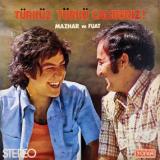
Turkey’s first stereo LP. A foundational recording of Anatolian psychedelia. Audio transferred from the original analog master tapes, mastered and lacquer cut by Frank Merritt at The Carvery, London, and pressed on 180g heavyweight black vinyl at Record Industry in the Netherlands.
Released by the legendary Yonca Müzik label in 1973 as Turkey’s first stereo LP, Türküz Türkü Çağırırız! now returns as the first official reissue. The album captures Mazhar Alanson and Fuat Güner at a pivotal moment before their later success with MFÖ, one of Turkish pop-rock’s most influential and enduring groups.
Mazhar and Fuat first met in 1966 through a shared love of The Beatles’ Rubber Soul. Inspired by the close vocal harmonies of The Beatles and Crosby, Stills & Nash, they initially believed this music could only work in English. Producer Ergin Bener encouraged them to develop their own musical language in Turkish.
Previously members of Kaygısızlar, the pioneering group that accompanied Barış Manço, Mazhar and Fuat explored a more intimate Turkish folk-rock sound on this album. Zafer Dilek’s arrangements bring his distinctive guitar and keyboard work to a recording in which acoustic guitars, organ and electric guitar touches frame Anatolian melodies. Country-rock influences and the English-language “Upside Down” add to its range.
The title roughly translates as “We are Turks, and we sing Turkish folk songs” — reflecting a search for a new, distinctly Turkish musical identity. The album draws on works by Âşık Veysel, a defining voice of Turkish folk poetry, and Yunus Emre, the great Anatolian Sufi poet.
“Adımız Miskindir Bizim” was sampled on Action Bronson’s “Easy Rider,” while Stones Throw producer Oh No sampled “Sür Efem Atını.”
Sounds of Sirius Music presents SOSNZ013 – BRYZ – Red Light EP
A signal. A reflection. A shift in perception. Red Light explores the space between awareness and observation.
Three original cuts from BRYZ. Deep grooves, hypnotic rhythms, and subtle moods.
On remix duties, Herman Saiz reshapes Double Check into a deeper interpretation.
It's time to get back to real Electrofunk, Breakbeat and Hip-Hop.
This vinyl bridges the gap between old school and modern sound design, delivering the rawest Funk Architecture.
Two decades of music production by DJ 33 condensed into one monumental 12-inch record.
Eight essential bangers, released as a strictly limited edition of pure, analog-driven vintage sonic art. Here we go.
Funk Architecture is a division of MixCult Records
Last year Ace Records were delighted to reissue The Brides of Funkenstein’s debut LP from 1978, “Funk Or Walk”. Featuring their hit single ‘Disco To Go’, this album put the Brides on the map and sold strongly.
Before sessions commenced for a second album, Lynn Mabry left the group before sessions commenced for a second album, leaving Dawn Silva alone at the altar. George Clinton added P-Funk backing singers Jeanette McGruder and Sheila Horne to the mix, creating a three-pronged vocal attack.
Sessions featured the cream of the P-Funk players including keyboard wizard Bernie Worrell, bassist Bootsy Collins and guitarist Garry Shider. The resulting album, released in 1979, was even better that their debut.
The title track ran for over 15 minutes on side one, showcasing the vocal and musical prowess of all concerned. Other tracks included ’Party Up In Here’, ‘Smoke Signals’, ‘Mother May I?’ and the gorgeous ballad ‘Didn’t Mean To Fall In Love’.
Although it did not spawn a hit single, “Never Buy Texas From A Cowboy” sold as strongly as “Funk Or Walk” and over time has been hailed as a classic P-Funk album.
With liner notes from Ace’s Ian Shirley, we are delighted to release it on orange vinyl and CD. You don’t need your mother’s permission to buy it either.
Founded in Puebla City in 1998 by Alberto Tlahuetl, Grupo Soñador played a key role in shaping a distinct regional take on cumbia at a time when the genre was largely dominated by Mexico City and the coastal scenes. Working with minimal resources, home recordings, cassettes, and affordable keyboards, the group developed a clean, melodic, and dance-driven sound that resonated deeply within the sonidero circuit. Their breakthrough track El Paso del Gigante (2001), spread organically through DJs and street dances, establishing Grupo Soñador as a cornerstone of Puebla’s emerging musical identity. Without a formal label structure, their music travelled hand to hand, from local fairs to migrant communities in the United States, becoming part of a wider underground network of circulation. Blending electronic instrumentation with sonidero rhythms, Grupo Soñador helped place Puebla on Mexico’s cumbia map, not through industry infrastructure, but through the dance floor.
Originally Self-produced in 150 copies (1977), MAR-VISTA’s only album is one of France’s most strange and radical records. Psychedelic electronic music, experimental, and acid folk A collector’s holy grail for fans of Klaus Schulze, Terry Riley, Neu, and Silver Apples. Includes a previously unreleased second record (1973)
Grammy-nominated Malian singer, songwriter and guitarist Fatoumata Diawara returns in 2026 with MASSA, her most personal work to date. Introspective and powerful, the album explores motherhood, faith, memory, and resilience, transforming intimate reflection into universal storytelling. Through these songs, Fatoumata invites listeners, of all backgrounds, to embrace gratitude and accept that destiny is an inevitable part of the human journey. The album also carries a moving tribute to her late father, whose love continues to guide her beyond his passing. Musically, MASSA sees Fatoumata Diawara expand her sonic universe, blending her Malian musical heritage with pop textures, under the artistic direction of pop icon -M-, creating a sound that is both rooted and forward-looking. With MASSA, she reaffirms her place as one of the most vital voices in African music, transforming personal truth into universal resonance.
Zum allerersten Mal auf Vinyl, präsentiert in einer cardboard single sleeve LP inklusive vierseitigem Einleger
mit einem Text von Hermann Conen.
Im Juli 1995 trafen sich Arvo Pärt und Manfred Eicher in der Frankfurter Festeburgkirche mit vier aufmerksamen Musikern – dem Geiger Vladimir Spivakov, dem Cellisten Dietmar Schwalke sowie den Pianisten
Alexander Malter und Sergej Bezrodny –, um eine Aufnahme zu realisieren, die sich ganz auf die Kompositionen “Für Alina” und “Spiegel im Spiegel” konzentriert. Das Ergebnis, das ECM New Series Album Alina,
nimmt sowohl in der Diskografie des estnischen Komponisten als auch im ECM-Katalog einen besonderen
Platz ein. “Für Alina”, geschrieben 1976, war für Pärt eine bahnbrechende Komposition und zugleich
symbolisch der Ausgangspunkt für die folgenden Werke. „Ich könnte meine Musik mit weißem Licht vergleichen, das alle Farben enthält“, sagte Arvo Pärt damals. „Nur ein Prisma kann die Farben aufteilen und
sichtbar machen; dieses Prisma könnte der Geist des Zuhörers sein.“ Zeitgenössische Rezensenten meinten,
dass das aufmerksame Verfolgen des Flusses von Alina die Wahrnehmung schärfe. Gramophone beschrieb
das Album als „die Stimme eines inneren Exils, in sich gekehrt und zutiefst persönlich, aber für jeden
zugänglich, der bereit ist zuzuhören. Die große Gefahr beim Hören von Alina besteht darin, dass vieles von
dem, was man danach hört, plötzlich wie Lärm wirkt – zu viel Lärm. Aber es ist ein Risiko, das einzugehen
sich lohnt.“
Foreign Tongues, das neue Studioalbum der Rolling Stones, umfasst 14 Songs und folgt weniger als drei Jahre nach dem vielfach ausgezeichneten Vorgänger Hackney Diamonds, der weltweit Spitzenpositionen in den Charts erreichte und mehrfach mit Platin ausgezeichnet wurde. Eingeleitet wird das Album von der beschwingten und eingängigen Lead-Single „In The Stars“. Foreign Tongues entstand innerhalb eines Monats in den Metropolis Studios in West-London, wo Mick Jagger, Keith Richards und Ronnie Wood erneut mit dem Grammy-prämierten Produzenten Andrew Watt zusammenarbeiteten. Das Ergebnis ist ein dynamisches, zeitgemäßes Album, das den charakteristischen Sound der Band aufgreift und zugleich neue klangliche und inhaltliche Akzente setzt.
Neben den zentralen Beiträgen von Jagger, Richards und Wood sind auch langjährige musikalische Wegbegleiter wie Darryl Jones, Matt Clifford und Steve Jordan auf dem Album vertreten. Darüber hinaus enthält das Album einen besonderen Beitrag von Charlie Watts, der während einer seiner letzten Aufnahmesessions vor seinem Tod im Jahr 2021 entstand. Ergänzt wird das Projekt durch Gastauftritte unter anderem von Steve Winwood, Paul McCartney, Robert Smith und Chad Smith.
b A2 Let's Try = Let's Try!; Written-By Original Score Written By – Koji Kondo
[c] A3 お花畑にて = In The Flower Garden; Written-By [Original Score Written By] – Koji Kondo
[e] A5 対クッパ戦 = Battling Bowser; Written-By [Original Score Written By] – Koji Kondo
[g] A7 Super Pipe House = Super Mario House; Written-By [Original Score Written By] – Koji Kondo
[p] B7 ごきげんスター = Irrepressible Star; Written-By [Original Score Written By] – Koji Kondo
[z] C5 ねぇねぇジーノごっこしようよ = Play "Save The World" With Me!; Written-By [Original Score Written By] – Koji Kondo
[xd] D1 土管からコンニチハ = Greetings From The Pipes; Written-By [Original Score Written By] – Koji Kondo
[xk] E1 Long Long Ago… = Long, Long Ago...; Written-By [Original Score Written By] – Koji Kondo
[xl] E2 ちょっとドキドキ = A Little Anxious; Written-By [Original Score Written By] – Koji Kondo
[xt] F2 対 クリスタラー戦 = Battling Culex; Written-By [Original Score Written By] – Nobuo Uematsu
[xu] F3 クリスタラー戦での勝利 = Victory Over Culex; Written-By [Original Score Written By] – Nobuo Uematsu
[xv] F4 クリスタラーの会話 = Conversation With Culex; Written-By [Original Score Written By] – Nobuo Uematsu
[yb] G5 オノレンジャー参上 = The Axem Rangers Bust In; Written-By [Original Score Written By] – Koji Kondo
[yc] G6 クッパ城(其ノ弐) = Bowser's Keep (Second Visit); Written-By [Original Score Written By] – Koji Kondo
[yi] H5 お・し・ま・い・! = The End!; Written-By [Original Score Written By] – Koji Kondo
[b] A2 Let's Try = Let's Try!; Written-By [Original Score Written By] – Koji Kondo
[c] A3 お花畑にて = In The Flower Garden; Written-By [Original Score Written By] – Koji Kondo
[e] A5 対クッパ戦 = Battling Bowser; Written-By [Original Score Written By] – Koji Kondo
[g] A7 Super Pipe House = Super Mario House; Written-By [Original Score Written By] – Koji Kondo
[p] B7 ごきげんスター = Irrepressible Star; Written-By [Original Score Written By] – Koji Kondo
[z] C5 ねぇねぇジーノごっこしようよ = Play "Save The World" With Me!; Written-By [Original Score Written By] – Koji Kondo
[xd] D1 土管からコンニチハ = Greetings From The Pipes; Written-By [Original Score Written By] – Koji Kondo
[xk] E1 Long Long Ago… = Long, Long Ago...; Written-By [Original Score Written By] – Koji Kondo
[xl] E2 ちょっとドキドキ = A Little Anxious; Written-By [Original Score Written By] – Koji Kondo
[xt] F2 対 クリスタラー戦 = Battling Culex; Written-By [Original Score Written By] – Nobuo Uematsu
[xu] F3 クリスタラー戦での勝利 = Victory Over Culex; Written-By [Original Score Written By] – Nobuo Uematsu
[xv] F4 クリスタラーの会話 = Conversation With Culex; Written-By [Original Score Written By] – Nobuo Uematsu
[yb] G5 オノレンジャー参上 = The Axem Rangers Bust In; Written-By [Original Score Written By] – Koji Kondo
[yc] G6 クッパ城(其ノ弐) = Bowser's Keep (Second Visit); Written-By [Original Score Written By] – Koji Kondo
[yi] H5 お・し・ま・い・! = The End!; Written-By [Original Score Written By] – Koji Kondo
[b] A2 | Let's Try = Let's Try!; Written-By [Original Score Written By] – Koji Kondo
[c] A3 | お花畑にて = In The Flower Garden; Written-By [Original Score Written By] – Koji Kondo
[e] A5 | 対クッパ戦 = Battling Bowser; Written-By [Original Score Written By] – Koji Kondo
[g] A7 | Super Pipe House = Super Mario House; Written-By [Original Score Written By] – Koji Kondo
[p] B7 | ごきげんスター = Irrepressible Star; Written-By [Original Score Written By] – Koji Kondo
[z] C5 | ねぇねぇジーノごっこしようよ = Play "Save The World" With Me!; Written-By [Original Score Written By] – Koji Kondo
[xd] D1 | 土管からコンニチハ = Greetings From The Pipes; Written-By [Original Score Written By] – Koji Kondo
[xk] E1 | Long Long Ago… = Long, Long Ago ..; Written-By [Original Score Written By] – Koji Kondo
[xl] E2 | ちょっとドキドキ = A Little Anxious; Written-By [Original Score Written By] – Koji Kondo
[xt] F2 | 対 クリスタラー戦 = Battling Culex; Written-By [Original Score Written By] – Nobuo Uematsu
[xu] F3 | クリスタラー戦での勝利 = Victory Over Culex; Written-By [Original Score Written By] – Nobuo Uematsu
[xv] F4 | クリスタラーの会話 = Conversation With Culex; Written-By [Original Score Written By] – Nobuo Uematsu
[yb] G5 | オノレンジャー参上 = The Axem Rangers Bust In; Written-By [Original Score Written By] – Koji Kondo
[yc] G6 | クッパ城(其ノ弐) = Bowser's Keep (Second Visit); Written-By [Original Score Written By] – Koji Kondo
[yi] H5 | お・し・ま・い・! = The End!; Written-By [Original Score Written By] – Koji Kondo
Ring Noord and Anetha connect on Everything Is Still To Come EP for Mama Told Ya
Ring Noord return with a five-track EP on Mama Told Ya, marking their first collaboration with Anetha and their first release on the label. Developed between studio sessions in Groningen and sustained time in the club, Everything Is Still To Come places their work in a broader context, moving between bass music, techno and rave, where instinct-driven writing meets a more direct sense of physical function.
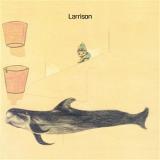
Connecters Vol. 1: Original Recordings, 1992-1999 ist die erste Veröffentlichung von Larrison, dem Pseudonym des bildenden Künstlers und Musikers Larrison Seidle aus dem Mittleren Westen. Larrison komponierte, programmierte und nahm alles komplett auf einem Casio CZ-5000 auf, während der guten alten Zeit der selbstgemachten Experimente und Entdeckungen in den frühen 90ern. Er lebte in einer Traumwelt, die er selbst erfunden hatte, mit Soundtracks aus Space-Age-Pop-Vignetten, gespickt mit hypnotischen, überschwänglichen, vielschichtigen Synthesizer-Melodien. Mit 26 Tracks, die alle neu restauriert und aus den Originalquellen gemastert wurden, erfindet sich Connecters Vol. 1 Song für Song neu, überwindet die Zeit und trotzt der vorbestimmten Vergessenheit dieser brillanten, diskreten Musik, die vor drei Jahrzehnten entstanden ist. Larrison Seidle wuchs in den 70er und 80er Jahren in Greenwood, Indiana, einem Arbeitervorort von Indianapolis, auf. Er stammte nicht aus einer Musikerfamilie, aber aus einem Haushalt, in dem Musikalität gefördert wurde. Sein Vater kaufte eine elektrische Orgel, in der Hoffnung, dass Larrison und sein älterer Bruder das Instrument lernen würden. ,Am Ende saß mein Vater einige Abende an der Orgel, improvisierte und spielte immer wieder dieses eine Lied, von dem ich mich noch an die ersten Takte erinnern kann", erinnert sich Larrison. Möglicherweise war es in diesem Moment, in dem es zwar keine formale Ausbildung gab, aber viel Ermutigung und Entdeckungsfreude, dass der Künstler seine ersten musikalischen Experimente machte. Diese Erlaubnis, sich auszuprobieren, sollte seine kreative Arbeit in den folgenden Jahren deutlich prägen. Während in Larrisons Elternhaus klassische Rockplatten leicht zugänglich waren, lieh sich sein Vater 35-mm-Dokumentarfilme aus der Bibliothek aus, um sie im Wohnzimmer zu zeigen, die alle mit skurrilen Instrumentalstücken unterlegt waren. Als Teenager nahm er John Carpenters und Alan Howarths Endthema aus ,Die Klapperschlange" mit einem kleinen Kassettenrekorder neben dem Fernsehlautsprecher auf und liebte Tangerine Dreams Beiträge zu Ridley Scotts düsterer Fantasy ,Legend". Seine Faszination für diese weitgehend textlosen, synthesizerbasierten Kompositionen führte zu einem eigenwilligen Verständnis davon, wie Musik nicht nur das ergänzt, was wir vor uns sehen, sondern auch das, was wir in den Tiefen unseres Bewusstseins erleben. 1985, als er dreizehn Jahre alt war, überzeugte Larrison seinen Vater, ihm ein Casio CZ-5000-Keyboard zu kaufen. Wie zuvor die Orgel war auch dieses Instrument eine Neuheit im Haushalt der Seidles. Erst nach seinem Highschool-Abschluss 1991 und dem Beginn seines Studiums an der Herron School of Art in Indianapolis entdeckte er den in das Casio integrierten Sequenzer und begann, seine Kompositionen auf Band aufzunehmen. ,Das CZ-5000 und sein 8-Spur-Sequenzer sind die einzigen Musikinstrumente, die ich benutzt habe. Es hat eine fast unbegrenzte Funktion zur Erzeugung neuer Klänge", erklärte Seidle. Während seiner Zeit an der Herron School of Art freundete sich Larrison mit seinem Kommilitonen und Klangkünstler Michael Northam an, den er bei einem Konzert auf dem Campus kennengelernt hatte. Nachdem Northam Larrison für die Musik von Severed Heads, Throbbing Gristle und Roger Doyle begeistert und damit seine Zuneigung und sein Vertrauen gewonnen hatte, überredete er ihn, nach Austin, Texas, zu ziehen, das in den frühen 90er Jahren für seine lebendige Kunst- und Musikszene bekannt war. Die beiden wohnten zunächst bei Northams Freund Daniel Plunkett, dem Herausgeber und Verleger von ND, einem einflussreichen Magazin, das sich von 1982 bis 1999 mit DIY-Musik und Tape-Trading beschäftigte. In seiner Blütezeit hatte ND Tausende von Lesern, und Plunkett verschickte die Ausgaben weltweit. In den letzten Monaten des Jahres 1993 und Anfang 1994 schrieb und nahm Larrison mit begrenzten Mitteln und grenzenloser Intuition eine Reihe von Songs mit seinem CZ-5000 in einer kleinen Wohnung nördlich der Innenstadt von Austin auf, bastelte eine farbenfrohe, illustrierte Beilage, in der einige Songtitel durch Linien oder Pfeile dargestellt waren, und gab sie an Plunkett weiter, damit er sie für ND rezensieren konnte. Diese einzelne Kassette mit dem Titel Connecters sic war eine von 1200, die im Laufe des Bestehens der Publikation bei ND eingereicht wurden und die Jed Bindeman, Mitbegründer von Freedom To Spend, 2020 erworben und fast wie durch ein Wunder entdeckt hat. ,Ich hatte große Schwierigkeiten, mir die Kassetten in dieser Sammlung anzuhören", gibt Bindeman zu. ,Aber dann legte ich Larrisons Connecters ein und dachte sofort: ,Wow! Was höre ich da?' Die Kassette war von Anfang bis Ende einfach fantastisch." Mit Musik von genau dieser Kassette und anderen Aufnahmen aus Larrisons Experimenten in den 90er Jahren ist Connecters eine Übersicht über Instrumentalmusik, die sowohl durch vielfältige konzeptionelle Strategien als auch durch spielerische Neugierde geprägt ist. Seidle arbeitete unter Bedingungen, die viele Musiker als Einschränkung empfinden würden, und entwickelte technisch innovative Ansätze, um die Klänge und integrierten Effekte des CZ-5000 zu modifizieren. Das Gerät ermöglichte es ihm, die Wellenform, die Hüllkurve und die Tonart von Klängen mithilfe der Phasenverzerrungssynthese zu verändern und so im Grunde genommen Instrumente zu schaffen, während er Songs komponierte. Die Tracks zeichnen sich durch eine durchdachte impressionistische Vielfalt aus, die mal lo-fi, mal symphonisch klingt. Inmitten der Zerlegung und Verstärkung der Fähigkeiten des CZ-5000 gibt es auch einen geschmackvollen Rückgriff auf eine kindliche Interaktion und Erfahrung von Klang. Vielleicht ist es diese Erfahrungsqualität, die es so schwierig macht, Larrisons Projekt einfach als Ambient oder Elektronik zu verstehen. Sein Wille, die ihm zur Verfügung stehenden Werkzeuge zu transformieren, hebt die daraus resultierenden Kompositionen auf eine persönliche Ebene und verleiht der Musik einen bezaubernden Sinn für Mystik. Connecters ist ein Beweis für eine künstlerische Vision, die sich nicht durch Grenzen einschränken lässt und keine Angst vor Informalität hat. Diese Aufnahmen, die dreißig Jahre nach ihrer Dokumentation auf magische Weise an die Oberfläche kommen, zeigen, wie personalisierte Produktionsmittel die Zeit ausdehnen und verkürzen können. Larrison lädt die Zuhörer ein, sich auf die Wunder der auditiven Vorstellungskraft einzulassen - eine Brücke zwischen visueller Erinnerung, emotionaler Resonanz und der grenzenlosen Möglichkeit, mit den uns zur Verfügung stehenden Mitteln Musik zu machen. Larrison's Connecters Vol. 1: Original Recordings, 1992-1999 wird am 3. April 2026 von Freedom To Spend als Vinyl- und Digitalausgabe veröffentlicht.
Return to Sky is the follow-up to the band's classic Euporie Tide, which consolidated the band as a crucial underground force in the European psych scene and spread their unique brand of warm-toned stoner rock to a wider audience. The album is a condensed piece of acutely experimental, yet immensely engaging, instrumental rock. Each of the album’s five epics unfolds as a microcosm of the band’s genre-transcending psychedelia at large, yet adds something different to the whole.
The tracks on Return To Sky travel far and wide: heavy, detuned riffs are transformed into wide, pastoral soundscapes, and fluid minimalism warped into swirling crescendos and back again. Occasionally the band even manages to sound turbulent, fuzzed-out yet strangely peaceful at the very same time. Whereas so much of today’s psychedelic scene comes off as merely a tribute to a certain period of the past, Causa Sui has always been on a different mission. More than any other record in their catalog Return To Sky declares their roots in the avant rock of the late 1990s - where different eras and genres merged into something that resonated as much with the present as it celebrated the past. It also reveals the fact that members of the band has had their hands in many different projects since the band’s debut album in 2005: solo excursions into synthesizer music, collaborations with members of Sunburned Hand Of The Man and Tortoise as well as film soundtracks and improv sessions with krautrock legends Faust and Damo Suzuki. It has all worked a subtle influence on the kind of band they have become. On Return To Sky their sound is more earthy and heavy than other Causa Sui record, but it’s also a record that has absorbed everything from shoegaze and vintage Italian film music to spiritual jazz and afrobeat into its fabric. Causa Sui has never sounded deeper or more mesmerizing than on this set.
Dieses Jazzensemble ist durch und durch skandinavisch. Schlagzeuger Emil Brandqvist stammt aus Schweden, Pianist Tuomas Turunen aus Finnland und Bassist Max Thornberg ist ebenfalls Schwede. Seit etwa drei Jahren bilden sie das Emil Brandqvist Trio – mit großem Tatendrang und großem Erfolg. »Falling Crystals« heißt ihr drittes Album.
Auch ihre Musik ist typisch skandinavisch: geprägt von unaufgeregten, meditativen Klängen und nordischer Melancholie.
Und obwohl man von einem Trio, das nach seinem Schlagzeuger benannt ist, eigentlich das genaue Gegenteil erwartet, zeigt Emil Brandqvist auf »Falling Crystals« ein weiteres Mal, wie gut musikalische Zurückhaltung klingt. Das hat er bereits mit seinen beiden Vorgängeralben »Breathe Out« (2013) und »Seascapes« (2015) bewiesen, für das der Schlagzeuger unlängst für den Echo Jazz 2016 in der Kategorie »Instrumentalist/in des Jahres international Drums/Percussion« nominiert wurde.
Neben all der Leichtigkeit und Stille des neuen Albums, darf aber nicht vergessen werden, dass es sich dabei auch um herausragende, starke Kompositionen handelt, in dessen Zentrum das Klavier steht.
Beim Emil Brandqvist Trio treffen technische Finesse und punktgenaues Zusammenspiel auf bildhafte, berührende und vor allem eingängige Melodien. »Falling Crystals« bleibt also lange im Gedächtnis – wie der letzte Skandinavienurlaub.
Rezensionen
»Emil Brandqvist scheint ein ausgeglichener Mensch zu sein, der mal ausgelassen und fröhlich daherkommt, aber auch seine nachdenklichen, leiseren Seiten hat. Jedenfalls versteht sich der Schlagzeuger darauf, mit seinem Trio heiter, schwungvoll, aber auch bedächtig aufzuspielen. In „Through The Forest“ hüpfen die Töne von ihm, dem Pianisten Tuomas Turunen und dem Kontrabassisten Max Thornberg so fröhlich, als hätten sie sich durch Hits von ABBA zu einem Tänzchen inspirieren lassen. Mit „Shine“ hingegen bringen sie eine kleine Melodie zum Strahlen, und die Ballade „Longing“ gewinnt durch ausdrucksstarke, stellenweise an Frank Sinatras Intonation erinnernde Klaviermelodien und ein klares Fundament von Bass und Schlagzeug Ausdruck. Zu dritt oder im Quartett mit dem Perkussionisten Martin Brandqvist verzichten sie auf virtuose Hochgeschwindkeitspassagen – ihre Stärken sind einerseits das gelassene Ineinandergreifen von Piano und Begleitung und andererseits die Fähigkeit, kurze und einprägsame Melodien abwechslungsreich auszugestalten. Mal greifen sie dabei auf minimalistische Variationstechniken zurück, mal setzen sie Brüche, gliedern in Abschnitte, setzen einzelne Segmente hintereinander. Im Eröffnungsstück „While We Are Here“ und dem abschließenden Epilog „The Oak Trees“ und „Early Spring“ unterstützt sie das Sjöströmska String Quartet mit flächigen Klängen und aufgefächerten Akkorden, während das Trio in „The Sea Begins To Freeze“ eher auf die Tradition der Minimal Music zurückgreift. Die im Titel angesprochenen Kristalle fallen nicht nur, sie funkeln auch.« (RONDO, Werner Stiefele, 12.03.2016)
»Die wahre Schönheit zeigt sich hier nicht an der Oberfläche. Brandqvist, Turunen und Thornberg sind wahre Meister darin, elaboriert-komplexe klangliche Architekturen mit einer fein gezeichneten Gradlinigkeit zu entwerfen…Wunderschöne freigeistliche und anrührende Musik.« (JazzPodium)
»Waren schon die beiden vorherigen CDs (s.u.) wertvolle Kostbarkeiten in Sachen Piano-Jazz, so kann das Album Falling Crystals noch mal einen draufsetzen. Ein dermaßen relaxtes, zeitloses und Musikliebhaber aller Couleurs ansprechendes Album hat man selten gesehen.« (sound&image.de)
»Falls Ihnen der Name bekannt vorkommt: Vom schwedischen Emil Brandqvist Trio haben wir schon mehrfach geschwärmt, das wunderbare ›Seascapes‹ Ende 2015 gar zu einem Album des Jahres gekürt. Nun folgt mit ›Falling Crystals‹ der nächste große Wurf. Wieder gelingt es den drei Musikern, ganz simple Ideen zu Stücken von zerbrechlicher Schönheit und anmut zu formen. Mal klingt das Trio fast wie Popmusik, mal erweitert es sein Klangspektrum durch ein Streichquartett. Dann scheint die berühmte nordische Melancholie noch etwas stärker durch die beührenden Melodien.« (Stern, 31.03.2016)
»Dem Schlagzeuger Emil Brandqvist gelingt mit seinem Jazz-Trio nun bereits zum dritten Mal ein gar nicht mal so einfaches Kunststück: hinreißend schöne, cineastisch ausgreifende Melodien zu schreiben.« (dpa + Focus)
»Typisch romantische Brandqvist-Art: Eine eingängige Popmelodie wird von schwebenden Streichern unterstützt, fern von darüber gezogenem Pathos.« (Jazz thing)
»Die klangmalerischen Landschaftsbilder des Trios …entwickeln einen hypnotischen Sog.« (Hörzu + Gong)
»Erstklassiger Piano-Jazz.« (In Music)
»Eine stilvoll und -sicher arrangierte Kreuzung aus Pop-Jazz und eingängiger Kammermusik.« (Nordische Musik.de)
»Dieses Trio besticht durch herrliche Melodien, welche tief ins Herz gelangen. Sounds welche man so schnell nicht vergisst. Es scheint als würden die Musiker ein Gemälde von unsagbarere Schönheit malen. Dieses Album sticht aus der Masse deutlich heraus.« (Jazzdrummerworld.de)
»Um es vorweg zu nehmen, mit Falling Crystals liefert das Emil Brandqvist Trio sein Meisterstück ab. Bereits in den letzten Jahren hat sich der Göteborger Schlagzeuger Emil Brandqvist auf vordere Ränge des europäischen Jazz gespielt, sein Trio steht für unaufgeregte, bildhafte und berührende Melodien und Sounds, die lebhaft in Erinnerung bleiben.« (Medien-Info.com)
Konzert-Reviews
Poesie- und Literaturfestival Bad Homburg – Lesung mit Max Moor:
»Unterbrochen werden seine Sequenzen vom Emil Brandqvist Trio, einer virtuosen großartigen finnisch-schwedischen Band, die mit magischen und häufig melancholischen Klängen, mit Jazz ganz eigener Prägung, den Inhalt der Geschichte aufgreift, intensiviert und weiterführt. ..« (Taunus Zeitung)
»Mit ihren besonderen Klangreisen hinterließen sie ein andächtiges und zugleich euphorisches Publikum, das die einzelnen Songs lautstark beklatschte…Einfach exzellent…mit seiner raffiniert gewürzten Lyrik des Nordens. Dieser teils magische Jazz bleibt in Erinnerung.« (shz.de)
»Klassisches Maß und große Kraft.« (HNA)
»In die Musik des Emil-Brandqvist-Trios kann man sich wunderbar versenken und sich darin verlieren…« (Haller Tagesblatt)
A fragile sense of time and memory runs through 'Thrill', the third collaborative album from Yana Pavlova and Pavel Milyakov. Recorded across four years and completed shortly before Pavlova's passing in February 2025, the collection expands the delicate language they introduced on Blue. The 14 scratchy, diaristic pieces move between ambient drift, field recordings and loose jazz inflections where haunted vocals, blurred guitars and faded textures surface then dissolve again. Rather than settling into fixed forms, the music unfolds patiently, revealing quiet emotional weight and space. It makes for a fitting closing chapter and a great document of Pavlova's singular, ethereal voice.
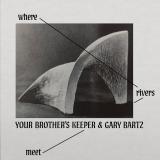
Gary Bartz und das neue Londoner Ensemble Your Brother’s Keeper präsentieren mit "Where Rivers Meet" ein tiefgründiges und intuitives Studioalbum, das die seltene Begegnung zweier Generationen von Jazzmusikern einfängt. Das Album, das pünktlich zum 20-jährigen Jubiläum von Brownswood erscheint, vereint Bartz' Tradition mit der jungen, pulsierenden Szene Londons. Das Ergebnis ist Musik, die sich mit Offenheit und Intensität entfaltet, getragen von tiefem Zuhören und gemeinsamer Improvisation.
Im Zentrum des Projekts steht Bartz, eine der einflussreichsten Vertreter des modernen Jazz. Der Saxophonist, dessen Karriere sich über mehr als fünf Jahrzehnte erstreckt, machte sich einen Namen durch Auftritte mit Charles Mingus, Max Roach und Art Blakey, bevor er sich Miles Davis in dessen elektrisierender Phase der frühen 1970er-Jahre anschloss. Mit seinen gefeierten Aufnahmen mit der NTU Troop wurde er schnell zu einer prägenden Figur des Spiritual Jazz und schuf ein Werk, das Generationen von Musikern und Zuhörern gleichermaßen begeistert. Sein Spiel – lyrisch, tiefgründig und unverkennbar gefühlvoll – zählt nach wie vor zu den markantesten Stimmen des Jazz.
Das Album markiert zudem die Gründung von Your Brother’s Keeper, einem neuen Kollektiv um Schlagzeuger und Produzent Jake Long (Maisha), dessen musikalischer Dialog und die Improvisation tief in der Musik verwurzelt sind. Mit Ali MacSween (Piano, Synthesizer, modulare Effekte), Axel Kaner-Lidstrom (Trompete), Twm Dylan (Kontrabass), Tim Doyle (Percussion) und Chelsea Carmichael (Tenorsaxophon) sowie Long am Schlagzeug spiegelt die Gruppe eine Szene wider, die den Sound des zeitgenössischen Jazz im letzten Jahrzehnt maßgeblich geprägt hat.
The first release in the Between Dimensions vinyl series, BDREP001 , presents Oi Zé EP by Lipp — a deep and hypnotic journey rooted in minimal grooves, organic percussion, and timeless underground aesthetics.
Crafted for intimate dance floors and extended listening sessions, the EP balances raw rhythmic energy with refined textures, delivering a warm and immersive sound signature that reflects the identity of Between Dimensions.
On the A side, “Atleta Do Ano” and “Oi Zé!” explore stripped-back grooves, subtle melodic movements, and rolling low-end pressure. The B side features a special reinterpretation of “Oi Zé!” by Barac, transforming the original into a deeper and more atmospheric late-night tool.
BDREP001 marks the beginning of the Between Dimensions wax journey — a carefully curated series focused on timeless electronic music, connecting artists from different parts of the world through a shared vision of depth, rhythm, and dance floor storytelling.
Credits
Original Tracks
by Filipe Rodrigues Bezerra
Remix by Nicolae Barac
Mastering by Rob Smalls
Visual art by Steph Gar
Slope114 are Dmitri SFC & Elise Gargalikis, a duo that makes their house music live from home in San Francisco. That lends it a rare musicality and melodic lushness that sit their work right up there with deep house forefathers. This outing starts with the slouchy goodness and endearing bass of 'Dystopian Blues', complete with aloof vocals that exude cool. The dub is even more pillow and smooth than the Mark Ambrose mix that brings a little more roughness to the drums but still locks into a hypnotic vibe. 'Emu 2' is a gentle rhythm with dusty pads and candle-lit chords for when slow-burn subtlety is prized over immediacy. Classy stuff.
What's the point of the howl of string to speaker, the hammering of stick-on skin? Is it transcendence, elevating the human spirit by catharsis in sound? Or is it summoning chaos, a purgatory in which to bask in all that’s unclean, the better to feel alive?
Why not both? Because that’s what’s on offer on Diet Of Worms, the second Rocket release by The Shits, Leeds via Newcastle’s titans of disgust and deliverance. This is a feast for the senses in the worst way possible - primal rock boiled down to its essence and flung full in your face. Using repetition, tortured vocal invective and heads-down intensity as blunt instruments, these eight tracks are an unprecedented torrent of acidic salvation. Whilst lurking somewhere on the decadence-destruction axis between the nihilism of prime Stooges and the bloody blackout of Braimbombs, Diet Of Worms is possessed of a legitimately uncompromising hostility that both elevates and debases it to co-ordinates unknown.
There are revelations here in the riffage and the rancour, even if they are the kind that occur in the bleary miasma of the lock-in, or witnessing the streetlight blur of the subsequent stagger home. Even more single-minded and remorseless than the band’s Rocket debut ‘You’re A Mess’, this is a record that demands full immersion. Whether it’s ‘Then You’re Dead’ hammering on a pulverising garage-stinking riff until it begs for mercy, or ‘Change My Ways’, whose Creedence-In-Hell swagger and lurch is that of abjection transmuted into joy, this is psychedelia forcibly removed from its comfort zone of pastiche, and thrust into a bad-trip realm of the vivid and nightmarish.
But rarely has the process of making beauty and horror indivisible seemed like so much fun. If Werner Herzog was right, and the only harmony in the universe is that of overwhelming and collective murder, then The Shits are the true music of the spheres.
NYC's Afro-Latin house player Doug Gomez, who was also half of the defunct Drrtyhaz, leans into club weight and musical detail on Signals 3, a confident new drop built on persuasive rhythms. 'The Space Between Us' introduces his vocal production with Fe Malefiz, who has a sultry, stylised tone that drifts between deep house and Afro-soul with great control. 'The Red Room' shifts gears into peak-time territory with a groove shaped by late-night exchanges with DJ Loka. Closing cut 'To Do Good Na Em Dem Pay' widens the palette further, pulling from Afrobeat's restless rhythmic energy and layering in some bold and brassy horns.
Released on Polydor in 1972, He’s Coming captures vibraphonist Roy Ayers at a creative apex, as Ubiquity’s sound settled into the blend of jazz improvisation, funk rhythm, soul harmony, and spiritual import that would define his work throughout the decade. Emerging at the start of the 1970s, the album reflects Ayers’s deepening move toward a groove-centred musical language rooted in soul-jazz and early jazz-funk. The vibraphonist, keyboardist, composer, and bandleader is supported by a core ensemble that includes Harry Whitaker on electric piano, organ, and vocals; John Williams on bass, with Ron Carter featured on ‘We Live in Brooklyn, Baby’; David Lee Jr. and Billy Cobham on drums and percussion; guitarists Sam Brown and Bob Fusco; saxophonist Sonny Fortune; and percussionist Juma Santos. Tracks like ‘He’s a Superstar’, ‘Sweet Butterfly of Love’, and ‘Fire Weaver’ embody the record’s mix of urban narrative, spiritual reflection, and deep rhythmic momentum — qualities that would later make Ayers’s catalogue a source of inspiration for soul, funk, hip-hop, and neo-soul artists.
Oh yes this timeless sun track is now for the first time on 7” vinyl.
Sons and Daughter of Lite first release back in 1977 on a private press release, spiritual jazz vocals Our A side Part one – Super mellow dreamy killer vibes and great vocals
B side - Part two – Opens with the bass groove and then off uplifting vocal and horny, pure sunshine Jazz. Must have 45
Leopard DaVinci is the official keyboardist of Dabeull's Band.
“Casual Conversation” pairs Leopard DaVinci’s high-gloss funk production with Moniquea’s signature vocal charisma for an instantly addictive modern funk single. Flirty, confident and groove-heavy, the track balances retro-inspired synth textures with a contemporary boogie pulse, making it a strong fit for editorial playlists centered around funk-forward, danceable and soulful music.
Moniquea already holds a respected position in the global modern funk community, and this release delivers exactly what that audience wants: attitude, melody, replay value and undeniable groove. “Casual Conversation” has crossover potential between dedicated funk listeners, nu-disco audiences and feel-good R&B selectors.
“Flaws” pairs Leopard DaVinci’s signature synth-led funk production with Helena’s fresh and expressive vocal presence for a release that feels both timeless and relevant. Built around a message of self-acceptance and inner strength, the track transforms vulnerability into groove, offering a refined mix of modern funk, boogie and soulful pop energy.
Its lyrical theme makes it especially effective beyond niche funk circles, opening space for playlisting tied not only to groove and retro-funk aesthetics, but also to confidence, empowerment and uplifting mood. “Flaws” is melodic, elegant and emotionally direct — a strong crossover track with both artistic identity and listener accessibility.
Mr Bongo are thrilled to have one of the leading lights in contemporary soul joining the label. Melbourne-based vocalist, musician, and songwriter Ella Thompson is an artist whose name is being championed by some of the best in the business. She’s been building a reputation as one to watch, with two standout releases on Hopestreet Recordings, Domino EP in 2023 and Ripple On The Wing LP in 2024, alongside a heavy touring schedule and a stacked list of support slots and collaborations.
For this new 7” single, Ella collaborates with a selection of artists at the forefront of Naarm/Melbourne’s soulful DIY community. Featuring members of Surprise Chef and Karate Boogaloo, Liam McGorry from Temporary Blessings (College Of Knowledge) joins Ella as co-writer and co-producer, with go-to Melbourne engineer Henry Jenkins also producing and recording the track.
Bridging the worlds of classic and contemporary soul, Ella’s songwriting is drenched in emotion and personal experience. With a timeless feel that is hard to tie to any particular period, she has crafted a sound that instantly hits deep. It’s warm, tasteful and distinctly Ella. That talent has also seen her tour with Mark Ronson, and support other contemporary greats like Jalen Ngonda, Lee Fields, and Thee Sacred Souls.
‘Promise To Keep’ is the first taste of Ella’s new material on this 7” single. An irrepressible upbeat groover that echoes mid-to-late-sixties vocal groups. That influence though never overpowers Ella’s own unique creative voice or distinct sense of self. She draws from it, but the colour is all her own. The song tells a story of being carried by the current that keeps us moving, giving us courage. A commitment to oneself that speaks to action shaped by vision, and the pull of following what feels correct even when the distance is far.
The flip side finds Ella in a different mood. ‘Change Of Heart’ is a heavy sweet-soul ballad. Rich in drama, Ella’s falsetto vocals build to a stunning climax in the final section, with triumphant horns that signal the release of letting go. The lyrics reflect on temporality and impermanence, and the way moments can be missed or arrive with synchronicity. It’s that bittersweet paradox of triumph and sadness, where everything contains its opposite: absence and presence, innocence and experience. The song is underpinned by a brooding production quality and atmospheric, beat-heavy flavour that Surprise Chef and cinematic soul fans will relish.
Mixed by Wayne Gordon (Daptone, Womack Sisters), ‘Promise to Keep’ and ‘Change of Heart’ are a glimpse of things to come from Ella. Keep an eye open for more new music incoming from this phenomenal artist at the top of her game.
Odlazak – the third full-length from multidisciplinary artist and musician Ivan Masic as Ex Ponto – takes its name from the Serbian word for departure. It’s a theme that reverberates throughout the release as the motifs of departure, arrival and the journey between the two are woven into an intimate personal narrative from 1980s Yugoslavia to contemporary suburban Coburg and back. Odzalak feels like a bookend to a decade of concerted, illuminating visits to the place of his birth and a countenance to the departure that long defined his youth.
Alongside Ex Ponto’s signature mix of electronic and organic textures, Masic has interspersed moments of exchange from his homeland. The haunting sound of the gusle — a traditional Serbian instrument played by his ancestors — opens the album, alongside 40-year-old VHS recordings of family members reflecting on life and death. The cover was designed by long-time friend Rick Milovanovic (TRiC), whilst photographs from Masic’s visits to Serbia and Bosnia-Herzegovina by his wife, photographer Sarah Pannell, are featured on the inner sleeve. The release was mastered and partially mixed by Belgrade-based Goran Simonoski (La Plant), a collaboration rooted in shared lineage and a mutual love of the darker edges of the sonic spectrum.
Taking cues from ambient to kosmiche, dub to post punk and everything in between, this is a sonic journey as much as it’s a personal one. Part Balkan Bladerunner soundtrack, part Vini Reilly in wonderland, Odzalak is Ex Ponto’s most pointed and heady release to date, equally at ease in the club and at home.
The Ron Trent Collection Vol. 1 launches the long-awaited return of the legendary Nite Grooves label, revisiting the deep house roots that helped define the sound of New York’s underground scene.
Kicking off the relaunch with house pioneer Ron Trent, this first volume brings together a selection of his productions and aliases from the label, including New African Orchestra, Lost Tymeez and USG.
With deep rhythms, rich percussion and hypnotic grooves, these tracks showcase the musical depth and spiritual house sound that has made Ron Trent one of the genre’s most respected producers.
As the first release in the relaunched Nite Grooves catalogue, this collection offers strong appeal for both deep house DJs and collectors of classic New York house.
A strong opening chapter for the return of Nite Grooves and an essential addition for stores supporting deep and soulful house.
RAWAX proudly welcomes Cassy to the artist family! We are more than happy to present you soon two releases fom the Grande Dame of Electronic Music.
You will love this very deep and personal piece of art. The first ep called "CBM 1".
Derek Kamm is the American producer behind the Kidislive project and brings more than two decades of experience.
The Long Island-raised DJ and producer has previously received support from the likes of Richie Hawtin, Marco Carola and Carl Craig, while releasing on Visionquest, but now hones his craft, combining influences from micro house, minimal and experimental. Fresh off a third outing on 8 Head Records, he is back on his own new label to explore more compelling grooves.
Opener 'Down To The Penny' has a lively carnival feel, with an excitable mix of shimmering synths and subtle guitar riffs bursting through the mix. Sweeping filters ramp up the scale as more delicate melodies hang in the air, helping to hypnotise the dance floor. There is plenty of sunshine in the rich, multilayered instrumental 'Never Stop Reaching', which builds through rousing chords and florid flute lines. Vocals arrive with an empowering message that will bring real rapture. The fantastic 'Dipper Fox' is a rugged rhythm with chunky bass and a muscular feel that's softened by wispy, swirling synths and soaring choral vocals. Last but not least, 'Shorty Circuitry' is a study in emotional soundscaping - a warm, effervescing brew with strings and breathy vocals, long-tailed chords and a sense of joy all swarming around a subtle bass guitar that moves things onward and upwards.
'Electronic lullabies and folk songs from Ethiopia! A landmark recording from Ethiopia’s vibrant cassette era of the 1980s, Resonance of Time features pioneering composer Wesenyeleh Mebreku reimagining Ethiopian folk melodies through the humble circuitry of an early Casiotone keyboard.
'Historically, the works featured on Resonance of Time (የጊዜ ቃና Yegizie Kana) stand as quiet documents of Ethiopian musical memory. Many of the original songs included in this release emerged during important moments in Ethiopian history when music carried the collective emotion of the nation - love, loss, resistance, dignity, and hope. By arranging these pieces from Ethiopia’s musical heritage instrumentally, Wesenyeleh Mebreku aimed to preserve their essence while protecting them from being confined to a single era or performance style. In doing so, his preservation of Ethiopia’s musical heritage became a contribution to his country’s musical legacy itself, as Resonance of Time serves as an important musical milestone of this composer’s innovative recordings and musical developments in the prolific era of Ethiopia’s 1980s cassette tape culture.
'On Resonance of Time, Wesenyeleh made use of the first Casio electronic keyboard - the Casiotone CT-201 - to arrange and perform Ethiopian folk songs in his own unique style. Implementing the soulful, lo-fi character of the keyboard, Wesenyeleh’s interpretations of these works take on a life of their own. Charming analog tones interpret swirling sounds of organ and piano in kignit modality to the beat of a nostalgic rhythm machine while twinkling synthesizer sounds carry the melodies drifting out of time. The recordings reflect a watershed moment in Ethiopian musical history - when traditional melodies started being interpreted on electronic keyboards, and the advent of cassette tape recording allowed for music to be transmitted more accessibly than centuries-old oral traditions. During this time, Ethiopian musical modes were syncretized with new technology and budding musical experimentation, and Wesenyeleh’s interpretations on Resonance of Time are a landmark recording of this era, following in the tradition of reflecting upon and re-interpreting historical Ethiopian music for a new generation.
'Featured on the release are timeless Amharic folk songs and lullabies, Tigrinya love songs, Gurage and Oromifa popular songs, and even works closely associated with performers from Ethiopia’s 1970s popular music era such as Tiz Alegne Yetintu (ትዝ አለኝ የጥንቱ) which was famously performed by Tilahun Gessesse. Each piece, thoughtfully chosen by Wesenyeleh, is beautifully transformed into instrumental music of his own style - allowing these worlds of song to echo into the future while they are synthesized with the electronic innovations of the 1980s and Wesenyeleh’s own musical history.
'Wesenyeleh says this about his musical approach - ”Instrumental music, for me, is a space of reflection. Without words, the listener is invited to remember, imagine, and feel freely. In Resonance of Time, I hear my own musical philosophy: respect for Ethiopian kignit, careful dialogue with Western harmony, and a deep trust in melody as a storyteller.”
'Each piece performed on Resonance of Time speaks to a time when Ethiopian music was shaped by oral transmission through live performance and communal listening. In today’s fast-moving musical environment, revisiting these works is an act of cultural responsibility. These works remind us that melody once traveled slowly, settling deeply in the listener’s heart. The instrumental format allows these works to cross linguistic and generational boundaries, making them accessible to audiences who may not know the original lyrics but can still feel their spirit.
'Resonance of Time also reflects a broader historical dialogue: the meeting of tradition and adaptation. Ethiopian music has always evolved while holding onto its core identity. These arrangements affirm that evolution does not mean abandonment. Instead, it can be a form of safeguarding - ensuring that the musical wisdom of the past continues to resonate in the present and inspire the future.
'In this sense, the album is both personal and collective. It carries Wesenyeleh Mebreku’s own musical fingerprint, shaped by decades of practice, but it ultimately belongs to a wider cultural continuum. It is the artist’s contribution to keeping time audible so that memory, history, and sound may continue to speak to one another.'
Wet is the fifth full length album by Black Meteoric Star and the 10th release. Black Meteoric Star is a project Rayna started in 2006 when she was living in Berlin that brought together her life long love of dance music culture with spiritual themes, drag, and her formative experiences of S/M culture Black Meteoric Star has always had an avenger quality in Rayna's life and creative work, and this iteration plays that role in response to the current political landscape. Wet celebrates the long standing shared history of electronic music and queer leather/SM culture and imagines a future where these two cultural expressions are re-connected.
Electronic music and leather/SM are both ways that queer people have historically built community, created and shared knowledge, and kept each other safe. The current administration demonizes and villainizes queer people on the basis of a false moral framework of respectability, and its a trick. No amount of acting "respectable" will humanize queer people in the eyes of this administration and get us the rights we deserve. Revitalizing the connection between electronic music and queer leather/SM is a way to affirm the cultural power of both during a time when it has never been clearer that we keep each other safe. Rayna, a transgender woman with a deep commitment to all of these cultural forms, has a strong message to deliver with this album. She has been a DJ and producer of electronic music for over thirty years and has been producing community cultural events for as long. She has also been involved in kink and bdsm for decades and is a well-known and respected DJ in the New York leatherdyke scene. Rayna made international headlines in 2017 when she came out as transgender while touring with LCD Soundsystem. In 2018 she left the Grammy winning band to pursue projects that were more connected with her queer experience, including founding Voluminous Arts a cultural organization that supports trans artists. Black Meteoric Star is a continuation of a thread in Rayna's work that runs through her Paper Eyes project and her role in Black Leotard Front. This thread has a comic book or x rated graphic novel component based around her experiences of being a sad lonely lesbian trans girl who got bullied a lot and found escape and the possibility of being avenged through X men comics and Dungeons and Dragons books.
Turn On The Sunlight is the long-running project of Texas-born, Maui-based musician and producer Jesse Peterson.
Originally formed in New York in the late 2000s, Turn On The Sunlight has evolved into a fluid, location-spanning practice rooted in collaboration, intuition and process. Now based on Maui, Peterson’s work draws together a wide network of musicians and environments, with recordings taking shape across Los Angeles, Tokyo, London, San Miguel de Allende and Haʻikū.
Loosely situated within a framework of organic, ambient-leaning jazz, 'Iseo' unfolds as a series of open, exploratory pieces, with electronics sitting subtly beneath acoustic and environmental elements. Built from layered instrumentation including synthesizers, guitar, zither, flutes, voice and field recordings, Peterson moves between grounded, tactile detail and more expansive, immersive states. A sense of warmth and permeability runs throughout: organic percussion, environmental textures and drifting rhythmic elements lend the record a gently saturated humidity, reflecting Peterson’s base in Hawaii, where the presence of nature is felt as much as it is heard.
Underlying the project is a way of working rooted in gathering, listening and tending. Instruments, ensemble sessions, field recordings and everyday environments are approached with attentiveness, shaped through collecting, refining and allowing things to settle. Relationships, landscape and lived experience shape the sound, giving 'Iseo' a tactile, almost hand-made quality.
Rather than fixed arrangements, the album feels as if it has been organically and lovingly assembled through a process of listening and response, each element finding its place within a wider, evolving whole. This approach reaches a natural centre point in the 15-minute piece 'Medianoche En La Calle Aurora', which unfolds patiently, bending through shifting environments as motifs and textures emerge and dissolve with quiet continuity.
Peterson’s role as both instigator and facilitator is central to the project. Bringing together a diverse group of collaborators including Carlos Niño, Mia Doi Todd, Laraaji, Ko Ishikawa, Luis Pérez Ixoneztli and Miles Spilsbury, he creates space for individual voices to emerge within a shared language. The result is a music defined by openness and generosity.
'Iseo' takes its title from Peterson’s son’s middle name, a word that can be understood to mean ‘one-world life’. The piece itself takes the form of a gentle lullaby, its melody loosely shaped around the syllables of his name and sung to Peterson’s son by Luis Pérez Ixoneztli, a close collaborator whose presence across the record reflects a long-standing relationship that extends beyond the music itself.
Sleeve art and design by Michael Willis.
Melody As Truth and Future Days Radio present ‘At the Emerald Pool’, an album by Tomo Katsurada and Jonny Nash.
Netherlands-based artists Tomo Katsurada (Ex-Kikagaku Moyo / Future Days Radio) and Jonny Nash (Melody As Truth) combine forces for an exploration into the sonic potential of the guitar duo, rooted in their experiences performing together over the last 12 months.
Friends and admirers of each other’s work for a decade, their musical collaboration began in 2024 with Katsurada asking Nash to contribute guitar to his debut EP ‘Dream Of The Egg’. Sensing the need to explore this further, they spent the following year performing together in different configurations, with Nash joining Katsurada’s trio and Katsurada in turn playing with Nash as a duo, across a wide spectrum of spaces, from churches and temples to concert halls, theatres and outdoor festivals. With new ideas developing organically out of these performances, recording new material became the next logical step. A short period of three days was set aside with a clear goal: to capture the essence of their fluid, intertwining melodies and guitar playing in a way that felt as direct and unfiltered as possible. Working from a handful of pre-existing sketches, they left ample room for experimentation to unfold within the process.
The results are presented on ‘At The Emerald Pool’, a collection of ten pieces that offer the listener a full immersion into the pair’s sound. With guitar as the primary instrument for both artists, it is no surprise that the core of the album lies here, specifically in the fluid interplay between the two players. Layers of gentle, delay-soaked fingerpicking often make it almost impossible to distinguish where one player ends and the other begins. As soloists, both Katsurada and Nash have a gift for crafting melodic lines that feel open and ascending, expressive and hopeful without becoming saccharine. Longer, more abstract pieces are counterbalanced by a series of shorter songs, with five vocal tracks appearing across the album. The decision to share vocal duties lends the record a unique quality and a strong sense of variation, bringing a wide expressive range out of a deliberately focused musical framework.
‘At The Emerald Pool’ represents the first chapter in an ongoing musical dialogue, an attempt to capture a moment of connection, openness and discovery, laying the foundation for what continues to unfold.
This release represents the musical union of two friends who, despite the distance, have always found in music the place where they stay close. This EP is the proof that when the connection is real, sound becomes common ground - a space to share moments, ideas, and energy beyond geography.
Both artists have been devoted to physical formats from the very beginning, especially vinyl. They have always been record collectors, and that passion shapes the intention behind this project: a work conceived with the depth, respect, and materiality that only vinyl can convey. This EP is more than music; it is a cultural object that preserves a way of understanding techno.
Creatively, Truncate and Pushmann set out to merge their sonic identities. The result is an EP charged with strength, built for the dancefloor, and defined by a clear aesthetic: raw energy, firm rhythm, and a contemporary reading of hardgroove and jackin. These are intense, direct tracks - the kind that emerge when two visions complement each other effortlessly.
In a scene often driven by speed and overstimulation, this release stands out for its authenticity. It is fast, funky techno, yes, but crafted with soul, intention, and emotional depth. It does not chase trends; it delivers groove, substance, and a recognisable sonic character from the first bar.
Inspired by rave culture and the pure roots of hardgroove, this EP offers a journey that blends functionality, sensitivity, and force. A project that reinforces LILA's philosophy: preserving the essence of techno and supporting those who create it with passion.
Gold Panda returns with TON UP, a brilliantly stubborn new album for Studio Barnhus: eight rough-hewn dance tracks and two cozy little service-station interludes, all crafted with the robust determination of a producer who knows that 140 bpm is not so much a tempo as a way of life.
Made with Derwin Dicker’s unmistakable sampler-bashing touch, the tracks on Ton Up carry the raw knock of old-school hip-hop instrumentals, pushed through pumping house-music machinery and ready to cause absolute trouble on any half-decent sound system.
Here you’ll find zero of that dreaded, over-explained “maturity” usually demanded of beloved electronic artists several albums deep into the game. Instead, Gold Panda just sounds as happily locked in as ever, carelessly chasing the physical joys of pressure, swing and repetition.
TON UP is functional, funny and oddly tender club music, arriving just when the world needed it the most (June 26 that is.)