LP1 New album
LP2 Available on vinyl for the first time
LP3/4 Debut album on green vinyl
LP5 Second album on red vinyl
When I recorded the first 2 Trickfinger records, I had recently discovered that you could make electronic music in a room with a bunch of synced machines going at the same time, record it on a
CD burner and have a finished track. I've heard this process described as “overdubbing into the air”. It was as exciting to me as my first 4 track was when I was 14. I wasn't trying to be good, or
original. I was just excited that music could be made that way; it felt like I was a whole group of musicians playing together… or like I was jamming with ghosts of myself. This has actually been a
very common way of making electronic music since the 80s, particularly in the main pioneering genres like Chicago Acid and Detroit Techno, but anyways I didn't figure it out until 2006. In 2007,
I started doing it myself, which resulted in what was eventually released as Trickfinger, and Trickfinger II. I was just home from tour and was still in the middle of recording The Empyrean.
A couple of years later I started making music by overdubbing onto a computer, but using the same machines. I tried to make music that didn't sound like anything else. I saw a way of combining
Progressive Rock and Synth Pop which nobody had done. And I was combining my songwriting and guitar playing with these old machines in a way which I was sure was unique. I had reached a point
where it was more important to do something original than to do something good, whatever “good” means.
Some of this music did not get a proper release, and is compiled here as the vinyl record High Low. I don't think I have ever tried so hard at making music as I did during that period. This in contrast to
those two Trickfinger records, where I wasn't trying at all. There’s something to be said for both mental states. When you're in one, the other seems impossible. I was really pushing myself on High
Low. Looking back, it was as if I had an audience inside myself, driving me to go beyond my abilities, while at the same time I had a total disregard for any concept of an actual audience. It
was one of those periods in life where things come together in a certain way that feels natural at the time, but seems foreign in retrospect. It felt like I was going to die if I didn't do something musically
different.
The fourth record in this box is me breaking in a new mixing console, making live-to-stereo music. The record is called Rotation, and it is all new music. These tracks are more in the “not trying”
category, since we're on that subject. I had just come home from tour, and was just really glad to be in the studio with my machines. Acid Test thought it would be nice to do a box set commemorating the 10th anniversary of the release of Trickfinger, and so we put together this box set, with homemade cover art.
John Frusciante 2026
out of Stock
Last delivered 83 days ago available to reorder, subject to availability
Between Tides marks the next chapter for Deep Steppe—a various artists cut balancing forward motion with the deeper foundation the label’s built on. The A-side leans into a newer lane. Mungo Sound Machine opens with a direct, no-frills party starter. Ballan follows, bringing an overseas touch that stretches the palette—loose, rolling, and just off-center in the right way. On the flip, things return to deeper territory. Kerouac kicks off the B-side with a funky, stripped-back groover—effective across a range of settings. Closing the record, Adam Rose, Miro, & JJ Selects come together on a collaborative tune. Subtle, patient, and dialed in. Two sides, one current.
out of Stock
Last delivered 3 months ago available to reorder, subject to availability
Seit etwas mehr als einem Jahrzehnt hat sich EXEK ganz leise zu einer der faszinierendsten Bands der Welt entwickelt, die sich von Album zu Album verändert und weiterentwickelt und sich nach und nach geöffnet hat, ohne jemals diese seltsame, unergründliche und insgesamt essentielle Eigenschaft zu verlieren, die sie so großartig gemacht hat - so EXEK-mäßig. Nun bringt die Post-Punk-Band aus Melbourne - Sänger und Chefarchitekt Albert Wolski, Gitarrist Jai Morris-Smith, Schlagzeuger Chris Stephenson, Synthesizer-Spezialist Andrew Brocchi, Trompeterin und Sängerin Valya YL Hooi und Bassist Ben Hepworth - ihr siebtes Album und erstes für DFA raus: ,Prove The Mountains Move". Es ist, wie Wolski sagt, ,ein bisschen epischer" als alles, was er bisher aufgenommen hat, ein üppiges und unverhohlen melodisches Set surrealistischer Popmusik, das sich in Widersprüchen suhlt. ,Dieses Album ist in seiner Machart experimentell", sagt Wolski, ,aber es klingt nicht unbedingt experimentell." Dafür gibt es einen guten Grund. Die Arbeit begann an einem kalten Nachmittag im Juni 2023, als Wolski und Stephenson sich in den Pelican Refill Studios in Melbourne trafen, um die Drums aufzunehmen - das erste, was sie immer machen. Danach ging Wolski alleine nach Hause und fing an, die aufgenommenen Beats und Breaks durchzugehen, wobei er sich von den Drum-Sounds zu Melodien und Basslines leiten ließ, Loops und Layers erstellte und so die Grundlage für ,Prove The Mountains Move" schuf. ,Ich fühle mich wohl dabei, alleine wie ein verrückter Wissenschaftler herumzutüfteln", sagt er. ,Ich habe es auch genossen, ohne klare Absicht auf Aufnahme zu drücken. Meistens führte mich das in eine interessante Richtung, die mein Bewusstsein wahrscheinlich nicht gesucht hätte." Und doch gelangte Wolski irgendwie zu seinem direktesten Werk seit Beginn des Projekts, neu inspiriert von der Klarheit und Prägnanz des Mainstream-Pop, der starken und unbestreitbaren Anziehungskraft einer einfachen Gesangsmelodie. Nachdem die berühmt-berüchtigten strengen COVID-Lockdowns in Melbourne beendet waren, wollte er einfach draußen bleiben. ,Die Arbeit an neuer Musik trat gegenüber dem Feiern mit Freunden in den Hintergrund", sagt er. ,Und diese Partys waren voller großer Hits als Soundtrack - Sachen, die ich selbst nicht wirklich hörte, Sachen, denen ich seit meiner Jugend nicht mehr begegnet war. Aber in den frühen Morgenstunden des Sonntags klingt ,Alive" von Pearl Jam, als würde man mit Gott sprechen. Genauso wie ,All I Wanna Do" von Sheryl Crow und ,Feel" von Robbie Williams. Krautrock und Dub waren immer noch in meiner DNA, aber die Musik, die ich zu machen begann, war vielleicht etwas unbeschwerter und vielleicht auch etwas emotionaler." Das heißt nicht, dass man hier Spuren von Eddie Vedder in Wolskis Gesang erwarten sollte, aber die Einsätze fühlen sich auf ihre eigene Weise ähnlich an - so klingt es, wenn EXEK wirklich alles geben. Nimm zum Beispiel die schwebenden Synthesizer des Openers ,Sidestepping" oder die gewaltigen Gitarren von ,Arriverderci Back Pain", die pyrotechnischen Klavierklänge von ,Don't Answer (When They Call)" oder die Bowie-artige Melancholie von ,You Have Been Blessed". Die Arrangements wirken offener, der Sound fokussierter. Es fällt nicht schwer, Wolski zu glauben, wenn er sagt, dass er viel Zeit damit verbracht hat, seine Mixe von ,Prove The Mountains Move" mit einigen der wichtigsten Alben, die je aufgenommen wurden, darunter ,Abbey Road", zu vergleichen. Aber alles ist relativ. Und textlich bleibt Wolski weiterhin verschlüsselt. ,Jeder Song ist eine Vignette in einem abstrakten Milieu, sei es ein experimentelles Chiropraktik-Geschäft am Flughafen oder spärlich bekleidete Kreaturen aus Staub in einem Food Court. Egal wie verrückt das auch sein mag, es gibt Themen und Motive auf dem gesamten Album, sowohl textlich als auch musikalisch, die sich in verschiedenen Songs widerspiegeln und aufeinander Bezug nehmen." Diese Dissonanz zwischen direkt und indirekt, glatt und strukturiert, schattig und glühend, verrückt und ausdruckslos ist die treibende Kraft im Herzen dieser Songs, seiner bisher besten.
out of Stock
Last delivered 3 months ago available to reorder, subject to availability
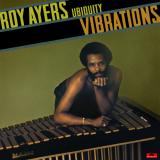
Step into the golden era of soul-jazz with the long-awaited vinyl reissue of “Vibrations” by Roy Ayers Ubiquity — a record that captures the unmistakable warmth, groove, and sophistication that defined Roy Ayers’ sound at its peak.
Originally released in 1976, “Vibrations” stands as a cornerstone in Ayers’ catalog, marking a moment where his signature blend of jazz, funk, and soul reached a refined, deeply cohesive form. Building on the foundations laid in earlier works, this album presents a tighter, more focused musical vision without sacrificing the lush textures and emotional depth that made his music resonate worldwide.
Roy Ayers was a pioneering vibraphonist, composer, and producer whose influence stretches far beyond jazz into R&B, neo-soul, and hip-hop. Often referred to as the “Godfather of Neo Soul,” Ayers crafted a sound that feels both timeless and forward-thinking, pairing silky vocals with hypnotic grooves and rich instrumental arrangements. His work throughout the 1970s helped shape the sonic DNA of modern Black music, and “Vibrations” is one of its purest expressions.
The album flows effortlessly between moods: from the jazz-inflected elegance of ‘Searching’ to the irresistible funk pulse of ‘The Memory,’ the dancefloor-ready ‘One Sweet Love to Remember,’ and the laid-back, atmospheric title track ‘Vibrations.’ Each track showcases a masterful balance between musicianship and groove, brought to life by a stellar ensemble of collaborators who elevate every moment.
Beyond its original impact, “Vibrations” has taken on a second life through hip-hop. Its grooves, breaks, and melodies have been extensively sampled by generations of producers and artists, becoming a foundational source for crate diggers and beatmakers alike. Tracks from the album have been reinterpreted and flipped by influential names such as A Tribe Called Quest, J Dilla, Dr. Dre, and Common, cementing its legacy as a vital bridge between 1970s soul-jazz and contemporary hip-hop culture.
After almost two decades out of print, we are pleased to present this much-needed vinyl reissue of an essential album in Roy Ayers’ career. Whether you’re discovering it for the first time or returning to a beloved classic, this album remains an essential piece of musical history. Pressed on 180g vinyl.
out of Stock
Last delivered 3 months ago available to reorder, subject to availability
Ever since the late 1950s bossa-nova revolution, Brazil’s influence on French music has been undeniable. Pierre Barouh, Georges Moustaki and a vast array of lesser known artists, all made the Musica Popular Brasileira (MPB) an axis of promotion at the service of a cool and metaphysical, modern and mixed Brazilian lifestyle. Some were seduced by the poetic languors of the bossa, some were looking for fun, and others just loved the American hybridization of jazz-bossa, jazz-samba.
What is bossa nova? One of its creators, Joao Gilberto said: "Its style, cadence, everything is samba. At the very start, we didn't call it bossa nova, we sang a little samba made up of a single note - Samba de uma nota so .... The discussion around the origins of bossa nova is therefore useless”. It is nevertheless useful to remember that these magnificent Brazilian songs, which the guitarist describes as samba, were shifted and balanced around improbable chords. "I like things that lean, the in-betweens that limp with grace," said Pierre Barrouh, quoting Jean Cocteau.
With emotion, arrangements for violin and supple guitar licks, bossa nova rapidly changed. A transformation that can be heard in the Tchic, tchic, French Bossa Nova 1963-1974 compilation, the result of a cultural reappropriation, which traveled through the United States and supplemented itself in France.
A musical revolution that has remained significant, bossa nova was born in Rio. From 1956 to 1961, Brazil lived through its golden years. In five years, the country had invented its modernist style. Elected president in 1956, Juscelino Kubitschek de Oliveira, an elegant man with a broad forehead, brandished a promising slogan: "Fifty years of progress in five years". He quickly got to work. Not worried about increasing debt, he launched the project for a new federal capital, Brasilia, designed by the communist architect Oscar Niemeyer. Volkswagen opened state-of-the-art factories and created the “fusquinha”, the Beetle. In Rio, the Vespa made its first appearance. The Arpoador Surf Club crew run into the “girl” from Ipanema, Helô Pinheiro - the tanned garota ("chick"), between a flower and mermaid, who at 17 walked by the Veloso bar, where the fiery author and composer, Tom Jobim and Vinicius de Moraes, were getting drunk on whiskey. From then on, bossa symbolized cool.
In 1958, Joao Gilberto recorded Chega de Saudade, which the directors of Philips denied, calling it "music for fagots". The marketing director, who believed in it, secretly pressed 3000 78-inch vinyls and distributed them at schools around Rio, creating a tidal wave.
American jazzmen then took over. In particular, trumpeter Dizzy Gillespie and guitarist Charlie Byrd. In November 1962, the Brazilian Ministry of Foreign Affairs funded a "Bossa-Nova" concert at Carnegie Hall in New York, inviting the genre’s pioneers. Unprepared, the show soon turned to disaster. But the troupe was invited to the White House by Jackie Kennedy. The first lady loved "the new beat" and in particular Maria Ninguem, a song by Carlos Lyra, later covered by Brigitte Bardot.
In Brazil, the 1964 military coup quickly ended this euphoria. The destructive atmosphere that ensued pushed many Brazilian musicians to leave, if not to exile. Thus, Tom Jobim, Sergio Mendes and Joao Gilberto arrived to the United States. In New York, Joao Gilberto met saxophonist Stan Getz. At the time, he was married to the Bahianese Astrud Weinert Gilberto, who had a German father. She had never sung before, but she knew how to speak English. Getz therefore asked her to replace her husband on The Girl From Ipanema. The Getz/Gilberto record with Tom Jobim on piano, was released in March 1964. Phil Ramone, the "pope of pop" was in charge of sound.
Bossa nova arrived in Paris through the classic “guitar-voice” channel (Pierre Barouh, Baden Powell, Moustaki…) But France loved jazz and Paris had already welcomed its American contributors. All these good people were to pass through Saint-Germain-des-Prés. The cabaret l'Escale became the Mecca of Latin American sound where one could find Pierre Barrouh and his friends, such as the Camara Trio, samba-jazz aces, whose only record was published by the Saravah label. With a band strangely called Les Masques (a band that included Nicole Croisille and Pierre Vassiliu, among others), the Camara Trio recorded an interesting Brazilian Sound, including the track Il faut tenir which is present on this tasty compilation of rarities.
Other enlightened musicians can also be found on the compilation, such as Jean-Pierre Sabar (songwriter for Hardy, Auffray, Leforestier ...) and the French pop rock organist Balthazar. In 1975, Sabar recorded Aurinkoinen Musiikkimatka on a Finnish label, which featured the crazy Vai, Vai, included on this record. We are now following the footsteps of Brazilian electronic musicians such as Sergio Mendes, Eumir Deodato or Marcos Valle who created funk and disco sounds on their keyboards and synthesizers. A style that influenced Véronique Sanson when she wrote Jusqu’à la Tombée de la nuit in 1969 for Isabelle de Funès, the niece of Louis and a great friend of Michel Berger - Sanson did end up singing this track on her 1992 Sans Regret record.
The pinnacle of exoticism and travel, Sylvia Fels’ Corto Maltese includes bongos, sea mist and ocean sounds. The title was taken from Jacky Chalard’s concept album written in 1974, Je suis vivant, mais j’ai peur (I am alive, but I am scared), based on Gilbert Deflez’s science fiction novel.
However, bossa nova extended the scope of popularity. "In the 1970s, I was a fan of Sergio Mendes, Getz / Gilberto. I fell in love with this music that I knew because I had been an orchestral singer, " explained Isabelle Aubret, who in 1971 delivered a composite record of covers by the very funky Jorge Ben, Orfeu Negro, Tom Jobim, Vinicius de Morais and Jean Ferrat. "I recorded this album for Meys Records in Paris, far from Brazil, with wonderful musicians, François Raubert, Roland Vincent, Alain Goraguer...". The latter wrote the arrangements for Casa Forte, a very percussive title borrowed from Edu Lobo, one of the initiators of the bossa who spent time in California. "Jazz and bossa came together and produced very rhythmic music. I love singing, it allows me to dream, to have fun, to feel a high on stage, and these songs brought me joy, made me swing, my singing felt like a dance.”
The world tours of French singers and their desire for the tropics, often brought them to Rio with its hills, forests, caipirinhas and tanned bodies. There are surprises though, like this Iemenja (Iemenja is the goddess of the sea in the Afro-Brazilian candomblé religion). Not unlike the composer and musician Jean-Pierre Lang, based in Sao Paulo, Claire Chevalier taught Brazil to Brazil. In 1970, the singer and painter published a 45-inch vinyl, Mon mari et mes amants (My husband and my lovers), under the improbable pseudonym of Clarinha (little Claire). She was then living in Rio, with her husband, Joël Leibovitz, who founded a band called Azimuth, and who owned a record label specialized in "sambas enredos" songs for samba school parades.
For its B side, she asked Pierre Perret to come up with lyrics for a song composed by Carlos Imperial: "Oh goddess of the sea, o goddess Iemenja, I bring a white rose to adorn your long hair ..." . "Perret came to see us, and we had fun, remembers Joël Leibovitz. We wrote Lemenja for fun, we recorded it at the Havaí studio, behind the Central do Brasil the central station. Erlon Chaves, the arranger who worked with Elis Regina, joined us" adding his share of Afro-Brazilian percussions and funky brass to the mix.
There is a common misunderstanding in Franco-Brazilian history: that bossa, admittedly hedonistic, is perceived as funny, even though the poets who wrote the texts are often philosophizing on the human condition. Its French interpreters pull it towards a carnival inspired universe, far removed from its fundamental essence. Thus, Jean Constantin covered the famous Samba da minha terra, an ode to the art of samba written by the classic Bahian composer Dorival Caymmi, renaming it with the enticing title of Pas tant de tchi tchi pompon: "On your pier there is no tchi tchi / when you arch your back, you know everything is alright ”(lyrics by Gérard Calvi). This expedited bossa aims for the absurd, but retains a certain elegance.
Indeed, Jean Constantin was not an idiot, the rather large man had a huge mustache and liked fantasy, (Les pantoufles à papa, Le pacha, inspired by cha-cha-cha-cha, salsa and jazz) but he was also the lyricist of Mon manège à moi interpreted by Edith Piaf, the composer of Mon Truc en plume by Zizi Jeanmaire and the soundtrack of François Truffaut’s 400 Blows. Le Poulpe, published in 1970, from which this bossa is extract, was arranged by Jean-Claude Vannier, an accomplice of Serge Gainsbourg’s Melody Nelson. In short: "There is enough of samba / By looking at the parasol / Because my poor cabeza / Is going to die in the sun".
Even the American actress Marpessa Down, who was at the heart of the bossa nova revolution with her role as Euridyce in Marcel Camus’ film Orfeu Negro, winner of the 1959 Cannes Palme d'or, fed the clichée with Je voudrais parler au petit cuica - "Tell me how you manage to always make people want to dance / It's true, I must admit that I cannot resist your magic" - in consequence, once can hear the cuica, a little drum inherited from the Bantu.
But bossa nova had many angles. Societal, of course, pushing actresses who were symbols of women's liberation like Brigitte Bardot, Jeanne Moreau, or Sophia Loren to engage in the exercise of accelerated bossa. In February of 1963, Sophia Loren made a record in French in Rome, Je ne t'aime plus, featuring the song De jour en jour, a bossa written by two Italians, Armando Trovajoli and Tino Fornai, which was released a little later by Barclay. Bossa accompanied the 1960s, a decade of moral liberation. Ann Sorel, who interpreted La Poupée des favellas, caused a sensation with L’amour à plusieurs, a provocative song written by Frédéric Bottom and Jean-Claude Vannier. As for the actress Andrea Parisy, she displayed her bourgeois cheekiness in Marcel Carné's Les Tricheurs before interpreting Les mains qui font du bien. And Magalie Noël, the friend of Boris Vian, who sung Johnny fais-moi mal, was hired to sing Une énorme Samba, composed by Alain Goraguer (arranger to Gainsbourg, Bobby Lapointe and Jean Ferrat) with lyrics by Frédéric Botton.
But in the end, of what wood is bossa nova made of? The answer is given by Christianne Legrand, daughter of Raymond the conductor, and sister to Michel the composer: "With me, with jà" - jà means "immediately" in Portuguese. In 1972, the singer, an expert in vocal jazz and a member of the Double Six, published Le Brésil de Christianne Legrand. Two songs included on the Tchic Tchic compilation that demonstrate how bossa, jazz, funk, rock, etc. work like a swiss army knife: the music is used to denounce broken systems, or miracles, HLM et ciné roman, Cent mille poissons dans ton filet, two songs from the O Cafona soundtrack, a successful telenovela broadcast, at the time in black and white, on TV Globo. The first was adapted in French by the fighter and friend of the Legrand tribe, Agnès Varda. The second is content with a play on words, jostling them into a summer fun.
Véronique Mortaigne
out of Stock
Last delivered 3 months ago available to reorder, subject to availability
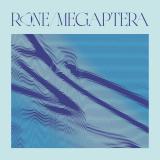
MEGAPTERA, the scientific name of the humpback whale, is also the title of the new album by French producer and composer Rone.
Born from an ambitious film project, the record was largely composed at sea, off the coasts of Brittany and Réunion Island, using a modular synthesizer and melodic sketches developed for an almost unreal proposition: attempting to resonate with whales through music.
Following Room With a View—a soundtrack to a performance created with the alternative dance company La Horde, exploring collapse and rebirth—Rone continues his investigation into new imaginaries. If that earlier work emerged from reflections on ecological, social, and technological tipping points, MEGAPTERA marks a shift: away from the city, toward the sea.
Gradually, he moved away from performance toward a more craft-based approach, extending his practice beyond the studio into a wider space of listening, exchange, and fieldwork. Early footage of sailors broadcasting his work into open water—seemingly answered by whale presence—circulated online, generating fascination, but also a growing unease for the artist regarding what these projections might imply.
This tension became the starting point for a longer period of field experimentation, developed in dialogue with scientists, environmentalists, sailors, and bioacousticians. The resulting 15-track album reflects this open-ended inquiry — not only into whether human-made sound can reach whales, but also into how this process can shape a new form of electronic music, and open it towards new deep-sea soundscapes.
Rather than seeking imitation, Rone works with reduction. Drawing on research into cetacean vocalisation, he pares back his language—focusing on frequency bands, repetition, and suspended structures. Minimalism appears less as reference than as natural convergence.
out of Stock
Last delivered 3 months ago available to reorder, subject to availability
Kendra Morris' 2025er Brettspiel-Konzeptalbum ,Next" wurde schnell zum Fan-Favoriten, führte mehrere Jahresendlisten an und festigte seinen Platz als eine der kreativsten Albumkampagnen. Jetzt, sechs Monate nach der Veröffentlichung des Albums, freut sich Karma Chief, dir eine 45er-Single mit einem Fan-Favoriten vom Album und einem brandneuen Dub-Remix präsentieren zu können. ,Flat Tire", der Ankündigungs-Track des Albums, ist eine Hommage an den alten Reggae der 60er Jahre. Inspiriert von den Platten, die Kendras Eltern von ihren Reisen nach Jamaika mitbrachten, bietet der Song einen eingängigen, beschwingten Refrain, den du einfach nicht mehr aus dem Kopf bekommst. ,Flat Tire" wurde komplett mit Vintage-Equipment aufgenommen und über einen Tascam 388 abgemischt. Außerdem ist Ray Jacildo, der auch schon mit The Back Keys und Yola zusammengearbeitet hat, am Klavier und an der Orgel zu hören. Auf der B-Seite der 45er-Single ist ein Dub-Remix von ,Flat Tire" vom einzigartigen Paul Cherry zu finden. ,Sobald wir ,Flat Tire` aufgenommen hatten, waren Terry und ich uns sofort einig, dass es eine Art Dub-Remix geben sollte - der Song war wie dafür gemacht", sagt Kendra. Terry schlug Cherrys Namen vor und sie waren sich einig, dass er der Richtige für den Job war. Das Endergebnis spiegelt den klassischen Dub der späten 60er perfekt wider, indem es auf den Grundlagen des Songs aufbaut _ die Produktion weiter reduziert, den Hall verstärkt und an genau den richtigen Stellen Echos, Pausen und Delays hinzufügt.
out of Stock
Last delivered 3 months ago available to reorder, subject to availability
“It felt like it had been such a long time since I'd released anything that felt aligned with that sound I was exploring back in the early days of the Kahn project, and whilst I naturally wanted to bring something contemporary to the table with this record it was nice to allow myself to fall back into that older version of my musical identity. My past life, if you like.” Kahn
out of Stock
Last delivered 23 days ago available to reorder, subject to availability
The follow up to 2022’s ‘Return to the Island’ LP is a new 6 track EP influenced heavily by the evocative powers of incense and a deep sense of escapism. The EP has a more organic sound palette than its predecessor, from both the use of samples and appearance of various guest musicians. Lead track ‘Morning Star’ features long standing collaborator Mike Burn (Udaberri Blues & Mama Capes) who adds his trademark liquid gold lead and rhythm guitar lines with live bass from Fernando Pulichino.
The guest on ‘Savanna’ is frequent Jack J collaborator Linda Fox, who provides emotive and melancholy sax over a Dub House backing track with a particularly dreamy chord progression. The EP features Instrumental Dubs of both tracks, alongside two other new productions, the 80s leaning ‘Hands Across the Sea’ and ‘Wah Fix’, which rounds off the more Dub influenced B side with a 125 BPM bouncy Dub House excursion.
In 2026 the Jura Soundsystem project enters its 10th year and is the creative musical outlet of Isle of Jura founder Kevin Griffiths. All tracks produced at IOJ HQ in Moana, Adelaide between 2022 and 2025 with support from the incense gods of Cedarwood, Jasmine and Sandalwood. The 12” is housed in a 3mm spine full sleeve designed by Bradley Pinkerton.
out of Stock
Last delivered 3 months ago available to reorder, subject to availability
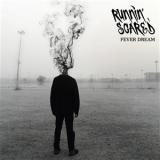
Bone colored vinyl. RUNNIN'SCARED is more than just a musical outlet-it's a way for two longtime friends to share their love for hardcore, stay creative, and keep doing what they've always loved: writing songs together. Though the name may be new, the faces are familiar. Ricky (drums) and Martin (taking care of everything else) first played together back in 1997 in the short-lived band Damage I.D.-and their paths have crossed ever since. Among others, they've been part of bands like Solid Ground, Animal Instinct, Cataract, Liferide, MINE, and Safe State
Now here is a special one. Soul legend Leon Ware makes a posthumous debut on Cataleya Music with For The Rainbow. This beautiful song is an album track from 2019’s Rainbow Deux, which was released two years after his passing. For The Rainbow has been remixed expertly by Coflo and Laroye. Coflo supplies three remixes! His ‘Original Retouch’ is closest to the midtempo original, enhancing the percussive elements slightly housewards and letting those piano keys work to their fullest. The Coflo Remix employs organ keys and has the vibe of classic NYC vocal House ala Blaze etc. His Backside mix is more subtle and spiritual. Laroye closes out the release with a smart broken beat revision, where bouncing drums dance between the positive vocals. A really classy package!
out of Stock
Last delivered 38 days ago available to reorder, subject to availability
Morocco’s native Cee ElAssaad comes back again to collaborate with the UK’s afro house songstress Miss Sabrina Chyld for their debut release on Makin’ Moves! Cee as always provides his eclectic and hypnotic groove with his signature drums layered behind Sabrina’s sultry and meaningful vocals which ring true here to remind us to not dwell on the past, and utilise our time in the present.
Chicago house pioneer Ron Trent does his thing on the remix going super deep as only he does, using heavy drums and spine tingling synths while letting Sabrina’s vocal excel to its fullest! We’ve also added the instrumental aswell on the package a very handy dj tool in itself.
out of Stock
Last delivered 78 days ago available to reorder, subject to availability
A Good Year - Play. Driving through the country. Tender anthemic voices. Real sounds and synthetic sounds. Baggy drums. Acoustic guitars, bass drops, big and small, Moody. A Good Year is a collaboration between producer and former Liss drummer Tobias Laust Hansen and filmmaker-turned-musician Albert R. Hildebrand. Featuring: Horse Vision, Koilwood, Tiffi M, Quiet Light, Late Verlane, Alba Akvama, Suisse Air and MØ
There are records that follow the rules, and others that rewrite them in real time. With O R G A S M A N I A, Byron The Aquarius returns to Skylax with a deeper, freer and more unpredictable statement — where jazz instinct meets raw machine funk, and structure dissolves into pure feeling. Rooted in the lineage of Detroit yet never confined by it, Byron operates in that rare zone where house music becomes expression rather than format. His sound doesn’t chase functionality — it breathes, it stretches, it resists. The EP opens with Back 2 Zion (Tomorrow), a spiritual and meditative journey built on loose drums and luminous chords, carrying a sense of elevation — early morning music where the dancefloor begins to think again. Enter the Co$mos (Fool) pushes further into abstraction, with drifting synths and broken rhythms unfolding in a non-linear structure, navigating between Sun Ra’s cosmic language and Detroit futurism. On the flip, Mr. Captain Crunchhh brings a raw, playful energy — crunchy textures, off-grid swing and an almost improvised groove, alive and unpredictable, a leftfield tool designed to disrupt expectations. Finally, O R G A S M A N I A stands as the centerpiece — hypnotic, sensual and immersive, locking into a deep repetitive groove while evolving in subtle layers, a late-night body experience guided by a sharp musical mind. Across four tracks, Byron The Aquarius confirms his unique position between jazz musician, house producer and sonic storyteller, with a trajectory spanning Sound Signature, Axis, Eglo, Apron and Shall Not Fade, continuing to resonate from Detroit to Berlin and beyond. Artwork by H5 — the iconic studio behind Daft Punk, Air and Vitalic — reinforces Skylax’s timeless and art-driven identity. This is not fast music, this is not algorithm music — this is music for those who still listen. Strictly for the heads. Vinyl only. No repress. Skylax Records.
out of Stock
Last delivered 10 days ago available to reorder, subject to availability
Do You Feel Me sees New York house staple NY’s Finest (Victor Simonelli) return with one of his most iconic productions, bringing the unmistakable garage house sound back to vinyl.
Built around uplifting piano lines, soulful vocal elements and groove-led rhythms, the track captures the feel-good energy of classic New York dancefloors and remains a timeless cut for DJs.
A recognised name within the New York house scene, Victor Simonelli’s productions sit comfortably alongside legendary artists such as Masters At Work, Todd Terry and Tommy Musto.
Back on fresh 12" red vinyl and featuring full suite of mixes including Club Mix, Instrumental, Dub, Bonus Beat and Piano Pella, this release brings an essential garage house record to a new generation while maintaining strong appeal for long-time collectors.
out of Stock
Last delivered 55 days ago available to reorder, subject to availability
InnerFaces is the project Kartell was working on for summer 2025, just before he left us.
A return to his electronic and club roots, shaped by the more recent direction of Daybreak and Everything Is Here.
After completing the most defining work of his career with his first album, he felt the need to return to a more intuitive kind of music: guided by momentum, groove, and immediate emotion. This new chapter deeply excited him. He still had so much to explore, so much to share.
InnerFaces is also an introspective project. A look back toward childhood, spontaneity, and lightness. This sense of nostalgia has always run through his music, like an invitation to reconnect with who we truly are, deep down.
We chose to preserve the original demos to ensure that Kartell’s artistic vision remained untouched. With the exception of Katu’s contribution to their collaborative track Augustine’s Rave, it was important to keep the raw energy that shaped these compositions.
With his family’s blessing, we decided to make this project public so that Kartell’s music can continue to live on. InnerFaces remains true to his vision: free, vibrant, driven by groove and luminous melodies.
InnerFaces is a celebration of life, of Kartell, of you who supported him throughout his career.
"Here Comes That Crow" is the Korean psych-pop band Leenalchi"s first worldwide release (on Luaka Bop). Like much of their music, many of these songs are chopped and screwed pansori tales (a traditional form of storytelling that dates back to Korea"s Joseon Dynasty). But really, it"s just good dance music. "Leenalchi has changed the way I think about music, dancing and Korea. I have never heard anything quite like this". Brian Eno
Chinese multi-instrumental Lao Dan, a rising star of free jazz with a deep background in traditional music from his homeland, debuts a blistering new quartet recording featuring three of the most important figures from the Chicago scene_percussionist Michael Zerang, bassist Joshua Abrams, and pianist Mabel Kwan. Lao Dan - tenor saxophon, chinese flute, suona Mabel Kwan - piano Joshua Abrams - double bass Michael Zerang - drums, percussion Recorded Live At Elastic Arts, Chicago, April 4th, 2024 Recording by Nick Broste Mix & Mastering by David Zuchowski Cover Artwork by Qiu Xiao Fei
Danish quintet David Miilmann Group return with You Belong, their third album and a vibrant, uplifting statement built around guitarist David Miilmann"s distinctive slide guitar voice. Rooted in soul and blues but shaped within a genre-defying jazz context, the band brings a life-affirming energy to music that moves between groove, melody, and open improvisation with ease. Set for release on April Records on June 12th, 2026, You Belong centres on Miilmann"s approach to the guitar, drawing on the phrasing of singers like Curtis Mayfield, Freddie King and Aretha Franklin. His slide playing - developed as a way of emulating the human voice - sits at the core of the group"s sound, cutting through a warm, rhythmically grounded backdrop that blends jazz, rock, and Brazilian influences. At its core, the album captures a working band in motion. The five musicians move fluidly between composed material and looser, more exploratory sections, guided by close listening and a shared sense of direction. That chemistry comes into focus on "It"s Happening Again," a groove-led track steeped in a warm, 1970s-inspired production style. Built on a relaxed but propulsive feel, it captures the simple joy of time spent with close friends - familiar, unforced, and full of possibility. "The Day After" offers a more spacious counterpoint. Written as a reflection on those rare, quiet mornings following a meaningful moment - a concert, a celebration - it unfolds with a sense of ease and openness, led by Miilmann"s melodic slide guitar and supported by a restrained, attentive rhythm section. The band"s take on "My Favorite Things" reshapes the well-known material through their own ensemble sound, acknowledging the influence of John Coltrane while carving out a more textural, guitar-led approach. The album"s title, You Belong, points to the group"s broader outlook: an inclusive, community-driven approach to making music. That idea runs through both the compositions and the band"s dynamic - less about spotlighting individuals, more about building a collective sound. Since their debut Waiting for Myself (2021), David Miilmann Group have carved out a space with their emotionally direct, genre-fluid approach - earning two DMA Blues nominations, reaching the finals of the Jazz Competition, and receiving regular airplay on P8 Jazz. With You Belong, they refine that approach into something more defined: a warm, groove-driven sound shaped by song, feel, and the unmistakable voice of Miilmann"s slide guitar.
HARTHBALL are an avant/noise/rock wrecking ball of a band from Nanaimo, Canada. Rooted in total improvisation, free expression, and a deeply psychedelic sensibility, EarthBall operate on pure instinct.
They hurtle onwards in a combustion of spontaneous composition, shooting from the hip, as they fall out of the sky ablaze. The group encompasses Isabel Ford (vocals, bass), John Brennan (drums, percussion), Jeremy Van Wyke (vocals, guitar, trumpet), Kellan Maclaughlin (guitar, talkbox), and Liam Murphy (saxophone). Each member brings a rich and varied musical history, with past and present projects including Shearing Pinx, Plan Your Future, Kamikaze Nurse, Eschatons, and Psychedelic Dirt. Collectively and individually, they have collaborated with artists such as Deerhoof, Raven Chacon, Chris Corsano, and William Hooker, deepening the band’s exploratory reach and collective language.
Since forming in 2021, EarthBall have released six cassettes and three fervently received LPs on Upset The Rhythm, including November’s widely acclaimed Outside Over There. Their latest release, Actual Earth Music - Volume 3 & 4, follows the first instalment in the series and captures two mind-quaking highlights from last winter’s European tour. This is EarthBall plunging to full fathom five, transforming into something rich and strange - channeling the fleeting moment as it fractures, erupts, and dissolves into the unknown.
Side A captures a thumping performance at Cave12 in Geneva. Frazzled from a white-knuckle alpine descent, the group settles into a hypnotic sprawl, stretching time and form across a colossal 53-minute set (with the first 22 minutes presented on the LP; the full performance appears on the CD edition). The Cave12 recording is a study in tension and release; ruminative, volatile, and barely contained. Drums stumble and surge, saxophone howls cut through the air, and Ford and Van Wyke’s voices briefly pull together the circle twice, before the tumult lapses into a spinning maelstrom.
Side B meanwhile presents a scorched excerpt from EarthBall’s crushing performance at Le Guess Who? Festival. As Van Wyke reflects: “Having the most excellent Dwarfs of East Agouza play before us only heightened our intention to bring the noise. Listening back, the thing that strikes me most is how we truly were operating in the ever-elusive but always sought-after ‘group mind’. Ninety-degree changes are super tight. Izzy and I are finishing each other’s sentences. Liam’s horn is cradling our outer and inner space. Kellan’s talk box rains down like the voice of a reawakened spirit, and all this havoc is safely stowed in the rumbling ox-cart of John’s solid drumming”.
Actual Earth Music - Volume 3 & 4 marks another ascent in EarthBall’s ever-expanding, totemic discography, an ecstatic storm of raw immediacy and unfiltered expression.
For fans of Dokken, Lynch Mob, and 80’s Metal! Dokken is one of the defining bands of the 1980s hard rock and heavy metal scene, known for blending melodic hooks with powerful guitar work and emotionally charged vocals.
Formed in Los Angeles in the late 1970s, the band was led by vocalist Don Dokken and featured the virtuosic guitar playing of George Lynch, alongside bassist Jeff Pilson and drummer Mick Brown. Dokken rose to prominence during the peak of the MTV era with a string of platinum-selling albums, including Breaking the Chains (1983), Tooth and Nail (1984), and Under Lock
and Key (1985) racking up sales of more than 10 million albums. Their sound struck a balance between radio friendly melodies and aggressive metal, producing hits like “Alone Again,” “In My Dreams,” and “It’s Not Love.” Their 1987 release Back for the Attack further cemented their legacy, showcasing both commercial success and musical complexity. Released in 1999, Erase the Slate marked a fresh chapter for Dokken, introducing Reb Beach (best known for Winger and later Whitesnake) as the band’s lead guitarist. Erase the Slate blends Dokken’s classic melodic metal roots with a more modern, late-'90s hard rock edge. Reb Beach brought a technically sharp yet fluid guitar style that differed from the flashier, more aggressive approach of former guitarist George Lynch. His playing added a polished, groove-oriented feel while still delivering strong solos and riffs. Remastered and Repackaged on 180g green smoke vinyl.
Under the moniker Trace Mountains, Dave Benton writes music that asks large questions in quietly profound ways. On the project’s earliest release, the 2014 compilation Buttery Sprouts & Other Songs, these thoughts appeared as lo-fi scraps of wit andtenderness. But by the time A Partner to Lean On, Trace Mountains’ debut full-length, arrived in 2018, Benton’s perceptive indie rock had matured into more existential meditations about identity, existence, and finding sense in an increasingly chaotic world.
In the two years since A Partner to Lean On, Benton’s life has undergone several large changes, namely the dissolution of LVL UP, the indie rock quartet he co-founded in college, and a move to Kingston, a small city in New York’s Hudson Valley. Composed during—but not directly inspired by—this transition, Trace Mountains’ second record, Lost in the Country, reflects Benton’s need toreconnect with his inner world.
Prompted by an urge to access a more authentic voice, Lost in the Country finds Benton digging deeper into candid songwriting. “I wanted to open myself up and write lyrics that are a little bit more direct,” he explains. “I write a lot of songs that are about myself and a lot of songs that aren’t, but on this record, the focus is turned inward either way.” The result is Trace Mountains’ strongest and most assured record yet, 10 songs driven by a desire for introspection and self-discovery. The backdrop for this insularity is an expanse of wide blue skies, seas of trees, and winding roads, ideal locales for thoughts to blossom into greater reflections of the outer world. The slow-burning “Absurdity,” which Benton modestly says is about “hiking and standing in the country,” uses the sublimity of the wilderness to comment on technology’s inescapable presence. Similarly, the driving opener “Rock & Roll” transforms the premise of a “simple song about being a rocker” into a stream-of-consciousness, apocalyptic poem about delusions, regrets, and getting lost in your own limited perspective. This self-examination culminates with the record’s ambitious and anthemic title track. Channeling the cosmic sprawl of the War on Drugs or Kurt Vile, Benton recalls a moment of deep loneliness and depression outside a concert venue in the Netherlands, and how an unexpected moment of compassion led to a moment of awakening.
Despite its frequently bucolic setting, Lost in the Country’s underlying current is an urgent commitment to Trace Mountains and “finding a creative process that requires me to be honest with myself.” “I know I sing to forget, I sing to hold my breath, to feel the thumping in my chest,” Benton sings on “Cooper’s Dream.”This line is “rooted in the importance of music in my life, it’s definitely a reflection on that and how I can keep it in my life, because if I’m not careful and I don’t nurture it, I could lose it.” The self-imposed pressure has been empowering for Benton. “I really like having full control in making a record, deciding what songs are going to be on it, as well as shaping the vibe or narrative of the whole thing,” he says. “It brings a peace of mind knowing that I am responsible for just my voice.”
Chesky Records, a New York label renowned for its audiophile-quality recordings and its "minimalist" approach to capturing sound in reverberant spaces, is proud to present The Audiophile Classical Collection Personally curated from the company's extensive back catalog, this anthology showcases the label's commitment to first- class, unprocessed sonics across a diversity of styles. From the single- player- to- a- part Baroque clarity of Vivaldi to the late-Romantic splendor of Wagner and Holst, every selection demonstrates the depth and brilliance of the Chesky sound.
As long as she can remember, Jane Remover has practiced her own autonomy as much as possible. The nineteen year old songwriter is an omnivorous listener that produces everything herself. She has been lauded by fans and writers alike, for accidentally creating entire genres in the wake of her prolific two-year run.
The new album is more conceptually abstract than its predecessor as Jane sheds linear narrative writing. However, it takes place beginning at sundown and through the night, up until the next morningʼs earliest crack of dawn. Its winding songs are obtuse but carefully composed, and intimately follow Jane's train of thought.
Dynamic production is at the forefront. Noisy highs gleam, and are juxtaposed by dusky Post-Rock lullabies within the same songʼs runtime. Census Designated is a staggering display of maturation in every aspect when compared to her previous presentation, to a degree that makes it few and far between in the world of albums.
Despite the darker palette, Jane steps into a technicolor clarity for the first time. The album was made in both studios and at home—with recordings from Studio North (Kensington in Philadelphia), mixes from Kayla Reagan and mastered by Hector Vega.
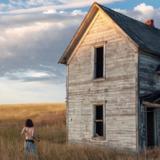
A photo of her standing bareback while facing away towards the high plains, serves as the cover art for an album where she manages to simultaneously divulge her most confessional moments yet, and captivate the listener with unanswerable questions.
Repress of the long out-of-print Perkele classic. Singalong anthems with guaranteed earworm potential, embedded in precise, no-frills Swedish melodies. The album contains a total of 10 of these highly melodic punk rock hits! This is where the hits line up.
Transparent blue vinyl limited to 300 copies. You have to be quick!
Expanding beyond the West Coast with release number three, Goodtunes invites master of the craft Rob Pearson for a dark & moody EP.
Opener “Odd Job Mischief” bends itself over dubbed out low end pressure as echoic LFOs rip through the groove. A2 “Dodgy Brass” doubles down, forcing hazy horns through truncated rhythmic cracks split from beneath its own weight.
On side B, “The Right Speed” is all gas, no breaks. A moody, stripped back weapon with detailed texture & the dark, tripped out aesthetics of Jayson Walker’s murmurs over the top. “Beautifully Mangled” wraps up the EP with a dark minimal groove & lush atmosphere that slowly builds into a warm driving force.
Third time’s certainly the charm on GT003, with Pearson pushing his productions into new territory with meaningful intention.
out of Stock
Last delivered 58 days ago available to reorder, subject to availability
For the tenth release on Chunkers, Running Hot brings the heat. Hot Tracks Vol. 1 channels a range of peak-time energies from day to night across four insatiable house tracks: all killer, no filler. Those already familiar will know that Running Hot has practically developed his own subgenre at this stage: a classic, finely honed sound that draws from every corner of the house music archive while remaining contemporary, fresh, and 100% playable. This release is no different.
‘Feel The Rhythm’ is a peak-time tribal affair, irresistibly percussive with a sickening New York feel. This is the kind of track that turns a dancefloor feral when dropped at the right moment, its vocal pizazz and hammering toms providing just the right amount of tension and release to flip a room upside down.
Veering into warehouse territory, ‘Trip’ is a stripped-back stomper that nods to the anthemic sound of London club Trade in the ’90s. Expertly tuned stabs, vocals, and shifting percussion keep the energy locked in from start to finish without ever becoming too much.
On the B-side, ‘Bumpin’ brings the sunshine and once again demonstrates that if something isn’t broken, there’s no need to fix it. Running Hot’s winning formula is employed to its fullest here: a well-rounded house groove layered with vibrant chords, lush strings, and smouldering vocal hooks that evoke golden beaches and open fields, perfect for daytime dancefloor moments.
Rounding off the EP in classy fashion, ‘Amor’ fuses UK hard house tropes with lush synths, a boisterous bassline, earworm vocals, and unrelenting grooves, creating a track that feels equally at home at a daytime do or deep into late-night territory.
Hot Tracks Vol. 1, Running Hot and Chunkers: a pairing that does not miss.
out of Stock
Last delivered 58 days ago available to reorder, subject to availability
After years in the shadows, THE GOAT returns. LA CHEVRE is back with CHE007 - three powerful edits by MOOGLY, already making serious noise in clubs and underground after-hours, supported by key figures such as Chez Damier, Dawidu, and many more.
out of Stock
Last delivered 3 days ago available to reorder, subject to availability
Heinrich Mueller (Dopplereffekt, Arpanet, Drexciya) with some of his best solo work after the legendary Dopplerfeffekt album. This is a re-release of 4 of our favorite Der Zyklus tracks which were out of print (again...) for some time now. 4 tracks taken from two 12''s previously released on a German label. This ep includes the amazing Drexciyan ''Mxyzptlk'' and the ultra cool Kraftwerkesque ''Formenverwandler''. Absolute must have masterpiece back on Clone Aqualung Series!!!
out of Stock
Last delivered 42 days ago available to reorder, subject to availability
Norwegian folk artist Juni Habel's latest album Evergreen In Your Mind (BR025) is largely an ode to letting go, and at it’s inquisitive heart can be found ‘Pearl Cloud Song’. An instrumental four-and-a-half minutes, it came from a guitar tuning that Habel stumbled upon, the song tumbling out of the discovery on its own accord. Lush and vibrant and bristling with life, it’s a beautiful backdrop to stepping into nature, bringing together a simple drum machine pattern, steel-string guitar, pedal steel, considered effects, and the flicker of a voice somewhere in the far-off distance. Juni says "it gives the sensation of flying." With such ingredients it was rife for a remix.
'Pearl Cloud Song Reformations' is a very limited 12" (also available digitally) which features two remixes/reformations from Tom Sharkett and Minotaur Shock and also includes Juni Habel's original version. There will only be 200 ever made.
Tom Sharkett is a producer from Manchester, now based in Todmorden. Having cut his teeth as a founding member of synth-wave band W. H. Lung. Tom has gone on to forge his own path as an electronic artist with music on Optimo Music, DFA and Test Pressing. His work leans towards dark, wonky and psychedelic electronics and his edit of LCD Soundsystem’s ‘Home’ grabbed the attention of James Murphy which led to an official DFA release. The cosmic choogle of his 'Pearl Cloud Song Reformation' is Sharkett's first remix committed to vinyl since.
Minotaur Shock is the long-standing electronic project of Bristol-based producer David Edwards. With a discography spanning labels like 4AD, Melodic and Bytes, Edwards balances pastoral charm with IDM sensibilities, creating soundscapes that are as much about the heart as they are the head.
Sasha & Franky Wah reunite for second collaborative single, 'Get On My Level'.
The club-ready cut blends marries inviting darkness with meticulous synth craft.
Seasoned electronic favourite Sasha and contemporary trailblazer Franky Wah have shown great creative chemistry in both the studio and the DJ booth: their fi rst hook-up was on Last Night On Earth back in 2020 when they dropped the huge four-track 'Haunted EP.' Since then, they’ve reunited for multiple b2b sets across the globe - from Sydney to Ibiza. Now they have once more combined their respective nous into a new track destined to become an Ibiza anthem this summer.
'Get On My Level' is primed and ready to shake up the dance fl oor. It's powered by a warped, dark bassline that throbs underneath subtle percussion. Plenty of open space lets a moody atmosphere draw you in, while skeletal drums and percussion keep things moving before a big drop, and wispy synths inject future energy as a grainy, ominous voice lurks in the shadows. Dub and instrumental versions are also included to cover all bases.
out of Stock
Last delivered 23 days ago available to reorder, subject to availability
On his debut Feelin’, Ivory marries hi-tech sound design with the emotional pull of house for a collection of tracks shaped by a multitude of club music and R&B.
“Feelin’” is a dancefloor slammer, a healthy balance of tension and release that comes with an invite to conquer the floor. Followed by “I Need You Now”; a hulking warehouse cut built from barrelling, muscular kicks and a diced up diva house-esque vocal.
“Try” pulls the crowd back into room one for a huge, anthemic floor-filler underpinned by jagged synths. Ivory describes “Don’t Lose Control” as “one of the more emotional moments of the Record”; a track centered around dreamy pads, smooth house synth stabs and a disembodied post-human voice that sounds eerily poetic.
A journey made of shared glances and chance encounters, born over glasses of passito wine and memories of a summer that tasted like the sea.
“You Only You” is Alex Farolfi’s latest sonic vision—a musical story dedicated to whoever lives in our "happy place", that safe haven we always return to when we need to find ourselves.
A true pillar of Italy’s “Radio Deejay” Alex Farolfi is a household name in the Italian radio and dance music scene. His career is packed with international hits and major collaborations: The Tamperer feat. Maya: Hit No. 1 in the UK and across Europe with the global smash "Feel It", followed by the Top 10 hits "If You Buy This Record" and "Hammer To The Heart", following his recent singles "Time Won’t Wait" and "Loving This New Feeling,"
Alex Farolfi is back with his unmistakable signature sound in "You Only You."
out of Stock
Last delivered 3 months ago available to reorder, subject to availability
Felipe Gordon is back on Shall Not Fade with his new album Tezeta and f*ck is it special.
Felipe Gordon is SNF label mainstay... (we released his triple repressed debut album "A Landscape Onomatopeya" in 2022 as well as 7 x 12" EPs on SNF over the years plus an extra 12" on Lost Palms)... so given his consistent and exceptional output on our record label you'd probably forgive some complacency with this write up, you might even afford us license to assume we're preaching to the choir and allow us to rest easy knowing that at this stage Felipe Gordon's records sell themselves.... Well none of those things are happening here because when an artist makes a record this complete, this good, you have to try to find the words. You use words like "timeless", "complete and "special". Words that can carry the weight. Because when you've listened to an album dozens of times, and not once, in any part, on any listen in any way has it fatigued you, you need to say. When a record felt so wonderfully familiar from the first listen and just kept on giving you the same feels ever since, you need to say. When a record makes you think about you how you feel about certain Air & St Germain albums (even when you know what it means to put that in a press release), you need to say. So here we are, saying these things.. Tezeta is a special record, one that exists in the rarefied air. A proper album. A record that every time you press play you will immediately remember why you own it and why you love it. A record that your subconscious will know so well that if shuffle is on you will know in an instant. An album that when it's in your collection and the first track starts you get a twinge of annoyance because you didn't listen again sooner and when the final track stops you stop too.
Given paint and a canvas we can most of us paint a picture, but only those that are gifted can paint something that makes us feel. Tezeta makes you feel. Feel familiarity when it's playing, yearning when its not, and absence when it ends. This alone would be enough to make the argument as to why this album is special and justify the gushing opening paragraph of this press release. But we're not done yet.
We don't really have a word in english for what Felipe Gordon has created with this album and how it makes you feel. "Tezeta" that word.
Tezeta is a one of four musical modes within the traditional Ethiopian modal music system known as Qiñit. Mulatu Astatke, the father of Ethio-jazz, frequently uses this mode, often translating it as "nostalgia" or "longing". Gordon says Mulatu's own tezeta recordings convey to him "feelings of melancholy and longing from a point of affection". This is exactly the feeling Gordon has captured. It is what he has woven through every recording on this album. Tezeta is the prime ingredient. It's the base note in recipe, it's sprinkled over the signature jazz-sampled house tracks. It powers the vast array of synthesizers Gordon deploys. It underpins the explorations into trip-hop. It's present in Gordon's varied vocal deliveries and it tunes his guitar. It's in the running order. It's the flow. Tezeta is tezeta in electronic music form, with 4/4, breakbeats, samples and synths.
Gordon says a big part of what differentiates this album from from his previous albums is that is was recorded in a period where he allowed himself to create music without the constraints of time or self-pressure which coincided with a moment of heavy personal growth which allowed him to reflect deeply on his work.
There is a word in Portuguese "Saudade" that Gordon says has a similar meaning to Tezeta - Saudade is defined as a deep, sometimes bittersweet, longing or nostalgia for someone or something that is absent or lost. But here at SNF we think that in Tezeta nothing has been lost. Quite the opposite. Through Felipe Gordon's artistic explorations we have all gained something very special indeed.
Multitrack Reworks returns with Volume 14, featuring four exceptional reworks from producer Smoove. Working directly from the original multitrack tapes, Smoove peels back the layers and strips each recording down to its essential groove, revealing these classic tracks in a fresh new context. Across the EP, he delivers powerful drums, slick basslines, precise arrangements and perfectly placed percussion breaks.
Gladys Knight’s Taste The Bitter Love contains all the right ingredients, expertly polished and reimagined for contemporary dancefloors. Heartfelt strings, warm Fender Rhodes and Gladys’ unforgettable vocal performance combine to create a timeless yet modern groove.
Dexter Wansel’s Theme From The Planets has been sampled countless times throughout the years, often intentionally played at the wrong speed. Smoove takes a different approach, reworking the track at a faster BPM while carefully retaining the original pitch, bringing new energy to this much-loved classic.
On Talk Talk’s It’s My Life, the keyboard layers are stripped back to a Balearic-inspired groove, allowing the iconic vocals to take centre stage while maintaining the song’s unmistakable character.
The EP closes with the mighty Donald Byrd and Lansana’s Priestess. Here, Smoove delivers a stripped-back jazz-funk workout, highlighting the track’s infectious rhythm and musical sophistication while giving dancers plenty of room to move.
Volume 14 is another masterclass in respectful reconstruction, breathing new life into four celebrated recordings while preserving the qualities that made them classics in the first place.
out of Stock
Last delivered 38 days ago available to reorder, subject to availability
This is not a Ben Vida, Booker Stardrum, and Will Epstein record; it’s a Play Time record. That’s a subtle but important distinction, for a couple reasons. One, the sound of Magic Object—a polymetric blend of improv and pulse minimalism for saxophone, drums, and Moog—doesn’t really sound anything like any of their many other ensembles or respective solo projects. And two, it was only while making Magic Object, their debut album, that Play Time realized they were a band at all.
Let’s back up. The roots of the trio date to 2020-21, when Will and then Booker moved to the Hudson Valley, where Ben was already living. The three got into the habit of playing together at Ben’s house, and they soon realized that their hang sessions felt fundamentally different from making music in some falling-down studio in Bushwick. Where those experiences were rushed and cramped, a new sense of time and space now suggested itself. Where once they rat-raced the music, now they relaxed into it.
Early gigs yielded similar revelations. A booking at Tubby’s, the beloved Kingston venue, evolved into a kind of residency. Tubby’s is a small space, fitting around 100 people, with a bar in the front room and a stage in the back. Play Time decided that they didn’t want to play on the stage; they wanted to play in front, among the people in the bar. Rather than hogging the spotlight and overpowering the other voices in the room, they blended with the energy of their surroundings and emerged as a sort of minimalist-jazz-krautrock bar band.
Gradually, they discovered a newfound “elasticity”—Ben’s word—that reshaped the music from inside. “It’s this communal thing,” he says. “It’s vibes. And it’s embedded in the community up here, which feels really vital and nourishing.” They were jamming, but it wasn’t just a free-for-all; they found themselves listening to each other in new ways. “Ben and Booker joke that they’re always playing in different time signatures,” Will says. “We’re all going forward with our own ideas, but we’re open to each others’ as well, and they’re all sort of dancing together.”
“We all have our painterly solo projects,” Will says—where, Booker adds, “we do a lot of studio arranging and thinking and composition that takes shape over a period of time.” Play Time, on the other hand, is all about being in the moment. That spontaneity was key to the process of recording the album. They booked two days in their friend Joey’s studio, a converted wooden barn. “It’s just a live room,” Booker says. “There’s no separation or anything. So we’re all in the space together and it’s got this beautiful, woody sound, and that’s very much the sound of the record.” For two days, they just jammed, for seven or eight hours each day. When it was over, they went through, edited down the portions they liked, and added very judicious overdubs designed to enhance the original recordings without fundamentally altering them, staying true to the spirit of the sessions.
The result is something like a snapshot and a mission statement all rolled into one. “You’re hearing us discover the voice of the band in real time,” Ben says. “We finished those sessions and we were like, ‘Oh, that’s what our band sounds like now.’”
Now, with Magic Object, the rest of us get to find out too.
—
Balmat is a label with a cloudy outline. Jointly shepherded by Albert Salinas and Philip Sherburne, two friends living in Cardedeu, Catalonia, and on the Balearic island of Menorca, Balmat grew out of Lapsus Radio, a weekly show born almost ten years ago. Balmat’s mission is simple: to foster new ideas, expand upon personal obsessions, and put enveloping sounds out into the world.
“Balmat” means “empty” or “void” in Catalan. But quite apart from any negative connotations, we prefer to think of it in terms of possibility: a space waiting to be filled.
out of Stock
Last delivered 3 months ago available to reorder, subject to availability