Julia Cumming’s solo debut Julia opens with an unadorned declaration of independence: her voice and a piano uniting for a liberating proclamation of self that rejects doubt, misogyny, and the notion of being “too much.” Julia unlocks a creative door years in the making for the New York–born multi-instrumentalist and Sunflower Bean bassist, culminating after nearly two decades of bands, releases, labels, and relentless touring. As Sunflower Bean’s Headful of Sugar era ended in 2023, Cumming decamped to Los Angeles, where a two-year, deeply healing collaboration with producer Brian Robert Jones — her “second artistic puberty” — took shape. Drawing freely from formative influences: Burt Bacharach, Carole King, Joni Mitchell, Carly Simon, and Brian Wilson. Julia emerges as a joyful, anti-cool coming-out: a celebration of the dorks, the misfits, and the enduring truth of being enough.
Suche:bass d
- 1: The Package
- 2: Reality Cheque
- 3: Two Revolutions
- 4: Texas Relation
- 5: Greener Pastures
- 6: For Heads
- 7: Lodestar
- 8: Koresh Me Down
- 9: Out Of My Bag
- 10: Strawberry Hero
Manchmal hörst du eine Band, die sich gleichzeitig neu und vertraut anfühlt, und das lässt dich innehalten. TV Star ist so eine Band. In den letzten Jahren hat die fünfköpfige Band aus Seattle-Tacoma, Washington, still und leise an ihrer Stärke gearbeitet - EP für EP, Show für Show -, bis ihr lang erwartetes Debütalbum ,Music For Heads" rauskam und klar machte: Sie haben sich zu etwas Besonderem entwickelt. Eine Mischung aus jangly-psych, Garage-Grit und Soft-Focus-Tiefe; diese Songs leuchten von innen heraus mit einer beeindruckenden Originalität. In einer Zeit, in der so viel Musik in algorithmischer Gleichförmigkeit verschwindet, klingt TV Star trotzig menschlich. Auf den zehn Tracks der LP schärft die Band ihre Instinkte, die sie über die Jahre verfeinert hat - sie kombiniert zeitlose Pop-Sensibilität, psychedelisch angehauchten Jangle in der Tradition von The Brian Jonestown Massacre, punkige Rhythmussektionen und Vocals, die mit der Wärme von Mojave 3 dahinschweben, um etwas ganz Eigenes zu schaffen. Mit Music For Heads greifen sie nicht nur auf die Musik der Vergangenheit zurück, sondern treiben eine neue Welle voran. Die Band wurde 2020 aus der gemeinsamen Bewunderung für den Psych-Rock der 90er Jahre, klassischen Shoegaze und Alt-Country-Underdogs gegründet. Der Startschuss fiel, als jemand die Kassette ,Electriclarryland" der Butthole Surfers aus dem Jahr 1996 von der Wand nahm und auf den Track ,TV Star" zeigte. Was folgte, war weniger die Gründung einer Band als vielmehr die Entstehung eines kleinen Ökosystems. Ashlyn Nagel (Gesang, Keyboard), Bryan Coats (Gitarre), Che Hise-Gattone (Gitarre), Mark Palm (Bass) und Tucker Devault (Schlagzeug) brachten ihre eigenen Instinkte, Eigenheiten und musikalischen Hintergründe mit ein, bis die Songs schließlich nach allen gleichzeitig klangen. Aufgenommen in einer Reihe gemütlicher Studios im Nordwesten - The Unknown in Anacortes und ein paar Verstecken in Seattle - ist ihr Debütalbum ,Music For Heads" eine Mischung aus klirrender Gitarrenmusik, psychedelischem Pop und authentischem Indie-Rock, ohne sich ganz auf einen Stil festzulegen.
Delusions Of Grandeur proudly welcomes back 6th Borough Project, the Scottish duo known for their deep-rooted devotion to dusty MPC jams, late-night disco refractions, and the raw, low-slung house grooves that have made them underground staples for over a decade.
Made up of veteran producers Craig Smith and Graeme Clark (a.k.a. The Revenge), 6th Borough Project have carved out a signature sound: soulful but tough, analog yet futuristic, always tapping into the spirit of warehouse sessions and dimly-lit basements. Their new EP entitled The Deal distills everything we love about 6BP - chunky drums, hypnotic groove science, and a certain smoky, nocturnal magic - across four expertly sculpted cuts. Leading the charge, The Deal is a stripped-back, rolling deep house burner powered by crunchy disco-infused beats and a captivating forward momentum. A hooky sax stab weaves in and out of the mix, keeping the groove bubbling and teasing dancers deeper into the zone.
A proper late-night tool with bags of attitude. Driving and percussive from the first bar, The Hertz rides a simple but deadly classic disco groove pushed along by punchy synth stabs and swirling dub-soaked chords. A perfectly-placed vocal sample sprinkles just the right amount of flavour on top, sealing this one as a certified dancefloor shaker. Flip over for Let Me Know which strips things back to the bare essentials: a bold square-wave bass motif, clipped disco drums, rasping open hats, and chopped vox flickering like neon. Dubby, twisted, and packed with raw kinetic energy, this is peaktime ammunition for those who like their grooves dirty and unrefined. Rounding off the EP, For Life is a mutant discoid teaser made for warming up the room or resetting the vibe. A single-note bassline pulses beneath syncopated stabs, creating a hypnotic tension that steadily draws dancers closer to the speakers. Subtle, deep, and effortless in it’s intention.
- 1: Kill It, Kill It, Kill It
- 2: Hello Honey
- 3: Runs To Blue
- 4: I Got An Itch
- 5: Colored Lights
- 6: I'll Write You Love Songs Until I Die
- 7: Take It Easy On Me
- 8: Runnin' For It
- 9: I Ain't Gonna Cry
- 10: I Get Lonesome Singin' These Songs
Das vierte Album von Big Harp, "Runs To Blue", kommt mit Songs über Fernweh und Verlust, Liebe zu den eigenen Kindern und zum Partner, der Akzeptanz des Älterwerdens und der gleichzeitigen Wehmut darüber, dass wir nie wieder so sein können wie früher, genau zum richtigen Zeitpunkt. Es ist, als würde man Stefanie Drootin und Chris Senseney eines Abends zu Hause besuchen und ihnen zuhören, wie sie lachend und weinend Geschichten aus ihrer Vergangenheit erzählen und Hoffnungen für die Zukunft schmieden. Nur Akustikgitarre, Bass und zwei Stimmen, die sich blind verstehen: "Runs To Blue" ist das schlichteste Album von Big Harp. Gleichzeitig ist es aber das emotional komplexeste – zwei lange verbundene Leben, verdichtet zu zehn offenen und berührenden Songs. Eine Momentaufnahme im Leben eines Paares, dessen Beziehung mit Musik begann und ihr bis heute treu bleibt. Es klingt nach Folkmusik, weil es genau das ist: eine ehrliche Sammlung von Erlebnissen, vertont mit schlichten Melodien, die man mitsingen und immer bei sich tragen kann – kleine Erinnerungen an die Vergangenheit, die den Weg ins Unbekannte weisen.
"Big Harp war schon immer eine der besten und am meisten unterschätzten Bands unter meinen vielen talentierten Freunden aus dem Umfeld von Saddle Creek. Ihre Musik verbindet authentische Americana mit dem rebellischen Punk-Ethos, mit dem wir alle aufgewachsen sind. Chris und Stef sind für mich Helden." – Conor Oberst
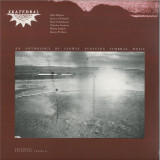
XKatedral Anthology Series II (An Anthology Of Slowly Evolving Timbral Music), featuring exclusive music from Kali Malone, Jessica Ekomane, Mats Erlandsson, Theodor Kentros, Wilma Hultén, and Maria W Horn.
"XKatedral Anthology II is the second instalment in a series of archival releases dedicated to presenting music by composers affiliated with XKatedral working within the realm of slowly evolving harmonic and timbral music. This double-vinyl set contains an array of pieces dating from 2018 - 2020. This collection of pieces focuses on the use of synthetic sound and algorithmic composition languages as tools for precise work within the realm of spectral exploration. In addition to this, the electronic instrumentation in many of the pieces is augmented by acoustic instruments.
The first piece on side A is Kali Malone’s Music for Low Quartet. This piece is an adaptation of the composition “Rose Wreath Crown” originally released on The Sacrificial Code in 2019. In this iteration, the music is scored for two double basses played by Vilhelm Bromander and Zach Rowden, and sine tone electronics performed by Malone herself. The recording of this piece was made at EMS in 2019.
Closing side A is Jessica Ekomane’s ‘First Light’. This computer music piece focuses exclusively on digital sound, layering razor sharp synthetic textures into an otherworldly dynamic weave. The music heard here is a reworked version of a piece originally commissioned by Semibreve in 2020.
Side B contains the work ‘Hands Melt In The Sun’ by Mats Erlandsson. This composition is built from electronically processed tuned zithers and synthetically generated tones arranged in a series of chordal inversions over a sustained fundamental tone. This music, written as a love-letter to the localized drone tradition of Stockholm in the years 2008-2012, was composed and recorded in seven days while in residence at Ställbergs Gruva in Bergslagen, in the summer of 2018.
Opening the second half of the collection is Rough Draft v.7 by Theodor Kentros. Kentros’ compositional practice usually combines acoustic and electronic source material and in this piece he molds the sound of the Buchla 200 and a collection of recorded wind instruments into a molten mass of sound. In its original form, this music was presented as a multichannel immersive work and even in the current stereo configuration it retains some of that enveloping sense of depth.
The second piece on side B, Inertia, is by Wilma Hultén, who makes her debut on record here. An exclusively synthetic piece, Inertia utilizes internal digital feedback in a sealed synthetic system to manifest a harmonic field that swells and abates throughout the length of the piece, interspersed by small gestural elements.
Closing Anthology II is Maria W Horn's work ‘Dies Irae’ for female vocal quartet, pitched glass and synthesis. ‘Dies Irae’ uses a modified form of traditional tonal harmonic language to invoke an uncanny and restless middle ground between the classical western polyphonic vocal tradition and contemporary electronic music. The version heard here is a live recording from Eric Ericssonhallen in Stockholm on May 30th 2020. Performing the piece here are the vocalists Katarina Henryson, Lisa Holmgren, Vilma Ogenblad and Paula Wegmann, as well as Maria herself on glass and electronics."
2026 Repress
Gaudi’s Jazz Gone Dub is a masterclass in genre fusion, seamlessly blending the improvisational essence of jazz with the heavy atmospheric grooves of dub. Known for his eclectic approach to music production, Gaudi pushes the boundaries yet again, creating a sonic landscape that feels both nostalgic and refreshingly innovative.
Four years in the making, from the opening track it’s clear that Jazz Gone Dub is more than just a mashup of styles—it's a thoughtful exploration of the intersections between two rich musical traditions.
Gaudi’s multi-instrumental talents are on full display, and the presence of reggae royalty is palpable, courtesy of rootsy melodies from David Hinds (Steel Pulse), Jah Wobble’s iconic bass grooves, Ernest Ranglin’s intricate guitar lines and Sly & Robbie’s rhythmic genius. Add Sardinia’s Train to Roots band, Manu Chao collaborator Roy Paci, veteran guitarist Marcus Upbeat, Mr Woodnote and Tim Hutton’s brass work, Gavin Tate-Lovery’s sultry sax and flute, Horseman’s percussive flair plus Colin Edwin and Vlastur’s serious basslines, and the
result is a rhythmic foundation that’s both solid and fluid, allowing the jazz elements to float freely above the dub undercurrents.
Despite this star-studded line-up, Gaudi remains the glue that holds this gem together: his production is meticulous yet organic, allowing each track to breathe and evolve naturally. The use of space, delays and reverb—a hallmark of dub music—is expertly handled, giving the album a dreamy, immersive quality. Tracks like Susceptible and Alabaster Moon showcase Gaudi’s ability to create mood and atmosphere without sacrificing melodic and rhythmic complexity.
In Jazz Gone Dub Gaudi has crafted an album that feels both timeless and forward-thinking, a celebration of musical synergy where the free-spirit of jazz meets the deep resonance of dub. Whether you’re a fan of either genre or simply appreciate masterful musicianship and innovative production, this album is a must-listen.
- 1: Alienation
- 2: Neugier
- 3: Assemblage
- 4: Contamination
- 5: (Potentially) Immortal
- 6: Salvage
Tarantula Nebula Vinyl, limitiert auf 500 Exemplare. Inspiriert von Anna Tsings Buch aus dem Jahr 2015 ist Matsutake ,der Pilz am Ende der Welt", eine Metapher für die Möglichkeit des Lebens in kapitalistischen Ruinen. Matsutake ist eine stinkende Delikatesse, an deren Geschmack man sich erst gewöhnen muss, und ein Pilz, der weder kultiviert noch industriell gezüchtet werden kann. In einer Welt, die von Individualismus, Monokulturen und zusammenbrechenden Ökosystemen geprägt ist, gedeiht dieser Pilz in den Ruinen von künstlich angelegten Kiefernwäldern. Auf Musik und Kreativität übertragen, lädt uns Matsutake dazu ein, in Polyphonien, Flows und Experimenten zu denken, anstatt in einzelnen Basslines, eingängigen Vocals und Hitsongs. Mit Matsutake nimmt uns Bismut mit auf eine Reise weg von der Entfremdung, durch Neugierde hin zur (potentiellen) Unsterblichkeit und lädt uns dazu ein, das zu finden, was es zu retten gibt, anstatt zu erobern und zu zerstören.
Seit nunmehr über zwanzig Jahren als Duo zusammen, setzen Hammock ihre bemerkenswerte Reihe klanglicher Entdeckungsreisen mit The Second Coming Was A Moonrise" fort. Der Titel fängt einen Moment der Entdeckung ein, als Byrd und ein Freund in seinen späten Teenagerjahren unter dem Einfluss von Psychedelika den Mondaufgang für die Wiederkunft Christi hielten. Byrd und Thompson, beide in erster Linie Gitarristen, haben festgestellt, dass ihre musikalische Verbundenheit immer stärker wird, während ihre gemeinsame Arbeit im Laufe der Jahre noch dramatischer und reichhaltiger wird, auf der Suche nach einem Gefühl von mitreißender, schimmernder klanglicher Ehrfurcht, das sich niemals einfach als etwas anderes als sich selbst zusammenfassen lässt. The Second Coming Was A Moonrise" setzt diese Empfindungen der Entdeckung fort und fühlt sich gleichzeitig wie eines ihrer intimsten Alben an, während es das reiche Gefühl von Erhabenheit erforscht, das sie im Gegenzug erschaffen können. Ein Großteil von The Second Coming" ist instrumental oder fügt nur wortlose Gesangssenken und Texturen hinzu, wenn auch immer mit Titeln, die bewusst gewählt wurden. Byrd greift mit Chemicals Make You Small" erneut auf seine drogenbefeuerten Fluchtversuche zurück, wobei zwei namhafte Gäste mitwirken: Wayne Coyne und Steven Drozd von The Flaming Lips, die Gesang und Keyboards beisteuern. Zu den weiteren wiederkehrenden Gastmusikern gehören der regelmäßige Mitstreiter Matt Kidd von Slow Meadow, der Streicher und Gitarre beisteuert, Matthew Doty von Deserta an Synthesizern und Gitarre, Christine Byrd von Lumenette mit engelsgleichem Gesang, Chad Howat am Keyboard und Bass sowie Jake Finch mit bemerkenswertem Schlagzeugspiel.
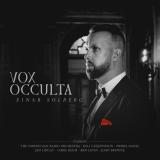
Einar Solberg (Leprous) kehrt mit "Vox Occulta" zurück, seinem zweiten Projekt unter eigenem Namen und einem kühnen, schweren und symphonischen Statement, das in Zusammenarbeit mit dem begehrten Norwegian Radio Orchestra aufgenommen wurde. Solberg will sich als einer der epischsten Charaktere der experimentellen Musik etablieren: "Ich möchte als der cineastische Mensch im Prog gesehen werden", erklärt er. "Ich möchte das vollständig für mich beanspruchen. Dies ist ein sehr cineastisches Album, und genau das war mein Ziel."
"Stella Mortua", der Eröffnungstrack von "Vox Occulta", spiegelt diese klare Vision wider. Solberg singt zu klassischen Streichern, bevor sich eindringliche E-Gitarren-Akkorde hinzugesellen und der Sänger sich durch einen majestätischen Refrain kämpft. Von da an hat jeder Song seinen eigenen Charakter - "Medulla" betont sein gewaltiges, metallisches Riff und "Grex" ist eine fast 12-minütige Odyssee.
"Vox Occulta" wurde von Solberg und David Castillo co-produziert, der für seine Arbeit mit Opeth, Katatonia, Amorphis und anderen bekannt ist. Auf dem Album sind Schlagzeuger Keli Guðj\u00F3nsson (Agent Fresco), Violinist Chris Baum (Bent Knee), Gitarrist Pierre Danel (Novelists) und Bassist Jed Lingat sowie John Browne (Monuments) und Ben Levin (ex-Bent Knee) zu hören. Adam Noble, ehemaliges Mitglied von Biffy Clyro, war für den Mix verantwortlich.
"Vox Occulta" wird als limitierte CD-Digipak- und Gatefold-Weiß/Schwarz-2LP-Version sowie digital erhältlich sein..
Black Vinyl[21,64 €]
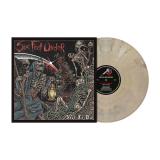
Colored Der kreative, kollaborative Ansatz führt dazu, dass Next To Die im Wesentlichen in zwei unterschiedliche Seiten unterteilt ist - Death und Groove - was in einem klanglichen Meisterwerk resultiert, das SIX FEET UNDER als Künstler erfüllt und gleichzeitig jedem Fan etwas bietet. Das Album wurde von Owen und Barnes produziert sowie von Mark Lewis in den MRL Studios in Nashville, Tennessee gemischt und gemastert. Es folgt auf Killing For Revenge von 2024. Es ist das dritte Album, das Barnes und Owen seit ihrer Wiedervereinigung im Jahr 2017 gemeinsam geschaffen haben. "Wir sprechen nicht über lyrische Themen, wir schreiben jeweils das, was wir fühlen", erklärt Barnes. "Wir schreiben einfach das, was wir interessant finden." SIX FEET UNDER wurde ursprünglich als Nebenprojekt für Barnes während seiner letzten Jahre bei der Band gegründet, die er mitbegründet hatte: Cannibal Corpse. 1995 wurde es mit der Veröffentlichung des Debüts Haunted zu seinem alleinigen Fokus. Die aktuelle Besetzung - Barnes, Owen, Lead-Gitarrist Ray Suhy, Bassist Jeff Hughell und Schlagzeuger Marco Pitruzzella - bildet eine verheerende Einheit. Diese klangliche Zerstörung zeigt sich auf der Single "Unmistakable Smell Of Death", auf der Owen seine Blast- und Fast-Riffs mit dynamischen Pull-offs und Stopp-Passagen voll ausspielt. "Dieser Song entstand musikalisch, bevor ich überhaupt eine Idee für den Text hatte", sagt Owen. "Ich habe mein Riff-Archiv nach Blast- und Fast-Riffs durchsucht und sie mit einigen Pull-offs und Stopps auf den neuesten Stand gebracht. Auch die Riffs im Mittelteil stammen aus meinem Archiv. Bei meinen Demos mache ich grobe Lead-Spuren, aber Ray macht die Leads immer viel besser." "Lyrisch schreibe ich hier aus der Perspektive eines Killers, der mit seinem Opfer spielt und es fesselt und wieder losbindet, um ihm die Möglichkeit zu geben zu kämpfen. Er unterschätzt die Fähigkeit des Opfers, sich zu wehren - und das Opfer gewinnt die Oberhand, spießt den Killer schließl
Colored Vinyl[24,16 €]
180g Black Der kreative, kollaborative Ansatz führt dazu, dass Next To Die im Wesentlichen in zwei unterschiedliche Seiten unterteilt ist - Death und Groove - was in einem klanglichen Meisterwerk resultiert, das SIX FEET UNDER als Künstler erfüllt und gleichzeitig jedem Fan etwas bietet. Das Album wurde von Owen und Barnes produziert sowie von Mark Lewis in den MRL Studios in Nashville, Tennessee gemischt und gemastert. Es folgt auf Killing For Revenge von 2024. Es ist das dritte Album, das Barnes und Owen seit ihrer Wiedervereinigung im Jahr 2017 gemeinsam geschaffen haben. "Wir sprechen nicht über lyrische Themen, wir schreiben jeweils das, was wir fühlen", erklärt Barnes. "Wir schreiben einfach das, was wir interessant finden." SIX FEET UNDER wurde ursprünglich als Nebenprojekt für Barnes während seiner letzten Jahre bei der Band gegründet, die er mitbegründet hatte: Cannibal Corpse. 1995 wurde es mit der Veröffentlichung des Debüts Haunted zu seinem alleinigen Fokus. Die aktuelle Besetzung - Barnes, Owen, Lead-Gitarrist Ray Suhy, Bassist Jeff Hughell und Schlagzeuger Marco Pitruzzella - bildet eine verheerende Einheit. Diese klangliche Zerstörung zeigt sich auf der Single "Unmistakable Smell Of Death", auf der Owen seine Blast- und Fast-Riffs mit dynamischen Pull-offs und Stopp-Passagen voll ausspielt. "Dieser Song entstand musikalisch, bevor ich überhaupt eine Idee für den Text hatte", sagt Owen. "Ich habe mein Riff-Archiv nach Blast- und Fast-Riffs durchsucht und sie mit einigen Pull-offs und Stopps auf den neuesten Stand gebracht. Auch die Riffs im Mittelteil stammen aus meinem Archiv. Bei meinen Demos mache ich grobe Lead-Spuren, aber Ray macht die Leads immer viel besser." "Lyrisch schreibe ich hier aus der Perspektive eines Killers, der mit seinem Opfer spielt und es fesselt und wieder losbindet, um ihm die Möglichkeit zu geben zu kämpfen. Er unterschätzt die Fähigkeit des Opfers, sich zu wehren - und das Opfer gewinnt die Oberhand, spießt den Killer schließl
- 1: Brothers & Sisters
- 2: Lies Of My Own
- 3: Love
- 4: Black Clouds
- 5: Swim O Swim
- 6: Theme From The Dropouts
- 7: All Over The World
- 8: Gimme Some
- 9: Fight 'Em
- 10: Goodbye
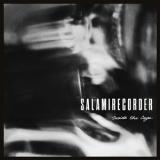
Der Wiener SALAMIRECORDER präsentiert mit seinem aktuellen Album "Inside The Cage" wieder einmal stilsicheren 60s-Garage Sound. Nach seiner letzten LP auf Bachelor Records, die er noch mit seiner Band "The Hi-Fi Phonos" eingespielt hat, hat er für "Inside The Cage" zehn Songs zur Gänze allein mit 4-track Taperecorder aufgenommen. "If you have to describe the music, its probably like a weird slightly annoyed outsider but with a melting heart for love songs. A perfect shake between 60s Back from the Grave Garage punk and a little breeze of early trash mixtape Powerpop. or something... ...weird, loud, rocknroll noise!!!" (Elmar, Bachelor Rec.) Natürlich ist der 23-jährige SALAMIRECORDER viel zu jung, um selbst die weltverändernden Zeiten des Rock'n'Roll erlebt zu haben. Doch seine Persona als trägt dessen historisch aufsässiges Programm in sich. Stilprägend war dabei seine beim Skateboard-Fahren entwickelte frühe Leidenschaft für Genre-Größen der 2010er wie Ty Segall oder Bass Drum of Death. Dieser Tage ist Salamirecorder bestens vernetzt, aber weniger per Sozialen Medien als im echten Leben. Er genießt Respekt, sowohl bei Beat-begeisterten jungen Kids als auch bei ergrauten Szene-Altvorderen wie Wild Evil & The Trashbones oder den Jaybirds, spielt bejubelte Gigs mit seiner perfekt eingespielten Begleit-Combo The Hi-Fi Phonos und gehört als Schlagzeuger, Gitarrist und Sänger Bands wie Laundromat Chicks, Sux Sux Sux und Telebrains an. Als Produzent hat er neulich das Solo-Debüt von Vic Velvet auf Band gebannt. Das Analoge ist ihm dabei nicht bloß puristisches Glaubensprinzip, sondern eine ebenso praktische künstlerische wie - ja doch! - politische Entscheidung. In einer Welt endloser digitaler Möglichkeiten findet der Salamirecorder eine paradoxe Freiheit, indem er sich selber auch ein bisschen limitiert.
Total audio ruckus, a rush of Blu:sh returns to Step Ball Chain. Dopamine Riot is a sick, sexy six track EP designed to tap into the crucial neurotransmitter in the brain; releasing chemical delights that drip from head to toe with this signature steeze. Prepare to go undercover, underground and for layers to unfold with each new listen. Edging a dark, rough and ready atmosphere that is always pulled back to a central groove, Blu:sh remains flirtatious and free – don’t take it so seriously! Bass for days, drums that will make your neck snap (complimentary) and your presence requested2riot on a dancefloor ASAP.
- 1: Mash It (Ft. Ranking Glad(Stone))
- 2: Freedom Inna Babylon
- 3: Don’t Cry (Never Gonna Run)
- 4: Free At Last
- 5: Come From Africa
- 6: Time Has Come
- 7: Free At Last Dub
- 8: Don’t Cry (Never Gonna Run) Dub
FOR THE FIRST TIME EVER: THE LONG-LOST RECORDINGS OF BIRMINGHAM ROOTS REGGAE PIONEERS NATRUS Mastered from the original tapes by Guy Davie at Electric Needle Mythology, the label founded by music writer, author and broadcaster Pete Paphides, is thrilled to announce the archival release of newly-discovered recordings by Birmingham reggae band Natrus. Comprising members of the same family – seven in total – Natrus were a ubiquitous presence of the live circuit within and beyond the West Midlands in the late 1970s. Used as an ad hoc “Wrecking Crew” by local producer and promoter Toney Owens, NATRUS frequently provided live accompaniment to visiting Jamaican artists such as Sugar Minott, Johnny Osbourne and Freddie McKay. With an age span ranging from 9 to 25, NATRUS’S live work had to be structured around the educational obligations of their younger members. But when they weren’t playing live, they would frequently hone their own compositions at Owens’ studio in Saltley, Birmingham.
During their collective lifetime, NATRUS released one very limited edition single Mash It, with a stellar guest vocal from deejay Ranking Glad(Stone). Featured alongside Mash It on this release are a selection of recordings previously thought lost by the group who laid them down. They were only discovered after Toney Owens’ alerted Needle Mythology’s Pete Paphides to the existence of some 60 quarter-inch reels featuring all the music recorded by Owens over a period of ten years or so. When Paphides finally tracked down NATRUS rhythm guitarist Owen Taylor, he was stunned to hear of their existence. After a meeting with Taylor and his siblings, Needle Mythology collaborated with NATRUS on the restoration and remastering of the tracks featured on this, their very belated debut album. As well as Mash It and its original flipside Come From Africa, highlights on ‘NATRUS’ include a superb version of Slim Smith’s The Time Has Come and the deep roots entreaties of Freedom Inna Babylon, both showcasing the soulful vocal of lead singer Fitzdonald “Fitz” English and the almost psychic sense of musical attunement that percolates right down the the formidable rhythm section of Beverley Stewart (bass) and Clinton Gordon (drums).
- 1: Quiet Girl
- 2: A Volta
- 3: The Eyes Of Love
- 4: Helen's Song
- 5: The Surest Things Can Change
- 6: Pieces Of Dreams
- 7: How Long?
- 8: Francisco
On "Enduring Sonance," saxophonist and flutist Steve Wilson reflects on a lifetime of lyrical, deeply felt songs drawn from jazz, pop, and film—brought to life by an all-star ensemble featuring Renee Rosnes, Joe Locke, Jay Anderson, and Kendrick Scott. *** Certain songs have a way of lingering in the imagination—resonating long after we’ve last heard them, sometimes for a lifetime. On his breathtaking new album "Enduring Sonance," veteran saxophonist and flutist Steve Wilson celebrates the music that has left the deepest imprint on his musical life. “Some of the tunes on this record have stayed with me for, in some cases, over 50 years from the time that I first heard them,” Wilson says. “I wanted to put some music out there that people can connect with, no matter what kind of music they like.” Originally conceived as a ballads project, Enduring Sonance evolved into something broader and more personal. Rather than focusing on tempo or style, Wilson gravitated toward a sense of lyricism—music whose emotional clarity and melodic resonance endure across genres, decades, and listening habits.
To realize this vision, Wilson assembled a deeply intuitive ensemble featuring pianist and arranger Renee Rosnes, vibraphonist Joe Locke, bassist Jay Anderson, and drummer Kendrick Scott, with special guest Kevin Newton (French horn, Imani Winds) appearing on two tracks. Each musician brings a rare sensitivity to melody, texture, and space, allowing the material to unfold with warmth, restraint, and quiet authority. The repertoire draws from a wide musical landscape, including works by close collaborators and modern jazz masters Billy Childs and George Cables, alongside enduring songs by Michel Legrand, Quincy Jones, Milton Nascimento, Gino Vannelli, Bill Lee, and Eliane Elias. These are not standards in the traditional sense, but deeply personal selections—songs that have accompanied Wilson through different chapters of his life. The album opens with Childs’ “Quiet Girl,” its subtle rhythmic motion enhanced by Newton’s luminous French horn, and travels through cinematic ballads, soulful grooves, and reflective lyricism. The title Enduring Sonance speaks both to the lasting resonance of these songs and to Wilson’s enduring musical relationships—most notably with Rosnes, whom he has known for nearly four decades and whose sensitive arrangements help unify the album’s diverse repertoire. “These songs are the soundtrack of my life,” Wilson says. “I’d love it if listeners came away from this album with the same kind of enduring sound and feeling.”
- 1: New Day
- 2: That Memory
- 3: Faith, Hope And Love
- 4: When I Was Young
- 5: One More Shot
- 6: 199
- 7: Laurel
- 8: Good To Be Back Here Again
- 9: Love That’ll Never Be
- 10: Cosi´ Bella
- 11: Your Own Worst Enemy
- 12: Everyday People
Rock legend John Corabi—renowned for his work with Mötley Crüe, The Scream, Union, ESP, and The Dead Daisies—steps into the spotlight with “New Day” his first full-length solo album of original material. Recorded in Nashville during the summer of 2025 and produced by multi-platinum songwriter and producer Marti Frederiksen (Aerosmith, Ozzy Osbourne, Buckcherry), the album fuses classic ’70s rock, soul, and blues influences into a sound that is both timeless and deeply personal. The record features the previously released singles “Così Bella (So Beautiful)” (2021) and “Your Own Worst Enemy” (2022), now fully integrated into a rich collection of tracks that showcase Corabi’s commanding vocals, heartfelt lyrics, and masterful songwriting.
Throughout the album, Corabi is joined by Marti Frederiksen, who adds backing vocals, guitars, piano, and percussion; Evan Frederiksen, providing drums, bass, B3 organ, electric guitar, mandolin, and programming; Richard Fortus (Guns N’ Roses) on lead guitar; and Paul Taylor (Winger, Steve Perry) contributing piano, organ, and clavinet. Together, they create an organic, instrument-driven sound built on real performances, melodic interplay, and soulful energy. A trip down to memory lane mostly with a nostalgic mood offering intimate everything that is in between acoustic moments to richly layered arrangements rockers: “New Day” is a journey through the heart of rock, infused with soul and blues sensibilities, and inspired by the melodic grandeur of early Boston and Queen. With a European tour planned for February/March 2026 and additional shows through late spring and summer, Corabi is poised to bring this music directly to fans, delivering both powerful live energy and emotional resonance. More than just a solo debut, “New Day” is John Corabi’s personal testament to rock’s enduring spirit—an exploration of melody, soul, and authenticity, played with passion and conviction at every turn.
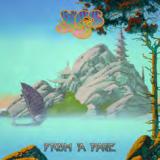
Diese erweiterte Ausgabe von „From A Page“ enthält die beiden CDs in einer Klappbox mit einem 16-
seitigen Booklet mit Liner Notes von Oliver Wakeman, einem Faltposter und fünf Kunstkarten.
und die erweiterte Ausgabe der 2LP von „From A Page“ wurde auf Halfspeedmastered 180-GrammSchwarzvinyl gepresst.
„From A Page“ ist ein Album mit Aufnahmen der Yes-Besetzung von „In The Present“ mit Chris Squire
(Bass), Steve Howe (Gitarren), Alan White (Schlagzeug & Percussion), Benoit David (Gesang) und Oliver
Wakeman (Keyboards). Die Songs wurden während der Sessions aufgenommen, aus denen schließlich das
Album „Fly From Here“ von 2011 hervorging, auf dem Geoff Downes nach Wakemans Ausstieg aus der
Band am Keyboard zu hören ist. Die 4-Song-Mini-LP „From A Page“ wurde 2019 veröffentlicht und enthält
Songs, die nicht auf „Fly From Here“ verwendet wurden.
Die 2-CD-Version von „From A Page“ enthält die ursprünglichen vier Songs sowie alternative Versionen von drei Songs aus „Fly From Here“ mit Oliver Wakemans Keyboard-Parts aus den ursprünglichen
Songwriting-Sessions und eine Studioversion des von Chris Squire geschriebenen Songs „Aliens“, der auf
der Tour 2008 gespielt wurde, auf Disc 1. Disc 2 enthält Demoversionen vieler Songs, darunter „Updraft“,
das die Grundlage für den Abschnitt „Army of Angels“ von „Into The Storm“ bildete, „Don’t Take No For
An Answer“, das nicht auf dem Originalalbum enthalten war, aber während der Sessions bearbeitet wurde,
und den Single-Mix von „To The Moment“, der zuvor nur auf Vinyl erhältlich war.
Two deep, meditative house tracks built on warmth and repetition. Comes with insert in a silver sleeve.
On “Ritual of Dance,” Nhojj’s voice guides the listener onto a (makeshift) dance floor, as the track builds in intensity, mirroring the rising energy of a dance session. On the flip, “Groove Extracts” leans further into a stripped, hypnotic space. Driven by percussion, bass, and a wandering key solo. It draws you inward towards the more meditative side of losing yourself in the groove. Inviting the body to take over where the mind dissolves.
Ritual of Dance EP is about the journey of dancing alone or together.
- 1: Nuvole I
- 2: Nuvole Ii
- 3: Nuvole Iii
- 4: Nuvole Iv
- 5: Nuvole Ix
- 6: Nuvole V
- 7: Nuvole Vi
- 8: Nuvole Vii
- 9: Nuvole Viii
- 10: Nuvole X
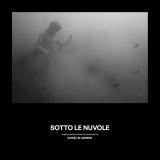
In Gianfranco Rosi’s portrait of Naples, Sotto le Nuvole, the ground shakes periodically. Between Mount Vesuvius and the Tyrrhenian Sea, the fumaroles of the Phlegraean Fields hiss volcanic gas and steam. Below the sleeping volcano, modern day Naples emerges in black and white and fills with voices, with lives. From the traces of history and the concerns of the present, Rosi documents a city immersed in its continuous past, with Daniel Blumberg’s minimal soundscape hovering in a sonic space between liquid and air.
Tasked with creating a soundscape that would suspend space within Rosi’s film, Blumberg called upon the extended technique of saxophonists Seymour Wright and John Butcher to create a gossamer fabric of traces and sounds abstracted from their instruments. Having transitioned from theoretical physics to the saxophone, John Butcher has always deeply considered space in the context of his playing. His concerns are with flow, density and how the saxophone is situated in the living world. Zeroing in on the core sonic properties of the mechanical and acoustic components of the saxophone, Seymour Wright has integrated its every breath, reed vibration, keypad clatter and hissed microtone of his alto into his own, unique improvisational language. In his work with these two seminal players, Blumberg makes his most concentrated soundtrack to date - reinforcing the film's sense of overlapping time and space, and pushing at the limits of experimentation.
Initially recorded in Daniel’s flat in London, Butcher and Wright centre themselves around long, consistent tones, so soft that it seems breath is being gently pulled from the saxophone's bell by an invisible hand. Blumberg himself adds haunting bass harmonica, and recordings of Wright’s launeddas - a traditional and ancient triple pipe polyphonic reed instrument from Sardinia, Italy. Blumberg then travelled to the volcanic region of Baia, next to Pompeii. Once a flourishing classical Roman city loved by Nero, Baia slowly sank under hydrothermal pressure, leaving the city in a kind of geological purgatory. Using specialised geophones and hydrophones, Blumberg took those initial recordings and amplified them underwater, sending them calling out across the ruins of Baia’s mosaics, Nymphaeum statues and villas.
“It was important to me that the music was whispered in the same landscape that Gianfranco has worked for the past three years, so that you can hear the volcanic air gulping, the lapping of the waves, the steam and bubbles popping against John and Seymour’s saxophone breaths – an echo from a suspended time.”
What emerges is deeply melancholic, tender, subtle and right at the edges of audio technology. Submerged in an aquarian mausoleum, the mysterious vibrations of the saxophone and its bell become an echo of an echo, wading from the future into the past. ‘Sotto le Nuvole’ is less a soundtrack than a process of aeration - a sonic puncture in the material of the film which allows its central message to breathe, and a remarkable experiment at the limits of the saxophone’s possibility.
- 1: Glass Bottom Boat
- 2: Paper Screen
- 3: Awhile
- 4: Fog On Mirror Glass
- 5: Old Universe
- 6: Makeshift Room
- 7: Your Dreaming Eyes
- 8: Valley Floor
- 9: Usual Phantom
- 10: Bamboo
Fog On Mirror Glass introduces a new aesthetic amongst Donald Beaman albums. After four albums of varied full-band arrangements, this album emerged as an idea to present solo performances in conversation with full-band work. The bulk of the songs were recorded in the same place they were written: Beaman’s living room. Long time bandmate and producer Kirt Lind set up a makeshift studio at Beaman’s house to record the guitar parts in the same room where they were written, using the same guitars on which they were first played.
Unfurling with a measured pace, the resulting album combines elegiac lyrics with elemental arrangements played with an almost jazz-like reverential expressiveness, calling to mind the works of Cass McCombs, Will Oldham, and Jake Xerxes Fussell. Album opener “Glass Bottom Boat” sets the tone for the album with just Beaman and his guitar – written during the final months of a decade-long stay in New York City, the song was finished upon his arrival back in California. Meanwhile the title track, long a staple in live sets, lands near the middle of the album to recalibrate the mood, featuring the ghostly guitar work of longtime collaborator Ken Lovgren. “Old Universe” lifts things up a bit, propelled by the brushwork of drummer Michael Nalin and the jaunty bass playing of Kirt Lind. Finally, the album ends much the way it began, with Beaman and his guitar on album closer “Bamboo”.
“The dictionary definition of less is more.” - ---- Mojo
“His ability to carve universal empathy from mundane domesticity is remarkable.” - ---- RNR Magazine
“...a collection of evocative scenes and vivid emotions sung to sparse musical arrangements in Beaman’s distinctive sonorous tones” - Americana UK
“...pure and simmering, like a tattoo dedicated to a long lost friend, slightly fading from years in the sun, a memory that will always bring a tear in those quiet reflective moments.” - Psychedelic Baby Magazine