Im Januar 1977 veröffentlichten Pink Floyd ihr zehntes Studioalbum „Animals“. Das Werk eroberte Platz 1 der deutschen Charts, gilt als eines ihrer besten – und es wird nun, 45 Jahre später, als Deluxe Gatefold, CD, LP und Blu-ray wiederveröffentlicht. Zum ersten Mal überhaupt wird das Album in 5.1 Surround-Sound zu hören sein. Die einzelnen Versionen werden ab dem 16. September 2022 erhältlich sein, die Deluxe-Version folgt am 7. Oktober.
Pink Floyd – David Gilmour, Nick Mason, Roger Waters und Richard Wright – nahmen „Animals“ 1976 und Anfang 1977 in den bandeigenen Britannia Row Studios in London auf und produzierten auch selbst.
„Animals 2018 Remix“ wird als CD, LP (mit Klapphüllen-Artwork), Blu-Ray und als Deluxe-Gatefold-Format veröffentlicht. Die Deluxe-Gatefold-Version beinhaltet eine LP, CD, Audio-Blu-Ray, Audio-DVD und ein 32-seitiges Booklet. Die Audio-Blu-Ray und -DVD enthalten den Remix von 2018 in Stereo, in 5.1 Surround (beide von James Guthrie) und den ursprünglichen Stereo-Mix von 1977. Das 32-seitige Booklet gewährt mit selten gezeigten Fotos einen Blick hinter die Kulissen des Shootings für die Plattenhülle sowie Live-Bilder und Memorabilia. Das Album-Artwork wurde für diese Veröffentlichung mit einem zeitgemäßen Motiv neu interpretiert.
„Animals“ ist ein Konzeptalbum, das sich kritisch mit den sozialpolitischen Verhältnissen im Großbritannien der mittleren 1970er-Jahre auseinandersetzt und damit eine Abkehr vom Stil der früheren Arbeiten der Band markierte. Aus einer Ansammlung ursprünglich nicht miteinander zusammenhängender Songs entwickelten Pink Floyd ein Konzept, das den offenkundigen sozialen und moralischen Verfall der Gesellschaft beschreibt. Inspiriert von George Orwells „Farm der Tiere“, verbildlichen sie die menschliche Natur mit einer Analogie zum Tierreich und teilen die Menschen in drei Klassen von Tieren ein: Die Schweine stehen an der Spitze der sozialen Kette, die Schafe tun als hirnlose Herde, was man ihnen sagt, und die Hunde sind die Geschäftsbosse, die sich am Profit und ihrer Macht über andere schamlos bereichern. Seit 1977 ist viel Zeit vergangen – und dann wieder gar nicht, denn die Erzählung des Albums hat als Kommentar auf unsere gesellschaftliche und wirtschaftliche Situation nichts von ihrer Aktualität verloren.
Das berühmte Cover von „Animals“ zeigt ein aufblasbares Schwein (heute bekannt als Algie), das in luftigen Höhen zwischen zwei Schornsteinen der Battersea Power Station in London schwebt. Die Idee für das Cover kam von Roger Waters, die Umsetzung übernahm der langjährigen Kreativpartner der Band, Storm Thorgerson von Hipgnosis Studios. Für die jetzige Neuveröffentlichung wurde das Artwork von Storms Hipgnosis-Partner Aubrey „Po“ Powell für die heutige Zeit neu gestaltet. Basierend auf neuen Aufnahmen des Gebäudes während der jüngsten Umgestaltungsarbeiten (das ehemalige Kraftwerk wird für die kulturelle und gewerbliche Nutzung umgebaut, gestaltet von Frank Gehry und Norman Foster), experimentierte Po mit neuen Blickwinkeln und erschuf einige beeindruckende neue Varianten des berühmten Originals. Po dazu: „Das Original-Albumcover von 1977 ist ikonisch und steht so sehr für sich, dass ich eine Menge Respekt davor hatte, ihm ein Update zu verpassen. Doch Hipgnosis nahm die Gelegenheit zum Anlass, das Motiv neu zu fotografieren und damit eine sich verändernde Welt widerzuspiegeln. Durch den Einsatz moderner digitaler Färbetechniken konnte ich Pink Floyds düstere Botschaft des moralischen Verfalls beibehalten, und auch die Orwellsche Tier-Analogie in Form des Schweins Algie lebt in dem neuen Artwork fort.“
Pink Floyds „Animals 2018 Remix” kann ab jetzt hier vorbestellt werden.
out of Stock
Last delivered 31 days ago available to reorder, subject to availability
Limited first pressing on silver vinyl. Flying Horseman returns with their first new album in five years. Experience their renewed but signature sound with a fresh line-up.
Flying Horseman is back! After a five year hiatus and with a new line-up, the band is ready to once again captivate headphone junkies and live audiences alike with Anaesthesia, their seventh album. It's an urgent and passionate work of intelligent rock'n roll, hazy psychedelia and cosmic folk. Anaesthesia is brooding, angry and dark but at the same time full of life, wonder and sophistication. It's an invigorating, fascinating, electric brew.
Flying Horseman is still centered around the intensely personal song writing, singing and guitar playing of Bert Dockx. The band's line-up has changed,with Louis Evrard (Pruillip, Ottla, Grid Ravage) and Maximilian Dobbertin (Calicos, Frankie Fame) replacing drummer Alfredo Bravo and bassist Mattias Cré. Bravo and Cré were long-standing members, beloved by fans and fellow musicians alike, and they have played an important part in establishing Flying Horseman's musical identity. Today Evrard and Dobbertin are adding a fresh and personal twist to the idiosyncratic sound of Flying Horseman: their groove, their intuition and sensibility, their soul.
Then there's Loesje and Martha Maieu, who have been part of the group for almost as long as its frontman has, and who offer essential ingredients to bring about Flying Horseman's signature flavour, their haunting vocals and atmospheric electronics contrasting beautifully with Dockx' more earthy vocal delivery and his restless, fiery plucking of the guitar strings.
The whole record is fiery, alternately smouldering and violently burning. These are musical sounds capable of setting the listener's heart and mind ablaze. Anaesthesia is very consciously, a political record born out of Dockx and his friends' bafflement at the state of the world, the new rise of fascism, the onslaught of injustice, barbarism and stupidity which we, inhabitants of planet earth, are witnessing day in day out.
How to guard one's sanity in such a crazy world? How to maintain one's dignity? How to feel useful and joyful when surrounded by confusion and hate? These are the questions Flying Horseman is struggling with, as are so many of us today. But there is joy and purpose in the asking; in the struggling; in staying critical of dominant systems of oppression; in thinking or saying: "I don't agree, this is not how it's supposed to be"; in coming together and connecting, sharing, mourning and dreaming. Joy and purpose; questions and confusion; burning hearts and tarnished dreams: it's allhere, in the transportive sound world of Flying Horseman.
Anaesthesia was recorded in Antwerp by Joris Caluwaerts (keyboardist of the inimitable avant-jazz group .STUFF) and mixed by Yves De Mey (one of Belgium's most prominent & avant-garde electronic wizards), two experienced collaborators who know a thing or two about capturing sound and transforming it into a rewarding listening experience. With their help, Flying Horseman has crafted a tight collection of eight art-rock tunes with a clear identity, a rich sound, an original vision and a joyful purpose in the face of encroaching sinister forces.
out of Stock
Last delivered 13 months ago available to reorder, subject to availability
glo-worm produce chiming pop music of a nonbouncing variety that sounds pure, forlorn and unencumbered. Glo-Worm are at the heart of the `90s East Coast independent pop music scene that brought us Slumberland Records, Velocity Girl, Versus and chickfactor magazine. glimmer KLP054 brings all the various glo-worm 45s together under one roof. It's a real charmer, and now available for the first time as a long playing (LP) phonograph record. glo-worm formed in Washington D.C., summer 1993 and features the voice of Pam Berry ( cofounder of chickfactor magazine) accompanied by Dan Searing (drums, percussion) and Terry Banks (guitar). Previously, Pam had sung in Black Tambourine. Terry played in Tree Fort Angst and a stint in English underground combo St. Christopher. Dan had been in Whorl. During the course of glo-worm's two-and-a-halfish year lifespan, the band released three 7" EPs (issued by the Somersault, Slumberland and K labels) and had songs on a couple of compilations, all leading up to the glimmer [KLP054] album, which compiled the 7" EPs and added a cover of The Cure's `Friday I'm in Love' and was released by K in 1996.
Vom "Klassik-Star der Gen Z" zum Pianisten der Stunde: Louis Philippson "My Way"Nur sieben Monate nach seinem Debüt "Exposition" beleuchtet "My Way" die rasante Entwicklung des jungen Pianisten, Social-Media-Stars und Moderators Louis Philippson vom "Klassik-Star der Gen Z" (Süddeutsche Zeitung) zu einem der Pianisten der Stunde. Vom britischen Sender Classic FM wurde Louis als einziger deutscher Künstler in die "Top 30 artists under 30 in 2025" aufgenommen, während BR-Klassik erklärte: "mit Louis Philippson hat die klassische Musik einen neuen Rockstar gefunden." Auch auf den 12 restlos ausverkauften Konzerten seiner Debüt-Tour im Mai 2025 und bei den Arena Shows der "Night of the Proms" im Winter 2024 begeisterte er tausende Menschen für die Klassik auf seine eigene Weise. Daran knüpft Louis Philippson mit seinem Album "My Way" an. Aufgenommen mit dem MDR Sinfonieorchester unter der Leitung von Dirigent Ben Palmer, verbindet es neue Originalkompositionen mit neuen Bearbeitungen bekannter Themen aus der Klassik oder Filmmusik für Solo Piano sowie Piano und Orchester. Zu den neuen Werken zählen unter anderem der virale Hit "Beethoven Virus" für Klavier und Orchester, "Show Waltz" für Klavier und Orchester, "Supernova" für Klavier, Sopran und Orchester, sowie mehrere Solostücke für Klavier. Unter den neu interpretierten Klassikern finden sich das mitreißende Medley "Dancing Bee" für Klavier und Orchester, "Cornfield Chase" für Klavier und kleines Ensemble, sowie eine Bearbeitung von Themen aus den Vierjahreszeiten mit dem Titel "Vivaldi Storm". Key Dates: • 6th June: German public broadcaster MDR broadcasting a studio concert featuring the MDR Radio Symphony Orchestra (reach 1 Mio)Pre-oder start and 1. Single "Für Elise"• 23rd July: German public broadcaster ARD "3nach9" talk show (reach 1 Mio)• 11th Sept: German public broadcaster TV gala ARD Deutscher Radiopreis - 2 performances live (reach 1 Mio +)• 12th Sept: German public broadcaster TV gala MDR Goldene Henne - Performance (reach 2 Mio)Album Release • September: pitch for ClassicFM Gala London • 26th Sept. German public broadcaster MDR Riverboat Talkshow (reach 2 Mio)• October - November: Concerts in GSA in venues up to 3,000 cap (e.g. Hamburg CCH / München Prinzregententheater / Düsseldorf Tonhalle etc.)• 6th Dec: German public broadcaster ARD charity show Ein Herz für Kinder (reach 3 Mio)• Dec: concert at Royal Albert Hall London • Spring 2026: Europa-Tour mit Konzerten in Paris, Benelux, Polen, Spanien usw.In the making: documentary about his life similar to Anastasia Kobekina
Hahaha _ Will Paquin's debut full-length album, out this September _ is the sound of Paquin breaking out of the bedroom. It's loud, raw, and full of life. Much of the album feels a time capsule _ a collection of ideas and sounds that Paquin has been quietly nurturing for years. Now, for the first time, they've come together in a cohesive whole, shaped by the passage of time and Paquin's current perspective. "This album is kind of like re-centering what I actually like and what I want to put out to the world," he explains. Hahaha is a celebration of shared energy, of chaos, of the kind of laughter that erupts when you're fully alive in the moment. It's a guitar-forward, psych-laced, garage-rock catharsis.
Selector Dub Narcotic hat uns beim letzten Mal gewarnt: "The Party Is Just Getting Started". Das ist OK, wir wollten nie, dass sie endet. 9 Jahre später beehrt Selector Dub Narcotic uns wieder einmal mit ihrer Präsenz und präsentiert "When Boys Cry" KLP309, eine vier Songs umfassende EP von unvergleichlicher Pracht. "When Boys Cry" ist eine echte Schnulze, die vier Taschentücher eingebracht hat - eins für die Beats, eins für die Reime, eins für die dunkle Schokoladenfrisur und eins für ich weiß nicht was, aber es bringt alle zum Tanzen. Wieder einmal arbeitet Selector Dub Narcotic mit dem Northwest Hip-Hop Produzenten Smoke M2D6 zusammen. Der Titelsong "When Boys Cry" schwebt in einem melancholischen Dunst; "Love Don't Come Around" sinniert über die Muse und alle unbeabsichtigten Konsequenzen; "Excuse Moi" ist eine freche kleine Nummer; "California Trippin'" erinnert uns daran, dass in jedem unserer Unternehmungen Freude steckt. "When Boys Cry" wird von drei digitalen Vorab-Singles begleitet, bevor es als 45rpm 12" EP in den Plattenläden des Planeten erscheint. Perfekt für die nächste gesellige Veranstaltung oder das antisoziale Grübelfest.
Drawing power from dark hypnotics, BEC lands on Intrepid Skin with the dizzying Dawn of a New Dimension EP.
As a beloved DJ and owner of the EMBARGO imprint, BEC's aesthetic has been honed over years spent immersed in sound. A meticulous producer who has worked with industry giants such as Roland and Novation, her tracks carry a delicate equilibrium of sonic qualities built on high pressure drums and weighty basslines.
Title track opener sets the tone without hesitation, diving straight into bouncy hard techno drums that never let go whilst frantic alarms and trippy vocal cuts swirl above. 'In Motion' leans further into the harmonic aspects of BEC's sound, driven by an immersive melody over sparse percussion. Fragments of electro linger within 'No Longer My Amore', a melancholic spin through emotive vocals and vast sonic layering. Closing track 'Who Said Rich Means Money' takes us back to the warehouse with a storm of heavy drums and ricocheting glitches.
Brandishing expertly layered sonic tapestries, BEC explores a range of emotional resonances, each geared towards tapping into the most intense dancefloor moments.
out of Stock
Last delivered 13 months ago available to reorder, subject to availability
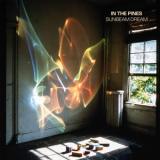
Die Psych-Rocker aus Cincinnati kehren mit ihrem vierten Album zurück und drehen die texturierten Synthesizer und spacigen Melodien voll auf, um ihr bisher shoegaze-lastigstes Album zu schaffen. Das zentrale Nervensystem von In The Pines befindet sich in The Lodge - einem alten Freimaurertempel, der als Mehrzweckraum gegenüber von Cincinnati in Dayton, Kentucky, umfunktioniert wurde. Die Band bewohnt eine Ecke des Kellers in diesem weitläufigen Labyrinth, wo sie Foleytronics betreibt - einen kleinen Laden für Vintage-Profi-Audio-Reparaturen und einer der wenigen Läden weltweit, der Vintage-Digitaleffekte reparieren kann. Ein natürliches Nebenprodukt dieses Ladens ist das Studio in Bandmitglied Peter Foleys Keller, ein Raum voller verschiedener Vintage-Effekte, Bandmaschinen und Synthesizer, in dem sie Sunbeam Dream vollständig aufgenommen und produziert haben. Alle Aufnahmegeräte, die für ,Sunbeam Dream" verwendet wurden, wurden vor dem sicheren Tod gerettet, repariert und von der Band selbst wieder funktionsfähig gemacht, die sich der Grenzen dieser Geräte bewusst war (und diese gerne ausnutzen wollte). Ähnlich wie beim Konzept von Oulipo in der Poesie und Mathematik entstehen Kreativität und Problemlösungsfähigkeiten aus einem klaren Verständnis und ständiger Überprüfung der Grenzen. Der Aufnahmeprozess ermöglichte es In the Pines zum ersten Mal, sich mit den kleinsten Details zu beschäftigen - ganze Tage wurden damit verbracht, den richtigen Akustikgitarrensound zu finden, nur um schließlich auf ein Stück Klebeband zu kommen, das über die Saiten geklebt wurde; Stunden, die in anderen Studios als Luxus gelten würden, wurden damit verbracht, verschiedene Beckenkombinationen für einen Refrain oder eine Bridge auszuprobieren. Genau wie bei ihrer Reparaturwerkstatt schuf die Band einen Aufnahmeraum, in dem Hyperfokus und Liebe zum Detail nicht nur erlaubt, sondern ausdrücklich erwünscht sind. Das Ergebnis dieser obsessiven Kontrolle ist das bislang ausgereifteste Werk von In The Pines. Sunbeam Dream hebt den Shoegaze-beeinflussten Psych-Rock der Band auf ein neues Niveau. Mit einer stärkeren Betonung der Synthesizer, die sich von einem strukturellen Element zu einem Hauptcharakter im Sound der Band entwickeln (dank eines wiederbelebten Mellotrons von 1971), reiht sich die Band in die Tradition großartiger und kraftvoller Alben wie ,A Northern Soul" von The Verve oder dem selbstbetitelten Album von The Charlatans (UK), bei denen die Produktion der beiden Bands ihrer kreativen Vision zu entsprechen schien. Mit ,Sunbeam Dream" fühlt sich alles heller und klarer an, während es gleichzeitig auf wunderbare Weise in einem Zwielichtschleier schwebt, der jedes Element umgibt.
Black Truffle is thrilled to present the first ever solo Donso n’goni recording from octogenarian Swedish multi-instrumentalist Christer Bothén. Active in the Swedish jazz and improvisation scene since the 1970s, often heard on bass clarinet, Bothén travelled to Mali in 1971, eventually making his way to the Wassoulou region in the country’s south where he encountered the Donso n’goni, the sacred harp of the hunter caste of Wassoulou society. Though playing the instrument has traditionally been restricted to those who belong to the hunters’ brotherhood, Bothén found an enthusiastic teacher in Brouema Dobia, who, after many months of intensive one-on-one lessons, gave Bothén his blessing to play the instrument both traditionally and in his own style. Returning to Sweden, he would go on to pass on what he had learned to Don Cherry and play the Donso n’goni in a wide variety of inventive settings, including the driving Afro-jazz-fusion of his Trancedance (reissued as BT118).
The seven pieces of Christer Bothén Donso n’goni offer up a stunning showcase of Bothén’s work on this remarkable instrument, heard entirely unaccompanied, except for the final piece where he is joined on a second Donso n’goni by his student and collaborator, the virtuoso bassist Kansan/Torbjorn Zetterberg, and Marianne N’Lemvo Linden on the metal Karanjang scraper. Recorded in three sessions in Stockholm between 2019 and 2023 in richly detailed high fidelity, the instrument’s buzzing, sonorous bass strings make an immediate, overwhelming sonic impression. Hyper-focused on hypnotically repeating pentatonic patterns, the seven pieces are at once relentlessly single-minded and endlessly rich in subtle variations. The concentrated listening environment turns small details, such as the deployment of the instrument’s segesege rattle on two of the pieces, into major events. Six of the seven pieces are traditional, with Bothén contributing the remaining ‘La Baraka’, but the line between tradition and the individual talent is imaginary here: as Bothén explained in a recent interview with The Wire’s Clive Bell, ‘I play traditional and untraditional, and I play the music forward and backward’. While the traditional Wassoulou pieces provide the rhythmic and harmonic elements, Bothén’s individuality as a performer is alive in every moment, felt acutely in boundless variations of attack, improvisational flourishes, and unexpected accelerations and decelerations. Captured entirely live and bristling with spontaneity, this music is undeniably the product of almost half a decade of Bothén’s devotion to the Donso n’goni and its traditional music.
Accompanied by detailed new liner notes by Bothén and stunning colour photos from his time in Mali, Christer Bothén Donso n’goni is a stunning document of a remarkable instrument, played with an almost spiritual intensity by one of contemporary music’s great explorers.
out of Stock
Last delivered 13 months ago available to reorder, subject to availability
Artist and multi-instrumentalist Flaer embraces the search for quiet miracles on first full-length LP Translations.
In 2023, Realf Heygate - who makes music as Flaer - released his debut mini-album Preludes, composed on his mother’s piano and his childhood cello.Returning to ODDA for his debut full-length album, Heygate is now looking in another direction. A record that embraces transition and movement, Translations is in many ways more internal, less rooted to a single place and reflective of the process of laying new foundations in Cornwall.
Like Preludes, Translations is coloured with found sounds and field recordings, from the starlings which can be heard singing through the open window of his studio, to the brittle recordings of his mother, who was a linguist, learning Spanish on a set of language tapes. In both cases, Heygate embraced the translations and memories inherent to the sounds.
“When I digitised my mother’s tapes, they warped and stuttered in a very similar way to the starling’s song,” he explains. “They had this uncanny rhythm and pulse that I couldn’t quite decode, but was saying something." These decayed transmissions hint at loss, resisting clarity in favour of the ineffable.
Translations is also a record of ambiguities and in-betweens, suggested by the double meaning of the album’s opening track ‘Entre’. At once intricate and expansive, threaded with birdsong and acoustic guitar motifs, this and ‘Starling Descends’ (a reference to Vaughan Williams’ ‘The Lark Ascending’) act as a bridge away from the pastoral themes of Preludes towards a more assertive sound. At times intimate in its textured instrumentation and at others more overtly grand in orchestration, reflecting awider palette of influences.
“Flaer began in many ways when I picked up my mother’s instruments, seeking a form of reconnection. Where words evaded me, they became the tools through which I found a language for grief – and above all, for love.”
Recorded between 2023 and 2025 – what Heygate calls “A gradual process of sowing and harvesting ideas rather than a single intense creative period” - each track follows a rhythm similar to the small maquettes and sculptures he has been working on in his visual practice, whereby structures and melodies form intuitively in moments that are as rare as they are fleeting.
“It's that feeling of searching that I really enjoy,” Heygate continues. “I never know what the destination of the composition is going to be, and I never really find what it is."
Translations is released on limited edition off-white vinyl LP (500 copies worldwide) with one of five signed and numbered handmade risograph prints. It's also available as standard black vinyl LP and digitally.
Can you believe it? Devendra Banhart's Cripple Crow - originally released by XL in 2005 - is turning 20 years old. This was the 5th album from the Venezuelan American artist who is considered the pioneer of the "Freak Folk" and "New Weird America" movements. To celebrate - Devendra has compiled a reissue of the out of print release that features a 3rd Bonus LP (on Clear Green Smoke Vinyl) featuring 9 bonus tracks, including 1 B-Side, 5 previously unreleased demos, 2 previously unreleased live tracks, and 1 unearthed smash hit from the recording sessions. This release is the first on his newly created Heavy Flowers label. The album received a "Best New Music" 8.4 review from Pitchfork upon its release. The release date will fall 1 day prior to the actual 20th Anniversary, which will be the first time Devendra is early for anything. Now THAT is something to celebrate! Limited to 2000 units on 3xLP with Bonus LP on Clear Green Smoke Vinyl. 36 tracks of music and 1 track of .... well... you decide! "Cripple Crow is undoubtedly impressive, vastly singular but entirely accessible, and an inspired listening experience where Banhart again proves himself as one of the more talented and charismatic forces in modern music." - Pitchfork
Whitney K returns with 'Bubble', his first album for Fire Records and follow-up to 2022's acclaimed 'Hard To Be A God'. Whitney K continue his migrant mind games, summoning up a series of intriguing characters, littered with everyday foibles and fantasies. Along the way, he pens a journal of possibilities as he travels further into transient America, touching on everything from bar room chatter, rumour and distortion to misinformation, daydreams, misunderstanding and self-realisation; with anecdotes lifted from the paperback in his back pocket and his half-forgotten past. 'Bubble' is a 13-part cerebral mystery that unravels on songs that bring to mind the gruff sentimentality of the late Kris Kristoferson, Lennon's 'Jealous Guy', Eels at their most troubled and the American Gothic sketches of David Ackles; the perfect soundtrack for a Raymond Carver book club. Recorded in Montreal, it's self-produced by band members Josh Boguski and Michael Halls at their home studio. This stripped back release is Whitney K's most raw yet refined work to date-an honest, sonically paradoxical collection that finds fresh possibilities in the familiar shapes of rock, pop, and folk with the same unfiltered energy and poetic gravity we have come to expect from this modern-day troubadour whose descriptive storytelling is filled with sketchy characters and rudimentary comment. RIYL Bill Callahan, Silver Jews, Leonard Cohen, Lou Reed, Cate LeBon, Kurt Vile, Wilco, MJ Lenderman, Waxahatchee, Cass McCombs, Giant Sand...
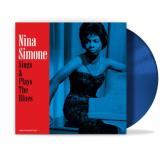
There can be no doubt that Nina Simone was one of the great Black American women who bridged the movement from Blues and R&B to Soul. She was nicknamed 'The High Priestess Of Soul' and spoken of in the same awed tones as the likes of Etta James, Aretha Franklin and Ruth Brown, but in so many ways she trumps all of them with her musicality and versatility. This release emphasizes her bluesier side
Stripping away excess layers, Dispossessed lives up to its title. The band went into Causa Sui's Jonas Munk's studio on the last day of February 2025. In an a priori session, the first note played together since 2023's Dens - the conclusion of a trilogy and a live album all in less than a year. Has something shifted during the silence? Added aggression? Faster tempo? Darker ambiance? The feeling of losing time? Or is it simply the listener who's world has tilted? In a fast paced world, Edena Gardens shows us how to resist and tune to our own inner chord. Edena Gardens deals in subtle shifts that can only be summoned from something played for the first time. From the sludgy blasts of opener Hiraeth to the droning ambience of 10-minute ender Aftenstjerne. As always, the band travels far yet stays in the same internal realm. The band's own Jakob Skott has made minor edits to cut a record from hours of free improvisation, and every dubbed ambience has been culled directly from the material recorded that day, bringing into play the band's gestalt in a way that shows their both outer and inner workings: Dispossessed. Edena Gardens is: Jakob Skott: Drums (Causa Sui) Nicklas Sorensen: Guitar (Papir) Martin Rude: Baritone guitar & Bass (London Odense Ensemble)
Mit seiner kraftvollen Stimme und seinem gefühlvollen Songwriting kreiert Calum Scott die Art von Songs,
die tief in uns nachhallen und die bedeutungsvollsten Momente in unserem Leben begleiten.
Seit seiner Single „You Are The Reason“ hat der in Großbritannien lebende Künstler von unzähligen Fans
auf der ganzen Welt gehört, die seine Musik als Soundtrack für wichtige Lebensereignisse oder als Trost
beim Ertragen von großem Herzschmerz und Verlust nutzen.
Sein drittes Album „Avenoir“ enthält die Singles „Roots“, ‚Lighthouse‘, „At Your Worst“, „My World“
und „God Knows“ - eine beeindruckende Sammlung von Songs, die ein herzliches Plädoyer dafür sind, das
Leben in vollen Zügen zu leben.
Continuing the sensational Spring Revisited series - Acid Jazz presents a new 12” release – Fatback Band: ‘Night Fever (Kenny Dope Mix)’ / ‘(Hey) I Feel Real Good (DJ Spinna Refreak). Spring Revisited is an exciting and unique mix project that explores the musical legacy of legendary New York label Spring Records, with a series of new mixes from top mix artists, using the original masters. Fatback Band are a disco/funk group that were at the peak of their success in the ’70s, and they were one of Spring Records’ most iconic artists. This is the second release in the series featuring the band’s classic work. ‘Night Fever’ is an electro-disco track released in 1976.
Keeping the soulful vocal and strings from the original, house legend Kenny Dope beefs up a looped section of the percussion that forms the backbone of his version. He lifts the tempo and creates a DJ friendly version, while keeping the improvised feel of the original. This rough and ready remix has the kind of bumping groove that’s infectious on a dance floor. On the flip, DJ Spinna gives a new take on the Fatback’s ‘(Hey) I Feel Real Good’. Presented in the signature Spring Revisited house-bag, looking as if it were hand delivered to you from a 1970s record pool.
Limited edition…
out of Stock
Last delivered 11 months ago available to reorder, subject to availability
‘Tedere Baldadigheden’, Guido Belcanto's new, long-awaited album in a production by Firmin Michiels and Guido Op De Beeck, was released on 4 October, 2024 at the beginning of a very extensive, sold out tour. It is a special retrospective from an award-winning singer who looks back with melancholy and humour on the many mischievous adventures that marked his life. Love prevails, but tragedy and tristesse also leave their mark on Belcanto himself and the scarred souls of the many colourful characters who come to life in his songs.
This 15th studio album undoubtedly represents a new high point in Belcanto's oeuvre, which now numbers over 300 songs, with 11 of his own songs and 2 surprising adaptations of songs by Eels and Guido's idol Renaud. Besides members of his loyal backing band Het Broederschap, guest musicians such as Stoy Stoffelen, David Poltrock, Evert Verhees, Jan De Smet, Alban Sarens, Adriano Cominotto and Chris Peeters also play along. Also notable are certainly the passages of Lara Chedraoui (Intergalactic Lovers) and The Bonnie Blues.
For more than 40 years, Guido Belcanto has been creating a universe all his own with his songs. A warm, recognisable home for everyone, young or old, rich or poor, winner or loser. A home too, masterfully brought to a stage where the audience is allowed to be themselves without embarrassment, praising happiness, measuring the damage suffered, letting the tears flow and the laughs ring out.
The song sets the tone of this album. A simple structure, over which a web of rhythm is woven using an instrumentation of old drum machines in dialogue with live drums and percussion. Lots of sax, tenor and baritone! A pumping bass. A frisky pizzicato violin. And some classic keyboards: the Fender Rhodes, the Hohner Clavinette D6, the L-100 Hammond organ. And lots of analogue synthesisers: a rippling Juno-106 marks the path to follow, which is crossed with phrases from other museum pieces: Crumar's Stratus, Farfisa's Synthorchestra, Sequential's Prophet-10. Or still the Casio Club M-100, which is basically a toy, but has been subtly colouring SKC's songs for years!
SKC has often dived deep into the repertoire of artists he holds in high esteem, looking for pearls, forgotten or not, to work on. Likewise on this album with versions of songs by Prince, Dez Mona, Alain Bashung…
Kimberly Claeys, known as Little Kim, has been pursuing her musical career for 20 years. She has performed with the Western Swing band Little Kim & The Alley Apple 3 in Belgium, the Netherlands, France, and Germany, and has released four albums. Since 2019, she has brought a breath of fresh air to the folk monument Kadril, with whom she released the album Jolie Flamande in 2022. Little Kim is also known as one of Guido Belcanto’s regular guest singers.
Her solo debut, Moederland (2022), was produced by Guido Belcanto, who also appears on several songs and lent her his band Het Broederschap. In addition to Belcanto, Bruno Deneckere and Lieven Tavernier wrote and interpreted songs for her, drawing from artists such as Gillian Welch, Nathalie Merchant, and Bob Dylan. The album was very well received by both the press and fans.
On 28 March 2025, her new album, Ademhalen, was released, featuring Dutch-language songs written especially for Little Kim by Bruno Deneckere, Lieven Tavernier, Lennaert Maes, and Wigbert.
Little Kim offers a mix of country, folk, roots, and Americana — you could call it Flandricana, or as record boss Felix Huybrechts describes it: “Country molded from Flemish clay.”
For the recording of Ademhalen, Kim was able to rely on her regular band and the support of Gianni Marzo (Marble Sounds, Isbells). Together, they created a new sound that can be abrasive at times and soothing at others, but always centered on the pure beauty of the song.
Her new single, Bij Jou, was featured on Radio 2's playlist for weeks.
Little Kim performs as a soloist, a trio, or with a full band.
LITTLE KIM & GROUP
With: Kimberly Claeys – vocals | Bruno Deneckere – vocals, guitar | Bart Vervaeck – pedal steel, guitar | Andries Boone – violin, mandolin, accordion | Jasper Hautekiet – double bass | Bert Huysentruyt – drums
Starman Records, the Belgian label also specialized in re-releases of Belgian rock from the 60s, 70s, and 80s, has so far released five volumes in the highly anticipated and widely acclaimed Belgian Vaults Series, praised by both press and fans.
These unique albums focus entirely on the sixties and early seventies, compiling many very hard-to-find tracks—mainly originally released as singles on small, long-forgotten labels. Pop, beat, rock ’n’ roll, psych... gems worth rediscovering. The Belgian Vaults are not just collector’s items; the albums feature restored and remastered sound quality and are carefully curated to appeal to all sixties rock enthusiasts.
Record Collector (4-star review): “Devotees of late 60s/early 70s fuzz will be entranced.” — “All high vaultage stuff.”
Shindig: “True obscurities, long overdue their moment in the sun.”
OOR: “A marvelous piece of rock history.”
De Standaard (4-star review): “An amazing piece of Belgian heritage.”
Cobra.be: “The Belgian equivalent of ‘Nuggets’!
Classically trained, with a background in jazz, soul and gospel, Laura Mvula emerged from Kings Heath, Birmingham in 2012 with her first EP, She. The following year her debut album, Sing To The Moon, dropped to enthusiastic reviews; earning two MOBO awards (plus nominations for both the Mercury Prize and two Brits) and going gold. Preceded by Laura’s most popular single, ‘Green Garden’, a hymn to her west midlands home, Sing To the Moon was described in The Guardian as ‘Gospeldelia’, a genre unto itself, which may have been a small exaggeration but speaks to the album’s ambition, inventive arrangements and striking originality.
We are excited to announce the return of the iconic Totally Wired series with a brand new collection on LP and CD. The first 50 orders will include a special art print of the artwork. We are also doing a limited edition T-shirt to celebrate this milestone!
In 1988 Acid Jazz released its first compilation album ‘Totally Wired: A Collection From Acid Jazz Records’. Compiled by Eddie Piller and Gilles Peterson it collated 11 tracks that summed up the early days of our scene, mixing new label signings, cool new records being played in our clubs and a couple of oldies. It sold well to the then small scene and set the template for a series, that in the wake of the international success of The Brand New Heavies, Jamiroquai, The James Taylor Quartet and others exploded. By the time that Volume 5 appeared, we were selling tens of thousands of copies, with major label artists vying for inclusion.
By that point ‘Totally Wired’ was a phenomenon, that sign-posted changes in both the directions of new music, but of the oldies that were played on the scene. It gave DJs new tunes to play and soundtracked 1000s of Cafés and bars the world over in the age of the CD. It was largely retired at the end of the 90s and as times changed.
Over the years we have been asked to return to the scene of the crime, but it has never quite felt right, until now. With vinyl back, and the need for easy to digest compilations becoming neccessary in the chaos of streaming’s ‘I can listen to anything I want, but can’t think what that might be’ is evident, but also we are feeling excited about where Acid Jazz is right now. New artists on the label are making great records, Matt Berry has a Top thirty album, and The Brand New Heavies are headlining the Royal Albert Hall. It’s easy to make an exciting album when that is happening.
So we are releasing “Totally Wired: A New Collection From Acid Jazz” and treating it like the important milestone that it is. From the Acid Jazz sid we have new and exclusive recordings by Matt Berry, Chris Bangs and new signings Earth-o-Naut and Quiet Fire, there is also a recent white label only 45 cut by the Soul Revivers – released ahead of their new album due this Autumn and featuring Kokoroko’s Shiela Maurice-Grey and Anoushka Nanguy. For the oldies we have dug deep into our own archives to bring you the Acid Jazz Orchestra’s version of Corduroy’s ‘Something In My Eye’ and The Brand New Heavies astounding funk take of Aretha Franklin’s ‘Rock Steady’. These are all joined by recent scene records by Carmy Love – one of the greatest voices in the UK – The Romero Brothers, and BDQ, carrying the series onwards at last.
out of Stock
Last delivered 80 days ago available to reorder, subject to availability
Texas drone pioneers Stars of the Lid take stock of a landmark career with this 30th anniversary edition of their debut LP Music For Nitrous Oxide on their own Artificial Pinearch Manufacturing imprint. Long before the brittle-yet-warm racket Adam Wiltzie and Brian McBride kick up became synonymous with the achingly beautiful decay of America they were two audio geeks in Austin with almost no connection to the city’s vibrant, but rock and roll focused music scene. Finding brotherhood in mangled tape collages and engulfing fuzz, Stars of the Lid was born out of their mutual abstraction from what surrounded them. While to its creators, Music For Nitrous Oxide may have simply been a (slight) refinement from the drones Wiltzie and McBride were unleashing on unsuspecting college radio listeners at UT Austin, the rest of the world was slowly catching up to the duo’s noise-addled magic.
out of Stock
Last delivered 13 months ago available to reorder, subject to availability
In Guadeloupe, many people think that jazz and ka music are like a ring and a finger. To some extent, the same could be said about so called Latin music and the music played in the French West Indies.
Both aesthetics were born in the Caribbean and bear so many connections that they can easily be considered cousins. In constant dialogue, there are lots of examples of their fruitful alliance and have been for a while. The English country dance that used to be practiced in European lounges came to be called kadrille in Martinique and contradanza in Cuba. They both featured additional percussion instruments inherited from the transatlantic deportation. Drawing from shared feelings about the same traumatized identity – later to be creolized – it would be hard not to assume that they were meant to inspire each other. The golden age of the orchestras that graced the Pigalle nights during the interwar period further proves the point. As soon as the 1930s, Havana-born Don Barreto naturally mixed danzón and biguine music in a combo based at Melody's Bar. In the following decade, Félix Valvert, a conductor who was born and raised in Basse-Terre in Guadelupe, also worked wonders in Montparnasse with La Coupole, which was an orchestra made up of eclectic musicians. Afro- Caribbean performers of various origins were often hired on rhythm and brass sections in jazz bands, which used to enliven the typical French balls of the capital. In the 1930s and onwards, Rico’s Creole Band was one of them.
Martinican violinist-clarinettist Ernest Léardée, who would become the king of biguine music as well as the main figure of French Uncle Ben's TV commercials (a dark stigma of post-colonial stereotypes), had musicians from the whole Caribbean sphere play at his Bal Blomet – and they all enchanted "ces Zazous-là" (according the words of Léardée's biguine-calypso piece). In les Antilles (French for French West Indies), music history started to speed up in the 1950s, when trade expanded and radio stations grew bigger. The Guadelupean and Martiniquais youth tuned in their old galena radio sets to South American and Caribbean music. As for the women traders, les pacotilleuses, they bought and sold goods across different islands (the "passing of items through various hands" was thought to be most pleasurable) and brought back countless sounds in their luggage. Such was the case of Madame Balthazar, who once returned from Puerto Rico with the first 45rpm and 33rpm to ever enter Martinique.
Out of this adventure was created the famous Martinican label La Maison des Merengues, a music business she opened and undertook with her husband and which proved to be a major landmark. At the end of the 1950s, in Puerto Rico, Marius Cultier competed in the Piano International Contest playing a version of Monk's Round 'Midnight. He won the first prize and this distinction foreshadowed everything that was to come. Cultier, the heretic Monk of jazz, was quickly praised for writing superb melodies, always tinged with a twist that conferred a unique sound to his music. It didn't take long for the gifted self-taught musician to get to play with Los Cubanos, making a name for himself thanks to his impressive maestria on merengues.
The rest is history. Besides, in the late 1950s, Frantz Charles-Denis, born into the upper middle class in Saint-Pierre and better known by his first name Francisco, went back home after working at La Cabane Cubaine – a club located rue Fontaine where he had caught the Latin fever. Francisco's music was therefore heavily marked by his Cuban cousins' influence, which gave the combos he led a specific style and also led to renewal. Things were swinging hard in La Savane, located in the main square in Fort-de-France. He set up the Shango club close by and tested out the biguine lélé there, a new music formula spiced up with Latin rhythms. Soon afterwards, fate had him fly to Puerto Rico and Venezuela.
As for percussionist Henri Guédon (percussions were only a part of his many talents), he was born in Fort-de-France in May 22nd 1944, the day marking the celebration of the abolition of slavery. As an old man, he could remember that in " his father's Teppaz, a lot of hectic 6/8 music was constantly playing...". In the opening lines of his Lettre à Dizzy, a small illustrated collection of writings published by Del Arco, he highlighted the huge impact that cubop had on him as a teenage boy, around 1960. He eventually turned out to be the lider maximo in La Contesta, a big band steeped in Latin jazz. He was also the one who originated the word zouk to describe music which brought the sound of the New York barrio to Paris. It was the culmination of a journey that started in Sainte-Marie: "a mythical place for bélé, the equivalent of Cuban guaguancó". In the early 1960s, the tertiary economy developed to the detriment of agriculture. Yet rural life was where roots music emerged in Martinique and in Guadeloupe.
Record companies played a major part in the process of Latin versions sweeping across the islands – before reaching everywhere else. Producer Célini, boss of the great Aux Ondes label, and Marcel Mavounzy, both the head of Émeraude records - a firm which was founded in 1953 - as well as the brother of famous saxophonist Robert Mavounzy, were big names to bear in mind. Although there were many of them - all of whom are featured on this record - Henri Debs was definitely the major figure in the recording adventure. He proved to be so influential that he even got compared to Berry Gordy. In the mid 1950s, when he acquired his first Teppaz, he worked on his first compositions: a bolero and a chachacha. Then, he became the one man who made people discover Caribbean music, from calypso to merengue. He was among the first ones to rush out to San Juan, Puerto Rico, to buy records and distribute them through a store run by one of his brothers in Fort-de-France. He had members of the Fania All Star come and perform there, which he was madly proud about. He was also the first one to pay attention to Haitian music, such as compas direct and various other rhythms which would soon flood the market. As a result, many of the combos hitting his legendary studio would end up boosted by widespread "Afro-Latin" rhythms. However, he never denied his identity: gwo ka drums were given a major role, although they were instruments which had long been banned from the "official" music spheres. The present selection bears witness to such a creative swarming. Here are fourteen tracks of untimely yet unprecedented cross-fertilization: all types of music rooted in the Creole archipelago have found their way, whatsoever, to the tracklisting. Whether originating from the city or being more rural, they all go back to what Edouard Glissant, in an interview about the place of West Indian music in the Afro-American scope, called "the trace of singing, the one which got erased by slavery." "It is so in jazz, but also in reggae, calypso, biguine, salsa... This trace also manifests through the drums, whether Guadelupean, Dominican, Jamaican or Cuban... None of them being quite the same. They all point to the idea of a trace, seeking it out and connecting to each other through it. This is the hallmark of the African diaspora: its ability to create something new, in relation to itself, out of a trace. It may be the memory of a rhythm, the crafting of a drum, a means of expression which doesn't resort to an old language but to the modalities of it." The opening track features one of the emblematic orchestras of this aesthetic identity, criscrossing many music types from the archipelago. The 1974 Ray Barretto guajira – Ray Barretto was a major New York drummer influenced by Charlie Parker and Chano Pozzo – is magnificently performed by Malavoi, a legendary Fayolais group (i.e from Fort-de-France). Additionally, the compilation ends on a piece by Los Martiniqueños de Francisco. It symbolically closes the circle as it is a genuine potomitan of Martinique culture which also functions as a tireless campaigner for Afro-Caribbean music. Practicing the danmyé rounds (a kind of capoeiria) to the rhythm of the bèlè drum, it delivers a terrific Caterete, a kind of champeta of Afro- Colombian obedience which was originally composed by Colombian Fabián Ramón Veloz Fernández for the group Wgenda Kenya. The icing on the cake is Brazilian Marku Ribas, who found refuge in Martinique in the early 1970s, bringing his singing to the last trance-inducing track. These two "versions" convey the whole tone of a selection composed of rarities and classics of the tropicalized genre, swarming with tonic accents and convoluted rhythms. It is the sort of cocktail that the West Indians never failed to spice up with their own ingredients. For instance, the Los Caraïbes cover of Dónde, a famous Cuban theme composed by producer Ernesto Duarte Brito, has a typical violin and features renowned Martinique singer Joby Valente and his piquant voice.
The track used to be – or so we think – their only existing 45rpm. The meaningful Amor en chachachá by L'Ensemble Tropicana, a band which included Haitian musicians among whom was composer and leader Michel Desgrotte, also recalls how Latin music was pervasive in the tropics in the mid-1960s. They were the ones keeping people dancing at Le Cocoteraie in Guadelupe and La Bananeraie in Martinique. Around the same time, another "foreign" band, Congolese Freddy Mars N'Kounkou's Ryco Jazz, achieved some success on both islands by covering Latin jazz classics – such as their adaptation of Wachi Wara, a "soul sauce" by Dizzy Gillespie and Chano Pozo whose interweaving of strings and percussions can have anyone hit the dancefloor. How can you resist Dap Pinian indeed, a powerful guaguancó by Eugene Balthazar, performed by the Tropicana Orchestra and published by the Martinique-founded La Maison des Merengues? It also acts as a symbol of the maelstrom at work. Going by the name Paco et L'orchestre Cachunga, Roger Jaffory used to play guaguancó too: his Fania-inspired Oye mi consejo is one example of his style. Baila!!!!! Dancing was also one of the Kings' focus points. Oriza is a Puerto Rican bomba and a "classic" originally composed by Nuevayorquino trumpeter Ernie Agosto, which reserves major space for brasses, giving it a special sheen.
Emerging from the New York barrios crucible was also La Perfecta, a Martinique group originating from Trinidad, whose name directly references the totemic Eddie Palmieri figure as well as his own band, also called La Perfecta. Here they borrow Toumbadora from Colombian producer and composer Efraín Lancheros and interpret it by emphasizing percussions, which set fire to the track even more than the wind instruments. The same goes for Martinique's Super Jaguars, who use Tatalibaba – a composition by Cuban guitarist Florencio "Picolo" Santana which was made famous by Celia Cruz & La Sonora Matencera – as a pretext for sending their cadences into a frenzy. In a more typically salsa vein, the Super Combo, a famous Guadelupean orchestra from Pointe-Noire that was formed around the Desplan family and had Roger Plonquitte and Elie Bianay on board, adapt Serana, a theme by Roberto Angleró Pepín, a Puerto Rican composer, singer and musician also known for his song Soy Boricua. Here again, their vision comes close to surpassing the original. In the 1970s, L'Ensemble Abricot provided a handful of tracks of different syles, hence reaching the pinnacle of the art of achieving variety and giving pleasure. They played boleros, biguines, compas direct, guaguancó and even a good old boogaloo - the type they wanted to keep close to their hearts for ever, "pour toujours", as they sang along together in one of their songs. Léon Bertide's Martinican ensemble excelled at the boogaloo which had been composed by Puerto Rican saxophonist Hector Santos for the legendary El Gran Combo.
Three years later, in 1972, Henri Guédon, with the help of Paul Rosine on the vibraphone, tackled the Bilongo made famous by Eddie Palmieri. Such a classic!!!!! And so were the Aiglons, the band from Guadelupe: choosing to execute Pensando en tí, a composition by Dominican Aniceto Batista, on a cooler tempo than the original, they noticeably used a wonderfully (un)tuned keyboard in place of the accordion. On the high-value collectible single – the first one released by Les Aiglons under the Duli Disc label – there is a sticker classifying the track under the generic name "Afro". Now that is what we call a symbol. Jacques Denis
out of Stock
Last delivered 7 months ago available to reorder, subject to availability
Introducing the Evil B-Side Twins — A New Era from Yazzus & DJ TOOL
Two of the most unpredictable forces in the underground are colliding at full velocity: YAZZUS and DJ TOOL are proud to launch Evil Twin Rekords — a label and collaborative project born from the wildest corners of their shared sonic imaginations.
Under the moniker The Evil B-Side Twins, the duo are setting out to warp time and space through a blazing fusion of trance, gnarly breaks, and techno rhythms. Their sound? Think hyper-speed rave transmissions beamed in from another galaxy — distorted basslines, and acidic euphoria intersecting 90’s psychedelic textures as they soundtrack a playful, alien-friendly universe. It’s high-energy, no-rules, evil as hell club music with a space-age edge. And their debut EP Relentless Spirit delivers just that.
Four rave-ready ‘in your face’ anthems, breaking the boundaries of modern electronic music. A collision of catchy grooves, iconic motifs from the old school trance world and mental melodies that you won’t forget easily.
Evil Twin Rekords isn’t just a label. It’s a wormhole into a sound that’s too futuristic, too feral, and too fun to fit into anyone’s algorithm. Expect inter-dimensional anthems, and records that feel like they’ve been smuggled from the B-side of a black hole.
This is rave culture turned inside out — full-throttle, unapologetically weird, and always one step ahead. From the UK to Scandinavia let the band expand your horizon and welcome you to the Evil Era. Listen without prejudice.
The artwork is a specially commissioned portrait of the twins, hand painted by friend and collaborator Ryo Koike, known for his eerie, whimsical fantastical style. Throughout his visual ident, he provides an imaginative window into the twins’ cosmos and beyond.
out of Stock
Last delivered 13 months ago available to reorder, subject to availability
I was aware of Submerse from a long time ago, mainly for when he was making hip-hop & footwork tunes but I had noticed that a few years ago, on his SoundCloud page, he was uploading jungle tunes that he had started making, which got me interested in keeping tabs on what he was doing.
But it wasn't until I met him in Tokyo where he's based, when I played after him at an event at Circus (venue in Osaka & Tokyo) and then met up with him again later on that week that I realised how much he had been making.
He sent me some of the stuff he'd been doing that wasn't available publicly yet and I was really impressed by how strong the melodies were and how much influence from video game soundtracks he had in his tunes, I knew I had to get him on Future Retro London for a release.
Big up to Submerse for allowing me to put out this EP of his on Future Retro London, look out for more music from him to come on Future Retro London and other labels!
out of Stock
Last delivered 13 months ago available to reorder, subject to availability
• We launch our Soul Harmony label with a fabulous tape discovery from Golden State Recorders. At the time of recording, 87th Off Broadway lived in the small town of Seaside, California and were based in Monterey. They wrote their own songs, four of which were recorded at an April 1972 session, arranged by Los Angeles Rene Hall. The tape lay dormant for decades. ‘Instant Replay’ is the final of the four to belatedly be issued; the others being funk released on Ace’s BGP label. The group morphed into another outfit called Welfare who had ‘What About The Child’ released (with a name change to Gold) in 1977 on the MRC label. This song is of the highest quality as are the intricate harmony vocals. Advance plays on the Lowrider scene have been very well received.
out of Stock
Last delivered 12 months ago available to reorder, subject to availability
Neo funk rising star Buscrates aims high with Blasting Off, his first full-length album. The Pittsburgh-based keyboard cosmonaut has been grabbing ears since his days hooking up beats with the hip hop crew East Liberty Quarters, but after slinging spicy one-offs to a slew of hot labels like Omega Supreme, Voyage Funktastique and Razor N Tape (as well as contributing production to Wiz Khalifa and Curren$y's 2009 project), the time has come for a full-length featuring his growing modern funk repertoire.
"I'm a '90s hip hop dude, but I grew up on that '80s funk stuff," Buscrates acknowledges. DJ gigs provided a working knowledge of the jams that moved a contemporary crowd, and as his collection of keyboards and drum machines grew he began blending the best of both decades with his personal futuristic edge. "I was nice on the MPC but I wanted to have a little more dynamic range with what I was doing," he notes. The self-described "certified synth geek" was soon branching into sounds that recalled '80s legend Kashif crossed with the hip hop bounce of DJ Spinna, and the modern funk community took notice.
For his first full-length, Buscrates has crewed up with an ace team of collaborators, featuring vocalist Sally Green on the bouncy lead single "Lost And Found" and "Eight Nine." Kate Moe Dee takes over mic duties for the second single, "How Ya Gonna Do It," a slinky groove that slides in place alongside groups like the Sunburst Band and Rene & Angela as an exemplar of sophisticated R&B. Adding to those credentials are the sultry vocals of Anda on "Believe," but of course, it wouldn't be a Buscrates set without some stank, neck-snapping instrumentals. "Five Days" and "Sure Shot," both collabos with the drum technician DJ Epik, will rattle speakers and have already been lighting up message boards on recent Buscrates DJ sets. Round things out with some easy gliding, jazzy funk ("Turn It Out" with Brothermartino on flute and "Evergreen" featuring Tony Ozier) and you've got all the ingredients for a high-flying cosmic ride with Buscrates at the controls.
out of Stock
Last delivered 11 months ago available to reorder, subject to availability
To celebrate the 40th Anniversary of Camper Van Beethoven"s groundbreaking debut "Telephone Free Landslide Victory", the CD album is being reissued in a deluxe edition featuring a previously unreleased 11 track demo recorded in 1983 plus B-sides and rarities. It also includes a 16-page booklet and sleevenotes from Victor Krummenacher. The LP is being reissued on dark green vinyl, with an alternative dark green cover to match. Featuring the cult classic "Take the Skinheads Bowling", the album showcases Camper Van Beethoven"s unique blend of folk, punk, ska, and absurdist wit. Beloved for its playful, offbeat charm and eclectic instrumentation, "Telephone Free Landslide Victory" cemented the band"s status as pioneers of alternative music.
In an ever-expanding musical universe, Azymuth have long existed as a celestial giant, drawing countless artists, musicians and followers into their orbit. Marking fifty years since their 1975 debut album Azimuth, their new album Marca Passo proves that the band’s alchemic brew of Brazilian jazz-funk and cosmic samba soul remains as vital as ever, as the group honours the profound legacy of their departed founders.
Recorded in Rio de Janeiro, Marca Passo is the first full-length release since the passing of founding drummer Ivan "Mamão" Conti in 2023, following the earlier loss of keyboardist José Roberto Bertrami in 2012. Alex Malheiros, the sole remaining original member, sees his stewardship of the band’s musical legacy as his spiritual duty. He is joined by the equally devoted Kiko Continentino (Milton Nascimento, Djavan) on keyboards, who has been with the group since 2016, and new recruit Renato Massa (Marcos Valle, Ed Motta) on drums.
Yet since their earliest recorded music, Azymuth have always been far greater than the sum of their parts. The "three-man orchestra’s" unmistakable sound is rooted in Brazil's MPB studio scene of the 1970s and early 1980s—a time when artists blended traditional Brazilian rhythms with global jazz, rock, and emerging psychedelic and progressive elements. Marca Passo continues this legacy, seamlessly fusing Brazilian musical traditions with global influences while showcasing the exceptional musicianship that powers Azymuth's distinctive, multi-dimensional sound.
The album is produced by studio mastermind Daniel Maunick, responsible for Azymuth’s two previous studio albums, Fênix in 2016 and Aurora in 2011. Daniel’s credits also include albums by Marcos Valle, Sabrina Malheiros and Terry Callier. Azymuth also invited Daniel’s father, British jazz-funk royalty Jean Paul “Bluey” Maunick, of Incognito, to play guitar on a new version of Azymuth’s eighties classic “Last Summer In Rio”, in tribute to the song’s composer, José Roberto Bertrami. Equally, “Samba Pro Mamao” is a new composition dedicated to Azymuth’s beloved original drummer, Ivan “Mamão” Conti.
Produced, Engineered, Mixed & Arranged by Daniel Maunick
Co-Produced & Arranged by Alex Malheiros
Executive Producer: Joe Davis
Recorded by:
Daniel Maunick & Leonardo Vieira @ Estúdio Nos Trilhos, Santa Teresa, Rio, Brazil
Daniel Maunick & Amadeu Signorelli @ Sigstudio, Niterói, Rio, Brazil
Daniel Maunick & Alex Malheiros @ Estúdio Basslab, Piratininga, Rio, Brazil
Mixed by Daniel Maunick @ The Sugar Shack, Carluke, Scotland
Artwork & Design: Tyler Askew
out of Stock
Last delivered 11 months ago available to reorder, subject to availability
It"s been six years since LA DISPUTE released their last album, Panorama. Since then, the Michigan post-hardcore band-made up of Jordan Dreyer on vocals, Brad Vander Lugt on drums, Chad Morgan-Sterenberg and Corey Stroffolino on guitar, and Adam Vass on bass-dealt with the stagnance of the pandemic, celebrated the ten-year anniversaries of Wildlife and Rooms Of The House, and began working on NO ONE WAS DRIVING THE CAR. The fifth studio LP is the first entirely produced by the group, and it came together in Grand Rapids and Detroit, the United Kingdom, Australia, and the Philippines: "I think the change in environment was really helpful to breathing new life into the process each time we came back to it," Dreyer says. Partly inspired by the 2017 psychological thriller First Reformed, NO ONE WAS DRIVING THE CAR reckons with malaise in the shadow of the looming apocalypse, which has noticeably been worsened by the advancement of tech. The title comes from a quote from a police officer Dreyer read in a news article about a lethal self-driving Tesla crash, an absurd event which raises questions about the amount of control we have in our own lives. In fourteen dynamic tracks, the band grapples with the existential topic and the human need to find comfort and a sense of security in an existence where we"re often thrust into chaos without permission.
World Of Echo announces the reissue of two remastered albums by Japanese guitarist and songwriter Naoki Zushi, 1988’s Paradise, and 2005’s III. Two classics of Japanese psychedelia, both Paradise and III were originally released on Org Records, the imprint of Shinji Shibayama of acid-folk group Nagisa Ni Te, with whom Zushi has guested on second guitar for decades. Both intimate and expansive, rich with revelatory songwriting and blasted, sky-scouring guitar, these reissues return these albums to print for the first time since the 2000s. It’s the first time III has been officially released on vinyl, with an extra, previously unreleased track, “Under The June Moonlight.”
Recorded in Kyoto’s Townhouse Studios in mid 1987 and released in limited-to-500 vinyl pressing in 1988, Paradise emerged from a scene in Kansai, Japan that was embracing the idiosyncracies of 1970s singer-songwriters, the soaring solos of early seventies psychedelia, and the DIY impulse of 1980s post-punk. While Zushi’s musical history stretched back to the early eighties – he was a founding member of Jojo Hiroshige’s noise outfit Hijokaidan – he found his feet with groups like Hallelujahs, whose dream-pop collection Niku O Kuraite Chikai Wo Tateyo was recently reissued by Black Editions, and Idiot O’Clock.
Paradise appeared two years after that Hallelujahs album and share much the same membership – Zushi’s backing band on several of the songs includes Shibayama on drums and Ken-Ichi Takayama (aka Idiot) on electric guitar, though just as often, Zushi plays all the instruments himself. The coordinates here are wide-reaching – you can hear the volume and intensity of Neil Young & Crazy Horse (on “Hallelujah: Left Side” and “Paradise: Midday”), the slow-motion magic of Galaxie 500, the idiosyncratic spirit of The Only Ones, all mixed up with tender guitar miniatures and stumbling garage-psych-pop moves.
Seven years later, after the transitional album Phenomenal Luciferin, Zushi released III. Perhaps his masterpiece, it’s already been bootlegged on vinyl, but this reissue is the real deal. The album was recorded at Studio Nemu over seven years, and sees Zushi backed by Shibayama (bass) and Masako Takeda (drums), his erstwhile bandmates in Nagisa Ni Te. By this stage, Zushi had started to really stretch out, and many of the songs on III swoon languorously, taking their sweet time to say what they need to say. It’s rich with lovely, melancholy songs, in a similar realm to bandmates Nagisa Ni Te, of course, but you can also hear traces of everything from Syd Barrett’s The Madcap Laughs, through seventies private press loner folk, to the slow-burn meanderings of the likes of early Low or Damon & Naomi.
When interviewed by Shibayama in the mid-nineties, Zushi said of Paradise, “it was a sort of collection of songs that had meant something to me up to that point… it was my paradise. I wanted to create paradise.” That’s something Zushi achieves on both of these albums – visionary Japanese psychedelia, en route to paradise. - Jon Dale
Through the album trilogy Misanthropical House, Algorithm and Blues and Research and Destroy, The Good The Bad and The Zugly have limped their way through midlife crises and pubescent antics. Loud-mouthed and bitter, we have embraced our fate as mediocre losers on the narrow and winding Scandirock path. Haunted by a constant bad conscience over the outcome of our miserable lives, which in addition to bitterness, have resulted in substance abuse, pettiness, greed, spiritual lethargy, bastard offspring, excessive self-confidence, understated self-awareness, and of course - bodily decay. In breif; A urinal without a drain. The question has always been nagging: Why us? Why have we, since the dawn of time, been made to curse the day we were born? Well, the truth shall set you free, as they say.
Limited pink vinyl. Through the album trilogy Misanthropical House, Algorithm and Blues and Research and Destroy, The Good The Bad and The Zugly have limped their way through midlife crises and pubescent antics. Loud-mouthed and bitter, we have embraced our fate as mediocre losers on the narrow and winding Scandirock path. Haunted by a constant bad conscience over the outcome of our miserable lives, which in addition to bitterness, have resulted in substance abuse, pettiness, greed, spiritual lethargy, bastard offspring, excessive self-confidence, understated self-awareness, and of course - bodily decay. In breif; A urinal without a drain. The question has always been nagging: Why us? Why have we, since the dawn of time, been made to curse the day we were born? Well, the truth shall set you free, as they say.
Welcome to a kaleidoscopic picnic where you can feast on a music scene that was rich, sparkling, multi-colored, ground-breaking and it'll blow your mind. A prodigious soundscape that blends the Caribbean and the Amazon sophistication and flavors; raw yet delicate textures. "Joropop. Psych Pop & Folk in Venezuela, 1968-1976" features infectious Latin rock rhythms and timeless folk melodies across 15 ultra-rare tracks-most of which have never been reissued until now. Let's set off together to discover the magic of Caracas in the late '60s! DESCRIPTION Welcome to a kaleidoscopic picnic where you can feast on a music scene that was rich, sparkling, multi-colored, ground-breaking and it'll blow your mind. A prodigious soundscape that blends the Caribbean and the Amazon sophistication and flavors; raw yet delicate textures. "Joropop. Psych Pop & Folk in Venezuela, 1968-1976" features infectious Latin rock rhythms and timeless folk melodies across 15 ultra-rare tracks-most of which have never been reissued until now. The golden age of Caracas pop started in 1965. It replaced the wave of cloyingly romantic song writing as fresh talents leant into richer and more complex styles: folk-rock, psychedelia, soul, hard blues, symphonic pop, Latin rock etc. Singer-songwriters, experimental electric guitars and jam sessions all appeared on the scene, creating music that became increasingly refined and free. The industry took a while to catch on to this new trend and leave behind the teen idols and dream lifestyles. By the late 60s, there was a long list of new bands in the capital city. Young people finally found their voice. Let's set off together to discover the magic of Caracas in the late '60s!
"Paloma mensajera" (featuring members of New Juggler Sound / Laghonia) shows the shift that was taking place within Peruvian rock away from psych and hard rock which had predominated during the early 70s. The style adopted by Grupo Amigos (and other bands and artists during this period) highlights the influence of soft rock, UK, US and Latin American folk rock and, above all, the desire to keep the melodic greatness of The Beatles alive. This reissue includes bonus tracks and extensive liner notes. DESCRIPTION "Paloma mensajera" (featuring members of New Juggler Sound / Laghonia) shows the shift that was taking place within Peruvian rock away from psych and hard rock which had predominated during the early 70s. The style adopted by Grupo Amigos (and other bands and artists during this period) highlights the influence of soft rock, UK, US and Latin American folk rock and, above all, the desire to keep the melodic greatness of The Beatles alive. The positive reception albums by artists such as We All Together, Telegraph Avenue and Zulu garnered between 1972 and 1975, marked a change of paradigm and in preferences within the Peruvian rock scene. Eclecticism gained new ground, to the detriment of the sectarian and orthodox, while melody grew more present and visible, moving away from the progressive experimentation that typified underground Peruvian rock up to the beginning of the 70s. For their first single on MAG, included on this reissue, the band adopted a formula in which Beatles harmonies converged symmetrically with folk motifs. 'Dirty Girl' was a hit on the radio. A full album followed but only a fairly small number of copies of the album were pressed, which seems to have been the main reason for omitting it from the historical accounts of Peruvian rock music from the late 90s onwards. In "Paloma mensajera" all compositions were penned by the group, after several years during which cover versions were a staple. Some of the musical resources that the band had at their disposal in terms of composition and arrangements are striking and even surprising, considering that they were a debut band, whose members were under the age of 20. The arrangements included the clever use of a Moog synthesizer which had just arrived at the MAG studio. The success achieved by the Beatles tribute performances played by the members of Grupo Amigos for decades have eclipsed the songs that Edmundo, Andrés Da Ros and Simón Ames composed with youthful enthusiasm and energy between 1972 and 1973 to the point where they have almost been forgotten. This re-release of "Paloma mensajera" should help rectify this major injustice. It includes bonus tracks and extensive liner notes.