
pre-ordina ora23.10.2026
dovrebbe essere pubblicato su 23.10.2026
23,95 €
dovrebbe essere pubblicato su 23.10.2026
Color Vinyl[28,15 €]
On their third album, FANGS, London collective HMLTD have created an entirely new genre: Götherdammerüng (or ÜberGöth). Predictably unpredictable, it could not be further away from their last outing, 2023 rock opera The Worm. The sixteen-piece orchestra has been traded in for Ableton, the timpani and violins replaced with side-chained four-to-the-floor and rave synths, and the gospel choir swapped for guttural gothic howling and black metal screams. The result is both unique and terrifying: a total reinvention and rehabilitation of the goth genre, through the looking glass of modern electronic and doomscroll-era dance music.
This new beginning was accompanied by a change in personnel, with Theo Spark and Andrei Martynchyk joining the fray alongside original members Henry Spychalski and Duc Peterman. Decamping to a ruined château in the Loire Valley, the quartet became obsessed with vampire lore, and the EBM and goth sound that inspired their early work: Fad Gadget, DAF, Nitzer Ebb, Suicide and Bauhaus. FANGS also points to more contemporary influences like Crystal Castles, German hardcore, 2000s blog-house a la Justice, and 2020s sleazepop.
The world crafted in FANGS is full of cosmic pessimism, glowing horror, imperceptible evil and digital dismemberment, ancient curses and ruined castles, Vampires. But it is also a thoroughly fun, and funny, record, as danceable as it is deep. Born of the club, some tracks would not sound out of place on Brat. Like a Smiths song which sounds happy and carefree until your brain tunes in to the misery of the lyrics, it can be listened to - and enjoyed - on two levels. One can get lost in the throb of bass and ludic synths, or tune into the horror of the lyrics which overlay them.
FANGS attempts to offer up a reflection to a culture that - like a Vampire - has lost its own. The result is something not only thoroughly modern, original, and inventive - but that feels genuinely dangerous and potent. FANGS delights in this ambiguity: simultaneously indicting decadence, decay, and moral rot, while luxuriating in its intoxication by it. Cacophonous sub-bass becomes a chthonic call of the void; seraphic rave synths become the screech of Valkyries; four-to-the-floor becomes a deathly funeral march. Vampire apocalypse.
dovrebbe essere pubblicato su 23.10.2026

dovrebbe essere pubblicato su 23.10.2026
12" (Limited Full Cover)
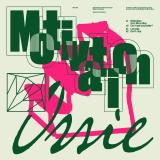
Ossie lands back on Heist after his 2025 hit ‘Are U still smiling?’ with a 4 track EP featuring Miraa May.
How on earth do you follow up your debut when that record got dancefloors moving across the world and picked up radio & dj plays from dance music’s finest selectors?
Many producers would get instant writer’s block, but not Ossie. His new EP on Heist is full of joyous melodies, catchy vocals and euphoric dancefloor moments. Across 4 tracks, Ossie takes us on a trip through rolling electronics, catchy UK sounds and big room anthems.
His Heist debut in 2025 did not go by unnoticed, and Ossie kept a busy calendar since, with regular shows in London and Hï Ibiza with Skepta’s Mas Tiempo crew, his own Supercali imprint as well as his appearance alongside heavyweights Louie Vega, Kerri Chandler, Cinthie and more on Heist’s ‘House of House’ much celebrated compilation.
The Motivation EP kicks off with a bumpy UK track that somehow reminds us of Bicep early day hit ‘Vision of love’. Where the Bicep boys went for a big sample, Ossie landed a surprise studio session with Algerian born-London native Miraa May where they wrote ‘Motivation’ in a single session. The track is stripped back to its core with catchy scats and chants from Miraa May and keys that’ll stick with you far after the track is over. If you’d need any extra motivation for your daily routine, to get out of bed or to go out dancing, this is your jam.
‘Can it get any better’ is a loopy house affair with soulful vocal chants, hints of disco and a subtle piano theme that drives the track into big room territory. It’s energetic without ever getting over the top; a thin line Ossie navigates effortlessly on this record.
On the flip, we’ve got ‘Left side’; a deep groover built around a synth & disco loop and cleverly sampled vocals singing ‘I believe… oooh yes I do’. This one is definitely a lowkey banger, where Ossie turns that one simple loop into a powerful theme made to ignite dancefloors.
The EP closes with the heavy warehouse groove of ‘Don’t stop’. A cavernous low end, rough percussion and chopped synth stabs all come together on this beast of a track. Ossie cleverly plays around with vinyl backspins, vocal chops and small changeovers to keep things interesting, while the groove just keeps on going.
Ossie’s ‘Motivation’ EP has dancefloor written all over it and with all its forward energy, there’s no doubt you’ll be hearing this one a lot in clubs all over the world.
As always, play it loud and share the music.
Lars & Maarten
dovrebbe essere pubblicato su 23.10.2026
Cassette[14,71 €]
Rock is rich krovvy that froths in the veins of Chicago's Axis: Sova, the trio of Brett Sova, Jeremy Freeze, and Josh Johannpeter. Progressive earworm hooks, phased/fuzzed guitars, and live/electronic drums for metronomic flexibly give Flowerage a visceral pull and elegant bloom. An energetic mix of art rock and post-punk with uniquely tight vocal harmonies/arrangements to focus an eye in the world's chaos.
dovrebbe essere pubblicato su 23.10.2026
Rock is rich krovvy that froths in the veins of Chicago"s Axis: Sova, the trio of Brett Sova, Jeremy Freeze, and Josh Johannpeter. Progressive earworm hooks, phased/fuzzed guitars, and live/electronic drums for metronomic flexibly give Flowerage a visceral pull and elegant bloom. An energetic mix of art rock and post-punk with uniquely tight vocal harmonies/arrangements to focus an eye in the world"s chaos.
dovrebbe essere pubblicato su 23.10.2026
Spanning Portland, Bristol, London and beyond, Cold Light has evolved from a friends-and-family label into something stranger but more cohesive. It's a collective spanning Best Available Technology, Birthmark, Withdrawn, the wind between, CSNL and Rael, plus a wider orbit including Elaine Malone and Tony Onuchukwu. What began as a 2019 tour experiment and crystallised during lockdown into the Live at the Laundromat sessions has now fully matured into a singular sound rather than a patchwork of ideas. Dub sits at the centre, most clearly on the sprawling 'Fields in B', but the group folds in haunted boom-bap, gritty noise-rock and ghostly trip-hop with equal confidence. 'Riot' and 'I've Known Fires' both hover in that murky, half-familiar space the collective has made its own.
Disponibile in Stock e pronto per la spedizione

*Kissa* is an immersive ambient electronic project crafted by Mathias, drawing inspiration from the serene and evocative atmosphere of Japanese jazz kissa cafés. These intimate spaces, known for their deep reverence for music, serve as the foundation for *Kissa’s* sonic landscape—where warm nostalgia and futuristic minimalism intertwine. Consisting of eight expansive compositions, *Kissa* abandons traditional rhythmic structures, allowing sound itself to guide the listener. Ethereal textures, evolving drones, and subtle harmonic shifts create a meditative experience that blurs the lines between memory and imagination. Each track is a portal—an invitation to lose oneself in sound, to explore the spaces between notes, and to embrace stillness as a form of movement. With *Kissa*, Mathias redefines the boundaries of electronic music, crafting an experience that is at once deeply personal and universally resonant. Whether serving as a soundtrack for introspection or a companion for late-night contemplation, *Kissa* embodies the essence of timeless listening—where music is felt, not just heard.
Disponibile in Stock e pronto per la spedizione
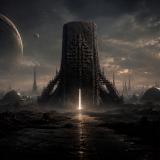
With MYSTERIUM COSMOGRAPHICUM, the ALIEN CODE series opens a new transmission within the Cosmic Tribe universe — a speculative exploration of ancient futurism, extraterrestrial civilizations, sci-fi architectures and hidden technologies through electro-oriented sound research.
Across six tracks, the compilation moves through atmospheric electro, cosmic electronics, galactic basslines and contemporary machine-driven structures, combining cinematic tension with underground functionality.
MYSTERIUM COSMOGRAPHICUM unfolds as an episodic interstellar narrative — where each track operates like a different scene, transmission or passage within the wider ALIEN CODE universe.
For this transmission, Cosmic Tribe brings together an international selection of artists exploring contemporary electro and futurist electronic sound, featuring Raakel Bloody Raakel, Lups Digga, Aztronouth & Machinefunk, EC13, Lloyd Stellar and NOAMM.
Visually and conceptually, ALIEN CODE continues Cosmic Tribe’s investigation into lost and unknown civilizations, symbolic technologies and non-human futurist aesthetics — where ancient structures and ultra-advanced systems coexist beyond historical time.
dovrebbe essere pubblicato su 26.10.2026

2026 Repress
The clergy is pleased to introduce you to a new initiate: Birds ov Paradise. This highly anticipated Hypnus debut comes split into three separate EP's which will be released one each full moon starting October.
Some of you may be acquainted with the music of Birds ov Paradise already as he's put out two stellar records on Jens and Aniara Recordings in 2016-2017, as well as making a contribution to our podcast series The Memoir where his sound was put on a grand display. Those of you who are new to the fantastic dream world of this very talented artist will quickly get lost in the flowing rhythms that drives his magical deep techno sound.
Early support from Etapp Kyle, Ness, Slam, Iori, Refracted, Svreca, Cio D'Or and Dorisburg to name a few.
Disponibile in Stock e pronto per la spedizione

Unlock the allure of The Hot Spot through its unforgettable soundtrack, a captivating collection that brings the film's sultry ambiance to life.
Set against the backdrop of a small Texas town, The Hot Spot follows Harry Madox, a charming drifter with a dark past. As he arrives in town, he becomes embroiled in a web of seduction and deceit, navigating his way through a love triangle involving the sultry waitress, Gloria, and the alluring femme fatale, Dolly. Tensions rise and passions ignite, leading to a thrilling climax where desire and danger intertwine. Directed by the visionary Dennis Hopper, the film is a masterclass in mood and atmosphere, capturing the essence of 1990s neo-noir.
The Hot Spot has garnered acclaim for its stylish cinematography and gripping narrative, but it's the music that truly sets it apart. It's an amalgamation of swampy blues, jazz and rock — all mixed and recorded in a sparse, bloomy and eerie sort of way.
Critics hailed the soundtrack as "an electrifying fusion of jazz and blues that perfectly complements the film's seductive undertones." The blend of sultry melodies and haunting instrumentals creates an immersive experience that resonates long after the credits roll.
This recording is just so damn fine, so airy and warm. And the musicians aboard on this Dennis Hopper film are a who's who, including Miles Davis, John Lee Hooker, Taj Mahal, Roy Rodgers, Earl Palmer and Tim Drummond. This has long been a highly sought-after and collectible record among audiophiles. This soundtrack is essential for any music lover or film buff, capturing the very essence of the film's seductive spirit.
Disponibile in Stock e pronto per la spedizione

2026 Repress
After the worldwide techno hit that was Darc Marc's "Dirty Rocking Bass" comes the next Cluster X instalment from French legend GANEZ THE TERRIBLE. "The Rave..." is another prime time techno monster from the Acid Techno/Techno underground that is going to cause massive dancefloor mayhem with its cheeky 'The rave, the sound, the people, the party" sample and hard funky beats and 303 stabs. With pounding remixes from D.A.V.E. THE DRUMMER, and new kid-on-the-block SEON, and a kicking bonus track "Elevator" from Ganez himself this gives a nod to all areas of harder techno.
Disponibile in Stock e pronto per la spedizione

Emmy Award-winning composer Bear McCreary returns to the Outlander universe for another score, this time for the spin-off Blood of my Blood. This next chapter in the time travellers saga premiered in August 2025 and serves as a prequel to the critically acclaimed Outlander series.
Set in 18th century Scotland and England during the World War I, the series focuses on the lives and courtship of the parents of Jamie Fraser and Claire Beauchamp. McCreary masterfully brings the tale alive by blending classical music with folk and traditional Celtic.
The soundtrack of Outlander: Blood of my Blood is available as a limited edition on transparent vinyl and includes an insert.
dovrebbe essere pubblicato su 30.10.2026
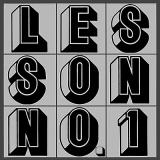
After cutting his teeth in the late '70s No Wave scene with bands Theoretical Girls and The Static, Glenn Branca made his first solo statement, Lesson No. 1, in 1980. The inaugural release on legendary post-punk / dance label 99 Records, Lesson No. 1 unveils Branca's visionary guitar concepts with two monstrous, side-long compositions that helped forge NYC's downtown art-punk sound and acted as a massive influence on countless young groups, including Sonic Youth and Swans.
The title track is easily Branca's most-accessible moment; its driving beat and interlocking patterns resemble German pioneers Neu! playing Philip Glass. Never before (or since) has minimalism sounded so euphoric. "Dissonance" is the A-side's polar opposite. Dark, skittish and unhinged, Branca leads his band (guitar, keyboard, bass, drums and sledgehammer) through block after block of industrial terror, leaving listeners drained in the process.
dovrebbe essere pubblicato su 30.10.2026
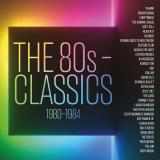
Turn back the clock to an unforgettable era, with 32 huge hits from 1980–1984 brought together across 2LPs.
LP1 launches with Wham!’s feel-good ‘Wake Me Up Before You Go-Go’, before Duran Duran’s ‘Is There Something I Should Know?’ and Eurythmics’ ‘Sweet Dreams (Are Made of This)’ capture the contemporary sound of the new decade. The Human League’s ‘Don’t You Want Me’, Soft Cell’s ‘Tainted Love’ and Heaven 17’s ‘Temptation’ continue an outstanding run of synth-pop classics, with Blondie and Frankie Goes To Hollywood completing Side One. Culture Club open Side Two with ‘Do You Really Want To Hurt Me’, followed by colourful 80s favourites from Adam & The Ants, Altered Images and Kajagoogoo. Haircut 100’s ‘Love Plus One’ and ABC’s ‘The Look Of Love’ lead into Dollar and Bucks Fizz, rounding out a side packed with pure pop nostalgia.
LP2 starts in suitably anthemic style with Spandau Ballet’s ‘Gold’, alongside Elton John’s uplifting ‘I’m Still Standing’ and Billy Joel’s ‘It’s Still Rock and Roll to Me’. The Cars’ ‘Drive’ and Bonnie Tyler’s epic ‘Total Eclipse of the Heart’ bring some of the decade’s biggest power-pop moments, while Laura Branigan’s ‘Self Control’ and Matthew Wilder’s ‘Break My Stride’ pave the way for Dexys Midnight Runners’ ‘Come On Eileen’. Side Two brings another burst of ’80s energy with Ray Parker Jr.’s ‘Ghostbusters’, Chaka Khan’s ‘I Feel for You’ and Billy Ocean’s ‘Caribbean Queen’. Diana Ross’ ‘Upside Down’ is followed by favourites from The Police, Pretenders and The Jam, before Roxy Music’s ‘Jealous Guy’ provides an elegant finale to this celebration of 1980–1984.
dovrebbe essere pubblicato su 30.10.2026
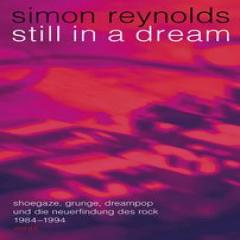
Simon Reynolds erzählt von der letzten großen Blütezeit der analogen Musikkultur und schließt damit direkt an sein Standardwerk zum Post-Punk, 'Rip It Up and Start Again', an. In einer Zeit, in der Musik noch greifbar war - als Schallplatte, als Zeitschrift, als Objekt -, war jeder neue Tonträger ein Ereignis, jede Ausgabe eines Magazins ein Ritual. Zwischen den späten Achtzigern und den frühen Neunzigern entfaltete sich ausgehend von diesen Objekten und Ereignissen eine musikalische Revolution, in der die Underground-Szene die Gitarrenmusik neu erfand und langsam in den Mainstream einsickerte, während sich politisch statt Utopien und Zukunftsentwürfen der Konservatismus festgesetzt hatte.
Reynolds erzählt von der Explosion des Noisepop, von Shoegaze, Slackern und Grunge - von My Bloody Valentine und Sonic Youth, die mit atemberaubenden Sounds eine zweite Psychedelic-Welle entfachten, den Cocteau Twins und Slowdive, die in Traumwelten entführten. Außerdem treten auf: Dinosaur Jr., Björk, Pixies, PJ Harvey, Nirvana, Felt, R. E.M., Hüsker Dü, Talulah Gosh, Big Black, Butthole Surfers, Spacemen 3, Spiritualized, Galaxie 500, Mercury Rev, Pavement, Stereolab, Stone Roses, Pussy Galore und viele mehr.
'Still in a Dream' ist der sehr persönliche Blick eines Journalisten, der damals als Autor diverser Musikmagazine dabei war, diese musikalischen Entwicklungen zu begleiten und ihnen Namen zu geben. Simon Reynolds beschwört die Magie der analogen Welt, bevor das Internet, Streaming und soziale Medien die Spielregeln der Musik für immer verändert haben. Ein Buch für alle, die sich fragen, was verloren ging - und was vielleicht nie ganz verschwunden ist.
dovrebbe essere pubblicato su 30.10.2026
Valentina Magaletti (Moin), Al Wootton and Susumu Mukai (Vanishing Twin) create expansive rhythmic music that moves freely through dub, trance, free improvisation and cinematic psychedelia. For Basilikum, the trio recorded a series of improvisations in the Swiss Alps and London. Built on the foundation of vintage drum manchines and instinctive interplay they created compositions where no stylistic borders apply.
Dub techniques meet ritual percussion, hypnotic pulse and vast Popol Vuh-esque landscapes. Drawing equally from popular music, experimental traditions and spontaneous interaction, the trio treats playing, recording, editing and transformation as part of the same creative act. Sounds emerge, dissolve and reappear in new forms, creating a music that is both deeply physical and endlessly open.
With no fixed boundaries and no allegiance to genre, their work embraces movement, texture and collective energy. The result is immersive, transportive music that shifts between meditation and propulsion, intimacy and scale, always evolving in the moment
dovrebbe essere pubblicato su 30.10.2026
Black vinyl[29,62 €]
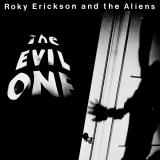
The seminal psych-rock classic The Evil One by Roky Erickson And The Aliens is reissued by Fire Records in a deluxe 15-track edition, restoring the original front cover from San Francisco’s 415 Records release for the first time since 1981. Presented across two LPs cut at 45 rpm for maximum sonic depth and clarity, the release brings together the complete recordings from the legendary 1978 and 1979 sessions. The package includes a collector’s booklet with liner notes by acclaimed Austin music journalist Joe Nick Patoski, who attended a recording session for The Evil One in 1979. Alongside rare photographs and archival images from the collection of Roky’s then manager, Craig Luckin.
Following his release from Rusk State Hospital in 1974, Erickson formed The Aliens and channelled his experiences and fascination with horror and science fiction into a singular new sound. Moving beyond the psychedelic garage blues of the 13th Floor Elevators, the band created harder, more ferocious rock built around jagged guitars, strange melodies and a propulsive rhythm section.
Produced by Creedence Clearwater Revival bassist Stu Cook, The Evil One includes some of Erickson’s most celebrated recordings, including ‘Two Headed Dog’, ‘I Walked With A Zombie’ and ‘It’s A Cold Night For Alligators’. Erickson’s unmistakable voice and surreal lyrics, populated by zombies, demons, vampires and atomic monsters, gave the album a character unlike anything else in rock. Both the LP and CD editions feature rare photographs and images from the archive of Erickson’s then manager and the sessions’ executive producer, Craig Luckin.
The Evil One has since become a landmark of cult rock, with its songs covered by generations of artists and its influence extending across punk, alternative and psychedelic music. As Craig Luckin recalls, “Roky considers The Evil One to be his favourite album that he ever recorded. He really loves that album.”
Austin music journalist Joe Nick Patoski, who attended one of the album’s 1979 sessions, contributes a new essay to the LP and CD packaging, exploring Erickson’s extraordinary career, enduring influence and place in Texas rock history.
More than a standalone reissue, this deluxe edition of The Evil One opens an exciting new series honouring Roky Erickson’s extraordinary body of work, with Gremlins Have Pictures and Don’t Slander Me to follow in 2027.
dovrebbe essere pubblicato su 30.10.2026
Black + White Splatter Vinyl[36,09 €]
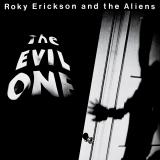
The seminal psych-rock classic The Evil One by Roky Erickson And The Aliens is reissued by Fire Records in a deluxe 15-track edition, restoring the original front cover from San Francisco’s 415 Records release for the first time since 1981. Presented across two LPs cut at 45 rpm for maximum sonic depth and clarity, the release brings together the complete recordings from the legendary 1978 and 1979 sessions. The package includes a collector’s booklet with liner notes by acclaimed Austin music journalist Joe Nick Patoski, who attended a recording session for The Evil One in 1979. Alongside rare photographs and archival images from the collection of Roky’s then manager, Craig Luckin.
Following his release from Rusk State Hospital in 1974, Erickson formed The Aliens and channelled his experiences and fascination with horror and science fiction into a singular new sound. Moving beyond the psychedelic garage blues of the 13th Floor Elevators, the band created harder, more ferocious rock built around jagged guitars, strange melodies and a propulsive rhythm section.
Produced by Creedence Clearwater Revival bassist Stu Cook, The Evil One includes some of Erickson’s most celebrated recordings, including ‘Two Headed Dog’, ‘I Walked With A Zombie’ and ‘It’s A Cold Night For Alligators’. Erickson’s unmistakable voice and surreal lyrics, populated by zombies, demons, vampires and atomic monsters, gave the album a character unlike anything else in rock. Both the LP and CD editions feature rare photographs and images from the archive of Erickson’s then manager and the sessions’ executive producer, Craig Luckin.
The Evil One has since become a landmark of cult rock, with its songs covered by generations of artists and its influence extending across punk, alternative and psychedelic music. As Craig Luckin recalls, “Roky considers The Evil One to be his favourite album that he ever recorded. He really loves that album.”
Austin music journalist Joe Nick Patoski, who attended one of the album’s 1979 sessions, contributes a new essay to the LP and CD packaging, exploring Erickson’s extraordinary career, enduring influence and place in Texas rock history.
More than a standalone reissue, this deluxe edition of The Evil One opens an exciting new series honouring Roky Erickson’s extraordinary body of work, with Gremlins Have Pictures and Don’t Slander Me to follow in 2027.
dovrebbe essere pubblicato su 30.10.2026
dovrebbe essere pubblicato su 30.10.2026

A document of chill-out room dreamscapes transmitted from San Francisco circa 1993-1994.
Rooted in live improvisation and arriving at the sweet spot where nascent dance music collided with dub tradition, Selene Songs marked an early highpoint for Sunshine and Moonbeam Jones' enduring partnership as Dubtribe Sound System. This collection of dreamy, harmonious grooves and ambient excursions were recorded between November 1993 and January 1994, captured live in the chill-out room at the duo's legendary Come-Unity parties held at their home on Bryant Street in San Francisco.
Selene Songs was originally released on Chicago-based label Organico in 1995 as a CD and abridged 12" EP. Now it receives a full reissue that spreads the blissed-out majesty of the full seven-track album across a double vinyl pressing and CD digipak edition. Across all formats, Kristen Anderson's original artwork has been faithfully reproduced.
“… All the elements of classic ambient dub with the Tribe’s own sense of love wonderment. One from the heart." - Muzik Mag - 1995
“ We have faith that the universally accessible warmth oozing from these tracks will eventually entice a larger audience." - Billboard - 1995
Number 1 on the Eastern Bloc shop chart - Muzik Mag - 1995
dovrebbe essere pubblicato su 30.10.2026

A document of chill-out room dreamscapes transmitted from San Francisco circa 1993-1994.
Rooted in live improvisation and arriving at the sweet spot where nascent dance music collided with dub tradition, Selene Songs marked an early highpoint for Sunshine and Moonbeam Jones' enduring partnership as Dubtribe Sound System. This collection of dreamy, harmonious grooves and ambient excursions were recorded between November 1993 and January 1994, captured live in the chill-out room at the duo's legendary Come-Unity parties held at their home on Bryant Street in San Francisco.
Selene Songs was originally released on Chicago-based label Organico in 1995 as a CD and abridged 12" EP. Now it receives a full reissue that spreads the blissed-out majesty of the full seven-track album across a double vinyl pressing and CD digipak edition. Across all formats, Kristen Anderson's original artwork has been faithfully reproduced.
“… All the elements of classic ambient dub with the Tribe’s own sense of love wonderment. One from the heart." - Muzik Mag - 1995
“ We have faith that the universally accessible warmth oozing from these tracks will eventually entice a larger audience." - Billboard - 1995
Number 1 on the Eastern Bloc shop chart - Muzik Mag - 1995
dovrebbe essere pubblicato su 30.10.2026
It's fitting that Mike Jefford is both a photographer and a musician, his music career having slowly evolved like a developing photo coaxes Technicolor images out of the shadows. His sonic palette began taking shape in Medway, Kent with darker, grittier strains: teenage grunge and metal turned into drum & bass and IDM, following the Brighton club scene to Berlin as Positive Centre, until he made a nest in rural Portugal where Laguna Seca’s bright, expressive range would blossom.
A longstanding friendship with Chris Clark supported Jefford’s most pivotal artistic evolution yet, jumping from a decade of techno dusk to music practically overflowing with life as Laguna Seca debuted on Throttle Records.
“O tempo” can mean “the time” or “the weather” in Portuguese, two intensely changing powers whose many different connotations Jefford reflects in a highly varied tracklist. The breadth of climatic catharsis permeates through textural production and songwriting experiments, down into the very bedrock of the album’s engineering process where Jefford traces the long signal chain of time: the amps, desks, and tapes of Motown, the vinyl mastering studio’s intricacies, the Akai samplers that gave modern hip hop its “ghostly and impressionistic” sound, the software that drives electronic music today.
Much as 2026’s O Tempo was inspired by vintage tonality, retro aesthetic, and the likes of CAN, Kraftwerk, and Jimi Hendrix, it’s not an exercise in nostalgia; this is music that could have only been made with today’s technological advancements, revelling in anachronisms and collisions between hindsight and present tense.
It’s tempting to view Jefford’s projects as opposites, but they come from the same sonic values. Positive Centre’s “bleak” and “sinister” world is also incredibly detailed, constantly updating pile-driving grooves with microscopic flourishes and vast ambient swells. The flaring psychedelia of Laguna Seca is a continuation of those textural, material, and kinetic explorations, where plate reverb splashes, blistering and crunchy beats, vocal glimmers, and guitar swagger are all glued together by recurrent themes of memory and time. As each of his projects travel to the same destination, all of Jefford’s roads have eventually led to vibrant colour.
dovrebbe essere pubblicato su 30.10.2026
Die Band ,The Black Heart Procession" besteht aus den beiden Hauptsongwriter Tobias Nathaniel und Pall A. Jenkins, die beide zuvor bei ,Three Mile Pilot" mitwirkten. Manchmal treten sie als reines Duo auf, zu anderen Zeiten laden sie Freunde ein, mitzuspielen. Mario Rubalcaba (Clikitat Ikitowi), Jason Crane (Rocket from the Crypt) und Kazu Makino (Blonde Redhead) wirkten an der Entstehung von ,Three" mit. ,Three", das ursprünglich im Jahr 2000 erschien, ist das dritte Album der Black Heart Procession in voller Länge. Die Klänge der Instrumente verschmelzen miteinander und untermalen den Rhythmus von Palls ausdrucksstarkem Gesang. Jeder Song scheint sich unaufhörlich vorwärts und rückwärts zu bewegen und spielt dabei mit dem Kontrast zwischen hellen Klängen und dunklen, grüblerischen Themen. The Black Heart Procession brechen Herzen mit der Verschmelzung von Klängen aus Klavier, Säge, Pumporgel, Gitarre, Trompete und Gesang sowie dem einen oder anderen ungewöhnlichen Perkussionsinstrument. Die Klänge mögen bei einigen von Ihnen Schmerz oder Freude auslösen - oder beides -, da ihre Musik von Trauer und Herzschmerz durchdrungen ist, doch es liegt ein unterschwelliges Element der Befreiung darin.
dovrebbe essere pubblicato su 30.10.2026
Spanish label LOOPAINA hits its 007th vinyl reference with a devastating split EP that bridges the underground scenes of Spain and Argentina. For this special release, the label brings together Argentinian producer NWHR and the powerful Spanish duo MIST GASP on a limited 12-inch wax that redefines contemporary club music. The physical record features 6 meticulously crafted tracks: two original cuts from each artist alongside a crossover remix where each act replicates and transforms the other's work. The result is a cohesive sonic journey that exudes serious, deep, and hypnotic techno, while maintaining a sharp focus on the dancefloor by championing the rawest underground sound. All music written and produced by NWHR & MIST GASP Mastered by: Carlos Koschitzky Label: Loopaina Records CAT#: LPR-V007 Artwork by Rocío Barrio
dovrebbe essere pubblicato su 30.10.2026
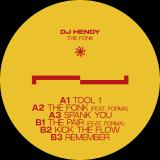
ASUNCIÓN’S MOST WANTED, DJ HENDY AKA P. LOPEZ AKA ARIEL ME LLAMO, MAKES HIS DEBUT ON KAOS. AFTER MEETING HIM YEARS AGO IN PARAGUAY’S CAPITAL, I WAS ALWAYS DIGGING HIS MUSIC AND BLOWN AWAY BY HIS INSANE DJ SKILLS. FINALLY, WE GOT THE OUTPUT HERE. 6 TUNES, 6 ENERGIES. TRIBAL/GROOVE TECHNO AS LANGUAGE, BODY MUSIC AS MESSAGE. THESE ARE MUST-HAVE TOOLS FOR EVERY DIGGER. GUARANTEED DELIVERY NO EXTRA FEES +666111111111 CALL NOW!!!
dovrebbe essere pubblicato su 30.10.2026
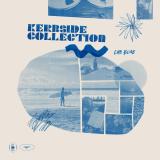
“Cue Blue”, the latest and fifth studio recording from Australian down under, gritty jazzfunk grooves ensemble Kerbside Collection sees a return to a more classic, stripped back, meat-and-potatoes, home-cooked, quartet formation sound of guitar, bass, drums and brass.
A sound formed on previous, recent recordings (incl. Golden Rules compilation tune “Fleet Streak” etc), seemingly harking back to the approach of the group’s first recordings (2013’s “Mind The Curb”, “Night in Tunisia” etc), whilst embodying inspirations from more ‘true school’, classic, bluesy New Orleans funk and soul groove flavours à la early Meters, Boogaloo Joe Jones, Melvin Sparks, Billy Butler etc. But it’s not all completely ‘retro’ and ‘looking back’, the album definitely taps into some of the current exponents and leaders of the contemporary deep funk sound – The Greyboy Allstars, Eddie Roberts, The New Mastersounds, The Mighty Mocambos, Breakestra and fellow Aussie funksters Cookin’ on 3 Burners, Lance Ferguson and The Bamboos etc.
The lead single and first tune “Shivers” gives us a clear, picture and definitive opening statement to the record with all the characteristics you’ve come to expect from the Kerbside gritty jazzfunk sound: silky guitar line phrasing, rubbery bass-lines, tight crusty drum breaks, and sweet brass arrangements. Then it’s straight into a frenetic, jangly, mod-funk workout complete with Northern Soul & Motown inflections in the surging B sections. “City Park Avenue” conjures up classic New Orleans funk flavours with its strutting brass, slinky guitar and swinging tambourine groove. There’s classic, b-boy funk territory covered in “Coffee Grinder” (a breakdance move) with its razor-sharp drum break groove and chunky riff complete with sizzling trombone solo. Before the pace of the record changes up with the finger-clicken’, hand-clappin’ boogaloo, reminiscent of early 60s Harlem x Puerto Rican Bronx sounds (à la Willie Bobo, Mongo Santamaria, Ray Barretto) loaded with a scintillating baritone sax solo from long standing part of the collection ‘Papa Joe’ Roberts.
“Sittin’ On The Porch” cools the temperature down even more, delving into slight Southern Louisiana Delta blues territory, while suggesting some of the hot and muggy atmosphere and imagery of their home town location in suburban Brisbane Australia, complete with kooky Casio percussion representing familiar yard sounds such as sprinklers (spinning lawn watering devices) and ‘mozzies’ (mosquitos), passing cars indicated by trombone, and guitarist TC Tyler, channelling some bluesy John Lee Hooker, R.L. Burnside guitar flavours - you can almost feel the humidity on your skin.
Then it’s time for a stroll down memory lane, with their version of a People Under The Stairs hip hop classic “San Francisco Knights”, bringing the tune full circle back into band mode, also with another tasty guitar solo. The album then enters its final stages with a mesmerising, soulful, jazz ballad “Shimmer”, complete with Elliott Parker’s sultry upright double bass, and trombone taking the melody for a gentle stroll down the street. The album finally closes and arrives at its title “Cue Blue”, a classic blue-eyed soul number (penned by bassist Parker), emitting the scent of true school, vintage R&B and soul (à la Donny Hathaway, Marvin Gaye).
An album of funky arrangements and refined compositions, mostly penned by recent new-ish member, guitarist Tyler (for fans of Tower of Power & John Scofield guitar playing) taking the ensemble through their paces with all the usual characteristics of the Kerbside sound, on top a groove that will take you round-the-block-and-back :P Gritty jazzfunk and rustic soul grooves with definite bluesy overtones, some classic 60s, 70s flourishes and down-home funk flavours.
dovrebbe essere pubblicato su 30.10.2026

Finnish-American guitarist Raoul Björkenheim and Norwegian drummer Paal Nilssen-Love join forces on their new album PING, released by We Jazz Records on 30th October on LP, CD and digital formats. Recorded in Helsinki, the album finds the seasoned duo firing on all cylinders and delivering a remarkable set of contemporary free music.
PING brings together nine excursions beyond “guitar + drums” and way beyond “free jazz”. That being said, those are still good touching points for the music that is wild, imaginative, raw, yet also at times delicate and introspective. Friends and collaborators for decades in groups such as the lauded Scorch Trio, Raoul and Paal have the history and the trust to create memorable and original improvised music that stuns and moves the curious listener.
Raoul Björkenheim (b. 1956) is a Finnish-American guitarist and composer who has been creating original music for the past four decades living in New York City and Helsinki, where he is presently based. Describing his on-going work as investigative guitarism, he is best known for an expressionistic and lyrical guitar style. Björkenheim’s eclectic discography numbers 50+ albums, ranging from ambient soundscapes to visceral free jazz, from duo to big band. His large-scale works for symphony orchestra have yet to be recorded, and he has also composed scores for over ten films and dance productions. Björkenheim has collaborated musically with Bill Laswell, Toshinori Kondo, William Parker, Mats Gustafsson, Hamid Drake, Ingebrigt Håker Flaten, Gerald Cleaver, Henry Kaiser, Lukas Ligeti, Morgan Ågren, Paul Schütze, Edward Vesala and Juhani Aaltonen, for the labels ECM, Rune Grammofon, Cuneiform, Tum Records and Long Song records. Björkenheim has been awarded various prizes including the Emma prize for best jazz recording of the year, and been nominated three times for the Nordic Music Award.
Paal Nilssen-Love (b. 1974) is a Norwegian drummer, composer, bandleader, and producer known for his central role in Scandinavian free jazz and improvised music. Since the mid- 1990s, he has appeared on more than 280 albums, including 70 released through his label, PNL Records. He has performed with influential groups including Atomic, The Thing, Peter Brötzmann’s Chicago Tentet, Scorch Trio, and Frode Gjerstad Trio, and collaborates regularly with artists such as, Ken Vandermark, Akira Sakata, Otomo Yoshihide, David Murray, Arto Lindsay and more. Paal Nilssen-Love’s fascination with traditional and experimental music has taken him around the world. Since his first visit to Ethiopia in 2009, he has built strong connections with musicians and artists in Addis Ababa, leading to collaborations, performances, teaching, and artist exchanges with Norway. Since his first trip to Brazil in 2013, he has returned regularly, developing collaborations with artists and musicians across the country. His musical explorations have also brought him to Tsugaru and Aomori in northern Japan, where he has developed an interest in the region’s traditional music. Nilssen-Love is also an active organizer and educator. He started both Oslo’s all-Ears festival, the Blow Out festival and FRAM Kunstfest, and has led workshops internationally and in Norway.
dovrebbe essere pubblicato su 30.10.2026
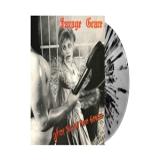
Clear w/ black splatter vinyl. Los Angeles speed metal pioneers Savage Grace return via Back On Black with the definitive 2026 reissue of their legendary 1986 sophomore full-length album, After The Fall From Grace.
dovrebbe essere pubblicato su 30.10.2026
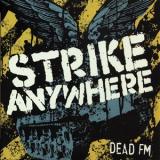
Es ist ihr drittes Studioalbum und das erste, das bei Fat Wreck Chords erschien. Mit der Verbindung von Punk und Hardcore schufen Strike Anywhere mit Dead FM einen musikalischen Stil, der eine klare Alternative zum Mainstream-Pop-Punk bot und die Underground-Szene des folgenden Jahrzehnts maßgeblich prägte. Das von Brian McTernan produzierte Album hebt sich aus der Masse politisch orientierter Veröffentlichungen hervor, indem es komplexe politische, ökologische und gesellschaftliche Themen mit zutiefst persönlichem Songwriting verknüpft. Damit setzte das Album Maßstäbe für den modernen melodischen Hardcore. "14 break-neck hardcore tracks laden with a passion rarely achieved in modern music. Seriously, this is going to melt your face_ with love." -Fat Wreck Chords 2006 Erstmals seit Erstveröffentlichung reissued, also genau 20 Jahre nicht neu aufgelegt gewesen! Für Fans von The Flatliners, A Wilhem Scream, Rise Against, Avail. Grape Coloured EU Vinyl-LP (Auflage 500), CD noch erhältlich.
dovrebbe essere pubblicato su 30.10.2026
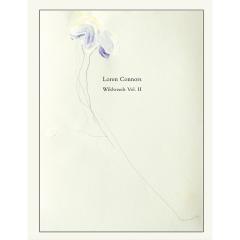
Wildweeds Volume II is the followup to Wildweeds (2021), Loren Connors’ first art book, and continues a series of limited artist’s books from Recital devoted to his work outside of music. Following Night of Rain, the book returns to the fragile flower forms of the original Wildweeds, but in a more expansive and varied collection of paintings, drawings, and haiku. Across 108 pages of full-color, hardbound printing, thin stems wander through enormous fields of white, blooming in eruptions of radiant yellow, blue, green, red, and violet. Some pages are nearly empty. Others retain stains, folds, shadows, and the physical disturbances of the original works. The result is a rare survey of Connors’ art, gathering years of paintings and drawings that have largely existed in isolation into one continuous sequence.
The haiku appear throughout the white space as small interruptions, sometimes nearly swallowed by the page. “wandering / into the sky / April mist.” They do not caption the paintings so much as drift alongside them, creating another kind of line, pause, and disappearance. The effect is deeply consonant with Connors’ music: the brief guitar poems of Airs, the shadowed miniatures of Lullaby, and the many other recordings and editions that have established his singular language across decades. A note from Connors’ guitar can hover on the edge of audibility, its beauty emerging through restraint and duration; the paintings possess the same fragility. A line bends, a flower appears. Colors pool and then recede into the surrounding white.
For this volume, Connors mailed hundreds of paintings and drawings as they were being made, arriving in folders with little concern for preservation or presentation. New drawings arrived often, another envelope every few weeks for a year. From this accumulation, the book was photographed, edited, sequenced, and arranged into its present form. In the preface, Yuko Otomo places Connnors’ work within the tradition of Haiga, the Japanese practice of bringing haiku and visual art together. She writes of Mujo, or impermanence, and Ku, or emptiness: the open, shifting space in which things appear and disappear. A flower blooms, a leaf falls, a line fades into the page. Francis T. Patnaude, Jr. describes Connors’ artistic impulse as an attempt to “give form to the formless.” Wildweeds Volume II is an opportunity to spend time inside his quietly accumulated body of visual work: a monograph giving sustained form to years of paintings and drawings. Portrait photograph by Suzanne Langille; art photography and design by Sean McCann.
dovrebbe essere pubblicato su 30.10.2026
Battle of Clontarf collects a remastered series of late-90s guitar jewels by Loren Connors, most appearing on vinyl for the first time. At its center is an unrealized double 7" from 1996, Battle of Clontarf, named after the bloody battle fought outside Dublin in 1014. Gestures of blistered guitar billow, but underneath a defiant elation prevails. Loren’s partner Suzanne Langille composed and performed the poem in Part II and the song in Part V of the Clontarf sequence. The six pieces are followed by a curated circlet of recordings from around the same period, including the complete 1994 EP The Five Points (originally issued by Table of the Elements) and several other short works from the years surrounding Connors’ notable albums Airs (1999) and Lullaby (2001). These recordings occupy only a few minutes at a time, but manage to convey such vulnerability. Each seems to find its way toward the next, like a chain of small amulets.
The collection continues with the Star of Bethlehem suite from 2000, and concludes with Connors’ arrangement of Gershwin’s “I Love You, Porgy.” The latter is a personal favorite, with a breathtaking cadence that shares the beauty of Billie Holiday’s version, but transmitted from the solitude of a dream. Battle of Clontarf gathers all these scattered parcels of Connors’ work into one fluent LP, released on Recital alongside Connors’ new art book Wildweeds Vol. II in celebration of his 77th birthday in late October.
dovrebbe essere pubblicato su 30.10.2026
This is the sound of dream Texas, the cinematic Texas conjured in film and 20th century literary and art myth… big dark blueing horizons swallowing the infinite distance, a lonely poetry of sound, but also a stock taker of the iconoclastic, psychedelic, art rebel side of Texas… the cracked rock music side of Texas, the avant-garde in concrete cracks, the recklessly used, mind expanding drugs Texas, the dripping eastern swamps, the Houston house parties with the sounds of records blasting down the block and becoming musique concrète in the hot summer night.
Chrome Chasm’s debut album Interpreter is ambient, minimal in feel, maximal in texture, beautifully disorienting, vastly spacious— until it isn’t. It's a naturalistic shapeshifter, taking majestic form in the aforementioned elements and then dissolving back to raw genetic material to form anew. Spiritual jazz overtones, pedal steel moans and buzzing, noisy ambient visions are upended by grey-folded psychedelic unveilings. Interpreter’s three expansive tracks present a most detailed performance by its three deft musicians and the outcome often feels like a gorgeous collage in real-time.
Chrome Chasm was formed in 2024 by three of Houston’s brightest underground stars: Mlee Marie (Hearts Of Animals) on alto saxophone, flute and voice (whose long-form experimental sax performances helped inspire the formation of the band), Will Adams (Lower Dens/ Ka-Nives) on pedal steel, synth, percussion and voice, and Tom Carter on guitar. Carter has been casting a long shadow over Texas psychedelia and American underground music for over 3 decades, most notably with the Houston based Charalambides, a powerful creative force of the pre-new weird America era of experimental and avant psychedelic music, and most notably since with his solo guitar magnum opus Long Time Underground (which was deemed among the best experimental albums of 2015 by Pitchfork).
Interpreter’s opening track “The Star,” recorded almost completely live in one room and one take, is a 16-minute manifesto on ‘Dream Noir.’ An astute scholar of cross-genre connectivity and the through-lines of kosmische and spiritual-leaning sonic realms can hear echoes of Cluster, the skronk and beauty of Rahsaan Roland Kirk, and the architectural ambient flow of Harold Budd and Philip Glass in the tidal lapping of distorted guitar, mantra-like saxophone and pedal steel flow. From its deconstructed, pastoral opening moments to its proto-electronic center that crests into a bombastic polytonal climax, Chrome Chasm never neglect narrative arc for experimentation and avant technique. In fact, as a group, they effortlessly control, open, fill and contract space in abeyance to emotional vibration. “The Star,” and indeed the album as a whole, feels more like a communion or extended poem, in direct communication with the listener, than it does a ‘captured experience.’
Across the three longform tracks of Interpreter, Chrome Chasm conducts a masterclass in fusing real time performance energy with an abstract, cut-up master’s reimagining of the literal. They demand the listener meet their music with dream logic and then, like the best dream peddlers, they present a labyrinth to fall into and experience, a place where explanation and conclusion become obsolete, and engagement and immersion become sublime.
dovrebbe essere pubblicato su 30.10.2026
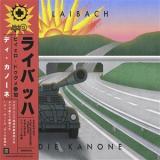
Eine historische Begegnung zwischen zwei der größten und legendärsten Bands des ehemaligen Jugoslawiens: LAIBACH - international anerkannt für ihre kompromisslose Auseinandersetzung mit Ideologie, Ästhetik und Macht - präsentieren "Die Kanone". Dabei handelt es sich um eine Neuinterpretation von "Top", der ersten, 1974 veröffentlichten Single von BIJELO DUGME, den Pionieren der jugoslawischen Rockkultur, gegründet von Goran Bregovic. Gemeinsam verwandeln sie einen historischen Song in ein neues Statement über die Zyklen der Geschichte und die Mechanismen, die die Gegenwart prägen - ein Werk, das tief in der Kulturlandschaft des ehemaligen Jugoslawiens verwurzelt ist, aber ebenso deutlich darüber hinausweist. Die Version von Laibach, unter Mitwirkung von Bijelo Dugme und insbesondere Goran Bregovic an der Gitarre, erschien 2025 digital, sowohl in deutscher als auch in slowenischer Sprache. Nun zusätzlich von DIE KRUPPS, THE LINCOLNSHIRE POACHER, BLACK DOT und dem RTV Slovenia Symphony Orchestra neu gemischt und interpretiert, um die allererste physische Veröffentlichung auf 12"-Vinyl und CD zu vervollständigen. Mehr als fünfzig Jahre nachdem das Debüt von Bijelo Dugme ein neues Kapitel in der Geschichte des Balkan-Rock aufschlug, greifen Laibach dieses ikonische Material auf und interpretieren es in ihrer eigenen, monumentalen Klangsprache neu. Das Ergebnis ist ein Dialog zwischen zwei Epochen, zwei künstlerischen Visionen und zwei Herangehensweisen an die Symbole, durch die sich Gesellschaften selbst definieren. "Die Kanone" ist nicht bloß eine Neuinterpretation eines historischen Songs - es ist ein zeitgenössischer Kommentar zum sich wandelnden Verhältnis zwischen Industrie, Technologie und Militarisierung. Der Titel evoziert den Wandel der industriellen Produktion und die beunruhigende Neuausrichtung etablierter Fertigungstraditionen hin zur Herstellung von Waffen und Kriegssystemen. Durch das Aufeinandertreffen der ursprünglichen Rock-Mythologie von Bijelo Dugme und dem Industrial-Ritualismus von Laibach untersucht der Song, wie wirtschaftliche Macht, technologischer Fortschritt und militärische Ambitionen miteinander verflochten sind. Das Stück reflektiert eine Welt, in der die Sprache der Produktion zunehmend mit der Sprache des Konflikts verschmilzt. "Die Kanone" und die slowenische Version "S topom te bom ciljal moja mala" erscheinen erstmals physisch, mit Remixen der deutschen Industrial/EBM-Legenden DIE KRUPPS (die eine episch-wuchtige Version beisteuern, welche ein Hit in ganz eigener Sache ist), des britischen Produzenten The Lincolnshire Poacher sowie des slowenisch-kroatischen Elektronik-Duos Black Dot. Der sechste Titel der 12"-Vinylversion ist eine Live-Aufnahme aus der Oper von Ljubljana, eingespielt mit dem RTV Slovenia Symphony Orchestra. Erhältlich ist klassisch schwarzes oder limitiertes farbiges Vinyl sowie CD mit zwei Bonustracks (iTurks Symphonic Mix der slowenischen Version und eine Instrumental-/Karaoke-Version). Beide Formate mit Obi-Banderole.
dovrebbe essere pubblicato su 30.10.2026

This release is a homage to the Turbo label.
Turbo was a part of Joe Robinson and Sylvia Robinson’s All-Platinum Records set up in New Jersey which operated from 1967 to 1979. At one stage the fiercely independent and proudly black owned label threatened to become another Motown or Philadelphia International. That never happened, but the Robinson’s dream of worldwide success came later when Sylvia discovered Rap, recorded Rappers Delight by The Sugarhill Gang and Sugar Hill records was born.
Music historian Steve Guarnori describes All Platinum as "probably the most unusual record company there ever was. Dysfunctional, but at the same time wonderful."
The All-Platinum chaos extended to Turbo. But despite anarchy - some superb albums went straight from manufacture to be deleted and sold as cut-outs - sublime music was created. This 10" 6-track release collects together some of the most hallowed Turbo releases which between them have become cherished by collectors.
Brother to Brother "The Bottle" captures the label at its most astute. Gil Scott-Heron and Brian Jackson’s original version was an album only track on Strata-East so Turbo seized the opportunity to quickly make a worthy cover version and rush release it a single which enjoyed success.
"Ton Of Dynamite" by Frankie "Love Man" Crocker was Turbo’s debut release in 1968 (it actually sounds a later recording). At the time Frankie was a DJ on WWRL radio station in New York and the release was essentially a reward for his previous support of All-Platinum releases. The record (a b-side) is actually made Willie & The Mighty Magnificent who went on to re-record it as
"Funky 8 Corners". It took until 1975 for "Ton Of Dynamite" to get recognition when it became an anthem as the UK Northern Soul scene adopted it as part of the movement away from old skool 1960’s Soul. Whatever its’ provenance, "Ton Of Dynamite" is now revered by the Rare Soul and Funk communities.
The Optimistics "Man" from 1971 is another b side single. The group specialised in smooth harmony Soul but "Man" is a funkier affair which won support from Rare Soul aficionados and will cost you £600 plus if you are lucky enough to locate a copy of the hard to find 45.
Willie & West "Attica Massacre", also from 1971, is an even more elusive single. It is a powerful protest against the killing of 29 prisoners, many black, following a riot at a prison - Attica Correctional Facility in New York. The deaths and a subsequently discredited cover up caused outrage. John Lennon was amongst the first musicans to make a recording about the bloodbath, but the most emotional protest is this Willie & West track. Only 300 copies were manufactured of one of the most powerful civil rights recordings ever made. The vocal sounds like anti-War Edwin Starr at his most bristlingly aggressive.
Perhaps the strangeness of All-Platinum is best illustrated by the later success of Lonnie Youngblood "Sweet Sweet Tootie" which is essentially the backing track of "Attica Massacre" plus exquisite sax playing by Lonnie. Despite it selling 100,000 plus copies the label did not see this as a reason to reissue "Attica Massacre". Strange. Or as Marvin asked "What’s Going On"?
The New Sounds "Don’t Take Your Love From Me" was only issued by Turbo as an album track. Despite good music on it the LP was poorly (it at all)/ promoted and flopped. The superb "Don’t Take Your Love From Me" is a long time Northern Soul / X-Over favourite.
Larry Saunders mesmerising "On The Real Side" made no impact when released on Turbo in 1974 but was nevertheless issued in the UK by London Records. The Northern Soul discerning dancers instantly latched on to its combination of uplifting lyrics, heartfelt vocal and clomping beat and since then its’ appeal has extended across the whole of the Soul community. Without doubt an all time classic.
So six treasures from a label that despite frequently advocating cash out of chaos frequently conjured up awesome music.
ANORAX is grateful to have the opportunity to present this very special Soul selection.
Disponibile in Stock e pronto per la spedizione
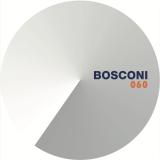
Alex Barbu – Paths Lead Inward marks Alex Barbu’s first release on Bosconi Records, following previous releases on Digital Finesse and Maeteria. Across four tracks, Paths Lead Inward explores the space between minimal, techno, deep house and psychedelic trance, combining stripped-back structures with hypnotic rhythms, dubby textures and subtle traces of Goa-inspired psychedelia.
The EP opens with A1. “Tokyo”, a straight-to-the-point dancefloor missile. A rolling bassline, delayed voices and a simple but highly effective rhythmic structure push the track towards trance territory, with hints of Goa psychedelia filtered through a minimal sensibility. Immediate, hypnotic and built to keep the floor moving.
A2. “2006” takes a darker and deeper turn. A dubbed-out minimal techno cut populated by subterranean sounds, blurred textures and distant voices. Its slow-burning atmosphere makes it particularly suited to the deeper, more intense moments of an afterhours set.
On the flip, B1. “Hello Everybody” brings a heavier deep-house pulse into the equation. Hypnotic arpeggios, deep vocal elements and a rolling groove give the track a physical, almost stomping quality, while maintaining the murky and psychedelic character running throughout the EP.
Closing the record, B2. “Blobfish” dives deepest of all. A heavy bassline anchors a strange and unsettling landscape of anxious breathing, dark textures and disorienting sounds. Hypnotic rather than aggressive, it gradually pulls the listener into an upside-down dimension — a proper late-night trip for losing yourself on the dancefloor.
Paths Lead Inward is not only about movement on the dancefloor, but about what happens underneath it. Four tracks that touch you deeper in the soul and make you reconnect with it.
dovrebbe essere pubblicato su 05.11.2026
2026 Repress
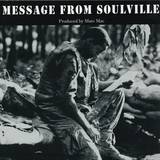
Eclectic Music Producer and DJ Marc Mac (from 4hero) returns with another Mixtape Style album following on from 'Extend The Knowledge" & "It's Right To Be Civil". Marc's formula of Boom Bap Beats, Breaks, Jazz and Soul pull together soundbites from the Vietnam War era. Beats are intertwined with soundbites from the 1960's Vietnam War protest era where African American's were sent to fight during the Civil Rights period in the USA.
Marking the 10th anniversary of this series of 'mixtape style', revolutionary and thought provoking albums, Omniverse Records have pressed a short run of never before on Vinyl releases. The complete set of records "It's Right To Be Civil", "Extend The Knowledge", "Message From Soulville" and the new "Generation - X" albums will be available each on single record continuous play vinyl. The albums are a must for the fans of Marc Mac's side projects, each album has a story to tell and the collection makes great listening both musically and subtly informative. This is most defiantly for the collectors. Not to be slept on.
Disponibile in Stock e pronto per la spedizione
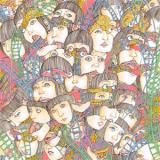
,The Long Ear" ist das Debütalbum von Noh Age _ Charmaine Lee (Parabolmikrofon, Feedback, Gesang), John McCowen (Kontrabassklarinette, Bb- Klarinette, Blockflöte) und Li-Chin Li (Sheng) bei Kou Records - live aufgenommen über drei Tage bei Brooklyn Recording im März 2026 live aufgenommen und von Randall Dunn (Sunn O))), Oneohtrix Point Never) produziert. Das Parabolmikrofon hat seine eigene Geschichte: ein Überwachungsinstrument aus dem Kalten Krieg , das dafür konzipiert war, aus der Ferne zu lauschen, um das zu orten und zu verstärken, was sonst unhörbar bleiben würde. Hier ist es nach innen gerichtet - nicht auf einen Feind, sondern auf den Klang selbst, der durch vier Vintage-Röhrenverstärker geleitet wird. Die Parabolantenne spürt Resonanzen auf, die durch den Raum übertragen werden, und stellt sich auf Frequenzen ein, die von Kontrabassklarinette, Sheng und Gesang erzeugt werden, bis sich eine Rückkopplung entlädt - ein vierter Interpreter mit eigener, unvorhersehbarer Wirkmacht. Das Ergebnis ist spektrale Musik in ihrer viszeralsten Form - verwurzelt in der Tradition von Gérard Grisey, Kaija Saariaho und Iancu Dumitrescu, doch herkommend von der Überwachungsstelle, dem Abhörposten, der Abhörleitung. In sechs Stücken, die auf kompositorischen Rahmenwerken aus zellulären Automaten und grafischen Partituren basieren, bewegt sich das Trio zwischen extremen Registerbereichen - CBC-Grundtöne gegen dichte Sheng-Cluster-Klänge , die kristallklaren Obertöne von Blockflöte und Mini-Sheng - während das Feedback durch all das wandert, sich verdichtet, auslöscht, wiederkehrt. Cover- und Rückseitengestaltung von Shintaro Kago - einem in Tokio ansässigen Manga-Künstler und Pionier der ,Ero-Guro"-Tradition, der international für seine Arbeit an Flying Lotus' ,You're Dead!" (Warp, 2014) bekannt ist. Aufgenommen, gemischt und produziert von Randall Dunn. Zusätzliche Synthesizer und Sounddesign von Randall Dunn. Gemastert von Ben Greenberg. Dolby-Atmos-Mischungen von Ben Greenberg. Schablonenschnitt von Paul Gold bei Salt Mastering.
dovrebbe essere pubblicato su 06.11.2026
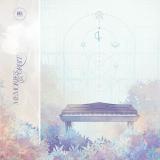
MIO: Memories in Orbit is one of 2026 best games so far. With a synthwave-induced melody, blissful choir voices echoing the main theme of the game, buzzing electronic noises and a hint of groovy patterns, this track captures the very essence of the game. Reminiscent of other iconic OST like Power Glove’s Far Cry 3: Blood Dragon and Ben Prunty’s FTL: Faster Than Light.
dovrebbe essere pubblicato su 06.11.2026

This album marks a significant evolution for Dream Division, evolving from a solo project into a full band experience. Blending the rich sounds of Italian soundtracks with psychedelic rock, Tom McDowell, the band's core member and founder of Library of the Occult Records, has assembled an all-star lineup for this collaborative record. Featuring members of The Hologram People, Garden Gate, The Psychic Circle, Miles Brown and Men From S.P.E.C.T.R.E., the album navigates through genres while maintaining a cinematic essence. From the sinister melancholy tones of 'Black Rose' to the Giorgio Moroder-esque Giallo disco of 'Technicolor Terror,' ‘A Rose in the Garden of Winter’ unfolds like a lost soundtrack to a classic '70s Giallo film.
Disponibile in Stock e pronto per la spedizione
