„Zuversicht“, das jetzt erscheinende fünfzehnte Album des laut Crescendo „klanggenialen Trompeters und Ausnahmekomponisten“ Nils Wülker, strahlt die Lebensenergie des Titels aus – in vielfacher, wunderbarer Hinsicht. Die elf Eigenkompositionen, eingespielt im Quartett mit den Jazz-Stars Aaron Parks (Grammy-Gewinner an der Seite von Terence Blanchard oder Joshua Redman) am Piano, Linda May Han Oh am Kontrabass (Grammy-Gewinnerin, u.a. mit Pat Metheny oder Kenny Barron zu hören) und dem laut Jazz Magazine „Drummer seiner Generation“ Greg Hutchinson, drängen den ECHO-Gewinner und Top Ten-Jazzer Nils Wülker bewusst aus seiner Komfortzone in eine schöne, neue Klangwelt. Wülkers Personalsound ist eindringlich und unverkennbar, das Ergebnis dennoch überraschend. Gemeinsam haben die Vier in nur dreieinhalb Tagen voll gemeinschaftlicher Schaffenskraft in den legendären Hansa Studios in Berlin (U2, David Bowie, Depeche Mode u.a.) ein Album geschaffen, das gleichermaßen zeitgemäß wie richtungsweisend ist – und in seinen starken Melodien und dem sagenhaften Interplay voll Zuversicht.
Das Resultat spricht für sich: „Zuversicht“ ist ein sehr organisches, in jeder Note lebendiges Album, dem die Kompositionen des Leaders in Kombination mit der kreativen Zusammenarbeit der drei weiteren Bandmitglieder enorme Größe und Eleganz verschaffen, eine immer wieder überwältigende Energie. Auch live auf Tour wird die Besetzung des Albums zu erleben sein – mit Nils Wülker an der Seite von Linda May Han Oh, Greg Hutchinson und anfangs, aufgrund von Termingründen, mit keinem Geringeren als Omer Klein am Piano. Gute Gelegenheiten, Nils Wülkers spontan entwickelte neue Stücke und die traditionsreiche, moderne Klangwelt dieser Musik unmittelbar zu erleben.
Поиск:bowie
Все
Playing with a Different Sex was the debut album by seminal post-punk band Au Pairs, released in 1981.
Described retrospectively by AllMusic as ‘one of the great post-punk records’, a review by Record Mirror on its release said the band’s ‘critique of all forms of possession and sexual stereotyping assumes a devastating power’. Themes include sexual politics and the torture of women imprisoned in Northern Ireland during The Troubles of the 1970s, as well as a stunning cover of David Bowie’s ‘Repetition’ about domestic violence. It peaked at No. 33 in the UK, and features the single ‘It's Obvious’, which reached No. 37 on the US Club Play Singles chart. Playing with a Different Sex is available as a numbered limited edition of 750 copies on turquoise coloured vinyl and contains an insert.
- A1: Robert Pico - Le Chien Fidèle
- A2: Annie Girardot - La Femme Faux Cils
- A3: Spauv Georges - Je Suis L'état
- A4: Zoé - Zoé
- A5: Jacques Da Sylva - Fou
- A6: Valentin - Je Suis Un Vagabond
- A7: Jacques Malia - Histoire De Gitan
- A8: Bernard Jamet - Raison Legale
- B1: Jean-Pierre Lebort - Barbara Au Chapeau Rose
- B2: Les Concentrés - Fils De Dégénérés
- B3: Les Missiles - Publicité
- B4: Hegessipe - Le Credi D'hegessipe
- B5: Marechalement Votre - Ethero Disco
- B6: Mamlouk - Decollez Les
- B7: Mozaique - L'amour Nu
- B8: Jean-Marc Garrigues - Je Dis Non
- B9: Penuel - Astronef 328
The journey through French-speaking pop archives continues with this fifth volume, packed with fuzz, gimmicks, and dissent. Far from the charts, the selected tracks display a great creative freedom, often backed by corrosive humor. Welcome to the surprising, kaleidoscopic, and colorful world of the late sixties and early seventies, Wizzz!
Born in Montauban, Robert Pico stumbled into music by chance when he met René Vaneste, then artistic director at Pathé-Marconi. René brought him to Paris to record his first 45 RPM EP in 1964. A year later, Pierre Perret introduced him to Vogue, where he recorded his second album with Claude Nougaro’s orchestra. Sylvie Vartan then introduced him to RCA, where he recorded four singles, including the astonishing "Chien Fidèle," a track backed by a hair-rising fuzz guitar. Alongside his solo career, he also composed for other artists like Alain Delon (the song was recorded but remains unreleased), Magali Noël, Bourvil, and Georges Guétary. In the Paris of the sixties, he mingled with Mireille Darc, Elsa Martinelli, Marie Laforêt, France Gall, Françoise Hardy, Petula Clark, Régine, Dani, Serge Gainsbourg, Joe Dassin, Franck Fernandel, Charles Level, and Roland Vincent. Despite his efforts and winning a Grand Prix Sacem for his final record, Robert Pico didn’t achieve the expected success in show business and decided to leave Paris and return to the Southwest, where he devoted himself to writing. He is the author of 23 books (including Delon et Compagnie, Jean-Marc Savary Editions 2025, a memoir about his youth and his many encounters). Today, he is relieved to never have become a celebrity and devotes himself to his work with passion.
In 1969, the Franco-Italian movie Erotissimo was released, directed by Gérard Pirès (who later directed Taxi in 1998, written and produced by Luc Besson). This pop comedy features Annie Girardot, Jean Yanne, Francis Blanche, Serge Gainsbourg, Nicole Croisille, Jacques Martin, and Patrick Topaloff. The soundtrack was written by Michel Polnareff and William Sheller, with lyrics by Jean-Lou Dabadie. "La Femme Faux-cils," performed by Annie Girardot. It recounts the feelings of a rich CEO's wife who seeks to develop her sex appeal under the influence of advertisement and magazines. Groovy, sparkling and light, this track, with ITS lush arrangements humorously critiques consumer society and feminine beauty standards.
“Je suis l’Etat” (1967) is the flagship track of the first EP by singer-songwriter Spauv Georges, aka Georges Larriaga, better known as Jim Larriaga (1941-2022). Born into a family of bakers, the young man was initially planning to become a hairdresser when he discovered English-speaking music through Elvis Presley and the Beatles. After this revelation, he decided he would become a songwriter and gave himself five years to succeed. He recorded his first two EP’s independently for RCA under the pseudonym Spauv Georges; meaning “that poor George”, a nickname given to him by the mother of her friend Jean-Pierre Prévotat (future drummer of the Players, Triangle, or Johnny Hallyday). Portraying a depressed and eccentric young man, Spauv Georges created corrosive and amusing songs that didn’t reach a wide audience, despite a TV appearance with Jean-Christophe Averty.
Supported by his loyal friend and fellow songwriter Jean-Max Rivière, Georges Larriaga met the future singer Carlos in the early '70s, then Sylvie Vartan’s assistant. He wrote songs for Carlos, including the popular "La vie est belle," "Y’a des indiens partout," and "La cantine", which went onto become a huge hit in 1972. He also composed for Claude François (“Anne-Marie”, 1971), Charlotte Julian (“Fleur de province”, 1972), helped launch child singer Roméo (who sold 4 million records), and later wrote the hit "Pas besoin d’éducation sexuelle" (1975) for the young Julie Bataille. In 1971, Jim recorded an album for Disc'Az: “L’univers étrange et fou de Jim Larriaga”, which featured pop gems like “La maison de mon père”.
The story of the song "Zoé" began when Pierre Dorsay, artistic director at Vogue Records, asked Swiss singer and musician Pierre Alain to write a song for a new female singer. The inspiration came when he realized that Zoé (the artist's name) was also the name of France's first atomic battery, created in 1948, which consisted of uranium oxide immersed in heavy water! The lyrics reflect a bubbling energy that must be handled with caution, while the instrumentation echoes this atomic theme, notably with the use of a theremin.
Zoé’s career lasted only as long as a single 45 RPM, but it seems Christine Fontane was the vocalist behind this pseudonym, who is known for several EPs, a good "popcorn" album in 1964, and a handful of children’s singles in the '70s. Regardless, the photograph on the cover is of a different girl entirely.
Later, Pierre Alain continued his career, writing songs for himself, Marie Laforêt, Danièle Licari, Alice Dona, Arlette Zola (3rd place in Eurovision 1982), and achieving multiple gold and platinum records in Canada. Also an inventor with several patents, president of the Romande Academy, and head of the French Alliance in Geneva, he now composes atonal music, books, and poetry. Moreover, he is also the host of "Les Mardis de Pierre Alain" at "Le P'tit Music'Hohl" in Geneva.
Filled with oriental choruses and fuzz guitar, "Fou" is from Jacques Da Sylva's only EP released by Vogue in 1967. Despite the quality of this recording, all traces of this singer disappear after this first effort.
Valentin is a baroque pop singer born in Belgium. He is the songwriter and composer of most of the tracks on his three singles released in the late 60s in Canada. A legend says that he reincarnated himself as Jacky Valentin during the 1970s for a rock'n'roll revival career in Belgium, but his older brother sadly debunked this story. Valentin's first two singles were arranged by Claude Rogen, a Parisian session pianist who had come to Canada to promote the song “Mister A Gogo”, a cover of David Bowie’s “Laughing Gnome”, adapted by singer Delphine, his wife at the time. Far from his usual network, Claude Rogen arranged music for Polydor, including the arrangements for “Je suis un vagabond” in 1969, a jerk tune with string arrangements and a furious optimism.
Jacques Malia wrote, composed, and recorded his only 45 EP for Festival in 1966. “Histoire de gitan” is an incredible beat track with bohemian scat that tells the story of a gypsy musician who came to Paris to make it in the Music-Hall, to no avail. The hero of the song and its author probably shared a similar fate, as Jacques Malia faded into anonymity after this remarkable attempt.
Bernard Jamet recorded two EPs for Barclay in the late sixties and co-wrote several songs with Christine Pilzer, Pascal Danel, and prolific songwriters Michel Delancray and Mya Simile. The track “Raison Légale” (1968), his masterpiece, immerses the listener in a courtroom right when a murderer is being judged, with jerk rhythm and free arrangements. A unique, paranoid, judicial, and psychedelic oddity.
Jean-Pierre Lebrot-Millers started his career in show business in 1967 as a singer and songwriter for the Philips label. After three singles, he wrote several songs of a new kind with his friend Pierre Halioche, in the midst of the sexual liberation movement and the democratization of drugs. With provocative lyrics, “Les filles du hasard” and “Barbara au Chapeau Rose” were released on a Philips singles in 1968. The character of Barbara was inspired by a queen of Parisian nightlife during the psychedelic years: model Charlotte Martin, who dated Eric Clapton from 1965 to 1968, then Jimmy Page from 1970 to 1983. Jean-Claude Petit’s arrangements, with a table-filled intro, soul brass, and Hendrixian guitar, emphasize the flamboyance of a hedonistic and sexy character, whose dog is named Junkie because “Junkie est un nom exquis”! The track was recorded live in three takes with a full orchestra.
Upon its release, the record was censored by Europe 1 and RTL due to its references to drug use. Jean-Pierre Lebrot was then banned from the airwaves and later dismissed by his record label. He changed his artist name to Jean-Pierre Millers, while his companion Pierre Halioche became D. Dolby for a new dreamy composition, “Chilla”, which Jean-Pierre produced himself with arrangements by Jean Musy. Once again, the song was immediately censored everywhere. After this setback, he decided to stop singing and started taking on odd jobs to support his Swedish wife and their son until the day he met Jean-Pierre Martin, then production manager at Decca, who had worked with Manu Dibango. Martin offered Jean-Pierre Lebrot-Millers, then employed at Rank Xerox, the position of artistic director at Decca. He accepted and became, a year later, promotion director (radio, press, TV). He worked on Julio Iglesias’s first album for Decca, which became a massive hit and allowed him to meet Claude Carrère. The latter asked him to write new songs and find their performers, much like a “talent scout.” It’s through him that Jean-Pierre discovered Julie Pietri and Corinne Hermès. He composed “Ma Pompadour” for Ringo, Sheila’s husband, and took the microphone again for the syncope hit “Rendez-Vous” in 1982.
That same year, Jean-Pierre Lebrot-Millers tried to release a track for which he had heavily gone into debt: “Si la vie est un cadeau”. Having recorded it in London, he presented it to numerous professionals, all of whom refused to get involved. The same thing happened with Antenne 2 and the Sacem when he proposed the song as France’s entry for Eurovision. He then met Haïm Saban, who was producing cartoon soundtracks and had just launched the Goldorak theme song. Saban, having listened to the song, declared it had the potential to become a hit. He sent Jean-Pierre and Corinne Hermès to meet the CEO of the Luxembourg radio and television network. The latter received them, asked to hear a verse and chorus a cappella in his office, and immediately hired them to represent Luxembourg at Eurovision 1983. They reworked the arrangements and recorded a new version with Haïm Saban as co-producer. The song ended up winning Eurovision 1983, a great comeback for our hero. He continued producing and hung out with the band Nacash in Belgium when a couple came to introduce their daughter for an impromptu audition in a hotel room. The girl sang “Les démons de minuit” while dancing to a radio cassette. Impressed, he had her take singing lessons for a year and composed a song for her (for which he had the melody and title, but no lyrics). This required him to go on the hunt for a lyricist, who ended up being Guy Carlier. They recorded the song, which was initially a ballad, at Bernard Estardy’s CBE studio, and gave the singer a new name: Melody. They showed the song around their industry network without success. Later, Estardy called Jean-Pierre to suggest changing the rhythm and making it pop-rock. Orlando, Dalida’s brother, liked the result and decided to co-produce the track. “Y’a pas que les grands qui rêvent » became a classic hit. The song has since been covered by Juliette Armanet (as a ballad, like the original) and Valentina.
Born into an aristocratic Breton family, Hervé Mettais-Cartier worked as a DJ at Queen Kiss, a nightclub in Poitiers, where he formed the band Les Concentrés with Michel (an actor) and Christian (a radio technician). Together, they created a repertoire of whimsical songs (“Ma bique est morte”, “J’suis un salaud”, “Fils de dégénéré”...) that they performed on stage dressed in white (in homage to “concentrated milk”). They performed at Bliboquet and Olympia in 1968 for the 10th edition of the “Relais de la chanson Française” organized by L’Humanité-Dimanche and Nous les Garçons et les Filles, sponsored by Pepsi Cola. Winners in the author-composer category, alongside Danish singer Dorte, their visibility allowed them to record a 45, and appear on television in Jean-Christophe Averty’s show. The A-side of the disc features Bruno le ravageur, a casatchok dedicated to Bruno Caquatrix, the director of Olympia, nicknamed in the song “Coq Atroce” or “croque-actrices”. The B-side is dedicated to “Fils de dégénéré”, a quirky tribute to Hervé's aristocratic roots, mixing absurdity with sophisticated vocal harmonies.
After Les Concentrés, Hervé Mettais-Cartier formed the duo La Paire et sa Bêtise with his friend Olivier Robert. They performed in Parisian cabarets and toured with Pierre Vassiliu. In the late 1970s, Hervé began a solo career. He recorded two albums for the Motors label in 1978 and 1979, which did not achieve their anticipated success due to lack of promotion. In 1980, he met Bernadette, with whom he started a family and created a “Chansons à voir” (songs to see) show that he performed until his death at the end of 2024.
Publicité comes from the final EP by the Missiles (Ducretet Thomson, 1966), a disc that also includes “La (nouvelle) guerre de cent ans”, featured on Volume 4 of our Wizzz! series. Please refer to the booklet for the story of the band.
“He’s 1.82 meters tall, 28 years old, weighs 135 kg, is black and Belgian”: this is the description of singer Hegesippe on the back of his sole single (Decca, 1967). He appears on the album cover wearing a Greek toga, like a hippie gag – we are at the end of the year 1967. In “Le crédo d’Hegesippe”, this former bodyguard of Antoine and the Charlots plays the delightful card of the thick brute converted to Flower-Power and non-violence, with arrangements by Jean-Daniel Mercier, aka Paul Mille.
“Ethéro-disco” was released on a promotional record for clients of the Maréchal company (Liège, Belgium) for the New Year 1979. Over a funky rhythm, celebrity impersonations (Brigitte Bardot, Jacques Dutronc, Fernandel…) deliver an enigmatic text about pharmaceutical products like ether, bismuth, and aspartate. The track was composed by Dan Sarravah (responsible for Joanna's “Hold-up inusité” featured on Wizzz! Volume 3) and Tony Talado, who was also a singer (one 45 in 1967), songwriter (with over a dozen credits between 1964 and 1985 in various styles from surf music to disco), author (Devenez Végétarien, Dricot Editions, 1985), ad designer, and psychologist.
Décollez-les is on the A-side of Mamlouk's only single, a pseudonym for Marsel Hurten, who is known for his work on several EPs in the late sixties, as well as composing music for Hervé Vilard’s “Capri, c’est fini”, Claude Channes' “La Haine”, Annie Philippe’s “On m’a toujours dit”, and Nancy Holloway’s “Panne de Cœur”.
This strange song, with Afrobeat horns and absurd dialogues between a chef and his kitchen staff, is the result of a collaboration between Marsel Hurten and one of his neighbors, a photographer from Pavillon-sous-Bois (93), where the musician settled after returning from the Algerian War. A music video was shot to promote the record.
Marsel Hurten was born in Tourcoing (59) into a musical family. At a young age, he joined the brass band founded by his grandfather, playing the piston before studying trumpet at the conservatory, as well as teaching himself how to play the guitar. As an orchestra musician, he toured in France, Belgium, Germany, and England. He released a series of solo 45’s between 1965 and 1968 for the DMF and Az labels before stopping recording to focus on working for other artists (Gilles Olivier, Noëlle Cordier…).
“L’amour nu” (Vogue, 1971) is the work of the short-lived Belgian band Mozaïque. The track, written by singer Jacques Albin, closely resembles another of his compositions, “Carré Blanc”, which he recorded in 1969 for Disc’AZ.
Represented by the Lumi Son micro-label based in Marignane (Côte d'Azur), Jean-Marc Garrigues released two 45 RPMs in the late sixties, defending the French jerk sound. The song “Je dis Non” is a short, joyful ode to youth, pop music, and rebellion.
Songwriter and performer Jacques Penuel released three singles. The first one, “Astronef 328” (Fontana, 1969), features a dizzying series of chords punctuated by sound effects, a sci-fi story, and arrangements by Jean-Claude Vannier.
We would like to sincerely thank Pierre Alain, Moon Blaha, Marsel Hurten, Bastien Larriaga, Jean-Pierre Lebrot-Millers, Bernadette Mettais-Cartier, Robert Pico, Olivier Robert, Claude Rogen, Micky Segura.
- 1: Psycho Killer
- 2: Heaven
- 3: Sugar On My Tounge (Dub)
- 4: Born Under Punches (The Heat Goes On)
- 5: Once In A Lifetime
- 6: I Zimbra
- 7: The Book I Read
- 8: Girlfriend Is Better
- 9: Mind
- 10: Burning Down The House
- 1: Uh-Oh Love Comes To Town
- 2: Seen And Not Seen
- 3: Road To Nowhere
- 4: Born Under (More) Punches (The Heat Goes On)
- 5: Take Me To The River
- 6: And She Was
- 7: This Must Be The Place (Naive Melody)
- 8: Crosseyed And Painless
Tape[25,17 €]
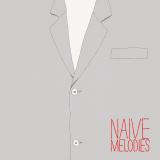
Naive Melodies is a bold and visionary tribute to the music of Talking Heads, reinterpreted through the lens of Black musical innovation. Curated by Drew McFadden — the creative mind behind BBE’s acclaimed Modern Love (David Bowie tribute album) — this new collection dives deep into the Afro-diasporic rhythms and experimental soul roots that helped shape Talking Heads’ unmistakable New Wave sound. Inspired by artists like Fela Kuti, Parliament, and Al Green — whose influences loomed large in the band’s rhythmic DNA — Naive Melodies shines a light on the Black music traditions that underpinned their artistry. Far from a conventional tribute, Naive Melodies reframes the band’s catalog through the voices and visions of a new generation of genre-defying artists. These interpretations illuminate the foundational grooves and sonic textures that fueled Talking Heads’ rhythm-forward aesthetic, bringing them full circle with authenticity. “With Naive Melodies, I wanted to spotlight the deep and often overlooked influence of Black music on the sound of Talking Heads, drawing from the rhythmic foundations of Afro-diasporic traditions, soul, gospel, Latin, and spiritual jazz. This project is a chance to reimagine Talking Heads’ legacy through the lens of the very innovations that helped shape it, bringing those influences to the forefront through the voices of today’s most forward-thinking artists.” — Drew McFadden The album features a globally minded lineup, including Liv.e, Bilal, Rogê, Miguel Atwood-Ferguson, Aja Monet, Georgia Anne Muldrow, Theo Croker, Kenny Dope, Rosie Lowe, Pachyman, W.I.T.C.H., and more — spanning Afrobeat, jazz, soul, funk, gospel, dub, electronica, orchestral, and Latin styles. It reflects not only the boundary-pushing ethos of Talking Heads, but also the influence of Black music as a cultural force that helped shape it. This is not just a tribute album — it’s a recontextualization. A cultural conversation. A rhythmic reawakening.
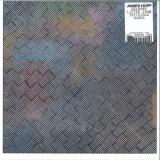
Shadows Lifted from Invisible Hands is an autobiographical record, comprised of four songs that Hoff refers to as ambient media. Each track is composed from sources drawn from his own involuntary aural landscape, specifically musical earworms and tinnitus frequencies.
Neither sound nor a daydream, the earworm (or stuck song) emblematizes music as a commercial form—immediate, ubiquitous, and persistent. Likewise, tinnitus is inaudible and unscrupulous, manifesting across a spectrum of frequencies at will. The cognitive swirling of these phenomena provides an ambivalent, internal soundtrack that scores a person’s movement through the world.
Those suffering from tinnitus or those who have grown accustomed to the “Tinnitus Effect” in movies will likely recognize the buzzing pitches on the record, but will likely not recognize the songs. Distorted and distilled, Shadows Lifted from Invisible Hands features altered versions of four commercial pop songs: Blondie’s “Heart of Glass,” David Bowie’s “Space Oddity,” Madonna’s “Into the Groove,” and Lou Reed’s “Perfect Day.”
Having been haunted by these songs on and off for years, Hoff tweaks the tracks, transposing and recomposing them for orchestral instrumentation. Speaking back to these involuntary echoes, these tracks go to great lengths to obfuscate their sources; to be sure not to simply re-introduce each earworm, as though they were samples. Otherwise, what’s the point? No one needs another stream.
Besides, earworms are not music, although we perceive them as such. They are non-cochlear and exist as an affective force that is neither subjective nor objective, which is to say they are an invasive—and alien—phenomenon. Like tinnitus, they are aggravated by economic, social, and environmental forces as well as emotional states, mental health, and aging. Hoff doesn’t underplay his own struggles with mental health in discussing the record—noting a long history of depression and its acuteness over the last few years, which serve as the backdrop to the composition of this record.
Scratch any pop song hard enough and you’ll find sadness underneath it. Subdermal, the songs on this record evoke a type of ephemeral weariness and despair. By recasting the original songs through their shadowy doubles, Hoff provides a window into the dark core of pop music. At the center of which lies capitalism’s desperate attempt to replicate itself through a cheap high built on echoing refrains. Just below the surface the listener finds a hangover of shadows dancing through the mind.
- A1: The Jungle
- A2: Love That Boy
- A3: House On Fire
- A4: Sacrifice
- B1: Get My Mind
- B2: Le Queens
- B3: In Your Eyes
- B4: Bold
Montreal indie rock trio Plants and Animals announce "The Jungle", their fifth studio album set to be released October 23rd via Secret City Records. Their shortest album yet and certainly their boldest, "The Jungle" is eight acts in a world full of noise. The album is auto-produced and was recorded at Mixart, their studio in Montreal. The band explains : "We started working on this a couple of years ago. Warren was afraid for a friend's health. He thought he was self-medicating too much and not taking care of himself. He couldn't let go of this image of an overworked dude swallowing too many sleeping pills and falling asleep with the stove on. So it began as the place next door, sometime before Greta Thunberg turned the expression into a rallying cry, where Earth is the house and the people are sleeping. It's terrifying, and on the whole we're not unlike this friend, are we?" "The Jungle" starts with electronic drums that sound like insects at night. A whole universe comes alive in the dark. It's beautiful, complex and unsettling. Systematic and chaotic. All instinct, no plan. Voices taunt,"yeah yeah yeah." This tangled time in which we find ourselves is reflected back in shadows. Every song is such a landscape. The first one grinds to a halt and you become a kid looking out a car window at the moon, wondering how it's still on your tail as you speed past a steady blur of trees. You watch a house go up in a yellow strobe that echoes the disco weirdness of Giorgio Moroder, Donna Summer and David Bowie. You get pummelled by a rhythm then set free by a sudden change of scenery_the wind stops, clarity returns. You're under a streetlight in Queens, soft-focus, slow motion, falling in love. You speak French now too, in case you didn't already. Bienvenue. These are personal experiences made in a volatile world, and they reflect that world right back at us, even by accident. There's one song Nic sings to his teenage son who was dealing with climate change anxiety and drifting into uncharted independence. The band carries it out slowly together into a sweet blue horizon. Warren wrote the words to another shortly after losing his father. It's about the things we inherit not necessarily being the things we want. In a broader sense, that's where a lot of people find themselves right now.
- 1: The Box
- 2: The Wrote & The Writ
- 3: Tickle Me Pink
- 4: Brown Trout Blues
- 5: Eyeless
- 6: In Holloway
- 7: Shore To Shore
- 8: Cold Bread
- 9: Wayne Rooney
- 10: Leftovers
- 11: Sally
- Hong
- Kong Cemetry
- Tunnels
- All The Dogs Are Lying Down
- Shore To Shore (Reprise)
A Larum, the debut album by singer and actor Johnny Flynn, was recorded in Seattle and is one of those rare albums that immediately creates its own world - Originally released on Vertigo Records in May 2008, this re-issue faithfully replicates the original 2LP release's pop up gatefold sleeve and is pressed on 180g vinyl Backed by his band The Sussex Wit, the album's songs were likened to the work of Fairport Convention and Bert Jansch by Rolling Stone.
Flynn has been described as "a musical prodigy turned Shakespearean actor, with the soul of a poet," and his songs offer a sweet gentility in an increasingly loud time. Close mic'ed and intimate, Flynn cast his eye over romance, religion and celebrity. A Larum became something of a beacon for the burgeoning folk scene at the time, with fellow travellers such as Mumford & Sons, Laura Marling and Noah and the Whale. Since A Larum, Flynn has carved out a singular path as both a critically acclaimed musician and award- winning actor. He has released a string of celebrated albums including Been Listening, Country Mile, and Sillion, continually evolving his sound while maintaining his signature storytelling. As an actor, he's earned accolades for roles on stage and screen, notably portraying David Bowie in Stardust and starring in films like Emma (2020) and Netflix's The Dig. He also composed and performed the beloved theme song for the BAFTA-winning series Detectorists, where his evocative music became inseparable from the show's gentle, melancholic charm. ...
- 1: Tear Your Heart Out
- 2: Boogie Bogeyman
- 3: Private Property
- 4: Pitbull Girl
- 5: Shadows Tall
- 6: Let’s Get Naked (And Monkey Around)
- 7: Riding Out The Storm
- 8: Prairie Girl
- 9: On The Wheel
- 10: End Of Transmission
- 11: Small Change
- 12: Arrows
God Given Ass is a five piece punk rock band from Helsinki, Finland, formed in 2008. The band members’ former outfits include 90’s Finnish rock band Tehosekoitin (a.k.a. The Screamin’ Stukas), legendary drunk punks Maho Neitsyt and horror-garage-punksters The Patsy Walkers. As connoisseurs will have noticed, the band name derives from a line in a certain David Bowie song, and true to that, their influences range wide – from classic punk rock sneer to 60’s-influenced melodies to glitter stomp and back. Despite God Given Ass having been around for some time, this eponymous record is their debut album. Having released four 7-inchers early in their career (and two cassettes to boot), they went on a hiatus a couple of years back, only returning to the touring cycle in 2024. Despite the near glacial release pace, the album itself is not slow: it’s a 28 minute and 12 track ride through the at times fun & at others dreary landscapes of eastern downtown Helsinki by night.
- The Kkk Took My Baby Away
- Man-Trap
- Signals Of Love
- The Double Axe
- Modern Terms Of Abuse
- Ecoming Unbecoming Me
- Paint It, Black
- Walking On My Grave
- Jim Bowie
- Sex And Flies
- He's Gonna Kill That Girl
- Fire In The Mountains
- I Can't Find Pleasure
- The Money Will Roll Right In
Wenn Sie das ungute Gefühl hatten, dass 2025 irgendwie das Jahr von Thee Headcoatees werden würde, dann klatschen Sie sich selbst herzlich ab - denn überraschenderweise ist es tatsächlich so! Wir können indirekt den Tod unseres lieben verstorbenen Great Ribbon, Mr. Don Craine, dafür verantwortlich machen, dass Thee Headcoats 2022 ein Comeback feierten. Ursprünglich hatten sie geplant nur eine Tribute-EP als Thee Headcoats Sect aufzunehmen - zusammen mit Dons Downliner Sect-Kollegen Keith Grant Evans - aber dann stellten sie fest, dass sie noch ein paar Stunden Zeit im Studio hatten, und dachten sich, dass sie genauso gut auch ein neues Headcoats-Album aufnehmen könnten. Und warum auch nicht? Das Ergebnis war, ohne viel Aufhebens, das Album "Irregularis (The Great Hiatus)", das 2023 bei Damaged Goods erschien. Ende 2024, noch bevor man ein Deerstalker-Band entwirren konnte, waren die Jungs schon wieder am Werk, und eine weitere neue Headcoats-LP war ,im Kasten", deren Veröffentlichung ursprünglich für Anfang dieses Jahres geplant war. ABER dann kam irgendwo jemand auf die Idee: ,Warum sollten nur die Jungs den ganzen Spaß haben? Wie wäre es, wenn wir auch den Sisters of Suave, Thee Headcoatees, eine Chance geben?" Mit allen ihnen zur Verfügung stehender männlichen List und Tücke schalteten Thee Headcoats und Damaged Goods ihre Charmeoffensive ein. Mit purer Entschlossenheit und Hartnäckigkeit wurden Ludella Black, Kyra LaRubia, Bongo Debbie und Holly Golightly nacheinander aus ihren Verstecken gezerrt, wo sie sich lautstark wehrten (was sie am besten können), um die 14 Killer-Songs aufzunehmen, die auf ihrem neuesten Album mit dem raffinierten Titel ,Man-Trap" zu finden sind. Das war keine Kleinigkeit! Anfang 2025 wurde also eine Aufnahmesession in den renommierten Ranscombe Studios in Rochester gebucht, Gin und Snacks wurden vorbereitet, und im Handumdrehen waren die Backing Tracks im Kasten - Thee Headcoats wieder zurück als die beste Backing-Band und Thee Headcoatees zurück am Gesang. Billy Childish übernahm die Produktion. Unbeeindruckt von einigen geografischen Hindernissen auf dem Weg dorthin war Ende Mai das Ergebnis ein glänzendes neues Headcoatees-Album! UND WAS FÜR EIN ALBUM! Es ist mindestens genauso gut wie alle ihre Alben aus den Neunzigern und vielleicht sogar noch besser... (,Ja-a-a-a!", flüstert der Geist von Don Craine.) Diese Mischung aus großartigen Coverversionen und einigen fantastischen neuen Songs ergeben eine verdammt gute LP. Betreten Sie "Man-Trap" auf eigene Gefahr - Sie wissen, dass Sie es wollen! Und falls Sie sich fragen, wie die Mädchen ihre Zeit seit der Veröffentlichung von ,Here Comes Cessation" im Jahr 1999, also vor nur 26 Jahren (!), verbracht haben, lesen Sie weiter... LUDELLA BLACK hat drei Soloalben sowie Veröffentlichungen mit The Masonics vorzuweisen und gerade erst mit The 5,6,7,8's aufgenommen. Nebenbei sang sie auch mit The Shall-I-Say Quois, zusammen mit ihrer Freundin Kyra. KYRA LaRUBIA war Anfang der 2000er Jahre kurzzeitig bei The A-Lines neben Bongo Debbie & Nurse Julie (von Stuck-Ups / Buffets / CTMF) und arbeitete an einer Neuauflage ihres Albums ,Here I Am, I Always Am". Die Musik trat dann in den Hintergrund, während Kyra sich auf ihre Promotion in Sport- und Bewegungswissenschaften konzentrierte. Seit 2005 ist sie Dozentin an der University of Kent. BONGO DEBBIE hat weiterhin in einigen Bands getrommelt. Sie ist Mitglied von Ye Nuns (The Monks Tribute Band), The A-Lines, Dutronc und hat kürzlich unter anderem für die Sting-Rays ausgeholfen. HOLLY GOLIGHTLY hat seit 1999 neun Soloalben veröffentlicht, sechs davon mit Lawyer Dave in The Brokeoffs, sang ein Duett mit Jack White auf dem Album ,Elephant" von The White Stripes und tourte um die Welt.
- A1: Deluxe (Immer Wieder)
- A2: Walky-Talky
- A3: Monza (Rauf Und Runter)
- B1: Notre Dame
- B2: Gollum
- B3: Kekse
When Harmonia made an album, it was about more than just music – it was about a vision. Released in 1975, Deluxe was the band’s second album. Compared to their debut, it focused more on structure, melody, and rhythm. Harmonia showed a more accessible side without losing their depth.
Now, 50 years later, Deluxe returns in a special anniversary edition: a high-quality gatefold with previously unreleased photos and orange vinyl inspired by the original artwork. This edition is for collectors and anyone curious why artists like Brian Eno and David Bowie considered Harmonia a major influence – and why Deluxe remains a blueprint for electronic music today. Brian Eno once called Harmonia “the world’s most important rock band”¹ – a quote that captures just how visionary their music was, and still is.
High-quality gatefold sleeve with unreleased archival photographs
50th anniversary reissue
orange colored vinyl, inspired by original artwork
- Vertigo
- Being The Cause
- Tv Sermon
- The Rabbit Hole
- Future Perfect
Auf ihrer Debüt-EP ,Future Perfect" singt die britisch-amerikanische Songwriterin Jenny Hirons von Kindheitsvisionen und kapitalistischen Überbauten, von rasanten Fahrten über schmale Landstraßen und dem sanften Verschwinden im Äther wie ein erfüllter Traum. In fünf gedämpften Pop-Tracks, die an Sakamoto & Hosono, Bowie & Eno erinnern, beschwört Hirons Pop-Fantasien herauf und konfrontiert die Realität mit strahlenden Augen und eiserner Entschlossenheit. Der Titel ,Future Perfect" bezieht sich auf Handlungen, die abgeschlossen sein werden. Nachdem man das musikalische Debüt von Jenny Hirons aufgenommen hat, wird der aufmerksame Zuhörer das Gefühl haben, seine Zeit sinnvoll genutzt zu haben. Die Analyse der Texte ist völlig optional, denn bei genauer Betrachtung entsteht ein facettenreiches Bild des Lebens, betrachtet aus allen Blickwinkeln der Zeit - ein Kind stellt sich das Erwachsenenalter vor, ein Erwachsener kehrt zur Autonomie zurück, eine Stimme von einem anderen Ort blickt zurück auf die Zukunftsfantasien eines Kindes. Die Wirkung dieser Songs ist jedoch alles andere als schwerfällig. Hoffnung, Streben, Überwindung sind die Kernaussagen, und musikalisch spiegelt der Ton die Künstlerin selbst wider - ironisch, intellektuell, ausgeglichen, absolut charmant. Die Wirkung dieser Songs ist jedoch alles andere als schwerfällig. Hoffnung, Sehnsucht und Überwindung sind die Kernbotschaften, und musikalisch spiegelt der Ton die Künstlerin selbst wider - ironisch, intellektuell, gelassen, absolut charmant. Hirons nennt Astor Piazolla, die Beach Boys, Elliot Smith, Deerhoof und Rachmaninoff als musikalische Einflüsse. (Für diejenigen, die es nicht wissen: Piazolla ist Akkordeonist.) Hirons ist auch eine äußerst versierte bildende Künstlerin und Designerin. Das Ergebnis mehrjähriger Arbeit, Future Perfect, ist auch ein Album über Trennung, Arbeitslosigkeit und eine ungewisse Zukunft. Nachdem sie es nun in die Welt hinausgebracht hat, blickt Hirons zurück auf eine Zeit, in der ,Musik die Wirtschaft unserer Herzen war", und nach vorne auf eine Zukunft, die sich so gestalten darf, wie sie will, ,in alle Richtungen nach Hause getragen".
- A1: That Musician Thats Dead
- A2: Preference Is A Good Friend, Mind
- A3: No One Can Sing That Well
- B1: Last Herald
- B2: Mo**Real
- B3: Things Keep Happening
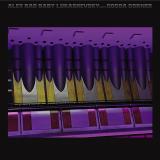
OOOOH! by Alex Bad Baby Lukashevsky with Cocoa Corner (2025)
Celebrated veteran of Toronto’s music scene, known for his boundary-pushing approach to folk and avant-garde music, twists rock music into strange and brilliant new shapes with the help of young jazz players, U.S. Girls, and his own immensely talented son.
OOOOH! is hard on the outside and soft on the inside. Made in the spirit of unity,
humanity, and poetry — disobediently renouncing the glory of personal triumph for the
generosity of an honest experiment. On the last track of the album you’ll hear “Or do you only ever never want to make a single enemy? / That’s not freedom or humility / It’s nothing, honestly.” Oooh, that's a bad baby!
A celebrated Toronto songwriter and performer, Alex Lukashevsky has always been disobedient. Which simply means, nothing is off the table when he’s looking for his
poetic voice; when trying to find the realest I of the teller. As he sings on the lead track “that musician that’s dead” The musician is radical/ it’s the world that’s demented/ listening with their eyes, the music looks dented/ they’re over-represented.
OOOOH! was recorded in January 2024 at Sound Department in Toronto, engineered by Patrick Lefler (ROY), mixed by Grammy-nominated producer Matt Smith. All the songs were tracked live off the floor in two days, with one extra day for recording vocals, to keep the recording fully alive and breathing. As leader of Deep Dark United, as a solo performer, and a sideman in Brodie Wests’ Eucalyptus and Luka Kuplowsky’s Ryokan Band, Alex has been an outsized influence on the Toronto music scene that spawned acts like Broken Social Scene and Owen Pallett. (Pallett, who has toured with Lukashevsky, went so far as to record an entire album’s worth of Alex’s songs, backed
by a full orchestra.)
Lukashevsky has approached each of his albums and projects as something completely new, using only the musical boundaries he creates with each song. Even when he
has recorded songs with nothing but his voice and his own acoustic guitar accompaniment, the results are never “stripped down” or “back to basics,”
Gong! How do you get to heaven / have fun! have fun!
It’s cool to approach music as a game of “spot the influence”; Burt Bacharach-meets-Black Flag; Lana Del Rey-meets-LCD Soundsystem etc. Glorified mash-ups are promising because of their conversational nature. But they can turn us into hyperboreans; blowing cold air beyond ourselves while doing what we can to remain warm. To devise a game or a narrative is to have a winner and a loser, but we all know that just as you win/ so you lose. And does anything really change? Alex Lukashevsky and Cocoa Corner are more at ease drawing blind contours or playing an old game like consequences. They let things add up without knowing particularly how. Cognition is recognition.
Lukashevsky, in addition to writing all the songs, plays guitar and sings on OOOOH!, doing both in ways that are soulful and spikey at the same time. Joining him on guitar and vocals is his oldest child, Charlie Lukashevsky, who, at 23, is already a talented performer and songwriter in his own right. Cocoa Corner also includes Aidan McConnell, an in-demand drummer and composer, Jack Johnston, a jazz bassist and Barry Harris acolyte, and percussionist Evan Cartwright (The Weather Station, U.S. Girls, Cola, Tasseomancy), who plays steel pan and marching drum.
Working with his son and with other younger musicians is central to the album’s
unpredictable aesthetic. It reinvigorated the sound in unexpected ways. Lukashevsky says, “I had to reconsider my own instincts. I had to deal with being 99 years old.”
In addition to these performers, the album includes a tasty contribution from Meg
Remy, the visionary musician and producer who is the leader of the critically acclaimed
project U.S. Girls. Remy duets with Lukashevsky on the imagistic and sprawling album
closer “things keep happening.”
About that album title: OOOOH! is taken straight from “that musician that’s dead” an
arch and unhinged comment on the exertion required to navigate a lifetime of music making.
Lukashevsky’s delivery of that one emotive word is a kind of cultural posture, but also a
hundred percent primitive expression. The impact is never less than visceral. His vocal
delivery ranges through rich baritone blues to keening falsettos to a kind of sprechstimme that periodically steps out from the music to grab the listener’s shirt. He
doesn’t sound too nice, but he is sincere. When life gives you lemons lament.
For OOOOH! his first official full-length album since 2012’s Too Late Blues, (a collection of knotty-yet-effervescent tunes built upon the enchantingly serpentine harmonies of Lukashevsky and his vocal collaborators, Felicity Williams (Bahamas, Bernice) and Daniela Gesundheit (Snowblink, HYDRA)), Alex has once again broken apart and rebuilt his own approach to music. Or rather (because that sounds too over-determined), he
has allowed his music to build itself into strange new shapes that only fleetingly and
coincidentally, but happily, resemble anything that might be called rock and roll. There is some editorializing within the song’s lyrics— Lukashevsky even cheekily contributes to the “spot the influence” game with the line “Muddy Waters, Rite of Spring!” a funny preemptive strike against anyone already reaching for some variation of avant-blues to describe what the song is up to here. In fact there are many names checked on this record (literally and in spirit); they are the lily pads that trace the path of this expression! Palestrina, Peter Pears and Benjamin Brittain, Andrés Segovia, Stravinsky, Lotte Lenya, Alice Coltrane, Skip James, Chuck Berry, D’Gary, Betty Carter, Mukhtiyar Ali, Chuck D, Yoko Ono, Hailu Mergia, David Bowie, Jane Siberry. rhythm is a skeleton mansion / haunted by melody / feckless prodigy / the world is under a spell / cast by some demon angel / Practice day and night / Try as hard as hell / no one can sing that well Musicians are often worried by the way in which they are prepared to fail rather
than how they would like to succeed; it’s such a deep concern that it tempers their creativity and shackles their process. Current cultural proclivities, tend to comfort a certain kind of artistic failure and abnegate another kind. How many testimonials, full of heartfelt care and investment, have you heard for Taylor Swift, and yet a craftsman like Chris Weisman is often dismissed easily as though he’s doing something anti-social. what’s throwing itself in my ears and my eyes / arrogant devil ad hominem christ.
The music you will hear on this recording veers off in multiple directions at once,
and features a rock and roll spirit with a divergent heart. This is no sclerotic clomp of the Average Rock Song, but in fact a flood of humanity in all its darkness and moodiness and unpredictability. If most performers make songs that are like sports cars or pickup trucks to drive around, Lukashevsky has built something more akin to a rowboat in a tree: it’s weird and beautiful.
Enjoy The Ride Records, in partnership with Paramount Music, proudly presents Beverly Hills Cop III Original Motion Picture Score, Music by Nile Rodgers.
Eddie Murphy and Judge Reinhold return for the third installment of the series, and the franchise was graced with some new faces behind the scenes: Director John Landis (Animal House, Thriller, Coming To America), and Musician, Producer, and Songwriter Nile Rodgers (Chic, David Bowie, Coming To America).
Homage is paid to Faltermeyer's beloved Axel F, with a funky and fun rendition performed by Rogers and Richard Hilton, but with the addition of an orchestra to the band and synths, the action-packed score takes a fun, dynamic direction that suits the film perfectly.
Beverly Hills Cop III Original Motion Picture Score is available for the first time on 2xLP vinyl. It contains the full score, plus alternate score tracks, unused demos, and bonus tracks. Housed in a gatefold jacket (which features a WonderWorld theme park map, recreated by Dan Goldwasser) and red poly-lined inner sleeves, the pressing is limited to 1,000 copies across four colorful themed variants.
DEVO’s Hardcore documents the group’s beginning as pre-punk outcasts in the fertile Akron, Ohio, underground rock scene. Spawned at the nearby college of Kent State, site of the infamous May 4 Massacre, DEVO formed as a conceptual art project armed with the radical philosophy of de-evolution. Brothers Mothersbaugh (Mark, Bob and Jim) and Brothers Casale (Jerry and Bob) along with drummer Alan Myers soon whipped up an otherworldly brand of “devolved blues” that could hold its own alongside the beatnik groove of 15-60-75 (a.k.a. The Numbers Band) or the primal rock poetry of The Bizarros. Recorded on various four-track machines and in tiny studios, basements and garages between 1974-1977, Hardcore reveals their strikingly clear vision: rock ’n’ roll stripped bare of its collective cool and jerked back into propaganda fit for post-modern man. It’s no surprise that these transmissions would soon catch the eye and ear of Brian Eno, who later produced their landmark 1978 debut album. Noisy synth, strangled guitar chops and a primitive rhythmic thud power the early DEVO sound. Threaded beneath it all are lyrical themes of post-McCarthy paranoia, middle-class ephemera and DEVO’s long-running topic of choice: sex, or lack thereof. Few moments in pop music history can match the grinding, pent-up energy of “Mongoloid” and the spastic bounce and sputter of “Jocko Homo” (two anthems presented in their earlier and superior versions here). Cult favorites like “Mechanical Man” and “Auto-Modown” make Volume 1 essential listening. Superior Viaduct and Booji Boy Records are proud to present DEVO’s Hardcore to a new generation of spuds, lovingly packaged with Moshe Brakha’s stunning cover photography. As David Bowie said in 1977, DEVO is indeed “the band of the future.”
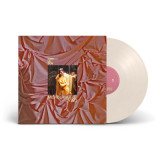
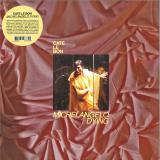
Cate Le Bons siebtes Album 'Michelangelo Dying', dessen Entstehung von purer Emotion geleitet wurde, hat das Album, das sie zu machen glaubte, verdrängt. Als Produkt eines alles verzehrenden Herzschmerzes überwanden ihre Gefühle ihren Widerwillen, ein Album über die Liebe zu schreiben, und wurden in diesem Prozess zu einer Art Exorzismus. Herausgekommen ist ein wunderbar schillernder Versuch, eine Wunde zu fotografieren, bevor sie sich schließt - und dabei auch in ihr zu stochern.
Musikalisch gibt es eine Fortsetzung und Erweiterung eines Sounds - eine Maschine mit Herz -, der auf ihren letzten beiden Platten 'Reward' (2019) und 'Pompeii' (2022) Gestalt angenommen hat, da Le Bon zunehmend selbst die Kontrolle über das Spielen und Produzieren übernommen hat. Wenn Gitarren und Saxophone durch Pedale gepresst und Perkussion und Stimmen durch Filter gejagt werden, entsteht ein schillernder, grüner und seidiger Sound, in dem die künstlerischen Eigenheiten von David Bowie, Nico, John McGeoch und Laurie Anderson aufblitzen und wieder verschwinden.
Was übrig bleibt, ist eine sich ständig verändernde, kontinuierliche Einheit, eine Art Songzyklus. Jede Iteration reflektiert die letzte und entwickelt sie weiter. „Jede ist eine Scherbe desselben zerbrochenen Spiegels“: Sie verschiebt sich, glitzert, verbirgt und enthüllt, je nachdem, wie sie im Licht gedreht wird. Letztendlich gibt es, so Cate, „keine Enthüllungen. Keine Schlussfolgerungen. Es gibt keinen Grund. Es gibt nur Wiederholungen und Chaos. Ich habe mir schließlich erlaubt, einen offenen Geist zu haben, um es ohne Widerstand zu erleben, ohne nach einer Offenbarung oder Ordnung zu suchen.“
'Michelangelo Dying' ist eine Übung in der Viszeralität des Lebens, der Liebe und der Menschlichkeit, sowohl für den Hörer als auch für die Künstlerin selbst, und es weiß, was es heißt Halt zu geben, gehalten zu werden aber auch sich ganz und gar allein zu fühlen. „Die Figuren sind austauschbar“, schließt Cate, „aber am Ende bin ich es, der sich selbst begegnet.“
- LP: (Vollfarbige Hülle, 140g schwarzes Vinyl, bedruckte Innenhülle und Download-Karte)
Cate Le Bons siebtes Album 'Michelangelo Dying', dessen Entstehung von purer Emotion geleitet wurde, hat das Album, das sie zu machen glaubte, verdrängt. Als Produkt eines alles verzehrenden Herzschmerzes überwanden ihre Gefühle ihren Widerwillen, ein Album über die Liebe zu schreiben, und wurden in diesem Prozess zu einer Art Exorzismus. Herausgekommen ist ein wunderbar schillernder Versuch, eine Wunde zu fotografieren, bevor sie sich schließt - und dabei auch in ihr zu stochern.
Musikalisch gibt es eine Fortsetzung und Erweiterung eines Sounds - eine Maschine mit Herz -, der auf ihren letzten beiden Platten 'Reward' (2019) und 'Pompeii' (2022) Gestalt angenommen hat, da Le Bon zunehmend selbst die Kontrolle über das Spielen und Produzieren übernommen hat. Wenn Gitarren und Saxophone durch Pedale gepresst und Perkussion und Stimmen durch Filter gejagt werden, entsteht ein schillernder, grüner und seidiger Sound, in dem die künstlerischen Eigenheiten von David Bowie, Nico, John McGeoch und Laurie Anderson aufblitzen und wieder verschwinden.
Was übrig bleibt, ist eine sich ständig verändernde, kontinuierliche Einheit, eine Art Songzyklus. Jede Iteration reflektiert die letzte und entwickelt sie weiter. „Jede ist eine Scherbe desselben zerbrochenen Spiegels“: Sie verschiebt sich, glitzert, verbirgt und enthüllt, je nachdem, wie sie im Licht gedreht wird. Letztendlich gibt es, so Cate, „keine Enthüllungen. Keine Schlussfolgerungen. Es gibt keinen Grund. Es gibt nur Wiederholungen und Chaos. Ich habe mir schließlich erlaubt, einen offenen Geist zu haben, um es ohne Widerstand zu erleben, ohne nach einer Offenbarung oder Ordnung zu suchen.“
'Michelangelo Dying' ist eine Übung in der Viszeralität des Lebens, der Liebe und der Menschlichkeit, sowohl für den Hörer als auch für die Künstlerin selbst, und es weiß, was es heißt Halt zu geben, gehalten zu werden aber auch sich ganz und gar allein zu fühlen. „Die Figuren sind austauschbar“, schließt Cate, „aber am Ende bin ich es, der sich selbst begegnet.“
- LP: (Vollfarbige Hülle, 140g schwarzes Vinyl, bedruckte Innenhülle und Download-Karte)
- It Is The Time
- Starting To Pretend
- Breathe
- Julie Thru The Blinds
- Are You Inventive?
- For The Lovers
- Brand New Toy
- Beauty In Broken
- Blue New Year
- Loved
- The Deep Dark Night
- This World
- Stupid November
- Rome Wasn't Built In A Day
- Food And Coffee
Mit "Brand New Toy" landeten The Jeremy Days 1988 einen Evergreen, der bis heute gern im Radio gespielt wird. Als "Kinder der MTV - Ära" mit ihrer Mischung aus britischem Pop und amerikanischem Art-Rock brachte The Jeremy Days in zehn Jahren fünf Longplayer auf den Markt. Ihr ersten beiden Alben "The Jeremy Days" (1988) und "Circushead" (1990) wurden von dem bekannten Produzententeam Clive Langer und Alan Winstanley produziert, die auch u. a. für Madness, Kevin Rowland & Dexys Midnight Runners, Elvis Costello, David Bowie und den Hothouse Flowers arbeiteten. Als die Band 1995 auseinanderging, hatten sie mehr als eine Mio. Tonträger verkauft. 24 Jahre später kam es auf der Bühne des Hamburger "Docks" zu einer Reunion, weitere drei Jahre danach erschien 2022 mit "Beauty in Broken" sogar ein neues Album, das eine Woche nach Veröffentlichung auf #21 in die deutschen Albumcharts einstieg. Im Oktober des gleichen Jahres trat die Band im Rahmen des Crossroads-Festivals zum ersten Mal beim WDR - Rockpalast auf. Rechtzeitig zu ihrer aktuellen Deutschland-Tournee im Oktober 2025 kommt der Rockpalast-Auftritt als CD/DVD, auf einer limitierten doppel-Vinyl in zufälliger Farbe und digital auf den Markt. The Jeremy Days Frontmann Dirk Darmstädter: "Ein weiteres Dokument der langen und facettenreichen Reise unserer Band durch diese verrückte Welt."
- Seduce
- I Found Out
- Fuck You Jesus
- Death Crossed The Street
- What Is Wrong With Those People In This World Today
- In The End
- Feed My Brain
- Shut Up
- Junkie Child
- I Want Your Sweat
Zwei Garagen-Generationen treffen aufeinander! Reverend Beat-Man, das Schweizer Ein-Mann-Orchester und der König des Blues Trash, trifft auf Milan Slick, eine echt dunkle Seele und vielleicht Reinkarnation von Nick Cave (ach, noch zugegen)/Johnny Thunders, um Rock'n'Roll zu spielen, der so frisch und lebendig, wild und düster ist wie nie zuvor. Reverend Beat-Man und Milan Slick lernten sich 2020 inmitten der Pandemie kennen, als sie einen Soundtrack für den Vampirfilm "A Girl Walks Home Alone at Night" von Ana Lily Amirpour schrieben. Zusammen spielten sie Gigs bei Super Sonic Records oder im legendären SO36 in Berlin, um dann gemeinsam mit Beatrice Graf und Benjamin Glaus ein Album unter dem Namen "Reverend Beat-Man & The Underground" zu produzieren (im Rahmen des Rocklette PALP Festivals), eine makabre Tanzparty zum Untergang der Menschheit. Als Nächstes nahmen der superprimitive Rock 'n` Roll-Trash-Hi-Energy-Lo-Fi Reverend Beat-Man und der raffinierte, clevere, verspielte und düstere Milan Slick ihr erstes gemeinsames Album im ehemaligen Züri West Studio mit Sebastian Zwahlen und dem einzigartigen Robert Butler von Miracle Workers auf. Reverend Beat-Man ist eigentlich eine Ein-Mann-Band mit einer Mission: Blues-Trash und wilden Rock'n'Roll. Geboren 1967 in Bern, Schweiz, im Sommer der Liebe und des Hasses, ist er seit 1992 auf Tour, zuerst als Lightning Beat-Man, dann als Reverend Beat-Man One-Man-Band und mit seiner Band The Monsters. Er spielte in ganz Europa, Nord- und Südamerika, Japan, Vietnam, Neuseeland, Australien, Afrika, CBGBs, Montreux Jazz, Muddy Roots usw. Er ist der Gründer von Voodoo Rhythm Records (1992). Wäre er Politiker, würden ihn sogar seine Feinde respektieren (die Regierung). Er wurde 2014 für den Schweizer Musikpreis nominiert, gewann den lokalen Musikpreis als einflussreichster Musiker in Bern (Hauptstadt der Schweiz) und betreibt dort einen Platten- und Souvenirladen. Der Singer-Songwriter Milan Slick (Jahrgang 2004) steht noch ganz am Anfang seiner Karriere, hat aber bereits mit namhaften Künstlern wie Mario Batkovic oder Birdman Jäggi oder seiner eigenen Band Fatigues zusammengearbeitet. In seiner Musik sind Einflüsse von u.a. Nick Cave bis David Bowie zu hören, aber auch, dass sich eine eigenwillige junge Stimme herauskristallisiert, von der wir in Zukunft hoffentlich noch viel hören werden. Als Classic Black or limitiertes Glow In The Dark Vinyl, jeweils mit vierseitigem A4-Insert & DLC, Digisleeve-CD, Kassette sowie Tonband mit Extras erhältlich!
REVEREND BEAT-MAN & MILAN SLICK
DEATH CROSSED THE STREET (TAPE)
Zwei Garagen-Generationen treffen aufeinander! Reverend Beat-Man, das Schweizer Ein-Mann-Orchester und der König des Blues Trash, trifft auf Milan Slick, eine echt dunkle Seele und vielleicht Reinkarnation von Nick Cave (ach, noch zugegen)/Johnny Thunders, um Rock'n'Roll zu spielen, der so frisch und lebendig, wild und düster ist wie nie zuvor. Reverend Beat-Man und Milan Slick lernten sich 2020 inmitten der Pandemie kennen, als sie einen Soundtrack für den Vampirfilm "A Girl Walks Home Alone at Night" von Ana Lily Amirpour schrieben. Zusammen spielten sie Gigs bei Super Sonic Records oder im legendären SO36 in Berlin, um dann gemeinsam mit Beatrice Graf und Benjamin Glaus ein Album unter dem Namen "Reverend Beat-Man & The Underground" zu produzieren (im Rahmen des Rocklette PALP Festivals), eine makabre Tanzparty zum Untergang der Menschheit. Als Nächstes nahmen der superprimitive Rock 'n` Roll-Trash-Hi-Energy-Lo-Fi Reverend Beat-Man und der raffinierte, clevere, verspielte und düstere Milan Slick ihr erstes gemeinsames Album im ehemaligen Züri West Studio mit Sebastian Zwahlen und dem einzigartigen Robert Butler von Miracle Workers auf. Reverend Beat-Man ist eigentlich eine Ein-Mann-Band mit einer Mission: Blues-Trash und wilden Rock'n'Roll. Geboren 1967 in Bern, Schweiz, im Sommer der Liebe und des Hasses, ist er seit 1992 auf Tour, zuerst als Lightning Beat-Man, dann als Reverend Beat-Man One-Man-Band und mit seiner Band The Monsters. Er spielte in ganz Europa, Nord- und Südamerika, Japan, Vietnam, Neuseeland, Australien, Afrika, CBGBs, Montreux Jazz, Muddy Roots usw. Er ist der Gründer von Voodoo Rhythm Records (1992). Wäre er Politiker, würden ihn sogar seine Feinde respektieren (die Regierung). Er wurde 2014 für den Schweizer Musikpreis nominiert, gewann den lokalen Musikpreis als einflussreichster Musiker in Bern (Hauptstadt der Schweiz) und betreibt dort einen Platten- und Souvenirladen. Der Singer-Songwriter Milan Slick (Jahrgang 2004) steht noch ganz am Anfang seiner Karriere, hat aber bereits mit namhaften Künstlern wie Mario Batkovic oder Birdman Jäggi oder seiner eigenen Band Fatigues zusammengearbeitet. In seiner Musik sind Einflüsse von u.a. Nick Cave bis David Bowie zu hören, aber auch, dass sich eine eigenwillige junge Stimme herauskristallisiert, von der wir in Zukunft hoffentlich noch viel hören werden. Als Classic Black or limitiertes Glow In The Dark Vinyl, jeweils mit vierseitigem A4-Insert & DLC, Digisleeve-CD, Kassette sowie Tonband mit Extras erhältlich!
- 1: Ich Kann Gar Nichts
- 2: Vom Anderen Stern
- 3: Joker
- 4: Lalelu
- 5: Schattenboxer
- 6: Knock Dich Selbst Aus
- 7: Schrott
- 8: Versailles
- 9: Hands Down
- 10: Nie Wieder Verlieren
- 11: Seltsame Welt
Was tun die Menschen um uns herum? Wie tun sie’s? „Wollen wir das nicht alle die ganze Zeit verstehen?“, fragt Alli Neumann, die mit ihrem dritten Studioalbum methaphorisch als funkelnder Stern auf hartem Asphalt landet. Als „ROQUESTAR“ muss sie sich dort erstmal orientieren. Inspiriert von David Bowies Ziggy Stardust, der fürs Seltsamsein bekannt wurde und sich was traut, auch um gesehen zu werden, blinkt Alli zwischen Auffallen und Anpassung. Die Musikerin bewegt sich längst fließend in dieser Dualität und changiert zwischen den Polen – man will ja doch von allen geliebt werden, oder?! Die Musikerin spielt mit diesem ambivalenten Gedanken, der unlösbar scheint und liefert mit ihrem Album „ROQUESTAR“ 12 Songs, die von genau diesem dringlichen Hunger nach Anerkennung getrieben sind. „Sie erzählen von dem Willen, geliebt zu werden.“ Eine Wahrheit und auch psychosoziale Utopie, vielleicht, „in der sich viele wiederfinden“, meint Alli, und ja doch schambehaftet daherkommt, weil deutlich wird: Wir sind schrecklich abhängig vom Außen, von dem wir so oft die Schnauze voll haben. Mit „Ich kann gar nichts“ schreibt Alli genau dagegen an: Eine selbstironische Hommage an die Imperfektion – wider jeder Erwartung. Geliebt werden wollen, trotz oder gerade wegen ... Rockstar sein, Alli sagt: „everybody’s favorite misfit“. Wie es geht, das mit dem Lieben, das ja auch immer damit einhergeht, wie es um die Liebe zu sich selbst steht, zeigt sich in der Gleichzeitigkeit ihrer Songs: Während Alli in „Vom anderen Stern“ zu Funk eine neue Liebe als Eskapismus zeichnet, „Baby lass dich fallen, um fliegen zu lernen“, erinnert sie in der Grungerock-Ballade „Nie wieder verlieren“ daran, wie giftig es sein kann, sich für einen Menschen aufzugeben. Auf „ROQUESTAR“ scheint alles in Bewegung. Es sind Anstöße, die die Musikerin gibt. Manchmal Anklagen, Aufforderungen, aus denen Sehnsüchte sprechen, nur nie Antworten. Auch weil das nicht zu Alli, der Artist, passen würde, die sich doch so gerne bewegt, wie die Welt, durch die sie fliegt. Durch Genres und Formate – als Musikerin, Schauspielerin, auf Bühnen, auch im Fernsehen, eine Künstlerin, die sich erfährt, (er)lebt, ein bunter Hund, Alli liebt, auch ihre Integrität. Und während die Songs in sich und auch im Miteinander organisch aufgehen, hört man mit etwas Genauigkeit zwei ungewöhnliche Instrumente spielen. Zwei barocke, die Allis „ROQUESTAR“-Modus musikalisch markieren. Zusammen mit ihrer Produzentin Novaa lässt sie Cemberlo und Fagott sich an vorherrschende Synthie- und Kraut-Pop-Sounds schmiegen, während das Fagott von den allermeisten aus der Popmusik verbannt wird. Sich wirklich zeigen, das kann Alli. „Being loved for not being loved“, beschreibt sie selbst, nur immer als Versuch. Bemerkenswert ist, dass die Musikerin bei ihrem Tempo und ihren Kurven der vergangenen Jahre nie Splitter ihres Ichs verloren hat. Während sie also 2025 zwischen den Zeilen über eine „ROQUESTAR“-Identität textet, ist sie es längst: Ein Stern, der vom Himmel auf den Boden einer steinigen Realität fällt, sich umschaut und unaufhörlich probiert. Im ewigen Gerangel zwischen laut und leise, Kraut und Folklore, Protest und Rückzug. Zwischen amüsiert und politisch, Großstadt und Landleben, 80ies und Barock. Alli und ihre Musik strahlen manchmal gleißend hell und manchmal gedimmt hinein in diese Welt, aber leuchten, das tun sie wirklich immer.
Expansive and ambitious, Tender Revolutions is the latest from Vietnam-born, Portland, Oregon-based multimedia artist Dao Strom. A fluid album, existing between genres—part ambient folk, part sound collage, part spoken word, part post rock—it blurs the line between the work of an experimental composer and the work of an accomplished singer-songwriter. Instruments slip in and out (guitar, piano, synthesizer, strings, drums, percussion) amid field recordings and samples, all anchored by Strom’s singular voice.
The songs of Tender Revolutions reflect on and embody themes of “yellow subjectivities”—the Asian body as perceived; the Asian feminine body as reflection/catalyst/consort—offering their own forms of response to troubling representations of Asian women in popular media in the West. A “re-voicing” of the problematic hit song “China Girl” by David Bowie re-inhabits this song from a discomfiting silence at its center, and serves as a fulcrum point in the album’s sequencing. Other songs utilize voice as both texture and lyric-driven telling to deepen angles of interiority and thematics of voice/silence.
While Tender Revolutions stands alone as its own whole, it also exists as part of a larger multifaceted project, drawing from a four-part song-cycle (Nhạc Vàng 1-4) and accompanying a series of hybrid-genre literary chapbooks (Yellow Songs 1-4). Released in collaboration with The 3rd Thing, an interdisciplinary publisher in Olympia.
[a] tender variation i [what is tender?]
[b] tender variation ii [when was the first time u felt loved?]
[c] tender variation iii [associations of yellow]
[d] tender variation iv [love object treason]
[i] [hailing tender]
Author: Mal-One & The Glam Collective
Title: ROXY MUSIC – Then Out Of The Blue – 1971-1976 A CHRONOLOGY
Format: A5 - 232 Page Hardback Book
Who? What? Why? Where? When?
Roxy Music - Then Out Of the Blue… tells the story of the bands career, giving dates and a timeline to their events. The birth of Roxy Music just before 1971 upto 1976 including Bryan Ferry's early solo career.
A Who? What? Why? Where? When? Chronology of all their dates, places and times.
“I’ve got a favourite songwriter and band in England called Roxy Music with a character called Bryan Ferry who I think is probably spearheading some of the best music that has come out of England in years.” David Bowie.
“That was a band that broke so many barriers. They were poncy, pontificating, absurd, over melodramatic and absolutely adorably excellent.” John Lydon - Sex Pistols / Public Image Limited.
- 1: Where Are You?
- 2: Lady Strange
- 3: Feels Like The End Of The World
- 4: Free Me
- 5: Magnolia
- 6: David Bowie Takes My Hand
- 7: Saviours Are A Dangerous Thing
- Here In The High And Low
- On Silver And Gold
- Field Guide To Wild Life
- Wooden Boat
- For When You Can't Sleep
- Everybody
- New Anthem
- Heaven Knows
- Ever Entwine
- Give It Up, It's Too Much
- The Orchard
- Who Do You Want Checking In On You
- The Hum
Dies ist das achte Album von DESTROYER, das ursprünglich 2008 erschien. Hier etabliert sich Dan Bejar aus Vancouver als ein Künstler, der so verschroben und rätselhaft wie DAVID BOWIE, so symphonisch und bombastisch wie SCOTT WALKER und so fantastisch literarisch wie BOB DYLAN ist. Eine Sammlung von Songs, die frisch und neu ist und dennoch wie die Faust aufs Auge in das Werk von DESTROYER passt. ,Von allen zeitgenössischen Schreibern ist er der größte Einfluss und die größte Inspiration. Weil er anmaßend ist, aber anmaßend auf die Art und Weise, die es zu einem Spiel macht, uns vorzumachen, wie grandios wir alle sind." - Will Sheff, OKKERVIL RIVER
Nick Bike hops aboard his groove machine once again here for another superb run out, this time with his Italian mate Stan Brega on Chosen Spokes. 'Big Bizniss' gets going with a super cool and laid back downtempo, disco and funky fusion. Lavish horns, cowbells, sultry chords and effortlessly vibey vocals all make it an instantly lovable and hip-swinging summer classic. Flip it over and you'll find 'Forever & Ever', which is an epic, cosmic, Balearic, ambient and blissed out cover of a David Bowie mega-hit. Proggy guitars draw out the me option and make it a perfect end of the night tune to send people home teary-eyed but euphoric.
- Monk Time
- Shut Up
- Boys Are Boys And Girls Are Choice
- Higgle-Dy Piggle-Dy
- I Hate You
- Oh, How To Do Now
- Complication
- We Do Wie Du
- Drunken Maria
- Love Came Tumblin' Down
- Blast Off!
- That's My Girl
Released exclusively in Germany in March 1966, "Black Monk Time" by The Monks has become a cult classic -praised as a groundbreaking forerunner to punk and krautrock. Though the album was overlooked at the time, its bold sound and sharp lyrics have earned it lasting influence and critical acclaim. The Monks were five American G.I.s stationed near Heidelberg, West Germany. Originally performing as a typical beat group under the name the 5 Torquays, they evolved into something far more radical. After discovering guitar feedback by accident and embracing a raw, percussive approach, they caught the attention of two German ad men-Walther Niemann and Karl Remy-who became their managers and helped reinvent their identity. Dressed in monks' robes with tonsured hair and noose neckties, the band developed a confrontational, rhythm heavy sound. Nowhere is this clearer than in the album's opening track, 'Monk Time,' which captures their entire aesthetic in under three minutes. A pounding, repetitive groove of bass and drums anchors the track, layered with distorted guitar bursts, percussive electric banjo, chaotic organ stabs, and unrestrained, shouted vocals. It's a declaration of intent-urgent, jarring, and unforgettable. Their sole studio album, produced by Jimmy Bowien and recorded in Cologne in late 1965, defied musical norms. From the explosive opener 'Monk Time' to the fierce 'Complication,' "Black Monk Time" rejected flower power for something more urgent-anger, humor, and innovation. At the time, Polydor Records deemed the music too radical for American audiences, delaying its U.S. release. Despite its initial commercial failure, the album is now seen as a pivotal moment in rock history-loud, strange, and unapologetically ahead of its time. The Monks' story is as unlikely as their sound: five ex-soldiers and two ad executives creating one of the most daring records of the '60s. The band never sparked the revolution they hinted at, but decades later, "Black Monk Time" still resonates. This is your chance to experience the album that dared to be different - don't miss it. Remastered sound from the tapes, pressed on 180g vinyl.
- A1: Rockit Man
- B1: Millennium Man
Rockitman and Millennium Man were recorded in the summer of 1996 around the time bushpilot re-emerged from a hiatus following making the recordings that would become the album '23' to appear 3 times in short sucession at that years Leeds Sound City festival. The appearances led to interest from a major label in the USA, but as usual life got in the way ..With a new drummer in the shape of Nick Tonge of Leeds heavy noise merchants Zoopisa Rockit man and Millennium Man took from improvisations developed working with legendary Leeds producer Richard Formby in his studio and turning them more into songs: Richard thinks of them as 'Frankenstein creations'. We think noise rock with heavy Can influence compressed into two 3 and half minutes blasts of furious joy.The video was created by award winning Leeds artist Sarah Doyle, who also created the cover artwork. The video stars British rocker Vince Taylor, a key unfluence on a young David Bowie, and a host of model spaceships.
Originally intended for release in 2021, well covid got in the way, so here it is at last!
- A1: Merry Christmas Mr. Lawrence Main Theme (From "Merry Christmas Mr. Lawrence")
- A2: Endroll (From "The Last Emperor")
- A3: Rain (From "The Last Emperor")
- B1: The Sheltering Sky Main Theme (From "The Sheltering Sky")
- B2: High Heels Main Theme (From "High Heels")
- B3: Wild Palms Main Theme (From "Wild Palms")
- C1: Acceptance (From "Little Buddha")
- C2: Snake Eyes Main Theme (Long Version) (From "Snake Eyes")
- C3: Bolerisch (From "Femme Fatale")
- D1: Bibo No Aozora (From "Babel")
- D2: Small Hope (From "Hara-Kiri (Ichimei)")
- D3: Yae No Sakura Opening Theme (From "Yae No Sakura")
- D4: The Revenant Main Theme (From "The Revenant")
Black Vinyl[41,13 €]
Yellow-Black[46,85 €]
Lime Green with Black Splatte Vinyl[46,18 €]
From small beginnings in 1974 as a local cinema and university event, Film Fest Gent has grown yearly in stature and is now recognised as one of the major destinations for the film industry. A vital component is the celebration of film music in the shape of the World Soundtrack Awards which honours the very best composers at work in the world of cinema. In 2016 the award went to one of the most brilliant composers of his generation, Ryuichi Sakamoto. This is the first overview of his remarkable catalogue of film scores, fully approved by the composer and performed by the masterful Brussels Philharmonic under the baton of Dirk Brossé. Sakamoto was already a celebrated pioneer in electronic music and composer/pianist/singer in Japan when director Nagisa Oshima asked him to write the score for Merry Christmas Mr. Lawrence in 1983 and also to star alongside David Bowie. In a 30 year plus career since then he has worked with the cream of film directors including Bernardo Bertolucci (The Last Emperor), Brian De Palma (Snake Eyes), Pedro Almodovar (High Heels) and most recently Alejandro Gonzalez Inarritu (The Revenant). This compilation is a fitting tribute to his status as one of the greatest living musicians and film composers.
Neuauflage zum 15. Jubiläum nach längerer Nichtverfügbarkeit!
Black Light ist das sechste Studioalbum des englischen Elektronik-Duos Groove Armada. Es verbindet den
eher Mainstream-orientierten Sound seines Vorgängers Soundboy Rock mit dem Rock-Spirit von Lovebox,
und die Band setzt erstmals 80er-Jahre-Synthesizer ein. Das Album ist von David Bowie, Fleetwood Mac,
Gary Numan, New Order und Roxy Music beeinflusst. Zu den Gesangseinlagen auf dem Album zählen
Bryan Ferry, Fenech-Soler, Jess Larrabee, Nick Littlemore, Saint Saviour und Will Young.
- 1: Press Play
- 2: Pop’s Love Suicide
- 3: Tumble In The Rough
- 4: Big Bang Baby
- 5: Lady Picture Show
- 6: And So I Know
- 7: Trippin’ On A Hole In A Paper Heart
- 8: Art School Girl
- 9: Adhesive
- 10: Ride The Cliché
- 11: Daisy
- 12: Seven Caged Tigers
Experience the Double-Platinum 1996 Album in Audiophile Sound for the First Time
Mobile Fidelity’s Numbered-Edition 180g 45RPM 2LP Set Is Sourced from the Original Analogue Tapes
1/2” / 30 IPS analogue master to DSD 256 to analogue console to lathe
If great art, as many believe, is inherently polarizing, then the Stone Temple Pilots’ Tiny Music… Songs from the Vatican Gift Shop easily ranks as the California-based band’s finest album. Simultaneously celebrated and castigated upon release in spring 1996, the group’s third full-length finds vocalist Scott Weiland and company expanding their “grunge” palette with a smart blend of glam rock, psychedelia, jangle pop, and other related styles. Having benefited from long-view reassessments that shed the biases and meanness of initial criticisms, the double-platinum effort is now largely and rightly seen as a creative masterwork. All the more reason why it deserves reference-grade production.
Overseen by producer Brendan O’Brien, Stone Temple Pilots used bedrooms, hallways, bathrooms, and the lawn to capture a broad blend of textures, spaciousness, and ambience that helped underline the group’s obvious (and somewhat unexpected) leap from normal “alternative” status to an artist whose aspirations went beyond that of many of its contemporaries. You can hear the multitude of details and tonalities with previously unattained clarity, presence, and scope on this fantastic reissue, which also delivers the impact and punch every rock record deserves. Another tremendous asset: The depth, grain, and pitch of Weiland’s voice.
For all the contagious choruses and glossy melodies that help make Tiny Music… Songs from the Vatican Gift Shop sparkle, the vocal performances of the late singer arguably rank as the best that the much-missed Weiland committed to tape. None other than the Smashing Pumpkins’ Billy Corgan — who, like many peers and critics, felt a pressing need to reevaluate the record as both time marched on and the self-importance attached to the “alternative” scene faded — praised Weiland’s efforts by noting: “Like Bowie can and does, it was Scott's phrasing that pushed his music into a unique, and hard to pin down, aesthetic sonicsphere.”
Smooth and diverse, those traits are everywhere on Tiny Music… Songs from the Vatican Gift Shop. From the clever combination of emotional closeness and distance he brings to the catchy albeit ultimately melancholic “Lady Picture Show”; to the lounge-fly balladeering that causes “And So I Know” to lightly swing akin to a bleary-eyed house band’s final number at a 4 A.M. bar; to the effortless cool and laissez-faire casualness he articulates on the grinding “Pop’s Love Suicide”; to the dimensional raspiness, defiant energy, and let-loose wail that sail through the crunchy “Big Bang Baby.”
The latter tune, the record’s first single and per Weiland a conscious attempt by the band to deconstruct its prior approaches, clearly borrows from the Rolling Stones’ “Jumpin’ Jack Flash.” Because of it, the song drew all kinds of barbs from naysayers. Their disdain extended to most material on Tiny Music… Songs from the Vatican Gift Shop, which indirectly references other prized acts such as the Beatles, Cheap Trick, T. Rex, and Lush. Those cynics failed to grasp that Stone Temple Pilots were paying homage and having a blast, with even Weiland, then battling serious substance-abuse and legal issues, getting in on the action.
Stone Temple Pilots’ skeptics also turned a deaf ear to the records’ stellar pop craftsmanship, sticky hooks, and sly commentary on music-industry machinations and fame. Not to mention the band’s intent, made clear from the outset. In an interview conducted in 1994, guitarist Robert DeLeo stated: “The last thing I wanted to do with this band was make everybody believe we invented something.”
Seen through that lens and the hindsight afforded history, and appreciated independent of the self-righteous authenticity standards of the day, Tiny Music… Songs from the Vatican Gift Shop sounds borderline fearless while authoritatively checking all the right boxes for fun, flavor, and finesse. Part winking send-up, part tribute to the glitter rock age, and part middle finger towards the hip crowd that didn’t know what they were missing, this mid-90s classic repeatedly invites you to drop the needle and press play.
- A1: Design - Premonition
- A2: Vision - Lucifer’s Friend
- A3: Richard Bone - Alien Girl
- A4: John Howard - I Tune Into You
- A5: Ian North - We’re Not Lonely
- A6: Selwin Image - The Unknown
- B1: Harry Kakoulli - I’m On A Rocket
- B2: Rich Wilde - The Lady Wants To Be Alone
- B3: Billy London - Woman
- B4: Alan Burnham - Science Fiction
- B5: The Microbes - Computer
- B6: The Goo-Q - I’m A Computer
- C1: Gerry & The Holograms - Gerry & The Holograms
- C2: The Warlord - The Ultimate Warlord
- C3: Die Marinas - Fred From Jupiter
- C4: Dee Jay Bert & Eagle - I Am Your Master
- C5: Peta Lily & Michael Process - I Am A Time Bomb
- C6: Sole Sister - It’s Not What You Are But How
- D1: Alasdair Riddell - Do You Read Me?
- D2: Karel Fialka - Armband (The Mystery Song)
- D3: John Springate - My Life
- D4: Idncandescent Luminaire - Famous Names
- D5: Disco Volante - No Motion
- D6: Dream Unit - A Drop In The Ocean
Compiled by Philip King
“And then came the rise of synth pop : blokes with dodgy haircuts hunched over keyboard-operated
machines stuffed with wires and do-it-yourself tone oscillators making sounds like a brood of geese
passing gas in a wind tunnel. Whoopee! This is the way the ‘70s ended : not with a blood-curdling bang
bang but with a cheap, synthesized, emasculating whimper.”
NICK KENT, NME.
All The Young Droids: Junkshop Synth Pop 1978-1985 is a new compilation that charts the
underbelly of the epoch-defining sound of the synthesiser in 80s popular music. Compiled by Philip
King (previously seen compiling All The Young Droogs, Glitterbest and Boobs - The Junkshop
Glam Discotheque), the music here connects the dots between DIY synth enthusiasts grappling with
new, cheap synthesisers at the tail-end of punk and wannabe, jobbing songwriters enthral to the new
music pioneered by Gary Numan, Depeche Mode and Daniel Miller’s Mute Records. Featuring rare
tracks of auto-didactic progressive pop music, proto-techno punk, shoot-for-the-stars-land-in-the-gutter
chart flops and heralded, underground synth classics, School Daze paints a picture of beautiful failure.
Complete with extensive sleeve notes written by King and never before seen imagery, all 24 tracks
were remastered by RPM in-house engineer Simon Murphy, many from vinyl copies due to lost master
tapes. The story told on All The Young Droids is one of the dawning opportunity presented by both the
emergence to the market of cheaper analog synthesisers and the distribution networks plus indie labels
that exploded with the advent of punk music in 1976. While the music that sprouted out all over the
globe in the wake of these factors was decried as fake, plastic, a refutation of punk’s guitar-led
revolution, it’s telling that much of the music on All The Young Droids.. was created in bedrooms,
ramshackle studios and home-made set ups with often borrowed equipment. In the era of record labels
jumping to capitalise on the success of The Sex Pistols, The Clash (both on major labels, of course)
these artists struggled to stand out from a new gold-rush with next to no budget or PR team. With radio
and labels desperate for the new Yazoo, what resulted was a testament to necessity being the mother
of invention.
At the time, the synthesiser was the music of the future, a shiny new machine that could paint like an
orchestra with a single finger and a 4-track. In the hands of Manchester avant-pranksters Gerry & The
Holograms it’s a pulsing, sardonic weapon.. the only instrument on the Messthetics classic lampooning
of New Wave fashion. In Hamburg, a 16 year old Andreas Dorau used it to write and record (with his
female classmates on vocals) a global smash in Fred Vom Jupiter (later licensed to Mute Records).
The hard-to-find English version (Fred From Jupiter, natch) is included here. Many artists with alreadystoried careers caught the bug and recorded synthesiser-fuelled peons to space, computers, the future
and, of course, love-interests. Harry Kakoulli, late of Squeeze, recorded a solo album in 1979 that
included the incredible power-synth-pop smash-that-never-smashed I’m On A Rocket. Similarly, Ian
North of Neo and American Power Pop stalwarts Milk ’n’ Cookies bought a Korg MS20 and used a
tape machine to record We’re Not Lonely, an absolute lost-classic of minimal synth pop. We’re Not
Lonely also features on the Junkshop Synth Pop sampler 7” twinned with John Howard unreleased
track You Will See, released April 12th 2025.
There are plenty of compilation debuts in evidence. Sole Sister were a mysterious trio who were
featured on the Scaling Triangles compilation of female-fronted, queer-adjacent post-punk /
underground music that also featured The Petticoats. Selwin Image were from San Francisco and
featured members of the recently defunct power pop/punk group The Pushups. Their stupidly catchy
The Unknown fizzes with New Wave energy - think XTC to Sparks but remains unreleased until now.
Dream Unit’s A Drop In The Ocean is an early synth wave cut, positively teaming with Joy Division
instrumentation, previously only released on a long-forgotten and super rare, self-released EP.
Incandescent Luminaire’s Famous Names belies an archetypal struggle of a small-town trying to
make it in a cruel industry but is a thrilling New Romantic-Synth Wave cross over with a OMD
gloominess that’s a joy to hear. Feminist Minimal Wave track I Am A Time Bomb by performance artist
Peta Lilly and Michael Chance is a revelation destined for new found cult status. It was released on 7”
and lost until now.
The flipside to the subterranean, never-made-it synth pop mentioned above are the ambitious, even
fruity attempts at success that have a perennial elegance to their confidence. New Jersey-ite Billy
London (real name Ed Barth) tried to cash in on the synth boom with Woman, released by a major
label, a lurching new wave track built on the Louie Louie rhythm and a wonderfully camp Lou Reedstyle sleazy vocal before exploding in the synthesised chorus. The song bombed but with a chorus like
this, you have to wonder why? Ex-Glitter Band member John Springate’s My Life is truly epic, with
doomed chord progressions and massive sounding drums turning into at least 3 different songs in the
course of the track. Before you wonder what’s going on the song resolves with a glorious return to the
main refrain.
The dry-ice-dressed dance floor is well catered for too. Design’s Premonition and Vision’s Lucifer’s
Friend are stone-cold minimal synth bangers, well loved but given a new lease of life here. The
Warlord’s The Ultimate Warlord was released in 1978, a homespun proto Hi NRG banger that was
later re-recorded by The Immortals in Canada who had a club hit with it. One-man- band Disco
Volante’s No Motion was re-issued by Synth wave label Medical in 2012 but makes its first vinyl
compilation appearance here. Close your eyes and you can imagine what Lawrence of Felt would have
sounded like with some cheap Korgs a little earlier in his career. Gibraltar-based trio The Microbes
imagined a computer programming people to dance - how prescient - and ended up with a propulsive,
robo-funk track with splendid rubbery bass playing over a tectonic drum machine. Previously picked up
by Belgian label Stroom TV, Dee Jay Bert & Eagle’s heavily Euro-accented I Am Your Master
demands the listener to “come to paradise!” In a frankly terrifying manner.
All The Young Droids is the first compilation to peel away from the narrative that dour, Minimal Synth
and Cold Wave were the only musical children of the first rush of synth pop. Philip King and School
Daze Records describe a much more complicated world: along with the austere, Brutalist children of
Daniel Miller (who produced Alan Burnham’s Bowie-Low-influenced Science Fiction here) was a
plethora of desperate cash-ins, accidental mainstream hits, ambitious pop dramas and major label
punts that went nowhere. Crucially, the compilation blurs the line between junk and treasure. What if the
two things are interchangeable. What if it’s all science fiction?
- A1: Design - Premonition
- A2: Vision - Lucifer’s Friend
- A3: Richard Bone - Alien Girl
- A4: John Howard - I Tune Into You
- A5: Ian North - We’re Not Lonely
- A6: Selwin | Image - The Unknown
- B1: Harry Kakoulli - I’m On A Rocket
- B2: Rich Wilde - The Lady Wants To Be Alone
- B3: Billy London - Woman
- B4: Alan Burnham - Science Fiction
- B5: The Microbes - Computer
- B6: The Goo-Q - I’m A Computer
- C1: Gerry & The Holograms - Gerry & The Holograms
- C2: The Warlord - The Ultimate Warlord
- C3: Die Marinas - Fred From Jupiter
- C4: Dee Jay Bert & Eagle - I Am Your Master
- C5: Peta Lily & Michael Process - I Am A Time Bomb
- C6: Sole Sister - It’s Not What You Are But How
- D1: Alasdair Riddell - Do You Read Me?
- D2: Karel Fialka - Armband (The Mystery Song)
- D3: John Springate - My Life
- D4: Incandescent Luminaire - Famous Names
- D5: Disco Volante - No Motion
- D6: Dream Unit - A Drop In The Ocean
Black Vinyl[27,69 €]
LTD Trans Pink Vinyl[32,82 €]
LTD Trans Pink Vinyl[27,69 €]
Compiled by Philip King
“And then came the rise of synth pop : blokes with dodgy haircuts hunched over keyboard-operated
machines stuffed with wires and do-it-yourself tone oscillators making sounds like a brood of geese
passing gas in a wind tunnel. Whoopee! This is the way the ‘70s ended : not with a blood-curdling bang
bang but with a cheap, synthesized, emasculating whimper.”
NICK KENT, NME.
All The Young Droids: Junkshop Synth Pop 1978-1985 is a new compilation that charts the
underbelly of the epoch-defining sound of the synthesiser in 80s popular music. Compiled by Philip
King (previously seen compiling All The Young Droogs, Glitterbest and Boobs - The Junkshop
Glam Discotheque), the music here connects the dots between DIY synth enthusiasts grappling with
new, cheap synthesisers at the tail-end of punk and wannabe, jobbing songwriters enthral to the new
music pioneered by Gary Numan, Depeche Mode and Daniel Miller’s Mute Records. Featuring rare
tracks of auto-didactic progressive pop music, proto-techno punk, shoot-for-the-stars-land-in-the-gutter
chart flops and heralded, underground synth classics, School Daze paints a picture of beautiful failure.
Complete with extensive sleeve notes written by King and never before seen imagery, all 24 tracks
were remastered by RPM in-house engineer Simon Murphy, many from vinyl copies due to lost master
tapes. The story told on All The Young Droids is one of the dawning opportunity presented by both the
emergence to the market of cheaper analog synthesisers and the distribution networks plus indie labels
that exploded with the advent of punk music in 1976. While the music that sprouted out all over the
globe in the wake of these factors was decried as fake, plastic, a refutation of punk’s guitar-led
revolution, it’s telling that much of the music on All The Young Droids.. was created in bedrooms,
ramshackle studios and home-made set ups with often borrowed equipment. In the era of record labels
jumping to capitalise on the success of The Sex Pistols, The Clash (both on major labels, of course)
these artists struggled to stand out from a new gold-rush with next to no budget or PR team. With radio
and labels desperate for the new Yazoo, what resulted was a testament to necessity being the mother
of invention.
At the time, the synthesiser was the music of the future, a shiny new machine that could paint like an
orchestra with a single finger and a 4-track. In the hands of Manchester avant-pranksters Gerry & The
Holograms it’s a pulsing, sardonic weapon.. the only instrument on the Messthetics classic lampooning
of New Wave fashion. In Hamburg, a 16 year old Andreas Dorau used it to write and record (with his
female classmates on vocals) a global smash in Fred Vom Jupiter (later licensed to Mute Records).
The hard-to-find English version (Fred From Jupiter, natch) is included here. Many artists with alreadystoried careers caught the bug and recorded synthesiser-fuelled peons to space, computers, the future
and, of course, love-interests. Harry Kakoulli, late of Squeeze, recorded a solo album in 1979 that
included the incredible power-synth-pop smash-that-never-smashed I’m On A Rocket. Similarly, Ian
North of Neo and American Power Pop stalwarts Milk ’n’ Cookies bought a Korg MS20 and used a
tape machine to record We’re Not Lonely, an absolute lost-classic of minimal synth pop. We’re Not
Lonely also features on the Junkshop Synth Pop sampler 7” twinned with John Howard unreleased
track You Will See, released April 12th 2025.
There are plenty of compilation debuts in evidence. Sole Sister were a mysterious trio who were
featured on the Scaling Triangles compilation of female-fronted, queer-adjacent post-punk /
underground music that also featured The Petticoats. Selwin Image were from San Francisco and
featured members of the recently defunct power pop/punk group The Pushups. Their stupidly catchy
The Unknown fizzes with New Wave energy - think XTC to Sparks but remains unreleased until now.
Dream Unit’s A Drop In The Ocean is an early synth wave cut, positively teaming with Joy Division
instrumentation, previously only released on a long-forgotten and super rare, self-released EP.
Incandescent Luminaire’s Famous Names belies an archetypal struggle of a small-town trying to
make it in a cruel industry but is a thrilling New Romantic-Synth Wave cross over with a OMD
gloominess that’s a joy to hear. Feminist Minimal Wave track I Am A Time Bomb by performance artist
Peta Lilly and Michael Chance is a revelation destined for new found cult status. It was released on 7”
and lost until now.
The flipside to the subterranean, never-made-it synth pop mentioned above are the ambitious, even
fruity attempts at success that have a perennial elegance to their confidence. New Jersey-ite Billy
London (real name Ed Barth) tried to cash in on the synth boom with Woman, released by a major
label, a lurching new wave track built on the Louie Louie rhythm and a wonderfully camp Lou Reedstyle sleazy vocal before exploding in the synthesised chorus. The song bombed but with a chorus like
this, you have to wonder why? Ex-Glitter Band member John Springate’s My Life is truly epic, with
doomed chord progressions and massive sounding drums turning into at least 3 different songs in the
course of the track. Before you wonder what’s going on the song resolves with a glorious return to the
main refrain.
The dry-ice-dressed dance floor is well catered for too. Design’s Premonition and Vision’s Lucifer’s
Friend are stone-cold minimal synth bangers, well loved but given a new lease of life here. The
Warlord’s The Ultimate Warlord was released in 1978, a homespun proto Hi NRG banger that was
later re-recorded by The Immortals in Canada who had a club hit with it. One-man- band Disco
Volante’s No Motion was re-issued by Synth wave label Medical in 2012 but makes its first vinyl
compilation appearance here. Close your eyes and you can imagine what Lawrence of Felt would have
sounded like with some cheap Korgs a little earlier in his career. Gibraltar-based trio The Microbes
imagined a computer programming people to dance - how prescient - and ended up with a propulsive,
robo-funk track with splendid rubbery bass playing over a tectonic drum machine. Previously picked up
by Belgian label Stroom TV, Dee Jay Bert & Eagle’s heavily Euro-accented I Am Your Master
demands the listener to “come to paradise!” In a frankly terrifying manner.
All The Young Droids is the first compilation to peel away from the narrative that dour, Minimal Synth
and Cold Wave were the only musical children of the first rush of synth pop. Philip King and School
Daze Records describe a much more complicated world: along with the austere, Brutalist children of
Daniel Miller (who produced Alan Burnham’s Bowie-Low-influenced Science Fiction here) was a
plethora of desperate cash-ins, accidental mainstream hits, ambitious pop dramas and major label
punts that went nowhere. Crucially, the compilation blurs the line between junk and treasure. What if the
two things are interchangeable. What if it’s all science fiction?
Mit der Wahl des ehemaligen Roxy-Music-Mitglieds und David-Bowie-Kollegen Brian Eno als Produzenten erweiterten Talking Heads ihren Sound für ihr 1978 veröffentlichtes zweites Album erheblich. More Songs About Buildings And Food zählt zu den besten Werken der Talking Heads. Der Einfluss des Produzenten Brian Eno ist deutlich zu spüren, da er die Band in immer innovativere Gefilde vorantrieb. Das gesamte Album, sogar der kleinere Hit, eine von Eno bearbeitete Coverversion von Al Greens „Take Me To The River“, klingt auch 36 Jahre später noch erstaunlich frisch. Diese Super Deluxe Edition erweitert das Originalalbum um ein Bonusalbum mit seltenen und bisher unveröffentlichten Studio-Outtakes sowie einer bisher unveröffentlichten kompletten Show aus der More Songs…-Tour, die im Oktober 1978 im Entermedia Theatre in New York City aufgenommen wurde. Das CD-Format enthält eine Blu-ray-Disc mit Dolby Atmos, 5.1 und Hi-Res-Stereo-Mixes sowie zwei bisher unveröffentlichte Live-Auftritte in voller Länge, die 1978 auf Video aufgezeichnet wurden.
Playing with a Different Sex was the debut album by seminal post-punk band Au Pairs, released in 1981.
Described retrospectively by AllMusic as ‘one of the great post-punk records’, a review by Record Mirror on its release said the band’s ‘critique of all forms of possession and sexual stereotyping assumes a devastating power’. Themes include sexual politics and the torture of women imprisoned in Northern Ireland during The Troubles of the 1970s, as well as a stunning cover of David Bowie’s ‘Repetition’ about domestic violence. It peaked at No. 33 in the UK, and features the single ‘It's Obvious’, which reached No. 37 on the US Club Play Singles chart. Playing with a Different Sex is available as a numbered limited edition of 750 copies on turquoise coloured vinyl and contains an insert.
Nach drei triumphalen, ausverkauften Konzerten im legendären Londoner Hammersmith Apollo im vergangenen Jahr haben die Teskey Brothers ihr neues Album „Live At The Hammersmith Apollo“ angekündigt –
es erscheint am Freitag, den 11. Juli, und ist ab sofort vorbestellbar. Das Live-Album ist eine umfassende
Erweiterung des umfangreichen und beliebten Katalogs der Band und enthält Songs aus ihrem dritten Album „The Winding Way“, das auf Platz 1 der ARIA-Charts landete, ein kraftvolles Cover von Otis Reddings
„Try A Little Tenderness“ (ab heute überall erhältlich) und erstmals auf Vinyl/CD einen ihrer frühen Hits,
„Forever You and Me“ (über 150 Millionen Streams).
„Live At The Hammersmith Apollo“ wird im Anschluss an ihren Auftritt im Londoner Alexandra Palace
vor über 10.000 Fans (dem bisher größten Auftritt) am Donnerstag, den 10. Juli 2025, veröffentlicht.
Ganz im Sinne der Liebe der Band zum Analogen wurde „Live At The Hammersmith Apollo“ vollständig
auf Band aufgenommen, genau wie Livealben von Bruce Springsteen (’75), David Bowie (Ziggy Stardust ’73) und zahllosen anderen im selben Raum aufgenommen worden wären. Der in London ansässige
Produzent/Toningenieur Declan Gaffney wurde mit der technischen Seite beauftragt, nachdem er zuvor
Livealben für U2 und die Rolling Stones produziert und gemischt hatte.
- A1: Mr. Stoner– The Finkelstein Shit Kid
- A2: Cheech & Chong– Up In Smoke
- A3: War– Low Rider
- A4: Pedro & Man– 1St Gear, 2Nd Gear
- A5: Cheech & Chong– Framed
- Producer – Leiber & Stoller
- A6: Search Boys– Searchin
- Producer – Leiber & Stoller
- A7: Man (40) And The Ajax Lady– The Ajax Lady
- A8: Yesca– Strawberry's
- Producer – Danny Kortchmar, Waddy Wachtel
- B1: Yesca– Here Comes The Mounties To The Rescue
- Producer – Danny Kortchmar, Waddy Wachtel
- B2: Pedro (131) And Sgt. Stedenko– Sometimes When You Gotta Go, You Can't
- B3: Yesca– Lost Due To Incompetence (Theme For A Big Green Van)
- Producer – Danny Kortchmar, Waddy Wachtel
- B4: Pedro & Man, Officer Clyde, Sgt. Stedenko– Lard Ass
- B5: Cheech & Chong– Rock Fight
- Producer – Danny Kortchmar, Waddy Wachtel
- B6: Pedro & Man And Jade East– I Didn't Know Your Name Was Alex
- B7: Alice Bowie– Earache My Eye
- B8: Cheech & Chong– Up In Smoke Reprise
- A1: Kristeen Young Feat. David Bowie– American Landfill; Engineer – Anthony Paul Lopez, Justin Raisen, Tony Visconti; Engineer
- A2: Lawrence Rothman Feat. Sasami– Take It To The Grave; Written-By – Lawrence Rothman, Soko Solinski*, Yves Rothman
- A3: The Aubreys– Getting Better (Otherwise); Written-By – Finn Wolfhard, Lawrence Rothman, Malcolm Craig
- B1: Courtney Love– Mother (Acoustic); Written-By – Courtney Love, Lawrence Rothman
- B2: Empress Of– Call Me (Acoustic); Mixed By – Yves Rothman; Written-By – Justin Raisen, Lawrence Rothman, Lorely Rodriguez, Yves Rothman
- B3: Dani Miller Of Surfbort*– Psychic Surgery; Written-By – Bosh Rothman*, Dani Miller, Lawrence Rothman, Yves Rothman
[a] A1 Kristeen Young feat. David Bowie– American Landfill; Engineer – Anthony Paul Lopez, Justin Raisen, Tony Visconti; Engineer [Additional Engineering], Producer [Vocal Production] – Ainjel Emme; Mixed By – Anthony Paul Lopez, Justin Raisen; Producer [Additional Production] – Anthony Paul Lopez, Jeremiah Raisen; Producer [Music Produced By] – Justin Raisen, Kristeen Young, Tony Visconti; Written-By – Kristeen Young
- A1: Actarus
- A2: Connection Transpacifique Feat Sandra Zettpunkt
- A3: Wolkman
- A4: Donovan Magic Orchestra
- A5: Macadam Bubblegum
- A6: Pack Ur Patience Feat Sandra Zettpunkt
- B1: Fréquence Gaie Feat Maxwell Farrington
- B2: Lust Pill!
- B3: Memphis Sounds
- B4: Why Ya Wanna Wait Feat Eric D Clark
- B5: Danceteria Feat Alex Alkiu
Hologram Teen is the solo project (and anagram) of former Stereolab keyboardist Morgane Lhote. Her colourful playful songs are heavily influenced by disco and 80s French pop.
Initially from Paris, Morgane relocated to Los Angeles where she concentrated on her solo material. Captain Fluo is a disco-fuelled love letter to 1980s Paris and its underground nightlife, record store discoveries and the exhilaration of growing up as a gay teenager in a world of self-discovery.
Produced and mixed by Andrew Claristidge (Acid Washed) at Duca Sonora Studios in Brittany Captain Fluo is a vibrant fusion of propulsive beats, bouncy synths and funky basslines. Morgane’s signature keyboards weave through a constellation of guest vocalists including Sandra Zettpunkt, Maxwell Farrington, Eric D Clark and Alex Aikiu. From the euphoric pulse of ‘Lust Pill’ to the radio crooner nostalgia of ‘Fréquence Gaie’ each track is a portal to the dance floors and late-night airwaves of a bygone era.
Drawing inspiration from French pop icons like France Gall, Michel Berger and Louis Chedid alongside the sleek productions of Italo disco pioneers Kasso and the genre-defining touch of David Bowie, Nile Rogers, Quincy Jones and Depeche Mode, Captain Fluo is a heartfelt ride through an era when music was liberation.
- A1: Burnin' Sky
- A2: Morning Sun
- B1: Leaving You
- B2: Like Water
- B3: Everything I Need
- C1: Heartbeat
- C2: Peace Of Mind
- C3: Passing Time
- D1: Too Bad
- D2: Man Needs Woman
- D3: Master Of Ceremony
Bad Company's Burnin' Sky, released in March 1977, continued to showcase the band's bluesy rock roots, with Paul Rodgers' soulful and powerful vocals leading the way. The album's musical style is characterized by its gritty, guitar-driven sound and blues-infused melodies.
The 12 songs were recorded in France at studio Château d Hérouville, where David Bowie would record Low later that same year. The album's hit single and title track "Burnin' Sky" reached No. 78 on the U.S. Billboard pop singles chart. The album peaked at No. 15 on the Billboard 200 chart.
This 180-gram 45 RPM 2LP of Burnin' Sky is the definitive reissue of this chart-making classic.