Italian producer Stefano Tirone aka S-Tone Inc. and Brazilian singer-songwriter Toco join forces for DONA DIVA / FUNKY GAFIEIRA, an exciting two-track project celebrating the golden era of Brazilian soul-funk from the 1970s. Released by Schema Records, the project will be available digitally and on limited 7-inch vinyl from 26th June 2026.
DONA DIVA, released as a stand-alone digital single in May, is built around Tirone’s infectious bass lines and guitar work; it pays tribute to the golden era of the late ’70s and early ’80s Brazilian funk and soul music, and to Rio de Janeiro’s vibrant spirit party scene. This record’s B-side FUNKY GAFIEIRA dives even deeper into the duo’s rich tropical groove, a lush, cinematic journey straight into the heart of Rio — evoking smoky dancefloors, tropical nights and the timeless spirit of Brazilian dance parties.
Both tracks benefit from Tirone’s warm production and feature Toco’s silky melodies, the captivating vocal colours of Priscila Ribas and special contributions from trombonist Gianluca Petrella, creating a warm groove-laden atmosphere where retro flavour blends with contemporary production, creating a sound that feels both timeless and fresh.
New York-based Japanese jazz and electronic music polymath Takuya Nakamura presents his debut album Shape The Future - almost 35 years into his storied musical journey.
An expansive double album, the album’s first LP documents a spellbinding live performance by Nakamura recorded at fabric. A hybrid set combining DJing, live electronics, vocals, and trumpet, the set also features studio versions of special collaborations with Shigeto, Currency Audio and Tim Reaper. The second LP complements the first by assembling studio recordings of select album tracks. Altogether the two volumes make for a definitive display of Nakamura’s exceptional musicianship across jazz, DnB, jungle, broken beat, deep techno and more.
Across his career, Nakamura has played Brazilian music, merengue, salsa and straight-ahead jazz. He’s opened for Sun Ra Arkestra, performed with David Byrne, Laurie Anderson, Lee “Scratch” Perry, Wu-Tang Clan, and Arto Lindsay, appeared on sessions with Terry Riley, ASAP Rocky, Goldie, and TV On The Radio, and remixed the likes of Quincy Jones, Sun Ra, Billie Holiday, and The Streets. He’s also played under director and playwright Robert Wilson.
Although the musical past and present of the Tokyo-born, New York-based DJ and trumpet player is undoubtedly eclectic, Nakamura is abidingly steeped in the sounds of jazz and jungle. This’ll be obvious to casual observers who may have seen any viral videos of him. But there’s more to this. The depth of Nakamura’s engagement with these kinds of music, the way they’ve made him into the person he is, the decades-long path they’ve taken him on; to now arrive at the summit of a solo album is all truly remarkable. Shape The Future resonates with every chapter in this story.
In high school, Nakamura’s friends started listening to jazz and jazz fusion, which piqued his interest, especially when they started going to clubs to see it live, where they managed to see US legends like Sonny Rollins play. Eventually he began to play jazz every day and his musical skill emerged early. He soon became obsessed with getting closer to the source of this music, which led to his studies at the New England Conservatory of Music in Boston with George Russell, an influential figure who had taught Miles Davis and John Coltrane. Nakamura drank it in: not only the technical aspects but the sense of a direct connection to “a music culture where Russell and his friends changed harmony forever. I wanted to know how that was possible!”.
This was a radical experience in itself, but then another revolution happened for Nakamura. He was playing in a venue called The Western Front, near Boston and discovered that the elderly owner had his own soundsystem and was playing what was then - in 1992 - only just becoming known as jungle. This was as freeing a musical revelation as his proximity to the giants of jazz was, and in that instant the two things fused. He understood that using technology to fill a dancehall with sound and a jazz musician’s reflexes are all working to the same ends: “You’re always making decisions,” he says, “but it doesn’t have to be really difficult. It’s the truth of the frequencies, and how they’re affecting people’s minds.”
From that moment on, his life path was set. Moving to New York City, he sought out jungle and its offshoot sounds wherever he could find them, gigging and collaborating relentlessly, and gradually developing his own live and hybrid live/DJ shows. Through regular appearances at New York fixtures Zebulon and CBGBs, and continual shows elsewhere in the city, Nakamura developed his live performance and DJing and it was in these environments that he gradually weaved together his twin loves without compromising either, building an international reputation in the process.
It’s only fitting then that his first album, almost 35 years after he first found his musical direction, should be a live one: a window into this never-ending process. Even here, he had to be persuaded that he should make a record. A member of the fabric team got turned on to his music after their daughter saw him play. Of course, as a jungle lover, Nakamura knew fabric – which has a special place in the history of jungle and drum’n’bass – and “had wanted to play there since I was very young.” You can hear the club in the record: this isn’t just a live show, in keeping with his jungle roots, it’s Nakamura duetting with the soundsystem, and you can feel how the emotions in the room would have ebbed and flowed.
This dynamic translates to a transfixing record. Setting the tone with lushly textured ambient and reverberant jazz, Nakamura segues into cinematic breakbeat and stellar fusion, infusing it all with intoxicating low end and hypnotic rhythms. The LP’s midway point locks into mesmeric percussion heightened by resonant echoes of piano and trumpet. There’s an endless pull to this music. Nakamura adjusts the levels for maximum impact throughout, and the overall effect begins to evoke some harmonious hybrid between a jazz ensemble, a classic Metalheadz 12” and a Theo Parrish DJ set. His electric form continues through surreal jazz, intricate electronics and rolling sub-bass velocity, right up to the subtly devastating final cover of Peter Gabriel and Kate Bush’s ‘Don’t Give Up’, with Nakamura’s fragile vocal sitting in the heart of a huge sound.
From Tokyo jazz nights to formative studies and encounters in Boston to his artistic development in New York, Nakamura reaches another milestone with his monumental debut album. It’s a release that happened just the way a Takuya Nakamura record should. In the same way his instincts led him to musical revelations, taking his own sweet time has led him to make one of the most extraordinary debut albums imaginable, all executed in his own singular style. In Nakamura’s world, the universe finds a way.
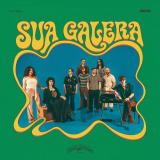
Cosmic Romance presents the debut album from Sua Galera, a vibrant 8-track journey shaped by friendship, late-night sessions, and a shared love for groove-driven music.
Formed in Dortmund, Germany, located in the middle of the multicultural region Ruhr, Sua Galera brings together nine musicians who first connected through the city’s jazz music scene. Led by keyboardist and producer Eskil Bauer, the collective channels a multinational identity, reflected both in its sound and its name: “Sua Galera,” Portuguese for “your crew.” With vocalists with Brazilian and Moroccan background at the forefront, the project naturally blends diverse cultural influences into a warm and cohesive musical language.
The album moves effortlessly between Brasil funk and Mediterranean-inspired grooves, all filtered through the timeless sound aesthetics of 1970s and 1980s studio productions. Recorded through countless nights spent both in the studio and immersed in live music culture, the record captures the spontaneity and chemistry of a band deeply connected through performance and collaboration.
Perfectly aligned with the Cosmic Romance universe, Sua Galera’s debut delivers an organic, soulful, and rhythm-forward sound designed for DJs and listeners seeking emotionally rich groove music.
Rio de Janeiro producer, composer and multi-instrumentalist Fabio Santanna returns with Copa Astral, an eight-track journey through modern Brazilian boogie, disco and Balearic grooves. Released by Rio’s Onda Boa, a label founded by Joutro Mundo, the album captures the warmth of the city's sunlit days and the cinematic glow of its nights, blending lush synths, live horns, percussion and rich vocal arrangements into an unmistakably Brazilian sound.
Opening with the slow-burning title track, introduced by the unmistakable cry of a cuíca, Copa Astral sets the mood before unfolding into the rolling grooves of "Ponto de Areia" and the Afro-Brazilian pulse of "Odoya Beat". Elsewhere, "Nesse Tempo" drifts into dreamy nostalgia, while side B moves effortlessly through the carefree boogie of "Jabuticaba", inspired by Brazil's beloved fruit; the warm, enveloping feeling of longing in "Senti Saudade"; the seaside romance of "À Beira Mar"; before closing with "Cantagalo", a heartfelt tribute to the neighbourhoods, memories and spirit that continue to shape Santanna's music.
Inspired as much by Rio's beaches as its neon-lit avenues, Santanna draws from Brazilian boogie, 1980s cinema, vintage record sleeves and classics such as Junior Mendes' Copacabana Sadia, filtering those influences through the city's unique rhythm. Produced at his Copacabana studio with live brass, percussion and vocal harmonies, Copa Astral is both timeless and contemporary - an album equally at home on the dancefloor, by the ocean or during a late-night drive along the coast.
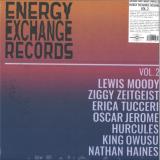
Energy Exchange Ensemble follow-up on the acclaimed 'Vol.1' continuing the legacy of label-curated studio sessions by in-house production duo, Lewis Moody and Ziggy Zeitgeist.
Offering a unique take on the 'Various Artist' compilation in the sense that the production team have enlisted an A list of players in informal jam sessions, gracefully guiding the sessions into their own unique brand of dancefloor and spiritual jazz.
In the spirit of cultural exchange and spontaneity the sessions are gathered over the course of a few years between Berlin, London and Melbourne. Naturally boasting a long list of collaborators including Erica Tucceri (Deep Matter), King Owusu (Jembaa Groove), Oscar Jerome, Hurcules (Kokoroko), Nathan Haines (ChilliFunk records) to name a few.
This is a unique and creative setting for the duo to explore a more intimate and exploratory approach in the studio further cementing their reputation as a dynamic and innovative team in contemporary jazz crossover.
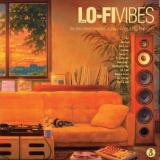
Diese Doppel-Vinyl-Compilation lädt ein in die warme, entspannte Welt des Lo-Fi-Sounds - eine Musik, die entschleunigt, Atmosphäre schafft und Nähe erzeugt. Versammelt sind prägende Künstler des Genres, die Lo-Fi, Downtempo, Jazz-Einflüsse und elektronische Gelassenheit miteinander verbinden. Mit Beiträgen von FKJ, Darius, Kid Loco, St Germain, The Mighty Bop, DJ Cam, DJ Spinna und weiteren wichtigen Namen entsteht ein vielschichtiges Panorama zwischen organischen Grooves, sanften Beats und subtilen Melodien. Die Auswahl richtet sich gleichermaßen an langjährige Liebhaber wie an neue Hörer, die Lo-Fi als eigenständige, zeitlose Form elektronischer Musik entdecken möchten. Ein stimmiger, sorgfältig kuratierter Sampler für entspannte Hörsituationen, stilbewusste Sets und alle, die elektronische Musik lieber fühlen als konsumieren. ENGThis double-vinyl compilation invites listeners into the warm, comforting world of lo-fi music - a sound defined by relaxed rhythms, organic textures and understated emotion. Featuring leading artists of the genre, the collection blends downtempo beats, jazz influences and laid-back electronic production. With tracks by FKJ, Darius, Kid Loco, St Germain, The Mighty Bop, DJ Cam, DJ Spinna and others, the album offers a broad yet coherent overview of lo-fi aesthetics. It appeals both to seasoned listeners and newcomers seeking a timeless, atmosphere-driven listening experience. A carefully curated selection designed for calm moments, focused listening and stylish musical environments
Staffan Lindberg’s Revéillon EP links Rio baile funk, São Paulo club mutations and Stockholm electronic craft. Made with Brazilian MCs Maromba and G7, it grew from Instagram DMs, nights at Pedra do Sal, Copacabana on New Year’s Eve and a shared taste for whisky, Red Bull and pick-and-mix.
Raw, playful and transportive, the EP landed digitally on April 3rd, with vinyl to follow in June on Studio Barnhus.
ROTCIV is back with his new EP ‘Memory’, which marks the 20th release on Beartrax’s label Melodize. Throughout the record, the Berlin-based and native Brazilian producer explores his signature dark, mysterious, and atmospheric vibes shaped by the underground and queer club nights and dance-floors that fuel his sound, refined by over almost 30 years behind the decks.
Maintaining Melodize’s specialized sound deep-rooted in moody electronic principles, the EP opens with ‘Memory’, a piercing, dark, synth dynamic alongside rich tonal textures in both harmony and melodies alike. Unapologetic, yet calming and reminiscent of a slow drive through the winter nights; cold, yet bold, sharp, and comforting.
First to remix ‘Memory’ with a nostalgic, synth-heavy 80’s remix is Frankfurt-based DJ, producer, and visual artist Chinaski. Integrating his signature bold synth hooks into the track, Chinaski knows how to roll in with longing sentimentality. The remix features a bouncier approach with re-envisioned acoustic percussion and catchy synth arps, along with an eery dark disco feel.
On the B side, Rotciv kicks in with ‘Trintage’, which gives a sinister sensation with its hypnotising bass synth lines alongside contrasting, choir-like pads. Seeping with articulate poly-rhythmic synth arps, Trintage guides the listener to be indulged into a dream-like state on the border between both digital and analogue soundscapes, blurring the lines between fantasy and reality.
Next up is New York-based and founder of Samo Records, Facets, who takes on the next remix for ‘Trintage’ with a more electro-grunge techno approach consisting of heavier four to the floor kicks in company of Rotciv’s hypnotic textures. Having shifted the synth melody rhythmically, a sense of space and tension is created within the soundworld of this track. The play between gritty bass-end synths along with softer, textured high-ends helps emphasize the groove injected into this remix.
One last remix of ‘Memory’ by Melodize’s own label founder, Beartrax, rounds out the EP. Available exclusively via digital bonus, Beartrax features his deeply hypnotic aesthetic by driving in ethereal synths alongside cosmic arps and slow-rolling rhythmic and pulsating groove lines.
From the windswept streets of Edinburgh comes a sound that gallops wild through the night — equal parts jungle heat and Highland haze. Los Chichanos, a fiercely multicultural collective formed in 2021 under the spirited direction of guitarist Sandino Borges. Never ones to wait for an invitation, the band have carved out a scene of their own in Edinburgh, a home for tropical rhythm and nocturnal joy amid Scotland’s long dark nights. Their devotion to the electrifying pulse of Peruvian tropical music, cumbia and chicha, intertwined with Afro-Latin rhythms and vintage psychedelia runs deep.
Add the soul Cuban son, the swing of Brazilian grooves and a hint of spaghetti western melodrama, and you begin to hear the distinct voice of Los Chichanos. Caballo Salvaje gallops forward with fuzzed- out guitar, echo-drenched organ, and the untamed spirit of the Andes. Cumbia de la Noche was written during a harsh winter season when daylight became a distant memory.
No en stock
Última entrega hace 45 días disponible para reposición sin garantía
Nico Gomez, a Belgian orchestra leader of Dutch roots, has long been a favourite with Latin fans, record diggers, DJs, and collectors alike. His blend of bossanova, latin jazz, and easy listening always turns up a few choice nuggets and surprises; what is perhaps most remarkable is that it was recorded in Europe.
Back in 2013, Mr Bongo re-issued Nico Gomez's sought-after 'Ritual' album from 1971, and now we follow it up with another jewel from his catalogue his 1972 album 'Soul Of Samba'. For this re-issue, we have opted to present it with the cover art originally used on the Trio Records version released in Japan. In the Netherlands and Belgium, the album was released with different cover art under the title 'Bossa Nova’, on Omega International and International Bestseller Company records, respectively. We loved the beautiful psychedelic design of the Japanese version and wanted to use it for this re-issue.
'Soul Of Samba' features several euro-bossa-jazz favourites such as the catchy 'Rio'; which was a firm DJ choice cut at jazz dance nights, including Brighton's 'Jazz Rooms' in the 90s. It also featured in Rainer Trüby's classic ‘Glücklich' compilation series which explored European-Brazilian-inspired music. The beguiling ‘Aquarela', with its engaging latin shuffle, entices feet to the dancefloor and is not one to miss. 'Agua’ has a lazy-quirky latin-funk feel with breathy-stoned vocals floating in the background. The album additionally features numerous breezy latin, Brazilian, and easy listening joints, some of which are ripe for sampling.
After making her professional debut as the cool, breathy voice behind the historic 1964 crossover smash “The Girl from Ipanema”, Brazilian singer Astrud Gilberto became a major force in popularizing the bossa nova sound. Her understated yet magnetic delivery is spotlighted on this collection, showcasing her instantly-recognizable approach to songs drawn from a variety of sources—Brazil, pop hits and standards.
Disco Mind Records impressed everyone with its first EP and now it deals with the pressure of coming back with a second in fine fashion. This one is perfect for warm days and summer nights as it offers four high-impact and gloriously feel-good Brazilian and disco edits all pulled off to perfection. New young talent Brother Julian kicks off with a peak time and groovy burner, then disco don Romand Truth goes a little more deep and smooth with his seductive sound. Delfonic offers the percussive Latin grooves of 'Nada is Going to Change' and 'Grito de Guerra' is another upbeat open-air rhythm.
No en stock
Última entrega hace 3 meses disponible para reposición sin garantía
In Guadeloupe, many people think that jazz and ka music are like a ring and a finger. To some extent, the same could be said about so called Latin music and the music played in the French West Indies.
Both aesthetics were born in the Caribbean and bear so many connections that they can easily be considered cousins. In constant dialogue, there are lots of examples of their fruitful alliance and have been for a while. The English country dance that used to be practiced in European lounges came to be called kadrille in Martinique and contradanza in Cuba. They both featured additional percussion instruments inherited from the transatlantic deportation. Drawing from shared feelings about the same traumatized identity – later to be creolized – it would be hard not to assume that they were meant to inspire each other. The golden age of the orchestras that graced the Pigalle nights during the interwar period further proves the point. As soon as the 1930s, Havana-born Don Barreto naturally mixed danzón and biguine music in a combo based at Melody's Bar. In the following decade, Félix Valvert, a conductor who was born and raised in Basse-Terre in Guadelupe, also worked wonders in Montparnasse with La Coupole, which was an orchestra made up of eclectic musicians. Afro- Caribbean performers of various origins were often hired on rhythm and brass sections in jazz bands, which used to enliven the typical French balls of the capital. In the 1930s and onwards, Rico’s Creole Band was one of them.
Martinican violinist-clarinettist Ernest Léardée, who would become the king of biguine music as well as the main figure of French Uncle Ben's TV commercials (a dark stigma of post-colonial stereotypes), had musicians from the whole Caribbean sphere play at his Bal Blomet – and they all enchanted "ces Zazous-là" (according the words of Léardée's biguine-calypso piece). In les Antilles (French for French West Indies), music history started to speed up in the 1950s, when trade expanded and radio stations grew bigger. The Guadelupean and Martiniquais youth tuned in their old galena radio sets to South American and Caribbean music. As for the women traders, les pacotilleuses, they bought and sold goods across different islands (the "passing of items through various hands" was thought to be most pleasurable) and brought back countless sounds in their luggage. Such was the case of Madame Balthazar, who once returned from Puerto Rico with the first 45rpm and 33rpm to ever enter Martinique.
Out of this adventure was created the famous Martinican label La Maison des Merengues, a music business she opened and undertook with her husband and which proved to be a major landmark. At the end of the 1950s, in Puerto Rico, Marius Cultier competed in the Piano International Contest playing a version of Monk's Round 'Midnight. He won the first prize and this distinction foreshadowed everything that was to come. Cultier, the heretic Monk of jazz, was quickly praised for writing superb melodies, always tinged with a twist that conferred a unique sound to his music. It didn't take long for the gifted self-taught musician to get to play with Los Cubanos, making a name for himself thanks to his impressive maestria on merengues.
The rest is history. Besides, in the late 1950s, Frantz Charles-Denis, born into the upper middle class in Saint-Pierre and better known by his first name Francisco, went back home after working at La Cabane Cubaine – a club located rue Fontaine where he had caught the Latin fever. Francisco's music was therefore heavily marked by his Cuban cousins' influence, which gave the combos he led a specific style and also led to renewal. Things were swinging hard in La Savane, located in the main square in Fort-de-France. He set up the Shango club close by and tested out the biguine lélé there, a new music formula spiced up with Latin rhythms. Soon afterwards, fate had him fly to Puerto Rico and Venezuela.
As for percussionist Henri Guédon (percussions were only a part of his many talents), he was born in Fort-de-France in May 22nd 1944, the day marking the celebration of the abolition of slavery. As an old man, he could remember that in " his father's Teppaz, a lot of hectic 6/8 music was constantly playing...". In the opening lines of his Lettre à Dizzy, a small illustrated collection of writings published by Del Arco, he highlighted the huge impact that cubop had on him as a teenage boy, around 1960. He eventually turned out to be the lider maximo in La Contesta, a big band steeped in Latin jazz. He was also the one who originated the word zouk to describe music which brought the sound of the New York barrio to Paris. It was the culmination of a journey that started in Sainte-Marie: "a mythical place for bélé, the equivalent of Cuban guaguancó". In the early 1960s, the tertiary economy developed to the detriment of agriculture. Yet rural life was where roots music emerged in Martinique and in Guadeloupe.
Record companies played a major part in the process of Latin versions sweeping across the islands – before reaching everywhere else. Producer Célini, boss of the great Aux Ondes label, and Marcel Mavounzy, both the head of Émeraude records - a firm which was founded in 1953 - as well as the brother of famous saxophonist Robert Mavounzy, were big names to bear in mind. Although there were many of them - all of whom are featured on this record - Henri Debs was definitely the major figure in the recording adventure. He proved to be so influential that he even got compared to Berry Gordy. In the mid 1950s, when he acquired his first Teppaz, he worked on his first compositions: a bolero and a chachacha. Then, he became the one man who made people discover Caribbean music, from calypso to merengue. He was among the first ones to rush out to San Juan, Puerto Rico, to buy records and distribute them through a store run by one of his brothers in Fort-de-France. He had members of the Fania All Star come and perform there, which he was madly proud about. He was also the first one to pay attention to Haitian music, such as compas direct and various other rhythms which would soon flood the market. As a result, many of the combos hitting his legendary studio would end up boosted by widespread "Afro-Latin" rhythms. However, he never denied his identity: gwo ka drums were given a major role, although they were instruments which had long been banned from the "official" music spheres. The present selection bears witness to such a creative swarming. Here are fourteen tracks of untimely yet unprecedented cross-fertilization: all types of music rooted in the Creole archipelago have found their way, whatsoever, to the tracklisting. Whether originating from the city or being more rural, they all go back to what Edouard Glissant, in an interview about the place of West Indian music in the Afro-American scope, called "the trace of singing, the one which got erased by slavery." "It is so in jazz, but also in reggae, calypso, biguine, salsa... This trace also manifests through the drums, whether Guadelupean, Dominican, Jamaican or Cuban... None of them being quite the same. They all point to the idea of a trace, seeking it out and connecting to each other through it. This is the hallmark of the African diaspora: its ability to create something new, in relation to itself, out of a trace. It may be the memory of a rhythm, the crafting of a drum, a means of expression which doesn't resort to an old language but to the modalities of it." The opening track features one of the emblematic orchestras of this aesthetic identity, criscrossing many music types from the archipelago. The 1974 Ray Barretto guajira – Ray Barretto was a major New York drummer influenced by Charlie Parker and Chano Pozzo – is magnificently performed by Malavoi, a legendary Fayolais group (i.e from Fort-de-France). Additionally, the compilation ends on a piece by Los Martiniqueños de Francisco. It symbolically closes the circle as it is a genuine potomitan of Martinique culture which also functions as a tireless campaigner for Afro-Caribbean music. Practicing the danmyé rounds (a kind of capoeiria) to the rhythm of the bèlè drum, it delivers a terrific Caterete, a kind of champeta of Afro- Colombian obedience which was originally composed by Colombian Fabián Ramón Veloz Fernández for the group Wgenda Kenya. The icing on the cake is Brazilian Marku Ribas, who found refuge in Martinique in the early 1970s, bringing his singing to the last trance-inducing track. These two "versions" convey the whole tone of a selection composed of rarities and classics of the tropicalized genre, swarming with tonic accents and convoluted rhythms. It is the sort of cocktail that the West Indians never failed to spice up with their own ingredients. For instance, the Los Caraïbes cover of Dónde, a famous Cuban theme composed by producer Ernesto Duarte Brito, has a typical violin and features renowned Martinique singer Joby Valente and his piquant voice.
The track used to be – or so we think – their only existing 45rpm. The meaningful Amor en chachachá by L'Ensemble Tropicana, a band which included Haitian musicians among whom was composer and leader Michel Desgrotte, also recalls how Latin music was pervasive in the tropics in the mid-1960s. They were the ones keeping people dancing at Le Cocoteraie in Guadelupe and La Bananeraie in Martinique. Around the same time, another "foreign" band, Congolese Freddy Mars N'Kounkou's Ryco Jazz, achieved some success on both islands by covering Latin jazz classics – such as their adaptation of Wachi Wara, a "soul sauce" by Dizzy Gillespie and Chano Pozo whose interweaving of strings and percussions can have anyone hit the dancefloor. How can you resist Dap Pinian indeed, a powerful guaguancó by Eugene Balthazar, performed by the Tropicana Orchestra and published by the Martinique-founded La Maison des Merengues? It also acts as a symbol of the maelstrom at work. Going by the name Paco et L'orchestre Cachunga, Roger Jaffory used to play guaguancó too: his Fania-inspired Oye mi consejo is one example of his style. Baila!!!!! Dancing was also one of the Kings' focus points. Oriza is a Puerto Rican bomba and a "classic" originally composed by Nuevayorquino trumpeter Ernie Agosto, which reserves major space for brasses, giving it a special sheen.
Emerging from the New York barrios crucible was also La Perfecta, a Martinique group originating from Trinidad, whose name directly references the totemic Eddie Palmieri figure as well as his own band, also called La Perfecta. Here they borrow Toumbadora from Colombian producer and composer Efraín Lancheros and interpret it by emphasizing percussions, which set fire to the track even more than the wind instruments. The same goes for Martinique's Super Jaguars, who use Tatalibaba – a composition by Cuban guitarist Florencio "Picolo" Santana which was made famous by Celia Cruz & La Sonora Matencera – as a pretext for sending their cadences into a frenzy. In a more typically salsa vein, the Super Combo, a famous Guadelupean orchestra from Pointe-Noire that was formed around the Desplan family and had Roger Plonquitte and Elie Bianay on board, adapt Serana, a theme by Roberto Angleró Pepín, a Puerto Rican composer, singer and musician also known for his song Soy Boricua. Here again, their vision comes close to surpassing the original. In the 1970s, L'Ensemble Abricot provided a handful of tracks of different syles, hence reaching the pinnacle of the art of achieving variety and giving pleasure. They played boleros, biguines, compas direct, guaguancó and even a good old boogaloo - the type they wanted to keep close to their hearts for ever, "pour toujours", as they sang along together in one of their songs. Léon Bertide's Martinican ensemble excelled at the boogaloo which had been composed by Puerto Rican saxophonist Hector Santos for the legendary El Gran Combo.
Three years later, in 1972, Henri Guédon, with the help of Paul Rosine on the vibraphone, tackled the Bilongo made famous by Eddie Palmieri. Such a classic!!!!! And so were the Aiglons, the band from Guadelupe: choosing to execute Pensando en tí, a composition by Dominican Aniceto Batista, on a cooler tempo than the original, they noticeably used a wonderfully (un)tuned keyboard in place of the accordion. On the high-value collectible single – the first one released by Les Aiglons under the Duli Disc label – there is a sticker classifying the track under the generic name "Afro". Now that is what we call a symbol. Jacques Denis
No en stock
Última entrega hace 7 meses disponible para reposición sin garantía
Following the resounding success of the first volume, which sold 600 copies during its confinement, Aktshun returns with a second E.P. featuring 6 vibrant, eclectic tracks. This new opus is rooted in smooth Detroit house, high-energy disco-funk, the wild nights of Paradise Garage and the unique ambience of Bronx block parties.
The Aktshun duo, formed by Marotti - producer and creator of electronic instruments - and Marrrtin - DJ, graffiti artist, producer and member of Funky Bijou -, unite their passions for house, disco, hip-hop, funk and musical illustration to offer a rich and captivating sonic experience.
The first track, “Light Headed”, featuring the American singer Saucy Lady, priestess of modern funk, who has collaborated with E Live and J-Zone, among others, blends frenzied percussion, warm Fender Rhodes chords and a heady melodic chorus, ideal for rocking dancefloors this summer.
“Respect” offers a hybrid fusion of house and disco, where we imagine Moodymann crossing paths with Chromeo, buoyed by a hypnotic Moog solo.
“Vibration” pays homage to Loleatta Holloway and her iconic ‘Love Sensation’, evoking David Mancuso's legendary evenings at the Loft, between gospel and dance.
“Brokjazz” has a deep house vibe, blending tropical vocals with bewitching sensuality.
“Chaussette” offers an irresistible jazz-funk groove, while ‘Gonalate’ is inspired by classic disco-funk sounds, with a piano reminiscent of the legendary compositions of bands such as Change, D-Train and West End Records legends.
Finally, the cover of this new E.P. is signed by Brazilian artist NIHAO, bringing a unique and colorful visual touch to this musical creation.
No en stock
Última entrega hace 15 meses disponible para reposición sin garantía
Madlib Invazion reissues Madlib’s collaboration with legendary Brazilian drummer Ivan “Mamao” Conti, propellant for lauded jazz fusion archetypes Azymuth. 5000 pressed for worldwide. Debuts on Black Friday. First released in 2008 on CD by the US based Mochilla imprint with vinyl being issued only in Europe on the Kindered Sprits label. Both formats are out of print with vinyl unavailble since its initial run. Alternate cover artwork, photography by B+. When Madlib went to Brazil in 2002 with Mochilla to participate in the production of Brasilintime his one mission was to meet Ivan “Mamao” Conti the drummer of the legendary trio Azymuth. Madlib had made an Azymuth tribute record he wanted to play for him. On a rainy night in Rio Mamao and Madlib went in the studio. Several hours later the rhythm tracks that make up Sujinho were laid and the process began. Featuring the music of Madlib, Mamao, Edu Lobo, Chico Buarque de Hollanda, Luiz Eca, Baden Powell, Vinicius De Moraes, Marcos Valle, Joao Donato, Dom Um Romao, Airto Moreira and even George Duke… and with guest vocals by Thalma De Freitas — Jackson Conti is a unique and classic record. Filled with the angularity and edge of a Madlib production and underwritten by the polyrhythmics of Mamao — Sujinho takes Brazilian music into places it has never been, bringing oft forgotten classics like Upa Neguinho to 21st century ears.
When Madlib went to Brazil in 2002 with Mochilla to participate in the production of Brasilintime his one mission was to meet Ivan “Mamao” Conti the drummer of the legendary trio Azymuth. Madlib had made an Azymuth tribute record he wanted to play for him. On a rainy night in Rio Mamao and Madlib went in the studio. Several hours later the rhythm tracks that make up Sujinho were laid and the process began. Featuring the music of Madlib, Mamao, Edu Lobo, Chico Buarque de Hollanda, Luiz Eca, Baden Powell, Vinicius De Moraes, Marcos Valle, Joao Donato, Dom Um Romao, Airto Moreira and even George Duke… and with guest vocals by Thalma De Freitas — Jackson Conti is a unique and classic record. Filled with the angularity and edge of a Madlib production and underwritten by the polyrhythmics of Mamao — Sujinho takes Brazilian music into places it has never been, bringing oft forgotten classics like Upa Neguinho to 21st century ears.
Recorded in 1964 during two concerts in the venerable Greenwich Village venue, the Café Au Go Go, two months after Astrud Gilberto's "Girl From Ipanema" became a Top Five pop single. However, the focus of these sets moved away from the Brazilian flavoured fare, bringing Gilberto into the realm of a decidedly more North American style. The band features a young Gary Burton (vibraphone), Kenny Burrell (guitar), Gene Cherico (bass), and Joe Hunt (drums). There are a few personnel substitutions, with Helcio Milito (drums) and Chuck Israels (bass), respectively, filling in. Verve’s Acoustic Sounds Series features transfers from analog tapes and remastered 180-gram vinyl in deluxe gatefold packaging.
Needle Mythology, the label founded by music writer, author and broadcaster Pete Paphides, is thrilled to announce the signing of the eagerly anticipated debut album by London singer-songwriter and renowned DJ Iraina Mancini. Iraina’s singular pop vision will be known to regular listeners of 6 Music, where her singles ‘Undo The Blue’, ‘Deep End’, ‘Shotgun’ and ‘Do It (You Stole The Rhythm)’ have all been enthusiastically embraced. Iraina's obsession with music stretches back into her early childhood, much of which was spent absorbing her parents’ collection of old 45s, in particular her dad’s Northern Soul records – an alternative education which meant that, by her early 20s, she was a familiar presence in the DJ booth at many discerning London club nights. Her love of French ye-ye, British freakbeat, Brazilian bossa nova, soul, and Turkish psych will be well-known to regular listeners of her Soho Radio show. Having always sung from a young age, Iraina embarked on a string of collaborators such as Jagz Kooner (Sabres Of Paradise), Sunglasses For Jaws (Miles Kane) and Simon Dine (Paul Weller, Noonday Underground) which truly saw her find her metier as a songwriter, conjuring melodies that stand shoulder to shoulder alongside her impeccable influences. Iraina describes her first single for Needle Mythology ‘Cannonball’ as “a celebration of that moment when you meet someone you really fall for and it knocks you for six. It can be a bit scary, but you’ve just got to go with what your intuition is telling you.” Written with Simon Dine, the vertiginous heart-in-mouth abandon of the song perfectly mirrors the circumstances that brought it into being. Iraina cites Jacqueline Taïeb’s 1967 single 7h du Matin as an early inspiration for the song: “There’s such a great energy about that song. Her vocal is amazing and all those stops and starts that grab your attention.” “This is an artist I absolutely love, one of our rising stars at 6Music.“ Lauren Laverne BBC 6Music “Iraina seizes on the best aspects of the past, blurring those impeccable 60s and 70s influences with a touch of modernity.” Clash “Full of femme fatale poise and swooning chanteuse flourishes.” The Times
The fourth installment of the 'Tracks From The Alley' series continues to explore the oblique edges of the jackin zone, dragging recognizable primitive elements of dance music through narcotic madness; a possible soundtrack for sleepless nights at the skate park.
Involved in this 4 tracker mini-compilation are the Greek dj/producer DimDj, the Berlin-based Italian producer and part of Sons Of Traders, TANS, the Portugal-based Brazilian Unrealistic Expectations label owner Nothing Was There, and the ALLEY VERSION's brothers FLML.
Limited to 200 copies.
No en stock
Última entrega hace 18 meses disponible para reposición sin garantía
Gonzalez Smith's debut album: "Roll Up A Song" is an album of classic popular songs with music by Jay Gonzalez and lyrics by Pete Smith. Best known as the guitarist/keyboardist for rockers Drive-By Truckers, Jay's musical tastes range from 'baroque' to 'A.M. Gold' and 'power' pop. His collaborations include local pop legends The Possibilities, power pop stalwart Scott McCaughey (The Young Fresh Fellows), and performances with Chris Stamey of The dB's and Bill Berry of R.E.M. Pete Smith, acclaimed lyricist, made waves with his contributions to the legendary jazz composer Gary McFarland's album "Butterscotch Rum". His journey led him to comedy writing for Adult Swim's animated shows. Classic pop composer Brent Cash's exceptional string arrangements elevate the album's depth and emotion, enriching Gonzalez and Smith's melodies and lyrics. Jay Gonzalez and Pete Smith are like a modern day Bacharach/David, if Burt spent his nights tearing it up with one of the best live rock bands in America, and Hal was a writer for Space Ghost Coast to Coast and The Brak Show. Their debut album as Gonzalez Smith, "Roll Up a Song," is a seamless fusion of power pop, piano ballads, bossa nova, and pure spun sugar confection. Jay brings the same multi-instrumental compositional skills found on his first three solo albums, and Pete pens lyrics by turns honest, romantic, arch and comedic, sometimes in the same verse. The results are so stellar, it's a shock to find out that the Drive-By Truckers guitarist/keyboardist and the Adult Swim comedy scribe haven't been writing together for decades. Arriving in December 2023, via Bobo Integral Records, "Roll Up A Song" transcends eras and genres. It's a harmonious journey, uniting melodies and lyrics into a timeless masterpiece. Get set to roll up the music, immersing in captivating soundscapes.
Miles Davis is regarded to be one of the most influential and acclaimed figures in the history of jazz and 20th-century music. Quiet Nights is the fourth and last studio album that Davis collaborated on with Gil Evans. The 1963 release took inspiration from the bossa nova genre that rose to popularity during the time.
Quiet Nights is a mix of situations and sources: Brazilian folk (“Prenda Minha”, titled “Song #2” on the album), Spanish classical (“Adelita” by guitar pioneer Francisco Tárrega, here called “Song #1”), and a few ballads, including one that stands out from the rest of the big band album: “Summer Night,” a quintet take featuring Miles playing muted then open trumpet and the start of a new band: tenor saxophonist George Coleman, pianist Victor Feldman, bassist Ron Carter, and drummer Frank Butler.
The album was produced by Teo Macero. Some of the additional performers on this album include Paul Chambers, Bill Barber, Steve Lacy, Jimmy Cobb, Willie Bobo, and George Coleman amongst others.
Here we are at the dawn of a new compilation series and we’re kicking things off with an absolute gem that features a selection of hard-to-find records (some impossible to find) and some that have been hiding in plain sight all along. They all share common qualities, being that they are beautiful, soul quenched songs that sing of love, peace and unity.
‘With Love: Volume 1’ has been compiled by Miche and presents a curated selection of rare Brazilian, gospel, modern soul and jazz-fusion fire. We have Brazilian rarities by Alcione and Quientaessencia, UFO gospel by Keith Chism & Light, the jazz-funk/AOR sounds of City Lites taken from a Radio Station album, and the anthemic feel-good emotional soul of Belita Woods to name but a few.
Tracking down artists and musicians from the past is an art form. Like a seagull swooping for treats, sometimes the prizes are easily found, and at other times, it’s the result of very late nights trolling through Facebook profiles, message boards, hitting dead ends and following red herrings, and yet still the search goes on. This compilation is a true labour of love with all the artists tracked down and licensed by Miche. It has long been an ambition of the London based musical connoisseur to compile an album, and like anything that requires craft, care, and knowledge - it takes time. There are many twists and turns in the hunt for those records that make your jaw drop.
In 2018, when just 24, Miche became a music programmer for London’s illustrious Spiritland group of venues. From this musical sanctuary, he was able to listen, learn and meet some of the best selectors from around the world. It was a musical education, and he was particularly drawn to the deep sessions by DJs such as Mark Taylor, George Arthur, Kev Beadle, Patrick Forge, Dr. Bob Jones, and Colin Curtis to name a few. He also used this time to begin running his re-issue label Discs of Fun and Love with co-owner and friend Frederika.
Sometimes the cynical knock compilations, there is certain snobbery amongst some about the original pressing, but music shouldn't just be about lucky collectors giving over large sums of money to record dealers. It's also about a bridge to the past, a celebration of the legacy of somebody’s art, and a second chance for initially overlooked work to shine. As with all the best compilations, it has been compiled with love…
No en stock
Última entrega hace 3 años disponible para reposición sin garantía
Here we are at the dawn of a new compilation series and we’re kicking things off with an absolute gem that features a selection of hard-to-find records (some impossible to find) and some that have been hiding in plain sight all along. They all share common qualities, being that they are beautiful, soul quenched songs that sing of love, peace and unity.
‘With Love: Volume 1’ has been compiled by Miche and presents a curated selection of rare Brazilian, gospel, modern soul and jazz-fusion fire. We have Brazilian rarities by Alcione and Quientaessencia, UFO gospel by Keith Chism & Light, the jazz-funk/AOR sounds of City Lites taken from a Radio Station album, and the anthemic feel-good emotional soul of Belita Woods to name but a few.
Tracking down artists and musicians from the past is an art form. Like a seagull swooping for treats, sometimes the prizes are easily found, and at other times, it’s the result of very late nights trolling through Facebook profiles, message boards, hitting dead ends and following red herrings, and yet still the search goes on. This compilation is a true labour of love with all the artists tracked down and licensed by Miche. It has long been an ambition of the London based musical connoisseur to compile an album, and like anything that requires craft, care, and knowledge - it takes time. There are many twists and turns in the hunt for those records that make your jaw drop.
In 2018, when just 24, Miche became a music programmer for London’s illustrious Spiritland group of venues. From this musical sanctuary, he was able to listen, learn and meet some of the best selectors from around the world. It was a musical education, and he was particularly drawn to the deep sessions by DJs such as Mark Taylor, George Arthur, Kev Beadle, Patrick Forge, Dr. Bob Jones, and Colin Curtis to name a few. He also used this time to begin running his re-issue label Discs of Fun and Love with co-owner and friend Frederika.
Sometimes the cynical knock compilations, there is certain snobbery amongst some about the original pressing, but music shouldn't just be about lucky collectors giving over large sums of money to record dealers. It's also about a bridge to the past, a celebration of the legacy of somebody’s art, and a second chance for initially overlooked work to shine. As with all the best compilations, it has been compiled with love…
No en stock
Última entrega hace 12 meses disponible para reposición sin garantía
In 1990 Ronald Lee Trent Jr. was the teenage creator of Altered States – a raw, futuristic techno-not-techno anthem, which in retrospect was something of a stylistic anomaly for the young artist. Across subsequent years, with time spent in Chicago, New York and Detroit, came the development of his signature sound, and renown as a world class purveyor of deep, soul infused house/garage. This story has already been told, and on casual inspection, the well-worn platitude ‘house music legend’ is an old shoe that still fits. However, in fact, he’s actually so much more, and has been for quite a while. A genuine musician, songwriter, and ‘producer’ in the proper, old-school sense, the artist today has more in common with Quincy Jones than he does your average journeyman DJ track-hack.
To those in the know, these broader skills haven’t gone unnoticed, which is why on the highly collaborative, career-topping new LP ‘What Do The Stars Say To You’, it took little persuasion to recruit serious star power. Brazilian royalty Ivan Conti and Alex Malheriros from Azymuth, violin maestro Jean Luc Ponty, ambient hero Gigi Masin, hype band Khruangbin and more performed, whilst NY cornerstone François K provided mastering duties. At various points Ron himself played drums, percussion, keys, synths, piano, guitar and electronics.
Harking back to the 70s and 80s boom in adventurous, luxurious albums, WDTSSTY is a love letter to the longplayer, where rich musicality and a liquid smooth, silky flow make seemingly odd genre bedfellows acquiesce harmoniously. Each song its own high-fidelity odyssey, Trent incorporated a broad range of live instruments and electronics into a sophisticated, euphonic whole. Described by him as being “designed for harmonising with spirit, urban life and nature”, this is aural soul food, gently easing you into balmy nights, where everything is alright.
Originally wanting to be an architect, Trent’s views his approach to collaboration and music in general as having the same principles. A firm believer in the nourishing qualities of sound, he sees direct parallels between the two disciplines, being as the purpose of good architecture is to improve quality of life. “With WARM, through sound design, I built frameworks for the musicians, who furnished and occupied these structures beautifully, which was a big compliment for me”, he comments.
The conditions required for a good collab are more than simply structural though, as Trent expounds, “I’m a huge fan of everyone on the record, especially Jean Luc and Azymuth, who’re part of my DNA. Each track was made with that guest in mind – for example, when I started writing ‘Sphere’, I immediately thought ‘this IS Ponty’. I played the keys in his style, and did a guide violin solo using a synth, which he then re-did, amazingly. ‘Cool Water’ is based around Azymuth themes, so when I sent it to Ivan, he could immediately see himself in the piece; He got what I was going for straight away. For ‘Melt Into You’ I hit up Alex on Instagram, sent him the track, he liked it, and within 24 hours he’d sent back six different bass passes!”
“Conversely, Admira began with a sketch sent by Gigi and became something combining Jon Hassell-esque chords and the feel of ‘Aquamarine’ by Carlos Santana, which links back to Masin’s recurrent nautical theme”, he adds.
With community, history and the need for racial equality never far from Ron’s mind, ‘Flos Potentia’ translates from Spanish as flower power, but rather than promoting some hippy idyll, instead it refers to plants which drove the slave trade: tobacco, sugar and cotton. Joined by Khruangbin, together they propel Dinosaur L, Hi-Tension and afrobeat into an ethereal, clear-skyed stratosphere.
Aside from these esteemed guests, other key influences cited by Trent include ‘Gigolos Get Lonely Too’ by Prince, ‘Beyond’ by Herb Alpert, David Mancuso, Jan Hammer, Tangerine Dream, The Cars, Trevor Horn, Alan Parsons Project and pre-Kraftwerk incarnation Organization. A multitude of others are audible too, including George Bension, Vangelis, Loose Ends, Maze, Flora Purim, Weather Report, Atmosphere, Grace Jones, James Mason and Brass Construction.
On the subject of influences, although opposed to the fences erected by genre tags, to understand where Ron is coming from, and where he’s at, it’s important to acknowledge just how big the palette is from which he paints. Traversing jazz funk, quiet storm, sophisti-pop, new age, new wave, kosmische, Balearic, samba, afrobeat, Latin rock, soft rock and yacht rock, his deeply entrenched digger’s knowledge pays off in dividends.
No en stock
Última entrega hace 4 años disponible para reposición sin garantía
In 1990 Ronald Lee Trent Jr. was the teenage creator of Altered States – a raw, futuristic techno-not-techno anthem, which in retrospect was something of a stylistic anomaly for the young artist. Across subsequent years, with time spent in Chicago, New York and Detroit, came the development of his signature sound, and renown as a world class purveyor of deep, soul infused house/garage. This story has already been told, and on casual inspection, the well-worn platitude ‘house music legend’ is an old shoe that still fits. However, in fact, he’s actually so much more, and has been for quite a while. A genuine musician, songwriter, and ‘producer’ in the proper, old-school sense, the artist today has more in common with Quincy Jones than he does your average journeyman DJ track-hack.
To those in the know, these broader skills haven’t gone unnoticed, which is why on the highly collaborative, career-topping new LP ‘What Do The Stars Say To You’, it took little persuasion to recruit serious star power. Brazilian royalty Ivan Conti and Alex Malheriros from Azymuth, violin maestro Jean Luc Ponty, ambient hero Gigi Masin, hype band Khruangbin and more performed, whilst NY cornerstone François K provided mastering duties. At various points Ron himself played drums, percussion, keys, synths, piano, guitar and electronics.
Harking back to the 70s and 80s boom in adventurous, luxurious albums, WDTSSTY is a love letter to the longplayer, where rich musicality and a liquid smooth, silky flow make seemingly odd genre bedfellows acquiesce harmoniously. Each song its own high-fidelity odyssey, Trent incorporated a broad range of live instruments and electronics into a sophisticated, euphonic whole. Described by him as being “designed for harmonising with spirit, urban life and nature”, this is aural soul food, gently easing you into balmy nights, where everything is alright.
Originally wanting to be an architect, Trent’s views his approach to collaboration and music in general as having the same principles. A firm believer in the nourishing qualities of sound, he sees direct parallels between the two disciplines, being as the purpose of good architecture is to improve quality of life. “With WARM, through sound design, I built frameworks for the musicians, who furnished and occupied these structures beautifully, which was a big compliment for me”, he comments.
The conditions required for a good collab are more than simply structural though, as Trent expounds, “I’m a huge fan of everyone on the record, especially Jean Luc and Azymuth, who’re part of my DNA. Each track was made with that guest in mind – for example, when I started writing ‘Sphere’, I immediately thought ‘this IS Ponty’. I played the keys in his style, and did a guide violin solo using a synth, which he then re-did, amazingly. ‘Cool Water’ is based around Azymuth themes, so when I sent it to Ivan, he could immediately see himself in the piece; He got what I was going for straight away. For ‘Melt Into You’ I hit up Alex on Instagram, sent him the track, he liked it, and within 24 hours he’d sent back six different bass passes!”
“Conversely, Admira began with a sketch sent by Gigi and became something combining Jon Hassell-esque chords and the feel of ‘Aquamarine’ by Carlos Santana, which links back to Masin’s recurrent nautical theme”, he adds.
With community, history and the need for racial equality never far from Ron’s mind, ‘Flos Potentia’ translates from Spanish as flower power, but rather than promoting some hippy idyll, instead it refers to plants which drove the slave trade: tobacco, sugar and cotton. Joined by Khruangbin, together they propel Dinosaur L, Hi-Tension and afrobeat into an ethereal, clear-skyed stratosphere.
Aside from these esteemed guests, other key influences cited by Trent include ‘Gigolos Get Lonely Too’ by Prince, ‘Beyond’ by Herb Alpert, David Mancuso, Jan Hammer, Tangerine Dream, The Cars, Trevor Horn, Alan Parsons Project and pre-Kraftwerk incarnation Organization. A multitude of others are audible too, including George Bension, Vangelis, Loose Ends, Maze, Flora Purim, Weather Report, Atmosphere, Grace Jones, James Mason and Brass Construction.
On the subject of influences, although opposed to the fences erected by genre tags, to understand where Ron is coming from, and where he’s at, it’s important to acknowledge just how big the palette is from which he paints. Traversing jazz funk, quiet storm, sophisti-pop, new age, new wave, kosmische, Balearic, samba, afrobeat, Latin rock, soft rock and yacht rock, his deeply entrenched digger’s knowledge pays off in dividends.
No en stock
Última entrega hace 8 meses disponible para reposición sin garantía
Award winning saxophonist, Kenny G, is the biggest selling instrumental musician of the modern era and one of the best-selling artists of all time. He’s maintained a high level of creative excellence through decades of unprecedented commercial success. After 6 years since releasing Brazilian Nights on Concord Records, Kenny returns with a new album New Standards, an 11-track collection.
Release no. 1 on Rapscallion brings 3 ridiculous broken reworks that are sure to raise an eyebrow or two.
We're not being told who in particular is responsible for such goodness here but rest assured an accomplished veteran must be at the helm for sure...
Kicking things off is 'A Dis Yah Secret Friend' - A Secret Friend of messrs Asher and Forge at the legendary Inspiration Information nights. A proto broken sound, at a point where Sir Paul was playing with the influences, instruments, melodies...definitely an important piece in fusion history. Kaidi's 'Dis Yah On I Love' provides the beat.
First up on the flip is 'Find a Way'. Take two different versions of Stanley Cowells I'm Trying to Find a Way/ Trying to Find a Way (Both as deserving of an edit as the other), add a bus load of bottom end, beautifully layered percussion and a jazz mash up it is then! A Dingwall's classic in its origin guise, and a future classic in it's reworked (clouseau-esque) Rapscallion disguise.
'Little Rudeboy' closes things...Originally out in '84, only 1 minute at 32 seconds in length and strewn with proto Brazilian boogie synthesizers boogie vibes, a rework/edit of this has been a long time coming. Paired with the Cosmosis broken classic and a surefire dance floor stormer is upon us...Clever stuff indeed !
midnight in tokyo is a compilation series that aims to be the perfect companion to nights in tokyo, collecting tracks by japanese artists that sound best at night. while vol.2 focused more on '80s jazz fusion, the latest installment, vol.3, picks up where vol.1 left off, bringing together forgotten soul, disco, and new wave gems. the compilation opens with japanese rare groove classic 'more sexy,' a provocative song by 'the queen of sexy songs,' yoko hatanaka. 'kimi no yume,' from the album yume no yonbai by the wandering poet masumi hara, is one of the best balearic acid folk song to come out of japan. 'silhouette call' is an electric bossa nova track—in the vein of antena—taken from a rare album called octopussy by yuki nakayamate, a singer songwriter who also worked as a backing vocalist for motoharu sano. 'theme of high school student' is a dubby cut featured on the soundtrack to the japanese '80s film kougen ni ressha ga hashitta, written by atsuo fujimoto of colored music—one of the key artists in the recent wave of global interest in japanese music. 'get to paradise' is a stone cold funk jam by mari kaneko, who was known as the janis joplin of shimokitazawa in her heyday, and is now known as the mother of the drummer and the bassist of popular rock band rize. following that is one of japan's greatest new wave disco track, 'hannya,' taken from tomoko aran's popular third album fuyu-kukan—produced by masatoshi nishimura who was part of the friends of earth project with haruomi hosono. masako miyazaki—whose rendition of seawind's 'he loves you' is a fan favorite—puts her own spin on the earth, wind & fire classic, 'fantasy,' singing in her accent-heavy english which gives the song an undeniable character. 'watashi no koukoku' is a certified disco boogie classic by popular singer junko sakurada. the brazilian-esque jazz fusion, 'sunshine bright on me' is by a fusion group called kangaroo, who were often billed as 'the japanese shakatak.' 'stranger's night' is a synth-pop number by pop idol maiko okamoto, which bears a suspicious resemblance to rah band's 'the shadow of your love.' electro-pop disco 'singing lady'—off the sole album released by the one-off project the fad—sounds like something giorgio moroder could've cooked up. 'magic eyes' is a disco anthem recorded by songwriter tetsuji hayashi's disco project, the eastern gang. following that is japanese soul gem 'crazy baby,' found on a rare 7 inch entitled minato no soul by rinda yamamoto—also composed and arranged by tetsuji hayashi. and last but not least, closing out this collection of 14 japanese rare groove goodies is 'i'm in love', a bittersweet mellow dance number by tomoko aran.
Last volume of this compilation series, again a great one.., Holding amazing tunes from across the globe that you probably already have been looking for.... TIP!!
.
Over the last five years and as many volumes of their Beach Diggin' compilations, Guts and Mambo have explored the reefs of five continents, dredged the sea beds of countless seas and oceans, examined every single seashell with the aim of making sure that no vinyl pearl should escape their notice.
Tunisian reggae, Japanese disco, West Indian jazz-funk, the duo's aesthetic dribbling skills would stop the savviest Brazilian football player dead in his tracks, and it was with this in mind that they proceeded to select their discoveries. With a marked preference for meditative free-diving rather than tour package scuba diving, and isolated spots rather than massively overdeveloped beachfronts.
For this latest instalment of their adventures, Guts and Mambo have organised another expedition around the world, to salute the spots where for the last five years they have uncovered rare specimens, saving some of them from total extinction, while shining a light on others that amply deserved it.
Though each Beach Diggin' compilation can be listened to independently of the others, the five together now form a kind of navigational chart signalling with its green flags the places where, in Africa, Europe, Asia, America, and the South Pacific, they gambolled on sandy beaches, avoiding the well-trodden path, becoming more and more demanding with each passing year.
Beach diggin' is a state of mind...
No en stock
Última entrega hace 12 meses disponible para reposición sin garantía