New York City's loudest band A Place to Bury Strangers have had their intense live performance captured and immortalized directly to 12” wax. The post-punk legends are the 9th & latest entry in the Live at Levitation archival vinyl series. “Levitation 2021 was our second show as a new band and I felt so psyched to bring the new band members to such an epic festival. It was like a homecoming for me. Bob Mustachio was doing lights and playing with Ringo Deathstarr, Kikagaku Moyo & the Black Angels all on the same bill had me so rev’d up and excited. I knew it had to be an epic show. I remember right when we started I was flailing around so much like a freak on speed that I almost flung my guitar off the stage. By the time we got out into the crowd I thought I was gonna pass out. I remember we rented this PA speaker from Rock N Roll Rentals and for some reason they trusted us with this top of the line like $5000 12” monitor that we rolled around in the crowd while I was screaming at the top of my lungs. I love Levitation and Austin Psych Fest. They are always a UFO of a good time.” - Oliver Ackermann (APTBS)
American Football (LP3) is the third album from the scene giants - American Football. American Football’s original triumph, on their 1999 self-titled debut, was to reunite two shy siblings: emo and post-rock. It was a pioneering album where lyrical clarity was obscured and complicated by the stealth musical textures surrounding it. Like Slint’s Spiderland, or Codeine’s The White Birch, even Talk Talk’s Laughing Stock, American Football asked far more questions than it cared to answer. But there wasn’t a band around anymore to explain it, anyway. The three young men who made the album – Mike Kinsella, Steve Holmes, and Steve Lamos – split up pretty much on its release. Fifteen years later, American Football reunited (now as a four-piece, with the addition of Nate Kinsella). They played far larger shows than in their original incarnation and recorded their long-anticipated second album, 2016’s American Football (LP2). The release was widely praised, but the band members still felt like their best work was yet to come. ‘I feel like the second album was us figuring it out,’ says Nate. ‘For me, it wasn’t quite done. I knew there was still more.’ Enter American Football (LP3). ‘We put a lot of time and a lot of energy into it,’ says Mike. ‘We were all thoughtful about what we wanted to put out there. Last time, it was figuring out how to use all of our different arms. This time, we were like – Ok we have these arms, let’s use them.’ The band used the same producer, Jason Cupp, and recorded the album at the same studio (Arc Studios in Omaha, Nebraska) as its predecessor – yet they approached it in a markedly different way. There was a determination to let the songs breathe, to trust in ideas finding their own pace. The final result is a definite, and deliberate, stretching of the band.
2x February Griessmuhle closing party, it was a Monday during the day I had a hard weekend but I know the last party from Griessmuhle is still running (one day longer already) I ended up playing that night because Tham made the closing with the other synoid resident Acierate in B2B. We ended up doing an eternal afterparty at my place until Wednesday morning when he showed me this track and immediately closed it for KAOS.
Following this iconic moment in the history of contemporary Berlin club culture. Alexander Repro strikes the third tune on KAOS being the first one to made it to such a number. This techno-trance cinematic bomb will make the basements and warehouses shake whenever they let us rave in them. The Soundtrack for the post-corona movement that we all hope is about to come.
Stealing the show with his first appearance, you may have heard of him with his continuous prolific bomb outcome in Lobster Theremin, his classy Eurodance edits or his mighty U4E compilation. One of the most talented out there right now. And we will hear much more from him soon. Warm welcome to Julian Muller with a song dedicated to his mother Nancy. Keep the fire bro!
Closing the record, one of the classiest of its kind, Binary Digit post-melancholia around 150BPM acid that will make you feel as hopeful as happy and as sad. Feelings overload.
In pure Herrensauna fashion, wearing DIY decolored pants I type: "this is bleached punk" for disc-jockeys and collectors.
out of Stock
Last delivered 10 months ago available to reorder, subject to availability
With open arms, Sous-Vide Records welcomes one of the genre's most celebrated producers Silat Beksi for our latest vinyl release SVR004.
The Ukrainian mainstay offers up three deeply submerged late night grooves that come dusted in tasteful sound design. Flexing his rhythmic aptitude, Beksi applies percussive elements and dubby electronic motifs to craft melancholic tones throughout the EP. Melodies may be in short supply, but Beksi's signature style creates invigorating and emotively fueled productions without them.
Silat Beksi writes a new chapter in minimal education for those versed in the field.
out of Stock
Last delivered 3 months ago available to reorder, subject to availability
Suburban Architecture continue their series of now highly collectible 4 track EP releases with their 5th offering, 'Turning Point'. Following in the footsteps of 2022's 'Exploration' EP, this new collection once again draws heavily on influences from the jazzier, atmospheric strains of mid to late 90s Drum & Bass. Putting their own spin on sounds rooted in this golden era of dance music, the Turning Point EP delivers more of the London duo's trademark warm atmospheric production and Jungle-adjacent drum programming at a variety of tempos.
Opening track 'The Drifter' pulls no punches - Jazz Fusion flutes and delicate arps float over dreamy pads before giving way to a smashing Amen track, creating a classic roller with enough punch to hold a dancefloor. Title track 'Turning Point' delves further into Jazz Fusion sonics: underpinned by lush Rhodes, intricate drum programming sets the scene for a rousing vocal refrain and an atmospheric blend of flutes and horns. 'The Believer' delivers a similar blend of instrumentation, this time adding muted horns to the mix, building to a motivating, Soulful vocal hook. Closing out the EP 'Memoriam' lowers the tempo with a slo-mo roller placing deep, atmospheric pads and unexpected subtle guitar licks over a punchy, rolling drum track.
out of Stock
Last delivered 7 months ago available to reorder, subject to availability
Wie 'Strange Weather' von 1987 ist 'Easy Come Easy Go' eine Cover-Sammlung, die Faithfull in verschiedenen musikalischen Settings präsentiert und dabei Songy von Merle Haggard, Smokey Robinson, Duke Ellington, Randy Newman, den Decemberists und Morrissey interpretiert. Mit einer umwerfenden Gästeliste, darunter Antony Hegarty , Rufus Wainwright, Teddy Thompson, Kate & Anna McGarrigle, Jarvis Cocker, Jenni Muldaur, Sean Lennon, Warren Ellis, Nick Cave und Keith Richards. Zur Stammband dieses Sets gehören Marc Ribot, Greg Cohen, Jim White, Rob Burger, Doug Weiselman, Steve Weisberg, Barry Reynolds u.a. Das stilistische Ausufern dieser 12 Songs ist unglaublich. Zum Beispiel ist der Album-Opener, ein Cover von Dolly Partons 'Down From Dover', mit der kompletten Band und 18 Gästen vertreten! Faithfulls charakteristische, tiefe Stimme zeigt sich in hervorragender Form und nimmt einen mit auf Reisen durch Liebe, Lust, Tragödie und Sehnsucht. Gatefold 180 Gr. Doppel-LP (Weißes Vinyl)!
Domenico Crisci has been releasing music for more than ten years, starting with famous labels such as L.I.E.S. and its sub-label Russian Torrent in the US, or Opal Tapes and its sub-label Black Opal in the UK, which really established his career, followed by vinyls on Semantica and Jealous God, but since 2016 he has started his own label Summa Cum Laude, where he has released Collin Stange, Sour and Lowfreq77 records next to his own music.
Born Under Another Sun is a four-song EP that has turned out to be a very unpolished, pulsating, tight and raw material, with a more stripped down sound compared to Domenico's well-known early sound. He continues to not overly overdone, operating with few sounds and eschewing all the nowadays boringly mindless, fashionable overly noisy industrial hammering. As he has done throughout his respectable full career run, on this vinyl he has managed to remain self-identical throughout and has delivered another proper techno record from his hands!
out of Stock
Last delivered 3 years ago available to reorder, subject to availability
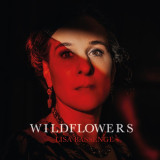
Lisa Bassenge ist zurück, und sie hat Blumen mitgebracht. Mit "Wildflowers" vollendet sie ihre Trio-Trilogie, wieder mit Jacob Karlzon am Klavier und Andreas Lang am Bass - wie schon bei "Borrowed and Blue" (2018) und "Mothers" (2020).
Elf Songs sind es diesmal, scheinbar querbeet und doch aus einem Guss. Von Dolly Parton bis Depeche Mode reicht die Bandbreite auf "Wildflowers", von Bob Dylan bis Death Cab for Cutie. Dazu Lisa Bassenges hintergründig-melancholische Eigenkomposition "Morning Song". Ein bunter Strauß, aber so wie die drei ihn arrangieren und darbieten, wirken die einzelnen Stücke nicht zusammengewürfelt, sondern wie Kapitel einer Erzählung. Jedes schillert für sich, doch das Ganze ist mehr als die Summe seiner Teile.
Das gilt auch für das Trio selbst. Die beiden Musiker - Jacob Karlzon aus Schweden und Andreas Lang aus Dänemark - betten Lisa Bassenges unverwechselbare Stimme in einen warmen, im besten Sinn skandinavischen Sound: entspannt, aber stets verbindlich; sehr spielfreudig, aber nie aufdringlich. "Dieser Sound hat uns gefunden", sagt Lisa Bassenge. Und auf "Wildflowers" haben die drei ihn zur Vollendung gebracht. Jeder Takt des Albums bezeugt die unglaubliche Chemie zwischen der Sängerin und den Musikern.
Was die Songs außerdem verbindet, ist die Qualität der Lyrics. Es sind poetische Texte von existentieller Tiefe, und in Lisa Bassenges eindringlicher Interpretation und glasklarer Phrasierung werden sie zum berauschenden Kopfkino.
Ist das nun Jazz, Pop oder Chanson? Mit "Wildflowers" zeigt das Lisa Bassenge Trio einmal mehr souverän, wie fließend die Grenzen zwischen vermeintlich ganz unterschiedlichen Genres sind. Diese Musik braucht keine Schublade. Es geht ihr um die Schönheit und Wahrheit der Songs.
Nothing compares to Lewis Taylor and nobody crafts a "B-Side" quite like him. Indeed, his long deleted B-Sides are the stuff of legend. So, gathered together for the first time on one slice of wax, we present The Damn Rest: an album's worth of B-Sides from the era of the 1996 Lewis Taylor ("Damn") album. More off-the-wall and abstract than the album proper, these rare, underheard tracks burst with Lewis's uncompromising genius. A lot more experimental, the music is still drop dead beautiful. The Damn Rest is the essential bridge between Lewis Taylor and Lewis II.
Lewis Taylor's self-titled masterpiece from 1996 was to be originally called Damn. You can see the word right there on the from cover. However, concerns over distribution in the US scuppered this desired title. When thinking about what to call this collection of essential B-Sides from the era of that first album, we thought The Damn Rest would be appropriate. But these tracks aren't simply throwaways or outtakes, as Lewis himself states: "each little group were recorded specifically for the release of each 'single'." These B-Sides were simply the next thing to happen after self-titled, and before Lewis II. In other words, you need this!
The collection opens with "Asleep When You Come", the A2 on the original "Lucky" 12". It's a slow-mo string-drenched soul offering, cast in cinematic soft-focus with a vocal performance from the heavens set against wonky, shuffling drums and delicate instrumental flourishes. Beautiful. Also from the "Lucky" single, "You Got Me Thinking" may actually be Lewis' funkiest moment and is definitely one of our favourites, a great, gently psychedelic funky club track, that's for sure. Next, the gorgeous, meandering "I Dream The Better Dream" is just sheer, metronomic bliss, with shades of Stevie Wonder. Just ask D’Angelo, who included the track on his Feverish Phantasmagoria show for Sonos. Not only a celebrity-fan-favourite, it's Lewis's, too: "My favourite has always been this track. In my fantasy it’s what early Soft Machine would’ve sounded like if Marvin Gaye was their lead singer."
As we move to the B-sides from the "Whoever" single, the first to feature is "Pie In The Electric Sky / If I Lay Down". It's a brilliantly sprawling classic. A head-nod funk workout in two parts; part psychedelic heavy soul jam, part breezy Marvin-esque near-instrumental of the deeply lush variety. It needs to be heard to be believed. Astonishing! Flip over for "Waves", a shimmering, dramatic, sweeping string-led fan favourite. The climax of the song is just too stunning for words. It's followed by the deep wyrd-soul of "Trip So Heavy" the final, dizzying track from the "Whoever" single and another celestial funk delight featuring strings, organ, twisted bass and heavy drums. From the "Bittersweet" 12", "A Little Bit Tasty" is a building, schizophrenic soul-jazz epic that starts out with Lewis performing a call and (distant) response with himself over a gentle mid-90s drum loop before snatches of heavy, crunching metal guitars blast apart the otherwise neat song structure. Ultimately, it's unarguable that The Damn Rest is worth it for the inclusion of the jaw-dropping "Lewis III" alone. A dazzlingly lush and stunningly sophisticated prog/soul hybrid that owes as much to "Pet Sounds" as "What's Going On" with arrangements that grow and unfold in layers. Just sparkling.
A compilation like this feels like one of those promo-only rarities they used to give out to a select few back in the good old days, so when it came to the artwork it only made sense to follow what Cally Callomon (head of Island’s art department) had done for the singles and promos back in the 90s. He even did us some fresh scribbles of “The Damn Rest” to match his handwriting that’s all over the first album and its singles. We hope you like it as much as the music contained within. Simon Francis’s vinyl mastering ensures these classic recordings sound as great as they deserve to. The record has been cut by Cicely Balston at Air Studios and pressed at Record Industry. We've lost Prince. We still have Lewis.
out of Stock
Last delivered 3 years ago available to reorder, subject to availability
Könnt ihr euch noch daran erinnern, wie es euch weggeblasen hat, als ihr das erste Mal Metal gehört habt?
"Fight Or Fall" ist eine konsequente Rückkehr zu schnellem und druckvollem Heavy Metal mit schrillen Vocals, knackigen Gitarren und Hooks, die dich daran erinnern lassen, wie gutes Songwriting klingen muss.
Dies Album ist kein fröhlicher Spaziergang durch einen Wald voller Elfen - es ist das Schlachtfeld, auf dem Metal lebendig ist, und die mitreißenden Vocals beschwören die Geister, die den Metal zu der Macht gemacht haben, die er heute ist!
First Ever Vinyl Reissue (released in collaboration with the Numero Group)
180g BLACK vinyl limited to 500 copies (w/obi strip). Non-Returnable.
Little is known about the mythical band ‘Heart-Soul & Inspiration’ and their band leader, L.A. drummer and producer Vince Howard…The crooning Howard got his start in 1957 on Herb Newman’s Era label where he released a bunch of excellent Doo Wop, Funk & Soul singles. Over the ensuing decade Howard slowly began piecing together his “Orchestra” consisting of bassist Jimmy Soul, guitarist Ron Carr, and pianist John True.
Howard’s Heart-Soul & Inspiration Orchestra cut their self-titled (and only) album in 1974 for John Spriggs’ Los Angeles-based Viscojon concern under the watchful eye of R&B godfather Johnny Otis.
The result was the birth of an astonishing piece of art filled with playful sexy moans, climaxing grooves and soulful hooks. One of the many highlights on the album (and clocking in at an epic eleven minutes), Vince Howard’s “I’m Gonna Love You More” is a tantric reimagining of Barry White’s 1973 sexually charged classic. Where White was content delivering a subtle and syrupy innuendo, Howard transformed the break-heavy track into a meandering funk workout.
Sadly, after their Barry White/Isaac Hayes facsimile LP failed to gain traction, the group released their final recordings—“Funk on Down” b/w “Fallen Angel”—for Viscojon in 1975 which became a hit among prominent DJ’s in the nightclub circuit. This ushered in the end for Howard’s Heart-Soul & Inspiration project.
Heart-Soul & Inspiration was a true example of a bright light burning out way too quickly. Thankfully we are left with the unique (and very rare) document that is their self-titled album. Almost impossible to get ahold of…a well-deserved reissue has been long overdue. This is an album that deserves a prominent place in every serious Funk & Soul enthusiast’s record collection!
Charlie Watts “Anthology” is an affectionate retrospective and a reflection of just how frequently Watts was able to exercise his jazz muscles between Rolling Stones commitments to create a bespoke discography of his own. Including 3 unreleased tracks.
The names of Charlie's jazz heroes fell from his lips like a superfan turning the pages of a personal scrapbook. Charlie Parker, Gerry Mulligan, Chico Hamilton, Dave Green, Stan Tracey, Peter King, Courtney Pine, Gail Thompson, Brian Lemon, Gerard Presencer, the Red Rodney group and collaborator Jim Keltner. He knew every player, every session, every album, every outfit they wore on the cover, and he spoke about them with a deep and genuine reverence. He may have been a globally loved hero in the biggest band in the word, but he swatted away any compliment or comparison with his musical favourites. He counted himself their admirer, never their equal.
The Anthology includes an extended essay by Paul Sexton which documents Charlie Watt’s jazz career and the essential albums covered in the collection.
Die US-Hardrock Spezialisten Throw The Fight melden sich mit ihrem fünften Studioalbum "Strangeworld", produziert von Josh Gilbert und Joseph McQueen (As I Lay Dying, Bad Wolves, Light The Torch, Upon a Burning Body), zurück. "'Strangeworld' refers to the odd state of the world we have all been living through these past few years," erzählt die Band. "Sometimes we can feel like we aren't on the same planet. It's a strange world, but through music and art, we can express emotions we feel and deal with daily."
Mit über 50.000 verkauften Alben, mehr als 700.000 monatlichen Spotify-Hörern und über 100 Millionen Streams, können Throw The Fight bereits beeindruckende Zahlen vorweisen. Vor allem Live erwachen Throw The Fight wirklich zum Leben. Das Quartett hat bereits unzählige Kilometer auf der Straße zurückgelegt, um sich eine treue Fanschar zu erspielen. Throw The Fight begleiteten unter anderem Bullet For My Valentine und Black Veil Brides auf der Monster Energy Outbreak Tour und tourten als direkter Support für All That Remains durch Kanada. Darüber hinaus spielte der Vierer
mit Bands wie Avenged Sevenfold, Papa Roach, Nonpoint, The Red Jumpsuit Apparatus und vielen mehr und überzeugte auf Festivals wie der Vans Warped Tour, dem Rock Fest oder Rock USA.
Batov Records “Middle Eastern Grooves’ 7” series have become staples in the sets of DJs looking to broaden their sets to incorporate psychedelic and Middle Eastern sounds alongside the familiar funk, jazz, and soul catalogue. In the process, the series has enjoyed support across BBC 6 Radio Music, from Gilles Peterson to Gideon Coe, and made waves around the world, from Radio Nova and FIP in France, across the Atlantic to KEXP and Music Is My Sanctuary,
and laid the seeds for debut albums from series staples, Sababa 5 and Şatellites.
The compilation opens with the desert funk sound of "Badawee" by the iconic producer and multi-instrumentalist, Kutiman, followed by the instrumental edit of "Ya Raiyat" by Tel Aviv digging pioneers Radio Trip. Other highlights include the deranged & spooky synths of “The Egyptian” by Baharat, a prime example of the label's core sound, the
psychedelic Middle Eastern groove bomb "Deli Deli" by Şatellites, and “Nasnusa”, Sababa 5’s acclaimed collaboration with Japanese vocalist Yurika Hanashima.
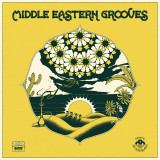
Batov Records is thrilled to announce the release of ‘Middle Eastern Grooves’, a double gatefold LP compilation of standout tracks from the label’s highly successful series of 7” singles released
under the same name, hand selected by label co-founder DJ Kobayashi. Spanning from 2015 to the present day, the compilation features a mix of classic favourites, new releases, and neverbefore-heard gems from some of the most talented emerging artists.
The compilation also includes some exclusive tracks, released here for the first time. Following their recent collaborative EP, Sababa 5 back the newly discovered vocalist Shiran Tzfira with a simple but
effective combo of synths and percussion on the haunting “Manginat Mahepeha”.
Şatellites band leader Itamar Kluger contributes “Saved From The Jazz” from his new psychedelic funk project Eje Eje - watch out for the drums on this!
And finally, underground belly dancing princess turned Mediterranean psych chanteuse, Cherry Bandora, contributes the hypnotic “Esý”.
This first volume of highlights from the Middle Eastern Grooves 7" series offers a comprehensive look at the evolution of the label's sound and its place in the wider musical context. From surf rock
to Mediterranean psych, this collection showcases the diverse and captivating sounds of the Middle East and its influence on modern music. The compilation will be available on double gatefold vinyl and for digital download and streaming from 19th May, 2023.
When he isn’t managing Batov Records, DJ Kobayashi can be found digging for grooves and melodies that stand out from the norm, and sharing them at the likes of Brilliant Corners, Spiritland, and his biweekly show on Soho Radio. His vast collection spans funk and beats from across the globe, and reflects, of course, a particular
predilection for Middle Eastern grooves. His refined tastes have created a great demand for his selections, leading to him playing alongside the likes of Islandman, Balkan Beat Box, The Apples, and Baba Zula.
'Dream From The Deep Well' is the new album from celebrated Irish singer songwriter Brigid Mae Power. Recognised as a purveyor of dreamier pop with folky leanings, this new album is a departure; a unique marriage of traditional stylings and very modern melodies; a breath-taking soundtrack which underpins her gorgeous vocal. Filled with personal tales of offspring and grandparents, the lovelorn and the lost, it's the essence of re-imagined folk music, from the traditional intro and outro that act as bookends. It's folk music, but not as we know it. In these ever-confusing and often annoying times, Brigid brings us modern folk for modern folk, with her evocative vocal, doubling back on itself with strings, steel guitar, horns and mellotron adding to its baroque loveliness. It's waving back at her rootsy past, daubing new colours on a much-loved canvas. 'Dream From The Deep Well' is a new visionary beginning from a gifted songwriter. Elsewhere, there's the lovelorn longing of her version of Tim Buckley's 'I Must Have Been Blind', alongside a moving tribute to the late Ashling Murphy, a 23-year-old Irish primary school teacher and traditional Irish musician who was attacked and killed while jogging along the Grand Canal just outside Tullamore, County Offaly. It's a harrowing story, delivered with overwhelming compassion. In the best tradition of old school folk music, it opens up a pressing issue to a wider audience. It's an album that's politically primed and socially aware; a broadside for us all, this is Brigid Mae Power's most complete album yet. "Her haunting voice, an instrument that raises the everyday to a near-mystical realm." The Guardian. "The Irish singer-songwriter flits between past and present; between traditional and modern forms; between the heaven in her voice and the earthbound epiphanies of her words." Pitchfork
The English is Federico Jusid's sweeping, nostalgic and raw score to Hugo Blick's six part contemporary Western. Giving a nod to 1950s western soundtracks, the score is enriched by Dvořák’s String Quartet No. 12. known as the "American", written during Dvořák’s stay in America, and only three years after the events of the series. Also featured on the album are the beautiful folk songs by The Wailin' Jennys, Melanie, Crooked Still, Ora Cogan and Tom McRae. The second track on the album, Tâtačiksta_ - I Cherish You, features a tender reading by Emily Blunt.
Jusid’s music structure is based on leitmotifs, very simple and symmetric, constantly varied and developed to mirror the protagonists’ journeys. Big orchestral sounds underpin epic and romantic themes. Sound design, processed percussion and ethnic instruments effortlessly blend in with the orchestral material. Federico describes his compositional process – “Unlike other projects, I started working with Hugo Blick, at a very early stage, some time before he even started shooting. Inspired by the scripts, his story board and chatting about the classics, I wrote different piano tunes and first mock-ups and sent them over to him… Often, I have received scenes cut to my own music and that made the process deeply organic and profound. The music became a core element of the structure of the show, instead of a later addition. In the end, Hugo and I worked for an entire year to develop this score”.
Applaus für GRAVEYARD, die mit „Lights Out“ nicht nur die Erwartungen erfüllt, sondern diese sogar noch übertroffen haben, denn auch wenn man sich für „Goliath“ als Single-Auskoppelung entschieden hat, auch jede andere Nummer hätte sich diesen Status verdient. Kurzum: Mit „Lights Out“ machen die Burschen klar, dass alle Spots auf sie gerichtet werden müssen! Zweifarbige Neuauflage!
The Expert vereint auf RITUAL Elemente aus Jazz und 1960er Psychedelia. Kombiniert mit MC Stik Figa in seiner ehrlichsten und persönlichsten Form, wird das Album zu einem überwältigenden Gesamtkunstwerk. Die Art und Weise, wie Jazzeinflüsse mit psychedelischer Produktion kollidieren, treibt sowohl den Dubliner Produzenten als auch den MC aus Kansas in neues Hip-Hop-Terrain. Zu allem gesellen sich Features von Blu, Solemn Brigham (Marlowe), Defcee, Sleep Sinatra, Tanya Morgan und Daniel Luke hinzu.
"The record is colorful, psychedelic, energetic. Revolutionary hip-hop." - NPR Music
From Elvis in Memphis retains the distinction of being the most cohesive, passionate, mature, and emotionally invested record Elvis Presley ever made. Named one of the 500 Greatest Albums of All Time by Rolling Stone, the white-soul landmark features backing by "The "Memphis Boys" and teems with rhythm-heavy country, gospel, R&B, and blues. Lauded for its natural, open sonics, the 1969 set now comes across with remarkable clarity, presence, and warmth courtesy of a premium restoration befitting a king.
Mastered from the original master tapes, pressed on MoFi SuperVinyl at RTI, and strictly limited to 10,000 numbered copies, Mobile Fidelity's UltraDisc One-Step 180g 45RPM 2LP box set of From Elvis in Memphis unearths the ravishing inner detail, sticky rhythms, and brilliant arrangements of Chips Moman's inspired production. In short, this unparalleled reissue unlocks the spirit and gestalt of the recording and takes you inside American Sound Studio. It also brings you up close and personal with Presley's singing – widely considered by many to represent the finest of his career – located dead-centre amidst the instrumental hurricane. Equally impressive are the contributions of the aforementioned Boys, and how their Southern-brewed playing – a balance of leisure with swiftness, grandiosity with concision, freedom with control – dovetails with Presley's vernacular.
The lavish packaging and gorgeous presentation of the UD1S From Elvis in Memphis pressing befit its extremely select status. Housed in a deluxe box, it features special foil-stamped jackets and faithful-to-the-original graphics that illuminate the splendor of the recording. No expense has been spared. Aurally and visually, this UD1S reissue exists as a curatorial artifact meant to be preserved, pored over, touched, and examined. It is made for discerning listeners that prize sound quality and production, and who desire to fully immerse themselves in the art – and everything involved with the album, from the images to the finishes.
Sharing much in common with the full, rich, orchestrated Stax Records sound, From Elvis in Memphis oozes with choice nuances and distinctive flourishes that on this ultra-hi-fi edition not only arise with previously unheard transparency and sharpness, but complement and serve the whole. Take the specific tonalities and blending of violas, cellos, and horns that communicate mood and serve as counterpoints. Or lively performances of the backing quintet, and how the piano and Hammond organ trace the lines of the melodies and Presley's lead. Listen to the uplifting support provided by the cadre of backing vocalists (more than a dozen credited), unrivalled in Presley's canon and a precursor to the approach he'd soon adopt in Las Vegas.
Of course, From Elvis in Memphis precedes the icon's transition into his glitzy jumpsuit phase – and follows his merciful move away from the hoary soundtrack work that consumed nearly a decade of his creative life and prompted a rebirth that began in 1968. As the bridge between eras, the record seizes on Presley's rejuvenated attitude and commitment to quality, facets that drip from the fervency with which he delivers every word. For the same reasons, and for the fact it traces back to Presley's original roots and hip-shaking guise, the album further remains a cornerstone of American music history.
Writing about the work's 40th anniversary for Rolling Stone, James Hunter correctly observed: "From Elvis in Memphis represented the full-on immersion in the Memphis idea of Elvis Presley, the American singer second only to Frank Sinatra for the ability to conjure a particular sonic universe with his merest vocal utterance. And from the album's first song, in which a bluesy Elvis espies a woman 'Wearin' That Loved On Look,' to its last, in which a more straight-up-pop Elvis regrets the injustices of life 'In the Ghetto,' his fully engaged, newly energized voice finds its most logical album setting in years."
Incredibly, Presley and company completed more than two dozen cuts for From Elvis in Memphis. One, "Suspicious Minds," turned into the vocalist's final chart-topping single and lingers as one of his most beloved rock n' roll numbers. Even though it never formally appeared on the record, the non-album song is included here as a bonus track and attains newfound depth, energy, and swagger. Coupled with the other dozen tracks – including the sultry "Power of My Love," balladic take of Dallas Frazier's "True Love Travels on a Gravel Road," and driving cover of Hank Snow's I'm Moving On" – it makes for the finest Elvis listening experience available.
Santana's self-titled debut album announces the arrival of a new Guitar God. Made during the legendary bandleader's most fruitful and creative period, the classic 1969 set functions as an accessible entry point into the tangy worlds of Latin music by way of an intoxicating blend of Afro-Cuban percussion, jazzy tempos, exotic leads, bluesy riffs, and psychedelic accents.
Indeed, separation between Carlos Santana's fluid fills, spicy solos, and broiling grooves and pianist Gregg Rolie's soulful Hammond organ runs allows the music to come alive with a newfound freshness and radiance. Songs simmer, with each passage bursting forth with vibrant colour. Just like the equally essential follow-up Abraxas, Santana also lays claim to one of the biggest (and unfortunate) production gaffes in music history.
For nearly four decades, copies were produced with the left and right channels reversed, meaning that everything was placed in a backwards manner. This even extended to compilations on which individual songs from Santana were included. Rest assured that, in addition to boasting reference audiophile sonics, this 180g 45RPM 2LP set gets all the specifications exactly right. And with a record of this magnitude, you want everything to be perfect.
Bound by natural chemistry and earthy spirituality, the record's innovative synthesis of myriad styles goes beyond anything that came before – as well as nearly everything that's followed. Playing with the finest band that the iconic guitarist ever had, Santana doesn't water down any exotic roots or simply incorporate mainstream Western styles into a Latin framework. This is a true hybrid, responsible for opening up borders, transcending cultural divides, and, most importantly, exhilarating the senses.
Released just weeks after the band blew minds at Woodstock, the groundbreaking record stands alongside Miles Davis' Bitches Brew and Jeff Beck's Beck-Ola as a pillar of rock fusion. Featuring the Top Ten radio smash "Evil Ways" and jam favorite "Soul Sacrifice," it hasn't aged a day. Hear like never before why Rolling Stone says Santana is #149 on its list of the Greatest Albums of All Time.
Marc Richter aka Black To Comm released his debut record 20 years ago. In 2023 he is still busy releasing music under various disguises and is currently signed to the Thrill Jockey label. To celebrate this anniversary his own Cellule 75 label is re-releasing some classic out-of-print vinyl albums that originally came out on the defunct Type and De Stijl labels. The LP will feature a full-colour printed inner sleeve exclusive to this edition.
In 2009 the Type Recordings label run by John Twells had just released seminal records by Grouper, Jóhann Jóhannsson and Yellow Swans when they signed Richter and put out his breakthrough Alphabet 1968 album. The LP sold out within two weeks, receiving a glowing full-page review in The Wire Magazine by the late Mark Fisher (later reprinted in his book Ghosts Of My Life), was selected for Boomkat's Top 10 releases of the year (alongside debut albums by Leyland Kirby, Demdike Stare and Oneohtrix Point Never) and was greeted with universal praise in the underground blog network as well as established magazines such as The New Yorker and Pitchfork.
The music itself played with the notion of nostalgia without being nostalgic itself. It's the sound of half-remembered dreams, a surreal distorted vision of the past, an aural polaroid of long forgotten musics, a ghostly voice from a non-existent era.
From the original Type one-sheet:
"The mission statement for Alphabet 1968 was to write an album of "songs" for want of a better word. Short tracks which represented genre points, the milestones which stuck in Richter's mind when he thought back to his favorite records. What we arrive at is a breathtaking 10-track album which, over the course of 45 minutes, explores world music, techno, noise, avant-garde, ambient music and even exotica. Each track is linked with a loose thread of radio static or environmental sound, dragging you through the album, as if tuning in to a stray broadcast or a particularly adventurous mix. Richter has pieced the album together from hours of recordings made at his studio with home made gamelan, small instruments and loops gathered from a collection of ancient vinyl and 78 records. The scope of the album is admirable, but ignoring this, it is simply a shockingly arresting collection of experimental oddities, with references ranging from Moondog to Basic Channel by way of Bernard Herrmann. It's not hard to fall in love with Alphabet 1968, far harder would be to place exactly where the record should fit into your collection."
Mark Fisher in The Wire:
"But what if we were to take Richter's provocation seriously - what would a song without a singer be like? What would it be like, that is to say, if objects themselves could sing? It’s a question that connects fairy tales with cybernetics, and listening to Alphabet 1968, I’m reminded of a filmic space in which magic and mechanism meet: JF Sebastian’s apartment in Blade Runner. The tracks on the LP are crafted with the same minute attention to detail that the genetic designer and toymaker brought to his miniature automata, with their bizarre mixture of the clockwork and the computerised, the antique and the ultramodern, the playful and the sinister. Richter’s musical pieces have been built from similarly heterogeneous materials - record crackle, shortwave radio, glockenspiels, all manner of samples, mostly of acoustic instruments. ….. JF Sebastian's apartment was itself an update of older spaces in which science and sorcery co-existed: the workshops of ETA Hoffmann's inventor-magicians, or of Pinocchio's creator, Geppetto. I think, too, of Auguste Villiers de l'Isle-Adam's astonishing 1886 tale The Future Eve in which Edison, using the expertise he has recently acquired from inventing the phonograph, sets himself the task of constructing an artificial woman. But if there are songs here, they are sung by the gramophone and other recording and playback machines. Richter so successfully effaces himself as author that it is as if he has snuck into a room and recorded the objects as they played (to) themselves. Rather than simply automating his music, as in the case of Pierre Bastien and his mechanical machines, Richter makes us feel that he has merely recorded the unlife of objects. ….. Indeed, the impression of things winding down is persistent on Alphabet 1968. Entropy has not been excluded from Richter's enchanted soundworld. It feels as if the magic is always about to wear off, that the enchanted objects will slip back into the inanimate again at any moment."
A kind of hush pervades throughout Standards Vol VI, the latest release by The National Jazz Trio of Scotland, the ironically named project helmed by Falkirk’s musical polymath, Bill Wells, that is neither a trio, nor a jazz band. If this collection of ten covers probably comes closest to the latter in its late night renditions of actual standards, the presence of long-term NJToS member and collaborator Aby Vulliamy as the record’s lone vocalist adds to its solitary air. This follows Standards Vol IV (2018), which featured fellow NJToS co-founder Kate Sugden as primary vocalist, while Gerard Black, a member of the group since 2016, took centre stage in similar fashion on Standards Vol V (2019). Wells has long been a fan of Vulliamy, both of her work as a viola player with numerous collaborators, and as a singer.
Vulliamy played viola on Everything’s Getting Older, Wells’ 2011 collaboration with Arab Strap vocalist Aidan Moffat. Wells went on to play melodica on Vulliamy’s solo record, Spin Cycle, released on Karaoke Kalk in 2018. With the intent of producing the saddest heartbreak record ever made, Wells sourced a back catalogue of miniature epics, reinterpreting each tale of everyday yearning to make a canon of melancholy loungecore designed for nights in alone, if not always lonely. Beyond the concept of isolation behind Standards Vol VI, practical concerns added to the affair, with Wells recording backing tracks at home in Glasgow, while Vulliamy added her voice from her home in Yorkshire. The result on Standards Vol VI is a thing of quiet beauty that sees Wells and Vulliamy reimagine a panoply of pop classics in their own aloof sounding image.
Shades of Margo Guryan and Claudine Longet abound in Vulliamy’s delivery over Wells’ woozy, low-slung guitar and piano, with samples culled from a session with Teenage Fanclub’s Norman Blake. Little electronic percussive clicks and hisses lend things an even more otherworldly air on a record bookended by opener, Donovan’s proto hippy classic, Catch the Wind, and Dixieland miniature, Careless Love. The eight points in between take in a first half led by The Beatles’ normally jaunty We Can Work it Out, flipping the loveable mop-tops’ perky optimism for something more soul searching. This is followed by I Wish You Love, Albert Beach’s English language version of French songwriter Charles Trenet’s evergreen, Que reste-t-il de nos amours. The Bee Gees lost classic, To Love Somebody, is up next, with more impossible to answer questions coming in Why Can’t I?
The latter is a Rodgers and Hart composition that first appeared in the duo’s 1930 Broadway musical, Spring is Here, in which the show’s two heroines commiserate each other over their shared loneliness. Wells stumbled on the song in a tatty Rodgers and Hart songbook, which, like its subjects, had been left on the shelf before he and Vulliamy brought it in from the cold. The second half of Standards Vol VI leads with Matchmaker, Matchmaker, Jerry Bock and Sheldon Harnick’s much covered evocation of a pre dating app era from their 1964 hit musical, Fiddler on the Roof. This is followed by Billy Rose and Dave Dreyer’s showbiz staple (with Al Jolson also taking a credit), Me and My Shadow. While made famous by showbiz double acts ranging from Frank and Sammy to Robbie and Jonathan, here it flies decidedly solo. Johnny Mercer and Hoagy Carmichael’s Skylark comes next, a song inspired by Mercer’s yearning for Judy Garland. We hear ya, bub. The most downbeat take on Bacharach and David’s The Look of Love you’re ever likely to hear comes next, ushering in the short farewell of Careless Love, before the lights are turned out forever. Yeah, well. Whatever gets you through the night…
Tchiss Lopes - ram name Narciso Lopes - lay down plenty of reggae and funana experiments all in inspired by the local rhythms of the island of Santiago on Stranger Ja Catem Traboi, his seminal debut LP from 1982. It has become a hard to find and expensive cult classic that now gets reissued on vinyl and CD courtesy of Arabusta. It is as energetic, rhythmic and melodic as music gets, with great politically and socially aware conscious male vocals sung in Portuguese. Singer, instrumental performer and composer Lopes release seven albums in all, but this one set the highest standards of his career.
A wild and funky collection of Afro grooves that was ahead of its time in 1977 and has become a collector’s item in recent years, especially due to the growing international interest in Colombian picó sound system culture. Fruko and his studio bands Wganda Kenya and Kammpala Grupo treat us to a diverse set of African and Caribbean styles, laced with crazy synths, psychedelic guitar and infectious pan-African polyrhythms. By the time Discos Fuentes released the album “Wganda Kenya Kammpala Grupo” in 1977, Wganda Kenya’s discography was expanding with many 45 singles and appearances in various artists collections. The group’s 1975 debut record “África 5.000” was a full length LP in the U.S. and a various artists compilation in Colombia, which was followed by the self-titled long player the following year. However, Kammpala Grupo, which shared the album’s title and was credited to three songs on the record, had never appeared before, yet was basically the same studio group as Wganda Kenya. Most likely the creation of this short-lived studio band was just a ploy by the label to make it seem like there were more groups playing the type of exotic afro tracks favored by the picotero DJs of Colombia’s Caribbean coast (especially in Barranquilla and Cartagena). 1974 Discos Fuentes’ management had sent musician, band leader and producer Julio Ernesto “Fruko” Estrada to the coast on an A&R mission to discover what people were dancing to in the verbenas (communal open air neighborhood parties) run by the owners of picó sound systems (decorated mobile DJ rigs). Always game for an adventure, Fruko was tasked with bringing some popular examples of these esoteric, hard-to-find African, French and Dutch Antillean records back to Medellín to serve as inspiration (or to outright copy) so that the label could enter into the growing regional market and spread its popularity to the interior of Colombia and other Latin American countries via its own studio creation, Wganda Kenya. Fuentes was always returning to exploit the rich African-rooted culture of the coast as it had with the cumbia and other regional genres before, so in a way it was not surprising that they were attuned to this particular niche phenomenon from a marginalized sector of the population. The most popular genres with the champeta dancers in the 70’s and 80’s were styles like Congolese rumba, highlife, afrobeat, juju, mbaqanga and soukous as well as the music of Haiti, Guadeloupe, Martinique, Curaçao and Dominica, all of which were fiercely guarded by the DJs who had managed to acquire them often through extreme means of travel, barter and intense digging. The record kicks off with the joyful ‘El Gallo Africano’ which features exquisite interplay between Sepúlveda’s highlife style guitar and an authentic-sounding African style saxophone, perhaps played by Carlos Piña. In reality it was ‘Go Call Police Chief’ by prolific Nigerian highlife guitarist Chief Oliver Sunday Akanite, aka Oliver De Coque. Next up is Kammpala Grupo’s ‘La Yuca Rayá’ (‘Grated Yuca’), written by Isaac Villanueva in a style he termed son haitiano which sounds much more like Zimbabwe Shona mbira music. Wganda Kenya’s ‘Caimito’ (star apple, a type of tropical fruit), on the other hand, is actually a cover of a relatively well-known Haitian merengue song. Kammpala Grupo then takes us from the French Antilles to the multi-cultural discotheques of Paris, where a cover version of Black Soul’s Afro-boogie anthem ‘Black Soul Music’ is retooled and renamed ‘King Kong’, perhaps in a nod to the 1976 remake of the monster flick of the same name. Side two introduces us to the infectious merengue rebita of Angola via ‘La riphyta’ with “Paparí”, aka Mariano Sepúlveda, doing the vocals and faithfully replicating the Angolan guitar style. ‘La Trompeta Loca’ (‘The Crazy Trumpet’), probably the nuttiest track on the album, is an ingenious cover of ‘Ye Gbawa Oo Baba (Tribute To Nigeria)’ by Joe Mensah of Ghana. As with all their covers of African tunes, this rendition tightens up the original with some pop sheen, more consistent drumming and higher production values, remaking it into a powerful slow-burning dance floor filler. This is followed by one of the most powerfully original songs to come out of the entire Wganda Kenya project, Mike Char’s reggae anthem ‘El Nativo’ with Joe Arroyo on vocals. The record ends on a more authentically Caribbean sounding note with the instrumental ‘El testamento’, a cheerful islands banger with bright brass, syncopated calypso beats and chunky cuatro guitar (or ukulele). The original was in the mento genre and titled ‘Sweet meat’, written and recorded by Jamaican trumpeter Bobby Ellis. First time reissue. 180g vinyl.
Ned Milligan is a New York based elementary school teacher and occasional musician. He’s behind the great small-run label Florabelle since 2015. This is his sixth solo album.
"My work in the past five years has been grounded in recording and playing outdoors, trying to communicate the meaning of being in a particular location and finding meaning in interacting with whatever sounds or elements are equally present. I'm still excited by all of it! This sense of purpose continues with Considerable and the most I could wish for is that the specificity of what I am doing and where I'm doing it manages to evoke something in anyone listening--a connection to their own environments and spaces. None of these pieces is strictly documentary or one-take in approach or composition, but I hope that the combination of processed and "factual" sounds achieve integrity."
chimes, singing drum, autoharp, field recordings, processing: Ned Milligan
campfire recording in "Sky Smokes & Electronics": Jerome Klap
additional percussion in "Mosey With Me": Rory Milligan
singing: graciously and anonymously donated
recorded mostly outdoors, sometimes indoors in York, Maine.
De Brassers were one of the most notorious bands in the Belgian new wave/punk history. With their no nonsense attitude they scared the shit out of the local catholic community of Hamont. De Brassers were a local mixture of the Sex Pistols (in the lowest gear) and Joy Division (they always performed a cover version of Joy Division’s Shadowplay), combining a criticism of bureaucracy and politics with experiences of psychological and existential tensions. The doomed sound they produced tells a lot about the dark atmosphere of the late seventies and early eighties: the fear of atomic bombs, cold war pessimism, police violence against squatters, the first cases of AIDS, and the grim years of Reagan & Thatcher.
This compilation takes you back to that time. All tracks from their first 7″ "En Toen Was Er Niets Meer” & their self-titled 12″, plus rare & unreleased tracks taken from various live performances & the cassette “Levend”. If you’re in for a raw slice of Belgian history let de Brassers immerse you in a cold wave of punk.
Selected by Jim O’Rourke for his Tone Glow list of 25 albums that “never got their due”, Org was founded in the early 90’s by Espen Jensen and Kjetil D Brandsdal who would later go on to variously record as Elektrodiesel, Noxagt and Ultralyd in the swirl of the highly active Norwegian underground. “Org" was the only album the pair recorded as a duo, pressed in a meagre edition of just over 100 copies which disappeared almost as soon as they were made, lodged in the memory of the select few who have managed to hear it in the years since.
Made up of three long tracks, the near 20-minute ‘001’ opens the album with an extended organ zone-out matched with scraping factory machinery saturated into a dense cloud of harmonic fuzz. There's something transcendental about the sound that intersects with microtonal Alice Coltrane (particularly the unfairly maligned organ-only edition of "Turiya Sings"), as well as Pauline Oliveros and Ramleh. It’s music that pulls you in subconsciously; before you know it, you're fixating on the uncomfortable grind of metal on metal, buried mechanical rhythms and liturgical organ vamps that wind between industrial cacophony and sacred ritual music. For its last few seconds, we go into a full death metal tearout that fades out before it takes full flight, a glorious wtf.
‘002’ connects between minimalist drone styles and shoegaze, distorting fuzzed organ into pliable, dreamlike warbles that end up sounding like Kevin Shields' ‘Loveless’-era glides, or even Sunn O))) at their most devotional. Never losing the numbing overdriven mettle, its a piece that sounds spiritually entwined with Matthew Bower's Skullflower - a minimalist re-reading of high-contrast guitar music that takes all the psychoacoustic power and none of the annoying posturing.
For ‘003’, subaqueous organ is joined by synth and drum machine, sounding like the inspirational spark for Religious Knives' screwed 'n chopped cosmic psychedelia. The choice of sounds links it to Antena's foundational electro samba recordings too, but the overwhelming drone - a constant on all three compositions - connects the music to minimalist spirituals that have simmered beneath the DIY/avant garde for decades.
‘Org’ sits heavy on the nerves with overproof levels of mulched amp worship and ungodly, palms-down organ chords and wheezing, bezonked lines of melodic thought. 25 years out of sight and marinading in the archives, with the benefit of hindsight we can better understand the role these sounds played in the development of music in the contemporary sphere. It’s an important piece of the puzzle, one that makes valuable connections that, over time, have looked progressively more faint.
Byard Lancaster was a composer/multi-instrumentalist born in Philadelphia in 1942. He started playing alto saxophone at an early age and later took up flute and bass clarinet. While attending Berklee College of Music, Lancaster and pianist Dave Burrell organized late-night jam sessions with fellow students and touring musicians. In 1965, he moved to New York and quickly became part of the city's burgeoning scene – playing with jazz luminaries such as Archie Shepp, Sunny Murray, Bill Dixon and Marzette Watts.
It's Not Up To Us, Lancaster's 1968 debut as a leader, was originally released on Vortex, a subsidiary of Atlantic responsible for first albums by Chick Corea, Keith Jarrett and Sonny Sharrock. Featuring guitarist Sharrock (another Berklee alum), It's Not Up To Us is true fire music – fusing elements of free jazz, soul/R&B and traditional folk song.
On the opening title track, Lancaster's luminous flute draws the listener in, while bassist Jerome Hunter grounds the tune with a simple descending theme over Keno Speller and Eric Gravatt's syncopated rhythms. "John's Children," a reference to the group's status as post-Coltrane players, showcases the modal strumming of Sharrock's steady drones as Lancaster cries into the void. After repeated listens, Lancaster's original compositions become visceral aural memories ingrained in the ear, while the standards ("Misty" and "Over The Rainbow") sound the most avant-garde pieces on the album.
This first-time vinyl reissue is recommended for fans of Albert Ayler, Don Cherry and Pharoah Sanders.
"Warren 'Sonny' Sharrock died of a heart attack at the age of 53 in 1994. At the time of his death, many writers noted that he had recently landed a contract with a major label (RCA) and was perhaps 'destined for big things.' In my opinion, these writers missed the point. Although Mr. Sharrock may not have been successful financially (as though that might be a primary motivating goal for any true artist), he was uncommonly successful aesthetically. Certainly, there are a few dubious moments to be found inside his oeuvre, but Mr. Sharrock produced several of the most mind-shredding avant-garde albums ever recorded. Premier among them is Black Woman.
"Originally released on the Vortex label in 1969, Black Woman may be the universe's first true statement of guitar skronk majesty. It also represents Mr. Sharrock's first date as a leader and stands as the sole documentation of a band that well-understood the essentials of energy. Besides Sharrock's explosive guitar, the band features the omni-directional percussion mastery of Milford Graves (then in the midst of recording Love Cry with Albert Ayler), the gorgeous post-tongue vocalizing of Sonny's then-wife Linda Sharrock, the sinuous bass presence of Norris Jones (later known as Sirone) and some the most explicitly abstract piano work ever recorded by Dave Burrell. That Black Woman was produced by flautist Herbie Mann, a guy not well-known for his affinity to fire music, makes it even more intriguing." – Byron Coley
Blue Lake is the musical moniker of American born, Copenhagen based multidisciplinary artist and musician Jason Dungan, who signs to the Tonal Union imprint for the release of his new longform album ‘Sun Arcs’. It follows 2022’s release ‘Stikling’, earning a nomination for ‘Album of the Year’ at the Danish Music Awards plus warm praise from The Hum blog and musicians and DJs alike including Jack Rollo (Time is Away/NTS) and Carla dal Forno. A self taught player, Dungan began freely experimenting with self-built multi-string instruments, preferring to build his own hybrid 48-string zither and working in the realms of left-field ambient music, off kilter folk and improvised acoustic minimalism.
The starting point of ‘Sun Arcs’ saw Jason travel for a week alone to Andersabo, a cabin set in the idyllic Swedish woods just outside of Unnaryd, known also as the music project, festival and residency space which has been run by Dungan since 2016, hosting artists like Sofie Birch, Johan Carøe and Ellen Arkbro. Whilst writing 1-2 pieces per day, a conscious decision was made to leave behind everyday distractions and shut out the outside world to instead focus on the natural passage of time as Dungan recalls: “My only sense of time came from these daily walks out in the woods with my dog, and an awareness of the sun’s path as it moved across the sky each day.”
The album’s immersive world unfolds with the opener ‘Dallas’, an ode to his home state and a musical synthesis of these two disparate spaces (Texas and Denmark), the touchstones of Dungan’s life. A folk-esque single acoustic builds to a flowing arrangement of clarinets, organ and cello drones coupled with percussion. ‘Green-Yellow Field’ chimes in as the first of two solo oriented zither recordings twinned with the dreamlike title track ‘Sun Arcs’, both densely rich as cascading and overlapping harmonic tones resound. ‘Bloom’ emerges with a krautrock psyche before an eruption of cello drones, slide guitar and free-ranging zither playing, ushering in the anticipation of spring. With half of the recordings conceived in Andersabo, Jason returned to Copenhagen to form the album's centre piece ‘Rain Cycle’ which features a tempered Roland drum machine alongside shifting zither improvisations. ‘Writing’ explores the shimmering harp-like qualities of sweeping playing figurations with Dungan mapping out adjusted tuning “zones” on the zither for unconventional but creatively liberating effects. ‘Fur’ captures the feeling of openness and the momentum of time, seeing Dungan perform waves of solo clarinet, often in one takes and embellished with textural drones, a zither solo, and layers of guitar. ‘Wavelength’ the album's closer is fondly inspired by the film works of Michael Snow and Don Cherry’s seminal live album ‘Blue Lake’ (1974), as it builds out from a drone-generated zither chord and features an alto recorder solo. Dungan found a deep connection to Cherry’s stripped back performance ethos, focusing on the core beauty of minimal instrumentation creating a genre-less meeting between folk and jazz. A dialogue is formed between the solo and the bandlike performances, interlinked in a geographical duality with all finding a sense of commonplace as musical sketches of visited landscapes. The bountiful instrumentation ebbs and flows as further layers emerge with Dungan constructing his material much like an artist would, recording and reviewing, adding and subtracting.
Musically it portrays a form of double life led by an American-identifying person living in Scandinavia, and a new found presence in Denmark, seeking out underdeveloped marshlands and barren stretches of beach adrift from other rhythms and distractions. Highlighting their individual and potent importance Dungan concludes: “Both places feel like “me”, I think on some level the music is always some kind of self-portrait.” ‘Sun Arcs’ depicts the intricate balance of nature’s cycles and the paths outlined by the seasons, from a winter dormancy to a warm sun drenched scene. The album scales new glorying heights and further defines Dungan’s musical narrative, inhabiting a unique space in left-field, improvised and experimental music, borning his most accomplished compositions to date. A singular and visionary expression, drawing on an array of instruments and sound worlds with a renewed sense of joy and discovery.
The album's rich tapestry was mixed by Jeff Zeigler (Laraaji, Mary Lattimore, Kurt Vile /Steve Gunn) and mastered by Stephan Mathieu (Kali Malone, KMRU, Félicia Atkinson).
out of Stock
Last delivered 3 years ago available to reorder, subject to availability
When Chet Baker lit up the West-Coast scene during the 1950s, he became a Jazz idol who
appealed to a younger generation and impressed even the most acerbic critics. He jammed
alongside Tenor Sax stars Vido Musso and Stan Getz, and joined Alto Sax legend Charlie
Parker on various West-Coast gigs. Hailed as the Prince of Cool, Chet caused a sensation
when his mellifluous Trumpet tones were first heard blending with Gerry Mulligan's deep
toned Baritone Saxophone in the famous Mulligan Quartet . It was in 1952 when they joined
forces on tunes like Walking Shoes and Line For Lyons. It wasn't long before they departed
ways with Chet establishing his own Quartet that launched a recording career blessed by
the plethora of performances gathered on this triple LP set. He plays his distinctive style of
trumpet along with presenting Chet the singer. Our collection opens with Let's Get Lost and
My Funny Valentine before advancing to include I Fall In Love Too Easy, The Thrill Is Gone,
That Old Feeling and Chetty's Lullaby. So, let's get lost in the eternally cool world of Chet
Baker.
Molly is a very creative player in the electronic music field today. She's always moving us forward in a very surprising way.
Composing her new EP for Groovement was a long, slow but self-empowering process, as she went through a lot of different vibrations these past years.
"Introspections" is a deep, beautiful and soulful journey about being tremendously human and sensitive.
5 new tracks in which we can enjoy the power to dance and the power to rest spiritually sane.
out of Stock
Last delivered 49 days ago available to reorder, subject to availability
Howard Jones was an icon of the synth-pop era of the early 80s, with a few major hits which have since been etched into the memories of anyone in reach of a radio well into the 90s. While his major breakthrough came with the 1984 album Human's Lib, there was also a curious compilation put together in Japan entitled Howard Jones Sings What Is Love? which pulled together some of his early singles, including extended 12" mixes, but the release never made it past promo stage. As such, it's been a collectors item for a long time, and now Cherry Red have given it a first official release with attention to detail in the artwork and English translation of the original Japanese sleeve notes.
With a well-received new album “Darkadelic” in the shops, the Damned continue to build on their legendary status.
This month as well as finally releasing the “David Vanian And The Phantom Chords” album as a 2LP set we are delighted to also offer “The Best Of The Damned”.
This album was originally released back in 1981 and pulled together the classic singles that the band had made for the label like ‘Love Song’, ‘Smash It Up’ (Parts 1 and 2)’, ‘I Just Can’t Be Happy Today’, ‘History Of The World Part 1’, ‘Hit Or Miss’, their Christmas single ‘There Ain’t No Sanity Clause’ and ‘Wait For The Blackout’. Not only are these now seen as gold-standard Damned tracks but also map out a musical development where they moved from their punk roots to crafting melodic pop songs that also took them into the charts. Better still, when originally pressed up in 1981 the album cannily also included those earlier classics punk classics ‘New Rose’ and ‘Neat Neat Neat’. There’s even Captain Sensible and the Softies’ version of ‘Jet Boy, Jet Girl’ that appeared on the flip of ‘Wait For The Blackout’ in 1982.
You don’t mess with a classic so we have reissued the album just as it looked back in 1981, complete with inner sleeve and blackmail label lettering. Saying that, fans of the Damned both old and new will need no encouragement to add this to their collection.
Klaus Mäkelä brings the Orchestre de Paris to Decca Classics for a major new album of Stravinsky’s most iconic ballet scores. The album represents Mäkelä’s first recording with his French orchestra, which will be followed by a further Ballet Russes release in 2024 featuring Stravinsky’s Petrushka and Debussy’s Jeux and L’Apres midi d’une faune. Klaus Mäkelä has electrified the musicians and audiences of the Orchestre de Paris since the start of his Music Directorship in September 2021. One of the major projects of his second season at the Philharmonie de Paris was a traversal of Stravinsky’s pivotal ballet scores The Firebird and The Rite of Spring that proved anything but routine. The performances captured live on Decca’s new release carry the combination of intensity, intelligence and authority on which the young conductor is building his extraordinary career.