For its eighth release, Phonotheque Records presents Juan Dairecshion, co-founder of MER and SOEN, and director of Osmosis Records. This double 2x12" vinyl features 11 tracks spanning a wide variety of styles: house, techno, tech house.
The album is marked by its powerful basslines and dystopian vocals, offering a diverse journey that showcases the Uruguayan producer’s broad creative range. From melodic club-ready rhythms to darker and more experimental moments, this selection captures the essence of his versatile style.
Perfect for DJ sets seeking both dynamism and depth in the mix.
Buscar:buru
A royal refugee turned Soul survivor. On his debut album Free Me, Burundian-born JP Bimeni astonishes with a voice that recalls Otis Redding in his prime whilst resonating with the soul of Africa. A refugee who's been living in London since the early 2000s, Bimeni sings songs of love and loss, hope and fear, with a conviction that comes from the extraordinary experiences life has thrown at him.
A descendant of the Burundian royal family, Bimeni fled Burundi aged 15 during the 1993 civil war. Following three attempts on his life - at school he watched as his schoolmates were murdered, he was then chased by motorcycle militia-men and finally poisoned by doctors in hospital - he was given refugee status and fled to the UK where he's remained ever since. Music has provided the solace that Bimeni has needed to move forward with his life: 'If I didn't have music I don´t know how I would have survived everything', he says. With it's classic 60s-sounding Motown and Stax-inspired grooves the album was written by musical director Eduardo Martiìnez and songwriter Marc Ibarz and Bimeni imbues these tales of love and loss with his tragic experiences making 'Free Me' a deep soul soundtrack to his pained life: 'When I sing I feel like I'm cleansing myself: music is a way for me to forget'.
- 1: Celia Cruz - Yerbero Moderno
- 1: 2Celia Cruz Con La Sonora Matancera - Tuya, Y Mas Que Tu
- 1: 3Celia Cruz - Matiagua
- 1: 4Celia Cruz - Mi Soncito
- 1: 5Celia Cruz - Yembe Laroco
- 1: 6Celia Cruz Con La Sonora Matancera - Así Quiero Morir
- 1: 7Celia Cruz Con La Sonora Matancera - Pa' La Paloma
- 1: 8Celia Cruz - Cao Cao Maní Picao
- 1: 9Celia Cruz - Burundanga
- 1: 0Celia Cruz - Melao De Caña
- 1: Celia Cruz Con La Sonora Matancera - Caramelos
- 1: 2Celia Cruz Con La Sonora Matancera - Chango Ta' Veni
- 1: 3Celia Cruz Con La Sonora Matancera - Mi Amor...buenas N
- 1: 4Celia Cruz Con La Sonora Matancera - Me Voy A Pinar Del
- 1: 5Celia Cruz Con La Sonora Matancera - Saludo A Elegua
- 1: 6Celia Cruz - Mata Siguaraya
Mit Queen of Cuba präsentiert Wagram eine sorgfältig kuratierte Vinyl-Ausgabe, die dem unvergleichlichen Werk von Celia Cruz gewidmet ist. Die "Königin des Salsa" prägte über Jahrzehnte die kubanische Musik und machte sie weltweit bekannt. Dieses Album vereint einige ihrer bedeutendsten Aufnahmen, die den unverwechselbaren Klang und die Energie des Son, Rumba und Salsa widerspiegeln. Titel wie Burundanga, Yerbero Moderno, Cao Cao Maní Picao und Mata Siguaraya zeigen die Vielfalt ihres Repertoires und ihre charismatische Stimme, die Generationen begeistert hat.
- Hasiera 00:50
- 2: Iratzarri 0:37
- Sarrakio 02:10
- Dantza Bihurritua 03:50
- Desagertu 03:18
- Meditazioa I 02:09
- Besarkatu Ninduzun (Cdr Y Basandere Ahotsak) 03:50
- Meditazioa Ii 02:53
- Ametza Iii 02:06
- Oroipen 04:04
- Fallen Gaza 03:09
- Atseginzale Dantza 02:14
- Sua Eta Heriotza 00:59
- Agur Maria (Cdr Y Basandere Ahotsak) 03:55
- Bukaerako Dantza 04:03
- Amaiera 00:36
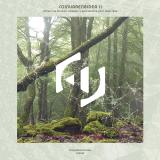
Una interpretación de Soinuarenbidea II debería partir de esta premisa: todo es posible, nada es aleatorio, y en sí mismo es un imposible de aleatoriedades. El escenario planteado explora la idea de realidad aumentada desde una percepción sonora, ambiental y colectiva. La obra transita hacia adelante y hacia atrás recreando experiencias extintas de porvenir incierto, tratando de facilitar un fin pacificador. Cada pieza sonora se crea, se despliega, se repliega y se destruye, en una torsión permanente de toda la realidad que hace posible cada fragmento musical, cada identidad acústica, cada espacio sonoro. Lo onírico, la ficción, y el viaje están continuamente presentes, y es en el transitar de cada fragmento donde se produce el diálogo de la exposición musical. Los elementos de esta ficción se recrean continuamente, en un continuum donde se entrelazan y se van contorsionando a medida que crecen o decrecen con cada fragmento de síntesis concreta. Los temas explícitamente musicales son el magma que conduce a dar voluptuosidad al disco, siendo la piel un contexto o límite que en sí mismo fluctúa indefinidamente en texturas y configuraciones posibles. Y la urdimbre del silencio es la síntesis que está continuamente presente y que trata de cohesionar los fragmentos en continua colisión expresiva. Las grabaciones de campo proporcionan el material sonoro concreto, y como un fractal sonoro cada una de ellas ofrece diferentes grados de interpretación que a su vez conduce a nuevos fragmentos y nuevas creaciones. Así que se puede pensar que esta es una síntesis de una posible realidad, pero interpretable en infinidad de maneras. Un movimiento y una estaticidad implícitas que generan estructuras y dinámicas acústicas. Lo que se escucha no es real, pero en sí mismo forma parte de la realidad, creando un escenario expectante. Lo cinematográfico, plástico y teatral, danzante y dinámico cobra importancia en este juego, porque se trata de contar una historia, una experiencia recreada desde los puntos de vista del arte visual. Es a su vez hilo conductor y entretenimiento, discurso político y puro divertimento. Es desde este espacio de convivencia artística que tiene sentido la totalidad y justifica el formato sonoro planteado. La contradicción de la obra es patente en el formato, y es a su vez el planteamiento de una accidentalidad en el devenir vital. Contenedor de Ruido recoge todas estas contradicciones y las manifiesta en la obra Soinuarenbidea II. Es una historia sonora, es un cuento acústico. Es un fragmento de vitalidad en imágenes audibles. Es una invitación a la reflexión, a la crítica, al disfrute, a la meditación, a la celebración. Y sobre todo es esperanzadora apreciación de la realidad como algo maleable que confeccionamos colectivamente, que requiere de una paciente observación y la participación colectiva global, en un mundo finito pleno de diversidades y del que ignoramos prácticamente todo, al que deberíamos volver con respeto y devoción.
Soinuarenbidea II-ren interpretazio batek premisa honetatik abiatu beharko luke: dena da posible, ezer ez da ausazkoa, eta, berez, ausazkotasun ezinezko bat da. Planteatutako agertokiak errealitate areagotuaren ideia aztertzen du, soinu-, ingurumen- eta talde-pertzepzio batetik abiatuta. Lanak aurrera eta atzera egiten du, etorkizun zalantzagarriko esperientzia desagertuak birsortuz eta helburu baketsua lortzen saiatuz. Soinu-pieza bakoitza sortu, hedatu, tolestu eta suntsitu egiten da, musika-zati bakoitza, identitate akustiko bakoitza eta soinu-espazio bakoitza ahalbidetzen dituen errealitate osoaren etengabeko bihurdura batean. Onirikoa, fikzioa eta bidaia etengabe daude presente, eta pasarte bakoitzaren joan-etorrian gertatzen da musika-erakusketaren elkarrizketa. Fikzio honen elementuak etengabe birsortzen dira, continuum batean, non sintesi zati zehatz bakoitzarekin hazi edo txikitu ahala elkar lotzen eta bihurritzen diren. Esplizituki musikalak diren gaiak diskoari atsegintasuna ematera eramaten duen magma dira, azala testuingurua edo muga izanik, testura eta konfigurazio posibleetan mugarik gabe aldatzen dena. Eta isiltasunaren irazkia etengabe presente dagoen sintesia da, zatiak etengabeko adierazpen-talkan kohesionatzen saiatzen dena. Landa-grabazioek soinu-material zehatza ematen dute, eta soinu-fraktal batek bezala, horietako bakoitzak interpretazio-maila desberdinak eskaintzen ditu, eta horrek, aldi berean, zati eta sorkuntza berrietara eramaten du. Beraz, pentsa daiteke errealitate posible baten sintesia dela, baina hamaika modutan interpreta daitekeena. Egitura eta dinamika akustikoak sortzen dituzten mugimendu eta estatikotasun inplizitu bat. Entzuten dena ez da erreala, baina, berez, errealitatearen parte da, eta agertoki espektakularra sortzen du. Zinematografikoak, plastikoak eta antzerkikoak, dantzariak eta dinamikoak garrantzia hartzen dute joko honetan, ikusizko artearen ikuspegitik birsortutako istorio bat, esperientzia bat, kontatzea baita helburua. Aldi berean, hari gidaria eta entretenimendua da, diskurtso politikoa eta dibertimendu hutsa. Elkarbizitzarako espazio artistiko honetatik osotasunak zentzua du eta planteatutako soinu-formatua justifikatzen du. Obraren kontraesana nabarmena da formatuan, eta, aldi berean, bizi-bilakaeran istripu-tasa bat planteatzea da. Zarata-edukiontziak kontraesan horiek guztiak jasotzen ditu eta Soinuarenbidea II obran adierazten ditu. Soinu istorio bat da, ipuin akustiko bat. Bizitasun zati bat da, irudi entzungarrietan. Hausnarketarako, kritikarako, gozamenerako, meditaziorako eta ospakizunerako gonbidapena da. Eta, batez ere, itxaropentsua da errealitatea modu kolektiboan egiten dugun gauza xaflakor gisa hautematea, behaketa pazientea eta partaidetza kolektibo globala eskatzen dituena, dibertsitatez betetako mundu mugatu batean, ia guztia kontuan hartzen ez duguna, eta errespetuz eta debozioz itzuli beharko genukeena.
An interpretation of Soinuarenbidea II should start from this premise: everything is possible, nothing is random, and in itself is an impossible randomness. The proposed scenario explores the idea of augmented reality from a sonic, environmental, and collective perception. The work moves back and forth, recreating extinct experiences of an uncertain future, seeking to facilitate a peaceful end. Each sound piece is created, unfolds, retreats, and is destroyed, in a permanent twisting of all reality that makes each musical fragment, each acoustic identity, each sonic space possible. The dreamlike, the fictional, and the journey are continually present, and it is in the transit of each fragment that the dialogue of the musical exposition takes place. The elements of this fiction are continually recreated, in a continuum where they intertwine and contort as they grow or diminish with each fragment of concrete synthesis. The explicitly musical themes are the magma that leads to the work's voluptuousness, the skin being a context or boundary that in itself fluctuates indefinitely in possible textures and configurations. And the warp of silence is the synthesis that is continually present and seeks to unite the fragments in a continuous expressive collision. The field recordings provide the concrete sound material, and like a sonic fractal, each one offers different degrees of interpretation that in turn lead to new fragments and new creations. So one can think of this as a synthesis of a possible reality, but interpretable in an infinite number of ways. An implicit movement and staticity that generate acoustic structures and dynamics. What is heard is not real, but in itself is part of reality, creating an expectant scenario. The cinematic, plastic and theatrical, dance and dynamic aspects take on importance in this game, because it is about telling a story, an experience recreated from the perspective of visual art. It is at once a common thread and entertainment, political discourse and pure entertainment. It is from this space of artistic coexistence that the whole makes sense and justifies the proposed sound format. The contradiction of the work is evident in its format, and it is, in turn, the presentation of an accidentality in the course of life. Noise Container gathers all these contradictions and manifests them in the work Soinuarenbidea II. It is a sound story, an acoustic tale. It is a fragment of vitality in audible images. It is an invitation to reflection, to critique, to enjoyment, to meditation, to celebration. And above all, it is a hopeful appreciation of reality as something malleable that we collectively craft, requiring patient observation and global collective participation, in a finite world full of diversity and of which we know practically nothing, to which we should return with respect and devotion.
Paisajes sonoros, diseño sonoro, drones y música grabada, realizada y arreglada para Contenedor de Ruido por David Aranaz. Coro: Basandere Ahotsak. Producido y mezclado por David Aranaz. Mástering: Estanis Elorza. Fotografía: David Aranaz. Texto: David Aranaz. Traducción: Saioa Aranaz Oreja. Trabajo y Diseño artístico: Cristina Martinez. Edición: Contenedor de Ruido Producciones y Sarbide Music. Distribución: Contenedor de Ruido.
Contenedor de Ruido agradece el apoyo en la realización de Soinuarenbidea II al coro Basandere Ahotsak y en especial a Eva Orbara Goicoa.
Soinuarenbidea II está dedicado al pueblo palestino.
Paisajes y objetos Sonoros, samplers y otras músicas transformadas para Soinuarenbidea II
Burlada: Paseos sonoros matinales por Merindad de Sangüesa, Calle Mayor, Capuchinas, Parque Uranga y varias iglesias y plazas. Pasajes del cotidiano: basura de papel, cristal y plástico.
Pamplona: Cementerio de San José. CEIP Sanduzelai /// Quinto Real: Fábrica de Armas, Puerto de Urkiaga y alrededores. Suite del silencio, bosques en movimiento /// Fábrica de armas de Orbaiceta: regatas, biosques, paseo sonoro hasta regata /// Belate: Puerto de Belate y alrededores. Vacas en pradera junto a las turberas /// Bardenas Reales: Suite de guitarra y Suite del silencio, estepa desértica /// Austria: Tranvías de Graz y Viena. Muchedumbre del metro de Viena.
Voces cinematográficas de: Matanza en Texas, Robocop, Espíritu Sagrado, Solo los Amantes Sobreviven, Voces de Gaza, Yojimbo, Terciopelo Azul, Los 7 Magníficos.
La pista A2 está dedicada a la memoria de David Lynch.
La pista B4 está dedicada a Eva Orbara Goicoa.
Pista A4: Contiene interpretaciones de piano de Three Piano Pieces Op.11 de Arnold Schoenberg.
Pista A5: Es una interpretación expandida con síntesis FM del Concerto Op. 24 - Etwas lebhaft - de Anton Webern.
Pista A7: Contiene la canción Besarkatu ninduzun (Letra de Josune López y música de Josu Elberdin) en interpretación de Basandere Ahotsak en la iglesia de Burutain bajo la tormenta.
Pista B2: Contiene la canción Recuerdos de la Alhambra (Fernando Tárrega) en interpretación torsionada de David Aranaz Sarasa.
Pista B14: Contiene la canción Agur María (Letra y Música de Estíbaliz Robles “Estitxu” y arreglo exclusivo de Alfonso Ortiz para Basandere Ahotsak) en interpretación de Basandere Ahotsak.
Equipamiento para Soinuarenbidea II.
Micros de condensador SE7, configuración XY y ORTF; Micros de cinta ORTIZ LUTHIER configuración XY y Blumlein; Grabadoras MARANTZ y ZOOM; Sintetizadores y samplers Elektron MONOMACHINE SPS-1, MACHINEDRUM SFX6 y MODEL:SAMPLES. Dave Smith MOPHO. Torso Electronics S-4. Sintetizador Modular 333 DIY; Guitarra clásica ALHAMBRA 6P; Esculturas Sonoras tipo Baschet, cristal y metales; Mesa Soundcraft FX16ii; Interface de Audio RME Babyface Pro FS; DAW Logic Pro; Procesamiento de modelado analógico con Acústica Audio, Waves, Softube, Brainworx, Sonible, Analog Obsesion, Tokio Dawn. Metering de Logic y RME DigiCheck . Amplificación Hafler PRO2400. Monitorización BW DM602 S3. Mezcla digital; Mastering híbrido.
Released by Hegoa Records and Night School Records.
Greatest Heads is the fourth album by the radical Basque- Berlinesque group Al Karpenter. A deconstruction of structured “rock” music, here Al Karpenter re-imagine “the band” to explore the intersection between Free music, afro-beat, the avant garde and gonzo rock.
If Theodore Adorno wrote “To Write Poetry after Auschwitz is Barbaric” in 1949, Al Karpenter attempts to answer the difficult question today; what kind of music can be done in the face of a genocide? Álvaro Matilla, Marta Sainz, Enrique Zaccagnini & Mattin’s response to the planet’s slipping into a vortex of hate is to create a music ecstatic, a music of protest bursting with multiple musical languages and glossaries, full of overlapping histories and thrilling tensions.
Greatest Heads posits a plurality of musics both in opposition and intertwined: Al Karpenter play rock instruments pulled apart in the studio in post-production. Distorted rhythm chunks bit-crushed and dissipated, segments of freedom oppressed by waves of sound invading from every direction. The interplay between the chief instrumentalists and renowned, storied sound artist Mattin creates something akin to ESP freedom-seekers Cro Magnon playing in Miles Davis’ early 70s groups, The Los Angeles Free Music Society tightening up into a clenched fist of plunderphonics and runaway percussion.
We Are All Karpenters opens Greatest Heads with the most straight-forward song refrain of the record accompanied by a band that soon crash into eruption, imagining Sun City Girls in full free rock mode.
The modulating synth sound soon sucks the band into its wake to create a spine-chilling climax of distorted sound, made fully orgasmic with mastering engineer Rashad Becker’s attention to detail. On Izugarrizko Buruak (Greatest Heads), Matilla intones in Basque over a mangled distorto-beat. A Brand New Astraphobia creates a black space for a heavily processed guitar to blow up before falling to earth at night, a gentle figure serenading the coming end.
On Side B, the band begins by being masticated by a brutal phaser, squelching and stretching the music into new territories. The overt message of Stop The Genocide! is besieged by violence before Worm City aggressively samples the ghosts of soul music, mixing in noise bursts, prepared piano and swiping, abstracted sound. Epic closer Perfect Love feels like a beat poetry performance on a burnt world, still grasping for community, for home, for some sort of human love. A Mad love, then; an angry love fuelled by solidarity and collaboration.
The band’s cascading layers of references and polyglottal musics attempt to create the perfect lover, alive with rage and disorientating ecstasy: Al Karpenter.
- A1: Cao Cao, Maní Picao
- A2: Burundanga
- A3: Dile Que Por Mi No Tema
- A4: El Que Siembra Su Maiz
- A5: Rico Changui
- A6: Mi Bomba Sono
- A7: Suavecito
- A8: Juntitos Tu Y Yo
- A9: Facundo
- B1: Yerbero Moderno
- B2: Me Voy A Pinar Del Rio
- B3: El Merengue
- B4: Baho Kende
- B5: Contestacion De El Marinero
- B6: Desvelo De Amor
- B7: Cuidate Bien
- B8: Baila, Baila Vicente
- B9: Palmeras Tropicale
Celia Cruz was the undisputed Queen of Salsa. 23 gold albums and seven Grammy Awards attest to her longevity and popularity, and she was active right up until the year before her death in 2003. Eight years later, the United States Postal Service celebrated her life and legacy with a commemorative postage stamp, one of five honouring Latin music greats. She was the most influential female in the history of Afro-Cuban Music (as the Virgin Encylopedia of `Popular Music termed her) and her music lives on. Enjoy this 180g vinyl release and dance and drink a toast to her memory.
- A1: Lanang Bojong Soang
- A2: Gadis Itu Sudah Sekarat
- A3: Cinta Ajo Kawir, Cinta Iteung
- A4: Paman Gembul Pria Toxic
- A5: Rona Merah Di Bawah Gerhana Jahanam
- A6: Lontong Tempe Cap Macan
- A7: Bolu Kukus Di Dalam Bui
- A8: Namaku Jelita
- A9: Laron Laron
- B1: Roda-Roda Rindu
- B2: Kisah Iteung Dan Burung-Burung Jahanam
- B3: Kumbang Tumbang
- B4: Memancing Dendam Di Lautan Hati Terdalam
- B5: Cerita Utara Jelita
- B6: Gema Dendam Berdendang
- B7: Memedi Bojong Soang (Reprise)
- B8: Seperti Dendam, Rindu Harus Dibayar Tuntas
- B9: Bangun, Bajingan!
The award-winning film Vengeance Is Mine, All Others Pay Cash (2021) is romantic drama set in a working-class neighbourhood of Indonesia’s West Java. Although the story was set in the 1980s, the film’s music director Dave Lumenta doesn’t really want to use music from that period. He doesn’t want to automatically go with dangdut, the musical genre, a mix of Malay, Indian and modern pop music, the music of choice for majority Indonesia’s working class. He simply doesn’t want the film to be stuck in the time setting and the social class. The scoring is richer, not only was it inspired by dangdut, but it was also inspired by rock as well. In order for his imagination to be free of that time and social context, he decides to make music that was based on the characters, otherwise known as leitmotif.
Lumenta is interested in vulnerability, because it is something that the audience can find in the main character Ajo Kawir, an impotent who is unable to have an erection. Another main character Iteung is someone who is very liberal in terms of her sexuality, but she also struggles with an issue as well, which is their issues, a traumatic past. The film successfully portrays the clash of these two characters. And from identifying these two characters, the composer creates a melody or leitmotif that represents each character. The use of analogue instruments is also consistent with the film’s spirit, which is also shot using analogue camera. Lumenta created the music using acoustic instruments, such as the recorder, along with other sounds from an analogue synthesizer.
The sound produced may not be perfect, just like the are grainy quality of an analogue film, due to limitation of the medium. But it is precisely due to that limitation that the eyes and ears are compelled to watch and listen actively; we must squint to catch something more perfect, or listen closely to filter out imperfections in the sound. Consuming art created with analogue tools requires a different method of listening, watching, and working process.
« A Fantastic mixture of Brakka, Reggae & Afrobeat Recorded between 1980 and 1984 from the underground Afropean boxer Mushapata »
“Saba-Saba Fighting” or fighting for peace, is the message that Mushapata, a legend of the African reggae underground scene in Paris with an extraordinary destiny, has fought for all his life.
Born in Bukavu, a city nowadays located in the Democratic Republic of Congo at the border with Burundi, Mushapata arrived in France at the end of the 1970s to pursue his career as a boxer. A few years later, revolted by the professional sports industry, he became a personal protection agent on the advice of his manager. He escorted many celebrities among whom Bob Marley during his legendary French tour of 1980. This encounter awakened the musician hidden behind the boxing champion. Mushapata had stepped out of the ring but he kept fighting with music, lyrics and his band Saba-Saba Fighting.
Ignored by the record labels of the time, his first self-produced recordings reveal a rough mix of lo-fi reggae, afrobeat rhythms accompanied by a brass section close to Free jazz. The nonchalant sounding voices of Mushapata and Tshayi complete this explosive cocktail and carry, in Swahili language, the Pan-African ideas of Lumumba and other great figures of African-American struggles.
This maxi single, conceived as a mini-compilation tribute, includes 4 titles from the first two albums recorded between 1980 and 1984. Limited edition!
Barro Music Label reaches its tenth reference with a tremendous EP in which the protagonist (even of the cover) is Nöle, the label's boss. In Electro Bloody Music, the popular DJ and producer from Pamplona delivers four original tracks accompanied by a fantastic remix by Delectro. The renowned Colombian producer, active since 2006, has released on some of the best international labels and with his 80s EBM, electro and techno influences, he is the ideal person to accompany the label boss on such an important release. As for Nöle, after the success of Mendekua, his previous work released in 2022, he does what he is the best at: dark and frenetic techno with EBM flavor, like the one he played during his long residency at Stardust and does now at Lasociación.
On the A-side of Electro Blood Music we find three originals, the first two could be included in the category of Techno Body Music while the third is more purely techno. The EP starts with BuruHilketa, a dark track with a certain experimental atmosphere endowed with an incisive synth line and disturbing vocal samples that accompany us during most of the composition. Shaktale, shares some of the atmosphere of the first track, as it also includes vocal samples and a eerie synthesizer melody quite catchy. It has quite a complex rhythm and an extremely careful production that we recommend listening with headphones to appreciate in detail. Cementerio caliente is powerufl techno track, with hypnotic synths and an acid touch and tremendously forceful. With this kick drum, you could definitely demolish a house!
On the B-side we find another original track titled Noisebuilder and the remix by Delectro. Noisebuilder, with its fat and aquatic basses starts off more techno but, little by little, it also includes EBM details. The track lives up to its name and the noise builds, little by little, layer by layer while the intensity keeps growing. With a hard-hitting beat, spiced in the background by synthesizers that help to create an atmosphere, it is one of the clearest bangers of the EP. Delectro delivers a remix a little more forceful and darker, a bombshell of pure Techno Body Music that closes this magnificent EP.
Release note: El Garaje de Frank
Cotenius X is an exploratory improvisational project of the Ukrainian sound artist Daria Redkina and the Russian experimental vocalist Varya Pavlova aka Lisokot. Improvising together since 2017 they incorporate folk, electronic and musique concrète elements into their spontaneous compositions. “Plastic Bag” is a testament to collaboration - an archival reflection of the time the duo spent experimenting together. Their theatrical performances involve impersonation or adoption of different characters and are informed by social, political, historical, and site-specific narratives. The duo has been compared to The Residents and see themselves carrying the psychedelic absurdity of the US group forward by giving it a feminine twist.
Previously unreleased LP by two former Swell Maps, Epic Soundtracks & Jowe Head from 1981. A classic 12" single, 'Rain Rain Rain' b/w 'Ghost Town' was released by Rough Trade in 1981, but the duo ran oiut of funds to mix the LP, which has now been mixed by Jowe Head from the recently rediscovered original master tapes. Many of these pieces are intense rhythmic pieces, partly influenced by their emerging interest in African music, particularly the Burundi drumming style. They were also excited by some of the No Waqve sounds coming out of New York at the time, such as The Contortions, and Teenage Jesus & The Jerks, as well as the current German records by DAF, SYPH, Holger Czukay .
- A1: Havana - Schtoom (Slam Remix)
- A2: Mukkaa - Buruchacca (Apollo 440 Remix)
- A3: Ritmo De Vida – Taboo
- B1: Gypsy - I Trance You
- B2: Stealth Sonic Soul - Stealth Sonic Soul (Apollo 440 Remix)
- B3: Sublime – Transamerican
- C1: Neebro - Neebro (Floor Federation Remix)
- C2: Bingo Specs Boogie
- C3: Havana – Shift
- D1: Havana - Shift (Ready For Dead & Stuart Crichton Remix)
- D2: Harri – Skelph
- D3: Ready For Dead - Ready For Dead
Glasgow’s iconic and highly influential progressive house label Limbo Records celebrates it’s 30th anniversary. An incredible compilation across two 12”s in an expertly designed gatefold sleeve with a poster insert that takes a look back at some of the biggest tracks that graced the label over the past three decades.
A true collector’s item, showcasing the power and presence of this Scottish stalwart, lovingly remastered by Davie Forbes and reissued for a whole new generation of listeners. The compilation kicks off with Havana - Schtoom, the record that started it all given the remix from legendary Scottish duo Slam, before the party anthem ‘Buruchacca’ from Mukkaa aka Kiltie and Crichton gets a signature remix Apollo 440.
Elsewhere Gypsy hit with undeniably one of the highlight tracks in the Limbo catalogue ‘I Trance You’ and Sublime serve up another of Limbo’s classic releases, the dance floor banger ‘Transamerican’ which topped all the charts at the time.
Take to side 3 and you’ll find the second release on Limbo a percussive drum laden epic from Havana entitled ‘Shift’ that planted Limbo firmly in the must buy section of record shops across the UK. Another highlight on side 4 sees legendary Glasgow DJ Harri of Sub Club fame with his debut on Limbo – a superb slice of hard to house.
All in all, this is a serious slice of history that every collection should have nestled in its racks.
Dieses exklusive Sammlerstück ist nun endlich wieder erhältlich!
"Djanger Bali", das revolutionäre Projekt von Tony Scott und Indonesischer All Star Band, überbrückte GenreGrenzen und kombinierte Jazz mit traditioneller Gamelan Musik. Durch diese einmalige Kombination entstand ein prägender Meilenstein im Ethnojazz. Dieser Re-Release überzeugt nicht nur durch hohe Musikalität, sondern beinhaltet unter anderem Liner-Notes und interessante Einblicke in Form eines exklusiven Booklets. Aufgewertet durch AAA Mastering des renomierten Mastering Engineers Christoph Stickel.
Codek is the brainchild of Jean-Marie Salaun who grew up in Paris influenced by the folklore of the inner city. In 1978 he joined art rock group SpionS and collaborated with Robin Scott (M 'Pop Music'). He began working as Codek, a play on the brand name Kodak with the 'Me Me Me' single released in 1980. In 1981 the 'Tam Tam'/'Closer' single was released on West African Music, a tiny label from the Ivory Coast, and re-released a year later by Island Records in the UK (where the B-side was re-named 'Tim Toum'). 'Tam Tam' was inspired by Burundi drummers playing in the plaza in front of Beaubourg where the song was recorded. Jean-Marie enlisted one of the drummers from the circle, Georges Atta Dikalo, to lay down percussion for the song. The female singers were from the French Caribbean and added falsetto tribal chants. Claude Arto achieved complex rhythmic patterns using a modular synthesizer and heavy processing. Jean-Marie recorded himself beating his chest for the thump noises. The recording of spanned over two years. They started on 16-track in Studio d'Auteuil, where Jean-Marie blew the woofers, before resuming in Studio Centre Georges Pompidou with an added 8-track recorder.
In 2017 we reissued the 'Tam Tam'/ 'Closer' single and shortly after the 24-track master tapes were discovered in Paris by original engineer Gérard Chiron. We arranged for graphic designer Maycec to pick up the tapes and immediately began to think of remixers for this project. First up is producer and DJ Daniele Baldelli who gave the original single a spiritual home in the Cosmic 80s scene of Italy. Here he's teamed up with Marco Dionigi for two remixes. Remix A goes full on funky disco baseline while Remix B a more balearic affair. We remember Justin sharing a memory of DJing the original Island Records promo at the Mudd Club in 1981 so we had to ask him for remix. He teamed up with his Whatever/Whatever production partner Bryan Mette and delivered an hypnotic pulsing house remix and an extended edit. All songs have been mastered for vinyl by George Horn at Fantasy Studios in Berkeley. The jacket is new twist designed by Eloise Leigh on the 1981 edition artwork by Angela Boy, inspired by primitive electronics and African paintings.
REPRESS
Codek is the brainchild of Jean-Marie Salaun who grew up in Paris influenced by the folklore of the inner city. In 1978 he joined art rock group SpionS alongside Gregory Davidow and recorded two singles. Diving into the Paris post punk scene he met Claude Arto and designed the artwork for Claude's single on Celluloid Kwai Systeme / Betty Boop.' Robin Scott (M Pop Music') had produced the SpionS first single and wanted to collaborate further. With Claude, Jean-Marie wrote Me Me Me', intended for a choir, for M. Then SpionS split and Robin was off to Switzerland to record an album to follow-up his hit single. That left Jean-Marie alone in London, where he began working as Codek, a play on the brand name Kodak The Me Me Me' single was released by MCA Records in 1980. Back in Paris, now with some studio experience, Celluloid Records hired Jean-Marie to produce records for Artefact and Les Orphelins. Over the next 2 years he began working on ideas for the next Codek single Closer / Tam Tam'
Closer' started its life as an electric baseline played by Jean-Marie. Claude Arto sequenced the floating synthesizers. Laurent Grangier and Frédéric Lapierre of reggae band Immigration Act played the horns. The lyrics Hard to say. Easy to do. We don't need to say what we do' were a statement on creation as narration expressed Jean-Marie's ennui, I'm tired with it.' Tam Tam' was inspired by Burundi drummers playing on the plaza in front of Beaubourg where the song was recorded. Jean-Marie enlisted one of the drummers from the circle, Georges Atta Dikalo, to lay down percussion for the song. The female singers were from the French Caribbean and added falsetto tribal chants. JM was part of the the African night scene in Paris, remixing Xalam's Kanu' and Touré Kunda's Salaly Muhamed.' Claude achieved complex rhythmic patterns using a modular synthesizer and heavy processing. Jean-Marie recorded himself beating his chest for the thump noises. The recording of Tam Tam' and Closer' spanned over two years. They started on 16-track in Studio d'Auteuil, where JM blew the woofers, before resuming in Studio Centre Georges Pompidou with an added 8-track recorder. Jean-Marie was producing other bands, and a lot of this was recorded on "borrowed" studio time. The single was released in 1981 on West African Music, a tiny label from the Ivory Coast, and was re-released a year later by Island Records in the UK (where the B-side was re-named Tim Toum'). Both tracks were staples in the DJ sets of Beppe Loda and Daniele Baldelli, finding a spiritual home in the Cosmic scene of Italy.
Both songs have been remastered for vinyl by George Horn at Fantasy Studios in Berkeley. The jacket is an exact replica of the 1981 edition with artwork by Angela Boy, inspired by primitive electronics and African paintings. Each copy includes an doubles-sided insert with photos and liner notes by Jean-Marie Salaun.
After a meteoric rise in 2018 following the release of his debut album, 'Free Me', J.P. Bimeni's remarkable and soul stewed journey continues with the release of the classic Jackie Edwards track 'Keep on Running'. Recognised as a stone-cold soul music canon afer the UK's Spencer Davis Group's 1965 stewarded the song to top of the pops in 1965, Bimeni adds his sweet Burundian touch aided and abetted by the Black Belts and a terrific hammond organ. 'I Miss You ' is on the flip and features on the long player - a devilishly emotional lament that harks back to the motor city cerca late '60s. BBC 6Music and Craig Charles awarded Bimeni and his band 'Album of the Year' at the end of 2018 and critics and fans have been blown away since his album and remarkable story came to light. Bimeni is a royal refugee turned soul survivor with a remarkable story of resistance having fled Burundi's civil war after three attempts on his life, landing in Wales as a teenager. On his debut album Free Me, Burundian-born JP Bimeni astonishes with a voice that recalls Otis Redding in his prime whilst resonating with the soul of Africa. Living in London since the early 2000s, Bimeni songs of love and loss, hope and fear deliver with a conviction that comes from the extraordinary experiences life has thrown at him. With classic 60s-sounding Motown and Stax-inspired grooves the album was written by musical director Eduardo Martiìnez and songwriter Marc Ibarz and Bimeni imbues these tales of love and loss with his tragic experiences making 'Free Me' a deep soul soundtrack to his pained life: 'When I sing I feel like I'm cleansing myself: music is a way for me to forget'. For Bimeni, music is a way to survive: 'You can't entertain the pain of your problems all the time - you have to put them away and let something else fill the space where it's just been pain, worry and terror.' He's a spiritual soul singer yet also a soul-singer with spirit, and his infallible positivity can be an inspiration to us all: 'It's my dream to return to Burundi one day - but I always remember that getting shot enabled me to meet the world."
- A1: The Animals - We've Gotta Get Out Of This Place
- A2: Chris Farlowe - Out Of Time
- A3: Dave Berry - Don't Gimme No Lip Child
- A4: Peanuts Wilson - Cast Iron Arm
- A5: The Cougars - Saturday Nite At The Duck-Pond
- B1: Dave & Ansell Collins - Double Barrel
- B2: Burundi Steïphensonblack - Burundi Black
- B3: John Leyton - Johnny Remember Me
- B4: The Dakotas - Cruel Sea
- B5: The Legendary Stardust Cowboy- Paralyzed
- B6: Fats Domino - Sick & Tired
- C1: Winifred Atwell - Hawaiian Cha Cha
- C2: Max Bygraves - You Need Hands
- C3: Lloyd Price - Where Were You On Our Wedding Day
- C4: The Ethiopians - Train Toskaville
- C5: Dave & Ansell Collins - Monkey Spanner
- D1: Billy Fury - Wonderous Place
- D2: Nico - I'm Not Sayin
- D3: The Leaves - Funny Little World
- D4: The Animals - I Can’t Believe It
- D5: Ron Moody - You Got To Pick A Pocket Or Two
- D6: Dave Berry - The Crying Game
- D7: Mott The Hoople - The Golden Age Of Rock 'N' Roll
Mohair Blue Vinyl[46,18 €]
The second installment of gems and nuggets straight from the infamous jukebox at Malcolm and Vivienne's King's Road SEX boutique.
Compiled again by Marco Pirroni (Adam and The Ants, Siouxsie and the Banshees) another collection of carefully curated tracks that were played on rotation at 430 kings road Chelsea, throughout 1974-1976.
Years in the making, this follow up to Marco’s 2004 “SEX: Too Fast To Live Too Young To Die” continues to complete the jukebox playlist with tracks contributed from those friends who frequented the shop - Jordan Mooney (RIP), Paul Cook, Steve Jones and Sam Bully amongst others – remembering those all-important songs that soundtracked the shop and left lasting impressions on them over 47 years ago.
Another wild ride and a kaleidoscope of jukebox bangers from The Animals to Max Bigraves, Nico to Burundi Black, these tracks undoubtedly played a heavy influence on SEX’s customer’s young ears many who would go on and change the musical world forever - Sex Pistols, The Clash, Chrissie Hynde, Siouxsie Sioux to name just a few.
Artwork supplied by Personality Crisis with unpublished photographs from Jane England, a student at the time but already understood the cultural significance and beauty of both the shop and Jordan Mooney who the compilation is dedicated to.
- A1: The Animals - We've Gotta Get Out Of This Place
- A2: Chris Farlowe - Out Of Time
- A3: Dave Berry - Don't Gimme No Lip Child
- A4: Peanuts Wilson - Cast Iron Arm
- A5: The Cougars - Saturday Nite At The Duck-Pond
- B1: Dave & Ansell Collins - Double Barrel
- B2: Burundi Steïphensonblack - Burundi Black
- B3: John Leyton - Johnny Remember Me
- B4: The Dakotas - Cruel Sea
- B5: The Legendary Stardust Cowboy- Paralyzed
- B6: Fats Domino - Sick & Tired
- C1: Winifred Atwell - Hawaiian Cha Cha
- C2: Max Bygraves - You Need Hands
- C3: Lloyd Price - Where Were You On Our Wedding Day
- C4: The Ethiopians - Train Toskaville
- C5: Dave & Ansell Collins - Monkey Spanner
- D1: Billy Fury - Wonderous Place
- D2: Nico - I'm Not Sayin
- D3: The Leaves - Funny Little World
- D4: The Animals - I Can’t Believe It
- D5: Ron Moody - You Got To Pick A Pocket Or Two
- D6: Dave Berry - The Crying Game
- D7: Mott The Hoople - The Golden Age Of Rock 'N' Roll
Black Vinyl[44,50 €]
The second installment of gems and nuggets straight from the infamous jukebox at Malcolm and Vivienne's King's Road SEX boutique.
Compiled again by Marco Pirroni (Adam and The Ants, Siouxsie and the Banshees) another collection of carefully curated tracks that were played on rotation at 430 kings road Chelsea, throughout 1974-1976.
Years in the making, this follow up to Marco’s 2004 “SEX: Too Fast To Live Too Young To Die” continues to complete the jukebox playlist with tracks contributed from those friends who frequented the shop - Jordan Mooney (RIP), Paul Cook, Steve Jones and Sam Bully amongst others – remembering those all-important songs that soundtracked the shop and left lasting impressions on them over 47 years ago.
Another wild ride and a kaleidoscope of jukebox bangers from The Animals to Max Bigraves, Nico to Burundi Black, these tracks undoubtedly played a heavy influence on SEX’s customer’s young ears many who would go on and change the musical world forever - Sex Pistols, The Clash, Chrissie Hynde, Siouxsie Sioux to name just a few.
Artwork supplied by Personality Crisis with unpublished photographs from Jane England, a student at the time but already understood the cultural significance and beauty of both the shop and Jordan Mooney who the compilation is dedicated to.