High Roller Records, reissue 2025, black vinyl, ltd 300, original mix + bonus track, 425gsm heavy cardboard cover, lyric sheet printed on uncoated paper, poster, mastered by Patrick W. Engel at Temple of Disharmony
High Roller Records, reissue 2025, black vinyl, ltd 300, original mix + bonus track, 425gsm heavy cardboard cover, lyric sheet printed on uncoated paper, poster, mastered by Patrick W. Engel at Temple of Disharmony
Die deutschen Epic-Doom-Metal-Meister Lord Vigo veröffentlichen im Mai 2025 ihr sechstes Studioalbum auf High Roller Records. Nach den von Presse und Fans gleichermaßen gefeierten "Danse De Noir" (2020) und "We Shall Overcome" (2022) handelt es sich bei "Walk The Shadows" mitnichten um den dritten Teil der begonnenen Trilogie. ""Walk The Shadows" steht für sich alleine und ist unabhängig von einem durchgehenden Konzept", erläutert Schlagzeuger, Sänger und Keyboarder Vinz Clortho. "Das war nach zwei doch sehr ausgefeilten Konzeptalben eine schöne Abwechslung für uns. Es hat wirklich Spaß gemacht." Stücke wie "Through A Glass Darkly", "Servant Of The Dark" oder "The Triumph Of The Killing Heart" verströmen eine Art von Gothic-Horror-Atmosphäre, die einem eklektischen Mix aus Sisters Of Mercy, Fields Of The Nephilim und sogar The Cure ziemlich nahe kommt. "Das kann man durchaus so ausdrücken", stimmt Vinz Clortho zu. "Das Album kombiniert viele verschiedene Stile und kreiert dadurch etwas ganz Neues. Meine Roots liegen im klassischen Metal, und dies in Kombination mit den düsteren Songs auf der neuen Platte ergibt eine komplett andere Richtung für Lord Vigo. Ich denke nicht, dass es ein Album gibt, das ähnlich wie "Walk The Shadows" klingt. Ich weiß nur nicht, ob das ein Vorteil oder ein Nachteil ist." "Der Song 'Walk The Shadows' ist die erste Single", erklärt Vinz. "Dazu haben wir auch ein Video gedreht. Jeder Song steht für sich. Deswegen ist es auch schwierig, bestimmte Nummern herauszuheben. 'El Hakim' ist zwölf Minuten lang, es ist nicht nur der längste Song des Albums, sondern auch der atmosphärisch dichteste. Ganz sicher einer meiner Favoriten." "Stilistisch ist das neue Album sehr wohl ein Sprung für uns" fährt Vinz fort. "Aber genau aus diesem Grund denke ich, dass es eine wegweisende Platte für uns werden kann. Es gibt Gruppen, die immer wieder das gleiche Album schreiben. Aber das sind nicht wir. Bei Lord Vigo klingt jede Scheibe anders. Diesmal haben wir unsere Komfortzone verlassen. Kommerziell mag das nicht unbedingt sinnvoll sein. Aber das ist uns ziemlich egal. Wir wollen Erfolg auf unser Weise. Stellenweise singe ich eine ganze Oktave tiefer als für gewöhnlich. Auch das ist ein Grund dafür, warum "Walk The Shadows" so klingt, wie es klingt."
High Roller Records, Wiederveröffentlichung 2025, magentafarbenes/schwarzes Vinyl, limitiert auf 250 Stück, 425gsm schweres Kartoncover mit 5mm Rücken, A5 Fotokarte, A4 Einleger, 8-seitiges Booklet, Poster.
Alle Tracks gemastert von Patrick W. Engel bei TEMPLE OF DISHARMONY im September 2022.
Schnitt durch SST Germany auf Neumann Maschinen für optimale Qualität auf allen Ebenen. Die ultimative audiophile Wiederveröffentlichung dieses französischen Metal-Klassikers!
High Roller Records, reissue 2025, black vinyl, ltd 250, gatefold, 16 pages A4 booklet, Original cassette transfer, audio restoration and mastering by Patrick W. Engel at TEMPLE OF DISHARMONY in October 2023.
High Roller Records, reissue 2025, beer galaxy vinyl, ltd 250, gatefold, 16 pages A4 booklet, Original cassette transfer, audio restoration and mastering by Patrick W. Engel at TEMPLE OF DISHARMONY in October 2023.
High Roller Records präsentieren zum 10. Jahrestag von Frank Blackfires erstem Soloalbum "Back on Fire" eine remasterte Neuauflage mit neuem Artwork und zum ersten Mal auch eine Vinyl-Edition. Frank Blackfire als lebende Legende zu bezeichnen ist keine Übertreibung. Sein bahnbrechendes Gitarrenspiel bei den frühen Sodom und Kreator war für die Entwicklung des deutschen Thrash-Metal-Sounds maßgeblich. Während er nach der Jahrtausende in Brasilien lebte, gründete er die Band Mystic und nahm mit ihr zwei Demos auf, die den Grundstein für ein vollständiges Album legten, das allerdings lange auf sich warten ließ. "Es war eine Menge harter Arbeit, bis wir es veröffentlichten", sagt Blackfire rückblickend, während er tatsächlich an einem zweiten Soloalbum arbeitet. Die zehn Tracks von "Back on Fire" - darunter eine thrashige Interpretation von Henry Mancinis ‚Peter Gunn'-Titelmelodie als Intro und ein Gastauftritt von Sodom-Frontmann Tom Angelripper - zeichnen sich durch Franks charakteristische Gitarre und raue Stimme aus. Mit seinen etlichen Killer-Riffs in herausragenden Stücken wie ‚Victims of Society', ‚Warmonger' und ‚Valley of Suiciders' bleibt die Platte ein ein zeitloses, aber vergessenes Thrash-Juwel, das es wert ist, (wieder-)entdeckt zu werden.
Als Watchtower im Jahre 1985 ihr Debütalbum "Energetic Disassembly" veröffentlichen, stellen sie die Metal-Welt auf den Kopf. Das Material setzt völlig neue Maßstäbe. Innovativer (und extremer) geht zu dieser Zeit niemand zu Werke. Unbeholfene Stilbeschreibungen wie "Jazz Metal" oder "Techno Thrash" werden kreiert. Ursprünglich werden Watchtower im Mai 1982 in Austin, Texas, aus der Taufe gehoben. In jenem Monat schließt sich Sänger Jason McMaster Bassist Doug Keyser, Schlagzeuger Rick Colaluca sowie Gitarrist Billy White an. In ihrem frühen Stadium zeigen sich Watchtower stark von der NWOBHM inspiriert und spielen Songs von Iron Maiden, Angel Witch und Raven nach - dazu natürlich etliche Nummern der kanadischen Prog-Götter Rush. In der Folge entwickelt die Band sukzessive ihren individuellen Stil und nimmt Demos mit eigenen Stücken auf. Aber die Plattenfirmen wollen nicht anbeißen. Aus diesem Grunde entschließt man sich dazu, auf dem eigenen Label Zombo Records das wegweisende Album "Energetic Disassembly" zu veröffentlichen (gepresst werden 3.500 LPs und 1.000 Kassetten).
"Ich kann mich noch lebhaft daran erinnern, wie ich Demokassetten an Fanzines verschickt habe und nahezu täglich Briefe mit Tapetradern ausgetauscht wurden," erinnert sich Sänger Jason Mc Master heute. "Ich erhielt u.a. Briefe von Gene Hoglan, Mike Portnoy, Jason Newsted und sogar Alan Tecchio Die Reaktionen waren fantastisch, aber wir klangen einfach so andersartig. Die Labels wussten nicht, wie sie uns seinerzeit hätten vermarkten sollen. Waren wir zu extrem? Ich denke schon." Pünktlich zum 40. Jubiläum von "Energetic Disassembly" erscheint über High Roller Records nicht nur eine De-Luxe-Edition des originalen Albums, sondern auch eine neue Abmischung. Die Re-Mixes wurden im Jahre 2009 von Jared Tuten, einem engen Freund von JasonMcMaster, in den Top Hat Studios angefertigt. Als Sahnehäubchen gesellen sich dazu vier Bonus-Stücke: eine Art Drum-Soundcheck namens "Rick On Parade", das kurze Gitarren-Instrumental "BW115" sowie frühe Fassungen von zwei Songs, die später auf dem zweiten Watchtower-Album landen sollten, hier aber noch mit Jason McMaster am Gesang - "Instruments Of Random Murder" und "The Eldritch". Jason McMaster verließ Watchtower im Jahre 1988 in Richtung Dangerous Toys. Sein Nachfolger war Alan Tecchio (von Hades). Zusammen mit ihm wurde 1989 in West-Berlin das zweite Album "Control And Resistance" für Noise Records aufgenommen.
High Roller Records präsentieren zum 10. Jahrestag von Frank Blackfires erstem Soloalbum "Back on Fire" eine remasterte Neuauflage mit neuem Artwork und zum ersten Mal auch eine Vinyl-Edition. Frank Blackfire als lebende Legende zu bezeichnen ist keine Übertreibung. Sein bahnbrechendes Gitarrenspiel bei den frühen Sodom und Kreator war für die Entwicklung des deutschen Thrash-Metal-Sounds maßgeblich. Während er nach der Jahrtausende in Brasilien lebte, gründete er die Band Mystic und nahm mit ihr zwei Demos auf, die den Grundstein für ein vollständiges Album legten, das allerdings lange auf sich warten ließ. "Es war eine Menge harter Arbeit, bis wir es veröffentlichten", sagt Blackfire rückblickend, während er tatsächlich an einem zweiten Soloalbum arbeitet. Die zehn Tracks von "Back on Fire" - darunter eine thrashige Interpretation von Henry Mancinis ‚Peter Gunn'-Titelmelodie als Intro und ein Gastauftritt von Sodom-Frontmann Tom Angelripper - zeichnen sich durch Franks charakteristische Gitarre und raue Stimme aus. Mit seinen etlichen Killer-Riffs in herausragenden Stücken wie ‚Victims of Society', ‚Warmonger' und ‚Valley of Suiciders' bleibt die Platte ein ein zeitloses, aber vergessenes Thrash-Juwel, das es wert ist, (wieder-)entdeckt zu werden.
Als Watchtower im Jahre 1985 ihr Debütalbum "Energetic Disassembly" veröffentlichen, stellen sie die Metal-Welt auf den Kopf. Das Material setzt völlig neue Maßstäbe. Innovativer (und extremer) geht zu dieser Zeit niemand zu Werke. Unbeholfene Stilbeschreibungen wie "Jazz Metal" oder "Techno Thrash" werden kreiert. Ursprünglich werden Watchtower im Mai 1982 in Austin, Texas, aus der Taufe gehoben. In jenem Monat schließt sich Sänger Jason McMaster Bassist Doug Keyser, Schlagzeuger Rick Colaluca sowie Gitarrist Billy White an. In ihrem frühen Stadium zeigen sich Watchtower stark von der NWOBHM inspiriert und spielen Songs von Iron Maiden, Angel Witch und Raven nach - dazu natürlich etliche Nummern der kanadischen Prog-Götter Rush. In der Folge entwickelt die Band sukzessive ihren individuellen Stil und nimmt Demos mit eigenen Stücken auf. Aber die Plattenfirmen wollen nicht anbeißen. Aus diesem Grunde entschließt man sich dazu, auf dem eigenen Label Zombo Records das wegweisende Album "Energetic Disassembly" zu veröffentlichen (gepresst werden 3.500 LPs und 1.000 Kassetten).
"Ich kann mich noch lebhaft daran erinnern, wie ich Demokassetten an Fanzines verschickt habe und nahezu täglich Briefe mit Tapetradern ausgetauscht wurden," erinnert sich Sänger Jason Mc Master heute. "Ich erhielt u.a. Briefe von Gene Hoglan, Mike Portnoy, Jason Newsted und sogar Alan Tecchio Die Reaktionen waren fantastisch, aber wir klangen einfach so andersartig. Die Labels wussten nicht, wie sie uns seinerzeit hätten vermarkten sollen. Waren wir zu extrem? Ich denke schon." Pünktlich zum 40. Jubiläum von "Energetic Disassembly" erscheint über High Roller Records nicht nur eine De-Luxe-Edition des originalen Albums, sondern auch eine neue Abmischung. Die Re-Mixes wurden im Jahre 2009 von Jared Tuten, einem engen Freund von JasonMcMaster, in den Top Hat Studios angefertigt. Als Sahnehäubchen gesellen sich dazu vier Bonus-Stücke: eine Art Drum-Soundcheck namens "Rick On Parade", das kurze Gitarren-Instrumental "BW115" sowie frühe Fassungen von zwei Songs, die später auf dem zweiten Watchtower-Album landen sollten, hier aber noch mit Jason McMaster am Gesang - "Instruments Of Random Murder" und "The Eldritch". Jason McMaster verließ Watchtower im Jahre 1988 in Richtung Dangerous Toys. Sein Nachfolger war Alan Tecchio (von Hades). Zusammen mit ihm wurde 1989 in West-Berlin das zweite Album "Control And Resistance" für Noise Records aufgenommen.
Fall in love with the sound of Paris on Valentine’s Day through Parisian Romance, a romantic lofi collection that captures the city’s timeless charm and bittersweet beauty.
On this special day of celebrating love and appreciating loved ones, each track transports you to quiet Parisian streets beneath soft, evening skies, where love and loss intertwine. With the heartbeat of the city echoing through cozy cafes and twinkling lights, this collection offers the perfect soundtrack for embracing the delicate emotions that define the City of Lights.
"How do I know if my cat likes me?" ist die erste Zusammenarbeit der Organisten Ellen Arkbro und Hampus Lindwall mit der bildenden Künstlerin Hanne Lippard, eine existenzielle Meditation über die leeren Weiten unseres automatisierten Alltags. Das Stück entstand während Arkbro und Lippards Residenz 2023 im La Becque in La Tour-de-Peilz, Schweiz, Das Album persifliert die lähmende Ästhetik des Geschäftslebens, von der Warteschleifenmusik bis zum Onlinebanking. "How do I know if my cat likes me?" führt die Linie von Roberts Ashley von Roberts Ashley und Barry fort und hämmert auf die Klänge der Sprache ein, bis sie alle Bedeutungen durch angenehm betäubende Wiederholungen verdrängen. Die Platte zu hören ist, als würde man ein Captcha wieder und wieder lösen bis alle Zeichen zu Hieroglyphen verschwimmen, oder man findet sich in einem tautologischen Kundendienst-Argument verstrickt, nur dass man, nachdem man in der Sackgasse des Unsinns gelandet ist, eine unerwartete transzendente Schönheit findet, in der die Sprache von der reinen Funktion zur reinen Ästhetik umschlägt und vor Möglichkeiten schimmert. Selbst subtile Brüche in lyrischen oder musikalischen Mustern können eine grundlegende Veränderung in der Welt des Songs auslösen. Auf der gesamten Platte begründen strenger Formalismus und Minimalismus eine Erzählung. ,The Long Goodbye" stellt sich einen quälenden Dialog zwischen Bekannten vor, die sich nicht höflich voneinander lösen können: ,It's my pleasure!", stöhnt Lippard, die sich selbst antwortet: "Pleasure is all mine! / See you soon! / See you next time! / See you then!". Obwohl die Zeilen immer wieder dieselben wenigen Abschiedsworte wiederholen, akkumuliert sich eine geheimnisvolle Kausalität in den winzigen Variationen, die einen erzählerischen Bogen kreieren, weniger für die Figuren des Liedes, sondern für den Zuhörer, der sich mit Verzweiflung, nihilistischem Humor oder tiefer Dankbarkeit über die Fähigkeit der Kunst konfrontiert sieht. An anderer Stelle, als ,Modern Spanking" sich frei assoziierend von der Phrase "Online-Banking" in Richtung "breathing down your neck banking" und ,sexy but bankrupt banking" wandelt, wird eine ganze Welt oberflächlicher Vergnügungen ins Blickfeld gerückt. Während minimalistische Bewegungen in der Musik und der bildenden Kunst eine gewisse Situiertheit des Blicks fördern, erinnert ,Modern Spanking" an den glatten, reibungslosen Minimalismus eines gehobenen Einkaufszentrums: eine Menge wahlloser Passanten, die sich zwischen Sex und Geld, Fantasie und Realität, zerstreuter Aufmerksamkeit und intensiver Ablenkung befinden. In einer Welt wie dieser ist der Unterschied zwischen Bankgeschäften und Prügelstrafe zu vernachlässigen.
GROUPLOVE commemorates the Rock N’ Roll You Won’t Save Me Tour of 2024 with an expansive 2LP set, complete with gatefold jacket, color-in-color vinyl, printed inner sleeves & a fold-out 24 x 26" poster. Recorded at the Riviera Theatre in Chicago, IL (except 'Cheese' which was taken from the Wiltern in Los Angeles) and mixed by engineer wiz Matty Green, the release highlights "an incredible and surreal heart opening tour for us" that the band wanted to remember, press, and share. Play it loud!
Fit for Consequences: Original Recordings, 1984–1987 is the first ever archival release from Repetition Repetition, the “two-man electric minimalist band” consisting of Ruben Garcia and Steve Caton hailing from Los Angeles in the mid 1980’s. Repetition Repetition’s unique blend of cosmic art-rock minimalism / maximalism was self-released across a series of cassettes produced in micro editions, and while garnering the attention and participation of luminaries such as Harold Budd, remained under the radar during the band’s existence. Fit for Consequences: Original Recordings, 1984–1987 collects select material from across the duo’s catalog.
It was over a plate of Mexican breakfast food when Ruben Garcia and Steve Caton first told Harold Budd of Repetition Repetition and the worlds they intended to explore by respective way of synthesizers and guitars --- a rendezvous instigated by the former’s fan mail to the legendary composer. If the upstarts entered this restaurant from a one-way street of admiration, they would leave with not only Budd’s interest but, sometime later, a blessing in the wake of many hours shared by the three in Garcia’s Los Angeles home recording studio: “This is going to be difficult, but God help them, I think they’re great,” noted Budd in a USC lecture in 1985. Now several degrees removed from prior rock music aspirations, the real game was afoot.
Between 1984 and 1988, Repetition Repetition operated within something akin to the underground of the experimental underground, although even that designation perhaps overstates the case. The duo’s sparse output consisted of three cassettes self-released on Garcia’s Third Stone Music label: Repetition Repetition (1985), Lakeland (1987), and The Machinist (1987). Their songs would also be included during this period on Trance Port Tapes’ vital scene-scanning compilations assembled by A Produce. Live performances occurred with similar infrequency, but Garcia and Caton counted converts in quality over quantity, numbering among them the aforementioned Budd, a Chambers Brother, and, judging by a memorably drop-jawed reaction following a rare Repetition Repetition gig, Jackson Browne.
Likewise, critical support materialized in the form of KCRW deejays Brent Wilcox and Dean Suzuki, whose steady airplay positioned Repetition Repetition’s music amidst fearless company like Jon Hassell, Hiroshi Yoshimura, and Richard Horowitz. Yet, to hear fellow Trance Port featured players like Tom Recchion and Bruce Licher of Savage Republic tell it, Garcia and Caton moved as ghosts --- a notion more vexingly endorsed by the silence of record companies that failed to come knocking --- and therein lies an overarching truth to the work itself.
Journey to the heart of Repetition Repetition and one discovers a collective ear impossibly attuned to the hypnotic possibilities of stylistic convergence, the resulting music possessed of seamless multimodalities which beckon to a glimmering plane of the disembodied. Where Caton sought his artistic fixes at an intersection of popular genres, Garcia zoned in on the sonically spare, drawing from the same wellspring as the Enos and Rileys of his personal avant-garde pantheon, and in their coming together the two tapped into a deeper cosmic source. Synthetic walls of keyboard sound in forever states of reprise met waves of shimmering --- and at times even punishing --- guitar in reply, their soundscapes hovering convincingly between, as suggested in fittingly dualistic fashion in a press kit assembled by Garcia, such disparate sensations as bird flight in one song and oil drilling in the next.
But don’t call it a push-pull dynamic, as this was a creative partnership founded upon fluidity and organicism by way of, naturally, repetition. In contrast to, say, the Bressonian ideal of repetitive motion as a great stripping away, the concept in the hands of Garcia and Caton equated to ascendancy via continuous unfolding, a maximal route to minimalism. To be sure, their recording philosophy morphed over the course of the act’s short history, and what started as a process defined by consistent in-person interplay developed into a more isolated method formulated by Garcia, who eventually took to his own one-man bedroom-studio sessions in order to fully chart any and all potential ostinato-loaded paths which he could travel down, the Tascam-captured resonances subsequently provided to Caton as blueprints from which to take flight himself, adding layer upon layer of steel to the proceedings.
If the practice and execution changed, however, the evidence certainly didn’t rest in the results: The seamlessness remained, and, despite the brevity of their time together, so has Repetition Repetition. With this finely calibrated collection of songs in Fit for Consequences: Original Recordings, 1984–1987, Freedom To Spend sees to it that the private worlds of Garcia and Caton can now be visited by all rather than just the count-‘em-on-both-hands lucky few whose musical endeavors or collector vocations carried them into this once-distant dimension.
Repetition Repetition’s Fit for Consequences: Original Recordings, 1984–1987 will be released on Freedom To Spend in vinyl and digital editions on May 30, 2025. The collection includes extensive liner notes from Bill Perrine, and wil be offered alongside Over & Over, a supplemental collection of music available exclusively as a mail order cassette from Freedom To Spend and RVNG Intl.
In an ever-expanding musical universe, Azymuth have long existed as a celestial giant, drawing countless artists, musicians and followers into their orbit. Marking fifty years since their 1975 debut album Azimuth, their new album Marca Passo proves that the band’s alchemic brew of Brazilian jazz-funk and cosmic samba soul remains as vital as ever, as the group honours the profound legacy of their departed founders.
Recorded in Rio de Janeiro, Marca Passo is the first full-length release since the passing of founding drummer Ivan "Mamão" Conti in 2023, following the earlier loss of keyboardist José Roberto Bertrami in 2012. Alex Malheiros, the sole remaining original member, sees his stewardship of the band’s musical legacy as his spiritual duty. He is joined by the equally devoted Kiko Continentino (Milton Nascimento, Djavan) on keyboards, who has been with the group since 2016, and new recruit Renato Massa (Marcos Valle, Ed Motta) on drums.
Yet since their earliest recorded music, Azymuth have always been far greater than the sum of their parts. The "three-man orchestra’s" unmistakable sound is rooted in Brazil's MPB studio scene of the 1970s and early 1980s—a time when artists blended traditional Brazilian rhythms with global jazz, rock, and emerging psychedelic and progressive elements. Marca Passo continues this legacy, seamlessly fusing Brazilian musical traditions with global influences while showcasing the exceptional musicianship that powers Azymuth's distinctive, multi-dimensional sound.
The album is produced by studio mastermind Daniel Maunick, responsible for Azymuth’s two previous studio albums, Fênix in 2016 and Aurora in 2011. Daniel’s credits also include albums by Marcos Valle, Sabrina Malheiros and Terry Callier. Azymuth also invited Daniel’s father, British jazz-funk royalty Jean Paul “Bluey” Maunick, of Incognito, to play guitar on a new version of Azymuth’s eighties classic “Last Summer In Rio”, in tribute to the song’s composer, José Roberto Bertrami. Equally, “Samba Pro Mamao” is a new composition dedicated to Azymuth’s beloved original drummer, Ivan “Mamão” Conti.
Produced, Engineered, Mixed & Arranged by Daniel Maunick
Co-Produced & Arranged by Alex Malheiros
Executive Producer: Joe Davis
Recorded by:
Daniel Maunick & Leonardo Vieira @ Estúdio Nos Trilhos, Santa Teresa, Rio, Brazil
Daniel Maunick & Amadeu Signorelli @ Sigstudio, Niterói, Rio, Brazil
Daniel Maunick & Alex Malheiros @ Estúdio Basslab, Piratininga, Rio, Brazil
Mixed by Daniel Maunick @ The Sugar Shack, Carluke, Scotland
Remedy Entertainment und Laced Records präsentieren die wegweisende, unvergessliche Musik des preisgekrönten Videospiels 'Alan Wake 2' auf Vinyl.
Remedy und sein Creative Director Sam Lake sind wohl unübertroffen in ihrem Engagement für die Musik in ihren Spielen. Für den Soundtrack verfolgten sie vier kreative Hauptstränge: Der langjährige Mitarbeiter Petri Alanko (Alan Wake, Quantum Break, Control) kehrte als leitender Komponist zurück und lieferte einen bissigen und doch gefühlvollen dramatischen Horror-Score sowie die bei den Fans beliebte Hausmeister-Ballade „Yötön Yö“, gesungen von Martti Suosalo (Ahti).
Der Musikkünstler POE und Sam Lake haben sich zusammengetan, um vier Teile des spiralförmigen, melancholischen Epos „This Road“ zu schaffen, das das Ende von Wakes Reise durch den Dark Place darstellt.
Die Poets of the Fall schlüpften erneut in die Rolle der alten Götter von Asgard und schufen mehrere Prog-Opera, darunter das monumentale „Herald of Darkness“ mit dem Gesang von Matthew Porretta (Alan Wake) und David Harewood (Mr. Door).
Schließlich versammelte die Musikproduktionsfirma Fried Music in Zusammenarbeit mit Nordic Music Partners eine kleine Armee außergewöhnlicher Songwriter-Talente, um die vielseitigen, atmosphärischen und im Universum angesiedelten „Chapter Songs“ zu komponieren.
EARTHGANG are a unique rap duo that have been making an impact on the Hip-Hop soundscape since their formation in 2008. Comprised of members Olu and WowGr8, the pair met as freshmen at Mays High School in Southwest Atlanta and were deeply influenced by their surroundings. Their music as EARTHGANG is a fusion of various genres, including R&B, Jazz, Gospel, and Funk, which they use to create innovative albums, experimental EPs, and masterful mixtapes. With a name rooted in the idea of bringing people together, EARTHGANG have gained a massive following, with more than 3 Million monthly listeners on Spotify and over 155 Million views on YouTube. After signing with J. Cole's Dreamville Records in 2017, EARTHGANG's popularity grew even further, with their 2019 album Mirrorland debuting at #40 on the US Billboard 200 Chart and #22 on the US Top R&B/Hip-Hop Albums Chart. EARTHGANG's commitment to community activism, supporting emerging artists, and dedication to pushing boundaries in their music have earned them critical acclaim and a devoted fanbase. Their sound continues to evolve, with each project showcasing their eclectic rhythm that cannot be placed in a box or attached to any one genre. With the latest examples of this being their new EP ROBOPHOBIA, as well as their recent Snakehips collab project SNAKEGANG, EARTHGANG are continuing to push the sonic boundaries of Hip-Hop while simultaneously delivering outside-of-the-box concepts infused with an experimental sound.
The Rose (더로즈) is a Korean alt-pop indie band made up of four talented members: vocalist and guitarist Woosung,vocalist/multi-instrumentalist Dojoon, bassist Jaehyeong, and drummer Hajoon. Their upcoming album, WRLD, promises to blend familiar early sounds with fresh sonic landscapes and genres. Fans can look forward to country-inspired melodies and themes of reflection and coming of age.
Darkest Days is an album by American industrial rock band Stabbing Westward, originally released in 1998. It followed their second album "Wither Blister Burn & Peel" (1996) and marked a more refined sound for the band, blending industrial rock elements with darker, more introspective lyrics. The album features some of the band's most iconic tracks, including the single "Save Yourself". It also features the singles "Haunting Me" and "Sometimes It Hurts". The album remains a fan favourite and for many, a defining release in its genre. Darkest Days is available as a limited edition of 1500 numbered copies on gold & black marbled vinyl and includes a 4-page booklet.
Singer James Ambrose Johnson, born on February 1, 1948, in Buffalo, New York, fled to Toronto, Canada, to avoid the draft. There, he started The Mynah Birds, a rhythm & blues band and changed his name to Rick James. In 1966, Neil Young joined the band, but their journey ended when James was exposed as a draft dodger and jailed. After serving his time, Rick James joined several bands, including The Great White Cane, and developed his unique funk style. In 1978, Motown signed him to their Gordy Records, releasing his debut solo album Come And Get It! featuring the hits “You and I” and “Mary Jane.” The album climbed to number 13 on the U.S. charts. Rick released multiple successful albums, such as Bustin’ Out Of L Seven and Fire It Up, with hits like “High On Your Love Suite' and “Bustin’ Out (On Funk).” His 1981 album Street Songs marked his internationally breakthrough, blending funk, rock, and new wave. It produced hits like “Ghetto Life,” the massive “Give It To Me Baby,” and “Super Freak,” earning gold records and Grammy nominations.
His follow-up albums included Throwin’ Down, featuring “Dance Wit’ Me” and "Standing On The Top" with The Temptations, and Cold Blooded, with “Ebony Eyes”a collaboration with Smokey Robinson. Furthermore Rick wrote and produced “Party All The Time” for Eddie Murphy, reaching number 2 on the Billboard charts. Also included on this Collected album are the hits “Glow”, “Loosey’s Rap” featuring the queen of hip hop Roxanne Shanté and his collaboration with Busta Rhymes of “In The Ghetto”
Rick James Collected includes most of his hits and early songs and the 2LP, is available on black vinyl and includes liner notes.
"An undisputed Canterbury Scene classic for the first time in Half-Speed Mastered Edition. This 1978 critically acclaimed debut album from the supergroup National Health fused Progressive Rock with Jazz-oriented melodies to create the complex signature sound of one of the Canterbury Scene"s finest bands! The album features the outstanding talents of keyboardists extraordinaire Dave Stewart and Alan Gowen, virtuoso drummer and lyricist Pip Pyle, vocalist Amanda Parsons, guitarist Phil Miller and bassist Neil Murray. The music is essentially a fusion of contemporary classical sounds expertly performed by top-drawer rock and modern jazz players, aspiring to the highest level of musical curiosity and creativity. This half-speed mastered edition offers an unprecedented clarity and depth to the album"s already rich sound. The intricate details of each composition will shine, allowing long-time fans and newcomers alike to appreciate the technical prowess and inventive spirit that made National Health a Canterbury Scene milestone. First official vinyl reissue".
Pianist Rob Clearfield, who has been a regular sideman for drummer Makaya McCraven, both live and in the studio, emerges from the shadows with an album that reveals the strength and originality of his talent.
In trio with double bassist and teenage friend Joe Sanders (Gerald Clayton, Charles Lloyd) and drummer Fred Pasqua, or in quartet adding trumpeter Itamar Borochov, the American pianist presents a dense, spellbinding opus as carefully produced as it is sensitively arranged, reconciling the creative heritage of the Chicago scene, of which he is one of the most fertile offspring, with a sense of lyricism that goes straight to the heart.
Ende Mai 2025 veröffentlicht das schwedische Powerhouse Caregah sein mit Spannung erwartetes Debütalbum »Osmium«. Nachdem es 2023 von der Band noch in Eigenregie erschien, war die Nachfrage nach diesem Metal-Juwel im Untergrund so massiv angewachsen, dass sich ROAR der Band und dem Album angenommen hat.
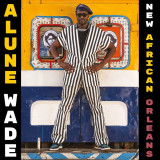
In his sixth and latest album “New African Orleans”, released by ENJA and Yellow Bird, bass guitarist and composer Alune Wade explores the multiple junctions between his native West African rhythms, the Afrobeat and juju rhythms from Lagos and the brass band repertoire immortalized in New Orleans. “I’m exploring a world that goes from my roots to the lost branches on the other side of the Atlantic,” explains the musician from Senegal. He has whittled down around 50 compositions – both original and standards - to a dozen which Alune recorded in Paris, Dakar, Lagos and New Orleans. “The idea first came to me during the Jazz à Gorée festival I organized back in 2014,” he explains. “It had me reflect on the notion of reversing the musical trip most people take from the United States to the African continent. I wanted to set out westward and begin a musical conversation with the best artists, both in Nigeria and the US.”
To achieve this, Wade has invited top artists from both sides of the Atlantic, including the Nigerian talking drummer Olaore Muyiwa Ayandeji, the percussionist Weedie Braimah and the jazz drummer Herlin Riley from New Orleans. The musical inspirations are equally transatlantic, ranging from Dr. John to Manu Dibango and Charlie Parker. But the 45-year-old also pays homage to his father who was a brass band star in his native Senegal back in the Sixties.
BACKGROUND
We only have a partial idea of the birth and remarkable development of the music born of the transatlantic slave trade. From Malinke ballads to Cuban son, from call-and-response patterns to field hollers and hip-hop, Yoruba rhythms to Argentinian tango, from Angolan percussions to the New Orleans brass band sounds… all have roots in Africa and a shackled migration that lasted four centuries. No more so than Congo Square in the Louisiana capital. In 2024, we mark the 300th anniversary of the implementation of the Code Noir which “gave enslaved Africans Sundays off to dance”. A drop in the ocean, but one which shows the importance of culture as a lifebuoy against this barbaric trade. As the Guadeloupian writer Daniel Maximin once claimed: “Our music guided us from the scream to the song, from dragging our chains to dancing.”
After 45 years, Trigger’s never-released second album, Second Round, invites listeners to rediscover the hard rock sound that made the band a standout act of the 1970s. In early 1979, Trigger walked out of Electric Ladyland Studios with a completed second album. Mere months had passed since their self-titled debut came out on Casablanca Records, home to KISS and Parliament. The band had toured with Cheap Trick and The Godz, met Bruce Springsteen and Joni Mitchell, and things were looking bright. But Casablanca unexpectedly went bankrupt, and the label’s artists went into freefall. Trigger unsuccessfully sought interested parties, shelved the recordings and disbanded; a disappointing end for a band who dominated the Jersey Shore club scene on their way up with fiery, kick ass live shows. RIP Trigger: 1973-1979. Jump to 2024. Guitarist Richie House is living in Northern New Jersey with his wife, enjoying a relaxing afternoon at the community pool with neighbors. One of them, Andrew Wexler is shocked to discover his friend had a band in the ’70s. He listens to their recordings, and as an avid record collector, assumes the mission of getting that unheard second album released. He writes to Ba Da Bing, a label with Jersey roots. Much excitement ensues. Second Round’s long-awaited release will now be available. All original members—Derek Remington (vocals/drums), Jimmy Duggan (guitar/vocals), Tom Nigra (bass guitar/backing vocals), and Richie House (lead guitar/vocals)—are present on the recordings. Sadly, Duggan and Nigra have passed away, but Remington and House have overseen this reissue, with songs sourced directly from the analog masters.. The Trigger of today maintains a high level of quality, albeit with a bit less flair, and even less hair. And there’s more going on here than at first listen. While the band carries the earmarks of their era—melodic hard-rock fashioned for Saturday night parties—they override the cliché with incredibly catchy songs. How would a ripping song like “Back Talk” have been received in 1979? It’s a question we’ll never be able to answer, but the raw energy of the track spans generations. “One In A Million,” however, with its full harmonies and forceful chorus, could have easily made the soundtrack for Fast Times. Celebrate the discovery of this lost gem by giving it a listen. You’ll be Trigger happy…
For his last solo record ‘Through a Room’, Bill Nace shifted his usual saturated guitar sound and added tapes, hurdy gurdy, doughnut pipe, bird calls and the mysterious Japanese taishōgoto. Setting up for the final night of his three day residency at OTO with only the taishōgoto soundchecked, Nace hoped that Parker would arrive with his small soprano as its opposite. “I’ve been interested in state change, you know, playing until there’s a shift in time.” Known for his development of multiphonics to produce a constantly shifting pattern, Evan Parker has evolved an instantly recognizable sound - his work the soprano most distinct. Happily, it was the soprano Evan brought with him and as soon as the two start to play they entwine - taking off in a double helix of keys and reed primed for endless reconfiguration. Space warps under the velocity of playing, the pitch rising unrelentingly. It felt like unending lift off in the room, sheer energy until the last note makes remember your feet have been on the floor the whole time. Total time bending shredding.
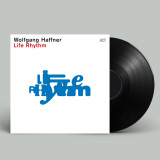
»Ich denke immer wieder aufs Neue darüber nach, wie ich mich als Schlagzeug-spielender Bandleader so positionieren kann, dass das Instrument eine tragende Funktion einnimmt, dies aber auf eine musikalische Weise geschieht und auf keinen Fall als Zurschaustellung von Virtuosität«, sagt Wolfgang Haffner. Diese Haltung zieht sich als roter Faden durch seine gesamte Karriere - und auch durch »Life Rhythm«, sein zehntes Album auf ACT.
Und obwohl Haffners Musik gängigen Vorstellungen virtuoser Schlagzeug-Leader ganz bewusst widerspricht, steht das Instrument diesmal besonders im Fokus. Ausgangspunkt dafür war Wolfgang Haffners allererstes Solokonzert im Jahr 2022 auf Schloss Elmau. Er erinnert sich: »Das war eine Wahnsinns-Herausforderung bei der ich auch vor der Entscheidung stand: Spiele ich jetzt eine Stunde Schlagzeugsolo? Natürlich nicht! Also habe ich habe eine Menge melodisch klingender Perkussionsinstrumente eingebaut, Passagen live geloopt, mit Echos und Delays gearbeitet – im Grunde wie im Studio, nur eben auf der Bühne.« All dies brachte Haffner dazu, sich noch einmal auf ganz intensive Art mit dem Thema mit dem Instrument zu beschäftigen, welches ihn sein Leben lang begleitet. Und so haben alle Stücke auf »Life Rhythm« diesmal ihren Ursprung, nicht wie sonst bei Haffner, am Piano, sondern am Schlagzeug.
Das Ergebnis dieses Prozesses kann man gleich zum Auftakt von »Life Rhythm« auf dem Titeltrack erleben: Das Stück basiert auf einem hypnotischen Groove, bei dem nicht die Becken, wie sonst im Jazz üblich, die Time angeben, sondern vor allem die Trommeln. Das dieser Groove direkt Phil Collins und besonders an dessen Stück »Take Me Home« erinnert, ist kein Zufall: Collins' Art, Drum-Parts zu elementaren Teilen des Songwritings zu machen, ist bis heute eine von Haffners größten Inspirationen. Und auch jedes weitere der elf sehr kompakten, Song-haften Stücke auf »Life Rhythm« öffnet eine eigene Welt des musikalischen Schlagzeugspiels: Mal mal trocken-reduziert mit Besen wie auf »Balance«, poppig bei »Joy of Life«, mit filigranen Becken-Grooves, dezenter Elektronik und Percussion auf »Eternity« oder minimalis-tisch bis kurz vor der Stille in »Silence and Sound«.
Das aus all diesen Stilistiken ein so stimmiges Ganzes ent-steht liegt daran, das Wolfgang Haffner diese im Laufe seiner Karriere bis in die Tiefe durchdrungen hat - an der Seite von stilbildenden Charakteren wie Al Jarreau, Chaka Khan, Pat Metheny, Jan Garbarek, Esbjörn Svensson, Nils Petter Molvaer, Albert Mangelsdorff, Ricardo Villalobos und vielen, vielen mehr. All diese Kollaborationen haben Wolfgang Haffners Voka-bular am Instrument und auch als Komponist geprägt und die da-mit verbundenen, unterschiedlichsten Stile sind gleichermaßen Teil seiner musikalischen Persönlichkeit.
Vielseitigkeit und höchste Musikalität sind auch die Eigen-schaften, die Wolfgang Haffner und seine Mitmusiker auf »Life Rhythm« verbinden. Die Basis bildet ein bestens einges-pieltes Trio zusammen mit Keyboarder Simon Oslender, selbst auch Drummer und Bandleader, und Thomas Stieger, einem der gefragtesten deutschen Bassisten in Pop wie Jazz. Dazu kommen Trompeter Sebastian Studnitzky, Mitstreiter Haffners seit seinem ACT-Debüt »Shapes« und der Finne Arto Mikälä, eine echte Entdeckung in Sachen Klangvielfalt an der Gitarre. Diese Band herausragender Allrounder erweitert Haffner um eine Reihe musikalischer Charaktere, die der Musik ihre ganz eigene Farbe verleihen: Nils Landgren, Freund und Weggefährte seit mehr als 20 Jahren, Saxofon-Ikone Bill Evans, Sting-Gitarrist Dominic Miller, Balkan-Beat-Star Shantel, Bass-Feingeist Nicolas Fiszman, Oud-Virtuose Thomas Konstantinou und Bruno Müller, einer der besten deutschen Jazzgitarristen.
»Life Rhythm«, sagt Wolfgang Haffner, »ist für mich eine Fortsetzung, keine Wiederholung«. Die Musik trägt mit ihrer Wärme, Kraft und Klarheit die charakteristische Handschrift, die Haffner mit seinen Alben und auf tausenden von Konzerten in mehr als 100 Ländern zum wohl populärsten Schlagzeug-spielenden Leader Europas gemacht hat. Und gleichzeitig ist es eine Evolution seiner Musik. Gut möglich, dass Haffners Erfolg genau darin begründet ist, dass seine Musik immer etwas Ver-trautes und etwas Neues beinhaltet und dass Haffner sein Publikum so immer »mitnimmt« im Fluss seiner Ideen - und in einem gemeinsamen »Lebensrhythmus«
Kip Moores sechstes Album 'Solitary Tracks' mit 23 Songs beweist, dass Moores innerer Kompass nach wie vor stark ist. Ein in jeder Hinsicht intensives Album - stimmlich, textlich wie auch klanglich -, auf dem Moore seine prägnante Feder nach innen richtet. Bis auf einen Song hat er alle Songs selbst geschrieben oder an ihnen mitgeschrieben und ein trotziges Gefühl persönlichen Wachstums in ein rohes Roots-and-Soul-Paket gepackt, das gemeinsam mit Jaren Johnston, Oscar Charles und Jay Joyce produziert wurde.
"In 2020, Chick Corea—27-time GRAMMY® winner, National Endowment for the Arts Jazz Master, and one of the most iconic figures in jazz—hit the road with his powerhouse trio of Christian McBride and Brian Blade, and embarked on what would be his final tour. Candid Records and Chick Corea Productions proudly present the recordings from that tour as Trilogy 3, the third installment from this extraordinary group. This unforgettable double live album showcases their unparalleled chemistry and cements their legacy in contemporary jazz history.
With years of collaboration to draw from, 9-time GRAMMY®-winning bassist Christian McBride and 4-time GRAMMY®-winning drummer Brian Blade bring a profound musical connection to their work with Corea. Their longstanding partnership fuels a dynamic, ever-evolving soundscape that elevates the art of the jazz trio to new heights.
Following the critically acclaimed Trilogy (2013) and Trilogy 2 (2018) albums, which each earned two GRAMMY Awards® including Best Jazz Instrumental Album, Trilogy 3 marks yet another milestone for this celebrated ensemble. The release brings together live performances from their February-March 2020 tour, cut short by the onset of the pandemic, capturing the trio’s extraordinary interplay and artistic brilliance. The album features fresh interpretations of jazz standards and Chick Corea originals, including the first trio recording of Corea’s iconic composition ""Windows"" since its appearance on the album Now He Sings, Now He Sobs, nearly six decades ago.
Widely regarded as one of Chick’s most acclaimed ensembles, this trio has consistently pushed the boundaries of jazz with technical brilliance, playful camaraderie, and deep emotional resonance. Trilogy 3 invites listeners to join these masters on a journey through music that is both timeless and groundbreaking."
With releases on Brooklyn’s Major Records and UK imprints Non Stop Rhythm and Indulgence, DJ Split is a breakthrough producer putting his own stamp on the classic Chicago house sound. For his Shadow Pressings debut he has conjured up five original club cuts that will work their magic on any dance-floor worth it’s salt.
Last Night Baby sets the tone with taught 909 beats, punchy bassline stuttering vocal hits. Piano chords and a smattering of melodic chimes and just the right amount of musicality without taking away any of the raw energy and turbo-charged grunt. Treading a similar path but upping the BPM’s, XNXX goes for the jugular with gnarly FM bassline and frenetic groove.
Flip over for Can I Tell You? which goes a little deeper with a rolling bassline, filtering Detroit pads and strings whilst Step For brings touches of acid, banging 909 toms and vocal chops. Closing out the EP we have One In A Life Time which turns up the jack factor with snappy 808 snares, mechanical bass line and deep stabs. DJ Split is a man on a mission to bang the party and has come prepared with his piñata fully loaded with big, fat beats n basslines.
out of Stock
Last delivered 5 months ago available to reorder, subject to availability
Der in Süd-London geborene und mittlerweile in Atlanta lebende Puma Blue - das Pseudonym von Jacob Allen - veröffentlicht sein Überraschungsalbum 'antichamber'. Es markiert eine klangliche Wende für Puma Blue, da er sich von der vollen Band abwendet und ganz auf obskure elektronische Texturen und akustische Instrumente setzt. Während sein bisheriges Material irgendwo zwischen Trip-Hop, Jazz und Electronica schwebte, hat 'antichamber' einen rohen und direkteren Ansatz beim Songwriting. Hauptsächlich getragen von der sanften Stimme Allens und akustischen Gitarren zeigt sich 'antichamber' verletzlich und von überwältigender Schönheit.
Kurz nachdem True North ihr Debut Album “Out Loud” veröffentlichten, haben sich die Bandmitglieder schon wieder im Studio zusammengefunden und in den folgenden Monaten an gleich mehreren Songs gearbeitet. Mit ihrem ersten veröffentlichten Album, ihrem ersten Record Deal in der Tasche und ihrer ersten Tour im Rücken, war die junge Band voller Energie, Inspiration und neuer Erfahrungen, die True North’s Sound auf ein moderneres, perfektioniertes Level brachten.
Gitarrist Joel Ferber hat auch bei diesem Album die Produktion übernommen, und mit der Zeit hat sich eine Sammlung ihrer besten Arbeiten ganz natürlich zu ihrem zweiten Studioalbum gefügt. Der Titel “Either Way, The Sun’s Exploding” spiegelt eine gewisse, erzwungene Apathie der Bandmitglieder wider, so wie sie in ihren neuen Songs tiefer in ernstere Themen, musikalisch wie
textlich, eintauchen. Diese umfassen Herzschmerz, Angst, Demut, Selbstreflektion und die immer präsente Jagd nach Wachstum.
True North verbinden Elemente des Alt-Rock, Emo und Pop-Punk und kreieren einen einzigartigen Sound, der modern klingt und gleichzeitig nostalgisch werden lässt. Voll von eingängigen Melodien und emotionsgeladenen Texten.
Wenn drei visionäre Köpfe der elektronischen Musik aufeinandertreffen, entsteht ein Sound, der Grenzen sprengt. Demise Of Love ist das Projekt von Daniel Avery, James Greenwoods Ghost Culture und Working Men’s Club – eine Kollaboration, die aus gegenseitiger Wertschätzung und dem Streben nach neuen Klängen entstanden ist. Demise Of Love verbindet rohe Energie mit klanglicher Präzision. Das Ergebnis ist eine Fusion aus industriellen Klanglandschaften, pulsierendem Acid-House und melancholischen Melodien. Ihre Musik fordert heraus, fesselt und bleibt haften. Die EP, abgemischt von Alan Moulder, bringt das Beste der drei Musiker zusammen: Synthesizer, die den Raum aufbrechen, intensive Refrains und eine Soundästhetik, die sich nicht einordnen lässt. „Strange Little Consequence“ wechselt spielerisch zwischen Acid-Groove und monumental anmutendem Rock-Refrain. „Carry The Blame“ fängt die Weite des Detroit-Techno ein, „Be A Man“ verbindet Industrial-Punk mit düsterer Melancholie, und „Like I Loved You“ hebt mit hymnischem Gesang in elektronische Höhen ab. Auch inhaltlich geht die EP tief: Texte über Entfremdung, Kontrollverlust und die Suche nach Verbindung verleihen der Musik zusätzliche Schwere. Zeilen wie „Dead peasants excite you / Rewards of the plight fall / Into your hands“ aus „Strange Little
Consequence“ oder „Your ways are antiquated / And I’m bored now“ aus „Be A Man“ spiegeln das Unbehagen unserer Zeit wider. „Demise Of Love“ ist keine bloße Zusammenarbeit, sondern eine Verschmelzung dreier einzigartiger Klangwelten zu etwas völlig Eigenem. Hier trifft Innovation auf Emotion – kompromisslos, intensiv und von zeitloser Eleganz.
In dark and difficult times, the music of Barney Lister and Kojo Degraft-Johnson lifts us up. As MRCY, the production and vocal duo are confronting the many crises of modern life with a fresh sound full of punchy instrumentation, enveloping orchestration and lyrical honesty. On their latest project, VOLUME 2, Barney and Kojo deliver emotive music that surprises as much as it comforts, referencing timeless sounds as much as a sense of the cutting edge. Channeling soulful vocal melody alongside afrobeat polyrhythms, jazz soloing and driving, distorted grooves, tracks like "Man" address the challenges of modern masculinity, while standout number "Fear" drives a message that encourages us to fight the terror we might feel about the state of the world with optimism. Following the acclaimed release of their 2024 debut project VOLUME 1, which saw the duo nominated as Rising Stars at the Rolling Stone Awards and named as one of DIY's Class of 2025, MRCY returns with vital music that addresses the complexities of being alive today. "We're trying to extinguish fear with optimism and worry with love," Barney says. "VOLUME 2 breaks the mould to present a bigger picture of who we are - something with angst, surprises and more guts. The main feeling of the project is that the world is fucked but let's dance through it."
„Evangelic Girl Is A Gun“ ist yeules bisher hemmungslosestes und emotional entblößendstes Werk, in dem sie sich mit Ideen einer selbstzerstörerischen Identität auseinandersetzen, die sich durch die Leinwand der Postmoderne brennt. Begleitet von visuellen Kunstwerken, die in Zusammenarbeit mit dem Künstler Vasso Vu entstanden sind, und einem Video für die neueste Single, das von dem bereits erwähnten Neil Krug gedreht wurde, erforschen yeule die Dualität der Dunkelheit sowie ihre persönliche Geschichte mit ihrer Rolle als „Maler“. Durch die hypnotischen Melodien des Albums präsentieren sie ein Porträt des/ der gequälten Kunstschaffenden, der/ die in einem Bild gefangen ist, während yeules eindringliche Vocals wie ein emotionaler Würgegriff auf die Dance-Beats wirken.
Mit „Evangelic Girl Is A Gun“ verleihen yeule dem Triphop aus Bristol und dem Gothic-Style der 90er Jahre ihre eigene „cyborgianische“ Note. Das Album enthält Produktionen von A.G. Cook, Chris Greatti, Mura Masa, Clams Casino, Fitnesss und Kin Leonn, yeules vertrauter Kollaborateur und Co-Produzent des Vorgängeralbums, „softscars“ (2023). yeules unbehandelter Gesang auf dem Album trägt ebenfalls zu einem Gefühl von brennender Authentizität bei; die Rohheit kommt zum Vorschein, wenn sie auf Auto-Tune verzichten. Dieser schrille künstlerische Stil ist eine Abkehr von ihren früheren, glitchigen Werken. Als Gegenpol zum Aufkommen von KI wollten sie ihren Gesang mit einer „rohen, unersetzlichen Kante“ versehen.
out of Stock
Last delivered 16 months ago available to reorder, subject to availability