Colemine Records freut sich, eine spezielle 10-Jahres-Jubiläumsausgabe von ,Sound of Sinning", dem bahnbrechenden Studioalbum von Monophonics, zu präsentieren. Seit ihrer Gründung im April 2015 tragen Monophonics stolz die Fackel der reichen Musikgeschichte und -kultur San Franciscos durch die Generationen bis in die heutige Musiklandschaft. Sie halten an Traditionen fest, sind aber keineswegs Puristen, sondern spielen ihre eigene Musikrichtung, die als ,Psychedelic Soul" bekannt ist. Auf ihrem vorherigen Album ,In Your Brain" ließ sich die Band von Acts wie den frühen Funkadelic, Sly and The Family Stone und den von Norman Whitfield produzierten Platten der Temptations beeinflussen. ,Sound of Sinning" markierte den Beginn des Wachstums der Band in allen Bereichen. Mit Einflüssen aus Northern Soul, Doo-Wop, Rock ,n` Roll, Psych Pop und Filmmusik zeigen Monophonics ihre Vielseitigkeit, bleiben aber ihren Wurzeln treu. Insgesamt ist es herzliche Musik mit Old-School-Vibes, ohne dabei die Gegenwart aus den Augen zu verlieren. Diese Musik ist geprägt von dem zeitlosen Gefühl, als man noch Songs schreiben und produzieren konnte, die man sich immer wieder anhören konnte. ,Sound of Sinning" wurde von Kelly Finnigan & Ian McDonald produziert und auf einem alten Tascam-Acht-Spur-1/4-Zoll-Bandgerät in den Transistor Sound Studios in San Rafael, Kalifornien, aufgenommen. Seit ,Sound of Sinning" hat die Gruppe das von Kritikern hochgelobte Album ,It's Only Us" (2020) und das Konzeptalbum ,Sage Motel" (2023) veröffentlicht, das sich über 10.000 Mal verkauft hat. Die Band tourt weiter, hat kürzlich eine Reihe von Shows mit dem legendären Lee Fields absolviert und steht vor einer internationalen Tournee für 2025.
out of Stock
Last delivered 8 months ago available to reorder, subject to availability
Goose Bumpsis Hutter's second solo release and was produced by Hi-Style Records's Jimmy Sutton (JD McPherson, Pokey LaFarge, The Bellfuries). Sutton assembled an all star cast of musicians, including Alex Hall (engineer, drums) and Joel Paterson (guitar). Almost all recording was done live at the analog Hi-Style studio in Chicago. Bonafide contemporary rock star JD McPherson wrote "Everybody's Valentine" for Hutter; it could easily find its way into the next Bond film. Emanuela's influences draw from disparate historical musical threads like doo- wop, German punk, and classic country. From the balladry of "Monday Morning" to the punk-surf rock of "The Voices," Hutter's original songwriting shines throughout. Goose Bumpsis a must listen for fans of modern rock with a classic twist
Logical Absurd is very proud to present the 20th Anniversary of the album "She And Me Fall Together In Free Death" by Nurse With Wound. "She and Me Fall Together in Free Death" is probably the most approachable, largely "musical" album that NWW has released since Rock N' Roll Station. It's also one of his strangest concepts, a marriage of trance inducing Krautrock grooves with a traditional jazz standard and some jarringly atonal musique concrete. Side A is the 20- minute title track: a slow-motion jam reminiscent of of one of Can's sidelong tracks on Tago Mago or the more avant-garde grooves of Tony Conrad and Faust's Outside the Dream Syndicate.
The propulsive Jaki Liebezeit drumbeat is the foundation for a long jam session with what sounds like a dijderidoo and layers of guitar feedback. It's a massive, heavy sound, the kind that Julian Cope would devote a whole chapter to in his "Kratrocksampler". Side B is one long piece with three distinct movements. Beginning with those familiar, World Serpent-trademark windchimes, the listener is quickly ushered into Staple- ton's singing debut (!) in a rendition of the oft-covered traditional jazz ballad "Black is the Color of My True Love's Hair" This was a favorite of the recently deceased Nina Simone, and also of the avant-jazz screamer Patty Waters. Nurse With Wound's version is backed by cello drones, repetitive guitar strums and tambourine, sounding very much like The Velvet Un- derground's "Venus in Furs".
It's such a treat to hear Steven Stapleton's multitracked vocals cover this classic song, and this eerie version rates as one of my favorites. This song and the title track prove to the naysayers that Nurse With Wound is equally adept at rock n' roll songcraft as he is at demented sound collages. The creepy jazz cover seques into "Chicken Con- cret (For Missy E)", a truly warped tape-edit job that juxtaposes chicken squawks and sythesized birdcalls with random bleeps, speaker hiccups and gongs.
Just as the traditions of great folk-country songwriting come around again to newfound popularity via Zach Bryan, Tyler Childers, Sierra Ferrell and other practitioners, Barsuk releases a 20th-anniversary pressing of Rocky Votolato’s brilliant and beloved album Makers. Featuring “White Daisy Passing,” “Portland Is Leaving,” “Tinfoil Hats,” “She Was Only In It For The Rain” and 8 more indie classics, the release is packaged in a gatefold jacket with updated artwork, a lyric insert and a beautiful multicolored black & blue with white splatter vinyl pressing. Download code features the full album and 10 bonus tracks: the 3-song End Like This EP plus 7 previously-unreleased tracks including 4 demos, 2 never-before-heard outtakes, and a heartbreaking cover of Jeff Buckley’s “Lover, You Should've Come Over"
Basket of Light is the most progressive and complex release by the British folk-rock group Pentangle. Traditional English folk songs are reinterpreted with a mix of jazz, pop and rock influences. Everything their previous works promised is fulfilled here. The album opener 'Light Flight' has become their signature song. If there is a prog folk masterpiece then it is Basket Of Light. Pentangle proved they could release a progressive, ground-breaking work without keyboards, much studio trickery or even electric instruments.
The original Pentangle was active in the late 1960s and early 1970s. The original line-up includes Bert Jansch (vocals & guitar) and John Renbourn (vocals & guitar).
Best known as the frontman of the influential indie rock trio Dinosaur Jr., J Mascis has also been a solo artist, producer, and film composer. Getting his start as a founding member of the hardcore band Deep Wound, Dinosaur Jr. was founded in 1984 and the group emerged among the most highly regarded alternative rock. By introducing volume and attack in his songs Mascis shed the strict limitations of early 1980’s hardcore, becoming an influence on the burgeoning grunge movement. Mascis’ body of work continues to inspire a generation of guitar players and songwriters today.
In 1997, Dinosaur Jr. disbanded and Mascis released More Light, his first recording under the moniker J Mascis + The Fog. Members and collaborators of The Fog have included Mike Watt (Minutemen / fIREHOSE), Ron Asheton (The Stooges), Robert Pollard (Guided By Voices), Kevin Shields (My Bloody Valentine), Dave Schools (Hard Working Americans / Widespread Panic) and Kyle Spence (Harvey Milk).
In February 2021, Jan Jelinek's seminal album "Loop-Finding-Jazz-Records" turned 20. The anniversary repress, a double LP with two bonus tracks (B-sides from the Tendency EP, 2000), is a little late to the party.
What the press said about Loop-Finding-Jazz-Records:
“Don’t be misled by the title, though for there isn’t a finger-snapping rhythm c bebop lead anywhere on the album. Instead, Jelinek chooses to explore the visual effect moiré - two shifting patterns creating an implied third dimension - in the audio realm.” (Alternative Press)
“The title acts as explanation for the studio technique that provided the basis for this album, snippets of other people’s arrangements deconstructed through a sampler into loops and then splashed onto an audio canvas.” (ATM)
“Jelinek’s sound evolved out of his dislike for (and inability to play) keyboards.” (RPM)
“Jelinek has abstracted his sources beyond recognition, looping his millisecond samples into flickering patterns of sonic moiré laid atop a dub Techno framework. (...) Jelinek might as well have sampled a horn player’s hissing intake of breath – it would have been ‘jazz’ enough for his purposes.“ (The Wire)
“It’s a perfect inversion of conventional music, a sonic negative. Everything that would typically be foreground is moved back or pushed off the screen altogether, and the flecks of sonic debris that would normally be covered by other sounds are left to carry the melody and rhythm.” (Pitchfork)
“All you need to know is that these onomatopoeic non-specific songs (...) are warm, paradisical creations”. (NME)
“Listen carefully and you’ll hear textures slowly unfolding and mutating. Presuming you’ve not fallen asleep of course.” (iDJ)
“At times, it’s all a bit dripping tap Japanese water torture; so sedentary it drowns in its own motionlessness” (DJ)
“Loop Finding Jazz Records' is a genuine modern classic whose re-release is anything but a cynical mortgage repayment exercise. Consider this a second chance, then pretend you had it all along.” (Boomkat)
PS:
“I’ve been fortunate enough to see Jan Jelinek live once, at Tonic NYC (...). Wearing a black and white striped shirt, he looked like a nihilistic Charlie Brown.” (beachsloth)
out of Stock
Last delivered 75 days ago available to reorder, subject to availability
Vintage recording equipment has long been a bit of a fetish, but to sound pioneers Voka Gentle, even the most magical machines are a means to an end. The band, made up of twins Ellie and Imogen Mason, along with Imogen’s husband, William J Stokes, are a family band in the truest sense. Whilst they started as a folk trio, their new album Domestic Bliss is an album of throat-grabbing, avant-garde indie rock songs studded with eccentric choices: a synth with its keys jammed, playing a tune of its own making; field recordings – Morris dancers, motorbikes – captured on binaural headphones.
Domestic Bliss is concerned with power: the abuse of it, being on the cusp of it, and what it really means. The album is
teaming with imaginary people in picaresque scenes that reveal the band’s rich cultural storehouse. The songs draw on history, literature, everyday life and pop culture references (specifically Jude Law’s 1995 Vogue cover), with tracks like Cheddar Man reflecting on climate change and prehistory and Creon I tracing the unease of authority through the lens of Greek mythology.
Recorded in the orchestral studios of City University, the album folds intimacy into scale, from phone-recorded vocals and samples of breath to heavy, tribal electronics in grand acoustic spaces. The result is by far their most refined record yet, where the band treat the recording studio like an instrument.
Here’s an expanded edition of one of Nurse With Wound’s most intense, unique opuses, so unique that for long-time fans it was a strange, chaotic loundge bizzarie when it first came out. For the first time, all four audio sides are complete (originally, there were only three sides). And to crown it all, a magnificent new cover by the great and talented Babs Santini, who is none other than Steven Stapleton behind his pseudonym of plastic artist, still in the luxurious tradition of the “silver collection” at Rotorelief Records.
Nurse with Wound’s album Huffin’ Rag Blues is unique in NWW’s discography. Stapleton teams up with composer, producer and multi-instrumentalist Andrew Liles, his co-creator of musical terrorism, to tackle the exotica and lounge genres, crushed into a cacophonous mess. Long-time NWW friends Colin Potter and Matt Waldron are also on board. Blues, jazz, crime films, bachelor pads and soap opera music are processed and discarded, then chopped up and recycled in a mix that contains a ton of space, but also overflows with dynamic tension, hilarious asides, sexually suggestive poetry and a certain rock & roll abandon.
This is a very surprising opus for long-time fans, is like a soundtrack that could illustrate a David Lynch film It’s brilliant, maddening, hilarious and sinister enough to earn a place in any collection with a little quirkiness and eccentricity. Huffin’ Rag Blues incorporates more familiar musical elements – including instruments (played live, even), rhythm and vocals – than almost any other Nurse With Wound album to date. The album’s main concern is, as always, to create environments for lucid dreaming rather than to create music as such.
A pandemic album of songs of heartbreak, virality, and dead rats, which Wood called "goodbye cruel world: the musical." The revealing chamber pop/folk album "In Case I Make it" (ICIMI), which Will Wood playfully dubbed "Goodbye Cruel World: The Musical," turned out to be a surprisingly strong followup to his chaotic and sardonic previous release, "The Normal Album." While divisive among some fans due to its gentler sounds and more traditional vocal stylings than most of his last work, ICIMI attracted new, older audiences and showed a more personal side that provided a new context to his discography. Widely considered to be some of his most powerfully emotional work, both the harshly introspective and humorous songwriting, as well as its unique delivery, are still distinctly Will Wood in their experimental nature and uncompromising unwillingness to conform to the expectations of both die-hard fans and audiences at large. In 2021, the underground singer-songwriter was suddenly the subject of unexpected online attention, which, in tandem with mental health struggles, inspired him to put out a "musical suicide note," intended to express parts of his artistic and personal identity that had gone largely unseen by a fanbase he felt misunderstood. Leading the album with intentionally algorithm-unfriendly singles and putting an eight-minute love ballad as the second track on the LP, Wood aggressively redefined himself as being more than just a handful of wacky, unwitting viral pops. Ironically, the surprise viral success of the deep cut "The Main Character," a relentless satire of online culture, drew attention to the album and its second biggest hit, the angst-ridden yet danceable "Against the Kitchen Floor." However, the immense orchestration and vulnerable writing have kept audiences coming back. Songs like "Euthanasia" and "Tomcat Disposables" have developed reputations as tearjerkers, and songs like "Cicada Days" and "White Noise" have become fan anthems in the years since.
This is the debut release from Laguna Seca, a new project from Porto based Mike Jefford. It foreshadows a new body of work, steeped in 70s nostalgia, refracted though sounds that could belong to krautrock, disco, electronica, noisy alt rock and everything in between. Mike has previously recorded as Positive Centre releasing textural, experimental techno on such labels as Stroboscopic Artefacts, SNTS and Leyla. (seek out if you you’re a fan of Vatican Shadow or the ghostlier wing of Black Dog)
After mastering his forthcoming 2026 debut album ‘O Tempo’, Mike Jefford caught a second wind of inspiration. In just seven frantic days he recorded the heap of tracks that formed the basis of 'Live from Müsli Mountain’. It soon became clear that these tracks foreshadowed the album perfectly and the EP was born.
Named after the California raceway, this project fuses 1970s recording techniques, modern electronics and psychedelic retrofuturism, it’s a pyramid of sonic adventure that will be explored deeper on the album next year.
out of Stock
Last delivered 7 months ago available to reorder, subject to availability
●STAY BY MY SIDE (Youth Of Roots)
This is the title track from Young Israelites' 2021 debut EP, which made them a household name.
Its catchy, pop melody has captured the hearts of reggae fans worldwide, and Youth Of Roots' KON RYU has covered it in Japanese.
It blends seamlessly with the song like a long-time favorite, bringing out the original's charm with a new brilliance.
●STRAWBERRY GIRL (Young Israelites)
A popular song that shines with sweetness in Youth Of Roots' repertoire, which is filled with roots-conscious, message-driven songs.
Young Israelites' English cover, with its melancholic vocals, further enhances the quality of the original.
YOUTH OF ROOTS
A roots rock reggae band formed in Kanagawa in 2016. Their multi-generational sound and spiritual musicality, rooted in their experiences in Jamaica,
define their sound. They've released numerous singles, including their latest album, "LOVE IS THE ANSWER."
They connect with their audiences at live shows, conveying the spirit of "One Family." Their overwhelming sense of unity and sincere message transcends
borders, earning them praise from international fans as "the best reggae band."
[YOUNG ISRAELITES]
A rocksteady/roots reggae band consisting of three members from Israel. Building on a vintage Jamaican sound, their familiar melodies and soulful,
passionate performances have garnered attention from reggae fans worldwide. Since their debut, they've released a string of EPs and full-length albums,
and have expanded their global reach, including airing on the BBC and performing at the world's largest reggae festival, ROTOTOM SUSPLASH.
This new-generation band vividly revives the spirit of rocksteady and roots reggae for the modern era.
Blues, country and folk or funk, rock and soul – Broussard always gives his songs a very special touch; here he reaches his peak performance!
Acclaimed soul singer and songwriter Marc Broussard returns with his new studio album, "S.O.S. V: Songs Of The 50's," paying homage to the timeless classics of the 1950s. With his unmistakable, warm soul voice, Broussard interprets timeless songs by legends such as Ray Charles, Sam Cooke, Nat King Cole, and Fats Domino—complemented by his own original composition that fits seamlessly into the era. The album is the fifth installment in his successful S.O.S. (Save Our Soul) benefit series, with proceeds once again benefiting the non-profit organization Love Of People in his hometown of Lafayette, Louisiana. His latest charity album, "S.O.S. 4: Blues For Your Soul" (2023), a collaboration with blues icon Joe Bonamassa, benefited the Keeping The Blues Alive Foundation and the organization Guitars Over Guns – and debuted at number 1 on the Billboard Blues Albums chart.
“Recording this album felt like the crescendo of years of struggling to understand myself. It can get quite claustrophobic living inside my head.” ‘At Home in My Mind’ is an open invite into the world of Halifax indie artist, Ellur (Ella McNamara). The album is a journey around Ellur’s mind, it dips into different musical genres that have shaped her for the past 24 years – from the 90s indie rock she grew up with, to glitch-pop she discovered in her late teens to the alt-folk she cherishes now. Ellur has created a warm abode for her thoughts and experiences as a young woman growing up in Yorkshire’s Calderdale Valley and ‘At Home In My Mind’ beds them all in, safely together. ‘At Home In My Mind’ has been produced by Joel Johnston (Far Caspian) and recorded from his Leeds studio. Johnston and Ellur first worked together on her previous EP, ‘God Help Me Now’ – a stunning body of work that saw Ellur’s fanbase bloom and received praise from national press, radio and an impressive international artists. The buzz around Ellur has lead to a very busy live calendar throughout 2025, including debut festival slots in US and EU, over 14 Summer festival plays in UK (including Latitude, Truck, Big Feastival) and sold out headline shows across the UK. ‘At Home In My Mind’ expands on themes Ellur draws on in her ‘God Help Me Now EP’, particularly an overarching theme of connection. Ellur connecting with her childhood memories, listening to her honest feelings, but most importantly, Ellur wants ‘At Home In My Mind’ to be an arm extended out, looking for people who need a hand to hold.
" old school man " Crocodile Boogie is back with a second album recorded at Fly-house studio, packed with greasy Stonian riffs and ramshackle ballads in the vein of early Beasts of Bourbon stuff that reek of tobacco, alcohol, and sex. Seven original tracks and a spirited cover of Iggy & the Stooges' "I Need Somebody." We know it's only Rock'n'roll but we like it , Yes we do .
Her natural command on stage, paired with a voice that feels quietly seasoned, has made her one of the most exciting young live musicians emerging from the region. Now, with her first release, a double single featuring the raw, one-take folk recording 'Poison Ivy' and the dreamlike, psychedelic shimmer of 'Forget About' -- Grant introduces the full spectrum of her sound. One track close to the bone, the other lost in a dream, both unmistakably hers. 'Poison Ivy' was recorded when Grant was just 16, in a spontaneous midnight session after finally playing her songs to her dad. With only one microphone, no click, and a single take, the track became a time capsule of her earliest songwriting voice -- fragile, real, and impossible to recreate.
Now featuring Dan Bridgewood-Hill's evocative violin, it stands as a folk recording filled with warmth, instinct and unfiltered emotion. "I tried re-recording it," she says, "but nothing touched the magic of that first take." In contrast, 'Forget About' showcases Grant's emerging production instincts. Influenced by Zero 7, the song began as a kitchen jam before evolving into a lush mix of psychedelic keys, airy electronics and indie- rock textures. Self- recorded in Logic, the track reveals a new dimension to her writing, cinematic and rhythmically hypnotic
180 GRAM AUDIOPHILE VINYL
- LIMITED EDITION OF 750 INDIVIDUALLY NUMBERED COPIES ON ORANGE COLOURED VINYL
Desmond Dekker recorded some of his best known songs together with his backing group the Aces (consisting of Wilson James and Easton Barrington Howard). Their debut album 007 (Shanty Town) includes their single of the same name, which made him Jamaican music's first outernational superstar, reaching the 14th place in the UK charts. You'll hear how the Ska music from the mid-60s is developing to the Rocksteady sound. This was 'Ska' or 'Blue Beat'—(or its new name for the slower tempo 'Rock Steady'), and the lyrics come from the Calypso-Mento method of telling about current events in music. So in a groovy way, Desmond, James and Barry (the Aces) have given a report of love, politics, nagging women, the celebration of the Fifth anniversary of Independence, and gang warfare. This is were it all started before Desmond became the international star.
Even before Bob Marley and Jimmy Cliff Jamaica already had their own international superstar, Desmond Dekker was his name. Famous because of his international hits, such as 'Israelites' (1968) and 'It Miek' (1969).
007 (Shanty Town) is available as a limited edition of 750 individually numbered copies on orange coloured vinyl.
Bombastic yet delicate, crushing yet ethereal, driving yet dark, Temptress fuse drone, doom, grunge and hardcore into an obliterating molten blend. Temptress are a jigsaw of sonic touchstones with no audible seams. Bombastic yet delicate, crushing yet ethereal, driving yet dark, the trio fuse drone, doom, post-rock, grunge and hardcore into a molten blend that creeps and obliterates like a liquid metal assassin. With 200+ shows played in their relatively short tenure, Temptress' endless ideas and nuances slide perfectly into place thanks to its members' vast live experience. New album hear churns with searing hooks and dissonant grooves in an irresistible confluence of ideas, and fans of multi-voiced, genre-tag resistant bands like Heavy Temple, The Well and Hippie Death Cult should prepare to be drawn in by Temptress' unyielding allure. Multicolored LP (Molten Smoke Ed., pressed on transparent sepia, clear and black marbled vinyl, w/ lyrics sheet) & digipaked CD on offer!
Soul Jazz Records present two hardcore bomb dancefloor fillers from Jerry Jones, originally released on Studio One in 1970.
‘There’s A Chance For Me’ gives Aretha Franklin's ‘Rocksteady’ a serious run for its money, while ‘Trying Times’ is Jerry Jones’s skanking version of Roberta Flack’s classic tune written by the mighty Donny Hathaway and Leroy Hutso
Jaime Fennelly, as Mind Over Mirrors, makes music that pushes the known to the lip of the unknown, where it rocks precariously and in exhilaration. He scrambles the familiar and tweaks the comfortable, not through aggression, but a throbbing estrangement. When placed at a distance, these require longer reaches to grasp. The reward for this effort is an enlarged field of perspective, experience, and also of feeling. This is deeply feeling music to feel deeply.
In all of Jaime’s records—and, arguably, especially in Particles, Peds, & Pores—there’s a seed of the pastoral, some ancient shepherd’s song ringing through nearby hills and groves, but one also yearning to plumb the uncanny and the creative possibilities of disintegration. “Farewell to woods,” the grieving Damon sings in Virgil’s eighth Eclogue. “Let all be ocean now.” Fennelly sounds vast, enveloping wildernesses and the thrilling disquiet of their echoless grandeur. (Maybe Burroughs speaks to the borders of these zones: “Pulsing mineral silence as word dust falls from demagnetized patterns.”) There’s something of the heroic at work here, too, although the hero’s instinct has been suitably tempered—or awed—to know not to fly too close to the sun.
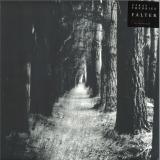
Falter is the 5th full-length album from New Zealand-based composer/-multi-instrumentalist Micah Templeton-Wolfe, working under the moniker Stray Theories.
Templeton-Wolfe has consistently woven together the cinematic sweep of ambient music, the refined structures of neoclassical composition, and the emotional cresting arcs of post-rock. With Falter, those intersections are more deeply blurred, yet more boldly explored.
Transparent Red Vinyl.
The title Falter evokes wavering, hesitation, uncertainty of intent and yet the album stands in sharp contrast to that concept: Templeton-Wolfe’s performance here is marked by a quiet but unmistakable confidence.
From the first notes, the listener is immersed in an atmosphere in which the music feels like a cinematic means of passage, a journey toward redemption. Optimism is present, but ever cloaked in doubt; moments of
contemplative solace sit side-by-side with streaks of melancholia. One senses something looming within the sound-world of Falter. As though the heart itself can tell something is coming.
In this respect, Falter may well rank as the most affecting release in Templeton-Wolfe’s canon to date. While his earlier work had always balanced delicate textures and evocative atmosphere, here he pushes into a more expansive emotional terrain. Only the hopeful refrain “Lifelines” brings the album fully into brighter territory , hinting that redemption is possible, that the journey through doubt is not endless.
out of Stock
Last delivered 8 months ago available to reorder, subject to availability
Mexico City’s Sunset Images emerge with their most daring and immersive work to date, Oscilador, arriving January 23 on Dedstrange. Known for pushing the boundaries of noise rock and psychedelic experimentation, the band plunges deeper into their raw, unrelenting sound—crafting an album that thrives in chaos, distortion, and hypnotic repetition.
Oscilador captures Sunset Images at a new creative peak: jagged guitars dissolve into swirling feedback, fractured rhythms pulse like machinery on the brink, and vocals echo through layers of reverb as if channeled from another dimension. The record balances intensity and atmosphere, offering both catharsis and transcendence. It’s a sonic free fall that feels at once destructive and redemptive—like watching a city crumble only to find strange beauty in the ruins.
The album title reflects the band’s fascination with constant motion and instability, the oscillations of sound and life itself. Across the record, Sunset Images embrace the extremes: minimal passages expand into walls of noise, meditative drones are shattered by bursts of primal energy, and every song teeters on the edge of collapse. This restless spirit makes Oscilador not just a collection of songs, but a visceral experience—one that mirrors the tension and electricity of Mexico City’s underground scene.
Joining forces with Dedstrange, Sunset Images step onto a global stage while staying true to their uncompromising vision. For fans of A Place To Bury Strangers, Sonic Youth, or My Bloody Valentine, Oscilador delivers the thrill of pure immersion—music that doesn’t just demand to be heard, but to be felt in the chest, the bones, and the subconscious.
With Oscilador, Sunset Images invite listeners to lose themselves in noise, distortion, and dissonance—and to find clarity within the chaos.
NYC's Sweater on Polo follows up his acclaimed L.I.E.S. 12 inch from 2023 with debut full length double LP, "Almighty Grand Essence" This is pure to form 1985-1988 Chicago House worship, and while many have attempted to recreate this sound, most fail to deliver with correct reverence. Names like Saunders, Mixx, Virgo Four, undoubtedly appear in this conversation with Sweater on Polo taking cues and transforming the vintage sound into re-imagined dancefloor classics. Raw but clean, psychedelic but functional...this nine track record can move the crowd in all the right ways, with the lush deepness of "The Creation" to the nu-wave-house hybrid of "Proto Wave" or BMX beat track closer Psychotic Seance, its rare to find a young producer tapping into the vaults in such a focused, effective manner. Highly recommended to house heads worldwide.
out of Stock
Last delivered 8 months ago available to reorder, subject to availability
This record is a tribute to Jackie Mittoo, a key figure in the development of reggae, ska, and rocksteady. Known for his work at Studio One and his role as keyboardist for The Skatalites, Mittoo left a profound mark on Jamaican music with his melodic style and rhythmic approach to the keyboards.
The track is built on a classic reggae foundation produced by Sergio Caño, with a restrained rhythm and simple structure. The focus is on the organ, played by Joan Sobrevals, who carries the main line with a sober, respectful sound clearly influenced by Mittoo's school. Without seeking to imitate, the performance takes characteristic elements of his style — melodic phrasing, spaced chords, marked beats — to shape a coherent piece that remains faithful to the style.
The production maintains a minimalist aesthetic, without overloading, leaving space for each instrument to breathe and fulfil its function. The result is a serene, mid-tempo piece that invites you to listen carefully, without virtuosity, but with a clear intention: to pay tribute to a great musician who defined a sound, an era, a style.
Thank you, Jackie!
out of Stock
Last delivered 8 months ago available to reorder, subject to availability
With her sophomore album JAWBREAKER, Sam Quealy cements her status as one of pop’s most daring new voices. Like the cult candy it’s named after, JAWBREAKER is bold, addictive, and dangerously fun — a sugar-coated explosion of chaos, glamour, and emotion.
Produced alongside longtime collaborator Marlon Magnée (La Femme) between their Paris home studio and the legendary Studio Ferber, the album marks a striking evolution from Blonde Venus (2023). Here, Quealy trades the sharp edges of techno-pop for a lush, disco-infused sound, blending live instrumentation and cinematic sheen with her trademark anarchic energy. The result is a record that feels liberating, hedonistic, and deeply human — a vibrant antidote to modern gloom.
From the euphoric escape of “LONDONTOWN” to the dark romance of “LOVE LASSO”, and the shimmering pop fantasy of “GIRLS NIGHT”, Quealy channels a thousand versions of herself — club queen, rock diva, dreamer, and provocateur. The ethereal duet “BY MY SIDE” with Magnée closes the album in a haze of tenderness and light.
A multidisciplinary artist — singer, dancer, performer, and visual visionary — Quealy extends her universe through spectacular music videos and high-energy live shows that merge fashion, choreography, and raw emotion. On stage, she’s magnetic: a whirlwind of hyper-femininity and power, commanding every room with unfiltered authenticity.
With JAWBREAKER, Sam Quealy delivers a fearless pop statement — an exhilarating fusion of sensitivity, chaos, and self-expression that confirms her as a genre-defying visionary ready to take over the world.
out of Stock
Last delivered 8 months ago available to reorder, subject to availability
This remastered vinyl reissue of Blind Ear reintroduces The Celibate Rifles' urgent, socially aware punk-rock energy, cementing its place as a cornerstone of Australian alternative rock. 1989 is where The Celibate Rifles take their punk instincts to the next level-garage muscle, surgical precision, and a rock'n'roll pulse that sounds more urgent than ever today. Formed in Sydney ten years ago, the band appears here in full flight: two guitars in constant dialogue, a rhythm section with newfound dynamic range, and a razor-edged vocal that bites without losing melody. The remaster opens up the stereo image, sharpens the six-string detail, and restores to the turntable the physical punch this record demanded from day one; it's the definitive way to (re)discover a key title from the Australian school. The tracklist is pure traction: "Some Kind of Feeling" hits the ground running with speed and focus; "Wonderful Life '88" nails an instant hook and a clear-eyed critique of yuppie culture; and the closer, "O Salvation," lands as an expansive, cathartic statement of intent. Two tracks unusual in Australian rock for their subject matter-"Sean O'Farrell" and "Belfast"-tackle the Northern Ireland conflict head-on and underscore the band's social gaze, while the rest of the album maintains a no-filler intensity. This edition preserves the original LP sequence (the two bonus tracks existed only on the period CD) and stands as an essential piece for collectors and front racks alike: ideal for in-stores, listening bars, and classic alternative rock playlists. If your audience connects with BORED!, Radio Birdman, The New Christs, or The Saints, Blind Ear is an unequivocal yes.
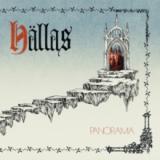
Adventure Rock pioneers Hällas deliver their most ambitious album yet with "Panorama”, released on 2026-01-30. The album both consolidates and expands the image of what the band is, but also what rock can be. This time different perspectives in a scenario are explored regarding whether humanity is capable of understanding a viewpoint other than their own. It reflects our time but is, in typical Hällas fashion, staged in a fictional, distant world.
Hällas' cult following in modern prog and hard rock will find "Panorama" familiar in a way: an imaginative hybrid of progressive 70s rock and heavy metal with echoes of both folk and psychedelia, along with conceptual content. In another sense, you have not quite heard a record like this from Hällas before. The self-confidence has never been as evident. Influences from different directions collide, and sometimes clash, contributing to the feeling that the expected instead culiminates in wonder at what it is you’re hearing.
Adventure's self-titled 2000 debut is finally getting the reissue treatment, remastered by Jacob Holm-Lupo. This album got great reviews at the time, and helped kickstart a new Norwegian prog scene. The music was inspired by bands like Kansas, Uriah Heep and Camel, with an added touch of folk music. ADVENTURE is the brainchild of the Norwegian multi-instrumentalist Odd Roar Bakken, who had 23 years of experience in Rock bands playing guitars & mandolins, and singing in bands like Tammatoys and Nordagust until 1990, when he met Nils Larsen, Torkel Aune and eventually the talented guitar player Terje Flessen. They started working together, each time getting closer to the Symphonic sound they aimed for But they still had a hard time finding a singer that could fit their style - until 1995 when they finally met Verbjorn Moen. They soon started work on their self-produced and self-released, self-titled debut album, a process lasting all the way until November 1999, with a release in the year 2000. The album is a great expression of Symphonic Prog - inspired mostly by Camel, but with an added hard rock influence from bands as Ayreon and Uriah Heep. The lineup of their debut album is consists of Odd-Roar Bakken (Keyboards, Acoustic Guitar, Mandolin, Lead Guitar and Backing Vocals), Terje Flessen (Lead Guitars, Rhythm Guitars, Acoustic Guitars and Bass Guitars), Vebjorn Moen (Lead Vocals and Backing Vocals) with some guests like Elisabeth Nilssen and Stine Mostervik on flute and Stein Egil Bratland on drums and backing vocals. ADVENTURE is a rare example of a band that didn't played Progressive Rock by nature: They set out to perform music in the vein of the classic symphonic prog genre - but adding some Norwegian Hard Rock, inspired by the Byron & Thain Uriah Heep line-up, something entirely different manifested itself.
"Deep Purple's Greatest Hits, released in 2009, is a comprehensive compilation showcasing the legendary band's most iconic tracks. Spanning their groundbreaking career, the album features classic live versions of hits like ""Smoke on the Water,"" ""Highway Star,"" ""Child in Time,"" and ""Black Night,"" offering a perfect introduction to Deep Purple's influential sound. Known as pioneers of hard rock and heavy metal, the band’s virtuosic guitar solos, soaring vocals, and dynamic keyboard riffs shine throughout this collection. Greatest Hits captures the essence of Deep Purple's heyday while celebrating their timeless appeal. It highlights the band’s ability to blend powerful rock energy with intricate musicianship, making them a cornerstone of the genre. For longtime fans and newcomers alike, this compilation is an essential addition to any rock music collection, solidifying Deep Purple’s legacy as one of the most influential bands in rock history. Greatest Hits is available as a limited edition of 1500 individually numbered copies on purple coloured vinyl."
Joyce Manor are California pop-punk legends and I Used To Go To This Bar is this epochal band operating at the top of their game. They continue to deliver relentlessly satisfying rock music in a manner that makes it look simply effortless. The Torrance, California-hailing trio of Barry Johnson, Chase Knobbe, and Matt Ebert are at a point in their career where their position as one of the most beloved rock bands is a foregone conclusion. Their seventh album finds the group continuing to find rich new veins to tap in their short-and sweet songcraft without losing an ounce of bite that gained them such repute in the first place. I Used To Go To This Bar further situates Joyce Manor in the rich lineage of their influences and inspirations. Think AFI"s rapid-fire burn, Weezer"s indelible power-pop acumen, and the dusky emotionalism of The Smiths while further establishing them as leading lights in the current rock landscape. The fresh burst of inspiration that fuels I Used To Go To This Bar proves that Joyce Manor are far from content to rest on such laurels, moving forward with their sound and style in a way that reminds you of how they got to this point in the first place. Catch them live at Coachella 2026.
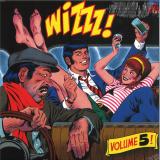
The journey through French-speaking pop archives continues with this fifth volume, packed with fuzz, gimmicks, and dissent. Far from the charts, the selected tracks display a great creative freedom, often backed by corrosive humor. Welcome to the surprising, kaleidoscopic, and colorful world of the late sixties and early seventies, Wizzz!
Born in Montauban, Robert Pico stumbled into music by chance when he met René Vaneste, then artistic director at Pathé-Marconi. René brought him to Paris to record his first 45 RPM EP in 1964. A year later, Pierre Perret introduced him to Vogue, where he recorded his second album with Claude Nougaro’s orchestra. Sylvie Vartan then introduced him to RCA, where he recorded four singles, including the astonishing "Chien Fidèle," a track backed by a hair-rising fuzz guitar. Alongside his solo career, he also composed for other artists like Alain Delon (the song was recorded but remains unreleased), Magali Noël, Bourvil, and Georges Guétary. In the Paris of the sixties, he mingled with Mireille Darc, Elsa Martinelli, Marie Laforêt, France Gall, Françoise Hardy, Petula Clark, Régine, Dani, Serge Gainsbourg, Joe Dassin, Franck Fernandel, Charles Level, and Roland Vincent. Despite his efforts and winning a Grand Prix Sacem for his final record, Robert Pico didn’t achieve the expected success in show business and decided to leave Paris and return to the Southwest, where he devoted himself to writing. He is the author of 23 books (including Delon et Compagnie, Jean-Marc Savary Editions 2025, a memoir about his youth and his many encounters). Today, he is relieved to never have become a celebrity and devotes himself to his work with passion.
In 1969, the Franco-Italian movie Erotissimo was released, directed by Gérard Pirès (who later directed Taxi in 1998, written and produced by Luc Besson). This pop comedy features Annie Girardot, Jean Yanne, Francis Blanche, Serge Gainsbourg, Nicole Croisille, Jacques Martin, and Patrick Topaloff. The soundtrack was written by Michel Polnareff and William Sheller, with lyrics by Jean-Lou Dabadie. "La Femme Faux-cils," performed by Annie Girardot. It recounts the feelings of a rich CEO's wife who seeks to develop her sex appeal under the influence of advertisement and magazines. Groovy, sparkling and light, this track, with ITS lush arrangements humorously critiques consumer society and feminine beauty standards.
“Je suis l’Etat” (1967) is the flagship track of the first EP by singer-songwriter Spauv Georges, aka Georges Larriaga, better known as Jim Larriaga (1941-2022). Born into a family of bakers, the young man was initially planning to become a hairdresser when he discovered English-speaking music through Elvis Presley and the Beatles. After this revelation, he decided he would become a songwriter and gave himself five years to succeed. He recorded his first two EP’s independently for RCA under the pseudonym Spauv Georges; meaning “that poor George”, a nickname given to him by the mother of her friend Jean-Pierre Prévotat (future drummer of the Players, Triangle, or Johnny Hallyday). Portraying a depressed and eccentric young man, Spauv Georges created corrosive and amusing songs that didn’t reach a wide audience, despite a TV appearance with Jean-Christophe Averty.
Supported by his loyal friend and fellow songwriter Jean-Max Rivière, Georges Larriaga met the future singer Carlos in the early '70s, then Sylvie Vartan’s assistant. He wrote songs for Carlos, including the popular "La vie est belle," "Y’a des indiens partout," and "La cantine", which went onto become a huge hit in 1972. He also composed for Claude François (“Anne-Marie”, 1971), Charlotte Julian (“Fleur de province”, 1972), helped launch child singer Roméo (who sold 4 million records), and later wrote the hit "Pas besoin d’éducation sexuelle" (1975) for the young Julie Bataille. In 1971, Jim recorded an album for Disc'Az: “L’univers étrange et fou de Jim Larriaga”, which featured pop gems like “La maison de mon père”.
The story of the song "Zoé" began when Pierre Dorsay, artistic director at Vogue Records, asked Swiss singer and musician Pierre Alain to write a song for a new female singer. The inspiration came when he realized that Zoé (the artist's name) was also the name of France's first atomic battery, created in 1948, which consisted of uranium oxide immersed in heavy water! The lyrics reflect a bubbling energy that must be handled with caution, while the instrumentation echoes this atomic theme, notably with the use of a theremin.
Zoé’s career lasted only as long as a single 45 RPM, but it seems Christine Fontane was the vocalist behind this pseudonym, who is known for several EPs, a good "popcorn" album in 1964, and a handful of children’s singles in the '70s. Regardless, the photograph on the cover is of a different girl entirely.
Later, Pierre Alain continued his career, writing songs for himself, Marie Laforêt, Danièle Licari, Alice Dona, Arlette Zola (3rd place in Eurovision 1982), and achieving multiple gold and platinum records in Canada. Also an inventor with several patents, president of the Romande Academy, and head of the French Alliance in Geneva, he now composes atonal music, books, and poetry. Moreover, he is also the host of "Les Mardis de Pierre Alain" at "Le P'tit Music'Hohl" in Geneva.
Filled with oriental choruses and fuzz guitar, "Fou" is from Jacques Da Sylva's only EP released by Vogue in 1967. Despite the quality of this recording, all traces of this singer disappear after this first effort.
Valentin is a baroque pop singer born in Belgium. He is the songwriter and composer of most of the tracks on his three singles released in the late 60s in Canada. A legend says that he reincarnated himself as Jacky Valentin during the 1970s for a rock'n'roll revival career in Belgium, but his older brother sadly debunked this story. Valentin's first two singles were arranged by Claude Rogen, a Parisian session pianist who had come to Canada to promote the song “Mister A Gogo”, a cover of David Bowie’s “Laughing Gnome”, adapted by singer Delphine, his wife at the time. Far from his usual network, Claude Rogen arranged music for Polydor, including the arrangements for “Je suis un vagabond” in 1969, a jerk tune with string arrangements and a furious optimism.
Jacques Malia wrote, composed, and recorded his only 45 EP for Festival in 1966. “Histoire de gitan” is an incredible beat track with bohemian scat that tells the story of a gypsy musician who came to Paris to make it in the Music-Hall, to no avail. The hero of the song and its author probably shared a similar fate, as Jacques Malia faded into anonymity after this remarkable attempt.
Bernard Jamet recorded two EPs for Barclay in the late sixties and co-wrote several songs with Christine Pilzer, Pascal Danel, and prolific songwriters Michel Delancray and Mya Simile. The track “Raison Légale” (1968), his masterpiece, immerses the listener in a courtroom right when a murderer is being judged, with jerk rhythm and free arrangements. A unique, paranoid, judicial, and psychedelic oddity.
Jean-Pierre Lebrot-Millers started his career in show business in 1967 as a singer and songwriter for the Philips label. After three singles, he wrote several songs of a new kind with his friend Pierre Halioche, in the midst of the sexual liberation movement and the democratization of drugs. With provocative lyrics, “Les filles du hasard” and “Barbara au Chapeau Rose” were released on a Philips singles in 1968. The character of Barbara was inspired by a queen of Parisian nightlife during the psychedelic years: model Charlotte Martin, who dated Eric Clapton from 1965 to 1968, then Jimmy Page from 1970 to 1983. Jean-Claude Petit’s arrangements, with a table-filled intro, soul brass, and Hendrixian guitar, emphasize the flamboyance of a hedonistic and sexy character, whose dog is named Junkie because “Junkie est un nom exquis”! The track was recorded live in three takes with a full orchestra.
Upon its release, the record was censored by Europe 1 and RTL due to its references to drug use. Jean-Pierre Lebrot was then banned from the airwaves and later dismissed by his record label. He changed his artist name to Jean-Pierre Millers, while his companion Pierre Halioche became D. Dolby for a new dreamy composition, “Chilla”, which Jean-Pierre produced himself with arrangements by Jean Musy. Once again, the song was immediately censored everywhere. After this setback, he decided to stop singing and started taking on odd jobs to support his Swedish wife and their son until the day he met Jean-Pierre Martin, then production manager at Decca, who had worked with Manu Dibango. Martin offered Jean-Pierre Lebrot-Millers, then employed at Rank Xerox, the position of artistic director at Decca. He accepted and became, a year later, promotion director (radio, press, TV). He worked on Julio Iglesias’s first album for Decca, which became a massive hit and allowed him to meet Claude Carrère. The latter asked him to write new songs and find their performers, much like a “talent scout.” It’s through him that Jean-Pierre discovered Julie Pietri and Corinne Hermès. He composed “Ma Pompadour” for Ringo, Sheila’s husband, and took the microphone again for the syncope hit “Rendez-Vous” in 1982.
That same year, Jean-Pierre Lebrot-Millers tried to release a track for which he had heavily gone into debt: “Si la vie est un cadeau”. Having recorded it in London, he presented it to numerous professionals, all of whom refused to get involved. The same thing happened with Antenne 2 and the Sacem when he proposed the song as France’s entry for Eurovision. He then met Haïm Saban, who was producing cartoon soundtracks and had just launched the Goldorak theme song. Saban, having listened to the song, declared it had the potential to become a hit. He sent Jean-Pierre and Corinne Hermès to meet the CEO of the Luxembourg radio and television network. The latter received them, asked to hear a verse and chorus a cappella in his office, and immediately hired them to represent Luxembourg at Eurovision 1983. They reworked the arrangements and recorded a new version with Haïm Saban as co-producer. The song ended up winning Eurovision 1983, a great comeback for our hero. He continued producing and hung out with the band Nacash in Belgium when a couple came to introduce their daughter for an impromptu audition in a hotel room. The girl sang “Les démons de minuit” while dancing to a radio cassette. Impressed, he had her take singing lessons for a year and composed a song for her (for which he had the melody and title, but no lyrics). This required him to go on the hunt for a lyricist, who ended up being Guy Carlier. They recorded the song, which was initially a ballad, at Bernard Estardy’s CBE studio, and gave the singer a new name: Melody. They showed the song around their industry network without success. Later, Estardy called Jean-Pierre to suggest changing the rhythm and making it pop-rock. Orlando, Dalida’s brother, liked the result and decided to co-produce the track. “Y’a pas que les grands qui rêvent » became a classic hit. The song has since been covered by Juliette Armanet (as a ballad, like the original) and Valentina.
Born into an aristocratic Breton family, Hervé Mettais-Cartier worked as a DJ at Queen Kiss, a nightclub in Poitiers, where he formed the band Les Concentrés with Michel (an actor) and Christian (a radio technician). Together, they created a repertoire of whimsical songs (“Ma bique est morte”, “J’suis un salaud”, “Fils de dégénéré”...) that they performed on stage dressed in white (in homage to “concentrated milk”). They performed at Bliboquet and Olympia in 1968 for the 10th edition of the “Relais de la chanson Française” organized by L’Humanité-Dimanche and Nous les Garçons et les Filles, sponsored by Pepsi Cola. Winners in the author-composer category, alongside Danish singer Dorte, their visibility allowed them to record a 45, and appear on television in Jean-Christophe Averty’s show. The A-side of the disc features Bruno le ravageur, a casatchok dedicated to Bruno Caquatrix, the director of Olympia, nicknamed in the song “Coq Atroce” or “croque-actrices”. The B-side is dedicated to “Fils de dégénéré”, a quirky tribute to Hervé's aristocratic roots, mixing absurdity with sophisticated vocal harmonies.
After Les Concentrés, Hervé Mettais-Cartier formed the duo La Paire et sa Bêtise with his friend Olivier Robert. They performed in Parisian cabarets and toured with Pierre Vassiliu. In the late 1970s, Hervé began a solo career. He recorded two albums for the Motors label in 1978 and 1979, which did not achieve their anticipated success due to lack of promotion. In 1980, he met Bernadette, with whom he started a family and created a “Chansons à voir” (songs to see) show that he performed until his death at the end of 2024.
Publicité comes from the final EP by the Missiles (Ducretet Thomson, 1966), a disc that also includes “La (nouvelle) guerre de cent ans”, featured on Volume 4 of our Wizzz! series. Please refer to the booklet for the story of the band.
“He’s 1.82 meters tall, 28 years old, weighs 135 kg, is black and Belgian”: this is the description of singer Hegesippe on the back of his sole single (Decca, 1967). He appears on the album cover wearing a Greek toga, like a hippie gag – we are at the end of the year 1967. In “Le crédo d’Hegesippe”, this former bodyguard of Antoine and the Charlots plays the delightful card of the thick brute converted to Flower-Power and non-violence, with arrangements by Jean-Daniel Mercier, aka Paul Mille.
“Ethéro-disco” was released on a promotional record for clients of the Maréchal company (Liège, Belgium) for the New Year 1979. Over a funky rhythm, celebrity impersonations (Brigitte Bardot, Jacques Dutronc, Fernandel…) deliver an enigmatic text about pharmaceutical products like ether, bismuth, and aspartate. The track was composed by Dan Sarravah (responsible for Joanna's “Hold-up inusité” featured on Wizzz! Volume 3) and Tony Talado, who was also a singer (one 45 in 1967), songwriter (with over a dozen credits between 1964 and 1985 in various styles from surf music to disco), author (Devenez Végétarien, Dricot Editions, 1985), ad designer, and psychologist.
Décollez-les is on the A-side of Mamlouk's only single, a pseudonym for Marsel Hurten, who is known for his work on several EPs in the late sixties, as well as composing music for Hervé Vilard’s “Capri, c’est fini”, Claude Channes' “La Haine”, Annie Philippe’s “On m’a toujours dit”, and Nancy Holloway’s “Panne de Cœur”.
This strange song, with Afrobeat horns and absurd dialogues between a chef and his kitchen staff, is the result of a collaboration between Marsel Hurten and one of his neighbors, a photographer from Pavillon-sous-Bois (93), where the musician settled after returning from the Algerian War. A music video was shot to promote the record.
Marsel Hurten was born in Tourcoing (59) into a musical family. At a young age, he joined the brass band founded by his grandfather, playing the piston before studying trumpet at the conservatory, as well as teaching himself how to play the guitar. As an orchestra musician, he toured in France, Belgium, Germany, and England. He released a series of solo 45’s between 1965 and 1968 for the DMF and Az labels before stopping recording to focus on working for other artists (Gilles Olivier, Noëlle Cordier…).
“L’amour nu” (Vogue, 1971) is the work of the short-lived Belgian band Mozaïque. The track, written by singer Jacques Albin, closely resembles another of his compositions, “Carré Blanc”, which he recorded in 1969 for Disc’AZ.
Represented by the Lumi Son micro-label based in Marignane (Côte d'Azur), Jean-Marc Garrigues released two 45 RPMs in the late sixties, defending the French jerk sound. The song “Je dis Non” is a short, joyful ode to youth, pop music, and rebellion.
Songwriter and performer Jacques Penuel released three singles. The first one, “Astronef 328” (Fontana, 1969), features a dizzying series of chords punctuated by sound effects, a sci-fi story, and arrangements by Jean-Claude Vannier.
We would like to sincerely thank Pierre Alain, Moon Blaha, Marsel Hurten, Bastien Larriaga, Jean-Pierre Lebrot-Millers, Bernadette Mettais-Cartier, Robert Pico, Olivier Robert, Claude Rogen, Micky Segura.
out of Stock
Last delivered 8 months ago available to reorder, subject to availability
Rock 'n' roll would not exist without Chuck Berry and his musical brilliance, as documented in this incredible concert recorded and broadcast live in New York City at the Palladium on New Year's Eve 1988. It features 17 of his most famous songs, including “Nadine”, “Reelin and Rockin'”, “Roll Over Beethoven” and all the other Chuck Berry standards you know and love
Rising from the ashes of Timebox, Patto delivered a bold fusion of progressive rock, jazz, and blues powered by Mike Patto’s soulful vocals and Ollie Halsall’s stunning guitar work. Their second album, Hold Your Fire (1971), originally on Vertigo, is a true gem of early ’70s progressive rock.
Original artwork in gimmix gatefold sleeve. Remastered by Prof. Stoned. Insert with detailed liner notes by Ralph Heibutzki and rare photos / memorabilia.
“…an exceptionally fine album, with songs and playing of a standard rarely achieved in rock music…” - Nick Saloman (Bevis Frond)
*13 ripping songs totalling 33 minutes from the original 20-song 65 minute master reel tapes, recorded in early February 1978 for producers Flo & Eddie, the night before DMZ (the raw-assed pre-Lyres outfit that never made it!) spent 3 days trapped by a blizzard recording their Sire album. **4 page insert with info, pics and Rick Coraccio's ultra-detailed journal on how it all went down! ***LP includes DOWNLOAD CODE Kapital Ink zine: "In the annals of R&R history, as far as local American rock'n'roll scenes go, Boston is hardly ever looked upon in the same shining light as, say, NY, Detroit, San Francisco or even Austin or Seattle. Unlike those other towns, there's never even been a definitive book about the scene. Maybe it's because Boston is a perennial hard-luck place (just witness the Red Sox) with a serious New York inferiority complex hanging over its head. Boston is ignored by the industry at large, despite the fact that the city has spawned countless heavyweights in both a commercial (Aerosmith, Boston, the Cars) and aesthetic (Modern Lovers, Real Kids, Mission Of Burma) (Crypt editor note: and DMZ!! and LYRES!!) sense. Boston was the first US city to directly reflect the influence of the Velvet Underground, as epitomized by the Modern Lovers, who've proven to be almost as influential in their own right. Fast forward to the days of hardcore, and Boston was one of the pre-eminent strongholds of shave-head mania, shoring up its rep as an angry, intolerant New England outpost. Naturally the town has produced more than its share of local legends: Willie Alexander (who actually was in the Velvet Underground, albeit when the band was on its Lou Reed-less last legs); Jonathan Richman (geekus supremus no small thing considering the subsequent indie hordes, to whom he's a savior); and most of all, the great Real Kids, (Crypt editor note: and DMZ!! and LYRES!!) who could've been the equivalent of the MC5, Stooges or Flamin' Groovies in the annals of American rock if it hadn't been for a series of bad breaks but let's not get into that because it'll only reinforce Boston's eternal self-pitying plight. The fact is, the scene in Boston was more or less built by a string of bands who are so organically-interconnected that it seems like an act of God."
This release resurrects a long-lost cornerstone of Seattle's early grunge history, showcasing Bundle of Hiss, featuring future Mudhoney and TAD guys and singer Jamie lane, one of the genre's missing links. Between 1986 and 1988, when Seattle was still a circuit of small clubs, four-track tapes and bands sharing drummers and singers, Jack Endino went in to record one of the most solid - and most unfairly invisible - outfits of that scene: BUNDLE OF HISS. Two sessions (1986 at Reciprocal and 1987/88 at Audio Design) fell into limbo, stored in the basement of Mudhoney-Drummer Dan Peters and for years they were a kind of pre-grunge legend, everyone knew they existed, but there was no record, until Loveless Records from NYC released both on CD. The second one, Audio Design Sessions, now sees the light of vinyl for the first time, just as it should have come out in the late '80s: a basement document turned into a collectible artifact. For those who want real grunge, not the domesticated version. It gathers the core of those 1987-1988 recordings done by Endino: the moment when the band is tighter, darker and closer to what the press would later call the "Seattle sound": minor-key melodies, thick fuzz, vocals on the edge, and that mix of hard rock, punk and Sabbath-like heaviness we'd later hear in Mudhoney, TAD or early Soundgarden. And Jack Endino himself summed up these sessions: "Vintage Seattle grunge from one of the original practitioners_ I always felt sad that this hard-working band never managed to get a record out and was almost lost to history. It was a pleasure -and a technical pain!- to resurrect all this." Kinda key release of the early grunge days, first-generation material, recorded by the scene's producer, at the exact moment Seattle was shifting from noisy punk to that heavy, shadowy rock that later blew up. It sounds raw, young and dangerous: this is not a polished compilation, it's a snapshot of the scene.
Noctourniquet And then everything went black, at least for a while, at least for The Mars Volta. In the months and years following their fifth full-length, Octahedron, Omar kept on at his usual fearsome creative pace. In fact, he ramped up his output considerably, starting up his own Rodriguez Lopez Productions label and releasing a slew of solo albums. It was a practice he’d begun shortly after De-Loused’s release, with his solo debut A Manual Dexterity: Soundtrack Volume One, but as the decade reached its close, Omar grew to rely upon his solo recordings as an outlet for his prolific creativity, these albums often exploring musical pastures far beyond even The Mars Volta’s wide-ranging parameters. Before choosing to release music under his own name, Omar would always play it to Cedric first, to see if the frontman thought it had potential to become Mars Volta music. Shortly after Octahedron’s completion, Cedric flagged one batch of tracks Omar had cut with Deantoni Parks, a brilliant drummer and composer who’d briefly occupied the Mars Volta drumstool in-between Jon Theodore and Thomas Pridgen’s tenures, and whose volcanic creativity and unique, unpredictable approach to rhythm and composition had quickly made him one of Omar’s favourite artistic foils.
As with the music that made up Octahedron, the new tracks Cedric had optioned for The Mars Volta often veered far from the riotous, Grand Guignol visions of their earlier releases. It possessed the punchy, song-based focus of Octahedron, though this was a considerably darker, more menacing strain of pop, with synthesisers figuring heavily in the productions. Cedric took the tracks in 2009 and set about writing songs to the music. But no more new Mars Volta music would be heard until 2012. The years that passed in-between were nonetheless momentous, and busy, witnessing an unexpected reunion of the members of At The Drive-In, and Cedric joining his own side-project, Anywhere. But there wasn’t any sign of life within the Mars Volta until Omar, Cedric and their bandmates took to the road for a series of live shows in the spring of 2011, billed as The Omar Rodriguez-Lopez Group, debuting the songs that would become Noctourniquet. The album followed the next year, and it remains one of The Mars Volta’s finest, its electronic textures staking out unfamiliar but fertile new ground.
An unsettling, subtly turbulent listen, Noctourniquet found Cedric sketching out a story about “some sort of device that stops the darkness from bleeding”, drawing influence variously from the nursery rhyme Solomon Grundy, the Greek myth of Hyacinthus and the song Birth, School, Work, Death by British underground rockers The Godfathers. It was an album of dystopian futurism, signalled by the paranoid cyber-rock of opener The Whip Hand and its unnerving chorus, “That’s when I disconnect from you”. But it was also an album of inspired, unexpected moves and uncanny invention, like how Dyslexicon seemed to eerily evoke Blondie’s Rapture, before rushing headlong into its bruising chorus, tempos shifting restlessly throughout like quaking earth beneath the listener’s feet, or how Aegis put a brave new spin on The Mars Volta’s trademark rewiring of salsa’s overdriven passions, or how Cedric had never sounded as scary as he did on The Malkin Jewel’s mutant burlesque shuffle. Tracks like Molochwalker were sleek and concise in a way The Mars Volta had never really attempted before – which was all part of Omar’s plan.
“It had all been guitar, guitar, guitar, overdubs, everything fighting for space in the same frequency,” he explains. “So for Noctourniquet, it was all about subtracting elements, of sticking to how I made demos.” Deantoni’s presence helped revivify the group, playing against cliché and expectation, and taking each song in unexpected directions. “I’d beatbox a rhythm for him to play, to go with my guitar part, and he’d come back with three or four alternate options. It was so great.” Similarly, Cedric had never sung better than on Noctourniquet, staking out a fearsome spectrum from the chilling Tom Waitsian growl of The Malkin Jewel to the keening, beautiful vocalisation on Vedamalady, rising to match some of Omar’s most deft, most immediately effective and melodic songs yet. Indeed, Noctourniquet is the sound of a band discovering new ways to do familiar things, renewing their commitment to their mission, finding fresh inspiration a decade in, and shaking off any complacency that might have come with ten years of acclaim and success.
“Yeah Yeah Yeah just arrived out of the blue. I just took a chance. I had some ideas for a new album I’d been working on, but we weren’t planning on recording until the year after. It all happened very fast. There was a window of opportunity- youth was free, the studio was free, and the band were free- and I thought, let providence prevail. No one had heard the songs apart from myself and Alan McGee, but we both thought that we had something. You could feel it, even though none of the songs were really finished, and so we decided to roll with it and go and record them. I think with Yeah Yeah Yeah it was more than just trying to capture a vibe- it was about trying to record something majestic, which is how youth describes the record. There are gospels and strings on tracks like Free Love and don’t look away, which have kind of turned into these massive anthems. It has P.P. Arnold as a featured vocalist on a couple of tracks- the first, the single poison vine, which has a groove and a blistering chorus. She’s also on another song that’s a psychedelic funk track: the way it’s gotta be (oh yeah). Songs like Teardrops or Birds Heading South- we’ve tried to capture that classic, slightly
Wistful theme- whereas the weight of the world just rocks out. There’s also a little acoustic track to break it all up called the devil and the deep, which is a favourite of mine. We recorded the album over in Spain at space mountain, Youth’s studio, way up in the mountains, just as the almond trees were in blossom- which I took as a good omen for the session”.
From the opening bars of this debut album you instantly just know it's going to deliver the tunes, and it doesn't let up until the last note. The Allergies' modus operandi is taking vintage sounds and reshaping them for modern dance floors, and they go about it with style.
Effortlessly fusing Funk, Soul, Disco, Hip-Hop and Breaks, DJ Moneyshot and Rackabeat provide the perfect brand of feel-good, energetic ear candy that will leave a smile on your face and give you happy feet. But that's not all..., they have teamed up with some top MC's in HypeMan Sage and BluRum13, as well Andy Cooper of Long Beach's world-renowned rap group, Ugly Duckling.
out of Stock
Last delivered 8 months ago available to reorder, subject to availability