Renowned Vienna-based keyboardist and producer Philipp Quehenberger is known for his improvisational approach to electronic music. With a history of notable releases on respected labels like Cheap Records and Editions Mego and his energetic live sets, Quehenberger has built a reputation for a distinctive sound.
His latest release, the vinyl EP "Hot Water", comes as the inaugural offering from the newly established label "other machines".
Opening with "Emortal" a slowed down four on the floor beat is acompanied by a heavy bassriff and wobbly psychedelic synthlines, the record picks up speed but maintains its dark but catchy vibe with the house -like "Heaven" featuring strings and another wallshaking bassline.
Suche:cheap
Skylax Records proudly presents the first release in our brand-new archival reissue project: the SKYLAX COLLECTOR'S SERIES. This collection is dedicated to unearthing rare and forgotten underground gems, pressed back to vinyl with love and respect for the original sound. We kick off this essential series with a deep cut from one of the UK’s most respected techno pioneers: AUBREY – WAREHOUSE, originally released in 1997 on his cult imprint Textures (catalogue: TEX2). This classic slab of wax features five tracks that masterfully blend deep house grooves with raw UK techno energy: A1. Warehouse / A2. Rift Zone / B1. Shot / B2. Insult My Friend / B3. Space Lead. Aubrey, real name Allen Saei, started his journey into music in 1990 under the alias Panic, with his first release Voices Of Energy on Sheffield’s Ozone Recordings, later licensed by Buzz in Belgium. That same year, he launched his first label Solid Groove Records, which went on to drop over 30 vinyl releases in 13 years, with tracks licensed and supported by heavyweights such as Derrick May, Carl Cox, Adam X, Pete Tong and Terry Francis. Aubrey also ran four additional underground labels: Textures, Dark, DOT and Cheap Knob Gags. A true lifer, he became a hip hop DJ at age 13, discovered acid house at 16 after hearing Mr. Fingers’ Washing Machine, and released his first vinyl at 17. By 18, he had a residency at Central Park in Portsmouth (a key spot that hosted the likes of Luke Slater, Carl Cox, Frankie Bones, Joey Beltram, Grooverider…), and quickly became a fixture in the UK rave circuit, playing regularly at London institutions such as The Astoria, Turnmills, The Gardening Club, The Pirate Club, and legendary events like Energy and Raindance. He also worked behind the counter at import store Razzles, one of the most important dance music shops in the South of England, before joining Luke Slater at Jelly Jam Records. In 1991, he created Solid Groove to push his unique production vision—a journey that continues today through releases on legendary techno labels such as Metroplex and Ostgut Ton. Still fully active and devoted to music—DJing, mastering, remixing, and working in record stores—Aubrey remains a cornerstone of the underground. This reissue has been carefully remastered from the original tapes, pressed with the utmost attention to quality. A vital release for collectors, DJs, and all lovers of true UK techno and deep house. Strictly limited. No repress. Just music.
Steve Moore reprises his beloved Lovelock guise by presenting his unique riff on the library breaks genre. Business And Pleasure contains grimy groove and sleazy, funk-laden lounge music.
This vinyl release is hyper-limited, with just 500 pressed for the world.
The LP is ushered in by the spacey synth-funk of the sleazy, woozy title track. This is that serious slo-mo cosmic-balearic head-nod shit. Laidback bass, heavy funk with dreamy synth and electric guitars. An outstanding opener. Up next, the dynamic, swaggering "Last Call" is a sophisticated, elegant stroll - sweeping, mellow strings, a smooth bassline and gorgeous percussion with urgent keys and swelling synths.
"Slinky Strut" is another spaced-out, sleazy funk groove with jazz rock by way of a heavy, heavy guitar riff, mellotron and bass breakdowns which build to brass crescendos. Gigantic. "First Class" closes out the side, and, like classic Hawkshaw / Bennett noir, it's got that mysterious and murky stretched out sleuth / detective soul with a great bassline and percussive elements, with swelling strings, ace synths and smooth Rhodes piano melodies entering the mix halfway through. Dramatic guitars and groovy percussion add extra intrigue. It's 7 minutes of funk!
Side B opens with the stretched-out psychedelic funk and jazz groove of "Stank 49". It takes its sweet time to unfurl, creating enormous - almost sensual - anticipation for the ensuing beauty but, as it does, we're left beguiled and straight-up hypnotised. Heaven-sent synth flourishes and a laidback bassline over smooth drums cement its simple, vivacious grace. "Dangerous Man" is that creeping crime funk we all love; heavy bass and fuzzy guitar riffs, mellow strings and sumptuous piano/synths. It's irresistible, it's ominous and it's pretty gargantuan. It's basically like an El-P hip-hop instrumental. We need to get some rappers over this stuff, stat!
"Stinkbug" is a dazzling and funky groove-fuelled jazz-rock workout with fizzing synth riffs joined by full percussion and drum breaks, building with strings to a strong swagger. Vigour! To close out this remarkable set, the breezy "Win Or Lose" is laidback soul-inflected funk, utilising urgent, skipping drums and galloping basslines. Just stunning.
This collection was written and recorded in Spring and Summer of ’24. Everything was tracked at Steve's home studio in Albany, NY except the drums and percussion, which were recorded by Jeff Gretz at his space in NYC. The whole collection is basically a rhythm section feature, so Steve's Rickenbacker 4003 and Fender Jazz Bass play very prominently. The bass guitar serves as lead instrument in a lot of these tracks. Also, lots of Rhodes and stringers (Solina, Logan etc) and guitar (Strat and Les Paul). He even dusted off my sax for this one, which he doesn’t do as often as he’d like!
This type of groove-oriented library music has been a steady part of Steve's diet since the late 90’s. In heavy rotation while writing this collection were the following classics: “Time Signals” by Klaus Weiss, “Tilsley Orchestral No. 10” by Reg Tilsley, and “Heavy Truckin’” by Simon Haseley. “Voyage” by Brian Bennett was also a big one.
Lovelock started as a dedicated Italo-disco project, but over the years Steve expanded it to include anything directly informed by the commercial/pop side of the music of his childhood (70s/80s). Writing and recording this album was, like a lot of Steve's music these days, basically a test to see whether or not he could do it.
The song titles, like the music, are meant to be evocative yet vague. But there is a bit of a travel theme. Steve imagined this record being the soundtrack to a sleazy salesman’s business trip. The kind of guy who, when asked if he’s traveling for business or pleasure, responds “both.” Beyond the traveling salesman comparison, the title directly relates to the creation of this album. This was something he wanted to do just for his own enjoyment. Yet, like our sleazy salesman, he still found a way to get paid.
The album’s cover was designed by Chris Stevenson, with no little direction from Steve. He knew that he wanted to go with something photography-based for this cover so, in true DIY/cheapskate spirit, Steve started by looking through his own photos. He found the cover image on his phone, taken through an almost empty bottle of beer, and it clicked. The whole album has a very boozy vibe (especially with titles like “Last Call”) so this shot seemed appropriate. We, hic, agree.
Mastering for this vinyl edition was overseen by Be With regular Simon Francis, and it was cut by the esteemed Cicely Balston at Abbey Road Studios to be pressed in the Netherlands by Record Industry.
A – Raise & Risk – The Itch
A tiny camel keyring tossed around on a contact mic and run through an ancient plate reverb makes up most of the percussions, odd ad-libs and wooshes in "The Itch". A 60 ton bass growl of mesozoic depth and some messed up hihats nicked from a previously discarded track round things off. Unfolds particularly well at high volume with ample Waterhouse-level low end.
B1 – Raise & Risk – Anthistamine
The initial minimalist groove of "Antihistamine" had already been in place for a while. But it was the log drums we added after a long night spent in a dark room surrounded by and partaking in mayhem that really tied it all together. Overall a moody and somewhat dissonant affair, the track breathes and oozes in unexpected ways, like we've never managed before.
B2 – Raise & Risk – Screwfix E17
Sirens wail, shouts compete for attention, a gnarly bassline tests your speakers and the drums switch between half- and doubletime 165 business. "Screwfix E17" is a rowdy loveletter to everyone's fav retailer of cheap tools and ambivalent service.
fka boursin is a DJ and producer out of Bristol, UK.
Previously known as DJ Boursin, he is recognized for his deep, ambient-infused house music that explores political dimensions of clubs and identity politics.
Welcomed into the Scissor & Thread fold, fka boursin shares two cuts of deep and introspective
electronic music.
The original Listless Intertext is a hazy trip through ambient soundscapes, shuffling rhythms and half-caught conversations, drifting across a 12 minute run time that slowly evolves and shifts with time.
"Listless Intertext is a track centred around the "failed" employment of cheap vocoder software that attempted to process explicit words and phrases across 11 minutes." says fka boursin. "Instead, the vocoder output made any words indecipherable and I was left with thematic vagueness. The final text of the track is simply a submission to its own limitations with some french thrown in."
When label bosses Frank & Tony step up for their Housebeat Dub, they keep the essential mood but introduce a thick, fat groove that works just as well in conveying the mood.
"Our remix is a strictly dancefloor approach," says Frank, "an extended psychedelic beat rework perfect for late night, early morning vibes".
- A1: Design - Premonition
- A2: Vision - Lucifer’s Friend
- A3: Richard Bone - Alien Girl
- A4: John Howard - I Tune Into You
- A5: Ian North - We’re Not Lonely
- A6: Selwin Image - The Unknown
- B1: Harry Kakoulli - I’m On A Rocket
- B2: Rich Wilde - The Lady Wants To Be Alone
- B3: Billy London - Woman
- B4: Alan Burnham - Science Fiction
- B5: The Microbes - Computer
- B6: The Goo-Q - I’m A Computer
- C1: Gerry & The Holograms - Gerry & The Holograms
- C2: The Warlord - The Ultimate Warlord
- C3: Die Marinas - Fred From Jupiter
- C4: Dee Jay Bert & Eagle - I Am Your Master
- C5: Peta Lily & Michael Process - I Am A Time Bomb
- C6: Sole Sister - It’s Not What You Are But How
- D1: Alasdair Riddell - Do You Read Me?
- D2: Karel Fialka - Armband (The Mystery Song)
- D3: John Springate - My Life
- D4: Incandescent Luminaire - Famous Names
- D5: Disco Volante - No Motion
- D6: Dream Unit - A Drop In The Ocean
Compiled by Philip King
“And then came the rise of synth pop : blokes with dodgy haircuts hunched over keyboard-operated
machines stuffed with wires and do-it-yourself tone oscillators making sounds like a brood of geese
passing gas in a wind tunnel. Whoopee! This is the way the ‘70s ended : not with a blood-curdling bang
bang but with a cheap, synthesized, emasculating whimper.”
NICK KENT, NME.
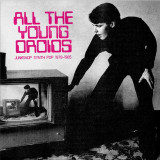
All The Young Droids: Junkshop Synth Pop 1978-1985 is a new compilation that charts the
underbelly of the epoch-defining sound of the synthesiser in 80s popular music. Compiled by Philip
King (previously seen compiling All The Young Droogs, Glitterbest and Boobs - The Junkshop
Glam Discotheque), the music here connects the dots between DIY synth enthusiasts grappling with
new, cheap synthesisers at the tail-end of punk and wannabe, jobbing songwriters enthral to the new
music pioneered by Gary Numan, Depeche Mode and Daniel Miller’s Mute Records. Featuring rare
tracks of auto-didactic progressive pop music, proto-techno punk, shoot-for-the-stars-land-in-the-gutter
chart flops and heralded, underground synth classics, School Daze paints a picture of beautiful failure.
Complete with extensive sleeve notes written by King and never before seen imagery, all 24 tracks
were remastered by RPM in-house engineer Simon Murphy, many from vinyl copies due to lost master
tapes. The story told on All The Young Droids is one of the dawning opportunity presented by both the
emergence to the market of cheaper analog synthesisers and the distribution networks plus indie labels
that exploded with the advent of punk music in 1976. While the music that sprouted out all over the
globe in the wake of these factors was decried as fake, plastic, a refutation of punk’s guitar-led
revolution, it’s telling that much of the music on All The Young Droids.. was created in bedrooms,
ramshackle studios and home-made set ups with often borrowed equipment. In the era of record labels
jumping to capitalise on the success of The Sex Pistols, The Clash (both on major labels, of course)
these artists struggled to stand out from a new gold-rush with next to no budget or PR team. With radio
and labels desperate for the new Yazoo, what resulted was a testament to necessity being the mother
of invention.
At the time, the synthesiser was the music of the future, a shiny new machine that could paint like an
orchestra with a single finger and a 4-track. In the hands of Manchester avant-pranksters Gerry & The
Holograms it’s a pulsing, sardonic weapon.. the only instrument on the Messthetics classic lampooning
of New Wave fashion. In Hamburg, a 16 year old Andreas Dorau used it to write and record (with his
female classmates on vocals) a global smash in Fred Vom Jupiter (later licensed to Mute Records).
The hard-to-find English version (Fred From Jupiter, natch) is included here. Many artists with alreadystoried careers caught the bug and recorded synthesiser-fuelled peons to space, computers, the future
and, of course, love-interests. Harry Kakoulli, late of Squeeze, recorded a solo album in 1979 that
included the incredible power-synth-pop smash-that-never-smashed I’m On A Rocket. Similarly, Ian
North of Neo and American Power Pop stalwarts Milk ’n’ Cookies bought a Korg MS20 and used a
tape machine to record We’re Not Lonely, an absolute lost-classic of minimal synth pop. We’re Not
Lonely also features on the Junkshop Synth Pop sampler 7” twinned with John Howard unreleased
track You Will See, released April 12th 2025.
There are plenty of compilation debuts in evidence. Sole Sister were a mysterious trio who were
featured on the Scaling Triangles compilation of female-fronted, queer-adjacent post-punk /
underground music that also featured The Petticoats. Selwin Image were from San Francisco and
featured members of the recently defunct power pop/punk group The Pushups. Their stupidly catchy
The Unknown fizzes with New Wave energy - think XTC to Sparks but remains unreleased until now.
Dream Unit’s A Drop In The Ocean is an early synth wave cut, positively teaming with Joy Division
instrumentation, previously only released on a long-forgotten and super rare, self-released EP.
Incandescent Luminaire’s Famous Names belies an archetypal struggle of a small-town trying to
make it in a cruel industry but is a thrilling New Romantic-Synth Wave cross over with a OMD
gloominess that’s a joy to hear. Feminist Minimal Wave track I Am A Time Bomb by performance artist
Peta Lilly and Michael Chance is a revelation destined for new found cult status. It was released on 7”
and lost until now.
The flipside to the subterranean, never-made-it synth pop mentioned above are the ambitious, even
fruity attempts at success that have a perennial elegance to their confidence. New Jersey-ite Billy
London (real name Ed Barth) tried to cash in on the synth boom with Woman, released by a major
label, a lurching new wave track built on the Louie Louie rhythm and a wonderfully camp Lou Reedstyle sleazy vocal before exploding in the synthesised chorus. The song bombed but with a chorus like
this, you have to wonder why? Ex-Glitter Band member John Springate’s My Life is truly epic, with
doomed chord progressions and massive sounding drums turning into at least 3 different songs in the
course of the track. Before you wonder what’s going on the song resolves with a glorious return to the
main refrain.
The dry-ice-dressed dance floor is well catered for too. Design’s Premonition and Vision’s Lucifer’s
Friend are stone-cold minimal synth bangers, well loved but given a new lease of life here. The
Warlord’s The Ultimate Warlord was released in 1978, a homespun proto Hi NRG banger that was
later re-recorded by The Immortals in Canada who had a club hit with it. One-man- band Disco
Volante’s No Motion was re-issued by Synth wave label Medical in 2012 but makes its first vinyl
compilation appearance here. Close your eyes and you can imagine what Lawrence of Felt would have
sounded like with some cheap Korgs a little earlier in his career. Gibraltar-based trio The Microbes
imagined a computer programming people to dance - how prescient - and ended up with a propulsive,
robo-funk track with splendid rubbery bass playing over a tectonic drum machine. Previously picked up
by Belgian label Stroom TV, Dee Jay Bert & Eagle’s heavily Euro-accented I Am Your Master
demands the listener to “come to paradise!” In a frankly terrifying manner.
All The Young Droids is the first compilation to peel away from the narrative that dour, Minimal Synth
and Cold Wave were the only musical children of the first rush of synth pop. Philip King and School
Daze Records describe a much more complicated world: along with the austere, Brutalist children of
Daniel Miller (who produced Alan Burnham’s Bowie-Low-influenced Science Fiction here) was a
plethora of desperate cash-ins, accidental mainstream hits, ambitious pop dramas and major label
punts that went nowhere. Crucially, the compilation blurs the line between junk and treasure. What if the
two things are interchangeable. What if it’s all science fiction?
Jens Brachvogel & Tilo Ciesla aka Studio 54, aka Dole & Kom is probably the most productive producer duo of German underground House Music. They did Disco House with heavy 808 & 909 beats in the mid 90s already – long before it stormed the German dance charts. They've remixed legends like Green Velvet, Black Box or Mateo & Matos or even pope heroes like Marc Almond. Their tunes came out on top tier labels like Nervous, Relief Records, Force Tracks and of course local Formaldehyd and BCC Music from Berlin.
Their Studio 54 project started in 1997 and quickly became their most popular moniker.
Due to copyright restrictions they had to rename it „Studio 45“, a name they're still using today. On their „Vol. 2“ record in 1997 they were inspired by Disco and Boogie tunes of the 70s and early 80s that indeed were popular at the famous New York night club.
What makes their tunes unique to this day is their hypnotizing, druggy approach to the original tunes. You never get a cheap, commercial copy, you'll get a mesmerizing mind trip back to the glory days of Disco, seasoned with the best classic drum machines got in them.
- A1: Patrick Bernard - Interieurs
- A2: Cecilia Angeles - Climax Our First Day Of Love Its A Love Day
- A3: Carla Music Orchestra - A Meet With Bond
- A4: Remy Boussengui - Coco Lando
- B1: Francisco Et Son Orchestre - Cafe Rete
- B2: Francis Bebey - Crocodile Crocodile Crocodile
- B3: Michel Lorentz - Zantye An Metro
- B4: Egide Sadey - High Emotion
- B5: Princess Erika - Trop De Bla Bla Dub Version
Isle of Jura teams up with French digger Switch Groove on the next compilation titled ‘Archipelago – Cosmic Fusion Gems from France (1978-1988)’.
Switch Groove explains the concept “When I seriously began to search for and collect records, I was mostly interested in sounds from african-american, afro-latin and UK contemporary scenes. Sounds from distant territories, faraway from my native Massif Central, a highland region in the middle of France. The grass is always greener, I guess however, as I was digging in fleamarkets in the early sunday morning light, as well as spending regular sessions in second hands record shops, I began to discover hidden treasures, underground gems and side-projects of an unknown French musical repertoire.
French music is often reduced to its most famous musical forms, characters and signatures : French songwriting and voices, 60s yéyé, prog rock concept albums and soundtrack explorations, 80’s indie rock scene or more recently electronic French touch. All these sounds have a common feature : a geographical link, forged on mainland French territory, following the contour of the so-called Hexagone, the border that shapes the grounds for an homogeneous cultural expression. But beyond this showcase lie more complex, hybrid and global French productions. From French Caribbean Antilles to Parisian suburbs - especially during the ‘Sono Mondiale’ era -, in French areas outside urban cultural centers, musicians have created fusion and cosmic musical expressions. As the mid-seventies meant a greater freedom to make and record music, a wider use of electronic instruments like synthesizers and drum machines helped to deliver some magical projects you could only find lost in the middle of cheap records during a sunny record digging session. I selected these tracks, in an attempt to shape an ARCHIPELAGO that highlights significative contributions of African diasporas and ultramarine territories into French musical borders. It is the map of a land I have gradually drawn, thanks to deep listening of amazing cosmic and fusion tunes. I hope you enjoy the journey.”
Christian Kleine continues to unearth long-lost transmissions with Electronic Music From The Lost World: Vol.2 - another batch of pristine artifacts from his personal DAT archive. Much like its predecessor, this release serves as both a time capsule and a reminder of Kleine’s effortless blend of melodic warmth, intricate rhythm programming, punk influences, and a deep-rooted love for the fringes of electronica.
Where Vol.1 felt like an invitation back to the late ‘90s, a time when IDM was still an evolving conversation, this second volume extends the dialogue, revealing more of the sonic experiments and fully-formed pieces that never saw the light of day. Tracks recall specific moments from Kleine’s time living in Berlin, an era of minimal comforts but maximal creativity, where all that really mattered was that the PowerPC, sampler, and synths kept running. This period of introspection, coupled with the musical freedom afforded by cheap rent and late-night school classes, shaped the deeply personal and solitary sound of these recordings.
Visually, Vol 2 shares its origins with the first volume, as Midori Hirano’s stark Berlin photography forms the foundation, and Noah M / Keep Adding pushes the imagery into a brighter, more reflective final space. Final touches remain in familiar hands, with LOOP-O on mastering and lacquer duties, bringing new life to Christian’s OG DAT recordings.
And much like the classic City Centre Offices era that shaped this sound and Kleine’s early career, this release nods to that legacy. A special limited 7” EP with two bonus tracks, designed in tribute to CCO’s iconic DIY aesthetic, will be available on release day direct from the label’s Bandcamp.
2024 Repress
There isn’t many who would disagree with the underlying sentiment that electronic music makes us feel something extraordinary. Much in the same way, the possibilities for creative discourse and cosmic interactivity are accessible to anyone with an open mind. It’s in this place where these possibilities materialise, and it’s in this space where SYNCROPHONE 39 operates within.
You see, you won’t find cleverly constructed adjectives or nonsensical descriptors for the music presented here. It doesn’t need them. The music speaks for itself, much in the same way the artists do. Stojche has been carving out timeless techno for two decades now, working tirelessly without fanfare to enrich a scene that sits close to his heart. Whether that be through releases on his own imprint TANGIBLE ASSETS or the ever expanding a.r.t.less, his trademark sound signature is synonymous with the soul of Detroit. You may be hard pressed to find anyone else who’s been as consistent with this sound over the years as he has. On the other hand, Gerard Hanson aka Convextion has been doing exactly that without fault his entire career. So the combination of these two artists on this release makes perfect sense.
Syncro39 is a celebration of core values in music. Of devotion to a singular obsession crafted over the course of decades devoid of trends or cheap influences, social or otherwise. It’s that unwillingness to compromise and to put everything on the line in the pursuit of the dreaming process that makes this a special release.
One thing is for certain. Those who are inspired by Stojche’s signature original and the timeless journey of Convextion’s remix,
will carry themselves through the smoke and haze into the sunlight as it takes some time for the rush to subside. That’s probably an apt abstract for this release thus far. For the most part though, the narrative for Stojche has only just begun.
Schlammpeiziger, who had previously only been known to us for his top hits and T-shirts, burst upon us like a wild boar in search of affection in the middle of the coronavirus lockdown. He nested in our fully vaccinated home, drank our Eversbusch, ate from our plates, slept in our bed (wait - wrong fairy tale) and repeatedly urged us to organise egg runs with his testicles (after some contortions, we gave up trying). Childish faecal humour, far-fetched obs(t)enities, juicing, a desire to dissolve, composting of thoughts. In excesses of lack of concentration, the chains of associations curled and meandered like Jo's famous curlicue drawings. Every evening, after we had forcibly levered him out of our flat, he would ‘walk’ home to put together very unique , dreamy pieces. In the blissful brainfog of those days, for example, ‘Handicapfalter’ was created, for which the congenial °Bär° made our flat into the corresponding video. Among other quirks of the little gut-breather, we were fascinated to observe his phobia of literature and books. Just hold a printed page in front of his face for a few seconds and he writhes on the floor crying. A level of phobia that only my own laughable disgust and fear of writing myself can compete with. Jo shudders at the thought of reading sentences that build on each other in a meaningful way, and I shudder at the thought of having to write them down because I have something ‘to say’. A certain affinity cannot be denied. We are much, much more pleased by snatched-up, misunderstood or misheard snippets, hollow but unforgettable phrases, the diamond stoner humour of our ancestors. ‘From one turn/ I stop/ to walk on/ in all directions’ (as it murmurs in “Selten Gesehenes”), describes the process quite nicely. After all, Jo is ahead of me in that he can simply break off every tedious sentence and let it fade into music. Back to the essentials. It's five to 12 for the Schlammpeitzger (scientifically Misgurnus). The shy goby is under threat from climate change, so perhaps this vinyl is the last expression of life of the specimen that we have been allowed to look after sporadically since the lockdown phase of the corona epidemic. And it's turned out pretty. Even the aesthetically gutted like me and my beloved husband can THINK about sex when they see these sublime, silvery fart bubbles! It's tender as a fart. Make love!!!!!
Schamlose Dubtöse: Do you have words. Do you have sounds. Impertinently harmless piano tinkling turns into tugging zounds of increasing severity. It is not dubbed (would be unethical) but dubbed. Sounds dubby, as you can imagine. (Instrumental)
Loch ohne Licht: Possibly vaguely misogynistic. Could also be that there was simply no light in the hole. The sparse snippet of lyrics (‘du biss mir och esu e Loch ohne Licht’) sounds like one of those stroppy Cologne replicas whose anti-charm is hard to resist. Buzzing and grooving.
Selten Gesehenes: Casual. Confident. Soft. Fragrant. Thoughtful but lively.
The Arabian Vietmanese (instrumental) is probably the food we trust in the case of the munchies we get when we watch other people smoking weed. Transcendental and psychedelic states casually permeate the humdrum of everyday life. Klar Knuspermarsch: Marches and floats at the same time. Klebt Runner: Soundtrack to the cult film of the same name. Tyrrell Corporation loosens up. Ungenutzte Sätze: Stinks somehow, because there is dangerous proximity to comprehensible and then also critical statements here. Instead, the sinister electronic cheapness of Carpenter soundtracks can be heard. Parzipan: Actually, the time of origin was not so roaringly funny and simple, but for Jo it was also a gruelling, slow letting go of his brother. Here he sends him off with a gentle nudge into the vastness of a hopefully happy beyond.
Clara Drechsler
Schlammpeiziger, der uns bislang nur durch seine Top-Hits und seine T-Shirts bekannt gewesen war, brach mitten im Corona-Lockdown über uns herein wie ein wilder Eber auf der Suche nach Zuwendung. Er nistete sich in unserem durchgeimpften Zuhause ein, trank unseren Eversbusch, aß von unseren Tellerchen, schlief in unserem Bettchen (Moment - falsches Märchen) drängte uns wiederholt dazu, mit seinen Hoden Eierlauf zu veranstalten (nach Verrenkungen gaben wir den Versuch auf). Kindischer Fäkalhumor, weit hergeholte Obs(t)zönitäten, Entsaftung, Auflösungswunsch, Gedankenkompostierung. In Exzessen der Konzentrationsschwäche ringelten, kringelten und schlängelten sich die Assoziationsketten wie bei Jos berühmten Kringel-Schlängel-Zeichnungen. Jeden Abend, nachdem wir ihn gewaltsam aus unserer Wohnung gehebelt hatten, „ging“ er dann heim, um dort sehr eigene, verträumte Stücke zusammenzubasteln. Im seligen Brainfog dieser Tage entstand z.B. „Handicapfalter“, für das der kongeniale °Bär° aus unserer Wohnung das entsprechende Video machte. Neben anderen Marotten des kleinen Darmatmers beobachteten wir fasziniert seine Literatur- bzw. Bücherphobie. Halt ihm nur sekundenlang eine bedruckte Seite vors Gesicht, und er windet sich weinend am Boden. Ein Grad an Phobizität, mit dem sich nur meine eigene lachhafte Abscheu und Angst vor dem Selberschreiben messen kann. Jo schaudert beim Gedanken, sinnvoll aufeinander aufbauende Sätze lesen, mir wiederum beim Gedanken, sie hinschreiben zu müssen, weil ich irgendetwas „zu sagen“ habe. Eine gewisse Verwandtschaft ist nicht zu leugnen. Viel, viel mehr freuen uns aufgeschnappte, falsch verstandene oder misshörte Fetzen, hohle, aber unvergessliche Phrasen, der diamantene Kifferhumor unserer Vorfahren. „Aus einer Drehung/bleibe ich stehen/ um in alle Richtungen/weiter zu gehen“ (wie es in „Selten Gesehenes“ raunt), beschreibt den Prozess schon ganz schön. Immerhin hat Jo mir voraus, dass er jeden leidigen Satz einfach abbrechen und in Musik ausplempern lassen darf. Zurück zum Wesentlichen. Es ist fünf vor 12 für den Schlammpeitziger (wissenschaftlich Misgurnus). Die scheue Grundel ist von Klimawandel bedroht, vielleicht haltet ihr mit diesem Vinyl also die letzte Lebensäußerung des Exemplars in Händen, das wir seit der Lockdownphase der Corona-Epidemie sporadisch betreuen durften. Und die ist hübsch geworden. Selbst aus ästhetischer Erwägungen Entdarmte wie ich und mein geliebter Mann, können bei diesen sublimen, silberhellen Pupsbläschen DENNOCH an Sex denken! It´s zart as a fart. Make love!!!!!
Schamlose Dubtöse: Hast du Worte. Hast du Töne. Impertinent harmloses Klavierplätschern geht über in ziepende Zounds von zunehmender Strenge. Es wird nicht domptiert (wäre unethisch) sondern dubtiert. Klingt dubtig, wie ihr euch vorstellen könnt. (Instrumental)
Loch ohne Licht. Möglicherweise vage misogyn. Könnte auch sein, dass im Loch einfach kein Licht war. Das sparsame Textfetzchen („du biss mir och esu e Loch ohne Licht“) klingt nach einer jener pampigen kölschen Repliken, deren Anticharme man sich schwer entziehen kann. Schwirrt und groovt.
Selten Gesehenes: Lässig. Souverän. Softig. Duftig. Nachdenklich aber beschwingt.
Beim Arabischen Vietmanesen (Instrumental) gibt es wahrscheinlich die Speise unseres Vertrauens im Falle der Munchies, die wir kriegen, wenn wir anderen Leuten beim Kiffen zusehen. Transzendentale und psychedelische Zustände durchziehen beiläufig den schnöden Alltag. Klar Knuspermarsch: Marschiert und schwebt zugleich.
Klebt Runner: Soundtrack zum gleichnamigen Kultfilm. Tyrrell Corporation macht sich locker. Ungenutzte Sätze: Stinks irgendwie, weil hier gefährliche Nähe zu nachvollziehbarer und dann auch noch kritischer Aussage gegeben ist. Dafür klingt die sinistre elektronische Billigkeit von Carpenter-Soundtracks an.
Parzipan: Eigentlich war die Entstehungszeit gar nicht so brüllend lustig und einfach, sondern für Jo auch ein zermürbendes, langsames Loslassen des Bruders. Hier schickt er ihn mit sanftem Schubs hinaus in die Weiten eines hoffentlich schönen Jenseits.
Clara Drechsler
Downloads
2024 Repress
Mariah was a Japanese outfit in the field of art pop, way back in the very late 70s and early 80s with 5 albums up their score from 1980 to 1983. The album from 1979 entitled as “Mariah” was actually made before the band Mariah was formed, and was released as a solo album by Yasuaki Shimizu. The album at hand is the fifth and for the time being last album in this row, released as a double vinyl back in 1983. Original copies, that are at least in very good condition, are hard to find. The brand new reissue on Everland, unlike the original and the first vinyl reissue from 2015, comes housed in a thick and artfully designed gatefold sleeve with OBI, which finally does justice to the progressive spirit of the music you will find here.
The musical basement of Utakata No Hibi is a fusion of dreamy synthesizer pop and haunting new wave music, that could be found all around the globe back in 1983. In the vein of TEARS FOR FEARS or more adventurous DAVID BOWIE stuff, with a touch of KRAFTWERK or even BRIAN ENO here and there, but all this gets spiced up with an atmosphere of Japanese traditionalism, with a few bits and pieces from the old music from this Far East island, which sounds so magic to us Westeners. The progressive, wacky art pop of this project was led by the popular Japanese composer and musician Yasuaki Shimizu, a relentlessly exploratory saxophonist who even dared to rework Johann Sebastian Bach’s cello suites for saxophone.
As brilliant as this man is, the music on „Utakata No Hibi“ turns out to be. And the master himself approved and much appreciated the brandnew remastering of this album by assisting a highly professional team of sound engineers who dusted off the ancient tape reels. For certain the record sounds and feels 80s through and through, electronic to the very rhythmical bone of each song sugar coated with catchy melodies that resemble Japanese classic and Enka music, which is a kind of folksy pop music. The listener gets directly drawn into a feverish dream of steaming Far Eastern cities and their darkest and most depraved corners where you find everything cheap in sleazy bars and unlighted backyards and alleys. The next moment he strolls through a beautiful Japanese park surrounded by a sea of blossoms. This change in mood and style you will experience in the sparsely instrumented tune „Shisen“, which indeed comes closest to classic Japanese folk tunes without any too catchy and pop oriented melodies. But we certainly find these harmonies allover the album. Some tunes even feel like ancient BEACH BOYS compositions and Brian Wilson creations played by a then contemporary electronic pop act and sung in Japanese.
An amazingly colorful album with songs that are based on solid substance rather than cheap pop structures. This is music for the bold listeners and music lovers and this awesome reissue should quickly find it’s way into the record collections of 80s synth and art pop aficionadoes.
Yasuaki Shimizu did what he wanted with MARIAH, pushed the borders of popular music further than anybody would have thought. Listen to a track like „Shonen“ with a repetitive rhythm pattern that hypnotizes you and somehow silky melodylines by saxophone and synth piano upon which a female voice sings in a very spiritual way. Praising pop or whatever this can be called, it is sheer magic put in music. I wonder if this would have made it into the charts back then, but you never know. It is a piece of musical art that shall be listened to.
- A1: Let's Live It Up (Feat. Harm Franklin)
- A2: Fatalistic Groove (Feat. Barney Bones)
- A3: Cheap Thrills (Feat. Barney Bones)
- B1: Get Down Down (Feat. Reggie Watts)
- B2: I Don't Remember (Feat. Vnssa)
- C1: Tha Tea
- C2: Might Just (Feat. James Patterson)
- C3: Motivashun (Feat. Reggie Watts)
- D1: Stop Time (Feat. Glass Petals & Elohim)
- D2: Did You Mean It (Feat. Zof)
Walker & Royce have released their highly-anticipated sophomore album No Big Deal out now via Dirtybird Records.
Embarking on a four-part mission to bring the party back to dance music, Walker & Royce have embraced the boisterous, unruly nature of their over-the-top signature to deliver 10 non-stop anthems. A highly collaborative body of work, No Big Deal features a colorful collection of characters including comedian/ musician Reggie Watts, Grammy-nominated and multi-platinum selling artist James Patterson (and 1/2 of the electronic duo The Knocks), peak-time queen VNSSA, Grammy-nominated vocalist Barney Bones, and more.
From the tongue-in-cheek lyricism of ‘I Don’t Remember’ and ‘Might Just’ to the overzealous charisma imparted on tracks like ‘Motivashun’ and ‘Fatalistic Groove’, No Big Deal boasts the sense of humor and lightheartedness that Walker & Royce have brought to countless dance floors throughout their career. The album is hallmarked by the kaleidoscopic elements of their dance music roots: catchy vocals, playful melodies, thumping basslines, and relentless four-on-the-floor percussion.
No Big Deal is a wondrous homage to the weird and wacky tropes that have distinguished Walker & Royce’s no-holds-barred style for more than a decade. An auditory yearbook cataloging Walker & Royce’s sonic inspirations from their early days in New York City’s 90s underground raves to the Dirtybird BBQs and Campouts where they found their home, No Big Deal is a victory lap for Walker & Royce as they cement their status as headliners and hitmakers.
No Big Deal is a reminder to enjoy the ‘Cheap Thrills’ that life presents, to ‘Get Down Down’ and adopt a motto like ‘Let’s Live It Up’.
2xLP, Gatefold Jacket, Picture Disc, cut at 45rpm. First pressing limited to 500 copies.
2024 Repress
Straight in the wake of their eponymous debut LP released on the label back in 2016, Weval return to Kompakt this year with their sophomore album, 'The Weight', breaking their pop-mellow, nostalgia-friendly facet further out in the open as they arrive "at this place again were everything felt spontaneous, new and exciting, like we had in the beginning". Orbiting around that ever luminous yet wistful melodic halo that surrounds their music, this second full-length effort sweeps an extra-wide and languidly woven palette of emotions and moods, making for a uniquely ambitious and generously coloured mosaic of sound. If the recording sessions "often started grumpy and emotionless" by Harm and Merijn's own admission, the pair was "surprised by the joy it gave us, which can be compared to the emotions we felt back in the first days of making music together"; subsequently reconnecting with that fresh, naïve feeling of "absolute creative freedom" they were after. The album is also the fruit of a whole new working process for them - more playful and unpredictable - which saw them switch from "guitars lying around to piano, onto our own synths and the most cheap quirky toys synths you can imagine", and involved "recording all of our own samples, voice and almost every instrument out of the box - which for us was a totally new way of working". "We've always wanted a narrative for the album, and finding the right order perhaps took the most effort" they explain; "we felt anxious, felt insanely positive, felt heartbroken again, felt in love again, and there was death, and even suicide around us. It was quite chaotic. As a whole, 'The Weight' breathes with that transformative richness, free of limits and rules, except perhaps to "do quick and not think too much". Amidst this collection of songs and instrumentals that live by Weval's singularly positive take on music - one that can "lift you up, and make you feel hopeful without being necessarily straight out 'happy'" as they define it, the title-track and lead single stays true to the duo's dynamic approach, putting on a fine balance of floor and dream inducing adaptability that sound engineer David Wrench (Frank Ocean, The XX, FKA Twigs, Caribou… etc.) subtly made palpable. There's heavy showers of funk drops pouring from endless bars of thunderstorm clouds and laid-back riffs beating a restrained poolside-party kind of pulse, but also sensual vocals rising from beneath the sheets and rueful polaroid-filtered ambiences to soundtrack all possible moments in life - from the most euphoric to those when music seems the only viable healing potion. More on the post-KLF, BoC-inflected electronica side of things, 'Are You Even Real' takes its listener for a round-trip across the star-studded dome and beyond, before songs like 'Someday' and 'Same Little Thing' head back down to a state of pulsating, earthly organicity, tense and mercurial as get. An arpeggiated slice of piano-strewn kosmische, 'Heaven' is another invitation to an epic-scale odyssey from the inner-spheres into the distant fringes of the outer-world. Weightless and airy, yet texturally dense and widely magnetic overall, Weval second LP is a synthesis of the duo's multi-angle take on electronics: blissed-out, heartening and infinitely free.
Nur zweieinhalb Jahre nach der Veröffentlichung ihres selbstbetitelten Debutalbums finden sich WEVAL zurück "an jenem Ort, an dem sich alles spontan, neu und aufregend anfühlt - so wie als wir anfingen zusammen Musik zu schreiben". An diesem Ort entstand "The Weight", ihr zweiter Longplayer, auf dem Weval sich ganz den Pop-verliebten, Nostalgie-freundlichen Facetten ihres Sounds öffnen. Stetig um den sehnsuchtsvollen Strahlenkranz ihrer Melodien tanzend, legt diese Platte noch vielschichtigere, mit feinster Präzision gewobene Gefühlswelten frei.
Obwohl die Aufnahmesessions nach eigenem Bekunden oftmals "miesepetrig und emotionsarm" begannen, so war das Duo überrascht darüber, wie schnell sich bei der Arbeit jene Freude einstellte, die sie aus ihren künstlerischen Anfangstagen kannten, eine Woge des frischen, naiven Gefühls der "absoluten kreativen Freiheit". Dieses Album ist die Frucht eines verspielteren und unvorhersehbareren Arbeitsprozesses innerhalb der Band, in welchem alles zum Einsatz kam, was ihnen in die Finger kam - von der ollen Gitarre, die in der Studioecke stand, über ein Piano und den bandeigenen Sythesizern und den sonderbarsten Spielzeuginstrumenten, die man sich vorstellen kann. All dies sowie zahlreiche Vocalaufnahmen dienten als alleinige Samplequelle - "was für uns eine völlig neue Arbeitsweise war". "Es war uns wichtig für das Album den perfekten Erzählbogen zu spannen. Die richtige Reihenfolge zu finden war ein extrem aufwendiger Vorgang", erklären Harm und Merjin. "Uns war bange, wir fühlten uns total selbstsicher, uns zerbrach das Herz und wir verliebten uns erneut. Wir waren sogar von Tod und Selbstmord umgeben. Alles war Chaos. Insgesamt atmet "The Weight" die Reichhaltigkeit dieser sich ständig verändernden Gefühlslagen, frei von Einschränkungen und Regeln - außer vielleicht "mach es schnell und zerdenke die Dinge nicht." Inmitten dieser Ansammlung von Songs und Instrumentals, die aus Wevals einzigartiger, von Zuversicht geprägter Herangehensweise entstanden sind - "Musik, die dich hochzieht und Hoffnung spendet, ohne dich notwendigerweise happy zu machen. Der Titeltrack "The Weight" steht exemplarisch für Wevals ambivalenten Ansatz, die feine Balance zwischen Dancefloor und Traumzuständen, perfekt in Szene gesetzt von Soundengineer David Wrench (Frank Ocean, The XX, FKA Twigs, Caribou… etc.).
Der schwer aus gewaltigen Gewitterwolken tropfende Funk, die eine verhaltene Poolparty suggerierenden Riffs, die sinnlichen, geisterhaften Vocals und ein verwaschenes Ambiente, das wie ein Album alter Polaroidaufnahmen alle erdenklichen Momente des Lebens festhält - von den euphorischsten bis hin zu jenen, in denen Musik der einzige Trank ist, der Linderung verheißt. Das post-KLF und Boards of Canada evozierende "Are You Even Real" führt den Hörer auf einen imaginären Flug ins Sternenzelt, während organisch-klingende Songs wie "Someday" oder "Same Little Thing" wie Quecksilber am Boden haften. "Heaven" ist eines jener "kosmische" Stücke mit wilden Arpeggios und Pianosprengseln, die Weval in den vergangenen zwei Jahren zu einer Live-Sensation werden liessen. Wevals Musik ist schwerelos und luftig, aber gleichermassen von dichter Struktur und von einer magnetischen Anziehungskraft. Ihr zweites Album "The Weight" ist eine Synthese aus dem multi-perspektivischem, kaleidoskopischen Verständnis von elektronischer Musik: Herzerwärmend, alles umschmeichelnd und unendlich frei.
A juicy 4-track EP from Eine Welt. 700WET is an art pop project by queer opera singer Marja Christians (award-winning dancer) and Cid Hohner (Moonwalk X Records, OTTO, Aufgang B). Luring outsider synth-pop with touching and honest opera vocals. It reminds of Grace Jones doing minimal wave in a Chicago house.
They call it “Lovers-Dance”. While you may melt on the slow and extended dubbed out title jam “Gimme Love”, the sassy “Cannoli Amore” is a catchy, fun dancer at 120 bpm. Recorded during the pandemic primarily with nothing but cheap 1989 Yamaha keyboards.The project also reflected what they wanted to hear when there was a big void.
- A1: Om Mani Padme Hum
- A2: Bohemia After Dark
- A3: Companionship
- A4: Stoned Ghosts
- A5: Jay-Jay
- B1: Dijar
- B2: Con Alma
- B3: Ct & Cb
- B4: The Turk's Bolero
- B5: Talk Some Yak-Ee-Dak
- C1: Calypso Blues
- C2: Balafon
- C5: I'm A Fool To Want You
- C4: Insensatez
- C5: Invitation
- D1: Yah-Yah Blues
- D2: Serenata
- D3: Just Give Me Time
- D4: Birn To Be Blue
- D5: Sconsolato
Jazz music has more than its fair share of overshadowed figures that whilst contributing much to the music have little presence in its collective conscious. One such musician is the talented multi-reedist, Sahib Shihab. Born Edmond Gregory, as he was known before he adopted the Muslim faith in 1946, Sahib Shihab's music background shows a deep and significant evolution, influenced by Thelonious Monk, Dizzie Gillespie (his experience in Dizzie's band marked Sahib's switch to Baritone, the instrument he became most readily associated with), and above all by Charlie Parker's Bop. Had it not been for the post-war migration of many top American jazz musicians to Europe, it is quite likely that the legendary Clarke-Boland Big Band might never come into existence. Sahib, one of this musicians disillusioned with the politics and racism of the United States, accepted to join the band of Quincy Jones for an European tour in 1959. When the tour ended, Shihab he remained in Europe where he joined, in 1961, the Clarke-Boland Big Band. The collection 'Companionship', whose line up consists of seven elements which derives from this original band, spotlights the consummate musicianship and individuality of Sahib Shihab and is testimony to his special musical gifts - not only as a top-rank flautist and baritone saxophone but also as a composer. Furthermore, it provides a welcome reminder of the high quality of the Clarke-Boland Big Band's rhythm section, the lively style of vibraphonist Fats Sadi and the power and personality of two of the C-BBB's horn-playing stalwarts, Benny Bailey and Ake Persson. Here's a real rarity, surely a desert island disc. This double album has it all from frantic banging percussive workouts to modal numbers to beautiful ballads. It's a staggeringly good piece of music and worth every penny of the price tag it commands. Let's have a look to the most significant pieces. Francy Boland's "Om Mani Padme Hum", taken from a Tibetan prayer, shows Shihab in exuberant mood, playing against a vigorous percussion background and making dramatic use of his special technique of combining voice and flute. Boland contributes an incisive, effervescent solo. "Bohemia After Dark", a classic original by bassist Oscar Pettiford which he first recorded back in August 1955, finds Shihab in exultant form on baritone. "Companionship" has a Bossa Nova beat and features Bailey on flugelhorn and Shihab on flute, playing with a limpid, floating sound. Bailey's minor-key original, "Stoned Ghosts" was, he says, inspired by listening to some music written by Bela Bartok before he emigrated to the United States. The piece has an infectious back-beat pulse and showcases the superb walking technique of Jimmy Woode. In "Con Alma" Shihab's mellow flute set against a churning 12/8 beat in this stylish Boland arrangement. Woode's performance of the superb Mei Torme ballad, "Born To Be Blue", reveals his great affection for the song. "lt is the perfect combination," he says, "a beautiful melody married to a great lyric. I really love that tune." It is a song of rueful resignation, putting a brave face on the blues. "Balafon" is an up-tempo Francy Boland original written for the French mime artist, Marcel Marceau. The rhythm section really cooks on this track with Kenny Clarke's cymbal work outstanding. Boland's solo here is notable for its neat, left hand punctuations. "Calypso Blues" has been written by Nat King Cole and Don George. lt tells the wry and wistful tale of a Trinidadian in New York desperately homesick for the land where everything 5 so much cheaper (in New York "a dollar buy, a cup of coffee and a ham on rye") and the girls more natural than the artificial, painted beauties of New York. Woode's composition, "Sconsolato" is a haunting theme in A minor and it brings to a close a truly fascinating album. This is dynamic music played with vigour, verve and vitality - and it is an enormous pleasure to rediscover it. A shadowy fugitive from his home in the land of jazz, Sahib Shihab remains a true unsung figure, worthy of more attention. With his equally expert technique on Baritone, Flute, Alto and Soprano saxophones and his capacity to adapt easily to a variety of musical settings. His warm, individual, singsong sound in improvisation and his unusual and interesting compositions mark him out as a hidden treasure in the dusty corners of jazz archive.
'A Winged Victory For The Sullen' is the first installment of the new collaboration between Stars Of The Lid member Adam Wiltzie and L.A. composer Dustin O'Halloran. The duo agreed to leave the comfort zone of their home studios and develop the recordings with the help of large acoustic spaces, hunting down a selection of 9ft grand pianos that had the ability to deliver extreme sonic low end.
Other traditional instrumentation was used including string quartet, French horn, and bassoon, but always juxtaposed is the sound of drifting guitar washed melodies. The recordings began with one late night session in the famed Grunewald Church in Berlin on a 1950's imperial B?sendorfer piano and strings were added in the historic East Berlin DDR radio studios along the River Spree. One last session on a handmade Fazioli piano in a private studio on the Northern cusp of Italy, before the final mixes took place in a 17th century villa near Ferrara with the assistance of Francesco Donadello. All songs were then processed completely analogue straight to magnetic tape.
Their secret to harvesting new melodic structures from the thin air of existence was for the duo to push themselves to dangerous territory, realising that clear thinking at the wrong moment could stifle the compositions. The final result is seven landscapes of harmonic ingemination. In 'Requiem For The Static King Part One' ? created in memory of the untimely passing of Mark Linkous ? they have taken the age-old idea of a string quartet and then shot it out of a cannon to reveal exquisite new levels of sonic bliss.
Of the 13 minute track 'Symphony Path?tique', Wiltzie says 'after almost 20 years of struggling to create interesting ambient drone music, I feel like I have finally figured out what I am doing'. Notable guest musicians include Icelandic cellist Hildur Gudnadottir, as well as Erased Tapes label comrade Peter Broderick on violin. A Winged Victory For The Sullen is not a side project ? it is the future of the late night record you have always dreamed of. A Major release for Forte, Non exportable.
I’ve started to work on this album before I knew it.
During June 2018, I was in Japan for a month to release my previous album "Cairn" as well as my first solo exhibition of drawings in Tokyo.
Everyday on my way to the gallery I passed in front of the same building, its name kept haunting me : Rogue Hill.
Back then I was digging for cheap 80’s Japanese CD’s (Balearic, New Age, Ambient,...) in second hand stores. Most of them set the tone of this album and the direction I wanted to follow. I feel there’s a direct connection between these original sources and the sound I pursue by their meditative aspect.
Most of the demo songs were done before my daughter’s birth on August 2019 and were finalized since then. Many of the titles refer to this main event and relate to how it changed my position in life : being a link through time by becoming a father.
- A1: Cold Waves
- A2: From All Ways
- A3: Spray Tan Speed Queen (In A German Car)
- A4: Insomnia
- A5: Empty Love And Cheap Thrills
- A6: Haunted
- A7: Hospital
- A8: (I'm Your) Bodhisattva
- A9: Lena
- A10: Steady Now
C.L.A.W.S. comes to Dark Entries with a new ripping LP, Splat City II. C.L.A.W.S. is the solo project of musical luminary Brian Hock, who has been a key figure in the Bay Area underground for over two decades via his involvement in projects like Bronze and The Vanishing, as well as helming the record labels Squirrels on Film and Immortal Sin. With C.L.A.W.S., Hock takes on the dancefloor, picking up cues from the Hague’s Giallo-dipped electro, the skewed minimalism of Chicago acid, and the mind-rending forays of San Francisco post-punk icons like Chrome and Tuxedomoon. Following 2019’s inaugural Splat City EP, Splat City II continues to map the psychogeography of a metropolis both alien and immediately recognizable, one where life is cheap, but so are the thrills. Previously released on Squirrels on Film in digital-only format, this expanded vinyl edition of Splat City II features two new cuts. Things kick off with “Route 505” and “One Tear,” a duo of rompers that vibe like Tom Ellard and Chip E locked in a room with a vial of liquid. Next up, Bay Area deckmaster Tyrel lends his editing chops to “Vigilant Slimy Monsters,” sculpting a moody space disco beast. Squirrels on Film co-founder Solar teams up with Hock for “Black Magic Carpet Ride III,” a cavernous downtempo banger. The slow-mo pace continues with “Wild Slugs United,” which features the no wave-esque clarinet work of Paul Costuros. Closer “Don’t Flip the Crystal Ship” pays homage to Bayview venue Bay Area 51 with melancholic strings and a quartz-solid electrofunk bassline. Splat City II comes in a sleeve with artwork by Bert Bergen, which features a vampiric cat and sci-fi cityscapes.
- A1: Clean Up (Ep Mix)
- A2: Go Get Your Money
- A3: Beretta (Feat. Lucey Way)
- B1: Things
- B2: Rolling
- B:3 Go Get Your Money (B-Sharp Mix)
First Word Records are proud to bring you 'Penny Ballads', a 5-track EP from Royce Wood Junior. Royce Wood Junior is a Grammy & Mercury Award-nominated musician, songwriter and record producer from London, currently based in Brighton. As a multi-instrumentalist, he's collaborated with a litany of brilliant artists over the years, such as Jamie Woon, Nao, Disclosure, Jessie Ware, Olivia Dean, Joy Crookes, Jamie Lidell and Jordan Rakei, additionally to touring with the likes of the legendary Thomas Dolby. He's released two acclaimed solo albums to date ('The Ashen Tang' in 2015, and 'No Two Blue Ticks' in 2021). 'Penny Ballads' demonstrates RWJ's varied talents, with a collection of alternative soul compositions, each one as unique as the next. It includes the first two singles, the Poplife-Prince era flavoured 'Go Get Your Money', and the double-time future funk adrenaline shot, 'Clean Up', along with three previously-unreleased tracks. 'Beretta' is low-slung soul funk, beginning with quirky squelchy synths, before the soulful lead vocal of feature artist Lucey Way breezes in to melt everyone's hearts. 'Things' sweeps in next, an infectiously soulful midtempo heavy soul bop, with an instant earwork of a hook, like a modern-day Steely Dan / Doobie Brothers, complete with a head-nodding string section to end the track. The collection concludes on a more melancholy downtempo tip with 'Rolling'; an almost-folktronic anthem, with a key refrain that wouldn't be out of place on a 70's Stevie piece. RWJ (aka Jim Wood) says of this project… "Back in the 17 and 1800's Troubadours and minstrels would go from Tavern to Tavern selling Penny Ballads, single sheets of music and lyrics written quickly and frivolously to make a quick buck.. It strikes me that we're in a similar phase in the way we value music in 2025. An old Penny Ballad was cheap and dog-eared, ink-smudged, sung aloud by firelight, Now songs live in the digital ether, dissolved in the air, a ghostly breath paid in micro cents. The new era of Penny Balladry is here, and weird. This EP is a snapshot of my writing over a two year period. Focussed on minimal recording styles, one mic on the drums, generally first or second takes on parts and vocals, I wanted the music to feel like small moments with lyrics that talk about the weird nuances of being alive as a latter stage human on the cusp of the Ai revolution. Culturally so evolved, but physiologically still just a bunch of mammals walking about with primitive fears and needs. Just trying to reconcile it all moment to moment…" Previous support for Royce's music has included Radio 1's Future Sounds, BBC 6 Music's New Music Fix, Annie Mac, Clara Amfo, Jo Whiley (BBC Radio 2), Mary Anne Hobbs, Jamz Supernova, Tom Robinson, Huw Stephens (BBC 6 Music), Zane Lowe and MistaJam. There have been sessions previously for the likes of Red Bull and press from Huck, Line of Best Fit, Clash, Aesthetica & DIY magazine. Entirely self-written and self-produced, this EP gives a solid taste of RWJ's talents. A deeply funky diverse set of music from an immensely talented individual. 'Penny Ballads' is due to be released on vinyl & digital, 24th October 2025. The vinyl version also includes an exclusive additional mix of the first single 'Go Get Your Money'. TRACKLIST: 01: Clean Up (EP Mix) 02: Go Get Your Money 03: Beretta (feat. Lucey Way) 04: Things 05: Rolling 06: Go Get Your Money (B-Sharp Mix) Deconstructed Mixes
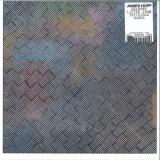
Shadows Lifted from Invisible Hands is an autobiographical record, comprised of four songs that Hoff refers to as ambient media. Each track is composed from sources drawn from his own involuntary aural landscape, specifically musical earworms and tinnitus frequencies.
Neither sound nor a daydream, the earworm (or stuck song) emblematizes music as a commercial form—immediate, ubiquitous, and persistent. Likewise, tinnitus is inaudible and unscrupulous, manifesting across a spectrum of frequencies at will. The cognitive swirling of these phenomena provides an ambivalent, internal soundtrack that scores a person’s movement through the world.
Those suffering from tinnitus or those who have grown accustomed to the “Tinnitus Effect” in movies will likely recognize the buzzing pitches on the record, but will likely not recognize the songs. Distorted and distilled, Shadows Lifted from Invisible Hands features altered versions of four commercial pop songs: Blondie’s “Heart of Glass,” David Bowie’s “Space Oddity,” Madonna’s “Into the Groove,” and Lou Reed’s “Perfect Day.”
Having been haunted by these songs on and off for years, Hoff tweaks the tracks, transposing and recomposing them for orchestral instrumentation. Speaking back to these involuntary echoes, these tracks go to great lengths to obfuscate their sources; to be sure not to simply re-introduce each earworm, as though they were samples. Otherwise, what’s the point? No one needs another stream.
Besides, earworms are not music, although we perceive them as such. They are non-cochlear and exist as an affective force that is neither subjective nor objective, which is to say they are an invasive—and alien—phenomenon. Like tinnitus, they are aggravated by economic, social, and environmental forces as well as emotional states, mental health, and aging. Hoff doesn’t underplay his own struggles with mental health in discussing the record—noting a long history of depression and its acuteness over the last few years, which serve as the backdrop to the composition of this record.
Scratch any pop song hard enough and you’ll find sadness underneath it. Subdermal, the songs on this record evoke a type of ephemeral weariness and despair. By recasting the original songs through their shadowy doubles, Hoff provides a window into the dark core of pop music. At the center of which lies capitalism’s desperate attempt to replicate itself through a cheap high built on echoing refrains. Just below the surface the listener finds a hangover of shadows dancing through the mind.
- A1: The Woman In White
- A2: The Thursday Murder Club
- A3: The Arm In The Mirror
- A4: Jumper
- A5: My Mother's Name
- A6: Di Penny Gray
- A7: The Enemy Approaches
- A8: Wtf
- A9: Scrum
- A10: Witnesses To A Murder
- A11: Aunt Maude
- A12: Night Flowers
- A13: Clever Daughter
- A14: Cheap Trick
- A15: Headstones
- A16: A Woodpecker
- B1: Don't Wake The Dead
- B2: Four Sugars
- B3: The Case Of Angela Hughes
- B4: What A Chase
- B5: Good People Bad Things
- B6: Always Bring Cake
- B7: The Famous Coopers Chase
- B8: Blood Roses
This summer's epic murder mystery will find its way to your record player! The new film by Chris Columbus
(Harry Potter and the Sorcerer's Stone, Home Alone) has once again been fully scored by composer Thomas Newman.
With titles such as American Beauty and Road to Perdition under his belt, Newman is renowned for his hauntly eerie,
but beautiful style. The beloved film composer matches perfectly with the cozy, yet intriguing
Netflix movie starring Pierce Brosnan (GoldenEye, Mamma Mia! The Movie) and Helen Mirren (The Queen, Excalibur).
The Thursday Murder Club is available as a limited edition on red vinyl.
- 1: She Sings In The Morning
- 2: Chemical Kids And Mechanical Brides
- 3: The Balcony Scene
- 4: Currents Convulsive
- 5: Yeah Boy And Doll Face
- 6: Drella
- 7: I'd Rather Die Than Be Famous
- 8: Diamonds And Why Men Buy Them
- 9: Wonderless
- 10: The Cheap Bouquet
- 11: Falling Asleep On A Stranger
Pierce the Veil is an American rock band from San Diego, California. Formed in 2006, the band was founded by brothers Vic and Mike Fuentes after the disbandment of the group Before Today. Other members of the band include Jaime Preciado (bass) and Tony Perry (lead guitar). To celebrate the 10-years anniversary from ‘A Flair For The Dramatic’ original release Rude Records is delighted to present the album in a new and refreshed format with remixed and remastered audio. The band extensive touring action saw them perform multiple times on Vans Warped Tour stage from 2008 on. Being one of the most influential names in the alternative scene, expect continuously touring to support their eagerly anticipated fourth studio album ‘Misadventures’ which was released on May 13, 2016.
- A1: The Woman In White
- A2: The Thursday Murder Club
- A3: The Arm In The Mirror
- A4: Jumper
- A5: My Mother's Name
- A6: Di Penny Gray
- A7: The Enemy Approaches
- A8: Wtf
- A9: Scrum
- A10: Witnesses To A Murder
- A11: Aunt Maude
- A12: Night Flowers
- A13: Clever Daughter
- A14: Cheap Trick
- A15: Headstones
- A16: A Woodpecker
- A17: Don't Wake The Dead
- A18: Four Sugars
- A19: The Case Of Angela Hughes
- A20: What A Chase
- A21: Good People Bad Things
- A22: Always Bring Cake
- A23: The Famous Coopers Chase
- A24: Blood Roses
- A1: Glory Boys (3.28)
- A2: Shake And Shout (3.05)
- A3: Going To A Go Go (2.52)
- A4: Get Ready (3.21)
- A5: Don’t Look Down (2.39)
- A6: One Way World (3.24)
- A7: Only Madmen Laugh (3.44)
- B1: One Day (In Your Life) (4.35)
- B2: New Dance (4.53)
- B3: Life’s A Movie Too (3.20)
- B4: The Sound Of Confusion (3.04)
- B5: Three Wise Monkeys (3.38)
- C1: Soho Strut (4.05)
- C2: Lost In The Night (3.33)
- C3: Somewhere In The City (2.41)
- C4: I Could Be You (If I Wanted To) (2.53)
- C5: Dance Master (3.35)
- C6: Let Your Heart Dance (2.44)
- D1: My World (4.30)
- D2: I’m Not Free (But I’m Cheap) (9.25)
- D3: Time For Action (2.34)
- D4: Big Beat (2.56)
In April 2003, Secret Affair returned to the stage at London’s legendary Scala for a show that captured everything fans love about the band: sharp songs, soulful playing, and the unmistakable fire of the Mod revival spirit.
Live at the Scala brings the energy of that night back to life, presented in stunning audio across double vinyl & 2CD. From the driving beat of Time for Action to the passion of Let Your Heart Dance and the punch of My World, the Scala setlist is a powerful reminder of why Secret Affair remain one of the defining bands of their era.
RECORDED AT THE SCALA, LONDON, 18th JUNE 2003 and released on vinyl for the first time.
The Original Secret Affair Line-up
Ian Page - Vocals, Trumpet
David Cairns - Guitar, Backing Vocals
Dennis Smith - Bass
David Winthrop - Drums
Paul Bultitude – Saxophone
- A1: Electric Light Orchestra– Mr Blue Sky
- A2: Sweet– Fox On The Run
- A3: Aliotta Haynes Jeremiah– Lake Shore Drive
- A4: Fleetwood Mac– The Chain
- A5: Sam Cooke– Bring It On Home To Me
- A6: Glen Campbell– Southern Nights
- A7: George Harrison– My Sweet Lord
- B1: Looking Glass– Brandy (You're A Fine Gril)
- B2: Jay & The Americans– Come A Little Bit Closer
- B3: Silver (10)– Wham Bam Shang-A-Lang
- B4: Cheap Trick– Surrender
- B5: Cat Stevens– Father And Son
- B6: Parliament– Flash Light
- B7: The Sneepers– Guardians Inferno
First Word Records are proud to bring you 'Penny Ballads', a 5-track EP from Royce Wood Junior.
Royce Wood Junior is a Grammy & Mercury Award-nominated musician, songwriter and record producer from London, currently based in Brighton. As a multi-instrumentalist, he's collaborated with a litany of brilliant artists over the years, such as Jamie Woon, Nao, Disclosure, Jessie Ware, Olivia Dean, Joy Crookes, Jamie Lidell and Jordan Rakei, additionally to touring with the likes of the legendary Thomas Dolby. He's released two acclaimed solo albums to date ('The Ashen Tang' in 2015, and 'No Two Blue Ticks' in 2021).
'Penny Ballads' demonstrates RWJ's varied talents, with a collection of alternative soul compositions, each one as unique as the next. It includes the first two singles, the Poplife-Prince era flavoured 'Go Get Your Money', and the double-time future funk adrenaline shot, 'Clean Up', along with three previously-unreleased tracks. 'Beretta' is low-slung soul funk, beginning with quirky squelchy synths, before the soulful lead vocal of feature artist Lucey Way breezes in to melt everyone's hearts. 'Things' sweeps in next, an infectiously soulful midtempo heavy soul bop, with an instant earwork of a hook, like a modern-day Steely Dan / Doobie Brothers, complete with a head-nodding string section to end the track. The collection concludes on a more melancholy downtempo tip with 'Rolling'; an almost-folktronic anthem, with a key refrain that wouldn't be out of place on a 70's Stevie piece.
RWJ (aka Jim Wood) says of this project… "Back in the 17 and 1800's Troubadours and minstrels would go from Tavern to Tavern selling Penny Ballads, single sheets of music and lyrics written quickly and frivolously to make a quick buck.. It strikes me that we're in a similar phase in the way we value music in 2025. An old Penny Ballad was cheap and dog-eared, ink-smudged, sung aloud by firelight, Now songs live in the digital ether, dissolved in the air, a ghostly breath paid in micro cents. The new era of Penny Balladry is here, and weird.
This EP is a snapshot of my writing over a two year period. Focussed on minimal recording styles, one mic on the drums, generally first or second takes on parts and vocals, I wanted the music to feel like small moments with lyrics that talk about the weird nuances of being alive as a latter stage human on the cusp of the Ai revolution. Culturally so evolved, but physiologically still just a bunch of mammals walking about with primitive fears and needs. Just trying to reconcile it all moment to moment…"
Previous support for Royce's music has included Radio 1's Future Sounds, BBC 6 Music's New Music Fix, Annie Mac, Clara Amfo, Jo Whiley (BBC Radio 2), Mary Anne Hobbs, Jamz Supernova, Tom Robinson, Huw Stephens (BBC 6 Music), Zane Lowe and MistaJam. There have been sessions previously for the likes of Red Bull and press from Huck, Line of Best Fit, Clash, Aesthetica & DIY magazine.
Entirely self-written and self-produced, this EP gives a solid taste of RWJ's talents. A deeply funky diverse set of music from an immensely talented individual.
'Penny Ballads' is due to be released on vinyl & digital, 24th October 2025.
The vinyl version also includes an exclusive additional mix of the first single 'Go Get Your Money'.
- A1: Charlie Big Potato
- A2: On My Hotel T.v
- A3: We Don't Need Who You Think You Are
- A4: Tracy's Flaw
- A5: The Skank Heads
- A6: Lately
- B1: Secretely
- B2: Good Things Don't Always Come To You
- B3: Cheap Honesty
- B4: You'll Follow Me Down
- B5: And This Is Nothing What I Thought I Had
- B6: I'm Not Afraid
- C1: King Psychotic Size
- C2: Make It All Change
- C3: Sane
- C4: The Pill’s Too Painful
- C5: Feel D1 - Painkillers
- D2: Jack Knife Gina!
- D3: The Decadence Of Your Starvation
- D4 80: ’S Mellow Drone
- D5: Breathing
Black[34,41 €]
Finally, back on vinyl after 20 years! Skunk Anansie’s seminal 3rd studio album Post Orgasmic Chill was released in 1999 when the band were at the height of their powers - the tour around this album saw the band headline Glastonbury. The album includes classics such as Secretly, Charlie Big Potato and You’ll Follow Me Down.
Gatefold sleeve with printed inner bag.
Moving freely through time and space via experimental DIY recordings since 2009, Joasihno return with their fourth album "Spots".
“Find your spot in the shade,” a truly laid-back and incredibly soft-spoken MC once advised, yet in a world that seems to get shadier every day, it’s probably time to finally get out and face the sun. Southern German experimental pop duo Joasihno – initial solo founder Cico Beck (The Notwist, Aloa Input, Spirit Fest) and drummer/composer Nico Sierig (Instrument, Fehler Kuti) – seem to know exactly when it’s time to shine. Idiosyncratic genre tweakers since day one, they have been operating at their own pace, mostly staying in their own shady corner. Yet, almost a decade after their most recent “Meshes” (an album that came with a whole legion of tiny music robots), it’s high time for them to take over more corners, to reclaim even more spots between lo-fi and sci-fi, retro electronica and contemporary classic. Drawing upon influences as varied as Reich, Riley, and Ryuichi, múm, Meek, and Moondog, while also nodding to other experimental twosomes (e.g. The Books), the duo’s fourth full-length “Spots” is set to arrive via Alien Transistor in late 2025.
Leaving soulless automation and all things artificial to others, Joasihno launch the latest record on “2 Squares” that feel like a peaceful, almost bucolic version of retro space age: lights blink ever so softly as easy-going bass tones point at today’s introspective flight arc. Electronic shapes align and things lift off – with a majestic 8-bit sunrise soon appearing right in front of us. Whereas playful title song “Spots” is a miniature Rube Goldberg kind of device, with quirky plucked strings and glitches setting off more and more contraption layers, “Crackleboom” is uncharted energy, an open landscape, an expanding bonfire that leads to a long-forgotten piano, all dust-covered in some kind of saloon. Space might be only noise to others, here, it’s foreboding screeches (“Dizzle Whistle”) that make room for A-side center piece “Forest Lights”: a steady beat that lures us to a clearance in the woods. Things break and shatter in the distance, but this spot right here is for hypnosis, dancing, sylvan spirits. And yeah, it’s surprisingly hot down here in the undergrowth…
Opening side B with a fun banger that takes the unhinged dancing to the playground – “Characa Orb.” feels like French kids on swings going crazy, a tipsy, tongue-in-cheek electro blow-out between Oizo and Orbis Tertius –, things get even more cinematic throughout the second half. Even the cheapest, lo-fiest gear is sufficient to make “The Slow Hour” glow like true, timeless pop royalty. In fact, the very same pop spirits roam and celebrate freely in the chirpy coves of mesmerizing “Detune Lagoon” – more hand-crafted sci-fi/lo-fi loops you’ll only find after facing the ghosts of Lynch or Sakamoto on those night-time trails under the “Deep Moon”. It’s all DIY spots, spots that leave room to dream or dangle, drape yourself over or dive into. Returning to the leafy bower on a melancholy post rock tip, we eventually learn that “Death Is Real” – and so we’re left with a laterna magica that turns and turns and turns. It’s a beautiful spot where light and shadows keep on dancing, just like they’ve always done, ever since the dawn of this madcap universe.
STANDFIRST Titanic, the project spearheaded by Mabe Fratti and Hector Tosta (aka I. la Católica), return with a sumptuous and life-affirming new album.
In her sensational 1929 biography Tiger Woman, dancer and socialite Betty May claimed her ‘coster’s eye’ meant she liked to wear as many colours as possible. “Colours to me are like children to a loving mother. Each is my favourite, yet I can never bring myself to deny the others by preferring one.” May’s bold and inclusive strategy is one that manages to transfer itself, almost a century later, to Hagen, the new record by Titanic.
Many will know Titanic as the Mexico City-based brainchild of cellist and singer Mabe Fratti and multiinstrumentalist Hector Tosta who is now operating under the pseudonym, I. la Católica, (taken, rather unusually, from the name of the street the pair live on). With Hagen, and their previous release, Vidrio, (2023), the pair are creating a distinctive signature sound in modern alternative pop music. Nobody else sounds quite like them. Both records have an open hearted nature and simple, winning melodies that play off against a taste for drama, spectacular orchestration and a feeling of otherworldly mystery. Hagen is the more ambitious, sometimes more mystical effort. From the opening handclaps of ‘Lágrima del Sol’, (a wonderfully uptempo playground chant translating as a tear from the sun but, surely, not referencing the brand of pineapple wine?), the record dances its way through various mid-to-late-eighties inspirations, lush and widescreen passages of melancholy and vertiginous contrasts.
Mystery is often found in the simple but slightly odd song titles. English translations of various track titles give, ‘you swallowed the gum’, ‘leak’, ‘a tear from the sun’, ‘raising the trophy’ ‘digging dimensions’, ‘the owner’, ‘the decapitated hen’ and ‘the trap is exposed’. All denote striking images, metaphysical hints and emotional cues or simple, even childlike actions. Though Fratti and Tosta don’t reveal its provenance, the album’s title could even be a crafty play on words: the listener would be forgiven in thinking the moments of brash contrast and eyebrow raising theatricalism in the music constitute a musical nod to German punk chanteuse, Nina Hagen.
On Hagen, singer and cellist Mabe Fratti once again displays her brilliant knack of speaking to us directly. There is never the suspicion of her playing to the gallery, and the directness of many of the lyrics don’t allow it. Parallel to this, Fratti has an almost magical ability to give Hector Tosta’s melodies, and her and Tosta’s lyrics ones imbued with an insight and meaning that feels otherworldly. Tosta admitted it was “pretty wild to hear Mabe take the interpretations to a different place” and the listener can pick up on the delight Fratti takes in (literally) adding a voice to the many narratives.
Two examples can be shown here: ‘Gotera’ (Leak) uses harsh slashes of cello and tough, gunfire-like guitars and drums and multiple vocal lines that could be acting as a Greek chorus. They play off brilliantly against Fratti’s soft, slightly baleful vocal take that delivers lyrics such as: ‘nobody knows where the leak is / but I know where it is / they fight in front of the door and / nobody can go in’. With ‘La Gallina Degollada’ the somewhat blithe melody melody line, sung with what could be sarcastic brio by Fratti, plays against an itchting rhythm and rasping guitar part. The punch comes when you see that the song is about a chicken that has been decapitated and read lyrics such as: ‘I already saw it, it moved, the decapitated chicken’ / ‘could it be that I'm broken’ and ‘Two people hurt each other by thinking that they no longer agree’/ ‘Hours pass and the chicken represents what scares me’.
There may be death and fights to deal with, but there is also a quality of chirpy self-reliance about Hagen that is a key part of its nature. Like Betty May and her colourful outfits, Hagen’s sound often revels in its own sense of richness. Throughout, the record delivers vaulting string sections or glutinous guitar squeals that could, like the powerful, driving ‘Escarbo Dimensiones’ (Digging Dimensions) have come directly from a glossy 1980s TV series. Fratti sees this “glam sound” developed by Tosta on the aforementioned track and ‘Te Tragaste el Chicle’ (You Swallowed The Gum), as moments that were truly “revealing” for the album as a whole during its making.
What else? The thud and thump of ‘La Trampa Sale’ (The Trap is Exposed), and its sudden change of tempo and mood betrays a monstrously ambitious piece of music, the players almost greedily creating the sounds. Other moments are heart wrenching: ‘Libra’ ends on a poppy chord switch that cleverly ramps up the emotion inherent in the music’s notation. You could almost imagine a teenager in a bedroom forty years ago, rewinding the track over and over on a small, cheap cassette player, unable to get enough of that sugarsweet switch. Elsewhere, Oneohtrix Point Never adds stardust and an unearthly sense of space on the changeable, slightly moody meditation, ‘Pájaro de Fuego’ (Firebird). The record ends with ‘Alzando el Trofeo’ (Lifting the Trophy), a track that could soundtrack a state wedding, what with its beautiful cascading piano parts, a sugary vocal and short triumphal guitar riffs that add a rich patina to the overall sound. Fratti: “When I doubled those vocals on ‘Alzando el Trofeo’ I felt there was an epiphany happening, right at that moment.”
Making a good record is a team game. Tosta and Fratti recall seeing Randall from Circular Ruin Studios in NYC “tweak the drums in ‘Libra’ to make that amazing effect of the gated reverb”, or the shaping of ‘Gotera’, “when (recording engineer) Nate Salon added some synths to the track.” Drummer Eli Keszler, “an amazing and versatile player” had the songs down pat in a couple of days” and, according to Tosta, Oneohtrix Point Never “just came to one of the sessions and we hung out, and after all the recordings he and Nate were together in some studio and out of nowhere they sent us some beautiful tracks for ‘Pájaro de Fuego’! Fratti concurs. “He decided that he wanted to record because he was listening to the record (Nate works closely with him) and he really liked it! It was a total honour, indeed!”
Bedazzled by the playing, the skyscraping ambition in the arrangements and the giddy moments of contrast thrown up by Hagen, we could allow ourselves a brief moment of flippancy and state that Titanic’s new record is Yacht Rock meets Aeschylus, full-on. It’s also worth speculating that, in this hyper-sensitive, intemperate age, Titanic’s music has the power, however fleetingly, to heal hurts. Hagen is a brilliant showcase for a fresh and enriching form of pop music: displaying a magpie eye for what glints and plundering what has gone before.
Like Vidrio, Hagen was partially and additionally recorded at Fratti and Tosta’s house, aka Tinho Studios in Mexico City, as well as Golden Girl Studios & Circular Ruin Studios in New York City. Mixing was done by Santiago Parra in Pedro y el Lobo Studios, Mexico City and mastered by Rafael Anton Irisarri at Black Knoll Studios, New York City. The recording engineer was Nate Salon.
Hagen featured Mabe Fratti on cello, vocals & backing vocals, I. la Católica on guitar, keyboards, prepared piano, bass & backing vocals, drums by Eli Keszler and synths in ‘Pájaro de Fuego’ from Daniel Lopatin and Nate Salon.
All compositions on Hagen are written by I. la Católica, except ‘Escarbo Dimensiones’ & ‘Pájaro de Fuego’, which were composed by I. la Católica and Mabe Fratti. The record was produced by I. la Católica and co-produced by Nate Salon & Mabe Fratti. And all lyrics are by I. la Católica except ‘Escarbo Dimensiones’, ‘Gotera’, ‘Gallina degollada’ & ‘Pájaro de Fuego’, which were written by I. la Católica & Mabe Fratti.
STANDFIRST Titanic, the project spearheaded by Mabe Fratti and Hector Tosta (aka I. la Católica), return with a sumptuous and life-affirming new album.
In her sensational 1929 biography Tiger Woman, dancer and socialite Betty May claimed her ‘coster’s eye’ meant she liked to wear as many colours as possible. “Colours to me are like children to a loving mother. Each is my favourite, yet I can never bring myself to deny the others by preferring one.” May’s bold and inclusive strategy is one that manages to transfer itself, almost a century later, to Hagen, the new record by Titanic.
Many will know Titanic as the Mexico City-based brainchild of cellist and singer Mabe Fratti and multiinstrumentalist Hector Tosta who is now operating under the pseudonym, I. la Católica, (taken, rather unusually, from the name of the street the pair live on). With Hagen, and their previous release, Vidrio, (2023), the pair are creating a distinctive signature sound in modern alternative pop music. Nobody else sounds quite like them. Both records have an open hearted nature and simple, winning melodies that play off against a taste for drama, spectacular orchestration and a feeling of otherworldly mystery. Hagen is the more ambitious, sometimes more mystical effort. From the opening handclaps of ‘Lágrima del Sol’, (a wonderfully uptempo playground chant translating as a tear from the sun but, surely, not referencing the brand of pineapple wine?), the record dances its way through various mid-to-late-eighties inspirations, lush and widescreen passages of melancholy and vertiginous contrasts.
Mystery is often found in the simple but slightly odd song titles. English translations of various track titles give, ‘you swallowed the gum’, ‘leak’, ‘a tear from the sun’, ‘raising the trophy’ ‘digging dimensions’, ‘the owner’, ‘the decapitated hen’ and ‘the trap is exposed’. All denote striking images, metaphysical hints and emotional cues or simple, even childlike actions. Though Fratti and Tosta don’t reveal its provenance, the album’s title could even be a crafty play on words: the listener would be forgiven in thinking the moments of brash contrast and eyebrow raising theatricalism in the music constitute a musical nod to German punk chanteuse, Nina Hagen.
On Hagen, singer and cellist Mabe Fratti once again displays her brilliant knack of speaking to us directly. There is never the suspicion of her playing to the gallery, and the directness of many of the lyrics don’t allow it. Parallel to this, Fratti has an almost magical ability to give Hector Tosta’s melodies, and her and Tosta’s lyrics ones imbued with an insight and meaning that feels otherworldly. Tosta admitted it was “pretty wild to hear Mabe take the interpretations to a different place” and the listener can pick up on the delight Fratti takes in (literally) adding a voice to the many narratives.
Two examples can be shown here: ‘Gotera’ (Leak) uses harsh slashes of cello and tough, gunfire-like guitars and drums and multiple vocal lines that could be acting as a Greek chorus. They play off brilliantly against Fratti’s soft, slightly baleful vocal take that delivers lyrics such as: ‘nobody knows where the leak is / but I know where it is / they fight in front of the door and / nobody can go in’. With ‘La Gallina Degollada’ the somewhat blithe melody melody line, sung with what could be sarcastic brio by Fratti, plays against an itchting rhythm and rasping guitar part. The punch comes when you see that the song is about a chicken that has been decapitated and read lyrics such as: ‘I already saw it, it moved, the decapitated chicken’ / ‘could it be that I'm broken’ and ‘Two people hurt each other by thinking that they no longer agree’/ ‘Hours pass and the chicken represents what scares me’.
There may be death and fights to deal with, but there is also a quality of chirpy self-reliance about Hagen that is a key part of its nature. Like Betty May and her colourful outfits, Hagen’s sound often revels in its own sense of richness. Throughout, the record delivers vaulting string sections or glutinous guitar squeals that could, like the powerful, driving ‘Escarbo Dimensiones’ (Digging Dimensions) have come directly from a glossy 1980s TV series. Fratti sees this “glam sound” developed by Tosta on the aforementioned track and ‘Te Tragaste el Chicle’ (You Swallowed The Gum), as moments that were truly “revealing” for the album as a whole during its making.
What else? The thud and thump of ‘La Trampa Sale’ (The Trap is Exposed), and its sudden change of tempo and mood betrays a monstrously ambitious piece of music, the players almost greedily creating the sounds. Other moments are heart wrenching: ‘Libra’ ends on a poppy chord switch that cleverly ramps up the emotion inherent in the music’s notation. You could almost imagine a teenager in a bedroom forty years ago, rewinding the track over and over on a small, cheap cassette player, unable to get enough of that sugarsweet switch. Elsewhere, Oneohtrix Point Never adds stardust and an unearthly sense of space on the changeable, slightly moody meditation, ‘Pájaro de Fuego’ (Firebird). The record ends with ‘Alzando el Trofeo’ (Lifting the Trophy), a track that could soundtrack a state wedding, what with its beautiful cascading piano parts, a sugary vocal and short triumphal guitar riffs that add a rich patina to the overall sound. Fratti: “When I doubled those vocals on ‘Alzando el Trofeo’ I felt there was an epiphany happening, right at that moment.”
Making a good record is a team game. Tosta and Fratti recall seeing Randall from Circular Ruin Studios in NYC “tweak the drums in ‘Libra’ to make that amazing effect of the gated reverb”, or the shaping of ‘Gotera’, “when (recording engineer) Nate Salon added some synths to the track.” Drummer Eli Keszler, “an amazing and versatile player” had the songs down pat in a couple of days” and, according to Tosta, Oneohtrix Point Never “just came to one of the sessions and we hung out, and after all the recordings he and Nate were together in some studio and out of nowhere they sent us some beautiful tracks for ‘Pájaro de Fuego’! Fratti concurs. “He decided that he wanted to record because he was listening to the record (Nate works closely with him) and he really liked it! It was a total honour, indeed!”
Bedazzled by the playing, the skyscraping ambition in the arrangements and the giddy moments of contrast thrown up by Hagen, we could allow ourselves a brief moment of flippancy and state that Titanic’s new record is Yacht Rock meets Aeschylus, full-on. It’s also worth speculating that, in this hyper-sensitive, intemperate age, Titanic’s music has the power, however fleetingly, to heal hurts. Hagen is a brilliant showcase for a fresh and enriching form of pop music: displaying a magpie eye for what glints and plundering what has gone before.
Like Vidrio, Hagen was partially and additionally recorded at Fratti and Tosta’s house, aka Tinho Studios in Mexico City, as well as Golden Girl Studios & Circular Ruin Studios in New York City. Mixing was done by Santiago Parra in Pedro y el Lobo Studios, Mexico City and mastered by Rafael Anton Irisarri at Black Knoll Studios, New York City. The recording engineer was Nate Salon.
Hagen featured Mabe Fratti on cello, vocals & backing vocals, I. la Católica on guitar, keyboards, prepared piano, bass & backing vocals, drums by Eli Keszler and synths in ‘Pájaro de Fuego’ from Daniel Lopatin and Nate Salon.
All compositions on Hagen are written by I. la Católica, except ‘Escarbo Dimensiones’ & ‘Pájaro de Fuego’, which were composed by I. la Católica and Mabe Fratti. The record was produced by I. la Católica and co-produced by Nate Salon & Mabe Fratti. And all lyrics are by I. la Católica except ‘Escarbo Dimensiones’, ‘Gotera’, ‘Gallina degollada’ & ‘Pájaro de Fuego’, which were written by I. la Católica & Mabe Fratti.
- The Grand Slam
- Revolution
- One In A Million
- Confirmation
- 200: Miles High
- The Hunter
- The Ghost Of Eirick Raude
- Winter Song
Spidergawd sind klassischer Heavy Rock mit gigantischem Melodieverständnis, das teils poppige Züge annimmt. Twin-Gitarren zelebrieren dieses Melodieverständnis exzessiv, duellieren sich und feuern es an und alles steht auf einem solide klassischen NWOBHM Fundament. Für ihr achtes Album in elf Jahren Band-Geschichte haben SPIDERGAWD einen überraschenden Titel gewählt: "From Eight to Infinity" oder "From 8 to _êP". Damit beendet die Band die Verwendung römischer Titel, die sie für ihre vorherigen sieben Alben verwendet hatte. Ansonsten scheint vieles vertraut, wenn sie mit ihrem unverkennbaren SPIDERGAWD-Sound, doppelten Gitarren, dreifachen Gesang und Bariton Saxophon in gewohnt aufwändigem Album Artwork stets wiedererkennbar bleiben. Natürlich bleiben die wichtigsten Referenzen wie Thin Lizzy und Motorhead offensichtlich. Aber während "VII" sich ein wenig an 80er-Jahre-Bands wie Rush, Adrian Smith und Boston anlehnen konnte, ist "From Eight to Infinity" in seinen Referenzen eher bei AC/DC und Cheap Trick auf der einen Seite und Metallica und Black Sabbath auf der anderen. Es gibt scheinbar immer noch keine Anzeichen dafür, dass Spidergawd einen Gang zurückschalten und die Band verspricht nicht nur im Titel eine große Zukunft. All das scheint vielversprechend für die anstehende Tour. Man konnte dies aber auch schon deutlich spüren bei den Support Shows für Judas Priest, ein Band-Traum, der in Erfüllung ging.
- Killboy Powerhead
- Max Wedge
- Stingray
- Captain Ahab
- Plate In My Head
- Gold Eldorado
- Mama Had A Skull Baby
- Under The Christmas Fish
- Evel Knievel
- Fire In The Hole
- Who's Ready To Get High
- Jerry Lee
- Headless
- Top Fuel
- Pet Funeral
- Joliet
- Dad
- Que Sirhan Sirhan
Didjits verbanden ihre Liebe zu Hard Rock (AC/DC, Black Sabbath, Cheap Trick), Punk (Sex Pistols und vor allem die metallische Kunstshow von The Plasmatics) und Rock'n`Roll der 50er Jahre (insbesondere Jerry Lee Lewis und Little Richard) zu einer Marke, die, wie Dexter Holland von The Offspring treffend beschreibt, ,ein wackeliger Zug war, der kurz vor der Entgleisung stand". Bei chaotischen Live-Shows brachte Gitarrist und Sänger Rick Sims das Publikum gekonnt gegen sich auf und trug so zur Raserei des rasanten Rocks bei, den sie langsam perfektionierten. Jello Biafra, ein früher Unterstützer der Didjits, bewunderte ihre Fähigkeit, das Punk-Publikum zu vergraulen und es dennoch mit offenem Mund und Hörverlust zurückzulassen. Ab 1988 veröffentlichten die Didjits fünf Alben in voller Länge bei Touch and Go Records (darunter eine Neuauflage ihres 1986 selbst veröffentlichten Debütalbums Fizzjob) sowie zwei Singles und eine EP. Es folgten MTV-Videos, ausverkaufte Clubs, Tourneen durch Europa und Nordamerika - bis 1994 (ironischerweise das selbe Jahr, in dem The Offspring ihr Platin-Album "Smash" veröffentlichten, das ein Cover von ,Killboy Powerhead" aus Didjits 1990er Veröffentlichung "Hornet Pinata" enthielt). Diese LP, gepresst auf 180 Gramm schwerem, opakem lila Vinyl, ist ein Archivdokument der Band von ihren Anfängen im ländlichen Illinois bis zu ihrer Auflösung über ein Jahrzehnt später. Die ausgewählten Tracks vereinen 17 Fan-Favoriten aus Didjits' Touch and Go-Diskografie auf einer einzigen LP.
Gars Records proudly presents the first release in our "Gars of Gars" series, celebrating classic Detroit and modern techno with a fresh, boundary-pushing approach. This dynamic compilation features breakthrough artists BENZA, Mython, and James Harbrecht, alongside rising talent Deranged. Local Lithuanian producers y2kati and Phaseline join forces with international heavyweights like Bondarük, delivering a truly global sound. A bold yet respectful nod to techno’s roots, "Gars of Gars" is set to make waves and stand the test of time. And last but not least, the entire release was mastered by the almighty Joe Farr, bringing over 25 years of industry expertise to the sound.
- Patient Boy
- 6: O.4.N.c.8
- Run To Buy Vacuum
- Fields Of Neighborly
- Shell Fantasy
- Ascent Of The Jugular Vein
- Marathon Man
- Murmuur
- Tv Show
Formed in Brussels in 2017, Milk TV has drunk from many sources, quenching an enormous thirst for inspiration to create a singular universe, imbued with nostalgia and cynicism towards Anglo-Saxon pop culture. That of cheap TV programs, giant milk bottle ads, but above all of the underground, from New York no-wave to the Californian noise scene. With "NEO GEO", a new album on Brussels label EXAG' Records, the trio take their music to even more versatile playgrounds, an art-rock kaleidoscope, perhaps more intuitive and effective than its predecessor. While the band's trademark bass chorus and jerky rhythms with a hint of exotica are still present, some tracks give way to a more punky, immediate energy.