Roland Van Campenhout is certainly one of the most unique Belgian artists. Active since the 1960s, Roland has built an extensive and eclectic discography. With more than 20 albums featuring folk, blues, rock, world music, movie and theatre soundtracks — all blending together to create a new musical dimension that defines his true free musical spirit. He has received multiple awards, toured the world with Rory Gallagher, and performed with Tim Hardin, Leo Kottke, Ian Anderson, and the entire Belgian scene.
In Guadeloupe, many people think that jazz and ka music are like a ring and a finger. To some extent, the same could be said about so called Latin music and the music played in the French West Indies.
Both aesthetics were born in the Caribbean and bear so many connections that they can easily be considered cousins. In constant dialogue, there are lots of examples of their fruitful alliance and have been for a while. The English country dance that used to be practiced in European lounges came to be called kadrille in Martinique and contradanza in Cuba. They both featured additional percussion instruments inherited from the transatlantic deportation. Drawing from shared feelings about the same traumatized identity – later to be creolized – it would be hard not to assume that they were meant to inspire each other. The golden age of the orchestras that graced the Pigalle nights during the interwar period further proves the point. As soon as the 1930s, Havana-born Don Barreto naturally mixed danzón and biguine music in a combo based at Melody's Bar. In the following decade, Félix Valvert, a conductor who was born and raised in Basse-Terre in Guadelupe, also worked wonders in Montparnasse with La Coupole, which was an orchestra made up of eclectic musicians. Afro- Caribbean performers of various origins were often hired on rhythm and brass sections in jazz bands, which used to enliven the typical French balls of the capital. In the 1930s and onwards, Rico’s Creole Band was one of them.
Martinican violinist-clarinettist Ernest Léardée, who would become the king of biguine music as well as the main figure of French Uncle Ben's TV commercials (a dark stigma of post-colonial stereotypes), had musicians from the whole Caribbean sphere play at his Bal Blomet – and they all enchanted "ces Zazous-là" (according the words of Léardée's biguine-calypso piece). In les Antilles (French for French West Indies), music history started to speed up in the 1950s, when trade expanded and radio stations grew bigger. The Guadelupean and Martiniquais youth tuned in their old galena radio sets to South American and Caribbean music. As for the women traders, les pacotilleuses, they bought and sold goods across different islands (the "passing of items through various hands" was thought to be most pleasurable) and brought back countless sounds in their luggage. Such was the case of Madame Balthazar, who once returned from Puerto Rico with the first 45rpm and 33rpm to ever enter Martinique.
Out of this adventure was created the famous Martinican label La Maison des Merengues, a music business she opened and undertook with her husband and which proved to be a major landmark. At the end of the 1950s, in Puerto Rico, Marius Cultier competed in the Piano International Contest playing a version of Monk's Round 'Midnight. He won the first prize and this distinction foreshadowed everything that was to come. Cultier, the heretic Monk of jazz, was quickly praised for writing superb melodies, always tinged with a twist that conferred a unique sound to his music. It didn't take long for the gifted self-taught musician to get to play with Los Cubanos, making a name for himself thanks to his impressive maestria on merengues.
The rest is history. Besides, in the late 1950s, Frantz Charles-Denis, born into the upper middle class in Saint-Pierre and better known by his first name Francisco, went back home after working at La Cabane Cubaine – a club located rue Fontaine where he had caught the Latin fever. Francisco's music was therefore heavily marked by his Cuban cousins' influence, which gave the combos he led a specific style and also led to renewal. Things were swinging hard in La Savane, located in the main square in Fort-de-France. He set up the Shango club close by and tested out the biguine lélé there, a new music formula spiced up with Latin rhythms. Soon afterwards, fate had him fly to Puerto Rico and Venezuela.
As for percussionist Henri Guédon (percussions were only a part of his many talents), he was born in Fort-de-France in May 22nd 1944, the day marking the celebration of the abolition of slavery. As an old man, he could remember that in " his father's Teppaz, a lot of hectic 6/8 music was constantly playing...". In the opening lines of his Lettre à Dizzy, a small illustrated collection of writings published by Del Arco, he highlighted the huge impact that cubop had on him as a teenage boy, around 1960. He eventually turned out to be the lider maximo in La Contesta, a big band steeped in Latin jazz. He was also the one who originated the word zouk to describe music which brought the sound of the New York barrio to Paris. It was the culmination of a journey that started in Sainte-Marie: "a mythical place for bélé, the equivalent of Cuban guaguancó". In the early 1960s, the tertiary economy developed to the detriment of agriculture. Yet rural life was where roots music emerged in Martinique and in Guadeloupe.
Record companies played a major part in the process of Latin versions sweeping across the islands – before reaching everywhere else. Producer Célini, boss of the great Aux Ondes label, and Marcel Mavounzy, both the head of Émeraude records - a firm which was founded in 1953 - as well as the brother of famous saxophonist Robert Mavounzy, were big names to bear in mind. Although there were many of them - all of whom are featured on this record - Henri Debs was definitely the major figure in the recording adventure. He proved to be so influential that he even got compared to Berry Gordy. In the mid 1950s, when he acquired his first Teppaz, he worked on his first compositions: a bolero and a chachacha. Then, he became the one man who made people discover Caribbean music, from calypso to merengue. He was among the first ones to rush out to San Juan, Puerto Rico, to buy records and distribute them through a store run by one of his brothers in Fort-de-France. He had members of the Fania All Star come and perform there, which he was madly proud about. He was also the first one to pay attention to Haitian music, such as compas direct and various other rhythms which would soon flood the market. As a result, many of the combos hitting his legendary studio would end up boosted by widespread "Afro-Latin" rhythms. However, he never denied his identity: gwo ka drums were given a major role, although they were instruments which had long been banned from the "official" music spheres. The present selection bears witness to such a creative swarming. Here are fourteen tracks of untimely yet unprecedented cross-fertilization: all types of music rooted in the Creole archipelago have found their way, whatsoever, to the tracklisting. Whether originating from the city or being more rural, they all go back to what Edouard Glissant, in an interview about the place of West Indian music in the Afro-American scope, called "the trace of singing, the one which got erased by slavery." "It is so in jazz, but also in reggae, calypso, biguine, salsa... This trace also manifests through the drums, whether Guadelupean, Dominican, Jamaican or Cuban... None of them being quite the same. They all point to the idea of a trace, seeking it out and connecting to each other through it. This is the hallmark of the African diaspora: its ability to create something new, in relation to itself, out of a trace. It may be the memory of a rhythm, the crafting of a drum, a means of expression which doesn't resort to an old language but to the modalities of it." The opening track features one of the emblematic orchestras of this aesthetic identity, criscrossing many music types from the archipelago. The 1974 Ray Barretto guajira – Ray Barretto was a major New York drummer influenced by Charlie Parker and Chano Pozzo – is magnificently performed by Malavoi, a legendary Fayolais group (i.e from Fort-de-France). Additionally, the compilation ends on a piece by Los Martiniqueños de Francisco. It symbolically closes the circle as it is a genuine potomitan of Martinique culture which also functions as a tireless campaigner for Afro-Caribbean music. Practicing the danmyé rounds (a kind of capoeiria) to the rhythm of the bèlè drum, it delivers a terrific Caterete, a kind of champeta of Afro- Colombian obedience which was originally composed by Colombian Fabián Ramón Veloz Fernández for the group Wgenda Kenya. The icing on the cake is Brazilian Marku Ribas, who found refuge in Martinique in the early 1970s, bringing his singing to the last trance-inducing track. These two "versions" convey the whole tone of a selection composed of rarities and classics of the tropicalized genre, swarming with tonic accents and convoluted rhythms. It is the sort of cocktail that the West Indians never failed to spice up with their own ingredients. For instance, the Los Caraïbes cover of Dónde, a famous Cuban theme composed by producer Ernesto Duarte Brito, has a typical violin and features renowned Martinique singer Joby Valente and his piquant voice.
The track used to be – or so we think – their only existing 45rpm. The meaningful Amor en chachachá by L'Ensemble Tropicana, a band which included Haitian musicians among whom was composer and leader Michel Desgrotte, also recalls how Latin music was pervasive in the tropics in the mid-1960s. They were the ones keeping people dancing at Le Cocoteraie in Guadelupe and La Bananeraie in Martinique. Around the same time, another "foreign" band, Congolese Freddy Mars N'Kounkou's Ryco Jazz, achieved some success on both islands by covering Latin jazz classics – such as their adaptation of Wachi Wara, a "soul sauce" by Dizzy Gillespie and Chano Pozo whose interweaving of strings and percussions can have anyone hit the dancefloor. How can you resist Dap Pinian indeed, a powerful guaguancó by Eugene Balthazar, performed by the Tropicana Orchestra and published by the Martinique-founded La Maison des Merengues? It also acts as a symbol of the maelstrom at work. Going by the name Paco et L'orchestre Cachunga, Roger Jaffory used to play guaguancó too: his Fania-inspired Oye mi consejo is one example of his style. Baila!!!!! Dancing was also one of the Kings' focus points. Oriza is a Puerto Rican bomba and a "classic" originally composed by Nuevayorquino trumpeter Ernie Agosto, which reserves major space for brasses, giving it a special sheen.
Emerging from the New York barrios crucible was also La Perfecta, a Martinique group originating from Trinidad, whose name directly references the totemic Eddie Palmieri figure as well as his own band, also called La Perfecta. Here they borrow Toumbadora from Colombian producer and composer Efraín Lancheros and interpret it by emphasizing percussions, which set fire to the track even more than the wind instruments. The same goes for Martinique's Super Jaguars, who use Tatalibaba – a composition by Cuban guitarist Florencio "Picolo" Santana which was made famous by Celia Cruz & La Sonora Matencera – as a pretext for sending their cadences into a frenzy. In a more typically salsa vein, the Super Combo, a famous Guadelupean orchestra from Pointe-Noire that was formed around the Desplan family and had Roger Plonquitte and Elie Bianay on board, adapt Serana, a theme by Roberto Angleró Pepín, a Puerto Rican composer, singer and musician also known for his song Soy Boricua. Here again, their vision comes close to surpassing the original. In the 1970s, L'Ensemble Abricot provided a handful of tracks of different syles, hence reaching the pinnacle of the art of achieving variety and giving pleasure. They played boleros, biguines, compas direct, guaguancó and even a good old boogaloo - the type they wanted to keep close to their hearts for ever, "pour toujours", as they sang along together in one of their songs. Léon Bertide's Martinican ensemble excelled at the boogaloo which had been composed by Puerto Rican saxophonist Hector Santos for the legendary El Gran Combo.
Three years later, in 1972, Henri Guédon, with the help of Paul Rosine on the vibraphone, tackled the Bilongo made famous by Eddie Palmieri. Such a classic!!!!! And so were the Aiglons, the band from Guadelupe: choosing to execute Pensando en tí, a composition by Dominican Aniceto Batista, on a cooler tempo than the original, they noticeably used a wonderfully (un)tuned keyboard in place of the accordion. On the high-value collectible single – the first one released by Les Aiglons under the Duli Disc label – there is a sticker classifying the track under the generic name "Afro". Now that is what we call a symbol. Jacques Denis
out of Stock
Last delivered 6 months ago available to reorder, subject to availability
Los Angeles trio Faetooth sophomore album Labyrinthine is a deeply felt exploration of emotional weight: grief, memory, uncertainty, and the quiet work of growing around your own wounds. Following the band's 2022 debut Remnants of the Vessel, which introduced the band’s signature blend of heaviness and mysticism, Labyrinthine pushes further inward. True to its name, the album winds through a maze of feeling and form, where meaning is never handed over easily. It’s rooted in self-discovery through disorientation, the idea that understanding comes not from escape, but from getting lost. Ari May (guitars and vocals), Jenna Garcia (bass and vocals), and Rah Kanan (drums) manage to stay grounded in the immediate in parallel with fantasy themes of the band's namesake. Labyrinthine holds space for this contradiction; tenderness and intensity, restraint and release. The band's self-branded “fairy doom” sound fits between shoegaze, doom, and grunge. It isn’t just texture; it’s a framework for navigating the unsaid. Like the myth that inspired its title, Labyrinthine doesn’t end in victory, but in confrontation—not with escape, but with the Minotaur. Only here, the Minotaur isn’t a monster. It’s something quiet and more familiar: unresolved feelings, old memories, and sadness that refuse to stay buried. The album winds like a maze, sometimes heavy, sometimes hushed, always intentional. Faetooth isn’t chasing catharsis. They’re creating space to reflect, to feel, and maybe to get a little lost along the way.
Artist quote: "White Noise" emerged from a diary entry, and is a relentless and intense reflection on inner turmoil. We’re often drawn to the familiar, even when we don’t realize we’re reaching out for it. It is an emotional upheaval, carrying harsh truths that weigh heavily on the heart. Guitarist, Ari May mentions, “Performing the song always takes me back to a specific place, even if just for a moment.”
“Riffs and melodies brimming with loneliness and longing… this band’s incantations affect my mood the whole day after listening.” — The Sleeping Shaman
“Bringing otherworldly hazy doom goodness… dreamy clean vocals, echoing harsh vocals, entrancing riffs, meditative shoegaze melodies.” — Nine Circles
“Slow, lumbering behemoths of great weight… couched in a melancholy atmosphere and explosions of crushing heaviness.” - Where Strides The Behemoth
Los Angeles trio Faetooth sophomore album Labyrinthine is a deeply felt exploration of emotional weight: grief, memory, uncertainty, and the quiet work of growing around your own wounds. Following the band's 2022 debut Remnants of the Vessel, which introduced the band’s signature blend of heaviness and mysticism, Labyrinthine pushes further inward. True to its name, the album winds through a maze of feeling and form, where meaning is never handed over easily. It’s rooted in self-discovery through disorientation, the idea that understanding comes not from escape, but from getting lost. Ari May (guitars and vocals), Jenna Garcia (bass and vocals), and Rah Kanan (drums) manage to stay grounded in the immediate in parallel with fantasy themes of the band's namesake. Labyrinthine holds space for this contradiction; tenderness and intensity, restraint and release. The band's self-branded “fairy doom” sound fits between shoegaze, doom, and grunge. It isn’t just texture; it’s a framework for navigating the unsaid. Like the myth that inspired its title, Labyrinthine doesn’t end in victory, but in confrontation—not with escape, but with the Minotaur. Only here, the Minotaur isn’t a monster. It’s something quiet and more familiar: unresolved feelings, old memories, and sadness that refuse to stay buried. The album winds like a maze, sometimes heavy, sometimes hushed, always intentional. Faetooth isn’t chasing catharsis. They’re creating space to reflect, to feel, and maybe to get a little lost along the way.
Artist quote: "White Noise" emerged from a diary entry, and is a relentless and intense reflection on inner turmoil. We’re often drawn to the familiar, even when we don’t realize we’re reaching out for it. It is an emotional upheaval, carrying harsh truths that weigh heavily on the heart. Guitarist, Ari May mentions, “Performing the song always takes me back to a specific place, even if just for a moment.”
“Riffs and melodies brimming with loneliness and longing… this band’s incantations affect my mood the whole day after listening.” — The Sleeping Shaman
“Bringing otherworldly hazy doom goodness… dreamy clean vocals, echoing harsh vocals, entrancing riffs, meditative shoegaze melodies.” — Nine Circles
“Slow, lumbering behemoths of great weight… couched in a melancholy atmosphere and explosions of crushing heaviness.” - Where Strides The Behemoth
Los Angeles trio Faetooth sophomore album Labyrinthine is a deeply felt exploration of emotional weight: grief, memory, uncertainty, and the quiet work of growing around your own wounds. Following the band's 2022 debut Remnants of the Vessel, which introduced the band’s signature blend of heaviness and mysticism, Labyrinthine pushes further inward. True to its name, the album winds through a maze of feeling and form, where meaning is never handed over easily. It’s rooted in self-discovery through disorientation, the idea that understanding comes not from escape, but from getting lost. Ari May (guitars and vocals), Jenna Garcia (bass and vocals), and Rah Kanan (drums) manage to stay grounded in the immediate in parallel with fantasy themes of the band's namesake. Labyrinthine holds space for this contradiction; tenderness and intensity, restraint and release. The band's self-branded “fairy doom” sound fits between shoegaze, doom, and grunge. It isn’t just texture; it’s a framework for navigating the unsaid. Like the myth that inspired its title, Labyrinthine doesn’t end in victory, but in confrontation—not with escape, but with the Minotaur. Only here, the Minotaur isn’t a monster. It’s something quiet and more familiar: unresolved feelings, old memories, and sadness that refuse to stay buried. The album winds like a maze, sometimes heavy, sometimes hushed, always intentional. Faetooth isn’t chasing catharsis. They’re creating space to reflect, to feel, and maybe to get a little lost along the way.
Artist quote: "White Noise" emerged from a diary entry, and is a relentless and intense reflection on inner turmoil. We’re often drawn to the familiar, even when we don’t realize we’re reaching out for it. It is an emotional upheaval, carrying harsh truths that weigh heavily on the heart. Guitarist, Ari May mentions, “Performing the song always takes me back to a specific place, even if just for a moment.”
“Riffs and melodies brimming with loneliness and longing… this band’s incantations affect my mood the whole day after listening.” — The Sleeping Shaman
“Bringing otherworldly hazy doom goodness… dreamy clean vocals, echoing harsh vocals, entrancing riffs, meditative shoegaze melodies.” — Nine Circles
“Slow, lumbering behemoths of great weight… couched in a melancholy atmosphere and explosions of crushing heaviness.” - Where Strides The Behemoth
Minnesota-born, L.A.-based musician, mastering engineer, and co-founder of the Jungle Gym label Jared Carrigan records solo and in collaboration under a web of guises: V. Kristoff, Congo River Club House, Freaks of Nature, Easy Rider, Lac Seul, Las Cuevas, M.M.C.J., Scout Island, Twin Lakes. Of these, René Najera is his longest running and most liquid. One decade after the project's 2015 debut (as Jungle Gym's inaugural release, JG01), he presents his first vinyl full-length.
Painted Life took shape from the seeds of a 2023 set prepared for a string of shows in Japan. Elements were later remixed, finessed, and expanded by a cast of inner circle collaborators: Leech, Tile Plazas, Precipitation, Maria Minerva. Carrigan calls the album a “memory book” – each track a snapshot of cities and sessions, filtered through a fusion of club smoke, mood house, psychic acid, and sunrise electronica. It's music of movement and discovery, celebratory and semi-improvised, chasing the pure essence of fleeting moments.
out of Stock
Last delivered 13 months ago available to reorder, subject to availability
Maison Blanche, a prominent figure of the Parisian underground scene, delivers a vibrant new EP that blends soulful house, French Touch, and disco energy. What A Time! is a celebration of club culture, with modern, dancefloor-friendly tracks that bring together funky grooves and nostalgic references.
From the French Touch-inspired "Dance Forever" to the sunny and bouncy "All My Life," this EP captures the essence of Parisian nightlife. "Guilty Disco" offers a disco-infused guilty pleasure, while "Circle Again" pays tribute to the underground house spirit with its looping saxophones and pianos. Closing the EP, "Call Me Jazzy" fuses jazz, funk, and house, delivering a groovy anthem that encapsulates the project’s organic and euphoric energy.
With What A Time!, Maison Blanche offers an uplifting and dynamic collection, capturing the perfect energy for both the dancefloor and the summer ahead.
out of Stock
Last delivered 13 months ago available to reorder, subject to availability
Purple Vinyl 7" Single! limited edition! Chastity Belt's version of "Loaded Painted Red" doesn't just cover 764-Hero's original. It dissolves into it, rebuilding it with a gauzy, wide-open clarity. It's a song that's always carried a certain weight: bruised and echoing with late '90s Pacific Northwest melancholy. In their first-ever recorded cover, Chastity Belt traces that ache into new territory, drawing it out like bated breath. Lydia Lund threads a new guitar line through the song, tugging it towards their distinct style like a slow orbit around the song's core feeling. "I've been a fan of 764-Hero for a while now, and 'Loaded Painted Red' is one of my faves!" says Julia Shapiro. "It was hard to do the song justice because the original is so perfect, but we also had fun reimagining it and making it our own." Initially released in 1998 on 764-Hero's Get Here and Stay (Up Records), "Loaded Painted Red" has long been a fan-favorite, a softly jagged and charged meditation. The new split 7" pairs the cover with the original, a full-circle release that marks 764-Hero's catalog joining the Suicide Squeeze family. Together, the two versions collapse decades into a single foggy breath riding out the dusky golden-hour light of the Pacific Northwest.
The Ancient Greeks & Romans sure had that "classic" touch. Before their empires crumbled into ruin, they set the standard with their classical forms, in art, buildings, and philosophy. They've set the pace ever since with pretenders and imitators making "classical music," "neo-classical architecture," and of course "classic rock" _ Once something is a classic, it's untouchable. No one would dare attempt to improve it. That would be sacrilege! After all, who could do better than Ovid, Homer, & Virgil? Or the classic tunes of Rolling Stones, the Stooges, et al? They're the gold standard of perfection; no one would dare try to improve upon them_ until XYZ that is! That's right, XYZ -- those little-known legends -have achieved the impossible; they've taken the classics and made them even better! More relevant, more updated, more "now," more _ wow! They improved the classics using all the latest sensibilities, technologies & innovations. On "XYZ PLAYS THE CLASSICS," the XYZ band - the twosome that sang "Bubble Gum" - take the beloved but tired tunes of the classic rock canon - The Rolling Stones, VU, Neu!, The Seeds, Stooges, & the other Hall of Famers - and resuscitates them, pumping new blood into worn-out veins, revitalize them with new themes, new lyrics, and new riffs to make them new again! This is the record that merges the old with the new, that completes the circle of life; it's the cosmic record that everyone needs right now!
Originally released in 1978 on Americom Records. Officially reissued for the first time with love by Celestial Echo Records.
Some records just have that magic. A vibe that pulls you in from the first note and doesn’t let go. Phylliss Bailey’s 1978 cult classic Phylliss is one of those records—a hidden gem of modern soul and disco that’s been doing the rounds for decades in underground scenes, on dancefloors, and among collectors who know. It’s been whispered about in the right circles, bootlegged and then bootlegged again—but never given a proper reissue… Until now.
Celestial Echo Records proudly presents the first official reissue of Phylliss, a record that’s as essential today as it was back then. Originally released on the independent Americom label, the LP flew under the radar in its day but has since become a secret weapon for DJs with a taste for the modern soul & disco sound.
Phylliss Bailey’s voice is pure class—gliding over lush arrangements, tight rhythm sections, and dreamy strings with ease. Whether she’s riding the groove on dancefloor bombs like 'Focus' and 'Release Me' or slowing it down on the smouldering 'Feeling Of Love,' Bailey brings emotional weight and undeniable swagger to every track.
Fully remastered and officially licensed, it brings Phylliss into the light where it belongs. With a reimagined sleeve and labels (to distinguish from some shady copies going around!). This record is looking and sounding better than ever.
Celestial Echo Records is a label devoted to the soulful and the timeless. Based in London and run by miche & Stu Clark, the imprint has been steadily carving out a reputation among collectors and DJs for high-quality, lovingly curated reissues of rare modern soul, boogie, and disco. With each release, they shine a light on overlooked gems that still resonate deeply in today’s clubs and dancefloors. Phylliss is the next jewel in their growing catalogue of essential rediscoveries.
out of Stock
Last delivered 8 months ago available to reorder, subject to availability
Jung Jaeil's haunting and innovative score for Netflix's global sensation Squid Game finally arrives on vinyl this summer! For three seasons, Jung's (of Parasite and Mickey 17 fame) iconic music has been essential in creating the intense atmosphere and emotional impact of the series. For this vinyl release, Jung Jaeil has exclusively compiled the best moments from three seasons of Squid Game. On this double LP, you'll hear Jung's mastery of blending classical, electronic and minimalist elements to create a soundscape that reflects the psychological tension and moral complexity of the show. From eerie piano motifs to unsettling ambient textures, the soundtrack heightens the suspense and emotional gravity of the survival drama. Tracks such as “Way Back Then” and “Pink Soldiers Redux” have become iconic for their chilling simplicity and dramatic impact. Squid Game's soundtrack not only complements the show's gripping visuals, but also stands as a masterclass in modern TV scoring. Jung Jaeil's work has received widespread acclaim, cementing his reputation as one of the most visionary contemporary composers. Squid Game is a limited edition of 3000 individually numbered copies on green (LP1) & pink (LP2) coloured vinyl. The records are housed in a limited edition POP-UP sleeve and include a 4-page booklet with liner notes by Jung Jaeil.
Jung Jaeil's haunting and innovative score for Netflix's global sensation Squid Game finally arrives on vinyl this summer! For three seasons, Jung's (of Parasite and Mickey 17 fame) iconic music has been essential in creating the intense atmosphere and emotional impact of the series. For this vinyl release, Jung Jaeil has exclusively compiled the best moments from three seasons of Squid Game. On this double LP, you'll hear Jung's mastery of blending classical, electronic and minimalist elements to create a soundscape that reflects the psychological tension and moral complexity of the show. From eerie piano motifs to unsettling ambient textures, the soundtrack heightens the suspense and emotional gravity of the survival drama. Tracks such as “Way Back Then” and “Pink Soldiers Redux” have become iconic for their chilling simplicity and dramatic impact. Squid Game's soundtrack not only complements the show's gripping visuals, but also stands as a masterclass in modern TV scoring. Jung Jaeil's work has received widespread acclaim, cementing his reputation as one of the most visionary contemporary composers. Squid Game is a limited edition of 3000 individually numbered copies on green (LP1) & pink (LP2) coloured vinyl. The records are housed in a limited edition POP-UP sleeve and include a 4-page booklet with liner notes by Jung Jaeil.
“I cross the void beyond the mind. The empty space that circles time... Eternal wisdom is my guide. I am the Doctor!” Demon Records celebrates Jon Pertwee’s flamboyant portrayal of the famous Time Lord, 55 years after he made his screen debut on 3 January 1970. Available on Blue and 4 x Blue and Green Vinyl, with a beautifully illustrated cover, this set presents Jon Pertwee narrating two classic Doctor Who Target Books, an array of bonus Jon Pertwee audio appearances, and his own 1972 pop single, Who Is The Doctor? Doctor Who and the Curse of Peladon is Brian Hayles’ abridged TV novelisation set on a medieval-style world, and Doctor Who and the Planet of the Daleks is Terrance Dicks’s abridged adaptation of the Terry Nation adventure set on the jungle-like Spiridon. Bonus features are also included on each disc spanning the 1970s to the 1990s, including BBC radio interviews, a Goodwood Races sketch with Elisabeth Sladen, comedy featuring Mel Giedroyc, and tributes paid by family members and Doctor Who producers. This also includes a frameable photographic print of the Third Doctor. Accompanied by the BBC Radiophonic Workshop’s familiar Doctor Who theme, the Jon Pertwee Collection celebrates one of the most stylish, iconic and beloved Doctors of all
Strut present the first international release in over 30 years by legendary Afro-jazz group Oneness Of Juju with their new album Made Through Ritual on 11th July 2025.
In 1975, the late DJ / producer and jazz distributor Jimmy Gray and James “Plunky” Branch joined a musical revolution, founding Black Fire Records and releasing the label’s debut album, the classic African Rhythms by Oneness of Juju. This July, Plunky brings this important musical relationship full circle with Made Through Ritual, produced by Plunky’s son Jamiah “Fire” Branch and Jimmy’s son Jamal Gray.
The album takes a novel approach to beat culture. Working from demos created by Jamal using a selection of original jazz samples, Plunky took the tracks, replayed and re-interpreted the arrangements using live musicians. “The album explores the art of deconstruction and reconstruction in music - sampling, sequencing, and live improvisation merge with multi-track recording to craft intricate harmonies and arrangements,” explains Plunky. “The process became a ritualistic expression of creativity and transformation.”
The resulting album is a fascinating listen. Opening with the meditative soul chant ‘Share This Love’ voiced by regular Oneness vocalist Charlayne “Chyp” Green, the album opens out into a series of jazz vignettes including the title track, ‘In Due Time’ and ‘Free Spirit’. The powerful album closer, ‘Children Of The Drum’ celebrates black culture and legacy through the poetry of Roscoe Burnem.
Released on 1LP and 1CD with specially commissioned cover artwork by contemporary Ivorian artist Maxime Manga, Made Through Ritual represents an important new chapter in the Oneness story. The album will be supported by a selection of European tour dates during Autumn and Winter 2025.
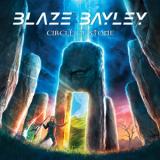
Metal Hall of Fame inductee, Blaze Bayley, releases a brand new studio album Entitled `Circle of Stone'. The album features guest vocalist Niklas Stalvind of Swedish metalheads Wolf, alongside a variety of additional vocal & instrumental contributors. Having started his career as a professional singer with Wolfsbane in 1984, Blaze went on to front Iron Maiden, touring worldwide and releasing two studio albums - `The X Factor' and `Virtual XI', both of which achieved top twenty status in many countries. During his time with Iron Maiden, Blaze co-wrote the single `Man on the Edge' (from `The X Factor' album), a top ten hit in the UK, as well as charting successfully across Europe. Following his exit from Iron Maiden he has pursued a solo career, beginning with his now legendary solo debut album `Silicon Messiah' in 2000, followed by a further eleven studio albums, including especially his sci-fi based `Infinite Entanglement' trilogy (released in consecutive years 2016-2018) and the critically-acclaimed `War Within Me' released in 2021. Starting in 2013 and exclusively since 2016, Blaze records and plays live with Manchester (UK) melodic metal band Absolva, featuring lead guitarist Christopher Appleton and his brother LukeAppleton who is formerly of American metalheads Iced Earth. This consistent line-up is completed by drummer Martin Mcnee and bassist Karl Schramm.
After making their mark with their debut album, The Risen Dread returns with their highly anticipated second studio album. Produced, recorded, mixed, and mastered by Marco Mastrobuono at Bloom Studios in Guidonia, Rome, Italy. This new record showcases the band's evolution, delivering an even heavier, darker, and more intense sonic experience. While not a concept album, death looms large as the central theme, weaving through the lyrics with raw emotion and unsettling storytelling. From existential dread to violent ends, each track explores different facets of mortality, drawing the listener into a visceral journey through the inevitable. The music delivers heavy riffs, dynamic drumming, and a mix of intensity and melody, further refining the band's identity while pushing their sound forward.
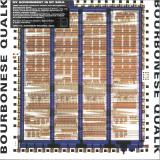
Mannequin Records reissues "My Government Is My Soul", a searing 1989 statement from Bourbonese Qualk, one of the UK’s most defiant and politically engaged experimental acts. Originally released on the group’s own label, this LP captures the uncompromising spirit of a band deeply embedded in the resistance movements of 1980s Britain.
Recorded during a turbulent period of social unrest, "My Government Is My Soul" stands as a fierce response to authoritarianism, surveillance, and the neoliberal decay that defined the Thatcher era. Bourbonese Qualk fused industrial rhythms, minimal synth, distorted tape loops, and spoken-word polemics into a sound that was both confrontational and deeply physical—a weaponized form of music rooted in activism and direct action.
Widely regarded by fans as one of the band’s strongest works, "My Government Is My Soul" has earned a near-mythic status in underground circles. Fans have praised the album’s stylistic breadth—“sometimes it kisses the hem of rock, at others it bows towards the likes of Steve Reich & Philip Glass".
This reissue, fully remastered by Rude 66, reintroduces a critical work of post-industrial dissent to a new generation. Still as urgent and unflinching as ever, the album resonates with today’s climate of mass disinformation and systemic control. It is a timely reminder that sound can still be a form of resistance.
out of Stock
Last delivered 15 months ago available to reorder, subject to availability
Haunting, discordant and deeply unsettling, `Les Maîtres Fous' (`The Mad Masters') was written by French post-metal collective Year of No Light in response to French filmmaker Jean Rouch's controversial 1950's docufiction of the same name. Commissioned by Musée Du Quai Branly in Paris for their 2012 `L'Invention Du Sauvage' exhibition, trance-metal pioneers Year of No Light approached the ritual practices of the Hauka movement as depicted in the film and responded with their uniquely hypnotic heaviness. Performed only twice, once at the exhibition on the 6th January, 2012 and again in Bordeaux on the 29th January, 2015; this release is a live recording of the second and final performance of `Les Maîtres Fous'. Whilst Year of No Light have a long history of collaboration with forward-thinking filmmakers and visual artists, the sensitivity of this documentary's problematic subject matter and the intensity of the band's performance made this performance both a physically and emotionally demanding experience; something that can be keenly felt upon listening. Founded in September 2001 by a collection of Bordeaux's heavy scene stalwarts as an ongoing side project encompassing elements of sludge metal and shoegaze, Year of No Light released their debut album, Nord, in 2006 to critical acclaim. The subsequent years however saw a significant lineup change with the band replacing their vocalist with a third guitarist to become a fully instrumental sextet incorporating aspects of black metal, drone electronica and dark ambient into their already formidable sound. 2010's four track epic Ausserwelt and the 2013 follow up Tocsin saw Year of No Light distilling their punishing sound even further; stalling the tempo to a glacial crawl and tuning guitars ever downwards to new uncharted depths. Consolamentum, the band's first full-length release in nine years and their first with Pelagic Records, brought the outfit's crushing double-drumming percussion to the fore as a masterclass in dynamic control saw Year of No Light embrace the highest highs and the lowest lows of the intervening years. Now approaching their 25th anniversary, `Les Maître Fous' is a pressing reminder that, despite the band's long and ongoing journey, Year of No Light have never been afraid to experiment, to take risks, to square up to life's ugliness and look it straight in the eye. FOR FANS OF Neurosis, Cult of Luna, SWANS, ISIS, Russian Circles, My Bloody Valentine, Chelsea Wolfe
Haunting, discordant and deeply unsettling, `Les Maîtres Fous' (`The Mad Masters') was written by French post-metal collective Year of No Light in response to French filmmaker Jean Rouch's controversial 1950's docufiction of the same name. Commissioned by Musée Du Quai Branly in Paris for their 2012 `L'Invention Du Sauvage' exhibition, trance-metal pioneers Year of No Light approached the ritual practices of the Hauka movement as depicted in the film and responded with their uniquely hypnotic heaviness. Performed only twice, once at the exhibition on the 6th January, 2012 and again in Bordeaux on the 29th January, 2015; this release is a live recording of the second and final performance of `Les Maîtres Fous'. Whilst Year of No Light have a long history of collaboration with forward-thinking filmmakers and visual artists, the sensitivity of this documentary's problematic subject matter and the intensity of the band's performance made this performance both a physically and emotionally demanding experience; something that can be keenly felt upon listening. Founded in September 2001 by a collection of Bordeaux's heavy scene stalwarts as an ongoing side project encompassing elements of sludge metal and shoegaze, Year of No Light released their debut album, Nord, in 2006 to critical acclaim. The subsequent years however saw a significant lineup change with the band replacing their vocalist with a third guitarist to become a fully instrumental sextet incorporating aspects of black metal, drone electronica and dark ambient into their already formidable sound. 2010's four track epic Ausserwelt and the 2013 follow up Tocsin saw Year of No Light distilling their punishing sound even further; stalling the tempo to a glacial crawl and tuning guitars ever downwards to new uncharted depths. Consolamentum, the band's first full-length release in nine years and their first with Pelagic Records, brought the outfit's crushing double-drumming percussion to the fore as a masterclass in dynamic control saw Year of No Light embrace the highest highs and the lowest lows of the intervening years. Now approaching their 25th anniversary, `Les Maître Fous' is a pressing reminder that, despite the band's long and ongoing journey, Year of No Light have never been afraid to experiment, to take risks, to square up to life's ugliness and look it straight in the eye. FOR FANS OF Neurosis, Cult of Luna, SWANS, ISIS, Russian Circles, My Bloody Valentine, Chelsea Wolfe. The Dim Gleam edition is kind of a beige vinyl colour
SofaTalk is an Italian producer known for his eclectic and genre-blending approach to electronic music. Drawing inspiration from the global underground, nu-jazz, and his roots in Italy, his sound is rich, experimental, and difficult to categorize, yet always engaging. Alongside running his label Cognitiva Records and curating events and radio shows, he continues to refine his style through remixes and collaborations.
His latest project, *The Soul's Code*, released via Oathcreations, is an 8-track album that further explores his unconventional sound. Featuring collaborations with Veezo and Zopelar, the album fuses house, funk, broken beat, dub, and jazz in imaginative ways. Tracks like "Dub Lush" and "The Truth" highlight SofaTalk's ability to craft deeply textured productions, while "Paradiddle," "Complex Journey," and "Around" showcase his playful, lo-fi sensibilities and love for rhythmic experimentation. The album closes with "Magpie Rules," a dreamy, breakbeat-driven finale that captures the surreal energy of the entire release. With support from artists like Fred P, Carista, and Bradley Zero, *The Soul's Code* is another bold step in SofaTalk's constantly evolving musical journey.
out of Stock
Last delivered 13 months ago available to reorder, subject to availability
Limited reprint of the sold-out Volume 3 from the Underground Wave series, featuring Belgian and Dutch wave, synth, and minimal artists. Most tracks were previously only on cassette. Walhalla Records is dedicated to reviving the 80s/90s cassette scene by releasing rare material, often for the first time
out of Stock
Last delivered 15 months ago available to reorder, subject to availability
The debut recording by The Ancients, the intergenerational coalition of Isaiah Collier, William Hooker, & William Parker formed by parker to play concerts in conjunction with the milford graves mind body deal exhibition at the institute of contemporary art los angeles & now a working group. across x2LPs of side-length long-form improvised sets recorded at 2220 arts & archives in LA & the chapel in San Francisco, The Ancients bring the free jazz trio languages first explored by the Cecil Taylor Unit & Ornette Coleman’s -Golden Circle- band (expanded upon in later eras by Sam Rivers' Trio & Parker’s collective trios with Charles Gayle/Graves & Peter Brötzmann/Hamid Drake) into their own unique & scintillating realms of expression.
As we tumble further into the throes of history’s tides, people of hope & creativity rely on the works of our great artists to lift our spirits & focus our resolve. -ascension- was recorded less than a year after the passage of the civil rights act & four months after the assassination of Malcolm X. -journey in satchidananda- was recorded the month reagan was re-elected governor of California. M’boom made its debut recording weeks after the watergate scandal broke & a couple months after the wounded knee occupation ended. The music of the ancients builds on these great musical legacies. it resounds with the pride of survival & the joys of making & sharing music. It delivers to us hope & balm. something real in you, real in history, & real in the music is shared, right on time.
When Eremite records commenced operations during the 1990s free jazz resurgence, heavyweight freedom-seeking tenor saxophonists such as Fred Anderson, Peter Brötzmann, Charles Gayle, Kidd Jordan, & David S. Ware were at the height of their powers. Isaiah Collier’s tenor playing in the ancients is bracing testimony that the wellspring lives on. to hear the young chicago firebrand blowing freely with veteran improvisers in an entirely open-form group music is a revelatory study of his vast talent, personal voice, & the intensity of his expression —as well as a bold complement to his composition-based albums as a bandleader (including -the almighty-, a new york times' best albums of 2024 selection).
I've admired drummer William hooker since first encountering his music in a hartford ct city park, early ‘90s (on a double bill with Jerry González & Fort Apache Band). From the man himself right off the bandstand i bought his even-then rare 1st recording, the 1976 self-released x2LP opus -is eternal life- (reissued 2019 by superior viaduct). An imposing force on his instrument & an intrepid DIY cat, Hooker’s been exuberantly swinging in&out of free time for 50+ years. informed by the innovations of Sunny Murray & Tony Williams yet entirely himself, there is no other term for it than “pure hooker.” at age 78, with the ancients & everywhere else, THE HOOK is in peak form.
With a discography approaching 600 entries & 50+ years working across the musical maps, including in the history-defining bands of Don Cherry, Cecil Taylor, Bill Dixon, Peter Brötzmann, in his own wondrous ensembles from small group to orchestra to opera, a bastion of compassionate leadership & a poetic champion of his musical community, in tireless service to what he rather egolessly refers to as “the tone world”, multi-instrumentalist, improviser & composer william parker is a living hero of the grassroots & the black mystery musics, not to mention one of the great bassists in the history of jazz. To quote George Clinton, conquering the stumbling blocks comes easier when the conqueror is in tune with the infinite.
Live to 2-track concert recordings by Bryce Gonzales, Highland Dynamics. Mastered by Joe Lizzi, Queens, NY.
out of Stock
Last delivered 7 months ago available to reorder, subject to availability
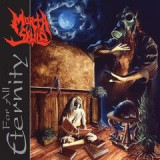
Morta Skuld formed in Milwaukee in 1990, going on to release three albums on Peaceville Records (initially via legendary sub-label Deaf Records) in the early-mid 1990's
The band's debut, 'Dying Remains' was released in 1993. In 2017 the band, led by founder David Gregor returned to Peaceville with their first studio album in 20 years, the brutal opus 'Wounds Deeper Than Time', followed by 'Suffer For Nothing' & 2024's critically hailed 'Creation Undone' album.
'For All Eternity' was the band's third studio album, originally released in 1995. Morta Skuld brought a refreshing blend of heavy & brutal Death & Doom along with more atmospheric & at times melodic elements. Forging a different path to the straight forward high-octane Death Metal releases prevalent in the US scene at the time, this was an element which helped to distinguish Morta Skuld from many of its peers. The album notably features a cover of the song 'Germ Farm', originally by cult death metal act, Dr, Shrinker.
ANORAX sticks to its’ #eatsleepmantra with the reissue of the perennially in demand TIGHTEN UP by Melbourne soul disciples THE BAMBOOS.
The track - a catchy as you like instrumental slant on Archie Bell & The Drells USA #1 million selling smash from 1968 - was originally released in 2006 on Kenny Dope and Keb Darge’s KAY-DEE label.
It immediately became a favourite in Soul & Acid Jazz circles, and it’s’ popularity rapidly spread across all dance genres, THE BAMBOOS main man LANCE FERGUSON showed genius by ditching the idea of vocals and lyrics in a composition hailed by Rolling Stones magazine “as one of the greatest songs of all time” and instead coming up with the quirky irresistible instrumental we all love. Funky flute anyone?
The Kay Dee 45 was reissued some years ago but enduring demand has outstripped supply.
Limited edition press so grab em while you can….
out of Stock
Last delivered 16 months ago available to reorder, subject to availability
Neo Gibson, born in Virginia and based in New York City, records, performs, and produces as 7038634357. This numerical alias, under which Gibson has been releasing work since 2016, offers a window into the careful ambivalences of the musical project. It conjures the impersonal_the opacity and randomness of data, a number that is hard to remember or even say out loud_while also suggesting a direct line of communication with the artist, down to an area code indexing their biography. 7038634357 uses a restricted palette to achieve music that is formally precise and emotionally direct. Their digital-native approach to production, in which frank melodies cross paths with heavy distortion, contains traces of both trance's maximalist arcs and a songwriterly intimacy. Expressive details may appear submerged or abraded, subjected to a canny sense of dynamics and textural specificity. Waterfall Horizon, Gibson's second vinyl record with Blank Forms Editions under the moniker 7038634357, was written for live performance and workshopped over successive shows during their 2022 European tour. Here, hallmarks of their earlier, studio-crafted recordings_digital distortion that obfuscates their lyrics and a slow-burning ambience_are noticeably pared back. Instead, Waterfall Horizon takes on a pop inflection, adopting more traditional lyric scaffolds so that the interstices from verse to chorus or track to track can flourish within their limited tonal range.Across recordings and performances, Gibson activates wide-ranging mechanisms of audience connection: from the relative anonymity of internet platforms to live experiments with the spatial effects of amplification. They have a particular interest in site-specific performances in non-musical spaces, and have performed in a variety of contexts, including the mezzanine of the West 4th Street subway station in New York City and INA GRM/Radio France's Présences électronique festival. Under their own name, Gibson has maintained a longstanding collaboration with the artist Charles Stobbs, working primarily with FM transmission and techniques derived from the early-seventeenth-century English tradition of change-ringing bells. The first 7038634357 vinyl record, Neo Seven, was released on Blank Forms Editions in 2023; previous releases include self-released cassettes and CD-Rs, as well as a pair of EPs on Genome 6.66 Mbp (2018, 2019).
For their third album on Bongo Joe, Madalitso Band takes a new direction.
After two records capturing the raw intensity of their live performances, the Malawian duo ventures for the first time into the possibilities of the studio — without ever compromising their signature style or energy.
Armed with their handmade babatone, a guitar, and their interwoven voices, Yobu and Yosefe craft a sound at the crossroads of banjo music, kwela, gospel, and African folk. An acoustic trance that’s both minimal and vibrant, deeply rooted in tradition yet undeniably fresh and contemporary. On Ma Gitala, they add new textures: layered vocals, playful percussion, melodic surprises, and guests from their close and family circles.
Always guided by instinct, the band reveals a more intimate and narrative side of their universe — full of memories, spontaneity, and close-knit complicity. An album that captures the joy and creativity of two artists who turned the street into a stage, and the stage into a playground.
For their third album on Bongo Joe, Madalitso Band takes a new direction. After two records capturing the raw intensity of their live performances, the Malawian duo ventures for the first time into the possibilities of the studio - without ever compromising their signature style or energy. Armed with their handmade babatone, a guitar, and their interwoven voices, Yobu and Yosefe craft a sound at the crossroads of banjo music, kwela, gospel, and African folk. An acoustic trance that"s both minimal and vibrant, deeply rooted in tradition yet undeniably fresh and contemporary. On Ma Gitala, they add new textures: layered vocals, playful percussion, melodic surprises, and guests from their close and family circles. Always guided by instinct, the band reveals a more intimate and narrative side of their universe - full of memories, spontaneity, and close-knit complicity. An album that captures the joy and creativity of two artists who turned the street into a stage, and the stage into a playground.
Dez Dare launches into 2025 with his 5th album, ‘CHERYL! Your Love Shines Down Like A Supernova's Death'. Blending his unique mix of existential wordplay and experimental riffage to create an album that is at arms with itself while cohesive; cheeky and upbeat, simultaneously breaking our hearts. How often do we think about what we miss when we are distracted by shiny things? While fencing with social media, long winded stories, dreams of other lives, unnecessary toys, and irrelevant social experiments with happiness, we miss the things that make up our world. This album looks at those morsels of time and the bits that fill them, soaking existence… as well as manspreaders. Those people should be added to the 7th circle of hell… or suburbia. Either is probably a similar commute!
Dez Dare (AKA Darren Smallman of labels God Unknown, BATTLE WORLDWIDE, Low Transit Industries, and bands Thee Vinyl Creatures, The Sound Platform, Warped) grew up in Geelong, Australia, where he became involved in the local punk and rock scene in 1990. Sharing stages with the likes of 5678s, Cosmic Psychos, Fugazi, The Dirty Three and the Hard-ons, before shifting his focus to running record labels. In the 2020s we see Dez Dare take form in a spare room in Brighton, UK, where Dez starts building his own studio and producing music and videos that have been described as "sounds like MONSTER MAGNET and DEVO caught in a drug bust… highly unique and highly recommended" by MAXIMUM ROCKNROLL Nick Odorizzi to The Wire’s Edwin Pouncey "dynamically armed with a ten-pronged set of lyrical barbs and musical hooks that, once heard, sink deep and hold fast" to Crossfire Metal "minimalistic, electronic psychedelic hippie poop that is only bearable with a hell of a lot of acid, angel dust and LSD". On this album Dez was joined by Laura Loriga on backing vocals and Jonny Halifax on backing vocals and lap steel, expanding on the sound of previous records and adding a new dimension to his trademark weird-n-roll.
The Ottawa composer/performer and head of Black Bough Records plays every instrument on his CST debut: an accessibly avant-garde work of dark/ambient modern chamber music. Mark Molnar has been a linchpin of the Ottawa experimental music scene for over two decades, spanning contemporary classical, electroacoustic, industrial/noise, and improv. As a string player in a wide range of projects, an organizer and curator of innumerable shows, and via his own avantgarde label Black Bough Records, Molnar's unflagging contributions to independent music culture in Canada's capital city have been significant. EXO is his Constellation debut: a remarkable and bracing suite of post-classical composition on which Molnar plays every instrument. Meticulously self-recorded, primarily with strings, harp, and piano, EXO balances thematic melodicism, polytonality, and dissonance across three elegiac pieces of exquisitely expressive dynamism. This is exacting modern chamber music that blends formal and harmonic complexity with a solemn emotive sensibility accessible to a broad audience. Listeners that yearn for some edge and disquietude in a landscape of often all-too-approachable post-classical music should find EXO eminently worth their time and attention. While Molnar is a highly trained string player, and studied music under Aubrey Wolfe, microtonality with James Tenney, and composition with R. Murray Schafer, his trajectory has been entirely and intentionally outside the academy, signalling a socio-artistic commitment to DIY culture, forged from an early passion for the sonic worlds of post-hardcore, post-punk, no-wave, free improv, power electronics, and other independent/underground musics. His classically-informed works have been described as "tense currents of musical modernism invigorated with punk's raw vitality." EXO carries an undercurrent influenced by dark industrial and ambient metal in particular, with microphones purposely placed to pick up the low-end frequencies of the piano body, and of a bass drum positioned as a resonant skin in the acoustic space; an electroacoustic strategy organically meshed to the crisply defined and pristinely recorded pointillisms and polychords of strings, harp, and piano, which feed into this noisefloor of crepuscular sub-bass disquietude and decay. It's a production aesthetic that lends EXO a distinct undertow of tension and feeling, a sort of roiling maximalism where the chamber instrumentation traces arcs and waves of form and flow as if drawn from a dark, impervious ocean below. It also reinforces the profound hermeticism of Molnar's process, as a forbiddingly solitary creative act of immersion and navigation. The album artwork, featuring semiabstract stills of the sea by British photographer Ed Allen, further reifies this metaphor. The album's opening piece 'Sub Luna' (and its shortest at 8 minutes) showcases Molnar's adeptness at naturalistic and flowing complexity: tight cascades of climbing and descending chordal clusters hold their polytonal densities for various durations, yielding to more clarified harmonic suspensions and motifs, as melodic themes led primarily by violins in the higher registers provide a fractured lyricism. Molnar says: "the opening and closing figures of this piece act as opposing shorelines; the shorelines provide a reliable expression of range and key signature, and the tides come in and swallow them up, the motion of a body that addresses the relationship between states of lucidity and melodic figures." On 'Terre Sacer' everything happens in soupier waters, as a slow and doleful theme, anchored by grinding bass notes, circles in a gyre of dark resonances, until glistening strings gradually ascend to enrobe a plaintive and gently harrowing single-voiced ostinato over the composition's final third. Molnar's drone, ambient, minimalist, and goth-industrial influences are on display here. Side Two of EXO features the 18-minute multi-movement 'pallida Mors' (pale death): a waterfall of heterophony introduces dense chordal movements where strings are recorded and mixed to evoke pipe organ, in the album's most overtly dissonant and (anti)liturgical sequence. This gives way to ever more open and fragile spaces, before a resurgence of dark clusters and noise treatments introduces a final repeating piano coda, shrouded in devastated bass resonance, settling into what Molnar calls "a meditative hollow." Constellation is honoured to release this work by Mark Molnar, a longtime fellow-traveler whose selfless and boundlessly generous activities as an independent arts enabler sometimes obscure his own accomplished and uncompromising artistry. We trust EXO can help shed some much deserved light on this fine composer. Thanks for listening.
Diese Ausgabe des bereits traditionellen Begleitalbums zur Redux-Veröffentlichung strotzt nur so vor faszinierenden Künstlern und spannenden Kollaborationen, die allesamt den Punkgöttern RAMONES huldigen. Möglich wird diese kunterbunte Versammlung durch die kurzen Punk-Tracks der Amerikaner. Mit nur drei Akkorden und plakativen Texten revolutionieren die RAMONES im Jahr 1976 in Form ihres selbstbetitelten Debütalbums "Ramones" die zunehmend im Bombast erstarrende Rockszene mit dem rohen Energieausbruch des Punk. Die New Yorker beeinflussten über Jahrzehnte einige der bekanntesten Rock-, Punk- und Metal-Bands wie BLACK FLAG, NIRVANA, METALLICA, CIRCLE JERKS, WHITE ZOMBIE, PEARL JAM und GUNS N' ROSES - um nur einige zu nennen. MOTÖRHEAD haben den RAMONES sogar einen Song gewidmet. Die Band verkörperte den Punk-Underground, den sie beginnend im Jahr 1974 mit ins Leben gerufen hatten. Die Amerikaner blieben ihrem Sound und Stil über mehrere Dekaden treu, inspirierten Generationen von Musikern und erlangten ewige kulturelle Bedeutung, obwohl sie selbst kaum große kommerziellen Erfolg feiern durften. Die Redux-Serie von Magnetic Eye wurde als Hommage an klassische Alben aus der Musikgeschichte ins Leben gerufen. Zusammen mit "Ramones Redux" präsentieren wir auch das Begleitalbum "Best of Ramones Redux", das weitere Klassiker und Raritäten aus dem ebenso umfangreichen wie einzigartigen Katalog der US-Punk Legende enthält. Die Magnetic Eye Redux-Reihe lässt ausgewählte Künstler handverlesene klassische Alben aus der Geschichte des Rock und Metal komplett neu interpretieren und respektvoll in das neue Jahrtausend übertragen. Bisher hat das Label solche Meilensteine wie PINK FLOYDs "The Wall", HELMETs "Meantime", BLACK SABBATHs "Vol. 4", JIMI HENDRIX' "Electric Ladyland", "Dirt" von ALICE IN CHAINS, AC/DCs "Back in Black", SOUNDGARDENs "Superunknown" und den JETHRO TULL-Klassiker "Aqualung" in Redux-Versionen veröffentlicht. Unter vielen anderen haben sich solch herausragende Künstler wie MATT PIKE, PALLBEARER, THE MELVINS, ALL THEM WITCHES, KHEMMIS, ASG, ZAKK WYLDE, MARK LANEGAN, SCOTT REEDER an diversen Redux-Projekten beteiligt. Angeschnallt und zugestiegen bei Magnetic Eyes neunter Expedition ins Redux-Abenteuer, mit dem wir den legendären US-Punk Pionieren RAMONES die gebührende Ehre erweisen!
Diese Ausgabe des bereits traditionellen Begleitalbums zur Redux-Veröffentlichung strotzt nur so vor faszinierenden Künstlern und spannenden Kollaborationen, die allesamt den Punkgöttern RAMONES huldigen. Möglich wird diese kunterbunte Versammlung durch die kurzen Punk-Tracks der Amerikaner. Mit nur drei Akkorden und plakativen Texten revolutionieren die RAMONES im Jahr 1976 in Form ihres selbstbetitelten Debütalbums "Ramones" die zunehmend im Bombast erstarrende Rockszene mit dem rohen Energieausbruch des Punk. Die New Yorker beeinflussten über Jahrzehnte einige der bekanntesten Rock-, Punk- und Metal-Bands wie BLACK FLAG, NIRVANA, METALLICA, CIRCLE JERKS, WHITE ZOMBIE, PEARL JAM und GUNS N' ROSES - um nur einige zu nennen. MOTÖRHEAD haben den RAMONES sogar einen Song gewidmet. Die Band verkörperte den Punk-Underground, den sie beginnend im Jahr 1974 mit ins Leben gerufen hatten. Die Amerikaner blieben ihrem Sound und Stil über mehrere Dekaden treu, inspirierten Generationen von Musikern und erlangten ewige kulturelle Bedeutung, obwohl sie selbst kaum große kommerziellen Erfolg feiern durften. Die Redux-Serie von Magnetic Eye wurde als Hommage an klassische Alben aus der Musikgeschichte ins Leben gerufen. Zusammen mit "Ramones Redux" präsentieren wir auch das Begleitalbum "Best of Ramones Redux", das weitere Klassiker und Raritäten aus dem ebenso umfangreichen wie einzigartigen Katalog der US-Punk Legende enthält. Die Magnetic Eye Redux-Reihe lässt ausgewählte Künstler handverlesene klassische Alben aus der Geschichte des Rock und Metal komplett neu interpretieren und respektvoll in das neue Jahrtausend übertragen. Bisher hat das Label solche Meilensteine wie PINK FLOYDs "The Wall", HELMETs "Meantime", BLACK SABBATHs "Vol. 4", JIMI HENDRIX' "Electric Ladyland", "Dirt" von ALICE IN CHAINS, AC/DCs "Back in Black", SOUNDGARDENs "Superunknown" und den JETHRO TULL-Klassiker "Aqualung" in Redux-Versionen veröffentlicht. Unter vielen anderen haben sich solch herausragende Künstler wie MATT PIKE, PALLBEARER, THE MELVINS, ALL THEM WITCHES, KHEMMIS, ASG, ZAKK WYLDE, MARK LANEGAN, SCOTT REEDER an diversen Redux-Projekten beteiligt. Angeschnallt und zugestiegen bei Magnetic Eyes neunter Expedition ins Redux-Abenteuer, mit dem wir den legendären US-Punk Pionieren RAMONES die gebührende Ehre erweisen!
Mit nur drei Akkorden und plakativen Texten revolutionieren die RAMONES im Jahr 1976 in Form ihres selbstbetitelten Debütalbums "Ramones" die zunehmend im Bombast erstarrende Rockszene mit dem rohen Energieausbruch des Punk. Die New Yorker beeinflussten über Jahrzehnte einige der bekanntesten Rock-, Punk- und Metal-Bands wie BLACK FLAG, NIRVANA, METALLICA, CIRCLE JERKS, WHITE ZOMBIE, PEARL JAM und GUNS N' ROSES - um nur einige zu nennen. MOTÖRHEAD haben den RAMONES sogar einen Song gewidmet. Die Band verkörperte den Punk-Underground, den sie beginnend im Jahr 1974 mit ins Leben gerufen hatten. Die Amerikaner blieben ihrem Sound und Stil über mehrere Dekaden treu, inspirierten Generationen von Musiker und erlangten ewige kulturelle Bedeutung, obwohl sie selbst kaum große kommerziellen Erfolg feiern durften. Die Redux-Serie von Magnetic Eye wurde als Hommage an klassische Alben aus der Musikgeschichte ins Leben gerufen. Zusammen mit "Ramones Redux" präsentieren wir auch das Begleitalbum "Best of Ramones Redux", das weitere Klassiker und Raritäten aus dem ebenso umfangreichen wie einzigartigen Katalog der US-Punk Legende enthält. Die Magnetic Eye Redux-Reihe lässt ausgewählte Künstler handverlesene klassische Alben aus der Geschichte des Rock und Metal komplett neu interpretieren und respektvoll in das neue Jahrtausend übertragen. Bisher hat das Label solche Meilensteine wie PINK FLOYDs "The Wall", HELMETs "Meantime", BLACK SABBATHs "Vol. 4", JIMI HENDRIX' "Electric Ladyland", "Dirt" von ALICE IN CHAINS, AC/DCs "Back in Black", SOUNDGARDENs "Superunknown" und den JETHRO TULL-Klassiker "Aqualung" in Redux-Versionen veröffentlicht. Unter vielen anderen haben sich solch herausragende Künstler wie MATT PIKE, PALLBEARER, THE MELVINS, ALL THEM WITCHES, KHEMMIS, ASG, ZAKK WYLDE, MARK LANEGAN, SCOTT REEDER an diversen Redux-Projekten beteiligt. Angeschnallt und zugestiegen bei Magnetic Eyes neunter Expedition ins Redux-Abenteuer, mit dem wir den legendären US-Punk Pionieren RAMONES die gebührende Ehre erweisen!
Mit nur drei Akkorden und plakativen Texten revolutionieren die RAMONES im Jahr 1976 in Form ihres selbstbetitelten Debütalbums "Ramones" die zunehmend im Bombast erstarrende Rockszene mit dem rohen Energieausbruch des Punk. Die New Yorker beeinflussten über Jahrzehnte einige der bekanntesten Rock-, Punk- und Metal-Bands wie BLACK FLAG, NIRVANA, METALLICA, CIRCLE JERKS, WHITE ZOMBIE, PEARL JAM und GUNS N' ROSES - um nur einige zu nennen. MOTÖRHEAD haben den RAMONES sogar einen Song gewidmet. Die Band verkörperte den Punk-Underground, den sie beginnend im Jahr 1974 mit ins Leben gerufen hatten. Die Amerikaner blieben ihrem Sound und Stil über mehrere Dekaden treu, inspirierten Generationen von Musiker und erlangten ewige kulturelle Bedeutung, obwohl sie selbst kaum große kommerziellen Erfolg feiern durften. Die Redux-Serie von Magnetic Eye wurde als Hommage an klassische Alben aus der Musikgeschichte ins Leben gerufen. Zusammen mit "Ramones Redux" präsentieren wir auch das Begleitalbum "Best of Ramones Redux", das weitere Klassiker und Raritäten aus dem ebenso umfangreichen wie einzigartigen Katalog der US-Punk Legende enthält. Die Magnetic Eye Redux-Reihe lässt ausgewählte Künstler handverlesene klassische Alben aus der Geschichte des Rock und Metal komplett neu interpretieren und respektvoll in das neue Jahrtausend übertragen. Bisher hat das Label solche Meilensteine wie PINK FLOYDs "The Wall", HELMETs "Meantime", BLACK SABBATHs "Vol. 4", JIMI HENDRIX' "Electric Ladyland", "Dirt" von ALICE IN CHAINS, AC/DCs "Back in Black", SOUNDGARDENs "Superunknown" und den JETHRO TULL-Klassiker "Aqualung" in Redux-Versionen veröffentlicht. Unter vielen anderen haben sich solch herausragende Künstler wie MATT PIKE, PALLBEARER, THE MELVINS, ALL THEM WITCHES, KHEMMIS, ASG, ZAKK WYLDE, MARK LANEGAN, SCOTT REEDER an diversen Redux-Projekten beteiligt. Angeschnallt und zugestiegen bei Magnetic Eyes neunter Expedition ins Redux-Abenteuer, mit dem wir den legendären US-Punk Pionieren RAMONES die gebührende Ehre erweisen!
For years, whispers circulated through the jazz scenes of Denmark and Poland - rumours of a lost recording session featuring the legendary Polish trumpeter Tomasz Stanko and a group of Scandinavian and Polish musicians. Now, nearly a decade after the session and seven years after Stanko's passing, these long-awaited recordings are finally seeing the light of day. The project originated at Vallekilde Højskole in Denmark, where Stanko was invited to teach at JazzDanmark's annual Summer Session. A storied program that has hosted luminaries including Bill Frisell and Anat Cohen, the summer school became the birthplace of this unexpected ensemble. Here, alongside a dynamic ensemble of young musicians, Stanko found renewed inspiration, embracing their compositions as much as his own - a rare occurrence for an artist known for leading his own groups. Scandinavian Art Ensemble with Tomasz Stanko is the result: two albums of expansive, deeply expressive music that merge the melancholic depth of Polish jazz with the spacious, atmospheric qualities of the Scandinavian sound. As trumpeter Tomasz Dabrowski recalls, Stanko wasn't just a mentor - he was an equal, driven by curiosity and the desire to push boundaries. "He wanted to play our music. He was always listening, always searching." Across these two albums recorded at The Village Recordings in 2016, listeners will hear Stanko's unmistakable tone interwoven with compositions by both himself and the ensemble members. Pieces like 'The Dark Eyes of Martha Hirsch' and 'Before the Rain' showcase not just his signature lyricism, but also his willingness to step back, listen, and let the younger generation shape the sound. Beyond his unmistakable sound, Stanko's influence was about energy - his presence elevated those around him. Bassist Richard Andersson put it simply: "He brings together the energies, and makes us all play better than usual." This project captures that essence: a legendary artist meeting the next generation on equal footing, creating something entirely unexpected. A decade after the session, the members of the Scandinavian Art Ensemble have forged their own paths, shaping the jazz landscapes of Copenhagen, Malmö, Reykjavik, and beyond. But the impact of their time with Stanko remains profound. "Releasing these albums is about more than just the music," D?browski says. "It's about preserving the spirit of Stanko - his generosity, his curiosity, his way of bringing people together. Even after all these years, his presence can still be felt in every note we played."
out of Stock
Last delivered 8 months ago available to reorder, subject to availability
Library of the Occult Records unviels ‘Music to Accompany the Poems of Edgar Allan Poe’ a haunting double LP that threads the legendary poet’s dark romanticism through the minds of some of the most evocative contemporary electronic artists.
The Library’s ever-expanding circle now united as the Library of the Occult Electronic Orchestra, bring their own haunted visions to Poe’s bleak and beautiful world. Ivan The Tolerable stretches krautrock pulses and experimental noise into something hypnotic and strange, while The Heartwood Institute channels vintage occult nostalgia. Sermons by the Devil drapes everything in a ritualistic haze and Klaus Morlock, ever the maestro of unease, paints in slow-moving shadows, melancholic, cinematic, and tinged with the surreal. It’s a record for twilight listening, flickering candles, and the spaces between.
Presented here on solid white vinyl, Small Faces is the second studio album by Small Faces, released through Immediate Records on 23 June 1967. The Immediate album shares its name with their 1966 Decca debut album, which has led to some confusion regarding the titles and as a result, this album has been unofficially dubbed The First Immediate Album by fans.
Considered to be the artistic breakthrough for the group in terms of songwriting and composition, and marks their transition from a mod-influenced blue-eyed soul/R&B band to a psychedelic studio group. It was the band’s first LP to contain solely original compositions and includes ‘Green Circles’, ‘Talk To You’ and ‘(Tell Me) Have You Ever Seen Me’.
The album reached number 12 on the UK charts, becoming their only original studio album to chart outside the top-10, but is considered by many fans to be the groups best album.
Spectral Bounce’s fifth instalment comes courtesy of L.A.’s rave archivist and dancefloor operative Dreams, A.K.A. Jesse Pimenta. Throughout his decade-long career the California native has inspected, dissected and concocted all manner of dance musics, leaving his mark with drops on Apron Records, Pinkman, BANK NYC and his own imprint Dance Data. On SPEC05 — Dangerous When Wet — he hijacks the synapses with 4 accomplished productions, plotting a high BPM course through manifold styles using the raw aesthetic that characterises his output.
“Losing Control” is a frenetic dancefloor invitation, immediately locking into a pacing groove. Beneath wild hand drums, Dreams plays with an insistent 303 bassline alternating between rasping buzz and oily squelch, while stern vocals are layered on top of breaks that have been processed to a viscerally satisfying end.
Taking things from delirious dance circle to underwater biosphere, the EP’s eponymous track explores a submerged 1980s Miami. Weighty & enveloping, “Dangerous When Wet” is pure aquatic pop-n-lock — hydraulic electro for a drowned world. Ocean floor caustics are transmuted into auditory form: arpeggios bubble up; drones shimmer mystically; hi-hats hiss like air from an open valve. Amongst the sonar bleeps, a barrage of pummeling low-end is sure to give subwoofers a workout.
“XTC Messenger” delivers an infectious paranoid dispatch, astutely balancing the sensual with the deranged. A slow-mo dial tone unfolds languidly, running counter to nervously twitching high frequencies. Its punchy percussion is tuned for maximum dopamine release; the track’s abrupt vocal chops and mechanical kick-snare pulsation evoke the leather jackets and jagged edges of 1980s industrial discotheque.
“Pressure Points” closes the EP on a heady and mesmerising polymetric trip. The parting track is a lithe yet spacious number, propelled by a rattling break. Here Dreams follows from track 2, creating an immersive environment in which sounds tightly twist and twirl. Shifting oscillators call out like tiny creatures as the bass throbs and wriggles further into your brain, long after the needle hits the runout groove.
out of Stock
Last delivered 7 months ago available to reorder, subject to availability