The early days of "Baltimore Club Music" saw it played at popular venues like Club Fantasy, The Ozone, Hammerjack's, and Paradox. DJs Sean Marshall, Marc Henry, Shawn Caesar (at DJs Outlet in Old Towne Mall), Scottie B and Danny Class (at Inner City Records), Technics (at Music Liberated), DJ Patrick (at Sound of Baltimore), and Diamond K and Kenny B (at Electronics & More) all contributed to the mix of hip-hop, house music and homemade beats that made up this new sound. "Booty Mission" (1992) is a creation of Shawn Caesar and Ty "Flex" James and is considered one of the most influential releases, an essential for any Baltimore Club Music fan. It is sure to remain timeless.
Search:d ham
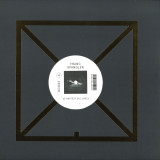
Jimpster makes a welcome return to Delusions, donning his Franc Spangler cap and serving up three funked-up, disco-infused tracks to get down to.
Opening up the release we have party starter Fight The Feeling which sees Spangler work up a rolling groove laced with dubby percussion, horn solos and souring lead synth.
Powerslide goes full retro with clav and guitar chops, hammond slides and an irresistible bassline bringing the funk, making for a high energy club cut to nice up the dance floor.
Closing out the release we have the deeper, lo-slung bounce of Dance The Funk which comes complete with Prelude-inspired synth stabs, heavy Moog bassline and crunchy house drums.
Hammered Hulls' debut LP, Careening, may very well be the last record to be recorded and mixed at the famed Washington, D.C. area recording studio, Inner Ear. Engineered by studio owner Don Zientara and produced by Ian MacKaye, Careening was started right before the pandemic lockdown and completed in summer/fall of 2021.
A new band of long-time players, Hammered Hulls' music hews close to some of their early influences. Alec MacKaye is the voice, Mark Cisneros is the guitarist, Mary Timony takes a nimble and rarely-heard turn as bassist, and Chris Wilson commands the drums. Each of them bring their individual imprint to the total sound. This concussion of strength upon strength, unified by vulnerable songs, only barely contained, is the signature sound of Hammered Hulls.
Das neue DAMNATION'S HAMMER Album besticht durch unbarmherzigen Heavy Metal und dem für die Band typischen doomigen Groove. Die Band präsentiert sich hier deutlich experimentierfreudiger als auf dem Vorgängeralbum "Unseen Planets, Deadly Spheres".
Erneut von Mark Mynett produziert, baut das Werk auf dem Fundament des Vorgängeralbums "Unseen Planets, Deadly Spheres" auf.
Die Eröffnungssalven "Sutter Cane" und "Do Not Disturb The Watchmaker" sind ein Riff-geladenes Feuerwerk - ersteres fast chaotisch und mit einem kurzen Spoken-Word-Part von Aaron Stainthorpe von My Dying Bride! Dann setzt "Do Not Disturb The Watchmaker" mit seinem schlängelnden Groove ein, bevor es in einen thrashigen Refrain mündet.
Das Album hat immer noch die gewaltigen Riffs, für die DAMNATION'S HAMMER bekannt sind, aber "Into The Silent Nebula" ist abenteuerlicher ausgefallen als sein Vorgänger.
Das Gegenstück zum Titeltrack - einfach "The Silent Nebula" genannt - zum Beispiel, ist ein atmosphärisches, bluesiges Instrumentalstück; ruhig, aber dennoch mit einem bedrohlichen Charakter. Es schließt mit einer trägen, melodischen Basslinie, während Sakis von Rotting Christ aus dem Titeltrack des Albums zitiert.
In 1972, left-wing intellectual film critic Uwe Nettelbeck suggested to Anthony Moore that he might write some straight songs (relatively speaking), which in turn prompted Moore to invite his old schoolfriend Peter Blegvad over to Hamburg to form the band Slapp Happy.
Dagmar Krause, a young singer from Hamburg and Moore‘s girlfriend, joined them both on their trip to Wümme to record what was to become this album, Sort of, using Faust as their rhythm section. In honour of this album ́s 50th anniversary the album will get a nicely remastered reissue with the newly founded Week–End Records –the fetsival‘s inhouse label who managed to get the band together for a final reunion shows in November of 2016 and Spring of 2017.
- A1: Can I Talk My Shit?
- A2: Carpenter
- A3: You Know How
- A4: Lexicon
- A5: Passing Me By
- A6: Autobahn
- B1: Nothing To Lose
- B2: It’s A Crisis
- B3: Do Your Worst
- B4: Interlude
- B5: Made Out With Your Best Friend
- B6: Anti-Fuck
Nonesuch releases Sorry I Haven’t Called, the new album by Vagabon, the moniker of Lætitia Tamko. Co-produced by Tamko and Rostam (Vampire Weekend, Haim, Clairo), it finds Tamko reinventing herself once again and features the most playful and adventurous music of her career, as evidenced by its lead track and opening song ‘Can I Talk My Shit?’. Vagabon has also announced an autumn tour that includes a headline run in the US, as well as European dates with Weyes Blood.
“I didn’t feel like being introspective,” says Tamko of her new album. “I just wanted to have fun.” Following her intimate 2017 debut Infinite Worlds, the New York artist favoured expansive and evocative electronic textures in her breakthrough 2019 self-titled follow-up. But her latest album feels like a wholly new era for Tamko, one that’s transformational and uncompromising. Across 12 vibrant tracks she wrote and produced primarily in Germany, she channels dance music and effervescent pop through her own confident sensibilities. These conversational songs are alive and unselfconscious, a document of an artist fully embracing her vision and reclaiming her joy.
The first words she sings on the album are, “Can I talk my shit? / I got way too high for this.” It’s a statement of purpose for the rest of the album that this is an unapologetic artist. “This whole record is how I talk to my friends and how to talk to my lovers,” says Tamko. “I think honesty and conversational songwriting can become poetry. There’s beauty in plainly speaking without metaphors and without flowery imagery.”
The story of Sorry I Haven’t Called started in grief after Tamko’s best friend died in 2021. This devastating and unexpected loss unmoored Tamko but also gave her a newfound clarity. “The things that I thought I cared about, I no longer cared about,” she says. “I had a realization that I need to make sure to feel everything that comes my way.” She decided to sell her things and move to a small lakeside village a few hours north of Hamburg in northern Germany to process everything. “There's no linear path to grief, and everyone handles it differently, but uprooting my life just felt like exactly what I had to do,” says Tamko. “I needed a place to think and go through my discomfort privately but to also explore the newness and urgency I was feeling in my life.” In the village, her phone didn’t work and there were no close grocery stores or restaurants, so she spent her time alone working on music.
Despite the palpable absence in her life, her new songs were her most disarming and ebullient yet. The first one she wrote was ‘Carpenter’, a mesmerizing track anchored by a tangible bass groove, where she sings, “I wasn’t ready to move on out / but I'm more ready now.” It’s a fully-realised track and feels like the culmination of her catalogue so far. “A lot of the music that I was making there had nothing to do with my grief at all,” says Tamko. “Once I gave myself permission to make a record that's full of life and energy, I realized that’s the point of this album. In the midst of going through all of these tough things, it became a record because of the vitality that these songs had.” For Tamko, there’s power in pursuing happiness.
While writing in Germany, Tamko nurtured her love for dance music and let it seep into her new songs. “The only things that were giving me access to a feeling were dance music and going to a rave in an extremely dark club where if I wanted to cry, I could do it and be around other people,” she says.
After a few months in Germany that included marathon writing sessions and a whirlwind romance, Tamko decided to stay with friends in Los Angeles and finish her record. She enlisted co-producer Rostam to help her unify her vision.
Sorry I Haven’t Called is a warm and resilient album about embracing the ecstatic moments wherever you can by knowing how you love and how you mourn. It’s an album born of both communal dancefloor revelations and the clarifying peace from solitude, an emotional rebirth as well as an artistic one. “This record feels like what I've been working towards,” says Tamko. “When I think of this album, I think of playfulness. It's completely euphoric. It's because things were dark that this record is so full of life and energy. It’s a reaction to what I was experiencing at the time, not a document of it.”
Ash sind seit 30 Jahren zusammen, aber es waren die zwei Jahre, die sie voneinander getrennt waren, die sie zu ihrem brillanten neuen Album inspirierten. Wie der Rest der Welt wurden auch Tim Wheeler (Gitarre/Gesang), Mark Hamilton (Bass) und Rick McMurray (Schlagzeug) von der Pandemie überrumpelt. Es war nicht nur die erste längere Auszeit, die die Band in ihrer unglaublichen drei Jahrzehnte währenden Karriere hatte, sondern auch die längste Zeit, in der die drei sich nicht gesehen hatten, seit sie sich in der Schule in Downpatrick, Nordirland, erstmals begegnet waren. Tim Wheeler - wie man es von einem der größten Songschreiber seiner Generation erwarten würde - hatte während Ashs Zwangspause weiter Songs geschrieben. Zum Reboot-Camp der Band erschien er bereit zum Loslegen mit einem Rucksack voller Hard-Rock-Hymnen. Und schwere Zeiten verlangen schließlich nach härterer Musik. Das selbst produzierte "Race The Night" - das achte Studioalbum der Band - ist in jeder Hinsicht herausragend. Aufgenommen im Oh Yeah-Studio in Belfast und mit neuem Fokus, kombiniert die Platte die unwiderstehlichen Rock-Riffs von "Meltdown" (2004) mit der melodischen Meisterschaft von "Free All Angels" (2001) - und das alles verpackt mit einem deutlichen Twist ins Jahr 2023. Und mit den fernen Anzeichen eines oft beschworenen Rock-Revivals am Horizont, könnte es das essentielle gitarrenzentrierte, hymnenreiche Album sein, auf das die Welt gewartet hat. Seit Ash als Teenager mit ihrem Nummer-Eins-Debütalbum "1977" aus Downpatrick auftauchten, ist die Band ein vitales, wachsendes Anliegen. Die meisten ihrer Zeitgenossen sind verschwunden oder haben sich zumindest aufgelöst, bevor sie zurückkehrten, aber Ashs Licht leuchtet so hell wie eh und je. Für dieses Album sind sie sogar zu Fierce Panda Records zurückgekehrt, die eine ihrer ersten Aufnahmen, "Punkboy", auf der 1994 erschienenen Crazed And Confused EP veröffentlicht haben.
Woods are in bloom again, inviting you to disappear into a new spectrum of colors and sounds and dreams on Perennial. Formed in Brooklyn in 2004, Woods have matured into a true independent institution, above and below the root, reliably emerging every few years with new music that grows towards the latest sky. Operating the Woodsist label since 2006 and curating the beloved homespun Woodsist Festival for the musical universe they’ve built, Perennial is the sound of a band on the edge of their 20th anniversary and still finding bold new ways to sound like (and challenge) themselves. Perennial grew from a bed of guitar/keyboard/drum loops by Woods head-in-chief Jeremy Earl, a form of winter night meditation that evolved into an unexplored mode of collaborative songwriting. With Earl’s starting points, he and bandmates Jarvis Taveniere and John Andrews convened, first at Earl’s house in New York, then at Panoramic House studio in Stinson Beach, California, site of sessions for 2020’s Strange To Explain. With a view of the sparkling Pacific and tape rolling, they began to build, jamming over the loops, switching instruments, and developing a few dozen building blocks. The album’s resulting 11 songs, 4 of them instrumental, are in the classic Woods mode--shimmering, familiar, fractionally unsettling--but with the half-invisible infinity boxes of Earl’s loops burbling beneath each like a mysterious underground source. From source to seed to bloom, each loop unfolds into something unpredictable, from the jeweled pop of the aching “Little Black Flowers” to the ecstatic starlit freak-beat of “Another Side.” They are blossomings both far-out and comforting, like the Mellotronic cloud-hopping of “Between the Past,” or sometimes just plain comforting, like the widescreen snowglobe fantasia of the instrumental “White Winter Melody,” touched by Connor Gallaher’s pedal steel. Woods have long used the studio as a place of songwriting, naming 2007’s At Rear House after their shared dwelling and recording space. But Perennial also carries with it an even longer view of Woods. Emerging from the process alongside the music was Earl’s reflection that “perennial plants and flowers are nature’s loops,” an idea rolling under the album’s lyrics like the loops themselves. It certainly applies to the band, too, who have quietly tended to a long, committed project of being a band in the weird-ass 21st century, both individually and communally. Though separated by coasts, the communal sprit carries through Earl, Taveniere, and Andrews’ collaboration, a living embodiment of the freedoms rediscovered every time a new collectively created piece of music emerges. For nearly two decades, Woods have survived subgenres, anchored in the fertile soil below hashtags like lo-fi and freak-folk and psychedelic and indie, and built a shared history that’s something to marvel at. As the flagship band for Woodsist, they’ve accumulated a striking extended family of collaborators (and Woods alum) that have made the label one of the most dependable imprints in the kaleidoscopic low-key underground. It’s a glow that’s transferred whole to the blissed-out Woodsist Fests held in Accord, New York in recent years, which have folded in a wide range of diverse sounds, from the the jazz cosmoverse of the Sun Ra Arkestra and adventurous legends Yo La Tengo, to a hard-to-even-count family tree of contemporaries, like Kevin Morby (who served a few tours of duty as Woods bassist) and Kurt Vile (who released his 2009 debut on Woodsist), a living community in sound. Perennial carries all of this, shaped by decades, but made in the moment, and here right now. The smell of the flowers doesn’t remain, but sometimes the flowers do. Jesse Jarnow Recorded and mixed by Jarvis Taveniere at Panoramic House in Stinson Beach, CA with additional recording at The Ship in Los Angeles, CA and Cottekill Bird Sanctuary in Stone Ridge, NY. Produced by Jarvis Taveniere and Jeremy Earl. Mastered by Timothy Stollenwerk at Stereophonic Mastering in Portland, OR. Jeremy Earl - vocals, guitars, drums, percussion, sk-5, mellotron, vibraphone, autoharp, loops Jarvis Taveniere - guitar, bass, upright bass, hammond, vocals John Andrews - piano, organs, mellotron, drums, vocals Connor Gallaher - Pedal Steel Kyle Forester - sax, wurlitzer
- A1: Midnight Special
- A2: A Subtle One
- B1: Jumpin' The Blues
- B2: Why Was I Born
- B3: One O'clock Jump
It’s a testament to Jimmy Smith’s volcanic creativity that the Hammond B3 organ firebrand recorded not one but two soul jazz classics—Midnight Special and Back at the Chicken Shack—in a single day when he entered Van Gelder Studio on April 25, 1960 with Stanley Turrentine on tenor saxophone, Kenny Burrell on guitar, and Donald Bailey on drums.
This Blue Note Classic Vinyl Edition is stereo, all-analog, mastered by Kevin Gray from the original master tapes, and pressed on 180g vinyl at Optimal.
Betretet das dunkle Reich von Roots of the Old Oak, UK Pagan Death/Doom Metal der alten Schule!Roots of the Old Oak sind drei "Old School" Death/Doomster, die den alten Wegen folgen und ihren heidnischen Gottheiten über das Medium schwerer, atmosphärischer Musik eine Stimme geben.Obwohl "The Devil and His Wicked Ways" kein reines Konzeptalbum ist, folgen Struktur und Tracklisting einer vorgeplanten Erzählung. Der erste Track, "I Defy Thee", ist eine Absichtserklärung über die erste Landung christlicher Mönche an der englischen Küste und unsere heidnischen Vorfahren, die sich weigerten, zu konvertieren oder vor den Eindringlingen von jenseits des Wassers zu kapitulieren. Stolz und trotzig stehen sie ihren Mann, die Wälder und Täler sind ihr Schlachtfeld, die Alten stehen fest hinter ihnen.
Woods are in bloom again, inviting you to disappear into a new spectrum of colors and sounds and dreams on Perennial. Formed in Brooklyn in 2004, Woods have matured into a true independent institution, above and below the root, reliably emerging every few years with new music that grows towards the latest sky. Operating the Woodsist label since 2006 and curating the beloved homespun Woodsist Festival for the musical universe they’ve built, Perennial is the sound of a band on the edge of their 20th anniversary and still finding bold new ways to sound like (and challenge) themselves. Perennial grew from a bed of guitar/keyboard/drum loops by Woods head-in-chief Jeremy Earl, a form of winter night meditation that evolved into an unexplored mode of collaborative songwriting. With Earl’s starting points, he and bandmates Jarvis Taveniere and John Andrews convened, first at Earl’s house in New York, then at Panoramic House studio in Stinson Beach, California, site of sessions for 2020’s Strange To Explain. With a view of the sparkling Pacific and tape rolling, they began to build, jamming over the loops, switching instruments, and developing a few dozen building blocks. The album’s resulting 11 songs, 4 of them instrumental, are in the classic Woods mode--shimmering, familiar, fractionally unsettling--but with the half-invisible infinity boxes of Earl’s loops burbling beneath each like a mysterious underground source. From source to seed to bloom, each loop unfolds into something unpredictable, from the jeweled pop of the aching “Little Black Flowers” to the ecstatic starlit freak-beat of “Another Side.” They are blossomings both far-out and comforting, like the Mellotronic cloud-hopping of “Between the Past,” or sometimes just plain comforting, like the widescreen snowglobe fantasia of the instrumental “White Winter Melody,” touched by Connor Gallaher’s pedal steel. Woods have long used the studio as a place of songwriting, naming 2007’s At Rear House after their shared dwelling and recording space. But Perennial also carries with it an even longer view of Woods. Emerging from the process alongside the music was Earl’s reflection that “perennial plants and flowers are nature’s loops,” an idea rolling under the album’s lyrics like the loops themselves. It certainly applies to the band, too, who have quietly tended to a long, committed project of being a band in the weird-ass 21st century, both individually and communally. Though separated by coasts, the communal sprit carries through Earl, Taveniere, and Andrews’ collaboration, a living embodiment of the freedoms rediscovered every time a new collectively created piece of music emerges. For nearly two decades, Woods have survived subgenres, anchored in the fertile soil below hashtags like lo-fi and freak-folk and psychedelic and indie, and built a shared history that’s something to marvel at. As the flagship band for Woodsist, they’ve accumulated a striking extended family of collaborators (and Woods alum) that have made the label one of the most dependable imprints in the kaleidoscopic low-key underground. It’s a glow that’s transferred whole to the blissed-out Woodsist Fests held in Accord, New York in recent years, which have folded in a wide range of diverse sounds, from the the jazz cosmoverse of the Sun Ra Arkestra and adventurous legends Yo La Tengo, to a hard-to-even-count family tree of contemporaries, like Kevin Morby (who served a few tours of duty as Woods bassist) and Kurt Vile (who released his 2009 debut on Woodsist), a living community in sound. Perennial carries all of this, shaped by decades, but made in the moment, and here right now. The smell of the flowers doesn’t remain, but sometimes the flowers do. Jesse Jarnow Recorded and mixed by Jarvis Taveniere at Panoramic House in Stinson Beach, CA with additional recording at The Ship in Los Angeles, CA and Cottekill Bird Sanctuary in Stone Ridge, NY. Produced by Jarvis Taveniere and Jeremy Earl. Mastered by Timothy Stollenwerk at Stereophonic Mastering in Portland, OR. Jeremy Earl - vocals, guitars, drums, percussion, sk-5, mellotron, vibraphone, autoharp, loops Jarvis Taveniere - guitar, bass, upright bass, hammond, vocals John Andrews - piano, organs, mellotron, drums, vocals Connor Gallaher - Pedal Steel Kyle Forester - sax, wurlitzer
Eigentlich wollten Station 17 nach einer Phase der Distanz nur mal wieder beim Musizieren gemeinsam in einem Raum stehen. Sie fuhren raus aus Hamburg, auf eine abgelegene Anlage im schleswigholsteinischen Hügelland der Hohen Geest, und spielten neue Songskizzen - den ganzen Tag und bis spät in die Nacht hinein. Das Ergebnis wollten sie im Anschluss auf einem Konzert in der Hamburger Fabrik live spielen. Dass zu den Resultaten dann gleich auch ein ganzes Album zählen würde, hatte keiner aus der Band erwartet. Doch die Musik sagte es ihnen mal wieder selbst: das, was hier in der Strahlkraft des Moments entstanden war, ließ sich nicht reproduzieren. Ein Glücksmoment für das Bandkollektiv. "Oui Bitte", Station 17-Album No. 11, war entstanden. Ganz unverhofft, zwischen Pool und Forellenteich... So zeigt sich hier wieder mal und dabei par excellence: Die Musik von Station 17 ist vor allen Dingen so gut, weil es eine so große Freude bereitet, sie anzuhören. Woran liegt das? Nun, zunächst einmal bietet sie ganz unterschiedliche Zugänge! So kann man sich wahlweise auf das intuitive Referenzspiel einlassen, das hier betrieben wird, kann dabei den nachgezeichneten Genrelinien folgen (also: mit Wissen hören), kann sich aber auch an den poetischen Erzählungen orientieren, die in wenigen Worten einen weiten Nachklang eröffnen. Oder man lässt sich ganz einfach vom treibenden, elegischen Rhythmusspiel mitnehmen; liegend, tanzend, wie es gerade kommt. Alles scheint möglich in der Grenzenlosigkeit dieser Musik. Die sieben Stücke nämlich spülen diese offenherzigen Einladungen in einen fließenden, ästhetischen Strom, bündeln sie zu einem Genuss, der die eigene Disposition vergessen lässt. (Hendrik Otremba)
Ash sind seit 30 Jahren zusammen, aber es waren die zwei Jahre, die sie voneinander getrennt waren, die sie zu ihrem brillanten neuen Album inspirierten. Wie der Rest der Welt wurden auch Tim Wheeler (Gitarre/Gesang), Mark Hamilton (Bass) und Rick McMurray (Schlagzeug) von der Pandemie überrumpelt. Es war nicht nur die erste längere Auszeit, die die Band in ihrer unglaublichen drei Jahrzehnte währenden Karriere hatte, sondern auch die längste Zeit, in der die drei sich nicht gesehen hatten, seit sie sich in der Schule in Downpatrick, Nordirland, erstmals begegnet waren. Tim Wheeler - wie man es von einem der größten Songschreiber seiner Generation erwarten würde - hatte während Ashs Zwangspause weiter Songs geschrieben. Zum Reboot-Camp der Band erschien er bereit zum Loslegen mit einem Rucksack voller Hard-Rock-Hymnen. Und schwere Zeiten verlangen schließlich nach härterer Musik. Das selbst produzierte "Race The Night" - das achte Studioalbum der Band - ist in jeder Hinsicht herausragend. Aufgenommen im Oh Yeah-Studio in Belfast und mit neuem Fokus, kombiniert die Platte die unwiderstehlichen Rock-Riffs von "Meltdown" (2004) mit der melodischen Meisterschaft von "Free All Angels" (2001) - und das alles verpackt mit einem deutlichen Twist ins Jahr 2023. Und mit den fernen Anzeichen eines oft beschworenen Rock-Revivals am Horizont, könnte es das essentielle gitarrenzentrierte, hymnenreiche Album sein, auf das die Welt gewartet hat. Seit Ash als Teenager mit ihrem Nummer-Eins-Debütalbum "1977" aus Downpatrick auftauchten, ist die Band ein vitales, wachsendes Anliegen. Die meisten ihrer Zeitgenossen sind verschwunden oder haben sich zumindest aufgelöst, bevor sie zurückkehrten, aber Ashs Licht leuchtet so hell wie eh und je. Für dieses Album sind sie sogar zu Fierce Panda Records zurückgekehrt, die eine ihrer ersten Aufnahmen, "Punkboy", auf der 1994 erschienenen Crazed And Confused EP veröffentlicht haben.
Meister Musik Vinyl! Meister der Tournee 2023! Kaum wartet man ein Vierteljahrhundert, schon gibt's endlich ein Jubiläum im Hause J.B.O.!
Die Erfinder des Comedy-Metals zelebrieren zum 25. Geburtstags ihres Meisterwerks "Meister der Musik" das gesamte Album live, am Stück! Schließlich war diese Platte 1998 das erste Top 10 Album (von insgesamt acht) der "Könige des Spaßmetalls". Außerdem finden sich auf diesem Album - das nicht wenige Fans als das Beste von J.B.O. überhaupt bezeichnen - etliche Kult-Songs, die im Live-Konzert die Hütte wackeln lassen: "Verteidiger des Blödsinns", "Ällabätsch", "Wir ham ne Party" und natürlich darf auch "Ein guter Tag zum Sterben" nicht fehlen!
Nachdem das Album als CD inzwischen nicht mehr lieferbar ist, haben J.B.O. mit ihrer damaligen Plattenfirma eine limitierte Vinyl-Auflage als dreiseitiges Doppelalbum ausgehandelt, die kurz vor der Tour erscheinen wird - und wenn noch welche übrig sind, wird es die auch bei den Live-Konzerten zu kaufen geben!
Da J.B.O.-Konzerte aber deutlich länger dauern, als so eine LP, bleibt auch noch genug Zeit für "Alles nur geklaut", "Bolle", "Der Hofnarr" oder auch neuere Songs wie "Metal Was My First Love". Langjährige J.B.O.-Fans werden sowieso die Hallen stürmen, aber auch wer "früher mal J.B.O. gehört hat", kann hier die gute alte Zeit wieder erleben! Natürlich kann man diese Gelegenheit auch nutzen, um zum ersten Mal die wohl bescheuertste Band der Welt auf der Bühne zu sehen.
Gerade die komplette Live-Aufführung des "Meister der Musik"-Albums mit all seinen wahnsinnigen Zwischenspielen und herrlich blödsinnigen Quatsch-Einlagen, gepaart mit knackigen Metal-Riffs und biergeschwängerter Partystimmung, bietet auch Anfängern im J.B.O.-Universum die perfekte Chance, auch zu einem Meister zu werden. "Meister der Musik" - das 25jährige Jubiläum! Live, in voller Länge und laut!
Gatefold-Plattenhülle und auf Seite 4 ein lustiges Etching!
- 1: Foreword By Derrick Harriot
- 2: Midnight Walk
- 3: I Really Care (Feat. Diane Ward)
- 4: Groovin' In Soho
- 5: So I Can Free Myself (Feat. Jo Ann Hamilton)
- 6: Only For Me (Feat. Jo Ann Hamilton)
- 7: Round 2Am
- 8: El Popcorn
- 9: Nada Pode Te Parar (Feat. Josi Dias)
- 10: Dunia Doman Doman (Feat. Abdoulaye Badiane)
- 11: My Heart Is Burning (Feat. Jo Ann Hamilton, Diane Ward, Josi Dias)
Das neue Album des Kevin Fingier Collective vereint Genre und schafft Neues!
'Not Strictly Soul' ist der Höhepunkt der dreijährigen Reise von Kevin Fingier als Produzent von Acid Jazz Records. Es erforscht Latin Soul, Northern Soul, R&B und Mod Jazz, die alle auf eine Art und Weise miteinander verschmolzen sind, wie es noch nie zuvor geschehen ist: ein völlig neues Konzeptalbum und ein einzigartiges Kunstwerk, das der argentinische Produzent in Lateinamerika geschaffen hat.
EXPANSION continues its series of 10' CLASSICS back to back with the coolest CONTEMPORARY takes of one awesome track. First off is the 70s masterpiece by master of the keyboards EDDIE RUSS, and a definitive jazz funk classic, never before released as a single, and originally from the rare 1976 LP 'See The Light', issued on CD by Soul Brother in 2008.
The newer version is by the UK's jazz funk and soul icons INCOGNITO. It's an especially recorded version that does not feature on any of their albums and has been extremely rare until this release on vinyl. Incognito have just celebrated 35 years in the business and are masters of the jazz funk vibe and this version keeps faithful to the original while being also the fresh and vibrant sound we love from the group.
Watch out for more releases in the 'back to back' 10' series which so far has featured classics are makes by Johnny Hammond and Norman Connors
ANTI- Records is honored to share a never-before-heard album by Mark Linkous of Sparklehorse titled Bird Machine. Originally recorded in 2010 and mixed by Mark Hamilton (who also worked on It"s A Wonderful Life), Mark"s brother Matt notes "great care has been taken to archive and preserve Mark"s music.
We are very thankful for Mark and the beauty he brought to this world." Sparklehorse was an American indie rock band formed by singer-songwriter and multi-instrumentalist Mark Linkous in the mid-1990s.
Born on September 9, 1962, in Arlington, Virginia, Linkous began playing music as a teenager. Described as an artist who "compelled listeners to heed the beauty of darkness" by Pitchfork, Sparklehorse released many influential records, including the renowned albumsn Vivadixiesubmarinetransmissionplot and Good Morning Spider in the "90s, It"s A Wonderful Life and Dreamt for Light Years in the Belly of a Mountain in the early aughts, and a collaborative album Dark Night of the Soul released in 2010.
Throughout his career Mark collaborated with thought provoking artists like Vic Chesnutt, Daniel Johnston, Tom Waits, Danger Mouse, and David Lynch.
While Mark recorded in various studios, collaborating with other musicians and producers, he did much of his work in his home studio, Static King, often playing and recording everything on his own. He was "very much kind of a working-class guy with a very poetic sensibility, who was drawn to artists like himself, who worked in isolation," said NPR Fresh Air"s Ken Tucker.
ANTI- Records is honored to share a never-before-heard album by Mark Linkous of Sparklehorse titled Bird Machine. Originally recorded in 2010 and mixed by Mark Hamilton (who also worked on It"s A Wonderful Life), Mark"s brother Matt notes "great care has been taken to archive and preserve Mark"s music.
We are very thankful for Mark and the beauty he brought to this world." Sparklehorse was an American indie rock band formed by singer-songwriter and multi-instrumentalist Mark Linkous in the mid-1990s.
Born on September 9, 1962, in Arlington, Virginia, Linkous began playing music as a teenager. Described as an artist who "compelled listeners to heed the beauty of darkness" by Pitchfork, Sparklehorse released many influential records, including the renowned albumsn Vivadixiesubmarinetransmissionplot and Good Morning Spider in the "90s, It"s A Wonderful Life and Dreamt for Light Years in the Belly of a Mountain in the early aughts, and a collaborative album Dark Night of the Soul released in 2010.
Throughout his career Mark collaborated with thought provoking artists like Vic Chesnutt, Daniel Johnston, Tom Waits, Danger Mouse, and David Lynch.
While Mark recorded in various studios, collaborating with other musicians and producers, he did much of his work in his home studio, Static King, often playing and recording everything on his own. He was "very much kind of a working-class guy with a very poetic sensibility, who was drawn to artists like himself, who worked in isolation," said NPR Fresh Air"s Ken Tucker.