Manchester-based producer Lily Mumby, the creative force behind Lapalace, has chosen Lavender as her botanical muse for this sixth instalment. Like the aromatic herb that grows from tiny seeds to fragrant purple stalks, her compositions unfold with a similar patience and elegance. Her synthesisers breathe with a natural rhythm, creating textures that emerge and recede like morning dew on lavender buds waiting to bloom.
The standout track ‘new age night’ – a stunning love child of William Basinski's decaying tape loops and Aphex Twin's intricate programming—carries subtle lavender-inspired tones, balancing the plant's calming essence with hypnotic rhythms. Just as lavender requires thoughtful tending before rewarding the gardener with its distinctive aroma, Lapalace's landscapes reveal deeper complexities with each listen.
Much like gardening itself, Mumby demonstrates an innate understanding of when to intervene and when to allow natural development. This approach echoes throughout her career, from her debut EP "Ephemera" which caught the attention of Insult to Injury Records' Timothy Clerkin, through to her contributions to Chez De Milo's "So It Goes" Remix EP and Manchester label Skiptrace's various artists compilation.
Her work across BBC Introducing and fossil.radio reflects this same philosophy – creating environments where sound, space, and organic movement find their natural harmony. But this composition really feels that Mumby has come of age. "Music To Watch Seeds Grow By Vol. 6" represents the continued cultivation of Lapalace's distinctive sound and demonstrates the maturity of an artist way beyond her years. This music stands as a lighthouse through a thick fog of nostalgia, much like lavender standing tall amidst an English cottage garden.
Early DJ support including - Auntie Flo, Ruf Dug, Courtesy, Vladimir Ivkovic.
Logistic Records proudly presents a special 30 years anniversary repress of one of its most iconic releases: “Brainstew” by Tom Ellis. Originally released in 2010 and instantly recognized for its unique blend of hypnotic melodies, raw basslines and the unmistakable voice of Suz, “Brainstew” quickly became a standout track — unclassified, emotional and deeply immersive. Revisited by UK legend Baby Ford, the remix delivers a deep, stripped-back and hypnotic version built for the dancefloor. This anniversary repress also includes a previously unreleased take: “Brainstew (Little Nest Mix)”, a deeper and more introspective version by Tom Ellis. A cult track, reissued and expanded.
Original Press Release: ‘Headsoup’ is a new compilation that deepens the legend of mysterious Swedish psych collective Goat even further. Collecting rarities from across band’s celebrated career, including standalone singles, B-sides and digital edits and two enormous brand new tracks. It’s a globetrotting acid trip of a record that’s even bigger in its scope than their acclaimed studio LPs.
From the incendiary heavy psych of their earliest work, like debut B-side ‘The Sun And Moon’, to the serene Requiem’-era alternate take ‘Union Of Mind And Soul’, to the simmering menace of their latest material, it’s a record as multifaceted as Goat themselves, packed with detours in every conceivable direction. Taking in jazz-flute solos, pounding Afrobeat rhythms, ferocious desert blues, drifting Ethio-jazz, this is, as the name of Goat’s first album made clear, ‘World Music’ in its most complete form, a sound unrestrained by genre boundaries. Yet the band are anything but lazy appropriators. They approach their forebears with upmost reverence, articulating a celebratory cultural cross-pollination.And what about these two new tracks? ‘Fill My Mouth’ is a scuzzy psychedelic funk knockout, the sleaziest thing the band have ever recorded. ‘Queen Of The Underground’, meanwhile, is truly herculean, a swaggering psychedelic powerhouse of the very highest order. Sometimes dark and heavy, at others joyous and beautiful, like Goat themselves ‘Headsoup’ is mysterious, and constantly shapeshifting, difficult to properly pin down but constantly enthralling. Almost a decade since Goat first emerged from the depths of Korpilombo, there is still no other band on earth that sounds quite like them.
Charles Webster was one of the architects of the early UK house scene but has never got the flowers he deserves. Maybe this first win a new series of reissues from his incredible vaults, will change it. Unreleased Stuff comes on Remote and opens with a louche tech house sound that's deep and emotionally dialled in. 'Don't Work' is great advice for anyone as well as being a humid house roller for the backroom. 'How To Live' brings more of a steamy energy that encourages you to get up on your toes and then 'Bad Year' slows it down and layers in some lovely liquid West Coast chords. Two more brilliantly vibey cuts close an EP that must not be sniffed at.
Rhythm Section International proudly presents it's 8th offering from local boys Chaos in the CBD. Born in New Zealand, but based in Peckham for the last few years (literally just around the corner from Henry Wu and Bradley Zero), these brothers have made a real mark on the scene here in London town and with their latest set of productions are set to take this message further afield.
Having already released internationally on labels such as ClekClekBoom (Paris), Hot Haus (London) and Amadeus (Montreal), the duo's approach to production has matured immeasurably in the last year, as is evident in the restrained potency and poetic subtlety on the 4 tracks across this accomplished EP, Midnight in Peckham.
Taking it's title from the locale the boys have come to know as home, the record channels a delicate late night energy - equally indebted to the hypnotic incantations of Ron Trent as it is to the hazy suburban atmospheres of Burial. These 4 classic cuts pay homage to deep house in it's truest sense - at once sublime, melancholy and meditative . Chaos in the CBD have clearly taken their cue from the mid-west masters of the genre but have not been afraid to let their own influences and environ creep in, and in doing so have created something that is unmistakablely London and infact, timeless.
The fifth release on Phorum imprint comes from Dutch producer Siphonophora. Rooted in the deeper reaches of hypnotic techno, her sound is shaped by pulsating low-end, intricate percussion and subtle tonal shifts, unfolding through immersive, sci-fi-tinged atmospheres.
Citric Dub EP is a collaborative release from Law and RUNDR, released via R-WHITES, Repertoire's jungle-focused sister label for releases from the core Repertoire crew.
Following the first five R-WHITES compilation volumes, Citric Dub EP marks the imprint's first dedicated artist EP, exploring the intersection of jungle, dub techno and ambient music.
Deep sub bass, tape-inspired textures and hypnotic, progressive arrangements combine with classic breakbeats to create a sound that is both immersive and firmly rooted in the foundations of jungle.
Music on heavy rotation while making the record included... Basic Channel, Deepchord, Terekke, Biosphere, Wax Doctor, Aphex Twin, Burial, Nala Sinephro, Scientist and Jah Shaka.
Tenuous Links welcomes Torino’s very own VIOLA to the label with his new ‘Wrinkles’ EP. As the label owner of Reflue Records, VIOLA first caught my attention with his debut full-length release, a body of work that showcased a deep, rugged sound and a clear technical prowess shaped by his surroundings rugged coastlines and industrial landscapes of Torino in northern Italy. After speaking with Cristiano for over a year, it felt like a natural progression to bring his music to Tenuous Links. “The music I write almost always functions as a visceral soundtrack to whatever environment surrounds and infects me while I'm creating. Deeply rooted in the architectural contrasts of the places I’ve inhabited.”
‘Wrinkles’ is VIOLA’s second full-length body of work, yet the years of graft and dedication behind it are immediately apparent. Across three original tracks and a remix from London’s Jay Duncan, the EP delivers pure grit and crunch, inhabiting large, cavernous atmospheres grounded by pummelling bass, dynamic drums and intricate rhythmic detail.
The title track ‘Wrinkles’ is an ode to club spaces and the scene that revolves around them. Its broken rhythm channels the dancefloors of Cristiano’s formative years, spent partying in abandoned bunkers and warehouses in and around Torino. VIOLA explains: “Crafting such a raw, gritty bassline felt like an absolute necessity during the writing process, retracing memories of long nights spent dancing in silence.” The track’s cavernous atmosphere mirrors those pitch-black, unlit spaces, drawing us deeper and deeper into the abyss, with only brief glimmers of light offering reprieve from its relentless, all-enveloping bassline.
‘Mon Tom’ draws heavily from VIOLA’s hometown and his complicated relationship with Torino ,a city where tranquillity and beauty sit alongside heavy industry. The calm of the coastline is violently interrupted by vast steelworks and plumes of black smoke, leaving an imposing industrial mark on both the landscape and its people. The track reflects these contrasts. Metallic yet fluid, it moves at a faster pace, built around a driving 4/4 rhythm designed to suspend the listener while skittering percussion creates an increasingly uneasy sense of movement. It’s a meeting point between the beauty and brutality of the environment that inspired it.
‘P Maggiore’ was written between 2019 and 2020 while VIOLA was living in Rome’s chaotic Porta Maggiore district. Surrounded day and night by the grinding noise of trains, screeching tram brakes and beaten metal, he translated those raw auditory memories directly into high-pressure sound design. Yet, in contrast to the intensity of his surroundings, VIOLA deliberately pulls back the tempo.
Rounding off the EP is a skeletal remix of ‘Wrinkles’ from London’s Jay Duncan. She strips the original back into a techy, rolling cut, retaining its atmosphere and darkness while introducing a lighter touch of minimal-esque sound design. The result is a subtly transformed take on the title track that provides a fitting conclusion to the EP.
‘Wrinkles’ EP is a record shaped by place, by architecture, industry, memory and the physical spaces that leave their mark on us. From Torino’s industrial coastline to the chaos of Rome and the darkness of abandoned club spaces, VIOLA turns his surroundings into sound. Coming to vinyl and digital October 16th of October.
Circus Operandi is the project of Donatas Chipak and Tumosa, two figures of the Vilnius electronic music scene, and residents at legendary clubs Opium (RIP) and Gallery 1986, where Ivan Smagghe & Niv Arzi (who jointly run Customs & Faces) met them countless times at countless hours. We’re not keen at describing the music we release at C & F, no need for pigeonholing ourselves but this EP completely ticked our boxes : electro, techno and everything in between, punch and deepness included.
Blah Blah has been played in every Ivan Smagghe set for the last 6 months and picked up by, amongst others, Shonky and Francesco Del Garda. Some kind of hit rambling about ordering a pizza is quite something. Fantast and Hints are slightly moodier pieces of emotional 4/4 electro while Denter subtly hits at non-cheesy trance. Expect much more from these two very soon.
Dark Entries is Filling Your Silence with the help of J.D. Slater. Legendary actor, director, and composer J.D. Slater is sometimes known as “the Lou Reed of gay porn.” Slater cut his teeth in the New York punk scene, even opening for the Talking Heads and Blondie at CBGB with his project Frenzy. A true polymath of the erotic, he co-founded Raging Stallion Studios with Chris Ward in 1999, which has remained a prolific outlet in the world of gay pornography. Having spent years in front of and behind the camera, 1999’s Filling Your Silence was his debut as maestro. This album collects the soundtracks from the first two Raging Stallion films - Sexpack One and Sexpack Two - to bring us nine tracks of sleazy beats and trance-like moments of pure ecstasy. Album opener “Seduction” begins with the iconic synthetic pan flute, one of the defining sounds of the 1990s, before pulling us along with its wild grooves.
Halfway through its nine-and-a-half- minute course, it breaks down to bust out a jazzy electric piano vamp. “Running with Scissors” ups the tempo with some crunchy breakbeats to undergird its portamento-laced lead synth. Elsewhere, like on “Mercy” and “Mercy (2nd Movement),” we see Slater embracing a bleep-adjacent sound close to early Nightmares on Wax or 808 State. Filling Your Silence’s endless grooves pursue that oceanic feeling. This record comes with a one-sided insert that includes archival Raging Stallion press materials. In the words of the Bay Area Reporter, Filling Your Silence is “quite possibly the best music for sex ever written.” A bold claim, but we can’t help but agree.
DJ Support: Moodyman, Groove Armada, Folamour, Horsemeat Disco, DJ Deep, Art Of Tones, Sophie Lloyd, Terry Farley, Stuart Patterson and Seamus Haji
Al Kent needs no introduction when it comes to being one the most prolific kings of disco in the UK. He reimagines hidden treasure and takes inspiration from the glory days of 70’s dancefloor nuggets to create modern day classics. Come Back Home (Again) is probably his most popular track to date and here he re-works it with his Disco Love Orchestra updating this disco gem for a new generation. A Philly style musical sound-bed with hooks galore topped by one of the most rousing, soulful male vocals you’ll hear in a long time.
Pressed on a tasty 7 inch with dinked hole limited stock so act fast!
Following the success of Denshi Ongaku No Bigaku Vol. 1 and Vol. 2 in 2023, Cosmocities returns in 2026 with two new chapters in its acclaimed compilation series dedicated to the rich heritage and continuing evolution of Japanese electronic music.
Compiled by label owner Matt Soulie, Denshi Ongaku No Bigaku Vol. 4 further explores the depth, sophistication and diversity that have long made Japan's electronic underground one of the world's most inspiring musical landscapes.
Since its inception, the Denshi Ongaku No Bigaku project has celebrated the artists and sounds that have profoundly influenced the Cosmocities vision. Across four volumes, the series has journeyed through ambient soundscapes, deep house, boogie, jazz-infused electronics and forward-thinking club music. Volume 4 shifts the focus firmly towards the deeper end of the dancefloor, bringing together timeless classics, rare gems and sought-after reinterpretations from some of Japan's most respected producers.
Opening proceedings is Kaoru Inoue's remix of Soft's "Art Farmer", a rolling percussive Afro-house excursion rich in hypnotic groove and organic rhythm. XTAL's "Heavenly Overtone" follows with a beautifully cosmic house journey, combining shimmering keys and celestial atmospheres that perfectly capture the compilation's expansive spirit.
On the B-side, Slow Didi's "Follow Me (Hidaway Mix Instrumental)" delivers a deep and hypnotic groove before Tokyo Black Star's "Fantastique Voyage" channels the soulful, sophisticated energy of classic 1990s deep house. The journey continues with Manabu Nagayama and Soichi Terada's "Low Tension", presented here in a sublime instrumental remix by Satoshi Fumi and Yoshi Horino, where warm piano melodies and elegant synth work create a timeless late-night mood.
The final stretch moves into more driving territory. Hiroshi Watanabe's "The Orionids (2025 Revised)" subtly raises the tempo, blending deep house sensibilities with sleek tech-inflected textures. Kaoru Inoue's "Ground Rhythm", reworked by The Backwoods, plunges deeper into hypnotic territory with a heads-down groove designed for intimate basement spaces and low-lit dancefloors.
Closing the compilation is Bitowa and YAMADAtheGIANT's "Forest (Mixtacy Exclusive Version)", a trippy, immersive finale that leaves listeners suspended in a dreamlike state between nature, rhythm and imagination.
A carefully curated collection of deep, cosmic and forward-thinking sounds, Denshi Ongaku No Bigaku Vol. 4 once again showcases the enduring creativity, innovation and global influence of Japanese electronic music.
MEMORIALS jump off the waterslides and head above the clouds with their stunning second album, ‘All Clouds Bring Not Rain’. The duo of Verity Susman and Matthew Simms (formerly of Electrelane and WIRE) locked themselves away in a studio in a barn secluded deep in the woods in southwestern France and re-emerged with a beautiful, unusual record that is both melodic and unconventional. For such an ambitious album it’s striking that it was written, performed, recorded and mixed solely by the two of them. Sounding like an unearthed classic, MEMORIALS twist their influences into their own unmistakable sound. Imagine Nico singing with Can produced by David Axelrod and you’re somewhere in the right ballpark.
The record draws inspiration from a wide range of music including folk, dub, post punk, experimental tape music, 60s soul, garage rock, 70s spiritual jazz and Canterbury prog. This attention to detail in their sound meant finding several other studios to get what they needed to record with, including a harpsichord at 4AD’s studio in London and a vibraphone and vintage Leslie speaker in Stereolab drummer Andy Ramsay’s studio Press Play. Verity’s distinctive, unadorned singing is a focal point of the record, moving from tender to wild. Her vocal melodies quickly become earworms, providing the tuneful heart around which the songs’ more unorthodox elements are arranged, which is where Matthew’s unconventional approach to recording and production comes to the fore. With their adventurous arrangements, classic songwriting skills and innovative production techniques, MEMORIALS have created another mesmerising listen that’s accomplished and compelling in its unique approach yet remains dizzyingly immersive - just like their acclaimed live shows.
Vega Records proudly presents "Mercy Of Time," a breathtaking new collaboration between Grammy Award-winning producer, DJ, and songwriter Louie Vega and acclaimed South African composer, singer, songwriter, and multidisciplinary artist Msaki.
Widely regarded as one of Africa's most powerful and influential musical voices, Msaki has earned international recognition through her award-winning solo work and celebrated collaborations with Black Coffee, Sun-El Musician, and Prince Kaybee, including the multi-platinum anthem "Fetch Your Life." A South African Music Award winner, recipient of the prestigious 2022 Standard Bank Young Artist Award for Music, and Basadi in Music Songwriter of the Year, Msaki's artistry has resonated with audiences around the world. Her songwriting and vocal contributions to Black Coffee's Grammy Award-winning album further cemented her place among the continent's most revered contemporary artists.
Born from a creative meeting of musical minds, "Mercy Of Time" brings together the extraordinary talents of Msaki, Louie Vega, and renowned Cuban pianist, composer, and producer Axel Tosca. Written by Msaki, with music composed by Louie Vega and Axel Tosca, the song is elevated by the unmistakable rhythmic touch of internationally respected producer and dj Manoo, whose infectious drums provide the heartbeat of the record.
At its core, "Mercy Of Time" is a deeply moving and uplifting composition that blends deep songwriting, rich musicianship, and powerful rhythms into a timeless musical journey. Msaki's evocative lyrics and captivating vocal performance intertwine seamlessly with Axel Tosca's virtuoso musicianship and Louie Vega's signature production style, creating a sound that transcends borders, cultures, and genres.
Rooted in soul and infused with African Electronic and global influences, "Mercy Of Time" speaks to resilience, hope, healing, and the wisdom that comes with life's journey. The song beautifully captures the spirit of collaboration between artists from different corners of the world, united by a shared commitment to authenticity, artistry, and musical excellence.
With all forces combined, "Mercy Of Time" is poised to resonate with audiences across dance floors, airwaves, and listening spaces worldwide. A powerful fusion of soulful expression, world-class musicianship, and timeless rhythm, the release stands as a testament to the creative magic that happens when visionary artists come together.
Acclaimed, Swedish composer, producer and live artist Sebastian Mullaert, and Georgian electronic artist Tamarma (Tamara Davitashvili), are set to release the deeply personal and genre-fluid album ‘Holds the Sky’ on the 25th September via Awesome Soundwave, the label curated by Christopher Coe and Carl Cox.
Spanning ambient, experimental and alternative electronic forms, alongside a set of dancefloor-oriented reworks that expand the project’s sonic spectrum, at its core, the album is the result of an unusual artistic convergence that traces back to 2020. Tamarma entered Mullaert’s successful In Bloom mentorship programme on a scholarship, and over a year-long deep exploration of album creation, her work revealed a rare clarity and emotional depth.
One piece in particular became the catalyst. Developed further through Mullaert’s 4 step studio process, it unfolded into a full length album collaboration. What began as a single composition has since grown into an album that documents an organic and intuitive exchange between two distinct artistic voices.
The result is less a collection of tracks than a continuous unfolding; a dialogue shaped by trust, listening and shared curiosity. Rather than aiming for a fixed genre position, the album operates as a living process: a meeting point between tradition and experimentation, between voice and synthesis, between two artists allowing something larger to emerge through their collaboration.
With compositions such as the chiming ‘Being Colours’ and hypnotic ‘Holds The Sky,’ Mullaert and Tamarma have created a body of work that resists easy categorization. The album moves through intimate, meditative passages and more rhythmically driven moments, always anchored in a sense of presence and emotional immediacy. The flickering beats of ‘Winnow’ and ambient manifestations of ‘Lost In Dimension’ and ‘Field of Us’ add a sense of tranquillity, stillness and convergence.
Tamarma’s voice carries both a personal and cultural depth throughout the album, while remaining fluid and responsive to the moment. The result is a sound that feels both intimate and spatial, where voice, texture and atmosphere are closely connected. Her Georgian musical heritage combined with Mullaert’s open-ended electronic exploration, allows something beautiful to emerge, shaped by listening, space and a sense of something larger than either artist alone.
Widely celebrated in the electronic music community, Mullaert has spent the last three decades moving beyond the boundaries of electronic music, from shaping the sound of cult duo Minilogue to creating the fully improvised global platform, Circle of Live, which has seen him perform and collaborate with artists such as Mathew Jonson, Âme, Amp Fiddler, Aurora Halal, Speedy J, Sam Barker, Dorisburg, Move D, Sleep D, Kuniyuki, Pantha du Prince, Leafar Legov, Wayne Snow, Laurence Guy, VRIL, Neel and Erika.
Initially making a name for himself in the world of techno, his performances have moved fluidly between environments, from underground spaces including Berghain’s Panorama Bar to festivals around the world, and venues including the Barbican, London, where he has appeared alongside artists including Joep Beving, Laura Misch and JakoJako. Platforms such as ARTE have featured his performances, placing his work within a broader European cultural context, while support from Resident Advisor and Boiler Room reflect his continued presence within the core of electronic music culture. He has received a Swedish Grammy and the P3 Guld award from Swedish National Radio.
His 2020 album ‘Natthall,’ developed in collaboration with Tonhalle Orchestra Zürich and performed with Subchamber Ensemble, saw Mullaert enter the world of contemporary composition, and merged electronics with chamber music and improvisation. The album was later named among the top post classical releases of the year by BBC Music Magazine.
A new documentary film by Ableton, set for release this summer, captures Mullaert’s Circle of Live project through a performance at Brighton Dome in the UK, featuring Mullaert and electronic artists Clark and Rival Consoles. The film offers a rare insight into the inner workings of collective improvisation at a high artistic level, further cementing Mullaert’s role as a leading voice in contemporary live electronic practice.
Tamara's background is rooted in the landscapes and traditions of Georgia. Raised near the Caucasus Mountains, classically trained in piano and shaped by years as a jazz vocalist, her work carries traces of Georgian polyphonic singing and a strong connection to nature and place. Her transition into electronic music is not stylistic but transformational; a recontextualisation of heritage into new sonic forms.
‘Holds The Sky’ will be available on vinyl and digitally on the 25th September via Awesome Soundwave. The digital release includes three exclusive album track reworks from Mullaert.
Two of the most prolific remixers in the world of Disco,Dave 'Love' Lee and John Moraleshave teamed up for one of their biggest projects to date - 'Mixed To The Maxxx'. After gaining access from the legendary original artists, the pair take the multi-track tapes of many classic Disco, Funk & Soul tracks and re-work them...to the Maxxx!
Where Remixed With Love stands as Dave Lee's own gold-standard body of work, Mixed To The Maxxx sets that legacy alongside Morales' own decades-deep M+M body of work: Lee brings his musically dense, groove-first touch to the likes of Harold Melvin, Syreeta, Lenny Williams and The Brand New Heavies, while Morales applies his extended, dancefloor-built M+M treatment and crushes the likes of Barry White, The Temptations and Loleatta Holloway, plus Dennis Coffey's breakbeat classic "Scorpio" for the DJs and collectors alike. Both work from original tapes, surfacing parts barely audible or entirely unheard in the source mixes, and both know when to let a classic breathe rather than bury it under modern production. It's a pairing a long time in the making. Lee and Morales first talked about working together around a decade ago, and getting Mixed To The Maxxx off the ground took five years of patient work: tracking down usable stems, securing approvals, and navigating a licensing landscape where much of the best material is now tied up with major labels increasingly cautious about clearing remixes. What's landed here is the product of that graft as much as the pair's shared ear for a great record, the sound of two people who know exactly what they're looking for and are willing to put in the time to find it.
A double 12" sampler in summer 2025 previewed the record's range. A bass-driven overhaul ofThe Brothers Johnson's "The Real Thing" and an extended mix of Philly legends Bell & James' "Livin' It Up (Friday Night)" showcased Lee's side, while an anthemic take on Inner Life's "Ain't No Mountain High Enough" and a tempo-lifted Light Of The World"London Town" flew the flag for Morales. Both drew strong early support ahead of the full LP.
The Ron Trent Collection Vol. 2 continues the relaunch of the legendary Nite Grooves label, further exploring the deep house catalogue that helped shape New York’s underground sound.
Following the first volume, this second instalment highlights more productions and collaborations connected to house pioneer Ron Trent, featuring appearances from Carlton and DJ Roland Clark alongside Trent himself.
Including standout cuts such as Carlton’s Can’t Be Without (Damier & Trent’s Prescription Extended Mix) and DJ Roland Clark presents Urban Soul’s My Urban Soul (USG Club Mix), the release brings together a selection of timeless grooves and club-ready house productions.
With deep rhythms, soulful vocals and hypnotic arrangements, these tracks reflect the musical depth and dancefloor sensibility that has defined Ron Trent’s work across decades of house music.
As the second release in the relaunched Nite Grooves catalogue, this collection offers strong appeal for both deep house DJs and collectors of classic New York house.
Another essential chapter in the return of Nite Grooves and a strong catalogue addition for stores supporting deep and soulful house.
Dusky return to Anjunadeep with their forthcoming studio album ‘Signals’. The London duo first debuted on Anjunadeep in 2011 with their critically acclaimed album Stick By This. Expanding the boundaries of deep house and UK club music, the record marked the beginning of Dusky’s rise as one of the scene’s most respected acts. Their breakout track ‘Careless’, released via Aus Music, further cemented their reputation, amassing more than 14 million streams and becoming one of the defining UK house records of its generation. In 2014, the pair launched their own imprint, 17 Steps, which has since hosted releases and remixes from artists including Nathan Micay, LTJ Bukem, Interplanetary Criminal, Denham Audio and Shed. Since then, Dusky have released two further studio albums, Joy and Pressure, alongside a string of acclaimed singles. Their music has earned support from Pete Tong, Danny Howard and Sarah Story on BBC Radio 1, as well as widespread backing from leading DJs including Jamie Jones, Peggy Gou, Gorgon City, TEED and TSHA. While 'Signals' represents a natural continuation of the Dusky story, it also ventures into more reflective territory than previous releases. The album's wider range of influences and more contemplative mood offer a fresh perspective on the duo's sound, while also paying subtle homage to their acclaimed debut album ‘Stick By This’. Featuring multiple collaborations with vocalist Rromarin, alongside a contribution from Nadeem and Pritt, 'Signals' reflects a creative process that unfolded over many years. Some tracks grew from ideas first sketched long ago, while others emerged more recently, giving the album a sense of both history and momentum. Across its 13 tracks, 'Signals' balances Dusky's club-rooted instincts with downtempo offerings. Tracks such as 'Next Life', 'Kadhalan' and 'Lab' showcase the duo's signature combination of bold basslines, driving rhythms and emotional resonance. Elsewhere, 'Elm' and 'Bindweed' slow the tempo and draw on the warmth of soul, the deeper edges of disco and richly textured live instrumentation.
“My Love” is one of its key tracks on “Summer End”, the current album by French singer & songwriter Al Sunny. Now that summer really has ended, Al Sunny asked a few producers and DJs from all over France to deliver their interpretation “My Love”. Featuring a wonderful organic take by Ludovic Llorca aka Art of Tones this EP is available digitally and as limited four track 12inch vinyl edition including the Art of Tones, Hugo LX and Jared mixes.
Art of Tones
Art of Tones is the house and disco project of acclaimed French producer Ludovic Llorca. Launched in 2006, the alias quickly earned international recognition through its distinctive combination of soulful musicianship, powerful grooves and dancefloor energy. His catalogue includes releases on respected labels such as 20/20 Vision, Local Talk, Glitterbox, GAMM and Toy Tonics, establishing him as a highly regarded producer and remixer within the global house scene.
Hugo LX
Hugo LX is a Paris-based DJ and producer whose musical universe moves effortlessly between deep and soulful house, downtempo beats, jazz, hip-hop and ambient influences. Known for his refined production style and wide-ranging musical knowledge, he has released music on respected labels including NDATL, MCDE, Balance and People of Earth, alongside projects on his own Doma Music imprint. Both behind the decks and in the studio, his work is defined by warmth, subtlety and a deeply personal approach to electronic music.
Jared
Jared is a French DJ, producer and event curator based in Bordeaux, with a strong connection to house music and club culture. Over the years, he has performed at a wide range of events and international stages, including Tomorrowland, developing a reputation for energetic and carefully constructed DJ sets. His musical approach combines a deep understanding of the dancefloor with warm grooves, contemporary production and an enduring passion for house music.
The vibraphone may have gone quiet, but the groove hasn't. Roy Ayers passed away on March 4, 2025, in New York City, at the age of 84, but the man they called the Godfather of Neo-Soul left behind a vault deep enough to keep dancefloors moving for generations. BBE Music now hands the keys to Berlin's own Delfonic, whose second volume of reworks digs even further into that treasure chest for six fresh, floor-ready reimaginings. The series began when Delfonic shared a spontaneous edit with BBE founder Pete Adarkwah, and listener demand for a vinyl pressing turned the idea into a full official release. Volume 1 sold out fast and moved through collector circles at speed; Volume 2 arrives with even higher expectations attached, and record heads who missed out the first time won't want to sleep twice. Everything here is pulled from deep, previously-vaulted Ayers sessions. The reworks draw from BBE's celebrated Virgin Ubiquity compilations, a trove of unreleased Roy Ayers recordings cut between 1976 and 1981. These are the rarer cuts serious collectors have been chasing for years, now given a second life courtesy of BBE Music Delfonic is the alias of Markus Lindner, a Berlin lifer. He's been DJing professionally since 2004, building his name across Berlin and wider Europe with a sound rooted in hip-hop but stretched across many genres. For anyone who needs the primer: Ayers pioneered jazz-funk through his group Roy Ayers Ubiquity and was widely regarded as the godfather of neo-soul. His breakthrough came young; he got his first vibraphone mallets at age five after watching Lionel Hampton's band, and by 1963 he had his own recording contract. His records have been sampled for decades by artists including Mary J. Blige, A Tribe Called Quest, Common, and Kanye West, cementing him as one of the most sampled figures in soul-jazz history; a status that only grows with every year that passes. About BBE Music: This is a label with real archival credibility on Ayers specifically. BBE has held the license to the Virgin Ubiquity sessions since 2004, and this rework series is a natural extension of that decades-long relationship. Buyers trust the BBE stamp on soul-jazz reissues and edits precisely because of that history and the care, thought and quality that goes into every physical release, as BBE celebrates 30 years of real music for real people.
Wewantsounds is delighted to continue its Ziad Rahbani reissue program with Ana Moush Kafer, a classic album by the Lebanese legend Ziad Rahbani, recorded at his By-Pass Studio in Beirut during the height of the Lebanese Civil War in 1985. Showcasing Rahbani’s signature blend of Arabic music infused with touches of jazz-funk and bossa nova, the album has attained cult status over the years. Originally released on cassette, it has never before been available on vinyl. Newly remastered, this edition features the original Relax-In cassette artwork from 1985 and includes new liner notes by Mario Choueiry of the Institut du Monde Arabe in Paris.
Ziad Rahbani, who passed away in 2025, remains one of the most influential figures in modern Arabic music and a cultural icon in Lebanon. A musician, composer, pianist, producer and playwright, he helped modernize Arabic music over five decades. The son of composer Assi Rahbani and singer Fairuz, he shaped her late 70s–80s recordings producing Wahdon and Maarifti Feek, while building a major solo career with classics such as Abu Ali and Houdou Nisbi, which have become cult favourites for a new generation of DJs and music lovers.
Released in 1985 in Lebanon, Ana Moush Kafer stands as one of Rahbani’s key achievements. Recorded at his By-Pass Studio during the Lebanese Civil War, it blends Arabic melodic traditions with jazz-funk, bossa nova and Western arrangements. Originally cassette-only, it became one of his most revered releases. Throughout the album, Rahbani’s writing reflects the turbulence of wartime Beirut with a blend of sharp social observation, political satire and melancholy. It captures a moment in Lebanese cultural history where experimentation, satire and popular song intersected, giving the album its enduring influence among music lovers.
Sung by Rahbani and Sami Hawat, alongside Beirut-based musicians, the album features both Western and traditional Arabic instruments. It balances refined arrangements with lyrical irony, social commentary and political reflection, which remain deeply resonant in today’s context in Lebanon.
One of the highlights of the album is the song “Shou A’ada Ma Bada,” with lyrics by Joseph Harb, which reveals a clear bossa nova influence, while the closing track, “Al Mokawama Al Watania Al Lobnani,” offers a deeply human view of war, avoiding patriotic cliché in favour of a nuanced perspective rooted in lived experience.
As Mario Choueiry observes in his liner notes, “Ana Moush Kafer stands as one of the high points of modern Arab political songwriting, yet transcends its historical and geographical context through the universal relevance of its themes and the timeless quality of its music.”
Forty years on, Ana Moush Kafer remains a landmark of Arab music. Wewantsounds presents it on vinyl for the first time, newly remastered and featuring original artwork. This long-awaited reissue restores one of Ziad Rahbani’s most important works to circulation, reaffirming its place as a defining statement in modern Arabic music.
a 1. Ana Moush Kafer 5:03
b 2. Shou Hal Ayyam 5:46
c 3. A'anitham 4:37
d 4. Shou A'ada Ma Bada [3:45]
[e] 5. Yessa'ed we Yea'en [5:05]
[f] 6. Bi Halyawmayn [3:46]
[g] 7. Bharf Esheen [1:12]
[h] 8. Bhaneek [5:34]
[i] 9. Al Mokawama Al Watania Al Lobnani [3:06]
[a] 1. Ana Moush Kafer [5:03]
[b] 2. Shou Hal Ayyam [5:46]
[c] 3. A'anitham [4:37]
[d] 4. Shou A'ada Ma Bada [3:45]
[e] 5. Yessa'ed we Yea'en [5:05]
[f] 6. Bi Halyawmayn [3:46]
[g] 7. Bharf Esheen [1:12]
[h] 8. Bhaneek [5:34]
[i] 9. Al Mokawama Al Watania Al Lobnani [3:06]
[a] 1. Ana Moush Kafer [5:03]
[b] 2. Shou Hal Ayyam [5:46]
[c] 3. A'anitham [4:37]
[d] 4. Shou A'ada Ma Bada [3:45]
[e] 5. Yessa'ed we Yea'en [5:05]
[f] 6. Bi Halyawmayn [3:46]
[g] 7. Bharf Esheen [1:12]
[h] 8. Bhaneek [5:34]
[i] 9. Al Mokawama Al Watania Al Lobnani [3:06]
[a] 1. Ana Moush Kafer [5:03]
[b] 2. Shou Hal Ayyam [5:46]
[c] 3. A'anitham [4:37]
[d] 4. Shou A'ada Ma Bada [3:45]
[e] 5. Yessa'ed we Yea'en [5:05]
[f] 6. Bi Halyawmayn [3:46]
[g] 7. Bharf Esheen [1:12]
[h] 8. Bhaneek [5:34]
[i] 9. Al Mokawama Al Watania Al Lobnani [3:06]
[a] a1. Ana Moush Kafer [5:03]
[b] a2. Shou Hal Ayyam [5:46]
[c] a3. A'anitham [4:37]
[d] a4. Shou A'ada Ma Bada [3:45]
[e] b1. Yessa'ed we Yea'en [5:05]
[f] b2. Bi Halyawmayn [3:46]
[g] b3. Bharf Esheen [1:12]
[h] b4. Bhaneek [5:34]
[i] b5 Al Mokawama Al Watania Al Lobnani [3:06]
[a] a1 | Ana Moush Kafer [5 03]
[b] a2 | Shou Hal Ayyam [5 46]
[c] a3 | A'anitham [4 37]
[d] a4 | Shou A'ada Ma Bada [3 45]
[e] b1 | Yessa'ed we Yea'en [5 05]
[f] b2 | Bi Halyawmayn [3 46]
[g] b3 | Bharf Esheen [1 12]
[h] b4 | Bhaneek [5 34]
[i] b5 | Al Mokawama Al Watania Al Lobnani [3 06]
[a] a1 | Ana Moush Kafer [5 03]
[b] a2 | Shou Hal Ayyam [5 46]
[c] a3 | A'anitham [4 37]
[d] a4 | Shou A'ada Ma Bada [3 45]
[e] b1 | Yessa'ed we Yea'en [5 05]
[f] b2 | Bi Halyawmayn [3 46]
[g] b3 | Bharf Esheen [1 12]
[h] b4 | Bhaneek [5 34]
[i] b5 | Al Mokawama Al Watania Al Lobnani [3 06]
[a] a1 | Ana Moush Kafer [5 03]
[b] a2 | Shou Hal Ayyam [5 46]
[c] a3 | A'anitham [4 37]
[d] a4 | Shou A'ada Ma Bada [3 45]
[e] b1 | Yessa'ed we Yea'en [5 05]
[f] b2 | Bi Halyawmayn [3 46]
[g] b3 | Bharf Esheen [1 12]
[h] b4 | Bhaneek [5 34]
[i] b5 | Al Mokawama Al Watania Al Lobnani [3 06]
Blume presents The Days Pass Quickly Immersed in the Shadow of Eternity, a new work by Lea Bertucci commissioned by the ZKM Center for Art and Media Karlsruhe and premiered in Karlsruhe in November 2025. Written for, and created in collaboration with, the flutist Norbert Rodenkirchen, it draws on his collection of Renaissance, Medieval, and Neolithic instruments, harnessing sounds that have been largely absent from the modern world. What does it mean to employ one of humanity's oldest known technologies, the flute, appearing in human hands tens of thousands of years before the advent of the wheel, within an experimental, electroacoustic composition that is inherently forward-thinking?
Since her emergence within New York City's Noise scene during the early 2010s, Bertucci has balanced a fierce dedication to the DIY ethos and immediacy of the underground with a refined sense of creative rigor and ambition, moving from brittle, challenging compositions for saxophone, electronics, and tape toward investigations of acoustic phenomena, site-specific resonance, and complex harmonic interplay. Following her return to the rural environments of Upstate New York where she was born and raised, her work has entered a more introspective phase, with an expanded instrumental, technical, and vocal palette that has found her increasingly composing for others, as on 2023's Of Shadow and Substance and on Fata Morgana, a work for organ released earlier this year.
The piece grew from a meeting with Rodenkirchen after a performance by the early music ensemble Sequentia, to which he belongs. Struck by his ability to conjure "spirits from deep within human memory, as a clarion call into the present", Bertucci began a series of conversations that led the pair into the studio at ZKM in the summer of 2024. Conceived for ZKM's 42.4 speaker system, grouped into 8 discrete outputs before being mixed down to stereo, the work aligns with the collaborative process she has honed alongside her solo efforts, in duos with Ben Vida, Lawrence English, and Olivia Block: a dialog with personal and responsive agency offered to both musicians.
It carries forward her inquiry into the fundamentally human aspects of listening ("I am looking for sounds that call from somewhere deep within the listener and that tap into archetypal human knowledge and feeling") and her investigation of psychoacoustic phenomena and otoacoustic emissions through a meticulous alignment of pitches and timbres. Where many of her most celebrated efforts played, and played with, the room, this one is rooted in an implied space: the flutes recall and blur the boundaries between the eras and environments in which those instruments were originally played, from acoustically engineered Renaissance and Medieval halls to the naturally reverberant caves of the Neolithic, and those of the present.
Bertucci is not the first to bring ancient sound sources into experimental music: Harry Partch's instruments drew on Greek, Chinese, and Japanese precursors, Alvin Curran regularly plays a conch shell, and Walter Maioli has spent decades working at the borders of experimental music and archaeology. Her piece occupies a more rarefied position through its hybridity, combining advanced technology with archaic sound sources while sidestepping the exoticism and romantic primitivism that can hobble such efforts. Compared with its closest cousin, Phill Niblock's Four Full Flutes, where the instruments are manipulated beyond clear recognition, here the flutes remain recognizable and embrace the layers of history they carry. The result is an electroacoustic work that largely forgoes the auditory signifiers of the idiom: it could easily pass for a live ensemble, and only attentive listening reveals that it could only have been made through advanced technology.
As Rodenkirchen's playing interweaves with Bertucci's computer-facilitated arrangements of flute samples, ranging from pulsing clusters to dense combinations of sustained tones, timbres, and distances, the piece draws connections with folk and spiritual traditions across human history: Medieval polyphonic ecclesiastical music, Sardinian canto a tenore, Pygmy vocal music, Buddhist chant. By conjoining one of our earliest known technologies with our most advanced, Bertucci proposes that our tools are not the message, but rather the unending continuum of humanity itself. Issued by Blume in a highly limited vinyl edition of 300 copies on transparent light blue vinyl, with newly commissioned liner notes by Bradford Bailey.
2026 Repress
In the ever-expanding universe of deep house, Julius Steinhoff is far from being a stranger. Half of the dynamic duo Smallpeople, founder and one of the steersmen behind Hamburg's Smallville empire (record store/ label/ party curator around the globe) as well as a producer and DJ in his own right, Steinhoff is closely associated with a group of like-minded people that unite fresh ideas and individualism with a certain consciousness of tradition. That 'Flocking Behaviour' is well embodied in Steinhoff's debut album by the same name. After a string of 12-inches for the likes of Live at Robert Johnson, Geography or his own-brand Smallville and the very well-received Smallpeople long-player 'Salty Days", Julius Steinhoff makes a submission that is all his. Rooted in the elegiac variety of the big three (New York, Chicago & Detroit) and a romantic concept of house music that is at times utopian, the album gathers eight tracks that evoke late nights, hazy mornings and walks on thin air. But 'Flocking Behaviour' is by no means anachronistic: Tracks like 'Under A Waterfall' could be made in just the same manner by a puerile Baby Ford in 1989 as they represent a swaying dance floor in 2014. 'Treehouse' or the title track 'Flocking Behaviour' are experiences that make you feel like meeting new people who instantly greet you like old friends. With someone that works and lives in the here and now, Steinhoff seemingly has no interest in revisionism, complains or antagonism, his approach is welcoming and caring, embracing and mesmerizing. Along the way, his musical apparatus never makes use of cheap tricks or antique clichés.
Larry June has built a career on making hard work look effortless, and his album Who Coppin’ stands as a masterclass in smooth, lifestyle-driven West Coast hip-hop. The album delivers a high-grade mix of Bay Area luxury, entrepreneurial motivation, and unbothered charismatic flows. Spanning a laid-back audio palette designed for early-morning juice runs and late-night freeway cruises alike, Uncle Larry balances the discipline of a hustle-first mindset with warm, sun-drenched production anchored by crisp organic instrumentation and heavy-knocking bass.
The album features a tightly curated roster of collaborators who align seamlessly with Larry's signature aesthetic. Spoken-word encouragement from Wallo267 sets an intentional tone on the opener "Go Outside Intro," framing the record around execution and focus. Soulful contributions from Jhené Aiko on "California Dream" and Musiq Soulchild on "Pretty Green Eyes" provide lush R&B textures, while NorCal legend B-Legit and longtime partner DJ.Fresh reinforce June’s deep West Coast roots. Meanwhile, Swizz Beatz injects high-energy bounce into "Flex," offering a vibrant contrast to Larry’s understated, cool-headed cadence.
Behind the boards, top-tier producers like Cardo, Teeko, Beat Butcha, Jay Versace, and June Santana craft a nostalgic yet modern backdrop filled with warm sample flips, smooth G-funk synthesizers, and relaxed soul grooves. The project builds to an emotionally grounded conclusion on "God Got Us (Ain't Too Many)," where June strips away the flexes to offer direct encouragement to his audience, proving once again that consistency, self-belief, and steady progress remain the ultimate luxuries.
No Home is the new album by Lane Hartley, releasing October 23rd 2026 on Royal Oakie Records. Produced in collaboration with David Hartley of The War On Drugs & Adam McDaniel (Animal Collective, Angel Olsen, Geologist), the album was recorded at Drop of Sun Studios in Asheville and features contributions from North Carolina’s tight knit music community–including Mary Lattimore, Seth Kaufman of Floating Action & Dream Sitch, David Hartley, Jack Victor Johnson, and more.
After recording his debut album Naming Horses, Lane left Los Angeles and returned home to the Carolinas, eventually landing in Asheville. It wasn’t too long until the songs started flowing and Lane found himself reaching out to Adam McDaniel at Drop of Sun Studios–a vaunted space that’s been at the heart of indie-rock the past few years, bringing to life recent albums from MJ Lenderman, Wednesday, Fust, and more. McDaniel introduced Lane to David Hartley, and what originally started with discussions to record one song quickly turned into a plan to track a whole album live with a six piece band. Once in the studio, co-producer McDaniel encouraged the group to lean on intuition–“All of the players on this record really brought it to life in such a cosmic way. They instilled so much childlike wonder and fun into the making of the album. It inspired me to keep going” says Lane.
Lyrically the album is a collection of vignettes about people who’ve become alienated from their deepest desires of connection, belonging, intimacy, and autonomy–inspired both by Lane’s own life and the lives of people he’s loved. The unique character of the album emerged when Lane made the decision to pair the dark lyrical content with bright & lush arrangements, inspired by Gene Clark’s No Other, Neil Young’s After the Gold Rush, and Amen Dunes’ Love. In Lane’s words, “The content of the songs got way darker, and my reaction was to make the songs catchier, and to lean harder into the music that influenced me. I wanted each song to feel like a room in a haunted house, with a beautiful garden growing outside”.
Album opener “I Am Not Ashamed” was inspired by the anti-memoir of actress Barbara Peyton, a 1950’s Hollywood starlet who met an untimely end; “It’s about knowing that whatever you’ve done to survive, you still deserve love” says Lane. “Mother” pairs lyrics about ancestral trauma with the sunshine-pop influence of Colin Blunstone, featuring backing vocals from Lane’s sister Barrett Hartley. “It's about coming to terms with the fact that the people meant to protect us are dealing with their own trauma…”
Meanwhile, “All Of This Is Yours” and “Tone Poem” form the spiritual center of the album, an attempt to transmute anger & pain to bittersweet acceptance in the wake of a breakup. “I feel like on the surface this is essentially a breakup album, a lot of these songs are about mourning the end of a relationship and reflecting on what went down. I was falling in love and getting my heart broken, then waking up and driving across the country and doing it all over again.” “Love Is Not A Song” was inspired by Margo Guryan’s Love Songs, pairing bright piano with playful lyrics about an old man who’s been beaten down by life but still believes his greatest love is yet to come. Last but not least, title track “No Home” sums up the album’s key theme of alienation, “It all goes back to this feeling of wanting to belong to someone or somewhere, wanting to belong in your own body.”
WRWTFWW Records proudly announces the release of sfs/in vain (selected tracks) by UK jungle heavyweight and Future Retro London founder Tim Reaper, a limited-edition 3LP bringing together selected tracks from two previously digital-only albums, sfs and in vain.
An insane collection of slower 140 BPM wonders, sfs/in vain explores jungle, dubstep, UK garage, R'n'B, grime, liquid D&B and broken beats through Tim Reaper's fresh and informed approach. Deconstructed and reconstructed club music, rooted in tradition but looking forward, these tracks reveal another side of one of the key figures in the modern jungle revival.
The selection comes from 2 albums. sfs collects a body of slower material Tim Reaper worked on throughout 2025, stretching across various genres of UK electronic music. in vain comes from a much more personal place. Written during a period of instability, heartbreak, financial and professional uncertainty, the album became a way for Tim Reaper to process what was happening around him and find some kind of escape. The tracks were made at a point when the effort he had put into rebuilding his life felt as though it had all been "in vain" - hence the title. The result is warm, melancholic, soulful, simply very human.
Together, these selected tracks highlight the incredible range of Tim Reaper's production, proving that his understanding of jungle extends far beyond the traditional boundaries of the genre. From heavyweight bass music to delicate melodic passages, sfs/in vain (selected tracks) is a beautifully varied snapshot of an artist constantly pushing UK club music into new territories.
Tim Reaper has been leading the resurgence of jungle for years, with releases on AKO, Skeleton Recordings, 7th Storey Projects, Green Bay Wax, Dalston Chillies, Parallax, Myor Massiv, V Recordings, Deep Jungle and many more. He is also the founder of Future Retro London, one of the most respected labels and platforms in the contemporary jungle scene.
Max Cooper delivers the latest instalment in the acclaimed fabric presents series, marking a landmark release as the first tracks to be presented in Spatial Audio. Fusing his signature blend of emotive electronica, immersive sound design and club-focused energy, the project captures Max’s ability to bridge the gap between cutting-edge technology and deeply human storytelling. Featuring exclusive material alongside carefully curated selections, the mix places him alongside previous fabric presents contributors including Daniel Avery, Overmono, Helena Hauff and Mount Kimbie, while pushing the series into new sonic territory.
Leading the accompanying EP is Flecks, a collaboration with LSB that pairs fast drum & bass breaks with Max Cooper’s unmistakable immersive production. Referencing the iconic Hurt You So break, the track fuses old-school jungle influences with a modern, spatial mix, hypnotic synth lines and subtle vocal fragments draw the listener deeper into its expansive soundscape. Also featured is Bredren’s Hash (Max Cooper Remix), a tension-filled drum & bass track built around distorting basslines and constantly evolving movement.
The EP's focus track, AO, sees Max Cooper reunite with Rival Consoles for a more introspective moment. Swapping high-tempo breaks for a slower electronica and house framework, the track unfolds through beautifully detailed percussion, organic rhythmic textures and sweeping synth melodies, culminating in a soaring central passage that showcases the pair's shared gift for emotionally resonant electronic composition.
Released via fabric Records, fabric presents: Max Cooper represents another evolution of the long-running series, a release that is equally at home on immersive listening systems and the dancefloor.
A Portal To The Unknown – 7 Rotations of Neptune Discs brings together 12 producers across a double LP. Tifra and Match Box return following their own ep’s on the label this year, joined by familiar contributors Wigs, Aiden Francis, Jeku, Cybernet and Mahkina. COZi, Dive Crew and Thurlow Joyce make their first appearances, with Milès Borghese and Biodive completing the four sides.
Run independently by Astro from Edinburgh, Neptune Discs treats the exploratory ideas of ’90s and early-’00s club music as unfinished business. Prog, trance, tech house and dub techno remain reference points rather than templates, with more than 50 releases—and the arrival of Jupiter’s Depth and Pyramid Fields—allowing that identity to keep developing.
Wigs’ “Strangers” and Aiden Francis’ “Uno” bring warped, driving prog. COZi makes his Neptune debut with “Ride The Snake”, a lean, stripped-back tech-house roller that brings early-2000s economy into the present. Jeku follows with “Droop”, a trippy, ozone-soaked slow roller, while Thurlow Joyce closes with the warm, deeply submerged dub techno of “Sundowner”.
Beyond the vinyl, three digital exclusives expand the release: Bert Vesper’s “Babbel Truc”, Azzecca’s “Home” and Foley’s “What Could’ve Been”.
Featuring artwork by theAJM, the release is pressed across two 12-inches, distributed by One Eye Witness and arrives on 23 October 2026.
Duality, the second studio album by American rock band RA, originally released in 2005, captures the group at a moment of creative expansion. Building on the heavy, melodic foundation of their debut From One, the band broadened its sound with richer arrangements, deeper emotional themes, and a more polished production approach.
With Duality, RA refined their blend of alternative rock, hard rock, and atmospheric textures. The album features several fan‑favorite tracks, including “Fallen Angels”, “Sky”, “Tell Me” and “Got Me Going”. One of the album’s standout moments is RA’s cover of “Every Little Thing She Does Is Magic”, originally by The Police and written by Sting.
Duality is available on vinyl for the first time and includes an insert with lyrics.
Italian percussionist Umberto Vitiello takes us on a journey into a vanished world. Mixed by Italian techno master Donato Dozzy, the album draws on memories spanning decades, including Vitiello's years living on Yarakh Beach on the outskirts of Dakar, Senegal. There, the rhythms of daily life flowed with the tides: fishermen launching their pirogues at dawn, griots and vendors gathering beneath three towering palm trees, and the Atlantic Ocean providing a serene soundtrack.
Named after the Lébou people whose fishing culture has shaped the coastline around Dakar for centuries, the record is both a tribute to a community that welcomed Vitiello as one of their own and a reflection on what has been lost.
Those years left a profound mark on both his life and his music. Yet this is not simply a work of remembrance. It is also a meditation on change.
Today, the beach that inspired these recordings has been transformed by pollution and environmental decline. Where fishing boats and palm trees once stood, a sculpture by Senegalese artist Serigne Gorgui Mbaye now depicts two giant ears facing the sea-a reminder of the need to listen: to one another, to nature, and to our own conscience.
Blending percussion, atmosphere and storytelling, the album revisits formative experiences from the 1980s through the perspective of the present day. Featuring vocal contributions from Olympia Ndiaye, Anna Caragnano and Mariangela Morais, and guided by Dozzy's spacious, immersive mix, it unfolds as a deeply personal journey through memory, place and transformation.
Revisiting the sound and spirit of Jazzy Sport, rooted in Japan and carried forward by a new generation. Compiled by Nina Yamada, featuring Cro-Magnon and Grooveman Spot, with remixes by DJ Mitsu the Beats and Idjut Boys.
Founded in 2002, Jazzy Sport emerged at a particularly fertile moment in Japanese music. Beginning as an independent label and record shop, with its first store in Morioka and Jazzy Sport Music Shop Tokyo opening in Shibuya the following year, it became a home for artists including GAGLE, DJ Mitsu the Beats, Cro-Magnon and Grooveman Spot. Its releases moved freely between hip-hop, house, jazz, broken beat and live musicianship, helping define a distinctly Japanese strain of open-minded club culture.
But the music was only the beginning. Jazzy Sport developed into a network of record shops across Japan, alongside its label and distribution work, apparel and design, dance studios, and a Morioka record shop joined to a bouldering gym. These were not unrelated side projects. They expressed the same founding idea: that music, sport and everyday life could come together to create community.
PAST FORWARD: SILVER marks the first release on the Jazzy Sport London label, distributed by Time Capsule. Established in 2022, the London project first took shape through parties, radio shows and community collaborations connecting Japan and the UK. This compilation carries the Jazzy Sport archive and its values forward through a new generation.
At the centre is Nina Yamada, the daughter of one of Jazzy Sport’s core members. She grew up within the community that shaped the collective, and her selection is not a conventional greatest-hits survey, but an inside view of the catalogue and an intergenerational handover made audible.
The music moves naturally between hip-hop and house, electronic production and live performance. That openness has always been central to Jazzy Sport, where club music, musicianship and community are part of the same conversation rather than separate scenes.
DJ Mitsu the Beats’ remix of Cro-Magnon’s “Eclipse” brings the refined, soulful depth that makes him such an important figure in Japanese beat music. Idjut Boys’ deep, dubwise Cro-Magnon rework reflects the long exchange between Japan and the UK, while Grooveman Spot’s “Do The Dance” finds a sweet spot between acid-tinged 808 groove and warm soulfulness.
Elsewhere, Nubian Lady’s “In☆Flu☆Enza” draws on Detroit techno and Chicago house but sharpens those influences into something lean and distinctive. Physical Sound Sport’s “Magical Kalimba” captures the communal energy and openness of a live session. Bottom Fly’s “Rhyme Or Reason,” rooted in Morioka, pairs rough-edged beats with mellow samples and a quiet sense of nostalgia.
What comes through is not only the strength of the individual tracks, but the sensibility that connects them. That keeps PAST FORWARD: SILVER from feeling like a nostalgic best-of. For longtime followers, it offers rediscovery; for new listeners, a way into the breadth of Jazzy Sport; and for DJs, a selection made for the record bag, not just the archive.
Orphx makes a striking comeback with a six-track EP on KR3, celebrating Rich & Christie's three-decade career in the industrial music scene.
Theikos EP - spans multiple eras and moods, merging raw, ancient production methods with modern interpretations. The result is a sonic landscape that bridges pulsing club rhythms with the intense energy of extreme electronics and death industrial. The title track, "Theikos," began in 1998 and was only finalized in 2024, years of evolution shaping it into a truly formidable piece.
This 12" release stands out as a deep and fully realized body of work, filled with personal insight and resonant echoes of a primordial world.
The standard edition comes in a sleek single-pocket gatefold sleeve, featuring a 1997 photograph taken in Toronto by Michael Nine, capturing the duo in their early years and visually anchoring the album to the roots of their sound. Limited and special editions include an exclusive booklet with archival photos of Orphx and a poster, along with a promotional videos featuring remastered and reimagined archival footage created especially for this release.
Following the success of the inaugural all-Jiri Jiri edition, Batov Records returns with the second instalment of its Give Me Disco series, once again curated by label co-founder and globe-trotting selector DJ Kobayashi. Rather than revisiting familiar disco classics, Give Me Disco Vol. 02 digs deeper, bringing together four dancefloor discoveries from across Europe and Asia, including two previously unreleased tracks available here for the first time.
Spanning Portuguese jazz-funk, Norwegian cosmic oddities, Japanese-inspired psychedelic disco and cinematic groove, the EP reflects the breadth of Kobayashi's record bag - a carefully assembled selection of tracks that have soundtracked his DJ sets for years alongside exclusive material rescued from the vaults.
Opening the record is The Bam Jam Band's brilliantly understated "Theme", a soaring slice of jazz-infused disco from Portuguese musicians Sérgio Alves and Pedro Tenreiro. Originally released only as a now long-sold-out 7 inch on Mad About Records, the track has become one of Kobayashi's trusted secret weapons, championed by discerning selectors including Darryn Jones and Red Greg. Built around Alves' dazzling synthesiser work, "Theme" finally gets the wider audience it deserves. The EP's first exclusive arrives courtesy of D. Apal, instrumentalist and member of Norway's Flammer Dance Band. His only solo release, issued on the band's Lysketrekk Records, has become a cult favourite among adventurous record collectors. Batov now unveils the previously unreleased "60 Meter'n (Rytme)", an extended instrumental dub that strips away the vocals to let the handclaps, cavernous bassline, dub effects and wonderfully eccentric synthesisers breathe, transforming an underground favourite into an irresistible dancefloor weapon.
Side B opens with YĪN YĪN's "Tokyo Disco", taken from the band's acclaimed third album Mount Matsu on Glitterbeat Records. Long-time admirers of the Dutch quartet, Kobayashi has championed them since first hearing the breakthrough pairing of "Dis ̄ kô Dis ̄ kô" and "Dion Ysiusk" on Bongo Joe. Since then, he has hosted the band twice on Soho Radio and supported them live in London. "Tokyo Disco" perfectly captures YĪN YĪN's distinctive blend of Japanese-inspired psychedelia, Southeast Asian influences, post-punk funk and shimmering disco grooves, making it a natural fit for the Give Me Disco series.
Closing the EP is another exclusive from Jiri Jiri, whose contribution helped launch the series on Vol. 01. Ahead of their forthcoming album later this year, the duo unveil the previously unreleased "Spaghetti Western", a wonderfully off-kilter fusion of Morricone-esque cinematic atmosphere, taut funk rhythms and the soulful modern groove of SAULT. Equal parts soundtrack and dancefloor curveball, it provides a fitting finale while offering another tantalising glimpse of what's still to come. With two exclusive cuts sitting alongside two carefully chosen modern classics, Give Me Disco Vol. 02 is another lovingly curated snapshot of DJ Kobayashi's musical universe: borderless, groove-driven and unapologetically built for adventurous DJs, discerning collectors and open minded dancefloors alike.
Chicago bassist EMMA DAYHUFF leads an all-star ensemble feat. PAUL CORNISH, COREY WILKES, JONATHON PINSON & ISIAH COLLIER on this stunning debut album blending modern jazz groove-based composition and fearless improvisation into a deeply personal and cinematic listening experience. She just opened for ROBERT GLASPER here in Chicago on Friday, Sept. 4.
Recorded in Los Angeles, the album draws inspiration from Dayhuff’s Montana upbringing while embracing the creative energy of Los Angeles and Chicago’s contemporary jazz scenes. The album also features a previously unrecorded composition by legendary composer and bassist Bill Lee. Includes plus high-quality download in MP3, FLAC and more.
Last year, Downside Up chief Brandon De Carlo aka BDC decided to bring the label to vinyl following a decade of digital-only releases. Release number one, which is finally available worldwide, naturally comes from the man himself. It's the first EP in his ongoing A Thousand Cuts series, which to date includes a quartet of digital missives. It offers a neat summary of his trademark sound, a blend of heady deepness, sonic grit, focused rhythms and an overall sense of tension-and-release. On side A, the muscular, raw and hypnotic 'Funny How Things' is backed by the deeper and wonkier 'Peer Pressure', while the flipside sports warped techno jacker 'Shell Of My' and weirdo ambient soundscape 'Uncommon Courtesy'.
Pleasurewood return with 'Electric Telepathy', their second full-length LP offering Simla Space Funk, Psych-Library and Vintage-Cinematic Raga-Rock grooves.
This new offering from the band embraces more of their vintage Hindi Cinema soundtrack influences — "Chump Change", "The Hoverfly" and "RAMMM" could easily fit into the middle of an R.D. Burman score, each with their incongruous synthesis of different genres, infectious percussion, classical modes and funk chops.
There is also a slight sweep across a too-slow-to-disco tempo and feel with the moody Johnny Guitar Watson-esque slow burn of "Good Falcon" up to the nonchalant four-to-the-floor of "Last Dance Saloon" with its lyrical warning of digital over-saturation in our social-media saturated world and a foreboding of the mini-monoliths sat in the palms of our hands that in a Kubrickian way threaten to cosmically absorb us all as a species into their individual jet-black abysses.
And then, coming into focus like a sweet slice of disjointed, lo-fi, 8 bit space disco, "Mojave Desert" is a slacker-strut with telephone vocals dub guitars, dry cosmic synths and futurist Farfisa organ driven by an almost Acid-Jazz meets Post-Punk Bass line. The song is autobiographical in its account of an excursion along the 29 Palms Highway reflecting on an escape from the City of Angels not so far away, up into the stark psychedelic desert realm.
There is a lot to unpack in this record and yet more to discover so it will be best to allocate 40 minutes in a comfortable dimly-lit room with eyes closed and maybe a cognac in hand, to have a deep-dive into its well-travelled and esoterically funky grooves.
Nearly 15 years have passed since the original version of this LP was released (the first iteration as a 4X12" LMTD set back in 2012), and it has truly aged like fine wine! This release features five timeless cuts from the mind and soul of cv313 and a truly mesmerizing otherwordly dub of the illusive radius project, mixed and recorded near the heart of Detroit! (with nearly all of the tracks making their debut on wax) This entire project has been beautifully remastered by dub innovator and pioneer, Stefan Betke POLE @ scape mastering in Berlin, DE. You can just drop the needle and close your eyes for a near 20 minutes of fathomless sonic depth, massaging your brain and mind, a deep dive into an immersive analogue world. A new addition to this newly minted vinyl iteration of the "Altering Illusions" series now includes cv313's blistering analogue assault on the darkest radius bit in the interpolation tapes series. Expect sub-harmonic deep space exploration in some seriously out-there electronic quadrants, some of the deepest techno reductions ever captured to tape!
Thoughts:
"Altering Illusions Chapter One cv313 is every bit as strong and essential as the debut cv313 album it supplements and acts as a nexus between cv313 material old and new.It is quite unlike anything cv313 has released before or since, a beautiful hybrid of cv313 textures, dense, whirring drones from Alva Noto’s Xerrox series of ambient albums and Thomas Koner’s panoramic soundscapes." -IGLOO MAGAZINE
a A1. cv313 “isis” original mix 10:47
c B1. radius “interpolation tapes” cv313 rewire 20:06
e C2. cv313 “irradiate dub” 5:58
reduced 20:24
a A1. cv313 “isis” original mix 10:47
c B1. radius “interpolation tapes” cv313 rewire 20:06
“Simply put, it’s unlikely we’ll encounter a mix that leaves a cultural footprint and defines the sound of a generation quite like Northern Exposure again. Both mixes are absolutely 100% astoundingly brilliant”
DJ Mag
“Their best-loved mix CD is a trippy traipse through the verdant world of progressive house, a genre with one foot in the rave and the other somewhere in the great beyond” Rolling Stone - The 30 Greatest EDM
Albums Of All Time
Originally released on 27th September 1996, ‘Northern Exposure’ is widely regarded as one of the greatest mix compilations ever made. Thirty years on, it sounds as vital as ever - a testament to the fearless vision that went into its creation.
At a time when DJ culture was still writing its own rules, Sasha and John Digweed pushed against the grain. Drawing on sounds discovered during early trips to America - from Rabbit in the Moon to Future Sound of London - they built something that prioritised atmosphere over dancefloor convention. DJ Mag panned it on release. History changed their tune.
Northern Exposure Redux marks the 30th anniversary with a definitive reissue of both original mixes. The CD version also includes a newly created ambient mix. Shaped by the spirit of Bill Laswell and Mad Professor, it explores the deeper, more hypnotic DNA that always ran beneath the surface. Northern Exposure Redux North includes classic tracks by Keiichi Suzuki, The Future Sound Of London, and Banco de Gaia. Northern Exposure Redux South includes classic tracks by Dope On Plastic, Pete Lazonby, and a newly recreated version of ‘Dark And Long (Dark Train)’ by none other than Darren Emerson himself. Both vinyl versions also include a download code for both the North And South mixes, as well as the individual tracks.
“Simply put, it’s unlikely we’ll encounter a mix that leaves a cultural footprint and defines the sound of a generation quite like Northern Exposure again. Both mixes are absolutely 100% astoundingly brilliant”
DJ Mag
“Their best-loved mix CD is a trippy traipse through the verdant world of progressive house, a genre with one foot in the rave and the other somewhere in the great beyond” Rolling Stone - The 30 Greatest EDM
Albums Of All Time
Originally released on 27th September 1996, ‘Northern Exposure’ is widely regarded as one of the greatest mix compilations ever made. Thirty years on, it sounds as vital as ever - a testament to the fearless vision that went into its creation.
At a time when DJ culture was still writing its own rules, Sasha and John Digweed pushed against the grain. Drawing on sounds discovered during early trips to America - from Rabbit in the Moon to Future Sound of London - they built something that prioritised atmosphere over dancefloor convention. DJ Mag panned it on release. History changed their tune.
Northern Exposure Redux marks the 30th anniversary with a definitive reissue of both original mixes. The CD version also includes a newly created ambient mix. Shaped by the spirit of Bill Laswell and Mad Professor, it explores the deeper, more hypnotic DNA that always ran beneath the surface. Northern Exposure Redux North includes classic tracks by Keiichi Suzuki, The Future Sound Of London, and Banco de Gaia. Northern Exposure Redux South includes classic tracks by Dope On Plastic, Pete Lazonby, and a newly recreated version of ‘Dark And Long (Dark Train)’ by none other than Darren Emerson himself. Both vinyl versions also include a download code for both the North And South mixes, as well as the individual tracks.
You know the pattern: someone calls their album "Balearic," and you immediately expect chill-out terraces, pan-flute samples, and the umpteenth return of the Café del Mar sunset. Devi G. refuses this reflex almost maliciously. The title is a trick—an invitation to disappointment for those hoping for postcard exoticism. What is actually being negotiated here is erosion, but that of the body itself: the abrasion one inflicts upon oneself in the excess of the night, when partying turns into wear and tear, and a rush becomes a graze that only becomes visible in the morning. No backdrop, then, but a wound one has voluntarily acquired.
Instead of the usual Ibiza xylophones, Devi G. digs into the rift between idyll and wear. The result reads like a séance—less José Padilla, more as if Kevin Martin had re-recorded a Manuel Göttsching record on a dying four-track deck. The target area lies somewhere between the waterlogged ambient sketches of Huerco S. and the faded dub-afterglow of Actress, but Devi G. remains consistently on his own, grainier frequency.
Balearic Abrasions (title track) opens without haste, demanding almost without impatience: no motif, no rhythmic handhold, just a slowly tilting balance between warm texture and rough surface. The grain never feels forced—it is not a lo-fi costume, but an integral part of the statics themselves. Where other ambient producers strive for perfection, Devi G. consciously seeks the breaking point. Rhythm remains a tool, never an ambition. Those expecting quick resolution will be disappointed; those willing to listen will receive a depth effect that is rarely this vivid.
Exit Through Thee Gift Shop tips into harder territory: dub-techno reduction meets industrial edge, carried by a stoic kick drum that knows no mercy. Metallic textures slice through the sub-bass, while repetitive chords hypnotize like a defective loop. Central to this is a rare Terence McKenna recording, which functions less as spoken-word ornamentation and more as a disruptive spirit between memory and media archaeology. The title—Banksy reference included—turns this into a biting punchline: radical electronic abstraction positioned against the hyper-commercialized art world.
Morning Depth pushes the claustrophobia further, somewhere between post-industrial and deep-sea dub. The track refuses any peak-time logic, preferring to disintegrate into itself, subcutaneously, methodically. At the end, a casual, almost banal vocal sample (“i defiantly prefer chocolate”) breaks into the cool machinery—a small, profane fissure that makes the coldness of the rest of the piece all the more apparent.
Desiré Algorithmic is the album's most calculated moment: a stoic, repetitive bassline as a foundation, topped with fragile melody fragments that flash like glitches in faulty code. The title reads like a promise from nightlife—a figure that suggests much and delivers nothing, because behind the façade there is simply nothing, only simulation. The track carries exactly this principle: promise without substance, desire without body, just rendering. Only in the final third does a melancholic saxophone break into the sterile structure—organic, imperfect, and for that very reason more credible than everything before it. It is the moment in which the real briefly flashes through the surface of the dummy before it closes again.
All-inclusive Residue concludes the album as sedimentation rather than dramaturgy: dub-techno remnants, industrial patina, salty ambient surfaces that settle rather than compose. The refusal of consumption as a sonic principle—brittle, stubborn, with a gravity that lingers long after.
Verdict: Balearic Abrasions is not easy listening with a sea view, but an exercise in patience and friction. The restraint with which Devi G. avoids climaxes will frustrate some—for everyone else, that is exactly where the record's strength lies. No sunset. Rather, what remains on the rocks afterward.














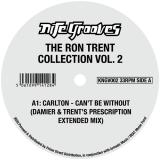













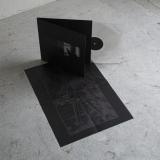




![cv313 - Echospace [Detroit] Presents: "Altering Illusions" [1/3] REMASTERED (2x12")](https://www.deejay.de/images/l/3/8/1242238.jpg)


