Alvorada is Montanha’s first long play: an ambient-leaning work, nocturnal in mood yet touched by electricity, tracing a journey from waking activity into dream logic. Recorded mostly in the late hours of the evening with windows open to the city, letting its air and sounds influence the music, it sometimes reached the early moments of sunrise. The title, meaning “dawn,” reflects both the liminal hours of its making and the band’s own renewal. These tracks are closer to drawings than songs: narratives written between instruments, moments of tension and release, fragments of memory and dream. The tracklist follows this nocturnal voyage with the patience of Eno, the disquiet of Uematsu, and the madness of Miles Davis’ Decoy, oscillating between streets and sleep, routine and reverie.
Montanha was formed in 2010 by André Azevedo, Nuno Oliveira, João Sarnadas, and Tito Silva, bonding over architecture school all-nighters on videogame soundtracks (Age of Empires, Super Mario). They began as a psychedelic rock combo and in 2013 released their self-titled EP which introduced a raw, improvised energy. But the album that was meant to follow was abandoned as the band entered hiatus. The four members turned their creative drive towards co-founding Favela Discos, where experimentation with media and form reshaped their ideas of music, and developed their taste, their way of playing, and a more personal sound that was more open and disconnected from a defined genre.
By 2017, Montanha had returned to the studio with new experience, no longer a rock band in the traditional sense but a project devoted to improvisation and electronic soundscapes. An ever gentrifying city forced them to abandon acoustic drums, and they embraced electronic beats instead, and became mobile; one guitar dissolved into full synths, leaving the other to converse with bass. Improvisation remained their compass. In improvisation there are no mistakes, only missed opportunities. Montanha found their opportunity in the routine of the studio to break routines of pop and experimental. The result is a body of nearly fifty hours of recordings, sculpted into an album.
Alvorada is not only Montanha’s first LP but also the dawn of their new phase. Improvised yet carefully sculpted, the record expands the territory of the song into nonlinear narratives, letting the language of night, dream, and city seep into its form.
"Use your shoes they said !"
10 tunes for the dancefloor ! The one you gonna dig with you feets while dancing !
Khaoz Engine is a very free open minded musician : able to press with underground italian labels (Mechanical Brain) or french crazy labels (Karnage) or big time PRSPCT or scotish Motormouth... As well he totally influenced by the Rebelscum/Deathchant crew.
Please welcome his first album !
And its graphist Ultraflex.
! 300 Limited copies !
As usual cut by Simon Davey
Pressed at Records Industry...
For the best hit combo !
out of Stock
Last delivered 10 months ago available to reorder, subject to availability
Frontman Chris Reifert was already a well-known force on the underground through his time as drummer with Florida's highly respected death metal combo Death. After playing drums on the band's debut album, the much acclaimed 'Scream Bloody Gore', Chris moved back west to the more open climate of San Francisco & formed Autopsy. The band released the demo 'Critical Madness' in 1988 & it wasn't long before Peaceville Records snapped them up in a deal initially spanning 4 albums.
The partnership kicked off in April 1989 with their debut album 'Severed Survival'; a brutal explosion of heavy riffs, tight drumming & a screaming vocal, rounded off with concepts of death, disease & diabolica. This was swiftly followed up with the equally genre-defining 'Mental Funeral' opus in 1991. Released in the autumn of 1995, Autopsy's then fourth & final album before splitting, 'Shitfun', was a glorious scatological gross out & exercise in the limits of extremity & a fitting end to one of the finest bands of a Doomed generation before their return from the grave in 2009 which has continued to go from strength to strength to the current day. This thirtieth anniversary vinyl pressing of 'Shitfun' is presented on bowel- busting limited brown marble- effect vinyl, including the original cover art & printed inner sleeve.
Manteca’s 2014 album, first time on vinyl. Manteca, the London Latin jazz/salsa funk combo, are back with a first-time vinyl release of their brilliant digital album “Oye” from 2014. “Oye” is a collection of heavy-duty Latin music that reaches well beyond the standard salsa or Cuban dance-band style, appealing to anyone and everyone, from mambo dancers to B-boys, jazz brothers to soul sisters! Led by Colombian singer Martha Acosta and bassist Javier Fioramonti, who have played with everyone from Roberto Pla and Candela, to Alex Wilson’s groups and Salsa Celtica, as well as backing Latin legends such as Joe Bataan, Jack Costanzo, Henry Fiol and Azuquita, this band really cooks! “Que Pasa” is smoking Latin funk, this will get your head nodding and foot tapping for sure.“Oye”, a lovely mid-tempo Afrobeat/Latin jazz fusion number with punching brass and super-funky kit playing. There are three cover versions on the album: Horace Silver’s “The Jody Grind”, a 1960s Blue Note Records soul jazz classic. Manteca does it justice, taking the original and turning it into a heavy Mongo Santamaria style funky Latin soul belter. Sergio Mendes’s “Groovy Samba” is also given the 1960s Mongo “Watermelon Man” style Latin soul jazz treatment. Very hip arrangement, and some fantastic brass soloing in there too. The last one is a brave choice. It’s the timeless bolero standard “Como Fue”, which the band plays beautifully. “Para Pello” (“For Pello”), a conga-style big percussive beat that evolved from Afro-Cuban street carnivals. Secondly, “Bomba Chevere”, a blend of Puerto Rican bomba and Colombian cumbia. The big Afro-Cuban track of the album is “Descarga China”, which has two different mixes. One is a descarga funk mix with some heavyweight kit playing and smoking trumpet soloing, while the other is a more straight-ahead Latin jam with Javier’s upright bass playing underpinning the whole number in a very Cachao way. Big shouts to the whole band, which features some of the best musicians from the London Latin music scene of the last three decades. These cats are as good as you’ll get in Latin music from anywhere across the world.This London Latin music gem has been crying out for a vinyl release for over a decade. At last, it's here. Slap it on the turntable, drop the needle on track one, turn the volume up, press play and be ready to dance. Standing still is NOT an option! DJ Lubi (One Jazz / Totally Wired Radio)
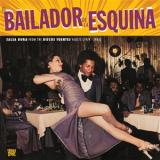
This curated collection highlights hard-to-find salsa 45s from the Discos Fuentes vaults-deep cuts that have long flown under the radar but still light up dance floors today. These tracks, once pressed in small numbers, feature top tier musicianship, fiery brass, unforgettable grooves, and lyrical gems that reflect the rich diversity of Colombia's musical landscape. Among the featured artists are: Super Combo "Los Famosos" with their irresistible barrio anthem 'El Bailador de la esquina', capturing the spirit of Cali's street life, Sexteto Manaure, delivering a poignant son that blends regional pride with poetic nostalgia, La Protesta de Colombia, a revolutionary Barranquilla outfit that gave a young Joe Arroyo his early spotlight and channeled the rebellious pulse of the times. This compilation also includes a range of studio experiments and covers-where artists like Piper Pimienta, Galileo y Su Banda, and La Integración reimagined beloved hits, from boleros to vallenatos, through a distinctly Colombian salsa lens. These obscure gems, long scattered across dusty crates and forgotten jukeboxes, now find new life. They speak not just to the past, but to a timeless rhythm that still moves dancers and dreamers alike.
Soul Jazz Records delve into the vast vaults of Discos Fuentes, one of the oldest and largest record companies in Latin America, known as "the Motown of Colombia". Discos Fuentes played a major role in spreading Afro-Latin sounds both to Colombia and around the world and this album explores that legacy. Latin Fire! features legendary Colombian artists such as Fruko, The Latin Brothers, Michi Sarmiento, Afrosound, Pedro Laza, Wganda Kenya and more and showcases the wide-ranging variety of styles that Discos Fuentes made unique to their sound. The album features music from the golden era of Fuentes; from late 50s and 1960s Cumbia through to the emergence of heavyweight and hardcore salsa and Afro-funk in the 1970s and up to the early 1980s.
out of Stock
Last delivered 7 months ago available to reorder, subject to availability
"Streben Sie nach Tiefe, Klangfülle und dem organischen Aspekt des Klangs, während Sie die Klangfarben der Instrumente sublimieren." Im September 2024 schloss sich Kacimi für drei Tage in Christian Hierros Back To Mono Studio in Lyon ein, um eine Live-Session aufzunehmen. Begleitet von seiner Band La Mécréance wurde dieses neue Werk unter Konzertbedingungen auf einem 8-Spur-Tonbandgerät aufgenommen, mit einem Mikrofon pro Musiker und einigen Umgebungslautsprechern, um die Energie und Intensität der Combo einzufangen. Mit außergewöhnlichen Telefunken V71-, V72- und V76-Röhrenvorverstärkern und altmodischen Bändchenmikrofonen, um so nah wie möglich an der Realität zu bleiben, nimmt Kacimis neues 9-Track-Album "Mauvaise" die Form eines klanglichen Garage-Epos an, in dem Fuzz-Gitarren im Mittelpunkt stehen. Kacimi bietet hier eine Auswahl neuer Titel sowie einige bekannte Stücke aus seinem Live-Repertoire.
Italian cinematic funk legends Calibro 35 continue their journey into the world of cinematic jazz-funk. "Exploration" marks their return to independent label Record Kicks after their last studio album "Nouvelle Aventures" released on Universal Music in 2023. The band picks up from their latest EP, "Jazzploitation," released on Record Kicks last October. "Exploration" is a deep dive into the universe of cinematic jazz-funk, showcasing both the band's reinterpretations of timeless classics such as Roy Ayers' "Coffy" or Bob James "Nautilus" and original compositions by the band such us the lead single "Reptile Strut", the jazz-funk stormer "The Twang" and the soulful cinematic number "Pied De Poule". An exploration and a new journey for the Milanese combo that a long its way pays homage to artists such as Lalo Schifrin (Mission Impossible), Italian Maestro Piero Umiliani (Discomania and Gassman Blues) and Herbie Hancock (Chamelon). Described by Rolling Stone as "the most fascinating, retro-maniac and genuine thing that has happened to Italy in the past few years," Milan-based Calibro 35 enjoy a worldwide reputation as one of the coolest independent bands around. Active since 2007, during their long career, they have been sampled by Dr. Dre on Compton ("One Shot One Kill" feat. Snoop Dogg), Jay-Z ("Picasso Baby"), The Child of Lov & Damon Albarn ("One Day"), and Demigodz ("The Summer Of Sam"). They have played major venues and festivals all over Europe, and as unique musicians, they have collaborated with, among others, PJ Harvey, Mike Patton, John Parish, Stewart Copeland, and Rokia Traoré. FOR FANS OF... Piero Umiliani, El Michels Affair, Idris Muhammad, Surprise Chef, Nu Genea, Khruangbin, Snarky Puppy, The Cinematic Orchestra, Comet is Coming, Kamasi Washington
out of Stock
Last delivered 10 months ago available to reorder, subject to availability
In Guadeloupe, many people think that jazz and ka music are like a ring and a finger. To some extent, the same could be said about so called Latin music and the music played in the French West Indies.
Both aesthetics were born in the Caribbean and bear so many connections that they can easily be considered cousins. In constant dialogue, there are lots of examples of their fruitful alliance and have been for a while. The English country dance that used to be practiced in European lounges came to be called kadrille in Martinique and contradanza in Cuba. They both featured additional percussion instruments inherited from the transatlantic deportation. Drawing from shared feelings about the same traumatized identity – later to be creolized – it would be hard not to assume that they were meant to inspire each other. The golden age of the orchestras that graced the Pigalle nights during the interwar period further proves the point. As soon as the 1930s, Havana-born Don Barreto naturally mixed danzón and biguine music in a combo based at Melody's Bar. In the following decade, Félix Valvert, a conductor who was born and raised in Basse-Terre in Guadelupe, also worked wonders in Montparnasse with La Coupole, which was an orchestra made up of eclectic musicians. Afro- Caribbean performers of various origins were often hired on rhythm and brass sections in jazz bands, which used to enliven the typical French balls of the capital. In the 1930s and onwards, Rico’s Creole Band was one of them.
Martinican violinist-clarinettist Ernest Léardée, who would become the king of biguine music as well as the main figure of French Uncle Ben's TV commercials (a dark stigma of post-colonial stereotypes), had musicians from the whole Caribbean sphere play at his Bal Blomet – and they all enchanted "ces Zazous-là" (according the words of Léardée's biguine-calypso piece). In les Antilles (French for French West Indies), music history started to speed up in the 1950s, when trade expanded and radio stations grew bigger. The Guadelupean and Martiniquais youth tuned in their old galena radio sets to South American and Caribbean music. As for the women traders, les pacotilleuses, they bought and sold goods across different islands (the "passing of items through various hands" was thought to be most pleasurable) and brought back countless sounds in their luggage. Such was the case of Madame Balthazar, who once returned from Puerto Rico with the first 45rpm and 33rpm to ever enter Martinique.
Out of this adventure was created the famous Martinican label La Maison des Merengues, a music business she opened and undertook with her husband and which proved to be a major landmark. At the end of the 1950s, in Puerto Rico, Marius Cultier competed in the Piano International Contest playing a version of Monk's Round 'Midnight. He won the first prize and this distinction foreshadowed everything that was to come. Cultier, the heretic Monk of jazz, was quickly praised for writing superb melodies, always tinged with a twist that conferred a unique sound to his music. It didn't take long for the gifted self-taught musician to get to play with Los Cubanos, making a name for himself thanks to his impressive maestria on merengues.
The rest is history. Besides, in the late 1950s, Frantz Charles-Denis, born into the upper middle class in Saint-Pierre and better known by his first name Francisco, went back home after working at La Cabane Cubaine – a club located rue Fontaine where he had caught the Latin fever. Francisco's music was therefore heavily marked by his Cuban cousins' influence, which gave the combos he led a specific style and also led to renewal. Things were swinging hard in La Savane, located in the main square in Fort-de-France. He set up the Shango club close by and tested out the biguine lélé there, a new music formula spiced up with Latin rhythms. Soon afterwards, fate had him fly to Puerto Rico and Venezuela.
As for percussionist Henri Guédon (percussions were only a part of his many talents), he was born in Fort-de-France in May 22nd 1944, the day marking the celebration of the abolition of slavery. As an old man, he could remember that in " his father's Teppaz, a lot of hectic 6/8 music was constantly playing...". In the opening lines of his Lettre à Dizzy, a small illustrated collection of writings published by Del Arco, he highlighted the huge impact that cubop had on him as a teenage boy, around 1960. He eventually turned out to be the lider maximo in La Contesta, a big band steeped in Latin jazz. He was also the one who originated the word zouk to describe music which brought the sound of the New York barrio to Paris. It was the culmination of a journey that started in Sainte-Marie: "a mythical place for bélé, the equivalent of Cuban guaguancó". In the early 1960s, the tertiary economy developed to the detriment of agriculture. Yet rural life was where roots music emerged in Martinique and in Guadeloupe.
Record companies played a major part in the process of Latin versions sweeping across the islands – before reaching everywhere else. Producer Célini, boss of the great Aux Ondes label, and Marcel Mavounzy, both the head of Émeraude records - a firm which was founded in 1953 - as well as the brother of famous saxophonist Robert Mavounzy, were big names to bear in mind. Although there were many of them - all of whom are featured on this record - Henri Debs was definitely the major figure in the recording adventure. He proved to be so influential that he even got compared to Berry Gordy. In the mid 1950s, when he acquired his first Teppaz, he worked on his first compositions: a bolero and a chachacha. Then, he became the one man who made people discover Caribbean music, from calypso to merengue. He was among the first ones to rush out to San Juan, Puerto Rico, to buy records and distribute them through a store run by one of his brothers in Fort-de-France. He had members of the Fania All Star come and perform there, which he was madly proud about. He was also the first one to pay attention to Haitian music, such as compas direct and various other rhythms which would soon flood the market. As a result, many of the combos hitting his legendary studio would end up boosted by widespread "Afro-Latin" rhythms. However, he never denied his identity: gwo ka drums were given a major role, although they were instruments which had long been banned from the "official" music spheres. The present selection bears witness to such a creative swarming. Here are fourteen tracks of untimely yet unprecedented cross-fertilization: all types of music rooted in the Creole archipelago have found their way, whatsoever, to the tracklisting. Whether originating from the city or being more rural, they all go back to what Edouard Glissant, in an interview about the place of West Indian music in the Afro-American scope, called "the trace of singing, the one which got erased by slavery." "It is so in jazz, but also in reggae, calypso, biguine, salsa... This trace also manifests through the drums, whether Guadelupean, Dominican, Jamaican or Cuban... None of them being quite the same. They all point to the idea of a trace, seeking it out and connecting to each other through it. This is the hallmark of the African diaspora: its ability to create something new, in relation to itself, out of a trace. It may be the memory of a rhythm, the crafting of a drum, a means of expression which doesn't resort to an old language but to the modalities of it." The opening track features one of the emblematic orchestras of this aesthetic identity, criscrossing many music types from the archipelago. The 1974 Ray Barretto guajira – Ray Barretto was a major New York drummer influenced by Charlie Parker and Chano Pozzo – is magnificently performed by Malavoi, a legendary Fayolais group (i.e from Fort-de-France). Additionally, the compilation ends on a piece by Los Martiniqueños de Francisco. It symbolically closes the circle as it is a genuine potomitan of Martinique culture which also functions as a tireless campaigner for Afro-Caribbean music. Practicing the danmyé rounds (a kind of capoeiria) to the rhythm of the bèlè drum, it delivers a terrific Caterete, a kind of champeta of Afro- Colombian obedience which was originally composed by Colombian Fabián Ramón Veloz Fernández for the group Wgenda Kenya. The icing on the cake is Brazilian Marku Ribas, who found refuge in Martinique in the early 1970s, bringing his singing to the last trance-inducing track. These two "versions" convey the whole tone of a selection composed of rarities and classics of the tropicalized genre, swarming with tonic accents and convoluted rhythms. It is the sort of cocktail that the West Indians never failed to spice up with their own ingredients. For instance, the Los Caraïbes cover of Dónde, a famous Cuban theme composed by producer Ernesto Duarte Brito, has a typical violin and features renowned Martinique singer Joby Valente and his piquant voice.
The track used to be – or so we think – their only existing 45rpm. The meaningful Amor en chachachá by L'Ensemble Tropicana, a band which included Haitian musicians among whom was composer and leader Michel Desgrotte, also recalls how Latin music was pervasive in the tropics in the mid-1960s. They were the ones keeping people dancing at Le Cocoteraie in Guadelupe and La Bananeraie in Martinique. Around the same time, another "foreign" band, Congolese Freddy Mars N'Kounkou's Ryco Jazz, achieved some success on both islands by covering Latin jazz classics – such as their adaptation of Wachi Wara, a "soul sauce" by Dizzy Gillespie and Chano Pozo whose interweaving of strings and percussions can have anyone hit the dancefloor. How can you resist Dap Pinian indeed, a powerful guaguancó by Eugene Balthazar, performed by the Tropicana Orchestra and published by the Martinique-founded La Maison des Merengues? It also acts as a symbol of the maelstrom at work. Going by the name Paco et L'orchestre Cachunga, Roger Jaffory used to play guaguancó too: his Fania-inspired Oye mi consejo is one example of his style. Baila!!!!! Dancing was also one of the Kings' focus points. Oriza is a Puerto Rican bomba and a "classic" originally composed by Nuevayorquino trumpeter Ernie Agosto, which reserves major space for brasses, giving it a special sheen.
Emerging from the New York barrios crucible was also La Perfecta, a Martinique group originating from Trinidad, whose name directly references the totemic Eddie Palmieri figure as well as his own band, also called La Perfecta. Here they borrow Toumbadora from Colombian producer and composer Efraín Lancheros and interpret it by emphasizing percussions, which set fire to the track even more than the wind instruments. The same goes for Martinique's Super Jaguars, who use Tatalibaba – a composition by Cuban guitarist Florencio "Picolo" Santana which was made famous by Celia Cruz & La Sonora Matencera – as a pretext for sending their cadences into a frenzy. In a more typically salsa vein, the Super Combo, a famous Guadelupean orchestra from Pointe-Noire that was formed around the Desplan family and had Roger Plonquitte and Elie Bianay on board, adapt Serana, a theme by Roberto Angleró Pepín, a Puerto Rican composer, singer and musician also known for his song Soy Boricua. Here again, their vision comes close to surpassing the original. In the 1970s, L'Ensemble Abricot provided a handful of tracks of different syles, hence reaching the pinnacle of the art of achieving variety and giving pleasure. They played boleros, biguines, compas direct, guaguancó and even a good old boogaloo - the type they wanted to keep close to their hearts for ever, "pour toujours", as they sang along together in one of their songs. Léon Bertide's Martinican ensemble excelled at the boogaloo which had been composed by Puerto Rican saxophonist Hector Santos for the legendary El Gran Combo.
Three years later, in 1972, Henri Guédon, with the help of Paul Rosine on the vibraphone, tackled the Bilongo made famous by Eddie Palmieri. Such a classic!!!!! And so were the Aiglons, the band from Guadelupe: choosing to execute Pensando en tí, a composition by Dominican Aniceto Batista, on a cooler tempo than the original, they noticeably used a wonderfully (un)tuned keyboard in place of the accordion. On the high-value collectible single – the first one released by Les Aiglons under the Duli Disc label – there is a sticker classifying the track under the generic name "Afro". Now that is what we call a symbol. Jacques Denis
out of Stock
Last delivered 7 months ago available to reorder, subject to availability
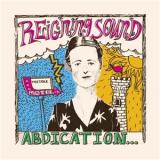
Als er 2011 von Scion angesprochen wurde, um ein Album für die Musik-Promotion-Abteilung der Automarke aufzunehmen, konnte sich Reigning Sound Frontmann Greg Cartwright nicht weigern - trotz oder geraden wegen der prekären Existenz seiner Band zu dieser Zeit. "Mehrere Besetzungswechsel hatten sich ergeben. Die Ursprungsbesetzung, das "Memphis-Quartett", war längst aufgelöst, und ich dachte über die Möglichkeit nach den Namen Reigning Sound zurückzulassen", so Cartwright. "Ich hatte beschlossen eine Pause einzulegen, um an Produktionen für andere Leute zu arbeiten und Songs zu schreiben für The Parting Gifts, meine Zusammenarbeit mit Coco Hames." Aber plötzlich hatte Reigning Sound dieses Toyota Angebot auf dem Tisch, und es gab keine Band. Neben Cartwright war die eine Konstante der letzten drei Reigning Sound Jahre Keyboarder Dave Amels, der ansonsten in der Brooklyn-Soul-Combo The Jay Vons Schwarzarbeit machte. Etwa zur gleichen Zeit war Dan Auerbach von den Black Keys nach Nashville gezogen und kümmerte sich dort in seinem Privatstudio darum, dem Gitarrensound der Parting Gifts Platte den letzten Schliff zu verpassen. "Dan war begierig darauf, etwas im neuen Studio zur Vorbereitung auf eine bevorstehende Sitzung mit Dr. John zu tun, und bot er mir etwas Studiozeit sowie seine Produktionsunterstützung an. Da saß ich nun ohne Band in einem Nashville-Studio, die Uhr tickte. Ich rief in Brooklyn an und The Jay Vons sagten ja. Ich rief Scion an und bat um drei Flugtickets und Hotelzimmer. In wenigen Stunden war die Band auf dem Weg nach Nashville. In zwei Tagen nahmen wir fünf Songs auf. Ich habe diese fünf mit drei Outtakes der vorherigen Reigning Sound LP "Love and Curses" mit Lance Wille am Schlagzeug und Dave Gay am Bass kombiniert.", erzählt Cartwright und fügt hinzu: "Greg + The Jay Vons ist die bis heute gültige Reigning Sound Besetzung." Nach der Veröffentlichung von "Abdication...." brachten Reigning Sound 2014 die beliebte "Shattered" LP raus. Cartwright war zudem seitdem ausgiebig mit den reformierten Oblivians auf Tour.
Ranil is undoubtedly the most unconventional figure among the greats of Amazonian cumbia, earning a well-deserved place alongside iconic bands like Los Mirlos, Los Wembler's, and Juaneco y su Combo. This compilation offers a glimpse into the vast musical output Ranil created in the late 1970s and early 1980s. Psychedelia, rock fusion, cumbia, salsa, mambo, Amazonian folk_ you'll find all these flavors blended into the vibrant, jungle-rich sound Ranil crafted. DESCRIPTION Ranil is undoubtedly the most unconventional figure among the greats of Amazonian cumbia, earning a well-deserved place alongside all the better-known iconic bands. He worked as a teacher, criollo guitarist, radio host, TV entrepreneur, and politician, but gained lasting fame as the founder of Ranil y Su Conjunto Tropical in the 1970s. By 1968, around the same time Los Destellos were making waves in Lima, groups like Los Wembler's de Iquitos and Juaneco y su Combo began electrifying cumbia in Iquitos. This new genre, dubbed Amazonian cumbia, exploded nationwide in 1973, thanks to hits by Juaneco y su Combo, Los Mirlos, and Los Wembler's. The success these bands achieved spawned dozens of other groups from the Amazon. Ranil, always a visionary, recognized the movement's potential and joined forces through his first single recorded on the Dinsa label in 1974. Unhappy with the contractual terms, he went on to found Producciones Llerena, the label on which he would release the rest of his discography. Over the years, Ranil y su Conjunto Tropical featured guitarists like Límber Zumba and Luis Nigro, while Ranil remained the lead vocalist and bassist for group. Zumba and Nigro had already played with other regional bands and written songs for groups like Los Destellos and Los Mirlos. This compilation offers a glimpse into the vast musical output Ranil created in the late 1970s and early 1980s, bringing together 14 tracks from the band's 10 LPs. These records have always been hard to come by as, despite being recorded in Lima, they were distributed by Ranil from Iquitos. Psychedelia, rock fusion, cumbia, salsa, mambo, Amazonian folk_ you'll find all these flavors blended into the vibrant, jungle-rich sound Ranil crafted.
out of Stock
Last delivered 13 months ago available to reorder, subject to availability
Founded in 1966, The Beachers is a group whose music is inspired by Caribbean rhythms and Panama’s musical tradition. Calypso, salsa and bolero are part of the unique Beachers sound, whose popularity peaked in the 70s during what is known as “The Golden Era of National Combos”. The Beachers have released 13 albums and more than 30 singles to their name, on prestigious Panamanian record labels like Tamayo, Loyola, or Sally Ruth Records, teaming up with other Calypso legends such as Lord Cobra.
The Beachers are still current and relevant, with five of the original members performing constantly through Panama and the world. Their energy and spirit is felt in the joy, rhythm and flavor of their songs.
Lloyd Gallimore, the band’s musical director since its foundation, and renowned producer Billy Herron have been working together on this new album, commemorating the group’s 50-year career.
This recording relives The Beachers’s magical trajectory and features collaborations with popular Panamanian musicians, a work that displays a sonic landscape filled with the history and legacy of Panama’s Calypso. It’s a tropical musical fantasy whose Caribbean influence has transcended time.
out of Stock
Last delivered 14 months ago available to reorder, subject to availability
Electro tastemaker Adam Curtain shows his class again across three new cuts on this latest for Infiltrate while Enchanted Rhythm steps up for one collaboration. That track, 'RSKOUSS' is a body-popping mix of breaks and clattering percussive hits with spooky synths and plunging bass finishing it in style. With the solo cuts, Curtain first explores acid laced and bass-heavy broken beat on 'You Say You Love Me' then smoky futurism with 'Olive Man' and its moody low-end oscillations and bleeping synth tones. Another brilliantly snappy kick and clap combo brings the funk to 'Urchinitus' while distant pads nag like the memory of a lost love. These are storied beats for knowing 'floors.
out of Stock
Last delivered 12 months ago available to reorder, subject to availability
Cinematic funk visionaries The Diasonics drop a new disco-funk 45 vinyl with two killer tracks tailor made for DJs and cinematic funk fans. Only 500 copies pressed wordwide, instant collector's item. From the snowy streets of Moscow to the crates of vinyl diggers worldwide, cinematic instrumental combo The Diasonics unleash a new limited edition clear vinyl 45 with two killer tracks taken from the upcoming new album "Ornithology", set to drop worldwide on October 3 via Record Kicks. On the A side "Oriole" is a vintage disco-funk stormer taking inspiration both from the Soviet-era disco and jazz fusion records, as well as from 70s European library music and synth-funk movement. A minimalist synthesizer melody echoing the song of the oriole, paired with a steady disco-funk groove reminiscent of a train in motion ("Oriole" is also the name of a popular Russian electric train) lay the foundation of their most danceable track to date. The b-side holds the equally strong "Chickadee" a funk stomper with bold bassline and heavy b-boy breaks and percussions and a NY early 80 vibe able to set every dancefloor on fire. A peerless party-starter that you just don't want to miss it. Formed in 2019, this four-piece instrumental unit _ Daniil Lutsenko (electric guitar), Kamil Gazizov (keyboards), Maksim Brusov (bass), and Anton Moskvin (drums & percussion) _ quickly gained cult status through a series of sought-after 45s on Mocambo and Funk Night Records. Their critically acclaimed debut album "Origin of Forms" mixed by Henry Jenkins, producer of the Australian cult band Surprise Chef, came out on Record Kicks in 2022. The vinyl went sold out in few weeks and is now in-demand on the international cinematic funk scene.
out of Stock
Last delivered 14 months ago available to reorder, subject to availability
It’s very difficult to describe someone as prolific as Misha Panfilov. So, I feel the best way to define him is to think of a “Trivial Pursuit Playing Piece,” where each pie piece represents one of the bands he heads up, and each band has its own distinct style and genre. Yet, when looked at all together, create the whole musical persona of Misha. This is the lens I would like to view his latest endeavor, Days As Echoes.
The vibe on this sophomore release channels Krautrock philosophy and Library music, peppered with elements of jazz, Ethiopian, cinema, ambient and bits of everything between. This atmosphere is created from all the instruments Misha uses and the resulting compositions are heard as repetitive patterns that are forged from the multiple layering of melodies. Thus, creating six unique songs with emotional granularity, yet collectively encompass a genuinely positive “feel good” vibe…with a hint of nostalgia.
Moods of the day, moods like echoes say, A future of hope is yours, by following the Sun’s ray.
The opening track, “Days As Echoes,” is a dedication to a much simpler time when the sky was bluer and the snow was whiter…just like how you remember it when you were a child. A time when people honestly cared more about everything as a given, and not as a selfish accolade. A time when optimism seemed within reach. In other words, nostalgia marred by awareness.
…Leading to a path where the skies are not gray. Where dreams of castles in the air are the mainstay.
“In A Dream” has a style that pays homage to both spiritual jazz and ambient music. A simple theme is introduced and leads to the climax of this stormy dream, putting it all in perspective. That pivotal point when one realizes the truth by re-tracing the events, which led to the epiphany of how to find the answer while traveling within this airy soundscape.
…Diurnal or nocturnal, day or night, Traveling the path of truth must be done without fright.
One can’t help but feel a definite traveling vibe that comes from “Moonscape Waltz” To me, it has a dual-characteristic that can be visualized as a train trip, either at sunrise or sunset. Regardless, the time is not of major relevance, but the actual pursuit is. Lao Tzu said, “The journey of a thousand miles begins with that first step.” This track takes you beyond that initial step into this vast world toward your destination as you search for the truth.
…The unknown is real, but you know the deal. People need people to show which direction you point the wheel.
“Together” is the most peaceful and solo oriented compositions of this album. It shows how one cannot achieve happiness alone, but the importance of having someone special or a group of others to help along the way. Not only to help seek your goal, but also the ability to enjoy the scenery while on your journey
…The end of this tunnel has a light that’s so bright. Illuminating the trodden way, your destination, now in sight.
One is free from the chains of the unknown as you listen to a “Few Layers For Smith”, a dedication to a friend. A song that draws energy from the ECM works of Steve Reich, thats married with a primitive lo-fi basement setting. Its positive force breaks those encumbrances and gives you a glimpse of your prize. But you ruminate on this and come to the conclusion that the path that led you there is equally important as the goal itself. Question is, how do you share your realizations and experiences?
…The route was cast, the trials have passed. The glittering treasure you sought is yours now, at last.
“Ocean Song” meanders from the ritual rhythms of its shoreline to the crashing riptides of unbridled guitar feedback, creating this raging ocean atmosphere. However, its message is quite clear and states that people’s goals and experiences are not just meant for personal growth, but to be shared with
others, so that they too can live vicariously thru your story and somehow utilize it for their own.
…The prize has been won, but the journey is never done. You now have the responsibility to share everything under the Sun.
These six songs, each with its own sound, collectively comprise the vibe of this album. One cannot help but feel a sense of joy and fulfillment when listening to it. Each song has its own unique mood, yet together create an atmosphere of hope and happiness that has no choice but to spill out of the listener. I feel this was the ultimate goal of Misha’s on this record. Quite a challenge for the man who never sleeps, but is always searching for the perfect beat. One may not fully grasp his musical mind, but this album does give you a gateway into the moods and magic of Misha!
- Brent Sawicki
out of Stock
Last delivered 83 days ago available to reorder, subject to availability
Berlin-based Colombian DJ, producer, and curator Edna Martinez presents a sonic journey into the electrifying world of Picó—the vibrant and dynamic sound system culture that has defined the streets of Cartagena and Barranquilla for decades. More than just a musical movement, Picó is a way of life, a bold expression of identity, community, and resistance. From its roots in the working-class neighbourhoods of Colombia’s Caribbean coast to its deep connections with Africa and the Caribbean, this compilation captures the pulse of a culture where music is played at full volume, rhythms travel across oceans, and dance is both a form of celebration and storytelling. For those unfamiliar, Picós are hand-painted sound systems, often adorned with dazzling colours and striking imagery, each with its own name and sonic identity. These mobile discos became the heart of neighbourhood bailes, where the sounds of champeta, highlife, soukous, mbaqanga, zouk, soca, and cumbia would turn every street corner, market, and terrace into a dancefloor. Initially built by local craftsmen using modified speaker components, Picós became legendary for their powerful bass and exclusivity, with DJs sourcing rare vinyl from African and Caribbean ports and rebranding them with unique piconemas—new names adapted to local slang, making the tracks instantly recognisable within the community.
This compilation brings together a carefully curated selection of these rare and sought-after tracks, tracing the deep-rooted musical exchanges between Colombia, West and Central Africa, and the Caribbean. Featuring artists like Los Corraleros De Majagual, Peacocks International Highlife Band, Pedro Lima, Zaïko Langa Langa, and more, the album also includes edits by Edna Martinez, reimagining these timeless rhythms for contemporary audiences while staying true to their original spirit.
Strut presents ‘Picó! Sound System Culture From The Colombian Carribbean’ across 2LP Vinyl, 1CD & Digital focusing on a celebration of the raw, undiluted energy of Picó culture. Through Edna Martinez’s curation, and extensive liner notes, this compilation offers a powerful and authentic glimpse into one of the most vibrant musical traditions of the Colombian Caribbean
out of Stock
Last delivered 13 months ago available to reorder, subject to availability
Standard redefined The professional RMX-95 4+1 channel club mixer blurs the lines between analogue workflow and digital technology. The RMX-95 is a cutting-edge, extraordinarily versatile creative tool thanks to its dual-USB 2.0 interface, redesigned effects section, optional MIDI mapping of all controls and smooth integration of the djay Pro DJ software. The club mixer has a familiar and user-friendly interface, making it suitable for both professional and hobby DJs.
Surgical sound manipulation in every detail Will you go for ''Classic'' or ''Kill''? The RMX-95's 3-band EQ can be adjusted to allow maximum sound control for unique results. Echo, Reverb, Flanger, Phaser, Vinyl Brake, Loop Roll, Noise, Pitch Shift, Delay, Ping Pong Delay, Tape Delay, Bit Crusher and Transformer are just some of the many studio-quality effects included in the brand-new Beat FX unit. The dedicated FX frequency control (LPF/HPF) lets you apply the effects to a specific frequency range for a more unique sound. And that's not all: Each channel also features a bipolar filter unit (LPF and HPF) with real-time resonance adjustment. This allows for even more complex sound productions. Two digital displays show parameter changes in real time for precise control that goes beyond hearing. Connections galore The RMX-95 also excels in terms of connectivity: Four CD, two line, and two phono inputs are available on the four input channels. The separate microphone channel has two microphone connections (1 x jack, 1 x jack/XLR combination jack) and an additional AUX input. The master output offers RCA or balanced XLR cable connections. The booth output has two jack connections for stereo operation. However, it can also be used in mono mode.
A recording device can be connected to the Rec output via RCA jacks to record DJ sets regardless of the master output level. Last but not least, the DJ mixer has two jacks for headphones. Crisp cuts and smooth blending The adjustable curve of all faders provides DJs with the creative flexibility they want while mixing. Turntablists and scratch wizzards can also upgrade the crossfader with the contactless RMX innoFADER. Maximum flexibility: dual-USB audio interface Superior 24-bit sound quality is provided by the ten inputs and outputs of the high-quality dual-USB 2.0 interface. The two USB ports allow smooth transitions between DJs and maximum flexibility when using different setups in a single club night. In addition, the active USB hub enables the connection of additional USB devices. Fully digital architecture The RMX-95's digital architecture transforms the DJ mixer into an individually mappable MIDI controller. As part of this, the setup menu provides a wealth of customisable options, such as EQ frequency range, Neural Mix EQ mode, audio interface routing, and zone routing for the booth output. DVS-enabled for djay Pro & Neural Mix The RMX-95 works with Algoriddim djay Pro via plug and play. The DJ app's ground-breaking Neural Mix function lets you isolate beats, melodies, and vocals in the mix in real time. The RMX-95 supports djay Pro's advanced DVS integration with Mac, PC, iPhone and iPad.
The DJ software is also compatible with streaming services like Apple Music, Tidal, SoundCloud, Beatport and Beatsource. Indestructible design The club mixer's sleek black metal surface is not only eye-catching but also highly durable. The solid metal housing and hard-wearing metal shafts in all of the built-in potentiometers and switches provide a long service life, even with heavy club use. An internet connection and a separate Apple Music, Tidal, Beatport, Beatsource or SoundCloud subscription is required to use this service.
Professional 4+1-channel DJ club mixer - DUAL 10 In/Out USB 2.0 audio interface with superb, 24-bit sound quality
New Beat FX unit with multiple effects in studio quality: Echo, Reverb, Flanger, Phaser, Vinyl Brake, Loop Roll, Noise, Pitch Shift, Delay, Ping Pong Delay, Tape Delay, Bit Crusher,Transformer - FX frequency control (LPF/HPF) for manipulating effects in selected frequency band -
Sound filters: Bi-polar filter unit with LPF and HPF - Realtime resonance control for channel filters - Active USB hub to connect USB accessories
3-band EQ with adjustable behaviour (classic/kill) -
Two digital displays showing real-time information of parameter changes -
Digital mixer architecture with extensive adjustment options - Extensive setup menu, including:
- EQ frequency range (low, high)
- Neural Mix EQ mode
- Audio interface routing
- Booth output zone routing (matrix)
- Cue solo option
- RMX innoFADER compatible
- Adjustable linefader and crossfader curves
- MIDI-compatible control elements
- 2x High-retention USB 2.0 port, especially durable
- 2x Headphone outputs via 6.3/3.5 mm stereo jack with split cue
- 2x Mic inputs with dedicated MIC ON button
- Booth output in stereo or mono
- High-quality and hard-wearing, pure black metallic finish
- Sturdy construction in a metal housing with bolted metal shafts
- Kensington lock to secure the device
- Incl. instruction manual, power cord and USB cable
- Frequency Range: 20 Hz - 20 kHz +2/-3dB - Inputs: 7x line RCA, 2x phono RCA, 1x mic combo-XLR/jack, 1x mic 6.3mm jack (TR), 2x USB port - Outputs: master XLR (balanced), master RCA (unbalanced), booth (TRS) (balanced), rec RCA (unbalanced), 1x headphones 6.3mm jack, 1x headphones 3.5mm jack - EQ range classic at 70 Hz, 1 kHz, 13 kHz: -26 dB/+9 dB - EQ range isolator at 70 Hz, 1 kHz, 13 kHz: -90 dB (total kill)/+9 dB - EQ range mic at 100 Hz, 10 kHz: -12 dB/+ 12dB - EQ headphones at 100 Hz, 10 kHz: -29dB - Power Source: AC100-240V, 50/60Hz - Power Consumption: 29 W - Dimensions: 322(W) x 387(D) x 107.5(H) mm - Weight: 6.8 kg
The Argentinian punk-noise-queer combo Blanco Tet ais back with a new album from the underground scene of Buenos Aires. La debacle de las divas is a raw, satiric and emotional album about capitalism"s obsession with youth, and the burnout of always having to keep yourself "new." It dives into the sounds of pop and rock, noise, no wave and even metal and grunge, and it"s a record for the working-class divas, the Flixbus divas - too broke, too tired, too late, but still loud. Recorded live in one room, no overdubs, no edits-just the urgent chaos of cables, bodies and feedback. It"s danceable, glitchy, and full of heartache and rage. Fuck meritocracy. Fuck techno-feudalism. This is survival music for the ones paying subscriptions to platforms that censor them. La debacle de las divas is a shelter and also a call to arms for outdated divas.
Random Coloured Vinyl
Nu-Tone presents Combo Tezeta's debut 7" vinyl record! The A-side, "La Danza Del Camaleón" is an instrumental cumbia-salsera that takes you on a tropical trip with a touch of psychedelia. On the flip side, a dark mid-tempo bolero called, "La Reina Nocturna". Remastered from the original verion, released by Discos Más in 2020. Based out of the Bay Area, Combo Tezeta plays a highly danceable blend of instrumental Cumbias, Chichas, and Musica Tropical inspired by the late 60's and early 70's era of psychedelic Peru. Layering the reverb-fueled sounds of surf rock onto the foundations of Cumbia, the band's focus is to highlight the rich melodies and hypnotic rhythms birthed from the Afro-Latin diaspora. Along with its appreciation of world music and its diverse cultures, Combo Tezeta's mission is to deliver the sounds and musical echoes of the past to the present through a combination of traditional and original music. Combo Tezeta was featured in Noise Pop 2023 and has played Pacific Northwest tours with Satan’s Pilgrim and Thomas Lauderdale of Pink Martini 2023. The band has played famed Bay Area Venues the Chapel, Eli’s Mile High Club and the Ivy Room. In Summer of 2024 they toured the Pacific Northwest and Southern California, including an appearance at The Hardly Strictly Bluegrass Festival in San Francisco's Golden Gate Park. The band was chosen by NPR’s Tiny Desk Concerts to be one of 20 finalists (out of 7000), and featured them in the Northern California showcase of finalists at Lagunitas Brewery in 2024. “Oakland seven-piece Combo Tezeta kicked off the baile with a garage-band take on ’60s and ’70s classics and originals, with distorted guitars and jangly synths layering psychedelic ooze onto timbales and güiras. The musician’s solos revealed hard-won skills, but the band members looked remarkably chill as they played together fluidly.” – KQED
Michi Sarmiento takes center stage on this explosive double-sider from PANORAMA Records, the third release in their 'DISCOS PANORAMA' series, created in collaboration with the legendary Discos Fuentes from Colombia. On the A side, 'Mirame San Miguel' by Michi Sarmiento Y Sus Bravos (1972) brings that irresistible Colombian groove, full of energy and horn-driven soul. Flip it over for 'Cumbia Raja' by Michi Sarmiento Y Su Combo Bravo (1970), a classic cumbia weapon that’s been igniting dancefloors for decades. The Combo Bravo, led by Blas 'Michi' Sarmiento, was a pioneering force in the rise of salsa and tropical sounds in Colombia during the late '60s and early '70s. This reissue delivers absolute Colombian dancefloor HEAT—killer Latin music, built for DJs, collectors, and anyone who loves it loud.
out of Stock
Last delivered 15 months ago available to reorder, subject to availability
-Combo Chimbita formed in 2016 as a loose combination of friends and bandmates, many of whom had played together in other groups, all of whom were products of the Colombian diaspora who ended up as first generation New Yorkers making their way in the city's fertile music scene
-Dímelo marks the group's first release on Wonderwheel Recordings and in many ways marks a return to the band's roots, as well as a hint of what's to come
-The track was recorded in late 2023 alongside their last single "Margarita" with Victor Axelrod aka Ticklah (Antibalas, Sharon Jones & the Dap-Kings)
-Busy Twist is one of the leading artists of the new global dance underground with his sophisticated fusion of Afro, Latin and UK bass
-Busy Twist has worked with artists like Bomba Estereo, Alewya, Kevin Flores to name a few, and released music on labels like Soundway, Sony Colombia, Because London, and Jamz Supernova's Future Bounce
-They have released music on iconic and cult-favorite labels such as Anti- Records, Names You Can Trust and Figure & Ground
out of Stock
Last delivered 15 months ago available to reorder, subject to availability
Cinematic funk visionaries The Diasonics drop a new disco-funk 45 vinyl with two killer tracks tailor made for DJs and cinematic funk fans. Only 500 copies pressed wordwide, instant collector's item. From the snowy streets of Moscow to the crates of vinyl diggers worldwide, cinematic instrumental combo The Diasonics unleash a new limited edition clear vinyl 45 with two killer tracks taken from the upcoming new album "Ornithology", set to drop worldwide on October 3 via Record Kicks. On the A side "Oriole" is a vintage disco-funk stormer taking inspiration both from the Soviet-era disco and jazz fusion records, as well as from 70s European library music and synth-funk movement. A minimalist synthesizer melody echoing the song of the oriole, paired with a steady disco-funk groove reminiscent of a train in motion ("Oriole" is also the name of a popular Russian electric train) lay the foundation of their most danceable track to date. The b-side holds the equally strong "Chickadee" a funk stomper with bold bassline and heavy b-boy breaks and percussions and a NY early 80 vibe able to set every dancefloor on fire. A peerless party-starter that you just don't want to miss it. Formed in 2019, this four-piece instrumental unit _ Daniil Lutsenko (electric guitar), Kamil Gazizov (keyboards), Maksim Brusov (bass), and Anton Moskvin (drums & percussion) _ quickly gained cult status through a series of sought-after 45s on Mocambo and Funk Night Records. Their critically acclaimed debut album "Origin of Forms" mixed by Henry Jenkins, producer of the Australian cult band Surprise Chef, came out on Record Kicks in 2022. The vinyl went sold out in few weeks and is now in-demand on the international cinematic funk scene.
out of Stock
Last delivered 14 months ago available to reorder, subject to availability
In 1966, Oscar Agudelo recorded this elusive and lesser-known collector's gem called "Pa' mi muñeca" for Discos Fuentes. It is a rarity where the artist took an unexpected musical turn and performed several porros, paseaitos, gaitas, and cumbias, evoking the swaying motion and rolling waves of Colombia's Caribbean sound. It resonates with the echoes of a romantic minstrel laced with an unexpected richness of nuance, a hallmark of the cumbia sound. It's exactly the kind of music that lights up a tambó or a fandango circle on carnival night. A dozen tracks, none of them new, but suffused with a consciousness that can be understood within the context of their time and with the personality of the artist bold enough to bring them to life. 'Madre cumbia' opens the album with a festive, nostalgic mood, infused with the simple beauty and the electrifying beat of the tropics that immediately makes you want to get up and dance. It's a fantastic example of how to perform a song with passion and make the listener fall instantly in love with an album. 'Pa' mi muñeca', the title track, is a fast-paced paseaito that explores new paths that took a shortcut to the dance halls. A showstopper on the dance floor. 'Está como mango' is a porro-cumbia that charms with a rich tapestry of compliments, the calling card of many old-school tropical songs. 'Cumbia de recuerdo', 'Cumbia suave', 'Cumbia de Santa Marta', are back-to-back cumbias. This is an album devoted to recreating the strength of a musical genre that's been the soundtrack of Colombian life for decades. It's a record dedicated to capturing good times, filled with simple dreams, steeped in joyful energy, and shining with the uninhibited flair, or better said, the quality of the sixties. This album represents a milestone on the route cumbia had taken, both for Discos Fuentes and maestro Agudelo. First time reissue. Includes liner notes by genre expert Don Alirio.
With its mind-altering, waltzing-through-hot-asphalt take on the Supremes' "You Keep Me Hanging On" scorching the '67 charts, Vanilla Fudge burst to the forefront of all the "heavy" new combos. The group's debut disc is relaunched here in its rare and unique mono mix, a decidedly different and more powerful listening experience than the more common stereo release. Pressed on blue vinyl, cut from the original Atco analog reels!
STAR CREATURE's Global Caress series started this year off with a bang with newcomer ARSENE's "JACK SHIT" 7" selling out almost immediately. The followup here might just do the same… Another gruesome twosome of hard hitting, left field, electro acid. The half-Finnish, half-Estonian duo LLL add a distinctly Baltic outsider edge to the classic combo of Chicago jackin' house meets UK sound system culture. The fellahs tap an arsenal of original gear rescued and revived over the years to create hyper-saturated textures, thuggish rhythmic beats, squelchy acidic synths and mischievous microphone miscellany
out of Stock
Last delivered 16 months ago available to reorder, subject to availability
Salty Millers einziges Album ist ein verstecktes Juwel der Yachtrock-Szene, das 1980 in begrenzter Auflage erschien. Aufgenommen mit Mitgliedern der legendären Yachtrock-Combo The Embers, mischt die LP Soul, Disco und Midtempo-Stepper zum charakteristischen Szenetanz, dem Shag. Durchdrungen von pazifischen Sounds und gefühlvollen Streichern dient die LP sowohl als Liebesbrief an die goldenen Yachtrock-Jahre als auch als Ausreisser, der die Konventionen überschreitet. Während viele Songs nostalgische Yachtrock-Themen wie Liebe und Freude feiern, bieten andere mit einem nachdenklicheren Unterton eine seltene Abkehr vom traditionell sonnendurchfluteten Geist des Genres. Lang ersehnte, in den AIR Studios neu remasterte und geschnittene Neuauflage mit neuen Liner Notes.
out of Stock
Last delivered 16 months ago available to reorder, subject to availability
For their 21st release, Not An Animal Records welcomes the Northeast-of-England's Tom Rankin, aka Frequencies Of Love to the fold for his first-ever release. A half-step away from their usual low-slung sound, the EP is a bright and sepia-tinted affair bringing prime-time energy to the label. It is rooted squarely on the dancefloor and steeped with glimmering synthesizers and lashings of keys. Despite this stylistic departure, the ever-present driving grooves make it feel right at home.
The EP begins with Tucan, delicately shifting and changing synthesizer arps flow throughout, weaving a delightful tapestry of past and present.
The record glides smoothly into round 2 with Bpsyde pulling no punches; it has a distinct atmosphere of the old-school about it. A one-two of percussive breaks on the one hand and progressive bass on the other with LFO Arps, keys and nineties vocal chops completing the combo.
Pegasus is a shimmering whirlpool off the Adriatic coast. An antiphonal of choral chanting and female spoken word endlessly circle the groove, occasionally combining in a viscous duetto of wacky, Italo-flavored deliciousness.
For the remix, groove deconstruction connoisseur Fantastic Man gives Pegasus the Midas treatment. Riding a throbbing and reprogrammed bassline, key elements from the original mix cameo throughout the track, rounded off by piano chord progressions to complete the pensive sound that constitutes the glue throughout the EP.
out of Stock
Last delivered 68 days ago available to reorder, subject to availability
Jungle master Krak In Dub’s new album Catleya is a vibrant hommage to Colombia and its incredibly diverse musical culture. Entirely recorded in Bogotá with the who’s who of today’s Colombian music scene, the album casts a brand new light on the fusion of beats and Latin-American traditional rhythms and instruments, blending reggae, hip-hop, breaks and house with cumbia , afrobeat, ska, and bullerengue.
Standing out on this sun-soaked yet heavy-on-the-beats-and-bass adventure is the appearance of female modern folk trio La Perla, the Afro-Colombian combo Absalon & Afropacifico, and Bermudian singer Troy Berkley.
out of Stock
Last delivered 17 months ago available to reorder, subject to availability
Spawned on the day the earth stood still, COFFIN FEEDER is an unholy alliance between veterans in the Belgian metal and hardcore scene. A delirious and furious combo featuring members of Aborted, Leng Tch’e, When Plagues Collide and Fleddy Melculy spew forth a high energy blend of groove laden death metal, grind and hardcore. Though all members are from Belgium, they are from three different regions within Belgium and speak three different dialects, so the members have to convene in plain English in order to be able to understand each other. Now if that's not heavy, you don't know what is. Since its inception in 2021, COFFIN FEEDER unleashed 2 EP’s (‘Stereo Homicide’, ‘Over the top’) and played a ton of club shows through Europe. With already some a list festivals in Europe under their belt such as Brutal Assault & Summer Breeze, the band is continuing to take names and kick ass worldwide. The band didn’t sit still and as soon as they put the finishing hands on their debut full length album, they immediatly twent on tour with Benighted & Baest throughout Europe in November 2024 and already scheduled on several European festivals next year: Alcatraz, Summer Breeze, Deathfeast, … In comes BIG TROUBLE, the first full length album by these miscreants was mixed and mastered by none less than Dave Otero (Aborted, Archspire, Cattle Decapitation,...) and features blistering cinematic soundscapes provided by Spencer Creaghan (Aborted, Carnifex). 35 minutes of pummelling, devastating and action packed groovy death metal that will make your ears bleed for more. The artwork has been provided by Dan Goldsworthy (Heathen, Xentrix, Corpsegrinder, Aborted, Chimaira, Sepultura,...) and contains more 80’s action movie references than your now defunct Blockbuster video. If you thought that was enough to flatten everything in their path, the album features some very exclusive guests: Mark Hunter of Chimaira, Ben Duerr of Shadow of Intent and Julien Truchan of Benighted. Ready to curb stomp everyone in their town, COFFIN FEEDER inked a deal with Listenable Records to dominate. You’ve been warned. BIG TROUBLE is coming!
Die Vintage Sounds Vinyl-Reihe ist zurück mit einer neuen Ausgabe, die diesemal der kubanischen Musik gewidmet ist. Eine Auswahl mit 16 Tracks der größten klassischen kubanischen Songs. Darunter: COMPAY SEGUNDO, JOHNNY PACHECO Y SU CHARANGA, PÉREZ PRADO und viele mehr!
Im Lateinischen bedeutet das Wort Gemini "zwei zusammen" oder "Zwillinge". Astrologisch gesehen sind Zwillinge unter anderem dafür bekannt, dass sie neugierig und vielseitig sind. Für die 9-köpfige (meist) instrumentale Combo The Sure Fire Soul Ensemble aus San Diego waren Jazz und Funk schon immer die beiden Genres, die sie konsequent und effektiv miteinander verschmolzen haben und die das Fundament ihres Sounds bilden. Mit ihrer stilistischen Neugier und Vielseitigkeit haben sie dieses Fundament auf ihrem neuen 11-Song-Longplayer für Colemine Records weiter ausgebaut. Aufgenommen zwischen Ende 2021 und Anfang 2024 im The Kitchen II in ihrer Heimat Lemon Grove, Kalifornien, lenken SFSE ihre ,introspektive Partymusik" in neue klangliche Gefilde. Während ihr Breakbeat-lastiger Funk-Soul-Jazz immer noch der Eckpfeiler ihres Sounds ist, wie er in Stücken wie ,Makin' Moves", ,TheGrifter" und ,Don't Trip" zum Ausdruck kommt, haben sie begonnen, mehr und mehr Einflüsse von Library-Musik-Labels wie KPM Music, spirituell orientierten Jazz-Labels wie Tribe & Black Jazz Records und exotisch angehauchten Jazz-Künstlern wie Cal Tjader und Dorothy Ashby aufzunehmen. Jetzt lehnen sie sich mehr an den ,introspektiven" Teil ihres Sounds an, insbesondere bei ,Mother Earth", ,Freddie" und dem Titeltrack, und beschwören die Geister von Freddie Hubbard, Phil Ranelin, Wendell Harrison, Bubbha Thomas, Chester Thompson und sogar Cannonball Adderley in seiner kopflastigsten und kosmischsten Zeit herauf (hören Sie sich Adderleys Alben ,Soul Zodiac" und ,Soul of The Bible" als Referenz an). ,Corporatocracy" geht noch einen Schritt weiter mit einem ausgedehnten Tabla-Solo, das auf der perkussiven Welle reitet, bevor es in seinen funkgetriebenen, modalen Vibe übergeht. In der aktuellen Besetzung mit Tim Felten an den Tasten, Jake Najor am Schlagzeug, Omar Lopez am Bass, Kiko Cornejo Jr. an Conga/Percussion, Aquiles ,Lito" Magana an der Gitarre, Wili Fleming an der Posaune, Sheryll Felten an der Percussion, und Jesse Audelo und Travis Klein am Saxophon und an der Flöte. SFSE bleibt dem Funk treu, traut sich aber auch, neue Wege zu gehen, die sie bisher noch nicht beschritten haben, und betritt damit faszinierendes Neuland in ihrem Gesamtsound.
out of Stock
Last delivered 18 months ago available to reorder, subject to availability
Im Lateinischen bedeutet das Wort Gemini "zwei zusammen" oder "Zwillinge". Astrologisch gesehen sind Zwillinge unter anderem dafür bekannt, dass sie neugierig und vielseitig sind. Für die 9-köpfige (meist) instrumentale Combo The Sure Fire Soul Ensemble aus San Diego waren Jazz und Funk schon immer die beiden Genres, die sie konsequent und effektiv miteinander verschmolzen haben und die das Fundament ihres Sounds bilden. Mit ihrer stilistischen Neugier und Vielseitigkeit haben sie dieses Fundament auf ihrem neuen 11-Song-Longplayer für Colemine Records weiter ausgebaut. Aufgenommen zwischen Ende 2021 und Anfang 2024 im The Kitchen II in ihrer Heimat Lemon Grove, Kalifornien, lenken SFSE ihre ,introspektive Partymusik" in neue klangliche Gefilde. Während ihr Breakbeat-lastiger Funk-Soul-Jazz immer noch der Eckpfeiler ihres Sounds ist, wie er in Stücken wie ,Makin' Moves", ,TheGrifter" und ,Don't Trip" zum Ausdruck kommt, haben sie begonnen, mehr und mehr Einflüsse von Library-Musik-Labels wie KPM Music, spirituell orientierten Jazz-Labels wie Tribe & Black Jazz Records und exotisch angehauchten Jazz-Künstlern wie Cal Tjader und Dorothy Ashby aufzunehmen. Jetzt lehnen sie sich mehr an den ,introspektiven" Teil ihres Sounds an, insbesondere bei ,Mother Earth", ,Freddie" und dem Titeltrack, und beschwören die Geister von Freddie Hubbard, Phil Ranelin, Wendell Harrison, Bubbha Thomas, Chester Thompson und sogar Cannonball Adderley in seiner kopflastigsten und kosmischsten Zeit herauf (hören Sie sich Adderleys Alben ,Soul Zodiac" und ,Soul of The Bible" als Referenz an). ,Corporatocracy" geht noch einen Schritt weiter mit einem ausgedehnten Tabla-Solo, das auf der perkussiven Welle reitet, bevor es in seinen funkgetriebenen, modalen Vibe übergeht. In der aktuellen Besetzung mit Tim Felten an den Tasten, Jake Najor am Schlagzeug, Omar Lopez am Bass, Kiko Cornejo Jr. an Conga/Percussion, Aquiles ,Lito" Magana an der Gitarre, Wili Fleming an der Posaune, Sheryll Felten an der Percussion, und Jesse Audelo und Travis Klein am Saxophon und an der Flöte. SFSE bleibt dem Funk treu, traut sich aber auch, neue Wege zu gehen, die sie bisher noch nicht beschritten haben, und betritt damit faszinierendes Neuland in ihrem Gesamtsound.
These two vinyl records showcase the legacy left by the boogaloo movement in Peru between 1966 and 1975. They comprise twenty-two songs by seventeen artists who recorded on the remarkable local label MAG more than five decades ago and now invite today’s new generations to dance body and soul to these re-releases. You will find outstanding tracks by the likes of Tito Chicoma, Melcochita, Los Kintos, Otto Rojas, Coco Lagos among many others. MAG was one of the most important and prolific labels in Peru and, though it also was involved in releasing a lot of other types of music, its specialty was the tropical variety, which coincidentally, DJs and collectors seem to crave most. Peru developed a major boogaloo scene in the mid-60s, far from the genre’s place of origin, New York, where iconic songs like 'Bang Bang' and 'El Pito', fused soul and funk with Latin sounds, conquering dance halls and winning extensive radio airplay. The music trend soon spread to Caribbean countries and from there made the geographical leap to the city of Lima. 'El Pito', the collective creation of the Joe Cuba Sextet, was particularly popular. Shorn of overelaborate arrangements, the improvisation and spontaneity of the song resonated with the young generation who were avid for new music after the U.S. placed an embargo on the distribution of Cuban music. In July 1966, Rebeca Llave´s label, Disperú, released the 45 RPM of 'El Pito' (and Joe Cuba's LP), promoting the single in the most prestigious newspaper in the country: El Comercio. The press information stated that the record had sold seventy thousand copies in New York and fifty thousand in Los Angeles. That same year local dance versions by the bands of Alfredo Linares (MAG) and Lucho Macedo (El Virrey) were released, followed by another by the band of the Argentinean musician Enrique Lynch who was based in Peru (Sono Radio). These records were a hit with a new generation that embraced Lucho Macedo's band and the garage rock of Los York's with equal enthusiasm. Although Joe Bataan claimed that boogaloo was killed off at the end of the sixties by the labels and their veteran musicians (who conspired against the new generation of singers), Pete Rodriguez, Richie Ray and the Lebrón Brothers continued to release boogaloo records in Peru, but salsa music soon took over.
out of Stock
Last delivered 19 months ago available to reorder, subject to availability
Carrying the torch of psychedelic cumbia, with a healthy dose
of surf guitar and Amazonian dancefloor flourishes from Peru
and Brazil alike, Fiesta en la Jungla by Los Dexter’s de Uchiza
is the first release from the newly formed London-label Ritmo
del Barrio. Originally released in 1982, it captures the finest
cumbia being made in Peru at the time, decked out with
frenetic surf-rock guitar riffs, rhythms floating on crisp
cumbia percussion and occasionally punctuated by carimbó
breakdowns native to the Pará region of north-eastern Brazil.
The album is filled with energy, a gem that was always
intended to animate any dancefloor. Peruvian cumbia came to national attention in the late 60s
through the recordings of Juaneco y su Combo, Los Destellos
and Los Wembler’s de Iquitos, but it’s had many revivals, and
Fiesta en la Jungla arrived when the style was going through a
major transition. In 1977, a passenger plane carrying most of
the members of Juaneco y su Combo crashed, killing everyone
on board. In 1980, Los Destellos retired, and Los Wembler’s
released their tenth and final record, they were ready for a
break. This left a big void in Peruvian music. Wasting no time,
Los Dexter’s Emerson Ruiz Mosquera took the opportunity and
gave his band new life, filling the band’s ranks with young and
energetic musicians who were hungry for success. He built the
new band around a solid base of dexterous guitars, a dynamite
rhythm section, and added oodles of percussion and an electric
organ, giving them a powerful psychedelic sound that called
back to the sounds of the original chichamasters, but added a
new sheen. Along with bands like Los Shapis and Los Walkers
de Huánuco, Peruvian cumbia was reborn as chicha in the
1980s, and was now the sound of Peru’s barrios up and down
the country.
Based in the city of Uchiza, on the edges of the Amazon basin,
Los Dexter’s were uniquely located in central Peru, closer to the
largest urban centres of the country than Amazonian outposts
like Pucallpa or Iquitos, and therefore better positioned to
travel to the furthest reaches of the country with ease. In a
sense, Los Dexter’s were a bridge between the Amazon and the
rest of Peru, a bridge over which the sounds of Amazonian
cumbia could travel to the rest of the country on their way to
becoming one of the most ubiquitous elements of Peru’s musical
identity. Fiesta en la Jungla represents Los Dexter’s in their third
iteration. Led by Emerson Ruiz Mosquera, who was just a
young boy in 1970 when his older brother founded the group
with four of his friends, the ensemble by the time of Fiesta en la
Jungla included Orlando Abad on the timbales and lead vocals,
Lucho Bendezú on lead guitar, Javier Quiroz as second
guitarist, Alejandro Almeira on bass, Rufino Bustamante on
keyboard, Ramon Siu on bongos and bells, Ivan Rios on conga,
and Emerson as musical director and composer. Remarkably,
most of the group’s members helped to write at least one
track, Los Dexter’s were a collective endeavour.
Reissued on vinyl for the first time by Ritmo del Barrio, this
record is essential for any collector of Peruvian cumbia.
Showcasing the unique sound of Los Dexter’s, it carries hits
like “Fuga en la Selva” and “El Shiringuero”, which are sure to
set any dancefloor on fire, combined with slower, carimbó-
infused cumbias like “Fiesta en la Jungla,”and “Agua de
Cachilde.” Its closing track, “Tragedia en Uchiza'', is a key
piece of local history and tells of the flooding of the
Chontayacu River in 1982, a mortal tragedy that affected
thousands of people. Despite the subject matter, the album
maintains a joyful vibe throughout, with high energy riffs and
irresistible rhythms, contrasted with terse love ballads, like “A
Jhenny.” It is both a piece of musical history, and a sure-fire
tool for the dance floor.
Los Dexter’s became a fixture of festivals and celebrations in
the provinces of San Martin and Huánuco, and from expanded
across the country, taking Amazonian cumbia from the
Peruvian Amazon, to the heights of the Peruvian sierra, the
coastal plains, and the capital city of Lima.