Barcelona's Oscar Escapa returns to DCLTD to collaborate with Linear Phase on a 3-tracker ‘Recoded’. ‘Recoded’ is a steaming cut made for the peak-time, propelled by crunchy drums, a head scrambling vocal and plenty of eerie effects to ensure impact. ‘Irrupción Beligerante’ is a rugged, barrelling dancefloor weapon that hits with terrific energy. ‘Controlled Damage’ takes on a different shade, metallic, bass-driven, a headier roller made for building atmosphere and shifting moods.
out of Stock
Last delivered 19 months ago available to reorder, subject to availability
'Quintela', the debut album by Carme López, a performer, teacher and researcher of traditional oral music from Galicia, is a new experimental work for Galician bagpipe. Influenced by the approach of composers like Éliane Radigue or Pauline Oliveros, the Spanish composer creates slowly modulating sound environments, and stretches the sonic the possibilities of the bagpipe to its absolute limit. 'Quintela' is structured in four movements, plus a prologue and an epilogue, which serve as a link to the contemporary language of the instrument.
The bagpipe is strongly tied to traditional musics; its use in different genres and musical contexts is extremely limited and unimaginative. 'Quintela' brings it to a wholly unknown field, decontextualising the bagpipe in order to elevate a personal approach, and leaving behind its male-dominated past (in which it relates to ideas of prestige, dominance or carries even sexual connotations). López expertly demonstrates its grandeur and breadth; the music on 'Quintela' ranges from barely audible sounds of air passing through the hide bag through rhythmical use of its reeds to all-encompassing drones with complex harmonic structures and vibrant overtones.
The narrative arc focuses on the composer's past, its people and places, and could be conceived as a journey in and of itself. A homage to those in our memories, but also a step into the unknown, 'Quintela' is an ambitious, graceful and captivating debut.
U.S. Cinematic outfit Whatitdo Archive Group returns to explore the worlds of Mid-Century Exotica and Library Music with "Palace Of A Thousand Sounds," out on May 5th.
From the instrumental cinematic-soul outfit behind 2021's critically acclaimed The Black Stone Affair comes Whatitdo Archive Group's most recent foray into the realms of the esoteric and arcane, and their most adventurous album to date: Palace Of A Thousand Sounds, available May 5th, 2023 on Record Kicks on limited edition LP, CD and digital platforms.
After The Black Stone Affair enthralled record collectors by traversing the cinematic landscape of an imagined 1970s Spaghetti Western, Palace Of A Thousand Sounds finds Whatitdo Archive Group entrenched deeper in the worlds of mid-century exotica and library music—from the Tropicalia-steeped Amazon to the minor key tonalities of the far-out Near East.
When the dust finally settled from their debut album, composer and tireless sound scientist Alexander Korostinsky set out to discover the band's new direction, with the ultimate goal to breathe new life into the mid-century era sound with the compass of modernity as his guide.
From its conception in 2021, Palace has sought to carry on a legacy set in motion by the likes of Martin Denny, Les Baxter and Juan García Esquivel. Korostinsky, guitarist Mark Sexton, and drummer Aaron Chiazza recorded the album in marathon sessions from Korostinsky's Studio "A," in Reno, Nevada—a mysterious sonic laboratory where the year 1970 has yet to happen, and vintage analog equipment interfaces with modern musical perspectives and experimental recording techniques to produce era-defining sounds.
Not content to appeal to the sensibilities of armchair anthropologists, Palace Of A Thousand Sounds finds the band interrogating the genre itself while making studious tributes to the real places and times it draws from. It's in this tension between here and there, fantasy and reality, that Whatitdo Archive Group find their groove.
Drawing from a century of pop and folk sounds from around the world the way only 21st-century crate-diggers can, Palace is rooted in an undercurrent of heavy funk that is decidedly here and now. Whatitdo Archive Group showcase the breadth of their influences with disarming confidence, equally at home behind sweeping harp, loungey vibraphone or Turkish bağlama saz. A lush seventeen-piece orchestra commanded by award-winning composer Louis King (Janelle Monáe, Monophonics) completes the instrumental mélange, enticing listeners to imagine a borderless planet unified by melody and rhythm.
The album is unafraid to explore the strange and uncomfortable in pursuit of an authentic musical identity, subverting expectations in pursuit of forwarding the genre while paying homage to its past. Fans will appreciate the architectural complexity of the record accessible only through multiple listens—each visit to the palace yielding new details to marvel at, curiosities to ponder, grand mysteries to explore.
Once the needle drops, W.A.G carefully guides you from room to room, sound to sound within the walls of the album's sonic palace. Listening becomes an aural journey providing glimpses into different worlds both real and imagined; you are everywhere and nowhere all at once—a guest in the grand halls and hanging gardens of time and sound.
Steeped in obscurity, a cult following of crate-diggers and musical oddity collectors has been brewing over the mysterious releases of the Whatitdo Archive Group. Surfacing in 2009 from the high deserts of Reno, NV USA, this three-piece recording collective(Alexander Korostinsky, Mark Sexton and Aaron Chiazza) focuses solely on curating, performing and preserving esoteric soundtrack, library and deep-groove collections. As an onlooker, it's hard to tell whether the music they are procuring is actually archival, music of their own creation, or both. Their debut LP The Black Stone Affair, the formerly lost soundtrack music of a once-shelved Italian cinematic masterpiece, was released in 2021 and received praise from the likes of Wall Street Journal, Mojo Magazine, Uncut, Shindig, Blues & Soul Magazine, BBC 6, FIP Radio (FR), KCRW (US), JazzFM (UK) and more. Two years later, the Whatitdo Archive Group is back. Get ready for an exotic adventure with their sophomore full-length effort: Palace of a Thousand Sounds.
out of Stock
Last delivered 2 years ago available to reorder, subject to availability
A home, a house, has countless frequencies. Each room, each corner feels different. Swings differently. And as you grow older, you realize which corner is yours. But yeah, it takes time…
It certainly marks the end of an era when the house one called home as a kid no longer exists. This home, it was the starting point of so many journeys. Of one big, ongoing journey. And so it feels good, soothing, reassuring to at least return to a spot nearby – to that (proverbial) hill from where you can see it. Feel the vibe that made you.
Andi Haberl’s debut solo album as Sun is sort of dedicated to that house. It’s a journey leading to that hill overlooking everything that made him. It’s not about nostalgia, not about actually returning to a specific place. Instead, it’s about finding a personal frequency, an overlapping of sounds and samples, an open space that mirrors and extends whatever frequencies felt right at different points in time.
“To me, the results feel like Gold Panda/Four Tet meets Steve Reich meets Krautrock meets film scores. I just really wanted to create moods that touch me – and ideally others, too.”
Talking about his first solo album, Haberl recalls many stages: early compositions that ended up on Alien Ensemble’s albums, early DIY/home studio/multi-instrumentalist inspirations (Le Millipede), new technologies that came and went, even a set of wildly convincing arrangements (done with Cico Beck’s crucial input) that ultimately became stepping stones for yet another round of DIY takes. “It was a long, recurring process, and the songs went through so many different versions,” he says, talking about phases of growth (“I added more and more equipment over time”) and pruning, “cleaning up my music a bit.” Tending towards instruments that open up space, and slowly falling in love with sampling, he certainly didn’t rush things once it was time for interior design decisions ;)
“During this whole process I got to learn so much about my own taste, how I prefer to listen to the pieces, which musical elements really matter to me… and what my own voice is. For example, that acoustic elements are most important to me: the banjo, piano, drums, my voice, glockenspiel, trumpet, melodica. Anything that opens up some space.”
Every journey begins with a search: “Missing” with its plucked chords opens like a sunrise over pastoral plains, gently leading the way towards the intricate, playful explosion that occurs once a certain amount of energy (“Sun”) hits dirt and other surfaces: things grow, clot and curdle into new shapes, like new buds; layers of sound move forward, drenched in Spring’s new light. Relying on samples to ask for precipitation (“Rain On Me”), robotic “Low” goes from barren to bass-heavy after its midway shift in pace, full of loops plucked from the shade.
Towards the album’s midpoint, things are suddenly reversed: “Cluster” has that backwards pull, you can’t tell what’s what, yet everything is perfectly locked in, as the pace increases once again. And before the title song shimmers with densified cheering (to eventually stand tall like early Lymbyc Systym), “Beside Me” swipes you off your feet with its booming bass drum. The beat returns once again (“Daydream”), full of searching voices underneath, and at “Dawnday,” we can finally catch a melancholy view of the house. Voices hum. It’s the score moment of the album. Everything makes sense now. A happy end of sorts?
“I want to take people on a journey. A personal journey, too, because when my parents split up and sold the house I grew up in, I felt a bit like the ground had fallen out from under my feet. But I have dedicated the album title and the accompanying piece to this house… so I can keep it in good memory.”
“I Can See Our House From Here” has been a long time coming. It’s been a long journey. Homeward-bound. Leading to a place that’s really Haberl’s – his sound. His frequencies.
Known as a long-time member of The Notwist and various other bands/projects (Alien Ensemble, AMEO, jersey, Ditty etc.), Berlin-based drummer/composer Andi Haberl has also worked with My Brightest Diamond, Till Brönner, Owen Pallet, and Kurt Rosenwinkel, to name a few. “I Can See Our House From Here” is his first solo offering.
Described as an "intensely British" record, Peanuts is a wry and observational album, with a newfound sense of compassion and reflection on Liz's inner feelings and their projection on the outside world. Peanuts is a playground game, also known as Mercy, where two kids twist each other's fingers until one cries out, 'Peanuts!', signaling that they have met their pain threshold. From 2013, Liz was performing as a backing singer for Bombay Bicycle Club up to their hiatus in 2016, and again when they reformed in 2019, touring the world. Liz has been a regular collaborator with the band ever since, "It was a life-raft for me. It was such a natural fit, and they became my friends for life" says Liz. Peanuts is Liz Lawrence's first album release with Chrysalis Records, spanning 11 tracks full of topics spanning from plant names to the gender wealth gap. "Peanuts is Cate Le Bon meets Primal Scream going off on one about landowners. It's learning the names of different trees and sweating over being polite in emails. It's a petition to stop Elon Musk from spacejunking up the atmosphere so we can't see the stars anymore and it's a big deep breath after going under." -Liz Lawrence
On Board Music returns for its sixth installment of the Various Artists EP series, but this time with a different approach. Five fresh remixes breathe new life into Point C, originally released in 2021 and consisting of tracks from Foreign Material, Hironori Takahashi, Hiver, Sylve and Alan Backdrop.
For the 2024 update, On Board enlists five of the finest deep techno practitioners to twist the originals into bold new forms. US artist Patrick Russell dives deep into his signature, tripped-out zone, with dub and half-time sensibilities grounding the remix in an eyes-down headspace. Estrato Aurora, who remixes Hiver’s cut, goes equally subterranean, perfectly setting up the nimble drumming and bright melodies of Polygonia’s contribution.
out of Stock
Last delivered 43 days ago available to reorder, subject to availability
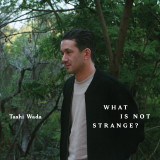
What Is Not Strange? is the first full-length album by Los Angeles-based composer Tashi Wada in over five years, comprising his most far-reaching and impassioned music to date. Written and recorded over a period that encompassed the death of his father and the birth of his daughter, the album sees Wada reflecting inward to explore broad narratives - being alive, mortality, finding one's place in the world - through new modes of ecstatic, song-based expression. While the denser forms, stark contrasts, and overt surreality may carry a different weight than Wada's earlier work, which elicited perceptual effects with minimal means, the heart of What Is Not Strange? is still in experimentation and unforeseen outcomes.
The Slovenian label Cogo is back for another unmissable 4-tracker vinyl compilation with the heaviest hitters in the scene who represent the most artistically driven hypnotic techno to date. Jeroen Search, Border One, ORBE, and Tonske all lend a hand to provide an understated and deep vibe to this release full of music actively attempting to remove your mind to otherworldly places hitherto unknown.
Jeroen Search kicks off the release with ''Observer'' expertly drawing you in with a very simplified but polyrhythmic staccato synth and kick combination that slowly builds with modulating and swirling pads until it reaches a climax with a tightly regulated drum track and disorienting LFO sequenced synth patch.
Border One continues the theme of the release of minimalistic aesthetics with ''Contour'' featuring polyrhythmic ideas and evolving dissociative synths. The release culminates in a very simplified and restrained drum track that opens up the doors to a massive sonic environment where you're lost completely within the music, sitting somewhat awestruck by passing elements unfolding in front of your mind's eye.
Not to be outdone, ORBE takes a different tact with ''Wolheim'' by introducing the groove elements first and bringing in his deep understanding of setting the sonic stage with his signature atmospheres and scintillating synth hits. The track also echoes the thematic choices previously laid down by Border One and invites you into this strange alien world full of sonic curiosities and audio biology.
Tonske buttons up the release with ''Droid''. A track that has an overall sense of pulling the sonic environment toward you while you travel as a listener in your mind's eye. Outward synth blips are constantly coming from the outer periphery into view as if they are passing stars while traveling forward at a deliberate and determined pace.
out of Stock
Last delivered 11 months ago available to reorder, subject to availability
Bullet Train is the 2022 American action-comedy film by the Deadpool 2-director David Leitch and is based on the 2010 novel Maria Beetle, written by Kōtarō Isaka. In Bullet Train, Brad Pitt stars as Ladybug, an unlucky assassin determined to do his job peacefully after one too many gigs gone off the rails. Fate, however, may have other plans, as Ladybug's latest mission puts him on a collision course with lethal adversaries from around the globe - all with connected, yet conflicting, objectives - on the world's fastest train...and he's got to figure out how to get off.
The film features a number of original tracks. Most notably, the film contains Japanese language covers of "Stayin' Alive" by Bee Gees and "Holding Out for a Hero" by Bonnie Tyler. Composer Dominic Lewis noted that the film's soundtrack represents "all vibe and no technique".
For the first time, the soundtrack for Bullet Train is available on vinyl and comes in different editions, all based on the characters in the movie. All editions include a 4-page booklet, but each edition contains an exclusive Bullet Train boarding pass with corresponding picture of the character. This is the limited edition on Lemon coloured vinyl.
Eccentric soundscapes, cryptic atmospheres, unexpected rhythms – with the second episode of the Intelliance series, the concept label Augmented Research once again holds up a mirror to the progressive present and provides various perspectives on the innovative electronic club sound of a new generation.
A1
Raär's music manages to draw the masses beneath the surface of common perception. The blend of deep, organic atmospheres, liquid sound design and supersonic drums awakens a deeply rooted but rarely accessible state of mind. "Riparian Zone" is a tool for transcendental experiences.
A2
There are only a handful of artists like Nebuchadnezzar who have made a name for themselves and demonstrate that rules in electronic music are meant to be broken. "Fidget" is a good example of the obsolescence of obsessive genre categorization. Unpredictable rhythms and glitchy, whipping drums feel like a race against time (extended to almost nine minutes).
B1
With "Sea And Bunkers", Sukkube proves her virtuoso and versatile handling of modular sound synthesis. The rapid, loopy beat, accompanied by a serious and simultaneously playful melody and hissing atmospheres, generates a mysterious, fresh mood. Influences from different eras form an interesting symbiosis of futuristic, uplifting techno and nuances of classic styles.
B2
If an artist were given the task of dealing with vintage drums in the most innovative way possible, while at the same time retaining a sense of nostalgia, "Pragma" would be the clear result. Edict has broken the rules of classic techno styles, pushing polyrhythm and distortion to their limits.
out of Stock
Last delivered 2 years ago available to reorder, subject to availability
Black Truffle is pleased to announce Resonant Trees, the first vinyl release from French composer-performer Léo Dupleix. An active member of the international community of younger musicians working with just intonation, Dupleix has composed works for solo instrumentalists and ensembles in Europe and Japan, as well as performing extensively on harpsichord, piano and electronics. His music is distinguished by a formal clarity and elegance of surface, gently shaping pure intervals into delicate melodic patterns and shimmering harmonic planes.
Resonant Trees presents two side-long pieces for harpsichord and ensemble, both setting slowly repeating patterns played on harpsichord and guitar within an environment of sustained tones. Dupleix performs on a French double manual harpsichord (tuned to a just intonation scheme of his own devising) and Prophet synthesizer, joined by Juliette Adam (bass clarinet), Johanna Bartz (traverso flute), Cyprien Busolini (viola), Fredrik Rasten (6- and 12-string guitars), and Mara Winter (traverso flute). The harpsichord begins Resonant Tree I alone, slowly sounding out a series of arpeggiated chords that emphasise the unique (and for unaccustomed listeners, sometimes unsettling) harmonic and timbral qualities of justly tuned intervals. Long tones from synthesiser, bass clarinet, viola and Baroque traverso flutes slowly creep into the spaces between the arpeggiated chords, joined after several minutes by delicate patterns of harmonics played by Rasten on acoustic guitars.
On Resonant Tree II, a similar structure and ensemble (without the flutes) are used with quite different results. We again hear only the harpsichord at first, but this time playing a series of flowing melodic lines, each of which is repeated several times. Joined again by long tones from the ensemble, here the viola is particularly prominent and its interplay with the harpsichord creates fascinating acoustic effects. In both pieces, repetition gives the music a static, stable quality while, at the same time, the exact shape of the repeating patterns remains difficult to grasp. As Dupleix writes, these pieces dream of music as ‘space and a sound that one could grasp in one’s hand.’ As the near-static quality of the repetitions and long tones with little incident make these two stretches of musical time feel like spaces for the listener to inhabit, the small variations on a narrow range of related material act like a three-dimensional object whose each facet is examined in turn. At once austere and seductive, Resonant Trees takes its place beside the work of contemporaries like Catherine Lamb, while also calling up the languorous melodic world of Mamoru Fujieda, the dignified melancholy of Satoshi Ashikawa’s classic Still Way and the espaliered chamber atmospherics of the Obscure catalogue.
Produced by MyRiot, “Away From This Dream” is a dream pop infused indie folk album. Icelandic artist Axel Flóvent explains, “‘Away from this dream’ is a collection of songs I’ve written in the last year inspired by times I’ve had the need to please to deserve love and affection. I’ve been struggling with codependency and OCD for as long as I remember. These songs contain my thoughts and feelings through various situations with a lot of different people and moments I’ve met in my life.” The song “‘Don’t Wait For Summer’ is about the inspirational feeling of using the opportunity that has presented itself to you. And not wait for a better time to do it. Seizing the day and in all its glory.”
he Album „hi“ is an invitation by Dani Scheffels to explore different emotions while listening to his instrumental music.
In his debut album, the Munich based multi-instrumentalist presents music, that is influenced by both his background as an accomplished drummer as well as his love for modern jazz and experimental electronic music.
There is no rule in his writing except one: no lyrics.
That way everyone can tie the emotional music to their own experiences best.
First not sure, if he wanted any features on this album, he decided to collaborate with his sister Amelie Scheffels on the track “this” and his longtime friend Ralph Heidel (known for his brilliant releases on the Kryptox-label, as well as through his work as musical director for artists such as Casper, Tarek K.I.Z, Drangsal, Bazzazian just to name a few..) on the track “finally”. “hi” is the second LP-release on the Munich based label tunnel.visions.
out of Stock
Last delivered 19 months ago available to reorder, subject to availability
Double LP set capturing some of Causa Sui's heaviest, most psychedelic tunes recorded live at Loppen - a legendary Copenhagen venue, located in the famous - and infamous - Freetown Christiania commune. This is the sound of Causa Sui at their home turf, stretching out and exploring eight epic fan-favourites from their entire catalogue in front of a small crowd of 400 people in a packed sold-out venue. The show was recorded the first week that Covid restrictions were lifted on venues in Denmark, which called for an especially buzzing night, even for a band that has exclusively played no more than a handful of shows each year since their 2005 debut. Each Causa Sui show is unique. Here we're offered a different perspective of the band's music - it's looser, more free-flowing, and some tracks are warped into something far from their original versions, bouncing off the wooden beams on the low ceiling of Loppen with renewed energy. At one point you can hear the band calling to take a breather and let some air inside the sauna-like temperature of the show, which just weeks before seemed impossible. Loppen 2021 offers a complete set from start to finish, so since chances that you'll catch the band live in person are slim, this is the next best thing. Mixed and mastered by Jonas Munk. Edition of 1000 copies on coloured ecomix vinyl.
Remastered vinyl of the original album which came out on CD only in 2005. Limited to 200 copies on classic black vinyl. This is an album that’s as alive as any could be. Indeed, far from sounding like the last desperate set of half-baked ideas from a once vital band (hello Oasis?) Artists Cannibals Poets Thieves is more like a debut album from a bunch of teenage upstarts: free from cynicism, fired with worldly wonder and chock full of ideas. This is certainly a different outfit from that of 1998, when they first wowed us (via John Peel, naturally) with the utterly essential sprawling noise that was The Things We Make. Long since stripped down by a series of resignations from a five strong collective to a taut three piece featuring founding members Chris Olley, James Flower and Chris Davis, the music has simplified considerably. Gone are the soundscapes of old, and in their place we have a series of sharp basslines, swirling keyboards, cutting guitar lines and the passionate hollering of frontman Olley. Opener All I Really Want From You Is Love is a perfect introduction to proceedings – a truly wonderfully distorted slab of indie rock, recalling early Jesus And Mary Chain in both its fuzz and, crucially, its wonderfully crafted tune. Next, Nowhere To Go But Home sounds like New Order if they’d emerged from Detroit in 1966. Tonight (I Wanna Make It Out) follows likewise with the best bassline Peter Hook never plucked. Throughout, Six By Seven manage to sound so natural, so refreshing free of the flab and introspection that a band on its last legs would usually succumb to. And whilst the momentum is momentarily lost as the drum machine makes an appearance to fashion the Suicide-esque trawl of Stara Paris Rescued Me, it’s not long before Just Get It Down muscles things back on course with a whispered Olley diatribe perched on top of more raw cacophony, before we reach the bitter end via the Depeche Mode-on-smack You Know I Feel Alright Now. Tracklisting:
Twenty years ago, London Elektricity unleashed one of the most seminal drum & bass albums into the world. 'Billion Dollar Gravy' was Tony Colman's second longplayer, following the iconic debut project 'Pull The Plug' released in 1999. Widely acclaimed and well-respected for a multitude of reasons - from the iconic album artwork of Tony holding the 'Billion Dollar Gravy' picket sign, to revolutionary anthems such as album title-track 'Billion Dollar Gravy', 'Different Drum' and 'Fast Soul Music', two decades on, the album is revisited with a fresh sonic injection.
'Billion Dollar Remixes' is a meticulously crafted project which aligns a selection of some of the finest drum & bass talent with the album originals, making way for the likes of Watch The Ride, Whiney & Unglued, Mozey, Dogger & Mindstate, Zero T, Kimyan Law, Bop x Subwave, imo-Lu, Hugh Hardie and Conrad Subs to put their spin on the 2003 classics.
Pressed onto 2 x pink transparent heavyweight 12" vinyls.
out of Stock
Last delivered 17 months ago available to reorder, subject to availability
With two critically acclaimed albums and a swathe of award-winning production turns under their belt, Ana Frango Elétrico present their most confident and accomplished work to date: Me Chama De Gato Que Eu Sou Sua / Call Me They That I’m Yours. Gesturing to a tradition of Brazilian boogie music, but bouncing with modern pop ebullience, the album sees the Rio artist evolve from a captivating upstart into a surefooted scene leader in full stride.
At just 25, the prolific artist and producer has already garnered worldwide admirers. Ana’s sophomore Little Electric Chicken Heart was nominated at the 2020 Latin Grammys. Since then, standalone singles have received the WME ‘Best Music Producer’ Award, recognising Ana’s deep passion for music production – a passion which has led to collaborations with nascent Brazilian stars Dora Morelenbaum, Illy and Sophia Chablau. Most recently, Ana was hailed for their co-production of Bala Desejo’s 2022 Latin Grammy-winning album Sim Sim Sim.
The new album finds Ana at their most assured and full voiced. Album opener “Electric Fish”, with funky bass and shimmering backing vocals, sets a buoyant tone. “Boy of Stranger Things” is its bombastic counterpart. It’s the grooviest Ana has ever sounded. And the most brazen. Lyrically, where Ana was once oblique on personal matters, they are now forthright – lucidly exploring their gender identity, citing accessible cultural references, and often singing in English.
“I started this album in 2021 with the intention of showing, in means of sound, understandings and feelings about queer love, subjectively exposing myself,” the non-binary artist states – before qualifying that though “feeling was its driving force, the album is really about musical production.”
“There’s so many references to different decades,” Ana explains. “Seventies drums with eighties processing … Going back, getting beyond … Testing the limits of organic sounds”. Characteristically playful, on Me Chama, Ana takes vivid and rewarding detours through funk-inflected R&B (“Dela”) and art pop (“Dr. Sabe Tudo”). “Nuvem Vermelha” is a cinematic chanson with lush strings that recalls Arthur Verocai. Then, “Coisa Maluca” loafs with the indie insouciance of Canadian slacker Mac Demarco. Later, “Let's Go Before Again”, is a full-on drum machine workout evocative of Stereolab.
out of Stock
Last delivered 2 years ago available to reorder, subject to availability
Veteran electrohead and former artist on the Rephlex Records roseter DMX Krew's Ed DMX takes the well-known story by Jorge Luis Borges of The Library of Babel, said to contain all the different languages of the earth. Some deep philosophical thought has gone into the album's concept, but we'll leave that to Ed to explain. Instead, we'll tell you that from beginning to end there's plenty of the kind of trademark 80s synth playfulness in evidence, with a generally more mellow and soundtrack-related rather than frenetic and dancefloor-filling vibe in evidence, even on faster tracks like 'The Combed Thunderclap'. Still, Ed knows what he's doing when it comes to this kind of leftfield electro gear, and it's a rewarding, never boring listen.
out of Stock
Last delivered 26 days ago available to reorder, subject to availability
Tangential Music is pleased to present the new album from veteran Spanish DJ and producer, Dj Toner (aka Antonio Herrera). Alongside his co-writer/arranger Daniel Molina and with guests that include the legendary Blue Note Records innovator Erik Truffaz and Grammy winning flautist and saxophonist Jorge Pardo, he has created a 10 track collection of slow-burning instrumentals that straddle the worlds of hip hop, jazz and electronica.
With a personal, precision tooled approach to his craft, the Andalusian has offered up an album of finely modelled downbeat moods.
At first glance, ‘Out Side’ is made up of recognisably superior hip hop instrumentals but if you listen carefully, and with patience, one can hear a craftsman at work. A wooden box is just a box until you look closer. The hidden joints, the perfect lining up of the grain, the years of artisanal graft and laser-focussed attention to detail that go into making something that has nothing present, that doesn’t deserve to be there. This is how Dj Toner operates.
The two singles that preempt the album’s release reveal different sides of his craft. ‘Camina’ struts with tough intentions. Soundtrack-y in an exploitation police drama manner, the get-out-of-my-way drum break and tension-filled chords suggest the bad cop, Erik Truffaz’s piercing lyrical trumpet lines, the good. The Afro-jazz horns led second release ‘Surprise’ is an altogether more playful, sunbaked affair. Sensual and slow-burning, there’s still an edge but it’s too hot to quarrel.
Dj Toner’s minimalist attitude to creation is shared with his co-composer Molina - an individual’s contribution may be cut to the bone, leaving just its aura or tone. The echo of a piano, a single blast of tuneful wind from a flute, a perfectly positioned drum hit.
Since the Wu-Tang Clan’s RZA began applying his beatmaking prowess to movie soundtracks, the hip hop instrumental has been acknowledged as something to listen to, as much as being used as a DJ tool or backing for an MC. Dj Toner’s instrumentals can, therefore, be seen as soundtracks. Soundtracks to his life and craft, vignettes of his environment in both the urban sprawl and the wider and slower spaces of “el campo”.
The sweet-tempered jazz-blues of ‘La Rimosa’ is a gentle welcome to the album. A simple, laid back groove with the most romantic of piano hooks that one could imagine Common dropping rhymes on. You’re kept on your toes with the odd purposeful moment of discordant interruption but the tender heart of the composition is never far away.
‘O’Beat’ hints at John Coltrane with the sparse but full-sounding upright bass before a head-snap break leads into a curious piano groove, a vintage organ swirls into a psychedelic fractal, whilst the bluesy female vocal snippets add the spice, that zing in the Granadan gazpacho.
The flamenco guitar driven ‘Flama’ is an excellent example of intricate sample placement and musicality. Old school (school yard) scratch interludes, sweet piano hooks, a minimalist but knife sharp flute contribution from Jorge Pardo, and the crunchiest of drums taking us for an intriguing walk round the corner.
We’ve mentioned them before but it’s on ‘Sweetband’ that we can feel that Wu-Tang dread hanging off its shoulders. A brooding orchestral number with powerful horns and a cavernous piano hit. The title of the piece is in stark contrast to the dark shadows of the tune.
Erik Truffaz returns in fine form on the super lethargic jazz-funk-hop of ‘The Day’. His instantly identifiable muted trumpet sound paints dazzling colours over the more earthy tones of the filtered down keys as a rubbery upright bass keeps the forward momentum. Dj Toner’s ‘Blessed Are The Weird People’ album, was rated in Jazz Magazine as one of the 20 jazz albums of 2021, so he isn’t some dilettante when it comes to playing with the complex hues of jazz but he does like to strip it to its bare essentials.
‘Fanega’ sees a gorgeous flute contribution from Jorge Pardo. An eerie boom-bap groove with sprinkles of electronic pulses and washed out chords is the canvas on which the award-winning multi-instrumentalist evokes the heat shimmer of the savannah.
‘Esperanza’ translates as ‘hope’ in English and this lovely slow, swinging jazzy groove really does provoke feelings of positivity and belief. Sublime vibraphone and another stunning trumpet offering from Erik Truffaz, take us on a journey of warm days and possibilities, the shuffling drums and sweet chord patterns are nicely finished off by a tranquil horn chorus towards its unhurried end.
‘Under Beat’ ends on a beefy boom-bap groove with a liquid funk bassline, elegant synth strings and old school scratching. Again, there’s that undisputable soundtrack edge, action and motion, the smell of the city.
There you have it, 10 tracks that go beyond the surface, deep into the dedicated craft of Dj Toner. Decades of experience and collaboration purified and refined into beat-heavy emotions, listen closely or crank it up, it’s down to you!
Dave Angel’s 'Revolt' EP on Rekids Special Projects is an emotionally steamy and intense offering with jolting drums and outspoken words. The title track, ‘Revolt’, brings subtle funk while the synths are imbued with plenty of Detroit-inspired soul designed to light up any dancefloor. Angel’s 'May I Have This Dance' shows a different side, with zippy lead synths amplifying the vibes as hunched, dubbed-out rhythms march down low and keep you locked into the groove.
Following up his 2023 ‘Glide’ EP on Radio Slave’s Rekids, Dave Angel now makes his debut on its RSPX sister label with the ‘Revolt’ EP. From remixes for the likes of Carl Cox, Orbital and Underworld to underground classics on labels like R&S, K7!, and his own Rotation Records, Dave Angel’s ever-evolving sound has made him a core part of the scene for over three decades. With ‘Revolt’, Dave once again shows his uncontested production skills with an infectious double A-side record oozing character.
out of Stock
Last delivered 40 days ago available to reorder, subject to availability
After reigniting Fruit Merchant and firing out a string of club-ready releases, Hidden Spheres is back again. This time teaming up with Private Joy for new floor-filler ‘Hold on Me’.
It's a track about being totally under someone's spell despite the relationship starting to turn and show its true colours.
Yearning reflections and hard realisations all served over two different mixes. One blending refined deep house rhythms and textures. The other is fierce, acid laced and driving, aimed at those peak moments in the club.
out of Stock
Last delivered 18 months ago available to reorder, subject to availability
Operating from the depths of London’s musical underground since the late ‘90s, Infinity Plus One has been quietly toiling away, letting his music do the talking for the past two and a half decades. Cyphon Recordings draft in the veteran producer for a rare four-track EP of Detroit-infused, future-facing house and techno laced with the compelling lyricism of JaronX.
The Rebellion EP sees Infinity Plus One in some of his finest form to date. Leading the charge, ‘Context is Broken’ opens with JaronX’s poignant and passionate lyric on the state of global media, where sensationalism sells more copies than facts. From there, you dive headfirst into a hit of heavy-duty, contorted house. Crisp hats, punchy kicks and echoing stabs are interspersed with twisted electronics and JaronX’s arresting vocals. A sub-rattling bassline hits you square in the chest taking this neural club cut to the next level.
‘Say The Truth’ follows. A glitching, syncopated roller, woven with an entrancing monologue that is modulated and layered into tripped-out harmonies that echo around your brain.
On the flip side, ‘Identity Keeps Changing’ is a morphing techno weapon, where voices and synthesisers oscillate through different forms with every new turn. Rave-infused synth lines, breakbeats and a warped bassline channel that ‘90s warehouse flavour for a kinetic dose of dancefloor bedlam.
Rounding off the EP, the surging chords of ‘Utopia’ ping between your ears. A pulse that rides the kick drum, as dizzying arps and heavenly strings are layered into the mix to form a transfixing, gravity-defying techno immersion.
Fusing lyricism with the depth and dynamism of house and techno’s roots, Infinity Plus One hardwires meaning within his music. Visceral and thought-provoking, it’s a welcome respite in a sea of conformity.
out of Stock
Last delivered 19 months ago available to reorder, subject to availability
WARM4 is Ecler's newest rotary analogue mixer, inspired by New York's Paradise Garage, described by François
Kevorkian as the "temple of music" and whose influence has significantly shaped some of today's best clubs.
Designed and manufactured in our Barcelona facilities, WARM4 is a mixer that keeps in mind the classic Ecler mixers structure, with completely redesigned circuitry and mechanics. This goes from the new PCB board that further improves noise level and dynamic range, to the front-plate screw potentiometers, carefully handassembled by our production team.
Keeping alive its innovative spirit since the first A4 mixer in 1971, Ecler introduces a dj tool never included in a mixer before: an analogue subharmonic synthesizer. Inspired by the original device installed in the Paradise Garage booth, we have created our own circuit that allows the subharmonic generator to be tuned to different frequencies so that the dj can adapt it according to the recorded song and the features of the sound system.
In WARM4 you will also find the 4th order Isolator filter already included in WARM2, as well as 4 mixing channels, 3-band full EQ cut per channel and Alps metal shaft high quality potentiometers. Using your favourite external effects module has never been easier.
WARM4 offers you the opportunity to send the PRE/POST fader signal, as well as regulate and pre-listening to the amount of effects return.
WARM4 is specially designed for sound systems capable of reproducing this type of subsonic frequencies, clubs, festivals and events where subwoofers are of vital importance. Bring to your audience an unprecedented experience on the dancefloor and a different way of feeling the music.
Der WARM4 ist Eclers neuester analoger Rotationsmixer, inspiriert von der New Yorker Paradise Garage, die von François Kevorkian als "Tempel der Musik" bezeichnete und dessen Einfluss einige der besten Clubs von heute maßgeblich geprägt hat.
Der WARM4 wurde von ECLER Werk in Barcelona entwickelt und hergestellt und ist ein Mixer, der die klassische Struktur der Ecler-Mixer beibehält.
Ecler-Mixer erinnert, mit völlig neu gestalteten Schaltkreisen und Mechanik. Angefangen bei der neuen Platine, die den die den Rauschpegel und den Dynamikbereich weiter verbessert, bis hin zu den Schraubpotentiometern an der Frontplatte, die von unserem Produktionsteam sorgfältig von Hand montiert werden.
Produktionsteam.
Unter Beibehaltung des Innovationsgeistes, den Ecler seit dem ersten A4-Mischpult im Jahr 1971 an den Tag legt, stellt das Unternehmen ein DJ-Tool vor, das noch nie in einem Mischpult enthalten war.
Eingebaut ist: ein analoger subharmonischer Synthesizer. Inspiriert von dem Originalgerät, das in der Paradise Garage Kabine installiert war, hat ECLER eine eigene Schaltung entwickelt, welche es erlaubt, den Subharmonischen Generator auf verschiedene Frequenzen einzustellen, so dass der DJ ihn je nach dem aufgenommenen Song und den Eigenschaften des Soundsystems anpassen kann.
Im WARM4 finden Sie auch das Isolator-Filter 4. Ordnung, das bereits in WARM2 enthalten ist, sowie 4 Mischkanäle, 3-Band-Full-EQ-Cut pro Kanal und hochwertige Alps-Potentiometer mit Metallschafft. Die Verwendung Ihres bevorzugten externen Effektmodul war noch nie so einfach.
Der WARM4 bietet Ihnen die Möglichkeit, dass PRE/POST-Fadersignal zu senden, sowie sowie die Menge des Effekt-Returns zu regulieren und vor hören zu können.
Der WARM4 wurde speziell für Beschallungsanlagen entwickelt, welche in der Lage sind, diese Art von Unterschallfrequenzen wiederzugeben, für Clubs, Festivals und Veranstaltungen, bei denen Subwoofer von entscheidender Bedeutung sind. Bringen
Sie Ihrem Publikum ein noch nie dagewesenes Erlebnis
auf dem Dancefloor und eine andere Art, die Musik zu spüren.
PRODUCT OVERVIEW
WARM4 is a professional four channel analogue rotary DJ mixer, designed and manufactured by ECLER in Barcelona.
Featuring 4 phono/line channels, 2 MIC inputs, classic sharp filters and a 4th order Isolator. WARM4 includes an unique feature, an Analogue Subharmonic Synthesizer selectable per channel, specially designed to generate and reinforce ultra-low frequencies.
KEY FEATURES
• 4 Mixing channels.
• 4 PHONO inputs.
• 4 LINE inputs.
• 2 MICRO inputs.
• Master Output on XLR and RCA connectors.
• Booth Output on XLR and RCA connectors.
• Headphone Monitor Output on 6.3mm J ack and 3.5mm
mini-jack.
• 3 band isolator full cut EQ.
• 3 band isolator (300Hz and 4KHz, -∞ /+12dB, 4th order
24dB/oct ).
• Analogue Subharmonic Synthesizer for sub-bass
frequency reinforcement selectable per channel.
• Maximum Output without distortion: 21dBV (23dBu).
• FX Send control and Pre/Post fader selector per channel.
• FX Return control and PFL.
• Alps metal shaft high quality potentiometers.
• Mechanized from a solid block of aluminum knob, without
visible screw. Ecler Unique design.
• Wooden side panels included.
APPLICATIONS
• Night Clubs
• DJ s studios
• Itinerant DJ performances
WARM4
AUDIO PERFORMANCES
Inputs
Number of Inputs LINE 4 Stereo Unbalanced Inputs
PHONO 4 Stereo Unbalanced Inputs
MICRO 2 Mono Balanced Inputs
FX RETURN 1 Stereo Unbalanced Input
Connectors type LINE 1-2-3-4 RCA STEREO
PHONO 1-2-3-4 RCA STEREO
MICRO 3 XLR3-F
MICRO 4 Combo XLR3F-6.3mm TRS BAL
FX RETURN RCA STEREO
Inputs Sensitivity nom/Impedance LINE 0dBV/50kΩ
PHONO -40dBV/50kΩ
MICRO -50dBV/>1kΩ
FX RETURN 0dBV/>6kΩ
Performances
Frequency Response LINE 10Hz÷30kHz -1dB
MICRO 10Hz÷25kHz -1dB
PHONO RIAA ±0.5dB
FX RETURN 10Hz÷50kHz -1dB
THD+N LINE 75dB @ 1kHz
Signal Noise Ratio LINE >105dB
MICRO >90dB
PHONO >100dB
FX RETURN >110dB
Trim control INPUTS 1-2-3-4 ± 15dB
Tone control Inputs 1-2-3-4 BASS +10/-30dB
MID +10/-25dB
TREBLE +10/-30dB
Tone control Isolator BASS +12/-70dB
MID +12/-40dB
TREBLE +12/-70dB
Tone Filter cut frequency at -6dB
(slope 12dB/oct)
BASS
MID
200Hz
200Hz÷6.8kHz
TREBLE 6.8kHz
Isolator cut frequency at -6dB
(slope 24dB/oct)
BASS
MID
300Hz÷4kHz
TREBLE 4kHz
Analogue Subharmonic Synthesizer Input selective filter 50÷120Hz
Harmonics
synthesis
25÷60Hz
Max Output level +12dBV
Number of Outputs HOUSE 1 Stereo Balanced Outputs
1 Stereo Unbalanced Outputs
BOOTH 1 Stereo Balanced Outputs
1 Stereo Unbalanced Outputs
HEADPHONE 2 Stereo Unbalanced Outputs
FX SEND 1 Stereo Unbalanced
REC 1 Stereo Unbalanced
Connectors Type HOUSE XLR3-M STEREO
RCA STEREO
BOOTH XLR3-M STEREO
RCA STEREO
HEADPHONE J ack Stereo 6.3mm
J ack Stereo 3.5mm
FX SEND RCA STEREO
REC RCA STEREO
Outputs Level/Minimum Load HOUSE (BAL) 0dBV/600Ω 1V *(+12dB 4V)
HOUSE (UNBAL) 0dBV/2.2kΩ 1V *(+12dB 4V)
BOOTH (BAL) 0dBV/2.2kΩ 1V *(+12dB 4V)
BOOTH (UNBAL) 0dBV/2.2kΩ 1V *(+12dB 4V)
REC 0dBV/10kΩ
HEADPHONES 200mΩ/200Ω THD 1%
FX SEND 0dBV/2.2kΩ
Max Undistorted Output Level HOUSE (Electr.BAL) 21dBV (23dBu)
BOOTH (Electr.BAL) 21dBV (23dBu)
HOUSE (UNBAL) 21dBV (23dBu)
BOOTH (UNBAL) 21dBV (23dBu)
MISCELLANEOUS
Control Mode Rotary with Alps Blue Velvet Potentiometers and Alps RK09L
potentiometers
Phantom Voltage 18VDC/5mA Max (Default ON)
Input VU-Meter LED 12 segments (-38dBV ÷ +10dBV)
House-Mix-Booth VU-Meter LED 12 segments (-30dBV ÷ +20dBV)
Subharmonic Output VU-Meter LED 3 Segments (-20dBV / 0dBV / +4dBV)
ELECTRICAL
Power Supply Internal
AC Mains Voltage 90-264VAC 47-63Hz
AC Main Connector 15A IEC inlet connector
Rated power consumption 39 VA
PHYSICAL
Operating Temperature -5˚C ÷ 45˚C / 23˚F ÷ 113˚F
Operating Humidity 20 - 90% RH (no condensation)
Storage Temperature -10°C ÷ 50˚C / 14°F ÷ 122˚F
Storage Humidity 1kΩ
FX RETURN: 0 dBV / >6kΩ
LEISTUNG:
—
Frequenzgang:
LINE: 10Hz÷30kHz -1dB
MIKRO: 10Hz÷25kHz -1dB
PHONO: RIAA ±0.5dB
FX RETURN: 10Hz÷50kHz -1dB
THD+N:
LINE: 75dB bei 1kHz
Signal-Rausch-Verhältnis:
LINE: >105dB
MIKRO: >90dB
PHONO: >100dB
FX RETURN: >110dB
Trim-Steuerung / Klangregelung für Eingänge 1-2-3-4:
EINGÄNGE 1-2-3-4: ±15dB
BASS: +10/-30dB
MITTE: +10/-25dB
HÖHEN: +10/-30dB
Trim-Steuerung / Klangregelung für den Isolator:
BASS: +12/-70dB
MITTE: +12/-40dB
HÖHEN: +12/-70dB
Klangfilter Cut-Frequenz bei -6dB (Flankensteilheit 12dB/Okt):
BASS: 200Hz
MITTE: 200Hz÷6.8kHz
HÖHEN: 6.8kHz
Isolator Cut-Frequenz bei -6dB (Flankensteilheit 24dB/Okt):
BASS: 300Hz÷4kHz
MITTE:
HÖHEN: 4kHz
Analoger Subharmonics-Synthesizer:
Selektiver Filter für den Eingang: 50÷120Hz
Harmonics-Synthese: 25÷60Hz
Maximaler Ausgangspegel: +12dBV
AUSGÄNGE:
—
Anzahl der Ausgänge:
HOUSE: 1 Stereo symmetrische Ausgänge / 1 Stereo unsymmetrische Ausgänge
BOOTH: 1 Stereo symmetrische Ausgänge / 1 Stereo unsymmetrische Ausgänge
KOPFHÖRER: 2 Stereo unsymmetrische Ausgänge
FX SEND: 1 Stereo unsymmetrischer Ausgang
REC: 1 Stereo unsymmetrischer Ausgang
Anschlusstypen:
HOUSE: XLR3-M STEREO / RCS STEREO
BOOTH: XLR3-M STEREO / RCS STEREO
KOPFHÖRER: Klinke Stereo 6.3mm / Klinke Stereo 3.5mm
FX SEND: RCS STEREO
REC: RCS STEREO
Ausgangspegel / Minimale Last:
HOUSE (symmetrisch): 0dBV/600Ω 1V *(+12dB 4V)
HOUSE (unsymmetrisch): 0dBV/2.2kΩ 1V *(+12dB 4V)
BOOTH (symmetrisch): 0dBV/2.2kΩ 1V *(+12dB 4V)
BOOTH (unsymmetrisch): 0dBV/2.2kΩ 1V *(+12dB 4V)
REC: 0dBV/10kΩ
KOPFHÖRER: 200mΩ/200Ω THD 1%
FX SEND: 0dBV/2.2kΩ
Maximaler unverzerrter Ausgangspegel:
HOUSE (elektrisch symmetrisch): 21dBV (23dBu)
BOOTH (elektrisch symmetrisch): 21dBV (23dBu)
HOUSE (unsymmetrisch): 21dBV (23dBu)
BOOTH (unsymmetrisch): 21dBV (23dBu)
ELEKTRISCH
Stromversorgung: Intern
AC-Netzspannung: 90-264VAC 47-63Hz
AC-Netzstecker: 15A IEC-Einlassstecker
Nennleistungsaufnahme: 39 VA
SONSTIGES
Steuerungsmodus: Rotary mit Alps Blue Velvet Potentiometern und Alps RK09L
Potentiometern
Phantomspeisung: 18VDC/5mA max (Standardmäßig EIN)
Eingang-VU-Meter: LED 12 Segmente (-38dBV ÷ +10dBV)
House-Mix-Booth VU-Meter: LED 12 Segmente (-30dBV ÷ +20dBV)
Subharmonics Ausgangs-VU-Meter: LED 3 Segmente (-20dBV / 0dBV / +4dBV)
PHYSIKALISCH
Betriebstemperatur: -5˚C ÷ 45˚C
Betriebsfeuchtigkeit: 20 - 90% RH (keine Kondensation)
Lagertemperatur: -10°C ÷ 50˚C
Lagerfeuchtigkeit: <90% RH (keine Kondensation)
Installationsmöglichkeiten: Tisch- oder Rackmontage mit optionalen Zubehörteilen
Im Lieferumfang enthaltenes Zubehör: IEC-Kabel EU
Abmessungen (BxHxT): 34,0 x 8,1 x 37,2 cm
Gewicht: 5,32 kg
Versandabmessungen (BxHxT): 49,5 x 17,5 x 43,5 cm
Versandgewicht: 6,74 kg
With this EP an attempt is made at documenting the vibrant action happening during the late 1970s and early 1980s in the Pioneer Valley area of Western Massachusetts, US. The story is richer than the snapshot we present here, and a more detailed account is to be found in the accompanying book that can be purchased separately.
The Five Colleges in Hampshire County congregated a vast student population that inevitably interacted with the towns in the area. Bars, music and record stores, live music and a lot of experimentation and free thinking. Hampshire College, especially, promoted new approaches to teaching, subjects that might be considered radical by some even today, although a more favourable context would now surely exist for openly debating such topics as American Indians, Kayak Design, Black Oral Tradition, Food Management, etc. And the music? The immediate "punk effect" motivated the creation of numerous bands, many short lived, others evolving into New Wave / Power Pop territory, eventually crossing into Post-Punk experimentation. What is captured in "Noho EP" is a more electronic disposition, favoured by the existence of EMS gear and other equipment at Hampshire College and University of Massachusetts. We chose to focus on a group of musicians who, for a time, played together in different combinations under the loose umbrella of the Tekno Tunes label and the structure around it.
These musicians come from very different backgrounds and the nucleus portrayed here consisted of Christopher Vine, Elliott Sharp, James Whittemore and Nicholas Brown.
Of the several line-up changes The Scientific Americans went through, it was actually only the duo of Chris Vine and Jim Whittemore who recorded "Among Bodge Watt". Never before released, it is a companion piece to their track "El Salvador" available on the 1981 ROIR tape-album "Load & Go!". The Sci Ams were founders of the Tekno Tunes label and also created the Tekno Tours "concert promotion agency", under which name they exposed local audiences to bands such as The Stranglers, The Slits, Pylon, Pere Ubu, The Psychedelic Furs, The Bush Tetras, Steel Pulse, etc. Their own sound kept progressing but at its best there's a solid dub undercurrent, pretty obvious in "Among Bodge Watt".
Human Error was born out of a collective jam by Chris Vine, Elliott Sharp, Jim Whittemore and Nick Brown. Elliott Sharp had moved to Northampton in August of 1978 and naturally became involved in the local music scene, hooking up first with Whittemore at a hi-fi audio store where he worked at the time. Basement jams followed stimulating conversations, and other musicians joined the sessions. "Clandestinator" sounds gorgeously loose, an effortless groove coming from a quasi-dub set-up. Nothing here seems calculated, the music just flows, contagious and irregular as the handclaps in the mix.
The Higher Primates later evolved into a "proper" band but started as Nick Brown's solo project. The Primates only ever released a (now sought-after) 7" single in 1980 (on the Tekno Tunes label, precisely). Both tracks on "Noho EP" were recorded the following year and never released until now. "Auto Music in the Disco Dub Style" is self-explanatory, with a steady, mid-tempo TR808 beat running through, supporting synth squelches, echoes and reverbs, a fat bassline, dissonant melodic lines and odd vocal snippets. Kind of a DJ tool when the concept was barely in place. The more uptempo "Teresa Variations" adds a Fender Jazz bass and Selmer sax to the electronics. It actually sounds more "Disco", even with the robotic, unintelligible vocals. On top of this, the vibe is sealed by the overall Radiophonic Workshop analogue strangeness applied to a dance beat.
Recorded in 1971, Solo Guitar Volume 1 was Bailey's first solo album. Its cover is an iconic montage of photos taken in the guitar shop where he worked. He and the photographer piled up the instruments whilst the proprietor was at lunch, with Bailey promptly sacked on his return. The LP was issued in two versions over the years — Incus 2 and 2R — with different groupings of free improvisations paired with Bailey's performances of notated pieces by his friends Misha Mengelberg, Gavin Bryars and Willem Breuker. All this music is here, plus a superb solo performance at York University in 1972; a welcome shock at the end of an evening of notated music. It's a striking demonstration of the way Bailey rewrote the language of the guitar with endless inventiveness, intelligence and wit.
'Comrade Detective' ('Tovaraul Detectiv') is an
American buddy cop series created by Brian
Gatewood and Alessandro Tanaka.
Each episode is a different 'lost' episode from a
fictional Romanian television show that had been
commissioned by the Communist Party to promote
communism during the Cold War.
The episodes were filmed in Romania with local
actors and later dubbed into English for effect.
The episodes feature the voices of Channing
Tatum, Joseph Gordon-Levitt, Nick Offerman,
Jenny Slate, Jason Mantzoukas, Chloë Sevigny,
Jake Johnson, John DiMaggio and others.
The soundtrack features rare versions of
'Flashdance, What A Feeling', 'Obsession' and the
smash hit 'I Can't Wait' by Nu Shooz along with
Joe Kraemer's original score
Score by 20 Time Academy Award Nominee, 2 Time Academy Award Winner, Music Legend: Randy Newman. The album is pressed on classic black vinyl and includes printed inner sleeves. The vinyl release features different artwork from the CD and digital releases. Written & Directed by Academy Award Nominee Noah Baumbach. "At once funny, scalding, and stirring, built around two bravura performances of incredible sharpness and humanity, it's the work of a major film artist, one who shows that he can capture life in all its emotional detail and complexity — and, in the process, make a piercing statement about how our society now works.”
In an inspiring collaboration uniting artists from different corners of Europe and the Middle East, Palestine's Muqata'a, French-Irish Zoë McPherson, and Lebanon's Rabih Beaini have merged their creative forces to remix the Belgian/Iraqi band Use Knife's influential album 'The Shedding Of Skin'.
'Peace Carnival', released on Berlin’s Morphine Records, challenges the narrative around peace through its percussion, glitches, distortions, and Muslimgauze-esque minimalism to critique and rethink perceptions of justice and freedom.
This year, Carnival's usual satire and mockery should be directed towards the so-called and one-sided definition of 'peace'.
A bit more than half a decade on from his widely acclaimed debut Vanishing Points from 2018, Swiss guitarist, composer, and improv musician Manuel Troller releases his new record Halcyon Future. A rhythmically dense and ambiguous, yet joyful ride for unstable times, a plea for warmth and hopeful resistance.
Troller’s mode of incorporating, zooming in, and expanding on small elements from improvised sessions creates a multilayered work of driving rhythms and abstract, vibrating textures. Opening with Halcyon Future I’s distinctive open pulse, this first piece guides us through subtle harmonic shifts that are almost unrecognizable as they take place over extended time, overlapping and creating a sense of ambiguity until the piece reaches an almost optimistic level with Mario Hänni’s unexpected introduction of driving acoustic drums. Relentlessly and with increasing excitement, heavy electronic 80s bass drums and an armada of layered hi-hats push them on, leading to the all-incorporating melodic finale.
The two long pieces Halcyon Future I and Halcyon Future II focus on forward momentum. In between them stands DNA, a purposely directionless contemplation on emotion as such. It is raw, naked, and confrontational, with a tender and subtly changing chord progression creating intimacy and proximity, abstraction and warmth, like a beautifully vibrant hologram for the listener to walk around in.
The B-side with its 20-minute Halcyon Future II features playful futuristic guitars, enhancing and challenging the stereo image that Troller is already well-known for. As it’s given time to develop and take root, the ever-varying guitar interactions densify and the staccato patterns jump out of the speakers with joy, creating excitement and building momentum. Compared to Side A, things turn to a slightly more complex rhythmical, melodic, and harmonic feel here. There are easy references, such as Manuel Göttsching’s E2-E4 or Pat Metheny performing Steve Reich’s Electric Counterpoint, but Troller goes a different and very much more concrete way. Although the piece has been recorded in various places and through a long process of overdubbing, there is an astonishingly strong live feel to it, from beginning to the end, from the slow rise to the full spectrum and the almost krautrock-like finale. Improvisers Hans Koch on soprano saxophone and Michael Flury on heavily fuzzed trombone join in, while Troller and Mario Hänni on many guitars, bass, drum machines, and acoustic drums provide a joyous driving entity, not giving up until it all breaks down again. There is overkill and brute force, though never without depth and a vision of future.
In the musical scope of Halcyon Future, there is no need for an absolute definition of things. A continuously changing interpretation of repetitive and variable elements fading in and out of focus tells a story of an excited sense of acceptance. Feelings of transcendence stem from Troller’s layering of constantly shifting rhythmic structures with unforeseen improvised harmonic changes. Drum machine parts overlayed with acoustic drums shift between musical modes, anchoring the album on the verge of a jazz-influenced, motorik, post-ECM balearic plateau. Abstract textural elements gently swirl around and behind all that is rhythm, providing a submissive counterpoint. As with much of Troller’s work, Halcyon Future is an album that unfolds slowly, revealing more of its richness, detail, and subtle beauty at each listen.
Halcyon Future is a joint release by three:four records and meakusma.
"Klara Lewis and Yuki Tsuji's collaboration builds on Tsuji's singular guitar playing and Lewis's resolutely explorative soundscapes. Salt Water is their debut album.
Klara Lewis is a sound sculptor and loop finder. She has spent the last decade creating albums equally tender and brutal for Editions Mego as well as in collaborations with Nik Colk Void, Peder Mannerfelt and now Yuki Tsujii. Lewis has presented her audiovisual work at festivals such as Sonar, Mutek, Dark Mofo and Atonal.
Yuki Tsujii is a guitarist from Japan-via-London, now based in Stockholm. In the last 15 years, as a member of Bo Ningen, Tsujii has performed extensively across the world in festivals such as Coachella, Glastonbury, and Yoko Ono’s Meltdown and collaborated with artists across different disciplines such as Faust, Lydia Lunch, Keiji Haino, Alexander McQueen and Juergen Teller."
witching seaside ambience for a sound shaped by inner-city living, Atelier’s second full-length studio album, Lights Towards The Exit, channels the mood of a sleepless cityscape.
Lights Towards The Exit is Atelier’s second full-length studio album. After the release of Varsam Court at the end of 2019 on Lossless, run by mentors and friends Mathias Schober and Thomas Herb, the duo experimented with different ideas in the studio, and at the start of 2020 a common thread began to appear between a few of the tracks which laid the foundation for the sound of their second album.
Both Alexander and Jas moved to Berlin in the period before the release of Varsam Court from their hometown of Cape Town, South Africa, where their first album was written and recorded. Moving provided some challenges, particularly with what was the most essential equipment to bring from their previous studio set-up, but those limitations proved to be useful in incorporating new instruments and techniques to the recording process.
Lights Towards The Exit was written and recorded in different spaces in Berlin – from bedrooms in apartment blocks to three different studios across the city. The different locations all had a specific ambience – such as 4th- and 5th-floor bedrooms with busy street views; a studio with no windows in a typical old Berlin backyard complex forever under threat of being sold and gentrified; and a bigger studio with windows on the opposite side of the corridor overlooking the backyard of a mechanic workshop. The final details and edits were completed in Atelier’s current studio, in a contrasting area surrounded by office blocks, plazas, 9-5ers and, most importantly, their friends and colleagues.
Swapping the mountains, sea and seclusion for tall buildings, backyards and a new community, Lights Towards The Exit channels the sensation of being surrounded by people, but still feeling like you're on your own. The album was written through three years of cold winters, sweaty summers and a period where the world stood still during the pandemic. Frustrated with the cease of momentum, but still optimistic, Atelier disappeared from public view, abandoning social media to focus on recording, songwriting and experimentation.
It was a difficult time: the duo longed to perform and continue producing music, and the imposed limitations sometimes felt like an impossible obstacle. Ultimately, though, this would provide inexpected inspiration and influence the sound and direction of the new album.
The sound of Lights Towards The Exit is not a departure from their first album, but a progression: influenced by the new surroundings in the duo’s adoptive city, Atelier’s second album is an ode to first-time experiences, new languages, challenges, club culture and the shift from youth to maturity, as well as a balm to those stuck somewhere in between.
The overall sound is a lift not in tempo, but in energy, matching the openness needed to make a new start in a new place.
out of Stock
Last delivered 12 months ago available to reorder, subject to availability
The Telescopes Radio Sessions collects together the essence of three live session recordings in 3 different countries over a three year period between 2016-2019. This is the third in a series of radio session releases from Tapete Records that have so far included The Monochrome Set and Comet Gain. More session releases are being lined up for the rest of the year and beyond - enjoy the sonics and stay tuned. Over the years I have read a lot on people’s impressions of The Telescopes. Some folk think it’s a collective, others imagine it used to be a band and feel nostalgia towards what they consider to be the original line-up (even though many had come before, during and since) and some people refer to it as currently a solo career. In a way this is all true and none of it is. When faced with these kind of questions, along with questions about the style of music that The Telescopes make I often say The Telescopes house has many rooms, which explains things perfectly for me but for people on the outside looking in it only serves to increase their confusion. For me, confusion isn’t such a bad thing. Everything is born into confusion, the sense we try and make of that chaos is interesting and excites me. The universe often disorientates, it sends me a jumble of thoughts and impressions coupled with a feeling of something I need to express… if I could only decipher the encryption. This is how The Telescopes music comes to be and it is also how The Telescopes came to me. I regard The Telescopes as an entity of it’s own that introduced itself in my darkest hour and I was chosen as its vessel. From the second it arrived I was obsessed to the point where there was nothing else. A bit like having an imaginary friend. As the obsession grew it began to infect others, everybody loved my imaginary friend and wanted a piece of it. As its success grew however, so did the corruption, until one day the entity fell silent. The silence lasted for years, I tried everything to reconnect but it was having none of it. I had been a bad caretaker, I had let the house become infested and I had lost my way. This epiphany served to remind me of simpler times when anything felt possible with this entity by my side. It had trusted me with something so simplistically profound and I had let it down. The realisation of this was a eureka moment. I am not The Telescopes, I never was and never will be, I am the caretaker, the lighthouse keeper and if a job is worth doing it is worth doing well. With this dawning, I felt a crack open up in the cosmic egg and a familiar confusion in my head. The entity had returned. It was time to start untangling its tangled threads once more, to make sense of what it was saying, this time without corruption. It’s all about listening. I listen to what my cosmic friend sends me and channel this expression into what you hear through your speakers. It may take one person to achieve this, it may take more. There is no set line up or instrumentation that can hold The Telescopes. Whatever it takes to hit the zone, whatever is available, absolute focus is imperative. Sometimes it takes sabotage to keep that line of vision intact, there is no room for preconceptions or complacency in making the music. The Telescopes music is the now
incarnate and a state of total being is necessary to achieve. From the outside looking in... again, it’s all about listening. What comes through your speakers is the only thing that matters. The music either reaches you or it doesn’t. Everything else may seem interesting or confusing but ultimately it is corruption. So if you’ve bought the record, read the sleeve notes and bought a ticket to see a live show, don’t be surprised if the line-up is or isn’t the same as the recording. The only thing that is for sure is that The Telescopes as an entity is speaking to you in its own voice in every scenario.
Of course the difference between albums and live shows is that you can play the record over and over again to the point where you know every line and every note that was played. Whereas with live events you are left with an impression that can only be replayed in your mind. It can be frustrating at times. When you are touring with a great line-up and feel like something exciting is happening, you want everyone to hear it, not just the people at the shows but the people that couldn’t make it on the night as well. There is no guarantee that there will be the same line-up at a live show as there is on the album. This is why live sessions are important, they document a side of things that is often fleeting. Here we have three sessions, all different people transmitting The Telescopes sound on each. Some are regulars, some dip in and out and some were just passing through. In each case The Telescopes chose them as their vessel and as the lighthouse keeper I did everything I could to help them on that journey while trying to be a good caretaker to the house of many rooms. The Telescopes have been invited in for many sessions over the years, the first two were for John Peel on BBC Radio 1. We also recorded a session for Marc Riley and Mark Radcliffe before their
celebrity when they had a show on BBC Radio Manchester. We could have compiled this album from those sessions, it was certainly considered but Tapete and myself believe this selection gives an exciting glimpse into that fleeting side of The Telescopes in a constant state of flux that is left mostly to myth and imagination. For those who listen to the records but have never had the chance to take in the live experience, welcome to the other side. For those that follow us live, here’s a little reminder and a keepsake. Infinite suns. Stephen Lawrie February 2024.
Tuk Smith & The Restless Hearts is an American rock band from Nashville founded and fronted by former Biters leader Tuk Smith, originally from Atlanta, now living in Nashville. The band released their debut single "What Kinda Love" on January 10, 2020 and were also added as an opening act for The Stadium Tour with Def Leppard and Mötley Crüe on the same day. Then came the onset of Covid 19. “When the pandemic hit, it was like hitting the reset button on my music career” recalls Tuk, “everything got taken away…album campaign, stadium tour, record deal. The world was in lockdown, and the only way to escape was to throw myself into writing. My thoughts began exploring the past, and the inspiration for the songs just came in tidal waves.”
The new collection is a rock ‘n roll silver lining that came out of the solitude and reflection of the pandemic. Ballad Of A Misspent Youth is the new single (and subsequent album of the same name) released summer of 2022 on Tuk’s new record label MRG, through Virgin Music. Tuk explains, “I decided to make a rock and roll record for me and what I like because there was no label, there was no committee involved…just me and my stories. I wanted to create a setting and an authentic feeling about everything. I reunited with long-time friend Dan Dixon and recorded these songs in his garage studio, and there is a purity to the work that came from all the circumstances of that time.” Growing up as an outsider in rural Georgia, Tuk found solace in hardcore punk acts like Black Flag and The Exploited. From there, Smith branched out into exploring seventies New York bands like The Dead Boys and New York Dolls, which lead him across the sea where he embraced first-wave British acts like The Buzzcocks and the Clash. Smith wasn’t just a casual fan of these acts, he was obsessed with them and traced their lineage with fervent dedication. “I was always into the Clash growing up and Mick Jones’ favorite band was Mott The Hoople, so through the years I ended up developing a love of the first wave of British glam, power pop and things like that,” he explains. Soon Smith was forming his own acts, touring relentlessly and building a following with his high-energy live shows, including his tour of duty as lead singer for the Biters, who he fronted for nearly a decade. He offers “Then after being on the road for years, I had a reckoning about where I was at and the future ahead. …I realized the only way to achieve something meaningful was to be a good songwriter…that clicked. I went on a musical diet where I stripped the obscure stuff away, and I really started focusing on the greats. When I started clicking that it was just about the songs, things changed. I had already put my 10,000 hours in the van to play in the dive clubs, but then I put my 10,000 hours into figuring out how to write. I also started working with other songwriters. I humbled myself… it was an education, like going to school.” Tuk elaborates, “I wanted to kind of branch out musically and do different things, and I figured to go solo would be better. My manager actually suggested I call my new band “The Restless Hearts” and that's what he would call me all the time. It was the title of a Biters song that people loved and I’d seen a few restless hearts tattoos at our shows along the way… and so Tuk Smith & The Restless Hearts was born. I was in a period where I changed everything including the way I lived my daily life. I experimented with different ways to tap into positive/creative energy…it was an evolving overall process (and still is).” Tuk summarizes, “Things used to be about debauchery, and now they’re more about dedication. I mean, I was always driven, but I was sometimes focusing on the wrong things. Now I focus on the music and the craftsmanship of writing and producing and performing. “
THE 1968 ALBUM ON WHICH JOHNNY CASH BECAME A LEGEND: AT FOLSOM PRISON AMONG THE MOST IMPORTANT AND POTENT STATEMENTS OF THE 20TH CENTURY
Johnny Cash already knew his way around Folsom Prison when he and his band stepped inside the institution’s forbidding walls on the morning of January 13, 1968 to record At Folsom Prison. He’d played there two years prior. But this time was different.
Cash took the stage that day for two shows amid a darkening sociopolitical atmosphere and a raging war in Vietnam, as well as the knowledge his career and health hung on by a thread. The Arkansas native shared many of the long odds and abject failures of the inmates for which he performed. The songs he chose, and the conviction with which he delivered them, say as much. The point at which Cash transformed from a country star into a legendary artist, and a bold statement about the American prison state and its commitment to rehabilitation, the triple-platinum At Folsom Prison remains one the most important, potent, and fabled records of the 20th century.
You can hear it echo off the walls of the room; pulse through the itchiness of the Tennessee Three’s acoustic-based boom-chick rhythms; crackle in the announcements conveyed over the intercom; ring in the comedy of the off-cuff remarks and pair of novelty tunes; sense it in palpable energy that wells up within Cash and his audience. And you can experience it like never before via Cash’s knockout singing. The bedrock foundation of all his music, the singer’s baritone resonates with profound degrees of depth, pliability, and passion that underscore how much this appearance meant to him — and the extent he was living the narratives.
Indeed, every song on At Folsom Prison serves a purpose and speaks to the conditions — mental, emotional, physical, geographical, legal, social — the inmates confronted on a daily basis. Beginning with the explicit messages of the opening “Folsom Prison Blues,” Cash makes it clear he understands and shares many of their plights. Not for nothing did the myth of Cash having done hard time persist for decades once this record hit the streets. That’s how real it is, and how dedicated Cash remains to conveying every note with the same truth he invests in the impromptu comments he makes between and amid songs.
Listen to the sorrow, regret, pity, and loneliness of Merle Travis’ “Dark as the Dungeon,” Cash pulling syllables til they threaten to break and inhabiting the mood of bleak phrases such as “pleasures are few” and “the sun never shines.” Witness the isolation, dejection, and sadness punctuating the walking-blues “I Still Miss Someone,” matched in gravity by a solemn reading of “The Long Black Veil” — a traditional dirge that involves murder, cheating, and deception. Cash cuts even deeper on a heartbreaking solo rendition of “Send a Picture of Mother” and plainspoken version of Harlan Howard’s “The Wall,” detailing a suicide disguised as jailbreak through cliched-jaw deliveries that softly curse the impossible situation.
In chronicling temptations, mistakes, mortality, punishment, and life “inside” — for better or worse, the stories of the disenfranchised, forgotten, written-off, and unrepentant — At Folsom Prison also has a blast playing the outlaw role. Cash captures wild-eyed craziness and out-of-control mayhem on a revved-up take of “Cocaine Blues,” taking extra satisfaction in its dastardly tales by way of voice that shifts into character for the sheriff and judge. The gallows humor and racing drama of “25 Minutes to Go”; quicksilver accents and resigned acceptance of “I Got Stripes”; train-whistle blare and twangy locomotion of “Folsom Prison Blues” — all fight the law only to see the law win.
Cash remains deeply committed at every moment, and inseparably connected with the tortured souls removed from the goings-on of the outside world. No wonder all but two songs here stem from the day’s first performance that saw Cash, Luther Perkins, Marshall Grant, and company give everything. As does the Man in Black’s soon-to-be-wife, June Carter. The couple’s fiery duet on “Jackson” scorches; their combination of surrender and fortitude “Give My Love to Rose” puts us in the dying protagonist’s shoes.
And with the closing “Greystone Chapel,” famously penned by convict Glen Sherley, who watched it all happen under the watchful eye of guards, Cash separates the corporeal from the spiritual, relaying lessons about salvation and survival. Heady themes to which he’d return for the remainder of his illustrious career.
After five long years, Balance and Composure return with Too Quick To Forgive--newly signed to Grammy-nominated producer Will Yip's label, Memory Music, the alt-rock darlings sound more assured and adventurous than ever across two vulnerable tracks. Too Quick To Forgive is a reflection on personal perseverance in the wake of confrontation, told through two distinctly different scenarios. "Savior Mode" finds frontman Jon Simmons baring his soul in a way that is unparalleled in their discography, while "Last To Know" is an emotionally-resonant highlight that leaves a lasting impact well after its final notes play out. Simmons' vulnerability and emotional delivery across both tracks cut through with unflinching precision courtesy of Andy Slaymaker (guitar), Matt Warner (bass), Erik Petersen (guitar), Dennis Wilson (drums), and who the band considers their 6th member--producer Will Yip. In the fall of 2022, the group got together at his Conshohocken, PA studio, Studio 4, with a few ideas that Yip helped turn into these otherworldly tracks. "It was all magic," Jon says. With a renewed sense of purpose, Balance and Composure will return to the stage for a series of Too Quick To Forgive release shows in some of the biggest rooms they've ever played.
The concept behind the entire EP revolves around the power of scents, exploring how smells evoke emotions and memories from the past. Doci's fascination with scents and molecular fragrances inspired him to create an EP centered on the emotional experiences tied to different scents. Have you ever noticed how a fragrance can transport you back in time, bringing a rush of memories before your eyes? This EP is born from that very sensation. Needless to say, Doci's infatuation with fragrances significantly contributed to the effectiveness of the project. Hedione (Intro): Begin your odyssey with "Hedione," an atmospheric IDM/Experimental track. This floral molecular scent-inspired introduction gently ushers you into the EP's sensorial realm, setting the stage for a unique auditory adventure. Iso E Super & Ambroxan: Explore the intricate layers of musky, woody, and ambery scents in "Iso E Super" and "Ambroxan." These tracks, weaving through Break/Electro/Drum n' Bass genres with subtle Techno accents, offer a sonic journey that mirrors the nuanced edges of their aromatic inspirations. Each note captures the essence, presenting a balanced dance of rough and light tones. Javanol: Experience the raw energy of "Javanol" a leftfield/break Techno exploration. Reflecting the rough and woody facets of its scent inspiration, this track unfolds with aggressive synths and sounds, immersing you in a visceral encounter. Doc's musical interpretation captures the intensity of scent, creating a distinctive and bold auditory expression. In this EP, Doci skillfully translates fragrance into sound, inviting listeners on a textured expedition through scent-inspired composition
out of Stock
Last delivered 2 years ago available to reorder, subject to availability
SALTPIG is a bit of a mystery. The band just showed up seemingly out of nowhere, album in hand, with the music loudly speaking for itself. As it soon became known, SALTPIG is a two person band with Fabio Alessandrini (formerly of Annihilator) on drums and Mitch Davis handling vocals, guitar and all of the other layers of noise that can be heard on the record. The music that came out of this pairing has elements of doom/stoner/psych/occult metal and others, but they didn't go into it with anything that specific in mind. They just make the music they want to hear. Davis has been working with bands/artists including LA Guns, Damon Albarn, Billy Squier, Stephen Malkmus, Mark Lanegan, Sunbomb and U2, but SALTPIG is obviously a very different animal. For his own band, Mitch created a sound that is much darker. When he started writing the SALTPIG tracks, it pretty quickly turned into this debut album. Most of the tracking was done in their respective studios, with Fabio in Italy, and Mitch in New York where he'd do all of the final recording, production and mixing. It's melodic but embraces dissonance. It's noisy and dirty and evil sounding. Underproduced and real. It embraces imperfections as only a human can do.
SALTPIG is a bit of a mystery. The band just showed up seemingly out of nowhere, album in hand, with the music loudly speaking for itself. As it soon became known, SALTPIG is a two person band with Fabio Alessandrini (formerly of Annihilator) on drums and Mitch Davis handling vocals, guitar and all of the other layers of noise that can be heard on the record. The music that came out of this pairing has elements of doom/stoner/psych/occult metal and others, but they didn't go into it with anything that specific in mind. They just make the music they want to hear. Davis has been working with bands/artists including LA Guns, Damon Albarn, Billy Squier, Stephen Malkmus, Mark Lanegan, Sunbomb and U2, but SALTPIG is obviously a very different animal. For his own band, Mitch created a sound that is much darker. When he started writing the SALTPIG tracks, it pretty quickly turned into this debut album. Most of the tracking was done in their respective studios, with Fabio in Italy, and Mitch in New York where he'd do all of the final recording, production and mixing. It's melodic but embraces dissonance. It's noisy and dirty and evil sounding. Underproduced and real. It embraces imperfections as only a human can do.
Zobol - Retrofuturism EP is a nostalgic yet forward-looking release that invokes past visions of the future.
It features five original tracks, ranging from upbeat and energetic to more ambient and introspective. Each track is a storytelling journey, exploring different aspects of Electro and Braindance.
Crafted with both analog and digital machines while enhanced by modern production techniques, it epitomizes the main concept of Retrofuturism. The result is a series of warm, melancholic soundscapes where the past meets the future.
out of Stock
Last delivered 14 months ago available to reorder, subject to availability
Chrome is back again with his 5th full studio album. A new project under the guise of ChromePlus alongside Super JB, A Civilian and Tom Hanna. Chrome has amassed an incredible catalogue since 1990 as member of the mighty Def Tex and collaborating with IllInspired, Whirlwind D, DJar One, Specifik, Crease and DJ Nappa to name but a few.
This album has taken just over 3 years to complete and release but the wait is worth it. Featuring live instruments over sampled drums and turntables it has a vastly different DNA to most Hip Hop based albums, and with this the soundscape is able to stretch out in a way that would be almost impossible when staying in the realm of samples. But with the sampled drums keeping the dynamic energy of more usual Hip Hop production
Chrome’s previous single ‘Anything You Want’ achieved the prestige of ‘BBC Introducing’ single of the week which gives only a hint of the quality that can be expected here. Chrome is always trying something new and pushing his music into territory that many other artists do not attempt and with great results and with the stunning artwork it is the complete package for the decerning Hip Hop listener. There is something for each part of the Hip Hop spectrum here from Fast Rap, thoughtful and experimental guitar driven tracks, instrumentals and the almost forgotten DJ track with the tempo varying accordingly.