Breakbeat Paradise Recordings returns with another heavy dose of raw funk and breakbeat pressure in the ever-growing Toxic Funk series – this time bringing together two seasoned groove specialists: The Fritz & Funkanizer. On Toxic Funk Vol. 21 the duo delivers two party-starting cuts packed with vintage breaks, heavyweight basslines and undeniable dancefloor energy.
Opening the A-side, Big Crush rolls in with chunky drums, infectious funk guitars and a soulful groove that feels tailor-made for packed club floors and sweaty late-night sessions. Flipping over to the B-side, Respect 900 turns up the heat with crisp breaks, old-school attitude and a driving funk workout loaded with signature Toxic Funk flavor. Both tracks blend classic funk roots with modern breakbeat production, perfectly capturing the spirit of the series.
With Toxic Funk Vol. 21, The Fritz & Funkanizer continue the tradition of delivering timeless DJ weapons for funk heads, breakbeat lovers and vinyl collectors alike. Another essential 7-inch release from Breakbeat Paradise Recordings, guaranteed to keep the grooves spinning and the dancefloor moving.
PURE GARAGE RETURNS WITH A CAREFULLY CURATED SELECTION OF COLLECTIBLE CLASSICS.
Pure Garage, the best-selling UKG compilation of all time, returns with a fresh stack of high value collectible classics on DJ friendly vinyl.
With a host of gold & platinum selling compilation albums under it’s belt, plus countless sold out events across the UK, Pure Garage is known and trusted by both hard-nosed purists & the casual listener.
This latest foray coincides with an incredible resurgence in interest for the UK Garage sound, bringing together 8 high collectible infectiously funky cuts, spread across a DJ Friendly 2 slices of vinyl.
Pure Garage Collectible Classics Volume 1 opens with Buggin Me by garage pioneer Zed Bias alongside Al Brown, a groovy bassline, funky beats and a great vocal hook combine perfectly to showcase the mighty Zed Bias at his funky best.
Set It Off, by Chris Mack / Flavour, is a truly collectible record. Originally only available on vinyl as a limited white label press, copies of Set It Off have been trading hands on sites such as Discogs for as much as £130… It’s worth buying this compilation purely to get hold of this track on vinyl!
Another track that is going for big money on reseller sites is Romantic 2001 by DJ Deller. With this minimal 2 step riddim having sold for up to £120. This is definitely one for the collectors.
Funkaholics aka Jeremy Sylvester rounds off the first piece of vinyl on this album with the bass heavy Down 2 Da Ground.
Vinyl 2 kicks off with the sing-a-long classic from 1998, Anthill Mobs’s track Don’t Leave Me, followed hotly by the speed garage sounds of Body Grooving by M.F. Project.
Finally, Deep Impact drops My Fantasy followed up with a regular name of the Pure Garage live event line ups, Scott Garcia drops his soulful club classic Music Takes You, rounding out an impressive batch of tracks representing everything exciting about the UK Garage genre.
PURE GARAGE COLLECTIBLE CLASSICS VOL 1 will be released on double vinyl 16th December 2022!
Italian cinematic funk heroes Calibro 35 announce a limited edition 45 rpm vinyl featuring two previously unreleased singles. The record is pressed on clear orange vinyl, limited to 600 copies, making it a must-have collector’s item.
On the A side, Calibro 35 reimagine Grover Washington Jr.’s jazz-funk classic “Mister Magic” with an ultra-groovy cinematic funk stormer, perfect for DJs and collectors alike. On the B side, the Milan-based combo revitalizes Can’s krautrock anthem “Vitamin C” with a fresh jazz-punk energy, a track recently brought back into the spotlight through Kanye West’s sampling. Both tracks are taken from the Deluxe Edition of their latest studio album Exploration, set for digital worldwide release on February 6th via Record Kicks.
Praised by Rolling Stone as “the most fascinating, retro-maniac and genuine thing that has happened to Italy in the past few years,” Calibro 35 have built an international reputation as one of the coolest independent bands around. Their music has been sampled by Dr. Dre, Jay-Z, and The Child of Lov (featuring Damon Albarn), and they’ve collaborated with icons such as PJ Harvey, Mike Patton, and Stewart Copeland, continuing to push their cinematic funk universe further.
To celebrate the release, Calibro 35 will hit the road starting mid-October, with two special U.S. shows in Miami and Los Angeles, followed by a European tour including Barcelona, Berlin, Paris, and London.
Unsighted is a remarkable New Yorker mentored by legendary New Yorker, ALONZO. Unsighted’s understanding of rhythm, funk, and texture is world class and welcomed into the Kraftjerkz family of USA electro. Kid Ginseng’s Punk Funk Remix rounds out the 12” EP nicely. Some would say that Kraftjerkz is USA’s answer to Bunker Den Haag. Let the DJ’s decide. Salute!
KRK Rap Atak 2.0 is a limited-edition compilation that unites Kraków's old and new school hip-hop talent. Mastered by DJ Eprom and featuring artwork by Maciej Wroblewski, this album showcases the city's vibrant rap culture. Each vinyl copy is hand-numbered, making it a true collector's item. With exceptional production and a unique artistic identity, KRK Rap Atak 2.0 celebrates the evolution of Kraków’s hip-hop scene.
Two decades after its original release, Herbert Boese’s “Charger“ / „Hypnotoad” returns to vinyl.
Originally released as the second record on Jaktronik, the label Herbert Boese ran together with Marc Romboy, the two-tracker captures a very particular moment in German electronic music: stripped back, physical and functional, yet deeply rooted in the sound of Detroit.
At the time Boese was a resident DJ at Düsseldorf’s legendary Harpune club and one of the people shaping the city’s underground electronic music scene. His Jaktronik productions became an extension of that world, music made by a DJ, for the dancefloor.
“Charger” was an immediate standout. Marc Romboy selected the record for his chart at the time, describing its combination of heavy bass and Detroit-influenced strings as a track that made dancefloors scream.
On the flip, “Hypnotoad” goes deeper and more hypnotic: reduced, trippy and relentlessly effective, built around repetition, tension and groove.
Twenty years later, neither track sounds like a museum piece. Quite the opposite. In a time when a new generation is rediscovering the raw, minimal and machine-driven sound of the mid-2000s, “Charger“ / „Hypnotoad” feels remarkably current again.
The original tracks, remastered and finally back on vinyl.
180g Heavy double vinyl LP with liner notes by Tyran Grillo. Limited Japanese Obi for the first pressing. Original artwork by Russell Mills and photography by Jean-Baptiste Mondino.
The third Time Capsule is a body of dub reinterpretations by celebrated producer Bill Laswell of Ethiopian singer Gigi. Curated by Tokyo record collector, music researcher and seasoned reissue supervisor Ken Hidaka, it is the first time Illuminated Audio is pressed to vinyl after its CD release in 2003.
Ejigayehu Shibabaw was born in 1974 in Chagni, northwestern Ethiopia and by pursuing a career as a singer, went against her father’s strict, traditional gender roles. As Gigi, she embraced the same musical freedom she had strived for in her personal life, incorporating the Ethiopian church, funk, hip-hop, West and South African music into her work. She first settled in Nairobi, then Addis Ababa, where she quickly established herself as one of the city’s leading singers. A move to San Francisco in 1998 led to a long and fruitful creative partnership with bassist and producer Bill Laswell.
Around the same time, Chris Blackwell had stepped away from Island Records to start the art house film company and label Palm Pictures. He took an interest in Gigi and together with Laswell, pulled together an all-star cast of musicians for her self-titled US debut album, including Herbie Hancock, Pharoah Sanders and Wayne Shorter. It won international critical acclaim, not just for its musicianship but for making Gigi a “defining voice for the Ethiopian expatriate community”, as journalist Tyran Grillo praises in his Time Capsule liner notes. From the nation-defining 1896 victory over Italian invaders to the quiet revolutionaries who wear simple shemma garments, Grillo believes the themes in Gigi make it “a shower of sunlight on her homeland for those ignorant of its struggles.”
After its success, Blackwell encouraged them to go back into the studio to rethink the album and Illuminated Audio was born. “Anyone can make a voice sound worldly”, Grillo remarks, “but rare are those who can make one sound inner-worldly.” Gigi was clear with Laswell to give her vocals a minor role “because it’s already been done.” Instead her Amharic verse is fleeting, exhaling through the textures like ghostly fragments; soaring yet muted. Yet the album is still titled under her name, an assertion by Laswell of her central role in the album’s creation. Not only was it a fully endorsed project by Gigi, but she would be present throughout its development, giving feedback on half-finished ideas as Laswell played them back in the studio. “It works perfectly”, she reflected after the album’s release. “We wanted to capture the whole spirit of each track, and Bill’s remixes create a different music language that really puts you in a pleasant place”.
This new vocabulary takes its lead from a technical approach that Laswell had been perfecting during a furtive creative period at the turn of the millennium. Much like his ambient interpretations of Miles Davis (Panthalassa, 1998), Bob Marley (Dreams of Freedom, 1997), and Carlos Santana (Divine Light, 2001), Laswell approached Illuminated Audio by returning to the original multitrack masters. Gigi wasn’t just reworked, but recomposed into an expansive lattice of instruments, submerged in a watery ambience of dub and trance undercurrents.
Sonically, this new language that Gigi refers to, is manifested by the original album’s more understated parts being pushed to the fore. Explaining his contrasting methods, Laswell saw Gigi as being “put together in a way that fits”. Contrastingly, in Illuminated Audio, “a lot of things that I featured in the remix weren’t as audible in the original.” Instrumentation laying near-dormant, deep in the mix, are brought to the fore: the acid rock guitar and Wayne Shorter’s saxophone on ‘Tew Ante Sew’, Graham Haynes’ flugelhorn on ‘Nafekeñ’, Laswell’s bass on ‘Kahn’, the melodica in Mengedegna or the floating synths and talking drums in ‘Gud Fella’.
Brought to his attention by mentor DJ Nori, Hidaka describes Illuminated Audio as a “masterful sonic exploration into ethereal ambience and dub” and made sure this reissue also contained a full remaster to give its “deep musicality” much better dynamics and density in the overall sound. Hidaka admits that Laswell's music “is sometimes so out-there, it is often misunderstood” and, indeed, to dub album non-believers this might seem like a prolific producer imposing himself on another artist’s work; eternally developing rearrangements that never quite get to its destination. But that’s missing its true power and triumph. This is more than the reissue of a remix, but “a wholly unique musical entity”, as Hidaka describes. Illuminated Audio refers to the illuminated manuscripts that comprise the major part of Ethiopian art and its new compositions stand in proud solitude as a rare body of reworks that both informs and enhances their originals.
The Nu’rons were a family group consisting of two sets of brothers and cousins, the four young men in question being brothers Daryl Howard and Raymond Gibson (Daryl’s mother registered him under his father’s surname of Howard and Raymond under her maiden name of Gibson) together with Otho Bateman and Charles Bateman. They were all born and raised in Salem, New Jersey and from the age of ten and eleven began singing with a fifth member and Gibson brother Rudolph as a group called The Gospel 5. They eventually decided to crossover to secular music and as a group known for their energetic dance routines they came up with the new performing name of ‘The Nu’rons’ (taken from the word ‘Neuron’ which is a cell that transmits nerve impulses). However Rudolph was soon to leave the group due to physical illness. Also Daryl Howard and Charles Bateman had also been part of a working group known as The Devotions prior to becoming The Nu-Ron’s.Following hours of practice The Nu’rons eventually felt confident enough to put their own shows together and began to perform at local dances and parties around New Jersey and Philadelphia, often being used as a non-paid warm up act for bigger named artists. They moved between several different managers including Jimmy Bishop (Duo Dynamic Productions) until they came under the tutelage of WDAS radio DJ Georgie Woods (his wife Gilda, being the owner of the Philadelphia Gil, Dion and Top & Bottom record Labels). It was Georgie who introduced them to Manny Campbell who in turn invited them to an audition at his and partner Charles Bowen’s Emandolynn Music studio in Chester P.A. The song The Nu’rons chose to audition with was the self penned “I’m A Loner”, the audition went well, as during late January/early February of 1970 Manny and Charles took The Nu’rons into the Sigma Sound Studio’s with Tom Bell and the TSOP musicians to record “I’m A Loner” and “All My Life” which was released on the Nu-Ron label in April of the same year. The two studio takes presente don this release came short after the band moved on from the collaboration with producer Emanuel Campbell to take music matters in their own hands. Beside recording "Disco Hustle" to be part of the disco boom in Philly of the times, they recorded also “You Came Thru”, a rough yet beautiful heavy bassline driven soul funk recording, and the just amazing “Hurry Up Tomorrow”, here presented in one of the original Studio takes.
DJ Support: Dj Harvey, Bicep, TEED, Sarah Story, Joe Goddard, Make A Dance, Dj Subaru, Demi Requismo, Horsemeat Disco, Greg Wilson, Crazy P, Justin Strauss, Sean Johnston (ALFOS), Masilmiliano Pagliara, Red Rack’em Jordan Nocturne , Gina Breeze, Heidi Lawden, Eugene Whang, Neil Diablo, Gina Breeze, Marcel Vogel.
After a mysterious hiatus, one of The essential edit labels of the 2010’s has returned just as inexplicably as it disappeared..
The previous 4 volumes now change hands with private collectors for $$ .. These limited run edits will no doubt sell out in similar fashion..
The A side see’s the most dance floor oriented but often over looked track from Bjork’s album Debut receive the DJ edit it always needed . A2 a unique rework of a very rare nrg record that started out like as Aerobics accompaniment album..
On the Flip B1 take Turn toward the Funk , PBR giving the heavy dub treatment to one of The Whispers most criminally ignored tracks. Rounding things off the B2 drifts into the work of wonky, sleazy Italo.. Magari uses the little understood “wrong speed” technique to sublime effect, combined with some extra synth work it delivers a an entirely different track…one for the heads..
Yesca is back on Shall Not Fade with ‘Paint on Walls’ 12” EP.
2024’s Yesca EP on SNF - “Mood Loops” - set a high bar, so when we say this record is something special you should take note. Of course if you already know Yesca’s music or have had the pleasure of a Yesca DJ set then you will have already this queued up.
Sweet Spot: Ben Sims, Deetron, Oliver Ho, Vince Watson, Grain (Artwork’s Techno alias). Planet-E, Primate Recordings, Paul Mac & Stimulus Recordings found the sweet spot.
According to the OED the first use of the phrase “Sweet Spot” was in 1976 in reference to tennis rackets and golf swings. It’s where everything hits just right. And that’s what this EP does, hits just right. What strikes me is how descriptive the phrase ‘Sweet Spot’ is. Given enough swings and some luck we all know what it feels like to hit the sweet spot in some regard. Finding the sweet spot regularly though takes time and skill. But being able to hit the sweet spot by design every time, well that’s something different. That’s what makes the greats great.
For us at SNF there’s a consensus that in the lineage of electronic music there have been many moments where artists & labels converged on a sweet spot. One such sweet spot for us is in Techno
around 2003 when at the tail end of Hardgroove tempos began to slow and a groovier more refined tech house infused goodness appeared in the racks from a group of killer techno labels & artists (some mentioned above) that moment before the fuller emergence of the 2nd wave of Tech House in the mid 00’s.
That sound, while often emulated, never quite hit the same for us at least – until Yesca came along. His music has everything that we love about that sweet spot. Raw driving groove, rolling basslines and hip shaking percussion. What’s different on ‘Paint on Walls’ is that Yesca stepped on - he had already found the sweet spot on 2024’s Mood Loop EP - now his sound (or swing) is natural. Repeatable, refined and seemingly effortless. To revisit the tennis and golf analogy, this is the start of a Grand Slam run from an artist ready to etch their name in dance music history. Tiger..... Serena......Yesca.
Run the Tracks:
‘How I Do It (They Wonder)’ - A masterclass in less is more, and a serious DJ tool. Full of groove - slow it down and it will light the touchpaper in a house set - speed it up and you’ve got techno weaponry. Forget gatekeeping, this will make you feel like you just found a 2004 techno white label from the likes of Grain or Ben Sims.
‘I Desire’ - House music that I reckon Deetron would be proud of... Blissed out machine funk, whispered vocals, slick jazzy chords and dubbed out techno stabs are all grounded by Yesca’s impeccable, loopy drum programming. The best tunes always end too soon.
‘Domination’ - The ever rising bass, err, dominates this track and this track will dominate on many a dancefloor, but Yesca's knack for dubbed out swinging synth lines has to get a shout out here too. He turns what would be melodic elements into what feels like part of the percussion. Double Threat. Hands Up and Heads Down business.
‘Paint on Walls’ - It would be a tough call to say Yesca’s saved the best til last with the EP’s eponymous track given what’s come before, but Paint On Walls works all the highlights from the rest of the EP into a latin techno/house infused anthem. Skittering percussion, a hint of Detroit goodness and a deep deep rolling bassline and THAT vocal. In every way hopeful yet resistant, and that is what techno is all about.
The third and final volume of remixes of 'Come Into My Life' by Nathalie Capello and Rose Lonegran is yet another doozy for lovers of emotive, meaningful deep house. Another bunch of heavyweights step up, starting with Mystic Bill who teases out a steamy-hot lead and builds a vibe around it. UK mainstay Jimpster plays with a dubby and bubbly low end, while Move D finds jazz-funk in the squelchy bass. Last of all, Underground Quality head DJ Jus-Ed steps up with his remix and explores more dusty textures, a slightly unsettling synth vibe and roomy, hypnotic grooves for late-night dancing.
Father Hervé and son Louis return as FRONTMASCHINE with “Rühren”, their most accomplished and refined work to date. United by a shared passion for the rawest and most uncompromising forms of EBM, the duo continues to explore the essence of body music while pushing their sound to a new level of maturity.
On “Rühren”, cold, almost chilling polyphonic synthesizer melodies intertwine with their classic relentless drum programming that sits somewhere between the militant precision of DAF and the mechanical drive of the “Commando days” of Front 242. Every track is built around pure functionality: no unnecessary ornamentation, no concessions—just stripped-down, commanding rhythms designed to move bodies.
This is an exceptionally DJ-friendly record. Each cut is crafted for maximum impact on the dancefloor, making “Rühren” an essential tool and a true secret weapon for any DJ devoted to uncompromising body music. Martial, hypnotic and brutally effective, FRONTMASCHINE once again prove that the most direct approach is often the most powerful.
Breakbeat Paradise Recordings proudly welcomes back one of the undisputed heavyweights of the international funk and breaks scene, Basement Freaks, for another scorching edition of the Toxic Funk series.
The brainchild of Greek producer George Fotiadis, Basement Freaks has spent more than two decades building a worldwide reputation for infectious grooves, heavyweight beats and dancefloor-destroying funk. With releases on labels including Jalapeño Records, Bombastic Jam, Good Groove Records and many more, Basement Freaks has become a staple in DJ sets around the globe and one of the most respected names in modern funk.
Opening the release is Got That Funky Stuff, an irresistible slice of raw party funk packed with chunky breakbeats, killer basslines and soulful samples that are guaranteed to get any crowd moving. Flipping over, Life For Dat Sweet Ting keeps the energy flowing with another irresistible groove, combining vintage funk flavors, rolling drums and signature Basement Freaks swagger into a certified dancefloor weapon.
Whether you're a funk DJ, breakbeat selector or simply a lover of timeless grooves, Toxic Funk Vol. 25 delivers two expertly crafted cuts that showcase why Basement Freaks remains at the very top of the global Nu Funk scene. Another essential 7-inch for collectors and DJs alike, and another dose of pure funk from Breakbeat Paradise Recordings.
Following the success of the inaugural all-Jiri Jiri edition, Batov Records returns with the second instalment of its Give Me Disco series, once again curated by label co-founder and globe-trotting selector DJ Kobayashi. Rather than revisiting familiar disco classics, Give Me Disco Vol. 02 digs deeper, bringing together four dancefloor discoveries from across Europe and Asia, including two previously unreleased tracks available here for the first time.
Spanning Portuguese jazz-funk, Norwegian cosmic oddities, Japanese-inspired psychedelic disco and cinematic groove, the EP reflects the breadth of Kobayashi's record bag - a carefully assembled selection of tracks that have soundtracked his DJ sets for years alongside exclusive material rescued from the vaults.
Opening the record is The Bam Jam Band's brilliantly understated "Theme", a soaring slice of jazz-infused disco from Portuguese musicians Sérgio Alves and Pedro Tenreiro. Originally released only as a now long-sold-out 7 inch on Mad About Records, the track has become one of Kobayashi's trusted secret weapons, championed by discerning selectors including Darryn Jones and Red Greg. Built around Alves' dazzling synthesiser work, "Theme" finally gets the wider audience it deserves. The EP's first exclusive arrives courtesy of D. Apal, instrumentalist and member of Norway's Flammer Dance Band. His only solo release, issued on the band's Lysketrekk Records, has become a cult favourite among adventurous record collectors. Batov now unveils the previously unreleased "60 Meter'n (Rytme)", an extended instrumental dub that strips away the vocals to let the handclaps, cavernous bassline, dub effects and wonderfully eccentric synthesisers breathe, transforming an underground favourite into an irresistible dancefloor weapon.
Side B opens with YĪN YĪN's "Tokyo Disco", taken from the band's acclaimed third album Mount Matsu on Glitterbeat Records. Long-time admirers of the Dutch quartet, Kobayashi has championed them since first hearing the breakthrough pairing of "Dis ̄ kô Dis ̄ kô" and "Dion Ysiusk" on Bongo Joe. Since then, he has hosted the band twice on Soho Radio and supported them live in London. "Tokyo Disco" perfectly captures YĪN YĪN's distinctive blend of Japanese-inspired psychedelia, Southeast Asian influences, post-punk funk and shimmering disco grooves, making it a natural fit for the Give Me Disco series.
Closing the EP is another exclusive from Jiri Jiri, whose contribution helped launch the series on Vol. 01. Ahead of their forthcoming album later this year, the duo unveil the previously unreleased "Spaghetti Western", a wonderfully off-kilter fusion of Morricone-esque cinematic atmosphere, taut funk rhythms and the soulful modern groove of SAULT. Equal parts soundtrack and dancefloor curveball, it provides a fitting finale while offering another tantalising glimpse of what's still to come. With two exclusive cuts sitting alongside two carefully chosen modern classics, Give Me Disco Vol. 02 is another lovingly curated snapshot of DJ Kobayashi's musical universe: borderless, groove-driven and unapologetically built for adventurous DJs, discerning collectors and open minded dancefloors alike.
Der 20-jährige in Pretoria lebende Produzent Sam Austin Audebe alias DJ BLACK LOW schickt sich mit seinem Debütalbum "Uwami" an das beliebte Tanzmusikgenre Amapiano aufzumischen. Der Hybrid aus Deep House, Jazz und Kwaito-Musik eroberte sich in den letzten fünf Jahren zunehmend einen Platz in der westlichen Global-Pop-Fangemeinde, während er in Südafrika bereits an jeder Straßenecke allgegenwärtig ist. Der Sound von DJ BLACK LOW ist im Vergleich zu anderen Amapiano Produktionen etwas roher und direkter und basiert auf verzerrte Samples und Synthies. Mit dabei sind auch Gäste wie DJ La Bengwa und DJ Saxo Boy.
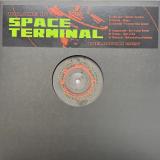
Somewhere beyond familiar frequencies, Space Terminal opens the gates to a new transmission. The latest various artists compilation from Ovelha Trax assembles a selection of producers navigating the intersection of electro, breaks and machine-driven club music. Inspired by the aesthetics of science fiction, dystopian electronics and late-night warehouse energy, the record unfolds as a journey through fractured rhythms, powerful basslines and futuristic sound design. Each contribution offers a different perspective on contemporary electro. From razor-sharp drum programming and robotic funk to warped synth sequences, acid-infused textures and rolling breakbeats, Space Terminal moves between deep atmospheric moments and uncompromising peak-time pressure. While every artist brings their own sonic identity, the compilation remains unified by a shared vision: forward-thinking dance music built for powerful sound systems. This is the mission to an abandoned orbital station, where analogue machines continue broadcasting into the void and broken transmissions become dancefloor anthems. Drawing influence from Detroit electro, UK breakbeat and modern bass music, the release embraces both nostalgia and innovation without settling for either. Pressed on limited edition vinyl, Space Terminal is another chapter in Ovelha Trax’s ongoing mission to showcase uncompromising underground music from artists pushing electro and breaks into new dimensions. Boarding has begun. Destination unknown. For Fans Off: DJ Stingray 313 • Helena Hauff • Jensen Interceptor • Privacy • ERP • Client_03 • Versalife • Silicon Scally Detroit Influenced, Machine Funk, Broken Rhythms, Sci Fi aesthetics, Warehouse Energy, Analogue synthesis, Futurristic club music.
Larry June has built a career on making hard work look effortless, and his album Who Coppin’ stands as a masterclass in smooth, lifestyle-driven West Coast hip-hop. The album delivers a high-grade mix of Bay Area luxury, entrepreneurial motivation, and unbothered charismatic flows. Spanning a laid-back audio palette designed for early-morning juice runs and late-night freeway cruises alike, Uncle Larry balances the discipline of a hustle-first mindset with warm, sun-drenched production anchored by crisp organic instrumentation and heavy-knocking bass.
The album features a tightly curated roster of collaborators who align seamlessly with Larry's signature aesthetic. Spoken-word encouragement from Wallo267 sets an intentional tone on the opener "Go Outside Intro," framing the record around execution and focus. Soulful contributions from Jhené Aiko on "California Dream" and Musiq Soulchild on "Pretty Green Eyes" provide lush R&B textures, while NorCal legend B-Legit and longtime partner DJ.Fresh reinforce June’s deep West Coast roots. Meanwhile, Swizz Beatz injects high-energy bounce into "Flex," offering a vibrant contrast to Larry’s understated, cool-headed cadence.
Behind the boards, top-tier producers like Cardo, Teeko, Beat Butcha, Jay Versace, and June Santana craft a nostalgic yet modern backdrop filled with warm sample flips, smooth G-funk synthesizers, and relaxed soul grooves. The project builds to an emotionally grounded conclusion on "God Got Us (Ain't Too Many)," where June strips away the flexes to offer direct encouragement to his audience, proving once again that consistency, self-belief, and steady progress remain the ultimate luxuries.
Donato Basile AKA DJ Plant Texture always wants his music to tell a story, and with his debut EP on Tresor Records, entitled Life, he’s now trying to tell the biggest story there is. According to the artist, “Life is about the fear of growing up”; both the anxiety itself and acknowledging and moving past it.
This narrative seems to have struck a chord with those who have heard the track, “People want to reflect themselves in the music; something personal. Lots of people have been in touch after hearing it; I guess they feel something melancholic in it. Personally, I imagine the track is like the life of a person; going from being born through childhood and youth and onwards, so perhaps they hear this?”
Having used an MPC since the early 2000s, Basile feels an intuitive connection to the hardware he uses, and so the creative process is very spontaneous: “I know where everything is so the music is made immediately. I make everything in the first ten minutes; after that if it’s not right then I just abandon it and start something else.” This immediacy, and familiarity with his equipment is apparent on the A-side, where Basile’s previous life as a drummer comes to the fore and tracks like Cycles and Ripetivo display his native understanding of groove but also how to stir things up - the three A-side tracks find classic techno rhythms seemingly falling apart only to snap back into place even stronger. The B-side finds Donato exploring more of his melodic side with WTT and the aforementioned title track showing Plant Texture’s love of breakbeat and classic techno.
The three digital bonus tracks continue this exploration of melody and syncopated beats - The EXP Days echos the wistful feeling of Life, as Basile meditates on the times spent at EXP, his record shop in Bari, which functioned as a meeting place for electronic producers in the area.
Ian Pooley returns with a brand-new collection of original productions, delivering exactly what you'd expect from one of house music's true craftsmen.
Road-tested throughout his recent live shows, these tracks have already proven themselves where it matters most: on the dancefloor. Staying faithful to his unmistakable MPC-driven approach, Ian delivers groove, feel and musical restraint in equal measure. Crisp drums, warm sampling, infectious basslines and subtle arrangements come together in a way that only he can deliver.
No overproduction, no unnecessary breakdowns, no gimmicks-just pure, functional house music built for DJs. Timeless, stripped-back and effortlessly effective, this is another reminder why Ian Pooley remains one of the genre's most respected producers.
Layne & Chang might not be household names to everyone, but in the underground they’re long-established fixtures. Chang—who’s released music under a string of aliases over the years—was tipped by Urb magazine as one to watch back in the mid-’90s and has been embedded in dancefloor culture ever since. Alongside him, Layne Fox (formerly San Francisco, now back in Florida) brings deep disco credentials, having helmed the cult-loved Disco Dimensions label and recording as 40 Thieves—best known for the underground anthem Don’t Turn It Off. In short, the boogie lineage on this record runs deep.
And that’s before you even get to Dan Tyler. As one half of the Idjut Boys and co-founder of Noid Recordings, Tyler helped lay the groundwork for London’s edit culture long before it became a global phenomenon. His involvement here only strengthens the package.
“Shake Your Body” opens the release with a locked-in, funk-driven groove—swirling melodic lines, subtly acidic textures, warm vocoder touches, and tight, punchy drums all dialed for peak-time movement. On the A2, “In The Desert” shifts the mood into something more transportive: a hazy, late-night burner equally suited to open-air parties, after-hours sessions, or home listening with the lights low.
Flip to the B-side and Dan Tyler delivers two cosmic reworks that push things further out. Psychedelic, elastic, and built for serious systems, both cuts hit that sweet spot between heady and physical—already circulating among a handful of tastemaker DJs and primed for heavy rotation as festival season ramps up.
A strong, floor-ready release that sits comfortably in the Whiskey Disco catalogue—rooted in disco, but reaching well beyond it.
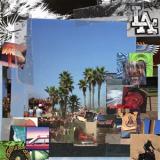
Während West-Coast-Hip-Hop oft auf eine begrenzte Auswahl an Klängen und Stilen reduziert wird, war die Realität des kalifornischen Rap schon immer weitaus vielfältiger. Nirgendwo wird dies deutlicher als in Los Angeles, wo das ikonische G-Funk-Erbe neben einer florierenden Independent-Szene besteht, die den Hip-Hop in neue Richtungen treibt. Nur wenige Künstler verkörpern diese Schnittstelle so natürlich wie Blu. Seit langem von den charakteristischen Klängen seiner Heimatstadt inspiriert und zugleich verwurzelt in der Lyrik und dem Soul der L.A.-Underground-Szene, schlägt der gefeierte MC mühelos eine Brücke zwischen diesen Welten. Sein neues Projekt ,LA" ist eine prägnante Essenz dieser künstlerischen Identität, die den klassischen West-Coast-Sounds Tribut zollt und zugleich ein vielschichtiges Porträt des Lebens in der Stadt der Engel zeichnet. Um diese Vision zum Leben zu erwecken, tat sich Blu mit dem Produzenten Sndtrak aus Oakland zusammen, einem Mitglied von 9th Wonders Produktionskollektiv ,Soul Council", das für seine Arbeit mit Larry June, Rapsody und Smif-N-Wessun bekannt ist. Indem er klassische West-Coast-Grooves durch eine frische Perspektive neu interpretiert, schafft Sndtrak den idealen Hintergrund für Blus prägnante Texte und seine bodenständige Erzählkunst. Mit Beiträgen von Volume 10, Thurz, MED, Iman Omari, Trizz, ICECOLDBISHOP und weiteren Künstlern unterstreicht ,LA" die kreative Entwicklung in einer der dynamischsten Städte des Hip-Hop.
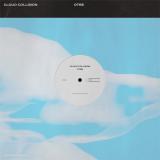
"Cloud Collision" is the first transmission of Open Water and also the debut from it's founder - Berlin DJ and producer OTEE. Born and raised in the city, he has spent a long stretch in and around its club environments and in the studio, absorbing the way techno functions on Berlins dancefloors before committing to a record of his own. In his productions, he likes to build from rhythm first. His techno is hypnotic in the truest sense — drum-driven and loop-led, powered by groove and atmospherics, chasing movement over spectacle but always with an eye on the occasional melodic line. The 5-track EP runs on rhythm and space — hypnotic, loop-led techno built on power, movement and emotion. Five tracks that push from dream to pressure to flight and back to earth, restrained and physical throughout, made for the deep end of the floor.
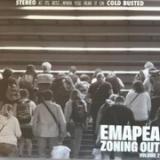
Early in 2018 he unveiled Zoning Out, Volume 1, an album intended for chilling while deep in thought, or for getting into that crucial head-nod zone, like when the DJ drops the dopest beat. With listeners ready for more rhythmic brain-food, Emapea provides with the anticipated next installment: Zoning Out, Volume 2. Developing the theme of Volume 1, Emapea takes his jazzy sensibilities and fresh drum patterns and ups the ante, delivering 18 mandatory cuts that swerve and shimmy while exhibiting pure dopeness. Take "Last Cypher," which is an infectious funk- hip- hop hybrid that flows with more than a few surprise embellishments. There's also the low-rider spy-hop of "Big Small Talks"; "Tantra" with its smooth, old school ride; the sensual boom bap of "Blue Almonds"; and the infectious, latin-lounge-tinged "Rainy Day". These are no- nonsense beat compositions, perfect for thinking, for grooving, for dreaming, for zoning out. Emapea and Cold Busted come correct once again.
Zed Bias (aka Maddslinky) is a pioneering producer and DJ whose influence has helped shape UK Garage, 2-Step, Broken Beat and UK Funky.
The second release in the archival series opens the Biasonic vaults once again, uncovering rare and essential recordings that span multiple genres and decades of groundbreaking music.
Pressed in strictly limited quantities, this is a collector’s edition for devoted fans and curious crate-diggers alike. Once it’s gone, it’s gone—secure your copy while you can.
Early DJ Support: Massimiliano Pagliara, Paranoid London, Logan Fisher, Terry Farley, James Holroyd, Rocky (X Press 2), Francois K, Marcel Vogel, Sean Johnston, Austin Ato, Ron Basejam, Richard Rogers, Oliver Dollar, Crazy P and many more
Creating an international name for itself over the past decade as a sample pack label, Samples From Mars made its inevitable venture into the music world originally as a home for founder Teddy Stuart’s work. Long before making samples, Stuart garnered credits working as a grammy-nominated recording engineer in the hip hop world, and DJing / producing with Justin Strauss as A/JUS/TED, for labels such as DFA, Domino Records and Southern Fried Records. Now the label is set to release a variety of genres - house, disco, techno, ambient, all with a vintage tinge and a focus on high quality, analog production.
Enter Salt Queen. Visual artist and musician Magali van Caloen together with Samples From Mars founder, Teddy Stuart. Based in New York, the duo combine hardware dance aesthetics with dry, salty takes on familiar club moments into music that sits somewhere between funny, raw and unpredictable.
Salt Queen’s debut ‘ARE U OK’ is an acid-laced, deadpan spoken word track with an opening line that snaps any room to attention. A disorienting club encounter unfolds over Italo-inflected 808s and a relentless 303 bassline. There are no chords and no melodies - just a skeletal groove and an intimate voice circling the dancefloor. Drifting between concern and provocation, the vocal runs through cliché club conversations before destabilizing completely into a siren-laden crash out. The ‘Freak Nasty Club Mix’ ditches the plot and lets the hardware breathe, with a thick SH-101 bassline anchoring the first half before a sudden switch into an unrelenting acid pattern that refuses to settle. Two versions of the same wild night out.
Following the international praise for their 2024 debut album Where Did You Go?, Sandman Project return with Hearts Forever, the first album entirely composed, arranged and produced by guitarist, composer and bandleader Tal Sandman. Rooted in psychedelic groove, Middle Eastern musicality, funk, jazz and desert rock, it is a record driven above all by a wider spiritual belief in music as a force for connection.
If Where Did You Go? introduced Sandman Project as a borderless, brass-heavy outfit with a cinematic sound, Hearts Forever takes that vision somewhere more intimate and self-assured. Written following Tal's move from Jaffa to Leipzig, the album reflects a period of personal and creative transformation. Arriving in Germany without knowing whether she would find the right collaborators, she gradually assembled a new band through recommendations from fellow musicians, discovering a group capable of bringing her musical vision to life. For Tal, the music is not about drawing neat lines between styles or traditions. It is about taking inspiration from wherever it appears and reshaping it into something honest and alive. "If music touches my heart, it inspires me", she says. "So much music already exists, but what we are doing is creating something new out of inspiration. You take the ingredients and make a new thing".
This is the quiet force behind Hearts Forever. Almost entirely instrumental, the album deliberately leaves space for listeners to find their own stories within it. Without lyrics, the music is never confined to one language, nationality or identity.
Following support for Where Did You Go? from All About Jazz, DJ Magazine, Bayern Radio, Greedy For Best, Pipelines Magazine, Ban Ban Ton Ton and Laurent Garnier, Hearts Forever finds Sandman Project entering a new chapter: more confident, broader in vision and more deeply rooted in Tal Sandman's own creative voice. Rich, restless and full of feeling, Hearts Forever is music for uncertain times; a record about holding on to innocence, choosing compassion and believing, however quietly, that connection is still possible.
Put your hands together and please welcome Linda Lo to Shall Not Fade's Time is Now imprint. The LA producer/DJ's new 12" EP "Masa" drops 23rd Oct 2026 and f**k is it sick.
Linda Lo fuses* mambo, samba, and salsa with UK garage, dubstep, and club rhythms to make guaranteed rewind material that is gonna light up the dance…
* imma talk about this fuses sh*t in a minute.. First we need to get a bit philosophical. Cos rewinds and fusions aside, this EP is alive. It's part of something bigger and cyclical, without a start or an end. It is music. It was part of someone else's music before and it will be part of other people's music in the future. Right now though, it's Linda Lo's music.
Too esoteric? Let me elaborate and, let's talk about fusion. There is the fusion that is – steal a bit of genre X and culture Y, chuck it on the grid and strut about professing fusion – and then there's actual fusion: Music that is something "new" and real and genuine. Music that you end up describing excitedly as a "fusion of" things (even if it inevitably ends up doing it a disservice). Music that is simultaneously one thing and not that thing, and also something else and not that something else too. Music that is just "music" to the creator but is also part of the progression and evolution of music for others. Mala wasn't making "dubstep". Skream & Benga ended up not making Garage. Like many before and after they were making their music and Linda Lo is making her music so let's hear from her about it. Big up Linda. This is real.
Notes from Linda:
-----------------
“Like Croydon by way of Havana”
“Masa, or corn-based dough used to make tortillas and tamales, is a traditional staple food for many in Mexico and throughout LatAm. In the Maya worldview, people's flesh is made out of masa. In order to make masa, corn must be dried, nixtamalized, ground, and mixed (often by hand) to create the right textured dough. I find much of my music work is a collision and a mixing of many elements, all worked into one product. In this way, I've worked these songs, transforming raw rhythms and sub bass into hand-mixed tunes. ‘Masa - EP' presents four delicious heaters. The title track explodes with a fiery double-time dubstep groove. Mambo horn stabs bite through a bass inferno. ‘Cenote' looks down upon a subterranean pool of sound—still on the surface but impossibly deep. ‘Minifalda', pure flirt and gyration, calls in cuica and other voices from a samba bateria. Finally, claves stitch across ‘Mestiza', a fusion of blooming lush orchestration and jagged 2step rhythm.
Around 1960, my grandparents were regular dancers at the Palladium in Los Angeles: young, Mexican, and falling in love to dance music, specifically big band mambo. My mom, consequently, is a fantastic dancer, and her mambo collection along with my dad's exotica records formed the base of my own vinyl collection. When I first discovered garage and dubstep, there was something indescribably familiar to me, something mambo-like about the syncopated offbeat hits and drama. Later, as I began stitching together mambo claves and 2step drums, I assumed I was trying out something totally new. The farther I go, the more I see that I was wrong.
Dubstep, garage and jungle share a parental lineage back to dub reggae, originating from Jamaica. Mambo hails from Cuba, and sister genres of salsa to NYC & PR, and bachata and meringue to the Dominican Republic. Yet, these musical genres of the Caribbean have not developed in isolation. Reggae, mambo, dancehall, salsa, even son jarocho from Veracrúz, Mexico (where my family is from), all developed together, influencing each other fundamentally. Ultimately, all musics of the Caribbean have come from West African polyrhythmic musical heritages. Garage, mambo, dubstep, and salsa are points in time along one musical continuum.
I feel very honored to be a selector working in Los Angeles (and elsewhere!). I hope I can share some music for the next generation of young people to fall in love to. "
-----------------
I'm moved by what Linda writes here. #1 Doing what you love, and finding you are part of something bigger. Creating for yourself freely and hoping to inspire others with healthy amounts of care, humility, freedom, self awareness and enjoyment. (It is inspiring and I'm honoured we are now a part of sharing Linda's music). #2 There's something wonderful about finding connection and a sense of place. A place physical, spiritual and in time. Music can help us all find connection and be part of a place. Wheel it up wherever you are.
The vibraphone may have gone quiet, but the groove hasn't. Roy Ayers passed away on March 4, 2025, in New York City, at the age of 84, but the man they called the Godfather of Neo-Soul left behind a vault deep enough to keep dancefloors moving for generations. BBE Music now hands the keys to Berlin's own Delfonic, whose second volume of reworks digs even further into that treasure chest for six fresh, floor-ready reimaginings. The series began when Delfonic shared a spontaneous edit with BBE founder Pete Adarkwah, and listener demand for a vinyl pressing turned the idea into a full official release. Volume 1 sold out fast and moved through collector circles at speed; Volume 2 arrives with even higher expectations attached, and record heads who missed out the first time won't want to sleep twice. Everything here is pulled from deep, previously-vaulted Ayers sessions. The reworks draw from BBE's celebrated Virgin Ubiquity compilations, a trove of unreleased Roy Ayers recordings cut between 1976 and 1981. These are the rarer cuts serious collectors have been chasing for years, now given a second life courtesy of BBE Music Delfonic is the alias of Markus Lindner, a Berlin lifer. He's been DJing professionally since 2004, building his name across Berlin and wider Europe with a sound rooted in hip-hop but stretched across many genres. For anyone who needs the primer: Ayers pioneered jazz-funk through his group Roy Ayers Ubiquity and was widely regarded as the godfather of neo-soul. His breakthrough came young; he got his first vibraphone mallets at age five after watching Lionel Hampton's band, and by 1963 he had his own recording contract. His records have been sampled for decades by artists including Mary J. Blige, A Tribe Called Quest, Common, and Kanye West, cementing him as one of the most sampled figures in soul-jazz history; a status that only grows with every year that passes. About BBE Music: This is a label with real archival credibility on Ayers specifically. BBE has held the license to the Virgin Ubiquity sessions since 2004, and this rework series is a natural extension of that decades-long relationship. Buyers trust the BBE stamp on soul-jazz reissues and edits precisely because of that history and the care, thought and quality that goes into every physical release, as BBE celebrates 30 years of real music for real people.
Classic edits that place the funk upfront. Da Breaks brings that familiar flavour with a twist of Boom-bap, these timeless reworks are built for DJs. Trimmed, tightened and ready to mix.
UK techno lynchpin James Ruskin celebrates 30 years of Blueprint with a remastered edition of his 'Further Design' LP, releasing 4th September 2026. Founded by Ruskin and Richard Polson in 1996, the infl uential label has spent three decades documenting uncompromising techno through releases from the likes of Rommek, Kr!z, Truncate, and many more, with 'Further Design' originally landing in 1998. The anniversary celebrations have already seen Mark Broom revisit seminal Regis recordings on the 'Power Is Neutral' EP, with further releases from Kerrie, Nastia, and more to follow, alongside a merchandise run later this year.
James Ruskin has been a constant presence in techno for over three decades. He defi ned the sound of British techno through his DJ sets, productions, and the releases on his infl uential Blueprint label. His stripped-back, functional, and forward-thinking sound has remained utterly uncompromising, with performances at clubs and festivals around the world while never straying from underground ideals. Substance over trends has always been his MO, through a catalogue spanning Blueprint, Tresor, and numerous collaborations that remain timeless.
The purposeful titles of the tracks on this essential album hint at the minimalist approach to sound. This is bold, linear techno with 'Enter', 'Below', and 'Indirect World' kicking off with rolling low ends and smart sound designs that even now sound futuristic. The likes of 'The Divide' bring spangled synths and crunchy percussive textures that jerk you into motion, while 'Time And Place' is an immersive cosmic odyssey and 'Unknown Destination' melts the mind with liquid synth work that loops around hypotonic rhythms. 'Work' is another perfectly calibrated cut with meticulous percussive placement and the shimmering of bells that dissolve space and time.
It is testament to Ruskin's original vision that 'Further Design' remains as evocative today as it was upon its release, full of otherworldly imagery and grooves that continue to move dance fl oors around the world.
Jolene Cuts returns with a 5-track vinyl-only masterpiece that channels the golden era of 1998 French House while pushing it into the future. No edits—just 100% original productions from Danny & Mike, two true craftsmen of filtered house grooves. “Jackpot” kicks things off with a euphoric, sample-driven floor-burner, dripping in funk and irresistible filter sweeps that recall the raw magic of classic Roule and Crydamoure records. “Voiture” follows with a sleek, late-night ride through hypnotic basslines and shimmering disco loops, perfect for peak-time club moments. On the flip, “So Cruel” brings soulful vocal chops and deep, rolling grooves in a way that nods to the emotional side of the French Touch era. “Love U” injects pure joy into the mix—swinging drums, warm filters, and a seductive disco flair designed to light up any dancefloor. Closing it all, “Disco Road” is a driving, high-energy weapon blending pulsating bass and filtered hooks that feel like 3 a.m. in Paris circa ’98. This is a love letter to French House—strictly vinyl, strictly limited, five unmissable club bombs. Perfect for DJs who crave that raw filtered energy, vinyl purists, and anyone who knows the true essence of French Touch: groove, soul, and pure dancefloor ecstasy. Once it’s gone, it’s gone.
Cosmo Dance is the artistic alias of Cosimo Mandorino, an Italian producer and DJ who has been active in the electronic music scene for more than twenty years, as well as the founder of the label Mirella. Produced and finalized in Napoli during a series of short stays, and developed with the contribution of Raffaele Arcella and Dario di Pace, "Cosmo-logic" unfolds within a parallel, plausible, and dystopian universe where humans and machines coexist in constant tension and perpetual conflict. A musical narrative shaped by rebellious computers, wars between binary systems, and universal unified languages, the record stands as a manifesto to the early era of Italo-Disco, while remaining deeply infused with influences from cosmic disco and stripped-down electronic funk. The tracks make extensive use of mechanical rhythms, voice modulators, vocoders, and analog effects, exploring sonic territories forged through iconic instruments such as the Korg MS-20.
Crossing their distinctive techno practices in the spirit of mutual appreciation and experimentation, DJ Nobu invites JakoJako to Bitta. Each delivering an original track and then remixing each other's work, both artists examine where their creativity converges, and what happens when their differing qualities collide. JakoJako has forged a reputation within techno and electronica circles centred on her accomplished exploration of modular synthesis. While she comfortably embraces ambient projects, she's also firmly entrenched in the club matching a tough rhythmic sensibility with adventurous textures and subliminal emotional content. As Nobu himself describes, "Beyond standard techno functionality, I deeply respect JakoJako's approach to music making, which stems from a pure, unyielding curiosity about sound itself. Her sound aligns perfectly with Bitta's core philosophy--the coexistence of experimentation and physicality." Nobu's own 'Wax and Wane' opens up the release in a melancholic mosaic of bleeping leads and natural-sounding drum tones, patiently laid out over a dense pad and developed with the elegant but driving style he's made his own over many years. JakoJako's 'Nodus' is a more cybernetic affair--lithe layers of frequency modulation moving over the rugged kick drum thump before opening up to celestial arps and jagged flurries of percussion. For the remixes, Nobu immediately reframes 'Nodus's melodic crescendo as the core theme while steering the track towards an immersive, linear arrangement that ebbs and flows with poise. In the process, he finds his own expressive sound design language to put a unique spin on JakoJako's original sound. Meanwhile, JakoJako steers 'Wax and Wane' into a mesmerising lattice of needlepoint percussion and swooning synth strokes, creating emotive swells out of the raw ingredients of Nobu's original melodies. The end result is a record made up of four distinct pieces, all logically compatible but bringing forth different aspects of two dedicated, ceaselessly curious practitioners of contemporary techno.
Biz returns to his Subjekt label for it’s fourth instalment, continuing a long-standing connection with the deeper, more cerebral side of techno. With previous releases on Detroit institution Transmat, Laurent Garnier’s COD3QR, Xistence, We’re Going Deep, Acquit Records and other respected underground labels, the lineage is firmly established.
Here, Biz digs deep into the Detroit blueprint — machine rhythms, hypnotic sequences, melancholy, soul and futuristic tension — balancing introspection with raw dance floor vibes.
For the remix, Osaka techno veteran DJ Compufunk steps up with a stripped-back interpretation, locking into the groove and pushing the track further into raw machine funk territory.
Detroit spirit, Japanese precision and Australian underground techno vibes — another essential Biz release!
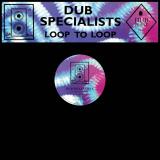
Mysticisms completes its archival releases of the Dub Specialists with a 3rd EP of the outer reaches of the Digi Dub realm, this time mainly drawing from the project’s final album Loop To Loop.
Conscious Sounds head honcho Dougie Waldrop, working again with Chris Petter (Love Grocer) runs the desk, the heavy sample originals move from House to Breaks, Dub to Funk.
For the final reversions, label co-owner and editing specialist Piers Harrison returns, turning Love Song in a long form 4/4 romantic digi bounce. A sure-fire winner, the catchy groove and trippy beats, the template of what makes Dub Specialists come alive.
Following is Lotion Dub, edited by Vanity Project. A key part to the project, working with Millie Mckee, as well assisting Chuggy, his solid arrangements and engineering skills take the old school original, with digi horns, electro stabs and reggae “skanking” guitar, accentuating the drum and bass to effect.
The final side of edits come from Chuggy, taking the steppers of Dub Downtown, teasing the drop, looping and riding the riddim and also, finally, from rising producer and label head of Spiritual World Recordings, N1 Sound who sticks to the true essence of re-editing, creating a DJ friendly excursion, extending and live dubbing the sought after 808 Dub from Dub Specialists debut Break To Break, thus bringing the whole project full circle and complete.
With Picture About You, Recut opens a new chapter, blending the heritage of house music, acid textures and underground electronic culture into a contemporary vision for today’s dancefloors. Rooted in the essence of club culture, the EP explores hypnotic grooves, evolving patterns and the timeless dialogue between the DJ, the sound system and the crowd, where emotion, movement and energy become a universal language. The title track, “Picture About You”, reflects Recut’s artistic identity through the lens of his personal history and family roots. An important part of this story comes from his uncle, known as Mr. Steve, who in 1975 founded one of the pioneering independent radio stations in Southern Italy during the early years of independent broadcasting. His connection with radio, disco culture and the first generation of Italian clubs embodied a spirit of discovery, sharing and musical exploration that continues to shape Recut’s approach to music.
Musically, “Picture About You” unfolds through a hypnotic and emotional groove, blending old-school character with a contemporary perspective. A timeless club track where past and present come together in Recut’s own musical language. “Hey Jack” is a powerful dancefloor weapon driven by unstoppable grooves, hypnotic acid lines and captivating arpeggios. Built for peak-time moments, it pushes the energy forward with a relentless rhythm designed to ignite the crowd.
“Subwave” takes the journey into a deeper and more massive dimension. Driven by powerful low-end pressure, evolving dynamics and explosivetransitions, the track builds tension throughout its progression before releasing its full impact on the dancefloor. Closing the EP, “Neon Flux” delivers the final impact: fierce, electric and uncompromising, a track designed to push intensity beyond the limit and leave a lasting impression. Recut Music — Fun for DJing!
CER015 sees Celestial Echo bring back one of the great modern soul 45s, Ramsey & Company – “Love Call”.
Coming out of New York in the late ’70s, Ramsey & Company was led by Mainor Ramsey, with the group originally playing the Catskills supper club circuit. Their only single was released privately on Ramsey’s own Ramco label, with copies sold at shows and barely making it into wider distribution. Like so many great soul records, it found its real afterlife much later, becoming a favourite across the UK modern soul and rare groove scene.
“Love Call” is the reason this record has carried such a reputation for so long. A beautifully arranged modern soul dancer, it has that perfect late ’70s balance of groove, song and musicianship. On the B-side, “Leg Grease” brings the funk.
Original copies are now almost impossible to find, often selling for serious money when it turns up and even the Lotus Land reissue has become expensive in its own right. This Celestial Echo edition puts the track back into circulation properly, cut loud and ready for the DJs and soul heads who have been waiting on a clean copy.
Celestial Echo is here to put proper soul records back into circulation — respectfully cut, properly pressed, and ready to play.
Terrestrial Funk welcomes Parisian producer Raymond D. Barre with a fun exploration into FM Synthesis. Bouncing in that sweet sweet midtempo zone all six tracks squelch to your heart’s delight. Simply put, “light-hearted and good vibes electro acid tracks”, as Monsieur D. Barre described them when he demoed the tracks to Terrestrial Funk two years ago. But they’re much more. Perfect programming brings that slow swing, wonky warped vocals on songs like ‘Broken Nose’, and the bells that chime in the releases final song ‘Mes Bêtes’ leave you in a paradox of fulfillment and desire. That’s the best part, you can flip the record back and listen to the release right over. DJs and home listeners alike are in for a treat with this one. Heck, get yourself two copies and mix every track back to back in the club. We guarantee it’ll go off.