Cerca:don disco

Generi
Tutto
Luca Lozano - 'Calling All Dancers Remixes' EP

For the first outing of 2026, Klasse Wrecks harks back 10 years or so to a Luca Lozano classic that was originally released on U.K. based Hypercolour Records. 'Calling All Dancers' was a defining moment in the producers discography and proved an evergreen hit even a decade later, to celebrate the milestone Lozano has revisited the original and turned in 4 brand new remixed versions. Ranging from tribalistic rhythms, classic electro stomp and sleaze-ball electronica the remixes provide an updated imagining of the original for audiences both new and old. Grab a copy now and don't forget to put on those dancing shoes...

non in magazzino

Ordina ora e ordineremo l'articolo per te presso il nostro fornitore.

13,24

Last In: 4 days ago
Ricky L feat M:ck - Born Again (Babylonia)

Ricky L feat M:ck

Born Again (Babylonia)

12inchMCPRO-TOPTEST03
Disco Inn
10.02.2026

Reissue 2026

A hit born... three times over!

Released in 2005, "Born Again" was re-released in 2011 after becoming one of the most sought-after dance records in Europe.

It went straight to #1 in the Netherlands, where it also went gold!

Now available again on vinyl, remastered by Gianni Bini at HOG Studio, with versions by Balearic Soul, Pastaboys, and Funkerman.

The lyrics are truly powerful and different. I was born into a system that doesn't give a shit about you, or me, or life.

Don't be a victim of the things I do to survive, because I've always known, you Babylonians are good...

non in magazzino

Ordina ora e ordineremo l'articolo per te presso il nostro fornitore.

13,87

Last In: 26 days ago
Various - Philadelphia International Classics - The Tom Moulton Remixes : Part 1 (2x12")

Repress!

The legendary partnership of NYC's Disco godfather Tom Moulton and Philadelphia International Records has long been documented. A truly explosive collaboration that yielded endless classic tracks for dancers and deep listeners alike, Moulton seemed to be totally in tune with the labels output and the direction it should go in. Luckily we've been enjoying the fruits of this labour for the last 30+ years with a lot of these PIR classics becoming ingrained in the psyche of the modern day music fan as the building blocks of House music.

The names alone fill one with awe, The O'Jays, Harold Melvin & The Bluenotes, Archie Bell & The Drells and Lou Rawls. All of these artists were, and still are, huge stars. Turning in classic after classic, and with Moulton's supreme ear assisting, this special PIR reissue 12" see's some all-time classics from the aforementioned artists in their full, unabridged, unedited Disco glory. The selections on this EP are absolutely top-shelf, flawless in fact. One could argue that these are the 'definitive' versions of these anthems. Pure Disco gold essentials. Anyone with even a passing interest in Disco will most certainly need this record in their possession, the 2012 pressing of this EP changes hands for £100+ second hand, so a repress was desperately needed.

These tracks are fully licensed and reissued in conjunction with Tom Moulton and PIR and all relevant rights holders. Remastered from original source materials to the highest spec and pressed onto top quality vinyl, courtesy of Above Board distribution for 2019.

In stock dal22.04.2026

22,90

Last In: 41 days ago
Various - Wizzz! French Psychorama Volume 5 (67-75)

The journey through French-speaking pop archives continues with this fifth volume, packed with fuzz, gimmicks, and dissent. Far from the charts, the selected tracks display a great creative freedom, often backed by corrosive humor. Welcome to the surprising, kaleidoscopic, and colorful world of the late sixties and early seventies, Wizzz!
Born in Montauban, Robert Pico stumbled into music by chance when he met René Vaneste, then artistic director at Pathé-Marconi. René brought him to Paris to record his first 45 RPM EP in 1964. A year later, Pierre Perret introduced him to Vogue, where he recorded his second album with Claude Nougaro’s orchestra. Sylvie Vartan then introduced him to RCA, where he recorded four singles, including the astonishing "Chien Fidèle," a track backed by a hair-rising fuzz guitar. Alongside his solo career, he also composed for other artists like Alain Delon (the song was recorded but remains unreleased), Magali Noël, Bourvil, and Georges Guétary. In the Paris of the sixties, he mingled with Mireille Darc, Elsa Martinelli, Marie Laforêt, France Gall, Françoise Hardy, Petula Clark, Régine, Dani, Serge Gainsbourg, Joe Dassin, Franck Fernandel, Charles Level, and Roland Vincent. Despite his efforts and winning a Grand Prix Sacem for his final record, Robert Pico didn’t achieve the expected success in show business and decided to leave Paris and return to the Southwest, where he devoted himself to writing. He is the author of 23 books (including Delon et Compagnie, Jean-Marc Savary Editions 2025, a memoir about his youth and his many encounters). Today, he is relieved to never have become a celebrity and devotes himself to his work with passion.
In 1969, the Franco-Italian movie Erotissimo was released, directed by Gérard Pirès (who later directed Taxi in 1998, written and produced by Luc Besson). This pop comedy features Annie Girardot, Jean Yanne, Francis Blanche, Serge Gainsbourg, Nicole Croisille, Jacques Martin, and Patrick Topaloff. The soundtrack was written by Michel Polnareff and William Sheller, with lyrics by Jean-Lou Dabadie. "La Femme Faux-cils," performed by Annie Girardot. It recounts the feelings of a rich CEO's wife who seeks to develop her sex appeal under the influence of advertisement and magazines. Groovy, sparkling and light, this track, with ITS lush arrangements humorously critiques consumer society and feminine beauty standards.
“Je suis l’Etat” (1967) is the flagship track of the first EP by singer-songwriter Spauv Georges, aka Georges Larriaga, better known as Jim Larriaga (1941-2022). Born into a family of bakers, the young man was initially planning to become a hairdresser when he discovered English-speaking music through Elvis Presley and the Beatles. After this revelation, he decided he would become a songwriter and gave himself five years to succeed. He recorded his first two EP’s independently for RCA under the pseudonym Spauv Georges; meaning “that poor George”, a nickname given to him by the mother of her friend Jean-Pierre Prévotat (future drummer of the Players, Triangle, or Johnny Hallyday). Portraying a depressed and eccentric young man, Spauv Georges created corrosive and amusing songs that didn’t reach a wide audience, despite a TV appearance with Jean-Christophe Averty.
Supported by his loyal friend and fellow songwriter Jean-Max Rivière, Georges Larriaga met the future singer Carlos in the early '70s, then Sylvie Vartan’s assistant. He wrote songs for Carlos, including the popular "La vie est belle," "Y’a des indiens partout," and "La cantine", which went onto become a huge hit in 1972. He also composed for Claude François (“Anne-Marie”, 1971), Charlotte Julian (“Fleur de province”, 1972), helped launch child singer Roméo (who sold 4 million records), and later wrote the hit "Pas besoin d’éducation sexuelle" (1975) for the young Julie Bataille. In 1971, Jim recorded an album for Disc'Az: “L’univers étrange et fou de Jim Larriaga”, which featured pop gems like “La maison de mon père”.
The story of the song "Zoé" began when Pierre Dorsay, artistic director at Vogue Records, asked Swiss singer and musician Pierre Alain to write a song for a new female singer. The inspiration came when he realized that Zoé (the artist's name) was also the name of France's first atomic battery, created in 1948, which consisted of uranium oxide immersed in heavy water! The lyrics reflect a bubbling energy that must be handled with caution, while the instrumentation echoes this atomic theme, notably with the use of a theremin.
Zoé’s career lasted only as long as a single 45 RPM, but it seems Christine Fontane was the vocalist behind this pseudonym, who is known for several EPs, a good "popcorn" album in 1964, and a handful of children’s singles in the '70s. Regardless, the photograph on the cover is of a different girl entirely.
Later, Pierre Alain continued his career, writing songs for himself, Marie Laforêt, Danièle Licari, Alice Dona, Arlette Zola (3rd place in Eurovision 1982), and achieving multiple gold and platinum records in Canada. Also an inventor with several patents, president of the Romande Academy, and head of the French Alliance in Geneva, he now composes atonal music, books, and poetry. Moreover, he is also the host of "Les Mardis de Pierre Alain" at "Le P'tit Music'Hohl" in Geneva.
Filled with oriental choruses and fuzz guitar, "Fou" is from Jacques Da Sylva's only EP released by Vogue in 1967. Despite the quality of this recording, all traces of this singer disappear after this first effort.
Valentin is a baroque pop singer born in Belgium. He is the songwriter and composer of most of the tracks on his three singles released in the late 60s in Canada. A legend says that he reincarnated himself as Jacky Valentin during the 1970s for a rock'n'roll revival career in Belgium, but his older brother sadly debunked this story. Valentin's first two singles were arranged by Claude Rogen, a Parisian session pianist who had come to Canada to promote the song “Mister A Gogo”, a cover of David Bowie’s “Laughing Gnome”, adapted by singer Delphine, his wife at the time. Far from his usual network, Claude Rogen arranged music for Polydor, including the arrangements for “Je suis un vagabond” in 1969, a jerk tune with string arrangements and a furious optimism.
Jacques Malia wrote, composed, and recorded his only 45 EP for Festival in 1966. “Histoire de gitan” is an incredible beat track with bohemian scat that tells the story of a gypsy musician who came to Paris to make it in the Music-Hall, to no avail. The hero of the song and its author probably shared a similar fate, as Jacques Malia faded into anonymity after this remarkable attempt.
Bernard Jamet recorded two EPs for Barclay in the late sixties and co-wrote several songs with Christine Pilzer, Pascal Danel, and prolific songwriters Michel Delancray and Mya Simile. The track “Raison Légale” (1968), his masterpiece, immerses the listener in a courtroom right when a murderer is being judged, with jerk rhythm and free arrangements. A unique, paranoid, judicial, and psychedelic oddity.
Jean-Pierre Lebrot-Millers started his career in show business in 1967 as a singer and songwriter for the Philips label. After three singles, he wrote several songs of a new kind with his friend Pierre Halioche, in the midst of the sexual liberation movement and the democratization of drugs. With provocative lyrics, “Les filles du hasard” and “Barbara au Chapeau Rose” were released on a Philips singles in 1968. The character of Barbara was inspired by a queen of Parisian nightlife during the psychedelic years: model Charlotte Martin, who dated Eric Clapton from 1965 to 1968, then Jimmy Page from 1970 to 1983. Jean-Claude Petit’s arrangements, with a table-filled intro, soul brass, and Hendrixian guitar, emphasize the flamboyance of a hedonistic and sexy character, whose dog is named Junkie because “Junkie est un nom exquis”! The track was recorded live in three takes with a full orchestra.
Upon its release, the record was censored by Europe 1 and RTL due to its references to drug use. Jean-Pierre Lebrot was then banned from the airwaves and later dismissed by his record label. He changed his artist name to Jean-Pierre Millers, while his companion Pierre Halioche became D. Dolby for a new dreamy composition, “Chilla”, which Jean-Pierre produced himself with arrangements by Jean Musy. Once again, the song was immediately censored everywhere. After this setback, he decided to stop singing and started taking on odd jobs to support his Swedish wife and their son until the day he met Jean-Pierre Martin, then production manager at Decca, who had worked with Manu Dibango. Martin offered Jean-Pierre Lebrot-Millers, then employed at Rank Xerox, the position of artistic director at Decca. He accepted and became, a year later, promotion director (radio, press, TV). He worked on Julio Iglesias’s first album for Decca, which became a massive hit and allowed him to meet Claude Carrère. The latter asked him to write new songs and find their performers, much like a “talent scout.” It’s through him that Jean-Pierre discovered Julie Pietri and Corinne Hermès. He composed “Ma Pompadour” for Ringo, Sheila’s husband, and took the microphone again for the syncope hit “Rendez-Vous” in 1982.
That same year, Jean-Pierre Lebrot-Millers tried to release a track for which he had heavily gone into debt: “Si la vie est un cadeau”. Having recorded it in London, he presented it to numerous professionals, all of whom refused to get involved. The same thing happened with Antenne 2 and the Sacem when he proposed the song as France’s entry for Eurovision. He then met Haïm Saban, who was producing cartoon soundtracks and had just launched the Goldorak theme song. Saban, having listened to the song, declared it had the potential to become a hit. He sent Jean-Pierre and Corinne Hermès to meet the CEO of the Luxembourg radio and television network. The latter received them, asked to hear a verse and chorus a cappella in his office, and immediately hired them to represent Luxembourg at Eurovision 1983. They reworked the arrangements and recorded a new version with Haïm Saban as co-producer. The song ended up winning Eurovision 1983, a great comeback for our hero. He continued producing and hung out with the band Nacash in Belgium when a couple came to introduce their daughter for an impromptu audition in a hotel room. The girl sang “Les démons de minuit” while dancing to a radio cassette. Impressed, he had her take singing lessons for a year and composed a song for her (for which he had the melody and title, but no lyrics). This required him to go on the hunt for a lyricist, who ended up being Guy Carlier. They recorded the song, which was initially a ballad, at Bernard Estardy’s CBE studio, and gave the singer a new name: Melody. They showed the song around their industry network without success. Later, Estardy called Jean-Pierre to suggest changing the rhythm and making it pop-rock. Orlando, Dalida’s brother, liked the result and decided to co-produce the track. “Y’a pas que les grands qui rêvent » became a classic hit. The song has since been covered by Juliette Armanet (as a ballad, like the original) and Valentina.

Born into an aristocratic Breton family, Hervé Mettais-Cartier worked as a DJ at Queen Kiss, a nightclub in Poitiers, where he formed the band Les Concentrés with Michel (an actor) and Christian (a radio technician). Together, they created a repertoire of whimsical songs (“Ma bique est morte”, “J’suis un salaud”, “Fils de dégénéré”...) that they performed on stage dressed in white (in homage to “concentrated milk”). They performed at Bliboquet and Olympia in 1968 for the 10th edition of the “Relais de la chanson Française” organized by L’Humanité-Dimanche and Nous les Garçons et les Filles, sponsored by Pepsi Cola. Winners in the author-composer category, alongside Danish singer Dorte, their visibility allowed them to record a 45, and appear on television in Jean-Christophe Averty’s show. The A-side of the disc features Bruno le ravageur, a casatchok dedicated to Bruno Caquatrix, the director of Olympia, nicknamed in the song “Coq Atroce” or “croque-actrices”. The B-side is dedicated to “Fils de dégénéré”, a quirky tribute to Hervé's aristocratic roots, mixing absurdity with sophisticated vocal harmonies.
After Les Concentrés, Hervé Mettais-Cartier formed the duo La Paire et sa Bêtise with his friend Olivier Robert. They performed in Parisian cabarets and toured with Pierre Vassiliu. In the late 1970s, Hervé began a solo career. He recorded two albums for the Motors label in 1978 and 1979, which did not achieve their anticipated success due to lack of promotion. In 1980, he met Bernadette, with whom he started a family and created a “Chansons à voir” (songs to see) show that he performed until his death at the end of 2024.

Publicité comes from the final EP by the Missiles (Ducretet Thomson, 1966), a disc that also includes “La (nouvelle) guerre de cent ans”, featured on Volume 4 of our Wizzz! series. Please refer to the booklet for the story of the band.

“He’s 1.82 meters tall, 28 years old, weighs 135 kg, is black and Belgian”: this is the description of singer Hegesippe on the back of his sole single (Decca, 1967). He appears on the album cover wearing a Greek toga, like a hippie gag – we are at the end of the year 1967. In “Le crédo d’Hegesippe”, this former bodyguard of Antoine and the Charlots plays the delightful card of the thick brute converted to Flower-Power and non-violence, with arrangements by Jean-Daniel Mercier, aka Paul Mille.
“Ethéro-disco” was released on a promotional record for clients of the Maréchal company (Liège, Belgium) for the New Year 1979. Over a funky rhythm, celebrity impersonations (Brigitte Bardot, Jacques Dutronc, Fernandel…) deliver an enigmatic text about pharmaceutical products like ether, bismuth, and aspartate. The track was composed by Dan Sarravah (responsible for Joanna's “Hold-up inusité” featured on Wizzz! Volume 3) and Tony Talado, who was also a singer (one 45 in 1967), songwriter (with over a dozen credits between 1964 and 1985 in various styles from surf music to disco), author (Devenez Végétarien, Dricot Editions, 1985), ad designer, and psychologist.

Décollez-les is on the A-side of Mamlouk's only single, a pseudonym for Marsel Hurten, who is known for his work on several EPs in the late sixties, as well as composing music for Hervé Vilard’s “Capri, c’est fini”, Claude Channes' “La Haine”, Annie Philippe’s “On m’a toujours dit”, and Nancy Holloway’s “Panne de Cœur”.
This strange song, with Afrobeat horns and absurd dialogues between a chef and his kitchen staff, is the result of a collaboration between Marsel Hurten and one of his neighbors, a photographer from Pavillon-sous-Bois (93), where the musician settled after returning from the Algerian War. A music video was shot to promote the record.
Marsel Hurten was born in Tourcoing (59) into a musical family. At a young age, he joined the brass band founded by his grandfather, playing the piston before studying trumpet at the conservatory, as well as teaching himself how to play the guitar. As an orchestra musician, he toured in France, Belgium, Germany, and England. He released a series of solo 45’s between 1965 and 1968 for the DMF and Az labels before stopping recording to focus on working for other artists (Gilles Olivier, Noëlle Cordier…).
“L’amour nu” (Vogue, 1971) is the work of the short-lived Belgian band Mozaïque. The track, written by singer Jacques Albin, closely resembles another of his compositions, “Carré Blanc”, which he recorded in 1969 for Disc’AZ.
Represented by the Lumi Son micro-label based in Marignane (Côte d'Azur), Jean-Marc Garrigues released two 45 RPMs in the late sixties, defending the French jerk sound. The song “Je dis Non” is a short, joyful ode to youth, pop music, and rebellion.
Songwriter and performer Jacques Penuel released three singles. The first one, “Astronef 328” (Fontana, 1969), features a dizzying series of chords punctuated by sound effects, a sci-fi story, and arrangements by Jean-Claude Vannier.

We would like to sincerely thank Pierre Alain, Moon Blaha, Marsel Hurten, Bastien Larriaga, Jean-Pierre Lebrot-Millers, Bernadette Mettais-Cartier, Robert Pico, Olivier Robert, Claude Rogen, Micky Segura.

non in magazzino

Ordina ora e ordineremo l'articolo per te presso il nostro fornitore.

23,11

Last In: 81 days ago
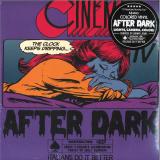
Various Artists - After Dark 4
  • A1: Wolfram Feat Desire – Sad Ibiza Song
  • A2: Orion – Call A Psychic
  • A3: Mothermary – Coming For You (Nicolaas Remix)
  • A4: Double Mixte – Chateau D'eau
  • B1: Love Object – Epicurus
  • B2: The Operator – Danser
  • B3: Talvi - The Day We Met Never Ended For Me
  • B4: Kid Moxie & Nina* – Waiting For Tonight
  • C1: Farah – Losing My Religion
  • C2: Sally Shapiro – Moonlight Dance (Tommy '86 Remix)
  • C3: Glüme – Dangerous Blue
  • C4: Cigar Cigarette – Come Correct
  • D1: Desire – Silver Machine
  • D2: Causeway – I'm Falling Apart
  • D3: Esper Star – Boys Of Summer
  • D4: Juno Francis – Romantica
  • E1: Sally Shapiro – Purple Colored Sky
  • E2: Club Intl Feat Logan Avidan – Hazel Eyes
  • E3: Mesh Kimono – Afterburn
  • E4: Dlina Volny – Saturday
  • F1: Annie-Claude Deschênes – Electric Light
  • F2: Cameron Romance – Meet You On The Other Side
  • F3: Joon – I Think They Call It Love
  • F4: Lovelock Feat Orion – Riders On Dark Horses
  • F6: Pynkie & Social Media – Zoom
  • F7: Body Double – Telescope
  • F5: Double Mixte – Am I A Fool To Love You

15 years since their fantasy disco scene-defining 1st volume, Johnny Jewel’s IDIB lasso Sally Shapiro, Desire, Farah, Lovelock and the kreme of their field for a 27-song, 2-hour re-up


Where previous volumes took their sweet time to arrive, ‘Volume 4’ graces the ‘floor only two years since the last, and nobody’s complaining. From its slo-mo, dry-iced covers of Jennifer Lopez’ ‘Waiting For Tonight’, Don Henley’s ’Boys of Summer’ and even flipping R.E.M.’s ‘Losing My Religion’, thru to exclusive pearls by our disco queen crush, Sally Shapiro, and Johnny Jewel as Desire, it’s the ideal soundtrack for late summer into silly season.

non in magazzino

Ordina ora e ordineremo l'articolo per te presso il nostro fornitore.

50,38

Last In: 4 months ago
Soinuarenbidea II - Sintesis de Paisaje sonororos y Electrónica post industrial

Una interpretación de Soinuarenbidea II debería partir de esta premisa: todo es posible, nada es aleatorio, y en sí mismo es un imposible de aleatoriedades. El escenario planteado explora la idea de realidad aumentada desde una percepción sonora, ambiental y colectiva. La obra transita hacia adelante y hacia atrás recreando experiencias extintas de porvenir incierto, tratando de facilitar un fin pacificador. Cada pieza sonora se crea, se despliega, se repliega y se destruye, en una torsión permanente de toda la realidad que hace posible cada fragmento musical, cada identidad acústica, cada espacio sonoro. Lo onírico, la ficción, y el viaje están continuamente presentes, y es en el transitar de cada fragmento donde se produce el diálogo de la exposición musical. Los elementos de esta ficción se recrean continuamente, en un continuum donde se entrelazan y se van contorsionando a medida que crecen o decrecen con cada fragmento de síntesis concreta. Los temas explícitamente musicales son el magma que conduce a dar voluptuosidad al disco, siendo la piel un contexto o límite que en sí mismo fluctúa indefinidamente en texturas y configuraciones posibles. Y la urdimbre del silencio es la síntesis que está continuamente presente y que trata de cohesionar los fragmentos en continua colisión expresiva. Las grabaciones de campo proporcionan el material sonoro concreto, y como un fractal sonoro cada una de ellas ofrece diferentes grados de interpretación que a su vez conduce a nuevos fragmentos y nuevas creaciones. Así que se puede pensar que esta es una síntesis de una posible realidad, pero interpretable en infinidad de maneras. Un movimiento y una estaticidad implícitas que generan estructuras y dinámicas acústicas. Lo que se escucha no es real, pero en sí mismo forma parte de la realidad, creando un escenario expectante. Lo cinematográfico, plástico y teatral, danzante y dinámico cobra importancia en este juego, porque se trata de contar una historia, una experiencia recreada desde los puntos de vista del arte visual. Es a su vez hilo conductor y entretenimiento, discurso político y puro divertimento. Es desde este espacio de convivencia artística que tiene sentido la totalidad y justifica el formato sonoro planteado. La contradicción de la obra es patente en el formato, y es a su vez el planteamiento de una accidentalidad en el devenir vital. Contenedor de Ruido recoge todas estas contradicciones y las manifiesta en la obra Soinuarenbidea II. Es una historia sonora, es un cuento acústico. Es un fragmento de vitalidad en imágenes audibles. Es una invitación a la reflexión, a la crítica, al disfrute, a la meditación, a la celebración. Y sobre todo es esperanzadora apreciación de la realidad como algo maleable que confeccionamos colectivamente, que requiere de una paciente observación y la participación colectiva global, en un mundo finito pleno de diversidades y del que ignoramos prácticamente todo, al que deberíamos volver con respeto y devoción.

Soinuarenbidea II-ren interpretazio batek premisa honetatik abiatu beharko luke: dena da posible, ezer ez da ausazkoa, eta, berez, ausazkotasun ezinezko bat da. Planteatutako agertokiak errealitate areagotuaren ideia aztertzen du, soinu-, ingurumen- eta talde-pertzepzio batetik abiatuta. Lanak aurrera eta atzera egiten du, etorkizun zalantzagarriko esperientzia desagertuak birsortuz eta helburu baketsua lortzen saiatuz. Soinu-pieza bakoitza sortu, hedatu, tolestu eta suntsitu egiten da, musika-zati bakoitza, identitate akustiko bakoitza eta soinu-espazio bakoitza ahalbidetzen dituen errealitate osoaren etengabeko bihurdura batean. Onirikoa, fikzioa eta bidaia etengabe daude presente, eta pasarte bakoitzaren joan-etorrian gertatzen da musika-erakusketaren elkarrizketa. Fikzio honen elementuak etengabe birsortzen dira, continuum batean, non sintesi zati zehatz bakoitzarekin hazi edo txikitu ahala elkar lotzen eta bihurritzen diren. Esplizituki musikalak diren gaiak diskoari atsegintasuna ematera eramaten duen magma dira, azala testuingurua edo muga izanik, testura eta konfigurazio posibleetan mugarik gabe aldatzen dena. Eta isiltasunaren irazkia etengabe presente dagoen sintesia da, zatiak etengabeko adierazpen-talkan kohesionatzen saiatzen dena. Landa-grabazioek soinu-material zehatza ematen dute, eta soinu-fraktal batek bezala, horietako bakoitzak interpretazio-maila desberdinak eskaintzen ditu, eta horrek, aldi berean, zati eta sorkuntza berrietara eramaten du. Beraz, pentsa daiteke errealitate posible baten sintesia dela, baina hamaika modutan interpreta daitekeena. Egitura eta dinamika akustikoak sortzen dituzten mugimendu eta estatikotasun inplizitu bat. Entzuten dena ez da erreala, baina, berez, errealitatearen parte da, eta agertoki espektakularra sortzen du. Zinematografikoak, plastikoak eta antzerkikoak, dantzariak eta dinamikoak garrantzia hartzen dute joko honetan, ikusizko artearen ikuspegitik birsortutako istorio bat, esperientzia bat, kontatzea baita helburua. Aldi berean, hari gidaria eta entretenimendua da, diskurtso politikoa eta dibertimendu hutsa. Elkarbizitzarako espazio artistiko honetatik osotasunak zentzua du eta planteatutako soinu-formatua justifikatzen du. Obraren kontraesana nabarmena da formatuan, eta, aldi berean, bizi-bilakaeran istripu-tasa bat planteatzea da. Zarata-edukiontziak kontraesan horiek guztiak jasotzen ditu eta Soinuarenbidea II obran adierazten ditu. Soinu istorio bat da, ipuin akustiko bat. Bizitasun zati bat da, irudi entzungarrietan. Hausnarketarako, kritikarako, gozamenerako, meditaziorako eta ospakizunerako gonbidapena da. Eta, batez ere, itxaropentsua da errealitatea modu kolektiboan egiten dugun gauza xaflakor gisa hautematea, behaketa pazientea eta partaidetza kolektibo globala eskatzen dituena, dibertsitatez betetako mundu mugatu batean, ia guztia kontuan hartzen ez duguna, eta errespetuz eta debozioz itzuli beharko genukeena.

An interpretation of Soinuarenbidea II should start from this premise: everything is possible, nothing is random, and in itself is an impossible randomness. The proposed scenario explores the idea of ​​augmented reality from a sonic, environmental, and collective perception. The work moves back and forth, recreating extinct experiences of an uncertain future, seeking to facilitate a peaceful end. Each sound piece is created, unfolds, retreats, and is destroyed, in a permanent twisting of all reality that makes each musical fragment, each acoustic identity, each sonic space possible. The dreamlike, the fictional, and the journey are continually present, and it is in the transit of each fragment that the dialogue of the musical exposition takes place. The elements of this fiction are continually recreated, in a continuum where they intertwine and contort as they grow or diminish with each fragment of concrete synthesis. The explicitly musical themes are the magma that leads to the work's voluptuousness, the skin being a context or boundary that in itself fluctuates indefinitely in possible textures and configurations. And the warp of silence is the synthesis that is continually present and seeks to unite the fragments in a continuous expressive collision. The field recordings provide the concrete sound material, and like a sonic fractal, each one offers different degrees of interpretation that in turn lead to new fragments and new creations. So one can think of this as a synthesis of a possible reality, but interpretable in an infinite number of ways. An implicit movement and staticity that generate acoustic structures and dynamics. What is heard is not real, but in itself is part of reality, creating an expectant scenario. The cinematic, plastic and theatrical, dance and dynamic aspects take on importance in this game, because it is about telling a story, an experience recreated from the perspective of visual art. It is at once a common thread and entertainment, political discourse and pure entertainment. It is from this space of artistic coexistence that the whole makes sense and justifies the proposed sound format. The contradiction of the work is evident in its format, and it is, in turn, the presentation of an accidentality in the course of life. Noise Container gathers all these contradictions and manifests them in the work Soinuarenbidea II. It is a sound story, an acoustic tale. It is a fragment of vitality in audible images. It is an invitation to reflection, to critique, to enjoyment, to meditation, to celebration. And above all, it is a hopeful appreciation of reality as something malleable that we collectively craft, requiring patient observation and global collective participation, in a finite world full of diversity and of which we know practically nothing, to which we should return with respect and devotion.

Paisajes sonoros, diseño sonoro, drones y música grabada, realizada y arreglada para Contenedor de Ruido por David Aranaz. Coro: Basandere Ahotsak. Producido y mezclado por David Aranaz. Mástering: Estanis Elorza. Fotografía: David Aranaz. Texto: David Aranaz. Traducción: Saioa Aranaz Oreja. Trabajo y Diseño artístico: Cristina Martinez. Edición: Contenedor de Ruido Producciones y Sarbide Music. Distribución: Contenedor de Ruido.

Contenedor de Ruido agradece el apoyo en la realización de Soinuarenbidea II al coro Basandere Ahotsak y en especial a Eva Orbara Goicoa.

Soinuarenbidea II está dedicado al pueblo palestino.

Paisajes y objetos Sonoros, samplers y otras músicas transformadas para Soinuarenbidea II
Burlada: Paseos sonoros matinales por Merindad de Sangüesa, Calle Mayor, Capuchinas, Parque Uranga y varias iglesias y plazas. Pasajes del cotidiano: basura de papel, cristal y plástico.
Pamplona: Cementerio de San José. CEIP Sanduzelai /// Quinto Real: Fábrica de Armas, Puerto de Urkiaga y alrededores. Suite del silencio, bosques en movimiento /// Fábrica de armas de Orbaiceta: regatas, biosques, paseo sonoro hasta regata /// Belate: Puerto de Belate y alrededores. Vacas en pradera junto a las turberas /// Bardenas Reales: Suite de guitarra y Suite del silencio, estepa desértica /// Austria: Tranvías de Graz y Viena. Muchedumbre del metro de Viena.
Voces cinematográficas de: Matanza en Texas, Robocop, Espíritu Sagrado, Solo los Amantes Sobreviven, Voces de Gaza, Yojimbo, Terciopelo Azul, Los 7 Magníficos.
La pista A2 está dedicada a la memoria de David Lynch.
La pista B4 está dedicada a Eva Orbara Goicoa.
Pista A4: Contiene interpretaciones de piano de Three Piano Pieces Op.11 de Arnold Schoenberg.
Pista A5: Es una interpretación expandida con síntesis FM del Concerto Op. 24 - Etwas lebhaft - de Anton Webern.
Pista A7: Contiene la canción Besarkatu ninduzun (Letra de Josune López y música de Josu Elberdin) en interpretación de Basandere Ahotsak en la iglesia de Burutain bajo la tormenta.
Pista B2: Contiene la canción Recuerdos de la Alhambra (Fernando Tárrega) en interpretación torsionada de David Aranaz Sarasa.
Pista B14: Contiene la canción Agur María (Letra y Música de Estíbaliz Robles “Estitxu” y arreglo exclusivo de Alfonso Ortiz para Basandere Ahotsak) en interpretación de Basandere Ahotsak.

Equipamiento para Soinuarenbidea II.
Micros de condensador SE7, configuración XY y ORTF; Micros de cinta ORTIZ LUTHIER configuración XY y Blumlein; Grabadoras MARANTZ y ZOOM; Sintetizadores y samplers Elektron MONOMACHINE SPS-1, MACHINEDRUM SFX6 y MODEL:SAMPLES. Dave Smith MOPHO. Torso Electronics S-4. Sintetizador Modular 333 DIY; Guitarra clásica ALHAMBRA 6P; Esculturas Sonoras tipo Baschet, cristal y metales; Mesa Soundcraft FX16ii; Interface de Audio RME Babyface Pro FS; DAW Logic Pro; Procesamiento de modelado analógico con Acústica Audio, Waves, Softube, Brainworx, Sonible, Analog Obsesion, Tokio Dawn. Metering de Logic y RME DigiCheck . Amplificación Hafler PRO2400. Monitorización BW DM602 S3. Mezcla digital; Mastering híbrido.

pre-ordina ora30.01.2026

dovrebbe essere pubblicato su 30.01.2026

26,47
Eric Malmberg - Milda döden hämtar oss alla till slut

We Jazz Records is delighted to present the first ever vinyl release for two modern classic tracks by Swedish organist Eric Malmberg. Originally released in 2007 by the label Häpna on Malmberg's second solo album "Verklighet & Beat", the pair of tunes herein serve as proof of Malmberg's remarkable artistic vision, echoing both the pure pastoral beauty and the irresistible groove of his work. This release, part of the ongoing 7" series by We Jazz Records, follows the label's Artistic Director Matti Nives's 10+ years of obsession with the aforementioned Malmberg album after an initial chance encounter with the side A track on a WIRE Magazine compilation in 2007.

"Eric Malmberg's music is a small miracle. I don't want to call him a genius, because I don't want to jinx him. But I will say that he's a complete original, in addition to being a vastly talented musician. I will also say that his recordings and the two performances that I saw by Sagor & Swing merit a place on a short list of most enjoyed musical experiences of the last half decade. I could bleat about the quality of the work, but "most enjoyed" to me carries the stronger charge." – David Grubbs, New York, March 2007

"A special mention needs to go out to the phenomenal and totally bonkers 'Till minne av Lilly Lindström' a track which starts with a clean break, builds into dancefloor abusing Hammond-hammering mayhem and then ends up with lush string orchestrations and disco-lite sweeps. Insane and more enjoyable than you could possibly imagine - an album to totally lose yourself in, and one for anyone looking for something just that little different. Huge recommendation." – Boomkat

non in magazzino

Ordina ora e ordineremo l'articolo per te presso il nostro fornitore.

9,45

Last In: 4 years ago
Low - HEY WHAT

Low

HEY WHAT

12inchSP1435
Sub Pop
30.01.2026
  • White Horses
  • I Can Wait
  • All Night
  • Disappearing
  • Hey
  • Days Like These
  • There's A Comma After
  • Still
  • Don't Walk Away
  • More
  • The Price You Pay (It Must Be Wearing Off)

Focusing on their craft, staying out of the fray and
holding fast their faith to find new ways to express the
discord and delight of being alive, to turn the duality of
existence into hymns we can share, Low present ‘HEY
WHAT’.
These ten pieces - each built around their own
instantaneous, undeniable hook - are turbocharged by
the vivid textures that surround them. The ineffable,
familiar harmonies of Alan Sparhawk and Mimi Parker
break through the chaos like a life raft.
Layers of distorted sound accrete with each new verse
- building, breaking, colossal then restrained, a solemn
vow only whispered. There will be time to unravel and
attribute meaning to the music and art of these times
but the creative moment looks forward, with teeth.
‘HEY WHAT’ is Low's thirteenth full-length release in
twenty-seven years, and their third with producer BJ
Burton.
Low’s 2018 album ‘Double Negative’ was a critical and
commercial success (including 8.7 / Best New Music
at Pitchfork), introducing new noise / experimentalbased textures and pop elements to their sound and
revitalizing their fanbase.
Founded in 1993, Low are influential pioneers of
minimalist, artful indie-rock.
Low’s track ‘Congregation’ was recently featured in an
episode of FX’s Devs.

pre-ordina ora30.01.2026

dovrebbe essere pubblicato su 30.01.2026

18,07
ALAN VEGA - ALAN VEGA (REMASTERED)

Alan Vegas selbstbetiteltes Debüt-Soloalbum kam 1980 raus, zur gleichen Zeit, als Suicide ihr zweites Album "Suicide: Alan Vega and Martin Rev" veröffentlichten. Während Suicides Plattenlabel ZE Records das Duo in Richtung eines synthetischen Disco-Sounds drängen wollte, der von Moroders Produktion von Donna Summers "I Feel Love" inspiriert war, zog es Vega in eine andere Richtung. Er wollte tiefer in die Wurzeln seiner eigenen musikalischen Identität eintauchen, die von Blues, Rockabilly, frühem Rock ,n' Roll und seiner anhaltenden Liebe zu Elvis Presley geprägt war. Vega nutzte die Zeit zwischen den Aufnahmen mit Suicide, um seine selbst geschriebenen Songs auszuarbeiten, begann mit der Produktion seines ersten Albums und trat live auf, um diesen Sound weiterzuentwickeln. Wie auch in seiner bildenden Kunst schichtete Vega Klänge auf minimalistische, dynamische und bewusste Weise. Das Ergebnis war ein einzigartiges Album, das aus rohen Materialien entstand und tief in Vegas künstlerischer Vision verwurzelt war. Tracks wie die klassische Hymne "Jukebox Babe" mit ihrem schwungvollen Rhythmus und ihrer minimalistischen Selbstsicherheit fingen diesen Ansatz perfekt ein und wurden in Frankreich zu einem Hit. "Kung Foo Cowboy" hat einen südstaatlichen Touch und lehnt sich stark an den Blues an, während der goldene Pop-Glanz von "Ice Drummer" mit melodischem, aber klagendem Gesang, marschierenden Trommeln und einem geschmackvollen Mundharmonika-Solo überzeugt. "Bye Bye Bayou" ist ein eindringlicher Mutant-Rockabilly-Song, der den Rock der 50er Jahre mit Vegas exzentrischem Performance-Stil verbindet und später in der Coverversion von LCD Soundsystem aus dem Jahr 2009 neu interpretiert wurde, wodurch Vegas Solowerk einer neuen Generation vorgestellt wurde. In ähnlicher Weise würdigte die Coverversion von "Ice Drummer" durch The Flaming Lips Vegas Außenseitergeist. Jetzt von Josh Bonati anhand der Originalbänder neu gemastert und erstmals auf Streaming-Diensten verfügbar, wurde Alan Vega von Sacred Bones Records originalgetreu neu aufgelegt, wobei die rohe Intensität von Vegas Originalaufnahmen erhalten blieb und sie gleichzeitig für Hörer auf der ganzen Welt neu zugänglich gemacht wurden. "Alan Vega" ist mehr als ein Solo-Debüt, es ist eine Erklärung der künstlerischen Unabhängigkeit und Freiheit eines der einflussreichsten und kompromisslosesten Künstler New Yorks. Ohne die intensive Elektronik von Suicide, aber mit Vegas Außenseiter-Energie und Schärfe, übersetzt das Album den frühen Rock 'n' Roll durch einen Art-Punk-Filter, der sich als eigenständiges Kult-Meisterwerk bewährt hat.

non in magazzino

Ordina ora e ordineremo l'articolo per te presso il nostro fornitore.

22,65

Last In: 83 days ago
ALAN VEGA - ALAN VEGA (REMASTERED)

Alan Vegas selbstbetiteltes Debüt-Soloalbum kam 1980 raus, zur gleichen Zeit, als Suicide ihr zweites Album "Suicide: Alan Vega and Martin Rev" veröffentlichten. Während Suicides Plattenlabel ZE Records das Duo in Richtung eines synthetischen Disco-Sounds drängen wollte, der von Moroders Produktion von Donna Summers "I Feel Love" inspiriert war, zog es Vega in eine andere Richtung. Er wollte tiefer in die Wurzeln seiner eigenen musikalischen Identität eintauchen, die von Blues, Rockabilly, frühem Rock ,n' Roll und seiner anhaltenden Liebe zu Elvis Presley geprägt war. Vega nutzte die Zeit zwischen den Aufnahmen mit Suicide, um seine selbst geschriebenen Songs auszuarbeiten, begann mit der Produktion seines ersten Albums und trat live auf, um diesen Sound weiterzuentwickeln. Wie auch in seiner bildenden Kunst schichtete Vega Klänge auf minimalistische, dynamische und bewusste Weise. Das Ergebnis war ein einzigartiges Album, das aus rohen Materialien entstand und tief in Vegas künstlerischer Vision verwurzelt war. Tracks wie die klassische Hymne "Jukebox Babe" mit ihrem schwungvollen Rhythmus und ihrer minimalistischen Selbstsicherheit fingen diesen Ansatz perfekt ein und wurden in Frankreich zu einem Hit. "Kung Foo Cowboy" hat einen südstaatlichen Touch und lehnt sich stark an den Blues an, während der goldene Pop-Glanz von "Ice Drummer" mit melodischem, aber klagendem Gesang, marschierenden Trommeln und einem geschmackvollen Mundharmonika-Solo überzeugt. "Bye Bye Bayou" ist ein eindringlicher Mutant-Rockabilly-Song, der den Rock der 50er Jahre mit Vegas exzentrischem Performance-Stil verbindet und später in der Coverversion von LCD Soundsystem aus dem Jahr 2009 neu interpretiert wurde, wodurch Vegas Solowerk einer neuen Generation vorgestellt wurde. In ähnlicher Weise würdigte die Coverversion von "Ice Drummer" durch The Flaming Lips Vegas Außenseitergeist. Jetzt von Josh Bonati anhand der Originalbänder neu gemastert und erstmals auf Streaming-Diensten verfügbar, wurde Alan Vega von Sacred Bones Records originalgetreu neu aufgelegt, wobei die rohe Intensität von Vegas Originalaufnahmen erhalten blieb und sie gleichzeitig für Hörer auf der ganzen Welt neu zugänglich gemacht wurden. "Alan Vega" ist mehr als ein Solo-Debüt, es ist eine Erklärung der künstlerischen Unabhängigkeit und Freiheit eines der einflussreichsten und kompromisslosesten Künstler New Yorks. Ohne die intensive Elektronik von Suicide, aber mit Vegas Außenseiter-Energie und Schärfe, übersetzt das Album den frühen Rock 'n' Roll durch einen Art-Punk-Filter, der sich als eigenständiges Kult-Meisterwerk bewährt hat.

pre-ordina ora23.01.2026

dovrebbe essere pubblicato su 23.01.2026

22,27
ABY'S GANG - My LIttle Japanese Boy / Happy Song (Remix)

Challenger was the debut and unique album from the iconic and unique italo disco band Baby's Gang. Altough oficially it had only two singles (Happy Song and Challenger), some other labels found extra tracks to be released as single (America) when Memory Records decided to focus on new releases. Produced by Anfrando Maiola (KOTO), Stefano Cundari and Alessadro Zanni, 'My LIttle Japanese Boy' is one of those tracks so it was worth buying the album. The album did not neither included the original version for Happy Song, but a 'Remix'. Probably someone back in the days should have made this EP including both track...now we have done it. This 12" included the original versions plus two Razor's Edit to make it more DJ Friendly.

non in magazzino

Ordina ora e ordineremo l'articolo per te presso il nostro fornitore.

19,12

Last In: 88 days ago
Various - Jalapeno Records: Twenty Five LP (3x12")
 
25

Jalapeno Records are celebrating their 25th anniversary in the business. The label are marking the occasion with the release of a 3LP compilation featuring some of label boss Trevor Mac's favourite dancefloor gems from across the years. From a humble start in a basement recording studio on Holloway Road to a quarter century anniversary celebrated from their Brighton offices – Jalapeno Records has been an indie label with a mission - to bring the funk to the masses. Along the way that has taken in so many genres from chill to house, gospel to soul, breaks to drum & bass but it has all had a common thread running through it - the funk. "Twenty Five years means there are too many artists to list and this album is not supposed to be a Greatest Hits. We did that on the 20th anniversary. The album is dedicated to all of the artists that trusted us with their music and all the people who supported us along the way" says Trevor


k 11. Back Again (Hot Toddy Remix) feat. John Turrell — Kraak & Smaak


n 14. Alone with You (Purple Disco Machine Remix) [feat. Cleopold] — Kraak & Smaak


[k] 11. Back Again (Hot Toddy Remix) [feat. John Turrell] — Kraak & Smaak


[n] 14. Alone with You (Purple Disco Machine Remix) [feat. Cleopold] — Kraak & Smaak


[k] 11. Back Again (Hot Toddy Remix) [feat. John Turrell] — Kraak & Smaak


[n] 14. Alone with You (Purple Disco Machine Remix) [feat. Cleopold] — Kraak & Smaak

In stock dal22.04.2026

39,45

Last In: 28 days ago
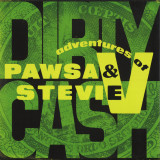
PAWSA & ADVENTURES OF STEVIE V - DIRTY CASH (MONEY TALKS) EP

PAWSA & Adventures of Stevie V’s ‘Dirty Cash (Money Talks)’ Extended Mix marks an exciting evolution of the iconic dance track.

With PAWSA’s innovative production skills and Adventures of Stevie V’s timeless vocals, this release captivates both longtime devotees of the original and a new audience discovering its energetic essence.

On the flip is the classic Sold Out 12 Inch Mix had additional production, and the mix was done by David Morales.

non in magazzino

Ordina ora e ordineremo l'articolo per te presso il nostro fornitore.

15,34

Last In: 14 days ago
BRAINBOMBS - Die LP

BRAINBOMBS

Die LP

12inchREPOSELP154B
Riot Season
16.01.2026

The Swedish underground legends return with a brand new album. Let this reddit user take over …
“Listening to Brainbombs has been one of my weirdest experiences with music. Brainbombs are most definitely a band. I guess at the core they’re a hardcore punk/noise rock hybrid I guess? But… It's so unlike anything I’ve ever heard and I still don’t know if it's good or bad. I saw the edgelord Ed Gein album cover, and it intrigued me, so I listened to their biggest song and it was easily THE WORST thing I had EVER FUCKING HEARD. I shut it off as soon as it got to the vocals. I was shocked by the fact that it had almost a half million streams. But, a few hours later, I clicked on it again and didn’t know why.
Over the past few days, I’ve listened to all of their discography and looped a lot of it. And I don’t even think I like them. The music is abysmal, it's the same single riff and verse repeating for 5 minutes. To make it worse, the vocals are just a guy with a swedish accent awkwardly talking about murder and rape. That sounds awful right? It is awful. But at the same time I want to keep listening? It’s so childishly edgy and obnoxiously repetitive but so.. intriguing? Catchy? I’m not even sure. It's one of if not the weirdest experience I’ve ever had with music and I don’t know how to feel about it.”

pre-ordina ora16.01.2026

dovrebbe essere pubblicato su 16.01.2026

21,43
Bloodred Hourglass - We Should Be Buried Like This LP
  • A1: The Crown Is Permanent
  • A2: We Should Be Buried Like This
  • A3: Royally Done
  • A4: Chasing Shadows
  • A5: Dance Of The Dandelions
  • A6: God Has Favourites
  • B1: Mirage
  • B2: Frail
  • B3: Shun The Limelight
  • B4: Vividus

Ltd. Orange Vinyl Finnish powerhouse Bloodred Hourglass (BRHG) return with their seventh studio album “We Should Be Buried Like This”, a bold and unrelenting statement from a band that has steadily evolved into one of the most commanding forces in modern death metal. Hailing from Mikkeli, BRHG have long stood out for their ability to merge the ferocity of thrash and groove metal with the immersive soundscapes of metalcore, alternative metal, and melodic death. Their music is as dynamic and emotionally resonant as it is heavy and entertaining - a mix that has earned them critical acclaim, a devoted international fanbase, and a reputation for explosive live performances. On “We Should Be Buried Like This”, the band takes their darkest, most unfiltered turn yet. Described as “a work of end-time songs,” this album does not aim to comfort or explain. It’s a raw, confrontational piece built around the slow erosion of hope, the fading of love, the repetition of generational mistakes, and a world defined by self-obsession, disconnection, and indifference. “There’s no pleading, no sugarcoating,” the band explains. “We’re not here to prove anything. This is an album born from an urgent drive to rip things open and say them as they are.” Musically, “We Should Be Buried Like This” is the most aggressive and straightforward album BRHG have ever crafted, yet it never loses sight of the unmistakable melodic power that defines their sound. With searing riffs, explosive energy, and sweeping emotional depth, the album pulses with intensity from start to finish. Guest appearances and fresh sonic elements are woven throughout, yet the band remains firmly rooted in the signature style they’ve spent years perfecting.

pre-ordina ora16.01.2026

dovrebbe essere pubblicato su 16.01.2026

21,22
Various - Philadelphia International Classics - The Tom Moulton Remixes: Part 3

Repress

The legendary partnership of NYC's Disco godfather Tom Moulton and Philadelphia International Records has long been documented.
A truly explosive collaboration that yielded endless classic tracks for dancers and deep listeners alike, Moulton seemed to be totally in tune with the labels output and the direction it should go in. Luckily we've been enjoying the fruits of this labour for the last 30+ years with a lot of these PIR classics becoming ingrained in the psyche of the modern day music fan as the building blocks of House music.

The names alone hark to the legendary voices of the era, major stars including The O'Jays, The Futures, Jean Carne & The Jones Girls all feature with classic after classic getting the TJM treatment. Moulton's supreme ear on this special PIR reissue 2 x 12" see's some all-time classics from the aforementioned artists in their full, unabridged, unedited Disco glory. The selections on this EP are absolutely top-shelf, flawless in fact. One could argue that these are the 'definitive' versions of these anthems. Pure Disco gold essentials. Anyone with even a passing interest in Disco will most certainly need this record in their possession, the 2012 pressing of this EP is super in demand among those in the know and it can change hands for £100+ second hand, so a repress was desperately needed.

These tracks are fully licensed and reissued in conjunction with Tom Moulton and PIR and all relevant rights holders. Remastered from original source materials to the highest spec and pressed onto top quality vinyl, courtesy of Above Board distribution for 2019.

In stock dal22.04.2026

22,90

Last In: 21 days ago
Plants And Animals - The Jungle

PlantsandAnimals

The Jungle

12inchSCRLPX101
Secret City
09.01.2026
  • A1: The Jungle
  • A2: Love That Boy
  • A3: House On Fire
  • A4: Sacrifice
  • B1: Get My Mind
  • B2: Le Queens
  • B3: In Your Eyes
  • B4: Bold

Montreal indie rock trio Plants and Animals announce "The Jungle", their fifth studio album set to be released October 23rd via Secret City Records. Their shortest album yet and certainly their boldest, "The Jungle" is eight acts in a world full of noise. The album is auto-produced and was recorded at Mixart, their studio in Montreal. The band explains : "We started working on this a couple of years ago. Warren was afraid for a friend's health. He thought he was self-medicating too much and not taking care of himself. He couldn't let go of this image of an overworked dude swallowing too many sleeping pills and falling asleep with the stove on. So it began as the place next door, sometime before Greta Thunberg turned the expression into a rallying cry, where Earth is the house and the people are sleeping. It's terrifying, and on the whole we're not unlike this friend, are we?" "The Jungle" starts with electronic drums that sound like insects at night. A whole universe comes alive in the dark. It's beautiful, complex and unsettling. Systematic and chaotic. All instinct, no plan. Voices taunt,"yeah yeah yeah." This tangled time in which we find ourselves is reflected back in shadows. Every song is such a landscape. The first one grinds to a halt and you become a kid looking out a car window at the moon, wondering how it's still on your tail as you speed past a steady blur of trees. You watch a house go up in a yellow strobe that echoes the disco weirdness of Giorgio Moroder, Donna Summer and David Bowie. You get pummelled by a rhythm then set free by a sudden change of scenery_the wind stops, clarity returns. You're under a streetlight in Queens, soft-focus, slow motion, falling in love. You speak French now too, in case you didn't already. Bienvenue. These are personal experiences made in a volatile world, and they reflect that world right back at us, even by accident. There's one song Nic sings to his teenage son who was dealing with climate change anxiety and drifting into uncharted independence. The band carries it out slowly together into a sweet blue horizon. Warren wrote the words to another shortly after losing his father. It's about the things we inherit not necessarily being the things we want. In a broader sense, that's where a lot of people find themselves right now.

pre-ordina ora09.01.2026

dovrebbe essere pubblicato su 09.01.2026

21,81
AARON FRAZER - INTO THE BLUE

AARON FRAZER

INTO THE BLUE

12inchDOCLPC2320
Dead Oceans
09.01.2026
  • Thinking Of You
  • Into The Blue
  • Fly Away
  • Payback
  • Dime Feat. Cancamusa
  • Perfect Strangers
  • Time Will Tell
  • I Don't Wanna Stay
  • Play On
  • Easy To Love
  • The Fool

Aaron Frazer - der in Los Angeles lebende Sänger, Songwriter, Multi-Instrumentalist und Mitglied der gefeierten Gruppe Durand Jones & the Indications - lässt mit "Into the Blue" eine gewagte Mischung aus Soul, Psychedelia, Spaghetti-Western, Disco, Gospel und Hip-Hop auf sein hochgelobtes Debütalbum "Introducing_" aus dem Jahr 2021 folgen. "Into The Blue" repräsentiert die beeindruckende Bandbreite von Frazers klanglichen Talenten. "Es ist das klarste Porträt dessen, was ich als Künstler bin", sagt Frazer über sein zweites Solo-Album, auf dem er die unverwechselbare Falsettstimme und das klassische Songwriting beibehält, für das er bekannt ist, aber mit einer Hip Hop inspirierten Mentalität im Kern, die Genres und Produktionstechniken miteinander verwebt und "Into The Blue" somit fest im Hier und Jetzt verankert. "Into The Blue" ist das Ergebnis eines gebrochenen Herzens. Nach dem Ende einer langen Beziehung zog Frazer quer durchs Land von Brooklyn nach Los Angeles und begab sich auf eine Reise, die sich in den Themen des Albums widerspiegelt: Trauer, Einsamkeit und die Suche nach Heilung. "Into The Blue" enthält Momente mit überragenden Arrangements, die an David Axelrod und Ennio Morricone erinnern, wird aber durch die Rohheit von iPhone-Aufnahmen und One-Take-Vocals ausgeglichen. Als Co-Produzent für das Album konnte Frazer den Grammy-Gewinner Alex Goose gewinnen, der für seine Crate-Digging-Samples und die Zusammenarbeit mit Hip-Hop-Künstler*innen wie Freddie Gibbs, Madlib und Brockhampton bekannt ist. Frazer experimentierte auch zum ersten Mal mit Samples, die er aus unerwarteten Quellen wie der R&B-Gruppe Hi-Five aus den 90ern bezog. Und Obwohl "Into the Blue" aus Herzschmerz entstanden ist, hofft Frazer, dass es die Zuhörer*innen mit einem Gefühl des Optimismus zurücklässt. "Weißt du, man kann auch an einem Tag, an dem man trauert, lachen", sagt er, "es gibt keine Gipfel ohne Täler" - aber mit "Into The Blue" erreicht Aaron Frazer neue Höhen.

pre-ordina ora09.01.2026

dovrebbe essere pubblicato su 09.01.2026

23,49
Emarosa - Peach Club LP

Emarosa

Peach Club LP

12inchHR7487-1
Hopeless
26.12.2025
  • 1: Givin' Up
  • 2: Don't Cry
  • 3: Cautious
  • 4: Get Back Up
  • 5: So Bad
  • 6: Help You Out
  • 7: Xo
  • 8: Hell Of It
  • 9: Comfortable
  • 10: Iw2Dwy
  • 11: Wait, Stay

Emarosa's new album 'Peach Club' makes the most
of their eclectic influences, marking their sixth
studio effort as their most pop-laden and personal
album to date.
For fans of The 1975, Set It Off, Dance Gavin
Dance, Panic! At The Disco.

pre-ordina ora26.12.2025

dovrebbe essere pubblicato su 26.12.2025

28,15
Articoli per pagina:
N/ABPM
Vinyl