Die Neuauflage der 2015er Albums mit dem Hit aus Sex Education - in limitierter Auflage auf Eco-friendly farbigen Vinyl!
This Is The Kit (TITK) ist das viel geliebte Musikprojekt von Kate Stables, die in England geboren wurde und in Paris lebt. Produziert wurde Bashed Out von Aaron Dessner, einem Mitglied von The National, der sowohl Indie-Ikonen (Sharon Van Etten, Local Natives) als auch in jüngerer Zeit Stars wie Taylor Swift und Ed Sheeran produziert hat. Die für Bashed Out zusammengestellte Begleitband vereint die Talente der Tourmitglieder von TITK mit Session-Spielern aus der Brooklyner Musikszene: Bryce Dessner, Thomas Bartlett (Doveman, The Gloaming), Matt Barrick (The Walkmen) und Ben Lanz (Beirut, The National) leisteten wichtige Beiträge.
Seit der Erstveröffentlichung dieser LP leistete Kate wichtige Beiträge zum 2019 erschienenen Album/Film I Am Easy To Find von The National und wurde bei anschließenden Live-Terminen zum Tourmitglied. Im Jahr 2020 wurde der Titeltrack von Bashed Out ein Streaming-Hit, nachdem er in einer wichtigen Episode der Netflix-Serie Sex Education die Nadel fallen ließ.
Diese Musik ist ehrlich und menschlich - ein folkig-liebevoller Slow-Rumble. Es ist Rock, aber von der groovigen, katerfreundlichen Kiffer-Variante. Die Stimme von Stables erinnert an die Singer-Songwriter-Ära - ihr markanter, schneidender Gesang ist ganz vorne im Mix. The Line of Best Fit bezeichnet die Band als "unverzichtbaren Bestandteil der britischen Folk-Musik der letzten 10 Jahre...einer der wenigen wirklich innovativen Songwriter, die heute mit der britischen Folk-Schablone arbeiten."
- Ltd. Col. LP: (Eco Mix Coloured Vinyl)
Suche:dove
City Talk is the new self produced album from Zac Farro’s Halfnoise. City Talk arrives via Farro's Nashville artist collective Congrats Records and follows 2019’s critically acclaimed Motif LP.
Farro, perhaps best known as the drummer of Paramore, has been honing his skills outside of his main gig for years now. He’s released a steady flow of Halfnoise music, he’s produced and played with Becca Mancari and Elke, he's directed videos for Paramore, Hayley Williams, Elke and Halfnoise and he’s a consummate photographer – releasing a photo book in 2020 In Transit and shooting his bands and others, including Local Natives who are currently using Farro’s images as their promo shots.
The LP features a gatefold jacket and exclusive neon green LP.
- Andy Mcleod & Sarah Bachman - Whistlin' Down The Rows
- Sutari - Kuchenny (Kitchen Song)
- Avey Tare - Tabbouleh
- Bells - Union
- Big Trash - The Apples, The Tree
- Sally Anne Morgan - Grain Song
- Magic Tuber Stringband - Bill Hensley's Hoppin' John
- Lavender Blue - Chocolate Beet Cake (For Someone You Love)
- Michael Hurley - Cook Fish, Bake Pie
- Lou Turner - Ride The Melting
- Jess Tsang - Follow The Steps
- Piqsiq - Akuglugu: Then You Stir
- Makka West Feat. Michelle Dove - Earth Array
- Little Mazarn - Thanksgiving
- Crystal Good - Food Poem
- Ziona Riley - Folly Of Tomato
If you made music the way you cook, what would it sound like? For this tape compilation, we invited artists to consider the connection between food and sound, music and cooking. We envisioned an assorted mixtape—an auditory cookbook, of sorts—of songs, poems, field recordings, and aural experiments, inspired by recipes, food preparation processes, dishes, and the experience of eating. We asked: How does attention to sound—the sputtering of the oil, the popping of the kernels, the hum of a rolling boil, the repetitive thump of a mixer—help you to be a better cook? Consider how these rhythmic, arhythmic, polyrhythmic, and droning sounds might inspire your recording. What would an audio recipe sound like? Can you set a rhyming recipe to music? How is a recipe like a musical score? Where do you find space for improvisation between the notes and instructions? What is “jazz baking”? Could the multivocality of a community cookbook be translated by a choir? What food or dish or process is deserving of an ode? What do you like to listen to when you’re in the kitchen? Write a benediction song that can be sung by a group before a meal. After over a year in which dining together en masse was not possible, what is it about the experience of collective eating that you want to express gratitude for? What is your food hymn? Together the compiled tracks–or ingredients, if you will–deepened and expanded our original vision, mixing, cooking, and baking together in a hearty, warm, and inventive aural menu for the most nourishing of communal meals.
Auf ihrem umfangreichen neuen Album "Water Made Us" stellt die Chicagoer Musikerin und Dichterin Jamila Woods die Frage, was es bedeutet, sich der Liebe voll und ganz hinzugeben. Auf "Water Made Us" umarmt Jamila neue Genres, verspielte Melodien und hypnotisierende Wortspiele, während sie durch die berauschenden Turbulenzen von Liebeswracks und Zuflucht watet. Während Jamila auf "HEAVN" (2017) ihre Community innerhalb der schwarzen feministischen Bewegung feierte und auf "Legacy! Legacy!" (2019) ihre Lebenserfahrungen durch die Geschichten schwarzer und brauner Künstlerinnen und Künstler verarbeitete, ist "Water Made Us" eine völlig neue Art der Selbstoffenbarung und damit ihr bisher persönlichstes Album. "Water Made Us", das sie zusammen mit dem in LA ansässigen Produzenten McClenney aufgenommen hat und auf dem langjährige Freunde aus Chicago wie Saba und Peter CottonTale zu hören sind, ist ein weitläufiges und intimes Porträt der Selbstreflexion, das geschickt die verschiedenen Phasen einer Beziehung widerspiegelt: Die Anfänge, in denen man leicht Kompromisse eingeht, kokettiert und Spaß hat; das vorsichtige Aushandeln von Momenten des Konflikts oder der Verletzung; die Trauer über etwas Verlorenes; und die zärtliche Erkenntnis am Ende von allem, dass die Person, die gegangen ist, einen nie wirklich verlässt, sondern bei einem bleibt, während man bereit ist, es noch einmal zu versuchen, erfrischt und beruhigt. Der Titel des Albums - eine Zeile aus dem Highlight des Albums "Good News" - ist eine subtile Anspielung auf das berühmte Toni-Morrison-Zitat "All water has a perfect memory and is forever trying to get back to where it was". Es ist dieses Gefühl - der Erinnerung, des Ortes und der Rückkehr - das als Pfeiler für den Bogen des Albums dient. "Water Made Us" erinnert uns daran, dass die Liebe im besten Fall ein warmer, stiller Ozean ist. Tief, schimmernd und endlos in seinem Wunder. Und im schlimmsten Fall kann die Liebe ein reißender Strom sein, der uns so weit von uns selbst entfernt, dass wir kaum den Weg zurückfinden, ja nicht einmal mehr wissen, wie wir schwimmen sollen. Und doch ergibt sich Jamila dieser Brandung - jeder Welle und jedem Sog - weil vielleicht sogar die schmerzhaftesten Enden eine Einladung sein können, die sie zurück nach Hause ruft, zurück ans Ufer, zurück zu sich selbst.
“‘Bashed Out’... will also likely be her breakout... get ready to hear a lot more from her.” - Stereogum This Is The Kit is the much beloved musical project of Kate Stables, born in England and based in Paris. ‘Bashed Out’ was produced Aaron Dessner, a member of The National known for both minting indie icons (Sharon Van Etten, Local Natives) and, more recently, becoming a producer to stars like Taylor Swift and Ed Sheeran. Dessner’s former client Sharon Van Etten called This Is The Kit her “favorite new artist” in Pitchfork. The backing band gathered for ‘Bashed Out’ combines the talents of This Is The Kit’s touring members alongside session players drawn from the Brooklyn music scene: Bryce Dessner, Thomas Bartlett (Doveman, The Gloaming), Matt Barrick (The Walkmen) and Ben Lanz (Beirut, The National) made key contributions. Since this LP’s initial release Kate made significant contributions to The National’s 2019 album/film ‘I Am Easy To Find’ and became a touring member on subsequent live dates. In 2020, ‘Bashed Out’’s title track became a streaming hit after an impactful needle drop in a key episode of Netflix’s ‘Sex Education’ series. This music is honest, human and humane - a folky-lovely slowrumble. It’s rock but of the groovy, hangover-friendly, stoner variety. Stables’ voice hearkens back to the singer-songwriter era - her distinctive, cutting vocals up front in the mix. The Line of Best Fit has the band as an “essential fixture of British folk music for the past 10 years… one of a handful of truly innovate songwriters working with the British folk template today.” For fans of Joni Mitchell, Bon Iver, Sharon Van Etten, Father John Misty, Gillian Welch, Laura Marling, Natalie Prass, Jose Gonzalez. This is the first time ‘Bashed Out’ has been widely available on vinyl since 2019. ‘Green Eyed Muddy Puddle’ eco-vinyl variant. Heavy touring in UK, Europe and North American to support the June 2023 release on Rough Trade, ‘Careful Of Your Keepers’.
- A1: The Its Way
- A2: Mindful Solutionism
- A3: Infinity Fill Goose Down
- A4: Living Curfew (Feat Billy Woods)
- A5: Pigeonometry
- B1: Kyanite Toothpick (Feat Hanni El Khatib)
- B2: 100 Feet Tall
- B3: Salt And Pepper Squid
- B4: Time Moves Differently Here
- C1: Agressive Steven
- C2: Bermuda (Feat Lealani Teano)
- C3: By The River
- C4: All City Nerve Map
- D1: Forward Compatibility Engine (Feat Rob Sonic)
- D2: On Failure
- D3: Solid Gold
- D4: Vititus
- D5: Black Snow (Feat Nikki Jean)
A tech company's "senior spirit guide" finally comes to the defense of the "financially unsuccessful" Vincent van Gogh; wonders of the natural world are reimagined as "muster points for brainstorming innovators"; the "artificial char lines" on fast-food burgers are cited as if signs of the apocalypse. For the better part of three decades, Aesop Rock has used the syntax of the moment to pinpoint the fault lines in that moment's supposedly solid foundation. With his tenth album, Integrated Tech Solutions, Aes wields insidious corporatespeak as a tool to pry that parasitic worldview away from the parts of life that truly matter. A concept album about an organization offering "lifestyle- and industry-specific applications designed to curate a desired multi-experience," Integrated Tech Solutions picks apart the charlatan language that hears app inventors put themselves on continuums starting with cavemen and continuing through da Vinci. On "Mindful Solutionism," the wheel evolves seamlessly into modern agriculture - and then into atomic bombs, Agent Orange, cigarettes, and surveillance cameras. In a rare moment of transparency, the engineers Aes give voice to sum up this spiral in just a few words: "We cannot be trusted with the stuff that we come up with." Appropriately, the album sounds like the past and future at once. Largely self-produced, Integrated Tech Solutions catches Aes at his leanest and most innovative, leveraging "SolutionismÖs careening bounce against the wistful "By the River" or the slow creep of "Salt and Pepper Squid." The effect is a record that sounds itself like an organism growing, mutating, hurtling toward profitability - and then destruction. As fans have come to expect, Aes is cuttingly funny and slyly profound at once, whether recounting a childhood restaurant run-in with Mr. T ("100 Feet Tall") or quipping, on "Pigeonometry," that "white dove is a pigeon - you motherfuckers is bigots." At the same time, Integrated Tech Solutions is working on another parallel project: tracing the sprawl of modernity and cutting directly to its core. "I've been doing laps of the lost worlds," he raps on "All City Nerve Map," sounding at once wearied and reinvigorated. "I can draw a map to the raw nerve."
A tech company's "senior spirit guide" finally comes to the defense of the "financially unsuccessful" Vincent van Gogh; wonders of the natural world are reimagined as "muster points for brainstorming innovators"; the "artificial char lines" on fast-food burgers are cited as if signs of the apocalypse. For the better part of three decades, Aesop Rock has used the syntax of the moment to pinpoint the fault lines in that moment's supposedly solid foundation. With his tenth album, Integrated Tech Solutions, Aes wields insidious corporatespeak as a tool to pry that parasitic worldview away from the parts of life that truly matter.
A concept album about an organization offering "lifestyle- and industry-specific applications designed to curate a desired multi-experience," Integrated Tech Solutions picks apart the charlatan language that hears app inventors put themselves on continuums starting with cavemen and continuing through da Vinci. On "Mindful Solutionism," the wheel evolves seamlessly into modern agriculture—and then into atomic bombs, Agent Orange, cigarettes, and surveillance cameras. In a rare moment of transparency, the engineers Aes give voice to sum up this spiral in just a few words: "We cannot be trusted with the stuff that we come up with."
Appropriately, the album sounds like the past and future at once. Largely self-produced, Integrated Tech Solutions catches Aes at his leanest and most innovative, leveraging "Solutionism"'s careening bounce against the wistful "By the River" or the slow creep of "Salt and Pepper Squid." The effect is a record that sounds itself like an organism growing, mutating, hurtling toward profitability-and then destruction. As fans have come to expect, Aes is cuttingly funny and slyly profound at once, whether recounting a childhood restaurant run-in with Mr. T ("100 Feet Tall") or quipping, on "Pigeonome- try," that "white dove is a pigeon-you motherfuckers is bigots." At the same time, Integrated Tech Solutions is working on another parallel project: tracing the sprawl of modernity and cutting directly to its core. "I've been doing laps of the lost worlds," he raps on "All City Nerve Map," sounding at once wearied and reinvigorated. "I can draw a map to the raw nerve."
[f] Kyanite Toothpick [feat. Hanni El Khatib]
[k] Bermuda [feat. Lealani Teano]
[n] Forward Compatibility Engine [feat. Rob Sonic]
[r] Black Snow [feat. Nikki Jean]
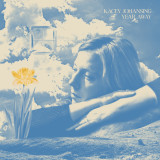
In March of 2020, after learning that a dear friend’s life was coming to an end, Johansing sat down and in one sitting wrote the song “Daffodils”. An elegiac tribute to someone facing death with grace and curiosity, the lyrics confront Johansing’s own mortality by observing the brief lifespan of a Hlower. Only a week later when the world came to an abrupt standstill, she soon found herself processing this recent loss while trying to make sense of a new global reality. Across the ensuing months, Johansing found herself increasingly untethered by a world of isolation and political upheaval.
Having been a frequent touring member of bands like Hand Habits and Fruit Bats, and often being called into the studio to lend her harmonies and multi-instrumental talents to records, Johansing’s phone no longer rang. Living in Los Angeles she feared her musical community was vanishing, as friends and collaborators continually announced they were leaving the city. It was in returning to her piano nightly that she found the greatest solace, feverishly writing the songs that would be collected on her next album. Resulting from this new sense of time and focus was a deepening of her songwriting. As Johansing recalls, “I felt like a metamorphosis happened during that time. There was a lot of personal growth and healing.”
Throughout Year Away Johansing traverses uncharted emotional landscapes brought upon by the changes occurring all around her. The forced self-reflection of the moment is aptly captured by “Old Friend”, featuring an aching melody and swooning production that recalls the best of Harry Nilsson. The epic piano and saxophone-driven “Smile with My Eyes” addresses the loss of community as friends became distant and political divides between family grew. On “Smile” Johansing pushes her vocals further than ever, expanding her range and using her peerless voice as the singular instrument it is. Facing the loss of a family home due to environmental destruction, “Shifting Sands” is marked by soaring Hlutes, Hield recordings and glassy synthesizers that nod to Japanese New Age.
“Daffodils”, the stunning album centerpiece, is built from a pastiche of looping samples, swirling Mellotron and dazzling vibraphone. “Keep your heart open wide, you never know your time / Keep your heart wild, true Hlower child”, Johansing sings as she says goodbye to an elder, while the band reaches a grief-stricken crescendo of woodwinds and chiming bells. On the title track, Johansing takes listeners on an eerily meditative journey of collective experiences. “I wanted to keep the progression simple and repetitive so that musically we could add new elements little by little, while the emotional tone of the lyrics becomes increasingly more strained and expressive”. The song grows to a fever pitch as Johansing sings higher than she thought possible; the tension of the repeating chords Hinally resolving into a hopeful coda as multiple soloists weave around each other.
Amidst heavier themes, Johansing still leaves room for her love of irresistible pop melodies and lush production. The driving “Last Drop” and mid-tempo “Valley Green” are two of her catchiest songs to date. On the former Johansing sings the anthemic chorus, “As if it were the last drop, and nothing ever lasts forever / As if it were the last stop, too far out to come back ever”, longing for a love that she’ll never take for granted, while also admitting that she doesn’t always know how good she has it. “Valley Green” features shimmering layers of 12- string guitars, stacked horns and an impeccable solo by co-producer and multi- instrumentalist Tim Ramsey (Vetiver, Fruit Bats), hinting at a love for bands like NRBQ.
Having been eager to capture the initial spark of songwriting, Johansing booked time at Highland Park’s 64 Sound Studio the week that it reopened. Over the course of three days, she and her band gathered basic tracks for 10 songs, before returning home to Hinish the record with Ramsey. Setting forth to make an album that paid homage to the music that kept them company during the months spent alone together, the duo pulled inspiration from a wide net including Burt Bacharach, John Carroll Kirby & Haruomi Hosono. Ramsey’s newfound love of early digital synthesizers dovetailed effortlessly with Johansing’s fondness for classic 70’s horn and string arrangements, creating a sound that is distinctly modern yet warm and familiar.
Once again Johansing called upon some of the Hinest players of Northeast Los Angeles’ vibrant music community to lend a hand with the record. The 70s R&B-folk of “Watch It Like a Show” features an electric guitar solo from Hand Habits’ Meg Duffy, while album closer “Endless Sound” boasts backing vocals from electronic musician Kaitlyn Aurelia Smith and swooping Indian-inspired violins from Amir Yaghmai (HAIM, The Voidz). The record shines brightly thanks to an ace mix from veteran producer Rob Schnapf (Beck, Elliott Smith, Cat Power), woodwinds from Logan Hone (John Carroll Kirby, Eddie Chacon), and a featured rhythm section of drummer Josh Adams (Jenny Lewis, Bedouine) and bassist Todd Dahlhoff (Feist, Devendra Banhart). Recorded across multiple studios including LA’s famed Sunset Sound, the album remains steadfastly buoyed by the adept engineering of Tyler Karmen (MGMT, Alvvays).
Though born of turbulent times, Year Away is ultimately interested in moving forward. The album ends with “Endless Sound,” where Johansing laments seismic global changes, (“The water is hotter, the mighty thaw / The current’s reversing, the last are lost”) but vows to keep going (“No storm can take me down / Endless light, endless sound”). It’s Year Away’s resilience that shines through despite the darkness. It’s a sound all her own and Johansing’s most cohesive set of songs yet.
Auf ihrem umfangreichen neuen Album "Water Made Us" stellt die Chicagoer Musikerin und Dichterin Jamila Woods die Frage, was es bedeutet, sich der Liebe voll und ganz hinzugeben. Auf "Water Made Us" umarmt Jamila neue Genres, verspielte Melodien und hypnotisierende Wortspiele, während sie durch die berauschenden Turbulenzen von Liebeswracks und Zuflucht watet. Während Jamila auf "HEAVN" (2017) ihre Community innerhalb der schwarzen feministischen Bewegung feierte und auf "Legacy! Legacy!" (2019) ihre Lebenserfahrungen durch die Geschichten schwarzer und brauner Künstlerinnen und Künstler verarbeitete, ist "Water Made Us" eine völlig neue Art der Selbstoffenbarung und damit ihr bisher persönlichstes Album. "Water Made Us", das sie zusammen mit dem in LA ansässigen Produzenten McClenney aufgenommen hat und auf dem langjährige Freunde aus Chicago wie Saba und Peter CottonTale zu hören sind, ist ein weitläufiges und intimes Porträt der Selbstreflexion, das geschickt die verschiedenen Phasen einer Beziehung widerspiegelt: Die Anfänge, in denen man leicht Kompromisse eingeht, kokettiert und Spaß hat; das vorsichtige Aushandeln von Momenten des Konflikts oder der Verletzung; die Trauer über etwas Verlorenes; und die zärtliche Erkenntnis am Ende von allem, dass die Person, die gegangen ist, einen nie wirklich verlässt, sondern bei einem bleibt, während man bereit ist, es noch einmal zu versuchen, erfrischt und beruhigt. Der Titel des Albums - eine Zeile aus dem Highlight des Albums "Good News" - ist eine subtile Anspielung auf das berühmte Toni-Morrison-Zitat "All water has a perfect memory and is forever trying to get back to where it was". Es ist dieses Gefühl - der Erinnerung, des Ortes und der Rückkehr - das als Pfeiler für den Bogen des Albums dient. "Water Made Us" erinnert uns daran, dass die Liebe im besten Fall ein warmer, stiller Ozean ist. Tief, schimmernd und endlos in seinem Wunder. Und im schlimmsten Fall kann die Liebe ein reißender Strom sein, der uns so weit von uns selbst entfernt, dass wir kaum den Weg zurückfinden, ja nicht einmal mehr wissen, wie wir schwimmen sollen. Und doch ergibt sich Jamila dieser Brandung - jeder Welle und jedem Sog - weil vielleicht sogar die schmerzhaftesten Enden eine Einladung sein können, die sie zurück nach Hause ruft, zurück ans Ufer, zurück zu sich selbst.

- A1: We Can Be Anything
- A2: Track 2
- A3: Dream Girl
- A4: Track 4
- A5: Track 5
- A6: Track 6
- A7: Track 7
- A8: Track 8
- A9: Track 9
- A10: Track 10
- A11: Track 11
- A12: Track 12
Baby Queen veröffentlicht ihr Debütalbum „Quarter Life Crisis“.
Das Album stellt für die leidenschaftliche Künstlerin ein Zeichen ihrer Reise als Künstlerin dar. Mit ihrem „Bedroom-Pop“ Sound begeistert die gebürtige Südafrikanerin, welche 2016 nach London zog, Fans auf der ganzen Welt. Ihren Durchbruch schaffte die talentierte Sängerin mit der Netflix Serie „Heartstopper“ für welche sie den Titelsong „Colors Of You“ schrieb. Des Weiteren wurden in der erfolgreichen Serie ihre Hits wie „Want Me“ & „Dover Beach“ aufgenommen. Baby Queen kreiert ihren eigenen Stil in dem sie Pop Sounds mit einer punkigen Aggression kombiniert.
Das Album ist als CD und Vinyl erhältlich.
'Dreamer Awake' is the fifth album from Rachel Sermanni, her first for
Navigator Records (Katherine Priddy, Kitty Macfarlane, Sam Kelly & The
Lost Boys, Bellowhead)
Hailing from the Scottish highlands, Sermanni is an enchanting singer-songwriter,
whose performance and lyrics draw from a deep well of mysticism, dreams,
nature and the simple-complex experience of being human; a contemporary folk
musician influenced by a wealth of genres including jazz, rock, old- time and
traditional.
'Dreamer Awake,' was recorded at Middle Farm Studios, Devon with co-producer,
Peter Miles. Recording live to tape with people that, "most of the time, are jazz
improvisers," the sessions were conducted with an almost Lynchian approach,
with Sermanni choosing "to flow through the experience like a dream". The result
is an album that captures the intimacy of the room, and the immediacy of these
songs that transform thought, memory and emotion into such wondrous light.
Channelling the metamorphic experience of becoming a mother, and processing
the demise of a long-term relationship, Sermanni dove deep into her psyche and
returned with songs that have a sharpness, an acuity of feeling, and that capture
the fluidity of our mind and the depth of our emotional experience.
Rightly described by critics as a "Folk noir gem" (MOJO), "Stately, poetic" (CLASH)
and "Folk of the Highest Order" (Time Out), Rachel Sermanni has been making
music for over a decade and has developed her artistic voice over her many
releases, each time pushing boundaries and experimenting with different musical
textures while maintaining the raw emotional connection, to herself and others,
that defines her music.
Rachel Sermanni has toured the globe, played alongside artists such as Mumford
& Sons, Fink, Ron Sexsmith, John Grant, The Staves, Karine Polwart, The Maes
and many more at venues and festivals all over, most recently playing with Charlie
Cunningham. She also runs a songwriting workshop called Cultivating A Creative
Life and her podcast, Rachel Sermanni's Finger That Points To The Moon,
similarly explores her relationship to creativity and inspiration, with the hope that
it will help point in the direction of truth for herself and those listening
- Here Comes The Black Moon
- Liftoff In Stereo
- Trial By Fire
- The Clouds Will Drop Ladders
- Triumph Of The Metal People
- Frequency Converter
- Birth To Death In Slow Motion
- Dream Scientist
- Bird Wings
- Nudists Disc
- The Landing
- Under The Mountain
- Sonar
- Mercury
- The Valium Machine
- Spies
- V
- Inside The Static Cult
- Then, In 2060 A.d
- Alum Rock
- Interruptor
- Slower
- Excerpt From Mount Hamilton
- 96:
- Spark Collector
Just as Duster's landmark debut album Stratosphere was making its first orbit, Clay Parton, Dove Amber, and Jason Albertini tracked a largely improvised companion capsule under their Valium Aggelein alter ego. An ode to '70s Kosmische, Hier Kommt Der Schwartze Mond is a skeletal space nap for the prozac generation. Remixed and remastered from the original 16 track analog tapes, the 1998 album has been adjoined by 15 period-appropriate bonus tracks. A fuzzy masterpiece, hidden in plain sight, by the most important slowcore band of all time.
- A1: Hallelujah Junction - 1St Movement - John Adams
- A2: M.a.y. In The Backyard - Ryuichi Sakamoto
- A3: J’adore Venise - Loredana Bertè
- A4: Paris Latino - Bandolero
- B1: Sonatine Bureaucratique - Frank Glazer
- B2: “Zion Hört Die Wächter Singen” - Alessio Bax
- B3: Lady Lady Lady - Giorgio Moroder & Joe Esposito
- C1: Une Barque Sur L’océan - André Laplante
- C2: Futile Devices (Doveman Remix) - Sufjan Stevens
- C3: Germination - Ryuichi Sakamoto
- C4: Words - F.r. David
- C5: È La Vita - Marco Armani
- D1: Mystery Of Love - Sufjan Stevens
- D2: Radio Varsavia - Franco Battiato
- D3: Love My Way - The Psychedelic Furs
- D4: Le Jardin Féerique - Valéria Szervánszky & Ronald Cavaye
- D5: Visions Of Gideon - Sufjan Stevens
Call Me By Your Name, the film by Luca Guadagnino, is a sensual and transcendent tale of first love, based on the acclaimed novel by André Aciman.
Summer of 1983, Northern Italy. An American Italian is enamored by an American student who comes to study and live with his family. Together they share an unforgettable summer full of music, food, and romance that will forever change them.
The film received widespread critical acclaim, particularly for Chalamet, Hammer and Stuhlbarg's performances, Guadagnino's direction, and the screenplay. Call Me By Your Name won a variety of awards, including an Academy Award, BAFTA, GLAAD and the 23rd Critics' Choice Award amongst others. Sufjan Stevens' song "Mystery of Love" was also nominated for the Academy Award for Best Original Song.
Luca Guadagnino wanted the film's music to be connected to Elio, a young pianist who likes to transcribe and adapt pieces to get close to Oliver. The music is used to reflect the time, the characters' family, level of education and "the kind of canon they would be a part of."
Guadagnino found himself resonating with Sufjan Stevens' lyricism through his work and initially asked Stevens to record an original song. Eventually, Stevens contributed three songs to the soundtrack: "Visions of Gideon", which was used at the end of the film, "Mystery of Love," which was featured in the film's first trailer, and a new rendition of "Futile Devices" with piano. Stevens penned the songs by using the script, the book, and the conversations with the director about the characters. It marks Sufjan Stevens' first soundtrack for a feature film.
Call Me By Your Name is available as a limited edition of 15.000 copies on "Velvet Purple" coloured vinyl. The 2LP is housed in a deluxe gatefold sleeve with rainbow laminate finish and includes printed innersleeves, an insert with movie stills, and a poster.
- A1: Hallelujah Junction - 1St Movement - John Adams
- A2: M.a.y. In The Backyard - Ryuichi Sakamoto
- A3: J’adore Venise - Loredana Bertè
- A4: Paris Latino - Bandolero
- B1: Sonatine Bureaucratique - Frank Glazer
- B2: “Zion Hört Die Wächter Singen” - Alessio Bax
- B3: Lady Lady Lady - Giorgio Moroder & Joe Esposito
- C1: Une Barque Sur L’océan - André Laplante
- C2: Futile Devices (Doveman Remix) - Sufjan Stevens
- C3: Germination - Ryuichi Sakamoto
- C4: Words - F.r. David
- C5: È La Vita - Marco Armani
- D1: Mystery Of Love - Sufjan Stevens
- D2: Radio Varsavia - Franco Battiato
- D3: Love My Way - The Psychedelic Furs
- D4: Le Jardin Féerique - Valéria Szervánszky & Ronald Cavaye
- D5: Visions Of Gideon - Sufjan Stevens
Call Me By Your Name, the film by Luca Guadagnino, is a sensual and transcendent tale of first love, based on the acclaimed novel by André Aciman.
Summer of 1983, Northern Italy. An American Italian is enamored by an American student who comes to study and live with his family. Together they share an unforgettable summer full of music, food, and romance that will forever change them.
The film received widespread critical acclaim, particularly for Chalamet, Hammer and Stuhlbarg's performances, Guadagnino's direction, and the screenplay. Call Me By Your Name won a variety of awards, including an Academy Award, BAFTA, GLAAD and the 23rd Critics' Choice Award amongst others. Sufjan Stevens' song "Mystery of Love" was also nominated for the Academy Award for Best Original Song.
Luca Guadagnino wanted the film's music to be connected to Elio, a young pianist who likes to transcribe and adapt pieces to get close to Oliver. The music is used to reflect the time, the characters' family, level of education and "the kind of canon they would be a part of."
Guadagnino found himself resonating with Sufjan Stevens' lyricism through his work and initially asked Stevens to record an original song. Eventually, Stevens contributed three songs to the soundtrack: "Visions of Gideon", which was used at the end of the film, "Mystery of Love," which was featured in the film's first trailer, and a new rendition of "Futile Devices" with piano. Stevens penned the songs by using the script, the book, and the conversations with the director about the characters. It marks Sufjan Stevens' first soundtrack for a feature film.
Call Me By Your Name is available as a limited edition of 15.000 copies on "Velvet Purple" coloured vinyl. The 2LP is housed in a deluxe gatefold sleeve with rainbow laminate finish and includes printed innersleeves, an insert with movie stills, and a poster.
Formed in 1968, British band Yes belongs to the giants of progressive
rock/artrock. “Magnification” is their 2nd album with a full symphony orchestra. Recorded without a keyboardist, the album features a 60-piece orchestra conducted by Larry Group . Furthermore, it is the only album in the band’s history involving only four members. Now available via earMUSIC as heavyweight double vinyl gatefold edition.
Papernut Cambridge is the project started in 2010 by former Death In
Vegas and Thrashing Doves guitarist Ian Button
Over 10+ albums they've drawn on influences from psych and bubblegum pop to
indie, glam and Motown, with Button working solo, or regularly joined by a core of
contributors including Darren Hayman and Jack Hayter (formerly of Hefner),
Robert Rotifer, and Picturebox's Robert Halcrow.
Cinderella Crazy Golf is a brand new four song EP loosely based on the scenario
of an elderly couple of former psychedelicians growing old and infirm together by
the sea, still very much in love but dealing with ageing, memory loss, medication
side effects etc.
The black vinyl 7" comes with 3 double sided postcard prints featuring photos
and the song lyrics
Stephen Steinbrink discovered a short YouTube video of a street magician who approaches a highschooler walking home in Barstow, California. “Here, let me show you my idea,” he says, as he places a quarter on the kid’s hand. The magician performs some relaxed flourishes, and the coin vanishes. In silence, the kid stares at his hand at the nothing where there once, indisputably, was something, until his wonder finds a single word: “Cool.” The title of Disappearing Coin, the new album from Oakland songwriter Stephen Steinbrink, comes from this short clip. “When I look at it now,” he says, “I relate to the kid, who’s obviously uneasy in his body, and going through the experience of being a teenager in the early 2000s growing up in a bleak desert town like I did. I also relate to the coin, an inanimate disc of possibility. And I relate to the magician, an absurd facilitator of sending what is tactile and concrete into the wispy conceptual realm.” “I’ve watched it probably a hundred times,” he says. “It cracked me up but also blew my mind open the feeling of wonder I experienced watching this video became a guide as I navigated new ways of staying in the realm of what’s both real and magical.” Following the 2018 release of Utopia Teased, Steinbrink completed an apprenticeship in the nearly-lost art of Stained Glass, becoming a glazier at a studio that over three years, fully restored the enormous 90-year-old windows in San Francisco’s Grace Cathedral. He committed to his Buddhist study, beginning lay monastic training before the process was thwarted by the pandemic. He dove deeper into music production for other artists, engineering two albums by Boy Scouts released on Anti- Records in 2018 and 2021. Steinbrink delighted in the way these pursuits pulled at the thread of ego’s tapestry and decentralized him from his craft, allowing him to embody a new role as a creative caretaker engaging in practices that felt communal and restorative. “As I slowly began writing for myself again, I tried to imbue my new songs with this sense of playfulness and wonder I felt while exploring these other interests.” He says. Feeling unlocked from the pressures of perfection that he often felt in his earlier work, creating Disappearing Coin felt buoyant and healing. “The album feels like an integration of all of my past musical selves zeroing in on the present,” Steinbrink explains, “I felt free to explore new ways of writing, through different perspectives, experimenting with fictional songwriting, visual archetypal language, and total collaboration.” This “total collaboration” was a joyous new venture after years of solo performing and recording. The album can be seen as a 42 minute session of show and tell, the manifestation of Steinbrink repeating the mantra of “Here, let me show you my idea” to himself over and over. Disappearing Coin is at once a welcome return for the veteran Steinbrink and the debut of a totally new artist, one who has found a new path to himself with new goals of openness, curiosity, and self-acceptance. “Recalls the magic pop purity of Arthur Russell...its minimalism manages to feel enlightened and transformative.” PITCHFORK // “Melodic and self-assured. Steinbrink delivers his knotted lyricism with a smooth lilt.
Kombinat 100, the suspiciously band-like live act from northern shores, are set to unleash their eagerly awaited debut album ‚Wege Übers Land’ (ways across the land). Here, everything we know and love about these notorious dancefloor smashers reemerges from the studio, squeaky clean and freshly rinsed, polished and arranged. An irresistible retrospective of Kombinat 100’s countless live gigs, there is no other way this album could have come about: All of the four Mecklenburgers’ tracks have their origins on stage.
So don’t be surprised if you find yourself moshing along from beginning to end! Kombinat100’s eclectic mix and match of influences touches on more genres than you could possibly think of, from techno, house, dub and pop to jazz and beyond, interspersed with plenty of lovingly crafted moments of homemade bliss. And it is precisely those moments, when the boys reach for their acoustic sidekicks, from accordion and melodica to congas and hammond organ, that our hearts miss a beat. Unafraid to flaunt grand emotions, melancholic opener ‚Flieg kleine Taube’ (fly away, dove’) and the sun-drenched sounds of ‘Hanne Nüte’ meet their match in the rocking grooves of ‘Out Of My Space’. In-between, the boys invariably return to their gig-inspired dancefloor roots – ‘Woterfitz’, ‘Del Maritim’ and ‘Der Pomel’ are set to move your heart, feet and mind. So, finally: a breath of fresh, Open Air for your living room!
Kombinat 100, der bandverdächtige Liveact aus dem Norden, veröffentlicht nun mit "Wege übers Land" sein lang erwartetes Debüt- Album. Das, was bisher den Dancefloor zum Einstürzen brachte, bekommen wir nun sauber im Studio aufpoliert und arrangiert. Dabei handelt es sich um eine Retrospektive der unzähligen Live-Gigs der vier Jungs aus Mecklenburg. Ihre Tracks entstehen auf der Bühne, sind für die Bühne konzipiert. Deshalb muss es auch niemenaden verwundern, wenn man von Anfang bis Ende mitgeht. Kaum ein Genre wird ausgelassen, wenn Kombinat 100 seine Einflüsse aus Techno, House, Dub, Pop und Jazz reflektiert. Aber auch die heißgeliebten handgemachten musikalischen Augenblicke dürfen natürlich nicht fehlen. Denn genau dann, wenn sie ihre akustischen Instrumente, wie Akkordeon, Melodika, Conga`s und Hamond Orgel zum Einsatz bringen, schlägt unser Herz am höchsten. Diese Tracks stehen zu ihren großen Gefühlen, wie der melancholische Opener-Track "Flieg kleine weiße Taube" oder das sonnenverwöhnte Stück "Hanne Nüte". In der Mitte wirds dann mit "Out Of My Space" shufflig und rockig. Dominiert wird das Album jedoch durch die Tracks "Woterfitz", "Del Maritim" oder "Der Pomel", welche ganz klar für den großen Floor zugeschnittenen sind. Endlich: Kombinat 100 gibt uns ein Stück Open Air-Feeling für's Wohnzimmer!
Auf ihrer neuen EP „Sugar EP“ verbindet Tash Sultana kunstvoll Klänge ihrer früheren Werke („NOTION“, „Flow State“ und „Terra Firma“) und schafft somit einen ausgereiften musikalischen Ansatz. Tash verwebt diese Elemente gekonnt miteinander und vermittelt Lektionen aus gegenwärtigen Momenten. Mit ihrer einzigartigen Mischung aus musikalischem Talent und Introspektion wird Tash Sultana ihre Fans weiterhin fesseln und inspirieren und mit ihrer neuen EP eine transformative und tief bedeutsame Erfahrung liefern.
Julian Cannonball Adderley's only Blue Note album, Somethin' Else, would likely forever be famous in music lore if just for the presence of Miles Davis. The iconic composer/trumpeter steps into the role of sideman on the 1958 set, one of just a handful of times he'd make such a move after the calendar passed the mid-1950s. Yet evaluating Somethin' Else strictly on Davis' involvement misses the big picture. Plain and simple, Adderley's jubilant work remains a jazz landmark due to the chemistry of its Hall of Fame personnel, enthusiasm of its participants, and sophistication of its arrangements – not to mention the reference-grade production and inclusion of the definitive renditions of two all-time jazz standards.
Limited to 6,000 numbered copies, pressed on dead-quiet MoFi SuperVinyl at RTI, and mastered from the original master tapes, Mobile Fidelity's ultra-hi-fi UltraDisc One-Step 180g 45RPM 2LP collector's edition pays tribute to the record's merit and includes the bonus track "Allison's Uncle." Offering reference-calibre sonics, this spectacular collector's version provides a clear, transparent, ultra-dynamic, and up-close view of a cornerstone effort that witnesses Adderley and Davis sharing horn duty alone for the only time in their fabled careers – an arrangement that occurred as a result of Adderley having joined Davis' majestic sextet a year prior.
The premium packaging and beautiful presentation of the UD1S Somethin' Else pressing befit its extremely select status. Housed in a deluxe slipcase, it features special foil-stamped jackets and faithful-to-the-original graphics that illuminate the splendour of the recording. No expense has been spared. Aurally and visually, this UD1S reissue exists as a curatorial artefact meant to be preserved, touched, and examined. It is made for discerning listeners that prize sound quality and production, and who desire to fully immerse themselves in the art – and everything involved with the album, from the iconic photos to the gorgeous finishes.
The vibrant potency reveals itself openly on an analogue set that provides full-range reproduction of an ensemble that also includes pianist Hank Jones, bassist Sam Jones, and drummer Art Blakey. Each and every snare hit, downbeat, and cymbal splash registered by the latter take on realistic proportions, blooming and decaying as they would right in front of you on a stage. Jones' foundational bass lines register with uncommon depth and palpability, the litheness of the strings and fullness of the instrument epitomizing the definition of rhythm. Stellar, too, are the surefooted 88s. Sublime in scale, tonality, and attack, with the delineation such you can practically separate the white and black keys in your mind. As for that liquid interplay between Adderley and Davis? Breathtakingly lifelike in timbre, naturalism, purity, and presence. This collector's version takes you there – there being Rudy Van Gelder's legendary New Jersey studio in March 1958 to witness it all unfold, again and again.
For reasons that extend far beyond the outstanding playing and flawless repertoire, Somethin' Else is without question a record you'll always want to watch and hear come together. As veteran critic Bob Blumenthal observed writing about the album four decades after its release, "The instant rapport achieved by the quintet is thus the product of much shared and common history, though the tensile strength that they create throughout created a totally unique feeling that can be attributed to the sensitive musicianship of all concerned, including the supposedly hard bopping leader and drummer." Such inimitable feeling, or emotion, courses throughout every passage, and no where more obviously than on "Autumn Leaves" and "Love for Sale."
Without question, the discreet interpretations of the Johnny Mercer and Cole Porter songs, respectively, found on Somethin' Else have long been considered part of jazz's alluring mystique. Adderley and Davis bring contrasting approaches to the table yet sound of a singular mind on "Autumn Leaves," with the latter's muted trumpet and the headliner's lush alto saxophone dovetailing into a performance that endures as a blueprint for expression, counterpoint, sophistication, fluidity, and linearity. Blues, melody, and romance pour from their horns. Their bandmates, picking up on the intimate vibe and calm mood here – as well as on the spry, head-over-heels spirit of "Love for Sale" – join in on the conversation with sharp economy and float-on-air roundedness.
Not to undersell the other three numbers, all deserving five-star status. Twelve measures in length, the title track offers a slow burn in swing. Written by Adderley's brother, Nat, the 12-bar "One for Daddy-O" transmits funk flavors. The closing "Dancing in the Dark" pops with lushness and temptation, its stream of bold colours and understated textures calling for a moonlight twirl, or at least fantasies suggestive of a memorable night. Somethin' else, indeed.
Chain Of Flowers return with their lofty and long-simmering sophomore full-length, rich with reckonings, reverb, and redemption: Never Ending Space. Despite some of the songs dating back a few years, the record first began materialising in earnest during the pandemic, by which point most of the band had relocated from Cardiff to London.
Reunited and rejuvenated, they picked up where they left off, booking two multi-day sessions at Hackney hub Total Refreshment Centre with producer Jonah Falco. In this time they successfully channelled their kinetic chemistry into 10 full-blooded anthems of torn dreams, poetic delirium, and “hope stretched too far.” Musically, Never Ending Space skews notably more maximal than the group’s previous work, fleshed out with trumpets, saxophone, synth, percussion boxes, and spoken word. (Smith jokingly calls them The Chain Of Flowers Orchestra).
Yet the songs still swing and soar with a charged heart, ripe with hooks, drama and ragged melody. Opener “Fire (In The Heart Of Hearts)” stirs to life on a tide of wiry guitar and defiant horns, facing down the embers of love that still glow in the wake of pain: “Peace came tumbling like a shower of bricks / The mind twists slowly till everything fits.”
A tense energy ripples throughout – from the nocturnal rush of “Serving Purpose” and “Amphetamine Luck” to the bruised battle cries of “Torcalon” and “Old Human Material.” Outliers like “Praying Hands, Turtle Doves” hint at proggy possible futures, while instrumental vignette “Anomia” offers an intriguing glimpse at a lesser heard facet of the band: swaying, shadowy, subdued. The album’s title track is also its closing cut, a stomping, sparkling ode to “the wrong side of the night, where time goes to die.” Smith describes the scene: “Everyone’s talking, screaming, trauma bonding, but no one’s listening. Broken dialogue. Shouting over each other. You want to switch off, but everyone’s too fucked.” The guitars spiral and slide towards the oblivion of dawn, the chance to crash and do it all again.
Chain Of Flowers return with their lofty and long-simmering sophomore full-length, rich with reckonings, reverb, and redemption: Never Ending Space. Despite some of the songs dating back a few years, the record first began materialising in earnest during the pandemic, by which point most of the band had relocated from Cardiff to London.
Reunited and rejuvenated, they picked up where they left off, booking two multi-day sessions at Hackney hub Total Refreshment Centre with producer Jonah Falco. In this time they successfully channelled their kinetic chemistry into 10 full-blooded anthems of torn dreams, poetic delirium, and “hope stretched too far.” Musically, Never Ending Space skews notably more maximal than the group’s previous work, fleshed out with trumpets, saxophone, synth, percussion boxes, and spoken word. (Smith jokingly calls them The Chain Of Flowers Orchestra).
Yet the songs still swing and soar with a charged heart, ripe with hooks, drama and ragged melody. Opener “Fire (In The Heart Of Hearts)” stirs to life on a tide of wiry guitar and defiant horns, facing down the embers of love that still glow in the wake of pain: “Peace came tumbling like a shower of bricks / The mind twists slowly till everything fits.”
A tense energy ripples throughout – from the nocturnal rush of “Serving Purpose” and “Amphetamine Luck” to the bruised battle cries of “Torcalon” and “Old Human Material.” Outliers like “Praying Hands, Turtle Doves” hint at proggy possible futures, while instrumental vignette “Anomia” offers an intriguing glimpse at a lesser heard facet of the band: swaying, shadowy, subdued. The album’s title track is also its closing cut, a stomping, sparkling ode to “the wrong side of the night, where time goes to die.” Smith describes the scene: “Everyone’s talking, screaming, trauma bonding, but no one’s listening. Broken dialogue. Shouting over each other. You want to switch off, but everyone’s too fucked.” The guitars spiral and slide towards the oblivion of dawn, the chance to crash and do it all again.
- Wednesday Main Titles - Danny Elfman
- Thing Follows Rowen
- Morticia And Wednesday
- Secret Library
- Scorpion Flashback
- The Monster
- Family Day
- Burning Outcasts
- Wednesday On The Case
- Dress Shopping
- Gomez Accused Of Murder
- A Dove And A Raven
- Gomez’ Story
- A More Than Adequate Father
- It’s A Snood
- Morticia’s Yearbook
- Devious Plan
- I Will Find You
- Searching The House
- The Monster Is Here!
- Uncle Fester
- Annoying Distractions
- Fester And Wednesday Stakeout
- Let’s Roll
- Stabbed In The Back
- First Kiss
- Wednesday Packs Up
- Crackstone Rises
- Goody Heals Wednesday
- Enid To The Rescue
- The Hug
- The End…?
- End Credits
Die von Tim Burton produzierte Serie zeigt Wednesday Addams, die Tochter der Addams Family, wie sie als Teenager auf ein Internat für außergewöhnliche Menschen kommt (Zauberer, Werwölfe und mehr). Neben den beeindruckten Streamingzahlen auf Netflix, ging die Serie auch auf TikTok und Instagram monatelang viral. Komponiert vom Oscar-nominierten und Emmy-Gewinner Danny Elfman (Men In Black, Good Will Hunting, Desperate Housewives) und Emmy-nommiertem Chris Bacon (Bates Motel, Sherlock Gnomes) erscheint der Score zur Serie auf farbigem Doppelvinyl (purple smoky marbled) und in bedruckten Sleeve mit Gatefold.
Dot Allison returns with a new solo album, Consciousology. After over a decade away, the former One Dove singer and songwriter broke cover in 2021 with Heart-Shaped Scars and this new album follows just two years later, as she hits a purple patch of songwriting. It’s also her first full release for Sonic Cathedral after contributing to Mark Peters’ acclaimed Red Sunset Dreams last year. Consciousology finds multi-instrumentalist Dot joined by the London Contemporary Orchestra, her new labelmate Andy Bell from Ride, who plays guitar on two tracks, and Hannah Peel, who is responsible for some of the string arrangements with both the LCO and a stellar group of Scottish string players. It expands on the styles and themes of the previous album, all while pushing everything just that little bit further – the songs sound bigger, more avant-garde and experimental and, occasionally, properly out-there and psychedelic. “I wanted to make some albums that felt like a set, exploring love, what lies beyond the visible and how all these aspects dovetail together,” explains Dot. “I see Consciousology a more psych Heart-Shaped Scars with a far fuller, more immersive sound and so, in that sense, it’s a more wayward, bolder, rule-breaking partner.” Right from the eye-catching artwork by PJ Harvey collaborator Maria Mochnacz it definitely does not play it safe. It veers from the techno-played-as-folk of opener ‘Shyness Of Crowns’ and ‘220Hz’ and the Linda Perhacs-meets-The Velvet Underground chug of the first single ‘Unchanged’ to the Mercury Rev-style fantasia of ‘Bleached By The Sun’, the Brian Wilson-esque harmonies of ‘Moon Flowers’ and the kaleidoscopic colour trip of ‘Double Rainbow’. Elsewhere there are echoes of Desertshore-era Nico, Jack Nitzsche’s work with Neil Young, Karen Dalton and Anne Briggs before the relative simplicity of the Tim Hardin-inspired closer ‘Weeping Roses’. It’s a brilliant, breathtaking record.
Stepanida Borisova is an outstanding singer from the republic of Sakha-Yakutia, Siberia, and its most reknowned exponent of folk theatre. As a singer, Stepanida performs in many different styles of traditional Sakha singing. She is mostly known as a performer of poems - tojuks, one of the genres of Sakha storytelling folklore. Tojuks, long with other genres of singing, form the core of the Sakha epic Olonkho, an anthology of supernatural and heroic legends and fables, an absolute essence of Sakha poetic and vocal expression.
Her signature style of singing is "enelgen", a disturbing and somewhat dark yet mesmerising, ecstatic, meditative and improvisational style, conveying a very intimate and personal feeling of love, loneliness or longing. "Music puts restrictions on you. It puts you in the mould. But the real life is different. Without thinking about musicality and form, one must sing what one feels" Stepanida Borisova comments on her art and performance.
During her long career, her desire to break out of the restrictions of tradition and to expand her sound, led her to perform with musicians from many different cultures - Europe, Middle East and Asia. But of all Stepanida's collaborations, the duo with the Czech drummer and composer Pavel Fajt is undoubtedly the most long standing and well documented project.
Fajt, with his relentless desire for experimentation and musical challenge, is probably one of the most reknowned musicians on the Czech alternative rock/jazz scene. With his musical career starting in the early 1980s, he was crucal in laying the foundations of the Czech folk/rock movement, first with legendary rock band Dunaj, then moving on to work with the violin player and singer Iva Bittova, guitarist Fred Frith, Jim Meneses and many other musicians.
The soaring spiritual dialogue between the two free spirits in music began with a run of successful concerts and a TV debut in Prague in 1998 and still continues. Stepanida's stunning embodiment of the ecstatic female shaman, Pavel's vibrant and expressive drumming manner - combined with the theatrical background and performing experience of both - make an amazing spectacle of sound and vision, in which all the colours of Stepanida's unearthly and powerful voice are neatly dovetailed into Pavel's ornamentation of beats and rhythm.
The songs presented on this album were recorded in Brno in 2002 and are finally seeing their first vinyl release.
- A1: Enter (Intro) (4 36)
- A2: Magi's Love (Feat Sharis) (2 02)
- A3: Little Miss Petty (Feat Ls&B, Thurz, Speed Walton & Point Of Realization) (5 18)
- A4: No Particulars (Feat Syd, Didda Joe & August Rose) (5 26)
- B1: All Night (Feat Deva, Karenbe & Colin Devane) (4 01)
- B2: Sofas (Feat Didda Joe, Aqeelion, Bobby Earth & Muwasa) (4 45)
- B3: Loving You (Feat Ivory T) (4 48)
- B4: Unconditional (Feat Jimetta Rose, Bunchy & Coultrain) (5 15)
- C1: Crush You (Feat Anderson Paak) (3 43)
- C2: Maybe Baby Winter (Feat Jimetta Rose) (4 48)
- C3: Thorns & Roses (Feat Sharis & Keng Zae) (4 46)
- D1: Supastar Youngin (Feat Anderson Paak) (4 22)
- D2: Smile For Me (Feat Peyton) (3 26)
- D3: If You Miss You Kiss You (Feat Sa-Ra & Maurice Ii) (8 50)
Acclaimed producer, songwriter, and vocalist Shafiq Husayn has been a vital force on the Los Angeles music scene for decades. A member of trendsetting trio Sa-Ra Creative Partners, Shafiq has produced tracks for a staggering spectrum of talent, including Erykah Badu, Ty Dolla $ign, Pharoahe Monch, Robert Glasper, Ice T, Bilal, Jurassic 5, and many more. Over the last few years, the Grammy winner has also become the leader of The Dove Society, an expansive L.A. musical collective. Now, Shafiq Husayn and The Dove Society are debuting the new album So Gold, an eclectic masterpiece emerging from sessions Shafiq describes as “pure love, magic, inspiration!” A worthy follow-up to Shafiq’s acclaimed 2018 opus The Loop, the album features contributions from Anderson .Paak, Syd (of The Internet), Peyton, Thurz, Jimetta Rose, Speed Walton, and many more. Bursting with the kinetic energy of vibrant creative collaboration, the album synthesizes disparate styles into a cohesive tapestry of lush cosmic soul. “It’s new age everything and above,” Shafiq explains. “Focused and direct in the songwriting and production, but still adventurous and refreshing.
Colloboh (a portmanteau of Collins Oboh) is a Nigerian-born, Los Angeles-based experimental producer and composer who has spent the past several years cultivating genre-spanning modular wizardry. A self-taught synthesist, Colloboh’s DIY recording diaries (still archived on Instagram) quickly amassed a dedicated online following, eventually catching the eye of Leaving Records founder, MatthewDavid, who wasted no time tapping the then-twenty-six-year-old to perform at the monthly Leaving showcase, Listen to Music Outside In The Daylight Under a Tree. In 2021, Colloboh permanently relocated to Los Angeles from Baltimore, dedicating himself to music full-time, and quickly becoming a fixture of the city’s vibrant experimental scene. Whereas Colloboh’s debut EP Entity Relation (released that same year) dove headlong into club beats, Saana Sahel, out May 5th 2023 on Leaving Records, showcases the breadth of the fledgeling composer’s ambitions. The EP’s title, Saana Sahel, refers to a land of Colloboh’s pure imagining—an untouched utopia spanning lush coastlines and sweeping deserts. Beginning with the stately “Acid Sunrise” (like a Phillip Glass rave comedown), the EP functions as an atlas of sorts, mapping the region’s varied environments and moods. And varied indeed—across these six tracks there lie ecstatic jazz freakouts, samba shuffles, guest vocals from (seemingly) the very Seraphim, and interpolations of Debussy and Gabriel Faure. The breadth of sounds conjured here is a testament not only to Colloboh’s eclectic roster of influences, but also the period of deep and challenging personal growth that immediately preceded the EP’s composition. The construction of Saana Sahel (both the imagined locale and the release) served as a spiritual lode star, a place to which Colloboh could retreat for energetic restoration. Ever-generous, Colloboh has charted these expeditions for us in song, and now we may all draw sustenance and inspiration from the wellsprings of this rich land.
- 1: On The Wings Of A Dove
- 2: To Fabled Lands
- 3: Son Of Perdition
- 4: Ars Moriendi
- 5: Once We Were Kings
- 6: Of Splendid Worlds
- 7: Dying Embers
- 8: Misterium Babel
Ein exzellentes Album, das jedem Black, Death oder Symphonic Metal Fan gefallen sollte! Zum ersten Mal auf Vinyl! Hollenthon ist eine Symphonic Death Metal-Band, die von Martin Schirenc von Pungent Stench gegründet wurde. Hollenthon debütierten 1999 mit "Domus Mundi" und erlangten mit ihrem zweiten Album "With Vilest of Worms" Kultstatus.mit ihrem zweiten Album "With Vilest of Worms to Dwell" im Jahr 2001. Nach diesem Album wurde es ruhig an der Hollenthon-Front, da Schirenc sich darauf konzentrierte, Pungent Stench wieder zusammenzubringen. Nach zwei Pungent Stench-Alben kehrte Schirenc jedoch zu Hollenthon zurück und "Opus Magnum" war das Ergebnis."Opus Magnum" zeigt eine neue Entwicklung des Bandsounds, da die symphonisch-orchestralen Elemente nahtlos mit dem gebotenen Death Metal verschmelzen. Das Album zeichnet sich durch großzügige Chöre, Synthesizer, Streicherarrangements und weiblichen Soprangesang aus, die sich perfekt mit Schirencs
klassischen und ethnischen europäischen Folk-Elementen verbinden. Das Gitarrenspiel hat ein neues Niveau erreicht, mit unglaublichen Soli auf dem gesamten Album. Das Album ist ein perfektes Ganzes, bei dem jeder Song anders ist, aber dennoch einwandfrei zusammenarbeitet. Hollenthon experimentiert auf diesem Album furchtlos mit verschiedenen Sounds, und das funktioniert unglaublich gut. Das Album ist ein durchgehendes, hochenergetisches Erlebnis, und jeder Song ist einzigartig und doch zusammenhängend. Fans von Therion und Symphonic Extreme Metal werden "Opus Magnum" lieben, das unserer Meinung nach sogar besser ist als alles, was Therion seit langem veröffentlicht hat. Insgesamt,"Opus Magnum"
ist eines der besten Extreme-Metal-Alben des Jahres 2008! Sehr empfehlenswert!
Wie 'Strange Weather' von 1987 ist 'Easy Come Easy Go' eine Cover-Sammlung, die Faithfull in verschiedenen musikalischen Settings präsentiert und dabei Songy von Merle Haggard, Smokey Robinson, Duke Ellington, Randy Newman, den Decemberists und Morrissey interpretiert. Mit einer umwerfenden Gästeliste, darunter Antony Hegarty , Rufus Wainwright, Teddy Thompson, Kate & Anna McGarrigle, Jarvis Cocker, Jenni Muldaur, Sean Lennon, Warren Ellis, Nick Cave und Keith Richards. Zur Stammband dieses Sets gehören Marc Ribot, Greg Cohen, Jim White, Rob Burger, Doug Weiselman, Steve Weisberg, Barry Reynolds u.a. Das stilistische Ausufern dieser 12 Songs ist unglaublich. Zum Beispiel ist der Album-Opener, ein Cover von Dolly Partons 'Down From Dover', mit der kompletten Band und 18 Gästen vertreten! Faithfulls charakteristische, tiefe Stimme zeigt sich in hervorragender Form und nimmt einen mit auf Reisen durch Liebe, Lust, Tragödie und Sehnsucht. Gatefold 180 Gr. Doppel-LP (Weißes Vinyl)!
From Elvis in Memphis retains the distinction of being the most cohesive, passionate, mature, and emotionally invested record Elvis Presley ever made. Named one of the 500 Greatest Albums of All Time by Rolling Stone, the white-soul landmark features backing by "The "Memphis Boys" and teems with rhythm-heavy country, gospel, R&B, and blues. Lauded for its natural, open sonics, the 1969 set now comes across with remarkable clarity, presence, and warmth courtesy of a premium restoration befitting a king.
Mastered from the original master tapes, pressed on MoFi SuperVinyl at RTI, and strictly limited to 10,000 numbered copies, Mobile Fidelity's UltraDisc One-Step 180g 45RPM 2LP box set of From Elvis in Memphis unearths the ravishing inner detail, sticky rhythms, and brilliant arrangements of Chips Moman's inspired production. In short, this unparalleled reissue unlocks the spirit and gestalt of the recording and takes you inside American Sound Studio. It also brings you up close and personal with Presley's singing – widely considered by many to represent the finest of his career – located dead-centre amidst the instrumental hurricane. Equally impressive are the contributions of the aforementioned Boys, and how their Southern-brewed playing – a balance of leisure with swiftness, grandiosity with concision, freedom with control – dovetails with Presley's vernacular.
The lavish packaging and gorgeous presentation of the UD1S From Elvis in Memphis pressing befit its extremely select status. Housed in a deluxe box, it features special foil-stamped jackets and faithful-to-the-original graphics that illuminate the splendor of the recording. No expense has been spared. Aurally and visually, this UD1S reissue exists as a curatorial artifact meant to be preserved, pored over, touched, and examined. It is made for discerning listeners that prize sound quality and production, and who desire to fully immerse themselves in the art – and everything involved with the album, from the images to the finishes.
Sharing much in common with the full, rich, orchestrated Stax Records sound, From Elvis in Memphis oozes with choice nuances and distinctive flourishes that on this ultra-hi-fi edition not only arise with previously unheard transparency and sharpness, but complement and serve the whole. Take the specific tonalities and blending of violas, cellos, and horns that communicate mood and serve as counterpoints. Or lively performances of the backing quintet, and how the piano and Hammond organ trace the lines of the melodies and Presley's lead. Listen to the uplifting support provided by the cadre of backing vocalists (more than a dozen credited), unrivalled in Presley's canon and a precursor to the approach he'd soon adopt in Las Vegas.
Of course, From Elvis in Memphis precedes the icon's transition into his glitzy jumpsuit phase – and follows his merciful move away from the hoary soundtrack work that consumed nearly a decade of his creative life and prompted a rebirth that began in 1968. As the bridge between eras, the record seizes on Presley's rejuvenated attitude and commitment to quality, facets that drip from the fervency with which he delivers every word. For the same reasons, and for the fact it traces back to Presley's original roots and hip-shaking guise, the album further remains a cornerstone of American music history.
Writing about the work's 40th anniversary for Rolling Stone, James Hunter correctly observed: "From Elvis in Memphis represented the full-on immersion in the Memphis idea of Elvis Presley, the American singer second only to Frank Sinatra for the ability to conjure a particular sonic universe with his merest vocal utterance. And from the album's first song, in which a bluesy Elvis espies a woman 'Wearin' That Loved On Look,' to its last, in which a more straight-up-pop Elvis regrets the injustices of life 'In the Ghetto,' his fully engaged, newly energized voice finds its most logical album setting in years."
Incredibly, Presley and company completed more than two dozen cuts for From Elvis in Memphis. One, "Suspicious Minds," turned into the vocalist's final chart-topping single and lingers as one of his most beloved rock n' roll numbers. Even though it never formally appeared on the record, the non-album song is included here as a bonus track and attains newfound depth, energy, and swagger. Coupled with the other dozen tracks – including the sultry "Power of My Love," balladic take of Dallas Frazier's "True Love Travels on a Gravel Road," and driving cover of Hank Snow's I'm Moving On" – it makes for the finest Elvis listening experience available.
Frankey & Sandrino's latest release 'Der Sprung' on their imprint Sum Over Histories takes on a musical odyssey, a gateway to an interdimensional adventure that transcends the dance floor.
Their music creates a portal to a peaceful world, a departure from the mundane and a passage into the extraordinary. Frankey & Sandrino's captivating soundscapes invites to explore uncharted territories, to escape the ordinary and to venture into a realm of infinite possibilities.
As we immerse ourselves in the pulsating rhythms and ethereal melodies of their music, we are united in a common purpose - to connect with one another, to celebrate our differences and to embrace our shared humanity.
Frankey & Sandrino's latest release is a gathering of souls, a celebration of unity and a testament to the power of music to bring people together. Their music reminds that we are all connected, that our differences are what make us unique and that love and compassion are the key to a better world.
Get ready to take the leap into the unknown, as we embark on a journey into the infinite, leaving the world behind and soaring into the unknown depths of our imagination.
Limited Whirlpool Blue Vinyl! Auckland, New Zealand post-punk group Guardian Singles return to Trouble In Mind for their follow-up to 2021's debut with "Feed Me To The Doves", a ten-track socio-political burner addressing our collective spiritual chaos that pulls influence from across the history of punk & permeates it into something decidedly Aotearoan & uniquely their own in ways that are both personal & universal. "Feed Me To The Doves" is the first album to feature the current, long-standing lineup of Thom Burton (guitar, vocals), Fiona Campbell (drums), Yolanda Fagan (bass), and Durham Fenwick (lead guitar). The band has been playing live together now for a few years & it shows. The songs herein vary from the deeply personal, to sketches or postcards, as Burton says "_scribbled while watching the dregs of a delirious culture war play out through broken smartphones and praline vape clouds." Expertly recorded at Neil Finn's Roundhead Studios in Auckland by engineer Steven Marr, who Burton says had a "great sense of being able to keep the urgency of the songs while adding lushness and keeping things sounding like they're about to break at any second". Marr helped turn the album's scrappy beginnings into something more cohesive and beautiful.
Light in the Attic Records is proud to present the next installment of the Nancy Sinatra Archival Series with the first ever reissue of the classic 1972 album Nancy & Lee Again. Recorded during a 1972 reunion between Nancy and the enigmatic Hazlewood, the album contains some of the pair's most enduring and ambitious duets including the epic "Arkansas Coal (Suite)," the sensual "Paris Summer" and the incredibly powerful Dolly Parton-penned "Down From Dover." Equal parts daring, psychedelic, cinematic, and sweet, Nancy & Lee Again reveals with each track a timeless, natural chemistry between two artists who would remain influential for generations to come. Nancy & Lee Again is available in a variety of formats, including vinyl and CD. The vinyl LP is presented in an expanded gatefold jacket and is accompanied by a 20-page booklet, featuring an array of photos from the legendary singer, actress, and activist's personal collection, as well as in-depth Q&A with Nancy Sinatra, conducted by the reissue's GRAMMYr-nominated co-producer, Hunter Lea (also available in the CD package). All formats have been beautifully designed by Darryl Norsen of D. Norsen Design, and include two bonus tracks, "Machine Gun Kelly" (first time on vinyl) and the previously unreleased "Think I'm Coming Down." Nancy, the eldest daughter of Frank Sinatra, had been working with the Oklahoma-born songwriter since 1965, when she topped the pop charts with "These Boots Are Made For Walkin'." Over the next five years, the two artists forged a prolific relationship in the studio, with Hazlewood writing and producing many of Nancy's solo hits. Soon, the duo found success with a series of duets, including "Sand," "Summer Wine," and "Some Velvet Morning" - all of which appeared on their highly-influential 1968 debut. Not long after the critical acclaim and chart success of Nancy & Lee died down, however, Hazlewood unexpectedly relocated to Sweden, leaving his musical partner in the proverbial dust. America, meanwhile, was in the midst of a cultural shift, as the Vietnam War waged on. By the turn of the decade, the musical landscape had changed significantly. "Trivial music and not profound music became unimportant," recalls Nancy, speaking to Hunter Lea. "It was a tough time." And yet, despite the circumstances, the stars somehow aligned for the duo to record some of their most magnificent music together. Returning to Los Angeles for the project, Hazlewood - who reprised his role as producer - chose to take a new direction with the duo's sophomore album. Nancy recalls, "It was more dramatic; it was more fun to do, more challenging to do_. It was more grandiose." Nancy & Lee Again remains a creative high point in the careers of Sinatra and Hazlewood and, upon its release, garnered rave reviews from Billboard, Record World, and Cash Box, among others. Yet, Nancy & Lee Again never received the spotlight it so utterly deserved. "We didn't have label support at all in those days," recalls Nancy. "Without the strength of a label, records die. We were old. We were old-fashioned. We were just not what was happening. It's a very ageist kind of business." Nevertheless, she adds, "I think it's a very good album. I think it's timeless." Now, after years of being a sought-after rarity, this gem in the Sinatra-Hazlewood canon can finally get its due.
UK Hip Hop regulars Lasagna Baghdad (Luca Brazi), Paolo Pumpernickel (Benny Diction) and
Bald Daniels (MNSR Frites) combine forces as their alter-egos for an introspective take on getting
older in rap and an appreciation for the finer things. Expect tales of borderline mid-life crises told
over a background of fast cars and seafood
- A1: Arkansas Coal (Suite)
- A2: Big Red Balloon
- A3: Friendship Train
- A4: Paris Summer
- A5: Congratulations
- A6: Down From Dover
- B1: Did You Ever?
- B2: Tippy Toes
- B3: Back On The Road
- B4: Got It Together
- B5: Machine Gun Kelly (Bonus Track, First Time On Vinyl)
- B6: Think I'm Coming Down (Bonus Track, Previously Unreleased)
Big Red Balloon Swirl Edition! Light in the Attic Records is proud to present the next installment of the Nancy Sinatra Archival Series with the first ever reissue of the classic 1972 album Nancy & Lee Again. Recorded during a 1972 reunion between Nancy and the enigmatic Hazlewood, the album contains some of the pair's most enduring and ambitious duets including the epic "Arkansas Coal (Suite)," the sensual "Paris Summer" and the incredibly powerful Dolly Parton-penned "Down From Dover." Equal parts daring, psychedelic, cinematic, and sweet, Nancy & Lee Again reveals with each track a timeless, natural chemistry between two artists who would remain influential for generations to come. Nancy & Lee Again is available in a variety of formats, including vinyl and CD. The vinyl LP is presented in an expanded gatefold jacket and is accompanied by a 20-page booklet, featuring an array of photos from the legendary singer, actress, and activist's personal collection, as well as in-depth Q&A with Nancy Sinatra, conducted by the reissue's GRAMMYr-nominated co-producer, Hunter Lea (also available in the CD package). All formats have been beautifully designed by Darryl Norsen of D. Norsen Design, and include two bonus tracks, "Machine Gun Kelly" (first time on vinyl) and the previously unreleased "Think I'm Coming Down." Nancy, the eldest daughter of Frank Sinatra, had been working with the Oklahoma-born songwriter since 1965, when she topped the pop charts with "These Boots Are Made For Walkin'." Over the next five years, the two artists forged a prolific relationship in the studio, with Hazlewood writing and producing many of Nancy's solo hits. Soon, the duo found success with a series of duets, including "Sand," "Summer Wine," and "Some Velvet Morning" - all of which appeared on their highly-influential 1968 debut. Not long after the critical acclaim and chart success of Nancy & Lee died down, however, Hazlewood unexpectedly relocated to Sweden, leaving his musical partner in the proverbial dust. America, meanwhile, was in the midst of a cultural shift, as the Vietnam War waged on. By the turn of the decade, the musical landscape had changed significantly. "Trivial music and not profound music became unimportant," recalls Nancy, speaking to Hunter Lea. "It was a tough time." And yet, despite the circumstances, the stars somehow aligned for the duo to record some of their most magnificent music together. Returning to Los Angeles for the project, Hazlewood - who reprised his role as producer - chose to take a new direction with the duo's sophomore album. Nancy recalls, "It was more dramatic; it was more fun to do, more challenging to do_. It was more grandiose." Nancy & Lee Again remains a creative high point in the careers of Sinatra and Hazlewood and, upon its release, garnered rave reviews from Billboard, Record World, and Cash Box, among others. Yet, Nancy & Lee Again never received the spotlight it so utterly deserved. "We didn't have label support at all in those days," recalls Nancy. "Without the strength of a label, records die. We were old. We were old-fashioned. We were just not what was happening. It's a very ageist kind of business." Nevertheless, she adds, "I think it's a very good album. I think it's timeless." Now, after years of being a sought-after rarity, this gem in the Sinatra-Hazlewood canon can finally get its due.
The incongruous, yet glorious, creative partnership between Nancy Sinatra and Lee Hazlewood was well underway when the two singular artists reunited to record 1972’s Nancy & Lee Again, a follow-up to their bestselling duet debut, Nancy & Lee. Nancy, the eldest daughter of Frank Sinatra, had been working with the Oklahoma-born songwriter since 1965, when she topped the pop charts with “These Boots Are Made For Walkin’.” Over the next five years, the two artists forged a prolific relationship in the studio, with Hazlewood writing and producing many of Nancy’s solo hits. Soon, the duo found success with a series of duets, including “Sand,” “Summer Wine,” and “Some Velvet Morning” – all of which appeared on their highly-influential 1968 debut.
Not long after the critical acclaim and chart success of Nancy & Lee died down, however, Hazlewood unexpectedly relocated to Sweden, leaving his musical partner in the proverbial dust. America, meanwhile, was in the midst of a cultural shift, as the Vietnam War waged on. By the turn of the decade, the musical landscape had changed significantly. “Trivial music and not profound music became unimportant,” recalls Nancy, speaking to Hunter Lea. “It was a tough time.” And yet, despite the circumstances, the stars somehow aligned for the duo to record some of their most magnificent music together.
Returning to Los Angeles for the project, Hazlewood – who reprised his role as producer – chose to take a new direction with the duo’s sophomore album. Nancy recalls, “It was more dramatic; it was more fun to do, more challenging to do…. It was more grandiose.” For the lush, orchestral arrangements, they collaborated with Larry Muhoberac (an original member of Elvis Presley’s TCB band, whose early ‘70s credits also included Barbra Streisand, Neil Diamond, and Lalo Schifrin) and Clark Gassman, who had worked on Hazlewood’s 1970 LP, Cowboy in Sweden. Backing vocals from brothers John and Tom Bahler, who remain two of the most recorded singers in history, added additional texture to several songs.
The big sound that Nancy describes above is exemplified in the album’s cinematic opener, “Arkansas Coal (Suite).” Clocking in at nearly six minutes long, the dynamic overture tells the tale of an ill-fated coal miner (sung by Hazlewood), while Nancy adjusts her vocals to sing as both the miner’s daughter and his wife. Hazlewood’s knack for vivid, nuanced storytelling shines throughout Nancy & Lee Again, particularly in “Paris Summer,” which details the conflict that a married woman faces, as she engages in a passionate affair. Another highlight is the country-inspired hit, “Did You Ever,” which was released as the album’s lead single. After it landed at No.2 on the U.K. pop charts, the song served as an alternate title track in several countries, including LP pressings in the U.K., Germany, and Canada.
One of the most emotionally-charged moments on Nancy & Lee Again is a cover of Dolly Parton’s “Down From Dover.” The heartbreaking tune tells the tale of a pregnant teenager, who has been abandoned by her lover and her family and ultimately gives birth to a stillborn baby. While Parton’s 1970 version was sung from the teenager’s point of view, Hazlewood and Sinatra transformed the country song into a duet. Hazlewood, who offers the man’s side of the story, sings in a notably deeper octave than his signature baritone.
Another poignant selection is “Congratulations,” which describes a soldier coming home from Vietnam. “His face has grown old and his eyes have grown cold/And they tell you of where he has been/Congratulations, you sure made a man out of him,” Hazlewood sings, pointedly. Nancy, who performs as the vet’s wife, argues that the song had a deeper meaning for her duet partner. “Lee started out a hawk, he was an army guy, so he was all for the war in the beginning. We didn’t talk about it, but at some point, he changed radically. ‘Congratulations’ was almost like an apology from him. I don’t want to put words in his mouth, but it was as though he was saying ‘I’m really sorry.’”
The song “Friendship Train” could also be interpreted as an apology of sorts – this time to Nancy. “You’ve been hurt and I’ve been hurt/Now we’re living pain,” the tune opens. When Hazlewood moved to Sweden without telling his longtime musical partner, Sinatra was understandably upset. “I felt pretty betrayed. I mean, who does that? Who just up and disappears like that? I’ll never understand it,” she reveals. But the uplifting duet – a slice of ‘70s pop perfection – offers reaffirming words of love between friends. “Lee felt things very deeply and tended to express his feelings in song instead of in real life,” explains Nancy.
The 10-track album closes with the stripped-down “Got It Together.” Backed by an acoustic guitar, the song is equal parts playful and candid, as the duo has an impromptu, spoken-word conversation about their lives. “I wish that we’d quit getting so old,” laments Nancy, who later shares her wish to have children (she would do so in the next few years). Hazlewood, meanwhile, attempts to remedy his past wrongdoings – this time asking his partner, “Can I go back to Sweden?” With that, Nancy gives her blessing.
This definitive reissue of Nancy & Lee Again also includes two bonus tracks. Both are stylistic departures for the duo – but fit right in with the psychedelic pop of the era. The first one, “Think I’m Coming Down,” is a harmony-filled reflection on a toxic relationship. “I think that was one of [Lee’s] drug things. I don’t mean that he used drugs; I mean that he was trying to be part of that culture. Trying to be hip,” explains Nancy, who delivers an emotive vocal performance on the solo track. Also included is “Machine Gun Kelly,” penned by a staple of the 70s singer-songwriter movement, Danny Kortchmar (James Taylor, Carole King, Linda Ronstadt). Recorded several months after the release of the album, the song found Nancy reuniting with Billy Strange, who arranged many of her solo albums, as well as Nancy & Lee. Sinatra and Hazlewood first performed “Machine Gun Kelly” during their residency at Las Vegas’ Riviera Hotel in February 1972 (later released as a concert documentary on Swedish television). While the recording has long remained a career favorite of Nancy’s, it would be decades before it was officially released.
Nancy & Lee Again remains a creative high point in the careers of Sinatra and Hazlewood and, upon its release, garnered rave reviews from Billboard, Record World, and Cash Box, among others. Yet, Nancy & Lee Again never received the spotlight it so utterly deserved. “We didn’t have label support at all in those days,” recalls Nancy. “Without the strength of a label, records die. We were old. We were old-fashioned. We were just not what was happening. It’s a very ageist kind of business.” Nevertheless, she adds, “I think it’s a very good album. I think it’s timeless.” Now, after years of being a sought-after rarity, this gem in the Sinatra-Hazlewood canon can finally get its due.
Five decades later, Nancy’s legacy only continues to grow, as new generations discover her impressive catalog (which boasts nearly 20 studio albums – her duets with Hazlewood among them – and dozens of charting singles, including the theme song to the 1967 James Bond film, You Only Live Twice). In 2020, Sinatra was recognized by her peers when “These Boots Are Made For Walkin’” was inducted into the GRAMMY® Hall of Fame. That same year, Sinatra partnered with Light in the Attic for Nancy Sinatra: Start Walkin’ 1965-1976, a definitive survey of her most prolific period. LITA has also reissued Sinatra’s classic debut, Boots, and her iconic, 1968 album with Lee Hazlewood, Nancy & Lee. The label looks forward to celebrating Nancy over the coming years with a variety of special releases, exclusive merchandise, and more.