Lunatic Rec. delivers a diverse album by Electro veteran Manasyt.
On this record the artist shows his own dystopic view on the random game of life. Black or white? Women or men? Sexuality? IQ? State? Religion? Destiny or American Dream? The darkness of this record’s sound doesn’t really leave a choice to answer. Between fast edged drums and offkey harmonics you get thrown into the ups and downs of a likewise horrible as appealing fever dream in seven sequences. The vinyl comes in a handmade screenprinted fullcover, limited to 300 copies. Download code included.
Cerca:dr doc
The xx existieren in einem selbstkreierten Kosmos. Ihr Debütalbum "xx" bewegte sich mit wundersamer Vollkommenheit zwischen Vieldeutigkeit und Reduktion. Im Zeitalter der totalen digitalen Öffentlichkeit war "xx" Popmusik mit maximalen Privacy Settings und definierte einen neuen Stil. Nun sind Romy Madley Croft, Oliver Sim und Jamie Smith zurück mit einem neuen Album: "Coexist".Vieles ist zwischenzeitlich passiert, vor allem ist die Band erwachsen geworden. Nach der Veröffentlichung des Debüts im Sommer 2009 verbrachten die drei den größten Teil der folgenden eineinhalb Jahre weit weg von zuhause, um ihren Sound in Ohren und Herzen rund um den Globus zu tragen. Von Amerika über Australien und Japan wurde die Band von Publikum und Kritik gleichermaßen gefeiert, und der Erfolg zeichnete sich auch in steigenden Albumverkäufen und dem Gewinn von Awards wie dem renommierten Mercury Music Prize ab. Während der anschließenden Bandpause wurde dann der stillste der 3 Bandmitglieder, Jamie, zum Gesicht von The xx. Zwischen seinen vielen DJ-Gigs arbeitete er stetig an seinen Fertigkeiten als Produzent und entwickelte dabei einen ganz eigenen Stil. Remixe wie etwa für Adeles Über-Song "Rolling In The Deep" oder die Bearbeitung von Gil Scott-Herons letztem Album machten aus Jamie einen hoch angesehenen Produzenten auch jenseits des Band-Fames. Für Drake produzierte Jamie den Titeltrack seines Millionensellers "Take Care". Für das neue Album arbeiteten dann erstmals alle drei von Anfang an zusammen in ihrem eigenen Studio. Während weiterhin Spuren von R&B im Sound von The xx zu finden sind, ist ein vermehrter Einfluss von elektronischer Musik spürbar. In Romys Loop-artigem Gitarrenspiel und den entsprechenden Basslines spiegelt sich dieser Aspekt. Alles in allem ist "Coexist" ein selbstbewusstes, erwachsenes Album geworden, auf dem sich wenig und doch zugleich vieles geändert ändert. Älter und weiser klingt es, sicherer und immer noch von außerordentlicher, zarter Tiefe. Es ist das Album geworden, auf dem das Licht nach dem Leid zurückkehrt.
Das nunmehr 20. Studioalbum der erfolgreichsten deutschen Art- & Progressive Rockband ELOY. Es ist zugleich das 3. Album einer einzigartigen, vom Band- Mastermind Frank Bornemann als Rock Opera gestalteten Trilogie über das Leben und Schicksal der französischen Nationalheldin und Heiligen Jeanne d´Arc.
Bereits die beiden ersten Alben mit dem Titel „The Vision, the Sword and the Pyre, Part 1 & 2“, auf denen sich diverse illustre Künstler (u.a. Alice Merton) auf der Gästeliste befinden, wurden nicht nur durchweg positiv rezensiert, und erreichten hohe Chartsplatzierungen, sondern fanden auch aufgrund ihrer auf profunden Kenntnissen basierenden Umsetzung in allen historischen Details auf kultureller Ebene viel Beachtung.
Mit „Echoes from the Past” legt nun der Autor nochmal nach, und lässt den durch die Handlung der ersten beiden Alben führenden Protagonisten und Waffengefährten von Jeanne d´Arc, Jean de Metz, die aufwühlenden Ereignisse der Vergangenheit auf sehr emotionale Weise reflektieren.
Musikalisch entstand dadurch ein Werk, bei dem sich sensible und atmosphärische Passagen mit gewaltigen, dramaturgisch geprägten Klangwogen abwechseln, die den ELOY-Fan sicherlich an frühere Konzept-Werke der Band erinnern werden.
Diese Melange ist aber gemäß Frank Bornemann, der sich bei dieser Produktion erneut mit Veränderungen im Line up konfrontiert sah, voll beabsichtigt. Obwohl es sich bzgl. seiner musikalischen Elemente bestens in die Trilogie integriert, ließ es bei seiner Entstehung offensichtlich doch viel Spielraum für künstlerische Momente, die man nicht erwartet, aber die sich außerordentlich prägend für das Album auswirken, welches wieder einmal einzigartig ist.
Sometimes, Mitski says, it feels like life would be easier without hope, or a soul, or love. But when she closes her eyes and thinks about what's truly hers, what can't be repossessed or demolished, she sees love. "The best thing I ever did in my life was to love people," Mitski says. "I wish I could leave behind all the love I have, after I die, so that I can shine all this goodness, all this good love that I've created onto other people." She hopes her newest album, The Land Is Inhospitable and So Are We, will continue to shine that love long after she's gone. Listening to it, that's precisely how it feels: like a love that's haunting the land. "This is my most American album," Mitski says about her seventh record, and the music feels like a profound act of witnessing this country, in all of its private sorrows and painful contradictions. In this album, which is sonically Mitski's most expansive, epic, and wise, the songs seem to be introducing wounds and then actively healing them. Here, love is time- traveling to bless our tender days, like the light from a distant star. The album is full of the ache of the grown- up, seemingly mundane heartbreaks and joys that are often unsung but feel enormous. It's a tiny epic. From the bottom of a glass, to a driveway slushy with memory and snow, to a freight train barreling through the Midwest, and all the way to the moon, it feels like everything, and everyone, is crying out, screaming in pain, arching towards love. Love is that inhospitable land, beckoning us and then rejecting us. To love this place _ this earth, this America, this body _ takes active work. It might be impossible. The best things are.
Erstmals und endlich auf Vinyl erhältlich - das Solodebüt des Musikers und Produzenten Tobias Kuhn aka Monta aus dem Jahr 2004. Erscheint als weißes 180g Vinyl im Gatefold-Sleeve. "Wir unterteilen das Leben gerne in künstlich voneinander getrennte Kapitel, sprechen von "Neuerfindung" oder "zweiter Geburt", wenn jemand nun plötzlich etwas scheinbar ganz anderes macht als zuvor. Tatsächlich aber ist das Neue immer schon im Alten angelegt, die meisten Übergänge sind fließend. Nehmen wir zum Beispiel Tobias Kuhn: Natürlich ist Kuhn heute vor allem als einer der renommiertesten und besten deutschen Musikproduzenten bekannt. Kuhn hat mit Clueso, Udo Lindenberg und den Toten Hosen gearbeitet. Man kennt ihn als Produzenten und Co-Songwriter so unterschiedlicher Künstler wie Feine Sahne Fischfilet, Mark Forster, Alec Benjamin, Alice Merton, Noah Kahan, Lost Frequencies, Gurr und Milky Chance, er schrieb für den "Tatort" die Musik, man könnte die Liste endlos fortsetzen. Aber vor dieser Geschichte, vor der Geschichte des Top-Produzenten Tobias Kuhn gab es eben noch eine andere - und wenn man genauer hinguckt, gehören beide untrennbar zusammen. Begonnen hatte sie in Würzburg. Es sind die Neunzigerjahre, Familie Kuhn hatte in Cambridge und in Peking gewohnt und war nun ausgerechnet nach Unterfranken gezogen: Das malerisch gelegene, architektonisch reizvolle Würzburg mag bedeutende Universitäten haben, mit 130.000 Einwohnern knapp als Großstadt gelten und das sogenannte "Herz der Weinregion Franken" sein, als Popmetropole ist die Stadt eher nicht bekannt. Aber natürlich kommt der beste Pop traditionell ja genau aus solchen Orten, aus der Provinz, von den Hochschulen, aus den Fabriken. Eben dort, in Würzburg, gründet Tobias Kuhn mit 15, 16 Jahren die Band Miles gemeinsam mit Gilbert Hartsch zunächst als klassische Schülerband. Der Schlagzeuger Andreas Wecklein und René Hartmann (Bass) komplettieren das Line-up, letzterer wird später durch Nina Kränsel ersetzt. Wie gesagt, es sind die Neunzigerjahre: In den USA initiiert der Sänger und spätere Pop-Impressario Perry Farrell die erste Ausgabe der heute weltweit erfolgreichen Festivalreihe Lollapalooza als grellen Rock'n'Roll-Zirkus und Abschiedstournee seiner Band Jane's Addiction. Das gefällt Kuhn und seinen Freunden natürlich, also schmieden sie in der bayerischen Provinz den einigermaßen größenwahnsinnigen Plan, in Deutschland etwas ähnliches aufzuziehen. Spoiler: es gelingt. Auf diese Weise entstanden drei Alben, bis der Gitarrist ausstieg und irgendwie allen klar wurde: alles erlebt, alles erzählt, mehr geht nicht. Kuhn schrieb sich daraufhin für Medizin ein, doch die Musik ließ ihn nicht los. So begann das zweite musikalische Kapitel im Leben des Tobias Kuhn. Unter dem Namen Monta wendete er sich einem intimeren, Folk-grundierten Ansatz zu und nimmt so zwei Alben auf, deren Veröffentlichung er selbst übernimmt. Bald gab es ein weltweites Netzwerk kleiner Indie-Labels, die die Monta-Musik vertrieben und sogar die "Sunday Times" machte "Where Circles Begin" zum Album der Woche. Und so begann die dritte, bis heute andauernde musikalische Karriere von Tobias Kuhn: die des Produzenten und Songschreibers. Kuhn wäre nicht Kuhn, wenn nicht auch dieser Abschnitt wieder von einer Reihe scheinbarer Zufälle und Begegnungen befeuert worden wäre, die sich eben nahtlos aus allem, was davor war, ergaben." Torsten Groß
In the swirl of underground music emerging from Dunedin, New Zealand in the 1980s, Peter Gutteridge stands as one of the era’s most intense and shadowy figures. Despite being a founding member of The Clean and The Chills, Gutteridge would eschew indie-rock fame for the hypnotic and driving sounds of his later bands such as Snapper.
Fittingly, it is Pure—Gutteridge’s lone solo album of intimate home recordings—that serves as the most revealing and celebrated release of his career. As Peter Jefferies writes in the liner notes, “That’s what’s so good about Pure. Not only the songs, but the name, the name for the recording. It is as pure as you can get. That’s the real deal, when it goes from nothing to something and he catches it on his machine.”
Originally released on cassette in 1989 on Xpressway, Pure documents Gutteridge’s stunning use of 4-track as instrument. Featuring lo-fi pop gems and interstitial sketches, the LP combines densely layered keyboards and guitars, distorted drum machines and possessed-sounding vocals to create a truly singular work of undistilled artistic vision.
While Gutteridge denied that he was the architect of the “Dunedin Sound,” Pure sits comfortably next to the most revered Flying Nun releases of its time. Shifting exquisitely from churning rattle to an airy ease without losing momentum, these twenty-one songs hold a lasting place in the canon of DIY music. Recommended for fans of Syd Barrett, Jim Shepard and early Fad Gadget. Includes drawing chosen by Peter’s family.
Japan has produced some exceptionally talented jazz drummers and among them is Tatsuya Nakamura, who joins the BBE Music J Jazz Masterclass Series with his album ‘Locus’ from 1984, a session covering several bases, from heavy percussive samba to meditative avant-ambient. This is the album’s first ever reissue, although a track from ‘Locus’, ‘¼ Samba’, was included on J Jazz vol. 3. Nakamura began his drumming career as a teenager, inspired after seeing the documentary film “Jazz on A Summer’s Day” and listening to his idols Art Blakey and Miles Davis. By his early twenties, Nakamura was working with such luminaries as free jazz guitarist Masayuki Takayanagi, pianist Masaru Imada and band leader & composer Mitsuaki Kanno. In the mid-70s, like several other Japanese jazz players, Nakamura decided to make the move to New York where he studied drumming with Roy Haynes, and performed with members of the AACM and players from the loft and free jazz scenes including Richard Davis, George Adams, John Hicks, and Pharaoh Sanders. Returning to Japan, Nakamura continued playing as leader of his Japanese band The Jazz Fellows and in 1979, he went into the studio as leader for the classic “Where Is The Quarter” session featuring Masaru Imada, Hideto Kanai and Kenji Mori. This session includes the original percussion heavy version of ‘¼ Samba’ and was followed by a period back in NYC during which he recorded the funky/free session ‘Rip Off’ in 1980. 1984 saw Nakamura working as leader of a heavy-duty fusion septet and in February of that year he led them in a performance at Audio Technica Hall. The album ‘Locus’ on Sea Horse Records is the label’s one and only release. On ‘Locus’, Nakamura is joined by a stellar line-up. On trumpet is Shinobu Fujimoto and he’s joined by seasoned bass player Hideto Kanai (1931 -2011) who began playing in the mid-1950s, appearing on King Recs All-Star Jazz Series before going on to be a regular fixture on the legendary Three Blind Mice (TBM) label, backing many of its leading artists. He even released his own album on TBM, ‘Ode to Birds’ in 1975. On guitar is Kazumasa Akiyama. Born in Tokyo in 1955, he taught himself guitar at 10 years old and was influenced initially by The Beatles and Ray Charles, and later Jimi Hendrix, Cream, Chicago Blues, and jazz. When he was a student, he got a chance to appear on Sadao Watanabe's radio program ‘My Dear Life’, which led him to join the Isao Suzuki Group and Mikio Masuda Group. Akiyama released his first leader album ‘Dig My Style’ in 1978 and is still an active musician. On keys is the incredible Jun Fukamachi (1946-2010). Born in Harajuku, Tokyo, Fukamachi started playing the piano at the age of three, showing an extraordinary talent, recognised as a child prodigy. He became a professional musician while still in school and released his first album ‘Portrait of a Young Man’ on Polydor in 1971.
Eigenartige, schmutzige Geschichten über Unglück. Ohne lange zu überlegen, griff Fushigi nach dem Album, dessen buntes Cover aus der Wand mit den Zeitschriften, Büchern und Schallplatten herausragte. Neben den japanischen Schriftzeichen konnte sie auf der Hülle auch die deutschen Worte Husten und "Aus allen Nähten" erkennen. Fushigi bezahlte und machte sich zuhause daran, die auf Vinyl versammelten Lieder zu erforschen. Obwohl sie nur Bruchstücke der fremden Sprache verstand, träumte sie in der Nacht von der in einem Song beschriebenen Nahtoderfahrung, von dem Mann, der sich in einem anderen Lied in eine Vaterschaft hinein illusioniert, schreckte um Viertel vor drei hoch, weil sie sich sicher war, dass - wie auf Platte - eine Krankenschwester um diese Zeit anrufen würde. Später sah sie im Schlaf das gelbe Haus der Ausgestiegenen und durchlebte die in szenischen Miniaturen geschilderte tragische Lebensliebesgeschichte eines anonymen Paares. Hörte noch im morgendlichen Halbschlaf neben dem deutschen Sänger die Schweizerin Sophie Hunger nachhallen. Sofort nach dem Frühstück recherchierte Fushigi und fand heraus, dass "Aus allen Nähten" nach vier EPs das erste Husten-Album war. Warum es ein unglücklicher Zufall in dieser an Zufällen und glücklichen Unglücken so reichen Band-Geschichte war, dass deren Mitglieder Moses Schneider, Gisbert zu Knyphausen und der dünne Mann sich 2019 entschlossen hatten, ihre Tour 500 Tage im voraus anzukündigen und die Pandemie daraus über 1.200 Tage zwischen Mitteilung und Konzertbeginn machte. Sie erfuhr von der anfänglichen fluxusartigen Liederresteverwertung der Musiker, die inzwischen einer live aufnehmenden Band gewichen war. Doch kreidebleich wurde Fushigi erst, als sie las, dass jemand sie selbst ausschließlich für das Info der Band erfunden hatte.
- You’re Killing Me
- Box Elder
- Maybe Maybe
- She Believes
- Price Yeah!
- Forklift
- Spizzle Trunk
- Recorder Grot
- Internal K-Dart
- Perfect Depth
- Recorder Grot (Rally)
- Heckler Spray
- From Now On
- Angel Carver Blues/Mellow
- Jazz Docent
- Drive-By-Fader
- Debris Slide
- Home
- Krell Vid-User
- Summer Babe
- Mercy Snack: The
- Laundromat
- Baptist Blacktick
- My First Mine
- My Radio
The first Matador pressing of Pavement’s ‘Westing (By Musket And Sextant)’, the compilation of Pavement’s early work from 1989-1993.
The new pressing coincides with this year’s release of the ‘Terror Twilight: Farewell Horizontal’ 4LP box set and a 30th Anniversary vinyl edition of ‘Slanted & Enchanted’.
Pavement begin several months of touring by headlining Primavera Sound Barcelona, before continuing onto sold-out tour dates in North
America and Europe
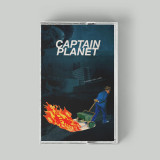
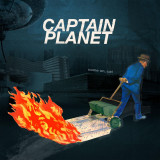
Captain Planet ist eine besondere Band. Eine Band, die man nicht vergisst, auch wenn sie länger nichts von sich hören lässt. Das letzte Album "Ein Ende" erschien 2016, das letzte Konzert fand im Februar 2020 statt. Sie ist die Definition einer Lieblingsband, die begleitet, bleibt, auch gerne mal ruhig ist, um dir dann beizeiten mit neuer Musik und neuen Texten behutsam das Herz zu brechen, während sie dir gleichzeitig Es geht weiter. Irgendwie. Muss. ins Ohr flüstert. Musikalisch ist "Come On, Cat" energetischer, melodiöser Emo-Punk, der in Deutschland seit der Bandgründung im Jahr 2003 in seiner eigenen Liga spielt. Captain Planet werden auch mit ihrem fünften Album nicht den Deutschpunk-Olymp hierzulande erklimmen. Dafür ist man auch nicht angetreten. Diese Band ist bei sich, ist keine Szene-Gestalt. Und doch: Wenige Bands lösen bei ihren Freund*innen (don"t say Fans) so eine Aufregung und Begeisterung aus, wenn etwas Neues passiert.
The Nag's Head was a warts-and-all vessel for the sonic meanderings of Brighton artist Stephen Maskell - taking in richly textural techno, corrupted pop and ASMR drone sculptures. His four releases on Kit Records documented the ecstatic mundanity of life in broken Britain, compositions welded together with snippets of pirate radio, ear-tickling art installations, altercations in terrible pubs, and other end-of-pier hallucinations.
Honky Tonk Cheeseballs is perhaps Maskell's final release, and represents the culmination of his digital dream diary approach. Gone is the Nag's Head moniker (pub burnt down in a possible insurance job?). In the embers we find Basil Neptune: a kind of sentient Airbnb profile, seeking out the smelliest, strangest sonic vestiges of Albion. Expect richly harmonic ambience, ghostly spoken word, and a few trademark booty shakers. All shot through the lens of... Scooby Doo? Zoinks.
- 1: Hello
- 2: A Love From Outer Space
- 3: Crack Up
- 4: Timewind
- 5: What's All This Then?
- 6: Snow Joke
- 7: Off Into Space
- 8: And I Say
- 9: Yeti
- 10: Conundrum
- 11: Honeysuckleswallow
- 12: Long Body
- 13: In A Circle
- 14: Fast Ka
- 15: Miles Apart
- 16: Pop
- 17: Mars
- 18: Spook
- 19: Sugarwings
- 20: Back Home
- 21: Down
- 22: Supervixens
- 23: Insect Love
- 24: Sorry
- 25: Catch My Drift
- 26: Challenge
A.R. Kive collates the three most astonishing works from that most miraculous of duos - A.R. Kane - comprising the ‘Up Home’ EP from 1988 that signified the band’s dawning realisation of their own powers and possibilities, their legendary debut LP ‘sixty nine’ (1988) and its kaleidoscopic, prophetic double-LP follow up ‘i’ (1989).
In founder-member Rudy Tambala’s new remastering, the music on these pivotal transmissions from the birth of dream pop, have been reinvigorated and re-infused with a new power, a new depth and intimacy, a new height and immensity. Vivid, timeless and yet always timely whenever they’re recalled, these records still force any listener to realise that despite the habits of retrospective myth-making and the
safe neutering effects of ‘genre’, thirty years have in no way dimmed how resistant and dissident to critical habits of categorisation A.R. Kane always were. Never quite ‘avant-pop’ or ‘shoegaze’ or ‘post-rock’ or any of those sobriquets designed to file and categorise, A.R. Kive is a reminder that those genres had to be coined, had to be invented precisely to contain the astonishing sound of A.R. Kane, because
previous formulations couldn’t come close to their sui generis sound and suggestiveness. This is music that pointed towards futures which a whole generation of artists and sonic explorers would map out. Now beautifully repackaged, remastered and fleshed out with extensive sleeve notes and accompanying materials, ‘A.R. Kive’ reveals that 35 years on it’s still a struggle to defuse the revolutionary and inspirational possibility of A.R. Kane’s music.
A.R. Kane were formed in 1986 by Rudy Tambala and Alex Ayuli, two second-generation immigrants who grew up together in Stratford, East London. From the off the pair were outsiders in the culturally mixed (cockney/Irish/West Indian/Asian) milieu of the East End, with Alex and Rudy’s folks first generation immigrants from Nigeria and Malawi, respectively. The two of them quickly developed and fostered an innate and near-telepathic mutual understanding forged in musical, literary and artistic exploration. Like a lot of second-generation immigrants, they were ferocious autodidacts in all kinds of areas, especially around music and literature. Diving deep into the music of afro-futurist luminaries such as Sun Ra, Miles Davis, Lee Perry and
Hendrix, as well as devouring the explorations of lysergic noise and feedback from contemporaries like Sonic Youth and Butthole Surfers, they also thoroughly immersed themselves in the alternate literary realities of sci-fi and ancient history (the fascination with the arcane that gave the band their name), all to feed their voracious cultural thirsts and intellectual curiosity.
It was seeing the Cocteau Twins performing on Channel 4 show the Tube that spurred A.R. Kane into being - “They had no drummer. They used tapes and technology and Liz Fraser looked completely otherworldly with those big eyes. And the noise coming out of Robin’s guitar! That was the ‘Fuck! We could do that! We could express ourselves like that!’ moment”, recalls Tambala - and through a mix of
confidence, chutzpah, ad hoc almost-mythical live shows and sheer innocent will the duo debuted with the astonishing ‘When You’re Sad’ single for One Little Indian in 1986. Immediately dubbed a ‘black Jesus & Mary Chain’ by a press unsure of WHERE to put a black band clearly immersed in feedback and noise, what was immediately apparent for listeners was just how much more was going on here - a
tapping of dub’s stealth and guile, a resonant umbilicus back to fusion and jazz, the music less a conjuration of past highs than a re-summoning of lost spirits.
The run of singles and EPs that followed picked up increasingly rapt reviews in the press, but it was the ‘Up Home EP’ released in 1988 on their new home, Rough Trade that really suggested something immense was about to break. Simon Reynolds noted the EP was: Their most concentrated slab of iridescent awesomeness and a true pinnacle of an era that abounded with astounding landmarks of guitar-reinvention, A.R. Kane at their most elixir-like.
If anything, the remastered ‘Up Home’ that forms the first part of ‘A.R. Kive’ is even more dazzling, even more startling than it was when it first emerged, and listening now you again wonder not just about how many bands christened ‘shoegaze’ tried to emulate it, but how all of them fell so far short of its lambent, pellucid wonder. This remains intrinsically experimental music but with none of the frowning orthodoxy those words imply. A.R. Kane, thanks to that second generation auto-didacticism were always supremely aware about the interstices of music and magic, but at the same time gloriously free in the way they explored that connection within their own sound, fascinated always with the creation of ‘perfect mistakes’ and the possibilities inherent in informed play.
‘sixty nine’ the group’s debut LP that emerged in 1988 had
critics and listeners struggling to fit language around A.R. Kane’s sound. As a title it was telling - the year of ‘Bitches Brew’, the year of ‘In A Silent Way’, the erotic möbius between two lovers - and as originally coined by the band themselves, ‘dream pop’ (before it became a free-floating signifier of vague import) was entirely apposite for the music A.R. Kane were making. Crafted in a dark small basement studio in which Tambala recalls the duo had “complete freedom - We wanted to go as far out as we could, and in doing so we discovered the point where it stops being music”. There was an irresistibly dreamy, somnambulant, sensual and almost surreal flow to ‘sixty nine’s sound, but also real darkness/dankness, the ruptures of the primordial and the reverberations of the subconscious, within the grooves of remarkable songs like ‘Dizzy’ and ‘Crazy Blue’. Alex’s plangent vocals floated and surged amidst exquisite peals of refracted feedback but crucially there was BASS here, lugubrious and funky and full of dread, sonic pleasure and sonic disturbance crushed together to make music with a center so deep it felt subcutaneous, music constructed from both the accidental and the deliberate, generous enough to dance with both serendipity and chaos. ‘sixty nine’ remains - especially in this remastered iteration - ravishing, revolutionary.
The final part of this ‘A.R. Kive’ contains 1989’s astonishing double-LP ‘i’ which followed up on ‘sixty nine’s promise and saw the duo fully unleash their experimental pop sensibilities over 26 tracks, plunging the A.R. Kane sound into a dazzlingly kaleidoscopic vision of pop experiment and play. Suffused with new digital technologies and combining searingly sweet and danceable pop with perhaps the duo’s strangest and boundary-pushing compositions, the album did exactly what a great double-set should do - indulge the artists sprawling pursuit of their own imaginations but always with a concision and an ear for those moments where pop both transcends and toys with the listeners expectations. Jason Ankeny has noted that “In retrospect, ‘i’ now seems like a crystal ball prophesying virtually every major musical development of the 1990s; from the shimmering techno of ‘A Love from Outer Space’ to the liquid dub of ‘What’s All This Then?’, from the alien drone-pop of ‘Conundrum’ to the sinister shoegazer miasma of ‘Supervixens’ — it’s all here, an underground road map for countless bands to follow.” Perhaps the most overwhelmingly all-encompassing transmission from A.R. Kane, ‘i’ bookended a three year period in which the duo had made some of the most prophetic and revelatory music of the entire decade.
After ‘i’ the duo’s output became more sporadic with Tambala and Ayuli moving in different directions both geographically and musically, with only 1994’s ‘New Clear Child’ a crystalline re-fraction of future and past echoes of jazz, folk and soul, before the duo went their separate ways. Since then, A.R. Kane’s music has endured, not thanks to the usual sepia’d false memories that seem to maintain interest in so much of the musical past, but because those who hear A.R. Kane music and are changed irrevocably, have to share that universe which A.R. Kane opened up, with anyone else who will listen. Far more than other lauded documents of the late 80s it still sounds astonishingly fresh, astonishingly livid and vivid and necessary and NOW.
In 1972, a foursome of design students set out to make a record. This was, in many ways, a strictly creative endeavor. The quartet — composed of Dave Pescod, Alan Lewis, Phil Rawle, and Ted Rockley — were all trained, not as musicians, but as creatives. Art school heavyweights, the four were well-versed in the methodology of intentional experimentation, in the delicate balance of pushing the limits without completely unmooring oneself from a guiding creative intention. Emboldened by a high-brow familiarity with thoughtful experimentation and all the non-conviction of non-musicians, Bowes Road Band’s stint in the world of popular music yielded a record that is as much mind-melting as it is a direct product of its time. Their sprawling LP “Back in the HCA” embodies the exigence “art for art’s sake,” but it is for art’s sake that this record, however off the deep end it seems to travel (hear: “Doctor, Doctor”), remains a unified, and stunning, body of work. The LP’s do-ityourself garage rock noisemaking meets highfalutin creative processes. “Back in the HCA” is warbling psychedelic freakout (“Two Fingers,” “Doctor, Doctor”), Donovan-esque English countryside folk stylings (“Inside My Head,” “Goodbye to Rosie”), and avant-garde jazz improvisions (“Grass is Grass,” “Tomorrow’s Truth”) in one luminous release.
Originally an 9-track LP, Jakarta, Uno Loop, and Bowes Road Band decided to mine the six most cohesive tracks for the reissue, though the extras may be released somewhere down the line. Cohesion efforts aside, “Back in the HCA” stands alone in its singular conception of a genre-bending continuum — it evades definition. That said, the LP can easily be situated in the sonic environment in which it was conceived. By the end of the 60s, England was crawling with blues-based rock outfits that were starting to venture into prog rock territory. You can hear this popular dint cast over the folkier side of the LP. But Bowes Road Band was armed with their non-musicianship: they existed completely liberated from the motivating yet ultimately paralyzing lust for stardom. Enjoying this liberation, Bowes Road Band was utterly free to make noise. This freedom meant drawn out sax interludes amidst sweetly folk stylings (“Grass is Grass”) and Shaggs-like fuzzed-out freakouts that spiral into a void (Doctor, Doctor). This freedom also meant straight-forward tuneful cuts like “Goodbye Rosie” that conspicuously introduce heavily distorted auto-organ accompaniment mid-track amidst poignant lyricism. Bowes Road Band crafts a unified sound and then cracks it open.
With a completely off-the-radar status, Bowes Road Band could only press 50 copies of the record — 10 for each of them and 10 for the school. The band’s lifespan was to end there, or so they thought. “Back in the HCA” was the accidental fruit of a Berlin flea market treasure hunt by Jannis Stürtz, DJ and co-founder of Habibi Funk and Jakarta Records. After finding and sharing the LP with a few colleagues, Stürtz managed to get in touch with the band, get ahold of the master tapes collecting dust in Ted Rockley’s attic, and start the reissuing process. The record is still adorned with its original cover art designed by Alan Pescod, both reminiscent of bygone school days and the Zoom calls of yesterday — in short, reunion. Its re-discovery was happenstance and ought to be listened to as such. That is, “Back in the HCA” was not made to be listened to on a broad scale, or, at least, was not made with this goal in mind; it is neither in its time nor of its time. Of course, the group explicitly cites the folk tunes of the English countryside, the distorted rock groups that reigned during the record’s conception, and the fringes of psychedelic music that only the uber-underground might recognize (e.g., “Dreaming of Alice”). Yet still with these obvious influences, “Back in the HCA” always existed beyond the domain of both traditional musicianship and conventional commodification. Bowes Road Band’s DIY musicality beams through in technicolor across “Back in the HCA.” The vinyl includes an 8-page booklet detailing the albums creation and interviews with the band.
Lead single “Grass is Grass,” out July 14 along with album pre-order, encapsulates the record’s range: the track unfurls into a sprawling sax-driven trip following a sundrenched, Donovan-esque intro w/ lyrics “naively about parks and gardens, not marijuana!” The keyed-down folk cut “Goodbye to Rosie” is single 2 and elevates stripped-down acoustics with golden tinges, out August 4th. Focus track “Tomorrow’s Truth” constructs the fuzzed-out underbelly of acid folk. Listen for echoes of late Beatles, Mark Fry, and Donovan (if they were armed by an unshakabele willful naiveté). Like Sgt. Pepper’s on a shoestring budget—take a trip to the underground with LP “Back in the HCA,” available everywhere physically and digitally on September 1st via Jakarta Records and Uno Loop.
Besides online promotion from label profiles, the album will be further promoted by external agencies within the UK and US.
Wewantsounds Is Pursuing Its Ambitious Akiko Yano Reissue Program With The Release Of "japanese Girl", Her Landmark Debut Album From 1976. Backed By Little Feat With Lowell George And By The Cream Of Japanese Musicians (including Haruomi Hosono), Japanese Girl Is One Of The Most Important Japanese Albums Of The 70s, Mixing Pop, Rock, Japanese Folk Together With Little Feat's Superb Classic Sound. This Is The Very First Time The Album Is Released Internationally. The Deluxe Lp Edition Includes Remastered Sound, Tip-on Lp Sleeve, Download Card Plus The Original 4-page Insert With Lyrics And Full Line-up!
When Akiko Suzuki Left Her Home Town Of Aomori For Tokyo In The Early 70s Aged Just 15 To Become A Professional Musician, She Quickly Started Making Waves On The Local Music Scene Performing At The Jazz Club Rob Roy. In 1973 She Released A 7" With The Group Zariba And Caught The Attention Of A&r Man Koki Miura. She Then Recorded One Song, "oinaru Shiino-ki" With Haruomi Hosono On Bass And Drummer Tatsuo Hayashi (who Features On Many Hosono Albums And Also Hiroshi Sato's 1979 Album Orient) With A Full Album In Mind.
After A Marriage With Musician/producer Makoto Yano And The Birth Of Her Son (named Fuuta), Yano And Her Team Resumed The Recording Of The Album And Decided To Pitch Little Feat For A Collaboration As She Loved The Group. Against All Odds They Said Yes And Yano Left Tokyo For Los Angeles In March 1976 To Record A Full Side With Them. The Legend Has It They Found It So Difficult To Keep Up With Yano's Compositions They Returned Some Of Their Fee. The Session Was Nevertheless Stunning And Lowell George Even Compared Yano To Stevie Wonder. The Little Feat Blend Of New Orleans Groove Matched Yano's Melodies Perfectly, As Witnessed On "funamachi-uta Part 2." Originally A Traditional Song From The Nebuta Festival In Her Hometown Of Aomori (part I On Side 2 Gives A Good Idea Of What The Original Form Sounds Like), The Little Feat Version Is A Formidable Slow-funk Workout Not Dissimilar To Their Classic, "spanish Moon", Serving Yano's Beautiful Vocals And Sense Of Groove To Perfection. The Whole Side Is A Match Made In Heaven, Showcasing The Classic Little Feat Line Up At Their Funkiest With Yano's Unique Japanese Twist.
The Japanese Side On The Album Gives A Great Snapshot Of The Tokyo Music Scene Of The 70s With Many Musicians Gravitating Around Haruomi Hosono (and Present On His 1973 Classic Album 'hosono House' Including Sound Engineer Kinji Yoshino) And Also Several Musicians From Japanese Band, The Moonriders.
Recorded At The Legendary Onkyo Haus Studio In Tokyo, The Sessions Mix Singer-songwriter Sensitivity And Pop With Traditional Japanese Sounds And Instruments Like The Shinobue Transverse Flute, The Koto String Instrument Or The Tsuzumi Hand Drum As Played On "hekoriputaa" By The Legendary Percussionist Kisaku Katada Who Was Appointed Living National Treasure By The Japanese State In 1999; Together They Create A Beautiful East-meets-west Mix Masterfully Driven By Yano's Creativity And Unique Talent.
A Breathtaking Debut Album That Made Akiko Yano One Of The Most Important Artists To Emerge From The 70s, Japanese Girl Has Since Become A Milestone In Japanese Music With A Recent Documentary On Nhk Tv Telling The Whole Story Behind This Classic. Wewantsounds Is Now Proud To Present This Essential Album To The Rest Of The World.
King Gizzard & the Lizard Wizard kündigen ihr 24. Album an: ”PetroDragonic Apocalypse; or, Dawn of Eternal Night: An Annihilation of Planet Earth and the Beginning of Merciless Damnation”. Es ist der zweite Ausflug der Gruppe in das Thrash Genre - nach ”Infest The Rats’ Nest” aus dem Jahr 2019 -, doch wie zu erwarten, ist ”PetroDragonic Apocalypse” keine bloße Neuauflage von ”Rats’ Nest”, sondern ein ganz eigener evolutionärer Schritt.
"Featuring Nate Morgan on piano, Jesse Sharps on reeds, Danny Cortez on trumpet, Rickey Kelly on vibes, Joel Ector on bass and Derek Roberts on drums. This music was recorded in Santa Barbara in July of 1987. Since the passing of the great pianist /composer / bandleader Horace Tapscott, the Nimbus West label has continued to document the underground L.A. jazz scene that Mr. Tapscott was once at the center of. A number of great musicians who once collaborated
with Tapscott, like Jesse Sharps & Nate Morgan, have recorded albums as leaders on Nimbus West. The short liner notes state that "trying to play serious music in an area as shallow & fad-driven as Los Angeles, were too much for this band to deal with..." so they didn't last too long. No doubt. This LP is proof that this collective's music was strong, spirited, original and had a great deal to offer. I
can't say that I've heard of any of the rhythm section players but all six members of the collective are excellent musicians nonetheless.
Nate Morgan's "Retribution, Reparation" is first and it has one of those McCoy Tyner-like 70's ensemble vibes with spirited piano and Trane-ish tenor sax sailing on top. The entire sextet is in great form with impressive solos from trumpeter Danny Cortez, vibist Rickey Kelly and pianist Nate Morgan. How musicians as incredible as this escaped notice, I will never understand. The sextet is ultra-tight and swings furiously throughout. Bassist John Ector's "Big Spliff" has a most memorable theme that had me smiling all the way through. The long & inspired soprano solo by Jesse Sharps and that great piano interplay & solo makes this piece even more special. The only cover on this LP is Monk's "Well You Needn't" and it too is done exuberantly. There are over 100 minutes of outstanding music on this wonderful release. Another buried treasure to add to your collection of great gifts from the gods." - Bruce Lee Gallanter, Downtown Music Gallery