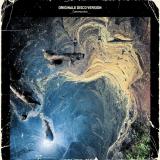
Sixteen killer 70s reggae funk and soul cuts from the likes of John Holt, Lee Perry, Cornel Campbell, The Cimarons, The Chosen Few and more featuring superb reggae takes on songs by artists including The Jackson 5, William DeVaughn, Diana Ross and The Supremes, War, The Temptations, Roberta Flack, The Stylistics and others!
Well-documented is the influence of American black music on Jamaican styles of the 1960s – from the birth of ska music, when The Skatalites ska-ified the jump-up southern USA rhythm and blues music of Rosco Gordon, Louis Jordan and Fats Domino, through to the creation of rocksteady when Jamaican artists like The Techniques, The Paragons, Alton Ellis and The Melodians turned to the slower rhythms and soulful harmonies of groups such as The Impressions and The Drifters for inspiration.
Less-well established is that in the 1970s Jamaicans didn’t (shock!) stop listening to American black music styles, with many 70s reggae artists as invested in soul, funk and the proto-disco sounds of Philadelphia, as was the case with rhythm and blues in the previous decade. In the 1970s, while Jamaica promoted its own roots reggae styles around the world, powerhouse USA soul labels such as Motown, Philadelphia International and Stax Records were at the same time all popular on the island.
This interaction between American and Jamaican music was not limited to Jamaica. In Britain, first-generation Caribbean-émigré children in the 1960s and early 70s grew up with an equal love of both soul and reggae, which manifested itself in the home-grown arrival of lovers rock in the mid-1970s.
Soul Jazz Records’ new ‘Reggae Island Soul’ tells this story of how soul and funk-infused reggae in the 1970s united the sounds of Jamaica, USA and the UK into a highly addictive cultural hybrid of styles.
Rostams drittes Album, American Stories, erscheint am 15. Mai und ist sein erstes neues Album seit über fünf Jahren. Der iranisch-amerikanische Künstler und renommierte Produzent kehrt mit einem Album zurück, das sein Leben in zwei kulturellen Welten beleuchtet. Die Musik verwebt Elemente der amerikanischen und persischen Tradition und verbindet Fingerpicking auf der Gitarre, Pedal Steel und gezupfte Akkorde mit mikrotonalen persischen Melodien. ,Diese Verbindung von Ost und West fühlte sich wie die Musik an, die ich für dieses Album machen musste." Rostams Texte, in denen er seine eigenen Erfahrungen verwebt, sind eine Sammlung von Geschichten und Reflexionen. ,The Weight" spielt im Frühjahr 2025 auf College-Campus in Amerika. In ,Forgive is to Know" verarbeitet Rostam reale Ereignisse und den Akt des Songwritings selbst. Rostam reflektiert das Ende einer Beziehung in ,Hardy ft. Clairo" und setzt sich mit der ungewissen Zukunft der Menschheit auseinander. Das Ergebnis ist ein Album, das sich zutiefst individuell und doch unverkennbar amerikanisch anfühlt. ,Letztendlich hoffe ich, dass die Zuhörer Trost in diesem Album finden und ich möchte den Menschen ein Gefühl des Optimismus vermitteln."
Rostams drittes Album, American Stories, erscheint am 15. Mai und ist sein erstes neues Album seit über fünf Jahren. Der iranisch-amerikanische Künstler und renommierte Produzent kehrt mit einem Album zurück, das sein Leben in zwei kulturellen Welten beleuchtet. Die Musik verwebt Elemente der amerikanischen und persischen Tradition und verbindet Fingerpicking auf der Gitarre, Pedal Steel und gezupfte Akkorde mit mikrotonalen persischen Melodien. ,Diese Verbindung von Ost und West fühlte sich wie die Musik an, die ich für dieses Album machen musste." Rostams Texte, in denen er seine eigenen Erfahrungen verwebt, sind eine Sammlung von Geschichten und Reflexionen. ,The Weight" spielt im Frühjahr 2025 auf College-Campus in Amerika. In ,Forgive is to Know" verarbeitet Rostam reale Ereignisse und den Akt des Songwritings selbst. Rostam reflektiert das Ende einer Beziehung in ,Hardy ft. Clairo" und setzt sich mit der ungewissen Zukunft der Menschheit auseinander. Das Ergebnis ist ein Album, das sich zutiefst individuell und doch unverkennbar amerikanisch anfühlt. ,Letztendlich hoffe ich, dass die Zuhörer Trost in diesem Album finden und ich möchte den Menschen ein Gefühl des Optimismus vermitteln."
San Diego’s Mrs. Magician has always bent surf music and punk into something delightfully off-kilter — sun-soaked, hook-heavy power pop with a lyrical fixation on life’s darker undercurrents. Their 2012 debut, Strange Heaven, was a nihilistic pop statement that grew into a cult classic. The 2016 follow-up, Bermuda, sharpened the edges with punchy, nervy songwriting. Both records were produced by John Reis (Rocket From The Crypt, Hot Snakes, Drive Like Jehu), cementing the band’s place in Southern California’s underground lineage. Now, in 2026, Mrs. Magician reemerges with their long-awaited third LP, Spiritual Hangover. Recorded at Dave Grohl’s Studio 606 and Singing Serpent Studios with producer Christian Cummings, Spiritual Hangover finds songwriter Jacob Turnbloom trading youthful nihilism for something more reflective. Where earlier records wrestled with existential dread through anthemic defiance, this new collection embraces uncertainty — an admission of ignorance in the face of the human condition, paired with a genuine longing for connection and understanding. The humor remains. The hooks are sharper than ever. But the perspective has shifted.
These songs feel less like a declaration of dominance and more like a celebration of fragility — an acknowledgment that life is fleeting, confusing, and still worth enjoying. The album features Andrew Montoya (drums) and Mark Rivera (bass) of The Sess, Ian Fowles (guitar) of The Aquabats, and John Reis (guitar). Spiritual Hangover channels the bright urgency of late-’70s power pop through a distinctly Californian lens — warm, melodic, and irresistibly alive. “Super fun, well crafted, with great melodies. It gives me that late ’70s power pop energy I loved so much as a kid. Every track has something joyous to grab onto. In a world full of bleak news, Spiritual Hangover is a warming blast of California sunshine.” — Walter Schreifels (Gorilla Biscuits/Quicksand)
STRICTLY LIMITED TO 100 COPIES ARTIST PROJECT After discovering techno at La Concrète, invited by my girlfriend, it was a revelation, and I very quickly felt the urge to contribute in my own way. My intention has been to create tracks infused with positive energy (even if the creative process sometimes leads into slightly darker corners of music). Still, I realized—rather late—the importance of the musical genre known as “techno.” Here is my reflection on it: Nothing is closer to village music (with everything that implies among indigenous peoples, for example—important and respected moments of communion) than techno. On one side, you have basic organic instruments and the voice; on the other, the most advanced technology available. But fundamentally, the difference is only superficial—the essence is the same: a guide, and people who participate intuitively, ultimately finding or discovering their own inner paths… individuation. Techno represents the re-emergence of a kind of initiation rite that had been missing in the West for quite some time—a sort of continuation of Woodstock, more spread out over time but just as powerful from a societal perspective. This release is my contribution to that revival, in the same way a villager might feel free to join trance music with a simple stick that sounds right, or a drum—something intuitive that all our ancestors must have practiced naturally at one point or another. In short, nothing pretentious—just something made with heart
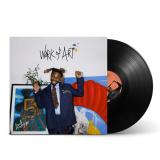
Work of Art is not merely a sophomore album; it is a victory lap run with the precision of a master artist. Following the stratospheric global ascent of his debut, Mr. Money with the Vibe, Asake faced the kind of pressure that usually demands a pivot. Instead, he treated that intensity like clay, sculpting a project that feels at once more expansive in scale and more intimate in spirit. Released in 2023, the album serves as a definitive statement on Asake’s sonic identity, deepening his signature fusion of Amapiano, Fuji-inspired percussion, and Afrobeats while moving with a newfound sense of deliberate poise.
If his debut was a high-octane sprint to introduce his sound to the world, Work of Art is a confident stroll through his own creative museum. Anchored once again by the masterful production of Magicsticks, the album serves as the perfect architectural space for Asake’s erratic, infectious flows. The record feels richly textured—brimming with pulsating log drums, soulful samples, and the specific, ecstatic chaos of Lagos nightlife. Asake successfully bridges the gap between traditional Yoruba heritage and the deep, percussive basslines of South African Amapiano, resulting in a sound that feels simultaneously ancestral and futuristic.
The project thrives on a unique duality: it is introspective, yet undeniably club-ready. Tracks like "Amapiano," featuring Olamide, provide the anthemic energy his fans crave, while cuts like "Basquiat" showcase a lyrical swagger that frames his life as high art set to a relentless four-on-the-floor beat. By leaning into his "Mr. Money" persona with added vulnerability and a clearer focus on the craftsmanship of his vocal delivery, Asake avoids the dreaded sophomore slump entirely. He proves that he isn't just making pop songs; he is curating a moment. Ultimately, Work of Art captures the feeling of an artist standing at the peak of his powers, looking out at the landscape he has helped reshape, and confirming that, indeed, he belongs there. It is not about reinventing the wheel—it’s about proving that the wheel he built is a masterpiece.
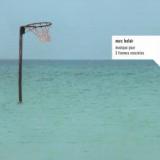
In Sheep’s Clothing announces the long-awaited vinyl pressing of Marc Leclair’s beloved 2005 album Musique pour 3 femmes enceintes. The album will also be available on streaming for the first time via Community Music Group.
For years after Marc Leclair released Musique pour 3 femmes enceintes, he heard from listeners who had lived with the record in an unusually intimate way. Many described how the music became part of the emotional landscape of the months leading to birth. “I never expected that,” Leclair says. “Many women told me they listened to the record throughout their pregnancies. They said it made a real difference, that it helped them. It became more than just a record.”
First issued on CD in the early 2000s, Musique pour 3 femmes enceintes (Music for Three Pregnant Women) now returns in a new edition from In Sheep’s Clothing Hi-Fi, appearing on vinyl for the first time as a double LP. The record is being pressed in Detroit at Archer Record Pressing, the historic plant behind deep-groove classics by Juan Atkins, Kevin Saunderson, Underground Resistance, UR’s Jeff Mills, and J Dilla.
Listeners who know the Montreal-based Leclair through his better-known work as Akufen might be surprised by the tone here. During the same years he was shaping the intricate micro-sampling tracks that made Akufen a cult figure on labels including Perlon, Force Inc. and Trapez, Leclair was quietly developing this far more personal project. The meticulous craftsmanship remained the same, though the focus shifted from the hyper-detailed cut-up rhythms of his dance records toward something slower and more atmospheric. “I always compare my work to a jeweler,” Leclair says. “It’s really very precise. I’m a bit of a detail freak. I can spend hours or days on just one phrase in one song. Everything has to be perfectly put together.”
The project began almost accidentally. A few members of Leclair’s circle became pregnant nearly simultaneously, including one who had long believed she couldn’t conceive. The first track he recorded for the project wasn’t meant to advance a larger concept, he says. “It was meant to highlight the fact that three of my closest friends became pregnant at exactly the same time.”
Leclair was already a father with a three-year-old daughter, so the emotional terrain of early parenthood was familiar. Gradually the idea expanded. “I began thinking, why not make a whole album that celebrates this and also follows the entire pregnancy, the nine months,” he says. The music developed piece by piece, including a track originally commissioned by the Berlin experimental duo Rechenzentrum that would later become the album’s opening movement.
Nearly seven years passed between the first composition and the finished album, and the music mirrors the strange arithmetic of pregnancy itself. What begins as a single idea multiplies outward, sounds layering and branching until the album feels less like a sequence of compositions than a living process unfolding in time. “I work very slowly,” Leclair says. “Everything has to be something I’m completely behind. I never want to rush anything. I want things to come naturally.” Across its 72 minutes, the album blossoms with the patience of a long meditation on time, growth and emergence.
When Musique pour 3 femmes enceintes first appeared via Mutek, it circulated quietly but steadily. Critics who discovered it later recognized its unusual scope. In a 2006 Pitchfork review, Mark Richardson gave the record an 8.1, calling “150e Jour” “an unfailingly gorgeous and tightly sequenced quilt of guitar and piano samples reminiscent of Tangerine Dream,” and describing “85e Jour” as infused with “viscous pop ambient drift, the gauzy synth pads ebbing and flowing with rhythm.” Boomkat described the album as “a majestic opus from a producer that's always promised so much — here delving into a panoramic construction of almost visibly radiant music that works so beautifully through each and every second of its 72 minute lifespan.”
The new In Sheep’s Clothing Hi-Fi edition finally presents the record in the format Leclair long imagined. “I always thought that record deserved a vinyl edition,” he says. Spread across two LPs, the music now has room to unfold at its natural pace. More than twenty years after it first appeared, Musique pour 3 femmes enceintes remains what it was from the start: a carefully shaped meditation on transformation and the quiet miracle of life beginning.
With Burn The House Down, Ghalia Volt delivers a raw and electrifying blend of blues, garage rock, and roots-driven energy. Fueled by gritty guitar riffs, hypnotic rhythms, and her unmistakable raspy vocals, the album captures the spirit of stripped-down, high-voltage rock’n’roll. Recorded with an organic and live feel, the songs pulse with authenticity and urgency, balancing infectious grooves with a rough-edged charm. Ghalia Volt’s performance is both fierce and soulful, channeling the essence of traditional blues while pushing it into a more modern, rebellious direction. Burn The House Down is a bold and uncompromising release—perfect for fans of The Black Keys, Larkin Poe, and raw, unfiltered blues rock
Today, Oakland-raised and Brooklyn-based singer-songwriter Ivy Knight announces her debut album Iron Mountain, set for release on 15 May via Scenic Route.
Ivy Knight’s songs reflect a city dreamer creating a new world to sink into: across Iron Mountain, she conjures imagery of barren Southwest American landscapes as she recounts memories that feel beamed from generations past, channeling folk melodies and old trail ballads of the late 50s and early 60s.
Much of her work has been created both within, and in reference to the Hudson Valley, where she met frequent collaborator Deer park (fakemink, Ecco2k, evilgiane) who produced, engineered and performs on Iron Mountain.
Her latest single ‘Red Rock’ follows last month’s single ‘Headlamp’, and her recent collaboration with Deer park, ‘Black Cat’, which received support from BBC 6 Music, Crack Magazine, The Face, The FADER, Pigeons & Planes, NME, The Line of Best Fit, Clash, So Young + more.
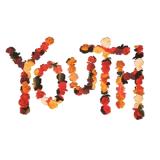
Since first meeting as midwestern high-schoolers in 2009, Citizen have emerged as one of the most promising young bands in the alternative underground today. The band signed to Run For Cover Records in early 2012, releasing their EP Young States that year as well as a split with labelmates Turnover. In February of 2013, Citizen entered Studio 4 with producer Will Yip (Title Fight, Circa Survive, Daylight) to record Youth, their debut full-length. From the first note of album opener "Roam The Room", the fuzzy, guitar-driven rock songs bleed emotion straight through to closer "Drawn Out". Citizen have called on the ghosts of Brand New and early Nirvana, creating a sound that is familiar but immediately all its own.
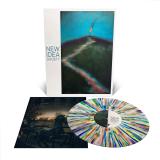
NEW IDEA SOCIETY signs to Relapse and offers their new album, Fire on the Hill. The band has taken on differing shapes and forms over the years, but at its heart is the duo of Mike Law (Wild Arrows) and Stephen Brodsky (Cave In, Mutoid Man), a pair enraptured and united by the alchemical power of songwriting. With a connection that can be traced back to their high school years, between them exists an intuitive understanding that informs exactly what NEW IDEA SOCIETY is at any given point. Although the pair have come a long way since their earliest explorations in audio in the late 90s, the roots of their alliance were forged in those makeshift basement studios. For Fire On The Hill, Law and Brodsky took a more collaborative approach to songwriting than on previous releases. With Brodsky describing their process as “microscopic” and Law marveling at the particulars of the minutiae they pored over, the attention to detail and their meticulous approach to making adjustments in service of the work shines through in the cohesiveness of this collection of songs. With demos passed back and forth over months - Brodsky sending them in the early morning, and Law taking the evening shift - the songs evolved naturally; refining a chord progression, adapting a lyrical perspective, or in the case of the track Lantern, rewriting the words entirely. Thematically the album is about love, in its many forms. With each track detailing some element of navigating emotional relationships - the beauty, the pain, the loss and the hope - the duo have captured the immediacy and urgency of such feelings, tempered by a sliver of yearning that stops short of tipping into nostalgia. Now with years of experience to their names, alongside a developed vocabulary and extended sonic palette to draw from, they have created something specifically and idiosyncratically NEW IDEA SOCIETY. Fire On The Hill is them in full flight, at the height of their powers. Short: NEW IDEA SOCIETY signs to Relapse and offers their new album, Fire on the Hill. The band has taken on differing shapes and forms over the years, but at its heart is the duo of Mike Law (Wild Arrows) and Stephen Brodsky (Cave In, Mutoid Man), a pair enraptured and united by the alchemical power of songwriting. FFO: CAVE IN, MUTOID MAN, EMMA RUTH RUNDLE, HARVESTMAN, BIG BRAVE, CRIPPLED BLACK PHOENIX, JESU
There’s a song on There’s A Whole World Out There, the second album by Canadian four-piece Arm’s Length, called “Palinopsia”. Derived from the Greek for “again” (palin) and “seeing” (opsia), it’s a visual phenomenon marked by the persistent image of something that’s no longer actually there. Singer and lyricist Allen Steinberg wrote the song wrote about “pure devotion or love towards someone that may no longer be a part of your life”, but it also applies to the record as a whole.
Because throughout this album’s 12 songs, Steinberg wrestles a with the part of life that’s been and gone. Yet there’s a noticeable difference between the person who wrote this record compared to the one who wrote Arm’s Length’s 2022 debut, Never Before Seen, Never Again Found. “This record speaks more to my life at the moment than the past,” he explains, “even though there’s still a good amount of past on it. But it’s how I’m dealing with it now, as opposed to being enveloped in it—there’s more a sense of being on the other side of it, of seeing it with hindsight. The tone has shifted a little. I’m probably just a bit more mature, as my frontal lobe is developing as we speak.” Produced by Anton DeLost—who worked with the band on Never Before Seen, Never Again Found and 2021’s EP, Everything Nice—There’s A Whole World Out There does indeed expand Arm’s Length’s horizons in accordance with Steinberg’s developing frontal lobe, presenting him as more self-reflective contemplative than he was before. He wrote the parts for all the instruments, as well as the vast majority of the lyrics, alone in his room, and then brought those initial sketches, recorded as voice memos, to drummer Jeff Whyte, who added percussion to Steinberg’s song skeletons. While the majority of the creative process was in Steinberg’s hands, it was only when these songs were recorded as a full band with Jeremy Whyte, who played bass on the record, and Ben Greenblatt that their full potential was realized. The result is that the feelings driving these songs burst and bloom with full force, building on the incredible foundations set by the band’s previous recorded output.
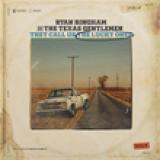
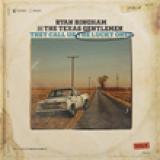
They Call Us The Lucky Ones is a road-worn portrait of modern Americana — songs about movement, memory, love, and survival, exploring the space between freedom and consequence where highways replace homes and connection becomes the true measure of success. The album tells stories of outsiders and drifters, chosen family and lost friends, broken systems and restless ambition — and the ghosts we carry no matter how far we run. Yet for all its hard-earned perspective, the record carries an undeniable sense of hope: a clarity that comes from a life lived in motion, the humor found along the way, and the simple joy of playing music with people you trust. It’s a record that knows how to have a good time without losing its soul. This collection of ten songs finds Ryan Bingham at his best — where life isn’t always about perfection or redemption, but about connection. Because no matter how far you go, how fast you run, or how loud the music gets, all that matters is the people and stories you carry with you along the way.
They Call Us The Lucky Ones is a road-worn portrait of modern Americana — songs about movement, memory, love, and survival, exploring the space between freedom and consequence where highways replace homes and connection becomes the true measure of success. The album tells stories of outsiders and drifters, chosen family and lost friends, broken systems and restless ambition — and the ghosts we carry no matter how far we run. Yet for all its hard-earned perspective, the record carries an undeniable sense of hope: a clarity that comes from a life lived in motion, the humor found along the way, and the simple joy of playing music with people you trust. It’s a record that knows how to have a good time without losing its soul. This collection of ten songs finds Ryan Bingham at his best — where life isn’t always about perfection or redemption, but about connection. Because no matter how far you go, how fast you run, or how loud the music gets, all that matters is the people and stories you carry with you along the way.
Seit ihrer Gründung im Jahr 2016 haben die Londoner High Vis ihre Palette an progressivem Hardcore mit Nuancen von Post-Punk, Brit-Pop, Neopsychedelia und sogar Madchester-Groove verfeinert und einen Mittelweg zwischen Hooks und Wut, Melodien und Moshpits gefunden. Sänger Graham Sayle beschreibt ihr drittes Album Guided Tour als eine Achse der konkurrierenden Kräfte: "Es versucht, eine hoffnungsvolle Platte zu sein, während es gleichzeitig wütend macht." Die Band, die von Schlagzeuger Edward 'Ski' Harper, Bassist Jack Muncaster und den Gitarristen Martin MacNamara und Rob Hammaren komplettiert wird, ist tief in der britischen und irischen DIY-Hardcore-Szene verwurzelt und wird von Rastlosigkeit und rechtschaffener Wut gleichermaßen inspiriert. Die 11 Songs des Albums umfassen das gesamte Spektrum zeitgenössischer Gitarrenmusik, die durch Erfahrung, Kameradschaft und gesellschaftliche Frustrationen geschärft wurde. Von schwungvollem Streetpunk ("Drop Me Out", "Mob DLA") über schrillen Indie-Spott ("Worth The Wait", "Deserve It") bis hin zu Heavy Alt ("Feeling Bless", "Fill The Gap") und shoegazeartigem Spoken Word ("Untethered") - die Chemie der Gruppe verwandelt jeden Stil in ihre einzigartige Intensität.
The Portcullis draws on dungeon-synth textures, medieval ambience, and the imaginative pull of folklore. Taking the listener on a focused journey through shifting eras, symbols, and atmospheres. It plays like a lost fantasy soundtrack, inviting the listener into an adventure that feels both ancient and newly invented.
Released on Fire Records, ‘The Portcullis’ sees composer Graham Reynolds on an ancestral journey back to Launceston Castle.
"For The Portcullis, I took a deep dive into the history of my family’s patrilineal side. Starting with my grandfather, an ironworker who built the Hartford Cathedral, to my great great great Grandmother, who was a galley cook on a Welsh sailing ship, to the enlightenment era celebrity portrait painter, Joshua Reynolds, and finally to twelfth century know Richard Reynell (before the Reynolds spelling was standardized). Reynell was the Sheriff of Devon and the custodian of Lauceston Castle. While King Richard I was away on the crusades, Reynell made his name defending the castle from the usurper Prince John. I started making sketches of the scenes and stories I imagined. The Portcullis follows Reynell from castle to castle, sequentially as they were built after the Norman invasion. On Reynell’s chest and shield is the symbol and crest of the Reynolds family: The Portcullis."
Graham Reynolds creates an “ominous, stark environment that rumbles with sounds evocative of the natural world, in both its beauty and despair” New York Times.
Known for his wide-ranging versatility, from film and television scores to classical ballet, Graham has scored over seventy films and TV episodes to date. His ongoing collaboration with Richard Linklater the most notable.
The Hexcastle is an atmospheric debut that blends lo-fi black metal with medieval-inspired dungeon synth, creating an album that feels less like a traditional collection of songs and more like an immersive ritual or sonic environment
The eagerly awaited return of WORM SHEPHERD, back after a two year hiatus and member shift. With new singer Ian and the addition of members of Ingested (Thomas O'Malley), Immortal Disfigurement (Harry Tadayon) and Psycho Frame (Leo McLain), DAWN OF THE ICONOCLAST is a masterclass in Blackened Deathcore. The band comment: "I’m very excited about the new lineup. I feel like we have the most talented members that we’ve had to date. Harry (Ex Immortal Disfigurement) brings so much to the table for writing and meshes with my style so well. Tom (Ingested) is an absolute workforce on the bass and really adds some flare to the rhythm guitars with his aggressive style and tones. I’m also very excited that Leo (McClain - Original drummer) is back in the band and having him back behind the kit for the Worm Shepherd sound gives some of that original tone from our first albums together. Us having this new sort of style that we’re doing, Ian (Archaic Epidemic) fits in perfectly with his aggressiveness and tonality of our new music and I can’t wait to see what people think. This is the beginning of a new era for Worm Shepherd." - Tre Perdue (Guitars)
Fika Recordings are pleased to present Bring On The Apathy, the third solo record from Scottish songwriter Adam Ross. Adam Ross is an indie-folk songwriter based in north-east Scotland. He is a solo artist and has also led the cult indie band Randolph's Leap for over a decade, releasing music with legendary Fence Records and Lost Map as well as Olive Grove Records and Fika Recordings. He is known for his unique brand of articulate lyricism which blends humour, poignancy, wordplay and offbeat stories.. “Bring On The Apathy” was recorded onto tape, using traditional analogue techniques at Glasgow’s Green Door Studio with Samuel J. Smith. It showcases some of the most emotionally open, lyrically deft and characterful songwriting so far from one of Scotland’s most accomplished writers. The vintage recording approach brings a warmth and intimacy to a record which is in equal parts raw and organic while also beautifully arranged and performed as Adam is joined by a raft of excellent collaborators. The album itself is a reaction. Whether it be in the title, the lyrical content or the method in which the sounds were captured. “I was feeling fairly down and uninspired about the musical landscape” Adam explains. “The risk with digital recording where every instrument is overdubbed separately is that it can end up sounding metronomic, sterile and lacking personality.
I also started to get a bit freaked out by the topic of AI-generated music and the insidious, creeping impact it’s already having. I therefore decided that, as a bit of a protest, I wanted to make something that sounded extra-specially human and hand-crafted, where you could hopefully hear the interplay between musicians.” For this reason, Adam decided to record the majority of the album live, as a band, playing together in the same room without a click track. “I’d put a band together to tour my last album, Littoral Zone, and I really enjoyed the way we all worked together. Green Door Studio was chosen as the destination as it specialises in analogue sound production but it had an extra significance for Adam. “Green Door was the first studio I ever recorded in, back in 2009. This time around, the “unforgiving” nature of tape recording became an inspiration. “The musicians on the record are such great players that they rarely make mistakes, so there was a confidence there that we wouldn’t need to rely on copious amounts of editing or post-production, which isn’t always possible with tape anyway. The core band consisted of Owen Curtis-Williams on drums, Cameron Maxwell on bass, Pedro Cameron on violin, Gillian Fleetwood on harp and (long-time collaborator with Randolph’s Leap) Pete MacDonald on piano. Mercury Prize-nominated artist C Duncan was drafted in to write and perform backing vocal arrangements along with Amanda Nizich and Gillian Fleetwood. Adam says “I’d been listening to a lot of Bob Dylan, Karen Dalton and Bill Callahan records and I thought it might be interesting to apply those sorts of influences to my brand of Scottish quirk-pop”.
KKYV09 is a four-track EP by Helsinki-based producer and DJ Valeria Croft, exploring a refined intersection of house and minimal shaped by funky rhythms, rolling grooves, and detailed, tactile sound design. Alongside three original cuts, the release features a remix by Romanian DJ and producer Lumieux. The EP opens with Measured By The Silence, a hypnotic, groove-led track that defines Valeria Croft's sound through subtle progression and layered detail. Floating within a vibrating minimal house framework, the track delivers warm, positive dancefloor energy across its eight-minute journey. Lumieux's remix flips the mood, pushing the arrangement into a tighter, more driving house direction while carefully reworking elements of the original into a fresh, high-impact version. On the B-side, Flex Your Body leans into an old-school minimal feel, enhanced by sensual vocal sampling and a darker, late-night atmosphere. The EP closes with Night Shift Funk, a deep, immersive track that pulses with nocturnal energy, unfolding slowly and methodically as textures stack and tension builds. Together, the tracks form a cohesive, dancefloor-focused release designed for extended DJ sets and late-night sessions.
Swan is a warm, melodic, and emotionally direct album, blending guitars, pedal steel, and synths, with wry, heartfelt songwriting reminiscent of MJ Lenderman and David Berman- but with a distinctly antipodean voice. Fazed on a Pony is the alt country/indie rock recording project of New Zealand songwriter Peter McCall. Swan is his second full-length album. On swan McCall sings with emotional immediacy, warmth, and wit about living honestly in the face of inevitable uncertainty and disappointment. McCall's mix of wry humour, sincerity, and melodic instinct has drawn comparisons to MJ Lenderman, David Berman, and Sparklehorse. However, Fazed on a Pony lives within its own antipodean aesthetic and sound. Sonically, swan sees Fazed on a Pony expand from the Pavement-esque tuneful indie rock of previous releases to include pedal steel, fiddle, drum machines, and synthesizers. While there is a diversity of style, the album is rooted in the hallmarks of McCall's music: uplifting and catchy guitar lines that serve the song, paired with arrangements that feel both comfortable and surprising. Where the lyrics tell a sad story, the music betrays that it might just be okay in the end.
Lately, it feels like the world is one endless bad news cycle. Joshua Idehen isn’t here to pretend otherwise – but on the spoken word artist’s new album, I Know You’re Hurting, Everyone Is Hurting, Everyone Is Trying, You Have Got To Try, he provides a phenomenal sonic, poetic space. Made with his creative partner, musician Ludvig Parment, the album (out 6 March 2026) is an urgent but transcendent collection that holds you through it all, filled with grief, euphoria and hope.
I Know You’re Hurting… comes after the virality of Idehen’s track Mum Does The Washing, a wry and whipsmart poem examining how the world works (which started life as a Twitter thread), set to Parment’s spacious beats. The song has seen the pair propelled beyond Idehen’s wildest dreams this past year.
Across the album, that means uplifting choirs, cozy samples and exuberant, sometimes house-tinged beats. “I am personally drawn to music that transports you to a place, or scene or mindset,” says Parment. This is topped with ruminative musings on morality and human connection; about the longer loves in life – like friendships, family – that sustain us. These come from Idehen and Parment, along with a host of friends and collaborators, including writers Leone Ross and Charlotte Manning, and vocalist Amanda Bergman, to help expand on the topics of the record without sounding preachy. Similarly, there are musical guests including saxophonist Pete Fraser and Shabaka Hutchings on flute, each helping to imbue the album with a rich warmth.
out of Stock
Last delivered 4 months ago available to reorder, subject to availability
Bristol duo Pume Orenge unspool a world of spectral electronica from cassette loops and instrumental improvisation on their debut album Angel By Milo for Odda Recordings.
It is a world that opens draped in ferric hiss. A fog of sound, dense and yet not quite there, catching the light in strange shades and ambient drifts. Looping and receding, looping and receding, as pucks of static burst like faraway fireworks on a cold winter’s night. Sound sources obscured, ambiguous, not quite what they seem.
Angel By Milo takes its lead from the analogue process and textures by which it was made. Percussive and melodic loops were established, manipulated and responded to with instrumental improvisation, in a give-and-take with the materiality of the medium.
Across these seven intricately developed tracks, the sound fluctuates between the cinematic and the introspective, at times melancholy, at others verging on a kind of restrained anger, before the calm sets in once more. It is music for the small hours, awash with the grainy stuff of memory.
Embedded within Bristol’s independent scene, Pume Orenge’s quiet debut also speaks to the duo’s shared roots in the area, and like many of Odda’s previous releases, contains a sensitivity to place and atmosphere, even when these are no more than implied.
Angel By Milo builds on the DIY ethos of Pume Orenge's 2023 self-titled debut EP, whose tracks were recorded live in single takes, now honing a more intentional, purposeful approach to music making. It is one in which layers of meaning are allowed to reveal themselves, a way of composing that makes a virtue of its labour and the chance occurrences that can arise in the process.
This is music in praise of shadows. Of the things we can’t quite see, the feelings we can’t quite grasp. Heard through the haze, or maybe not at all.
out of Stock
Last delivered 5 months ago available to reorder, subject to availability
Hot Creations Spring 2026 Vinyl Sampler featuring four of the Hottest recent release on Hot Creations.
After a year in which Joe Rolét’s ‘No Hesitating’ on Hot Creations became one of the biggest tracks of 2025 earning a spot in Mixmag’s ‘30 Best Dancefloor Bangers of 2025’, UK favourite Max Dean’s own
interpretation give s whole new energy to the track. Max’s remix reframes it even further for maximum peak-time impact. The bassline is murkier, the cuts sharply, and the overall momentum makes it a powerful weapon for DJs looking to keep crowds moving. Next up is ‘Sweat’, a collaborative drop from in-demand rising talents Locky and Mad.Again, bringing together two distinct voices shaped by London’s underground. ‘Sweat’ is a monster of a track, delivering punchy, driving drums, weighty bass, and tightly coiled grooves designed for peak-time floors, it’s a collaboration that feels rooted, purposeful, and built for the club!
On the flip and L.P Rhythm delivers his 90s-driven house aesthetic with ‘Want Somebody’, leaning into the warmth and swing of the era he draws so much influence from, the production blends crisp percussion, squiggly acid basslines, and soulful vocal flashes into a sharp, club-focused flip of a ’90s house classic - built and re-purposed for packed rooms and late-night energy. Final track ‘Freaks’ from Joshwa, brings a hypnotic blend of infectious vocal chops, punchy percussion, and growling low-end heat built for late-night dancefloors. Another four track banger!
out of Stock
Last delivered 3 months ago available to reorder, subject to availability
Genre Is Death is an uncompromising noise duo made up of Ty V (guitar, vox) and Tayler Lee (bass, vox). Their sound is abrasive yet melodic, using heavy distortion, dissonant riffs, and reverberating vocals to create a wave of boldly hypnotic noise. The duo have been compared to the likes of Sonic Youth and Teenage Jesus and the Jerks, yet have managed to create a sound that is distinctly their own, avoiding mimicking the zeitgeist of decades before. Beyond the integrity of their music, Tayler’s intimidating glare, or Ty’s staggering gait, the duo share something truly inimitable— the overwhelming feeling that their music is a byproduct of the high esteem they hold of each other. The duo moved to NYC in August of 2023 looking for something more than their mundane suburban lifestyle of day drinking and playing doom metal in friends' basements…their move to NYC coupled with their desire to express something, anything, led to the inception of Genre is Death. The pair hit the ground running, playing anywhere and everywhere they could… however, it was only after a chance encounter with 80s noise forerunners Live Skull that the pair was introduced to the strange underbelly of NYC noise and began playing regular gigs with The Art Gray Noizz Quintet and Lydia Lunch. In 2025 the pair played New Colossus Festival, toured with Gogol Bordello, embarked on their first East Coast tour, and played gigs with Cherubs, Bush Tetras, and Jon Spencer. Their upcoming record was recorded with legendary sound engineer Martin Bisi (Sonic Youth, Swans).
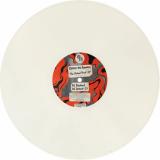
Straight from Byron’s lab, The Actual Proof EP rides that soulful deep-house lane with live‑feeling keys, dusty drums and basslines built to lean on a big system. Jazz spirit, hood attitude and late-night club energy all locked into one heavy wax document for real groove addicts
out of Stock
Last delivered 7 days ago available to reorder, subject to availability
Groovy, functional and elegantly reduced Micro House. AFRV008 brings Dubfound for a tight, late-night or early mroning leaning 12" on Aforisme. Freak Love EP moves with that signature micro-house precision: crisp drums, warm low-end pressure and hypnotic groove shifts that keep the floor locked without ever overdoing it. On the A-side, “Freak Love” sets the tone with elastic rhythms and a stripped-back, forward-driving pulse. Flip to “Hold Me Up” for a deeper, more rolling mood, minimal elements arranged with maximum impact. Maher Daniel closes it out with his remix, adding extra swing and a refined, spacious touch that feels made for long blends and after-hours moments.
out of Stock
Last delivered 29 days ago available to reorder, subject to availability
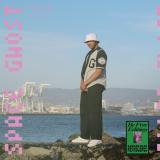
Space Ghost returns with Dance Planet – Be Free Edition, a remastered, recut and expanded edition of his beloved 2022 album. Featuring refreshed artwork, newly remastered audio, and a brand-new digital remix package from not even noticed, RAMZi, Crystalline Reality, and Space Ghost himself, this is the definitive version of a modern house classic.
Rooted in uplifting, soulful 4/4 traditions inspired by forebears like Larry Heard and Blaze, Dance Planet flows effortlessly between ambient reflection and warm, driving club cuts. The remaster brings added depth and clarity — from the lush swells of “Afterglow” and the tripped-out breaks of “Dream Weaver” to the R&B-tinged groove of “UFO. ” Dancefloor staples like “Back To The Source” and “Soul Shower” retain their warmth and punch, while “Emotional Healer” and “Be Yourself (Motivational Mix)” continue to deliver Space Ghost’s signature affirmation: don’t be afraid to be yourself, don’t be afraid to let go.
Pressed on 140g black vinyl with new artwork and including a download code for the full extended album + remixes. A timeless, feel-good house LP — restored and expanded for collectors and selectors alike
out of Stock
Last delivered 4 months ago available to reorder, subject to availability
DAYBREAKERS back diggin’ deeper for DBR007, shining light on one of house music’s most underrated, James N Tinsley aka The Nathaniel X Project. The Resurface EP brings together two lost moments from 1993 alongside two brand new recordings from 2025 — the same spirit, three decades apart, all previously unreleased.
Back in the early 90s, Nathaniel X was crafting stripped back, deep house with a real feeling. Raw drum machines, deep chords. The kind of records DJs held onto.
The 1993 cuts carry that untouched energy, made at the same time as his self titled EP. Direct & deep. Fast forward to 2025 and nothing’s really changed. The new tracks continue where he left off. That signature Nathaniel X sound.
House that was always deep.
Buy or cry.
out of Stock
Last delivered 5 days ago available to reorder, subject to availability
Pete Lambrou, the visionary composer and multi-instrumentalist behind VLMV (pronounced "Alma"), is one of the most singular voices emerging from the ambient, post-rock, and experimental scenes in the UK. With a career that spans atmospheric solo work, film and television scoring, and evocative live performance, Lambrou has carved out a distinctive sonic universe he describes as "ambient-ish post-something" (Pete Lambrou) a playful yet accurate summation of a sound that is at once genre-fluid and deeply immersive. The album takes its title from Sara Teasdale's 1918 poem and Ray Bradbury's later short story, both of which imagine a world continuing quietly after humanity's disappearance. This idea became the gravitational centre around which the record formed. Written during a period of deep engagement with climate fiction and ecological thought, `There Will Come Soft Rains` reflects on humanity's legacy, its technological ambition, and its uneasy relationship with the natural world. A century on from Teasdale's poem, the balance of power feels less certain, and Lambrou's music inhabits that tension with remarkable subtlety. "The initial ideas stem mostly from chaos, randomness or sound exploration and then get shaped as I go. Typically, and certainly for this album. It's evolved since album 1, which was more song / chord based. It's a fun process of finding the sound and then working out whether it's speaking to me - or merely just a cool noise. That's fun, but it sometimes can't evolve or progress, so then begins the long journey of shaping it into some sort of song format - which doesn't have to be a-typica,l but whatever feels right to me. The subject matter and overall theme is important too - it's got to all make sense within itself. There's no point having a slowly creeping theme and then rush the music." (Pete Lambrou) VLMV embody an emotional honesty that works with patience and nuance. Whether you're encountering his music for the first time or returning to its quiet depths, VLMV offers an aural space that resonates long after the final note fades. Lambrou's singular sonic language sits at the intersection of ambient, post-rock, modern classical, and experimental electronic music, while remaining unmistakably human at its core. "Instrumentally it's far more synth based - as soon as I had the concept, I wanted to make sure technology clash and marry with traditional instruments (at different times) in a sort of slow-moving dance I suppose. One is nature, one is human development and technology. Sometimes working together and sometimes in opposition. On my previous albums I'd say that at least half of the tracks started life as songs, whereas with `There Will Come Soft Rains` I think the majority (if not all) started as experiments in sound." (Pete Lambrou) Sonically, the album is VLMV at its most cinematic and textural. Warm, intimate piano figures and elegiac string arrangements are set against unstable modular synthesis, fractured rhythms, and evolving sound design. The organic and the artificial are locked in a slow, shifting dialogue, mirroring the album's central themes. At times the music feels tender and nostalgic, at others unpredictable and mournful, yet it never tips into despair. Instead, a quiet resilience runs throughout the record. "The album is slightly unusual in that it was mixed in Dolby Atmos before being mixed down to stereo. Most, if not all, do it the other way round. That's because I got to work with a superb mix engineer who just happens to live opposite. It was extremely random and lucky, moving to a tiny hamlet in the South of England and there being a Dolby Atmos studio opposite with a genius of an engineer. We had in mind that we would do it this way round and enjoy the mix process and give everything its own space - it still had issues when folding down to stereo, but overall a more pleasurable mix!" (Pete Lambrou) There Will Come Soft Rains has a geological sense of time: themes creep, expand, erode, and reform, resisting conventional structures in favour of something more patient and immersive. Each sound exists because it needs to; they move, recede, and emerge with a three-dimensional clarity that enhances the music's cinematic quality, giving each element room to breathe while maintaining an enveloping sense of cohesion. Lambrou's unique voice is Intimate and fragile, his vocals hover above the instrumentation, a guiding thread through the expansive soundscapes, drawing listeners closer into the emotional core of each piece. "Long time vocal collaborator Anja Madhvani did lots of harmonies on the album - I wanted to include her voice as much as possible on this album. In terms of string players - 3/4 have been long term collaborators with me. Marie Schreer actually recorded all strings on my first album ALMA, and Fraser & Clodagh have worked on every album (and occasional live shows) since Stranded Not Lost. In terms of art - Joel Cammarata designed the cover, and accompanying art - he designed Sing With Abandon and I absolutely adore his work, but also - he's so great at understanding and developing and capturing the concept." (Pete Lambrou) Layered harmonies drift through the music like distant signals or half-remembered voices. Madhvani's presence adds a human fragility to the album's vast soundscapes, reinforcing the sense of memory and longing that runs beneath the surface. The strings, performed by a close circle of trusted collaborators, further ground the record in warmth and physicality, acting as a counterweight to the synthetic elements that threaten to unravel it. "Despite the heavy subject matter, I wanted to create an album that imparts hope and optimism, marrying traditional instrumentation as nostalgia, with technological innovation through the randomness of modular synths." (Pete Lambrou) The partnership with Pelagic Records feels both organic and significant. Known for championing artists who value emotional weight, sonic ambition, and artistic integrity, the label provides a natural home for VLMV's work. Lambrou's music shares Pelagic's ethos: immersive, patient, and unafraid of scale whether intimate or vast. With There Will Come Soft Rains, Pete Lambrou has crafted a work that feels timely without being didactic, expansive without being overwhelming. It stands as a quiet, but powerful statement that lingers long after the final notes fade. FOR FANS OF Sigur Ros * Olafur Arnalds * Radiohead * Keaton Henson * This Will Destroy You
Pete Lambrou, the visionary composer and multi-instrumentalist behind VLMV (pronounced "Alma"), is one of the most singular voices emerging from the ambient, post-rock, and experimental scenes in the UK. With a career that spans atmospheric solo work, film and television scoring, and evocative live performance, Lambrou has carved out a distinctive sonic universe he describes as "ambient-ish post-something" (Pete Lambrou) a playful yet accurate summation of a sound that is at once genre-fluid and deeply immersive. The album takes its title from Sara Teasdale's 1918 poem and Ray Bradbury's later short story, both of which imagine a world continuing quietly after humanity's disappearance. This idea became the gravitational centre around which the record formed. Written during a period of deep engagement with climate fiction and ecological thought, `There Will Come Soft Rains` reflects on humanity's legacy, its technological ambition, and its uneasy relationship with the natural world. A century on from Teasdale's poem, the balance of power feels less certain, and Lambrou's music inhabits that tension with remarkable subtlety. "The initial ideas stem mostly from chaos, randomness or sound exploration and then get shaped as I go. Typically, and certainly for this album. It's evolved since album 1, which was more song / chord based. It's a fun process of finding the sound and then working out whether it's speaking to me - or merely just a cool noise. That's fun, but it sometimes can't evolve or progress, so then begins the long journey of shaping it into some sort of song format - which doesn't have to be a-typica,l but whatever feels right to me. The subject matter and overall theme is important too - it's got to all make sense within itself. There's no point having a slowly creeping theme and then rush the music." (Pete Lambrou) VLMV embody an emotional honesty that works with patience and nuance. Whether you're encountering his music for the first time or returning to its quiet depths, VLMV offers an aural space that resonates long after the final note fades. Lambrou's singular sonic language sits at the intersection of ambient, post-rock, modern classical, and experimental electronic music, while remaining unmistakably human at its core. "Instrumentally it's far more synth based - as soon as I had the concept, I wanted to make sure technology clash and marry with traditional instruments (at different times) in a sort of slow-moving dance I suppose. One is nature, one is human development and technology. Sometimes working together and sometimes in opposition. On my previous albums I'd say that at least half of the tracks started life as songs, whereas with `There Will Come Soft Rains` I think the majority (if not all) started as experiments in sound." (Pete Lambrou) Sonically, the album is VLMV at its most cinematic and textural. Warm, intimate piano figures and elegiac string arrangements are set against unstable modular synthesis, fractured rhythms, and evolving sound design. The organic and the artificial are locked in a slow, shifting dialogue, mirroring the album's central themes. At times the music feels tender and nostalgic, at others unpredictable and mournful, yet it never tips into despair. Instead, a quiet resilience runs throughout the record. "The album is slightly unusual in that it was mixed in Dolby Atmos before being mixed down to stereo. Most, if not all, do it the other way round. That's because I got to work with a superb mix engineer who just happens to live opposite. It was extremely random and lucky, moving to a tiny hamlet in the South of England and there being a Dolby Atmos studio opposite with a genius of an engineer. We had in mind that we would do it this way round and enjoy the mix process and give everything its own space - it still had issues when folding down to stereo, but overall a more pleasurable mix!" (Pete Lambrou) There Will Come Soft Rains has a geological sense of time: themes creep, expand, erode, and reform, resisting conventional structures in favour of something more patient and immersive. Each sound exists because it needs to; they move, recede, and emerge with a three-dimensional clarity that enhances the music's cinematic quality, giving each element room to breathe while maintaining an enveloping sense of cohesion. Lambrou's unique voice is Intimate and fragile, his vocals hover above the instrumentation, a guiding thread through the expansive soundscapes, drawing listeners closer into the emotional core of each piece. "Long time vocal collaborator Anja Madhvani did lots of harmonies on the album - I wanted to include her voice as much as possible on this album. In terms of string players - 3/4 have been long term collaborators with me. Marie Schreer actually recorded all strings on my first album ALMA, and Fraser & Clodagh have worked on every album (and occasional live shows) since Stranded Not Lost. In terms of art - Joel Cammarata designed the cover, and accompanying art - he designed Sing With Abandon and I absolutely adore his work, but also - he's so great at understanding and developing and capturing the concept." (Pete Lambrou) Layered harmonies drift through the music like distant signals or half-remembered voices. Madhvani's presence adds a human fragility to the album's vast soundscapes, reinforcing the sense of memory and longing that runs beneath the surface. The strings, performed by a close circle of trusted collaborators, further ground the record in warmth and physicality, acting as a counterweight to the synthetic elements that threaten to unravel it. "Despite the heavy subject matter, I wanted to create an album that imparts hope and optimism, marrying traditional instrumentation as nostalgia, with technological innovation through the randomness of modular synths." (Pete Lambrou) The partnership with Pelagic Records feels both organic and significant. Known for championing artists who value emotional weight, sonic ambition, and artistic integrity, the label provides a natural home for VLMV's work. Lambrou's music shares Pelagic's ethos: immersive, patient, and unafraid of scale whether intimate or vast. With There Will Come Soft Rains, Pete Lambrou has crafted a work that feels timely without being didactic, expansive without being overwhelming. It stands as a quiet, but powerful statement that lingers long after the final notes fade. FOR FANS OF Sigur Ros * Olafur Arnalds * Radiohead * Keaton Henson * This Will Destroy You
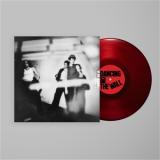
Die Reise von MUNA war schon immer davon geprägt, Raum für die komplexen, chaotischen und ekstatischen Realitäten des Lebens zu schaffen, und mit ihrem vierten Album "Dancing On The Wall" sind sie so prägnant, düster und mitreißend wie nie zuvor. Ausgehend von den funkelnden, mit Konfetti übersäten Höhen ihres selbstbetitelten Albums aus dem Jahr 2022 kanalisieren sie nun die ängstliche, unsichere Energie des Lebens in einem Los Angeles, das von politischen Spannungen, Umweltzerstörung und dem stillen Druck der Prekarität der Millennials geprägt ist. Das Ergebnis ist ein Album, das sich sowohl intim als auch spektakulär anfühlt, eine Popwelt, die mit Biss, Witz und emotionaler Resonanz aufgebaut ist, ein Soundtrack für Herzen, die gleichzeitig in Flammen stehen und das Chaos um sie herum beobachten. Auf dem gesamten Album erkundet MUNA Sehnsucht, Intimität und Verbundenheit vor dem Hintergrund einer Welt im Wandel. Es gibt eine stille Auseinandersetzung damit, wie man weiterleben, lieben und sich gegenseitig erreichen kann, während man Zeuge politischer Brutalität und systemischer Gewalt wird, und wie Freude ohne Verleugnung überleben kann. Tracks wie "Wannabeher" fangen den schwindelerregenden Nervenkitzel ein, sich vollständig in die Fantasie eines anderen zu begeben, während "Why Do I Get A Good Feeling" noch lange nach dem Ende des Beats nachhallt, eine Meditation über flüchtige Freude und ausgesetzte Möglichkeiten. Das Album schließt mit "Buzzkiller", einer schonungslosen Auseinandersetzung mit Sehnsüchten und ihren Folgen, dem Schmerz, etwas erreicht zu haben, nur um festzustellen, dass neue Fragen, Zweifel und Sehnsüchte zurückbleiben. "Dancing On The Wall" wurde von Naomi McPherson produziert, wobei ihre charakteristische Liebe zum Detail mühelos mit der ausgefeilten Pop-Technik ihrer Bandkollegin Josette Maskin hinter den Kulissen verschmilzt, um lebendige, atmende Welten für die prägnanten Texte und die unverwechselbare Stimme der Leadsängerin Katie Gavin zu schaffen. "Dancing On The Wall" verbindet euphorische Klanglandschaften mit prägnanten, menschlichen Geschichten. Das Album spiegelt einen intensiven, selbstgesteuerten kreativen Prozess wider, der von Instinkt, Vertrauen und vollständiger künstlerischer Kontrolle geprägt ist. Es wirkt lebendig, eindringlich und filmisch und spiegelt eine Generation wider, die sich durch Unsicherheit navigiert und sich dennoch nicht von ihrer Freude abbringen lässt. Mit diesem Album beweisen MUNA erneut, dass Pop gewagt, intim und sozialbewusst zugleich sein kann: ein Album, das nicht nur den Moment einfängt, sondern ihn zu einer Welt destilliert, in der man leben möchte.
Die Reise von MUNA war schon immer davon geprägt, Raum für die komplexen, chaotischen und ekstatischen Realitäten des Lebens zu schaffen, und mit ihrem vierten Album "Dancing On The Wall" sind sie so prägnant, düster und mitreißend wie nie zuvor. Ausgehend von den funkelnden, mit Konfetti übersäten Höhen ihres selbstbetitelten Albums aus dem Jahr 2022 kanalisieren sie nun die ängstliche, unsichere Energie des Lebens in einem Los Angeles, das von politischen Spannungen, Umweltzerstörung und dem stillen Druck der Prekarität der Millennials geprägt ist. Das Ergebnis ist ein Album, das sich sowohl intim als auch spektakulär anfühlt, eine Popwelt, die mit Biss, Witz und emotionaler Resonanz aufgebaut ist, ein Soundtrack für Herzen, die gleichzeitig in Flammen stehen und das Chaos um sie herum beobachten. Auf dem gesamten Album erkundet MUNA Sehnsucht, Intimität und Verbundenheit vor dem Hintergrund einer Welt im Wandel. Es gibt eine stille Auseinandersetzung damit, wie man weiterleben, lieben und sich gegenseitig erreichen kann, während man Zeuge politischer Brutalität und systemischer Gewalt wird, und wie Freude ohne Verleugnung überleben kann. Tracks wie "Wannabeher" fangen den schwindelerregenden Nervenkitzel ein, sich vollständig in die Fantasie eines anderen zu begeben, während "Why Do I Get A Good Feeling" noch lange nach dem Ende des Beats nachhallt, eine Meditation über flüchtige Freude und ausgesetzte Möglichkeiten. Das Album schließt mit "Buzzkiller", einer schonungslosen Auseinandersetzung mit Sehnsüchten und ihren Folgen, dem Schmerz, etwas erreicht zu haben, nur um festzustellen, dass neue Fragen, Zweifel und Sehnsüchte zurückbleiben. "Dancing On The Wall" wurde von Naomi McPherson produziert, wobei ihre charakteristische Liebe zum Detail mühelos mit der ausgefeilten Pop-Technik ihrer Bandkollegin Josette Maskin hinter den Kulissen verschmilzt, um lebendige, atmende Welten für die prägnanten Texte und die unverwechselbare Stimme der Leadsängerin Katie Gavin zu schaffen. "Dancing On The Wall" verbindet euphorische Klanglandschaften mit prägnanten, menschlichen Geschichten. Das Album spiegelt einen intensiven, selbstgesteuerten kreativen Prozess wider, der von Instinkt, Vertrauen und vollständiger künstlerischer Kontrolle geprägt ist. Es wirkt lebendig, eindringlich und filmisch und spiegelt eine Generation wider, die sich durch Unsicherheit navigiert und sich dennoch nicht von ihrer Freude abbringen lässt. Mit diesem Album beweisen MUNA erneut, dass Pop gewagt, intim und sozialbewusst zugleich sein kann: ein Album, das nicht nur den Moment einfängt, sondern ihn zu einer Welt destilliert, in der man leben möchte.
Blanche Biau, the enigmatic solo project blending 80s wave, post-punk, and shoegaze into a dreamy yet melancholic soundscape, is set to release a remix album of her sophomore record ‘Heartcore’. The new album, titled ‘Heartcore (Remixes)’, will be released via the Zurich based label Subject To Restrictions Discs.
Following the success of ‘Heartcore’, released in July 2025, the remix album brings together a group of artists to reimagine Blanche Biau’s hauntingly beautiful tracks. The remixers include Danzinger99, Donna Haringwey, Lumpex, Lust For Youth, Spear Flower and Milan STHC.
Blanche Biau on the remix album: «Heartcore is deeply personal to me, but I also imagined it as a living, breathing entity that could evolve. Collaborating with these incredible artists has been a dream – they’ve taken my songs to places I never thought possible. This remix album is a celebration of reinterpretation and connection.»
Blanche Biau is a solo project hailing from Zurich, Switzerland. Known for her DIY approach and ability to channel influences from 80s wave, post-punk, and shoegaze into a sound that is both nostalgic and forward-thinking, Blanche Biau has quickly established herself as a rising star in the alternative music scene. Her music combines raw emotion with dreamy atmospheres, resonating deeply with audiences worldwide.
On Dreams ’24 / ’25, Scottish composer Bill Wells turns his nocturnal imagination into a sequence of delicate musical miniatures. The album brings together 24 short pieces, most of them under two minutes, unfolding in just under half an hour like a quietly drifting dream diary.
The album is split into two parts. On the Dreams 2024 side, Norman Blake lends his voice to Wells’ dream-born melodies. Blake, best known as a founding member of Teenage Fanclub, recorded the songs with Wells in a single afternoon at his home, capturing their fragile immediacy in direct and unadorned performances.
For Dreams 2025, Aby Vulliamy — one of Yorkshire’s best kept musical secrets — takes over vocal duties. In mid 2025, Wells sent her a batch of demos; Vulliamy recorded them at home and sent them back to him. The result is a second chapter that feels more introspective, intimate and gently surreal.
The songs themselves are born directly from dreams. Wells wakes from the dream, records it on his mobile and later shapes it into a brief, lyrical composition. One piece, Mackenzie’s Return, was inspired by a dream in which Elvis Costello marched through the streets of a suburban town complaining that he had run out of song ideas, a detail that perfectly captures the album’s blend of humour, strangeness and quiet melancholy.
Dreams ’24 / ’25 is not a collection of fully formed pop songs, but rather a series of fleeting emotional snapshots: soft voices, simple motifs, and melodies that appear and vanish before they can fully settle. It is an album that rewards close listening, inviting the listener into a private, half-lit space somewhere between memory and imagination.
The album is accompanied by a striking cover artwork by Annabel Wright.
Aspen is very proud to introduce ‘Non Sonett’ by the Christian Wallumrød Ensemble. This ensemble is a pioneering Norwegian chamber group whose work on ECM and Hubro has redefined the boundaries between jazz, contemporary composition and folk music.Across seven albums, the ensemble has developed a highly distinctive l anguage built on restraint, timbral nuance and collective interplay, placing it among the most influential European ensembles of the 21st century.
Bringing together some of the finest musicians in Norway, the ensemble draws on a rare collective sensitivity, where each player contributes to a deeply integrated and texturally rich sound world.
With Non Sonett, the Christian Wallumrød Ensemble opens a new chapter that grows directly out of recent years of work in more solitary and cross-disciplinary contexts. In this period, Wallumrød has developed material for solo performance as well as for dance, allowing ideas to take shape in more fluid and exploratory formats. Some of this material now finds its way into the ensemble, where it is met by the possibilities offered by instrumentation, collective playing, and the distinct voices of the musicians. At the same time, older pieces—originating in entirely different settings— re-emerge here in new forms, reshaped by the ensemble context.
A defining aspect of Non Sonett is the way many of the pieces function less as fully determined compositions and more as open frameworks: starting points, suggestions, or “springboards” for music. These structures invite response rather than prescribe outcome, relying on the ensemble’s inherent sensitivity and capacity to realize and transform the material in performance. The result is music that feels both precise and fluid, shaped in equal measure by composition and by the interpretative presence of the players.
Central to this album is a continued deepening of Wallumrød’s long-standing interest in ambiguity and in dissolving boundaries between different musical elements and expressive worlds. By placing contrasting materials and associations side by side—sometimes subtly, sometimes more overtly—the music opens up spaces where meanings remain fluid and interconnected. On Non Sonett, this approach is taken a step further, allowing these juxtapositions to play an even more active role in shaping the music’s character and flow.
This approach connects closely with the ensemble’s broader artistic trajectory. Over time, the Christian Wallumrød Ensemble has developed a language that is immediately recognizable—marked by reduction, clarity and a deep attention to sonic detail. While each release has its own character, the underlying aesthetic remains consistent: a focus on the inner life of sound itself. Rather than foregrounding gesture or virtuosity, the music draws the listener toward the smallest elements, where meaning emerges gradually through texture, spacing and timbre.
The listening experience becomes one of concentration and proximity, where each sound carries weight, and the accumulation of detail forms a larger whole. References may be sensed—to early polyphonic music, Norwegian folk traditions, or more recent experimental practices—but these are absorbed into a singular musical language that resists categorization.
As with the ensemble’s recent work, Non Sonett also continues the integration of electronics as a fundamental part of the sound world. Each musician engages with electronic elements alongside their acoustic instruments, creating a layered and dynamic sonic environment. At times, this leads into extended, exploratory passages reminiscent of analogue musique concrète; at others, electronics operate almost imperceptibly, subtly altering and extending the acoustic textures in real time.
"Wired" ist ein harter Neustart für Basement. Es markiert das erste Album der britischen Band seit acht Jahren, eine Wiedervereinigung mit ihrem ursprünglichen Label Run For Cover Records und eine Rückkehr zu jener ungebändigten Leidenschaft und kreativen Intuition, die schon immer ihr bestes Material ausgezeichnet hat. Seit ihrer Gründung im Jahr 2009 besteht Basement aus denselben fünf Freunden - Sänger Andrew Fisher, den Gitarristen Alex Henery und Ronan Crix, Bassist Duncan Stewart und Schlagzeuger James Fisher - und derselben alchemischen Verbundenheit. Das Einzige, was sich in den letzten Jahren verändert hat, ist ihr erneuertes Gefühl von Zielstrebigkeit. Und das macht ihr neues Album deutlich hörbar. "Wired" ist das dynamischste, mutigste und inspirierteste Werk, das Basement je geschaffen haben, und bewahrt zugleich die zeitlosen Grundlagen ihres einzigartigen Sounds: grollende Gitarren, mitreißende Refrains und eindringliche emotionale Sprache. Basement sind zurück und laufen auf allen Zylindern, aber sie haben kein Interesse daran, alte Erfolge zu wiederholen. Die gesamte Band war entschlossen, dass "Wired" ihr bisher klarstes künstlerisches Statement werden musste. Der Titelsong ist das drängendste Stück ihrer Karriere - ein sicherer Live-Favorit, getragen von stechenden Gitarren, einem wuchtigen Schlagzeug und einem himmelhohen Hook, bei dem Fishers Stimme in Bestform ist. "Broken By Design" zeigt den gegenteiligen Charakter: düster, zart, bassgeführt, aber dennoch typisch Basement in seiner sofortigen Eingängigkeit und stimmungsvollen Atmosphäre. Nichts auf Wired klingt stagnierend, kein Teil wirkt unausgereift. Die Band ließ sich von einer Vielzahl abenteuerlustiger Vorbilder inspirieren (R.E.M., Interpol, Smashing Pumpkins, um nur einige zu nennen), ohne jemals wie eine dieser Bands zu klingen - und auch nicht wie eine Kopie ihrer selbst. Der Albumtitel fasst all das in einem einzigen Wort zusammen. Die texturalen Konnotationen von "Wired" - metallisch, scharf, zackig - spiegeln die stählernen Klangwelten des Albums wider. Auf konzeptioneller Ebene spricht der Titel für die unerschütterliche Zähigkeit der Band: eine analoge Band, die in einer immer digitaleren Welt erfolgreich bleibt, ohne sich auf nostalgische Bequemlichkeit zu verlassen. Fünf Freunde, die mehrere Trennungen und Neuanfänge überstanden haben und dabei als Menschen und musikalische Einheit gewachsen sind. Basement müssen ihr Schicksal akzeptieren: Sie sind einfach dafür gemacht.
"Wired" ist ein harter Neustart für Basement. Es markiert das erste Album der britischen Band seit acht Jahren, eine Wiedervereinigung mit ihrem ursprünglichen Label Run For Cover Records und eine Rückkehr zu jener ungebändigten Leidenschaft und kreativen Intuition, die schon immer ihr bestes Material ausgezeichnet hat. Seit ihrer Gründung im Jahr 2009 besteht Basement aus denselben fünf Freunden - Sänger Andrew Fisher, den Gitarristen Alex Henery und Ronan Crix, Bassist Duncan Stewart und Schlagzeuger James Fisher - und derselben alchemischen Verbundenheit. Das Einzige, was sich in den letzten Jahren verändert hat, ist ihr erneuertes Gefühl von Zielstrebigkeit. Und das macht ihr neues Album deutlich hörbar. "Wired" ist das dynamischste, mutigste und inspirierteste Werk, das Basement je geschaffen haben, und bewahrt zugleich die zeitlosen Grundlagen ihres einzigartigen Sounds: grollende Gitarren, mitreißende Refrains und eindringliche emotionale Sprache. Basement sind zurück und laufen auf allen Zylindern, aber sie haben kein Interesse daran, alte Erfolge zu wiederholen. Die gesamte Band war entschlossen, dass "Wired" ihr bisher klarstes künstlerisches Statement werden musste. Der Titelsong ist das drängendste Stück ihrer Karriere - ein sicherer Live-Favorit, getragen von stechenden Gitarren, einem wuchtigen Schlagzeug und einem himmelhohen Hook, bei dem Fishers Stimme in Bestform ist. "Broken By Design" zeigt den gegenteiligen Charakter: düster, zart, bassgeführt, aber dennoch typisch Basement in seiner sofortigen Eingängigkeit und stimmungsvollen Atmosphäre. Nichts auf Wired klingt stagnierend, kein Teil wirkt unausgereift. Die Band ließ sich von einer Vielzahl abenteuerlustiger Vorbilder inspirieren (R.E.M., Interpol, Smashing Pumpkins, um nur einige zu nennen), ohne jemals wie eine dieser Bands zu klingen - und auch nicht wie eine Kopie ihrer selbst. Der Albumtitel fasst all das in einem einzigen Wort zusammen. Die texturalen Konnotationen von "Wired" - metallisch, scharf, zackig - spiegeln die stählernen Klangwelten des Albums wider. Auf konzeptioneller Ebene spricht der Titel für die unerschütterliche Zähigkeit der Band: eine analoge Band, die in einer immer digitaleren Welt erfolgreich bleibt, ohne sich auf nostalgische Bequemlichkeit zu verlassen. Fünf Freunde, die mehrere Trennungen und Neuanfänge überstanden haben und dabei als Menschen und musikalische Einheit gewachsen sind. Basement müssen ihr Schicksal akzeptieren: Sie sind einfach dafür gemacht.