RSD title from 2022 pressed again. Reissue of the sought-after deep/spiritual jazz album, the first time it’s been pressed from the master tapes. All analog lacquer by Bernie Grundman. Bobby Hamilton founded the band Anubis in Syracuse, New York, and they put out their awesome ‘Ecology’ single on Charles Bazen’s Salt City imprint. It’s a highlight on the Soul-Cal anthology Now-Again issued in 2012, something akin to Terry Callier and Gil Scott Heron’s most soulful works. Shortly after issuing that single, Bobby put together the Bobby Hamilton Quintet Unlimited and recorded and issued ‘Dream Queen’ in 1972. The last clean copy Bobby Hamilton had, he sold to the musician Jamie XX in 2021 for a princely sum. Few originals will ever surface again, its original run of 500 units having disappeared into the ether decades ago. This is your chance to hear a masterwork of deep, spiritual jazz lacquered directly from its original master tape in an all analog transfer by the legendary Bernie Grundman.
Search:drea
- 1: Kellen
- 2: Owerri Disco
- 3: Tourist
- 4: Okra Bilalli (Feat. Bilalli)
- 5: Oluwasam
- 6: Stutter
- 7: Daughters Always Listening I
- 8: Niger River
- 9: Daughter's Always Listening Ii
- 10: Struggle For Kasawa
- 11: Realised
- 12: Yellow Trumpet
A fiery blend of cinematic soul, psychedelia, and Afrobeat exploring the in-betweens of identity, music, and culture in the 21st century—Owelu Dreamhouse’s debut LP is a deeply orchestrated journey through memory and imagination, led by ex-Saskwatch bandmates Nkechi Anele and Nic Ryan-Glenie, and produced by Henry Jenkins (Surprise Chef).
The band's namesake is a play on Nkechi’s grandmother's village—Owaelu—in Nigeria. Growing up as a woman of color in a predominantly white Australia, Nkechi had fear and hesitation around expressing her Africanness and Nigerianess, and this album is about her journey. Both archival and contemporary, the album’s DNA is laced with musical and historic references as well as a cohesive vision of the present.
- A1: Summer Solstice
- A2: Spirit Of The Age
- A3: Am I Dreaming
- A4: Clear Sky
- A5: I Never Explode
- B1: Shallow Hollow Souls
- B2: Desire And Belief
- B3: Turn Me Around
- B4: Winter Solstice
- B5: All The Stars Have Died
BLACK VINYL[24,16 €]
Fiat Lux return with Desire & Belief, their third album of new material this millennium, following their acclaimed comeback LPs Saved Symmetry and Twisted Culture. The trio—Steve Wright, Will Howard, and David P Crickmore—combine modern production with vintage synths and instruments rooted in their Polydor-era beginnings to craft ten tracks that span cinematic atmospheres, synth-pop anthems, and moody electronica. Tracks like "Clear Sky " and "Turn Me Around" offer hook-laden synth-pop, while "Summer Solstice " and "Am I Dreaming " delve into ambient and darker tones. Desire & Belief is a natural progression for Fiat Lux—retaining the spirit of their 1980s Northern roots in synth, goth, and indie, yet confidently stepping into new sonic territory for long-time fans and new listeners alike. RIYL: Blancmange, OMD, Scary Thieves, Tears For Fears
Bleaching Agent and Miles J Paralysis are two artists who operate steadily in their own lane. They collide on this release to deliver two contrasting originals, each handed to the other to be reimagined.
Both based alongside us in West Yorkshire, we are thrilled to present this shared vision in the form of the first Dream Space 12”.
Bleaching Agent’s Hollis captures the spirit of the bleeps & bass forged in the industrial north of years gone by, elevated with lush harmonies and slick vocal work. One that’s fit for late-night floors and hazy summer evenings alike.
Miles J Paralysis takes Hollis into a different space, chopping the melody into an infectious and hypnotic flow. All melded together with his signature dub-tinged, grooving percussive work.
On side two, Miles drags us into deep territory with Inhibited Orgy. Further exploring the otherworldly sound of his Paralysis moniker, that many of you will now be familiar with after a breakout year.
Bleaching Agent closes off the record with his own take, stoking the energy levels to create a stomping, anthemic chugger that is sure to ignite any dance floor.
Limited to 150 copies.
- 1: Magic I Want U
- 2: So What?
- 3: Music Baby
- 4: Flash In The Pan
- 5: How To Teleport
- 6: Dream Sequence
- 7: Magic I Want U - Instrumental
- 8: So What? - Instrumental
- 9: Music Baby - Instrumental
- 10: Flash In The Pan - Instrumental
- 11: How To Teleport - Instrumental
- 12: Dream Sequence - Instrumental
2xLP Black Vinyl. Jane Remover is something of an internet legend. They are credited with playing a key role in the creation of the digicore music microgenre, an overstimulated relative of hyperpop.
In fact, everything Jane Remover does has an overdose of stimuli: their songs are like the Tasmanian devil from Looney Tunes. A whirlwind of warped and excessive digital pop.
- A1: Abay
- A2: Tew Ante Sew
- B1: Mengedegna
- B2: Kahn
- C1: Sew Argen
- C2: Nafekeñ
- D1: Abet Wubet
- D2: Guramayle
- D3: Gud Fella
- D4: Guramayle (Slight Return)
180g Heavy double vinyl LP with liner notes by Tyran Grillo. Limited Japanese Obi for the first pressing. Original artwork by Russell Mills and photography by Jean-Baptiste Mondino.
The third Time Capsule is a body of dub reinterpretations by celebrated producer Bill Laswell of Ethiopian singer Gigi. Curated by Tokyo record collector, music researcher and seasoned reissue supervisor Ken Hidaka, it is the first time Illuminated Audio is pressed to vinyl after its CD release in 2003.
Ejigayehu Shibabaw was born in 1974 in Chagni, northwestern Ethiopia and by pursuing a career as a singer, went against her father’s strict, traditional gender roles. As Gigi, she embraced the same musical freedom she had strived for in her personal life, incorporating the Ethiopian church, funk, hip-hop, West and South African music into her work. She first settled in Nairobi, then Addis Ababa, where she quickly established herself as one of the city’s leading singers. A move to San Francisco in 1998 led to a long and fruitful creative partnership with bassist and producer Bill Laswell.
Around the same time, Chris Blackwell had stepped away from Island Records to start the art house film company and label Palm Pictures. He took an interest in Gigi and together with Laswell, pulled together an all-star cast of musicians for her self-titled US debut album, including Herbie Hancock, Pharoah Sanders and Wayne Shorter. It won international critical acclaim, not just for its musicianship but for making Gigi a “defining voice for the Ethiopian expatriate community”, as journalist Tyran Grillo praises in his Time Capsule liner notes. From the nation-defining 1896 victory over Italian invaders to the quiet revolutionaries who wear simple shemma garments, Grillo believes the themes in Gigi make it “a shower of sunlight on her homeland for those ignorant of its struggles.”
After its success, Blackwell encouraged them to go back into the studio to rethink the album and Illuminated Audio was born. “Anyone can make a voice sound worldly”, Grillo remarks, “but rare are those who can make one sound inner-worldly.” Gigi was clear with Laswell to give her vocals a minor role “because it’s already been done.” Instead her Amharic verse is fleeting, exhaling through the textures like ghostly fragments; soaring yet muted. Yet the album is still titled under her name, an assertion by Laswell of her central role in the album’s creation. Not only was it a fully endorsed project by Gigi, but she would be present throughout its development, giving feedback on half-finished ideas as Laswell played them back in the studio. “It works perfectly”, she reflected after the album’s release. “We wanted to capture the whole spirit of each track, and Bill’s remixes create a different music language that really puts you in a pleasant place”.
This new vocabulary takes its lead from a technical approach that Laswell had been perfecting during a furtive creative period at the turn of the millennium. Much like his ambient interpretations of Miles Davis (Panthalassa, 1998), Bob Marley (Dreams of Freedom, 1997), and Carlos Santana (Divine Light, 2001), Laswell approached Illuminated Audio by returning to the original multitrack masters. Gigi wasn’t just reworked, but recomposed into an expansive lattice of instruments, submerged in a watery ambience of dub and trance undercurrents.
Sonically, this new language that Gigi refers to, is manifested by the original album’s more understated parts being pushed to the fore. Explaining his contrasting methods, Laswell saw Gigi as being “put together in a way that fits”. Contrastingly, in Illuminated Audio, “a lot of things that I featured in the remix weren’t as audible in the original.” Instrumentation laying near-dormant, deep in the mix, are brought to the fore: the acid rock guitar and Wayne Shorter’s saxophone on ‘Tew Ante Sew’, Graham Haynes’ flugelhorn on ‘Nafekeñ’, Laswell’s bass on ‘Kahn’, the melodica in Mengedegna or the floating synths and talking drums in ‘Gud Fella’.
Brought to his attention by mentor DJ Nori, Hidaka describes Illuminated Audio as a “masterful sonic exploration into ethereal ambience and dub” and made sure this reissue also contained a full remaster to give its “deep musicality” much better dynamics and density in the overall sound. Hidaka admits that Laswell's music “is sometimes so out-there, it is often misunderstood” and, indeed, to dub album non-believers this might seem like a prolific producer imposing himself on another artist’s work; eternally developing rearrangements that never quite get to its destination. But that’s missing its true power and triumph. This is more than the reissue of a remix, but “a wholly unique musical entity”, as Hidaka describes. Illuminated Audio refers to the illuminated manuscripts that comprise the major part of Ethiopian art and its new compositions stand in proud solitude as a rare body of reworks that both informs and enhances their originals.
- A1: Augustus Pablo - Vibrate Onn (Special 7" Edit 2019)
- A2: Carlton Jackson - History
- A3: Upsetters - Stay Dread/Kingdom Of Dub (Special 7" Edit 2019)
- B1: Truth Fact & Correct - Babylon Deh Pon Fire (Special 7" Edit 2019)
- B2: Junior Murvin - Tedious (Special 7" Edit 2019)
- B3: Raphael Green & Alimantado - Rasta Train
- A1: Lonely Guest Ft. Marta
- A2: Pre War Tension Ft. Joe Talbot, Marta, Tricky
- A3: Under Ft. Oh Land
- A4: Pay My Taxes Ft. Murkage Dave
- A5: Atmosphere Ft. Lee Scratch Perry, Tricky, Marta
- B1: Move Me Ft. Marta
- B2: Pipe Dreamz Ft. Rina Mushonga
- B3: On A Move Ft. Kway, Marta
- B4: Christmas Trees Ft. Paul Smith
- B5: Big Bang Blues Ft. Breanna Barbara
- 01: Nhá Zefa &Amp; Nhô Pai - We&Apos;Ll Never Forget
- 02: Leôncio &Amp; Leonel - Envious Affair
- 03: Grupo Sertanejo Do Lenço Preto - Oh I Cry
- 04: Mandi &Amp; Sorocabinha - Bad Weather
- 05: Jeca Mineiro &Amp; Bambuí - River Of Revenge
- 06: Zé Mané &Amp; Zé Pagão - White Rose
- 07: Zico Dias &Amp; Ferrinho - I Went For A Walk In The City
- 08: Mariano &Amp; Caçula - Shaved Moustache
- 09: Tonico &Amp; Tinoco - Example Of Faith
- 10: Sulino &Amp; Marrueiro - Return Of The Cowboy
- 11: Moreno &Amp; Moreninho - City Of Roses
- 12: Valdomiro &Amp; Valdemar - Old Saying
- 13: Serrinha &Amp; Caboclinho - The Crimes And Death Of Dioguinho
- 14: Raul Torres &Amp; Serrinha - Friday The 13Th
- 15: Canário &Amp; Passarinho - Goodbye
- 16: Mandi &Amp; Sorocabinha - I Dreamt I Had Died
Death Is Not The End present the first volume in a survey of a form of Brazilian country music known as música caipira ("hillbilly music") - a stripped-back forerunner to música sertaneja, the Brazilian equivalent to US country & western which in it's contemporary form has come to dominate the domestic music industry in recent decades. This collection covers some of the earliest recordings made by the pioneering folklorist Cornélio Pires at the end of the 1920s, through to records from the 30s, 40s & 50s and the beginning of the 60s.
Somewhat rooted in Portuguese troubadour folk traditions, música caipira is typically performed by a duo singing in parallel thirds and sixths, drawing upon a Portuguese-Brazilian style known as moda de viola - with the viola being the viola caipira, a Brazilian-style ten-string guitar that is the core instrument of the music. Born out of the "outback"-style region in north-eastern Brazil, these songs tell stories of pain, love, loss & betrayal - often backed by homemade guitars using invented tunings. Away from the polished pop country & western-stylings of the sertaneja, these recordings could be viewed as the Brazilian equivalent to the roots music of the American dustbowl or Appalachia.
Following the release of the dreamy and bewitching darkwave debut single “Mirror Twin”, Harsh Symmetry announces the release of a full-length debut Display Model on Fabrika Records, home of Selofan, Lebanon Hanover, and She Past Away, whose own Doruk Öztürkcan mixed and mastered the LP. With a vocal style reminiscent of Cocteau Twins collaborator Cinder (This Mortal Coil, Cindytalk), and Ian McCulloch of Echo & The Bunnymen, Harsh Symmetry’s Julian Sharwarko is the epitome of old-school and post-punk and goth, capturing a vision that perfectly matches his sound, while physically resembling his music forebears to the point where he looks like he just stepped out of a copy of Smash Hits circa 1983. Hailing from Sacramento, California, Sharwarko’s love of music began at the tender age of 8, with parents who influenced his early music tastes by playing the music of Siouxsie and The Banshees, The Birthday Party, Iggy Pop, Depeche Mode, and Bauhaus. David Lynch’s work also made a profound impact on his style, specifically the short film The Grandmother.
Vinyl LP[21,81 €]
Cello player and electronic artist Martina Bertoni returns with her 2nd album for Karl: Hypnagogia delivers six new, masterfully crafted tracks between experimental ambient, drone and modern composition.
Cellist and composer Martina Bertoni started playing the cello at a very young age. Classically trained, her career further developed around experimental and film music, for which her cello has been featured in numerous records, works and soundtracks for films and series. After two EPs and her debut full length All The Ghosts Are Gone (2020), Bertoni joined the Karl roster where she released Music For Empty Flats in January 2021 to critical acclaim (a.o. one of the Top Ten drone albums of 2021).
On her new album Hypnagogia she continues to explore the sonic possibilities of her cello which she uses as primary source for composition and sound processing through reverbs, feedbacks and sub-bass frequencies, thus crafting sonic sculptures, rich of atmospheres and frictions, fed by ambient as much as drone and modern composition.
In the words of Martina Bertoni:
"The six tracks that constitute Hypnagogia have been written during 2021 and partially inspired by the reading of Stanislaw Lem's book Solaris. The title refers to a transitional state of consciousness from wakefulness to sleep, during which one might experience sensorial hallucinations and lucid dreaming, and can tap into the pristine structures of the subconscious. Hypnagogia portraits an imaginary cosmic journey of the Self that crash ends into a blinding sun."
Peki Momés took hearts and ears by storm with her first 45 (Göç Mevsimi b/w Rüya) last autumn. Her dope outernational grooves and fresh singing style made it as far as Iggy Pop's show on BBC. Time for another double-sided single!
Yıldız is a Turkish cover of the beloved Marcos Valle tune Estrelar. Staying true to the spirit of the original, this version draws its energy from the bright stars, dreaming of meeting the stars up in the sky alongside the sun and moon. The production has been meticulously crafted, blending key elements of the original instrumentation with Peki Momés' distinct vocals in Turkish language.
Bahar is a psychedelic disco groove about longing for sunny days — both literally and metaphorically. It captures the exhaustion of waiting for brighter days in our homelands, our world, and our inner selves. As Peki Momés puts it, the wait for spring can be so long, it even wears down our pullovers. This track mirrors the duality of our reality and invites the audience to dance during this wait.
- A1: Ranking Dub
- A2: Jahoviah Dub
- A3: Aggro Dub
- A4: Bitter Dub
- A5: Revenge Dub
- B1: Repatriation Dub
- B2: Chapter Two
- B3: Dreader Dub
- B4: College Dub
- B5: Afrika Dub
LYAM welcomes duo M1NT and STRNGE with 'Spheres', a breathtaking EP that embodies late night star gazing, all encompassing introspection and deep immersion in feeling.
M1NT and STRNGE, known as NRMNT, have built a compelling foundation for their sound, which speaks broadly with a deft, organic approach and enables intimacy, emotion and mood. They combine their production knowledge with M1NT's trumpet playing, a cornerstone of their unique sound, and move effortlessly through the realms of dance music, drawing inspiration from soft undulations, tonal waves and euphoric melodic frequencies, with strong emphasis on musical evolution.
'Spheres' encapsulates their musicianship, giving the music room to grow and morph as the EP unravels. 'New Horizons' has a hopeful gleam, with synths hinting at sun kissed skies and optimism, while M1NT's trumpet offers graceful cameos and expressive chordal lines over soft yet purposeful drums.
The title track leans into its dream-like synth intro before highly energised drums take hold, and its polyrhythmic keys and tight groove create spiritual release.
'Let Go' leans into the emotive power of melodics, with angelic touches that create a divine atmosphere, sparkling in softly spoken intensity as its wave-like approach washes over the ears.
Edmondson's remix of 'New Horizons' picks up the core motifs, softens the drums and shifts the mix, allowing new features to surface and creating a playful interchange between the trumpet and a creative vocal sample, offering a tour de force that homages the original.
- 01: The London Jazz Quartet - Autumn In Cuba
- 02: Shake Keane Quintet - Fidel
- 03: Eddie Thompson - Body &Amp; Soul
- 04: Jimmy Deuchar Quartet - Dancing In The Dark
- 05: Tubby Hayes - Blues For Those Who Thus Desire
- 06: Ronnie Scott&Apos;S Quintet - Nemo
- 07: Wilton Gaynair - Rhythm
- 08: Stan Tracey Trio - Free
- 09: Jimmy Deuchar–Victor Feldman Quintet - Wail
- 10: The Pat Smythe Trio &Amp; Shake Keane - Old Devil Moon
- 11: Dizzy Reece Quintet - Sweet &Amp; Lovely
- 12: The Tony Kinsey Quartet &Amp; Joe Harriott - Fascinating Rhythm
The second volume in a survey of the modern jazz & hard-bop scenes that emerged in the new cultural melting pot of post war London, with recordings from the end of the 1940s through to the early 1960s.
Featuring representations from players whose roots lay in the East-End's jewish community alongside a wealth of talent of Caribbean and African descent playing and recording in post war London during this period.
Made in partnership with the Barbican to coincide with the exhibition Postwar Modern: New Art in Britain 1945-1965.
- A1: The Bird
- A2: Heart Don't Stand A Chance
- A3: The Waters (Feat. Bj The Chicago Kid)
- A4: The Season / Carry Me
- B1: Put Me Thru
- B2: Am I Wrong (Feat. Schoolboy Q)
- B3: Without You (Feat. Rapsody)
- B4: Parking Lot
- C1: Lite Weight (Feat. The Free Nationals United Fellowship Choir)
- C2: Room In Here (Feat. The Game & Sonyae Elise)
- C3: Water Fall (Interlude)
- C4: Your Prime
- D1: Come Down
- D2: Silicon Valley
- D3: Celebrate
- D4: The Dreamer (Feat. Talib Kweli & Timan Family Choir)
Ten years ago, Anderson .Paak didn't just release an album; he staged a full-scale takeover of the soul and hip-hop landscape. Released on January 15, 2016, Malibu served as the definitive arrival of an artist who had spent years grinding in the underground before a star-making turn on Dr. Dre’s Compton. While his previous work hinted at his potential, Malibu was the moment the world met the "Cheeky Andy" persona in full—a virtuosic drummer, a raspy-voiced crooner, and a sharp-witted rapper all rolled into one. The album is a sprawling, sun-drenched journey through the Southern California coast, blending 1970s funk, church-reared gospel, and gritty boom-bap into something that feels both nostalgic and entirely futuristic. With a heavyweight production lineup including 9th Wonder, Madlib, Kaytranada, and Hi-Tek, the record maintains a warm, analog texture that was a breath of fresh air in an increasingly digital era. It’s an album that breathes, full of intentional imperfections and the kind of "in-the-pocket" groove that can only come from a seasoned live performer. Beyond the infectious, dance-floor-ready energy of tracks like "Am I Wrong" and "Come Down," the album is a deeply autobiographical masterwork. .Paak uses the 65-minute runtime to unpack his life story with startling clarity, touching on his mother’s gambling addiction, his father’s incarceration, and his own brushes with homelessness with a sense of resilience that never feels heavy-handed. He weaves these heavy themes through a lens of triumph, grounded by vintage surfing documentary samples that give the project its cinematic, coastal atmosphere. It’s a celebratory record born out of struggle, anchored by his impeccable technicality on the drums and a guest list—featuring ScHoolboy Q, Rapsody, and The Game—that feels hand-picked to complement his specific brand of West Coast swagger. A decade later, Malibu stands as a modern classic and the blueprint for the soulful revivalism that would eventually lead .Paak to global superstardom and Grammy-winning heights. It remains a testament to the idea that the most profound music often comes from the most personal places, proving ten years on that the best way to move forward is to stay rooted in the groove.
- A1: The Bird
- A2: Heart Don't Stand A Chance
- A3: The Waters (Feat. Bj The Chicago Kid)
- A4: The Season / Carry Me
- B1: Put Me Thru
- B2: Am I Wrong (Feat. Schoolboy Q)
- B3: Without You (Feat. Rapsody)
- B4: Parking Lot
- C1: Lite Weight (Feat. The Free Nationals United Fellowship Choir)
- C2: Room In Here (Feat. The Game & Sonyae Elise)
- C3: Water Fall (Interlude)
- C4: Your Prime
- D1: Come Down
- D2: Silicon Valley
- D3: Celebrate
- D4: The Dreamer (Feat. Talib Kweli & Timan Family Choir)
Ten years ago, Anderson .Paak didn't just release an album; he staged a full-scale takeover of the soul and hip-hop landscape. Released on January 15, 2016, Malibu served as the definitive arrival of an artist who had spent years grinding in the underground before a star-making turn on Dr. Dre’s Compton. While his previous work hinted at his potential, Malibu was the moment the world met the "Cheeky Andy" persona in full—a virtuosic drummer, a raspy-voiced crooner, and a sharp-witted rapper all rolled into one. The album is a sprawling, sun-drenched journey through the Southern California coast, blending 1970s funk, church-reared gospel, and gritty boom-bap into something that feels both nostalgic and entirely futuristic. With a heavyweight production lineup including 9th Wonder, Madlib, Kaytranada, and Hi-Tek, the record maintains a warm, analog texture that was a breath of fresh air in an increasingly digital era. It’s an album that breathes, full of intentional imperfections and the kind of "in-the-pocket" groove that can only come from a seasoned live performer. Beyond the infectious, dance-floor-ready energy of tracks like "Am I Wrong" and "Come Down," the album is a deeply autobiographical masterwork. .Paak uses the 65-minute runtime to unpack his life story with startling clarity, touching on his mother’s gambling addiction, his father’s incarceration, and his own brushes with homelessness with a sense of resilience that never feels heavy-handed. He weaves these heavy themes through a lens of triumph, grounded by vintage surfing documentary samples that give the project its cinematic, coastal atmosphere. It’s a celebratory record born out of struggle, anchored by his impeccable technicality on the drums and a guest list—featuring ScHoolboy Q, Rapsody, and The Game—that feels hand-picked to complement his specific brand of West Coast swagger. A decade later, Malibu stands as a modern classic and the blueprint for the soulful revivalism that would eventually lead .Paak to global superstardom and Grammy-winning heights. It remains a testament to the idea that the most profound music often comes from the most personal places, proving ten years on that the best way to move forward is to stay rooted in the groove.
- A1: The Bird
- A2: Heart Don't Stand A Chance
- A3: The Waters (Feat. Bj The Chicago Kid)
- A4: The Season / Carry Me
- B1: Put Me Thru
- B2: Am I Wrong (Feat. Schoolboy Q)
- B3: Without You (Feat. Rapsody)
- B4: Parking Lot
- C1: Lite Weight (Feat. The Free Nationals United Fellowship Choir)
- C2: Room In Here (Feat. The Game & Sonyae Elise)
- C3: Water Fall (Interlude)
- C4: Your Prime
- D1: Come Down
- D2: Silicon Valley
- D3: Celebrate
- D4: The Dreamer (Feat. Talib Kweli & Timan Family Choir)
Ten years ago, Anderson .Paak didn't just release an album; he staged a full-scale takeover of the soul and hip-hop landscape. Released on January 15, 2016, Malibu served as the definitive arrival of an artist who had spent years grinding in the underground before a star-making turn on Dr. Dre’s Compton. While his previous work hinted at his potential, Malibu was the moment the world met the "Cheeky Andy" persona in full—a virtuosic drummer, a raspy-voiced crooner, and a sharp-witted rapper all rolled into one. The album is a sprawling, sun-drenched journey through the Southern California coast, blending 1970s funk, church-reared gospel, and gritty boom-bap into something that feels both nostalgic and entirely futuristic. With a heavyweight production lineup including 9th Wonder, Madlib, Kaytranada, and Hi-Tek, the record maintains a warm, analog texture that was a breath of fresh air in an increasingly digital era. It’s an album that breathes, full of intentional imperfections and the kind of "in-the-pocket" groove that can only come from a seasoned live performer. Beyond the infectious, dance-floor-ready energy of tracks like "Am I Wrong" and "Come Down," the album is a deeply autobiographical masterwork. .Paak uses the 65-minute runtime to unpack his life story with startling clarity, touching on his mother’s gambling addiction, his father’s incarceration, and his own brushes with homelessness with a sense of resilience that never feels heavy-handed. He weaves these heavy themes through a lens of triumph, grounded by vintage surfing documentary samples that give the project its cinematic, coastal atmosphere. It’s a celebratory record born out of struggle, anchored by his impeccable technicality on the drums and a guest list—featuring ScHoolboy Q, Rapsody, and The Game—that feels hand-picked to complement his specific brand of West Coast swagger. A decade later, Malibu stands as a modern classic and the blueprint for the soulful revivalism that would eventually lead .Paak to global superstardom and Grammy-winning heights. It remains a testament to the idea that the most profound music often comes from the most personal places, proving ten years on that the best way to move forward is to stay rooted in the groove.
- Moonside
- On Our Own Time
- Blum House
- Virtue Signaling
- Help Is On The Way
- High School
- Lay Low
- Selfish Soother
- Poppi
- The Me (I Know)
- Me Time
- Beyond The Thicket
- Fight For Frequency
- Circling The Dream
Winnies Welt war nicht immer einfach. Manche sagen, er hätte berühmt werden können, aber es gab Probleme. Er hatte kurz Erfolg, aber das Leben kam ihm dazwischen. ,Manche Leute kümmern sich zu sehr. Ich glaube, das nennt man Liebe." Also lag es an Winston Hightower, die Chance zu ergreifen, sie festzuhalten und sich Gehör zu verschaffen. Ein Mann, der den Sound des amerikanischen Lofi liebt. Was befindet sich im Aschenbecher von Winston Hightowers "Day in the Life"? 14 Songs, die einem wehmütigen Herzen eine unbeschwerte Tarnung verleihen - es strahlt durch und durch. 33 RPM. Ein Pianist, der kein Klavier spielen kann und seine Melodien auf der Gitarre transponiert. Angenehme Klänge, überlagert von Gesprächen mit sich selbst. Was sieht dieser Ohio Player, wenn er in den Spiegel schaut? Nudge Squidfish? Daniel Johnson? Studio One Oldies Comps? Nach über 126 Songs auf Band sind wir immer noch dabei, das herauszufinden.
Arguably one of Get Physical’s most influential tracks, ‘O Superman’ sees a new release with remixes from Man Power and SIS alongside the 2008 version from Robag Whrume and a remaster of the now classic original. Man Power kicks off the new interpretations with an epic, ten and half minute version that patiently stretches the original’s melodies into pads and held bass tones across crisp, micro-house styled beats before unleashing loose, clattering breakbeats after a striking, extended breakdown. SIS’s dreamy, percussive version sees the German producer in hypnotic, and tracky form, focussing on the ebb and flow of the original’s tuneful vocoder and synth work that drift across his perfect groove. Robag’s Pumper-Nikkel remix, for those that missed it some years back, is yet another funky, chopped, sliced and diced piece of work from the playful producer and still sounds as fresh as ever. M.A.N.D.Y. vs Booka Shade feat. Laurie Anderson - O Superman Remixes are released on Get Physical 12” in late July with a digital release following in the Autumn.
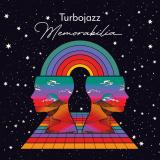
- A. Turbojazz Feat. Rona Ray - The Joy
- B. Turbojazz Feat. Cor.ece & Bad Colours - Delusion
- C. Turbojazz Feat. Robert Owens - Body & Soul
- D. Turbojazz Feat. Javonntte - Everybody Dj
- E. Turbojazz Feat. Doni Nicole - Dream One
- F. Turbojazz - Summer Madnezz
- G. Turbojazz Feat. Veezo - It's Not Alright
- H. Turbojazz Feat. Broke One - Lush Disco
Following his acclaimed debut album Whateverism, Italian producer Turbojazz returns with Memorabilia, a heartfelt tribute to the roots of dance music culture and a personal journey through memory, community, and sound.
The album delivers a rich and diverse palette of house and soulful grooves, music to dance with both your feet and your ears, and features a heavyweight lineup of collaborators including Robert Owens, Rona Ray, Javonntte, Cor.Ece, Bad Colours, Doni Nicole, alongside longtime allies Veezo and Broke One.
Crafted with reverence and a forward-thinking spirit, Memorabilia is more than an album. It is a message to the dance music world that culture lives on through those who carry it forward.
2026 Repress
Deadbeat & Tikiman's occasional collaborative performances have since blown the minds of many audiences
Deadbeat. Tikiman. Infinity. Dub. A quadrangle of such obvious statement and perfect musical inference may very well never have been uttered for those of the wholly weeded out persuasion. Indeed, when the great book of Dub music is written the names Scott Monteith and Paul St Hilaire will undoubtedly figure highly in its chapters devoted to recent years. Monteith, the last great prodigal son of the doctrine handed down from the Blue Mount of Lord Scratch and King Tubby, St Hilaire the undisputed voice of a generation, those fanatical warrior monks, followers of the most Holy House of Ernestus and Von Oswald incarnate.
Having developed a fast friendship from their very first meeting in Montreal at the premier Micro Mutek event a decade ago, Deadbeat and Tikiman's occasional collaborative performances have since blown the minds of audiences from Berlin to Tokyo and many points in between. No great surprise then that their first album length venture is a Tour de Force of Dub music of the highest order.
Nearly a year in the making, the genetic code of Deadbeat's Infinity Dubs series gets shot through with a Dreader than Dread Kingstonian logic, hi hats dropping back from the three to the one, Tikiman at his most militant, poetic, fierce, and flowing. These are the recordings of two lions uncaged, and none who bare witness shall escape their fiery judgement.
If music is truly eternal, here be two voices which shall echo in infinity with all the weight, reverence, and dire power unleashed with every tectonic bass hit, and every whimsical turn of phrase. And if these eight burnt offerings are any indication of what happens when these two sit down for a session of smoke and reasoning, here's hoping they choose to do it frequently. Dub without end. Ad Infinitum.
The Spoiled is an Italian post-punk project led by Giovanni Santolla, blending electronic beats, distorted synths, and reverb-soaked guitars into a dark, romantic, and nostalgic sound.
In 2024, the project self-released the debut EP Time distributed by Manic Depression, followed in 2025 by the full-length Living Ghosts via Swiss Dark Nights—an album that firmly established The Spoiled within the contemporary post-punk scene. Following the album’s release, Giovanni collaborated with international acts including This Eternal Decay, Darkways, Corlyx, Chaos International, and Hinfort, while maintaining a dense touring schedule across Europe and sharing the stage with artists such as Traitrs, Hinfort, Darkways, and Ductape.
The new album When It Rains, set for release on Avant! Records on April 17, 2026, expands The Spoiled’s artistic vision with a focus on intense, romantic soundscapes that delve deeply into human intimacy and interpersonal relationships. Embracing a warmer and more personal sonic direction, the record blends elements of indie rock and electrogaze music that enrich and revitalize the dark, melancholic palette that has defined the project’s earlier works.
Still playing homage to the forefathers of the genre such as Clan of Xymox, The Sound and Pink Turns Blue, When It Rains opens the path of The Spoiled to new soundscapes, exploring broader emotional territories while preserving the atmospheric depth and introspective tone that have become its signature.
FFO: Twin Tribes, Clan of Xymox, She Past Away, Mareux, The Soft Moon, Pink Turns Blue.
- A1: Nica's Dream
- A2: Avenue
- B1: Greensleeves
- B2: Lamento
- B3: Sheila's Song
This album was recorded by Isao Suzuki with an international string band lineup featuring Hank Jones, Roy Haynes, and Ron Carter. Widely supported by jazz fans both in Japan and abroad, it remains highly sought after and continues to command strong popularity on the used market.
Bass (Piccolo Bass): Isao Suzuki
Bass: Ron Carter
Piano: Hank Jones
Drums: Roy Haynes
In the Summer of 2023, Dans Dans were nearing the end of a two-and-a-half-year-long period of intense creativity, during which they had released two celebrated albums, Zink and 6, and had toured extensively in Belgium and abroad. Feeling it was time for a well-deserved break in activity, they decided to play three final, intimate concerts before going into hiding: two consecutive nights at Trix in Antwerp (hometown of drummer Steven Cassiers and guitarist Bert Dockx) and one at Botanique in Brussels (hometown of bassist Frederic Jacques). 'LIVE!', Dans Dans' first ever full length live record, features highlights from these memorable nights, offering excitingversions of several of the group's most beloved compositions from across their back catalogue. While the band is, at the time of writing, getting ready to start working on new material, these recordings from 2023 are a good reminder of the magic Dans Dans are able to conjur when they get together and play. Here is one of the most original instrumental trios of the last two decades in their natural habitat, on stage, performing for a live audience, speaking through their intensely personal music. Here is Dans Dans at full flight, effortlessly blending different musical genres and painting fascinating sonic landscapes full of energy, mystery and contrast.
DJ Support: Phil Mison (Cantoma/Ambala), Charlie Bones (Do!You!!!), Frank Booker, Trujillo, Alice Palace, CIAN, DJ Aficionado, No Plastic, Jad & The, Leon D, Moe, Sadeedo, Longboss (Strangelove), Tom Kutsche, Marian Tone, Andy Pye (Balearic Social), Soft Rocks, Wrekin Havoc, Alfresco Disco, Manuel Darquart, Tom Bolas, Danny Russell, Craig Christon (Passport to/Beyond Paradise)
Many Hands - Basement Versionz #2, continuing from #1 with further excursions into Basement Balearica. From Bunker to Beach: Wiggy Dread Italo, Rebel Disco Reggae, Thai Boogie Funk and freshly creased 80s Steppers to help clever selectors get out of, or into trouble.
Bright morning. To noon and into afternoon. To dusk and the inky night.
A major new exhibition of Mammo’s music spread across a triple disc, twelve track album. Call it a compendium or summary, a network of sparking neurons and painted landscapes in techno.
It folds in all the aspects of his other identities (self-)released over the last few years into an ultimate package ~ Heaven Smile, A∞x, CoA-A, E35, Puddlerunner; really any other project Fabiano has assumed an identity under. It all finds its way into the code and format of Lateral in some way or another.
Here the ground is given for the listener to hear just how much range and individual language there is in the music he’s been making. Fully immersive, inventive and detailed while also elegant and light of touch. It’s quite a package from one of the most talented techno producers right now, gesturing towards different genres and novel ideas in beautiful and intuitive fashion.
Break the pack down for your preferred disc of the day if you like. It’s designed with that modularity in mind. Disc one sparkles with vitality and a buoyancy. The middle disc has more drive and harder bites that you may want to amplify and split out to slot in a DJ bag. Sides five and six move into deeper, dreamier and more emotional techno in twilight. Each one is a little distinct and has its own orbit.
But give it your full attention on the turntable platter too. A listen from beginning to end. There’s lovely dynamics and interplays in the narrative, and its a remarkable new body of work to let your time dilate to.
Mastered and cut by Rashad Becker.
Art by Mammo.Works.
Guests is the home recording project of Jessica Higgins and Matthew Walkerdine. Vaguely named as such to avoid any problems with the poster if they pull out of a gig (which has only happened once, about a year and half before any songs were actually written to be fair) but also to capture a sense of reverse hospitality. That is, arriving at your door with a bottle of good wine (can’t turn up empty handed) or a fist full of savoury or sweet snacks (time of day dependant); oversharing at the afters (and then passing out on your couch); reading to your toddler while you make their lunch or put everything back where it was meant to go (only to get torn apart again). So, something about what happens when private worlds meet each other, making or having been made a space for. But at times, it’s a different kind of intimacy, a temporal or material one, like the feeling of crisp fresh sheets, and abundant and soft, body-part appropriate towels in a hotel in a city you’ve been to before and love to go back to.
Their debut record, “I wish I was special”, was variously described as “a collage of concrète experiments and outerzone pop gestures, music that sounds as if it’s been written from the depths of a dream”; “music for people who love music but also hate it too”; “something like chasing ghosts or befriending a wild animal”; “pulling apart nervous sensations with haphazard ease and requisite humour”; and “a melody of refusal, of being all-in (…) finding the exact right WRONG sound to express the discontent”. Common Domestic Bird continues in this vein, layering synthesiser, keyboards and samples over rudimentary drum rhythms and field recordings, which are in turn sung or spoken with to create nine new songs.
Written and recorded between autumn 2024 and summer 2025 in Reading, Berkshire, the music has matured since its last outing, in a way, leaning less into collage and more toward structured composition and melodic depth, yet retains a healthy dose of indeterminacy and off-kilter rhythms for the forever-amateur. The songs on Common Domestic Bird hint at some “about”-ness through a series of discrete vignettes which sound a bit like architecture or end of year lists, gossip or over-thinking subjectivity, like disappearances and impressions, the support structure of the spine, letters and signs offs, things you could really do without and where they should go, hoping you’ll see something that isn’t there, pretences and performance. At times they feel kind of funny, others kind of sad or a bit angry and annoyed, a bit like you really.
“One foot out the door, another in the otherworld…”
So begins Hannah Lew’s debut, self-titled solo record, soaked in imperious, wide-eyed pop songwriting and a girl-group/post punk aesthetic that belies the artist’s history in the U.S. underground. A towering, hook-laden album, it’s infused with an optimism and surrealism that conversely deals with the times we find ourselves in.
Recorded at home in Richmond, CA and in The Best House studio with Maryam Qudus in Oakland CA, with the assistance of a crack team of West Coast musicians, this album sees Hannah Lew stepping out from behind the legacy of her two groups Grass Widow and Cold Beat. While musically bearing similarities with her previous work, “Hannah Lew” is a bold leap into direct pop territory, making ample use of a vocal style that teases out the inherent melancholy in her melodies. Mastered by Sarah Register, each song is a perfectly honed nugget that frequently pulls the heart in two directions at once.
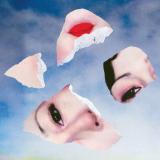
Themes of change, breaking up, shattering old ways of being are shot through the record. For the front cover, a photograph of the artist’s face was printed, ripped up and re-assembled, resembling the creative process embarked upon by Lew for her first “solo” material. The album feels instinctual, almost dream-like in its assemblage of sweeping synths and pulsating, propulsive drum machine beat patterns with Lew’s vocal performances sensitive and caressing over the top. Increasingly relying on the subconscious and dreams to guide her creative process, Hannah Lew frequently abandons literal interpretations or linear narratives, the songs seeming to exist in a swooning, effortless flow-state while remaining emotionally hard hitting.
On an album where every song could be a single, there are kaleidoscopic shades and varying emotional tones in abundance. First single Another Twilight is carried along a pumping, Italo-disco-style 4/4 beat and mono-synth bass line, the low end pulling at the heart and body. Lew’s vocal melody teases the track before swan-diving into a gorgeous chorus as she sings “it’s all over baby and I don’t mind… in decline, I take my time…” The album is suffused with moments like this. On slow builder Damaged Melody, an arpeggiated synth elongates the verse before a cascading synth showers down melodic glitter. The stunning Replica uses dual swirling synth patterns before a driving, synthpop chorus for the ages carries Hannah Lew’s vocal into the stereo field, sailing in on a high register singed with the embers of a break up.
In a departure from previous groups, her solo songs are guided by dreams and free association inspired by Dada and the Surrealist movement and sculpted afterwards. As such, the songs reveal themselves on repeated listens, revealing traces of heartbreak inspired by both personal and global elements - Hannah Lew regards the album “a wartime album.” On Move In Silence, Lew intones “there’s a war outside, just out of view,” revealing the dichotomy at play throughout. With the songs evolving naturally and in a flow state, the pressures and sadnesses of the modern age bleed through, mixed in with Lew’s inherent love, sensitivity and fractured-but-intact optimism. On the swooning, sublime Sunday layers of Numanoid synths open up for the commanding vocal performance pontificating on grief, love, pain as she “feels the ache on Sunday…” As the chorus builds and Lew’s call-and-response vocal adds to the emotional tension, it almost feels like too much to take.
Elsewhere, there are echoes of Hannah Lew’s previous work. On Time Wasted a bass guitar comes in with a heavy, punk attack before the synths and vocal harmonies reminiscent of later Cold Beat elevate everything. The glassy, sweetly resigned closer The Clock sounds like so classic it could be cover, a sweetened Jesus & Mary Chain tune perhaps, before it erupts into volcanic chorus that could only come from Hannah Lew in 2026.
¡NO PASARAN! is the extension to Extrawelt's DYSTORTION, from brooding tension to playful relief, the album took listeners on a six-year-crafted exploration. Their next EP picks up where this epic chapter left off and is clearly related. It's a hypnotic dive into shadow and dream, darkness and melancholy with subtle flashes of light.
The title track of the EP, already known from the album (D1 - Extrawelt - ¡No Pasaran!) carries a commanding presence, pulses with a rolling, insistent bassline that anchors shifting rhythmic currents and evolving sonic layers. Between tension and release, shadows and melody, it's a track that moves like a living entity.
Arctic Dead Run hits like a surge of raw energy. Acid lines roll relentlessly, building tension that feels alive. Then a melody sneaks in - soft, almost fragile - cutting through the intensity, until hi-hats erupt and the groove snaps into full focus. Maximal yet controlled, every element finds its place.
Clipping Me Softly dissolves the pressure with a dark, playful groove. Precise rhythms meet spacious pads, opening into a dreamlike state where night slowly gives way to warmth and light.
A focused and uncompromising continuation of Extrawelt's sonic language: Dense grooves, acid pressure, and dreamlike relief collide in a release built for deep listening and late-night floors.
- A1: The Bird
- A2: Heart Don't Stand A Chance
- A3: The Waters (Feat. Bj The Chicago Kid)
- A4: The Season / Carry Me
- B1: Put Me Thru
- B2: Am I Wrong (Feat. Schoolboy Q)
- B3: Without You (Feat. Rapsody)
- B4: Parking Lot
- C1: Lite Weight (Feat. The Free Nationals United Fellowship Choir)
- C2: Room In Here (Feat. The Game & Sonyae Elise)
- C3: Water Fall (Interlude)
- C4: Your Prime
- D1: Come Down
- D2: Silicon Valley
- D3: Celebrate
- D4: The Dreamer (Feat. Talib Kweli & Timan Family Choir)
Ten years ago, Anderson .Paak didn't just release an album; he staged a full-scale takeover of the soul and hip-hop landscape. Released on January 15, 2016, Malibu served as the definitive arrival of an artist who had spent years grinding in the underground before a star-making turn on Dr. Dre’s Compton. While his previous work hinted at his potential, Malibu was the moment the world met the "Cheeky Andy" persona in full—a virtuosic drummer, a raspy-voiced crooner, and a sharp-witted rapper all rolled into one. The album is a sprawling, sun-drenched journey through the Southern California coast, blending 1970s funk, church-reared gospel, and gritty boom-bap into something that feels both nostalgic and entirely futuristic. With a heavyweight production lineup including 9th Wonder, Madlib, Kaytranada, and Hi-Tek, the record maintains a warm, analog texture that was a breath of fresh air in an increasingly digital era. It’s an album that breathes, full of intentional imperfections and the kind of "in-the-pocket" groove that can only come from a seasoned live performer. Beyond the infectious, dance-floor-ready energy of tracks like "Am I Wrong" and "Come Down," the album is a deeply autobiographical masterwork. .Paak uses the 65-minute runtime to unpack his life story with startling clarity, touching on his mother’s gambling addiction, his father’s incarceration, and his own brushes with homelessness with a sense of resilience that never feels heavy-handed. He weaves these heavy themes through a lens of triumph, grounded by vintage surfing documentary samples that give the project its cinematic, coastal atmosphere. It’s a celebratory record born out of struggle, anchored by his impeccable technicality on the drums and a guest list—featuring ScHoolboy Q, Rapsody, and The Game—that feels hand-picked to complement his specific brand of West Coast swagger. A decade later, Malibu stands as a modern classic and the blueprint for the soulful revivalism that would eventually lead .Paak to global superstardom and Grammy-winning heights. It remains a testament to the idea that the most profound music often comes from the most personal places, proving ten years on that the best way to move forward is to stay rooted in the groove.
- 01: The Ark
- 02: The Masai
- 03: Dream Dance
- 04: Belize
- 05: As You Are
- 06: Danakil Warrior
Our latest Holy Grail reissue is this private press spiritual jazz gem out of California from Rickey Kelly and his vibes & marimba. Features Diane Reeves (vocals) & Adele Sebastian (flute)!
Heavyweight 180g LP with tip-on sleeve, individually numbered 1-1000, card enclosed for liner notes & audio download
"Rickey, I know these are your friends, the guys you went to school with, but if you wanna record an album, you record with musicians who have been playing their whole life; whatever you write, they'll put their whole life into it. You play with your friends; they may not even play in tune."
These are the words of Slave guitarist Kevin Johnson, and they were to change the course of young Rickey Kelly's life.
It was 1978, and music student Kelly had approached Johnson with a tape of rough demos of some songs he'd written. A San Francisco native, Kelly had recently moved the short distance south to study music at LA City College in East Hollywood. He was a member of E.W. Wainwright Jr.'s African Roots of Jazz, and was spending up to 10 hours a day in practice on both vibes and marimba. He also played with Horace Tapscott, and had his own band made up of fellow students, but it was his ambition to make an album that led to the conversation with Johnson. It was a turning point in his education, and a decision was looming.
The next thing Johnson said was "You call the best jazz musicians. How'd you like to play with Billy Higgins?", a line that would seal it for anyone; for a youngster like Rickey just starting out in the business, you just don't turn down the opportunity to play with the likes of highly accomplished musicians, especially those of the calibre of legendary jazz drummer Billy Higgins.
Some calls were made and the date was set to record at Studio Masters on Beverly Blvd, a studio set up just a few years previous in 1973, owned and operated by Dot Records founder Randy Wood with his son John. Some of the other music professionals set to record with Kelley that day were flautist Adele Sebastian, bass player Tony Dumas, saxophonist Charles Owens and vocalist Diane Reeves, none of whom had previously played with Kelly before.
Kelly was impressed with the studio, with the gold records displayed on the walls and the famous musicians hanging out. 'It took a lot of humility for me to record with them, I mean I was nobody, nothing, and for not a lot of money either' remembers Rickey in a later interview with Calvin Lincoln, 'It taught me a lot, to practice hard, and study for the rest of your life, to give your all, and there's a lot of all to give'.
As the recording session took place, John Wood was listening in. He was impressed. Kelly didn't have the funds to manufacture and release the album himself, so Wood suggested it was pressed up on his in-house studio label, Los Angeles Phonograph Records, and thus the LP 'My Kind of Music' was released early in 1979. The album also saw a subsequent pressing soon afterwards on Dennis Sullivan's New Note label.
Kelly remains humble and proud of his debut album to this day. 'I was still a beginner' he says, 'These masters walked in, smiling, and gave me something worth gold'.
- A1: Assra & Part 1
- A2: Assra Hulet
- A3: Secret Sunset
- A4: Morning Shift
- A5: Assra Sost
- A6: Assra Arat
- A7: Trip To Cairo
- A8: Assra Amist
- B1: Broken Hearts
- B2: High Hopes
- B3: The Silence That Lasts
- B4: Shattered Dreams
- B5: Never Gonna Leave
- B6: I Fell For Fall
- B7: Moving Air
- A1: Audio Vesuvio
- A2: Robot Cop
- B1: Overexposed Polaroid
- B2: Vortex
The debut EP Danza Nel Vulcano by Rotterdam duo Vesuvio Vortex is the first release of the label Radio Tornado Records. Rooted in italo disco, the music rolls into nearby genres with restless grooves and rough edges. In short: energetic, slightly melancholic, and always moving.
Audio Vesuvio opens with a bright, welcoming energy, setting the scene. Robot Cop brings a lively rush, the rhythms bouncing and colliding. Overexposed Polaroid slows things down, drifting through hazy reflections of what just happened. Vortex closes the EP in a softer, darker glow, the afterparty fading but the melodies lingering, like a dream that refuses to end.
- A1: Les Masques - Il Faut Tenir (1969)
- A2: Isabelle Aubret - Casa Forte (1971)
- A3: Christianne Legrand - Hlm Et Ciné Roman (1972)
- A4: Jean Constantin - Pas Tant D'chichi Ponpon (1972)
- A5: Billy Nencioli & Baden Powell - Si Rien Ne Va (1969)
- B1-: Marpessa Dawn - Le Petit Cuica (1963)
- B2: Jean-Pierre Sabar - Vai Vai (1974)
- B3: Sophia Loren - De Jour En Jour (1963)
- B4: Isabelle - Jusqu’à La Tombée Du Jour (1969)
- B5: Sylvia Fels - Corto Maltesse (1974)
- C1: Frank Gérard - Comme Une Samba (1972)
- C2: Ann Sorel - La Poupée Des Favellas (1971)
- C3: Charles Level - Un Enfant Café Au Lait (1971)
- C4: Andrea Parisy - Les Mains Qui Font Du Bien (1970)
- C5: Audrey Arno - Quand Jean-Paul Rentrera (1969)
- C6: Aldo Frank - T’as Vu Ce Printemps (1970)
- D1: Christianne Legrand - Cent Mille Poissons Dans Ton Filet (1972)
- D2: Clarinha - Lemenja (1970)
- D3: Hit Parade Des Enfants - Aquarela (1976)
- D4: Jean-Pierre Lang - Tendresse (1965)
- D5: Magalie Noël - Une Énorme Samba (1970)
- D6: Françoise Legrand - La Lune
Ever since the late 1950s bossa-nova revolution, Brazil’s influence on French music has been undeniable. Pierre Barouh, Georges Moustaki and a vast array of lesser known artists, all made the Musica Popular Brasileira (MPB) an axis of promotion at the service of a cool and metaphysical, modern and mixed Brazilian lifestyle. Some were seduced by the poetic languors of the bossa, some were looking for fun, and others just loved the American hybridization of jazz-bossa, jazz-samba.
What is bossa nova? One of its creators, Joao Gilberto said: "Its style, cadence, everything is samba. At the very start, we didn't call it bossa nova, we sang a little samba made up of a single note - Samba de uma nota so .... The discussion around the origins of bossa nova is therefore useless”. It is nevertheless useful to remember that these magnificent Brazilian songs, which the guitarist describes as samba, were shifted and balanced around improbable chords. "I like things that lean, the in-betweens that limp with grace," said Pierre Barrouh, quoting Jean Cocteau.
With emotion, arrangements for violin and supple guitar licks, bossa nova rapidly changed. A transformation that can be heard in the Tchic, tchic, French Bossa Nova 1963-1974 compilation, the result of a cultural reappropriation, which traveled through the United States and supplemented itself in France.
A musical revolution that has remained significant, bossa nova was born in Rio. From 1956 to 1961, Brazil lived through its golden years. In five years, the country had invented its modernist style. Elected president in 1956, Juscelino Kubitschek de Oliveira, an elegant man with a broad forehead, brandished a promising slogan: "Fifty years of progress in five years". He quickly got to work. Not worried about increasing debt, he launched the project for a new federal capital, Brasilia, designed by the communist architect Oscar Niemeyer. Volkswagen opened state-of-the-art factories and created the “fusquinha”, the Beetle. In Rio, the Vespa made its first appearance. The Arpoador Surf Club crew run into the “girl” from Ipanema, Helô Pinheiro - the tanned garota ("chick"), between a flower and mermaid, who at 17 walked by the Veloso bar, where the fiery author and composer, Tom Jobim and Vinicius de Moraes, were getting drunk on whiskey. From then on, bossa symbolized cool.
In 1958, Joao Gilberto recorded Chega de Saudade, which the directors of Philips denied, calling it "music for fagots". The marketing director, who believed in it, secretly pressed 3000 78-inch vinyls and distributed them at schools around Rio, creating a tidal wave.
American jazzmen then took over. In particular, trumpeter Dizzy Gillespie and guitarist Charlie Byrd. In November 1962, the Brazilian Ministry of Foreign Affairs funded a "Bossa-Nova" concert at Carnegie Hall in New York, inviting the genre’s pioneers. Unprepared, the show soon turned to disaster. But the troupe was invited to the White House by Jackie Kennedy. The first lady loved "the new beat" and in particular Maria Ninguem, a song by Carlos Lyra, later covered by Brigitte Bardot.
In Brazil, the 1964 military coup quickly ended this euphoria. The destructive atmosphere that ensued pushed many Brazilian musicians to leave, if not to exile. Thus, Tom Jobim, Sergio Mendes and Joao Gilberto arrived to the United States. In New York, Joao Gilberto met saxophonist Stan Getz. At the time, he was married to the Bahianese Astrud Weinert Gilberto, who had a German father. She had never sung before, but she knew how to speak English. Getz therefore asked her to replace her husband on The Girl From Ipanema. The Getz/Gilberto record with Tom Jobim on piano, was released in March 1964. Phil Ramone, the "pope of pop" was in charge of sound.
Bossa nova arrived in Paris through the classic “guitar-voice” channel (Pierre Barouh, Baden Powell, Moustaki…) But France loved jazz and Paris had already welcomed its American contributors. All these good people were to pass through Saint-Germain-des-Prés. The cabaret l'Escale became the Mecca of Latin American sound where one could find Pierre Barrouh and his friends, such as the Camara Trio, samba-jazz aces, whose only record was published by the Saravah label. With a band strangely called Les Masques (a band that included Nicole Croisille and Pierre Vassiliu, among others), the Camara Trio recorded an interesting Brazilian Sound, including the track Il faut tenir which is present on this tasty compilation of rarities.
Other enlightened musicians can also be found on the compilation, such as Jean-Pierre Sabar (songwriter for Hardy, Auffray, Leforestier ...) and the French pop rock organist Balthazar. In 1975, Sabar recorded Aurinkoinen Musiikkimatka on a Finnish label, which featured the crazy Vai, Vai, included on this record. We are now following the footsteps of Brazilian electronic musicians such as Sergio Mendes, Eumir Deodato or Marcos Valle who created funk and disco sounds on their keyboards and synthesizers. A style that influenced Véronique Sanson when she wrote Jusqu’à la Tombée de la nuit in 1969 for Isabelle de Funès, the niece of Louis and a great friend of Michel Berger - Sanson did end up singing this track on her 1992 Sans Regret record.
The pinnacle of exoticism and travel, Sylvia Fels’ Corto Maltese includes bongos, sea mist and ocean sounds. The title was taken from Jacky Chalard’s concept album written in 1974, Je suis vivant, mais j’ai peur (I am alive, but I am scared), based on Gilbert Deflez’s science fiction novel.
However, bossa nova extended the scope of popularity. "In the 1970s, I was a fan of Sergio Mendes, Getz / Gilberto. I fell in love with this music that I knew because I had been an orchestral singer, " explained Isabelle Aubret, who in 1971 delivered a composite record of covers by the very funky Jorge Ben, Orfeu Negro, Tom Jobim, Vinicius de Morais and Jean Ferrat. "I recorded this album for Meys Records in Paris, far from Brazil, with wonderful musicians, François Raubert, Roland Vincent, Alain Goraguer...". The latter wrote the arrangements for Casa Forte, a very percussive title borrowed from Edu Lobo, one of the initiators of the bossa who spent time in California. "Jazz and bossa came together and produced very rhythmic music. I love singing, it allows me to dream, to have fun, to feel a high on stage, and these songs brought me joy, made me swing, my singing felt like a dance.”
The world tours of French singers and their desire for the tropics, often brought them to Rio with its hills, forests, caipirinhas and tanned bodies. There are surprises though, like this Iemenja (Iemenja is the goddess of the sea in the Afro-Brazilian candomblé religion). Not unlike the composer and musician Jean-Pierre Lang, based in Sao Paulo, Claire Chevalier taught Brazil to Brazil. In 1970, the singer and painter published a 45-inch vinyl, Mon mari et mes amants (My husband and my lovers), under the improbable pseudonym of Clarinha (little Claire). She was then living in Rio, with her husband, Joël Leibovitz, who founded a band called Azimuth, and who owned a record label specialized in "sambas enredos" songs for samba school parades.
For its B side, she asked Pierre Perret to come up with lyrics for a song composed by Carlos Imperial: "Oh goddess of the sea, o goddess Iemenja, I bring a white rose to adorn your long hair ..." . "Perret came to see us, and we had fun, remembers Joël Leibovitz. We wrote Lemenja for fun, we recorded it at the Havaí studio, behind the Central do Brasil the central station. Erlon Chaves, the arranger who worked with Elis Regina, joined us" adding his share of Afro-Brazilian percussions and funky brass to the mix.
There is a common misunderstanding in Franco-Brazilian history: that bossa, admittedly hedonistic, is perceived as funny, even though the poets who wrote the texts are often philosophizing on the human condition. Its French interpreters pull it towards a carnival inspired universe, far removed from its fundamental essence. Thus, Jean Constantin covered the famous Samba da minha terra, an ode to the art of samba written by the classic Bahian composer Dorival Caymmi, renaming it with the enticing title of Pas tant de tchi tchi pompon: "On your pier there is no tchi tchi / when you arch your back, you know everything is alright ”(lyrics by Gérard Calvi). This expedited bossa aims for the absurd, but retains a certain elegance.
Indeed, Jean Constantin was not an idiot, the rather large man had a huge mustache and liked fantasy, (Les pantoufles à papa, Le pacha, inspired by cha-cha-cha-cha, salsa and jazz) but he was also the lyricist of Mon manège à moi interpreted by Edith Piaf, the composer of Mon Truc en plume by Zizi Jeanmaire and the soundtrack of François Truffaut’s 400 Blows. Le Poulpe, published in 1970, from which this bossa is extract, was arranged by Jean-Claude Vannier, an accomplice of Serge Gainsbourg’s Melody Nelson. In short: "There is enough of samba / By looking at the parasol / Because my poor cabeza / Is going to die in the sun".
Even the American actress Marpessa Down, who was at the heart of the bossa nova revolution with her role as Euridyce in Marcel Camus’ film Orfeu Negro, winner of the 1959 Cannes Palme d'or, fed the clichée with Je voudrais parler au petit cuica - "Tell me how you manage to always make people want to dance / It's true, I must admit that I cannot resist your magic" - in consequence, once can hear the cuica, a little drum inherited from the Bantu.
But bossa nova had many angles. Societal, of course, pushing actresses who were symbols of women's liberation like Brigitte Bardot, Jeanne Moreau, or Sophia Loren to engage in the exercise of accelerated bossa. In February of 1963, Sophia Loren made a record in French in Rome, Je ne t'aime plus, featuring the song De jour en jour, a bossa written by two Italians, Armando Trovajoli and Tino Fornai, which was released a little later by Barclay. Bossa accompanied the 1960s, a decade of moral liberation. Ann Sorel, who interpreted La Poupée des favellas, caused a sensation with L’amour à plusieurs, a provocative song written by Frédéric Bottom and Jean-Claude Vannier. As for the actress Andrea Parisy, she displayed her bourgeois cheekiness in Marcel Carné's Les Tricheurs before interpreting Les mains qui font du bien. And Magalie Noël, the friend of Boris Vian, who sung Johnny fais-moi mal, was hired to sing Une énorme Samba, composed by Alain Goraguer (arranger to Gainsbourg, Bobby Lapointe and Jean Ferrat) with lyrics by Frédéric Botton.
But in the end, of what wood is bossa nova made of? The answer is given by Christianne Legrand, daughter of Raymond the conductor, and sister to Michel the composer: "With me, with jà" - jà means "immediately" in Portuguese. In 1972, the singer, an expert in vocal jazz and a member of the Double Six, published Le Brésil de Christianne Legrand. Two songs included on the Tchic Tchic compilation that demonstrate how bossa, jazz, funk, rock, etc. work like a swiss army knife: the music is used to denounce broken systems, or miracles, HLM et ciné roman, Cent mille poissons dans ton filet, two songs from the O Cafona soundtrack, a successful telenovela broadcast, at the time in black and white, on TV Globo. The first was adapted in French by the fighter and friend of the Legrand tribe, Agnès Varda. The second is content with a play on words, jostling them into a summer fun.
Véronique Mortaigne
- A1: Borinquen
- A2: Con Quien Andas
- A3: Latin Blues
- A4: Ya No Te Quiero
- B1: Negrita Mia
- B2: Telegrama
- B3: M & M
- B4: Sassie
Ghetto Records was Latin music legend Joe Bataan’s way to get over on The Man and out of the ’hood, a bold move by an artist looking for independence and creative control in an industry that had exploited his talents and treated him like chattel.
As Bataan puts it today, “Ghetto Records was part of my journey, a stepping stone to everything else that I’ve done. I learned enough that it enabled me to get out of the box with my thinking, it showed me how to deal with adversity.” Like many dreams and schemes born of the street, this one was audacious, perhaps even reckless to a fault.
Hatched from desperation yet full of hope Ghetto Records came crashing down shortly after its inception. The seven albums in its discography languished out of print - until now.