Written and Recorded by Sonja Tofik in Stockholm and Paris 2023 Visual by Viktor Fordell Mastered by Giuseppe Tillieci at EnissLab, Rome
With 'Respire', Stockholm's Sonja Tofik presents a collection of works that cluster around themes of disunion and contemplation. In two halves, tiers of synthetic materials are layered into sullen reveries with organic components and concrète treatments, and as the obscurity of their genesis reaches a crescendo, these delicate and foreboding compositions find further means of communication the more they blister and bloom.
out of Stock
Last delivered 2 years ago available to reorder, subject to availability
Back in 2020 The Whole Truth dropped a heap of gospel inspiration on Parkway in the shape of “Lord, Quench my Soul.” Three years later and they’re back stronger than ever.
The original Believe is an intense call for hope, featuring some amazing hooks and instrumentation that reference the sound of classics yet still bring new flavors.
Parkway boss Mark Seven has stretched the piece out into two further mixes, injecting time and space to create club friendly mixes that are high on hope!
Altogether it’s more timeless magic from the label you rely on
out of Stock
Last delivered 23 months ago available to reorder, subject to availability
The Body & Dis Fig are a natural pair. Each has pioneered instantly recognizable worlds of sound all their own that defy any traditional categorizations or boundaries. The Body, Lee Buford and Chip King, continually challenge any conventional conception of metal, collaborating with myriad artists and from the folk-leanings of their work with BIG|BRAVE to their groundbreaking work with the Assembly of Light Choir to the intensity of their collaborations with OAA or Thou. Dis Fig, aka Felicia Chen, pushes electronic music into dark extremes, from warped DJ sets to avant production, from being a member of Tianzhuo Chen’s performance-art series TRANCE to being the vocalist with The Bug. The Body and Dis Fig find kinship in reimagining what it means to make “heavy music”. Their debut Orchards of a Futile Heaven is the perfect synthesis of two forces, twisting melodicism and intoxicating rhythms, layering a dense miasma of distortion with intense beats and a soaring voice clawing its way towards absolution.
Orchards of a Futile Heaven’s walls of sputtering texture and tectonic booms are soaked in the reverence and melancholy of sacred spaces brought to life by palpable intensity by Chen’s voice. Crafted during a time of personal fragility, the album’s devastating force lies beyond any of the expected noise and abrasive textures typically associated with both The Body & Dis Fig. Suffused with a raw vulnerability and a longing for catharsis, Chen’s voice searches for escape in the midst of oppressive atmospheres as if determined to find relief from guilt. “Eternal Hours” patiently unfurls waves of surprising sounds, whispered undulations that are punctuated by sudden crashes, all beneath Chen’s haunting harmonies. “Dissent, Shame” evokes grief and shame with a minimalist drone dirge that gradually builds to an enchanting choral passage. King’s guitar on “Holy Lance” matches the uncanny drone of Chen’s accordion in an all-consuming blast, Chen’s voice transforming the moment from anguish to defiance and empowerment. The album’s arc finishes with “Coils of Kaa” acting as a kind of propulsive exorcism, breaking through a suffocating air before the funeral procession of “Back to the Water” lays the album to rest.
While sampling has long been essential to each, The Body & Dis Fig deftly meld their differing approaches to sampling and creating extreme sounds until the boundaries are entirely blurred. The two found kinship in their desire to find new avenues to make heavy music that looked beyond tropes of metal and electronic music by merging the two. “I always wanted the heavier stuff but I also didn’t really like heavier guitar music,” says Buford. “None of it really felt quite heavy enough to me. A human can’t be as heavy as a machine.” Chen counters, “I love the balance. You could never connect to just a machine as well as you could a human. Which is why the combination is so potent for me. I don’t want to hide. I think nothing connects you more empathetically than another human's voice.”
Orchards of a Futile Heaven affirms The Body & Dis Fig as skilled sound sculptors who have an exceptional ability to make deeply affecting music, bracing as it is touching, harrowing as it is awe-inspiring. Together, the two have harnessed their expansive artistry to make music that is profoundly emotional, and staggering in its beauty.
Complete Album + 3 Bonus Tracks (*) - Ray Charles has been described universally as the "The Genius" and "Father of Soul Music". He made his first recordings in 1947 and over the following years his career was in a continuous state of evolution. Encompassing many different genres, mostly blues, jazz, gospel and soul, Ray Charles developed a unique style, and his personal touch became evident in all the different projects he undertook. This was his first LP and includes such classics as "I Got a Woman", "Drown in My Own Tears" and "Hallelujah, I Love Her So", among others.
- The Black Angels' classic sophomore album - Special color edition pressed on Metallic Silver Wax. - Triple LP housed in a Stoughton tri-fold gatefold jacket // "The Black Angels bring the aura of mid-1966 the drilling guitars of early Velvet Underground shows, the raga inflections of late-show Fillmore jams, the acid-prayer stomp of Austin avatars the 13th Floor Elevators everywhere they go, including the levitations on their second album, Directions to See a Ghost. Mid-Eighties echoes of Spacemen 3 and the Jesus and Mary Chain also roll through the scoured-guitar sustain and Alex Maas' rocker-monk incantations. But he knows what time it is. 'You say the Beatles stopped the war," Maas sings in `Never/Ever.' `They might've helped to find a cure/But it's still not over.' Even so, this medicine works wonders." - David Fricke, Rolling Stone Last time we met The Black Angels, they were staring into the desert sun somewhere outside of Austin, Texas. Two years later, night has fallen and the spirits have come out. It's time for The Black Angels to provide Directions On How To See A Ghost. If you're familiar with Passover, the band's 2006 debut, you'll know that The Black Angels's music alone is enough to invoke spirits. There's a name for the band's sound; they call it `hypno-drone 'n roll'. It's the sound of long nights on peyote, of dreams of a new world order, and of half-invented memories of the seamy side of '60s psychedelia. While the Iraq war is still a major influence on the band's lyrics, there are new forces at work here, including Eugene Zamyatin's dystopian novel We and in Christian Bland's words "psychic information from the past and future." See, The Black Angels really are in contact with ghosts. "Civil War battlefields are prime spots for seeing ghosts," says Bland. "One time at Kennesaw mountain in Georgia, I was climbing the mountain in the middle of June and it must have been close to 100 degrees, but in this one particular spot it was very cold. The hairs on my neck stood up and I knew something strange was happening. Then the wind whispered something like `retreat,' and I did. I later learned that the spot where I was on the battlefield was known as `the dead angle', the place where the fiercest fighting took place. The confederates ended up retreating from the mountain towards Peachtree Creek." The Black Angels formed in Austin, Texas, in 2004, comprising from six people (now five) from very different backgrounds. Singer/vocalist Christian Bland is the son of a Presbyterian Pastor and was raised in a devoutly religious household. Bassist / guitarist Nate Ryan was born on a cult compound and drummer Stephanie Bailey claims she's a descendent of Davy Crocket. She and Alex Maas (vocals/guitar) believe a little girl in a red linen dress haunts the group's home. The band released Passover in 2006 to critical acclaim for both the album and the song "The First Vietnamese War". Most of all, Passover established The Black Angels as a band with brains, balls and a strong message. And this time around, the message is there to read in a 16-page booklet that comes with the album. "Our central theme is that people need to open up their minds and let everything come through, and to learn from past mistakes," says Christian. "Only then will we understand the reality of this world and progress beyond where we are now as humans. We've built upon that theme with Directions to See a Ghost. We want people to study the booklet we are providing with the album in hopes that they will be able to relate each song to something in their life." _"War is Peace. Freedom is Slavery. Ignorance is Strength. Keep Music Evil."_
Neben ihrer Zusammenarbeit mit Modern Cosmology, dem unglaublichen What Will You Grow Now? aus dem letzten Jahr und ihren fortgesetzten Tourneen mit den neu formierten Stereolab ist Laetitia mit Rooting For Love solo plus The Choir zurück in der Welt und ruft uns erneut dazu auf, uns auf unsere innere Ausrichtung und unsere Herzenskraft zu besinnen, um besser gerüstet zu sein für das, was kommen wird. Das regelmäßige Auftauchen von The Choir während Rooting For Love erinnert daran, dass diese Musik von einem Volk in der kritischen Masse stammt, zusätzlich zu einer Entwicklung, die die reichen harmonischen Felder, in denen Laetitia spielt, weiter vertieft. Die diversen musikalischen Arrangements tragen dazu bei - Orgel, Synthesizern, Gitarre, Bass, Posaune, Schlagzeugprogrammierung, Vibraphon und Zither, die alle auf verschlungenen Pfaden von Akkord- und Tempowechseln arbeiten. Der melodische Funk des Bassisten Xavi Muñoz führt zu gelegentlichen Dancefloor-Vibes und No-Wave-Rockouts, während Hannes Plattemier und Emma Mario abwechselnd die Tracks abmischen und das Material mit Vibes, zusätzlichem Drum-Programming und Synthesizern zusammen mit einer talentierten Besetzung von Spielern und Sängern aus Laetitas Source Ensemble und darüber hinaus bereichern. Ob sie sich Laetitia Sadier nun von der eigenen Zen-Shiastu-Ausbildung oder von den Texten von Véronique Vincent (Texterin und Sängerin von Aksak Maboul und einst Leadsängerin der Honeymoon Killers) inspirieren lässt, immer stellt sie sich der Wahrheit, ohne mit der Wimper zu zucken. Die Schatten, aus welchem Stoff sie auch immer bestehen - individuelle und kollektive, gegenwärtige und uralte - müssen erkannt und anerkannt werden, denn je mehr wir in uns selbst heilen, desto ungeteilter werden wir angesichts der drohenden neofaschistischen/neoliberalen Narrative, die die inneren und äußeren Landschaften verschmutzen. Wie das Titelbild des Winterbaums, das sich in den Wortmustern von Rooting For Love widerspiegelt, behauptet Laetitia, dass die Art und Weise, wie wir die kommende Welt heilen, und was wir daraus machen, eine Ko-Kreation sein wird. Die Qualität unserer Vorstellungskraft, die Ausrichtung, die wir unseren Gedanken geben, und die Fähigkeit, uns selbst und der Welt Liebe zu bringen, sind ein erster Schritt.
New York Hip Hop revolutionaries Ced-Gee, Kool Keith, Moe Luv and T.R. Love, known as Ultramagnetic Mc’s dropped their seminal debut album Critical Beatdown in 1988. Immediately grabbing the attention and pushing the boundaries of hip hop into new horizons, it was hailed as a masterpiece by the underground. Influential hip hop magazines The Source and Hip Hop Connection both listed Critical Beatdown in their Top 100 charts, naming it one of the best 100 hip hop albums ever. The 1986 single “Ego Trippin” is one of the first tracks to use the SP1200 drum machine (programmed by producer Ced-Gee), and the SP1200 would later become the golden standard for many hip hop producers. This expanded edition features not only the original album with the 15 tracks, it also includes 6 bonus tracks: the original 12” versions of “Funky”, “Bait”, “A Chorus Line” featuring Tim Dog, “Mentally Mad” plus “Traveling At The Speed Of Thought (Hip House Club Mix)” and “Ego Trippin (Bonus Beats)”. It also contains a 4 page booklet with interviews, rare photos and liner notes written by Angus Batey, the author of Rhyming and Stealing: A History Of The Beastie Boys and a writer for Hip Hop Connection and Mojo magazine.
Joyce Harris was born in Kentucky in 1939 and moved to New Orleans with her family when she was 13 years old. Harris learned to play guitar, write songs and was soon performing duets with her younger sister Judy. They released three singles – ‘He’s The One’ / ‘Hey Pretty Baby’, ‘Washboard Sam’ / ‘Nursery Rock (Beedle De Bop)’ and ‘Hey Little Baby’/ ‘Rock And Roll Kittens’ – as Judy and Joyce in 1958. When her sister got married, Harris spent a year singing in restaurants in Mexico and a first solo single ‘It’s You’ / ‘The Boy In School’ was released on New York’s U.T. Records at the end of 1959. A talent spotter saw her in Mexico and was impressed enough to secure her an audition with the Austin, Texas-based Domino label. Harris was soon in the studio with Tommy Kaspar and Don Burch of Domino’s vocal quartet, the Slades, to record ‘I Cheated’ / ‘Do You Know What It’s Like To Be Lonesome?’ (R-903) in October 1960. ‘No Way Out’ / ‘Dreamer’ (R-905) followed in January 1961 and sold strongly enough to be licensed to Infinity Records. On 7 April 1961, Harris performed ‘No Way Out’ live on TV on American Bandstand. Three more singles would be issued on different labels between 1963 and 1966.
Harris’ cover version of ‘I Got My Mojo Working’ – backed by Sonny Rhodes’ group the Daylighters –was recorded at the ‘No Way Out’ session and remained unissued until Ace put it out on our “The Domino Records Story” in 1997 (CDCHD 506). With renewed interest in Harris we are delighted to pair this ‘Trailer’ version of ‘I Got My Mojo Working’ with ‘No Way Out’ as a 7” single.
Though often lumped in with New Orleans sludge bands like Eyehategod and Crowbar, Thou shares a more spiritual kinship with '90s proto-grunge bands like Nirvana, Alice in Chains, and Soundgarden (all of whom they've covered extensively, both in the studio and onstage). The band's aesthetic and political impulses reflect the obscure '90s DIY hardcore punk found on labels like Ebullition, Vermiform, and Crimethinc. From 2004 through 2016, the band has released four full-length albums, six EPs (some bordering on full lengths), two collaboration records with The Body, and enough material spread out over splits to make up another four or five LPs.
Sacred Bones Records is proud to present the new album, Magus, Thou's first full-length since 2014's Heathen. In the months leading into the new album, Thou will be releasing three drastically different EPs: The House Primordial on Raw Sugar, Inconsolable on Community Records, and Rhea Sylvia on Deathwish, Inc. Each record will focus on a particular sound—noisy drone, quiet acoustic, and melodic grunge—all of which is incorporated into the new LP, subsumed in the band's more standard doom metal.
While sonically, Magus may be a continuation of Heathen, thematically it stands as a stark rebuttal, a journey beyond the principles of pleasure and pain. It is more the culmination of these distinct EPs, which all orbit some internal black hole. FFO alienation, absurdity, boredom, futility, decay, the tyranny of history, the vulgarities of change, awareness as agony, reason as disease.
Returned to us from early 90s Japan are the holy holy sounds of Ghost. Their collective, clearly inspired by various forms of transcendental music throughout history, created a new syncretic psychedelia with these albums, mixing the texture and vibe of multinational forms of traditional music, with strummed antique stringed instruments and the haunting wail of a recorder on top of their heavy beats and guitars. The considerable depth of this approach was explored through 2014 over another five Ghost LPs, as well as the further explorations to the present day of leader Masaki Batoh, as a solo artist and with The Silence, Damon & Naomi, Helena Espvall and most recently, nehan. These first three Ghost titles were originally released by P.S.F. on CD in 1990, 1992 and 1994, respectively, radiating enigma and energy in palpable waves with their original sound. After the acclaim that greeted Drag City"s 1996 US release of Lama Rabi Rabi, we quickly reissued all three on vinyl - and they quickly went out of print! At which point, Ghost had Snuffbox Immanence and Free Tibet ready to go. And then, Hypnotic Underworld. And then, and then . . . . Now, it"s been 25 years since they were last offered on vinyl. In the twenty-year sweep of Ghost history, these first three releases qualify as primitive early Ghost - sort of like a German Os Mutantes (or perhaps a Brazilian Amon Düül). The subterranean presence of a diversity of progressive/avant classic rock influences (Pink Floyd, Incredible String Band, Captain Beefheart, Scott Walker, Led Zeppelin, Popol Vuh, Third Ear Band, to name but a few) provokes further synthesis, making for an entirely new meditation on the traditional order of psychedelic music. The first two studio albums, each one an iteration of Ghost"s unique lysergic folk music, were followed by the monolithic "live in various places" happening of Temple Stone, which raised the trippiness levels considerably. But this was only the end of the beginning . . .
A1 - Spacewaves
Opening the EP in thunderous style, Aural Imbalance chops impeccable, clean amen breaks, rolling sublimely into a chorus of fluid, delicate keys. The track whisks the listener atop the crest of wavy edits before a quietly turbulent assortment of blips and notes punctuate a bass-heavy breakdown. The latter half combines the elements in surreal harmony for a triump hant crescendo, buoyed by the truly vibrant breaks.
A2 - Tranquil Sea
A masterclass in subsurface ambience introduces Tranquil Sea, glistening melodies cascade into punchy breakbeats, setting the pace. Brimming with sunken off-key 808 bass resonating unpredictably with the spirit of the ocean, Aural Imbalance gently builds the vibe with soothing waves of mesmerising soundscapes as the beats rumble on, inviting you to dance amidst the swirling currents of his inimitable sound.
AA1 - Concordia
Old school analogue breaks take center stage as Aural Imbalance rewinds the clock for a great dancefloor-friendly slice of history with a modern Spatial twist. Quiet plinky keys bubble underneath long, whooshing ripples of the sea, echoed hi hats and a distinctive classic bassline intertwine perfectly, carrying you to uncharted sonic territories that will linger in the recesses of your mind long after the needle is lifted.
AA2 - Fading Fields
Delicate cymbal work and stirring pads combine deliciously before the listener is lifted to blissful serenity with a sumptuous tapestry of synths and micro melodies set to an immense, head nodding break pattern. The noteworthy kickdrum delivers a classic analogue stomp while the drums joyously encircle them
in their droves, showcasing further the variety and density Aural Imbalance offers.
out of Stock
Last delivered 2 years ago available to reorder, subject to availability
The Cherry Boppers are back with six fiery artifacts of promiscuous funk recorded in collaboration with the vocalist, also from Bilbao, Patricia Reckless, in this mini-album in 10-inch vinyl format. Pure rhythm from head to toes. As is well known, funk fuses what has historically been labelled soul, rhythm and blues, jazz and rock, and The Cherry Boppers (TCB) have undoubtedly created their own promiscuous formula based on a fine selection of styles that predate hip-hop. Active since 2004 and convinced advocates of jazz-funk and instrumental funk, there are very few examples of vocal tracks in their discography. However, in 2014 they released the EP "TCB meet Dr. Baltz" (Brixton Records-Soul Series) in which they successfully covered three classic rhythm and blues standards with lyrics in Spanish. Now, after five years of publishing drought, they repeat the experience with the stellar collaboration of the vocalist, also from Bilbao, Patricia Reckless, musically formed in the band "Bohemian Soul". The powerful and educated voice of Patricia Reckless blends perfectly, as one more instrument, into the compact rhythmic machinery of TCB, giving the 6 tracks of this mini-album (the 6-track EP thing doesn't quite fit) a structure, perhaps, more familiar to a non-specialized audience. But let's not get carried away, the textures, the silences, the "on the one!" beat, the breaks, the stately Hammond organ, the brilliant brass, the forceful bass lines, the precise percussion, the wah wah... are all 100% Cherry Boppers. "The Cherry Boppers meet Patricia Reckless" remains faithful to that analogue funk sound that makes the band proud of a long and vocational career in the genre. And it is also an album full of details, of paths and instrumental lines to be discovered on multiple listens.
Infinity Machine is a duo comprised of Juan MacLean - as in the Juan MacLean, longtime DFA traveler - and Gee Dee, also known as Greg Droggitis, a producer and DJ based in Brooklyn and 1/3 of the Earth Beat DJ troupe. The project name stems from a series of gatherings the two began hosting in various private spaces around New York City shortly after lockdown, though that description is a bit innocuous for the journeys traveled by its attendees. These events, billed as "psychedelic dance ceremonies" lasting 8 or 9 hours, began with a sound meditation to vibrational and acoustic instruments before eventually segueing into a "dance" soundtracked by a DJ set from Juan and Greg. Something clicked - that ceremonial tea! - and so Juan and Greg began playing and recording in their studio using the same approach: improvisation with equal attention placed on traditional acoustic (flute, guitar, gong) and more contemporary electronic (Yamaha DX-7) sounds. After awhile, there was literally three albums worth of material, each of them a voyage into the warm, liminal space between new age, ambient, drone and psychedelia. None of those genres quite fully describe what's across 001, 002, and 003 - available from DFA digitally and on a very limited run of cassettes (150 each!) - but if you've read this far then you're either the right kind of curious or just forgot what you were doing.
Infinity Machine is a duo comprised of Juan MacLean - as in the Juan MacLean, longtime DFA traveler - and Gee Dee, also known as Greg Droggitis, a producer and DJ based in Brooklyn and 1/3 of the Earth Beat DJ troupe. The project name stems from a series of gatherings the two began hosting in various private spaces around New York City shortly after lockdown, though that description is a bit innocuous for the journeys traveled by its attendees. These events, billed as "psychedelic dance ceremonies" lasting 8 or 9 hours, began with a sound meditation to vibrational and acoustic instruments before eventually segueing into a "dance" soundtracked by a DJ set from Juan and Greg. Something clicked - that ceremonial tea! - and so Juan and Greg began playing and recording in their studio using the same approach: improvisation with equal attention placed on traditional acoustic (flute, guitar, gong) and more contemporary electronic (Yamaha DX-7) sounds. After awhile, there was literally three albums worth of material, each of them a voyage into the warm, liminal space between new age, ambient, drone and psychedelia. None of those genres quite fully describe what's across 001, 002, and 003 - available from DFA digitally and on a very limited run of cassettes (150 each!) - but if you've read this far then you're either the right kind of curious or just forgot what you were doing.
Infinity Machine is a duo comprised of Juan MacLean - as in the Juan MacLean, longtime DFA traveler - and Gee Dee, also known as Greg Droggitis, a producer and DJ based in Brooklyn and 1/3 of the Earth Beat DJ troupe. The project name stems from a series of gatherings the two began hosting in various private spaces around New York City shortly after lockdown, though that description is a bit innocuous for the journeys traveled by its attendees. These events, billed as "psychedelic dance ceremonies" lasting 8 or 9 hours, began with a sound meditation to vibrational and acoustic instruments before eventually segueing into a "dance" soundtracked by a DJ set from Juan and Greg. Something clicked - that ceremonial tea! - and so Juan and Greg began playing and recording in their studio using the same approach: improvisation with equal attention placed on traditional acoustic (flute, guitar, gong) and more contemporary electronic (Yamaha DX-7) sounds. After awhile, there was literally three albums worth of material, each of them a voyage into the warm, liminal space between new age, ambient, drone and psychedelia. None of those genres quite fully describe what's across 001, 002, and 003 - available from DFA digitally and on a very limited run of cassettes (150 each!) - but if you've read this far then you're either the right kind of curious or just forgot what you were doing.
Dean McPhee’s fifth full length album 'Astral Gold' sees the Yorkshire-based electric guitarist's music continue to evolve beyond the spacious folk-inspired fingerpicking that typified his earlier releases into a heavier sound combining deep bass, textured reverbs and waves of saturated delay. 'Astral Gold' brings together several now out-of-print tracks that were originally released on the Reverb Worship and Folklore Tapes labels, along with two brand new pieces – all recorded live in single takes. There is a cosmic theme throughout, including a track based on the local lore of The Ilkley Alien (The Second Message), a trance-inducing drone piece inspired by the orbit of the 'doomed moon' Triton (Neptune) and a meditation on lunar volcanism combining baroque melodies, EBow bass and found recordings of a crackling fire played through guitar pickups (Lunar Fire). Throughout this intricately layered and beautifully crafted album McPhee draws on a wide range of influences from Kosmische Muzik and Dub to Stoner/Doom Rock, British Folk and underground electronic music, and the result is both intoxicatingly atmospheric and sonically inventive. ‘Astral Gold’ was mastered and cut by Anne Taegert at Dubplates & Mastering in Berlin and is pressed on 180g heavyweight vinyl. ‘Astral Gold’ follows Dean McPhee’s recent appearances this year on several well received compilation albums ‘I Thought I Told You: A Yorkshire Tribute to Michael Chapman’ on the Tompkins Square label, ‘Ballads of Seduction, Fertility & Ritual Slaughter’ released by Wasistdas, and Folklore Tapes’ limited edition cassette ‘A Web of Braided Willow (The Folklore of the Wickerman)’. "His take on the late folk guitarist’s ‘Caddo Lake’ could have you believing the pinch of callous on string was birdsong – a meditative gem" (Noel Gardner, The Quietus) "Magpahi's synth-drizzled Maypole, Dean McPhee's Sunset and Meg Baird's Willow's Song are particularly gorgeous" (Jude Rogers. The Guardian) "An excellent new single from UK guitarist Dean McPhee...the A-side is an echo-laden slice of smoldering instrumental guitar, pulling at the mind like taffy and living up to its cosmic title" (Raven Sings the Blues) "Absolutely lovely stuff; shimmering, gorgeous, delicate electric guitar playing of the very highest quality
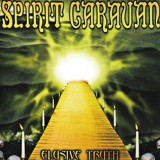
‘Elusive Truth’ was the second full-length record by D.C.-area doom rock Spirit Caravan led by the all time heavy lifer Scott ‘Wino’ Weinrich (The Obsessed, St. Vitus, Shrinebuilder, Probot). Originally released in 2001 and now remastered. “On this, Spirit Caravan's second foray into the long-player format, the band has collectively slowed down the tempo, and dropped the mood into even more contemplative territory. As the grandfather of modern stoner rock, Wino has certainly dipped his guitar picks in LSD this time around. Even though the engineering and production is bone dry and bottom heavy, Wino's psychedelic guitar work -- especially his stinging, busy leads -- has been ratcheted up a few clicks, even if the overall aesthetic is darker, and the superb musicianship from the trio simplified. The listener may be reminded of Hawkwind powered by an enormous diesel engine. As a title, Elusive Truth may indicate Wino's searching nature as a musician, and his attempt to continue down the sonic path through darkness, and through light. With this album, the listener is most certainly in darker territory.”
Since emerging in the early 2000s with releases on the seminal Merck label, Proswell (Joseph Misra) has proven to be one of the most original voices in IDM. People Are Giving And Receiving Things At Incredible Speeds (PAGARTAIS), his debut on Sheffield's Central Processing Unit, is another Proswell record which overflows with creative energy. Containing five widescreen electronic epics, PAGARTAIS showcases some of the most ambitious work in the discographies of both artist and label.
The core sonic palette of PAGARTAIS is one schooled in the IDM and electronica sounds of imprints like Rephlex Records, B12 and Skam. These tracks are helmed by thick washes of keys, an array of playful synth tones and drums so deft it's sometimes hard to tell whether they have been programmed or played live. However, across almost forty minutes of music here Proswell explodes preconceptions about genre and form, his music gleefully jumping from one new sound to the next while assimilating electro, prog, computer game music, post-jazz and pretty much everything in between.
Opener 'PAGARTAIS I' sets the tone for the rest of the record. This is a track which never sits still - beginning with a distorted melee of drums that comes off like a strange new version of breakbeat, 'PAGARTAIS I' moves through some thrillingly idiosyncratic takes on Rephlex-school IDM, stargazing Detroit electro and The Comet Is Coming's futurist electronic jazz across its near-ten-minute runtime. Following number 'PAGARTAIS II' is no less impressive, referencing the hyper-modern computer sounds of Iglooghost and Kai Whiston while containing a driving opening section which could have soundtracked one of the legendary Wipeout games.
Although this fabulously unpredictable record often zips along at high speeds, Proswell is also able to dial things back when he needs to. Indeed, the second half of PAGARTAIS finds him slowing down a tad in order to deliver some of the album's most atmospheric material - 'PAGARTAIS III' blends cutting-edge electronics with sonorous jazz harmonies and fizzing improvised lead lines, the mysterious 'PAGARTAIS IV' is a sort of freeform variation on the maximalist, colourful electronica of Galaxy Garden-era Lone, and the slinking computerised Braindance number 'PAGARTAIS V' recalls Calum Gunn's recent CPU drop Addenda.
Really, though, none of these comparisons quite do justice to the inventive capacity of this music - Proswell's in a lane of his own here. An incredibly innovative fusion record that takes in IDM, prog, computer music, electro and plenty more besides, People Are Giving And Receiving Things At Incredible Speeds (PAGARTAIS) is the sound of a unique musical mind in full flight.
RIYL: Calum Gunn, Kai Whiston, Iglooghost, Rustie, Bogdan Raczynski
out of Stock
Last delivered 4 years ago available to reorder, subject to availability
Hot Creations recruits Italian duo ItaloBros as the pair deliver three vibrant tracks across their latest EP, ‘Gosadera’
Hailing from Scalea, Italy, ItaloBros have been riding the wave of success, captivating dancefloors worldwide at venues like Ushuaia Ibiza, Motion Bristol, and PM Open Air in Buenos Aires and boasting releases on Circus, Material and Knee Deep In Sound, amongst others. With 2022 seeing the pair team up with Jerëmie for the release of their single 'Attention' on Hot Creations sister label' Hottrax, February now sees the duo step into the limelight as they drop their solo debut EP on the renowned Hot Creations with a trio of blazing tracks across 'Gosadera’.
Already becoming a mainstay in Marco Carola’s sets, ‘Gosadera’ kicks off with an orchestra of vibrant
trumpets and lively bongos layered on top of a relentless, grooving bassline. Next, ‘Story’ takes on their old-school roots, teasing lush piano chords complete with vibrant, punchy drums. Closing out the EP, ‘Amira’ showcases a deeper, sultry vibe with alluring male vocals at the core.
out of Stock
Last delivered 57 days ago available to reorder, subject to availability
You just moved to the big city, you end up at a party where you don't know anyone and someone walks up to you and asks: "Hey, are you alone here?". That is exactly the feeling that Porcelain id describes on their debut album Bibi:1, short for the Arabic pet name Habibi. Porcelain id is the pseudonym under which Hubert Tuyishime (they/them/their) has been unleashing unique songs since 2020.
The album - inspired by their move from a quiet provincial town to Antwerp - is the soundtrack to walking into city traffic during rush hour and trusting to get out of the chaos in one piece. It is an ode to exciting encounters with complete strangers and to the friends you can come home to afterwards. A story about being a stranger in a city you've romanticized for so long, the rejection that comes with it, and the false nostalgia with which you look back on it all later on.
At first hearing, the completely English-language Bibi:1 may seem like a brusque farewell to the autobiographical intimacy and lo-fi singer-songwriter music on the previously released EPs Mango and Reprise, and especially on songs like Vlaanderen. But to Porcelain id it feels like an organic evolution. One towards more abstraction, experimentation and electronics, but never detached, and still building on the core of Porcelain id.
The new sound is the result of an intense collaboration with producer and partner in crime Youniss Ahamad, who, despite their different musical backgrounds, immediately felt challenged after Porcelain id's legendary elevator pitch: 'I want to make something that is situated between Nick Cave and the Bad Seeds and Yeezus by Kanye West'.
Together they drew the blueprint for Bibi:1 in Youniss' home studio. Track by track, without looking back. A sporadic, but rigid process that added to the intensity of the album. In the studio, the songs were taken to a higher level. The two invited a pack of talented friends and young musicians to the studio to add parts, a stark contrast to the solitary approach of previous EPs. Aram Abgaryan (recording engineer/synths/vocals), Nard Houdmeyers (guitar), Tim Caramin (drums), David Idrisov (bass), Alban Sarens (sax) and Emma Hessels (vocals) came by. Aram Santy was at the controls during the mixing sessions.
The result sounds like the ultimate symbiosis of Porcelain id and Youniss. Lofi, but ambitious. Fragile, but rough. Poppy, but disruptive. Sometimes challenging. Then welcoming again. Sometimes even danceable. Each song forms a small vignette that is part of a diverse, but coherent unity. Adam Coming Home and Low Poly are closest to the melancholy of Porcelain id's earlier work, while Lights! strikes a new path. First single Man Down, on the other hand, is inspired by the Antwerp students who drown every year and sounds like a wandering nightly stroll through the city. For Brilliant, David Idrisov was asked to 'play bass as if Chet Baker were not a trumpet player, but a bass player', a bizarre assignment that he accomplished with verve. And Cellophane flirts with emo trap and was sung with raspberries between the teeth, to simulate the effect of grills.
High Roller Records, Als der inzwischen verstorbene Rhett Forrester die New Yorker Band Riot nach ihrem gut aufgenommenen Album "Born In America" von 1983 verließ, dauerte es nicht lange, bis er mit der Arbeit an seinem ersten Soloalbum begann. "Gone With The Wind" wurde ursprünglich 1984 auf dem französischen Label Bernett Records veröffentlicht. "Even The Score" von 1988 war das zweite und letzte offizielle Soloalbum von Rhett Forrester, da der legendäre Sänger am 22. Januar 1994 im Alter von 37 Jahren in Atlanta, Georgia, erschossen wurde. Obwohl auf "Even The Score" kein weiteres Studioalbum folgte, hörte Rhett nicht auf, neue Musik aufzunehmen. Er arbeitete mit verschiedenen Musikern in unterschiedlichen Bands und Projekten über einen Zeitraum von sechs Jahren bis zu seinem frühen Tod 1994 zusammen. Zwei davon sind auf "The Canadian Years" zu hören. Dr. Dirty (die Gruppe hieß ursprünglich Mr. Dirty, wurde aber wegen der Verwendung von zwei D's als Logo in Dr. Dirty umbenannt) war das Geistesprodukt des Gitarristen Rob Robins. Er erklärt: "Scot Gaines, der Bassist, und ich hatten schon fast ein Jahr lang geschrieben, als wir Rhett Forrester in Calgary trafen. Er hatte gerade seine Zeit bei Rick Plester's Black Symphony beendet. Wir waren auf der Suche nach einem Sänger, mit dem wir ein paar Gigs spielen konnten. Rhett wurde erwähnt, und wir trafen uns mit ihm, und es schien, als würde er gut passen! Wir haben ihm sofort die Songs vorgespielt, an denen wir gearbeitet hatten. Rhett war immer großartig im Studio und hat seine Parts aufgenommen. Ein echter Profi. Egal, was wir ihm vorsetzten, Rhett lieferte immer eine großartige Leistung ab." Die eigentlichen Demo-Sessions für Dr. Dirty fanden von 1992 bis Anfang 1993 statt. Rob Robins: "Wir haben vier Songs in Calgary aufgenommen: 'Red Bone Rock', 'Smoking Gun', 'In And Out' und 'Coming Home'. In LA haben wir 'Rescue Me', 'Hold On', 'Love Song' und 'Too Little Too Late' aufgenommen. Ursprünglich hatten wir ein gewisses Interesse von einem Label, gerade als sich das Projekt auflöste. Einer der wohl ungewöhnlichsten Beiträge von Rhett Forrester war 1992 (kurz vor den Dr. Dirty-Sessions) in Form von The Black Symphony (bestehend aus den drei Songs "In The Beginning", "Redemption" und "End Of Time") entstanden. Black Symphony war das Baby des kanadischen Gitarristen Rick Plester, der erklärt: "Ich habe so ziemlich das gesamte Material für die fünf Alben von The Black Symphony geschrieben. Ich habe in Magazinen in ganz Nordamerika Anzeigen für einen Leadsänger geschaltet und Rhett Forester hat sich gemeldet. Als er mich aus heiterem Himmel anrief, war ich angenehm überrascht, denn ich war schon vorher ein Fan von Riot gewesen. Ein paar Wochen später flogen wir Rhett nach Calgary in Kanada, wo ich zu der Zeit lebte. Einige Tage nach seiner Ankunft nahmen wir drei Songs in einem Studio in Calgary auf. Rhett war sehr unterhaltsam, es machte Spaß, mit ihm zusammen zu sein. Ich genoss seine Freundschaft. Er war sehr engagiert und brachte eine Menge mit. Am Ende war es traurig, dass ich ihn wegen seiner Drogenprobleme und abgebrannten Brücken gehen lassen musste."
High Roller Records, Als der inzwischen verstorbene Rhett Forrester die New Yorker Band Riot nach ihrem gut aufgenommenen Album "Born In America" von 1983 verließ, dauerte es nicht lange, bis er mit der Arbeit an seinem ersten Soloalbum begann. "Gone With The Wind" wurde ursprünglich 1984 auf dem französischen Label Bernett Records veröffentlicht. "Even The Score" von 1988 war das zweite und letzte offizielle Soloalbum von Rhett Forrester, da der legendäre Sänger am 22. Januar 1994 im Alter von 37 Jahren in Atlanta, Georgia, erschossen wurde. Obwohl auf "Even The Score" kein weiteres Studioalbum folgte, hörte Rhett nicht auf, neue Musik aufzunehmen. Er arbeitete mit verschiedenen Musikern in unterschiedlichen Bands und Projekten über einen Zeitraum von sechs Jahren bis zu seinem frühen Tod 1994 zusammen. Zwei davon sind auf "The Canadian Years" zu hören. Dr. Dirty (die Gruppe hieß ursprünglich Mr. Dirty, wurde aber wegen der Verwendung von zwei D's als Logo in Dr. Dirty umbenannt) war das Geistesprodukt des Gitarristen Rob Robins. Er erklärt: "Scot Gaines, der Bassist, und ich hatten schon fast ein Jahr lang geschrieben, als wir Rhett Forrester in Calgary trafen. Er hatte gerade seine Zeit bei Rick Plester's Black Symphony beendet. Wir waren auf der Suche nach einem Sänger, mit dem wir ein paar Gigs spielen konnten. Rhett wurde erwähnt, und wir trafen uns mit ihm, und es schien, als würde er gut passen! Wir haben ihm sofort die Songs vorgespielt, an denen wir gearbeitet hatten. Rhett war immer großartig im Studio und hat seine Parts aufgenommen. Ein echter Profi. Egal, was wir ihm vorsetzten, Rhett lieferte immer eine großartige Leistung ab." Die eigentlichen Demo-Sessions für Dr. Dirty fanden von 1992 bis Anfang 1993 statt. Rob Robins: "Wir haben vier Songs in Calgary aufgenommen: 'Red Bone Rock', 'Smoking Gun', 'In And Out' und 'Coming Home'. In LA haben wir 'Rescue Me', 'Hold On', 'Love Song' und 'Too Little Too Late' aufgenommen. Ursprünglich hatten wir ein gewisses Interesse von einem Label, gerade als sich das Projekt auflöste. Einer der wohl ungewöhnlichsten Beiträge von Rhett Forrester war 1992 (kurz vor den Dr. Dirty-Sessions) in Form von The Black Symphony (bestehend aus den drei Songs "In The Beginning", "Redemption" und "End Of Time") entstanden. Black Symphony war das Baby des kanadischen Gitarristen Rick Plester, der erklärt: "Ich habe so ziemlich das gesamte Material für die fünf Alben von The Black Symphony geschrieben. Ich habe in Magazinen in ganz Nordamerika Anzeigen für einen Leadsänger geschaltet und Rhett Forester hat sich gemeldet. Als er mich aus heiterem Himmel anrief, war ich angenehm überrascht, denn ich war schon vorher ein Fan von Riot gewesen. Ein paar Wochen später flogen wir Rhett nach Calgary in Kanada, wo ich zu der Zeit lebte. Einige Tage nach seiner Ankunft nahmen wir drei Songs in einem Studio in Calgary auf. Rhett war sehr unterhaltsam, es machte Spaß, mit ihm zusammen zu sein. Ich genoss seine Freundschaft. Er war sehr engagiert und brachte eine Menge mit. Am Ende war es traurig, dass ich ihn wegen seiner Drogenprobleme und abgebrannten Brücken gehen lassen musste."
In 1994, UK ambient pioneers O Yuki Conjugate recorded their landmark Equator album. To mark the 30th anniversary of this musical milestone, many of the same personnel – Roger Horberry (co-founder of O Yuki Conjugate), Dan Mudford (ex-Sons of Silence and co-creator of the Shaun of the Dead soundtrack), Joe Lamb (ex-Sons of Silence) and Malcolm McGeorge – came together to make New Meridian, reflecting the range of influences they’ve picked up over the intervening years.
Generously described as “almost like normal music”, the eight tracks of New Meridian feature instrumentation ranging from classic analogue to actual wooden logs. The result takes you on a rain-drenched, open-top ride from Electronica Avenue to the drone caverns of Uranus, with various Fourth World ambi-dub diversions along the way. File under: duress.
out of Stock
Last delivered 2 years ago available to reorder, subject to availability
Die legendären Schweizer Industrial-Black-Metaller SAMAEL veröffentlichen ihr Live-Album Passage - Live, am 16. Februar 2024 über Napalm Records!
Aufgenommen während eines ausverkauften Konzerts in Krakau am letzten Tag der europäischen Etappe der Passage 25th Anniversary Tour, lässt
Passage - Live das bahnbrechende 1996er Album in neuem Glanz erstrahlen. "Dieses Album ist eine Feier eines Albums, das einen Meilenstein in
unserer Geschichte darstellt. Das Album, das uns zu der Band gemacht hat, die wir heute sind“, sagt die Band selbst.
Es war das erste Mal, dass das Album komplett und in voller Länge Live gespielt wurde. Die Songs sind die gleichen geblieben, aber eingefangen in der
Dringlichkeit einer Live-Umgebung, erscheinen sie rauer und schwerer als auf dem originalen Album – ein Vierteljahrhundert nach Veröffentlichung
ist Passage jetzt eindringlich wie nie zu hören. Dabei ist Passage - Live die erste offizielle Aufnahme mit der aktuellen Besetzung der Band. Die neuen
Mitglieder Drop und Ales, die beide Fans des Albums waren, bevor sie der Band beitraten, verleihen der Musik eine neue Energie.
Passage - Live ist das Zeugnis eines Albums, das eine ganze Generation von Metal-Fans geprägt hat, als SAMAEL sich in Richtung eines industrielleren
Sounds bewegte, sich von ihren Wurzeln im Black Metal entfernte und gleichzeitig die Band einem breiteren internationalen Publikum zugänglich
machte. Passage hat den Test der Zeit bestanden und ist heute noch genauso frisch wie bei Erscheinen. Mit Passage - Live erweisen SAMAEL einem
der wichtigsten Alben in der Geschichte der Band die Ehre und lassen es in einem nie zuvor auf Platte gehörten Gewand erstrahlen!
This freakbeat jelly belly delight showcases the Bandits’ vaudeville humor, garage rock & catchy psychedelic pop! Considered a cult classic, this mixed bag of candy-coated fuzz is sure to satisfy your sweet tooth! Our favored stereo mix, pressed on yellow vinyl! Newburgh, New York psych-punks the Jelly Bean Bandits formed in 1966. Originally known as “The Mirror,” the band regularly packed area nightspots like the local Trade Winds, Poughkeepsie's Buccaneer Nightclub, and Burlington, Vermont's Red Dog.
In due time, they recorded a three-song demo reel that resulted in a three-album recording contract with Mainstream Records – however, unknown to Mainstream, these three songs represented the sum total of the Jelly Bean Bandits' repertoire, forcing the band to write enough additional material to flesh out a full-length LP in the course of a week. Amazingly, their eponymous 1967 debut is excellent, a freakbeat cult classic distinguished by emotive guitar and some innovative production techniques – all the more impressive, the album was recorded in a single 12-hour stretch. Mainstream hated the end result, however, and dropped the Jelly Bean Bandits just as they were commencing work on the follow-up – only one song was completed before the sessions were aborted, leaving just one ‘60s studio album from these confectionary con-artists. – Jason Ankeny
"The Jelly Bean Bandits" includes the following tracks: "Poor Precious Dreams", "Going Nowhere", "Goodtime Feeling", "Neon River" and more.
This version of the album comes as a 1xLP pressed on yellow vinyl.
When HorrorPops say Bring It On, it"s as much about the music as it is about kicking ass. While never dropping their trademark sexy, horror-flick flair, Bring It On!, produced by BAD RELIGION"s BRETT GUREWITZ, revealed new depths of songwriting. Brash, Link Wray guitars; singer Patricia"s sultry petulance; throbbing standup bass - all served up in loving tribute to the brooding pop of 80s icons like Blondie and Siouxsie Sioux. First repress since the original release in 2005.
In the beginning was a half-truth, the truth was of war and the half-truth was post-war. Fancying the pretensions of its cultural superiority, a continent chose to hide the truth behind ridiculous jargon and the soothing distance of offshored ?????????. Europe wished itself beyond war because it thought the privilege of peace a birthright, just as it refused to understand that post-war was a euphemism for interbellum. Then the truth has set us free.
The delusion was discarded and war was revealed as an inconceivable horror. Almost immediately it turned familiar and virtually comfortable. Novelty songs of drones gutting tanks became a laughing matter and the burning tanks, their crew inside, entertainment. Consequently, a plurality of people started to collectively dream of new stages of the righteous kind of carnage. This happened within weeks.
Our imagination has swollen to the point of loss of consciousness, compounded by the narrative form long in the sways of atrophy. All of this raises the question of to what degree were the years of peace culturally squandered. The art of the previous age prided itself on self-awareness, today we fail to even notice that we no longer recognize ourselves. But we have arrived where we started and our issues were not too complex for expression.
Since no art form generates action, the most appropriate art for a culture on the edge of extinction is one that simulates pain. In these times we shouldn't produce any other music, none but this, intended to prevent our silence from being misinterpreted.
For the last seven years, sound artist, technologist, and electronic musician Moisés Horta Valenzuela (aka Hexorcismos) has been studying artificial intelligence and generative art, wondering how these new technologies might be augmented into his musical process. Born in Tijuana and currently based in Berlin, Hexorcismos has long attempted to break down the permeable borders between musical styles and expressions, using the spaces in between to reinforce his politics and worldview. And on 'MUTALISMX - becoming sonic network', he expands his vision, inviting artists from across the globe to collaborate on work that questions the biases inherent in AI models, offering a collective alternative that could serve as a blueprint for further research.
The majority of AI art at this stage works with "big data", taking ideas from the cultural canon and muddying them with our contemporary reality. But if we accept that mass culture is always politically biased, always swaying towards historical prejudices, then there must be a counter-narrative. Hexorcismos began to develop a bottom-up approach, using "small data" to interrogate his idiosyncratic approach to art; he built a tool called SEMILLA.AI based on neural audio synthesis that could not only mimic his sonic fingerprint but transform it into another. So when he offered the synth to his network of collaborators, he gave them the option of either using only their data or sharing the signatures of each other artist involved in the project, blurring their identities into a mutual voice.
The result is a compilation that unspools with the coherence and fluidity of a single-artist album or adventurous DJ mix, genreless and boundless but unified by a singular message. Hunanese-American artist Kloxii Li for example takes rugged percussion and tense, industrial ambience, smudging her soundscape into a swirling gust of ghostly dissonance. Hexorcismos himself contributes two compositions: the lengthy, hypnotic 'Acaso de veras se vive con raíz en la Tierra', an AI-powered scramble of his pointed tribal guarachero experiments; and 'Interferencias', a collaboration with Mexican club veteran Bryan Dálvez, aka El Irreal Veintiuno that drives intense dancefloor rhythms into a dense haze of frozen drones and radio static. Elsewhere, Berlin-based Lebanese artist and writer Jessika Khazrik dissolves her voice into a mesh of obscured rhythms and dissociated whirrs, blending the organic with the artificial but retaining an overpowering sense of humanity.
Some artists were drawn to the nebulous aspects of the technology, searching for truth in a soup of different sounds, while others, such as KMRU, used Hexorcismos's synthesizer the examine their output. On 'hidden options', the Kenyan sound artist fed his immense catalog into the neural net, bringing out his mannerisms and tendencies in the process. Each track is singular but myriad, prompting both mutual respect and a sonic becoming, a feedback process between the artist and the tool, the individual and the collective. Data sets are made by people, and by engaging directly with musicians, Hexorcismos suggests a new way of utilizing a technology demonized and glorified without careful examination. Each artist owns their AI model, and alongside the album Hexorcismos will release SEMILLA.AI to the public (with custom-made models to start the process), allowing anyone to access this revolutionary technology.
Even the album's artwork reflects the political message, conceptualized by Chilean duo hypereikon, who used AI processes to develop a visual reflection of the technology and its possibilities. Operating outside of academia and capitalist enterprises, MUTUALISMX proposes an alternative future - one without borders that's not beholden to the Western canon, where independent labor can be prioritized and celebrated, and where creativity can truly flourish.
out of Stock
Last delivered 2 years ago available to reorder, subject to availability
Limited pastel red LP version! 2022 RZA LP, who reprises his own Bobby Digital Production Persona for this one, produced in association with DJ Scratch. Back in 1998, RZA had already cemented his status as Wu-Tang Clan's man behind the boards, producing the entirety of the group's respective solo albums. But when it came to his own breakout moment, the producer opted to introduce the world to Bobby Digital, a cartoonishly hedonistic mad-rapping alter-ego and grew so fond of the character that he released another album under the moniker before finally delivering 2003's Birth of a Prince as the RZA. Now it seems Bobby Digital is back in the picture and potentially set square up with his host. On Friday, RZA announced a new album, RZA vs. Bobby Digital, with the release of the hard-hitting new single, "Saturday Afternoon Kung Fu Theater." According to a press release, production on the album is handled by DJ Scratch. "Giving Scratch the reins as a producer and me taking the reins as an MC, that's what frees me up creatively and lets me play more with lyrical gags and lyrical flows because I don't have to be focused on everything," the producer noted in a statement. The new single marks the second Bobby Digital drop of the year, following "Pugilism," which was slated to be featured on the long-rumored project, The Cure, but seems to be a part of another upcoming collection of songs under the moniker titled Digital Potions. However, neither of those projects have a firm release date at the moment.
Musica Per Immagini is about to go beyond vinyl reissues of soundtracks and music libraries, with a brand new series of products.
From 2024 onwards, it will release a series of albums of contemporary and electronic music often "inspired by" different sources, both sonic, if not literary and cinematographic. A way to embrace the future without forgetting the past.
Heinrich Dressel's “Polarlys” is the first album of unreleased tracks published by Musica Per Immagini, or a soundtrack for a imaginary noir film set in the icy waters of northern Europe, inspired by the book “The Mystery of the Polarlys” by Georges Simenon. Drones and ethereal atmospheres are paired with a cinematic background in order to describe the frost of the northern seas and the restlessness of the journey: beyond the classic analog sounds, a specific use of additive and vector synthesis particularly in vogue during the Nineties and typical of vintage synthesizers.
out of Stock
Last delivered 2 years ago available to reorder, subject to availability
Egil Kalman has levelled up on this one; we were stunned by his last solo opus, and on ‘Forest of Tines’, the bassist/synthesist has traded the EMS Synthi 100 for the Buchla Series 200, recording at Stockholm’s illustrious Elektronmusikstudion (EMS). Here, he builds on themes he explored on his debut with a generous 20 track double album that marks firmer lines between Scandinavian folk music and contemporary electro- acoustic minimalism.
Using woody, synthesised tones that gradually open into sawing wails, Kalman suggests harmonies that lie between the 17th century polska and earlier, pre-Renaissance sounds, mimicking the tonal and textural fluctuations of strings with advanced tuning and sequencing techniques. There are plenty of artists delving into the past to unravel their identity, but Kalman’s approach is refreshingly unadulterated. He recorded the entire set on the fly, using just spring reverb to add extra texture, without overdubs or modern DAW-style layering, the Buchla 200 played almost like an acoustic instrument.
There’s a glimmer of vintage acid on the lithe ‘Dub One’, a complex, rhythmic experiment that lashes its pulses together with willowy portamento slides. And on ‘Klystron’, he absorbs warehouse techno’s architectural oomph, splaying psychedelic, reverberating ascending sequences over jagged kicks; listen carefully, and there’s something else going on in the background too, as Kalman meets his stabs with flute-like echoes. It’s a peculiar cocktail of ideas and provocations: ‘Mbira’ finds the composer shaping his synth into dusty, fluttering hits that resemble the titular Zimbabwean finger harp, and on ‘Drums’, he pipes pre-recorded percussion through the system, triggering its oscillators and helping shape its rhythmic patterns. He’s most comfortable when he’s mines a hazier past, ‘Autumn Leaves’ is a mystickal, just intoned droner that harmonises with Mattias Petersson’s awesome ‘Triangular Progressions’, and ‘Subtines’ sounds as if Kalman has deployed his instrument in a subterranean crevice, resonating his rumbles around synthetic water droplets.
If it’s uncanny court music you’re particularly interested in, there’s plenty of that too. ‘Polska’ is another sublimely hauntological Swedish folk interpolation, while closing track ‘Ocquet’ appears to blur Kalman’s ideas more thoroughly, melting folk phrasing and peaceful, uneasy drones to draw us to a neat conclusion. Soft-hearted but animated, it’s modern electronic music that isn’t afraid of employing vintage techniques to suggest new directions.
While the German producer Martin Matiske averages a new release under his given name every few years, there was a long stretch of time in which sightings of his Blackploid alias were much more rare. After dropping an EP for Frustrated Funk in 2006, fans found further material hard to come by over the next decade or so. However, Matiske has reinvigorated Blackploid in recent times, with the project making a few compilation appearances and dropping a couple of EPs across 2020.
That run now culminates inCosmic Traveler, a four-track affair which marks Matiske's debut appearance on Sheffield's Central Processing Unit. Given the long wait, it's great just to see Blackploid back among the fray once again. But for the project's CPU curtain-raiser to be an EP of such high-quality techno jams? Now that really is spoiling us.
Cosmic Traveler's title nods towards the sort of stargazing aesthetics one finds in classic Detroit techno. However, while there are undoubtedly ties to the Motor City in this music, the record ultimately steers less towards spacious atmospherics and more towards the taut, lean machine-funk of seminal practitioners like Dopplereffekt.
Matiske sets his stall out from the off. Opener 'Electric Engine' begins with a run of stiff-necked 808 kicks before hissing hi-hats, a grizzly bassline and all manner of futuristic sounds enter to warp the tune into hyperspace. Following cut 'Night Drive' repeats the trick of 'Electric Engine' but adds a pleasingly dinky synth lead in order to nudge itself slightly towards bleep-techno territory.
The two cuts on Cosmic Traveler's B-side are pure late-night goodness, a pair of mid-set heaters primed for dark basements. 'Pleasure Activism' delivers on the promise of its title and then some, pushing the Kraftwerk template to extremes by bringing a load of gnarly synth lines into play over a wobbling acidic chug. Finally, EP closer 'The Race' is reminiscent of both the twisted machine-funk of Gerald Donald's Japanese Telecom project and the playful modern evolutions of artists like fellow CPU high-flyer Jensen Interceptor.
The resurgence of Martin Matiske's Blackploid project continues withCosmic Traveller, an EP of timeless electro-funk and techno.
FFO: Dopplereffekt, Japanese Telecom, Jensen Interceptor, Cardopusher
out of Stock
Last delivered 11 months ago available to reorder, subject to availability
Dropping into chapters four and five of his Midnight Themes series, Marlon Hoffstadt responds to this summer's double set of 'Human Interpretations' - where Gramrcy, Eric Maltz, Johannes Albert, Bawrut and others remixed his previous work - with a two part EP of original material titled 'Law Of Attraction'. Marlon has steadily chiseled his way back into the scene with a series of acclaimed releases and is now in full swing with his Midnight Themes label and his Savour The Moment parties. For 'Part One', the Berlin native delivers four bold tracks, building bridges between classic sounds and a distinct knack for melodies. It's uplifting techno for a hopeful future and these killer cuts are ready and waiting to hit the dancefloors. Speaking of dancefloors, join Marlon to celebrate the release of both EPs on December 8th at Renate alongside DMX Krew, Kowton, Meggy, Gigsta and many more.
Michal Vaľko, aka Line Gate makes a return to mappa with his third cassette for the label. Once again the material is deeply minimalist, but shows marked evolutions in the Slovak, Prague-based artist’s unique trajectory. This time comprising two relatively short pieces (compared to the 40- and 60-minute works previously published on mappa), 'Trap' is perhaps Line Gate’s darkest yet.
Whereas previously his works focused on psychoacoustic phenomena, or highlighted the sacredness and timelessness of “the drone”, ‘Trap’ is a personal reflection of the artist’s innermost feelings, and perhaps a mirror that is held up to each listener: disillusionment, hopelessness and apathy have become an ever-present features of the society around us. ‘Trap’ very directly expresses the feelings of being lost, of despair, of wandering and not seeing the end. Vaľko utilises drones and repetitive vocal/instrumental phrases to express the endlessness of these feelings, and his own captivity within them.
The pieces draw once again on the hurdy-gurdy, but also on Vaľko’s processed, sometimes transposed voice. On “Maze I” layers of humming voices and meandering sung melodies form an impenetrable wall of sound, as the voices’ timbres intertwine and overlap, giving rise to fascinating overtones and singular resonances. On “Maze II” Vaľko returns to the earthy sound of the hurdy-gurdy alongside some deep, crooning voices (transposed an octave lower) and embellishes its drones with a performance on glass cups. More than ever, Line Gate's music resonates not just in sonic terms, but also in its deep humanity and social relevance.
out of Stock
Last delivered 7 months ago available to reorder, subject to availability
Blue Lake is the musical moniker of American born, Copenhagen based multidisciplinary artist and musician Jason Dungan, who signs to the Tonal Union imprint for the release of his new longform album ‘Sun Arcs’. It follows 2022’s release ‘Stikling’, earning a nomination for ‘Album of the Year’ at the Danish Music Awards plus warm praise from The Hum blog and musicians and DJs alike including Jack Rollo (Time is Away/NTS) and Carla dal Forno. A self taught player, Dungan began freely experimenting with self-built multi-string instruments, preferring to build his own hybrid 48-string zither and working in the realms of left-field ambient music, off kilter folk and improvised acoustic minimalism.
The starting point of ‘Sun Arcs’ saw Jason travel for a week alone to Andersabo, a cabin set in the idyllic Swedish woods just outside of Unnaryd, known also as the music project, festival and residency space which has been run by Dungan since 2016, hosting artists like Sofie Birch, Johan Carøe and Ellen Arkbro. Whilst writing 1-2 pieces per day, a conscious decision was made to leave behind everyday distractions and shut out the outside world to instead focus on the natural passage of time as Dungan recalls: “My only sense of time came from these daily walks out in the woods with my dog, and an awareness of the sun’s path as it moved across the sky each day.”
The album’s immersive world unfolds with the opener ‘Dallas’, an ode to his home state and a musical synthesis of these two disparate spaces (Texas and Denmark), the touchstones of Dungan’s life. A folk-esque single acoustic builds to a flowing arrangement of clarinets, organ and cello drones coupled with percussion. ‘Green-Yellow Field’ chimes in as the first of two solo oriented zither recordings twinned with the dreamlike title track ‘Sun Arcs’, both densely rich as cascading and overlapping harmonic tones resound. ‘Bloom’ emerges with a krautrock psyche before an eruption of cello drones, slide guitar and free-ranging zither playing, ushering in the anticipation of spring. With half of the recordings conceived in Andersabo, Jason returned to Copenhagen to form the album's centre piece ‘Rain Cycle’ which features a tempered Roland drum machine alongside shifting zither improvisations. ‘Writing’ explores the shimmering harp-like qualities of sweeping playing figurations with Dungan mapping out adjusted tuning “zones” on the zither for unconventional but creatively liberating effects. ‘Fur’ captures the feeling of openness and the momentum of time, seeing Dungan perform waves of solo clarinet, often in one takes and embellished with textural drones, a zither solo, and layers of guitar. ‘Wavelength’ the album's closer is fondly inspired by the film works of Michael Snow and Don Cherry’s seminal live album ‘Blue Lake’ (1974), as it builds out from a drone-generated zither chord and features an alto recorder solo. Dungan found a deep connection to Cherry’s stripped back performance ethos, focusing on the core beauty of minimal instrumentation creating a genre-less meeting between folk and jazz. A dialogue is formed between the solo and the bandlike performances, interlinked in a geographical duality with all finding a sense of commonplace as musical sketches of visited landscapes. The bountiful instrumentation ebbs and flows as further layers emerge with Dungan constructing his material much like an artist would, recording and reviewing, adding and subtracting.
Musically it portrays a form of double life led by an American-identifying person living in Scandinavia, and a new found presence in Denmark, seeking out underdeveloped marshlands and barren stretches of beach adrift from other rhythms and distractions. Highlighting their individual and potent importance Dungan concludes: “Both places feel like “me”, I think on some level the music is always some kind of self-portrait.” ‘Sun Arcs’ depicts the intricate balance of nature’s cycles and the paths outlined by the seasons, from a winter dormancy to a warm sun drenched scene. The album scales new glorying heights and further defines Dungan’s musical narrative, inhabiting a unique space in left-field, improvised and experimental music, borning his most accomplished compositions to date. A singular and visionary expression, drawing on an array of instruments and sound worlds with a renewed sense of joy and discovery.
The album's rich tapestry was mixed by Jeff Zeigler (Laraaji, Mary Lattimore, Kurt Vile /Steve Gunn) and mastered by Stephan Mathieu (Kali Malone, KMRU, Félicia Atkinson).
Fresh from delivering a stellar remix on Subtle Audio, Earl Grey drops a stellar four tracker of dark and smoke-filled vibes on Rua Sound. Its a moody, doped-up trip worth taking as a scary soundtrack into the darkness with plenty of frantic, detailed precussion to lead you off the beaten track.
out of Stock
Last delivered 14 months ago available to reorder, subject to availability
Sepulchral Voice, 12“ LP, black 140g / printed insert, 'Procul His' ist ein unerbittlicher Katarakt aus mäandernden Riffs, der jeden Aspekt früherer Veröffentlichungen erweitert und verbessert. Einzigartig, eindringlich und mysteriös, eine weitere schwarze Manifestation von Drowned's Korpus der auralen Halluzinationen. Drowned haben ein Album produziert, das zwischen versengendem Death-Thrash, treibenden remolo-Noten und doomigen Klageliedern oszilliert und in der Zeit transzendiert: in der Vergangenheit verwurzelt, und doch nach vorne blickend.
Opaque Yellow Vinyl
Orgone sind zurück in Kalifornien und kommen mit "Chimera", einem feuerspeienden Spektakel aus psychedelischem Afro-Soul, in Fahrt. Produziert von Sergio Rios (Neal Francis, Say She She), ist "Chimera" eine elektrisierende, traumähnliche Odyssee, die durch die nebligen Sümpfe von New Orleans führt und Texturen von betörendem Voodoo-Soul, dröhnendem Afro-Funk und steinhartem Psych-Rock verwebt. Auf "Chimera" verwandelt die Band aus Los Angeles harte, düstere und ansteckende Grooves in mitreißende Tanzrhythmen. "Chimera", benannt nach einem mythischen Tier mit dem Kopf eines Löwen, dem Körper einer Ziege und dem Schwanz einer Schlange, beschwört einen Zustand herauf, der gleichzeitig tranceartig und herzzerreißend aufregend ist. Das Album beginnt wie eine berauschende Rauchwolke im Gesicht mit "Hallowed Dreams" und zieht den Hörer in einen Zustand, in dem die Realität verschwimmt und die Musik die Kontrolle übernimmt. Der Fokus-Track "Zum Zum" ist ein mitreißender Afro-Funk-Tanzflächeneinheizer, der den Herzschlag mit der treibenden Perkussion synchronisiert, wobei sich der hypnotische Rhythmus zu einem rauschenden, psychedelischen Höhepunkt aufbaut. Auf dem rauen und mitreißenden "Tula Muisi (Dance Like Them)", einer Mischung aus Afrobeat und schwerem Psych-Rock, ruft der Sänger zu Einheit und Respekt auf, was übersetzt so viel heißt wie "Hört die Musik und tanzt wie sie". Die Band ist bekannt für ihre packenden Instrumentalstücke und ihre mitreißende Live-Show. Das verdiente Selbstvertrauen dieser bewährten und kultigen Band ist auf "Chimera" zu hören. Von Anfang an war Orgone eine Chimäre - eine facettenreiche Schöpfung und die physische Manifestation unmöglicher quixotischer Träume. Chimera wird Fans der frühen Orgone begeistern und gleichzeitig die mühelose und unendliche Fähigkeit der Band zeigen, ihre Form zu verändern. Es ist ein elektrisierendes, hypnotisierendes Album, das die Erwartungen übertrifft und den Hörer in Atem hält.
Orgone sind zurück in Kalifornien und kommen mit "Chimera", einem feuerspeienden Spektakel aus psychedelischem Afro-Soul, in Fahrt. Produziert von Sergio Rios (Neal Francis, Say She She), ist "Chimera" eine elektrisierende, traumähnliche Odyssee, die durch die nebligen Sümpfe von New Orleans führt und Texturen von betörendem Voodoo-Soul, dröhnendem Afro-Funk und steinhartem Psych-Rock verwebt. Auf "Chimera" verwandelt die Band aus Los Angeles harte, düstere und ansteckende Grooves in mitreißende Tanzrhythmen. "Chimera", benannt nach einem mythischen Tier mit dem Kopf eines Löwen, dem Körper einer Ziege und dem Schwanz einer Schlange, beschwört einen Zustand herauf, der gleichzeitig tranceartig und herzzerreißend aufregend ist. Das Album beginnt wie eine berauschende Rauchwolke im Gesicht mit "Hallowed Dreams" und zieht den Hörer in einen Zustand, in dem die Realität verschwimmt und die Musik die Kontrolle übernimmt. Der Fokus-Track "Zum Zum" ist ein mitreißender Afro-Funk-Tanzflächeneinheizer, der den Herzschlag mit der treibenden Perkussion synchronisiert, wobei sich der hypnotische Rhythmus zu einem rauschenden, psychedelischen Höhepunkt aufbaut. Auf dem rauen und mitreißenden "Tula Muisi (Dance Like Them)", einer Mischung aus Afrobeat und schwerem Psych-Rock, ruft der Sänger zu Einheit und Respekt auf, was übersetzt so viel heißt wie "Hört die Musik und tanzt wie sie". Die Band ist bekannt für ihre packenden Instrumentalstücke und ihre mitreißende Live-Show. Das verdiente Selbstvertrauen dieser bewährten und kultigen Band ist auf "Chimera" zu hören. Von Anfang an war Orgone eine Chimäre - eine facettenreiche Schöpfung und die physische Manifestation unmöglicher quixotischer Träume. Chimera wird Fans der frühen Orgone begeistern und gleichzeitig die mühelose und unendliche Fähigkeit der Band zeigen, ihre Form zu verändern. Es ist ein elektrisierendes, hypnotisierendes Album, das die Erwartungen übertrifft und den Hörer in Atem hält.