Shady Nasty subvert expectations. In a world bound by modded cars, immigrant heritage and digital obsessions, Kevin Stathis, Haydn Green and Luca Watson craft a left-field breed of punk that pushes their formal training in jazz and classical music to its most uncustomary extremes. Influences like King Krule and Low Life surface not as reference points, but as undercurrents absorbed and reconfigured into something unmistakably their own. Debut album TREK has surpassed 2M streams - named one of Rolling Stone Australia's 50 Best Australian Albums of 2025. Fred again.. co-sign ("literally my favourite band in the world right now") drove a major viral surge, leading to collaborative singles "Air Maxes" and "HARDSTYLE 2" (with Fred again.. & KETTAMA), BBC Radio 1 Hottest Record. Sold-out UK debut at The Windmill, London; sold-out album shows across Australia; national support for The Streets (Sydney Opera House Forecourt, Palace Foreshore Melbourne, Fremantle Arts Centre).
Live dates continue into 2026 with Shady Nasty returning to the UK/EU as part of their TREK Tour, hitting up venues in London (Moth Club), Bristol (Strange Brew), Leeds (Hyde Park Book Club), Glasgow (SWG3 Poetry Club), Dublin (Whelan's), Cologne (Garagen), and Berlin (Mikropol), as well as Marrapalooza in Newcastle, Best Kept Secret Festival (NL), and Outbreak Festival in Manchester, before heading to Australia for shows in Brisbane (The Tivoli), Newcastle (King Street Bandroom), Wollongong (UOW Unibar), and Canberra (Fun Time Pony), then back to the UK for All Points East festival, curated by Tyler, the Creator, in August, and a full North American run supporting Militarie Gun (Sept-Oct 2026).
RocAmeriKKKa 3 marks the third and most refined chapter in the ongoing alliance between Flee Lord and ETO—two architects of modern East Coast street rap whose chemistry is rooted in precision, pain, and unfiltered realism.
Building on the foundation laid by the previous installments, RocAmeriKKKa 3 sharpens the series’ core aesthetic: cinematic production, stark lyricism, and an uncompromising portrayal of survival and ambition. Flee Lord’s militant cadence and razor-edged delivery collide seamlessly with ETO’s calculated, introspective bars, creating a dynamic that feels both confrontational and methodical. The result is a body of work that operates like a street manifesto—cold, deliberate, and unapologetic.
The album is elevated by a heavyweight supporting cast. Conway The Machine brings his signature steel-plated intensity, reinforcing the project’s Griselda-adjacent grit. NEMS injects raw, high-energy aggression, while Vel Nine adds sharp lyricism and perspective that cut clean through the production. Starz Coleman and Mummz contribute distinct textures, expanding the sonic palette without compromising the project’s hard-edged identity.
Sonically, RocAmeriKKKa 3 leans into brooding loops, stripped-down drums, and ominous sample work—production that leaves space for bars to breathe while maintaining a sense of tension throughout. There are no gimmicks here—just calculated storytelling, street philosophy, and the kind of lived-in authenticity that defines both artists’ catalogs.
As the third installment, this project doesn’t merely continue the series—it solidifies it. RocAmeriKKKa 3 stands as a testament to consistency, evolution, and the discipline of two emcees who understand that longevity in this lane is built on substance, not spectacle.
For nearly four decades, since its founding during the mid 1980s, the Belgian imprint, Sub Rosa, has continuously plumbed the depths of numerous, radical creative histories, assembling a catalog of releases that has almost no equivalent, while remaining nearly impossible to nail down. That said, for most of its run, Sub Rosa has been primarily recognized for its rigorous explorations of the lesser explored shadows of experimental sound practice (sound-art, sound-poetry, early electronic and electroacoustic music, free-improvisation, etc.), delivering a remarkable body of artifacts that have collectively helped to rewrite history in their wake. While it's always been impossible to anticipate where the label might take us next, threading their catalog are plenty of releases that throw further wrenches in the cogs, expanding our understanding of what they pursue, as in the case of a handful of titles, appearing as early as the 1980s, dedicated to ethnographic field-recordings from various parts of the world. Among the most striking and celebrated of these was 2017's Ethiopian Urban And Tribal Music: Mindanoo Mistiru / Gold From Wax, comprising an astounding body of recordings made by Ragnar Johnson and Ralph Harrisson in Ethiopia during 1971, reissuing material originally released by Lyrichord the following year. Now, Sub Rosa returns to the incredible work embarked upon by the pair and captured on that same trip with Ethiopian Musics 1971, comprising the recordings originally released by Ocora shortly after their completion, expanded in this edition to include an entire disc of never before released music. Widely regarded as some of the most important field-recordings ever made of indigenous Ethiopian folk music (as captivating and intoxicating as they are revelatory: providing insights into the roots of the country's singular traditions of popular music and jazz that have come to be celebrated the world over), this incredible collection is issued by Sub Rosa in a beautifully produced 2LP edition, complemented by a four page insert providing detailed descriptions of each song, as well as notes by the ethnomusicologists and recordists, as well as a 2CD edition, with a twelve page booklet. Insanely good and absolutely essential for any fan of field-recording, ethnomusicology, the music of Ethiopia, or the label's mission at large. Once again, Sub Rosa has defied our expectations and delivered a remarkably important intervention in the history of recorded sound.
Located in the Horn of Africa region of East Africa, few cultures are distinctly singular, while being so diverse (containing 80 distinct ethnic groups who speak 70 languages and 200 dialects) as that of Ethiopia. The home to some of the oldest surviving sects of Judaism, Christianity, and Islam (each contributing important aspects of its collective cultural body), particularly the country's culinary and musical traditions have become celebrated the world over, and (generally speaking) feel entirely independent of those of its neighbors. Given this, it's unsurprising that, during the summer of 1971, the young ethnographer, Ragnar Johnson, accompanied by Ralph Harrisson, traveled to Ethiopia to begin his brief career as a field recording ethnomusicologist, capturing material on reels of magnetic tape that would be subsequently released across three LPs for Lyrichord and Ocora, respectively, coming to form a cornerstone of documentation and study of the country's many indigenous musical traditions, as well as providing wide, global access to them for the first time. While Johnson's recording career was relatively brief, ending toward the end of the decade when he began to focus more on teaching in UK universities, with a focus on the anthropology of art and social anthropology, his impact on the field was lasting. Between 1971 and 1979, in addition to those he made in Ethiopia, he made hugely significant recordings in Yemen (also issued by Lyrichord before being reissued by Sub Rosa) and Papua New Guinea, which were originally released by David Toop's Quartz Publications to wide celebration, before being revisited by Ideologic Organ in 2023.
While it's worth noting that commercial releases of ethnomusicological recordings by labels like Folkways, Lyrichord, and Ocora were still in their relatively early days when he entered the field, Johnson's recordings quickly stood apart for their vivid qualities and clarity of space, allowing them to stand the test of time. As he later stated: "I used a Uher Report L stereo tape recorder, BASF quarter inch tapes at a recording speed of seven and a half inches per second with two directional microphones mounted to record an isosceles triangle of stereo sound," he reveals. "The location of the microphones and musicians was critical. The musicians were fully informed of all aspects of the recording process."
Johnson's recordings are extremely vivid, there is a clear sense of space and the cries of the flutes exist across the entire stereo field. It's a reflection of Johnson's skill as a field recordist that his recordings continue to be reissued over forty years later. "I used a Uher Report L stereo tape recorder, BASF quarter inch tapes at a recording speed of seven and a half inches per second with two directional microphones mounted to record an isosceles triangle of stereo sound," he reveals. "The location of the microphones and musicians was critical. The musicians were fully informed of all aspects of the recording process… I used to enjoy being in the moment and hearing something wonderful despite the stress of the vigilance required to ensure that the recordings were accomplished according to plan. The responsibility is to record and document the music as effectively as possible so that it has been preserved for posterity. It is better to actually record music than to sit in a seminar room debating the ethics of recording music." It is this very ethos and sense of clarity that can be encountered across the length of Ethiopian Musics 1971.
For the sake of clarity, the two LPs of material that comprise Ethiopian Musics 1971 should be regarded as a single body of recordings alongside those made in Ethiopia by Ragnar Johnson and Ralph Harrisson during the summer of 1971 (previously issued by Lyrichord and reissued by Sub Rosa), and as two that have, until now, remained historically distinct. The first LP gathers that material released by Ocora during the early 1970s on Musiques Ethiopiennes, while the second comprises (as far as we can tell) twelve never before issued recordings, expanding the journey and making this the definitive edition of the release with its incredible total of 23 recordings of songs, allowing it ever greater scope to achieve the recordists' modus operandi of capturing the broadest and most diverse cross section of Ethiopia's many musical cultures, ranging from different forms of urban music captured in Addis Ababa, documenting largely orally transmitted idioms within which lyrical content is given greater emphasis than the instrumental components (played on masenko fiddles, craar and bagana lyres, washint flutes and kabaro drums), to folk idioms hailing from the Danakil desert and the border regions with Sudan and Kenya. There are songs sung and played in bars, divination chants, laments, dances, Christian songs, and Amharic sung poetry, to only begin to scratch the surface.
Ethiopian Musics 1971 is one of those rare albums where each musical moment is pure, intoxicating gold, while also being greater through the sum of its parts. There are the many songs, forming a rich tapestry of remarkable range across the respective two LPs/CDs (moments that wondrously flirt with sonic abstraction; hypnotic rhythms; pulsing chant; melodies that, in structural arrangement and tonal combination, help us reframe how such a thing might be understood, and a great deal more), each imbued with a remarkable directness and emotive sensibility, and there is the stunning quality of these recordings themselves, transporting each sound to our ears as though we intimately share its creator's space, while being imbued with the pure heart and remarkable spirit with which they were made. As we said before, it's little wonder, once heard, why these recordings and this music feels as fresh and relevant (enduring more than 50 years) today as when they were made. Once again, Sub Rosa has raised the bar with this essential addition to the incredible work that Ragnar Johnson and Ralph Harrisson did back in Ethiopia during 1971, radically expanding our access to the sounds that they captured with these stunning, beautifully produced 2LP and 2CD editions. Absolutely engrossing from the first sounding to the last, this one can't be missed.
Originally released in 2012. A long-in-the-making soundtrack to acclaimed filmmaker Grant Gee's documentary about German writer WG Sebald. »Patience (After Sebald)« is a multi-layered film essay on landscape, art, history, life and loss - an exploration of the work and influence of German writer WG Sebald (1944-2001), told via a long walk through coastal East Anglia tracking his most famous book »The Rings Of Saturn«. Much like The Caretaker's oeuvre, Sebald's works are particularly focused on themes of memory, both personal and collective, making Kirby the ideal candidate for this score.
Grant tasked him with soundtracking responsibilities, but rather than thrift shop shellac, the source material for »Patience« was sourced from Franz Schubert's 1827 piece 'Winterreise' and subjected to his perplexing processes, smudging and rubbing isolated fragments into a dust-caked haze of plangent keys, strangely resolved loops and de-pitched vocals which recede from view as eerily as they appear. Mastered by Lupo at D&M, the album is adorned with another specially commissioned painting by Ivan Seal.
out of Stock
Last delivered 3 months ago available to reorder, subject to availability
Never Sleep charity tape series focuses on the North East's Valenican musical obsession with the man who started it all.
Trendsetter DJ Scott commands respect with a blend of Makina, Hardcore and Bounce. A trance laced session filled with the resonating compere styles from MC Stompin, MC Jet and MC Natz.
Bringing the energy, heart on the sleeve lyricism and maximal Mackem love for the late night surreptitiously crew. Lacing the backdrop with rapid fire crossfade technique, jump up tonal flair and high pace anthemic signals. Scott brings authenticity alongside the finest MC's in the land.
MC Stompin shows the naysayers who owns the night, MC Jet streamlines quality on the mic and MC Natz brings his own signature tones to the prestigious event.
Literally bringing the first ever Makina records back from Spain (8 of them) and starting Hangar13, this mix showcases an incredible time for the localised sonica and the rise of a cultural defining era in the North East.
DJ Scott is known for his huge cultural contribution, youth work and working class pioneership. A true UK legend and local hero.
All proceeds go to The Macmillan Cancer Support who help people across the UK and and provides specialist health care.
out of Stock
Last delivered 3 months ago available to reorder, subject to availability
DYING VICTIMS PRODUCTIONS is proud to present Heavy Metal Heroes, a special split EP between Peru’s HYENA and Japan’s RISINGFALL, on CD and 12” vinyl formats. Heavy metal is living a global explosion, driven by underground bands that keep alive the legacy of those Heavy Metal Heroes who created eternal anthems. This titular mini-album brings together two bands separated by a great distance but united in an undying thirst for true metal. From Cajamarca, Peru’s HYENA return after touring worldwide in support of their DYING VICTIMS debut album, About Rock and Roll. Carrying forward the spirit that defined their first record, the Peruvians deliver two brand-new tracks as the first strike from their forthcoming second album. Raw and bloodthirsty, the band bring their turn-of-the-‘80s style to a boil here, more anthemic and charismatic than ever. From Tokyo, Japan’s RISINGFALL continue their ascent with new material following 2022’s DYING VICTIMS debut album Rise or Fall and last year’s self-released EP Dungeon’s Call. After their performance at Germany’s Keep It True Rising Festival, the band has established itself among today’s true torchbearers of heavy metal. Their two brand-new tracks here bring a dazzling display of old-metal values filtered through that uniquely Eastern lens. Heavy Metal Heroes stands as a statement of real underground heavy metal: forged in tradition, carried across continents, and kept alive by those who remain faithful to its sound and spirit. In support of the release, HYENA and RISINGFALL will join forces for a co-headlining triple strike of shows in Tokyo in June
This new album compiles several songs made in the years following Black To Comm's classic "Alphabet 1968" album. Originally released on the seminal Type label in 2009 (and to be reissued on Cellule 75 this year) "Alphabet 1968" combined the sound of vintage shellac and vinyl loops with broken electronics and field recordings, the press release mentioning disparate influences "ranging from Moondog to Basic Channel by way of Bernard Herrmann". In a beautiful one-page review in The Wire magazine (later reprinted in his book Ghosts Of My Life) Mark Fisher compared Richter's music to JF Sebastian’s miniature automata in Blade Runner ("with their bizarre mixture of the clockwork and the computerised, the antique and the ultramodern, the playful and the sinister"), ETA Hoffmann's inventor-magicians and Auguste Villiers de l'Isle-Adam's 1886 tale of Thomas Edison's (fictitious) construction of an artificial human.
Now titled "Coh Bâle" (inspired by a strange dream) these recordings were supposed to become a follow-up to said album but for reasons unknown it never materialized and the album seemed forever lost. At the time Richter started to dive deeper into several strains of (so-called) world music aka the folk music of Southeast Asia and Eastern Europe as well as liturgical and medieval music, the Kraut-Electronica of Harmonia and several certain Mediterranean experimentalists from the 1980's who started to merge their mostly electronic and field recording based compositions with traditional musics from all over the world by way of new sampling technology.
Many of the songs for the album were recorded while travelling and at various residencies around Europe: a detuned piano in a Thessaloniki basement (Richter played at a children's birthday party there), vintage synthesizers in the GRM studios in Paris, decaying acoustic instruments found in an old Black Forest mansion, childrens' voices at a workshop in Karlsruhe's ZKM Institute; then mixed on headphones in the ICE trains running between these places and his hometown Hamburg.
"Coh Bâle" is taking inspirations from old Nonesuch Explorer and Ocora LP's, Crammed Records, 80s Mediterranean Ambient (Nuno Canavarro, Roberto Musci) combined with the DIY spirit of Deux Filles and Flaming Tunes and the playfulness of Asa Chang & Junray. The songs are both mysterious and transparent, intricate and frugal, vibrant and patient. One of the album's unexpected climaxes is a gorgeous (artificial) berimbau version of the Welsh traditional "Iechyd o Gylch".
No two songs feature the same instrumentation and many acoustic sources (pianos, flutes, wood percussion, viola, tablas, autoharp) were disassembled and later coalesced into new configurations or used as virtual instruments; later combined with samples, field recordings, electronics and (on a few tracks) autotuned vocals reminding of recent works by the likes of Claire Rousay or More Eaze.
We had to wait for a worldwide pandemic for Richter to dig deep into the vaults and finally bring these recordings to light. This is the 2nd release from his archives after the "Diode, Triode" LP which presented Musique Concrète/Acousmatic recordings made at INA/GRM and ZKM. Another massive Double-CD (MM∞XX Vol. 1 & 2) was released last year featuring collaborations with 33 artists such as Andrew Pekler, Richard Youngs, Eric Chenaux, Maja Ratkje, Radwan Ghazi Moumneh of Jerusalem In my Heart, GRM boss François Bonnet (Kassel Jaeger), Felix Kubin, Timo van Luijk (In Camera, Af Ursin), Luke Fowler and many others, showing Richter's versatility and his willingness to reinvent himself for every new release.
Marc Richter is widely known under his Black To Comm moniker, having released (at least) 12 albums under this alias in the last 20 years. He is currently signed to the Thrill Jockey label. Richter composes soundtracks for film and has worked with visual artists such as Mike Kelley and Ho Tzu Nyen. He also records as Jemh Circs and Mouchoir Étanche for his own Cellule 75 label (named in tribute to the late Luc Ferrari).
out of Stock
Last delivered 4 months ago available to reorder, subject to availability
Born & bread in the Belgian city by the sea in Oostende (East End), Kennyboy delivers an anthem for the Eastendboys, covering an old Pet Shop Boys anthem & fusing it with Metro Area sound scapes, to come up with this beautiful sun drenched italo house track. KennyBoy says: shaping triggers, amplifying clocks, syncronizing patterns via analog gear has always been my starting point of view to make music ”the old fashioned way”. This kind of music is always recorded in one take and can never be emulated.
Jeffrey Alexander and the Heavy Lidders return with their best album yet, and a UK tour this August. Press by Silver PR
‘’On the alternate timeline where the Meat Puppets inherited the bulk of the Grateful Dead’s tourheads when Jerry Garcia died in 1995, none of this would be necessary, because Jeffrey Alexander and the Heavy Lidders are a household name for evolving their own musical space that overlays dusty folk, cosmic jazz, deep psych, free improv, and even (gasp!) indie rock, building an audience that ranges from open-eared curiosity seekers to deep committed music weirdos that’s also yielded the Heavy Lidders, an infamous sub-cult of concert tapers that you’re already sick of hearing about. A lot of other things are better over on that timeline, too.
But in this consensus reality (and probably the other one, too), Liquid Donnon catches the Lidders at their heaviest, “heavy” in the Lidderverse being far from a monolithic musical idea. There’s heavy like the album-opening “From Loch Raven to Fells Point,” one of several tracks with elegant and gnarled conversational jams featuring the core Lidders lineup of Alexander alongside guitarist Drew Gardner and bassist Jesse Sheppard (both of Elkhorn) and drummer Scott Verrastro. But there’s heavy, too, like “Calliope Walker” and “Tightroping,” featuring Gardner shifted to dream-space vibraphone, the former with saxophonist Tacuma Bradley, the latter with Christina Carter of Texas noise-psych legends Charalambides on veil-crossing wordless vocals, her first collaboration with Alexander in some 20 years.
But then there’s also heavy like the cover photo of Alexander’s late friend and album namesake Donnon, taken at a Dead show at Rich Stadium in Buffalo in 1989, a spirit threading through the songs and weaving unexpectedly into Alexander’s life decades later, emerging especially when Alexander passed through a near-death experience of his own. But, taken together, the different heavies of Liquid Donnon add up into a state of musical grace, where all the Heavy Lidders from all the universes come together as one. Just, like, imagine.
Convened in 2019 on Alexander’s relocation back to his native east coast, the Heavy Lidders are the latest hard-touring expression for the guitarist’s music, joining a vast and tangled discography (and tape list) that includes the beloved long-running west coast Dire Wolves Just Exactly Perfect Sisters Band and, before them, the Iditarod and Black Forest/Black Sea, as well as a bushel of solo play-all-the-instruments projects, a stint with Jackie-O Motherfucker, sessions with Kemialliset Ystävät and Avarus and others, and you’ll have to keep digging for the rest.
And while it’s not hard to find tapers at Lidders gigs (and they encourage you to be one), or to track themes and songs over Alexander’s many live releases, Liquid Donnon makes a new primary text, the original versions of six new pieces for the repertoire. The album closes with a devastating pairing of “Reservoir Drop” into “The Summer Song,” floating into a duo between Alexander’s guitar and Carter’s voice. Catch a half-dozen Lidders shows this summer, and you might not ever catch them playing it like that again, but you just might open the doorway back to that better place." - Jesse Jarnow (writer, WFMU DJ, producer and host of The Good Ol’ Grateful Deadcast)
"raqs", which translates to the Dari noun for "dance" is written the same way like its Arabic original made of the three root letters: ra qa sa - to dance. under this premise of cultural kinship Afghan-German producer artist Farhot is about to addanother sonic layer to his discography, this time designed for the dance floor - a space, where culture can be shared by many, which invites movement and connection.while his earlier work was heavily influenced by the various traditions of hiphop, which later was enfused with sounds inspired by his Afghan roots, on "Raqs" he explores the vibrant musical heritage of mostly Arabic speaking regions from North Africa to West Asia, where as his fascination for Somali music also took him to East Africa. Like a well versed HipHop producer Farhot"s approach to "raqs" was guided by a virtual sampling journey which allowed him to connect and fuse sounds from Egypt, Lebanon or Somalia carefully woven into an EP that stands apart from his previous work but nevertheless carries his sonic signature: productions, that can sound as complex and immense as they sound playful and simple or creating intensity through unconventional ways of chopping and distorting vocals - amongst others one will find samples of Lebanese legend Fairuz dressed in an almost experimental uptempo production. Whoever followed Farhot"s work around the release of his sophomore LP Kabul Fire Vol. 2 via his own label Kabul Fire Records will know that he releases music intentionally alway ensuring a new quality to music, especially when he samples from cultures that are often times overshadowed by conflict or simply forgotten. With "raqs" he reminds us of the rich musical traditions that always existed beyond the west. he also reminds us of the ways that music can connect beyond borders, like an Afghan producer from Germany, who loves Somali music and Fairuz.
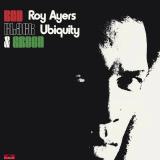
After years out of print, we are pleased to present this much-needed vinyl reissue of an essential album in Roy Ayers’ career. Pressed on 180g vinyl.
In the early 1970s, Roy Ayers formed his own band: Roy Ayers Ubiquity. Its lineup included artists well known to funk and soul fans such as Bernard Purdie, James Mason, and Edwin Birdsong.
This 1973 album presents Roy Ayers in the midst of a creative evolution toward a sound increasingly influenced by soul and funk, moving beyond the early phase of his musical career, which was more rooted in orthodox jazz.
On “Red Black & Green”, he teams up with highly accomplished collaborators such as keyboardist Harry Whitaker, arranger and producer William S. Fischer, and Strata-East musicians Charles Tolliver and Sonny Fortune. Here, however, the latter two do not venture into the spiritual jazz sounds so characteristic of their own recordings; instead, together they embrace a sophisticated funk groove where Ayers showcases his extraordinary vibraphone talent.
The album includes outstanding versions of ‘Ain’t No Sunshine’ and ‘Day Dreaming,’ as well as original compositions such as ‘Cocoa Butter,’ ‘Rhythms of Your Mind,’ and the superb title track, ‘Red Black & Green.’
out of Stock
Last delivered 4 months ago available to reorder, subject to availability
Roland Leesker reimagines a House Classic with Vinyl-Only Cover of ‘What You Need’.
Definitive Recordings presents a special vinyl-only release as Roland Leesker delivers his cover version of ‘What You Need’, the seminal house anthem originally released in 1990 by Soft House Company. This release is a respectful homage to one of house music’s defining records, crafted for DJs and collectors alike.
On the Original Mix, Leesker stays close to the spirit of Soft House Company’s classic, faithfully honoring the original arrangement but properly pumping.
On the flip, Leesker presents his ‘Mysterious Eastern Force Edit’, an expansive, eleven-minute journey designed for deep dancefloor moments. While retaining the essence of the original, this version introduces a more energetic bassline before weaving in a subtle 303 acid line, bridging different eras of house music history into one hypnotic, evolving arrangement.
This vinyl-only release is a tribute to the legacy of house music — respectful, powerful, and made to be played loud on a proper sound system.
out of Stock
Last delivered 4 months ago available to reorder, subject to availability
In 1979, the Soviet label Melodiya released a record that immediately stood apart from most Soviet jazz of its time and perhaps for that very reason never became widely known. Oriental Suite by Oleg Gotskosik Quintet is a rare example of jazz, Eastern musical tradition, and compositional thinking coming together not as an exotic stylization but as a fully formed artistic statement.
This is not “Oriental colour” used as decoration, nor folklore treated as an ornament. Oriental Suite grows from within another musical tradition, with its monody, modal logic, slow unfolding of form, and focus on inner states rather than outward effect. The music is calm and concentrated. It does not try to impress, but gradually draws the listener into its own space.
Oleg Gotskozik was born in Tashkent in 1951, a city where Eastern music was part of everyday life rather than something distant or exotic. That may explain why his engagement with traditional material sounds so natural. He does not quote or stylize; he thinks in the same musical categories. By temperament, he was closer to a composer than to a jazz musician in the conventional sense. For him, jazz was not a style but a way of working with form and improvisation.There is no standard “theme and solos” logic in Oriental Suite. Improvisation is woven into the fabric of the music itself and unfolds in the same way as in oral traditions, gradually, with rising tension and a clear sense of arrival. Individual sections refer to traditional Uzbek genres such as lullabies, lyrical songs, and funeral laments, but these are not genre sketches. They are states of being. The music unfolds slowly, avoiding familiar harmonic drama and relying instead on modal scales and subtle internal movement.
A special role is played by trumpeter Yuri Parfyonov. His approach, with delayed vibrato, micro-glissandi, and melismatic phrasing, sounded unexpected at the end of the 1970s and still feels remarkably fresh today. This is not expressive jazz virtuosity but a focused, almost meditative voice, where improvisation becomes a form of inner speech.
It is also important to note that the original recording was not without technical flaws. Like many Soviet jazz releases of the time, Oriental Suite was captured under far from ideal conditions, and the master contained audible imperfections that were never part of the music itself. For this edition, the restoration was approached with great care and respect, working through the recording moment by moment to remove unwanted artifacts while preserving the character and atmosphere of the original. The aim was simple: to make sure nothing stands in the way of fully experiencing the music.
In the early 1980s, Oleg Gotskozik left the Soviet Union, and after that his name virtually disappeared from Soviet music journalism and literature. There were no official bans or public statements. He was simply no longer mentioned. Oriental Suite continued to exist on its own, without an author and without context. The record never entered the canon, received no continuation, and was never officially reissued. It seemed to fall out of time.
The original vinyl pressing was released in a run of around 32,000 copies, but most of them remained within the republic and never reached wide circulation. Today, original copies are hard to find and have long become objects of interest for collectors. There have been no official reissues, only attempts that never went beyond test pressings.
Today, Oriental Suite sounds surprisingly contemporary. It is music that can be described as deep ethno-jazz and even, in a certain sense, spiritual jazz. There is no exoticism here, no decorative borrowing, only a complete immersion in another musical way of thinking. It does not require explanations and does not need to be justified by its time.
This is not a forgotten curiosity revived for collectors’ sake. It is music that simply waited for the moment when it could be heard without ideological filters or genre expectations. Now it is returning quietly, without noise or hype, but with the clear sense that this is not an artifact of an era, but a living and genuinely rare artistic statement.
The new recordings from The Dengie Hundred unfurl on Tain Records after a busy year releasing a solo tape on Sagome and a collaborative LP and tape with Japan Blues on Demdike Stare's DDS imprint.
Lammas Land is an album which meditates on the Walthamstow Marshes, an ever-changing watery landscape, rich with history and wildlife. The Dengie Hundred writes:
"I am sitting at my table overlooking the marshes listening to Lammas Land in November 2023, watching crows fight a never-ending aerial battle with the gulls. In summer, you can see bats from here every evening, fluttering around the windows as the light begins to fade, but today it is colder so there is smoke rising from the boats on the River Lea and the dog walkers are wrapped up tight against the wind.
Most of Lammas Land was made sitting right here, playing guitar and recording the sounds passing by. I would hang a microphone out of the window to capture the ‘putput’ boat which delivers provisions, or the trains that rattle along the tracks that cut across the marshes and up to Stanstead, carrying passengers to the airport and away.
I wonder what tourists make of the marshes as they cross them, the landscape opening up for a moment between the urban sprawl of the East End and the rampant development of Tottenham. They offer a jarring pause of green and sky. I feel very lucky to be living in that pause, a resident, for now…
The album contains a whole year of found sounds recorded from the window and while out walking. It is full of bird song and radio sounds, singing, life.
Many others have been inspired by this space, this pause. The author Esther Kinsky who wrote River, published by Fitzcarraldo Editions, captures this area so perfectly. I borrowed the two track names for this album from her book. I hope she doesn’t mind.
Also, the photographer Paul Fuller whose work reflects the atmosphere I feel here precisely. On hearing the music he wanted to collaborate on the Lammas Land project, He spent a year filming the marsh through the seasons. Some of his images are included with the vinyl release, and there is an accompanying film close to completion. I am so pleased this project is continuing in new forms.
The vinyl also contains a piece of writing, ‘Sound Fishing’, by Gemma Blackshaw, an author, art historian and curator who in a twist of fate also found herself spending time on the marshes, but that is her story, for another day."
The Dengie Hundred
Lammas Land
LP, with essay insert + five photographic prints
Cat No: TAIN02
Price: £14.49
Due next week
A: A hand full of ever thickening twilight
(Sample clips 1 / 2 / 3)
B: A string of pearls pulling
the night away
(Sample clips 1 / 2 / 3)
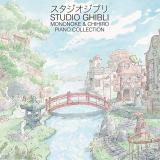
Immerse yourself once again in the worlds of Princess Mononoke and Spirited Away, the two Studio Ghibli masterpieces created by Hayao Miyazaki and set to music by Joe Hisaishi, in this new original production for solo piano!
Based on the official piano scores by the original composer of the Studio Ghibli films, Joe Hisaishi, this album is a new journey of discovery into the two beloved worlds of Hayao Miyazaki, performed by pianist Nicolas Horvath, a Steinway & Sons artist renowned as a first-rate interpretor of composers such as Philip Glass, Franz Liszt, Claude Debussy, and Eric Satie.
The album features a total of 26 tracks from the two cult films Princess Mononoke (Mononoke Hime) and Spirited Away (Sen to Chihiro no Kamikakushi), composed by Joe Hisaishi.
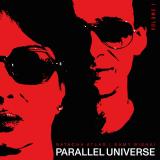
Parallel Universe – Volume 1 marks the latest collaboration between Natacha Atlas and Samy Bishai — a bold reimagining of the musical crossroads between East and West. While its textures echo retro-futurism and electronic lineage, the spirit of the record is unmistakably present-tense — rooted in a boldly contemporary vision of Arabic pop, refracted through experimental production.
Maximum Penalty wurden 1986 gegründet und gelten als eine der einzigartigsten Bands, die während der Blütezeit des New Yorker Hardcore entstanden sind. Die Band, die von Sänger Jimmy Williams ins Leben gerufen wurde und 1988 durch den Gitarristen Joseph Affe verstärkt wurde, begann mit schnellem Hardcore-Punk und entwickelte sich nach und nach zu etwas Größerem, angetrieben von melodischen Rhythmen und gefühlvollem, klarem Gesang. Maximum Penalty war von Anfang an ein fester Bestandteil legendärer Veranstaltungsorte wie CBGB und Coney Island High und tourte in den 90er Jahren auch durch Nordamerika und Europa, wo sie die Bühne mit Bands wie Agnostic Front, Madball, Sick Of It All und Gorilla Biscuits teilten. Die erste Schaffensphase von Maximum Penalty umfasste eine beeindruckende Diskografie - ,Demo 89", die EP ,East Side Story" von 1995, die LP ,Independent" von 1996, die LP ,Super Life" von 1997 sowie eine Reihe von Titeln auf verschiedenen Compilations, darunter ,Where The Wild Things Are" und ,Satisfaction Guaranteed" von Blackout Records. Maximum Penalty tauchte 2009 mit der LP ,Life & Times" (Reaper Records) wieder auf und brachte ihren Sound neuen und alten Hörern näher. Der Einfluss, den Maximum Penalty auf die moderne Hardcore-Szene hatte, ist unbestreitbar. Turnstile nahm die Band in eine einflussreiche Playlist auf, und der Hardlore-Podcast erklärte Maximum Penalty zu einer der ,am meisten unterschätzten Hardcore-Bands". Im Jahr 2025 veröffentlichte die Hardcore-Band End It aus Baltimore ein Cover von ,Could You Love Me?" aus dem 1996er Album ,Independent", hauchte dem Titel neues Leben ein und veranlasste Fans, das Original zu entdecken. Zum 30-jährigen Jubiläum wird ,Independent" zum ersten Mal überhaupt auf Vinyl gepresst, und zwar über Flatspot Records. Gitarrist Joseph Affe bemerkt: ,Maximum Penaltys ,Independent` ist das einzige Album, das nie auf Vinyl erschienen ist, da Vinyl zu der Zeit, als es auf CD veröffentlicht wurde, nur eine Nebensache war. Während wir weiter spielten und neue Veröffentlichungen herausbrachten, war die Veröffentlichung von ,Independent` auf Vinyl etwas, das wir schon immer tun wollten, und nun sind wir endlich, 30 Jahre später, so weit. Die ,Independent`-Ära war eine großartige Zeit in der Geschichte von Maximum Penalty - es bedeutet uns sehr viel, zu sehen, dass ein neues Publikum die Platte zum ersten Mal entdeckt, das ist unglaublich!"
Maximum Penalty wurden 1986 gegründet und gelten als eine der einzigartigsten Bands, die während der Blütezeit des New Yorker Hardcore entstanden sind. Die Band, die von Sänger Jimmy Williams ins Leben gerufen wurde und 1988 durch den Gitarristen Joseph Affe verstärkt wurde, begann mit schnellem Hardcore-Punk und entwickelte sich nach und nach zu etwas Größerem, angetrieben von melodischen Rhythmen und gefühlvollem, klarem Gesang. Maximum Penalty war von Anfang an ein fester Bestandteil legendärer Veranstaltungsorte wie CBGB und Coney Island High und tourte in den 90er Jahren auch durch Nordamerika und Europa, wo sie die Bühne mit Bands wie Agnostic Front, Madball, Sick Of It All und Gorilla Biscuits teilten. Die erste Schaffensphase von Maximum Penalty umfasste eine beeindruckende Diskografie - ,Demo 89", die EP ,East Side Story" von 1995, die LP ,Independent" von 1996, die LP ,Super Life" von 1997 sowie eine Reihe von Titeln auf verschiedenen Compilations, darunter ,Where The Wild Things Are" und ,Satisfaction Guaranteed" von Blackout Records. Maximum Penalty tauchte 2009 mit der LP ,Life & Times" (Reaper Records) wieder auf und brachte ihren Sound neuen und alten Hörern näher. Der Einfluss, den Maximum Penalty auf die moderne Hardcore-Szene hatte, ist unbestreitbar. Turnstile nahm die Band in eine einflussreiche Playlist auf, und der Hardlore-Podcast erklärte Maximum Penalty zu einer der ,am meisten unterschätzten Hardcore-Bands". Im Jahr 2025 veröffentlichte die Hardcore-Band End It aus Baltimore ein Cover von ,Could You Love Me?" aus dem 1996er Album ,Independent", hauchte dem Titel neues Leben ein und veranlasste Fans, das Original zu entdecken. Zum 30-jährigen Jubiläum wird ,Independent" zum ersten Mal überhaupt auf Vinyl gepresst, und zwar über Flatspot Records. Gitarrist Joseph Affe bemerkt: ,Maximum Penaltys ,Independent` ist das einzige Album, das nie auf Vinyl erschienen ist, da Vinyl zu der Zeit, als es auf CD veröffentlicht wurde, nur eine Nebensache war. Während wir weiter spielten und neue Veröffentlichungen herausbrachten, war die Veröffentlichung von ,Independent` auf Vinyl etwas, das wir schon immer tun wollten, und nun sind wir endlich, 30 Jahre später, so weit. Die ,Independent`-Ära war eine großartige Zeit in der Geschichte von Maximum Penalty - es bedeutet uns sehr viel, zu sehen, dass ein neues Publikum die Platte zum ersten Mal entdeckt, das ist unglaublich!"
First time available on 180 grm black 180 grm vinyl 2LP . Revelation is the first album that was fully recorded & produced at Anton's recording studio in Berlin . It is the 14th full length release from the Brian Jonestown Massacre recorded from late 2012 to early 2014. With Anton Newcombe refining the 13 tracks that appear on the album Featuring Ricky Maymi an original member of the band plays on this album. It also features Joachim Alhund (Les Big Byrds) , Constatine Karlis (Dimmer), & Ryan Van Kriedt (Asteroid #4) . Plus vocal performance in Swedish by Joachim Alhund (Les Big Byrds) on the opening track . This album brings the traditional Brian Jonestown Massacre sound mixed with eastern influences & bringing it up to date with the benefit of all the additional weirdness that's been discovered in the past 40 years. Two dozen band members later and numerous ups and downs' (some have been famously sensationalized in the media ), the one thing that has always remained consistent for this psychedelic collective, is front man Mr. Anton Alfred Newcombe
out of Stock
Last delivered 6 years ago available to reorder, subject to availability
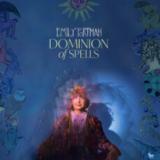
The album is a powerful reaffirmation of human creativity: "My music has always been about connection, bringing enduring old stories into conversation with contemporary life," Portman says. "This album is a collective, entirely human-made effort, and it's richer because of it." Renowned for her luminous songwriting and distinctive voice in contemporary folk, Portman steps into bold new territory with an album that charts a heroine's midlife journey through dark woods in search of wonder. Drawing on ballads and folktales, Dominion of Spells explores themes of burnout, misogyny, motherhood, miscarriage and personal transformation, weaving lived experience with mythic imagery and traditional folk narratives. The title track, Dominion of Spells , reclaims a 17th- century phrase once used to diagnose women as "disordered", drawing on the myth of the wandering womb and the long history of medical misogyny. Portman transforms these ideas into a vision of a freer, fairer realm where women's bodies are understood rather than feared. The first single, Turn Again , is a tender meditation on parenthood, inspired by her young son's imaginative shapeshifting games and echoing the Tam Lin ballad, where steadfast love breaks a powerful spell. Elsewhere, the album explores women's right to move safely after dark, genderswapped retellings of heroic quests, miscarriage, phone addiction and the restorative power of creative practice.
OM2 is a unit formed by beatmaker DJ Monchan and guitarist Aota.
Their story goes back to 1990s New York, when Aota found a roommate-wanted flyer posted in a vintage clothing store in the East Village where Monchan was working. After becoming roommates, the two grew close and were deeply influenced by downtown New York culture at the time.
Later, Aota returned to Japan, formed a rock band, and made his major-label debut. Meanwhile, Monchan stayed in New York, worked at A1 Record Shop, started his own label Dailysession, and became deeply involved in the city’s dance music scene. After following different paths and maturing in their own ways, the two reunited after 30 years to form OM2
out of Stock
Last delivered 4 months ago available to reorder, subject to availability
Red Vinyl. Remastered by Bob Weston at Chicago Mastering Studio from the original analog master tapes. "Slint formed in 1986 as an outlet and pastime for four friends from Louisville, Kentucky. Their music was strange, wholly their own, sparse and tight. What immediately set them apart was their economy and precision. Slint were that rare band willing to play just one or two notes at a time and sometimes nothing at all. 1989's "Tweez" LP hints at their genius." - Steve Albini (Melody Maker, 1991). From the original bio: It's almost always muddy in the lousy little shanty town by the river. All the children's toys are old and rusty, even the plastic ones. Jimmy and Mel fashioned their own toy out of a live chicken that they stole. A knot was tied around the bird's feet with a shoe lace. The two boys painted their plaything yellow and silver and swung it around like a lasso, screaming gibberish and laughing the whole time. Mel got so excited that he wet himself. So, Jimmy slugged him square in the eye. About five or eight miles south east of the shanty town all the fellows in SLINT were suffering from headaches, except the drummer, who only got them when the others didn't. SLINT is a band from Louisville, Kentucky. tweez was its first recording.
out of Stock
Last delivered 4 months ago available to reorder, subject to availability
Wenn Sie Joey Quiñones fragen würden, woher er die Inspiration für seine Musik bezieht, müssten Sie nicht weit von dem Ort suchen, an dem der Sohn aus East LA aufgewachsen ist. Wenn man seine Werke hört, fühlt man sich in einen Umkreis von zwei Blocks seines Viertels versetzt - vom Spirituosengeschäft zum Plattenladen ,Sign of Music" am Whittier Boulevard und zurück zum Haus eines Freundes. In diesen zwei Blocks hört man Cumbia aus den Geschäften dröhnen, Punk-Proben aus einer Garage, Oldies aus dem Garten eines Nachbarn - eine Reizüberflutung, die Sie bis nach Hause begleitet, all diese Genres, die gleichzeitig in Ihrem Kopf erklingen. Für langjährige Fans von Quiñones' Musik ist das keine Überraschung. Er hat sich als einer der führenden Interpreten seiner Generation etabliert und seine Karriere der Vermittlung seiner einzigartigen Perspektive auf das Chicano-Soul-Songbook gewidmet. Doch vor Thee Sinseers, vor den üppigen Orchestrierungen und den perfekten Harmonien, die zu seinem Markenzeichen wurden, sammelte Quiñones erste Erfahrungen als Leiter verschiedener Begleitbands für jamaikanische Ska- und Dancehall-Acts, die durch Südkalifornien tourten. Er beschreibt diese Jahre als Reggae-College, in dem er von jedem jamaikanischen Künstler, der eine Platte herausgebracht hatte, angeschrien wurde. Diese Jahre der Ausbildung in Rocksteady und Roots-Reggae prägten alles, was danach kam - und auf seinem neuen Soloalbum ,Inna Soul Steady Situation" stellt Quiñones diese Einflüsse endlich in den Vordergrund.
,now i imagine a place not the same" ist eine Doppel-LP und ein neues Solo-Statement des Gitarristen und Komponisten David Torn, veröffentlicht bei Kou Records. Es kehrt zur rohen Energie seiner frühen Klangsprache zurück und treibt diese gleichzeitig mit der Klarheit jahrzehntelanger Erkundungen voran. Das Album ist gleichermaßen viszeral und schwerelos und konzentriert sich auf Torns langjährigen Dialog zwischen alternativen Stimmungen, Loop-Architekturen und berührungsempfindlicher Elektronik - eine Klangwelt, in der Melodie, Noise und Atmosphäre sich ständig ineinander verschmelzen. Als Pionier der E-Gitarren-Bearbeitung ist Torn weithin bekannt für seine Arbeit in Musik und Film, darunter langjährige Kooperationen mit dem Komponisten Howard Shore, Beiträge zu Filmen von David Cronenberg und einflussreiche Veröffentlichungen bei ECM Records, die dazu beitrugen, eine atmosphärische, filmische Sprache für die E-Gitarre zu definieren. Torn nähert sich jedem Stück als einer Form kompositionsorientierter Improvisation und behandelt alles in seiner Reichweite als musikalisches Material: Saiten, Tonabnehmer, Verstärker, externe Elektronik, Stimme, resonante Oberflächen und den physischen Raum selbst. Aufgenommen, gemischt und produziert von Randall Dunn und mit einem Schwerpunkt auf Unmittelbarkeit und physischer Präsenz eingefangen, wird die Gitarre Teil eines größeren Systems - Schaltkreise atmen, Delays wiederholen unvollkommene Erinnerungen, Töne regenerieren sich durch Berührung. Klänge entstehen durch Zufall, Geste und Intuition und werden dann durch aufmerksames Zuhören geformt, während sie sich entwickeln. Anstatt auf festgelegte Ergebnisse hin zu komponieren, lässt Torn die Form durch Feedback und Wiederholung entstehen und nimmt jeden Klang - ob beabsichtigt oder nicht - in einen sich ständig weiterentwickelnden musikalischen Körper auf. Indem er grundlegende Werkzeuge aus seinen prägenden Verarbeitungsjahren wieder aufgreift - alternative Stimmungen, Looping-Logik, Röhrensättigung - lehnt Torn Nostalgie ab und gewinnt stattdessen ihre Unmittelbarkeit als lebendiges Material zurück. Gleichzeitig intim und gewaltig fängt ,now i imagine a place not the same" einen Künstler ein, der seine einzigartige Sprache voll und ganz beherrscht: zutiefst melodisch, rigoros experimentell und verwurzelt in Vertrauen, Berührung und Elektrizität. Nicht als rückblickende Geste, sondern als gegenwärtige Erklärung bietet das Album eine kraftvolle Meditation über Vergänglichkeit, Erneuerung und das fortwährende Leben des Klangs.
Maybe it was inevitable that Vilhelm Bromander and Fredrik Rasten would find each other. A symbiotic musical alliance of suggestive combinatory magic that stretches back to the interstitial two day space that separates their dates of birth and manifests here as the movement between ‘perfect’ or ‘just’ intonation and the ragged, psychoactive energy of the slippages from and towards that togetherness that render otherwise simple patterns or generally understood repetitions as wildly other and alive.
Astral Twins shares ‘twin’ works by each composer. The patiently unfolding real time retuning of Fredrik Rasten’s guitars on the a-side’s Sojourns and Vilhelm Bromander’s quickened steps and spry looping melodies on the flip’s Partially Dancing.
Both artists have history of going deep into the aesthetic and acoustic impact of intonation (how you think about what is ‘in tune’). Where their first LP (...for some reason that escapes us, 2019, Differ Records) shared a gorgeous set of sustained tone colour fields, this time they lean more explicitly into the folk music traditions of Scandinavia and further afield, whilst echoing the zoned minimalist atmosphere of Arthur Russell’s classic Instrumentals.
Recorded up close and in real time at Fylkingen’s soon-to-be-abandoned temporary location in Stockholm’s southern suburb of Bredäng, Astral Twins sings with the possibility that one plus one can equal more than two.
Fredrik Rasten: Sojourns explores the live retuning of guitar and double bass in a sequence of just intonation harmonies. A guitar ostinato runs throughout the piece where the retuning becomes an integral part of the composition. The slow pace reveals every detail in the transition from one harmonic arpeggio to another — how interfering waves emerge and disappear as the tonal interactions settle in electric clarity. The double bass shadows the guitar's process and comments with occasional pizzicato tones and register jumps, at times providing a low foundation for the sound and sometimes soaring together with the guitar. This is music that is deeply listening; experimental and at the same time humbly inviting many kinds of being with sound.
Vilhelm Bromander: As the title suggests, this song has a partially dancing character. The title also has a double meaning with reference to the partials and harmonics that dance together. The basic idea was to write music in just intonation that instead of being drone-based is reminiscent of a lightly dancing folk music, where the joyous feeling of just being in the music — “musicking" — is allowed to lead the way.
The double bass plays repeated overtone double stops in an open harmonic progression with subtle modulations that is inspired in equal parts by Steve Lacy's persistent repetition of phrases as east-asian khaen music. The guitars and mandolin have a freer role, with plucked retuned strings that enhance the bass's modulations and provide forward movement. The music invites to both melodic and spectral listening, suddenly halting so that other focal points can reveal themselves. For example, a chord sequence suddenly transitions to a more spectral part where Fredrik is playing a bowed guitar with a chain, several plucking guitars, voices, and pitch pipes. I wanted to make something ‘orchestral’ with just two people and no overdubs: a dance of overtones and open resonant strings, where we seamlessly take turns standing in the foreground.
aja monet ist eine surrealistische Blues-Dichterin, Musikerin und Bandleaderin, deren Werk fließend zwischen Poesie, Musik und politischem Ausdruck wechselt. Aus der Spoken-Word-Szene der Lower East Side in New York City hervorgegangen, wurde sie die jüngste Gewinnerin des Nuyorican Grand Slam Poetry-Titels, bevor sie ihr Schaffen auf genreübergreifende musikalische Darbietungen ausweitete, die ihre Wurzeln im Jazz, Blues und experimentellen Sound haben. Ihr Debüt-Poetry-Album ,when the poems do what they do" wurde 2024 für einen Grammy Award in der Kategorie ,Best Spoken Word Poetry Album" nominiert und etablierte Monetas als einzigartige Stimme in der zeitgenössischen schwarzen Musik- und Performance-Szene. Das Projekt verbindet Poesie mit Live-Instrumentierung und Improvisation und erkundet Themen wie Widerstand, Liebe und Freude durch einen kollaborativen, ensembleorientierten Ansatz. Als tourende Bandleaderin ist sie weltweit bei großen Festivals und in bedeutenden Veranstaltungsorten aufgetreten, darunter das Newport Jazz Festival, das North Sea Jazz Festival, das Montreal Jazz Festival, das Guggenheim, das Lincoln Center, das Barbican Centre und die Fremantle Biennale. Neben ihrer musikalischen Arbeit ist monet eine gefeierte Dichterin und Autorin. Ihr erster vollständiger Gedichtband, ,my mother was a freedom fighter" (2017), wurde für den NAACP Image Award in der Kategorie Poesie nominiert. Ihr jüngstes Buch, ,florida water", erschienen bei Haymarket Books, schöpft aus mehreren Jahren des Lebens und der Organisationsarbeit in Südflorida und setzt ihre Auseinandersetzung mit Ort, Bewegung und kollektivem Gedächtnis fort. Zu ihren Auszeichnungen zählen der Marjory Stoneman Douglas Award für Poesie, der Nelson Mandela Changemaker Award, der Harry Belafonte Voices for Social Justice Award, der EBONY 100 Artist in Residence Award sowie der Malcolm X & Dr. Betty Shabazz Vanguard Award. Zudem ist sie künstlerische Kreativdirektorin von V-Day, der globalen Bewegung zur Beendigung von Gewalt gegen Frauen und Mädchen, und Schöpferin von VOICES, einem Hörspiel aus dem Jahr 2022, das die Geschichten schwarzer Frauen in der Diaspora und auf dem afrikanischen Kontinent in den Vordergrund rückt. aja monet's zweites Studioalbum, ,the color of rain", wird im Mai 2026 bei drink sum wtr erscheinen.
Tajemnica is a transgression—too gentle for dancing, too euphoric for standing still. Sparse, scarce, and subtle, the new album by Polish performance artist, musician, and poet Wojciech Kosma, aka spalarnia, eagerly explores modern dance genres, experimental production, and nostalgic electronics to surrender to what is truest—essential song forms, melodies, harmonic and rhythmic basics, the most resonant feelings.
Sung in spalarnia’s trademark soft, low, almost tactile voice, the eight hypnotic songs tell stories of closeness and love, and their favored companions—pain and heartbreak. In “Bliżej” he sings “I love not loving you / I want to be a part of you.” And in “Jedyna”—the album's single—he states: “You are the only one / there is no other me / only the one for whom you are the only one.”
Contrary to the meaning of its Polish title (Tajemnica translates to “secret”), the album that moves between ghostly ambient pop, languid R’n’B, and Eastern European folk doesn’t reveal anything outright—the music only points to where the secrets might lie. One can choose whether to hear them or not.
An improvisational musician, composer and poet, Titi Robin has travelled extensively since the early 1980s – from Brittany to Catalonia, India to Morocco – crafting his own musical aesthetic. Throughout his journey, he has built bridges between his native Anjou, where he still resides, and the Gypsy cultures of many lands. Neither a compilation nor a mere summary, this selection offers a certain perspective on his body of work, which has earned him praises by luminaries like Peter Gabriel or Brian Eno.
Despite his many travels, it would be a mistake to view Titi Robin as an explorer of the "elsewhere". While he plays the guitar, the bouzouq, or the oud, he does not seek to imitate a Gypsy, Syrian, or Greek style; rather, he plays in a voice that is uniquely his own—a syncretism of his personal journey, from his teenage years playing at Moroccan community celebrations to his collaborations with Gypsy musicians from Southeast France and India. In Angers, in the Roseraie neighbourhood, he was immersed in the rhythms of Moroccan chaabi from an early age. Later, he frequented the gypsy neighbourhood of Saint-Jacques in Perpignan. These encounters nourished an aesthetic territory he likes to call ‘Titistan’, which includes Perpignan and Rajasthan. He views Mediterranean culture as "a bridge, a crossroads, a network of long-standing links woven between North and South, East and West." In this selection, you will hear the palmas marking the compas of the Catalan rumba; strings enveloping the melody of the bouzouq, answered at times by the clarinet or the kaval flute popular in the Balkans and Anatolia.
Produced between 1993 and 2011 these songs have been fully remastered and are presented here for the first time on vinyl, with extensive liner notes.
Eastern Traffic, Hidden Skeleton, Street Talk – three immaculate cuts from the masters Satoshi Tomiie and Steve O'Sullivan. Raw house, dub-soaked and hypnotic. Pure sonic architecture for the dance floor. Drop the needle, lose yourself.
the producer, multi-instrumentalist, DJ and record collector Gabriel Cyr AKA Teleseen releases 5th album 'The Emotional Life of Savages' via French imprint Goldmin Music.
African rhythms, Latin heat and otherworldly electronics collide like neurons, processed through a New York state of mind. The pancontinental sounds are mirrored in his own life, which has oscillated back and forth between various countries.
A jazz background combined with a love for house and techno are ingrained in the grooves. Also key is the samba, baile funk and MPB that inspired him while living in Rio de Janeiro, plus the sounds he reabsorbed on returning to NYC's club scene.
This wide range of influences spanning the global underground coalesces into a rich, vital and coherent whole. Warm and soulful, but also evoking an intoxicating, heady atmosphere, the hypnotic and ultra-rhythmic tracks subtly shift and build to fever pitch, due primarily to deft polyrhythmic drums and percussion - both played and sequenced.
"Working on this record I finally found myself able to manifest a certain sound I'd been hearing in my head for years, combining the rhythmic intensity of afro-house and afro-Brazilian music with the more cosmic sounds of Detroit and deep house", explains Cyr on his musical vision.
The gentle sundowner glow of 'Myrtle Avenue' with its textured synth waves and wandering Parrish-esque keys acts as a precursor to the potent nocturnal adventure to follow: 'Espelhos' captures a similar essence to Black Science Orchestra's classic 'Save Us (The Jam)', before the heat goes up and heads go down for the eastern-tinged, autotune-laden fire of 'Khalil'.
The album then intensifies further still on the percussion-heavy, big bottomed cosmic throb of 'Jaguar', whilst Brazilian flavour meets tech house rush on 'Fundos', before the party reaches its feverish close on the wiggling batucada- meets-tribal-house of 'Temporada De Seca'.
Born in the north eastern United States, as an adult Cyr has always been nomadic. He has sought to live and immerse himself in other cultures and absorb their sounds, but eventually always succumbs to the Big Apple's magnetic pull. Back home, a key inspirational catalyst for the album was the Brooklyn-based party Africainoir, where he's a resident DJ.
Alongside cutting his teeth producing illbient/hip hop and working as an engineer, he ran his own studio for period, before starting his own label Percepts, on which to release his dub techno style debut. He has since released on 100% Silk, Boomarm Nation and Feel Up Records, and now 'The Emotional Life Of Savages' marks Teleseen's first album for Goldmin.
Mildred have announced their debut album Fenceline (out 24 April via Memorials of Distinction / Dog Day Records), they have also shared the Nick Roberts directed video for lead single ‘Fish Sticks’. Speaking of ‘Fish Sticks’ and the album, Mildred say: “Fish Sticks is a song of scenes from two worlds. Conversations with your boss. Acute workplace mediocrity. Riding home and eating fish sticks with your friends. For UK audiences, a fish stick is a fish finger, ideally Alaskan-caught cod. The song comes packaged in Fenceline, an album about conversations with old friends, little cousins, ceaseless piles of dust in your crumbling duplex, loves and theologians and their books. Fencelines mark two places but belong to neither. Neither nor, either or.”
Ahead of Fenceline, at the end of last year Mildred released their debut twin EPs mild and red, an insatiable collection of songs birthed before Mildred even knew they were a band. Arriving purposefully on the scene in that gentle, approachable Mildred way, the EPs picked up support from The Guardian, The Line of Best Fit, Uncut (‘We’re New Here’), The New Cue, Clash, DIY and more. Mildred is a band from Oakland, CA of four equal parts. They don’t have a lead singer, no one person writes the songs. The songs that make up Fenceline come together as a group with their genesis sprouting from any one of their members - Henry Easton Koehler (vocals, guitar), Jack Schrott (vocals, guitar), Matt Palmquist (vocals, bass, woodwinds) or Will Fortna (drums, production) - each time.
The songs are often wrestled from the lead writer by the other three, a lyric might have been mumbled absentmindedly for a few days before one of the other three grabs at it. Summed up neatly by Clash “imagine if Pavement went Americana and you’d be close”, Mildred make music that is pure and poetic, gently addictive and never overwrought. The lyrics for their songs are written largely alone and often draw from their own individual lives and experiences but there’s a shared something there. “It makes sense when common threads emerge” they say, “because we do things together a lot as friends: cook, laze about on a weekend, listen to an album, go walkabout, read, go see movies etc.
Strikingly literal or intriguingly oblique, Mildred have a remarkable way with lyrics that lodge themselves in your head softly but with such determination that they begin to feel like shimmering memories from your own life. Fenceline is a collection of songs that you want to hold close and delve into, and yet play to everyone you know.
The acclaimed collaboration between IranianCanadian brothers Saint Abdullah (previous releases on Planet Mu, The Trilogy Tapes and Room40) with in-demand jazz drummer Jason Nazary (International Anthem, 4AD, We Jazz) continues on their second album for ‘Disciples’, a sequel to the 2023’s ‘Evicted In The Morning’.
Saint Abdullah & Jason Nazary continue to blend dreamlike collage, snatches of radio, free jazz, Sufi chants and improvisational chops to impressive effect.
A ‘Freedom Now Suite’ for a new era of anti-war marches and state oppression.
Features guest appearances from Patrick Shiroishi and Ryan Easter.
out of Stock
Last delivered 5 months ago available to reorder, subject to availability
"It transported me back to 1979. Me as a 17 year old post-punk kid at Futurama Festival in Leeds watching PiL, Killing Joke, The Fall and Cabaret Volatire." Lubomir Jovenovic - Leeds Jazz Festival Curator.
Born out of a chaotic Saturday night in Hastings. A raucous double bill between Leeds Jazz troupe and Kent post punks resulting in feedback, mosh pits and a breakneck rendition of The Stooges TV Eye. A plan was hatched right there to record an album together.
"Really f**king happening. I dig this big time." Mike Watt (Minutemen, The Stooges)
Noko is a Gda?sk-based (Poland) band operating at the intersection of jazz, electronics, and club music. Their sound grows out of improvisation, but instead of following a traditional jazz narrative, it focuses on trance, repetition, and the physicality of rhythm. The band's sound is built on a fusion of acoustic instruments-trumpet, saxophone, double bass, and drums-with electronics and synthesizers. The result is a dynamic structure that works just as well at jazz festivals as it does in a club setting. ?oko's second album is a sonic residue suspended somewhere between a jazz festival and a Berlin techno club. KO is a form of recycled jazz and electronics that opens up wide, cinematic landscapes for the listener. It's deeply physical music, driven by a trip-hop groove that keeps things grounded while allowing the mind to drift into less obvious territories. For this release, ?oko invited two outstanding artists who add a unique character to the whole. Novika brings her signature dreamlike calm, while the voice of Maciej ?winiarski appears in a song about death, closing the band's improvised journeys. This is a personal record the band wants to share with you.
Fika Recordings are pleased to present Bring On The Apathy, the third solo record from Scottish songwriter Adam Ross. Adam Ross is an indie-folk songwriter based in north-east Scotland. He is a solo artist and has also led the cult indie band Randolph's Leap for over a decade, releasing music with legendary Fence Records and Lost Map as well as Olive Grove Records and Fika Recordings. He is known for his unique brand of articulate lyricism which blends humour, poignancy, wordplay and offbeat stories.. “Bring On The Apathy” was recorded onto tape, using traditional analogue techniques at Glasgow’s Green Door Studio with Samuel J. Smith. It showcases some of the most emotionally open, lyrically deft and characterful songwriting so far from one of Scotland’s most accomplished writers. The vintage recording approach brings a warmth and intimacy to a record which is in equal parts raw and organic while also beautifully arranged and performed as Adam is joined by a raft of excellent collaborators. The album itself is a reaction. Whether it be in the title, the lyrical content or the method in which the sounds were captured. “I was feeling fairly down and uninspired about the musical landscape” Adam explains. “The risk with digital recording where every instrument is overdubbed separately is that it can end up sounding metronomic, sterile and lacking personality.
I also started to get a bit freaked out by the topic of AI-generated music and the insidious, creeping impact it’s already having. I therefore decided that, as a bit of a protest, I wanted to make something that sounded extra-specially human and hand-crafted, where you could hopefully hear the interplay between musicians.” For this reason, Adam decided to record the majority of the album live, as a band, playing together in the same room without a click track. “I’d put a band together to tour my last album, Littoral Zone, and I really enjoyed the way we all worked together. Green Door Studio was chosen as the destination as it specialises in analogue sound production but it had an extra significance for Adam. “Green Door was the first studio I ever recorded in, back in 2009. This time around, the “unforgiving” nature of tape recording became an inspiration. “The musicians on the record are such great players that they rarely make mistakes, so there was a confidence there that we wouldn’t need to rely on copious amounts of editing or post-production, which isn’t always possible with tape anyway. The core band consisted of Owen Curtis-Williams on drums, Cameron Maxwell on bass, Pedro Cameron on violin, Gillian Fleetwood on harp and (long-time collaborator with Randolph’s Leap) Pete MacDonald on piano. Mercury Prize-nominated artist C Duncan was drafted in to write and perform backing vocal arrangements along with Amanda Nizich and Gillian Fleetwood. Adam says “I’d been listening to a lot of Bob Dylan, Karen Dalton and Bill Callahan records and I thought it might be interesting to apply those sorts of influences to my brand of Scottish quirk-pop”.
Genre Is Death is an uncompromising noise duo made up of Ty V (guitar, vox) and Tayler Lee (bass, vox). Their sound is abrasive yet melodic, using heavy distortion, dissonant riffs, and reverberating vocals to create a wave of boldly hypnotic noise. The duo have been compared to the likes of Sonic Youth and Teenage Jesus and the Jerks, yet have managed to create a sound that is distinctly their own, avoiding mimicking the zeitgeist of decades before. Beyond the integrity of their music, Tayler’s intimidating glare, or Ty’s staggering gait, the duo share something truly inimitable— the overwhelming feeling that their music is a byproduct of the high esteem they hold of each other. The duo moved to NYC in August of 2023 looking for something more than their mundane suburban lifestyle of day drinking and playing doom metal in friends' basements…their move to NYC coupled with their desire to express something, anything, led to the inception of Genre is Death. The pair hit the ground running, playing anywhere and everywhere they could… however, it was only after a chance encounter with 80s noise forerunners Live Skull that the pair was introduced to the strange underbelly of NYC noise and began playing regular gigs with The Art Gray Noizz Quintet and Lydia Lunch. In 2025 the pair played New Colossus Festival, toured with Gogol Bordello, embarked on their first East Coast tour, and played gigs with Cherubs, Bush Tetras, and Jon Spencer. Their upcoming record was recorded with legendary sound engineer Martin Bisi (Sonic Youth, Swans).
Mysticisms’ Dubplate series reaches number 10 with the first in a series of specials, taking the genre blurring music of Persian and presenting updated remixes and versions by up-and-coming producers, as well as friends and family of the label.
Started as a sporadic offshoot of Mysticisms’ main releases, with the idea to highlight the wonderful sounds of dub influenced dance music, Dubplate has now become an integral part of the mission.
To start, South London’s Picasso joins the label, showcasing his declared abstract grooves and an EP of Dub and Tech House movers. While his productions aim for the dance floor, they are often characterized by complex rhythms and unconventional structures, prioritizing atmosphere and texture over traditional melodies.
Drawing inspiration from ambient, jazz, experimental influences and the heavy hand of dub, Sam “Andrews” McKay has crafted an EP of immersive “soundscapes”. Joining the legendary Persian (Peter Reilly) as co-selector, his retakes are all warped grooves, wide bass and dubby atmospherics.
Opening with Space Within Art, the street soul meets reggae rhythms are jettisoned, and a Dub House swing drives the track. The love, homage and vibration for Sound System culture remains, enchanting trippy reggae sampledelic vocals weaving in the brain.
Dunya 2 sees a shift, minds expanding. A jazz influenced breakbeat, harp, strings, building to a psychedelic swirl, driven by a dub bass in a clash, morph and glow.
The deep Digi Dub of D Dub Twist grows, warping the ‘JA riddim meets English hedonism’ in true Soundclash style. Touches of drone underlay, highlighting Sam’s experimental leaning, utilising Persian’s love of Eastern mystical samples to marry perfectly for a deep dub excursion.
The self-prescribed “odd-fellow” completes his versions, exploring his love of depth and abstract sound in closer, Jacob’s Dub. The warm roots vibrations in original form develop into a scatter gun House bumper. Dubwise, Lovers, Stepper, all merge around shuffling, trippy beats and skippy hats, Picasso’s groove is laid bare, driving the EP to finale.
Abstract the Mystery.
out of Stock
Last delivered 3 months ago available to reorder, subject to availability
Mysticisms’ returns to the music of the Conscious Sounds label and their short-lived but highly prized Dub meets Funk project, Dub Specialists. Created by label head Dougie Waldrop and Chris Petter (Love Grocer) to explore their interest in samplers and a love of Funk and Jazz.
A hugely respected “Digital” and “Roots Reggae” label, Conscious Sounds has been a mainstay of the East London digidub sound for over 30 years. Dub Specialists released 3 albums on the Crispy Music sub label, they have recently gained considerable interest in digger circles, with rising prices to match.
As with their first Dubplate outing, the release features extended re-edits by the label and friends, this time featuring versions by Lexx, Miles J Paralysis, Chuggy and Vanity Project. Working with the simplicity and skill of his studio craft, Dougie utilised the Atari 1040, Cubase and Soundcraft mixer to effect. Petters’ chords sit atop reggae basslines, funk samples, loops and this time, a heavy dose of cut up vocals in to the mix.
While the first EP came from their debut album, Breat To Break, here the source material for the re-edits comes, in the main, from their second outing “Dub To Dub Beat To Beat”. A more expansive album that also dipped in to 4/4 rhythms and touches of House / Techno.
Opening track Dynamic Duo is a 4/4 stepper bomb – with samples from Adam West’s iconic interpretation of Batman – expertly extended by long-standing DJ, producer and edit master, Zurich’s own Alex Storrer aka Lexx, who dials things to max for a club stop. A new name on many lips, Miles J Paralysis takes it all back down with a beautifully drawn out, acid-tinged tripper. Bumpin’, the mid-tempo groove sucks you in, psychedelic and mind expanding.
The flip returns to the more traditional Dub Specialist vibes of Breaks’n’Funk’ cut ups, first with (co-)label head Chuggy’s faithful extension of Heavy Dub. Featuring the classic Ijahman Levi’s vocal, the breaks flow and piano / horns stab, a dance floor shaker for the discerning. To close, secret studio fixer to many, Matt Bruce again dons his Vanity Project moniker to perfectly tease and live dub (out) the half-stepper, Reality Dub and close this latest in the Dubplate series.
Beat The Mystery.
out of Stock
Last delivered 45 days ago available to reorder, subject to availability
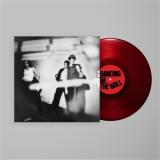
Die Reise von MUNA war schon immer davon geprägt, Raum für die komplexen, chaotischen und ekstatischen Realitäten des Lebens zu schaffen, und mit ihrem vierten Album "Dancing On The Wall" sind sie so prägnant, düster und mitreißend wie nie zuvor. Ausgehend von den funkelnden, mit Konfetti übersäten Höhen ihres selbstbetitelten Albums aus dem Jahr 2022 kanalisieren sie nun die ängstliche, unsichere Energie des Lebens in einem Los Angeles, das von politischen Spannungen, Umweltzerstörung und dem stillen Druck der Prekarität der Millennials geprägt ist. Das Ergebnis ist ein Album, das sich sowohl intim als auch spektakulär anfühlt, eine Popwelt, die mit Biss, Witz und emotionaler Resonanz aufgebaut ist, ein Soundtrack für Herzen, die gleichzeitig in Flammen stehen und das Chaos um sie herum beobachten. Auf dem gesamten Album erkundet MUNA Sehnsucht, Intimität und Verbundenheit vor dem Hintergrund einer Welt im Wandel. Es gibt eine stille Auseinandersetzung damit, wie man weiterleben, lieben und sich gegenseitig erreichen kann, während man Zeuge politischer Brutalität und systemischer Gewalt wird, und wie Freude ohne Verleugnung überleben kann. Tracks wie "Wannabeher" fangen den schwindelerregenden Nervenkitzel ein, sich vollständig in die Fantasie eines anderen zu begeben, während "Why Do I Get A Good Feeling" noch lange nach dem Ende des Beats nachhallt, eine Meditation über flüchtige Freude und ausgesetzte Möglichkeiten. Das Album schließt mit "Buzzkiller", einer schonungslosen Auseinandersetzung mit Sehnsüchten und ihren Folgen, dem Schmerz, etwas erreicht zu haben, nur um festzustellen, dass neue Fragen, Zweifel und Sehnsüchte zurückbleiben. "Dancing On The Wall" wurde von Naomi McPherson produziert, wobei ihre charakteristische Liebe zum Detail mühelos mit der ausgefeilten Pop-Technik ihrer Bandkollegin Josette Maskin hinter den Kulissen verschmilzt, um lebendige, atmende Welten für die prägnanten Texte und die unverwechselbare Stimme der Leadsängerin Katie Gavin zu schaffen. "Dancing On The Wall" verbindet euphorische Klanglandschaften mit prägnanten, menschlichen Geschichten. Das Album spiegelt einen intensiven, selbstgesteuerten kreativen Prozess wider, der von Instinkt, Vertrauen und vollständiger künstlerischer Kontrolle geprägt ist. Es wirkt lebendig, eindringlich und filmisch und spiegelt eine Generation wider, die sich durch Unsicherheit navigiert und sich dennoch nicht von ihrer Freude abbringen lässt. Mit diesem Album beweisen MUNA erneut, dass Pop gewagt, intim und sozialbewusst zugleich sein kann: ein Album, das nicht nur den Moment einfängt, sondern ihn zu einer Welt destilliert, in der man leben möchte.
Die Reise von MUNA war schon immer davon geprägt, Raum für die komplexen, chaotischen und ekstatischen Realitäten des Lebens zu schaffen, und mit ihrem vierten Album "Dancing On The Wall" sind sie so prägnant, düster und mitreißend wie nie zuvor. Ausgehend von den funkelnden, mit Konfetti übersäten Höhen ihres selbstbetitelten Albums aus dem Jahr 2022 kanalisieren sie nun die ängstliche, unsichere Energie des Lebens in einem Los Angeles, das von politischen Spannungen, Umweltzerstörung und dem stillen Druck der Prekarität der Millennials geprägt ist. Das Ergebnis ist ein Album, das sich sowohl intim als auch spektakulär anfühlt, eine Popwelt, die mit Biss, Witz und emotionaler Resonanz aufgebaut ist, ein Soundtrack für Herzen, die gleichzeitig in Flammen stehen und das Chaos um sie herum beobachten. Auf dem gesamten Album erkundet MUNA Sehnsucht, Intimität und Verbundenheit vor dem Hintergrund einer Welt im Wandel. Es gibt eine stille Auseinandersetzung damit, wie man weiterleben, lieben und sich gegenseitig erreichen kann, während man Zeuge politischer Brutalität und systemischer Gewalt wird, und wie Freude ohne Verleugnung überleben kann. Tracks wie "Wannabeher" fangen den schwindelerregenden Nervenkitzel ein, sich vollständig in die Fantasie eines anderen zu begeben, während "Why Do I Get A Good Feeling" noch lange nach dem Ende des Beats nachhallt, eine Meditation über flüchtige Freude und ausgesetzte Möglichkeiten. Das Album schließt mit "Buzzkiller", einer schonungslosen Auseinandersetzung mit Sehnsüchten und ihren Folgen, dem Schmerz, etwas erreicht zu haben, nur um festzustellen, dass neue Fragen, Zweifel und Sehnsüchte zurückbleiben. "Dancing On The Wall" wurde von Naomi McPherson produziert, wobei ihre charakteristische Liebe zum Detail mühelos mit der ausgefeilten Pop-Technik ihrer Bandkollegin Josette Maskin hinter den Kulissen verschmilzt, um lebendige, atmende Welten für die prägnanten Texte und die unverwechselbare Stimme der Leadsängerin Katie Gavin zu schaffen. "Dancing On The Wall" verbindet euphorische Klanglandschaften mit prägnanten, menschlichen Geschichten. Das Album spiegelt einen intensiven, selbstgesteuerten kreativen Prozess wider, der von Instinkt, Vertrauen und vollständiger künstlerischer Kontrolle geprägt ist. Es wirkt lebendig, eindringlich und filmisch und spiegelt eine Generation wider, die sich durch Unsicherheit navigiert und sich dennoch nicht von ihrer Freude abbringen lässt. Mit diesem Album beweisen MUNA erneut, dass Pop gewagt, intim und sozialbewusst zugleich sein kann: ein Album, das nicht nur den Moment einfängt, sondern ihn zu einer Welt destilliert, in der man leben möchte.