Enjoy The Ride Records, in partnership with Paramount Music, proudly presents Beverly Hills Cop III Original Motion Picture Score, Music by Nile Rodgers.
Eddie Murphy and Judge Reinhold return for the third installment of the series, and the franchise was graced with some new faces behind the scenes: Director John Landis (Animal House, Thriller, Coming To America), and Musician, Producer, and Songwriter Nile Rodgers (Chic, David Bowie, Coming To America).
Homage is paid to Faltermeyer's beloved Axel F, with a funky and fun rendition performed by Rogers and Richard Hilton, but with the addition of an orchestra to the band and synths, the action-packed score takes a fun, dynamic direction that suits the film perfectly.
Beverly Hills Cop III Original Motion Picture Score is available for the first time on 2xLP vinyl. It contains the full score, plus alternate score tracks, unused demos, and bonus tracks. Housed in a gatefold jacket (which features a WonderWorld theme park map, recreated by Dan Goldwasser) and red poly-lined inner sleeves, the pressing is limited to 1,000 copies across four colorful themed variants.
Поиск:edd
Все
- The World Doesn't Need Another Band
- I Only Ever Wanted To See You Fail
- A Figure On The Stairs
- Slow Torture Of An Hourly Wage
- Trouble Don't Last
- You're Never Safe From Yourself
- Your Cult Is On Fire
- My Toxic Friend
- Your Taste Makes You Strange
- Marty As A Youth
- What's The Worst Thing You Heard?
- No One Absolves Us In The End
- Richard In The Age Of The Corporation
- There Must Be A Pill For This
NEON PINK VINYL[27,31 €]
The Reds, Pinks & Purples is a San Francisco indie band led by Glenn Donaldson (The Ivy Tree, Skygreen Leopards, Art Museums and Painted Shrine). For fans of_ Guided By Voices, The Chills, Teenage Fanclub, The Shins, The Replacements, Leonard Cohen, The Go-Betweens, Robert Wyatt. Having penned over 200 songs in the last six years, The Reds, Pinks and Purples release a collection of tracks previously unreleased on physical format that continues to romanticise the wonders and woes of the world. With song titles that read like chapter sub-heads for a post-Douglas Coupland novella, 'The Past Is A Garden I Never Fed' takes The Reds, Pinks and Purples central orator Glenn Donaldson through the turmoil of small talk and everyday water cooler moments with a fine sense of pathos and irony. Set to a soundtrack that swerves between the dark days of Television Personalities and Byrdsian twang to the Jarvis Cocker-styled rhetoric and vocal tenderness of 'Richard In the Age Of The Corporation' with hints of everything from Husker Du's fuzzed splendour to the chiming majesty of The Chameleons it's an empowering listen. The pathos and irony of the glorious track 'The World Doesn't Need Another Band' sets out the band's store, it's a measured and quietly outspoken rant at lacklustre opposition peppered with a gorgeous guitar break. Meanwhile, 'I Only Ever Wanted To See You Fail' rumbles with an Eddie And The Hot Rods pre-punk riff before dissolving into a tale of self-doubt and remorse, bemoaning others' good luck. 'Toxic Friend' is from the book of the TVP's Daniel Treacey with an upbeat chorus that smacks of all that was good in old school indie in a hail of fuzzy logic and guitars. From humble beginnings as a home recording project, The Reds, Pinks and Purples has blossomed into a sporadic live unit with tours on both sides of the Atlantic and appearances at Pitchfork Fest London and Woodsist Fest as well as support slots for indie legends such as Destroyer, Guided By Voices, and The Feelies. "Donaldson's best work hides allure within a bigger picture, like a jangle-pop egg hunt" Pitchfork.
An extremely rare Northern Soul 45 RPM single originally released in 1965 on the Holly label, Billy Arnell And The Sparkles "Tough Girl" was the product of two childhood friends that lived less than a block apart in suburban Fairlawn, New Jersey in the early 1960s - Billy Smith and Lou Hemsey.
Billy played guitar and sang; Lou played guitar and wrote songs, so they decided to form a band. They added friends Eddie Hoffman on organ and Jack Gullone on drums and began playing lots of gigs locally as Little Willie & The Sparkles. They were young, ambitious, and imagined themselves as the next Beatles. By a stroke of fate, they met Joe Martin of Apex-Martin Distributors in Newark, NJ, who caught the band's live show and was duly impressed. That meeting led to the recording session for the "Tough Girl" single. When they recorded the first version of the song, the producer wasn't happy, nor was Joe Martin - so he fired that producer and brought in the young, up and coming producer, George Kerr. Kerr didn't care much for the band, so they redid the entire thing without Hoffman and Guilone - with just Billy singing and Lou playing guitar.
The pair of old friends were buoyed by session aces Eric Gale on guitar, Bernard Purdie on drums, Bobbie Banks on organ, as well as a bass player whose name has been lost to time. In addition to those changes, they used the studio horn section that Hemsey arranged for, plus two trumpets, two saxes and two vibes players. The resulting single was an infectious amalgamation of rock and soul. Billy changed his surname to Arnell for the 45 release (because he thought it sounded more "show-biz") and the rest is pop history. Arnell later started a record company (Fire Sign Records) and purchased a recording studio (112 Greene Street Recording) in the trendy SoHo section of Manhattan with Steve Loeb.
As for the rest of The Sparkles, Hoffman became a teacher somewhere on Long Island, Guilone graduated from the Culinary Institute of America in Massachusetts and ended up living in Northern New Jersey. Hemsey became a well-known recording engineer, composer (Lou was the one who wrote "Tough Girl"), guitarist, arranger, orchestrator, editor, film director and producer for records and commercials.
- A1: Nothing Left (3:30)
- A2: Mountains To The Sea (4:48)
- A3: Make My Day (4:13)
- A4: Heavy Load (4:01)
- A5: Fast Train (2:43)
- B1: Walking Too Slow (3:50)
- B2: Haven't Got The Time (3:21)
- B3: One Way (3:53)
- B4: My New Life (3:39)
- B5: Ethereal Blue (3:16)
“New York’s Harlem River Drive is a dividing line, a highway where the rich zip past the poor,” says singer Jimmy Norman. Eddie Palmieri’s Latin-funk band of the same name tackled these hard truths, playing prisons and speaking to the common man. Ultimately, Norman and Palmieri made a powerful socio-political statement that continues to resonate to this day." Pablo Yglesias/Wax Poetics. When initially released in 1971, many critics panned Eddie Palmieri’s album Harlem River Drive. Those critics were wrong. Regardless of critical opinion, the release was not the crossover success Palmieri and Roulette Records had hoped for, at least in the immediate. Over the years the release has developed a following among listeners, DJs, and aficionados of rare-grooves. The record may have been recorded towards the end of the Latin soul era, yet it features that genre's wonderful mix of Puerto Rican soul, Spanish Harlem Latin, and New York funk. Palmieri worked with an incredibly talented crew of Latin and R&B session musicians to create this quintessential New York vibe, a synthesis of funk and Afro-Cuban sounds. Contributors include Victor Venegas from Mongo Santamaria’s band, Palmieri’s brother Charlie, an accomplished musician in his own right, Bruce Fowler who went on to join Frank Zappa’s band, Dick Meza who went on to great things with Tito Puente, Ray Barretto and Celia Cruz, as well as Andy Gonzalez who’s pedigree includes recordings with Barretto, Johnny Pacheco, Willie Colon and even Chico O’Farrill. Also appearing Randy Brecker and one of the all-time greatest of the greats Bernard Purdy. An over-arching theme of Harlem River Drive is the thought that, as Palmieri puts it “The U.S. is richest country, all this immense wealth, side by side with the most intense poverty, racial prejudice; how is that possible?” A question that’s perhaps more even more relevant today than it was in 1971. A question that can be further explored with Get On Down’s reissue of this seminal recording.
In 2000 Belgian singer and composer ZIPPORA surprised the international trance-scene with her debut-single LOTUS EATER. In was produced at the time by ILLUSION-DJ DJ Philip and BYTE inhouse-producer EDDY WEYNS. 25 years later it gets a massive remake by none the less than NICO PARISI (known as a resident-DJ in ATMOZ and producer/remixer of Nunca, Aqualords, Nico Parisi of course and the legendary track METRO).
- 1: Blackmail David Ruffin
- 2: Crime In The Street David Ruffin
- 3: Look Out Your Window Frank Wilson
- 4: Just To Keep You Satisfied The Originals
- 5: I Pray You Still Love Me Jimmy Ruffin
- 6: I Hate Myself For Loving You The
- 7: If I Can´t Love You Then I Can´t Love Me Eddie
- 8: When The Lights Come Down On Love Dennis
- 9: You Are The Way You Are Leon Ware
- 10: Don´t You Wanna Come Leon Ware
Satisfaction comes in many forms. When the magical word Motown is uttered, most people are hard-wired to The Four Tops, the Temptations and The Supremes. But to reduce Motown to the effervescent sixties is only part of the label’s remarkable legacy.
By the 1970s, a different sound was gathering. America was on the verge of a nervous breakdown. The Vietnam War had been a disaster, urban street crime was epidemic and the nation’s college campuses were alive with political resistance. The joyful hope that had inspired “Baby Love” now felt anachronistic and out of time.
The music industry was changing too. The vinyl pop single on 45rpm which had been the staple of Motown’s success was being challenged by concept albums. This was the era of Edwin Starr’s anti-war album War and Peace (1970), The Temptations mind-bending Psychedelic Shack (1970) and Marvin Gaye’s state-of-the-nation classic What’s Going On (1971).
By the early 1970s Motown had a stable of male vocalists that was arguably the best in the world, among them former lead singers from The Temptations - David Ruffin, Dennis Edwards and Eddie Kendricks. Alongside them singer-producers like Leon Ware and Frank Wilson were asserting their presence.
David Ruffin’s “Crime in the Street” captured the epidemic of violence in Detroit allowing his exquisite voice to quietly rage against gun crime. Recorded a few years before his underground classic “Rode by the Place”, both sound more modern today than when they were recorded.
If there is a common thread here, it’s the mid-tempo shifting soul soon to be christened as “quiet storm” including groups on the margins of Motown such as The Originals and The Fantastic Four led by the impassioned “Sweet” James Epps.
Just to keep you satisfied, immerse yourself in the overlooked creativity of Detroit’s male voices in the early 1970s.
- A1: Super Strut - Apostles
- A2: Escucha Mi Funk - The Hightower Set
- A3: Testify - Mains Ignition
- A4: Russian Roulette - Night Trains Featuring Afrika Bambaataa
- B1: From The Ghetto (Modern Tone Family Mix) - Dread Filmstone
- B2: Delancey Street .. The Theme - The Ballastic Brothers
- B3: Trans Euro X-Press (Ballistic Step) - X-Press 2
- B4: Farside - Jaziac Sunflowers
Back in the early 1990s as Acid Jazz began a period of extraordinary commercial success where acts like the Brand New Heavies and Jamiroquai sold millions of records, and US groups such as A Tribe Called Quest, The Roots and Digable Planets were actively influenced by what was being played in London, the whole scene was being fuelled by a small number of clubs, led by Gilles Peterson’s Sunday afternoons at Dingwalls but taking in nights in Leeds, Bari, Munich, Tokyo, Stockholm and New York. In those clubs funky jazz, latin boogaloo and 70s soul soundracks competed for time on the dance floor with import records from New York, and the latest sounds coming out of bedrooms and makeshift basement studios that created contemporary sounds out of the past.
Acid Jazz’s Eddie Piller and Dean Rudland have put together this compilation of the sort of sounds that we were playing at the time. They are releases on Acid Jazz and other label’s that surrounded the scene and they were mainly made by people we knew from either around the club scene, behind the counters of our favourite record shops, or from trips to New York or Europe. They range from The Ballistic Brother anthem ‘Blacker’ to the jazz house of A-Zel - a Roger Sanchez mix that still sounds fresh today. We have the Humble Soul’s instrumental version of ‘Beads Things And Flowers’ which at the time was only available as a DJ special on Acetate. There is the presence of A Man Called Adam before they went to Ibiza, and the early Mo’ Wax (before they went Trip Hop) single by Marden Hill ‘Come On’.
These records could fill a dance floor in seconds and we feel that they are today largely forgotten, as they were non-album, underground club records. It’s time to celebrate them!
- A1: Something In My Eye – The Acid Jazz Orchestra Featuring Sherine
- A2: Samba De Flora (Original Full Length Version) – Romero Bros
- A3: Tambores Da Vida (Drums Of Life) – Chris Bangs
- A4: Coconut Rock – Soul Revivers Featuring Sheila Maurice-Grey And Anoushka
- A5: Rocksteady – Brand New Heavies
- B1: Crucifix Lane – Matt Berry
- B2: Thinkin’ About You – Carmy Love
- B3: Beggin’ – Bdq
- B4: This Is Day One – Earth-O-Naut
- B5: That’s About The Time (I Fell In Love With You) – Quiet Fire
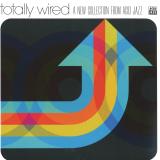
We are excited to announce the return of the iconic Totally Wired series with a brand new collection on LP and CD. The first 50 orders will include a special art print of the artwork. We are also doing a limited edition T-shirt to celebrate this milestone!
In 1988 Acid Jazz released its first compilation album ‘Totally Wired: A Collection From Acid Jazz Records’. Compiled by Eddie Piller and Gilles Peterson it collated 11 tracks that summed up the early days of our scene, mixing new label signings, cool new records being played in our clubs and a couple of oldies. It sold well to the then small scene and set the template for a series, that in the wake of the international success of The Brand New Heavies, Jamiroquai, The James Taylor Quartet and others exploded. By the time that Volume 5 appeared, we were selling tens of thousands of copies, with major label artists vying for inclusion.
By that point ‘Totally Wired’ was a phenomenon, that sign-posted changes in both the directions of new music, but of the oldies that were played on the scene. It gave DJs new tunes to play and soundtracked 1000s of Cafés and bars the world over in the age of the CD. It was largely retired at the end of the 90s and as times changed.
Over the years we have been asked to return to the scene of the crime, but it has never quite felt right, until now. With vinyl back, and the need for easy to digest compilations becoming neccessary in the chaos of streaming’s ‘I can listen to anything I want, but can’t think what that might be’ is evident, but also we are feeling excited about where Acid Jazz is right now. New artists on the label are making great records, Matt Berry has a Top thirty album, and The Brand New Heavies are headlining the Royal Albert Hall. It’s easy to make an exciting album when that is happening.
So we are releasing “Totally Wired: A New Collection From Acid Jazz” and treating it like the important milestone that it is. From the Acid Jazz sid we have new and exclusive recordings by Matt Berry, Chris Bangs and new signings Earth-o-Naut and Quiet Fire, there is also a recent white label only 45 cut by the Soul Revivers – released ahead of their new album due this Autumn and featuring Kokoroko’s Shiela Maurice-Grey and Anoushka Nanguy. For the oldies we have dug deep into our own archives to bring you the Acid Jazz Orchestra’s version of Corduroy’s ‘Something In My Eye’ and The Brand New Heavies astounding funk take of Aretha Franklin’s ‘Rock Steady’. These are all joined by recent scene records by Carmy Love – one of the greatest voices in the UK – The Romero Brothers, and BDQ, carrying the series onwards at last.
- A1: Malavoi - Te Traigo Guajira
- A2: Los Caraibes - Donde
- A3: Tropicana - Amor En Chachacha
- A4: Ryco Jazz - Wachi Wara
- A5: Eugene Balthazar - Dap Pignan
- A6: Roger Jaffort - Oye Mi Consejo
- A7: Les Kings - Oriza
- B1: Les Supers Jaguars - Tatalibaba
- B2: Super Combo De Pointe A Pitre - Serrana
- B3: L'ensemble Abricot - Se Quedo Boogaloo
- B4: Henri Guedon - Bilonga
- B5: Les Aiglons - Pensando En Ti
- B6: Los Martiniquenos - Caterate
In Guadeloupe, many people think that jazz and ka music are like a ring and a finger. To some extent, the same could be said about so called Latin music and the music played in the French West Indies.
Both aesthetics were born in the Caribbean and bear so many connections that they can easily be considered cousins. In constant dialogue, there are lots of examples of their fruitful alliance and have been for a while. The English country dance that used to be practiced in European lounges came to be called kadrille in Martinique and contradanza in Cuba. They both featured additional percussion instruments inherited from the transatlantic deportation. Drawing from shared feelings about the same traumatized identity – later to be creolized – it would be hard not to assume that they were meant to inspire each other. The golden age of the orchestras that graced the Pigalle nights during the interwar period further proves the point. As soon as the 1930s, Havana-born Don Barreto naturally mixed danzón and biguine music in a combo based at Melody's Bar. In the following decade, Félix Valvert, a conductor who was born and raised in Basse-Terre in Guadelupe, also worked wonders in Montparnasse with La Coupole, which was an orchestra made up of eclectic musicians. Afro- Caribbean performers of various origins were often hired on rhythm and brass sections in jazz bands, which used to enliven the typical French balls of the capital. In the 1930s and onwards, Rico’s Creole Band was one of them.
Martinican violinist-clarinettist Ernest Léardée, who would become the king of biguine music as well as the main figure of French Uncle Ben's TV commercials (a dark stigma of post-colonial stereotypes), had musicians from the whole Caribbean sphere play at his Bal Blomet – and they all enchanted "ces Zazous-là" (according the words of Léardée's biguine-calypso piece). In les Antilles (French for French West Indies), music history started to speed up in the 1950s, when trade expanded and radio stations grew bigger. The Guadelupean and Martiniquais youth tuned in their old galena radio sets to South American and Caribbean music. As for the women traders, les pacotilleuses, they bought and sold goods across different islands (the "passing of items through various hands" was thought to be most pleasurable) and brought back countless sounds in their luggage. Such was the case of Madame Balthazar, who once returned from Puerto Rico with the first 45rpm and 33rpm to ever enter Martinique.
Out of this adventure was created the famous Martinican label La Maison des Merengues, a music business she opened and undertook with her husband and which proved to be a major landmark. At the end of the 1950s, in Puerto Rico, Marius Cultier competed in the Piano International Contest playing a version of Monk's Round 'Midnight. He won the first prize and this distinction foreshadowed everything that was to come. Cultier, the heretic Monk of jazz, was quickly praised for writing superb melodies, always tinged with a twist that conferred a unique sound to his music. It didn't take long for the gifted self-taught musician to get to play with Los Cubanos, making a name for himself thanks to his impressive maestria on merengues.
The rest is history. Besides, in the late 1950s, Frantz Charles-Denis, born into the upper middle class in Saint-Pierre and better known by his first name Francisco, went back home after working at La Cabane Cubaine – a club located rue Fontaine where he had caught the Latin fever. Francisco's music was therefore heavily marked by his Cuban cousins' influence, which gave the combos he led a specific style and also led to renewal. Things were swinging hard in La Savane, located in the main square in Fort-de-France. He set up the Shango club close by and tested out the biguine lélé there, a new music formula spiced up with Latin rhythms. Soon afterwards, fate had him fly to Puerto Rico and Venezuela.
As for percussionist Henri Guédon (percussions were only a part of his many talents), he was born in Fort-de-France in May 22nd 1944, the day marking the celebration of the abolition of slavery. As an old man, he could remember that in " his father's Teppaz, a lot of hectic 6/8 music was constantly playing...". In the opening lines of his Lettre à Dizzy, a small illustrated collection of writings published by Del Arco, he highlighted the huge impact that cubop had on him as a teenage boy, around 1960. He eventually turned out to be the lider maximo in La Contesta, a big band steeped in Latin jazz. He was also the one who originated the word zouk to describe music which brought the sound of the New York barrio to Paris. It was the culmination of a journey that started in Sainte-Marie: "a mythical place for bélé, the equivalent of Cuban guaguancó". In the early 1960s, the tertiary economy developed to the detriment of agriculture. Yet rural life was where roots music emerged in Martinique and in Guadeloupe.
Record companies played a major part in the process of Latin versions sweeping across the islands – before reaching everywhere else. Producer Célini, boss of the great Aux Ondes label, and Marcel Mavounzy, both the head of Émeraude records - a firm which was founded in 1953 - as well as the brother of famous saxophonist Robert Mavounzy, were big names to bear in mind. Although there were many of them - all of whom are featured on this record - Henri Debs was definitely the major figure in the recording adventure. He proved to be so influential that he even got compared to Berry Gordy. In the mid 1950s, when he acquired his first Teppaz, he worked on his first compositions: a bolero and a chachacha. Then, he became the one man who made people discover Caribbean music, from calypso to merengue. He was among the first ones to rush out to San Juan, Puerto Rico, to buy records and distribute them through a store run by one of his brothers in Fort-de-France. He had members of the Fania All Star come and perform there, which he was madly proud about. He was also the first one to pay attention to Haitian music, such as compas direct and various other rhythms which would soon flood the market. As a result, many of the combos hitting his legendary studio would end up boosted by widespread "Afro-Latin" rhythms. However, he never denied his identity: gwo ka drums were given a major role, although they were instruments which had long been banned from the "official" music spheres. The present selection bears witness to such a creative swarming. Here are fourteen tracks of untimely yet unprecedented cross-fertilization: all types of music rooted in the Creole archipelago have found their way, whatsoever, to the tracklisting. Whether originating from the city or being more rural, they all go back to what Edouard Glissant, in an interview about the place of West Indian music in the Afro-American scope, called "the trace of singing, the one which got erased by slavery." "It is so in jazz, but also in reggae, calypso, biguine, salsa... This trace also manifests through the drums, whether Guadelupean, Dominican, Jamaican or Cuban... None of them being quite the same. They all point to the idea of a trace, seeking it out and connecting to each other through it. This is the hallmark of the African diaspora: its ability to create something new, in relation to itself, out of a trace. It may be the memory of a rhythm, the crafting of a drum, a means of expression which doesn't resort to an old language but to the modalities of it." The opening track features one of the emblematic orchestras of this aesthetic identity, criscrossing many music types from the archipelago. The 1974 Ray Barretto guajira – Ray Barretto was a major New York drummer influenced by Charlie Parker and Chano Pozzo – is magnificently performed by Malavoi, a legendary Fayolais group (i.e from Fort-de-France). Additionally, the compilation ends on a piece by Los Martiniqueños de Francisco. It symbolically closes the circle as it is a genuine potomitan of Martinique culture which also functions as a tireless campaigner for Afro-Caribbean music. Practicing the danmyé rounds (a kind of capoeiria) to the rhythm of the bèlè drum, it delivers a terrific Caterete, a kind of champeta of Afro- Colombian obedience which was originally composed by Colombian Fabián Ramón Veloz Fernández for the group Wgenda Kenya. The icing on the cake is Brazilian Marku Ribas, who found refuge in Martinique in the early 1970s, bringing his singing to the last trance-inducing track. These two "versions" convey the whole tone of a selection composed of rarities and classics of the tropicalized genre, swarming with tonic accents and convoluted rhythms. It is the sort of cocktail that the West Indians never failed to spice up with their own ingredients. For instance, the Los Caraïbes cover of Dónde, a famous Cuban theme composed by producer Ernesto Duarte Brito, has a typical violin and features renowned Martinique singer Joby Valente and his piquant voice.
The track used to be – or so we think – their only existing 45rpm. The meaningful Amor en chachachá by L'Ensemble Tropicana, a band which included Haitian musicians among whom was composer and leader Michel Desgrotte, also recalls how Latin music was pervasive in the tropics in the mid-1960s. They were the ones keeping people dancing at Le Cocoteraie in Guadelupe and La Bananeraie in Martinique. Around the same time, another "foreign" band, Congolese Freddy Mars N'Kounkou's Ryco Jazz, achieved some success on both islands by covering Latin jazz classics – such as their adaptation of Wachi Wara, a "soul sauce" by Dizzy Gillespie and Chano Pozo whose interweaving of strings and percussions can have anyone hit the dancefloor. How can you resist Dap Pinian indeed, a powerful guaguancó by Eugene Balthazar, performed by the Tropicana Orchestra and published by the Martinique-founded La Maison des Merengues? It also acts as a symbol of the maelstrom at work. Going by the name Paco et L'orchestre Cachunga, Roger Jaffory used to play guaguancó too: his Fania-inspired Oye mi consejo is one example of his style. Baila!!!!! Dancing was also one of the Kings' focus points. Oriza is a Puerto Rican bomba and a "classic" originally composed by Nuevayorquino trumpeter Ernie Agosto, which reserves major space for brasses, giving it a special sheen.
Emerging from the New York barrios crucible was also La Perfecta, a Martinique group originating from Trinidad, whose name directly references the totemic Eddie Palmieri figure as well as his own band, also called La Perfecta. Here they borrow Toumbadora from Colombian producer and composer Efraín Lancheros and interpret it by emphasizing percussions, which set fire to the track even more than the wind instruments. The same goes for Martinique's Super Jaguars, who use Tatalibaba – a composition by Cuban guitarist Florencio "Picolo" Santana which was made famous by Celia Cruz & La Sonora Matencera – as a pretext for sending their cadences into a frenzy. In a more typically salsa vein, the Super Combo, a famous Guadelupean orchestra from Pointe-Noire that was formed around the Desplan family and had Roger Plonquitte and Elie Bianay on board, adapt Serana, a theme by Roberto Angleró Pepín, a Puerto Rican composer, singer and musician also known for his song Soy Boricua. Here again, their vision comes close to surpassing the original. In the 1970s, L'Ensemble Abricot provided a handful of tracks of different syles, hence reaching the pinnacle of the art of achieving variety and giving pleasure. They played boleros, biguines, compas direct, guaguancó and even a good old boogaloo - the type they wanted to keep close to their hearts for ever, "pour toujours", as they sang along together in one of their songs. Léon Bertide's Martinican ensemble excelled at the boogaloo which had been composed by Puerto Rican saxophonist Hector Santos for the legendary El Gran Combo.
Three years later, in 1972, Henri Guédon, with the help of Paul Rosine on the vibraphone, tackled the Bilongo made famous by Eddie Palmieri. Such a classic!!!!! And so were the Aiglons, the band from Guadelupe: choosing to execute Pensando en tí, a composition by Dominican Aniceto Batista, on a cooler tempo than the original, they noticeably used a wonderfully (un)tuned keyboard in place of the accordion. On the high-value collectible single – the first one released by Les Aiglons under the Duli Disc label – there is a sticker classifying the track under the generic name "Afro". Now that is what we call a symbol. Jacques Denis
- A1: Charlie Parker - Roomance Without Finance (Mg9022)
- A2: Dexter Gordon - Dexter's Minor Mad (Mg9022)
- A3: J J. Johnson - Jay Bird (Mg9022)
- B1: Milt Jackson - Hearing Bells (Mg9022)
- B2: Leo Parker - Chase 'N' Lion (Chase'n The Lion) (Mg9022)
- B3: Stan Getz - Stan's Mood (Mg9022)
- A1: Fats Navarro - Hollerin' And Screamin' (Fatso) (Mg9023)
- A2: Allen Eager - Church Mouse (Mg9023)
- A3: Kai Winding - Always (Mg9023)
- B1: Don Byas - Byas A Drink (Mg9023)
- B2: J J. Johnson - Jay Joy (Mg9023)
- B3: Dexter Gordon - Long Tall Dexter (Mg9023)
- A1: Budd Johnson - Little Benny (King Kong) (Mg9024)
- A2: J J. Johnson - Mad Be Bop (Mg9024)
- A3: Milt Jackson - Bubu (Mg9024)
- B1: Leo Parker - Solitude (Mg9024)
- B2: Stan Getz - Don't Worry 'Bout Me (Mg9024)
- B3: Fats Navarro - Maternity (Lard Pot) (Mg9024)
- A1: Allen Eager - Donald Jay (Mg9025)
- A2: Kai Winding - Saxon (Mg9025)
- A3: Budd Johnson - Dee Dee's Dance (Mg9025)
- B1: J J. Johnson - Coppin' The Bop (Mg9025)
- B2: Milt Jackson - Junior (Mg9025)
- B3: Dexter Gordon - Dexter Digs In (Mg9025)
- B2: Serge Chaloff - Pumpernickel (Mg9026)
- B3: Morris Lane - Blowin' For Kicks (Mg9026)
- A1: Allen Eager - Unmeditated (Mg9026)
- A2: Leo Parker - The Lion's Roar (Lion Roars) (Mg9026)
- A3: Eddie "Lockjaw" Davis - Stealin' Trash (Mg9026)
- B1: Roy Porter - Pete's Beat (Mg9026)
”The Birth of Bop” kann ab heute hier vorbestellt werden und erscheint am 31. März in verschiedenen Formaten, darunter ein Vinyl-Boxset mit fünf 10-Zoll-LPs, ein 2-CD-Format und digitale Editionen. Jeder Titel der Sammlung wurde von Joe Tarantino bei Joe Tarantino Mastering frisch restauriert und neu gemastert, während die physischen Formate neue, ausführliche Liner Notes des GRAMMY-gekrönten Autors und Moderators Neil Tesser sowie alte Fotos aus dieser Zeit enthalten. Es ist eine unverzichtbare Einführung in
diese wichtige Periode der Jazzmusik: The Savoy 10-Inch LP Collection enthält 30 ausgewählte Aufnahmen von vielen der Pioniere des Genres, darunter Charlie Parker, Dexter Gordon, Stan Getz, Milt Jackson, Allen Eager, Fats Navarro und viele mehr.
Diese bahnbrechenden Aufnahmen aus den Jahren 1944 bis 1949
trugen maßgeblich zur Entwicklung des modernen Jazz bei und brachten junge Künstler dazu, die Grenzen des Genres in einer Zeit zu erforschen, in der Swingmusik der vorherrschende Sound war und Big Bands den Äther beherrschten.
- Cutthroat
- Cowards Around
- Quiet Life
- Nothing Better
- Plaster
- Spartak
- To And Fro
- Lampiao
- After Party
- Screwdriver
- Packshot
- Axis Of Evil
HOT SHOTS VINYL[23,49 €]
"Cutthroat ist eine wilde Fahrt. Es ist für den unerfahrenen Fahrer. Für denjenigen, der einfach nur schnell fahren will, ohne einen anderen Grund als den, dass es Spaß macht. Es wird von Hunger angetrieben. Hunger nach etwas Besserem. Nach etwas, von dem man einem gesagt hat, dass man es nicht verdient. Es ist instinktiv. Es ist roh. Es ist kompromisslos. Es ist die Person, die unangekündigt auf der Party auftaucht. Denn wenn du am Boden liegst, gibt es nur einen Weg - nach oben. Wenn du nichts hast, hast du nichts zu verlieren." - shame "Cutthroat" ist shame in seiner besten Form. Das neue Album mit Grammy-Preisträger John Congleton am Ruder ist unerbittlich, aufgemotzt und überladen. Es ist genau da, wo man shame haben möchte. "It's about the cowards, the cunts, the hypocrites", sagt Sänger Charlie Steen und ergänzt: "Seien wir ehrlich, von denen gibt es im Moment eine Menge." Die fünf Freunde aus Kindertagen - Charlie Steen, die Gitarristen Sean Coyle-Smith und Eddie Green, Bassist Josh Finerty und Schlagzeuger Charlie Forbes - sind noch in ihren Zwanzigern und haben shame exponentiell wachsen lassen, mit ehrgeizigen klanglichen Ideen und den technischen Möglichkeiten, sie umzusetzen. shame haben sich mit ihren legendären Liveshows und drei von der Kritik gefeierten Alben bereits mehrfach bewährt und waren bereit, mit "Cutthroat" ein neues Ground Zero zu schaffen. "Hier geht es darum, wer wir sind", sagt Steen. "Unsere Live-Shows sind keine Performance-Kunst - sie sind direkt, konfrontativ und roh. Das war schon immer der Kern von uns. Wir leben in verrückten Zeiten. Aber es geht nicht um 'Armes Ich'. Es geht um 'Fick dich'." Entscheidend für diese aufrüttelnde neue Sichtweise war Produzent John Congleton (St. Vincent, Angel Olsen). Von ihrem ersten Treffen an wurde Congletons "No-Bullshit"-Herangehensweise zu einer treibenden Kraft, um die Ideen der Band zu optimieren. Das Album ist durch und durch von shames typischen Sinn für Humor geprägt und nimmt sich der großen Themen unserer Zeit an und spielt fröhlich mit ihnen. Mit Trump im Weißen Haus und shame in den Salvation Studios in Brighton, werfen sie einen gnadenlosen Blick auf Themen wie Konflikte und Korruption, Hunger und Begehren, Lust, Neid und den allgegenwärtigen Schatten der Feigheit. Auch musikalisch spielt die Platte mit neuen Ideen, die ins Herz gehen. Coyle-Smith, der auf Tournee zum Spaß elektronische Musik macht, hatte die Loops, die er herstellte, zuvor als etwas anderes betrachtet als das, was er für shame schrieb. Dann wurde ihm klar, dass sie das vielleicht gar nicht sein müssen. "Diesmal konnte man alles verwenden, wenn es gut klang und man es richtig machte", sagt er. Die erste Single und der Titeltrack von "Cutthroat" greifen diese Idee auf und machen daraus den vielleicht besten Song, den shame je auf Band gebracht haben. Es ist ein Knäuel kaum zu bändigender Attitüde, verpackt in drei Minuten Indie-Dancefloor-Hedonismus. Er führt auch meisterhaft in die lyrische Perspektive des Albums ein: eine, in der selbstsichere Arroganz und tiefe Unsicherheit zwei Seiten der gleichen Medaille sind. "Ich habe viele Stücke von Oscar Wilde gelesen, in denen sich alles um Paradoxe dreht", erklärt Steen. "In 'Cutthroat' geht es um diese ganze Idee aus 'Lady Windermere's Fan': 'Das Leben ist viel zu wichtig, um ernst genommen zu werden'." Auch diese freche Selbsterkenntnis ist wichtig. So sehr shame die Seifenblasen des Getöses und des Egos zerplatzen lassen wollen und uns ermutigen, in den Spiegel zu schauen und uns zu fragen: "Wer den ersten Stein wirft...", so sehr verstehen sie auch, dass das Leben im Grunde genommen oft lächerlich ist. Das Ergebnis ist ein Album, das in den Idiosynkrasien des Lebens schwelgt, eine Augenbraue hochzieht und die unangenehmen Fragen stellt, die so oft taktvoll übergangen werden. Aber die einzige Antwort, die "Cutthroat" mit durchschlagendem Erfolg gibt, ist, dass shame im Moment nie besser klangen.
- A1: Bobby Rush & Jimmie Vaughan– Going Down
- A2: Benny Turner– Reconsider Baby
- A3: Jivin' Gene– Flip, Flop And Fly
- A4: Kam Franklin– You'll Lose A Good Thing
- A5: Lil' Ed Williams– If You Change Your Mind
- B1: Kim Wilson & The Fabulous Thunderbirds– Talkin' Bout My Friends
- B2: Mckinlley James– Those Lonely, Lonely Nights
- B3: Lurrie Bell– The Sky Is Crying
- B4: Ruthie Foster– Lead Me On
- C1: Doyle Bramhall Ii– Bad Boy
- C2: Big Bill Morganfield– Just Like A Bird Without A Feather
- C3: John Primer– Honest I Do
- C4: Eve Monsees– Lookin' Good
- C5: Lynn August– The Things That I Used To Do
- D1: C.j. Chenier– Willie The Wimp
- D2: Sue Foley– You Got Me Where You Want Me
- D3: Kam Franklin– If (I Could Be With You)
- D4: Lavelle White– Message From Miss Lavelle
- A1: Pinetop Perkins– Chicken Shack/Sugar Bear Intro
- A2: Jimmy Rogers– Walking By Myself
- A3: Sunnyland Slim– Built Up From The Ground
- A4: Otis Rush– Double Trouble
- A5: Eddie Taylor (2)– Bigtown Playboy
- A6: Buddy Guy– Look On Yonders Wall
- B1: Angela Strehli– What It Takes To Get A Good Woman
- B2: Albert Collins– Cold, Cold, Feeling
- B3: Gary Clark Jr.– Catfish Blues
- B4: James Cotton– Midnight Creeper
- A1: Lou Ann Barton– Sugar Coated Love
- A2: Snooky Pryor– I'm So Glad
- A3: Angela Strehli– It Hurts Me, Too
- A4: Lazy Lester– No Special Rider
- A5: Lavelle White– You're Gonna Make Me Cry
- A6: Doug Sahm– I Won't Cry
- B1: Marcia Ball, Lou Ann Barton, Angela Strehli– A Fool In Love
- B2: Doyle Bramhall– Too Sorry
- B3: Sue Foley– Gone Blind
- B4: Barbara Lynn– Hear From My Daddy
- B5: Kim Wilson– Don't Touch Me
- B6: Pinetop Perkins– Going Down Slow
- A1: Los Lobos– 300 Pounds Of Joy Pt. 1
- B1: Los Lobos– 300 Pounds Of Joy Pt. 2
Influenced by the vibrant Caribbean community and the reggae sounds that permeated his environment, Danny Red was drawn to music at a young age. His journey began in the 1980s, but it was in the early 1990s that Danny Red truly started to make his mark in the reggae scene. Rise to prominence was marked by his unique voice and his commitment to the Rastafari movement, which heavily influenced his music. In the 1990s, as dancehall began to dominate the reggae scene, Danny Red stayed true to his roots reggae origins, focusing on socially conscious themes and spiritual messages.
Known for his powerful vocal delivery and a profound lyrical approach, Danny Red’s music often explores themes of cultural identity, social justice, and spiritual awareness. Here teamed up with south Italian collective Mystical Powa to bring lyrically rich and musically vibrant single. Exploring Rasta believe in holy place called Mount Zion that awaits for each good person. Backed with highly popular anthem horn piece entitled Kunta Kinte played by Eddie T-Bone. Both tunes comes with tuff dub versions ready to mash up all dances worldwide.
Influenced by the likes of Wanexa, Eddy Grant, and YMO, Legowelt teams up with synth-funk artist Shook for a colorful, fun, and melodic new LP on Nightwind Records. A raw mix of saturated Italo disco, city pop, and electro-funk -- drenched in haunting melodies that will linger in your mind for months to come!
The rediscovery of Terry Callier is of the high points of in the history of Acid Jazz Records, who present the reissue of the 7” version of the song that started it all - ‘I Don’t Want To See Myself (Without You)’. A true classic of the modern soul scene.
‘I Don’t Want To See Myself…’ was the final release from Callier, whose career encompassed recording for Prestige, Chess’s Cadet label and Elektra, before this one- off single on the independent Erect label.
Despite the record fetching huge sums by the 1990s, his career had been largely unexplored, until Acid Jazz founder Eddie Piller decided to track him down. After several attempts, Eddie finally found him working as a computer programmer, and in July 1990 Acid Jazz reissued the single.
Over the next decade Terry resumed his recording and performing career, releasing new music, and was finally recognised for his brilliance as an artist. In 2006 Eddie found himself once more in conversation with Terry and they agreed on releasing a 7-inch version of the single, with an edit created by Andy Lewis.
This single is long since deleted, and now sells for upwards of £30, so with the full co-operation of his daughter Sundiata and licensed from Terry Callier Music, it is set for reissue in March 2025, backed with ‘If I Could Make You’.
- A1: You Don't Know What Love Is
- A2: The Nearness Of You (Dedicated To Eddy Moore)
- A3: My One And Only Love
- B1: I Want To Talk About You
- B2: Soul Eyes
- C1: Nancy (With The Laughing Face)
- C2: Polka Dots And Moonbeams
- C3: Say It (Ove And Over Again)
- D1: Lament
- D2: The Bird Song (Solo)
- D3: Moonlight In Vermont (Bonus Track)
Pharoah “Farrell” Sanders was a leading figure in the world of jazz and his tenor saxophone playing earned him a legendary status among jazz circles.
This 2LP compilation Welcome To Love features the master saxophonist playing straight-up jazz ballads and includes the bonus track “Moonlight In Vermont”. Sanders is accompanied by William Henderson on piano, Stafford James on bass and Eccleston W. Wainwright on drums.
Welcome To Love is available as a limited edition of 1000 individually numbered copies on yellow coloured vinyl.
To celebrate the 45th anniversary of iconic Dutch jazz label Timeless Records, Music On Vinyl is releasing a series that features albums that are part of the Timeless Records legacy and will be released mainly throughout 2022.
Part of this series is Pharoah Sanders’ Moon Child from 1990, which bookended a decade of musical soul searching for Sanders. The acclaimed free jazz player is known to have a raw and abrasive sound, but reinvented himself on this album as a more traditional improviser capable of thoughtful deliberations. Moon Child is a grand old time throughout, and Sanders has never been more eminently sing-along-able as he is on its title track. The record was co-written with Horace Silver, George Gershwin and Abdullah Ibrahim and recorded with William Henderson, Stafford James, Eddie Moore and Cheikh Tidiane Fal
Originally conceived as a compilation of outtakes and live recordings from The Shadow Ring's 1995 stateside tour, Wax-Work Echoes takes its name from the first line of "Put the Music in Its Coffin," the title track of the group's breakthrough release. Lambkin abandons the bitsand- bobs approach, advancing the Shadow Ring concept with entirely original material that builds on the unit's self-mythologizing lyrics, celebrates the clicking of horse hooves, ponders on the sociability of rats and mice, and warns of the dangers of poultry. The first Shadow Ring album to officially include Tim Goss in the main lineup, Wax- Work Echoes reveals the group in its final and lasting form, awash in the outer bounds of atmospheric exploration, with Lambkin's familiar wry and morbid lyricism and the stripped-down angularity of amateurishly detuned guitars fully intact. While Klaus Canterbury and Tony Clark seem all but forgotten, and the shrugged off S. Fritz is listed on the liner notes as performing only "when required," Lambkin did solicit contributions from outside the inner circle. A bit of "Mambo Twist," lifted from a tape of unreleased Vitamin B12 material sent to Lambkin by Alasdair Willis, found its way into "V.E.R.M.I.N.," while an extended epistle contribution from Richard Youngs (and, technically, Brian Lavelle) would be employed in the second half of "Catching Sight/Of Passing Things." Released on CD in 1996 for Bruce Russell's newly minted Corpus Hermeticum, Wax-Work Echoes was recorded concurrently with intense rehearsal periods, in anticipation of the forthcoming "Rose Watson Tour," and was supported by a celebratory fanzine media blitz. The album seemingly absorbs the frenetic excess of the band's transatlantic travels; Wax-Work Echoes channels the trio's wilder instincts into an unresolved catharsis, not yet free of frustration or restlessness. Out of print for almost three decades and available here for the first time ever on long-playing disc, Wax-Work Echoes is a classic from the outer eddies of The Shadow Ring's sound, a must-have for any aficionado's collection: "A window slides, glass slips from frame / And canvas carcass breathes again." Throughout their legendary, decade-long run, the Shadow Ring were an enigmatic force on the international musical sub-underground. Before their disbandment in 2002, this shambolic rock outfit, formed by a group of rowdy teenagers in southeast England, left behind a mighty run of eight LPs, a handful of 7"s, and a spate of raucous live shows and cryptic zine appearances on both sides of the Atlantic, all which have bolstered their enduring word-of-mouth mystique. Beginning in 2023 with the first-ever vinyl pressing of the self-released pre-Shadow Ring tape The Cat & Bells Club (1992), Blank Forms Editions has been conducting a systematic retrospective of the storied group. Wax-Work Echoes and Hold Onto I.D. are the latest releases in a multiyear reissue effort that includes several LPs, a comprehensive CD box set, and a nearly five-hundred-page book.
In 2000 Belgian singer and composer ZIPPORA surprised the international trance-scene with her debut-single LOTUS EATER. In was produced at the time by ILLUSION-DJ DJ Philip and BYTE inhouse-producer EDDY WEYNS. 25 years later it gets a massive remake by none the less than NICO PARISI (known as a resident-DJ in ATMOZ and producer/remixer of Nunca, Aqualords, Nico Parisi of course and the legendary track METRO).
- A1: Science Fiction/Double Feature
- A2: Dammit Janet
- A3: Over At The Frankenstein Place
- A4: The Time Warp
- A5: Sweet Transvestite
- A6: I Can Make You A Man
- A7: Hot Patootie - Bless My Soul
- A8: I Can Make You A Man: Reprise
- B1: Touch-A, Touch-A, Touch Me
- B2: Eddie
- B3: Rose Tint My World
- B4: I'm Going Home
- B5: Super Heroes
- B6: Science Fiction/Double Feature: Reprise
- Llego La Banda
- Soul Sauce (Feat. Felipe Fournier)
- Taboga
- La Mucura
- Lluvia Con Nieve
- Mujer Divina
- Salsa Na' Mas
- Bemba Colora (Feat. Chico Raro)
- Ay Que Rico (Feat. José Benjamín)
This isn't your abuela's salsa night - this is CHEO Y LOS CONSENTIDOS DE LA CASA. Funk-forward. Rhythm-obsessed. 100% dance floor approved. Cheo y Los Consentidos de la Casa is a dynamic, funk-infused Latin music project led by Cheo Pardo (of Los Amigos Invisibles). Serving as the house band for a bi-weekly dance night at NYC's Nublu, the group blends salsa, boogaloo, cha-cha-cha, and bolero with psychedelic effects and deep grooves. Their debut live album captures this high-energy fusion, reimagining Latin classics with a modern, electrifying twist that honors tradition while pushing boundaries. Born from a love of vintage Latin soul and the raw energy of NYC's dance floors, Cheo assembled an all-star crew of the city's hottest Latin players to cook up a high-octane blend of salsa, boogaloo, cha-cha-cha, and bolero - all filtered through wah-wah pedals, space echoes, fuzzy guitar solos, and a deep, unshakable groove. The result? A psychedelic, percussive party that's equal parts tradition and funked-out future. Their debut album, recorded live at Nublu, captures the heat, sweat, and sabor of their wildest nights - reimagining classics from Joe Cuba, Willie Colón, Eddie Palmieri, Mon Rivera, and more. Each track is a tribute and a reinvention, breathing new life into the old- school with a cosmic twist, and opening the doors for a whole new generation to feel that sabrosura in their bones.
- A1: The Watson Brothers Band - Justwhistle
- A2: Jim Huxley - Tessa On A Magazine
- A3: Rick Penta - My Story Changes
- A4: Mak - That's Life
- A5: Palm Pizazz! - Silent Letter
- A6: Twice As Nice - Thoughts Of You
- B1: Barracuda - Baby I Love You
- B2: Elderberry Jak - Forrest On The Mountain
- B3: Dennis - Walk With Me
- B4: Jim Ware - Green Eyed Gypsy
- B5: John Lyle - Oh My Wind
- C1: Peter Kraemer - Let The Light Slip
- C2: Brian Freel - Nightrider
- C3: Michael Moore - Holland
- C4: Clete Stallbaumer - John’s Song
- C5: Ronnie White - The Jump
- D1: David Owens - Take Off Your Armour
- D2: The Squad - D L.m.h.i.m.a
- D3: Christoph Spendel Group - Forever
- D4: Awakening - Gotta Do Somethin / Might As Well Cultivate
‘Maybe I’m Dreaming’ is the latest collection selected by Mikey Young (Total Control, EddyCurrent Suppression Ring) and Keith Abrahamsson (Founder and Head of A&R at AnthologyRecordings), the mangled minds behind the beloved ‘Follow the Sun’, ‘Sad About the Times’,and ‘…Still Sad’ compilations. The twenty tracks of ‘Maybe I’m Dreaming’ make a conscious(and unconscious) detour from its predecessors, sourced entirely from private press releases,spanning new decades and production modes within homespun folk, soft rock and otherwise70s and 80s FM radio adjacent music. The magic of ‘Maybe I’m Dreaming’ is the untold story of the artists behind these songs; thosewho missed the big time, but whose song craft and unrequited care hit the right notes, bothhigh and low.
Where ‘Follow the Sun’ and ‘Sad About the Times’ introduced us to the fame chasing, ambitioncrashing crooners who missed their shot in the mainstream, ‘Maybe I’m Dreaming’ delvesdeeper into the isolated wilds - a private world where production quirks, late-night tape hiss andone-man studio dreams were not necessarily a choice but the hand that was dealt.
With the parameters set to ‘private press only’, Young and Abrahamsson follow a circuitous trailof invention and emotion, documenting a spirit that’s more homespun, sometimes lonelier andoften a little weirder. The guitars still strum, but the keyboards’ hum is more prevalent andprecious; wistful harmonies brush up against lo-fi drum machines; a bittersweet fog lingeringover even the brightest melodies.
As with their previous collaborations, Young and Abrahamsson weren’t interested inconstructing a museum or drafting a historical survey. ‘Maybe I’m Dreaming’ is a sentimentalmixtape, assembled late at night when the mind wanders and old memories blur with imaginedfutures, those within reach and those far too mysterious to ever encounter. Songs wereunearthed in personal collections, deep YouTube burrows, dilapidated web archives and thedim corners of Discogs, with many selections tied not only to intuition but to personalconnection. Some tracks arrived via friends - Kelley Stoltz, a frequent guide for Young, tipped him off toboth Peter Kraemer’s lost gem ‘Let the Light Slip’ and Awakening’s revelatory closer - addingan unseen but deeply felt thread of camaraderie to the compilation.
The journey takes in a wide, strange sweep: The Watson Brothers Band’s ‘Just Whistle’ opensthe collection with a sigh and a shrug, a song that feels like it’s been waiting for decades to beheard again. Jim Huxley’s ‘Tessa on a Magazine’, rediscovered after a long and winding searchby Young, shimmers with a distinctly Australian melancholia. The heartbreak of Rick Penta’s‘My Story Changes’ and Twice As Nice’s delicate ‘Thoughts of You’ float easily alongside themore buoyant, radio-dream sheen of Barracuda’s ‘Baby I Love You’ and MAK’s sunshinedappled ‘That’s Life’.
Widening the aperture to the late 1970s and early 1980s allows for a deeper exploration intoevolving production techniques and musical technologies. The Squad’s ‘D.L.M.H.I.M.A.’ andChristoph Spendel Group’s ‘Forever’ crackle with the kind of bedroom synth warmth that couldonly come from the analogue age, while the soulful, yearning undercurrent of Awakening’s‘Gotta Do Somethin / Might As Well Cultivate’ caps the collection with a call for action - ormaybe just acceptance - in an accidental Brian Eno ‘Here Come the Warm Jets’ parroting.
While ‘Maybe I’m Dreaming’ moves away from the ‘sad man with guitar’ archetype that hoveredover its predecessors, it remains tethered to a familiar emotional gravity - a balance of longingand lightness that defines this corner of the musical universe. Each track shuffles gentlybetween resignation and hope, sadness and serenity, as if the artists themselves were chasinga dream just beyond reach, recording not for fame but for the simple act of getting it, thatprimal, creative itch, out into the world.
Available on CD and 2LP, featuring the third eye-opening artwork of Dang Wayne Olsen. Thedouble LP set arrives in an outrageous double-wide spine jacket with printed inners and adream journal entry by Pacific Northwest artifactual authority Josh Lewellen.
- Opening
- Eyes Of Love
- Where To?
- To The Moon!
- Achluo
- Nova
- Helios
- Into The Abyss
- Again
- A Solar Wind
- Space Walk
- Casadastra
- A Rare View
- Totality
- Infinite Dark
Coming off the heels of 2022's A New Kind of Love, A Trip To The Moon sees GFO diving even deeper in the worlds of film music, exotica, and psychedelic surf rock. The aim is to create a layered and collaged listening experience with more elements than you could possibly pick out in a single listen. The guitars are fuzzy and flooded with spring reverb, and the horns are arranged in a studio big band fashion. It's full of big compositions with garage rock attitude. Influences range everywhere from Eddie Palmieri and Esquivel to The Lively Ones, Dusty Springfield, and War. The tracks are tied together by real recorded transmissions from the Apollo moon missions. The concept for the album is a story about a woman stranded on earth by her cosmonaut partner, left to ponder his whereabouts and whether or not he'll make it back from the cosmos alive.
- Cheer Up Charley
- The Imperial
- Where Are You Sonny?
- Let's Be Us Again
- Roll Back My Life
- Eddie And Polly
- Holly The Hustle
- That Old Haunted Place
- He Don't Burn For Me
- Waiting On The Blue
2025 Repress, New Colour variant, Apricot colour vinyl. Led by vocalist Amy Boone (The Damnations, TX), Cory Gray on keyboards, & horns, Tucker Jackson (The Minus 5) on pedal steel, as well as former Richmond Fontaine members: Sean Oldham, Freddie Trujillo, and Willy Vlautin. Vlautin, the acclaimed novelist and songwriter for Richmond Fontaine, has penned all ten tracks. Recorded in Portland, Oregon and produced by John Morgan Askew, The Imperial shows us again why songwriter, Willy Vlautin became so enamored with Amy Boone"s voice. The combination of Vlautin"s songs and Boone"s voice creates a late night country soul world full of hopefulness and heartbreak.
Eddie Richards' vaults are surely some of the best there can be for tech house heads. The Brit was there on the ground, helping to shape the earliest incarnations of the newly emerging genre back in the 90s and early 00s and few have bettered it since. Proof comes from this reissue of a pair of remastered beauties on new label likethis. 'Destiny' has never before been on wax and is a silky, synth-laced sound with crisp drum funk and then the B-side jam 'The Soul' is a dusty and stripped-back mix of drums, hits, swirling pads and irresistibly loopy grooves.
Das dritte Album der Supersuckers aus Tucson, AZ - "The Sacrilicious Sounds of the Supersuckers" von 1995 - ist ein Klassiker und endlich wieder erhältlich, und zwar auf limitiertem, undurchsichtigem, rotem Vinyl! "The Sacrilicious Sounds of The Supersuckers" wurde von Paul Leary von den Butthole Surfers produziert und ist wütender, höhnischer Punkrock, der die besondere Mischung aus Hardrock, Punk und anspruchsloser Country-Kultur der Band perfekt auf den Punkt bringt. The Damned trifft ZZ Top? Die Motörhead des Südwestens? So etwas in der Art, sicher, aber letztendlich sind The Supersuckers ihr eigenes Ding, und auf "The Sacrilicious Sounds..." - und vor allem auf der Single "Born With a Tail" - beginnen die kläglichen Country-Klagen von Sänger Eddie Spaghetti selbstbewusster durch das rohe Punk-Aggregat zu stoßen. Apropos Aggro: Dies ist das einzige Album der Band mit Rick Sims von den Punk-Legenden Didjits aus Illinois an der Gitarre, und Sims treibt die ohnehin schon gewaltige Wand aus übersteuerten Gitarren der Supersuckers pflichtbewusst in die Höhe. Als zusätzliches Schmankerl übernimmt Sims den Leadgesang bei dem rasanten "Run Like a Motherfucker".
- The Watson Brothers Band - Just Whistle
- Jim Huxley - Tessa On A Magazine
- Rick Penta - My Story Changes
- Mak - That's Life
- Palm Pizazz! - Silent Letter
- Twice As Nice - Thoughts Of You
- Barracuda - Baby I Love You
- Elderberry Jak - Forrest On The Mountain
- Dennis - Walk With Me
- Jim Ware - Green Eyed Gypsy
- John Lyle - Oh My Wind
- Peter Kraemer - Let The Light Slip
- Brian Freel - Nightrider
- Michael Moore - Holland
- Clete Stallbaumer - John's Song
- Ronnie White - The Jump
- David Owens - Take Off Your Armour
- The Squad - D.l.m.h.i.m.a
- Christoph Spendel Group - Forever
- Awakening - Gotta Do Somethin / Might As Well Cultivate
'Maybe I'm Dreaming' ist die neueste Sammlung von Mikey Young (Total Control, Eddy Current Suppression Ring) und Keith Abrahamsson (Gründer und Leiter A&R bei Anthology Recordings) - den Köpfen hinter den beliebten Kompilationen 'Follow the Sun', 'Sad About the Times' und '...Still Sad'. Die zwanzig Tracks von 'Maybe I'm Dreaming' weichen von ihren Vorgängern ab. Sie stammen vollständig aus privaten Pressungen und umspannen neue Jahrzehnte und Produktionsmodi innerhalb der Genres Homepunk-Folk, Softrock und sonstiger FM-Radio-Musik der 70er und 80er Jahre. Die Magie von 'Maybe I'm Dreaming' liegt in den unerzählten Geschichten der Künstler:innen, die hinter diesen Liedern stehen - diejenigen, die den großen Durchbruch verpasst haben, deren Songhandwerk und unerwiderte Sorgfalt aber die richtigen Töne treffen.
'Maybe I'm Dreaming' taucht tief in die isolierte Wildnis ein - eine private Welt, in der Produktionsmacken, nächtliches Bandrauschen und Ein-Mann-Studio-Träume keine Wahl waren, sondern das ausgeteilte Blatt.
Die Songs wurden in persönlichen Sammlungen, in den Tiefen von YouTube, in verfallenen Webarchiven und in den düsteren Ecken von Discogs ausgegraben. Die Auswahl vieler Stücke basiert dabei nicht nur auf Intuition, sondern auch auf persönlichen Verbindungen. Einige Tracks wurden über Freunde entdeckt und fügen der Zusammenstellung einen unsichtbaren, aber tief empfundenen Faden der Kameradschaft hinzu.
Zwar entfernt sich 'Maybe I'm Dreaming' vom Archetyp des „traurigen Mannes mit Gitarre“, der über den Vorgängern schwebte, aber die vertraute emotionale Schwere bleibt erhalten - eine Balance aus Sehnsucht und Leichtigkeit, die diese Ecke des musikalischen Universums definiert. Jeder Track schwankt sanft zwischen Resignation und Hoffnung, Traurigkeit und Gelassenheit, als würden die Künstler selbst einem unerreichbaren Traum hinterherjagen und die Aufnahmen nicht wegen des Ruhmes, sondern aus dem einfachen Bedürfnis heraus machen, diesen ursprünglichen, kreativen Drang in die Welt hinauszutragen.
'Maybe I'm Dreaming' ist eine Einladung, noch ein wenig länger mit halb geschlossenen Augen im Grenzbereich zwischen Erinnerung und Vorstellung zu schweben. Vielleicht träumst du. Vielleicht bist du wach. Vielleicht spielt es keine Rolle.
- 2LP: (Das Doppel-LP-Set mit dem Artwork von Dang Wayne Olsen wird in einer breiten Kartontasche mit bedruckten Innenhüllen geliefert. Zudem enthält es einen Traumtagebucheintrag von Josh Lewellen, dem Experten für Artefakte aus dem pazifischen Nordwesten.)
- The Luckiest Man
- Sewing A Button
- Board Of Desire
- Lot Tour
- Meeting Peter
- Michael Winning
- Michael Losing
- Detective Chuck
- Chuck Sad
- Michael Giving Up
- Bill’s Bargain
- Patricia’s Theme
- Patricia’s Theme Reprise
- The Whammy
John Carroll Kirby brings his signature sound tofilm scoring with the official soundtrack album forfeature film ‘The Luckiest Man in America’, whichpremiered at the Toronto Film Festival andreceived a wide theatrical release.
John Carroll Kirby’s background is steeped in jazz,but his signature sound blends genres and styles.He has collaborated with artists ranging fromsuperstars Solange, Frank Ocean, Harry Stylesand Steve Lacy (earning him a GRAMMY nod forthe smash hit ‘Bad Habit’) to beloved indiemusicians like Connan Mockasin, Yves Tumor,Eddie Chacon and Liv.e.
John Carroll Kirby has released several recordswith Stones Throw, most recently ‘Blowout’ in2023, which Pitchfork called “endlessly vibey… hismost energetic and immediately enjoyable releaseyet.”
His records have received previous support fromPitchfork, The FADER, LA Times, The Guardian,BBC Radio 1, BBC 6 Music, MOJO, Clash andVICE, among many others.
Kirby has toured extensively across NorthAmerica, Europe, Australia / NZ and Asia, and ison tour throughout Summer 2025 with Khruangbinin the US.
For fans of Duval Timothy, Sam Gendel, AlabasterdePlume
- Mirage
- Land Of Some Other Order
- The Dire And Ever Circling Wolves
- Left In The Desert
- Lens Of Unrectified Night
- An Inquest Concerning Teeth
- Raiford (The Felon Wind)
- The Dry Lake
- Tethered To The Polestar
- Untitled
Brown/Black smoke vinyl. Hex; Or Printing in the Infernal Method is the fourth full-length studio album by Earth. Contains a special vinyl only bonus track. Comes with 18"x24" poster exclusive to this release. Marking a new direction the band would follow in years to come, Hex stands in stark contrast to Earth's previous works. While retaining the extremely heavy doom/drone metal song structure of epic riffs over simple repetitive drum beats, the guitar was inflected with country influences that favored a cleaner reverb-heavy tone layered with acoustic instruments over the band's previous predilection for distortion. The press release cited diverse influences such as Ennio Morricone, Billy Gibbons, Neil Young's soundtrack to the movie Dead Man, country musicians Duane Eddy, Merle Haggard, and Roy Buchanan.
- Spin The Black Circle
- Satan's Bed
- Corduroy
- Not For You
- Immortality
- Last Exit
- Blood
- Tremor Christ
- Porch
- Indifference
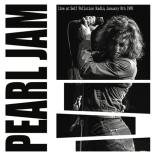
One month after releasing “Vitalogy” , Pearl Jam performed ten songs on a radio show hosted by Eddie Vedder on January 8th, 1995 in a Seattle home-studio. This recordings was also the live debut for their new drummer Jack Irons, one of the original found- ing members of Red Hot Chili Peppers.
The Island Festival presents its first vinyl sampler — a celebration of groove and unity
Born from the spirit of one of northern France’s most beloved electronic gatherings, The Island Festival unveils its very first vinyl sampler on its freshly launched label, The Island.
Held annually on the stunning Île des Saules, The Island has become a beacon for house and electronic music lovers. This limited-edition record captures that magic with four carefully selected tracks, bridging international talent and local energy.
The sampler features:
• A standout cut by Italian duo The Deepshakerz (Great Stuff, Defected, Toolroom, Crosstown Rebels), bringing their trademark blend of funky, percussive house.
• A feel-good track from Etienne & Eddsax, offering sun-soaked grooves and uplifting vibes.
• A deep and dreamy voyage by The Sandman, blurring the lines between groove and introspection.
• And the iconic “Midnight in New York” by Michael Sanctorum.
This release is a sonic snapshot of the festival’s soul. From open-air euphoria to late-night intimacy, The Island Sampler EP 1 is both a collector’s item and a dancefloor weapon.
Français
The Island Festival dévoile son premier vinyle sampler — une célébration du groove et de l’unité
Né de l’esprit de l’un des festivals électroniques les plus emblématiques du nord de la France, The Island Festival présente son tout premier vinyle sampler, lancé sur son propre label : The Island.
Organisé chaque année sur la magnifique Île des Saules, The Island est devenu un rendez-vous incontournable pour les amoureux de house et de musique électronique. Cette édition limitée en vinyle capture l’essence du festival à travers quatre titres soigneusement sélectionnés, mêlant talents internationaux et énergie locale.
Ce sampler réunit :
• Un titre percutant du duo italien The Deepshakerz (Great Stuff, Defected, Toolroom, Crosstown Rebels), fidèles à leur style house percussif et groovy.
• Un morceau feel-good signé Etienne & Eddsax, aux accents ensoleillés et aux rythmes entraînants.
• Une plongée onirique et profonde avec The Sandman, à la frontière entre groove hypnotique et ambiance introspective.
• Et le classique intemporel “Midnight in New York” de Michael Sanctorum.
Cette sortie est un instantané sonore de l’âme du festival. De l’euphorie en plein air à l’intimité des sets nocturnes, The Island Sampler EP 1 s’impose comme un objet de collection autant qu’une arme pour le dancefloor.
Trumpeter Eddie Henderson came to prominence as a member of Herbie Hancock’s Mwandishi in the early-70s after which he recorded a pair of seminal jazz-funk fusion classics for Blue Note—Sunburst (1975, and Heritage (1976)—the latter featuring a forward-looking crew with Julian Priester, Patrice Rushen, Paul Jackson, Mike Clark, Billy Hart, Mtume, and others. This Blue Note Classic Vinyl Edition is stereo, all-analog, mastered by Kevin Gray from the original master tapes, and pressed on 180g vinyl at Optimal.
Pioneering British electronic musician Mark Van Hoen is set to release his latest solo album, The Eternal Present, on 23 May 2025 via Dell'Orso, a remarkable collection of tracks spanning nearly three decades of recordings from 1998 to 2024.
The Eternal Present embodies its philosophical title, inspired by Joseph Campbell's concept that "Eternity isn't some later time... Eternity is that dimension of here and now that all thinking in temporal terms cuts off." The album explores music as the ultimate expression of existing in the present moment, transcending time and creating a sonic experience that is simultaneously "spectral, ghostly, melodic, harmonic, and decayed."
An influential contemporary of Aphex Twin, Autechre, LFO and Boards of Canada, Van Hoen is best known for his solo work as Locust in the mid-'90s, which helped push post-rave electronic music into newly challenging realms. His extensive discography spans releases on influential labels including R&S, Touch, and Editions Mego. Van Hoen has worked on numerous collaborations throughout his career, including with Nick Holton and Neil Halstead of Slowdive under the moniker Black Hearted Brother—their album Stars Are Our Home was released in 2013.
The Eternal Present continues the lineage of Van Hoen's most significant works, with artwork by Ian Anderson (Designers Republic) reflecting the album's "eternal present" concept with a mysterious visual approach, allowing listeners to form their own imaginary landscapes. The mastering by Stefan Betke (Pole) enhances this document of the evolution of the artist over the years as he continues to hone his signature sound. Using a host of instruments including analogue synthesisers and employing various recording approaches, Van Hoen's equipment changed dramatically over the years—from early DSP processing used on his first solo record on Apollo ‘Playing With Time’ to various synthesisers, modular systems, tape machines, and digital workstations—contributing to the album's rich sonic diversity.
Throughout The Eternal Present, ideas are woven together through spoken word quotations and abstract vocals featuring notable collaborations from Rachel Goswell on the Slowdive cover "Shine" (from 1998), Megan Mitchell (Cruel Diagonals) on "Somewhere", and session vocalists Clare Dove and Dorothy Takev on "No-One Leave" and "It's Not You (In A Way)" respectively. The use of cleverly assembled vocal samples from an "undisclosed but very famous female vocalist" on "Multiplex" (2016) and the indistinct vocalisations on the Cabaret Voltaire-influenced "Only Me" (2017), constantly challenges and disorientates the listener through fluctuating, ever-changing musical elements.
The album was recorded across multiple locations including Somerset, London, Los Angeles, and New York—even beginning compositions during flights and in airport lounges—reflecting Van Hoen's changing personal circumstances, environments, and situations throughout the years.
Of Indian-Jamaican descent, Van Hoen was born and raised in England, absorbing diverse musical influences from his neighbors—African-Jamaican on one side and Punjabi Indian on the other. "Each family played their own music frequently, and I absorbed it." His musical foundations include Brian Eno, Kraftwerk, OMD, Tangerine Dream, Japan, Cabaret Voltaire, and Cocteau Twins, later finding inspiration in My Bloody Valentine, LFO, and '90s producers Robert Leiner and CJ Bolland.
These eclectic influences are evident on The Eternal Present, which contains snapshots of different periods in his life, with changing circumstances across decades creating a variety of textures and sounds. As Mark explains: "It holds the same sonic signature as many of my solo releases and early Locust albums. It's a natural development that has taken place in the last few decades. It's even related to the earliest music I made as a teenager, although perhaps more sophisticated."
“What a remarkably affecting, majestically broad and captivating work it is..what strikes you most is the album’s myriad diversity. Outstanding” (Electronic Sound)
“Whether channelling mid- 70’s Eno, early Aphex Twin or Neu! his vivid sounds shimmer with emotional weight” (Mojo 4*)
"Musically, Van Hoen belongs to a distinguished family tree. Originally influenced by the likes of Brian Eno and Tangerine Dream, and later presaging both Autechre's glitch and Boards of Canada's pastoral IDM." (Pitchfork)
Acclaimed jazz artist Bill Evans’ Momentum album is the 1972 live album recorded at a concert at Stadsschouwburg in Groningen, the Netherlands.
The trio includes, next to Bill Evans on piano, Eddie Gomez on bass and Marty Morell on drums. The ensemble plays compositions by Bill Evans,
Miles Davis’ “Nardis” and Michel Legrand’s “What Are You Doing The Rest Of Your Life”. The album received the prestigious German award
Preis Der Deutschen Schallplattenkritik.
Momentum is available as a limited edition of 1000 copies on blue coloured vinyl and includes a 4page booklet with extensive liner-notes.
- A1: Da Doo Ron Ron (Alt. Ver.)
- A2: Uptown
- A3: He's A Rebel
- A4: There's No Other (Like My Baby)
- A5: He's Sure The Boy I Love
- A6: Please Hurt Me
- A7: Another Country, Another Town
- A8: Oh, Yeah, Maybe, Baby
- A9: Gee Whiz Look At His Eyes (Twist)
- B1: Then He Kissed Me (Alt. Ver.)
- B2: He Hit Me (It Felt Like A Kiss)
- B3: Walkin' Along
- B4: I Love You Eddie
- B5: Frankenstein Twist
- B6: What A Nice Way To Turn Seventeen
- B7: No One Ever Tells You
- B8: On Broadway
Girl groups have come and gone over the years, but the Crystals’ name, along with the Ronettes, has become synonymous with the groundbreaking early-Sixties wave promoted by producer Phil Spector. As well as including some of their early recordings, the songs featured here on this 180g Vinyl set retain their period charm thanks to what one critic called the Crystals’ ‘sweet-butstreetwise vocal magic.’ File the music under Brill Building, GirlGroup Pop or whatever you choose, it wears its half a century of history lightly
- The World Doesn't Need Another Band
- I Only Ever Wanted To See You Fail
- A Figure On The Stairs
- Slow Torture Of An Hourly Wage
- Trouble Don't Last
- You're Never Safe From Yourself
- Your Cult Is On Fire
- My Toxic Friend
- Your Taste Makes You Strange
- Marty As A Youth
- What's The Worst Thing You Heard?
- No One Absolves Us In The End
- Richard In The Age Of The Corporation
- There Must Be A Pill For This
SKY BLUE VINYL[23,49 €]
The Reds, Pinks & Purples is a San Francisco indie band led by Glenn Donaldson (The Ivy Tree, Skygreen Leopards, Art Museums and Painted Shrine). For fans of_ Guided By Voices, The Chills, Teenage Fanclub, The Shins, The Replacements, Leonard Cohen, The Go-Betweens, Robert Wyatt. Having penned over 200 songs in the last six years, The Reds, Pinks and Purples release a collection of tracks previously unreleased on physical format that continues to romanticise the wonders and woes of the world. With song titles that read like chapter sub-heads for a post-Douglas Coupland novella, 'The Past Is A Garden I Never Fed' takes The Reds, Pinks and Purples central orator Glenn Donaldson through the turmoil of small talk and everyday water cooler moments with a fine sense of pathos and irony. Set to a soundtrack that swerves between the dark days of Television Personalities and Byrdsian twang to the Jarvis Cocker-styled rhetoric and vocal tenderness of 'Richard In the Age Of The Corporation' with hints of everything from Husker Du's fuzzed splendour to the chiming majesty of The Chameleons it's an empowering listen. The pathos and irony of the glorious track 'The World Doesn't Need Another Band' sets out the band's store, it's a measured and quietly outspoken rant at lacklustre opposition peppered with a gorgeous guitar break. Meanwhile, 'I Only Ever Wanted To See You Fail' rumbles with an Eddie And The Hot Rods pre-punk riff before dissolving into a tale of self-doubt and remorse, bemoaning others' good luck. 'Toxic Friend' is from the book of the TVP's Daniel Treacey with an upbeat chorus that smacks of all that was good in old school indie in a hail of fuzzy logic and guitars. From humble beginnings as a home recording project, The Reds, Pinks and Purples has blossomed into a sporadic live unit with tours on both sides of the Atlantic and appearances at Pitchfork Fest London and Woodsist Fest as well as support slots for indie legends such as Destroyer, Guided By Voices, and The Feelies. "Donaldson's best work hides allure within a bigger picture, like a jangle-pop egg hunt" Pitchfork.