„Prism Of Pleasure“ wurde in 18 Monaten geschrieben und fasst Elkkas Wesen als eine LGBTQI+-Künstler:in zusammen, die Freiheit und Sinnlichkeit in den Vordergrund ihrer Arbeit stellt. Das war nicht immer so: Geboren und aufgewachsen in Südwales, wo es so gut wie keine Queer-Community in ihrer unmittelbaren Umgebung gab, musste Elkka ihre Identität langsam und neugierig zusammensetzen und dabei allmählich zu sich selbst finden. Nachdem sie sich geoutet hatte und in ihren 20ern nach London zog, begann die Musikerin mit dem Auflegen, Schreiben und Produzieren, was schließlich dazu führte, dass sie ihr eigenes Plattenlabel, femme culture, gründete und ihre eigenen queeren Clubnächte veranstaltete. „Prism Of Pleasure“ ist wie ein weiblicher Blick in einen dampfenden Raum voller Wunder (ein Konzept, das sich wunderbar im pinkfarbenen Albumcover widerspiegelt, das von Elkkas Frau und langjähriger kreativer Mitarbeiterin Alex Lambert fotografiert wurde), das sich um den Begriff der queeren Intimität dreht. Von den sanften, seidigen Vocals von „Crushhh“ bis zu den sich langsam entwickelnden, gehauchten Beats von „Your Skin“ („I'm breathing you in, I want to taste every inch of your skin“) und den gleichmäßigen, wogenden Synthesizer-Mustern von „surrender2me“ entfaltet sich „Prism Of Pleasure“ wie ein Patchwork aus schweißtreibenden Nächten, emotionaler Verbundenheit und versteckten Freuden. Elkka wurde von vielen Kolleg:innen unterstützt, darunter Four Tet, Floating Points, TSHA, Caribou, Sofia Kourtesis, Jon Hopkins, Ben UFO und SHERELLE, und gewann kürzlich einen AIM Award in der Kategorie „Bester Remix“ für ihre Überarbeitung von Ela Minus' „Megapunk“. Letztes Jahr veröffentlichte Elkka eine 4-Track-EP mit energiegeladenen Club-Tools unter dem Titel „DJ Friendly“ und trug auch zur bahnbrechenden DJ-Kicks-Reihe mit einem fesselnden Mix bei, der ihre Liebe zu Frauen und der LGBTQI+-Dance-Community zum Ausdruck brachte, zu der Elkka gehört und regelmäßig in intimen Räumen und auf Queer-Partys wie in der Panorama Bar und FEEL IT auftritt.
Suche:el fin
Principal member Keith Finch linked up with reggae manager and publisher Othman Mukhlis at Stanley House Studio in 2001 and began a series of projects featuring there love of retro reggae. JA13 worked with major reggae stars of the sixties on the ‘Heroes of Kingston’ project, Alton Ellis, Derrick Morgan, Dave Barker Dave and Ansell Collins Winston ‘Mr Fixit’ Francis, Denis Alcapone, Owen Grey, BB Seaton Gaylads and legendary trombonist Rico Rodriguez. [Which lead to two solo albums with Rico Rodriguez]. Project championed by David Rodigan and Ranking Miss P. Music in films and TV including Hawaii 5-0, various US films, BA, Tesco, various BBC, latest and currently they have many tracks on BBC most successful export ‘Death in Paradise’. They also feature two tracks in the forthcoming Shaggy documentary Other reggae artists projects include Bob Andy, Joseph Cotton, General Saint and Clint Eastwood, Don Campbell, J C Lodge, Susan Cadogan, Glen Adams [Upsetters] Pat Rhoden [first artist on Trojan] Tippe Irie, Tenor Fly, Spanna Banner, FYA [Platinum in Japan], Bounty Killer, Elephant man, and many more on ‘Bar Mitzvah riddim’ which was co written and produced with Skatta Burrell. Written for UK pop reggae band Madness on last two albums, and on the project ‘Charge of the Dance Brigade’ with Lee Thompson [Madness] and Jennie Matthias Belle stars singer] with Brazilian jazz accordionist/pianist Chico Chagas. And a host of other top musicians. [Which he co wrote, produced, engineered and nurtured] JA13 have featured on many reggae projects and remixes, the latest offering is ‘World Radio Dub – Chapter One’
HOLY MOTHER präsentieren den Nachfolger von "Face This Burn" und ihr insgesamt siebtes Studioalbum: "Rise"!
In einer Karriere, die sich von den 1990er Jahren bis heute erstreckt, haben HOLY MOTHER einige der mitreißendsten Songs ihres Genres abgeliefert und ihr neues, bis dato härtestes und kraftvollstes Album bildet keine Ausnahme.
Hymnen wie "Rise", "Power", "Fire", "Rain", "Jeremiah" und "Hex" gehen ordentlich ins Ohr, und der Klassiker "Live To Die" vom hochgelobten "Toxic Rain" Album, wurde von HOLY MOTHER zu neuem Leben erweckt und lässt den Geist des verstorbenen HOLY MOTHER-Mitbegründers Randy Coven auferleben.
Mit Mike Tirellis an Ronnie James Dio erinnernde Vocals, den passionierten Shreds des Gitarristen Mickey Lyxx, den treibenden Drums von James Harris und Wayne Banks' flinken Fingern am Bass, werden HOLY MOTHER alle Hard Rock- und Metalfans begeistern!
Described as an "intensely British" record, Peanuts is a wry and observational album, with a newfound sense of compassion and reflection on Liz's inner feelings and their projection on the outside world. Peanuts is a playground game, also known as Mercy, where two kids twist each other's fingers until one cries out, 'Peanuts!', signaling that they have met their pain threshold. From 2013, Liz was performing as a backing singer for Bombay Bicycle Club up to their hiatus in 2016, and again when they reformed in 2019, touring the world. Liz has been a regular collaborator with the band ever since, "It was a life-raft for me. It was such a natural fit, and they became my friends for life" says Liz. Peanuts is Liz Lawrence's first album release with Chrysalis Records, spanning 11 tracks full of topics spanning from plant names to the gender wealth gap. "Peanuts is Cate Le Bon meets Primal Scream going off on one about landowners. It's learning the names of different trees and sweating over being polite in emails. It's a petition to stop Elon Musk from spacejunking up the atmosphere so we can't see the stars anymore and it's a big deep breath after going under." -Liz Lawrence
When Man Man released its last album, "Dream Hunting in the Valley of the In Between," frontman Honus Honus (née Ryan Kattner) was in a state of unrest, oscillating between hope and cynicism. Perhaps fittingly, the album dropped during the pandemic, a time at which we could all relate. But, much like that bizarre turn of events, the ennui now seems so distant to Man Man. A revived sense of purpose washes through Man Man's new album, Carrot on Strings, radiating a mix of calm and confidence. Kattner always embodied a wild-man pied-piper vibe: his melodic, unhinged art-rock was at once intriguing and angsty. He was so alluringly creative that you went along with it, even if you were never sure where Man Man would take you. Carrot on Strings is no less inventive, but its ethos is radical in context of the band's two-decade career. "When I was younger, I would feed off of chaos. I would, you know, be upset and get drunk and smash chairs," Kattner explains. "Now those chairs are in my head: It's less of an outward projection, more of an interior monologue." The name "Carrot on Strings" came to Kattner while experimenting with the sound of someone munching on the vegetable, which you can hear in the cacophonous, similarly named song. It alludes to how success always seemed to dangle uncertainly before him, often just out of reach. But listen intently and you'll hear a more content Kattner finding an uneasy peace: "Life, as far as I've known it, has always been side hustles. Would it be great if I could go into a studio and record for a year without figuring out how to finance it? Yeah, it would be," he says. "But ultimately, I need to keep making music because art is an extension of my psyche. It's how I have learned to translate the palpitations of my heart. Simply put, I'd go insane without it." Growing up as a multiracial Hapa kid (half Filipino, half white) with a father in the U.S. Air Force, Kattner lived an itinerant childhood that included a few pivotal years in Germany, where he honed in on an appreciation for out there German cinema and art. His film obsessions and screenwriting background were crucial to Carrot on Strings. The album nods to the films of Werner Herzog and Rainer Werner Fassbinder as much as Italo-disco, Randy Newman, goth rock, and avant pop. (Kattner continues to work in the film industry with an acting role in the upcoming horror-comedy movie Destroy All Neighbors, for which he also served as composer; music supervising season 1 & 2 of the Interview With The Vampire AMC TV series; and shopping around, with director Matthew Goodhue, a script he wrote that he describes as a Wim Wenders road movie on acid.) In a bid to not overthink anything - his last album took seven years to make - he recorded the bulk of Carrot On Strings in five days in Mant Sounds studio in Glassell Park, Los Angeles with "very chill" producer Matt Schuessler, who had worked on Man Man's cover of Neu!'s "Super" for the seminal Krautrock band's box set. The resulting album represents a newfound sense of self for Kattner, who finds himself inspired and at peace both personally and artistically in ways that eluded him for most of his first 15 years playing music. When, on Carrot On Strings, you hear Kattner croon humbly, or sing of the tension between his outsize stage persona and the thoughtful, soulful guy he actually is, you're hearing Kattner liberate himself. "I first got into music to escape from myself," he says. "And now, it sounds so corny, but I have zero doubt that music ended up saving my life."
"No Friends" ist so etwas wie eine Album gewordene Brieffreundschaft zwischen dem in Hamburg arbeitenden Home-Produzenten Mensing, mit sehr gutem Standing in der Londoner Underground-Szene, und dem roughen Talent des in Miami lebenden ex-New Yorker Rappers siii3eyes. Dabei geht die Rolle des Keno Mensing über die eines Produzenten hinaus. Er fischt aus siii3eyes' Raps und Lyrics die Elemente heraus, die ein Chorus oder Vers sein können und bildet daraus Strukturen, komplexe Puzzles und schliesslich den finalen Track. Alles eingebettet in eine perfekte Balance aus soulig-jazzigem Storytelling-Rap und einer lyrischen Eindringlichkeit und Authentizität, die man sonst eher im Straßenrap verortet. Zwischen den Skits, in denen siii3eyes mit seinem ehemaligen Freund und Mitbewohner spricht (mit dem er sich später überworfen hat, was auch den Titel erklärt), liefern Mensing und er roughe, unmittelbare Einblicke in das Gefühlsleben eines Mannes, der geradezu um sein Leben und seine Selbstverwirklichung rappt.
"Leave Of Absence" beginnt mit einer schaurigen Geigenschwellung, bevor es in den Gitarrenwahnsinn ausbricht, der von Sean Martin (Twitching
Tongues, ex-Hatebreed) und Mike McKenzie (The Red Chord) im Duett gespielt wird. Umbra Vitae bleiben mit "Belief Is Obsolete" und "Clear Cutter"
im roten Bereich und stellen die elektrisierende Rhythmusgruppe von Jon Rice (Uncle Acid, Tsjuder) und Greg Weeks (The Red Chord) vor. Das
Hook-geladene "Anti-Spirit Machine" steht dann im Mittelpunkt, ein Kriegsschrei für die Unterdrückten. Von hier aus fahren Umbra Vitae fort, alles zu
zertrümmern, was sich ihnen in den Weg stellt. Das disharmonische "Reality In Retrograde" rast mit knirschender Unschärfe in das schwerfällige "Past
Tense" und das düster-verführerische "Velvet Black". Zwei Songs, die metallische Heaviness in Reinkultur sind. "Twenty-Twenty Vision", "Algorithm Of
Fear" und "Empty Vessel" steigern die Intensität, angetrieben von den ergreifenden lyrischen Themen und den unmenschlichen Gesangseinlagen von
Jacob Bannon (Converge). Die Dreifaltigkeit aus dem langsamen "Cause & Effect", dem ultra-gewalttätigen "Deep End" und dem wirbelnden "Nature
vs. Nurture" prügeln weiter auf die Hörer ein und leiten das miteinander verbundene "Fatal Flaw" und "Light Of Death" als bösartiges Finale dieses
modernen Metal-Meisterwerks ein.
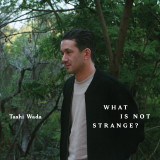
What Is Not Strange? is the first full-length album by Los Angeles-based composer Tashi Wada in over five years, comprising his most far-reaching and impassioned music to date. Written and recorded over a period that encompassed the death of his father and the birth of his daughter, the album sees Wada reflecting inward to explore broad narratives - being alive, mortality, finding one's place in the world - through new modes of ecstatic, song-based expression. While the denser forms, stark contrasts, and overt surreality may carry a different weight than Wada's earlier work, which elicited perceptual effects with minimal means, the heart of What Is Not Strange? is still in experimentation and unforeseen outcomes.
The drone-pop consternations of Ekin Fil emerge through vaporous tone and forlorn, distant song, as if plucked from a dream. These exist on their own accord, moving with their own internal logic of an emotion heaviness that belies any the passing observation of this as mere shoegazing ambience. Her songs, her compositions find themselves adjacent the fragmented etherealization of Elisabeth Fraser's voice from a forgotten scene of a particular David Lynch film, as a ASMR trigger for Proustian recollection. Something profound. Something hidden. Something desolately sad.
The Helen Scarsdale Agency has had the pleasure of witnessing Ekin's continued development, maturation, and growth as a composer, having released now seven of her magnificent, under-the-radar gems. Her slow burning, dejected ballads continue to draw from the deep well of sorrow, with varying frequencies and intensities of bitter light poking through. Loves lost. A world broken. All is not hopeless, but there is a considerable amount of shit to wade through.
Sleepwalkers embraces a familiar set of metaphors in her work, that of narcolepsy and the unsettled state of existence between sleep and being awake. But she stretches herself with a set of compositions that run parallel to the work of Tim Hecker as in the gravitation soft-noise of "Stone Cold" or to a slow motion serialism that punctuates the ambient crawl of her ambitious "Gone Gone." Recommended for fans of Grouper, Rafael Anton Irisarri, A.C. Marias, and Carla dal Forno.
A1 - Blue Sky
Opening with a clean, DJ-friendly Hot Pants break, Blue Sky offers the listener a subtle, warming production with inquisitive synth work creeping around a fine selection of serene effects, panning excitedly across a pristine, polished field. Utilising light orchestral strings, a soft undertone bassline and wistful twilight sounds, Aural Imbalance blends danceable breakbeats with the soothing sounds of yesteryear as fluidly as ever.
A2 - Starburst
Starburst jumps straight into a tight, energetic beat pattern constructed with old school breaks and an off-key bassline, soon joined by eerie, spectral pads to gradually build an ethereal, other-worldly vibe. The composition is elevated by arising symphony of swirling blippy melodies, expressing a nervy and curious tone with detail and harmony before the beat recedes, allowing the melodies to shine alone in the dreamy outro.
AA1 - Frozen Tears
Aural Imbalance conjures a quietly grandiose track with Frozen Tears, driven by muffled keys and thick hi-hats in the intro before a luscious, meditative melody enters the mix. Intricate breakbeats with a suitably understated bassline accompany the fading and echoing synthetic strings, rich pads and subtle bells, producing a beautifully varied spectrum of sound, perfect for the Spatial record box.
AA2 - Moonlit Clouds
A distinctive, impeccably produced Helicopter break takes center stage with Moonlit Clouds, a deftly relaxing ambient aura floating overhead as synths and knowing melodies slowly weave their way into your psyche like shimmering fireflies seizing the moment in the dark. A low sub bassline permeates the depths to complete a collage of euphony to round off another special EP from Aural Imbalance.
Words by Chris Hayes Spatial/Red Mist
Seit mehr als drei Jahrzehnten kreieren EVERGREY Songs, die mit einer Symbiose aus Härte und Melancholie direkt ins Herz gehen und ziehen damit Fans weltweit in ihren Bann. Mit ihrem 14. Album Theories Of Emptiness schreiben die Poeten aus Schweden um Bandgründer, Sänger und Gitarrist Tom S. Englund ihre Erfolgsgeschichte weiter und beweisen, warum sie zu Recht unangefochten an der Spitze des Genres stehen.
Das Album Theories Of Emptiness wurde von Tom S. Englund und Jonas Ekdahl produziert und von Adam „Nolly“ Getgood (Ex-Periphery) gemischt, mit dem EVERGREY während des gesamten Entstehungsprozesses eng zusammengearbeitet haben, um das klangliche Profil bestmöglich zu entfalten.
Gemastert wurde Theories Of Emptiness von Thomas „Plec” Johansson, der durch seine Arbeit mit Soilwork, The Night Flight Orchestra, Onslaught, The Gems, Eleine und vielen weiteren Bands bekannt ist.
Seit ihrem Debüt The Dark Discover (1998) haben EVERGREY 13 Alben veröffentlicht und bewegen sich in einem Spektrum zwischen hartem Progressive und düsterem Melodic Metal. Theories Of Emptiness ist der Nachfolger des 2022 erschienenen A Heartless Portrait (The Orphean Testament), mit dem EVERGREY weltweit Charterfolge verbuchen konnten (#3 in Schweden Metal, #5 der Top New Artist Albums USA, #7 in Finnland und #12 in Deutschland).
Anlässlich des 50-jährigen Bestehens der berühmtesten Vier aus Birmingham werden die "Erfinder" des Heavy Metal von dem prominent besetzten Tribute-Trio um Gitarrist und Sänger Zakk Wylde mit dem Doppelalbum "Doomed Forever Forever Doomed" erneut geehrt. Mit dieser liebevolle Hommage liefern die Amerikaner brillante Interpretationen von BLACK SABBATHs zweitem und drittem Album ab, also die klassischen Heavy Metal-Meisterwerken "Paranoid" (1970) und "Master of Reality" (1971).
ZAKK SABBATH wurden von BLACK LABEL SOCIETY-Gitarrist und Sänger Zakk Wylde gegründet, der auch als langjähriger Lead-Gitarrist von OZZY OSBOURNE und inzwischen auch noch von PANTERA bekannt ist. Nachdem ZAKK SABBATH anfangs mit wechselnden Mitgliedern nur live auftraten, fand die Band schließlich mit dem OZZY OSBOURNE- und ROB ZOMBIE-Bassisten Blasko und Joey Castillo am Schlagzeug (DANZIG, QUEENS OF THE STONE AGE) eine stabile Besetzung. Inspiriert durch das 50-jährige Jubiläum von BLACK SABBATHs selbstbetitelten Debütalbum, veröffentlichte ZAKK SABBATH im Jahr 2020 eine Hommage an diesen monumentalen Heavy Metal-Meilenstein unter dem Titel "Vertigo". Das Album wurde von Kritikern und Fans gleichermaßen mit Lob überhäuft. Das Trio feierte einen weltweiten Erfolg, der sich in beeindruckenden Platzierungen in diversen Charts widerspiegelt: Das Album stieg auf Platz 5 in den US Hard Music Charts, Platz 7 in den Current Rock Albums Charts und Platz 27 in den Billboard Top Album Charts ein. In Frankreich gelang sogar ein Platz 1 in den Metal Album Charts und neben einem Platz 3 in den deutschen Album Charts sowie Platz 9 in den UK Top 40 Rock/Metal Charts finden sich weitere Einträge in anderen Ländern.
Die glühende Leidenschaft für Heavy Metal hat ZAKK SABBATH dazu getrieben, BLACK SABBATH mit dem Doppelalbum "Doomed Forever Forever Doomed" ein noch monolithischeres Denkmal zu errichten. Nicht allein Headbanger dürfen sich über fantastische Interpretationen dieser klassischen Songs freuen, die sicherlich zu den einflussreichsten und folgenreichsten zählen, die je von Menschenhand komponiert wurden!
Rockpile was a short-lived yet highly influential quartet, composed of Nick Lowe, Dave Edmunds, Billy Bremner and Terry Williams. Though Rockpile played together throughout the 1970s, the original 1980 release of Seconds of Pleasure was the only time the band was able to capture their magic on tape. Meshing the sounds of pub rock, power pop and rockabilly all through a blossoming new wave lens, Rockpile were renowned for their blistering live performances, which were brought to national attention on tours supporting Blondie, Bad Company, Van Morrison and Elvis Costello. Seconds of Pleasure has stood the test of time and cemented Rockpile as a one-album-wonder, but what a wonder it is! Featuring classics like Lowe’s pop-perfect “When I Write the Book” and “Play That Fast Thing (One More Time)” and Rockpile’s sole Billboard hit “Teacher Teacher,” Seconds of Pleasure remains a classic that should be found on the turntable of every music collector. Yep Roc is proud to announce a long overdue vinyl reissue of Seconds of Pleasure, pressed on yellow color vinyl and limited to 1,000 copies worldwide. The reissue was pressed at the state-of-the-art facilities of Citizen Vinyl in Asheville, North Carolina and the lacquer was cut by renowned mastering engineer Kevin Gray at Cohearent Audio. Over four decades later, Seconds of Pleasure has brought years of enjoyment and now has never sounded better!
“Home” is not always a literal place. Sometimes, “home” represents inner peace and simply learning to hold space for yourself. This is where Vacations lead singer and guitarist Campbell Burns has arrived as he and bandmates Jake Johnson, Nate Delizzotti, and Joseph Van Lier release their third LP, No Place Like Home. “I had this loose concept of No Place Like Home being an Americana-influenced album,” Campbell says of the album’s sonic inspirations. “I wanted to incorporate more pianos, acoustic guitars, Nashville tuning, and country-inspired lap steel, but then also bringing in drum machines and synths and finding a mix between the two.” Produced by Campbell and John Velasquez (Zella Day, Broods), No Place Like Home comprises 10 shimmering tracks brimming with indie-pop hooks and just a touch of bittersweet sensitivity. The new project follows an intense period of transformation for Campbell, who was forced to cancel all touring commitments due to COVID restrictions and subsequently came down with a severe bout of writer’s block. After seeking therapy, he was eventually diagnosed with Pure OCD, a subtype of Obsessive Compulsive Disorder. “Pure OCD is more mental compulsions rather than physical compulsions,” Campbell explains. “If I have an intrusive thought, I'm giving that thought belief and power over myself.” As the world began to open up, so did Campbell’s vibrant creative spirit. Vacations hit the road for the first time in two years, selling out The Fonda in LA and playing Austin City Limits Festival in Austin, experiences that partially inform No Place Like Home. First single and album opener “Next Exit” sparkles with danceable synth riffs and Campbell’s aching falsetto, all while setting the overall tone for what’s to come. “‘Next Exit’ is about living in this monotonous cycle,” Campbell reveals. “You realize that you need an out. You need to — metaphorically and literally — take the next exit out in order to break out of that cycle.” The singer mines his Pure OCD diagnosis on the pondering “Over You,” which thematically picks up where “Next Exit” drops off. Campbell remarks on how “it almost has this ownership over my thoughts and actions to the point where I'm stuck in these loops and rituals that are a direct result of having OCD.” On the Americana-inspired “Midwest,” which seamlessly blends pop electronics, drum machine, and ‘80s synth with poignant lap steel tones, the song remarks on the comedic nature of repeatedly entering into romantic relationships prior to going on tour — only to have them fizzle out upon returning. As the band releases No Place Like Home, Campbell is ironically just fine with not putting down physical roots just yet having recently made the move to LA for exploration, expanding “I needed to get overseas if I wanted to keep progressing — from a career standpoint, but also on a personal level.” The greater priority lies within building that sense of comfort within himself. In the meantime, millions of fans around the world are making a permanent home with Vacations.
The Kaiju Project is a Japanese inspired jazz group formed by the half Japanese-Austrian pianist Aseo Friesacher. Their initial idea was to bring old folk songs into a new modern context, but in addition to their compositions, this group has found their very own musical direction: a perfect blend of traditional Japanese music and meditative-creative jazz.
Aseo’s composition style is clearly rooted in Jazz, but with the use of traditional Japanese melodic elements and sounds, the music becomes very storytelling and gets a beautiful and mystic character. Also some famous soundtracks from the Ghibli movies and songs by the Japanese singer Hibari Misora, that Aseo has arranged for the band, are included in their repertoire.
The bandleader has had the vision for a long time to create this unique fusion of traditional Japanese music and Jazz in order to bring together the eastern and the western world. In fact, the meaning lies his name A-se-o, “亜為欧“: living for Asia and Europe.
The band went through a couple of changes in their formation but finally resulted in a dream team, featuring two Japanese musicians who bring the authentic sound to the band: Waka Otsu as the vocalist and Fuefuki Kana on Japanese flutes and silver flute. Furthermore there is the highly accomplished and respected ECM artist, drummer and percussionist Joost Lijbaart and the virtuosic and talented bassist Johannes Fend, who make the group complete. So far the Kaiju Project has toured in the Netherlands where most of the band members are based, they have performed in Germany and recorded their first album.
- A1: She Never Wrote Back
- A2: With You I Still Feel Alone
- A3: Dressed Up Ausländer
- A4: (Bolt) Golden Hour At Sisters
- A5: Crashed
- B1: Just Pretend To Be Someone Else
- B2: I'm Poster Syndrome
- B3: Bubble Life
- B4: 4Real
- B5: Closed Eyes
- C1: Other, Like Me
- C2: Methodology #17
- C3: Boy On A Swing
- C4: I Have A Keen Interest
- D1: In A Place Like This
- D2: Mark Up
- D3: I Am An Artist
Experience the sonic journey that is The Black Dog's latest album, "Other, Like Me," as they delve into the intricacies of the artist's psyche, questioning the very essence of individuality and creative worth. The album invites listeners to confront darker thoughts about self-identity, imposter syndrome, and the relentless pursuit of creative value, all while celebrating the joy found in the act of artistic creation. In this introspective exploration, The Black Dog challenge both themselves and their audience, creating a musical experience that is profoundly personal and open to interpretation. The themes woven throughout the album are a poignant counterpoint between the shadows of self-doubt and the exuberance of creative expression. It's an inward exploration, offering a place of solace for listeners to find comfort amid the chaos of external influences. The album's title, "Other, Like Me", draws inspiration from an interview with Cosey Fanni Tutti in 1999, resonating deeply with The Black Dog's outsider perspective. The phrase encapsulates the essence of the album, reflecting the band's unique identity and shared experiences, while respecting each member's individual passions and interests. Navigating the waters of cognitive dissonance, The Black Dog bring an authenticity to their music that mirrors the internal and external conflicts of the contemporary music scene. With a commitment to stripping back layers and allowing the heart of each song to shine through, "Other, Like Me" offers a raw and unfiltered musical experience that speaks directly to the soul. It's an invitation to introspection, a celebration of independence, and a testament to the power of authentic artistic expression.
"Leave Of Absence" beginnt mit einer schaurigen Geigenschwellung, bevor es in den Gitarrenwahnsinn ausbricht, der von Sean Martin (Twitching
Tongues, ex-Hatebreed) und Mike McKenzie (The Red Chord) im Duett gespielt wird. Umbra Vitae bleiben mit "Belief Is Obsolete" und "Clear Cutter"
im roten Bereich und stellen die elektrisierende Rhythmusgruppe von Jon Rice (Uncle Acid, Tsjuder) und Greg Weeks (The Red Chord) vor. Das
Hook-geladene "Anti-Spirit Machine" steht dann im Mittelpunkt, ein Kriegsschrei für die Unterdrückten. Von hier aus fahren Umbra Vitae fort, alles zu
zertrümmern, was sich ihnen in den Weg stellt. Das disharmonische "Reality In Retrograde" rast mit knirschender Unschärfe in das schwerfällige "Past
Tense" und das düster-verführerische "Velvet Black". Zwei Songs, die metallische Heaviness in Reinkultur sind. "Twenty-Twenty Vision", "Algorithm Of
Fear" und "Empty Vessel" steigern die Intensität, angetrieben von den ergreifenden lyrischen Themen und den unmenschlichen Gesangseinlagen von
Jacob Bannon (Converge). Die Dreifaltigkeit aus dem langsamen "Cause & Effect", dem ultra-gewalttätigen "Deep End" und dem wirbelnden "Nature
vs. Nurture" prügeln weiter auf die Hörer ein und leiten das miteinander verbundene "Fatal Flaw" und "Light Of Death" als bösartiges Finale dieses
modernen Metal-Meisterwerks ein.
2024 REISSUE
Gwendoline ist ein (ehemaliges) Underdog-Duo der Indie-Szene in Frankreich. Micka und Pierre, sensible Verlierer und große Blasierte der Start-up-Generation, erschaffen ihre ganz besondere Art des Elelektro Wave miteindringlichen und poetischen Sprechgesang, wobei ihre Inspirationsquelle in erster Linie die Gespräche an der Theke sind und die Menschen, die sie um sich herum beobachten. Zwischen fatalistischen Texten, Selbstironie, Sarkasmus und Verbitterung über die Mittelmäßigkeit der Welt, ist ihr aufrichtiger Cold-Wave ein Symbol für eine desillusionierte Jugend und der perfekte Soundtrack für Demonstrationen. Schon 2017 nehmen sie diese erstes Album auf, indem sie sich zwei Wochen lang selbst wegschließen und alles in einem Rutsch komponieren, wobei sie sich von ihrem täglichen Umfeld in Rennes, zahlreichen in Bars verbrachten Abenden und den Ängsten unserer Zeit nähren. ,Après c'est Gobelet!" wurde zunächst selbst digital veröffentlicht sowie in Kleinauflage auf Vinyl beim spanischen Underground-Label Dead Waxveröffentlicht. Eine zweite Auflage folgte selbstveröffentlicht 2021 (hier auch CD). Im Vorfeld der neuen, remasterten Ausgabe des Albums ,Après C'est Gobelet" wurden drei Singles und Musikvideos (,Chevalier Ricard", ,Audi RTT", ,Voldebière") veröffentlicht, die das Anliegen der Band zwischen Selbstironie und scharfer Kritik am Lebensstil der Underground-Millenials wunderbar illustrierten. Von da an ging es steil bergauf. Born Bad veröffentlichte das zweite Album zu Beginn des Jahres 2024 und findet sich im Zentrum eines Rummels, der dem seinerzeit um La femme gleicht! Da muss auch das Debut de beiden dann wieder her, nun also in der dritten Auflage.
Fifth solo album from saxophonist Julius Gabriel. Born out of new sounds and rhythms that the musician discovered during the pandemic, “Tales From The Subterranean” embodies a blend of primal energy and inventive exploration across twelve tracks. The opener “Time Riding” sets the mood, a tearing rhythm that sounds like a frenetic tap dance. It invites you to move and when you get to “Footworks” you are all set up, merging saxophone finger percussion with a continuous siren whisper emanating from the instrument, provoking euphoria, fear and satisfaction all at once. Moving on, you start to understand the sense of discovery behind the record and the needs Julius had, like to construct a saxophone with drone capabilities and closer to an idea of natural sound. “Hailing From The Mountains” has a meditative tone; “Westward At Sundown” feels like a ballad. Born from darkness yet radiating with newfound light, “Tales from the Subterranean“ stands as a testament to the resilience of artistic expression. It is primal music.
All music composed and performed by Julius Gabriel on electroacoustic tenor saxophone and twin soprano saxophone.