Since founding Swedish synthpop duo KITE in 2008, singer Nicklas Stenemo and keyboardist Christian Hutchinson Berg's brooding fusion of cinematic electronics and anthemic pop has steadily elevated into a spectacle of passion, atmosphere, and communion. Their double-A vinyl single for Dais Records, "Don't take the light away" / "Remember Me" captures KITE at their most urgent, thrilling and apocalyptic. "Don't take the light away" is a song about "the war between energies," with singer Stenemo's wounded croon leading a rising tide of stabbing strings, pulsing percussion, and looming bass orchestrated by keyboardist Hutchinson Berg, surging to a mass-chanted chorus both desperate and triumphant. Like the best of KITE's music, "Don't take the light away" and "Remember me" fuse theater and catharsis into anthems of universal yearning, born of "the struggle to keep a flickering candle lit in a very dark space."
Did you know there are horses on the cover of Earth 2: Special Low Frequency Version? There are at least three in the right hand corner, gathered inexplicably near a white canvas tent, a human possibly perched among its folds. As widescreen and vast as the cover may seem, those little details-the horses, the possible human, the faint wisp of white clouds-give it depth and wonder, something to which the imagination can return. Did you know that the music on Earth 2-repressed now for its 30th anniversary, back in its original artwork, and accompanied by a riveting set of remixes that demonstrate the reach of what Dylan Carlson long ago called "ambient metal"-works much the same way? The surface is massive and obvious, the meatpaw riffs of Carlson and bassist Dave Harwell pounding and swiping and pawing at the speakers, a true bludgeon in three-dimensional sound. Listen, though, for the details in the corners, for the finesse beneath the force, and Earth 2 reveals new levels of depth and wonder. The widespread impact of Earth 2 suggests that others have indeed been leaning in, listening to these minutiae and making something new of them. A masterpiece without many genre precedents, Earth 2 surely helped send doom metal down its more modern drone, ambient, and avant-garde avenues. Those descendants are obvious. Perhaps more surprising and gratifying are the ways it has influenced electronic music, modern composition, and even hip-hop by realigning our senses of tempo, time, and texture. Earth 2 engendered a rearrangement of expectations, regardless of preferred form.
THY CATAFALQUE liefern mit der Wiederveröffentlichung ihres achten Albums "Geometria" ein weiteres spektakuläres musikalisches Mosaik ab. Tamás Kátai, der alleinige Mastermind des Projekts, hat wieder einmal Stücke aus so unterschiedlichen Genres wie Ambient, Folklore, Jazz, Metal, Electronica, Rock, Pop, Wave und anderen Stilen zusammengefügt.
Schwarzes und grünes Sunburst 12" Doppelvinyl (33 U/min) in Gatefold. Diese Ausgabe enthält den Bonussong "Töltés 23" (Neuaufnahme des Songs Töltés), hat ein alternatives Layout und ist weltweit auf 500 Exemplare limitiert.
Moderner Club-Sound und groovige Beats aus UK: endlich erscheint Delilah Hollidays
erstes Soloalbum "Invaluable" über One Little Independent auf CD und LP. Die umtriebige
Londonerin war Teil der Supergroup B.E.D. gemeinsam mit Baxter Dury und Étienne de
Crécy und bildet mit ihrer Schwester Ursula die Polit-Punk-Band Skinny Girl Diet. Nun
erscheint ihr erstes Soloalbum, auf dem sie in Skinny-Girl-Diet-Riot-Grrrl-Manier
gesellschaftliche Themen wie Sucht, Paranoia und Kapitalismus in den Mittelpunkt stellt.
Es vereint zwei in diesem Jahr digital erschienenen EPs voller
Downtempo-Electronic-Art-Pop mit Trip-Hop-Einflüssen und einem Medley aus
berauschenden Synthesizern, durchdrungen von Dancefloor-Beats.
Das Album existiert im Raum zwischen Fantasie und Realität. Delilah Holliday spricht über
Themen wie Wachstum, Heimat und Wurzeln, aber auch strukturelle Ungleichheiten und
Armut. Vor allem aber geht es um Selbstakzeptanz und Selbstliebe. Zwischen industriellen
Clubhymnen und atmosphärisch produzierten Momenten der Euphorie mischt Delilah
glitchige Elektronik mit knackigen Rhythmen, die gemeinsam mit dem Komponisten
Raphael Ninot geschrieben und produziert wurden.
Moderner Club-Sound und groovige Beats aus UK: endlich erscheint Delilah Hollidays
erstes Soloalbum "Invaluable" über One Little Independent auf CD und LP. Die umtriebige
Londonerin war Teil der Supergroup B.E.D. gemeinsam mit Baxter Dury und Étienne de
Crécy und bildet mit ihrer Schwester Ursula die Polit-Punk-Band Skinny Girl Diet. Nun
erscheint ihr erstes Soloalbum, auf dem sie in Skinny-Girl-Diet-Riot-Grrrl-Manier
gesellschaftliche Themen wie Sucht, Paranoia und Kapitalismus in den Mittelpunkt stellt.
Es vereint zwei in diesem Jahr digital erschienenen EPs voller
Downtempo-Electronic-Art-Pop mit Trip-Hop-Einflüssen und einem Medley aus
berauschenden Synthesizern, durchdrungen von Dancefloor-Beats.
Das Album existiert im Raum zwischen Fantasie und Realität. Delilah Holliday spricht über
Themen wie Wachstum, Heimat und Wurzeln, aber auch strukturelle Ungleichheiten und
Armut. Vor allem aber geht es um Selbstakzeptanz und Selbstliebe. Zwischen industriellen
Clubhymnen und atmosphärisch produzierten Momenten der Euphorie mischt Delilah
glitchige Elektronik mit knackigen Rhythmen, die gemeinsam mit dem Komponisten
Raphael Ninot geschrieben und produziert wurden.
Since founding Swedish synthpop duo KITE in 2008, singer Nicklas Stenemo and keyboardist Christian Hutchinson Berg's brooding fusion of cinematic electronics and anthemic pop has steadily elevated into a spectacle of passion, atmosphere, and communion. Their double-A vinyl single for Dais Records, "Don't take the light away" / "Remember Me" captures KITE at their most urgent, thrilling and apocalyptic. "Don't take the light away" is a song about "the war between energies," with singer Stenemo's wounded croon leading a rising tide of stabbing strings, pulsing percussion, and looming bass orchestrated by keyboardist Hutchinson Berg, surging to a mass-chanted chorus both desperate and triumphant. Like the best of KITE's music, "Don't take the light away" and "Remember me" fuse theater and catharsis into anthems of universal yearning, born of "the struggle to keep a flickering candle lit in a very dark space."
Das Pariser Produzenten-Duo Scratch Massive liefert den Soundtrack zu Zoe Cassavetes zweitem Film "Day Out Of Days", einer Tragikomödie aus dem Leben mit Drama, Sex, Humor und Horror. Dabei vereint der Soundtrack düstere Electronica mit Pop-Sensibilität und einer hungrigen Nostalgie für die 1980'er Jahre. Mit dabei ist ex-GusGus-Sänger Daniel Agust aus Island, der dem Electro-Pop-Hit "Paris" mit seiner markanten Stimme infiziöse Magie verleiht.
In the mid-1970s, a force of nature swept across the continental United States, cutting across all strata of race and class, rooting in our minds, our homes, our culture. It wasn’t The Exorcist, Goodbye Yellow Brick Road, or even bell-bottoms, but instead a book called The Secret Life of Plants. The work of occultist/former OSS agent Peter Tompkins and former CIA agent/dowsing enthusiast Christopher Bird, the books shot up the bestseller charts and spread like kudzu across the landscape, becoming a phenomenon. Seemingly overnight, the indoor plant business was in full bloom and photosynthetic eukaryotes of every genus were hanging off walls, lording over bookshelves, and basking on sunny window ledges. The science behind Secret Life was specious: plants can hear our prayers, they’re lie detectors, they’re telepathic, able to predict natural disasters and receive signals from distant galaxies. But that didn’t stop millions from buying and nurturing their new plants.
Perhaps the craziest claim of the book was that plants also dug music. And whether you purchased a snake plant, asparagus fern, peace lily, or what have you from Mother Earth on Melrose Avenue in Los Angeles (or bought a Simmons mattress from Sears), you also took home Plantasia, an album recorded especially for them. Subtitled “warm earth music for plants…and the people that love them,” it was full of bucolic, charming, stoner-friendly, decidedly unscientific tunes enacted on the new-fangled device called the Moog. Plants date back from the dawn of time, but apparently they loved the Moog, never mind that the synthesizer had been on the market for just a few years. Most of all, the plants loved the ditties made by composer Mort Garson.
Few characters in early electronic music can be both fearless pioneers and cheesy trend-chasers, but Garson embraced both extremes, and has been unheralded as a result. When one writer rhetorically asked: “How was Garson’s music so ubiquitous while the man remained so under the radar?” the answer was simple. Well before Brian Eno did it, Garson was making discreet music, both the man and his music as inconspicuous as a Chlorophytumcomosum. Julliard-educated and active as a session player in the post-war era, Garson wrote lounge hits, scored plush arrangements for Doris Day, and garlanded weeping countrypolitan strings around Glen Campbell’s “By the Time I Get to Phoenix.” He could render the Beatles and Simon & Garfunkel alike into easy listening and also dreamed up his own ditties. “An idear” as Garson himself would drawl it out. “I live with it, I walk it, I sing it.”
But as his daughter Day Darmet recalls: “When my dad found the synthesizer, he realized he didn’t want to do pop music anymore.” Garson encountered Robert Moog and his new device at the Audio Engineering Society’s West Coast convention in 1967 and immediately began tinkering with the device. With the Moog, those idears could be transformed. “He constantly had a song he was humming,” Darmet says. “At the table he was constantly tapping.” Which is to say that Mort pulled his melodies out of thin air, just like any household plant would.
The Plantae kingdom grew to its height by 1976, from DC Comics’ mossy superhero Swamp Thing to Stevie Wonder’s own herbal meditation, Journey Through the Secret Life of Plants. Nefarious manifestations of human-plant interaction also abounded, be it the grotesque pods in Invasion of the Body Snatchers or the pothead paranoia of the US Government spraying Mexican marijuana fields with the herbicide paraquat (which led to the rise in homegrown pot by the 1980s). And then there’s the warm, leafy embrace of Plantasia itself.
“My mom had a lot of plants,” Darmet says. “She didn’t believe in organized religion, she believed the earth was the best thing in the whole world. Whatever created us was incredible.” And she also knew when her husband had a good song, shouting from another room when she heard him humming a good idear. Novel as it might seem, Plantasia is simply full of good tunes.
Garson may have given the album away to new plant and bed owners, but a decade later a new generation could hear his music in another surreptitious way. Millions of kids bought The Legend of Zelda for their Nintendo Entertainment System back in 1986 and one distinct 8-bit tune bears more than a passing resemblance to album highlight “Concerto for Philodendron and Pothos.” Garson was never properly credited for it, but he nevertheless subliminally slipped into a new generations’ head, helping kids and plants alike grow.
Hearing Plantasia in the 21st century, it seems less an ode to our photosynthesizing friends by Garson and more an homage to his wife, the one with the green thumb that made everything flower around him. “My dad would be totally pleased to know that people are really interested in this music that had no popularity at the time,” Darmet says of Plantasia’snew renaissance. “He would be fascinated by the fact that people are finally understanding and appreciating this part of his musical career that he got no admiration for back then.” Garson seems to be everywhere again, even if he’s not really noticed, just like a houseplant.
out of Stock
Last delivered 17 months ago available to reorder, subject to availability
Jake Muir's latest set of soft-focus, sensual electro-concrète, dissolves X-rated gay sleaze flick soundtracks into a shimmering suite of subdued orchestral flourishes and surreal cosmic psychedelia.
Back in 2020, Muir put together a 90-minute mix for Honey Soundsystem, blending tracks from Kelman Duran, DJ Olive, Daniel Lanois and Terre Thaemlitz with obliquely camp dialog samples from vintage gay porn. The idea was to represent queer sexuality in a looser, more experimental manner, grazing the super-sensory pleasure of the bathhouse experience and the illicit joy of cruising without getting too self-serious while doing it. The mix was so popular that Muir followed it up with a weightless sequel two years later, and began developing the concept into a proper album, using more samples of music and dialogue, eventually performing the piece at the esteemed GRM as part of their FOCUS #4 concerts alongside work by Eliane Radigue, Folke Rabe and Chris Watson.
Bathhouse Blues is split into two side-long pieces that wash and ripple with nervous tension and discreet salaciousness. Opening with a familiar theatre sting, there are echoes here of kosmische and experimental electronics on 'Cruisin’ 87', fashioned into puddles of syrupy, back-room ambience. Occasionally we hear lascivious words thru the fog, men mumbling to each other before sex. "That's beautiful," a voice mutters over a dusky cricket chirp on 'Pipe Dream'. "It is," another replies.
Muir's sonic treatment is suitably explicit, like a 1950s Hollywood jump-cut to a train going into a tunnel; he takes the whole-body, mutual release of queer sex and interprets it with heady gestures, peppering jazzy rhythmic frostings into basins of skewered drone and gurgling synths. His sound is coloured by the pleasure of physical touch, a mussy flux of high frequency scrapes and caresses juxtaposed with woozy, dubbed-out fondles and thrusts. Who said the GRM was buttoned up?
out of Stock
Last delivered 2 years ago available to reorder, subject to availability
Sometimes, space is the perfect catalyst for intense creativity. Following the release of their fourth LP, 2019's Your Church On My Bonfire, PAWS - the Scottish DIY indie rock songwriting partnership of Phillip Jon Taylor and Joshua Swinney, toured briefly, and as the world began to shut down, they slipped out of sight. Phillip retreated north to the Highlands where he focused on his painting, solo work and the rewarding demands of fatherhood. Josh headed south to London, pursuing his other passion as a chef at the highly acclaimed Plimsoll. It would have been easy for both to settle into their new lives, but PAWS never died…and neither did the tie connecting the two friends. Having missed playing together for too long, a plan was set and in October 2022 Josh travelled to Phillip's home studio in his crofters cottage where work began on the band's fifth self-titled LP. Relying on a set of phone demos and chemistry honed after years on the road the songs came together surprisingly fast. Having recorded previously with both Blink 182’s Mark Hoppus and Frightened Rabbit’s Andy Monaghan, the band once again seized control of production duties as they had on their sophomore release Youth Culture Forever. Utilizing all they had learned and adding their own DIY ethos into the mix, the music was done in a week. Josh headed home and Phillip set to work on lyrics. The resulting record finds the band as grounded and assured as they ever have been. Marrying the deafening assault of youthful abandon with the whispered reasoning that comes with getting older; swaying from anger and exasperation to wide eyed optimism. PAWS is a succinct, razor wire encased documentary chronicling the pains of modern living. Delving into the dark underbelly of 90s alternative rock, painting with evocative instrumentals and reveling in celebratory indie punk, the band also embrace sordid pop and ambient electronics. And while it pays homage to where they have come from, it also signals a clean slate for the pair. Two friends united over distance. After some time apart, all they needed was a spark.
Idina Menzel is a Tony-Award winning, powerhouse multi-hyphenate: a singer, an actress in film and TV, a songwriter, a Broadway star, and a philanthropist. Drama Queen is Idina Menzel’s celebration of love filled with original pop/electro-pop anthems meant for the dancefloor!
“I am a Drama Queen…I’m dramatic and emotional and passionate. I love the stage and the spotlight. I love the attention and the roar of an audience. I have big feelings. I sing my ass off through tears of joy, heartbreak, anger, and sadness. This project is the most fun I’ve ever had writing and recording an album. I want everyone to move and sing with me and embrace their inner Drama Queen. From this Drama Queen to anyone and everyone who wants to join me in celebration: I’ll meet you on the dance floor or at the stage door or wherever you will have me. This album is for you.”
Through 35 hedonistic highlights stretched across three volumes, Music For The Radical Xenomaniac delivers the first ever deep dive into The Netherlands’ colourful house sound of the 90s and the under-celebrated producers and record labels whose music soundtracked a countrywide cultural movement.
Plenty of books and documentaries have celebrated the riotous raves, legendary clubs, high profile DJs and promoters who shaped The Netherlands’ hedonistic house scene throughout the 90s. Music For The Radical Xenomaniac dares to challenge these narratives by shining a light, for the first time, on those who created the scene’s kaleidoscopic, game-changing and globally influential soundtrack.
Leading the charge were a disparate group of key creators who not only forged links with their counterparts in Detroit, Chicago, New York, Belgium, Germany and the United Kingdom, but also became celebrated figures on the worldwide electronic underground (Eric Nouhan, Aad De Mooy, Orlando Voorn, Stefan Robbers and Steve Rachmad). Alongside key underground imprints (Stealth Records, Basic Energy, ESP, Prime and Outland Records included) and lesser-known producers, these pioneers gave flavour to a radical musical movement via open-mindedness, unheard-of creativity and a genuinely futuristic ethos. All of these artists and labels are represented throughout the series.
So, what defined this hedonistic house sound from The Netherlands? Stylistically, it was varied – as the series so emphatically proves – but was defined by a set of distinctive sonic characteristics: emotive musical motifs, high-frequency synth sounds, mellow basslines, pulsating rhythms and more than a touch of hallucinatory intent.
Volume 3 is packed with in-demand tracks and hard-to-find gems, including a previously CD-only cut from Dutch techno originator Orlando Voorn (1999’s ‘Still’), a genuine rave classic from The Hague by hardcore DJ Charly Lownoise as Fluxland, and a killer cut from prolific producer – and genuinely influential pioneer – Aad De Mooy AKA D-Shake. He’s represented on this volume by Paradise 3001 cut ‘Surfin The Cuban Waves’, which first appeared on ESP Records in 1993.
Other highlights include Direct Movement’s ‘Natural Chemistry’, a sought-after slow house cut produced by Dennis Buné, who had an enormous impact on the Dutch house scene as Jaimy, and ‘Delphi (Rewaxed)’ by NYX, a highly regarded and hard to find single from former new wave and synth-pop producer Bart Barten, and occasional studio partner Hanz Meyer.
Packed full of forward-thinking 90s gems remastered for today’s dance floors by Alden Tyrell, Music For The Radical Xenomaniac Volume 3 is a life-affirming celebration of a distinctly Dutch musical movement, whose rich textures and melodies are still inspiring new generations of DJs and dancers today.
out of Stock
Last delivered 20 months ago available to reorder, subject to availability
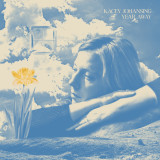
In March of 2020, after learning that a dear friend’s life was coming to an end, Johansing sat down and in one sitting wrote the song “Daffodils”. An elegiac tribute to someone facing death with grace and curiosity, the lyrics confront Johansing’s own mortality by observing the brief lifespan of a Hlower. Only a week later when the world came to an abrupt standstill, she soon found herself processing this recent loss while trying to make sense of a new global reality. Across the ensuing months, Johansing found herself increasingly untethered by a world of isolation and political upheaval.
Having been a frequent touring member of bands like Hand Habits and Fruit Bats, and often being called into the studio to lend her harmonies and multi-instrumental talents to records, Johansing’s phone no longer rang. Living in Los Angeles she feared her musical community was vanishing, as friends and collaborators continually announced they were leaving the city. It was in returning to her piano nightly that she found the greatest solace, feverishly writing the songs that would be collected on her next album. Resulting from this new sense of time and focus was a deepening of her songwriting. As Johansing recalls, “I felt like a metamorphosis happened during that time. There was a lot of personal growth and healing.”
Throughout Year Away Johansing traverses uncharted emotional landscapes brought upon by the changes occurring all around her. The forced self-reflection of the moment is aptly captured by “Old Friend”, featuring an aching melody and swooning production that recalls the best of Harry Nilsson. The epic piano and saxophone-driven “Smile with My Eyes” addresses the loss of community as friends became distant and political divides between family grew. On “Smile” Johansing pushes her vocals further than ever, expanding her range and using her peerless voice as the singular instrument it is. Facing the loss of a family home due to environmental destruction, “Shifting Sands” is marked by soaring Hlutes, Hield recordings and glassy synthesizers that nod to Japanese New Age.
“Daffodils”, the stunning album centerpiece, is built from a pastiche of looping samples, swirling Mellotron and dazzling vibraphone. “Keep your heart open wide, you never know your time / Keep your heart wild, true Hlower child”, Johansing sings as she says goodbye to an elder, while the band reaches a grief-stricken crescendo of woodwinds and chiming bells. On the title track, Johansing takes listeners on an eerily meditative journey of collective experiences. “I wanted to keep the progression simple and repetitive so that musically we could add new elements little by little, while the emotional tone of the lyrics becomes increasingly more strained and expressive”. The song grows to a fever pitch as Johansing sings higher than she thought possible; the tension of the repeating chords Hinally resolving into a hopeful coda as multiple soloists weave around each other.
Amidst heavier themes, Johansing still leaves room for her love of irresistible pop melodies and lush production. The driving “Last Drop” and mid-tempo “Valley Green” are two of her catchiest songs to date. On the former Johansing sings the anthemic chorus, “As if it were the last drop, and nothing ever lasts forever / As if it were the last stop, too far out to come back ever”, longing for a love that she’ll never take for granted, while also admitting that she doesn’t always know how good she has it. “Valley Green” features shimmering layers of 12- string guitars, stacked horns and an impeccable solo by co-producer and multi- instrumentalist Tim Ramsey (Vetiver, Fruit Bats), hinting at a love for bands like NRBQ.
Having been eager to capture the initial spark of songwriting, Johansing booked time at Highland Park’s 64 Sound Studio the week that it reopened. Over the course of three days, she and her band gathered basic tracks for 10 songs, before returning home to Hinish the record with Ramsey. Setting forth to make an album that paid homage to the music that kept them company during the months spent alone together, the duo pulled inspiration from a wide net including Burt Bacharach, John Carroll Kirby & Haruomi Hosono. Ramsey’s newfound love of early digital synthesizers dovetailed effortlessly with Johansing’s fondness for classic 70’s horn and string arrangements, creating a sound that is distinctly modern yet warm and familiar.
Once again Johansing called upon some of the Hinest players of Northeast Los Angeles’ vibrant music community to lend a hand with the record. The 70s R&B-folk of “Watch It Like a Show” features an electric guitar solo from Hand Habits’ Meg Duffy, while album closer “Endless Sound” boasts backing vocals from electronic musician Kaitlyn Aurelia Smith and swooping Indian-inspired violins from Amir Yaghmai (HAIM, The Voidz). The record shines brightly thanks to an ace mix from veteran producer Rob Schnapf (Beck, Elliott Smith, Cat Power), woodwinds from Logan Hone (John Carroll Kirby, Eddie Chacon), and a featured rhythm section of drummer Josh Adams (Jenny Lewis, Bedouine) and bassist Todd Dahlhoff (Feist, Devendra Banhart). Recorded across multiple studios including LA’s famed Sunset Sound, the album remains steadfastly buoyed by the adept engineering of Tyler Karmen (MGMT, Alvvays).
Though born of turbulent times, Year Away is ultimately interested in moving forward. The album ends with “Endless Sound,” where Johansing laments seismic global changes, (“The water is hotter, the mighty thaw / The current’s reversing, the last are lost”) but vows to keep going (“No storm can take me down / Endless light, endless sound”). It’s Year Away’s resilience that shines through despite the darkness. It’s a sound all her own and Johansing’s most cohesive set of songs yet.
Die unerschrockenen Australier VOYAGER legen mit ihrem brandneuen Album "Fearless in Love" ihren bisher epischsten Electro-Progressive-Pop-Metal vor. Das Album ist eine berauschende Mischung aus 80er Jahre Synthpop und modernem Progressive Metal und bietet ihr bisher mitreißendstes und hymnischstes Werk. Mit dem Eurovisions-Top-10-Titel "Promise" und dem Australia Decides-Favoriten "Dreamer", dem pulsierenden "Prince of Fire", dem beschwingten "Submarine" und vielem mehr ist "Fearless in Love" Prog-Metal auf höchstem Niveau und sprengt alle Erwartungen.
Wewantsounds is delighted to announce the release of "TOUCH," a selection of sought-after tracks produced by Yuji Ohno, one of the most revered producers and arrangers on the Nippon music scene. His blend of Jazz, Space Funk and Disco have long been highly sought-after by DJs around the world and we've been given unique access to the Nippon Columbia vaults and to Mr. Ohno himself to come with a versatile selection from his 70s body of work, all bearing his uniquely recognisable sound. The set includes works with singers Nanako Sato, Hatsumi Shibata and Ken Tanaka alongside tracks from his cult anime soundtracks for "Lupin III" and "Captain Future." Approved by Yuji Ohno himself, "Touch" was remastered in Tokyo by Nippon Columbia and features liner notes by Nick Luscombe in conversation with the maestro and artwork by Optigram's Manuel Sepulveda.
Born in Atami in 1941, Yuji Ohno started learning the piano at a young age and formed his own band during his teenage years, getting into Jazz in the process. After high school, he entered the prestigious Keio University in Tokyo and played in the revered university big band alongside two other pianists, Masahiko Sato and Hirosama Suzuki, who would have an illustrious career in their own right. After University, Ohno became a professional musician and started playing with the new wave of Japanese Jazz musicians forming his own trio and recording with the likes of Hideo Shiraki, Terumasa Hino and Masahiko Togashi from 1967 onwards.
At the turn of the 60s, Ohno started to veer away from the Jazz scene as he realised, as told to Nick Luscombe that "the jazz music being played by the Japanese at the time was only chasing the cutting edge, and was ignoring the roots and origins of jazz." Ohno therefore shifted his efforts to film and TV and also to producing artists for various Japanese labels, becoming one of the most in-demand composers, arrangers and producers in Japan. This is when Ohno developed his unique sound across a wide variety of styles. More than anything else, he got renowned for his anime soundtracks, particularly with the Lupin III series - represented here by the superbly funky "Silhouette" - which made his fame in Japan
Whether it's jazz, funk, disco or Pop, the "Ohno Sound" is unmissable both in terms of melodies and arrangements, on a par with those of such legends as Quincy Jones and Michel Legrand. Ohno's melodies are sophisticated yet accessible and there's a great sense of space in his productions especially when it comes to slow-burning grooves as heard on "Kirameku Inner Space" from the cult anime soundtrack "Captain Future" or "The Soaring Seagull" from the sought-after 1975 album "Electro Keyboard Orchestra." This album was recorded with seven fellow musicians including Kentaro Haneda and Ohno's old friend, Masahiko Sato and using twenty Korg synths to create a unique blend of futuristic jazz funk. "The Soaring Seagull" could be the perfect embodiment of Ohno's signature sound when it comes to instrumentals. The producer was however equally at ease with producing lush disco extravaganzas such as "Subterranean Futari Botchi" by Nanako Sato or "I Wish You Love" by Hatsumi Shibata, a revamp of Charles Trenet classic, both colourful and glitzy.
Ohno's versatility is on display here with a couple of jazz vocal tracks, "Speak Low" by Ann Young accompanied by the Yuji Ohno Trio and Mieko Hirota's fast and furious "I Want to Be Happy" while he also excelled at crafting gorgeous mellow songs such as Ken Tanaka's "Lilac-gai No Aki" and Hatsumi Shibata's "Mouichido Kikasete" closing the selection on a perfect note. "Touch" is just a tiny selection from Yuji Ohno's immense body of work and it will hopefully open the ears of Japanese music lovers to one of the most important musician, producer and arrangers of his generation.
I Talk To Water, the fifth album for Kompakt by Danish producer Kölsch, is the artist’s most personal statement yet. While all the trademarks that make his music so popular and powerful are still present – lush, melodic techno; swooping, trance-like figures; sensuous, shivery texturology – I Talk To Water is also a deep and intimate rapprochement with family and history, a beautiful, finely detailed document of loss and memory, and a tracing of the long, unbroken thread of grief that runs through our lives once we’ve lost those we loved.
The emotional core of I Talk To Water, then, is a cache of recordings by Kölsch’s father, Patrick Reilly, who passed away in 2003 from brain cancer. With time rendered elastic by the pandemic and its associated lockdowns, its sudden, alienating shifts in everyday living, Kölsch found himself reflecting on his father’s passing and ongoing spiritual presence, thinking about how best to memorialise such a significant figure in his own life. Those recordings opened a gateway, of sorts, for Kölsch to move through – a way to bring past and present together and entwine them in a sensitive, poetic manner.
Kölsch’s father was a musician – “touring in the sixties and seventies, in the Middle East especially, he was doing the whole hippy trail, playing guitar, and wrote some songs over the years,” he recalls. “But all in all, he decided to focus on family rather than pursue a musical career.” Reilly kept playing and writing music over the years, though Kölsch hadn’t listened to the material for some time: “I’d never had the guts to listen to it, because I just felt too fragile listening to his voice. It’s such a tough thing to go through.”
During the pandemic, though, Kölsch listened through the fragmented body of work that his father had produced over the years. “I decided I’m gonna finally release my dad’s music twenty years after his passing,” he reflects. “This whole album is about the process of loss, and for me it’s been one of my main driving forces in my musical life, the whole emotional aspect of whatever I’ve done has been based in that feeling that he’s not there anymore.”
Recordings of Reilly appear on three songs across I Talk To Water. His guitars drift pensively across “Grape”, offering a lush thread of melody that Kölsch wraps with clicking, driftwood rhythms and droning, melancholy bass. “Tell Me” is a lovely three-minute art song, a sadly beautiful reflection, minimally adorned with gentle keys and a muted pulse. And on the closing “It Ends Where It Began”, Kölsch lets his father’s acoustic guitar take centre stage for a lament that’s unexpectedly folksy, a guitar soli dream, which Reilly originally recorded in 1996. “He actually recorded it for my first album that never came out,” Kölsch reveals, “and I had it sitting around forever. That is purely him.”
These three imagined collaborations between father and son are poised and delicate. But their relationship also marks the gorgeous music Kölsch has made across the rest of I Talk To Water, from the itchy yet lush “Pet Sound” (titled in tribute to one of Reilly’s favourite albums), the flickering synths and yearning vocal samples that slide through “Khenpo”, the ecstatic shuddering that marks “Only Get Better”, or “Implant”’s slow-motion pans and subtle reveals.
There’s also the title song, where Kölsch is joined by guest Perry Farrell (Jane’s Addiction, Porno For Pyros), singing a mantra for internal reflection: “I talk to water / Searching for myself / Looking for answers / Oceans of you.” Farrell’s appearance brings another timbre, another spirit to the album, aligning neatly with his recent interest in electronic music. “He was completely taken by this idea of talking to water,” Kölsch says, thinking about the ways we collectively lean towards the natural world as a comfort and a listener, a guide through mourning, a way to map out the terrain of the heart. This mapping is something that Kölsch has proven remarkably adept at through the years; dance music for both body and mind, but also both for the here-and-now, and for the hereafter.
“I Talk To Water”, das fünfte Album des dänischen Produzenten Kölsch für Kompakt, ist zweifellos das persönlichste Statement des Künstlers bislang. Während alle Markenzeichen, die seine Musik so beliebt und kraftvoll machen, immer noch präsent sind – üppige, melodische Techno-Tracks; schwebende, tranceartige Elemente; sinnliche, fiebrige Texturen – ist “I Talk To Water” auch eine tiefe und intime Annäherung an Familie und Geschichte. Es ist ein wunderschönes, fein ausgearbeitetes Dokument des Verlusts und der Erinnerung, und es verfolgt den langen, ungebrochenen Faden der Trauer, der durch unser Leben läuft, sobald wir diejenigen verloren haben, die wir liebten.
Der emotionale Kern von “I Talk To Water” besteht aus Aufnahmen von Kölschs Vater, Patrick Reilly, der 2003 an Hirnkrebs verstarb. Durch die Pandemie und ihre damit verbundenen Lockdowns, die plötzlichen, entfremdenden Veränderungen im Alltag, fand Kölsch sich in Gedanken an den Tod seines Vaters und seine fortwährende spirituelle Präsenz wieder. Er überlegte, wie er eine so bedeutende Figur in seinem eigenen Leben am besten verewigen könnte. Diese Aufnahmen öffneten ihm sozusagen ein Portal, um Vergangenheit und Gegenwart miteinander zu verbinden und sie auf sensible und poetische Weise zu verweben.
Kölschs Vater war Musiker – “er tourte in den sechziger und siebziger Jahren, vor allem im Nahen Osten, auf dem Hippie Trail, spielte Gitarre und schrieb im Laufe der Jahre einige Songs”, erinnert sich Kölsch. “Aber alles in allem entschied er sich, sich auf die Familie zu konzentrieren, anstatt eine musikalische Karriere zu verfolgen.” Reilly spielte und schrieb jedoch im Laufe der Jahre weiterhin Musik, obwohl Kölsch das Material lange Zeit nicht angehört hatte: “Ich hatte nie den Mut, es anzuhören, weil ich mich einfach zu zerbrechlich fühlte, seine Stimme anzuhören. Es ist so schwer, das durchzustehen.”
Während der Pandemie hörte sich Kölsch jedoch durch das fragmentierte Werk, das sein Vater im Laufe der Jahre produziert hatte. “Ich beschloss, die Musik meines Vaters zwanzig Jahre nach seinem Tod endlich zu veröffentlichen”, reflektiert er. “Dieses ganze Album handelt von dem Verlustprozess, welcher für mich generell eine der Hauptantriebskräfte in meinem musikalischen Leben ist. Der ganze emotionale Aspekt von dem, was ich getan habe, basierte auf dem Gefühl, dass er nicht mehr da ist.”
Auf “I Talk To Water” sind Aufnahmen von Reilly in drei Songs zu hören. Seine Gitarren ziehen nachdenklich durch “Grape”, bieten einen üppigen Melodiefaden, den Kölsch mit klickenden, treibenden Rhythmen und dröhnendem, melancholischem Bass umwickelt. “Tell Me” ist ein schönes dreiminütiges Kunstlied, eine traurig-schöne Reflexion, minimal geschmückt mit sanften Tasten und einem gedämpften Puls. Und auf dem Abschlusstrack “It Ends Where It Began” lässt Kölsch die akustische Gitarre seines Vaters im Mittelpunkt stehen, ein überraschend folkiger Klagegesang, den Reilly ursprünglich 1996 aufgenommen hatte. “Er hat es tatsächlich für mein erstes Album aufgenommen, das nie veröffentlicht wurde”, enthüllt Kölsch, “und ich hatte es ewig liegen.”
Diese drei erdachten Kollaborationen zwischen Vater und Sohn sind ausgewogen und zart. Aber ihre Beziehung prägt auch die wunderschöne Musik, die Kölsch im Rest von “I Talk To Water” geschaffen hat, angefangen bei dem nervösen, aber üppigen “Pet Sound” (benannt als Hommage an eines von Reillys Lieblingsalben), den flimmernden Synthesizern und sehnsüchtigen Vocal-Samples in “Khenpo”, den ekstatischen Erschütterungen in “Only Get Better” oder den langsamen Schwenks und subtilen Enthüllungen in “Implant”.
Es gibt auch den Titelsong, in dem Kölsch von Gast Perry Farrell (Jane’s Addiction, Porno For Pyros) begleitet wird, der ein Mantra für die innere Reflexion singt: “I talk to water / Searching for myself / Looking for answers / Oceans of you.” Farrells Auftritt bringt eine weitere Klangfarbe, einen weiteren Geist in das Album, der gut zu seinem jüngsten Interesse an elektronischer Musik passt. “Er war völlig fasziniert von der Idee, mit Wasser zu sprechen”, sagt Kölsch und denkt darüber nach, wie wir kollektiv zur Natur als Trost, Zuhörer, Führer durch die Trauer neigen, um die Gelände des Herzens zu kartieren. Diese Kartierung ist etwas, in dem Kölsch im Laufe der Jahre erstaunlich geschickt war; Tanzmusik für Körper und Geist, sowohl für das Hier und Jetzt, als auch für das Leben danach.
out of Stock
Last delivered 9 months ago available to reorder, subject to availability
Formed in 1984, Fields of the Nephilim is the creation of vocalist and front man Carl McCoy. Highly influential, especially in the world of goth, but also within the metal and electronic genres, their legacy endures to this day. You can hear their influence on bands like Swans, Godspeed! You Black Emperor, Explosions In The Sky, Wolves in The Throne Room, Behemoth and more. The Nephilim was recorded in a former courthouse in the Somerset countryside where defendants who were sentenced to death were hung. "Moonchild" is the band"s best known song due to it reaching #28 in the UK single charts, and LouderSound called it a classic and said that it "perfectly encapsulates this era of the band: it has some nifty guitar work, great bass lines from Tony Pettitt, Nod"s stellar drumming and McCoy"s distinctive vocals." The song is named after a novel by Aleister Crowley, and there are several other nods to Crowley throughout The Nephilim. In a 2013 remembrance of the album, PopMatters said "The band"s sophomore effort, regarded not only as its best work but also as one of the UK goth scene"s masterpieces, is a seamless, hour-long trek into a surreal land populated by chiming guitars, hypnotic bass, found samples, and McCoy"s storytelling."
The Spanish-Dominican label led by the Spanish Sergio Parrado and the Dominican Jee Bear presents its Lmtd series, where art, design and music go hand in hand. A collectible series where each reference is a piece of a mural by the Argentine designer Lucien Le Grub, this being the first of four.
This first reference is the work of Chilean Alejandro Vivanco (Cadenza, Melisma) who joins forces with fellow Chilean Dorian Chavez (8bit, Viva Music) to bring us this incredible “Dabtrack”.
The original cut (A1) is to go back in time, return to the essence of the mid-2000s where artists like Luciano or Ricardo Villalobos put the Andean country in the eyes of the world with their organic micro house. “Dabtrack” is about this, but with a renewed sound, where the organic and the digital embrace to create an intense track, with fat basses that will make the sound system rumble. Special synths that catch you to create a magnificent sound collage.
The A2 is for the master master and lord of the deep sound. We are talking about the Romanian Mihai Popoviciu, who brilliantly reinterprets the track and takes it to his own terrain, but without neglecting the essence of the original and giving it his particular groove that works so well late at night. The groove, together with the set of synths, which elaborates it magnificently, makes his remix of Dabtrack” an indispensable work in the DJ's suitcases.
Now it's time to close this incredible album. For this we have reserved the entire B-side for one of the Chilean artists who has left the most mark in the last two decades on the international electronic scene: Pier Bucci. He takes us on a 12-minute journey through his signature style where anything can happen. Little more to say, we invite you to discover it for yourself. Because it is a work of art.
out of Stock
Last delivered 13 months ago available to reorder, subject to availability
Balladur is not limited to a label or two since they draw their inspiration (among others) from East African and South Asian music without forgetting their Italian electro-pop side and of course, their references to Debussy's opera. . Many ingredients which, with the talent to combine them, give very pleasant compositions.
Die italienische Singer-Songwriterin Marta Del Grandi meldet sich mit "Selva" zurück, ihrem bisher komplexesten und schillerndsten Werk, einer raffinierten, hingebungsvollen Suite aus scharfsinnigem Pop, die mühelos fließt und emotionale Komplexität, göttliche, organische Arrangements mit einem Sci-Fi-Finish vereint.Wenn ihr Debüt "Until We Fossilize" alle Qualitäten von Martas einzigartigem Ansatz zeigte, der sich zwischen Laurel Canyon Staub, Lynch'schem Ätherismus und dramatischer Morricone-Vertonung bewegte, taucht "Selva" tiefer in das Unterholz ein und zeigt den Ehrgeiz, ein ganz neues Universum zu schaffen, ihr eigenes Ökosystem, in dem die Stärke ihrer Stimme allein die Säule ist, auf der sie aufbauen kann.Strahlen aus chorischem Licht durchdringen jeden Track, mit überlagerten Gesangsdrones, die eine kathartische Kollision von scharfen und weichen Texturen erzeugen, als würden sie uns Hand in Hand durch Marta Del Grandis verzaubertes Universum führen. Der Ehrgeiz ist blendend, und das Ergebnis beweist es: 12 Songs mit ausuferndem, ätherischem Pop, der lebendig, gewaltig und voll erleuchtet ist. "Ultimately compels with its detached, lynchian ambience." ALLMUSIC "Bucolic yet often emotionally complex, her songwriting - patching electronic synths against ambient elements, with a touch of modern classical - taps into areas that go beyond words." CLASH Classic Black LP mit Poster & DLC
Kalipo prepares to launch his new album Happy Little Accidents, which counts with twelve electro-focused tracks as well as the participation of feature artists Rampue, Ira Atari, Oberst & Buchner and subkutan. Iconic 80s painter and TV host, Bob Ross is celebrated for his thirty-minute landscapes, recognizably soothing voice as well as the 'happy little quotes' he imprinted on pop culture. One of Ross' most memorable turns of phrase, "We don't make mistakes; we just have happy accidents," went on to encourage thousands worldwide. And not just painters. "For me, this album was about letting the songs develop very quickly and not evaluating them too much, or trying to avoid mistakes," says German electronic music producer, Kalipo (Jakob Häglsperger) who named his latest release Happy Little Accidents after Ross' signature phrase. "Bob Ross really impressed me as a child, he was always so accessible to everyone and demonstrated how easy it was for anyone to work creatively," says Kalipo, who translated Ross' fast and instinctive wet-on-wet painting technique to music-making on Happy Little Accidents. The 12 tracks that make up PART I and PART II of the album are a celebration of the method - sometimes it's a floaty journey with tinkering sounds, at other times dark fast beats create the core of the music, but there's always a sense of intuition and heart driving Kalipo's productions.
out of Stock
Last delivered 2 years ago available to reorder, subject to availability
Following the news that all three Lush albums are going to be reissued, Emma Anderson, the band’s co-founder, has announced her debut solo album, Pearlies. One of the most underrated British songwriters to emerge from the era that encompassed shoegaze and Britpop, she has teamed up with producer James Chapman (aka Maps) for this collection that combines effervescent electronic pop with psych and folk textures with lyrics covering themes such as confronting your fears, embracing independence and moving on in life.
The Titillators became a band in 2018 and emerge from a bold
compulsion: to sound completely unlike any other musical group in
existence
On their third album to date, That's The Night , it's clearer than ever that they've
been successful in this endeavour.
It's a tuneful, mainly instrumental batch of bent exotica played by a group of
some of Toronto's most inventive and highly regarded musicians. And while
listeners will catch aural whiffs of jazz, pop, soul, electronica, and free
improvisation there's something irrefutably singular about their output.
They're led by Ryan Driver, whom you may know from his solo recordings on Tin
Angel, from groups such as Eucalyptus, and from his frequent collaborations with
Eric Chenaux. Driver provides the compositions and plays street sweeper bristle
bass, an instrument of his own devising consisting of a small tine of metal
plucked on top of an amplifed cigar box.
The ubiquitous and multitalented Thom Gill's whistling often plays a
disconcerting lead role, while both he and acclaimed jazz pianist Tania Gill play
synths. Meanwhile the trifecta of percussionists Phil Melanson, D. Alex Meeks,
and Nick Fraser offer rhythmic interplay with one crucial caveat: none of them are
permitted to play any component of a standard drum kit.
PR will be dealt with in-house at Tin Angel.
Limited edition of 300 copies on 180gram Atlantic Pearl Blue Vinyl + OBI strip
Oakland CA's Blue Ocean have been working around the fringes of the
Bay Area indie scene since 2019, honing their very particular noisesoaked racket into a unique and instantly identifiable sound - They blend
elements of shoegaze, pop, noise rock and electronics into a dense,
sometimes disorienting soundworld that embodies a spectral mystery
that recalls forebears like Disco Inferno, Bark Psychosis and Flying
Saucer Attack
"Fertile State" is their debut album, following on the heels of 3 tape EPs and a LP
drawn from those tapes that sold out instantly on release in 2021. Songs like
"Ode," "Fertile State" and "Syncnine" show how much Blue Ocean has grown in the
last few years. They've easily shrugged off many of the markers of their punk/
indie roots, allowing their experimental urges free rein and and the noise to find
it's own level. It's a bracing, invigorating album that truly rewards deep listening
and points the way forward to an intriguing future
Second album from the electronic lounge-jazz-dance hybrid of William Basinski, Preston Wendel (Shania Taint), and Gary Wright. Limited edition Opaque Red Colored Vinyl (TRR412LPC Edition of 1,500) is for Indie stores only. 1969. Two gorgeous young interns in the film industry get invited to a glamorous A-list Hollywood party in the Trousdale Estates in one of those fabulous pavilion-style mid-century modern homes at the top of Beverly Hills. They go in their best mod clewths. Eyes popping at the technicolor scene of Hollywood stars smoking and drinking in the sunken living room, they do as instructed and have some punch and watch wallflower style as drama ensues...oh, and the the house is owned by Foxy, the pimp and drug dealer who everybody there owes munty, hunty...and he’s ready to get paid! Oh yeah, and the punch is dosed with LSD25. They manage to make it home, panties and purses and shoes intact and will never forget this party for as long as they live.
Dan Lacksman is a Belgian electronic music pioneer who co-founded the Electro Pop Dance formation Telex and is credited for their classic 'Moskow Diskow.' He also worked under the Transvolta name but put out only one single, 1978's impossibly hard-to-find classic 'Disco Computer.' Dan himself has carefully remastered the original for this special 12" reissue. It's still a retro-future sound all these years later with the signature talk box vocals and sleek drum machines under cosmic synths. On the flip is a long version of 'You Are Disco' which is a similar vibe but with a slightly more lively groove and vocal. Two serene dancefloor gems by any standards.
out of Stock
Last delivered 15 months ago available to reorder, subject to availability
You are about to embark on a new intergalactic journey into black space, fuelled by funk, powered by computers. Soul Jazz Records" new second collection of twisted hyperspace electro/funk "Space Funk 2: Afro Futurist Electro Funk in Space 1976-84", continues its intergalactic journey.
Featuring rare and off-the-wall space funk and electro rarities and obscurities, all released on small independent USA record labels in the late 1970s and 1980s. Artists on this release include Alien Starr, Bobby Demo, Maggatron, Mid-City Crew, Tribe, Junie, Rich Cason and the Galactic Orchestra and many more intergalactic space warriors! This is space age bionic funk, programmed to make you dance!!!
out of Stock
Last delivered 23 months ago available to reorder, subject to availability
We are thrilled to kick off our label endeavors with one of the rarest and simultaneously best-recorded independently released German new wave singles in history: "Jede Nacht derselbe Traum" ("The Same Dream Every Night") by Total.
Back in late 1983, Total found themselves in a pivotal rendezvous with CBS Records in a Frankfurt hotel lobby. The entire band was present, along with the esteemed NDW manager Jim Rakete, who had played a role in launching Nena to national and international stardom. Also in attendance were the A&R representatives from CBS. It was on this day that Total was presented with the opportunity to ink an album deal with CBS. However, since they had only recorded the titular song thus far, negotiations hit a snag. CBS insisted on a full album rather than a standalone single.
Ultimately, the band decided to independently issue a limited 7" run of "Jede Nacht derselbe Traum" under Günther Mannschreck's Schreckschuss label in January 1984. These vinyl copies became the band's currency for pursuing record deals and promotional prospects. However, despite the potential to achieve commercial success and garner radio airplay, the song and the "Total" project gradually waned from the music landscape. Regrettably, only a few vinyl copies have managed to endure over time. This NDW "holy grail" may have prompted a fair share of dreams for serious vinyl collectors, as to this day, not a single physical copy has been put up for sale on platforms like eBay or Discogs. Interestingly, Maisenbacher has even fielded an offer of over 400 Euros for an original copy, although he regretfully couldn't fulfill the request due to possessing just a single copy himself.
The song itself is a fusion of diverse musical styles. Crafted using the Oberheim OB8 system, complete with the DMX drum machine and a bassline woven from a Jupiter 8 keyboard, it carried a groove reminiscent of New York's electro hip-hop sound in "The Message," setting it apart from typical German new wave productions. Additionally, a Korg Polysix was integrated, and guitar effects were layered to finalize the infectious synth-pop instrumental. Newcomer to the band, Andrea Ströbel, laid down a flawless vocal layer that steered the song towards a straightforward NDW direction, giving it a resonance that surely resonated with mainstream and radio audiences. To complete a B-side for the original vinyl single, the legendary state-of-the-art L480 Lexicon reverb was used. In the more experimental "Maxi Mix," now known as the "Dub Mix," Mannschreck expertly manipulated the machine. The outcome stands as a historical example of incredible studio craftsmanship and the cutting-edge techniques of the 80s.
For the new 12" release, Mannschreck unearthed an alternative mix of the song on the original tapes, featuring a distinct introduction, break, and exciting edits. In addition, DJ Friction, who contributed to the transfer and mastering for the release, treated us to a superb edit that cleverly melds all versions of the song while incorporating a few extra bassline groove elements.
The captivating reissue cover spotlights vocalist Andrea Ströbel, who gazes with determination. A hand reaches out to grab her shirt, attempting to pull her down. Symbolizing the song's theme, it embodies the unsettling dream conveyed by the lyrics-yet she steadfastly resists.
In summary, we are elated to present a significant gem for vinyl enthusiasts: a splendid mid-tempo tune that dances on the boundary of synth-pop, new wave and electro. The new 12" single underwent meticulous mastering, and the outcome is nothing short of astounding, surpassing the sonic quality of the original pressing.
out of Stock
Last delivered 2 years ago available to reorder, subject to availability
We are thrilled to kick off our label endeavors with one of the rarest and simultaneously best-recorded independently released German new wave singles in history: "Jede Nacht derselbe Traum" ("The Same Dream Every Night") by Total.
Back in late 1983, Total found themselves in a pivotal rendezvous with CBS Records in a Frankfurt hotel lobby. The entire band was present, along with the esteemed NDW manager Jim Rakete, who had played a role in launching Nena to national and international stardom. Also in attendance were the A&R representatives from CBS. It was on this day that Total was presented with the opportunity to ink an album deal with CBS. However, since they had only recorded the titular song thus far, negotiations hit a snag. CBS insisted on a full album rather than a standalone single.
Ultimately, the band decided to independently issue a limited 7" run of "Jede Nacht derselbe Traum" under Günther Mannschreck's Schreckschuss label in January 1984. These vinyl copies became the band's currency for pursuing record deals and promotional prospects. However, despite the potential to achieve commercial success and garner radio airplay, the song and the "Total" project gradually waned from the music landscape. Regrettably, only a few vinyl copies have managed to endure over time. This NDW "holy grail" may have prompted a fair share of dreams for serious vinyl collectors, as to this day, not a single physical copy has been put up for sale on platforms like eBay or Discogs. Interestingly, Maisenbacher has even fielded an offer of over 400 Euros for an original copy, although he regretfully couldn't fulfill the request due to possessing just a single copy himself.
The song itself is a fusion of diverse musical styles. Crafted using the Oberheim OB8 system, complete with the DMX drum machine and a bassline woven from a Jupiter 8 keyboard, it carried a groove reminiscent of New York's electro hip-hop sound in "The Message," setting it apart from typical German new wave productions. Additionally, a Korg Polysix was integrated, and guitar effects were layered to finalize the infectious synth-pop instrumental. Newcomer to the band, Andrea Ströbel, laid down a flawless vocal layer that steered the song towards a straightforward NDW direction, giving it a resonance that surely resonated with mainstream and radio audiences. To complete a B-side for the original vinyl single, the legendary state-of-the-art L480 Lexicon reverb was used. In the more experimental "Maxi Mix," now known as the "Dub Mix," Mannschreck expertly manipulated the machine. The outcome stands as a historical example of incredible studio craftsmanship and the cutting-edge techniques of the 80s.
For the new 12" release, Mannschreck unearthed an alternative mix of the song on the original tapes, featuring a distinct introduction, break, and exciting edits. In addition, DJ Friction, who contributed to the transfer and mastering for the release, treated us to a superb edit that cleverly melds all versions of the song while incorporating a few extra bassline groove elements.
The captivating reissue cover spotlights vocalist Andrea Ströbel, who gazes with determination. A hand reaches out to grab her shirt, attempting to pull her down. Symbolizing the song's theme, it embodies the unsettling dream conveyed by the lyrics-yet she steadfastly resists.
In summary, we are elated to present a significant gem for vinyl enthusiasts: a splendid mid-tempo tune that dances on the boundary of synth-pop, new wave and electro. The new 12" single underwent meticulous mastering, and the outcome is nothing short of astounding, surpassing the sonic quality of the original pressing.
out of Stock
Last delivered 2 years ago available to reorder, subject to availability
Standard LP on 180g clear vinyl, printed inner-sleeve, download card included. 'Interiors' is the fifth studio album by Brooklyn-based minimalist post-punk/synth-pop duo The Vacant Lots. The 8 songs on 'Interiors' synthesise all of the band's past work while pushing forward into the future. It's Jared Artaud and Brian MacFadyen's darkest and most visionary work yet. Ethereal metallic synths and blistering electronics are driven by disco-on-downers dance beats lashed with gutter-rock guitar riffs and icy detached vocals with evocatively concise and lacerating lyrics. Recorded over many sleepless nights and amphetamine-fueled mornings in the project's isolated Brooklyn bunker home studios, the album follows the band's minimal is maximal aesthetic coalescing into dark bedroom anthems for loners and lovers with nods to 70s/80s punk and nightclub music ala Joy Division, Iggy Pop's The Idiot, Depeche Mode, and New Order. On the lead single "Amnesia," Jared Artaud says "It's about dealing with duality and integrating the conflicting feelings within a relationship. It's about feeling dissociative and getting burned by the fire. Then coping with how this inevitably leads to the dissolution of the relationship. This is a mantra for all the songs on the album.
Formed by Monster Magnet’s John McBain and Soundgarden’s Matt Cameron & Ben Shepherd in 1993 during some downtime from their day jobs and side project Hater (who released a self-titled album in 1993), Wellwater Conspiracy set about immersing themselves in the dayglo world of sixties psychedelia, channelling the vibrations of Syd Barrett’s Pink Floyd and the 13th Floor Elevators to produce the garage lo-fi-lysergic assault on the senses that is their debut album ‘Declaration of Conformity’. Originally issued on Mudhoney’s Steve Turners Super Electro label in 1997, the album was met with critical acclaim upon its release, and Rolling Stone magazine said, “Declaration’s tinny, fuzzed-out sonics decidedly evoke the Summer of Love.” God Unknown Records are proud to be welcoming the album back into print and on all digital platforms, and this coming September 22nd will see the release of a remastered vinyl pressing with extra tracks and new artwork taking influence from Blue Note Records’ fabled artwork. From start to finish, ‘Declaration Of Conformity’ is a loving homage to the true beginnings of psychedelic rock, long before the music got harder and heavier. Songs like ‘Green Undertow’ and ‘Sleeveless’ hark back to the time when The Beatles were spinning the world on its axis with ‘Tomorrow Never Knows’, Syd Barrett was the piper at the gates of dawn and Roky Erickson was introducing the world to his Texan psychedelic sounds. Wellwater Conspiracy’s music exists at that moment when pop music started to fracture and go far further out. It was still pop music, but the edges were starting to blur and the sounds were starting to fracture. This is where ‘Declaration of Conformity’ sits; at the dawn of one of the biggest cultural shifts in musical history. The Bandcamp link will also feature two bonus download-only tracks, a cover of ‘Akka Ragga’ by Shocking Blue and ‘Late Night’ by Syd Barrett. Both tracks feature Josh Homme on guitar and bass. Tracklisting A1 Sleeveless A2 You Do You A3 Trowerchord A4 Green Undertow A5 I Love You Every Day Sandy A6 Nati Bati Yi A7 Far Side Of Your Moon B1 The Ending B2 Space Travel In The Blink Of An Eye B3 6-6-5-4-3-2-1 B4 Shel Talmy B5 Lucy Leave B6 Declaration Of Conformity B7 Palomar Observatory
First 7'' release from Dressel Amorosi, the duo of Federico Amorosi (bass) and Valerio Lombardozzi (keys, synth & programming). Halfway between cosmic-funk and Italo-disco, the two tracks on this release are infused with the fusion- and electronic-oriented spirit of late '70s and early '80s Italian soundtracks and library music.
"Synthporn", on side A, is a midtempo instrumental with a voluptuous electronic feel, a mixture of glamour and retrofuturism driven by Amorosi's pulsating bass and Lombardozzi's elegant oscillators.
"Cargo", on the flip side, brings infectious '80s dance vibes to the table with a warm slice of synth-pop that can fit any scenario and filmic mood, from action to comedy.
The Art of Surrender marks a return to life, sown from primal impulses and hard-won emotional truths. Unrestrained melodic rapture soars above a relentless kick drum, speaking a need to move, to dance, to love. The music is as ambitious as its origins are personal. Tignor plays with scale, crafting multi-movement epics alongside one-minute miniatures. The smallest, most fragile violin gestures, where the finger barely touches the string to extract natural harmonics exist side by side with angular, exotic melodies, asymmetric rhythms, and rapid-fire string crossings. On this LP, Tignor digs even more deeply into the violin and its technicolor reimaginings under his electroacoustic treatments. Christopher Tignor is a composer, violinist, lecturer, and software engineer. His emotionally charged scores and unique focus on live, performance-based electroacoustic practice has won acclaim within both the classical and experimental communities across 10 LPs on the Western Vinyl and New Albion record labels. He creates the live performance software he uses, shared freely. As a composer he has written and recorded work for ensembles including The Knights, A Far Cry string orchestra, and Brooklyn Rider string quartet, performing alongside them at premiere venues including Carnegie's Zankel Hall. As a string arranger he has worked with Helios, Jefre Cantu-Ledesma, John Congleton, This Will Destroy You, Meshell Ndegeocello, and several other artists at the boundaries of popular music. This music breathes, swoons and swoops elegiacally, in the same way a crack symphony might on a good night." MAGNET // "A bulwark against the ambient clatter of everyday life...sheer technical mastery" BANDCAMP (ALBUM OF THE DAY) // "Tignor creates a muttered hum of activity that burbles at the fringes of an internally focused halo of sustained, glowing chords, and the effect is powerful." NPR // "Making computers coexist in harmony with acoustic instruments in a live setting is more easily imagined than achieved. But Christopher Tignor, a young composer and performer shaped as much by his work in downtown nightclubs as by his formal education at Bard College and New York University, proves that it can be done." THE NEW YORK TIMES // "Absurdly talented"
The dual forces of shadow and light, despair and hope, frustration and catharsis are at play in the music of Cupid & Psyche, the Los Angeles-based indie rock duo of Michael Vidal and Juan Velasquez. First gaining recognition in the late aughts as members of the punk band Abe Vigoda, whose 2010 album Crush was named one of the "Best 50 Albums of the 2010s" by Pitchfork, the two have reunited as collaborators for the first time in a decade. Cathartic jam sessions would birth the emotionally resonant songs that appear on their debut album, Romantic Music. Though they pull from a wide array of `80s and `90s influences, Cupid & Psyche bring together these disparate moods and genres through their own esoteric lens on Romantic Music_making for a singular sound that at once feels familiar and alluringly hypnotic. Listeners will detect the gloom of post-punk and goth, the haziness of dream-pop and shoegaze, the bittersweet guitar melodies of second-wave emo, and the manic electronic rhythms of trip-hop and big beat. The immersive soundscapes on Romantic Music are sometimes agitated and driving, while other times ethereal and transcendent. This duality matches the album's lyrics of looking for a divine escape from the grim realities of existence, as well as the darkest parts of one's psyche. "The thesis of the album is trying to transcend the limits of life and the struggle therein," Vidal says. "There's a lot of lyrics about feeling trapped or frustrated, and then trying to find a way out. There's a lot of times I sing of hope and grasping towards love. But maybe in trying to escape, you take the wrong door, be it substance abuse or other vices." Now as Cupid & Psyche, Vidal and Velasquez return to a friendship that creatively feels like home_except this time, with more experience, self-knowledge, and less pressure to make anything other than the music that emerges naturally. The LP's title Romantic Music is tongue-in-cheek, since there are no love songs proper on the project, and the phrase itself can imply a kind of light listening. But it befits that deep bond that the members have, as friends who understand and empathize with each other's worst, so they're capable of bringing out each other's best.
Nicky Prince has never been bound by musical genre. The Milton Keyes born and raised. Vocalist has the versatility to fit any vibe while not compromising her signature sound. Although best known for her Garage hits with Zed Bias in the early 2000s, Nicky was performing and recording with various acts well before the height of Garage’s popularity. She started her career singing in Soul and Funk bands, and over the last two decades has lent her voice to Electro, Hip-Hop, Drum & Bass, House, and Ska tracks.
In 2009 Nicky graced listeners with her debut solo EP “See What You Mean.” Within only five tracks the singer-songwriter displays impressive range, from the up-tempo, energetic funk of “I’m Hearing You” to a bluesy rendition of Nina Simone’s “Don’t Let Me Be Misunderstood,” to the hushed tones of the EP’s sole acoustic number, “Balancing Scales.” She is backed on this effort by her band Soul Selecta, which includes renowned UK session players Dave Baldwin on Hammond organ and Robert ‘Skins’ Anderson on drums/percussion. Sadly, the release was criminally slept-on.
While “See What You Mean” was available on streaming services and CD, the EP
never received the vinyl treatment. So, rather than simply reissuing the project, Nicky has teamed with KU to offer what she calls a “reincarnation” of her debut on wax.
Now retitled “Listen Up,” this underrated affair has had new life breathed into it. To bring out the best in the original recordings, each song has been meticulously remastered by Christian Obermayer at Strype Audio. Then to fill out the 12”, Nicky has added a handful of unreleased songs, including a heavy groove cover of Michael Jackson’s “I Can’t Help It,” which sees her reconnect with Zed Bias; a punchy, funked up tune titled “Listen Up;” and the original version of “Balancing Scales” that reveals what the track sounded like before it was stripped down to just guitar and vocals. This offering perfectly captures Nicky’s distinct tastes and inspirations. Further, it fills a hole in your record collection that you didn’t know was there until now.
Gatos Negros, aka Madrid DJs/ producers Christian C. & Iván Smoka, second album 'Hi Score' is a texture and abstraction gambling project now on sale via Vasco Ispirian's Made in Green Records label.
'Hi Score' sees the duo sailing ethereal ambient soundscapes, shady alt rock waves, experimental grooves almost horizontally danceable, acid electro-pop & avant-garde electronica- all in an utterly smart, consistent, and effective vocal fashion.
Beograd (Belgrade in Serbian) is a four-piece Serbian electronic band, formed in the capital of the former Yugoslavia in 1980. Influenced by bands such as Kraftwerk, Depeche Mode, Ultravox and Human League, it played a role pioneer on the Yugoslav synth-pop scene. Their first studio album, Remek Depo, was released in late 1982 on cassette and early 1983 on vinyl by public label PGP RTB. It was a huge media success, released at the time of the effervescence of Belgrade's alternative scene, a vibrant underground movement of avant-garde artists and musicians that included leading bands such as Sarlo Akrobata, Ekatarina Velika, Idoli, Electricni Orgazam, etc. Unfortunately, the band disbanded shortly after the album's release. The album contains politically provocative lyrics for the time. Produced by Saša Habić, it stands out for the quality of its guest musicians - timpanist Borislav "Bora Longa" Pavićević, avant-garde saxophonist Paul Pignon and veteran jazz trumpeter Stjepko Gut - who contributed to its soulful side. , creating a unique combination of hot and cold.
Fantastic Twins, the ongoing project of Julienne Dessagne, is a sonic exploration of dual characters born from one distinct perspective. A producer, songwriter, and acclaimed live performer, Dessagne has spent the last decade sculpting a unique world.
On an ambitious new album entitled ‘Two Is Not a Number’, Dessagne immerses herself more fully than ever in the concept that inspired her artist name, exploring the entwined lives and fates of her imaginary twins, their schizophrenic dreams, small dramas, and big tragedies - a metaphor for our own psyche, our inner conflicts, and our relationship to others and otherness. These musings on the psychological, emotional, biological, and metaphysical qualities of Twins are expressed with assured clarity, using a palate of icy deep techno, eerie atmospheric soundtracks, tranced-out dark wave, and synth pop-noir. Whether through airborne dancefloor ascension, diamond hard rhythms, electronic thundercracks, or empathy drenched vocals and the palpable sense of unease, this standout album brings Dessagne’s powerful, affecting art into sharp focus.
I Was First takes listeners to the Fantastic Twins’ origin, a vocal transmission from within a sonic womb, as our protagonists prepare to emerge. Sisters at Odds sees our siblings emerge incongruous and freshly awoken to life’s absurdities in slow-motion. Suspensefully, the percussive heartbeat of Land of Pleasure Hi Fi wrings tension from numerology, blossoming into a scorched industrial ballet, a mirage of multiplicity.
Following the gothic connection of Master & Disciple, Silver Moon Dial incants a trance-like state that captures the physical energy of Dessagne’s live show, as Fantastic Twins take advantage of ‘putting the moon on speed dial.’ Euphoria soon splinters into tragedy with Twins Can’t Love, extracting unexpected melody and melancholy in brittle, IDM tinged electronics, beautifully tangled with Dessagne’s longing intonations.
From Above sees Dessagne’s vocals once again shift into a new form for a haunting interpretation of something approaching a ballad, echoing around a chamber from which the Twins have seemingly disappeared. Ultimately All of This is Resolved, both in title and form, within this album’s cathartic yet uneasy conclusion. Dessagne sends the siblings home at last... But what will we find if we follow?
out of Stock
Last delivered 2 years ago available to reorder, subject to availability
Kompakt unveils the third volume of Jörg Burger’s Velvet Desert Music compilation series, dedicated to music that hits the sweet spot between the cinematic, the (pop) ambient, and the psychedelic. With Velvet Desert Music Vol. 3, Burger and his friends wander afar, taking trips away from, or adjacent to, the dancefloor that’s acted so long as the crucible for the Kompakt aesthetic. Like its predecessors, it’s a gorgeous, lambent collection of late-night mood music.
Because it’s such a broad church, Velvet Desert Music admits all kinds of new experiences, as well, with Burger looking for music that "leads out of the desert into the velvet universe". Indeed, of all the volumes in the series, this third instalment feels closest to an album made by a true collective. The roster has changed, with new contributors Flug 8 and Seb Martel, both with his trio Las Ondas Marteles and with Chocolate Genius and Zsela as La Finca, joining regulars The Novotones, Mount Obsidian, The Golden Bug, Paulor and Sascha Funke.
Burger himself reappears, too, alongside Fritz Ackermann (of The Novotones), Max Würden and Thore Pfeiffer, in The Velvet Circle. Their contributions are pure lush life electronica: “Our Tribe” hitches a ride with a low-slung groove, flickering psychedelic reels of acoustic guitar traipsing across moody bass and taffeta layers of drone; their opening remix of Flug 8’s “Puerto Rico” gently introduces the album with softly tangling electronic tones, while guitars, drenched in reverb, pirouette in the background. A Mount Obsidian remix of “Sacrosanct” by Burger’s The Black Frame -project is a swirling treat for the ears.
La Finca’s electronics and voice miniature, “What Clouds Say”, is a masterclass in poetic restraint; Martel’s “Dark Mambo”, remixed by Burger, is one of the collection’s big surprises, for it indeed does what the title says, a drifting, surrealist take on the mambo form, full of pensive chords, rich with unrequited longing, a breathy saxophone whispering under the song’s sly rhythmic carriage.
Elsewhere, The Novotones chime in with a slyly propulsive, Krautrock-esque charmer, “Liberty Bell”, and the guitar-led tone-drift of “Valley of Oblivion”; Paulor’s “The Last Coke in the Desert” is a chiming, lilting dreamscape; Mount Obsidian are joined by vocalist Charlotte Jestaedt for two modern takes on early-hours art song, “Marole” and “Fade”; Sascha Funke’s “Mathias Rust” is a lavish dancefloor dream, vocal samples drifting through the song as it slowly envelops the listener in its opulent radiance.
This is just a taste of the rich pleasures of Velvet Desert Music Vol. 3, a triumph of a compilation that takes the psychedelic visions of its predecessors and looks for the desert within, a dusty kiss, a road-movie hallucination flickering on the listener’s eyelids, a cinematic projection from deep inside the mind.
out of Stock
Last delivered 16 months ago available to reorder, subject to availability
The debut recording by Setting, a trio comprising Nathan Bowles (solo/trio, Pelt, Black Twig Pickers); Jaime Fennelly (Mind Over Mirrors, Peeesseye); and Joe Westerlund (solo, Califone, Sylvan Esso, Jake Xerxes Fussell). Deluxe LP edition features 140g black virgin vinyl and a reverse board jacket with art by Timothy Breen. Deluxe CD edition features a gatefold jacket with art by Timothy Breen. RIYL: Popol Vuh, Brian Eno’s Ambient 4, Harmonia, The Necks. Setting, befitting its name which can be read as noun or verb, and simultaneously suggests the sun, or any star in the firmament from our earthbound perspective; a story and its surroundings, its scenic context or mise en scène; or a psychedelic experience, as in the prescription to mind one’s “set and setting” arose outdoors, uncontained and unconstrained by architecture. The group’s debut recording Shone a Rainbow Light On traverses textural, phosphorescent topography with a certified organic folk-engine. Kosmische correspondences are inevitable and valid, but also somewhat deceptive, given this meditative music’s terrestrial rootedness in the familiar natural world, more in native humus and humidity than in outer space. Fuelled by a vibratory hybrid of acoustic and electronic instrumentation, these four stately longform pieces sound like a UFO slowly sinking into a peat bog (or, as we call it in North Carolina, a pocosin). An instrumental trio comprising Nathan Bowles (solo/trio, Pelt, Black Twig Pickers) on strings, keys, and percussion; Jaime Fennelly (Mind Over Mirrors, Peeesseye) on harmoniums, synthesizers, and piano zither; and Joe Westerlund (solo, Califone, Sylvan Esso, Jake Xerxes Fussell) on drums, percussion, and metallophones, Setting established its own setting and found its footing in regularly scheduled improvisational sessions outside Westerlund’s home in Durham, North Carolina, beginning in 2021. The three players began as two, in the context of occasional Bowles and Westerlund percussion duo performances dating back to 2018. Fennelly provided the initial impetus to gather and play together with intentionality and discipline, as well as an harmonic adhesive and thickening agent in the grain and gravity of his harmonium and synthesizer. As always, Bowles’s background as a pianist and drummer informs his approach to banjo, imparting a woodiness, a piney verticality and resinous tang. Westerlund’s training with Milford Graves is apparent in his polyrhythmic flow and its correspondences to human circulatory and corporeal rhythms. They recorded their collective discoveries with engineer Nick Broste in the spring of 2022.The record begins, like the group’s name, and like the language of its unique instrumental interplay, with ambiguous grammar: “We Center,” the first and longest track at thirteen and a half minutes, builds patiently to a percolating climax of tidal heaving, with ceremonial connotations. “Zoetropics,” the shortest piece, follows, offering a more diaphanous counterpoint to the density of its predecessor. The zithery, shivering “A Sun Harp,” its title redolent of Sun Ra, showcases Westerlund’s unfettered drumming, which skitters restlessly until anchored, at its conclusion, by a minor bass progression. Finally, “Fog Glossaries” exhales through the maritime and meteorological evocations of its title, distant buoys clanging. Although certainly elements and strategies of so-called ambient and drone musical traditions are invoked and deployed, those diffuse terms feel inadequate to describe everything else happening here: the devotional valences, the minimalist rigor, and even submarine jazz inclinations perceptible beneath the surface. Throughout this four-movement program, which invites deep listening, it is often difficult to differentiate individual instruments from the massed choir of the group’s unified sonic presence. At times what sound like field recordings cicadas, birds, wind, water splash out of this slow but powerful current, only to be revealed as overtones produced by harmonium, banjo, or cymbals. Setting’s sound is fundamentally synthetic in the sense of synthesis, not artifice—in a manner remarkable for its almost entirely acoustic arsenal of instrumentation, often registering as the product of a single alien technology, perhaps the rainbow lights of that bog-marooned UFO. (“Setting,” of course, can also refer to a machine’s variable operational amplitude its temperature, volume, speed, elevation, etc.) Sometimes the most seemingly extraterrestrial lifeforms are in fact our unfamiliar earthbound neighbors. Despite the destruction of many such habitats, the coastal plains of eastern, tidewater North Carolina is home to more pocosins freshwater, evergreen wetlands with deep, acidic, sandy, peat soils than anywhere else in the world. These threatened peat-bog ecosystems are the only native environment to sustain the carnivorous Venus flytrap, among other oddities. The sonic ecosystem of Setting similarly deep, acidic, and boggy contains equivalent wonders, savage and delicate, for listeners willing to take the time to sink.