Miguel Seabra brings us four cosmic dancefloor bombs between tech house, breakbeat and electro, for the latest instalment in Carpet & Snares’ popular Lab series. From propulsive, straight-to-the-feet 4/4 on the A1 and B1 to tension-building breaks on the A2 and B2, these tracks use classic grooves and futuristic sounds to build a fresh sound world for every dancefloor.
quête:electro pop
James’ longevity – with over 25 million albums sold over their 42-year career and their celebrated reunion period since 2007 earning them more Top 20 album placings and faster ticket sales than their whirlwind initial run from 1982 to 2001 - is miraculous itself, but with simple cause. James, you see, are more than a band; they’re sonic belongingYummy – the band’s 18th studio album – is a quintessential James record: comforting yet adventurous, electronic yet human, dark yet life-affirming, experimental yet familiar, heart-warming yet deeply introspective on both the personal and human scale. “This record is really uplifting and joyful, but a lot of that comes from the music,” says singer Tim Booth of a career-high album that confronts ageism, conspiracy theory, AI control, the mental health pandemic, ecological apocalypse, mortality and modern love in all its shades. “Some of the lyrics are pretty hard-nosed.” UK Arena tour with special guests Razorlight in June 2024. 'Yummy' has already received 4/5 in MOJO, 4.5/5 in Classic Pop Magazine and 7/10 in Uncut
Afro-Cuban star Daymé Arocena has announced her new album 'Al-Kemi' which will be released on February 23 via Brownswood Recordings. It is her first album since 'Sonocardiogram' in 2019.
Dayme's new single "American Boy" accompanies her album announcement. No other song on the album embodies Arocena’s artistic liberation like “American Boy” - an exhilarating, futuristic slice of progressive pop. “I wrote it ten years ago, but thought it was too much of a pop song,” Dayme reflects. “In an indirect way, the music industry had shown me that I wasn’t welcome in that world. There isn’t a Black woman like me who enjoys the kind of success usually reserved for Rosalía or KAROL G. The image of music genres like salsa or bachata has been painfully distorted throughout the years. You are supposed to clone and fuse yourself in order to conceal your Black or indigenous side. They told me I didn’t fit in that world, but I’m going to prove them wrong.”
When Daymé decided to switch gears and record her fourth studio album in Puerto Rico with the iconic producer Eduardo Cabra (Calle 13), she never imagined that she would end up moving there.
“From the moment I stepped foot on the island, I realized that I never wanted to leave,” says the 31 year-old Cuban singer/songwriter with a hearty laugh. “At the time, I had spent three years away from Cuba, living in Canada with my husband. I called and asked him to come over to Puerto Rico, and to please bring all my stuff. It wasn’t a conscious decision on my part. It was simply love at first sight.”
Relying on instinct and intuition is how Daymé has managed her career since she burst on the international scene with 'Nueva Era,' her prodigious debut album, in 2015. Now, she has fully reinvented her sound with 'Al-Kemi,' a revolutionary – and transformative – fusion of neo soul singing, Afro-Caribbean beats and slick new millennium pop.
The album is titled 'Al-Kemi' with the Yoruba word for alchemy. "It means the cosmovision of transformation," she explains. "It is mixing all the elements to achieve an unbeatable result, full of shine and light, like gold springing from the skin."
From the cosmopolitan smoothness of lead single “Suave y Pegao” – an effortless fusion of jazz, bossa nova and urbano stylings with reggaeton star Rafa Pabön on guest vocals – to the smoldering neo-soul of “A Fuego Lento,” with Dominican singer Vicente García, Daymé’s latest album relies on sacred formats of the past but rearranges them in a conscious quest to redraw the very definition of what Latin pop is supposed to sound like.
“It was definitely a team effort,” she reflects from her new home in San Juan. “Flexibility may well be my biggest virtue. I’m always open to every possible suggestion when it comes to making things better. My piano player, Jorge Luis "Yoyi" Lagarza, and I worked on the demos with the rest of my band. Then with Eduardo Cabra’s direction, we enlisted musicians from all over the Caribbean – Cuba, Puerto Rico, the Dominican Republic. Everybody added their energy and coloring.”
It was Daymé’s piano player who originally suggested she contact Eduardo Cabra known for combining commercial aptitude with a refined sense of craftsmanship. Not only did Cabra accept the singer’s offer, but he also invited her to stay at his home during the four months when they recorded 'Al-Kemi' in his Puerto Rico studio.
“I had no idea that he was familiar with my music,” she enthuses. “Eduardo has been in the industry for a long time, and he comes from a world that is more global and commercial than mine. He was the ideal candidate for this project, but I initially didn’t know if he would understand the social, psychological and personal complexities of the message that I wanted to express.”
“Daymé is one of the most talented musicians that I’ve ever worked with,” says Cabra. “Working together was a joy, because she knew exactly the kind of fusion that she was going for: a cross between her Afro-Cuban roots – which clearly are strong on this album – with the more contemporary vein of analogue synths, samples and a bit of electronica. We wanted both worlds to communicate, to be both respectful and disrespectful to the ancestral colors. I feel comfortable with both, and even Calle 13 walked the two paths. This is also the album where Daymé opened up to the Caribbean at large. Her understanding of harmony and her performance skills are out of this world.”
Born in Havana in 1992, Daymé grew up immersed in Afro-Cuban folk, but also listening to cassette tapes of Sade Adu, her father’s favorite singer. She was identified as a prodigious
talent at only 8 years old and soon started studying music. After studying at the prestigious Amadeo Roldán conservatory, she became co-founder and band member of the Cuban-Canadian jazz collective Maqueque in 2017. With the collective, she launched several international tours and earned a GRAMMY nomination.
“In Cuba, the emphasis on technique is exacerbated,” Daymé explains. "At the same time, opportunities are scarce on the island. A career in music provides a potential for escape, which is why the competitiveness is off the charts.”
Radio Slave's 'Venti' is released on Rekids on May 17th and is a twelve-track celebration of Matt Edward's most prominent alias' history. Starting life as a series of singles that began in 2023, 'Venti' sees Edwards explore lower tempos, House, Disco, and the Pop reinterpretations that birthed the moniker back in 2001.
From Venti’s opening track onwards, a glistening piece of piano-led house that's become an anthem at Sean Johnston and the late Andrew Weatherall's lauded ALFOS parties, it is clear that Edwards is keen to celebrate the past but through the lens of now. A Radio Slave favourite, 'Wait A Minute', is updated to include a powerful vocal from Nez. Kylie's 'Can't Get You Out of My Head' - a track that kicked Radio Slave into the modern dance music consciousness is reinvented as an Italo-inspired cover featuring Michael Love Michael delivering glorious vocals. 'Wild Life' and 'Wake Up', another two tracks that, as singles, dominated house and disco sets of the great and good in 2023, feel simultaneously fresh while paying homage to the origins of House - message-heavy vocals and all. A cover of Audion's 'Mouth to Mouth' and Edwards' tribute to Terry Hall, the Fun Boy Three reimagining 'The Lunatics' are keen displays of Radio Slave's knack for taking on beloved tracks and making them his own. The lasers-set-to-stun cut-and-paste nu-disco of Radio Slave’s 'Jaws' is a muscular and timely reminder that the punch of a track lies in its feel rather than tempo, while Edward's command of dub aesthetics and unmatched ability to stretch grooves into a tension-filled journey shines through on 'New Balance' and the epic closer, 'Thirty-Six'. Never one to entirely give into the throes of the 4:4, the cinematic electro of 'Stranger In The Night' and Balearic Cagedbaby collab 'Amnesia' round out 'Venti' as the whole Radio Slave experience - as intense as it is subtle.
One of the most prolific and critically lauded electronic music artists of the past two and half decades, Matt Edwards was born in Catford, London, in the early 1970s. When acid house hit the city, Edwards was deep in the scene, and he's remained there since. Residencies at the groundbreaking Ministry of Sound and an 'unofficial' residency that has seen him become one of Panorama Bar's most booked DJs during his 15-year stint living in Berlin have provided the grounding for an enviable tour diary that continues today.
His Rekids imprint, a label that has platformed some of dance music's biggest names, has been regarded as a high benchmark for two decades with Matt as sole A&R. Collaborations with legendary artists such as DJ Hell and Robert Hood, releases for Running Back, R&S, Innervisions, Figure and more, and a remixography that simply couldn't be repeated in modern music show just how important Radio Slave is.
As we continue the five part journey to say goodbye to the Telomere Plastic series we have Telomere 020.3 now available for preorder!
This five tracker VA, features producers, Hiroyuki Kato, Six Dreams, Ty Senrna Sherman C & Konerytmi!
We begin off the record with ‘Black from Hiroyuki Kato. This long play is over 9 minutes and is a beautifully structured deep & house tune. Perfect for your summer day time sets!
Next on the A2 we have ‘Static Es’ by Six Dreams, This moody minimal breakbeat tune is filled with heavy bass & lush chords, the perfect track to slow things down for a few minutes during your sets!
On the B1 we have Ty Senrna who delivers a whacky groover! This acidic tech tune will work wonders and bring the spooky & trippy energy to the dance floor!
B2 is a tripped out phat acidic break beat tune from the mighty Sherman C. With some tripped out vocals & classic Sherman breaks & bass, this one will get the dance floor rockin’ full speed!
Lastly, we close out the release with a classic tune from Konerytmi. As expected we are gifted with his signature electro & bass beats!
Very limited black copies with a few colored copies available via the Wex bandcamp, be quick!
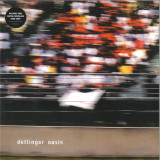
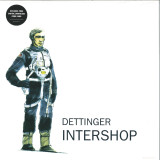
Dettinger’s Intershop and Oasis have long been held, by many fans of ambient and electronic music, to be some of the finest albums in their field. Produced by the mysterious Olaf Dettinger, about whom not much is publicly known, they were some of the earliest full-lengths released by the then-nascent Kompakt, and in many ways, they both articulated and defined the sound that would come to be known as Pop Ambient, while also existing, somehow, to the leftfield of any clearly recognisable genre.
Beautiful, sui generis works, it is a rare pleasure to see them being reissued on vinyl for a new generation of listeners to embrace. Originally released on CD only in 1999, Intershop was Kompakt’s first artist full-length. The music here simmers and broods, with opulent banks of tone marking out territory for rhythms that seem to be built from the clacking detritus of technology – hisses, thunks, knocks. Bass is deployed carefully, each drop a dubbed-out depth charge; drones spin and spiral, warping and weaving between the beats.
Oasis, released in 2000, refined the palette that Dettinger had explored on its predecessor. A blurred crusade of ambient texturology, its unassuming patterns, and subtle, incremental dynamics, admit to real beauty, and a kind of abstract sensuality that you don’t often experience with music that is, perhaps, similarly tooled, but not as poetic. Through seemingly simple gestures – whether lushly expansive repetitions, hyper-acute tremolo tones, or ear-tickling rhythms – it builds complex emotional resonance. It’s no surprise to discover Oasis is held in high esteem by artists like Panda Bear of Animal Collective, who once said of Dettinger, “For us, he was the dude.”
There is, of course, other music to know Dettinger by, too – his three excellent EPs for Kompakt, Blond (1998), Puma and Totentanz (1999), the latter of which, Michael Mayer once argued, “invented dubstep.” There is also a small, yet graceful run of compilation contributions, many of which can be found on Kompakt’s Total and Pop Ambient series. All this music has plenty to recommend it, sharing a clarity of purpose, and a rare, human warmth and depth. But Intershop and Oasis are the releases that distil Dettinger’s singular vision, and allow him, should he wish, to claim his place as a modern master of ambient and electronic music.
Dettingers Intershop und Oasis werden von vielen Fans von Ambient und elektronischer Musik seit langem als einige der besten Alben in diesem Bereich angesehen. Produziert von dem mysteriösen Olaf Dettinger, über den nicht viel bekannt ist, gehörten sie zu den ersten Alben, die von der damals aufstrebenden Plattenfirma Kompakt veröffentlicht wurden. In vielerlei Hinsicht formulierten und definierten sie den Sound, der später als Pop-Ambient bekannt werden sollte, während sie gleichzeitig irgendwie links von jedem klar erkennbaren Genre existierten.
Es ist eine seltene Freude zu sehen, dass diese wunderschönen Werke auf Vinyl wiederveröffentlicht werden, um sie einer neuen Generation von Hörern zugänglich zu machen. Ursprünglich wurde Intershop 1999 nur auf CD veröffentlicht und war Kompakts erstes komplettes Künstleralbum. Die Musik hier brodelt und brütet, mit opulenten Klangbänken, die das Territorium für Rhythmen abstecken, die aus dem klappernden Gerümpel der Technik gebaut zu sein scheinen – Zischen, Klopfen, Schaben. Der Bass wird sorgfältig eingesetzt, jeder Drop ist eine synchronisierte Tiefenladung; Drones drehen und winden sich spiralförmig und verflechten sich zwischen den Beats.
Oasis, das im Jahr 2000 erschien, verfeinerte die Palette, die Dettinger auf seinem Vorgänger erkundet hatte. Ein verschwommener Kreuzzug der Ambient-Texturologie, dessen unaufdringliche Muster und subtile, schrittweise Dynamik echte Schönheit und eine Art abstrakter Sinnlichkeit zulassen, die man nicht oft bei Musik erlebt, die vielleicht ähnlich ausgestattet, aber nicht so poetisch ist. Durch scheinbar einfache Gesten – seien es üppig ausladende Wiederholungen, hyperakute Tremolotöne oder ohrenbetäubende Rhythmen – baut sie eine komplexe emotionale Resonanz auf. Es ist keine Überraschung, dass Oasis von Künstlern wie Panda Bear von Animal Collective hoch geschätzt wird, der einmal über Dettinger sagte: “Für uns war er DER Typ”.
Es gibt natürlich auch noch andere Musik, die Dettinger bekannt macht – seine drei ausgezeichneten EPs für Kompakt, Blond (1998), Puma und Totentanz (1999), von denen letztere, wie Michael Mayer einmal kühn behauptete, “den Dubstep erfand”. Es gibt auch eine kleine, aber feine Reihe von Compilation-Beiträgen, von denen viele auf Kompakts Total- und Pop-Ambient-Serien zu finden sind. All diese Musik ist sehr empfehlenswert und zeichnet sich durch eine klare Zielsetzung und eine seltene, menschliche Wärme und Tiefe aus. Aber Intershop und Oasis sind die Veröffentlichungen, die Dettingers einzigartige Vision destillieren und es ihm ermöglichen, seinen Platz als moderner Meister der Ambient- und elektronischen Musik zu behaupten, sollte er dies wünschen.
Dettinger’s Intershop and Oasis have long been held, by many fans of ambient and electronic music, to be some of the finest albums in their field. Produced by the mysterious Olaf Dettinger, about whom not much is publicly known, they were some of the earliest full-lengths released by the then-nascent Kompakt, and in many ways, they both articulated and defined the sound that would come to be known as Pop Ambient, while also existing, somehow, to the leftfield of any clearly recognisable genre.
Beautiful, sui generis works, it is a rare pleasure to see them being reissued on vinyl for a new generation of listeners to embrace. Originally released on CD only in 1999, Intershop was Kompakt’s first artist full-length. The music here simmers and broods, with opulent banks of tone marking out territory for rhythms that seem to be built from the clacking detritus of technology – hisses, thunks, knocks. Bass is deployed carefully, each drop a dubbed-out depth charge; drones spin and spiral, warping and weaving between the beats.
Oasis, released in 2000, refined the palette that Dettinger had explored on its predecessor. A blurred crusade of ambient texturology, its unassuming patterns, and subtle, incremental dynamics, admit to real beauty, and a kind of abstract sensuality that you don’t often experience with music that is, perhaps, similarly tooled, but not as poetic. Through seemingly simple gestures – whether lushly expansive repetitions, hyper-acute tremolo tones, or ear-tickling rhythms – it builds complex emotional resonance. It’s no surprise to discover Oasis is held in high esteem by artists like Panda Bear of Animal Collective, who once said of Dettinger, “For us, he was the dude.”
There is, of course, other music to know Dettinger by, too – his three excellent EPs for Kompakt, Blond (1998), Puma and Totentanz (1999), the latter of which, Michael Mayer once argued, “invented dubstep.” There is also a small, yet graceful run of compilation contributions, many of which can be found on Kompakt’s Total and Pop Ambient series. All this music has plenty to recommend it, sharing a clarity of purpose, and a rare, human warmth and depth. But Intershop and Oasis are the releases that distil Dettinger’s singular vision, and allow him, should he wish, to claim his place as a modern master of ambient and electronic music.
Dettingers Intershop und Oasis werden von vielen Fans von Ambient und elektronischer Musik seit langem als einige der besten Alben in diesem Bereich angesehen. Produziert von dem mysteriösen Olaf Dettinger, über den nicht viel bekannt ist, gehörten sie zu den ersten Alben, die von der damals aufstrebenden Plattenfirma Kompakt veröffentlicht wurden. In vielerlei Hinsicht formulierten und definierten sie den Sound, der später als Pop-Ambient bekannt werden sollte, während sie gleichzeitig irgendwie links von jedem klar erkennbaren Genre existierten.
Es ist eine seltene Freude zu sehen, dass diese wunderschönen Werke auf Vinyl wiederveröffentlicht werden, um sie einer neuen Generation von Hörern zugänglich zu machen. Ursprünglich wurde Intershop 1999 nur auf CD veröffentlicht und war Kompakts erstes komplettes Künstleralbum. Die Musik hier brodelt und brütet, mit opulenten Klangbänken, die das Territorium für Rhythmen abstecken, die aus dem klappernden Gerümpel der Technik gebaut zu sein scheinen – Zischen, Klopfen, Schaben. Der Bass wird sorgfältig eingesetzt, jeder Drop ist eine synchronisierte Tiefenladung; Drones drehen und winden sich spiralförmig und verflechten sich zwischen den Beats.
Oasis, das im Jahr 2000 erschien, verfeinerte die Palette, die Dettinger auf seinem Vorgänger erkundet hatte. Ein verschwommener Kreuzzug der Ambient-Texturologie, dessen unaufdringliche Muster und subtile, schrittweise Dynamik echte Schönheit und eine Art abstrakter Sinnlichkeit zulassen, die man nicht oft bei Musik erlebt, die vielleicht ähnlich ausgestattet, aber nicht so poetisch ist. Durch scheinbar einfache Gesten – seien es üppig ausladende Wiederholungen, hyperakute Tremolotöne oder ohrenbetäubende Rhythmen – baut sie eine komplexe emotionale Resonanz auf. Es ist keine Überraschung, dass Oasis von Künstlern wie Panda Bear von Animal Collective hoch geschätzt wird, der einmal über Dettinger sagte: “Für uns war er DER Typ”.
Es gibt natürlich auch noch andere Musik, die Dettinger bekannt macht – seine drei ausgezeichneten EPs für Kompakt, Blond (1998), Puma und Totentanz (1999), von denen letztere, wie Michael Mayer einmal kühn behauptete, “den Dubstep erfand”. Es gibt auch eine kleine, aber feine Reihe von Compilation-Beiträgen, von denen viele auf Kompakts Total- und Pop-Ambient-Serien zu finden sind. All diese Musik ist sehr empfehlenswert und zeichnet sich durch eine klare Zielsetzung und eine seltene, menschliche Wärme und Tiefe aus. Aber Intershop und Oasis sind die Veröffentlichungen, die Dettingers einzigartige Vision destillieren und es ihm ermöglichen, seinen Platz als moderner Meister der Ambient- und elektronischen Musik zu behaupten, sollte er dies wünschen.

WRWTFWW Records is flying high as it announces the reissue of the 1997 ambient masterpiece Quiet Logic by electronic music visionaries Mixmaster Morris (The Irresistible Force), Jonah Sharp (Spacetime Continuum), and Haruomi Hosono (Yellow Magic Orchestra). For the first time ever, this iconic album is available on vinyl as a double LP with a heavy 350gsm sleeve, as well as on digipack CD and digitally.
Quiet Logic invites listeners to embark on a captivating sonic odyssey, blending intricate rhythms and celestial environments that push the boundaries of electronic music. Co-crafted at Haruomi Hosono's Tokyo studio in 1997, this album represents a time of rapid transformation in the genre, with these three artists at the forefront of redefining soundscapes.
With its unique blend of influences from Hosono's immense contribution to electronic, pop, and experimental music to Morris' worldwide chill out DJ performances and Sharp's pioneering label, Reflective, Quiet Logic remains a timeless piece of ethereal electronica. It was originally only released in Japan in CD format on the Harry Hosono-curated Daisyworld Discs label.
Remastered for 2024, this reissue is a must-have for fans of Haruomi Hosono / YMO, The Irresistible Force, Spacetime Continuum, Dreamfish, Tetsu Inoue, FFWD, H.I.A., Fax +49-69/450464, and mind-expanding musics.
Immerse yourself now.
Quiet Logic is pressed on biovinyl, a sustainable alternative to traditional vinyl. Biovinyl replaces petroleum in S-PVC by recycling used cooking oil or industrial waste gases, resulting in 100% CO2 savings in bio-based S-PVC production. Furthermore, it is 100% recyclable and reusable, embracing the circular economy ideology.
nit is the genius underdog of the current French chanson scene. After playing along with Sébastien Tellier or Juliette Armanet (a huge success in France), after remixing Phoenix, Myd, Dita Von Teese, Cola Boyy, Tony Allen or Jane Birkin, here he comes with his debut album. The balearic sound is always a big nit influence, feel good electronics & lush acoustic chords.
Spotted by French label Record Makers (Sébastien Tellier, Kavinsky, AIR, Cola Boyy) with his 2017 “Dessous de plage” first EP, nit has since grown from funky DIY library music to a lush and complex groovy sound. The magic of this debut album “Big Bang Puzzle” is a keen sense of composition and an innate affinity for 90’s European electronica.
It’s a playful album, the work of an artist at the peak of his craft, determined to twist styles and references (Daft Punk, Ennio Morricone, Robert Miles, Vangelis...) in order to give them a new form.
“Big Bang Puzzle” is a tangle of psychedelic and cartoon-esque pieces, an abstract modernist painting of sounds inspired by vintage pop music. The cover, created by Swiss artist Flora Mottini, offers a first glimpse of his brand new universe.
But it’s also by collaborating with French iconic design studio H5 that nit suddenly enters the French Touch genealogy. nit takes the shape of an n that grows legs and arms to become a cheeky cartoon character traveling through a real space-time continuum. Parisian H5 studio has been involved since the end of the ‘90s in the design of strong visual concepts for French Touch’s elite (Etienne de Crécy, AIR, Mirwais). French music at its best from which nit is a direct descendant. And one who expands and opens even further: pop, italo-disco, trip-hop impulses, Morriconian cavalcades, lo-fi aesthetics, Caribbean music. Producer and mixer Lucien Krampf (Oklou, Ascendant Vierge, Casual Gabberz, CRYSTALLMESS) was the person in charge of mixing this ambitious record.
nit is both a question and an answer, and a musical enigma that pushes us to explore the far reaches of our imagination…
Previously released by aufnahme + wiedergabe in 2017, Die Selektion's successor to their self-titled debut album is a grown-up and elaborated collection of 9 pieces of Electronic Dance Music.
"Deine Stimme Ist Der Ursprung Jeglicher Gewalt" will undoubtably force its way to your heart. Trumpet sounds that drill into your body in a gentle yet effective way, lyrics that take you by the hand just to guide you through the darkest and brightest spots of your life. All of this while being surrounded by synthesizers and drum machines that built the foundation for these 9 songs, reaching from Synth- Pop to Electronic Body Music, from bright sunny days to dark nights, from warm to cold, from love to hate. There is light at the end of the tunnel, and Die Selektion will guide you there.
You get older, you have a family, and you start to slow down-that's how things are supposed to go, right? Not for Montreal band Corridor, who have returned on their fourth album, Mimi, with a sound and style that's more widescreen and expansive than anything that's preceded it. The follow-up to 2019's Junior is a huge step forward for the band, as the members themselves have undergone the type of personal changes that accompany the passage of time; even as these eight songs reflect a newfound and contemplative maturity, however, Corridor are branching out more than ever with richly detailed music, resulting in a record that feels like a fresh break for a band that's already established themselves as forward-thinkers. Mimi immediately recalls the best of the best when it comes to indie rock-Deerhunter's silvery atmospherics immediately come to mind, as well as the spiky effervescence of classic post-punk-but despite these easy comparisons, Corridor remain impossible to pin down from song to song, which makes Mimi all the more thrilling as a listen. "The goal was to work differently, which is the goal we have every time we work on a new album-to build something in a new way," Robert explains. "This time, we took our time." And so in the summer of 2020, Corridor's members-Robert, vocalist/bassist Dominic Berthiaume, drummer Julien Bakvis, and multi-instrumentalist Samuel Gougoux-holed away in a cottage to engage in the sort of creative experimentation that would lead to Mimi's ultimate creation. Corridor tinkered with the songs' raw parts digitally and remotely over the next few years, with co-producer Joojoo Ashworth (Dummy, Automatic) lending their own specific talents in the theoretical booth. The process was a byproduct of not having access to their rehearsal space due to the COVID-19 pandemic, but also a result of the four-piece leaning harder into incorporating electronic textures than on previous records. "For a long time, we identified as a guitar-oriented band, and the goal of making this whole record was trying to get away from that," Berthiaume states. Berthiaume also describes Mimi as a record about "getting older" and "figuring out new parts of life"-but despite any claims of transitional growing pains from the band, Mimi is a record bursting with new energy and life, a vibrance that's owed in no small part to Gougoux joining the band full-time after pitching in on live performances in the past. "I come more from a background of electronic music, so it was nice to involve that with the band more," he explains, and Mimi contains a distinct rhythmic pulse reminiscent of classic era-post-punk's own melding of dance and rock textures. Over bright, chiming guitars and ascending synths, Robert addresses his looming mortality on "Mourir Demain": "I wrote it when my girlfriend and I were shopping for life insurance," he laughs. With our little daughter growing up, we also considered making our will. I said to myself, 'Oh shit, from now on I'm slowly starting to plan my death." Don't mistake this as music about dead ends, though, as Mimi embraces and champions unfettered creativity while paving a way for Corridor's own bright future. "We just focused on making a record that sounded the way we wanted," Gougoux exclaims while discussing the band's aims. "There were no limitations when it came to what was possible."
Skylax Records Is Proud to Introduce You to the Sound of RotorMotor With Their Astounding "Dream Beams" Ep That Encapsulates the Essence of Early '90s Trance, Italo Disco, and Ebm, While Evoking the Nostalgic Sound of Kompakt From 2004 to 2007. Hailing From Ljubljana, Slovenia, RotorMotor Is a Dynamic Duo Whose Tracks Have Gained Popularity Through Their Association With Lesyeuxorange, Feinstoff, Sexy Dinosaur From Outer Space, and Esteemed Remix Luminaries Like Neurotiker. Prepare to Be Transported Into an Audio Realm Where Pulsating Beats and Infectious Melodies Collide. the Ep Kicks Off With "Size of a Photon," a Track That Encapsulates the Signature Sound of Kompakt in Its Purest Form. "Feel My Pulse" Follows Suit, Immersing Listeners in a Rhythmic Journey That Resonates Deep Within. One of the Ep's Standout Moments Is the Remarkable Remix by Italian Producer Amarcord, Recently Acclaimed for His Releases on Ombra International, Eskimo Recordings, and Curses' Excellent Compilation "Next Wave Acid Punx". Amarcord's Remix of "Flashblinded" Flawlessly Blends Breakbeat and Trance Elements, Resulting in an Elegantly Treated Sonic Masterpiece. on the Flipside, RotorMotor Collaborates With Pholia on "Flashblinded," Delivering Both an Instrumental and a Vocal Version. the Vocal Rendition Adds a Post-Apocalyptic Touch as Pholia's Robotic Voice Sings in Slovenian, Creating an Atmospheric and Haunting Experience. "Dream Beams" Is a Demonstration to RotorMotor's Ability to Fuse Influences From the Past With a Contemporary Twist, Creating a Sonic Landscape That Captivates the Senses. With Their Relentless Energy and Creative Vision, RotorMotor Never Ceases to Amaze. This Vinyl Release Is a Must-Have for Any Enthusiast of Electronic Music Seeking an Extraordinary Sonic Adventure. Grab Your Copy and Experience the Hypnotic Power of RotorMotor....
Green Vinyl[22,06 €]
In many ways, the music of Writhing Squares could have only originated in Philadelphia; the city itself a microcosm of creatives, go-getters, freaks & weirdos that have coalesced into a supportive & boundary-pushing crew. Former Purling Hiss bassist Daniel Provenzano & Ecstatic Vision sax-player & vocalist Kevin Nickles' first musical missive was shot forth in 2013 (the self-released CDR "Live In Space") & various singles, split releases, albums (and a double-album) later we arrive at the duo's fourth full-length "Mythology", their third for Chicago-based Trouble In Mind Records. "Mythology" picks up the pieces left shattered by their previous double-album "Chart For The Solution" and reconnects the broken shards together like Kintsugi, the ancient Japanese technique for mending broken ceramics, infusing the breaks with powdered gold. The Squares themselves are like mad-scientists, taking the ruined detritus populating junk shops & surplus outlets & constructing their own sonic laboratories in their New Jersey basements to record, mix & tweak "Mythology"s eight tracks. Their new location allowed the band to regroup, reassess & reconstruct their sound from the ground up, shearing away the cosmic excess of 2021's "Chart For The Solution" to a sharper point. Tracks like `Barbarians' & `LEM' are classic Squares; brutal, aggressive, unwavering assault of Motorhead/Stooges-inflected sci-fi punk scree, while others like `Chromatophage's mutant funk & `Cerberus's techno-slink owe a serious debt to electric-era Miles Davis or Herbie Hancock & show that the group has more to offer than bludgeoning you with sonic force. Provenzano's bass & electronics are like a tank rolling across the terrain - a gnarly construct of Hawkwind-ian headiness & `Vincebus Eruptum's snarl - uncaring of what gets in the way. Nickles' brass vacillates between Stooges-influenced sleaze, jazzy no-wave stabs, & cacophonous sonic storms, strafing the listener into oblivion. The duo are joined on "Mythology" by drummer John Schoemaker - who contributed drums to "Chart For The Solution"s epic closing track `Epilogue' - whose percussive pulse adds an organic swing to The Square's sonics, particularly on album closer "The Damned Thing"s cosmic strut. "Mythology" tackles a multitude of themes, from fantastical tales of hellhound `Cerberus' or the comic-inspired "Eternity " to `Chromatophage's colorful/evil yarn about animals that eat colors (or a Magic: The Gathering card) to the true-life influenced `Acid Rain' that deals with the uncertainty of consuming drinking water after a chemical spill in the Delaware River. Elsewhere, `Ferrell' is an homage to the late, great Ferrell "Pharaoh" Sanders & `The Damned Thing' by a short horror story penned by Ambrose Bierce about an animal whose coloring is invisible to the naked eye. Writhing Squares are in a transitional phase, mapping out a new sonic mythology for themselves after crossing the event horizon into unknown space. "Mythology" is streaming on most DSPs & released on black vinyl & limited fluorescent green vinyl (while supplies last) on April 26th, 2024.
Black Vinyl[21,22 €]
In many ways, the music of Writhing Squares could have only originated in Philadelphia; the city itself a microcosm of creatives, go-getters, freaks & weirdos that have coalesced into a supportive & boundary-pushing crew. Former Purling Hiss bassist Daniel Provenzano & Ecstatic Vision sax-player & vocalist Kevin Nickles' first musical missive was shot forth in 2013 (the self-released CDR "Live In Space") & various singles, split releases, albums (and a double-album) later we arrive at the duo's fourth full-length "Mythology", their third for Chicago-based Trouble In Mind Records. "Mythology" picks up the pieces left shattered by their previous double-album "Chart For The Solution" and reconnects the broken shards together like Kintsugi, the ancient Japanese technique for mending broken ceramics, infusing the breaks with powdered gold. The Squares themselves are like mad-scientists, taking the ruined detritus populating junk shops & surplus outlets & constructing their own sonic laboratories in their New Jersey basements to record, mix & tweak "Mythology"s eight tracks. Their new location allowed the band to regroup, reassess & reconstruct their sound from the ground up, shearing away the cosmic excess of 2021's "Chart For The Solution" to a sharper point. Tracks like `Barbarians' & `LEM' are classic Squares; brutal, aggressive, unwavering assault of Motorhead/Stooges-inflected sci-fi punk scree, while others like `Chromatophage's mutant funk & `Cerberus's techno-slink owe a serious debt to electric-era Miles Davis or Herbie Hancock & show that the group has more to offer than bludgeoning you with sonic force. Provenzano's bass & electronics are like a tank rolling across the terrain - a gnarly construct of Hawkwind-ian headiness & `Vincebus Eruptum's snarl - uncaring of what gets in the way. Nickles' brass vacillates between Stooges-influenced sleaze, jazzy no-wave stabs, & cacophonous sonic storms, strafing the listener into oblivion. The duo are joined on "Mythology" by drummer John Schoemaker - who contributed drums to "Chart For The Solution"s epic closing track `Epilogue' - whose percussive pulse adds an organic swing to The Square's sonics, particularly on album closer "The Damned Thing"s cosmic strut. "Mythology" tackles a multitude of themes, from fantastical tales of hellhound `Cerberus' or the comic-inspired "Eternity " to `Chromatophage's colorful/evil yarn about animals that eat colors (or a Magic: The Gathering card) to the true-life influenced `Acid Rain' that deals with the uncertainty of consuming drinking water after a chemical spill in the Delaware River. Elsewhere, `Ferrell' is an homage to the late, great Ferrell "Pharaoh" Sanders & `The Damned Thing' by a short horror story penned by Ambrose Bierce about an animal whose coloring is invisible to the naked eye. Writhing Squares are in a transitional phase, mapping out a new sonic mythology for themselves after crossing the event horizon into unknown space. "Mythology" is streaming on most DSPs & released on black vinyl & limited fluorescent green vinyl (while supplies last) on April 26th, 2024.
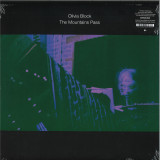
Black Truffle is pleased to announce The Mountains Pass, a major new work from Olivia Block. A key player in Chicago’s vibrant experimental music scene since the late 1990s, Block has developed an extensive body of work grounded in a personalised, at times emotive approach to the studio-based practices of the musique concrète tradition, while also encompassing improvisation, orchestral pieces, sound installations, and a sustained engagement with the piano. On The Mountains Pass, recorded by Greg Norman at Steve Albini’s Electrical Audio and meticulously edited and constructed over the course of three years, Block pushes into new terrain, introducing her singing voice and drums played by Jon Mueller into flowing assemblages that move seamlessly from ruminative organ tones and fragmented piano airs to explosions of sizzling synths and thundering percussion. Like many of Block’s past works, which include, for example, a sculptural installation using the sound of oyster beds, The Mountains Pass draws inspiration from nature and the animal world. Time spent in a particular mountain range in Northern New Mexico informs this suite of pieces, whose lyrics and titles refer particularly to animal life in the area. Beginning with bursts of white noise and delicate synthetic pops and squeaks, opener ‘Northward’ very soon reveals the special direction the album will take, as lyrical piano lines are joined by Block’s fragile voice, singing words written from the perspective of f2754, an endangered Mexican gray wolf who wandered more than five hundred miles from Arizona to New Mexico in 2022. The fragment of song quickly breaks off, leaving us with a ghostly electronic hum. ‘The Hermit’s Peak’ follows, one of two epic pieces at the album’s core. Beginning with chiming, almost harpsichord-like tones, it moves through episodes of spacious, ruminative piano, Jon Mueller’s sparkling cymbals, stuttering cut-up piano sounds, and a climax of keening organ and trumpet tones (performed by Thomas Madeja). Continuing the exploration of vintage keyboard and synth tones heard on Block’s Innocent Passage in the Territorial Sea (Room 40, 2021), the music sometimes suggests the great outer-limits works of 70s Italian prog figures like Franco Battiato or Arturo Stalteri in the languorous drift of synthesizer, organ, and piano tones and the meticulous yet organic flow of its construction. ‘Violet-Green’ opens the second side with another epic journey, its lyrical content concerning ‘a mysterious bird die-off and a forest fire’. Block’s crystalline voice and rich piano chords at times call up the restrained chamber songs of Janet Sherbourne, but fragmented and threaded through passages of woozy pitch-bent keyboards, hypnotic distant thuds, tinkling bells, and searing distorted synth tones. On ‘f2754’, the freedom of the roaming wolf surges through dense layers of rapid keyboard attacks and long organ tones over a propulsive drum performance straight out of Animal Magnetism-era Arnold Dreyblatt. This distinctive sound world is then reencountered in a darkened mirror image in the uneasy, metallic shimmer of the closing ‘Ungulates’, named in reference to a heard of elk roaming through the mountains. Like Battiato’s Clic or Gastr del Sol’s Upgrade & Afterlife, The Mountains Pass inhabits the underexplored terrain where the beauty of song coexists with a radical formal openness, illuminating the deep musicality and warmth that have been present in Block’s work all along.
Limitierte LP-Neuauflage: rot-goldfarbenes Vinyl, inklusive eines neu gestalteten Posters zum Ausklappen. Unser Album zum 1.Mai. Zum Tag der Arbeit und für den Kater danach. Die Arbeit verändert sich. Roboter ersetzen uns. Der Kapitalismus zerbröselt. Wir brauchen einen neuen Soundtrack - aber wie klingen work songs in einer Zukunft, in der die Natur der Arbeit selbst so unsicher ist? Mit ihrem zweiten Duo-Album Never Work suchen Ariel Sharratt und Mathias Kom (von der kanadischen Garagen-Folk-Band The Burning Hell) nach Antworten. Einige Songs sind Lieder über Arbeiter, andere sind Lieder für Arbeiter, aber die meisten sind beides zugleich. Musikalisch nutzt Never Work die akustischen Elemente eines Old-School-Folk-Revivals (...Guthrie, Seeger, Dylan..) die, tongue-in-cheek, mit Billig Electronica der 80er versponnen werden. Textlich greifen sie Anregungen von Gewerkschaftsaktivisten und situationistischen Witzbolden auf. Alles in allem die richtigen Instrumente, um die sogenannte Gig-Economy, technologischen Feudalismus, Klassenkämpfe, rebellische self-service Geräte und vollautomatisierten Luxuskommunismus zu erkunden. Sharratt und Kom sind vor allem als Teil der kanadischen Garagen-Folk-Band The Burning Hell bekannt. Seit fast einem Jahrzehnt haben sie sich mit ihren smarten, von dunklem Humor geprägten Songs und ihren dynamischen Live-Shows eine solide Fangemeinde erspielt, teilweise mit Freunden im Geiste, wie Jeffrey Lewis oder The Wave Pictures 2016 legten Sharratt und Kom eine erste Pause vom Bandformat ein, um ihre erste Duo-Platte "Don't Believe The Hyperreal" aufzunehmen. Das Album belebte die Atmosphäre klassischer Pop-Folk-Duette der 60er neu und bot eine intimere Seite ihres Songwritings, darunter den Underground-Hit "Fuck The Government, I Love You". Never Work nun gibt ihrem zweifellos charmanten Duett einen neuen Dreh: weg von der Romantik hin zu selbstreflexiven, zuweilen bissigen Betrachtungen von Arbeit in unserer Gesellschaft. Das beinhaltet ihre eigene Position als Musiker, unser Selbstverständnis in einem bröckelnden System von Arbeit, sowie die Rolle des Kapitals, das uns alle weiterhin prägt, auch wenn wir selbst keins besitzen. Never Work ist eine Protest-Playlist für unsere kollektive Reise ins Vergessen oder an den Strand, ernsthaft und ironisch zugleich.
On Gut Buster, Yosa Peit spawns fleshy sonic escapades, a swarm of vigorously processed vocals and soulful bass, set to a backdrop of visceral percussive structures. Full of roguish curiosity, the record is cast with an air of lo-fi experimentation, but with a platinum glint of pop sensibility. Peit's second album grapples with the destructive force of modern consumption, Gut Buster is an anti-capitalist battle cry that syntheses intimacy and hostility; a surrealist-punk affirmation and a testament to Peit's singular vision and unique approach. The free-ranging sound of Yosa Peit recalls the intense arrangements of a cyber-era Prince with the surrealist tones of Arthur Russell and early Björk. At the album's core, "World Eaters" unleashes scorching guitars in search of humankind's end, "I was born on a planet, I got hungry and I ate it." Even in the face of planetary doom and personal obstacles, Yosa evokes our propensity for mischief, humor and pleasure. "bb moon" processes sound solely from her bass into wicked oblivion. "CALL ME," a song about friendship, chews up it's anthemic melody into a gnarled strut worthy of an A$AP Rocky production, while "HAD3S" urges us to find balance, nodding to the mystical fuzz of Prince. Yosa's work has been called "personal, punk, poignant, deep" yet her genre-defying production, as textured as it is catchy, escapes definition. Gut Buster takes that collective playground for creation to planetary reaches, congregating friends from Berlin, Cologne, and New York's fuzzy musical underbelly: Employee, Funkycan, Gerry Franke, Glenn Astro, Nauker, Paingel, Tbz, and UCC Harlo. The record was mixed by Brainfeeder affiliate Benjamin Vukelic in Portland and Jan Brauer in Berlin. "Glitchy yet supple, the broken beats and warped abstractions are wholly unpredictable yet deliciously odd, like an esoteric mashup of Bjork, Aphex and Laurie Anderson" Electronic Sound Classic Black Vinyl, Gloss Laminated Sleeve, Printed inner "Gut" sleeve plus DL card.
2024 Repress
"Communication", das erste, wirkliche Soloalbum des Ex-Kraftwerkers Karl Bartos, kam 2003 in die Läden und damit 13 Jahre nach Bartos" Ausstieg bei den Düsseldorfer Elektronikern. 2016, und damit wiederum 13 Jahre später, erscheint das Album, komplett remastert und mit dem Bonustrack "Camera Obscura", erneut. "Communication" ist jedoch keine bloße Wiederveröffentlichung. Es ist der Reload eines Pop-Klassikers, der heute thematisch aktueller ist denn je. ""Communication" handelt davon, wie Bilder unsere Sicht auf die Welt bestimmen und wie sich durch elektronische Medien die Inhalte unserer Kultur verändern", so Bartos anlässlich der Veröffentlichung im Jahr 2003. 2016 hat dieses Thema an Dringlichkeit und Wahrhaftigkeit nichts eingebüßt. Ganz im Gegenteil. Heute ist die Medienwelt, die das Album beschreibt, so alltäglich geworden, dass ihre Wirkmächtigkeit gar nicht mehr wahrgenommen wird. Spannend: Obwohl zehn Jahre früher erschienen, kann "Communication" energetisch nahtlos an Bartos" gefeiertes letztes Album "Off The Record" (2013) anschließen.
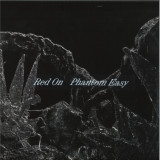
Where does pop start and experimental music end? Instead of drawing lines, Red On keeps on exploring the spaces in between these supposed poles with his latest album Phantom Easy, a record that offers moments of pure beauty as well as unpredictable, uncontrollable wilderness.
The spaces Red On moves in aren’t per se terra incognita, but have been explored in recent years by like-minded musicians such as How To Dress Well, Fever Ray, or Dawuna, as well as artists that are affiliated with Präsenes Editionen, where Red On’s album is published, such as Martina Lussi, Belia Winnewisser, or Magda Drozd. Yet, Phantom Easy is an exploration of its own: The melancholic album, which is informed by pop, electroacoustic music, rhythm-focused jazz, and krautrock, is carried by Red On's voice, which appears in ever-changing stages of alienation. The wistful tone of the twelve tracks is reinforced by single phrases sung by Red On that, through their repetition, develop an urgency that can hardly be escaped. The result is pop music that is brave enough to embrace the adventure; or experimental music that doesn’t shy away from offering catchy hooks and grand melodies.
Toe is a Japanese music group long revered in post-rock circles, while their song structures and dynamics have taken on elements from all styles of music, ranging from math-rock, jazz, pop, and R&B. toe is composed of Kashikura Takashi on drums, Mino Takaaki on guitar, Yamane Satoshi on bass guitar, and Yamazaki Hirokazu on guitar. The band has formally played with this lineup since their inception in 1998. The vast majority of the music is instrumental and features the swift, agile drumming of Takashi. The band is also known for melodic, clean guitar, often employing the juxtaposition of electric and acoustic. While the compositions feature the repetition of typical rock motifs, the subtle changes in beat and rhythm form a unique rhythmic dialect. The band has consistently expanded their sound throughout their musical tenure by incorporating singing, rhodes piano, mallet percussion, and electronic production elements.