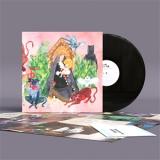
Die Welt war nie bereit für The Monsters, und The Monsters waren nie bereit für diese Welt. Nach vierzig Jahren, in denen sie zu einem echten Monster aus Fleisch und Blut herangereift sind, präsentieren sie ihr neuntes Album: gut ein Dutzend kompromissloser, wilder, lärmiger und fuzz-geladener Tracks. Ein Mix aus Ein-Riff-Beat, Trash, Garage, "Bern Metal", Boogie, Punk und Grunge - Songs, die einen von innen nach außen stülpen, aufgenommen mit "Miracle" Robert "Worker" Butler und abgemischt von Jim "Dirtbomb" Diamond - ein echtes Garage-Punk-Dreamteam. Vor vierzig Jahren, 1986, war die Jugendkultur-Revolution in Bern (Schweiz) in vollem Gange, Jugendliche und junge Erwachsene wollten sich aus den konservativen Fesseln befreien. Die Straßen brannten, Clubs entstanden und eine neue Schweizer Musikkultur wurde geboren. Dies markierte auch den Beginn von The Monsters. Vierzig Jahre später hat sich der Zustand der Musikkultur - oder vielmehr der Welt im Allgemeinen - wohl eher verschlechtert. Individuelles Denken und Schaffen sind nach wie vor nicht sonderlich anerkannt oder gar erwünscht (Hey KI!). Im März 2026 blieb der Band also nichts anderes übrig, als ihre Instrumente, das Aufnahme-Equipment und ihre Ideen in den Proberaum zu verfrachten. Sie verbrachten einen Monat mit Robert Butler (u. a. The Miracle Workers) und seinem mobilen "Two Cent Recording Studio". Sie schrieben Texte (insgesamt etwa 100 Wörter - mal sinnvoll, mal unsinnig, über das ganze Album verstreut), tüftelten am Sound und nahmen Gitarren in allen erdenklichen Variationen auf. Das Ganze wurde gewürzt mit Percussion, Schlagzeug, Bass sowie obskuren Orgeln und Synthesizern, die sie auf Flohmärkten oder in den Kellern von Freunden aufgetrieben hatten. Nach diesem vierwöchigen Trip schickten sie das gesamte Chaos an Jim Diamond (Ghetto Recorders Studios in Detroit, Dirtbombs, White Stripes, Gories, André Williams... klar, worum es geht, ne?!), um es einem umwerfenden Mix-Abenteuer zu unterziehen. Das Ergebnis ist ein Dutzend Songs ohne Kompromisse, Schwächen oder Stärken. Einfach nur roher, ungeschliffener Lo-Fi-Garage-Punk'n'Roll voller Energie - und das mit vierzig Jahren "Nicht-Erfahrung". Erhältlich sind schwarzes Vinyl und eine pinke Picture-Disc (beide mit Insert & DLC), eine höchst audiophile CD sowie Kassette, die bei doppelter Geschwindigkeit leiert! Für Fans von Reverend Beat-Man, VRR, The Mummies, Oblivians, Billy Childish, Damaged Goods, Monks, very early Hives, Garagepunk, Lo-Fi-Roll, Alternative Beat
Die Welt war nie bereit für The Monsters, und The Monsters waren nie bereit für diese Welt. Nach vierzig Jahren, in denen sie zu einem echten Monster aus Fleisch und Blut herangereift sind, präsentieren sie ihr neuntes Album: gut ein Dutzend kompromissloser, wilder, lärmiger und fuzz-geladener Tracks. Ein Mix aus Ein-Riff-Beat, Trash, Garage, "Bern Metal", Boogie, Punk und Grunge - Songs, die einen von innen nach außen stülpen, aufgenommen mit "Miracle" Robert "Worker" Butler und abgemischt von Jim "Dirtbomb" Diamond - ein echtes Garage-Punk-Dreamteam. Vor vierzig Jahren, 1986, war die Jugendkultur-Revolution in Bern (Schweiz) in vollem Gange, Jugendliche und junge Erwachsene wollten sich aus den konservativen Fesseln befreien. Die Straßen brannten, Clubs entstanden und eine neue Schweizer Musikkultur wurde geboren. Dies markierte auch den Beginn von The Monsters. Vierzig Jahre später hat sich der Zustand der Musikkultur - oder vielmehr der Welt im Allgemeinen - wohl eher verschlechtert. Individuelles Denken und Schaffen sind nach wie vor nicht sonderlich anerkannt oder gar erwünscht (Hey KI!). Im März 2026 blieb der Band also nichts anderes übrig, als ihre Instrumente, das Aufnahme-Equipment und ihre Ideen in den Proberaum zu verfrachten. Sie verbrachten einen Monat mit Robert Butler (u. a. The Miracle Workers) und seinem mobilen "Two Cent Recording Studio". Sie schrieben Texte (insgesamt etwa 100 Wörter - mal sinnvoll, mal unsinnig, über das ganze Album verstreut), tüftelten am Sound und nahmen Gitarren in allen erdenklichen Variationen auf. Das Ganze wurde gewürzt mit Percussion, Schlagzeug, Bass sowie obskuren Orgeln und Synthesizern, die sie auf Flohmärkten oder in den Kellern von Freunden aufgetrieben hatten. Nach diesem vierwöchigen Trip schickten sie das gesamte Chaos an Jim Diamond (Ghetto Recorders Studios in Detroit, Dirtbombs, White Stripes, Gories, André Williams... klar, worum es geht, ne?!), um es einem umwerfenden Mix-Abenteuer zu unterziehen. Das Ergebnis ist ein Dutzend Songs ohne Kompromisse, Schwächen oder Stärken. Einfach nur roher, ungeschliffener Lo-Fi-Garage-Punk'n'Roll voller Energie - und das mit vierzig Jahren "Nicht-Erfahrung". Erhältlich sind schwarzes Vinyl und eine pinke Picture-Disc (beide mit Insert & DLC), eine höchst audiophile CD sowie Kassette, die bei doppelter Geschwindigkeit leiert! Für Fans von Reverend Beat-Man, VRR, The Mummies, Oblivians, Billy Childish, Damaged Goods, Monks, very early Hives, Garagepunk, Lo-Fi-Roll, Alternative Beat
What an unbelievable record. From the wild cover to the iconic breakbeats, Roots from Ian Carr’s Nucleus is one of the dopest albums we know. This is seriously thick, funky-prog jazz-rock heaven. Originally released on Vertigo in 1973, other than a couple of versions at the time for other territories, Roots was never re-pressed since so it’s gone on to become another one of those impossible to find records.
Maybe it was a little too out there for the time, but it’s aged very, very well indeed and this Be With re-issue, re-mastered from the original analogue tapes, shows off just why this deserves to be back in press.
Genius trumpeter and visionary composer Ian Carr was one of the most respected British musicians of his era. He was a true pioneer and saw the potential in fusing the worlds of jazz with rock, just as Miles Davis and The Tony Williams Lifetime did in the US. In late 1969, following the demise of the Rendell-Carr quintet, and tiring of British jazz, Carr assembled the legendary Nucleus. Regarding music as a continuous process, Nucleus refused to “recognise rigid boundaries” and worked on delivering what they saw as a “total musical experience”. We can get behind that.
Under bandleader Carr, Nucleus existed as a fluid line-up of inventive, skilled musicians. This constant evolution and revolution was all part of the continuous musical exploration and discovery that took jazz to new levels.
Working together with producer Fritz Fryer and engineer Roger Wake, the seven compositions by Carr, Brian Smith and Dave MacRae that make up Roots flirt with perfection, and Nucleus at that time made up of the cream of 1970s UK jazz with Brian Smith on tenor saxophones and flutes, Dave MacRae on piano and electric piano, Jocelyn Pitchen on guitar, Roger Sutton on bass, both Clive Thacker and Aureo De Souza on drums and percussion, Joy Yates delivering the vocals and of course Carr on trumpet.
The spellbinding title track immediately renders the album indispensable. Riding the illest of loping breakbeats, “Roots” is low-slung, doped-out heist-funk. An absolute monster. If it sounds familiar then that’s likely down to it being sampled by Madlib for Lootpack and Quasimoto’s “Loop Digga”, as well as by a whole host of beat manipulators. “Roots” conjures prime instrumental hip-hop / beat music, only 20 years ahead of its time. Truly, these are the roots. Through sinuous bass, twinkling keys and a hypnotic guitar riff, a smoky brass motif weaves its way into a gloriously deep haze around Carr’s solos. “Roots” is over 9 minutes long, but there’s not a single wasted second, not surprising given that this is a condensed version of an originally 40 minute long commissioned composition.
The soothing vocal fusion delight of “Images” follows. Meticulously constructed, with gorgeous flute work from Brian Smith, with Joy Yates’ silky vocals and Dave MacRae’s Rhodes never sounding better. The cool, driving “Caliban” closes out the first side. Originally the third movement in a four part commission to celebrate Shakespeare’s birthday it stands up on its own, all robust rhythms and blended brass. Keyboard colour and Carr’s trumpet are splashed across the funk drums and basslines (and there’s even some bamboo flute). This really is fusion: the elements of jazz and rock coming together in beautifully synthesis.
Side two opens in riotous fashion with the short, thrilling samba of “Wapatiti”. Next up, “Capricorn” forms a smoothed-out, jazzy constellation. Mellow and dreamy, its twinkling percussion and languid horns slowly build the vibe before head-nod drums and a killer bassline enter the fray. With a distinct heaviness that Black Sabbath would’ve envied, “Odokamona” is a venomous slice of riff-soaked jazz metal (yes, you read that right), elevated by Carr’s wah-wah horns.
The album closes with MacRae’s exceptionally cosmic “Southern Roots and Celebration”. Very much in conversation with Weather Report, it opens as a languorous, spiritual jazz of chiming keys and serene guitar that turns slowly, gorgeously into a mid-paced, brass-laced banger. It’s another sure-fire party starter and the sound of the band having a righteous blast, building an ecstatic chaos that ends with Yates screaming.
And of course we need to talk about Keith Davis’ cover for Roots. Perhaps the coolest record cover of all time? Certainly one of the most bonkers. Just your run-of-the-mill high-gloss, acid-tinged airbrush dystopian/utopian living-room party scene. Consider this your chemical flashback trigger warning.
Front-and-centre the hip-to-death green robot holds court with their giant ball of yellow barbwire wool, hooked up to… something(?) being teased out from under the stairs (probably best not to ask). A thoroughly zoned-out, long-legged Pop Art party-goer lounges half-plugged in to the painting behind her as a pair of legs flail into shot from the the top of the stairs opposite. We won’t even begin to guess what the chap’s up to in the middle, but the view out of the windows is rather nice, and someone’s already got the hoover out ready to tidy up. All of the Nucleus sleeves are something special, but this particular one? Crikey.
This Be With edition of Roots has been re-mastered from the original Vertigo master tapes, Simon Francis’ mastering working together with Pete Norman’s cut to weave their usual magic with these wonderful recordings. The crazy cover has been restored at Be With HQ as the finishing touch to this long overdue re-issue.
The premise of this compilation is simple: music we’d like to hear at the airport.
The idea came after learning that Honolulu’s international airport has been playing AI-generated music over its speakers since November 2025. First reported by Civil Beat, the news has caused frustration and disappointment among residents and visitors, as well as within the local music community.
Everyone knows Hawaii is one of the most musically rich regions in the world — why then is the airport using AI music? 'Music For The Airport' is our response.
Located in the middle of the Pacific at the outskirts of one the most remote cities on the planet, Honolulu’s Daniel K. Inouye International Airport (HNL) is for most people the first place they encounter when they arrive in Hawaii. Warm sun, tropical tradewinds, playful palm trees and majestic mountains welcome every traveler, as do the sounds of birds, familiar music from Hawaiian artists like Aunty Genoa Keawe and Israel Kamakawiwo’ole, and—at least for now—seventeen “island-themed” AI-generated songs.
In late 1977, while sitting in Germany’s Cologne Bonn Airport on a Sunday morning, Brian Eno noticed how terribly uncomfortable he felt hearing the airport’s “muzak” overhead. For a harried, hurried place like the airport where travelers scramble to their gates, stand in long border control lines, and wait impatiently for their luggage at the carousels, music can create more anxiety than calm. Asking himself, "What should we be hearing here?", Eno soon created ‘Ambient 1: Music For Airports’, a sonic remedy aimed at reducing nervousness in public spaces.
When we heard the news that HNL airport is playing AI-generated “muzak”, we were immediately reminded of Eno’s genre-defying 1978 album. And we were similarly inspired to react. But how? Recreating an ambient masterpiece wasn’t in our wheelhouse. We started digging through our catalog of licensed music which we haven’t yet re-released. We quickly realized this was our chance to highlight some of favorite songs from the so-called CD era: the 1990s and 2000s (with a few exceptions). In less than 20 minutes, we pulled 17 original songs recorded by local artists between 1984 and 2017.
The speed at which this project came together surprised us; reactionary gut instinct often produces swift and lasting results. Ironically, our new compilation likely took less time than it did for the state Department of Transportation to commission its AI songs in question. But even though ‘Music for the Airport’ came together in less than one week, the truth is that this collection of 17 songs is the result of years of hard work, trust, sacrifice, patience, and understanding. Building relationships with and licensing music from artists doesn’t happen overnight, but more importantly: these songs are the result of people pouring their hearts and souls into something they believe in. This music wouldn’t exist today without the artists and their loved ones who supported them along the way.
As of this writing, the DOT states its intention in creating AI-generated songs is to “highlight different aspects of the islands, aviation and the airport” and that “no state funds were used to produce them”. Okay, but at what cost? Technology disrupting the music industry isn’t news to anyone. AI music in public spaces are cost-saving measures, since its users (airports, for example) don’t have to pay the licensing fees typically required, which can be a worthwhile source of revenue for artists. But what happens when a place like HNL airport, which hosts more than 21 million passengers annually, uses music created by machines instead of people to represent Hawaii? The identity of a place beings to erode, diluted by a language learning model’s conceptual summary of what a people and its culture sounds like. To echo Brian Eno: what should we be hearing here? In other words: what should the music of Hawaii sound like?
We believe in the power of music, especially when it comes from the soul. We believe in supporting artists, especially as AI disrupts our lives. We believe that Hawaii must be represented authentically, especially when it comes to song. And of course we believe in vinyl, especially since it was a record from 1978 (Mackey Feary Band’s debut LP) that inspired Aloha Got Soul’s origins in 2010.
We hope you find as much joy in this compilation as we have. Perhaps it’ll soundtrack your next journey to Hawaii. At the very least, we hope some people take a moment to hear these sounds: in your headphones for now‚ maybe someday overhead at the airport in Honolulu.
Early support from Cassegrain, Cio D'Or, Deepbass, Ness, Svreca, Patrick Siech, Antonio de Angelis, Arnaud le Texier, Exium, Iori, Kwartz, Nima Khak, Rasmus Hedlund, Retina.IT, Samuli Kemppi, Takaaki Itoh, Eric Cloutier, Wata Igarashi, Attemporal, Brando Lupi, Lewis Fautzi, Nobody Home, Sam KDC, Ovend and more.
Mit"Lach doch mal" legen Bärchen und die Milchbubis ihr zweites Studioalbum seit ihrer viel beachteten Rückkehr vor. Die Band, die bereits Anfang der 1980er-Jahre mit ihrer eigenwilligen Mischung aus Punk, Pop und scharfem Humor Kultstatus erlangte, knüpft dabei an ihre Stärken an und präsentiert zwölf neue Songs voller Energie, Haltung und Alltagsbeobachtungen. Zwischen humorvollen Seitenhieben, gesellschaftspolitischen Themen und persönlichen Geschichten entstehen Stücke, die gleichermaßen wütend, nachdenklich und verspielt wirken. Produziert von Tobias Levin (u.a. Tocotronic, Ja, Panik, Rocko Schamoni), verbindet das Album den charakteristischen Charme der Band mit einer zeitgemäßen Perspektive. Gastbeiträge von Bela B, Stefanie Schrank und den Feigen Flittchen unterstreichen die kreative Offenheit dieser Veröffentlichung. Lach doch mal zeigt eine Band, die auch Jahrzehnte nach ihrer Gründung unverwechselbar geblieben ist.
Mit"Lach doch mal" legen Bärchen und die Milchbubis ihr zweites Studioalbum seit ihrer viel beachteten Rückkehr vor. Die Band, die bereits Anfang der 1980er-Jahre mit ihrer eigenwilligen Mischung aus Punk, Pop und scharfem Humor Kultstatus erlangte, knüpft dabei an ihre Stärken an und präsentiert zwölf neue Songs voller Energie, Haltung und Alltagsbeobachtungen. Zwischen humorvollen Seitenhieben, gesellschaftspolitischen Themen und persönlichen Geschichten entstehen Stücke, die gleichermaßen wütend, nachdenklich und verspielt wirken. Produziert von Tobias Levin (u.a. Tocotronic, Ja, Panik, Rocko Schamoni), verbindet das Album den charakteristischen Charme der Band mit einer zeitgemäßen Perspektive. Gastbeiträge von Bela B, Stefanie Schrank und den Feigen Flittchen unterstreichen die kreative Offenheit dieser Veröffentlichung. Lach doch mal zeigt eine Band, die auch Jahrzehnte nach ihrer Gründung unverwechselbar geblieben ist.
Eine auf 500 Stück limitierte 7"-Single auf NEONGRÜNEM VINYL von DERIK & THE DISASTERS! MIT DEN PUNK-ROCK-LEGENDEN CHARLIE HARPER (U.K. SUBS) UND DEL GREENING (PETER AND THE TEST TUBE BABIES) Die A-Seite stammt von ihrem selbstbetitelten Debütalbum! Die B-Seite gibt's exklusiv auf dieser Veröffentlichung! Eine wunderbare neue Punkrock-Partnerschaft! Charlie Harper ist ein langjähriger Bewunderer von Del Greenings Gitarrenspiel und beide leben in Brighton. Da Del nicht mehr mit Peter And The Test Tube Babies auf Tour war und Charlie ,etwas" weniger Gigs mit den U.K. Subs spielte, hatten beide Zeit, etwas Neues und Frisches zu starten. Das Ergebnis ,Derik & The Disasters" besteht aus vierzehn Songs, die sowohl an Charlies als auch an Dels musikalisches Erbe anknüpfen und gleichzeitig einen einzigartigen, lebendigen Sound schaffen - mit Texten, die sich nicht scheuen, die vielen Probleme anzusprechen, mit denen die Welt heute konfrontiert ist. Das ist Punkrock im Jahr 2026. Laut abspielen.
Locust, das Projekt des legendären englischen Elektronikmusikers Mark Van Hoen, freut sich, das neue Album „Spectral+“ über TODO Records zu veröffentlichen. „Spectral+“ ist eine vielseitige, einzigartig ausgefallene Sammlung, die klassische Einflüsse wie Giorgio Moroder, Brian Eno, My Bloody Valentine und Boards of Canada als Ausgangspunkte für neue Wege nutzt. Mit dabei sind Musiker wie Neil Halstead von Slowdive, Olive Kimoto, Natasha Morrow, Nick Holton von Black Hearted Brother und Griff Spex, dessen industriell-elektronischer Touch dem Album eine unerwartete und mitreißende Dimension verleiht.
Die Ankündigung des Albums folgt auf große Vorfreude seitens der Fans, seit Van Hoen eine neue Live-Besetzung zusammengestellt hat, mit der er seit September an ausgewählten Terminen in den USA neues Material uraufführt – darunter als Headliner beim „Elsewhere“-Takeover von Perfectly Imperfect, beim „And Always Forever Festival“ und beim „Flower Moon Festival“ –, was ihre ersten Live-Auftritte seit ihrer Zeit als Vorband von Massive Attack in den 90er Jahren markiert.
In den letzten Jahren hat das Projekt eine beeindruckende Kult-Anhängerschaft aufgebaut. Das Publikum besteht nicht nur aus denen, die sich an seine Tourneen mit Autechre und Aphex Twin erinnern, sondern auch aus einer aufstrebenden jüngeren Generation, die Locust durch das Trip-Hop-Revival und die Präsenz in den sozialen Medien entdeckt hat.
The Hypnus clergy is pleased to present the debut album of our beloved initiate Luigi Tozzi.
Released in the light of the summer solstice full moon of 2016.
Supported by Cio D'Or, Claudio PRC, Deepbass, Evigt Morker, Ness, Svreca, Oscar Mulero, Artefakt, Ben Buitendijk, Giorgio Gigli, Exium, I/Y, Jonas Kopp, Kwartz, Samuli Kemppi, Eric Cloutier, Abstract Division, Brando Lupi, Nobody Home and many more.
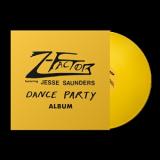
Proto-Jackin'-Hip-House/Punk-Funk von der ,Third Coast". Ursprünglich erschienen im Jahr 1984 auf dem für die Chicagoer Szene prägenden Mitchball-Label: Das ,Dance Party Album" von Z-Factor ist das Werk, mit dem die Kindheitsfreunde Jesse Saunders und Vince Lawrence die 909 für das Warehouse, WB MX und darüber hinaus neu erfanden. Kommen Sie wegen der spacigen, Lo-Fi-Italo-Synths, bleiben Sie wegen der mit minimalem Budget produzierten, vier-auf-den-Boden-Drum-Machine-Klänge.
Once upoun a time Fat Mike came up with the idea of calling up 101 of the best old and new punk rock band around, have them each record a 30-second long song, then put all the tracks out on one record to make the best punk compilation ever. And guess what, the dream came true. The 101 most famous punk rock bands around doing each a 30 seconds long song Back in print for the first time in ten years! Pressed to Lime Vinyl Features super rare songs (recorded exclusively for this compilation) by Green Day, The Offspring, Blink- 182, Pennywise, Rancid, Less Than Jake, The Vandals, Bad Religion, and more
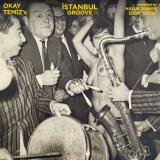
A raw, groove-driven selection of previously overlooked 1990s recordings by legendary Turkish jazz impresario Okay Temiz, compiled here for the first time.
As the story goes, throughout the 1990s, Okay Temiz roamed the nights of İstanbul in search of rhythm — moving through its far corners, from the seedy underbelly to gypsy neighborhoods, from the outskirts of the city to smoke-filled taverns where cigarette haze turns into a living cloud atlas — capturing a largely unknown and maverick period of his work.
Compiled by long-time producers Haluk Damar and Erinç Güzel, the album brings together Turkish folk textures, İstanbul tavern sound, spiritual jazz, raw street groove, and flashes of Turkish psychedelia — with moments shaped by Temiz’s own distinctive vocals. The result is a deep, percussive, and highly playable set.
Positioned between global jazz, rare groove, and dancefloor material, İstanbul Groove is a strong crossover release with appeal across both listening and DJ set contexts.
Jen Cardini & Shonky revive their 20 year old anthem August In Paris with remixes from Kasra V, Jennifer Loveless and Jump Source.
Originally released on Mobilee Records in 2006, Jen Cardini and Shonky’s record ‘August In Paris’ remains a defining statement from the minimal era. Ahead of its time upon release, the record distilled the genre to its essentials, bleeps, hypnotic grooves and impactful vocals, unfolding with the kind of restraint that continues to resonate two decades on.
To mark its 20th anniversary, ‘August In Paris’ returns with three distinctive reinterpretations from Kasra V, Jennifer Loveless and Jump Source plus a re-release of the original coming out on Jen Cardini’s formidable label Correspondant. As well as this Jen Cardini and Shonky will be playing an All Night Long set at Paris nightlife institution Rex Club on 29th August. Look out for merch on the night too.
Speaking about the project Jen Cardini discussed: “It is crazy to think this was two decades ago and that Shonky and I are still touring and sharing our love for music. For the anniversary, we decided to bring this special track to light again’.’
Each remix approaches the source material from a different perspective while preserving the essence of the original.
UK DJ and producer Kasra V leans further into the track’s skeletal framework, blending his signature sultry sonics into this hypnotic chunky groove to produce something entirely new but familiar.
Jennifer Loveless, an unearthed gem when it comes to production, strips things back even further, delivering a rough and tough uncompromising club version primed for sweaty dark dancefloors, it perfectly encapsulates the original without overshadowing it.
Closing the EP, Montreal duo Jump Source, Priori and Patrick Holland, take the record into more left of centre territory. Their version stretches the original into a warped, slow-burning electro excursion, perfectly suited to the blurred edges of the after-hours.
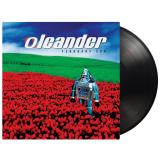
Oleander, the American rock band formed in Sacramento, California, made their major‑label breakthrough with February Son in 1999. The album became a defining moment in their nine‑year career, earning Gold certification and propelling the band into mainstream visibility. To support the release, Oleander performed at Woodstock ’99, further cementing their place among the era’s rising alternative rock acts.
February Son delivered Oleander’s most successful material, blending post‑grunge energy with melodic hooks and emotionally charged songwriting. The first single “Why I’m Here” gained widespread recognition through its placement in the hit TV series Dawson’s Creek, while Oleander’s music also appeared in the films American Pie and Scary Movie, expanding the band’s reach to a global audience. Further singles from the album were “I Walk Alone” and “Why I’m here”.
Zum 50-jährigen Jubiläum der „Muppet Show“ singt und swingt Seth MacFarlane auf „Sings The Muppets“
beliebte Songs aus der „Muppet Show“, den Muppet-Filmen und der „Sesamstraße“ im Stil opulenter orchestraler Jazzstandards neu. MacFarlane, preisgekrönter Schöpfer von „Family Guy“ und gefeierter Sänger
im Bereich Swing und Jazz, verbindet dabei seine Leidenschaft für das klassische American Songbook mit
diesem legendären Repertoire. Mit Songs von Joe Raposo, Paul Williams und Jeff Moss sowie Arrangements von Andrew Cottee entstand das Album unter der Leitung von Dirigent John Wilson mit einem
erstklassigen Orchester im Studio der Skywalker Ranch. Inspiriert von legendären Arrangeuren wie Nelson
Riddle und Billy May, feiert das Album den warmherzigen Humor und die zeitlose Magie der Muppet-Songs.
Father John Mistys bahnbrechendes zweites Album aus dem Jahr 2015, ,I Love You, Honeybear", ist zurück auf Vinyl, remastered und neu verpackt als Einzel-LP. Ursprünglich wurde es als Doppel-LP veröffentlicht. Das Album wird mittlerweile als Klassiker angesehen und enthält die Fan-Favoriten ,Chateau Lobby #4 (in C for Two Virgins)" und den Titelsong ,I Love You, Honeybear". Bei der Veröffentlichung erhielt ,I Love You, Honeybear" viel Kritikerlob, u.a. Pitchfork Best New Music, eine perfekte Bewertung von Exclaim! und begeisterte Kritiken von NME, Mojo, Q, Spin und anderen. Es wurde als eines der besten Alben des Jahres 2015 von Pitchfork, Billboard, The A.V. Club, NME und Stereogum gefeiert. ,I Love You, Honeybear" wurde von Josh Tillman und Jonathan Wilson produziert und von Phil Ek gemischt. Diese Ausgabe wurde 2024 von Adam Ayan bei Ayan Mastering neu gemastert. Diese zweite Ppressung kommt auf schwarzem Vinyl.
It's hard to explain an album when one listen is enough. All the more so with MaMaMa: there's no room to stay passive. Listening to his new album, EST, means immersing yourself in an atmosphere that's softly psychedelic, comforting and organic all at once. A dreamy, electronic pop that proves this Strasbourg-at-heart, Paris-by-adoption musician, arranger, singer, songwriter and producer never stops reinventing himself. After changing his name — formerly Petit Prince — and delivering two critically acclaimed albums ("MaMaMa-gnificent." / "Hooks you carry in your head for a long time" / "sumptuous arrangements"), Elliott Diener now offers an even more sincere record. Real songs in French, after two albums where production sometimes took up all the space: "when you make heavily produced music, once you strip away the layers of sound, there's no fruit left underneath. On EST, I don't need makeup for the songs to work," he admits.
That's what this new album is about: the song and the French language first, then the pleasure of sound. An album less concerned with talking about its own making, more inhabited, more embodied, within a contemporary folklore. With this new album, don't expect to be bored: EST is his best record yet.
No pretense
Entirely conceived in his studio in Pantin — a room of his own, at last — imagined as a space free of any daydream, open to every sonic landscape, MaMaMa offers a record that's both hazy and downy soft. Often composed very early in the morning, it has become nostalgic without being dark, melancholic without being sad, with a few lineages showing through: Flavien Berger, Moodoïd, Feu! Chatterton for the taste for words and unease, Mount Kimbie for the approach to sound and rhythm. Unsurprising, given that EST was finalized with the British duo's producer. Live, MaMaMa is preparing a show in the style of Nicolas Jaar or UTO. Hypnotic and immersive.
The most liberating thing is that EST is an album without pretense. With it, we move through perseverance (in Aussi loin qu'il tiendra debout), the small arrangements we make to avoid facing reality (Tout sauf la vérité), and the fragility of bonds we thought were solid (Si bien ensemble). We also touch on lasting conflicts with the people we love (Anywhere You Are, There You Are), misunderstanding (Elle me parle une langue), and the erosion of friendships (S'envoler). EST draws an intimate and redemptive map of human relationships, in a body of work that's both lucid and sensitive — like when he also addresses social masks such as filial love (in Beau garçon, dedicated to his son) or relationships that have become impossible.
"It's really the album that sounds most like me, in terms of sonic landscape," Elliott points out. A record that rises above the noise of an imperfect, shifting world — like us — joyful in its words, liberating in its production. A true gem.