Some recordings herald the future in ways that are impossible to see in real time. Teodros Makonnen With His Organ (ቴዎድሮስ መኮንን ከኦርጋኑ ጋር), by the artist Teodros Makonnen, also known as Teddy Mak, is one of those. Today, electronic sounds, synthesizers, and digital production are taken for granted in Ethiopian music, but in the early 1980s, they were novelties that polarized opinion. Even to this day, the story of Teodros Makonnen’s legacy has never been properly told. He played a decisive role in defining the sound of the digital era of Ethiopian music that emerged in the 1980s and beyond, both as a keyboard player and as a producer, songwriter, performer, and sound designer.
Ethiopian music was at a crossroads in the early 1980s. Much like music in the rest of the world, technology and automation heralded either a quantum leap in musical development or the annihilation of musicianship, depending on who you’d ask. The changes were incremental nonetheless, but with the benefit of hindsight one can clearly see that the changes meant different things in different contexts. Drum machines and electric organs came to replace many hotel bands because, all of a sudden, one musician could control drums, melody, and accompaniment. Teodros was one of the first musicians in Ethiopia to explore the possibilities this opened up.
Teodros’ father, Captain Makonnen Beri, was a chief pilot at Ethiopian Airlines and a music enthusiast at that. This would prove important to his development, as Makonnen brought back a piano from Germany, which would lead to the first steps in Teodros’ long musical career. Captain Makonnen’s work as Head of Flight Operations and as a pilot exposed him to the wider world that was far from commonplace for most Ethiopians. In a house where music captivated the whole family, the piano gave Teodros’ talent an outlet. Not only was a piano at home rare in Ethiopian households, his father also brought an Indian teacher to their home to teach Teodros and his brother, Captain Samuel Makonnen, music theory (solfeggio or ear training) and piano. Teodros and his youngest brother, the late great Dereje, a member of both the legendary Ibex Band and the Ethiopian reggae group Dallol, took up music from that point onward, with Teodros beginning to develop his proficiency at the age of eight. His father encouraged him to practice tirelessly at home, and Teodros later received musical schooling at the German School in Addis Ababa.
His obvious talent led to studies and formal education at the Yared School of Music, followed by continued studies in American jazz at Northern Virginia Community College in Virginia. Teodros cut his teeth professionally in his mid-teens, not only as a keyboardist, but also as an arranger for the Wabi Shebelle and Dahlak bands in the 1970s. He mastered electronic sequencing early, rising to prominence through the midnight recording sessions held during the military curfew. The pressures imposed by the curfew required precise and disciplined recordings, and Teodros delivered just that. This, in turn, led to collaborations with iconic artists such as Mulatu Astatke, Aster Aweke, Menelik Wossenachew, Tilahun Gessesse, Mahmoud Ahmed, and Alemayehu Eshete.
In those days, he sat in as a keyboardist with the Dahlak Band when Dawit Yifru took a hiatus to study in Russia, and also with the Ethiostar Band. He secured a residency at the Wabi Shebelle Hotel with the Shebele Band, together with Zelalem Tadese (drums), later succeeded by Elias Bekele, Mulugeta Hailu (bass), Teferi ‘Bibisha’ Mengesha (guitar), Kumelachew G/Selassie (trumpet), and Teshome Deneke (saxophone). A friendly competition developed between the bands associated with the Ras Hotel (the Ibex Band), Ghion Hotel (the Dahlak Band), and Wabi Shebelle Hotel (the Shebele Band). The music scene at Wabi Shebelle saw teenagers commanding the spotlight in an industry otherwise dominated by musicians of an older generation.
At the Wabi Shebelle Hotel, Teodros met a diplomat from Saudi Arabia and later visited him at his home in Addis Ababa, a meeting that had unexpected musical consequences. The man owned a Yamaha double-deck keyboard. That evening, they recorded Teodros Makonnen With His Organ (ቴዎድሮስ መኮንን ከኦርጋኑ ጋር) in one take. This recording, a cornerstone in the early digital sound of Ethiopian music, came about almost by chance, simply because Teodros got the opportunity. Traditional Ethiopian songs were cast in a wholly electronic style.
Once freed from backing duties, Teodros’ keyboards could explore dreamlike soundscapes that took Ethiopian music in new directions. Even though the cassette contained well-known Ethiopian songs, they were given highly original arrangements, performed on an electric organ with drum machine backing and rhythm patterns that left the listener with suggestive, lingering sounds. “Libesh Kabashen” (also known as “Anchi Bale Game”) and “Odu Gol Golesa” wrap you in the very stuff that dreams are made of.
Originally released on cassette only, this recording exudes a mystique that surpasses even some of the most obscure Ethiopian recordings of the day. It remained more or less unknown outside of Ethiopia until now. Some of the tracks, like “Addis Fikir,” are permeated with an almost naive buoyancy, free-floating sounds that lost contact with the ground the moment they were conceived. Others, like “Meche New Hageren Yemayew” and “Lelitu Alnega Alegn,” carry a moodier, quirkier timbre, with pulsating rhythms in the background. Yet even the darker pieces contain an unmistakable wave, something essentially Ethiopian. If most recordings of Teodros’s contemporaries at the time were teeming with atmosphere, his songs seem instead at home in the stratosphere, almost ethereal. Some of the music here could be filed under “lullabies,” were it not for the recurring, almost brooding feeling that engulfs the listener on the aforementioned tracks. You could easily be forgiven for drifting into a blissful haze as the music washes over you.
Up to the advent of electronic music production, Ethiopia was totally dominated by big bands on the one hand, and small groups on the other. The former were tied to large institutions such as the military, the latter emerged from the entertainment industry, in hotel bars and nightclubs. These groups were commercially driven, and bands ultimately had to foster a mercenary approach to employment, albeit not to the passion for music. In the light of this, Teodros’ musical legacy can be seen in two ways. On the one hand, he is a key player in Ethiopian music from the 1970s onwards, leaving an indelible mark through hundreds of compositions and arrangements, including soundtracks for numerous documentary films and advertisements for different companies. On the other hand, the way he and others employed electronics brought Ethiopian music onto a fork in the road.
The replacement of traditional instruments with electronic equipment was seen as impending doom by some. Others, like Teodros, saw new avenues for performance, production, and creativity. Just as later producers like Abegasu Shiota of Admas, Teodros was a trailblazer who opened paths that it took Ethiopian music as a whole more than a decade to rush into. The hotel scene had already been pushed toward electronic music by financial necessity and cost-cutting. Today’s revived global interest in Ethiopian music from the seventies and eighties, alongside a broader resurgence, has changed the reasons for using digital means of music production. They have become tools for musical dreaming. This is where the dreaming began.
Search:ess o ess
In response to popular demand, Traumers « District » is finally getting a vinyl release –the Parisian mastermind's hit is accompanied by a new mega club tool, “At Lanta”,as well two beautiful deep techno pieces from one of today’s most prolific artists and BERG AUDIO’s roster essential elements, Kolter.
HANDSTAMPED LIMITED COPIES !
Order now and we will order the item for you at our supplier.
Dark Entries Collected Music Graphics Compiled by Josh Cheon and Eloise Shir-Juen Leigh To celebrate 15 years of Dark Entries, this zine showcases the label’s visual aesthetic, bringing together some of the most iconic designs that we’ve released. While Dark Entries’ sonic mission has included sounds as diverse as synth-pop, Italo disco, darkwave, house, and techno, it is equally staggering to see the breadth of visuals the label has encountered and collected over the years. Included here are selected typography, logos, and illustrations from the label’s extensive catalog — well over 300 releases to date. Designs have been created using DIY analogue techniques as well as more contemporary digital approaches. A full discography is included at the end for reference and an essay by Shawn O’Sullivan (Led Er Est, Further Reductions). This zine serves as a source of inspiration for artists as well as a means of preserving and documenting these distinct graphics. DARK ENTRIES RECORDS is a San Francisco-based record label that was born in July 2009. Helmed by Josh Cheon, a vinyl-focused DJ and collector, the label has focused largely on excavating the 1980s underground era – but releases have spanned from sultry vintage disco to bleeding-edge contemporary techno. Graphic designer Eloise Shir-Juen Leigh has been responsible for most of the label’s artwork, whether reproducing original designs accurately for reissues or creating exciting new ones. Much care and attention is given to each release to represent the music in a memorable way as well as tell the stories behind these projects. Hand-stamped and limited to 200 numbered copies. 64 pages with neon cardstock covers. Measures 5×7 inches.
expected to be published on 21.09.2026
NEIL ARDLEY – KALEIDOSCOPE OF RAINBOWS The Definitive 2LP Reissue of a Landmark in British Jazz Fusion
Analogue October Records proudly presents the long-awaited reissue of Kaleidoscope of Rainbows, Neil Ardley’s 1976 masterpiece, originally released on Gull Records. Produced by Neil Ardley and recorded at London’s famed Morgan Studios, the sessions were engineered and mixed by Martin Levan, capturing one of the most ambitious and beloved works in British jazz. Following the acclaimed reissues of Courtney Pine’s Journey to the Urge Within (AOR-001-ST) and Neil Ardley’s Harmony of the Spheres (AOR-002-ST)—both praised by the audiophile press including The Tracking Angle—this third release confirms Analogue October as one of today’s most meticulous and exciting reissue labels.
A Suite of Sound and Colour
Commissioned for the 1975 Camden Jazz Festival, Kaleidoscope of Rainbows is structured as a seven-part suite, each movement reflecting a colour of the spectrum. Ardley’s composition weaves together jazz improvisation, progressive rock energy, and orchestral elegance in one of the most imaginative British jazz recordings of the era. Featuring Ian Carr, Barbara Thompson, Tony Coe, Trevor Tomkins, and Geoff Castle, the album is a who’s who of the UK’s vibrant 1970s jazz scene.
Cut at Abbey Road, Pressed at Record Industry
For this definitive edition, Analogue October worked directly from the original Gull master tapes. Mastering was entrusted to Miles Showell at Abbey Road Studios, using his renowned half-speed process to extract every detail and dynamic from Ardley’s score. To give the music the headroom it deserves, the reissue has been expanded to a deluxe 2LP set, pressed on the highest-quality vinyl at Record Industry in Haarlem, Netherlands. The result is a presentation that finally does justice to the scope and brilliance of Ardley’s vision.
Deluxe Package – Restored from the Source
The artwork has been meticulously restored from the original film elements, ensuring a sleeve of unmatched vibrancy and fidelity. Inside, a 12-page booklet printed on heavyweight card features an in-depth essay on Neil Ardley and the making of Kaleidoscope of Rainbows, written by Jazzwise magazine editor Mike Flynn, alongside rare photographs from the period.
Curated and Produced by Craig Crane
As with every Analogue October release, Kaleidoscope of Rainbows has been curated and produced by label founder Craig Crane with a collector’s eye for detail and a deep respect for the music’s legacy. This reissue is not only the definitive vinyl edition of one of the great British jazz fusion albums—it also continues the label’s mission to restore and celebrate the most vital recordings of the era.
Neil Ardley’s Kaleidoscope of Rainbows—vivid, expansive, and timeless—returns as the essential edition for audiophiles and jazz lovers alike.
Retail-ready product description (short form):
Produced by Neil Ardley and recorded in 1976 at London’s Morgan Studios, engineered and mixed by Martin Levan, Kaleidoscope of Rainbows is a cornerstone of British jazz fusion. This definitive 2LP reissue, mastered at Abbey Road by Miles Showell from the original Gull master tapes and pressed at Record Industry (NL), finally gives the music the dynamic headroom it deserves. The deluxe edition includes restored artwork and a 12-page booklet featuring an in-depth essay by Jazzwise editor Mike Flynn.
expected to be published on 18.09.2026
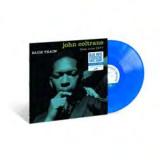
BLUE NOTE ESSENTIALS heißt die neue LP-Serie, die Klassiker des Labels erstmals kompromisslos
preiswert aber ohne Abstriche bei der Fertigung präsentiert (140g-Optimal-Pressung, Hi-res-Master, OriginalCover). Ein ganz besonderes Album erscheint innerhalb der Serie jetzt als limitierte Auflage in blauem Vinyl:
”Blue Train”.
Am 15. September 1957 nahm John Coltrane in Rudy Van Gelders Studio in New Jersey sein erstes
großes Meisterwerk auf. Es blieb das einzige Album des legendären Saxofonisten als Bandleader für Blue
Note. Inspiriert vom bluesigen Titelstück präsentiert das Album auf fünf Stücken ein hochkarätig besetztes
Sextett mit Lee Morgan (Trompete), Curtis Fuller (Posaune), Kenny Drew (Piano), Paul Chambers (Bass)
und Philly Joe Jones (Drums). Ein Meilenstein des Hard Bop.
expected to be published on 18.09.2026
- A1: One Hundred Songs I Sing
- A2: Emily Told Me
- A3: Teeter Totter
- A4: Little Life
- A5: I Am A Guest In Here
- B1: Robber Song
- B2: Hey Matthew
- B3: There Are Eyes Above
- B4: Godcake
- B5: Yippee I'm Leaving
- B6: Two Not One
10” black vinyl + DL card.
Josephine Foster's peculiar 2000 home recorded debut There Are Eyes Above is an essential introduction to her music that’s unfolded now for over two decades. Released for the first time on vinyl, this limited edition 10-inch pressing comes packaged with brand new artwork and is adorned by one of Josephine’s illustrations. Lo-fi and unaffected by tradition or commercialism these initial recordings are sepia-tinted, folk-art music with powered by uke minimalism; it’s outsider music that still doesn't fit in. Just 30-minutes caught in time before her 2001 follow up Little Life - this humble first incarnation includes here for posterity super personal lullabies and a glimpse into her songwriting evolution. It’s music from an era that only exists in your mind, with a bow to Tin Pan Alley for good measure. This super rare collection, originally only released on CDR and sold at shows, remains an essential part of the curious oeuvre of this unique songwriter and singer. “A dissonant soprano and lyrics about benevolence and old-time faith, Foster expertly weaves ancient and modern” The Guardian. Track listing: Side A 1 One Hundred Songs I Sing 2 Emily Told Me 3 Teeter Totter 4 Little Life 5 I Am A Guest In Here. Side B 6 Robber Song 7 Hey Matthew 8 There Are Eyes Above 9 Godcake 10 Yippee I'm Leaving 11Two Not One

expected to be published on 18.09.2026
- A1: Spritz!!! Spritz!!!
- A2: Women We Haven’t Met Yet
- A3: You’re Some Sort of Big, Fat, Smart-Bug, Aren’t You?
- B1: Drop It Like It’s Hot
- B2: I Lost All My Money at the Cock Fights (Demo)
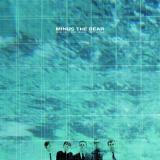
There was an immediate buzz surrounding This Is What I Know About Being Gigantic, the 2001 debut EP by Seattle indie phenomenon Minus the Bear. It wasn’t the kind of viral interest that translated into a string of sold-out tour dates, but it meant that the tuned-in crowd eagerly anticipated their next move. To help stir up the excitement for their first proper full-length, the band followed up Gigantic with a promo CD featuring two tracks from their upcoming album, a short instrumental interlude, an exclusive new song, and a demo version of another album track. Packaged in a cardboard slipcase, it was the kind of cheaply manufactured promotional item that could be handed out for free at shows or thrown in as a bonus in online orders—a relic of the final years of the CD age before the advent of the iPod and mp3. The sampler CD was christened Bands Like It When You Yell “YAR!” At Them in a nod to the upcoming album Highly Refined Pirates.
While these kinds of promotional items typically had an ephemeral existence, filed away in some neglected binder of CDs or tossed out during one of the many apartment-to-apartment moves of the band’s principal demographic of urban twentysomethings, Bands Like It When You Yell “YAR!” At Them had a curiously persistent presence. Perhaps it was because it was packaged more like a proper EP than a sampler. It certainly helped that it was a free release, meaning anyone who came to a show likely walked away from the evening with the cardboard slipcase tucked in their jacket pocket. It’s also noteworthy that the EP showcased three songs from the back half of Highly Refined Pirates rather than the album’s live staples and fan favorites from side A. Whatever the combination of factors at play, “YAR!” took on a life of its own and was ultimately re-packaged in a jewel case and sold as a proper EP in 2004 in the wake of Highly Refined Pirates’ success. And now in 2026, it’s getting its first proper release on vinyl.
Opening with the driving beat, chirping guitars, and funky low-end of “Spritz!!! Spritz!!!,” Bands Like It When You Yell “YAR!” At Them quickly cements Minus the Bear’s foundation of sophisticated revelry, a spirit further emphasized in the Highly Refined Pirates title choice. Part of the Bear’s lore involves them playing their first show three days after 9/11, and just as New York City’s indie rock scene took a sharp turn towards nightclub debauchery and a rejection of ‘90s rock’s dour fatalism in the wake of the World Trade Center tragedy, so did the Bear turn away from the Seattle’s scene’s penchant for gloom and angst towards a cerebral after-hours pop sound. The inclusion of “Women We Haven’t Met Yet” helped elevate what could have otherwise been seen as an album deep cut into a lead track. The fact that these first two songs essentially served as preview singles over future Pirates hits like “Monkey!!!Knife!!!Fight!!!” and “Absinthe Party At The Fly Honey Warehouse” speaks to the high quality of every song the band cranked out in their early years. The EP’s exclusive track “Drop It Like It’s Hot” presaged Snoop Dogg’s mega-hit single of the same name by two years, but whereas Snoop leaned into restrained minimalism, the Bear unleashes some of their fiercest work here, building off of interwoven riffs and electronic layers to a climax of stabbing guitars and hollered vocals. Much like Nirvana’s Hormoaning EP, Minus the Bear’s Bands Like It When You Yell “YAR!” At Them was initially more of a marketing gimmick than a proper release, but given the popularity of the pivotal studio albums that stemmed from the same recording sessions, these extended plays serve as compelling companion pieces that have earned a special spot in their respective fanbases’ hearts. Suicide Squeeze is proud to offer Bands Like It When You Yell “YAR!” At Them on vinyl on September 18, 2026, nearly 25 years after the band’s first show.
Remastered for vinyl by Bernie Grundman with lacquers cut at 45rpm, this limited edition pressing of 1000 copies on Puget Sound-colored vinyl helps document and preserve the exciting early years of one of American indie rock’s most beloved acts.
expected to be published on 18.09.2026
My fourth album begins and ends in nature, a space that has continually shaped and inspired my artistic work. I spend much of my time in forests and landscapes, listening, observing, and absorbing the subtle rhythms and structures of the natural environment. These impressions do more than accompany my music; they become an integral part of it, influencing its atmosphere, form, and sonic character. As a result, this has become my most emotional and profound album to date. The journey begins with captured moments from a Mediterranean island. Fragments of distant church bells, the ticking of a clock, and the hum of insects in the sun are gently joined by my piano... In this way, the opening piece, “Time,” serves as an introduction to the central idea behind Ellipsis. The term derives from the Ancient Greek word λλειψις (élleipsis) and refers to the deliberate omission of ἔ words or parts of a sentence.
What remains unsaid can carry just as much meaning as what is spoken. This idea runs like a thread throughout the entire album. A reduction to the essential, yet enriched with the necessary details that continually create space for imagination, personal interpretation, and those emotions that are not prescribed but emerge through the act of listening. Ellipsis exists within this tension between presence and absence, between acoustic and electronic sounds, between nature and the studio, between memory and perception. It is a place where meaning arises not only from what is audible, but also from what remains unspoken.

expected to be published on 18.09.2026
- 1: CUTTING MY FINGERS OFF
- 2: NEW SCREAM
- 3: HUMMING
- 4: HELLO EUPHORIA
- 5: DIZZY ON THE COMEDOWN
- 6: DIAZEPAM
- 7: LIKE SLOW DISAPPEARING
- 8: TAKE MY HEAD
- 9: THRESHOLD
- 10: I WOULD HATE YOU IF I COULD
- 11: INTRAPERSONAL
- 12: HUMBLEST PLEASURES
- 13: CHANGE IRREVERSIBLE
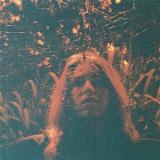
Celebrate a decade of Turnover's iconic sophomore album Peripheral Vision with this 10 Year Anniversary Edition. Retaining the album's iconic cover art, the packaging has been completely overhauled to include a new lyric poster & printed photo inner sleeve. This special limited edition is pressed on limited edition color vinyl also includes two bonus tracks from the era - "Humblest Pleasures" and "Change Irreversible." Released on May 4th, 2015 via Run For Cover Records, Turnover's second album Peripheral Vision is widely regarded as an essential body of the work in the band's discography, maturing its sound into a shoegaze-inflected post-punk direction following the band's 2013 debut record Magnolia. Described as "a tour de force" by Kerrang!, the album set the stage for an extensive and prolific touring history over the past decade and three subsequent albums, including their most recent LP, 2022's Myself in the Way.
expected to be published on 18.09.2026
„Apples For Isaac“ markiert eine monumentale Rückkehr von Echo & The Bunnymen – ihr erstes Album
mit neuen Songs seit über einem Jahrzehnt. Nachdem sie jahrelang ihren riesigen Katalog an Klassikern
vor Publikum auf der ganzen Welt präsentiert haben, haben die Bunnymen ein Album aufgenommen, das
ebenso mutig wie verletzlich ist und die Essenz dessen, was die Band so großartig macht, perfekt einfängt.
Auf ihrer vorangegangenen Veröffentlichung bei BMG, „The Stars, The Oceans & The Moon“ (2018),
widmeten sie sich erneut Material aus ihren prägenden Jahren – und schon beim Opener „Take Me By The
Hand“ wird deutlich, dass die Band nichts von der Dringlichkeit ihrer frühen Werke eingebüßt hat.
Passend zu einem Song über die Geister der Vergangenheit steht die Lead-Single „Brussels Is Haunted“
exemplarisch für das stolze Vermächtnis der Band; der lebensbejahende Refrain ist eines der Gründerväter
des Post-Punk absolut würdig.
Auf allen bis auf einen der Songs von „Apples for Isaac“ ist zudem der verstorbene Schlagzeuger Clem
Burke zu hören. Er verstarb tragischerweise während der Entstehung des Albums und erhielt von der Band
folgende Widmung:
„Der großartige, legendäre Clem Burke – ein langjähriger Freund von Mac – war maßgeblich an der Entstehung des Albums beteiligt und verstarb auf herzzerreißende Weise während dessen Fertigstellung ... wir
lieben dich, Clem X“
expected to be published on 18.09.2026
Released in 1983, "En la guía, en el listín" remains a permanent anomaly in the history of Spanish pop music, with few clear predecessors and even fewer descendants. It is an imperfect yet fascinating catalog of the many faces Derribos Arias could reveal. Its sound combines odd electric rock, leftfield proto-hip-hop, and dark, immersive songs that simply defy categorization. An essential album. Includes liner notes and the artwork of the original insert. By late 1981, the San Sebastián-based group La Banda sin Futuro had already transformed into Derribos Arias. Their first two singles dazzled critics eager for new ideas capable of placing Spanish pop alongside the contemporary music increasingly arriving from abroad in real time. 'Branquias bajo el agua', the standout track from the band's debut single, topped the list of Best Songs of 1982 as voted by listeners of Diario Pop on Radio 3 (Spanish National Radio). With an expanded four-piece lineup and a larger budget than they had enjoyed for their earlier singles, the band entered the prestigious Kirios Studios to record their album, with Paco Trinidad serving as producer. The electric intensity of 'Intima decoración' and 'Crematorio' -angular, off-kilter reinterpretations of a strain of rock descended from The Velvet Underground and The Stooges, a style with virtually no precedent in Spain-are excellent examples of the band's sound. To aberrate was the key term Poch used to describe his ineffable working method: a fearless creative freedom without which songs such as 'Lo que hay' could never have existed. The track stands as a leftfield proto-hip-hop number, later reworked as 'Disco pocho,' demonstrating both his admirable lack of prejudice and his complete disregard for any commercial ambitions the album might have had.Unfortunately, this album would never have a follow-up.
expected to be published on 18.09.2026
"Welcome to THE VAULT for 1986. A collection that digs deeper into the year’s musical landscape – uncovering singles that may not have always reached the highest chart positions but remain essential to the rich and diverse pop story of 1986. Some were overshadowed at the time, some were highlights from albums that had already sold huge amounts, some found greater success internationally – but all deserve their place in this continued celebration of 80s pop. 77 tracks across 4-CDs – NOW Yearbook – The Vault: 1986.
44 tracks across 3-LPs – pressed in gorgeous purple vinyl – NOW Yearbook – The Vault: 1986."
expected to be published on 18.09.2026
- A1: Cruisin' in The MIA
- A2: I'm Alive
- A3: FIVE SIX
- A4: 95
- A5: Superman Is Dead
- B1: Mood Swing Misery (feat. Rocci)
- B2: Settle Down (feat. Midnight Rush)
- B3: Florida Thang
- B4: Talk to Me Before I Die (feat. Cuco)
- B5: SUCK MY DICK
- C1: Run It Down (feat. Rocci)
- C2: BULLETPROOF SHOWER CAP (feat. City Morgue, ZillaKami & SosMula)
- C3: Cyanide (feat. Ghostemane)
- C4: Six Speed (feat. Juicy J)
- C5: When Will I See You?
- D1: throw away garbage bullshit
- D2: whatever mane (feat. Xavier Wulf)
- D3: 50 Reasons Why (feat. Boobie Lootaveli)
- D4: life? ... lol (feat. Rocci)
When Pouya dropped The South Got Something To Say in the summer of 2019, it wasn’t just a title—it was a definitive statement of growth. Nodding to André 3000’s iconic 1995 Source Awards declaration, the Miami pioneer used his third studio album to prove that his raw, independent formula had mutated into something deeper, more mature, and entirely unmatched in the underground rap landscape. Now, for the first time since its digital release, this pivotal moment in Florida hip-hop history is finally available on wax, offering listeners something tangible they have been anticipating for years.
The South Got Something To Say captures Pouya at a lyrical and sonic turning point. While maintaining the blistering flows, heavy bass, and visceral Florida energy that initially put him on the map, the album opens the door to intense themes of mortality, legacy, and the heavy toll of independent success. It bridges the gap between the frantic energy of the SoundCloud era and a mastery of songwriting, offering fans a remarkably transparent look into the mind of an artist surviving the very chaos that birthed him. Standouts like "Cruisin' in the MIA" and "Florida Thang" showcase his signature rapid-fire delivery, perfectly balancing the record's darker, more introspective moments.
The sonic diversity of the project is anchored by a stellar lineup of collaborators who push Pouya into new creative territory. He enlists Three 6 Mafia royalty Juicy J alongside heavy-hitting underground peers like Ghostemane and City Morgue, while seamlessly pivoting into the melodic, hazy soundscapes of indie-pop artist Cuco and longtime producer Rocci on tracks like "Talk to Me Before I Die" and "Mood Swing Misery." This striking balance of aggressive phonk and melodic vulnerability solidifies the album as a cohesive, genre-bending journey rather than a mere collection of singles.
For years, vinyl collectors and die-hard fans have begged for this underground masterpiece to be immortalized on wax. This first-ever vinyl pressing delivers the booming low-ends and intricate, therapeutic bars exactly how they were meant to be experienced. From the opening nostalgic chords to the final fading beats, this release stands as an essential artifact of the modern underground rap movement, finally giving a landmark Southern album the premium physical presentation it deserves.
expected to be published on 18.09.2026
- 01: Movement 1 (feat. Man Power)
- 02: Movement 2 (feat. Man Power)
- 03: Movement 3 (feat. Man Power)
- 04: Movement 4 (feat. Man Power)
- 05: Movement 5 (feat. Man Power)
- 06: Movement 6 (feat. Man Power)
- 07: Movement 7 (feat. Man Power)
- 08: Movement 8 (feat. Man Power)
Geoff Kirkwood (Man Power)
I’dgained some notoriety as a music producer and DJ but I hit a horrible case of writers block around 2018.
The problem I was finding was that I was trying to shoe horn every smart arsed clever dick musical reference I had into the music I was making, but the function of dance music is to make people dance, not to show people who broad your musical references are, so I was making pretty shitty music that landed in the middle and didn’t achieve either aim.
To tackle this I ended up committing to just trying to make the most expressive and wanky experimental stuff I could. I was immersed in club culture at the time so the whole enterprise started as a joke, hence the name “Bed Wetter”. However when I fully submitted to just naked exploration the really unexpected thing that happened was that I found myself unavoidably having to deal with a lot of my own bullshit. That bullshit turned into the “Billy Mill is Dead” album, which was essentially the sound of me excavating my own life and looking at how I felt about where I was from, where I was headed, my family, my history, my region and all of the things i have conflicting feelings about.
It was partially catharsis and also a bit of deprogramming around being able to call myself an artist after being raised to believe that wasn’t an option for me.
I self released Billy Mill is Dead in the months before the pandemic and it found it’s fair share of love in the places I hoped would connect with it, and just the right amount of being ignored by people who I’m pleased didn’t feel it. This all lead to me being emboldened enough to apply for an artist in residence position at a big regional opera house months later in the middle of lockdown.
My feeling was that if my DJ career was potentially over for the remainder of my lifetime then there was no harm in exploring this alternative method of expression to see where it could take me.
I submitted a ridiculously ambitious plan for what I would like to do as a project, and to my absolute shock I was selected for the position.
I was 40 years old and from a scarcity background so I had a potentially unique response to that kind of validation for the first time and what followed next was a process of me just coming back with bigger and more ridiculous ideas just to find out at whatstage they’d tell me to stop.
The thing is, nobody did. I got as far as suggesting writing a full symphony to be performed by an orchestra before my own nerve gave out and I decided that was probably as far as I should push things.
The problem with people giving you permission to do things is that you then need to go out and figure out how to do those things.
The biggest issue for me, beyond raising the money to pay for everything, was how does a person actually write a symphony?
I was introduced to Fiona Brice, a multi instrumentalist and orchestral arranger. She’s also a recording artist who releases on Bella Union. On top of that she’s a violinist who used to be part of the band Placebo and who used to appear regularly playing for other bands on things like Top of the Pops.
Not only was Fiona uniquely placed to not look down on the strange provenance of someone from an Acid House background wanting to write a symphony, but more to the point we really hit it off from day one.
Fiona coached me in the essentials of writing for an Orchestra, and then I went off and wrote the 8 movements.
I’d love to say I laboured for years over this bit, but it took about 2 weeks in total. I’d also love to say what I wrote was a complete symphony, but the version of this which is solely me feels like looking at something without your glasses on. The shape,feel and borders were all there, but the definition was absent. Fiona taught me the broad language of a symphony, but without her it would have lacked all intonation, nuance and detail. Where I had shaped ideas with a hammer, she brought out my meaning with precision using a scalpel.
I think the prodigiously quick turnaround for the music is as much proof of how conceptually and musically aligned Fiona and I are. I know we’re both incredibly proud of what we’ve created.
It took nearly 2 more years to stage the debut performance in what was potentially the most traumatic period of my life which saw me embroiled in an international crisis with my own family and the death of my father, all with the backdrop of COVID.
The work itself is inspired by the working class experience, but it’s also a comment on how we get to decide what we are and how we’re defined, and we get to choose what we do to prove these things.
The original recording was contractually impossible to ever share again, so we re-recorded it in a working men’s club with jobbing (albeit world class) players. In many ways it’s a record that feels like it shouldn’t exist, which is why we’re all so happy that it does.
expected to be published on 18.09.2026
The follow up to her UK number 1 album This Is How Tomorrow Moves, the stark and striking fourth album by beabadoobee is named for the electricity towers that dot every major artery in the world—the strong, spindly structures that reminded Beatrice Laus of her connection to friends and family at home while she was staring down extreme disconnection and isolation on tour over the past few years.
The title can also be read as an allusion to Laus’ spiky, forceful new sound—the waves of distortion that crash and shatter across this record’s 14 songs mirroring the intense crackle you hear when walking under power lines. The pylon is also a fitting symbol for an album that reckons with the repetitive anxieties of your mid-twenties: What if I’m always going to be this way? What if life is just pylon after pylon on the road?
The album’s first single is available to stream and buy from today: “Sun Has Set” introduces Pylon as, in essence, a set of songs that began as diary entries, words that Laus thought she’d never be able to say out loud. “A lot of the songs on this record are things I wish I could have said to someone,” she says. “This song has this petty tunnel vision—it’s like, I hate you. You’re gonna stay here and listen to how much I hate you. Because I never got to say that.” The single comes accompanied by a striking first person video directed by Bea’s partner and longtime visual collaborator Jake Erland.
Ever a devotee of pure rock music—both as something to be cherished and something to be played with—Laus casts these feelings in songs that touch on classic grunge, midwest emo and ‘90s radio rock, zeroing in on a sound that is both harsher and more direct than any of her previous records. She says the music she’s loved has “always been an influence” on her music, and so for B4 she went straight to the source. A fair few of Beabadoobee’s composite influences contributed to Pylon, a fact that speaks to the goodwill and respect Laus has amassed over the course of her relatively brief career.
Hayley Williams sings on “Nothing to Prove,” a deeply anthemic indie-rock song about getting your power back from fairweather friends who just want a bit of your success. The moody “Powerlines” features a verse from Turnstile singer Brendan Yates, a master of matching vocal force with emotional nuance. Elsewhere, you’ll find contributions from Pinegrove’s Evan Stephens Hall, Deftones’ Chino Moreno, and Title Fight’s Shane Moran, as well as, on “Write Me A Letter”, production work from Laus’ longtime friends and collaborators Matty Healy and George Daniel of The 1975.
Beabadoobee will debut songs from the record on the Powerlines Tour, her first ever arena shows and biggest tour to date, taking in shows across North America, the UK and Europe this autumn-winter. The Powerlines Tour kicks off 1 October and includes stops at Madison Square Garden, The Kia Forum, The O2 and more (full routing below). Support comes from Wisp in the US, Canada and UK and Violet Grohl in France, The Netherlands, Belgium and Germany.
Born in the Philippines and raised in London, Beatrice Laus emerged as a British alternative music icon across three acclaimed albums and five EPs. She has garnered multiple BRIT Award and BBC Sound Of nominations, and won NME’s Radar award, whilst amassing over 10 billion streams worldwide and more than 12 million followers across her social channels.
This Is How Tomorrow Moves became her first record to reach number 1 on the UK Official Album Chart in 2024, following her Top 10 albums Fake It Flowers (which reached number 8) in 2020 and 2022’s Beatopia (#4). Earlier this year, beabadoobee released the one-off single ‘‘All I Did Was Dream Of You,” teaming up with Grammy-nominated best New Artist The Marías, the result of a longtime mutual creative admiration between María Zardoya and Bea.
Order now and we will order the item for you at our supplier.
Drums und eine Bassline. Das Rückgrat eines Grooves. Das Fundament der Tanzmusik. Drum & Bass ist
ein Genre, das die elektronische Musikproduktion in neue Sphären geführt hat. Hier präsentieren wir eine
Auswahl einiger der größten Künstler*innen, die diesen Sound jemals geprägt haben.
Calibre interpretiert die Songs von Totally Enormous Extinct Dinosaurs und Bo Saris neu – mit einer
Geduld, Präzision und einer federleichten Hand, die ihn zu einem der angesehensten Produzenten der elektronischen Musik gemacht haben.
Blu Mar Ten interpretiert Erykah Badus zeitlosen Klassiker „On & On“ neu und hebt dessen spirituelle
Essenz auf ein neues Niveau. Tiefe trifft auf filigrane Percussion und Sounddesign und haucht einem
berühmten Klassiker neues Leben ein.
Zum Abschluss präsentieren wir die 7“-Version von Adam Fs „Circles“, einem Musikstück, das nach wie
vor zu den prägenden Werken der britischen Tanzmusik zählt. Limitierte Auflage. Folge dem Sound.
Order now and we will order the item for you at our supplier.
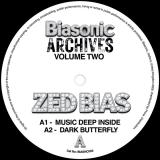
Zed Bias (aka Maddslinky) is a pioneering producer and DJ whose influence has helped shape UK Garage, 2-Step, Broken Beat and UK Funky.
The second release in the archival series opens the Biasonic vaults once again, uncovering rare and essential recordings that span multiple genres and decades of groundbreaking music.
Pressed in strictly limited quantities, this is a collector’s edition for devoted fans and curious crate-diggers alike. Once it’s gone, it’s gone—secure your copy while you can.
expected to be published on 18.09.2026
- A1: Low Kick And Hard Bop
- A2: Mere Imposters
- A3: Have You No Shame, Girl?
- A4: Not A Hoot!
- A5: Knee-High
- A6: Honey (Amsterdam Is Not L A.)
- A7: Shoot Shoot!
- B1: Comely Row
- B2: Ease Up You Fundamentalists!
- B3: The Dot On The I Between The H And The T
- B4: Good Comrades Go To Heaven
- B5: Cayenne
- B6: Ololo
- B7: You Say Potato, I Say Aardappel!
- B8: Look .. No Fingerprints
- B9: Mr Crockpot
Mit dem Re-Release von Solexs "Low Kick and Hard Bop" feiert Matador das 25-jährige Jubiläum . Das Album kehrt in einer neuen sowie erweiterten Fassung mit dem verschollenen geglaubten Titel "Mr. Crockpot" erstmals auf Vinyl zurück. Das 2001 veröffentlichte Album war das dritte Werk der in Amsterdam lebenden Songwriterin und ehemaligen Plattenladenbesitzerin Elisabeth Esselink. Hier kam ihr samplerbasierter, auf Found Sounds setzender retro-futuristischer Stil voll zur Geltung, mit Hooks, die aus verstaubten Schallplatten, Fernsehen, Radio und Straßenlärm stammten. Eine Generation später bleibt "Low Kick" ein überschwängliches Werk des retro-futuristischen Pop - vielschichtige Breaks, die sich mit bluesigen Riffs, Girl-Group-Grooves und surrealistischer Selbstsicherheit abwechseln. Damals bezeichnete The Wire es als "eine schwindelerregende Vielfalt an Elementen und Überschwang", und wir wagen es, euch zu widersprechen. "Elisabeth Esselink von Solex entführt euch in ihre dadaistische, aus Schnitten, Collagen und Faltungen bestehende Klang-Tanzparty", schreibt Matador-Gründer Chris Lombardi. "Sie rekonstruiert eine Million Klang- und Stilfragmente zu einem kaleidoskopischen musikalischen Meisterwerk." Da die CD das dominierende physische Format jener Ära war, kam Matador nie dazu, "Low Kick" auf Vinyl zu veröffentlichen. Dies ist eine Situation, die wir nun beheben wollen, da das Album auf sein drittes Jahrzehnt zusteuert: Am 11. September erscheint die allererste Vinyl-Pressung.
Order now and we will order the item for you at our supplier.
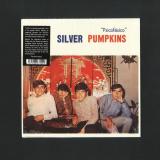
"Psicofásicos" by The Silver Pumpkins is a unique document: an EP that is virtually impossible to find in its original edition, offering an essential glimpse into Bolivia's thrilling 1960s rock scene-raw, wild, and unlike almost anything else. Beyond the ubiquitous covers of Cream and Jimi Hendrix recorded by countless South American bands, this EP features the far less common 'Pushing Too Hard' by The Seeds and, most notably, the dark, powerful 'You're Gonna Miss Me' by the 13th Floor Elevators. Bolivia boasts an extraordinary musical legacy of raw, garage-driven '60s sounds. Alongside Peru, it was one of the South American countries where the greatest number of recordings in this style were released-captured with limited resources but overflowing with spontaneity, energy, and attitude. The difficulty of obtaining the records that were shaping the latest Anglo-American rock trends of the 1960s in many Spanish-speaking Latin American countries led to a proliferation of local bands covering their musical heroes. Well-known artists such as Cream, Jimi Hendrix, and Iron Butterfly were reinterpreted by countless groups, making these songs available to local audiences without having to rely on imported records reaching their countries. By doing so, these bands helped spread the cutting-edge rock music already making waves elsewhere in the world. What makes this release particularly unusual is that the band chose to cover second-tier cult acts rather than the obvious classics-groups that only briefly cracked the U.S. Top 50 in the late '60s, such as The Seeds and 13th Floor Elevators. Originally released on the Bolivian Psicofásico label, this exceptionally rare EP pairs The Seeds' garage anthem 'Pushing Too Hard' with the ferocious, immortal 'You're Gonna Miss Me' by Roky Erickson and the 13th Floor Elevators. The raw power of the original songs is pushed even further here by the rudimentary recording techniques and the limited instrumental skills of the very young members of The Silver Pumpkins. The result is a one-of-a-kind document-virtually impossible to find in its original pressing-that helps complete the picture of Bolivia's fascinating '60s rock scene. First-ever reissue.
Order now and we will order the item for you at our supplier.
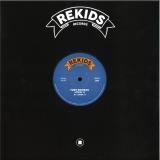
Fort Romeau debuts on Rekids with the ‘Lovin’ U’ EP.
The British producer's three-track release lands this September. London-based DJ and producer Fort Romeau arrives on Rekids with the ‘Lovin’ U’ EP, releasing 11th September 2026. Opening the release, the title track beams sunshine through 8-bit melodies and a repeating, hypnotic vocal shot through with tasteful echoes, all underpinned by a tight drum groove. ‘No Limit’ dives into more of that endless depth, its vocal sample floating over the groove as delectable piano keys bring the party. Closing things out, the Trip Mix of ‘Breathe’ eases the pace, snappy rhythms laying the foundation while dubby chords spring through a track built for daydreaming.
Fort Romeau, aka Michael Greene, has spent more than a decade shaping a sound that blends deep house, hypnotic techno and ambient influences. His productions have appeared on labels including Ghostly International, Running Back, Live at Robert Johnson, Cocoon and Permanent Vacation, alongside more than 100 remixes for a wide range of artists. As a DJ, he's contributed mixes to BBC Radio 1's Essential Mix, the Resident Advisor Podcast and Circoloco Radio, while his latest EP for Rawax became one of Juno's bestselling records of 2026.
- A1: The Nod Factor (DJP Remix)
- B1: How Many Emcees (Must Get Dissed)
The Toxic Funk series keeps pushing the boundaries of funk and hip-hop on wax, and Volume 23 welcomes DJP with two heavyweight remix cuts tailor-made for party-rocking DJs and golden-era hip-hop lovers alike. Packed with dusty breaks, sharp cuts and undeniable boom-bap energy, this 7” delivers pure underground flavor from start to finish.
On the A-side, The Nod Factor (DJP Remix) flips a true hip-hop classic into a groove-heavy breakbeat weapon loaded with crisp drums, funky rhythms and that unmistakable head-nodding swing. DJP injects fresh energy into the timeless vocal flows while keeping the raw essence fully intact.
The B-side, How Many Emcees (Must Get Dissed) (DJP Remix) dives even deeper into rugged East Coast vibes with rolling breaks, punchy basslines and expertly chopped funk elements that hit hard on any sound system. DJP balances classic hip-hop attitude with dancefloor-ready funk pressure, making this another essential weapon for selectors who like their beats raw and funky.
Toxic Funk Vol. 23 continues the series’ tradition of bringing heavyweight grooves to 7” vinyl, serving up another limited edition double-sider for crate diggers, breakbeat heads and party DJs worldwide.
b B1: How Many Emcees (Must Get Dissed) [DJP Remix]
[b] B1 | How Many Emcees (Must Get Dissed) [DJP Remix]
Order now and we will order the item for you at our supplier.
- 1: ENTERTAINMENT & COCA-COLA
- 1: 2FLOOD SEASON
- 1: 3HOT SLOB
- 1: 4CONCRETE GLEN
- 1: 5BACK AGAIN
- 1: 6RIBBON
- 1: 7SLEDGE
- 1: 8RIGHT TO LEFT
- 1: 9GOOD AT PAIN
- 1: 0JESSICA
- 1: ON & ON
- 1: 2PLASTIC SWORD
Auf ihrem neuen Album verwandelt Sylvan Esso das gemeinsame Musizieren mit anderen Menschen in Kunst, die man einfach liebt - einen greifbaren und einhüllenden freien Fall. Das Album ,Ow " (ausgesprochen ,Ow Infinity"), das über einen Zeitraum von vier Jahren in den Wäldern von Chapel Hill entstanden ist - die längste Zeit, die die Band jemals mit dem Schreiben eines Albums verbracht hat -, erscheint mit einer intensiven Unmittelbarkeit. Bei den meisten Titeln handelt es sich um Meaths erste Gesangsaufnahmen, und die Klarheit sowie die Menschlichkeit ihrer einzigartigen Stimme verankern das Album in der Realität. Es entstand in einer Zeit des Experimentierens und der Zusammenarbeit und mündete in ein kraftvolles, druckvolles, explosives Werk, aus dem sich die Songs geradezu herauskämpfen wollen. Ein farbenprächtiges Totem persönlicher Zerstörung, das Gefühl, zu Knetmasse zermalmt und wieder zu etwas aufgebaut zu werden, das sich fast menschlich anfühlt, fast vertraut, aber zugleich freakig und neu - ein karikaturhaftes, slapstickartiges Grinsen, das sich über eine Ruine legt. Ein großer Teil des Albums entstand aus Improvisation - stundenlang verbrachte Zeit in ihrem Studio in North Carolina, um gemeinsam mit Gastmusikern wie Glenn Kotche (Wilco), Matt Douglas (The Mountain Goats), Jenn Wasner (Wye Oak, Flock of Dimes), Joe Westerlund (Megafaun), Jake Luppen (Hippo Campus, Samia), Daniel Aged (Frank Ocean, Dijon) und dem Schlagzeuger TJ Maiani (Weyes Blood, Neneh Cherry). ,Ow " markiert den ersten Moment, in dem Sylvan Esso sich damit angefreundet hat , dass sie genau das tun - in dem sie herausgefunden haben, auf welchen Wegen sie die Kontrolle übernehmen und Dinge so veröffentlichen können , wie sie es wollen, mit den Menschen, die sie selbst auswählen, in ihrem eigenen Studio und über ihr eigenes Label. Für ein Album, das sich so intensiv mit der Unberechenbarkeit des Lebens auseinandersetzt, trifft es das Duo zu einem Zeitpunkt, an dem es endlich die vollständige Kontrolle darüber hat, was Sylvan Esso sein kann.
expected to be published on 11.09.2026
Auf ihrem neuen Album verwandelt Sylvan Esso das gemeinsame Musizieren mit anderen Menschen in Kunst, die man einfach liebt - einen greifbaren und einhüllenden freien Fall. Das Album ,Ow " (ausgesprochen ,Ow Infinity"), das über einen Zeitraum von vier Jahren in den Wäldern von Chapel Hill entstanden ist - die längste Zeit, die die Band jemals mit dem Schreiben eines Albums verbracht hat -, erscheint mit einer intensiven Unmittelbarkeit. Bei den meisten Titeln handelt es sich um Meaths erste Gesangsaufnahmen, und die Klarheit sowie die Menschlichkeit ihrer einzigartigen Stimme verankern das Album in der Realität. Es entstand in einer Zeit des Experimentierens und der Zusammenarbeit und mündete in ein kraftvolles, druckvolles, explosives Werk, aus dem sich die Songs geradezu herauskämpfen wollen. Ein farbenprächtiges Totem persönlicher Zerstörung, das Gefühl, zu Knetmasse zermalmt und wieder zu etwas aufgebaut zu werden, das sich fast menschlich anfühlt, fast vertraut, aber zugleich freakig und neu - ein karikaturhaftes, slapstickartiges Grinsen, das sich über eine Ruine legt. Ein großer Teil des Albums entstand aus Improvisation - stundenlang verbrachte Zeit in ihrem Studio in North Carolina, um gemeinsam mit Gastmusikern wie Glenn Kotche (Wilco), Matt Douglas (The Mountain Goats), Jenn Wasner (Wye Oak, Flock of Dimes), Joe Westerlund (Megafaun), Jake Luppen (Hippo Campus, Samia), Daniel Aged (Frank Ocean, Dijon) und dem Schlagzeuger TJ Maiani (Weyes Blood, Neneh Cherry). ,Ow " markiert den ersten Moment, in dem Sylvan Esso sich damit angefreundet hat , dass sie genau das tun - in dem sie herausgefunden haben, auf welchen Wegen sie die Kontrolle übernehmen und Dinge so veröffentlichen können , wie sie es wollen, mit den Menschen, die sie selbst auswählen, in ihrem eigenen Studio und über ihr eigenes Label. Für ein Album, das sich so intensiv mit der Unberechenbarkeit des Lebens auseinandersetzt, trifft es das Duo zu einem Zeitpunkt, an dem es endlich die vollständige Kontrolle darüber hat, was Sylvan Esso sein kann.
expected to be published on 11.09.2026
Auf ihrem neuen Album verwandelt Sylvan Esso das gemeinsame Musizieren mit anderen Menschen in Kunst, die man einfach liebt - einen greifbaren und einhüllenden freien Fall. Das Album ,Ow " (ausgesprochen ,Ow Infinity"), das über einen Zeitraum von vier Jahren in den Wäldern von Chapel Hill entstanden ist - die längste Zeit, die die Band jemals mit dem Schreiben eines Albums verbracht hat -, erscheint mit einer intensiven Unmittelbarkeit. Bei den meisten Titeln handelt es sich um Meaths erste Gesangsaufnahmen, und die Klarheit sowie die Menschlichkeit ihrer einzigartigen Stimme verankern das Album in der Realität. Es entstand in einer Zeit des Experimentierens und der Zusammenarbeit und mündete in ein kraftvolles, druckvolles, explosives Werk, aus dem sich die Songs geradezu herauskämpfen wollen. Ein farbenprächtiges Totem persönlicher Zerstörung, das Gefühl, zu Knetmasse zermalmt und wieder zu etwas aufgebaut zu werden, das sich fast menschlich anfühlt, fast vertraut, aber zugleich freakig und neu - ein karikaturhaftes, slapstickartiges Grinsen, das sich über eine Ruine legt. Ein großer Teil des Albums entstand aus Improvisation - stundenlang verbrachte Zeit in ihrem Studio in North Carolina, um gemeinsam mit Gastmusikern wie Glenn Kotche (Wilco), Matt Douglas (The Mountain Goats), Jenn Wasner (Wye Oak, Flock of Dimes), Joe Westerlund (Megafaun), Jake Luppen (Hippo Campus, Samia), Daniel Aged (Frank Ocean, Dijon) und dem Schlagzeuger TJ Maiani (Weyes Blood, Neneh Cherry). ,Ow " markiert den ersten Moment, in dem Sylvan Esso sich damit angefreundet hat , dass sie genau das tun - in dem sie herausgefunden haben, auf welchen Wegen sie die Kontrolle übernehmen und Dinge so veröffentlichen können , wie sie es wollen, mit den Menschen, die sie selbst auswählen, in ihrem eigenen Studio und über ihr eigenes Label. Für ein Album, das sich so intensiv mit der Unberechenbarkeit des Lebens auseinandersetzt, trifft es das Duo zu einem Zeitpunkt, an dem es endlich die vollständige Kontrolle darüber hat, was Sylvan Esso sein kann.
expected to be published on 11.09.2026
- 1: NEVER SEEN A GIRL
- 1: 2TIME'S SPENT
- 1: 3FARMBOY
- 1: 4POOBRAIN
- 1: 5TROPICS
- 1: 6885 (NAVY)
- 1: 7HOME WONDERING (I DONT WANNA GO TO PROM)
- 1: 8YOOOUUU
- 1: 9RESTLESS
- 1: 0SOM PÅ FILM
- 1: WHYTE
- 1: 2STUBBORN SIGNS
- 1: 3GETTIN' MAD
- 1: 4TU DISPARU
Seit ihrem Durchbruch im Jahr 2016 gehört Åsa Söderqvists ShitKid zu den interessantesten Acts überhaupt, die immer wieder Erwartungen unterlaufen und Konventionen brechen. Nachdem sie das Projekt 2020 abrupt beendet hatte und komplett aus der Musikszene verschwunden war, kehrt ShitKid nun mit Compilations und einem Live-Comeback im Jahr 2026 zurück, bei dem sie um die ganze Welt tourt. ,The Essential (Vol. 2)" versammelt Tracks aus der ruhigeren und experimentelleren Seite von ShitKid und knüpft damit an das rauere, rocklastige ,Vol. 1" an. ,The Essential (Vol. 2)" erscheint, während ShitKid im Herbst durch Großbritannien, Europa, Japan und Kanada touren wird - nach einer ersten Tour im Frühjahr mit ausverkauften Konzerten in London, Berlin, Paris und Stockholm.Die Veröffentlichung erfolgte parallel zu den Tourterminen in Großbritannien und der EU im September; das Live-Comeback, das mit ausverkauften Konzerten in London begann, führte später im Jahr weiter durch Kanada, Japan und Skandinavien. Im Laufe der Jahre hat ShitKid Unterstützung von Medien wie The FADER, NME, DIY, The Line of Best Fit, KEXP und NPR erhalten.
expected to be published on 11.09.2026
Wenn man nur eine Coltrane-LP haben kann, sollte es diese sein!
Wie fasst man das Werk von John Coltrane zusammen? Eigentlich gar nicht. Zu groß ist die Spannweite zwischen Ballade und Ekstase, zwischen Blues, harmonischer Forschung, modaler Freiheit und jener
spirituellen Suche, die insbesondere sein späteres Werk bestimmte. Coltranes Vermächtnis sprengt alle
Grenzen. Von seinen Anfängen in Philadelphia bis zu seinen ekstatischen Vorstößen in musikalisches Neuland erweiterte Coltrane die moderne Musik immer wieder um neue Dimensionen.
Auf dem Impulse!-Label finden sich seine aufregendsten Werke. „Essential John Coltrane“ versammelt
jetzt auf zwei LPs im Gatefold-Sleeve beispielhafte Aufnahmen aus einem an Sensationen reichen Katalog
und nimmt den Hörer mit auf eine Reise durch die Impulse!-Klassiker „John Coltrane and Johnny Hartman“ (1963), „Impressions“ (1963), „Crescent“ (1964), „Live at Birdland“ (1964), „Duke Ellington & John
Coltrane“ (1963) und natürlich „A Love Supreme“ (1965). Hochinteressante Linernotes steuert Marcus J.
Moore bei, Autor von Büchern über Kendrick Lamar und De La Soul
expected to be published on 11.09.2026
- Don's Song
- Cherry
- Bra Joe From Kilimanjaro
- Jabulani-Easter Joy
- Waya-Wa-Egoli
- Swazi
- Wayeah-Wayeah-O
Wewantsounds is delighted to announce the first-ever international release of the legendary collaboration between Abdullah Ibrahim (Dollar Brand) and Don Cherry, featuring Carlos Ward. Recorded live in 1972 at Jazzhus Montmartre in Copenhagen, this highly sought-after album was originally released exclusively in Japan in 1974 on the cult jazz label Trio Records via its revered Nadja imprint. An essential chapter in the musicians" discographies, the performance masterfully blends jazz with rich South African rhythms and global influences. This long-awaited edition features fully remastered audio, the original Japanese artwork, and a 4-page booklet with new bilingual liner notes (English/French) by Jacques Denis.
expected to be published on 11.09.2026
- A1: odem medo x Theo Juarez - Ocean Mist
- A2: Lenny B - Toldo
- A3: GlobulDub x Fred Paci - Shoreline Samba
- A4: Comodo x ZENDR - Blue Waves
- A5: Toti Cisneros x D Boas - Encontros
- A6: flowray x Hans Hu$tle - voar
- A7: Cloudsurfin' x Bhxa - Linen Skies
- B1: Jason Masoud x vhskid. - Sunflower Island
- B2: Sebastian Kamae x Mindr - Piña Colada
- B3: Phlocalyst x Mr. Käfer x keeplove. x Viktor Minsky - Vacation Mode
- B4: Sheath x hotpotatoes x Mike Beating - Seaside
- B5: Sátyr x donkeychote - Sunwashed
- B6: Fugee - Café Saudade
- B7: Aisake x j'san - Warm sand
- C1: Lazlow - Esperanto
- C2: ØDYSSEE x Gatz2gatz - Hibiscus
- C3: Odd Panda x Hikari - Granada Breeze
- C4: softy x twofiveone - High Tide
- C5: xander. x jaackson - summer heat
- C6: Swink - groves
- C7: møndberg x marsquake - Juneberry
- D1: Dani Català x dennisivnvc x Jost Esser - Copacabana
- D2: amies x Dosi - Beachday
- D3: lov sum x Beach Pomodoros - Costa Brava
- D4: Slo Loris - cashmere
- D5: iamalex x Blossum x Felty - Golden Hour
- D6: Lucid Keys - lazy afternoon
- D7: HoKø x Christophe Cravero - Tropical Ease
Turn the page to a warmer chapter. The second instalment of our Seasons 2026 collection has arrived. This carefully curated compilation captures the golden warmth of the season, the laid-back rhythms of lazy afternoons and the soothing atmosphere of endless summer days. Packed with hours of gentle summer lo-fi, this album is your perfect companion for soaking up the sun, focusing on your work sessions, or unwinding after a long day.
expected to be published on 11.09.2026
British composer Simon Goff interprets space, both within ourselves and the objects that surround us with Interior Realms - vol.1; a wondrous, contemplative work of electronic chamber music.
The idea first came from the philosophical idea underpinning the book Interior Realms, published by Theatrum Mundi in 2021. In it, a collection of essays reflects upon architecture’s influence on the human spirit. It challenges us to think not only about music as space, but also about how architecture can shape our ideas of composition. It also asks us to think about how space can make us experience music internally differently.
Interior Realms, the album, inhabits this idea and creates a dreamlike, atmospheric arch between its outer and inner parts. Joyous, immense and light-filled compositions sits side by side with the almost pure silence and introspect of its inner core. Goff wanted to create parallel compositional voices, performing them in various locations, each offering its own sonic character, unique spatial sounds, and reverb. Together with his long-time collaborator, Lynn Wright, the album was recorded in the Großer Wasserspeicher, Berlin's oldest water tower, and at the Grunewaldkirche, a location known amongst others from being the birthplace of many great works by artists such as Nils Frahm, Dustin O´Halloran and more. Cellist Anne Müller appears alongside Goff’s violin and viola on several pieces as they improvised and interacted with each other in the resonance of the space.
In addition to his own endeavors, Simon composes primarily for film and has collaborated with Hildur Guðnadóttir, Jóhann Jóhannsson and Peter Broderick among others. His collaborators has left an inspiring mark on him, all while standing firmly on his own feet with grand intention and results as heard on this absolutely brilliant atmospheric work.
expected to be published on 11.09.2026
- 1: Dreamin
- 2: What A Nightmare
- 3: Where Did It All Go Wrong?
- 4: Business
- 5: Law
- 6: Fight
- 7: Disorder (Wake Up)
- 8: Love To Lose
- 9: So Modern (Keep Up)
- 10: God Complex
- 11: Like Gravity
FRLP1549YKS[36,35 €]
Essex punk duo The Meffs return with their second album BUSINESS, due this September via Frontiers Label Group, following their 2024 release What a Life. After a huge 2025 touring with major acts, selling out shows across the UK and Europe, and playing festivals like Glastonbury, 2000 Trees and Download, Lily (vocals/guitar) and Lewis (drums) headed into the studio with producer Dan Weller to create 11 of their most intense and politically charged tracks yet. Blending frantic punk energy with sharp commentary on the music industry and modern life, BUSINESS captures the raw sound of their live shows while showcasing the band’s anger, vulnerability and refusal to be pigeonholed.
expected to be published on 11.09.2026
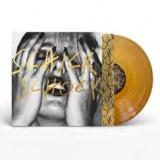
Bilderbuch – Schick Schock (10 Year Anniversary Gold Edition)
Der Klassiker des Austro-Pop. Streng limitiert auf 2000 Stk. 180g Gold Vinyl Edition.
Mit Schick Schock erfanden Bilderbuch 2015 ihren unverwechselbaren Sound, der die Band zu einer der
prägendsten Stimmen des deutschsprachigen Pop machte: federnde Funk-Bässe, exzentrische Gitarren,
bouncige Hip-Hop-Grooves, große Popmelodien und Texte zwischen Dada, Dekadenz und österreichischem
Schmäh.
Das Album enthält zwölf Songs, darunter auch die Hits „Maschin“, „OM“, „Spliff“ und der Titeltrack
„Schick Schock“.
Ein essenzieller Bilderbuch-Release für Fans, Sammler und jede gut sortierte Indie- und Pop-Abteilung.
expected to be published on 11.09.2026
- A1: Gespenst 3:03
- A2: DLIT (die Liebe ist tot) 2:46
- A3: Paula Hartmann, Levin Liam Crossfades 2:46
- A4: Candy Crush 2:37
- A5: Paula Hartmann, Lucio101, Nizi19 Disney 3:38
- A6: zwischen 2 und 5 1:58
- A7 7: Mädchen 2:53
- A8: schwarze SUVs 2:50
- B1: Paula Hartmann, Domiziana, Verifiziert gebrochenes Glas 3:18
- B2: Paula Hartmann, Trettmann Atlantis 2:34
- B3: Paula Hartmann, t-low sag was 3:22
- B4: kleine Feuer 2:38
- B5: Snoopy 4:33
Es ist August 2021... Paula Hartmanns erste Single »Nie verliebt« erscheint und bildet den Auftakt für das gleichnamige, im Folgejahr erscheinende Album-Debüt. Fast forward 2023 und in der Rückschau wird klar: Paula Hartmann trat leise, aber mit Nachdruck ins Scheinwerferlicht der Musikwelt. Die Musik der 22-jährigen Berlinerin in ihrer Essenz zu erfassen, bedeutet, sie zu hören; zu vielschichtig und dicht erscheint das gewebte Netz von Geschichten aus der Großstadt. Und es ist diese Qualität, mit der sich ihre Musik Beschreibungen entzieht: Jedes Wort wohl überlegt, kein Ton zu viel, lässt man sich bereitwillig in das fein gesponnene Geflecht fallen und begleitet Paula Hartmann auf ihrer Odyssee durch den dunklen Westen von Berlin - denn wo noch Licht brennt, da tritt Paula Hartmann die Laternen aus. Mit »kleine Feuer« kündigt die Berlinerin nun ihr zweites Album an und bereits die ersten Singleauskopplungen lassen auf Großes hoffen im März des kommenden Jahres.
expected to be published on 11.09.2026
High-velocity modern techno tools for the Clone Repetitive Rhythm Research series. This four-tracker balances peak-time intensity with a sophisticated nod to classic dub-techno blueprints. Featuring the deep, moody atmosphere of "Infinitas" as the essential deep-mood closer on the b2 spot!
Order now and we will order the item for you at our supplier.
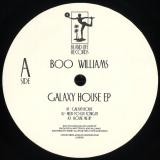
''Boo Williams - Galaxy House EP (Island Life Records) Island Life Records proudly welcomes Chicago house music icon Boo Williams with the Galaxy House EP, a powerful collection that bridges timeless underground house music with fresh contemporary reinterpretations. Leading the release are three original Boo Williams productions: the deep, groove-laden title track ''Galaxy House'', the soulful ''Need Yo Luv Tonite'', and the driving club workout ''House Me Up''--showcasing the unmistakable sound that has made Boo one of Chicago's most respected producers. The EP is completed by a quality selection of remixes. DJ Entropic delivers two contrasting takes on ''Need Yo Luv Tonite'' with a rave-fuelled Hardcore Mix and the darker, hypnotic Skeleton Mix, while Island Life label boss Garry Todd, under his Clouds of Kouros alias, reimagines ''Galaxy House'' with a deep, atmospheric interpretation that perfectly complements the originals. The whole EP blends authentic Chicago house heritage with forward-thinking club energy, the Galaxy House EP is another essential release from Island Life Records crew.''
Order now and we will order the item for you at our supplier.
- A1: Akugbue Nwa Ewu – Paulson Kalu & His Stars 25 International
- A2: Ocheme Mia – Prince Nico Mbarga & His New Rocafil Jazz
- A3: Ayubele – Sir Victor Uwaifo & His Titibitis
- B1: Advice / Oge Chi Kanma – I C. Rock
- B2: We Have Got It – Mansour
- B3: The World – Evi-Edna Ogholi
- C1: Soko Soko – Prince David Bull & His Professional Seagulls Dance Band
- C2: Ije Love Pt 2 – General Franco-Lee Ezute & His Harmony Kings International Band
- C3: Yo-Pop Music – Segun Adewale & His Superstars International
- D1: Se Rere – Lekan Animashaun
- D2: Apama – Ibealaoke Chukwukeziri & His Anaedeonu Band
Strut presents Nigeria 80, the next essential chapter in the legendary Nigeria 70 series, diving deep into the explosive sound world of 1980s Nigeria.
Following the global impact of 2001's Nigeria 70, which helped introduce rare Nigerian recordings to international audiences, Nigeria 80 continues the journey, unearthing a rich, restless, and wildly creative decade of music from Lagos to Enugu. Despite economic instability and restrictive political conditions in the 1980's, Nigeria’s music industry flourished, driven by a growing network of independent labels such as Tabansi and Phonodisk, which championed local artists and expanded creative freedom. The 1980s also marked a significant rise in visibility for female artists, with trailblazers like Onyeka Onwenu helping to reshape the landscape and open doors for a new generation of performers, writers, and producers.
Nigeria 80 showcases the extraordinary breadth of this era, with all tracks reissued here for the first time. The compilation brings together essential recordings from across Nigeria’s musical spectrum: highlife greats Victor Uwaifo and Nico Mbarga appear alongside Paulson Kalu, whose personal favourite “Akugbue Nwa Ewu” stands out as a prime example of the style. Prince David Bull’s “Soko Soko” (later reinterpreted in Starboy’s Afrobeats hit “Soco”) features as a key touchpoint between eras. Segun Adewale delivers a driving juju workout, while Lekan Animashaun, longtime bandleader of Africa 70, contributes a late-era Afrobeat classic produced in collaboration with Fela Kuti.
The compilation also highlights more experimental and hybrid sounds, from I.C. Rock’s proto–hip hop gem “Advice” to Evi-Edna Ogholi’s self-produced reggae statement “The World”. The set closes with “Apama” by Ibealaoke Chukwukeziri, the “Apama Boy” from Achi in eastern Nigeria, featuring hypnotic vocals and percussion from his Anaedeonu band.
Nigeria 80 is available as a black vinyl 2LP housed in a gatefold sleeve or CD digipak, which includes a 16-page booklet with artist photos and liner notes by Francis Gooding. Compiled by Duncan Brooker. Audio restoration by See Why Audio. Mastered by The Carvery.
Order now and we will order the item for you at our supplier.
- 1: Creature
- 2: Deep Blue
- 3: Same Rules
- 4: PEN I S MALL
- 5: Shrine
- 6: Intruder
- 7: Christabel ’26
- 8: Influence
- 9: Family Funeral
- 10: October All the Time
In a world increasingly shaped by disposable content, Chat Pile answer with something defiantly real and organic, a mentality that permeates Who Loves The Sun, their third full-length record. Since the band’s formation just over six years ago, the Oklahoma City-based quartet Chat Pile has grown from a scrappy passion project into one of the defining heavy acts to emerge from the 2020s underground. Ray B. (vocals), L. Manhole (guitar), Stin (bass), and Cap’n Ron (drums) create a crushing, crass, and cathartic take on noise rock that captures a raw, undeniably human essence in an age marked by technological overreach and the cold state of society. Nothing about Who Loves The Sun feels synthetic.
Whereas their debut album God’s Country depicted a particularly American flavor of dread, and the follow up Cool World showed a cruel planet defined by global systemic violence, Who Loves The Sun peels the skin back on how collective indifference defines this new century. Spanning imagery of coastlines devouring cities, dead-end jobs, and submission to data-driven inauthenticity, the album dissects the apathy-bloated state of 21st-century existence as a slow-motion apocalypse. As with much of Chat Pile’s work, Oklahoma City itself looms over the album like a character, its sprawling isolation, economic contradictions, and underlying sense of decay embedded in the fabric of the record. The perfect allegory for the thematic essence of Who Loves The Sun is the photo embossed on the record’s cover, where Devon Tower, a glassy, largely vacant monolith, looms high above the Oklahoma City skyline while a burnt-out home or storefront envelops the foreground. The album remains lyrically and sonically confrontational, but Chat Pile approached the songwriting with hooks in mind, drawing on melodic tones of pre-2000s indie rock, alt-rock, and new wave. From the blood-soaked vocal passages of “Christabel ’26” to the eerie trip-hop pulse of “Same Rules,” Who Loves The Sun is deeply human despite its allusions to a dying, divided .
expected to be published on 04.09.2026
In a world increasingly shaped by disposable content, Chat Pile answer with something defiantly real and organic, a mentality that permeates Who Loves The Sun, their third full-length record. Since the band’s formation just over six years ago, the Oklahoma City-based quartet Chat Pile has grown from a scrappy passion project into one of the defining heavy acts to emerge from the 2020s underground. Ray B. (vocals), L. Manhole (guitar), Stin (bass), and Cap’n Ron (drums) create a crushing, crass, and cathartic take on noise rock that captures a raw, undeniably human essence in an age marked by technological overreach and the cold state of society. Nothing about Who Loves The Sun feels synthetic.
Whereas their debut album God’s Country depicted a particularly American flavor of dread, and the follow up Cool World showed a cruel planet defined by global systemic violence, Who Loves The Sun peels the skin back on how collective indifference defines this new century. Spanning imagery of coastlines devouring cities, dead-end jobs, and submission to data-driven inauthenticity, the album dissects the apathy-bloated state of 21st-century existence as a slow-motion apocalypse. As with much of Chat Pile’s work, Oklahoma City itself looms over the album like a character, its sprawling isolation, economic contradictions, and underlying sense of decay embedded in the fabric of the record. The perfect allegory for the thematic essence of Who Loves The Sun is the photo embossed on the record’s cover, where Devon Tower, a glassy, largely vacant monolith, looms high above the Oklahoma City skyline while a burnt-out home or storefront envelops the foreground. The album remains lyrically and sonically confrontational, but Chat Pile approached the songwriting with hooks in mind, drawing on melodic tones of pre-2000s indie rock, alt-rock, and new wave. From the blood-soaked vocal passages of “Christabel ’26” to the eerie trip-hop pulse of “Same Rules,” Who Loves The Sun is deeply human despite its allusions to a dying, divided .
expected to be published on 04.09.2026
Exclusive Half Magenta and Lemon Yellow[29,62 €]
Indies Col Vinyl[29,62 €]
Tape[17,61 €]
In a world increasingly shaped by disposable content, Chat Pile answer with something defiantly real and organic, a mentality that permeates Who Loves The Sun, their third full-length record. Since the band’s formation just over six years ago, the Oklahoma City-based quartet Chat Pile has grown from a scrappy passion project into one of the defining heavy acts to emerge from the 2020s underground. Ray B. (vocals), L. Manhole (guitar), Stin (bass), and Cap’n Ron (drums) create a crushing, crass, and cathartic take on noise rock that captures a raw, undeniably human essence in an age marked by technological overreach and the cold state of society. Nothing about Who Loves The Sun feels synthetic.
Whereas their debut album God’s Country depicted a particularly American flavor of dread, and the follow up Cool World showed a cruel planet defined by global systemic violence, Who Loves The Sun peels the skin back on how collective indifference defines this new century. Spanning imagery of coastlines devouring cities, dead-end jobs, and submission to data-driven inauthenticity, the album dissects the apathy-bloated state of 21st-century existence as a slow-motion apocalypse. As with much of Chat Pile’s work, Oklahoma City itself looms over the album like a character, its sprawling isolation, economic contradictions, and underlying sense of decay embedded in the fabric of the record. The perfect allegory for the thematic essence of Who Loves The Sun is the photo embossed on the record’s cover, where Devon Tower, a glassy, largely vacant monolith, looms high above the Oklahoma City skyline while a burnt-out home or storefront envelops the foreground. The album remains lyrically and sonically confrontational, but Chat Pile approached the songwriting with hooks in mind, drawing on melodic tones of pre-2000s indie rock, alt-rock, and new wave. From the blood-soaked vocal passages of “Christabel ’26” to the eerie trip-hop pulse of “Same Rules,” Who Loves The Sun is deeply human despite its allusions to a dying, divided .
expected to be published on 04.09.2026
Exclusive Half Magenta and Lemon Yellow[29,62 €]
Indies Col Vinyl[29,62 €]
Black Vinyl[29,62 €]
In a world increasingly shaped by disposable content, Chat Pile answer with something defiantly real and organic, a mentality that permeates Who Loves The Sun, their third full-length record. Since the band’s formation just over six years ago, the Oklahoma City-based quartet Chat Pile has grown from a scrappy passion project into one of the defining heavy acts to emerge from the 2020s underground. Ray B. (vocals), L. Manhole (guitar), Stin (bass), and Cap’n Ron (drums) create a crushing, crass, and cathartic take on noise rock that captures a raw, undeniably human essence in an age marked by technological overreach and the cold state of society. Nothing about Who Loves The Sun feels synthetic.
Whereas their debut album God’s Country depicted a particularly American flavor of dread, and the follow up Cool World showed a cruel planet defined by global systemic violence, Who Loves The Sun peels the skin back on how collective indifference defines this new century. Spanning imagery of coastlines devouring cities, dead-end jobs, and submission to data-driven inauthenticity, the album dissects the apathy-bloated state of 21st-century existence as a slow-motion apocalypse. As with much of Chat Pile’s work, Oklahoma City itself looms over the album like a character, its sprawling isolation, economic contradictions, and underlying sense of decay embedded in the fabric of the record. The perfect allegory for the thematic essence of Who Loves The Sun is the photo embossed on the record’s cover, where Devon Tower, a glassy, largely vacant monolith, looms high above the Oklahoma City skyline while a burnt-out home or storefront envelops the foreground. The album remains lyrically and sonically confrontational, but Chat Pile approached the songwriting with hooks in mind, drawing on melodic tones of pre-2000s indie rock, alt-rock, and new wave. From the blood-soaked vocal passages of “Christabel ’26” to the eerie trip-hop pulse of “Same Rules,” Who Loves The Sun is deeply human despite its allusions to a dying, divided .
expected to be published on 04.09.2026