Der zurückgezogen lebende Elektronikmusiker Jeremy Dower aus Melbourne kündigt eine Compilation mit bisher unveröffentlichten Stücken aus einem Vierteljahrhundert an, die in zwei Hälften unterteilt ist, um sein unaussprechliches Ambient-Techno-Projekt Tetrphnm aus den 90er Jahren sowie die melancholischen Faux-Jazz-Aufnahmen, die er später unter seinem eigenen Namen veröffentlichte, zu präsentieren. Personal Computer Music, 1997-2022 ist der Höhepunkt der laufenden Reissue-Reihe von Chapter Music für Jeremy. Im August veröffentlichte Chapter seine früheren Alben erstmals digital - Sentimental Dance Music For Couples (ursprünglich 2000 über das US-Label Plug Research, Heimat von Veröffentlichungen von Flying Lotus und Jon Tejada) und Music For the Young and the Restless (ursprünglich 2004 auf dem japanischen Label Bit Of Heaven). Zunächst inspiriert von strengem deutschen Techno wie Monolake und Mouse on Mars, wuchs Jeremys Klangwelt und nahm so unterschiedliche Einflüsse wie The Sea and Cake, Joao Gilberto, Jaki Liebezeit und Alain Goraguer auf. Jeremy arbeitete jedoch ganz allein auf der anderen Seite der Welt an diesen Meilensteinen und improvisierte Systeme der ,subtraktiven Komposition" mit billigen Soundkarten aus den 90er Jahren, 12-Bit-Samplern und gebufferten Noise Gates. Seine Musik entwickelte sich in einer parallelen, aber separaten Welt zu Genres, die später als IDM oder Microhouse bezeichnet wurden, aber eigentlich klingt sie wie nichts anderes als Jeremy Dower - magisch einfallsreich, berührend und persönlich. Efficient Space hat einen Tetrphnm-Track auf ihrer beliebten 2018er-Compilation mit australischer Elektronikmusik der 90er Jahre, 3AM Spares, veröffentlicht. Aber Personal Computer Music, 1997-2022 ist Ihre erste Gelegenheit, Jeremy Dowers faszinierende Musikgeschichte mit der Tiefe zu erkunden, die sie verdient.
Fire of God's Love ist das legendäre Album der australischen Nonne Schwester Irene O'Connor aus dem Jahr 1973 - eine aufrichtige, gefühlvolle und unbewusst psychedelische Songfolge, die der Selbstreflexion und dem Erwachen des inneren Geistes gewidmet ist. Das Album ist eine Sammlung von originellen spirituellen Folksongs, die von O'Connor geschrieben und mit Gitarre, E-Orgel, Drumcomputer und ihrer engelsgleichen Stimme interpretiert wurden. Es wurde von ihrer Mitschwester und Toningenieurin Sister Marimil Lobregat auf erstaunlich futuristische Weise aufgenommen und abgemischt. Freedom To Spend bietet die erste autorisierte Neuauflage dieses heiligen Grals seit 1976; das Album wurde mit Sorgfalt und Bedacht aus den besten verfügbaren Quellen restauriert und remastered. Als junge römisch-katholische Nonne im Orden der Franziskanerinnen von Maria begann Schwester Irene 1953 ihre musikalischen Aktivitäten, als sie von Sydney in ein Kloster in Singapur zog und begann, Kinder mit Lernschwierigkeiten zu unterrichten. Nachdem sie sich eine Akustikgitarre zugelegt und drei einfache Akkorde gelernt hatte, blühten Irenes Lieder dank der Begeisterung der Kinder auf. Durch einen glücklichen Zufall arbeitete ein Elternteil eines Schülers bei einem kommerziellen Radiosender in Singapur, und Irene wurde eingeladen, im Studio des Senders aufzutreten und aufzunehmen. Sie ging hin, trug ihre Ordenstracht und hatte ihre Gitarre dabei, und nahm dort 1965 ihren ersten eigenen Song auf. Unter dem Pseudonym Myiriam Frances, um innerhalb ihres Ordens anonym zu bleiben (,Nonnen machten so etwas nicht", bemerkte O'Connor), veröffentlichte Phillips Ende der 1960er Jahre eine Reihe von Platten von Schwester Irene. Im Kloster in Singapur lernte Schwester Irene Schwester Marimil Lobregat kennen, eine Mitbrüderin aus dem Franziskanerorden, die Anfang der 1960er Jahre von den Philippinen auf die Insel gezogen war. Mehr als ein Jahrzehnt später trafen sie sich, wie durch göttliche Fügung, in einem anderen Kloster in Point Piper in Sydney wieder. Marimil, ebenfalls Musikerin und Klangenthusiastin, arbeitete als Audio- und Videotechnikerin beim Catholic Radio and Television Centre in Homebush im Westen Sydneys. Schwester Irene, die treu an ihren musikalischen Fähigkeiten feilte, und Schwester Marimil schmiedeten den Plan, sich an mehreren Sonntagnachmittagen im Zentrum zu treffen und die Lieder zu komponieren, die später auf ,Fire of God's Love" erscheinen sollten. Die Lieder von ,Fire of God's Love" werden von Schwester Irene mit ihrer engelsgleichen Sopranstimme gesungen (mit Texten in Englisch, Latein und Malaiisch) und von Schwester Marimil produziert und auf einem Teac 3340S 4-Spur-Tonbandgerät aufgenommen. Marimil trug maßgeblich dazu bei, die unheimliche Jenseitigkeit zu zaubern, die das Album durchzieht. Die kristallklare Stimme von Schwester Irene wird exquisit von einem schimmernden Mosaik aus Hall und analogen Synthesizer-Klängen umhüllt, während sie wie eine Glocke in der Dunkelheit erklingt und so lange nachhallt, bis die Wahrheit oder das Göttliche erscheint. Themen wie Barmherzigkeit, Gnade, Licht und Geheimnis werden von sanften Akustikgitarrenklängen und ewigen Pianotönen untermalt, die sich langsam auf vibrierenden Fäden drehen. Bei den Songs mit Keyboards spielte Schwester Irene alle Parts live in Echtzeit, einschließlich der Basspedale. Die Drum Machine wurde von derselben Orgel erzeugt, die sie spielte, und gleichzeitig ausgeführt. All dies trägt zu einer Atmosphäre erhöhter Präsenz bei, einem organischen Blitz, der tief aus dem Unterbewusstsein kommt. Entstanden aus Ideen, die in einem ruhigen Kloster und abgeschieden von weltlichen Einflüssen entstanden sind, wird der liturgische Rahmen des Albums durch die innige Hingabe zweier Schwestern gefiltert - ihre eigene Interpretation von Popmusik, befreit von Anmaßung und oberflächlichem Glamour. Der Titel des Albums stammt, wie viele seiner Songs, aus einem Bibelvers, in diesem Fall Lukas 12:49. Aber Schwester Irene und Schwester Marimil haben ihn in einen Raum gebracht, in dem alle spirituell Suchenden die Übertragung oder: ungewöhnliche Hermeneutik schätzen können. Die Texte sprechen universelle Bedürfnisse, Wünsche und Sehnsüchte an: ewige Liebe und Zuneigung, ein Ende der Einsamkeit, eine neue Form der Erleichterung, Befreiung von der Angst vor dem Tod. Anstelle von Hymnenformeln bedient sich Schwester Irene, vielleicht unbeabsichtigt, der damals modischen Folk- und Psychedelic-Musik, um eine Predigt zu halten, die sich wie Liebesbriefe an eine göttliche Präsenz liest und über jede formale Religion hinaus zur Seele spricht. ,Fire of God's Love" ist ein inspirierendes Archiv früher elektronischer Experimente zwischen zwei befreundeten Frauen und Mystikerinnen, eine Dokumentation ihrer göttlichen Energie, die auf disziplinierte Weise kanalisiert wurde. Bei seiner Erstveröffentlichung war es weder ein durchschlagender Erfolg noch ein Misserfolg, sondern wurde vor allem mit Neugierde aufgenommen. Die beiden haben nie wieder gemeinsam Musik gemacht, und in den 50 Jahren seitdem zieht ihre einmalige Zusammenarbeit weiterhin Zuhörer an, die sie in Plattenläden entdecken (sei es die Originalpressung von Phillips oder die klanglich überlegene Neuauflage von 1976 bei Alba House Communications) oder eher über YouTube, als zufällig entdeckter und heiß diskutierter Kultklassiker. Heute lebt Schwester Irene in Sydney, Australien, und freut sich, dass ein neues Publikum in ihrer Musik mit Schwester Marimil einen Sinn findet. Ihre Geschichte ist ein Beweis dafür, dass man nicht viel braucht, um ein visionäres, zeitloses Album zu schaffen: ein Tonbandgerät, Freundschaft und ,The Fire of God's Love", um den Weg in die Zukunft zu ebnen. Das kann ein spiritueller Freund sein oder ein irdischer Begleiter direkt neben einem. Sister Irene O'Connors ,Fire of God's Love" wird am 14. November über Freedom To Spend auf Vinyl, CD und als digitale Ausgabe veröffentlicht.
Fire of God's Love ist das legendäre Album der australischen Nonne Schwester Irene O'Connor aus dem Jahr 1973 - eine aufrichtige, gefühlvolle und unbewusst psychedelische Songfolge, die der Selbstreflexion und dem Erwachen des inneren Geistes gewidmet ist. Das Album ist eine Sammlung von originellen spirituellen Folksongs, die von O'Connor geschrieben und mit Gitarre, E-Orgel, Drumcomputer und ihrer engelsgleichen Stimme interpretiert wurden. Es wurde von ihrer Mitschwester und Toningenieurin Sister Marimil Lobregat auf erstaunlich futuristische Weise aufgenommen und abgemischt. Freedom To Spend bietet die erste autorisierte Neuauflage dieses heiligen Grals seit 1976; das Album wurde mit Sorgfalt und Bedacht aus den besten verfügbaren Quellen restauriert und remastered. Als junge römisch-katholische Nonne im Orden der Franziskanerinnen von Maria begann Schwester Irene 1953 ihre musikalischen Aktivitäten, als sie von Sydney in ein Kloster in Singapur zog und begann, Kinder mit Lernschwierigkeiten zu unterrichten. Nachdem sie sich eine Akustikgitarre zugelegt und drei einfache Akkorde gelernt hatte, blühten Irenes Lieder dank der Begeisterung der Kinder auf. Durch einen glücklichen Zufall arbeitete ein Elternteil eines Schülers bei einem kommerziellen Radiosender in Singapur, und Irene wurde eingeladen, im Studio des Senders aufzutreten und aufzunehmen. Sie ging hin, trug ihre Ordenstracht und hatte ihre Gitarre dabei, und nahm dort 1965 ihren ersten eigenen Song auf. Unter dem Pseudonym Myiriam Frances, um innerhalb ihres Ordens anonym zu bleiben (,Nonnen machten so etwas nicht", bemerkte O'Connor), veröffentlichte Phillips Ende der 1960er Jahre eine Reihe von Platten von Schwester Irene. Im Kloster in Singapur lernte Schwester Irene Schwester Marimil Lobregat kennen, eine Mitbrüderin aus dem Franziskanerorden, die Anfang der 1960er Jahre von den Philippinen auf die Insel gezogen war. Mehr als ein Jahrzehnt später trafen sie sich, wie durch göttliche Fügung, in einem anderen Kloster in Point Piper in Sydney wieder. Marimil, ebenfalls Musikerin und Klangenthusiastin, arbeitete als Audio- und Videotechnikerin beim Catholic Radio and Television Centre in Homebush im Westen Sydneys. Schwester Irene, die treu an ihren musikalischen Fähigkeiten feilte, und Schwester Marimil schmiedeten den Plan, sich an mehreren Sonntagnachmittagen im Zentrum zu treffen und die Lieder zu komponieren, die später auf ,Fire of God's Love" erscheinen sollten. Die Lieder von ,Fire of God's Love" werden von Schwester Irene mit ihrer engelsgleichen Sopranstimme gesungen (mit Texten in Englisch, Latein und Malaiisch) und von Schwester Marimil produziert und auf einem Teac 3340S 4-Spur-Tonbandgerät aufgenommen. Marimil trug maßgeblich dazu bei, die unheimliche Jenseitigkeit zu zaubern, die das Album durchzieht. Die kristallklare Stimme von Schwester Irene wird exquisit von einem schimmernden Mosaik aus Hall und analogen Synthesizer-Klängen umhüllt, während sie wie eine Glocke in der Dunkelheit erklingt und so lange nachhallt, bis die Wahrheit oder das Göttliche erscheint. Themen wie Barmherzigkeit, Gnade, Licht und Geheimnis werden von sanften Akustikgitarrenklängen und ewigen Pianotönen untermalt, die sich langsam auf vibrierenden Fäden drehen. Bei den Songs mit Keyboards spielte Schwester Irene alle Parts live in Echtzeit, einschließlich der Basspedale. Die Drum Machine wurde von derselben Orgel erzeugt, die sie spielte, und gleichzeitig ausgeführt. All dies trägt zu einer Atmosphäre erhöhter Präsenz bei, einem organischen Blitz, der tief aus dem Unterbewusstsein kommt. Entstanden aus Ideen, die in einem ruhigen Kloster und abgeschieden von weltlichen Einflüssen entstanden sind, wird der liturgische Rahmen des Albums durch die innige Hingabe zweier Schwestern gefiltert - ihre eigene Interpretation von Popmusik, befreit von Anmaßung und oberflächlichem Glamour. Der Titel des Albums stammt, wie viele seiner Songs, aus einem Bibelvers, in diesem Fall Lukas 12:49. Aber Schwester Irene und Schwester Marimil haben ihn in einen Raum gebracht, in dem alle spirituell Suchenden die Übertragung oder: ungewöhnliche Hermeneutik schätzen können. Die Texte sprechen universelle Bedürfnisse, Wünsche und Sehnsüchte an: ewige Liebe und Zuneigung, ein Ende der Einsamkeit, eine neue Form der Erleichterung, Befreiung von der Angst vor dem Tod. Anstelle von Hymnenformeln bedient sich Schwester Irene, vielleicht unbeabsichtigt, der damals modischen Folk- und Psychedelic-Musik, um eine Predigt zu halten, die sich wie Liebesbriefe an eine göttliche Präsenz liest und über jede formale Religion hinaus zur Seele spricht. ,Fire of God's Love" ist ein inspirierendes Archiv früher elektronischer Experimente zwischen zwei befreundeten Frauen und Mystikerinnen, eine Dokumentation ihrer göttlichen Energie, die auf disziplinierte Weise kanalisiert wurde. Bei seiner Erstveröffentlichung war es weder ein durchschlagender Erfolg noch ein Misserfolg, sondern wurde vor allem mit Neugierde aufgenommen. Die beiden haben nie wieder gemeinsam Musik gemacht, und in den 50 Jahren seitdem zieht ihre einmalige Zusammenarbeit weiterhin Zuhörer an, die sie in Plattenläden entdecken (sei es die Originalpressung von Phillips oder die klanglich überlegene Neuauflage von 1976 bei Alba House Communications) oder eher über YouTube, als zufällig entdeckter und heiß diskutierter Kultklassiker. Heute lebt Schwester Irene in Sydney, Australien, und freut sich, dass ein neues Publikum in ihrer Musik mit Schwester Marimil einen Sinn findet. Ihre Geschichte ist ein Beweis dafür, dass man nicht viel braucht, um ein visionäres, zeitloses Album zu schaffen: ein Tonbandgerät, Freundschaft und ,The Fire of God's Love", um den Weg in die Zukunft zu ebnen. Das kann ein spiritueller Freund sein oder ein irdischer Begleiter direkt neben einem. Sister Irene O'Connors ,Fire of God's Love" wird am 14. November über Freedom To Spend auf Vinyl, CD und als digitale Ausgabe veröffentlicht.
Four years on from their landmark Grassroots, visionary half-time heavyweights The Untouchables return with their third album, Lost Knowledge. The duo of Kate McGill and Ajit 'Nitrox' Steyns have carved out a space in modern D&B all their own, building on a legacy that reaches back to the late 00s to keep pushing into unexplored terrain with an assured and deadly line in rhythmic intrigue and atmospheric immersion.
Lost Knowledge launches into action instantly with the high-pressure drum science and dubby splashes of 'Drunken Bells', capturing the loopy techno propulsion and rolling intensity that drives so much of the output on Samurai Music. Where The Untouchables excel is in finding variety and nuance in their relatively forbidding, pared down sound. The heads-down groove of 'Mafia Town' owes as much to dembow and dancehall as D&B, while 'Lost Knowledge' spirals out into psychoactive flurries of synth strafes and organic percussion slathered in tight-locked delay trails. There's no light relief from strident hooks or riffs, just a pure, unshakeable commitment to the power of the beat and deeply designed layers of sound shaping out the space around.
'Busy Bones' makes space for carefully deployed hints of pad tone while the snares snap out of the mix with a sharp set of teeth. 'Four Eared Demon' baits the gabber crowd with its rapid-fire 4/4 hats atop seasick creaks across the midrange, keeping subtlety and patience in the lower frequencies to maintain the signature elegance readily associated with The Untouchables. 'Phase Correlation' teases an artfully unhinged ripple of synth that stands out amongst the murky murmurs filling out the middle distance, but it's still exercised with brutal precision.
Nothing happens by accident or feels out of place - McGill and Steyns are in total control, and they demonstrate incredible range and inventive approaches within their focused style. The accent of the grooves shifts, and individual sounds carry all kinds of artefacts, yet everything gets folded into the exacting Untouchables sound with a liberal dubwise sensibility. Brimming with inspiration and immaculately produced, on Lost Knowledge their one-of-a-kind sound is stronger than ever.
out of Stock
Last delivered 6 months ago available to reorder, subject to availability
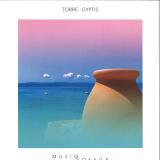
Musiq Voyage sets sail with its debut release by TORRE Bros, a producer duo from Aix-en-Provence. A heartfelt tribute to Marseille and the Mediterranean through two shimmering Space Disco cuts: Gyptis and La Pointe Rouge.
Remixed by the legendary Moplen, Alex From Tokyo, and Julien HBT, this EP blends house, boogie, and balearic vibes into a warm and elegant sonic journey.
//
After cruising their native Provence and spinning on the mythical shores of Ibiza with their iconic pink-and-blue DJ truck, the Musiq Voyage crew is proud to launch their new label with a sun-soaked debut EP.
Rooted in Mediterranean soul, Phocaea Vol. 1 features longtime friends and local legends TORRE Bros (Jean-Marc & Patrick Torre), producers from Aix-en-Provence with over two decades of musical exploration—from disco and house to hybrid electronic jams. Known for underground hits like Corps à Corps and Baleora, supported by artists such as Carl Craig, the duo now pays tribute to Marseille, their beloved coastal city.
A1 – Gyptis
Named after the legendary princess said to have founded Marseille, Gyptis is a lush space-disco homage to the city’s ancient roots—where Greek sailors met local tribes, and myth met the Mediterranean.
A2 – Gyptis (Moplen Remix)
Italian disco don Moplen (Chaka Khan, Talking Heads, Loose Change) delivers a floor-ready rework—elevating the groove with cosmic flair while keeping the original’s dreamy vibe.
B1 – La Pointe Rouge
A sonic postcard of one of Marseille’s most iconic seaside spots—sunsets, sailing, and slow walks by the sea. Built on a strong boogie beat, 80s synths, and balearic textures.
B2 – La Pointe Rouge (Alex From Tokyo & Julien HBT Remix)
Legendary DJ/producer Alex From Tokyo (Tokyo Black Star, Innervisions) teams up with Parisian underground figure Julien HBT (Demented, with François X) for a deep, syncopated reimagining. Infused with Chicago house and leftfield boogie influences, this remix flips the original into a spaced-out late-night groover.
More than just a legendary DJ, Alex From Tokyo has built a global career bridging cultures and sounds. After growing up in Japan, he returned to Paris in the early ’90s and co-founded A Deep Groove with DJ Deep and DJ Gregory, launching one of France’s first underground dance radio shows on FG 98.2 FM.
A key link between Europe and Japan, Alex worked with labels like F Com, Mr Bongo, and Yellow Productions, before living in NYC, Berlin, and beyond.
out of Stock
Last delivered 8 months ago available to reorder, subject to availability
Mangabey presents “Hopeful Color”, his debut album, set for release on October 10 on DSP and October 31 on vinyl, via Cracki Records !
Fourteen tracks composed over nearly two years, blending the polished house of his early days (Moula Si) with genres such as Bicep-style electronica (Ampex Both), punchy acid (Attente Instable – Green Sphere), alternative R&B (Dumble Face), hip-hop (Six Figures Check), and neo-soul (Hopeful Color – Deep Breath).
The album reflects Mangabey’s sonic curiosity: between hypnotic grooves, percussive rhythms, and atmospheric flourishes, he creates the perfect bridge between club music and introspection. A generous record in the image of the artist himself, it multiplies collaborations to complete this vividly colorful patchwork of influences, with contributions from Ghanaian collective ALL MY COUSINS, Brazilian-Parisian group PPJ, producer and DJ Goldie B, and Franco-Congolese singer Amaru — each adding to the album’s rich and ever-evolving identity.
At the crossroads of genres and influences, Mangabey’s debut album showcases his multifaceted talent and his ability to turn each track into a distinctive sonic experience.
out of Stock
Last delivered 11 months ago available to reorder, subject to availability
Valby Vokalgruppe was initiated in 2008 by Anja Jacobsen, the Danish collective’s current line-cup is completed by Lil Lacy, Sonja LaBianca, Cæcilie Trier and Laura Marie Madsen. The group has written and performed a large number of cross-aesthetic pieces over the years, including an album Bah New Era released in 2012 on Eget Værelse.
Sharpened to its core, the group dives deep into rhythmical architectures built almost solely from the voice - think Platonic solids reimagined as sound objects. Think trance without electronics. These new compositions are compressed, sparkling forms — vocal geometries that spin, collide, and dissolve through repetition. From inside the circle: radical precision, soft dissonance, and playful intuition guide the way. The group explores the voice not as melody alone, but as material — vibrating, modulating, refracting.
Solids For Voices transcends into deep concentration calling for a clear state of mind, in recognition of an increasingly fragmented and incoherent reality. Valby Vokalgruppe endeavours a total absorption into the voice, the rhythm and the trance.
TX2, AKA Evan Thomas, prides himself on injecting authentic stories and experiences from his own life into his lyrics. As someone who is a member of the LGBTQIA+ community himself, he admits he hasn't always fit in. His songs document that experience, but really - his stories are about all of us, penned for anyone who has ever felt alone. Per usual - the singer is willing to cause a little chaos with his new track, if that's what it takes to draw attention to important societal issues. With his tracks, he's making his voice heard loud and clear. "10 years ago I started TX2, and when the project first started I was the joke of my hometown. I was bullied by my entire hometown, and told by family that I would never make it. Years later I am still the joke, but now a punching bag for the entire internet. I've practiced what I've preached and consistently talked about mental health awareness, safety, and LGBT rights just to be made fun of and seen as `one of the most hated artists'. This world is filled with vultures, and I'm sure everyone can relate." Six track debut EP available as CD & LP
Something is brewing in the state of Norway! Kronstad 23 are the latest trailblazers from northern Scandinavia: a creative force exploring the boundaries of musical genres, including but not limited to: psych rock, jazz, post-rock & scandinavian folk music. The group of young players follows the footsteps of Motorpsycho, Elephant9 & El Paraiso’s own Lotus, Fra Det Onde & Kanaan, carving out their path through the musical landscape in seemingly effortless ways! One minute you’re floating on cosmic Pharoah Sanders waters, the next you’re ascending on electrified if-Tortoise-played-Allman Brothers-style jamming.
The band describes their approach as: “Sommermørket is an escape from inhumane technology and politics in search of something that feels authentic. The music breathes in the little that is left of old air and rises slowly into the hazy summer twilight like brittle thoughts that try to connect and fade away.”
Kronstad 23 was formed in Kronstad, Bergen, Norway in the Autumn of 2023. As old friends and musical collaborators, they rekindled a creative spark that had been dormant for over 10 years. Rarely rehearsed and often caught on first take, Sommermørket was recorded live on tape in the studio of Keyboardist Øyvind Vie Berg in Bergen, Norway. The record captures three sessions across one year, from spring and late summer in 2024 to winter of 2025.
'Total Spook' mixtape is Artetetra's homage to the forgotten cassette and CD culture of mass-distributed commercial Halloween sound effects, horror tales, and spooky music productions across the eighties and nineties.
Mainly produced in the U.S. these objects featured some of the famous names of the entertainment and commercial industry such as Prince's Dr. Fink (yes, that synth master), Elvira, the Mistress of the Dark and Hallmark as well as unknown and anonymous creatives and artists. In these tracks engineers, musicians and producers arguably had carte blanche in experimenting with extreme samples and vocal manipulation, time-based effects, extended techniques, spooky sound fonts and stock sound effects developing their unique ideas around the sound ambience of the Halloween and horror imagery's campy cliches.
After digging around 30 hours of material gathered from dedicated YouTube channels and playlists such as the ones created by 'Beetlemuse' and 'Caleb Jones', I have compiled a 100' mixtape showcasing some of the most endearing, weird and experimental sound designs long forgotten in the vaporware-like consumer culture of the '80s and ‘90s.
Guilherme Granado & Bruno Abdala reunite for a second volume of beats, jazz ghosts and synth-funk dust.
Following their first outing earlier this year (Vol. 1 on Sucata Tapes / SUC66), the duo returns with a bigger, deeper, and smoother bang on Vol. 2 – Filhos.
The grooves remain intact, expanding on the raw funk blueprint of Vol. 1 — now infused with Tropicália-rooted freedom, Sun Ra-style celestial chaos, and a tighter, more confident feel. The sonic palette is rich and eclectic: samplers, bells, analog synths, drums, marimba, vibraphone, bass, violas, and more are layered into a warm, rhythmic tapestry that honours the past while forging new sonic terrain.
At its core, Filhos (Portuguese for "Sons") is a tribute to lineage and tradition. It reflects the idea that we are all shaped by what came before — and through music, Guilherme & Bruno honor that legacy while pushing it into the future.
Our next Toolroom vinyl instalment comes from Sara Parker and Eats Everything with his reebeef on an absolute classic! Originally released in 1995 on the Sharp Boys own ‘Sharp Recordings’, ‘My Love Is Deep’ went on to achieve national chart success on ‘Manifesto’. Championed by the late, great Tony De Vit on the legendary dancefloor of ‘Trade’, Tony was the first DJ to play the ‘Sharp Dub’, after being handed an acetate by the boys. Eats Everything, off the back of his debut album ‘We Lost Ourselves and Found A Family’, delivers a blistering new ‘Reebeef’. Listing the ‘Sharp Dub’ in his ‘10 Best Hardbag Tracks of All Time’, Eat’s admiration of the original, Tony De Vit and the nuances and essence of Dance Music culture is evident with this essential rework, guaranteed to be a genuine highlight of the year. The package features both this great new rework and the timeless original!
out of Stock
Last delivered 85 days ago available to reorder, subject to availability
Continuing the trajectory set by last year's EPs and experimental long-player, Reeko returns to Samurai Music to deliver an expansive album that goes further into his experimental practice at the intersection of deep techno, drum & bass and electronica.
Since the early 00s Juan Rico has been applying his exacting vision to the deeper end of dance music culture. As Reeko, he's carved out an imposing presence in the modern techno scene by building up the steely, hard-hitting sound of Mental Disorder while also contributing to scene-leading labels like Modularz, Semantica and Delsin. With a trio of releases through 2024 for Samurai Music, the Spanish producer demonstrated the wider scope of his craft as he opened up to broken rhythms, spacious arrangements and a wholly diferent dimension to his music-making.
out of Stock
Last delivered 19 days ago available to reorder, subject to availability
Season of The Dead is a visceral, cinematic extreme metal project born from the twisted minds of Titta Tani (former drummer of Necrophagia and Goblin), Giacomo Anselmi (former Goblin guitarist and current member of Goblin Legacy), and Enrico Giannone, founder and owner of Time To Kill Records, acting as producer and visionary behind the entire concept. The idea is as brutal as it is clear: to resurrect the blood-soaked legacy of horror-infused death metal, channeling the rotten spirit of bands like Necrophagia, Mortician, and Fulci, while paying tribute to the grotesque imagery and raw energy of cult underground horror films. Influences range from Killjoy to City of the Living Dead, The Beyond, and Cannibal Holocaust, creating a soundscape that feels like a soundtrack to a lost VHS splatter nightmare.
"Viva Marina" celebrates the 100th release of Marina Records. The label was founded in Hamburg in 1993 by Stefan Kassel and Frank Lähnemann. Over the years the label released many outstanding albums by artists like The Pearlfishers, Shack, Brent Cash, The Bathers, James Kirk, The Free Design, Malcolm Ross, Ashby, Paul Quinn & The Independent Group, Der Plan, and many many more - incl. the best-selling Beach Boys/ Brian Wilson tribute album "Caroline Now!". "Viva Marina" is the 4th of the label"s acclaimed compilations - following in the footsteps of "In Bed With Marina", "Ave Marina" and "Goosebumps". These compilations have all been elaborate classy affairs with lots of attention to detail (packaging / design / liner notes / photography / mastering). Artefacts of beautifully curated Pop Art. The new compilation continues in that tradition. It features 21 tracks from the Marina roster and kindred spirits like Van Dyke Parks, The Kingfishers, Frank Schmiechen and Michel van Dyke. Featuring many exclusive and previously unissued contributions. Enjoy 21 tracks / 75 minutes of pure aural pop pleasure. Viva Marina!
Die erste Single von einem der vielversprechendsten neuen Stars der aktuellen Soul-Szene. Tauche ein in die Welt von Taylor Williams, einem talentierten jungen Soulsänger aus Greensboro, North Carolina. Er wurde der Colemine-Familie durch Blake Rhein, dem Gitarristen der Indications, vorgestellt und fand sofort eine kreative Verbindung zu Label-Besitzer Terry Cole. Seine erste Single für Colemine wurde in der Portage Lounge in Loveland, Ohio, mit Charles Alley am Schlagzeug aufgenommen. Taylor strahlt einfach Talent, Charisma und Freundlichkeit aus. Kurz nachdem die Rhythmus-Tracks für ,Dreaming" aufgenommen waren, schrieb er schnell den Refrain und die Strophen und nahm seinen Gesang im ersten Anlauf auf. Auf der B-Seite dieser 45er-Single ist Taylor Williams mit seiner Interpretation eines Juwels der Numero Group von The Exceptional Three zu hören. Produziert von Leroi Conroy in roher und minimalistischer Weise, bringt Taylor diesen staubigen Song ins Jahr 2025, ohne dabei die eindringliche Authentizität des Originals zu verlieren. Mr. Williams verleiht dem Track nicht nur seine hochfliegende und gefühlvolle Stimme, sondern spielt auch Gitarre, Orgel und Vibraphon. Ein wahrer Renaissance-Soul-Mann!
Analog Decay 001 Artist: Translate Remix by Jonas Kopp Format: 12" Vinyl & Digital Release Date: 14.11.2025 Analog Decay proudly announces its debut release: a powerful statement of intent from the label, rooted in raw aesthetics and a deep reverence for the analog medium. For this first chapter, the imprint calls upon Argentine producer Translate, whose distinctive take on sci-fi-infused techno sets the tone for what's to come. The A-side opens with "RAD-100", a hypnotic journey into mechanical rhythm and spectral textures, followed by a forceful reinterpretation by the legendary Jonas Kopp, whose remix brings heightened tension and propulsion to the original narrative. On the B-side, "Pyramids" explores geometric pulse patterns and atmospheric depth, while "Infrared" closes the EP with a dense, pulsating groove designed for late-night transcendence. This release has been meticulously mastered by Giuseppe Tillieci (Neel) at Enisslab (Rome), ensuring a dynamic and immersive sound experience. The visual identity is completed by artwork from Mauricio Atencia, with photography by Paula Romero, reflecting the label's commitment to brutalist minimalism and analog imperfection.
out of Stock
Last delivered 5 months ago available to reorder, subject to availability
A decade after its original release, Flako"s seminal debut album Natureboy returns for its first-ever reissue on vinyl in a special 10th anniversary edition. In 2015, Natureboy emerged as a rare bloom in the electronic underground - a record that defied genre and expectation. Hailed by Bleep as "one of the most startlingly unique and original releases" and crowned their Album of the Year, it still stands as one of the most singular, emotive, and genre-defying releases of its era.
Los Angeles artist and musician Shlohmo returns with a vinyl repress of two of his defining albums: "Bad Vibes" and "The End". From the first sounds of Henry Laufer"s early work, it was clear he was forging a new path in electronic music - melding hazy textures, emotive melodies, and fractured beats into a sound both intimate and expansive. Bad Vibes introduced Shlohmo"s lo-fi, slowmotion approach, crafting emotive atmospheres that would influence a generation of West Coast producers. The End, a cinematic journey of chaos and calm, cemented his status as a visionary, blending apocalyptic tension with moments of quiet reflection, made with drum machines, vintage synths, and improvised recording techniques.
Los Angeles artist and musician Shlohmo returns with a vinyl repress of two of his defining albums: "Bad Vibes" and "The End". From the first sounds of Henry Laufer"s early work, it was clear he was forging a new path in electronic music - melding hazy textures, emotive melodies, and fractured beats into a sound both intimate and expansive. Bad Vibes introduced Shlohmo"s lo-fi, slowmotion approach, crafting emotive atmospheres that would influence a generation of West Coast producers. The End, a cinematic journey of chaos and calm, cemented his status as a visionary, blending apocalyptic tension with moments of quiet reflection, made with drum machines, vintage synths, and improvised recording techniques.
Obwohl "Suffer" lediglich eine Laufzeit von 26 Minuten hat, war die Platte für Fat Mike, den Sänger und Bassisten von NoFX, in Bezug auf das amerikanische Punk-Revival der Neunziger "das Album, das alles veränderte". Tatsächlich bedeutete der dritte Langspieler der Band 1988 nicht nur den internationalen Szenedurchbruch für Bad Religion, er schuf auch die Grundlage für den massiven Erfolg des Epitaph-Labels, das mit The Offspring, NoFX, Rancid und Pennywise just jene Gruppen unter Vertrag nahm, die in den Neunzigern mit Melodic Hardcore, Pop-Punk und Skatepunk für Furore sorgten. "Suffer" bot für die damalige Zeit etwas völlig Neues: Schnelle, aber sehr melodische Songs mit mehrstimmigen Gesängen und Hintergrundchören sowie abrupte Rhythmuswechsel; hinzu kamen der klare Gesang Greg Graffins, der durch eine exakte Aussprache und Metrik gekennzeichnet ist, sowie intellektuell inspirierte Lyrics. Bad Religion spielten die 15 Songs von "Suffer" in der Originalbesetzung - Greg Graffin (Gesang), Brett Gurewitz (Gitarre), Greg Hetson (Gitarre), Jay Bentley (Bass), Pete Finestone (Schlagzeug) - im April 1988 im Westbeach Recorders-Studio in Hollywood ein. Das Album wurde von Brett Gurewitz und Donnell Cameron in acht Tagen aufgenommen und gemixt.
A new chapter emerges within Organic Signs.Conceived as a vessel dedicated to a single frequency, Monolith 45 is born to trace the lineage of progressive trance — that tribal, hypnotic, and ceremonial sound that carved its path during the early 2000s, and which today we reclaim with reverence.
Each release stands as a stone marker along this continuum: timeless signals that resonate equally with memory and vision. As with the broader work of Organic Signs, this new line will follow a dual path: rescuing forgotten gems from the past while also curating new music that embodies the same spirit.
Monolith 45 becomes the place where past and present intertwine, shaping a narrative that honors tradition while opening new doors for exploration.
The first monolith in the series carries with it two totems of the genre:
On the A-side, Magnetrixx – Intraferences, originally released in the year 2000 on the legendary Tatsu Records. Behind this moniker stands Stefan Lewin, not only a key architect of the progressive trance sound but also the mind behind ACL (Audiophile Circuits League), one of the most special modular synthesizer brands..
His work bridges eras: from shaping the trancefloor at the turn of the millennium to designing instruments that define modern electronic creation.On the B-side, Ticon – Lo Mi Hi, a track that saw the light in 2001 on Digital Structures, one of the most influential labels of that era.
Ticon are nothing short of mythical within this universe — pioneers whose sound blurred borders between deep grooves, psychedelic textures, and progressive structures, leaving an indelible mark that still resonates with dancers and producers worldwide.
With Monolith 45, we seek not only to preserve these transmissions but to project them into the present: to reawaken a sound that was always more than music, a tribal pulse, a ritual language that invited bodies and minds into collective trance.
This is our homage, our offering, and our way of extending the path forward.
out of Stock
Last delivered 6 months ago available to reorder, subject to availability
Jim Jarmusch und Anika haben sich zum ersten Mal 2022 bei der Feier zum 15-jährigen Jubiläum von Sacred Bones getroffen, wo sowohl Anika als auch SQÜRL aufgetreten sind. Jim war sofort von Anikas Auftritt beeindruckt, während Anika Jim als Mentor bewunderte, der seiner einzigartigen Vision während seiner ganzen Karriere treu geblieben ist. Dieser gegenseitige Respekt führte zu einer kreativen Zusammenarbeit, die in dem eindringlichen Soundtrack für Jarmuschs Film Father Mother Sister Brother gipfelte. Jim lud Anika zunächst ein, eine Coverversion von Jackson Brownes ,These Days" aufzunehmen, inspiriert von Nicos legendärer Version. Dieser von Anika arrangierte Track wurde in Berlin mit dem Streichquartett Kaleidoskop aufgenommen und erscheint als Bonustrack auf dem Album unter dem Titel ,These Days (Berlin Version)". Später mischte Jim eine minimalistischere Version des Songs und fügte mehrere E-Gitarren-Tracks hinzu. Während seines Aufenthalts in Berlin verriet Jim Anika, dass der einzige bereits existierende Track im Film ,Spooky" von Dusty Springfield sein würde. Anika, die eine Live-Version davon gespielt hatte, schlug vor, dass sie ihn covern sollten. Die reduzierte Version, die sie nur mit Gesang, Kontrabass, Fingerschnipsen und einem verzerrten Orgelriff kreierten, wurde als Song für den Abspann des Films ausgewählt. Abgesehen von diesen Coverversionen entstand ein Großteil der Filmmusik aus Improvisationen. Jim und Anika verbrachten Stunden damit, gemeinsam zu improvisieren, was zu einer zweiten Aufnahmerunde in Berlin führte, wo Anika Wurlitzer und E-Gitarre spielte und Jim mit verzerrten E-Gitarren beitrug. Nach ihrer Rückkehr nach New York formte Jim diese Aufnahmen zu kurzen, stimmungsvollen Instrumentalstücken, die zur Filmmusik wurden. Die letzten Feinheiten wurden während eines gemeinsamen Aufenthalts von Jim und Anika in Paris im Centre Pompidou fertiggestellt. Die Musik für ,Father Mother Sister Brother" ist eine experimentelle, kollaborative Klanglandschaft, die nicht darauf ausgelegt ist, sich um eine einzelne Figur zu drehen oder diese zu definieren. Stattdessen ist sie atmosphärisch, wie die Luft, die die Figuren unsichtbar umgibt.
Jim Jarmusch und Anika haben sich zum ersten Mal 2022 bei der Feier zum 15-jährigen Jubiläum von Sacred Bones getroffen, wo sowohl Anika als auch SQÜRL aufgetreten sind. Jim war sofort von Anikas Auftritt beeindruckt, während Anika Jim als Mentor bewunderte, der seiner einzigartigen Vision während seiner ganzen Karriere treu geblieben ist. Dieser gegenseitige Respekt führte zu einer kreativen Zusammenarbeit, die in dem eindringlichen Soundtrack für Jarmuschs Film Father Mother Sister Brother gipfelte. Jim lud Anika zunächst ein, eine Coverversion von Jackson Brownes ,These Days" aufzunehmen, inspiriert von Nicos legendärer Version. Dieser von Anika arrangierte Track wurde in Berlin mit dem Streichquartett Kaleidoskop aufgenommen und erscheint als Bonustrack auf dem Album unter dem Titel ,These Days (Berlin Version)". Später mischte Jim eine minimalistischere Version des Songs und fügte mehrere E-Gitarren-Tracks hinzu. Während seines Aufenthalts in Berlin verriet Jim Anika, dass der einzige bereits existierende Track im Film ,Spooky" von Dusty Springfield sein würde. Anika, die eine Live-Version davon gespielt hatte, schlug vor, dass sie ihn covern sollten. Die reduzierte Version, die sie nur mit Gesang, Kontrabass, Fingerschnipsen und einem verzerrten Orgelriff kreierten, wurde als Song für den Abspann des Films ausgewählt. Abgesehen von diesen Coverversionen entstand ein Großteil der Filmmusik aus Improvisationen. Jim und Anika verbrachten Stunden damit, gemeinsam zu improvisieren, was zu einer zweiten Aufnahmerunde in Berlin führte, wo Anika Wurlitzer und E-Gitarre spielte und Jim mit verzerrten E-Gitarren beitrug. Nach ihrer Rückkehr nach New York formte Jim diese Aufnahmen zu kurzen, stimmungsvollen Instrumentalstücken, die zur Filmmusik wurden. Die letzten Feinheiten wurden während eines gemeinsamen Aufenthalts von Jim und Anika in Paris im Centre Pompidou fertiggestellt. Die Musik für ,Father Mother Sister Brother" ist eine experimentelle, kollaborative Klanglandschaft, die nicht darauf ausgelegt ist, sich um eine einzelne Figur zu drehen oder diese zu definieren. Stattdessen ist sie atmosphärisch, wie die Luft, die die Figuren unsichtbar umgibt.
Ubek returns. The mysterious Polish duo digs out a new collection of degraded echoes, salvaged from authority. Galvanised as if lost to the shock of formal experiments.
Ubek III revises the present and takes us back to other versions of actuality.
UBEK (SUC29) UB + -ek, with UB being an initialism of Urząd Bezpieczeństwa (literally "Security Office”).
Zebulon's debut album "Come Day of Reckoning" delivers slow-burning doom with crushing riffs, dramatic vocals, and haunting melodies. The material explores themes of judgement and faith. Recorded in the winter of 2025. Zebula hails from Jæren, Norway.
Old-time and traditional music stay exciting for their contrasts. Exacting instrumentation honed through mentorships and late-night jams at fiddler's conventions tangles with a community-sourced inventiveness that influences variants and new sounds. Joseph Decosimo is a master of this genre for this very reason, blending deep technique with an openness and curiosity that keep his music crackling with life. A "marvelous fiddler" (No Depression) and banjo player who braids "exultation and veneration" (INDY Week) into his music, on his third solo album Fiery Gizzard Decosimo gathers a close-knit ensemble of friends from his musical career to infuse his interpretations of fiddle and banjo pieces with a contagious communal joy. As an artist working with traditional music from the South and Appalachia, Decosimo chooses songs based not only on historical significance and lineage but also his own sensory approach. For Fiery Gizzard, his ear was tuned to otherworldly tones and mystery, sourcing from field recordings such as Virginia fiddler Luther Davis' hypnotic version of "Shady Grove" while amping up the music's psychedelic potential. On the middle Tennessee banjo composition "Flowery Girls," a VHS of bluesman Abner Jay inspired Decosimo to rig up a pickup inside a fretless banjo and play it thr ough a tube amp to capture some of Jay's edge and funkiness. But to round out the sound and keep it kinetic meant galvanizing a genre-eschewing crew to jam out - and not in a "spaced-out drooly" kind of way, he laughs, but as a sort of "responsive conversation." Decosimo has always been a community-minded artist. He began playing as a seventh graderin Tennessee, fostering relationships with older players at jams and in homes, a learning mode natural to his inquisitive nature and desire for musical connection. A folklorist by intuition, he later became one by profession, studying with old-time legend Clyde Davenport, teaching in East Tennessee State University's renowned bluegrass program, and receiving his PhD at the University of North Carolina with a dissertation titled "Catching the `Wild Note': Listening, Learning, and Connoisseurship in Old-Time Music." In North Carolina, Decosimo kicked about in the verdant environment of Durham and Chapel Hill's folk and indie scenes, collaborating with artists including Alice Gerrard, Hiss Golden Messenger, and Jake Xerxes Fussell. This community has influenced his own music, including his "sublime and strangely heartening" (Bandcamp Daily) 2022 release While You Were Slumbering and Beehive Cathedral, Decosimo's 2024 "Appalachian mountain music treasury" (New Commute) trio album with Luke Richardson and Cleek Schrey for Dear Life Records. Continuing on this path, Fiery Gizzard is home base for a loose outfit of mostly Tarheel-based musicians from within and beyond traditional music. Inspired by a tour with fiddler Stephanie Coleman (Nora Brown), guitarist Jay Hammond, and synth builder and multi-instrumentalist Matthew O'Connell, Decosimo assembled studiomates based on close friendships and comfort. Coleman, O'Connell, and Hammond contribute to Fiery Gizzard, along with bassist and producer Andy Stack (Helado Negro, Wye Oak), horn player Kelly Pratt (Beirut, David Byrne), Mipso and Fust's Libby Rodenbough, Joseph O'Connell (Elephant Micah), and trad/experimental artist Cleek Schrey. Decosimo's fiddle and banjo work is virtuosic, intricate and simple simultaneously, a testament to his many years of study. On some tracks, his playing or lovely, plain-hearted singing is the centerpiece, such as on his interpretations of Texan street preacher Washington Phillips' 1929 recording "I Had a Good Father and Mother" or the Eastern Kentucky fiddle barn-burner "Glory in the Meetinghouse," famously played by Luther Strong for Alan Lomax. But there's also a trusting open-door policy, like where Southern Appalachian tune "Ida Red" relaxes into Coleman's sweet, confident fiddling and Hammond's loping guitar. As a bandleader, Decosimo's confidence and enthusiasm for the music reveal the heart of traditional music and how it can come to life through community. Fiery Gizzard is Joseph Decosimo as a powerful champion of traditional music - a sponge who soaks up as much as he squeezes out, a responsive artist who makes his genre accessible, and a magnet who can bring musicians of all sorts into his orbit with his same passion.
Pelican has always been a band that's not just from Chicago, but distinctly of Chicago. Formed in 2000 by guitarists Trevor Shelley de Brauw and Laurent Schroeder-Lebec alongside brothers Bryan and Larry Herweg on bass and drums respectively, Pelican's foundation was built upon the rule-free, genre-agnostic scene synonymous with the Fireside Bowl. "The `90s in Chicago was a free-for-all. Everyone was just coming from a place of pure creativity," says Shelley de Brauw. With Schroeder-Lebec returning to the band following Dallas Thomas' exit in 2022, this reunified version of Pelican allowed the band to tap back into those influences and build something distinctly new with Flickering Resonance. While longtime Pelican fans will find an updated version of the band's ethos_one that's been constantly evolving since their very first EP_their new partnership with Run For Cover Records emphasizes something that's always been implicit to the Pelican formula. These songs take as much inspiration from titanic `90s post-hardcore, space-rock, and emo as they do traditional metal, showing that though Godflesh and Goatsnake records occupied the shelves of Pelican's songwriters, so too did Quicksand, Christie Front Drive, and Hum. "A lot of people didn't hear it," says Schroeder-Lebec. "I was like, well, I guess the metal world is where we fit. But now, I'm willing to acknowledge all the suits we're wearing." On Flickering Resonance, Pelican allowed themselves to look at their music less as a means of hard-earned catharsis and more as an appreciation for the glimmers of joy that occur even in the bleakest landscapes.
The new album by "Thomas Sarrodie & Bi-Polar Blues" marks a fresh start, strongly inspired by the band"s participation in the International Blues Challenge in Memphis. This almost initiatory journey to the heart of Blues and Rock has ignited the energy and soul that make this new album the work of an inspired trio (guitar/vocals, double bass, drums), driven by the group"s extensive experience, yet remaining unique and original. With a guitar rooted in blues, blended with contemporary rock energy and 1960s psychedelic echoes, Thomas Sarrodie & Bi-Polar Blues captivates with its enchanting slides, a baritone tuning, a surprising double bass, and a swirling drumbeat. Formed twelve years ago by Thomas Sarrodie (guitar, vocals) and Sylvain Blanquiot (bass), the Thomas Sarrodie Group established itself on stages across Occitania with various drummers, until Jérémy Cazorla joined behind the kit. Influenced by Stevie Ray Vaughan and Jimi Hendrix, Sarrodie adds a personal touch, avoiding clichés, as evidenced by three studio albums and a vibrant live recording. Eager to evolve, the trio incorporated double bass, slide, and baritone tunings, reshaping their sound toward a rootsy blues while retaining rock energy. Renamed Thomas Sarrodie & Bi-Polar Blues, the group embarked on a new tour and the recording of an eponymous EP. This EP reflects their ambition to push boundaries, with compositions evoking the Delta or the Hills, tinged with R.L. Burnside"s influence, while honoring a 1960s tradition with a modern approach.
Hailing from the southwest of France, The Deweys is a flexible trio, evolving through encounters and invitations. Influenced by American folk, blues, and country music, the group has built its own identity and etched the names of its heroes, from Johnny Cash to Nick Cave, from Calexico to R.L. Burnside. On Windwalker, The Deweys have expanded the cinematic side of their universe by inviting a string quartet and a percussionist to form a temporary orchestra, The Black Cat Orchestra, dedicated entirely to the album"s songs. The result is a unique atmosphere, with an opening that pays homage to Ennio Morricone (El Camino Del Rey) and a conclusion that feels like something straight out of a musical (the duet The Gaslamp Memories). In between, you"ll find minimalist folk, psychedelic, Floydian blues, or a heartbreaking ballad... If you needed a soundtrack for a journey, inner or otherwise, Windwalker would be the right companion.
Music To Kill Bad People To ist eine Zusammenstellung von Demos und seltenen Aufnahmen der australischen Acid Rockband King Gizzard & The Lizard Wizard, aufgenommen zwischen 2011 und 2020. Teil der offiziellen Bootlegger-Serie, diese LP hat exklusive Cover-Art des visuellen Künstlers Griffin Scanlan, beherrscht von Joseph Carra.
Natacha Atlas ist eine international gefeierte Künstlerin mit einer der markantesten Stimmen der Welt. Die anglo-ägyptische Sängerin verbindet seit mehr als zwei Jahrzehnten elektronische Beats mit nordafrikanischer und arabischer Musik, entdeckt Verbindungen zwischen scheinbar gegensätzlichen Musikgenres, erforscht neue klangliche Welten und arbeitet dabei mit zahlreichen gleichgesinnten Künstler:innen aus aller Welt zusammen. The Best Of Natacha Atlas wurde ursprünglich im Mai 2005 veröffentlicht und ist jetzt erstmals als Vinyl erhältlich. Als dieses Best-of damals erschien, wollte Natacha nicht einfach nur eine Sammlung von Albumtiteln herausbringen. Mehrere Stücke wurden neu gemischt oder überarbeitet, was Natacha selbst in die Hand nahm. Damals sagte sie: "Ich habe beschlossen, ein paar Titel neu aufzunehmen, von denen ich fand, dass sie eine Überarbeitung oder Aktualisierung brauchten." Ebenfalls enthalten sind ihre atemberaubenden Versionen des Françoise-Hardy- Klassikers , des James-Bond-Themes , und James Browns.
Marc Brauner joins Flipsight with a four-track journey combining soulful depth and club-ready energy in equal measure.
Under Marc's motto, "Stay Radiant", the A-side opens with a deep head-nodder that glows with a smooth and rolling groove from start to finish. "It's Alright" immediately raises the pulse with tight percussion, lush pads, and feel good momentum.
Flip it over for the B-side, "Show Me How" rides a big kick-snare combo and subtle spacy accents. Closing things out, "Floaty" does exactly what the title suggests: a bass-driven buzzer that lifts the floor and seals the deal.
out of Stock
Last delivered 11 months ago available to reorder, subject to availability
Born in Buenos Aires in 1934, Hector 'Costita' Bisignani is one of the leading figures in Latin American jazz. Settling in São Paulo in the late 1950s,
he quickly established himself as one of Brazil's most renowned flutists and saxophonists, collaborating with major artists such as Sérgio Mendes, Elis Regina,
Hermeto Pascoal, João Donato, and Gato Barbieri. His career also led him to play alongside Michel Legrand, Lalo Schifrin, Burt Bacharach, and Ray Conniff,
demonstrating his international influence. A founding member of Sérgio Mendes' Sexteto Bossa Rio, he contributed to the rise of Brazilian jazz by incorporating
local rhythms and bold compositions. He is also renowned as a teacher, making him a respected figure for several generations of musicians. With a career
spanning more than 70 years, he remains a pioneering figure in the history of Latin American jazz. 1981, now reissued, perfectly illustrates this creative freedom.
Recorded in the exuberant spirit of the 1970s and 1980s, it blendsbaião, jazz-funk, and Braziliansoul. Ledbyhissaxophone, flute,and clarone,andbackedbyhisGalleryClubband,
thisrarerecordingembodies the vibrant energy of a scene where experimentation and virtuosity went hand in hand.
The new album “Rust and Bones” of the german Death Metal institution MY DARKEST HATE will be released on November 7, 2025. It sounds like a perfect cross-section of the band‘s previous work and contains 10 new songs. The album was produced by the band and Andy Classen (Legion of the Damned, Krisiun, ...), who was also responsible for mixing and mastering! The ingenious cover artwork was created by Remy Cooper from Headsplit Design (Napalm Death, Kreator, ...). There are also guest vocals by Dave Ingram (Benediction, ex-Bolt Thrower) and TZ (Pessimist and Muggeseggel)! With “Flammenland”, a German-language song is also represented for the first time. A video was shot for the song “When the Abyss opens” and there are also lyric videos for the songs “King of Slaves” and “Vengeance my Brother”! The first festival shows have already been played in 2025, including the Skullcrusher Fest in Freiburg. The signs are pointing to a storm!
In 2023, k.d.b lived in a crumbling farmhouse on the edge of the River Maas. Each morning, he’d wake at 6:00 and walk along the river’s bank with his dogfriend Miemel, pausing at sunrise for a cup of coffee.
It’s 6:34, and a thick rug of mist rolls out across the river. It’s so dense that k.d.b can’t see the water beneath it. Then comes the sun: a single ray cutting through the mist like a tube of light, landing on Miemel’s face. In her mouth is a CD she’s picked up, and on the CD is the title Instrumental Romance.
'What is Instrumental Romance?' thinks k.d.b. 'Romantic instrumentals? Or a romance used instrumentally? As in, a romance used to get something—like love?'
Miemel drops the CD and turns her attention to a stray purple grape on the path. Grapes are poisonous to dogs, and as she bends toward it, k.d.b. shouts, “NO!” At that precise moment, a large fish rises from the mist. It launches into the air, mouth wide open, and hangs there above the clouds. His shout, having traveled across the river, bounces back towards k.d.b with a “NO,” and in perfect synchrony, it appears the fish is also shouting at Miemel. The timing is so perfect, they can’t be sure it isn’t.
The fish falls back down, entering its watery world with an eerie, splashless silence, leaving k.d.b and Miemel standing open-mouthed on the bank. Before they can register the perfection of this duet, another fish (or maybe the same one again) rises from the mist in the exact same spot and launches into the air. Without thinking, k.d.b shouts again. The word “ROMANCE” comes out. This time, however, he is slightly too late, and the word is too long, so “ROMANCE” lingers on after the fish has already fallen back down.
'What even is romance?' thinks k.d.b. 'The construction of mystery or excitement with dead red flowers and timing?'
A foghorn sounds behind him, and k.d.b turns 180 degrees to see a boat moving freight, right to left, along the River Maas. 'That’s strange', he thinks. 'If the river is there, then what’s that behind me, below the mist?'
Staring at the boat and its shipping containers as they float out of sight, k.d.b imagines a man. The man is standing at the bottom of a small valley, holding a fish. 'Who is this man, and what does he want?'
Mit Gala veröffentlichten Lush 1990 ihr erstes Kompilationsalbum - eine Zusammenstellung der frühen EPs Scar (1989), Mad Love (1990) und Sweetness and Light (1990), ergänzt durch zwei exklusive Stücke: eine Coverversion von ABBAs "Hey Hey Helen" sowie den erweiterten Robin Guthrie-Mix von "Scarlet". Die Veröffentlichung markierte damals den Einstieg der Band in die US-amerikanischen und japanischen Märkte. Zum 35. Jubiläum erscheint Gala nun am 14. November 2025 in einer aufwendig neu aufgelegten Edition: als Standard-LP/CD sowie als Deluxe-Coloured-Vinyl-Boxset (3x12" + 7"). Beide Formate wurden von Kevin Vanbergen 2025 neu gemastert. Die Deluxe-Edition überzeugt zudem mit einem von Chris Bigg gestalteten Artwork, basierend auf Originalgrafiken von v23 (Vaughan Oliver und Chris Bigg), sowie einer neu verfassten Bandbiografie der norwegischen Autorin und Musikerin Jenny Hval. Erstmals seit 1990 ist Gala damit wieder offiziell erhältlich. Die Gala 35th Anniversary Edition folgt auf die 2023 veröffentlichten Remasterings der Studioalben Spooky, Split und Lovelife. Bereits im vergangenen Jahr präsentierte die Band zudem in Zusammenarbeit mit dem Criterion Channel den Kurzfilm A Far From Home Movie von Bassist Phil King - ein Werk zu Ehren des 1996 verstorbenen Schlagzeugers Chris Acland, das intime Super8-Aufnahmen von Lush-Tourneen zwischen 1992 und 1996 zeigt