"The restorations of The Lost Recordings are worthy of those devoted to master paintings." — Le Journal du Dimanche
"We discovered these previously unpublished tapes in the archives of the RBB — the Berlin radio. This discovery is absolutely major because these two incredible musicians had recorded too little together and because this recording offers us the possibility to listen to them in works that were unpublished so far in their discography — notably an extraordinary sonata by Prokofiev! And what can we say about this Bach sonata, with an Andante that brought tears to the eyes of everyone present in the studio at the time." — Frédéric D'ORIA-NICOLAS, Musical treasure seeker
János Starker, cellist, and György Sebok, pianist, were both born in Hungary early in the 20th century. They were welcomed into the formidable Franz Liszt Academy of Music in Budapest, and emigrated to the USA, where they both held the title of Distinguished Professor at the Indiana University School of Music in Bloomington. Both heavy smokers and sometimes reputed — unjustly — to be harsh, austere and insensitive to trends, they were drawn to music in all its varieties and fascinated by its many colours. They had one aim only, one noble objective: to showcase the works all composers, as evidenced by this recording made in the legendary Studio 3 of Berlin Radio on 24 October 1963.
Starker and Sebok were fully imbued with the aesthetics that Prokofiev proclaimed: "I cultivate melody and strive to introduce feeling and emotion into my works. No matter that some call me a cubist, adding that I systematically avoid any emotional or romantic elements in my quest to reach only objectivity."
Next, and at the opposite end of the spectrum, is the Spanish passion of the two pieces by Granados and De Falla, pieces that nevertheless also convey melancholy. Starker and Sebok launch into the works with enthusiasm and intensity.
The last piece, Bach's Sonata in G Major, BWV 1027 for Viola da Gamba and Keyboard, is one of three he composed, probably in Köthen. Because they may have originally been written for other instruments, they can easily be transcribed for the cello and piano. They reveal the rich influences that pervaded the German region during the first half of the 18th century. The two musicians give us a sublime interpretation of the beauty of the counterpoint in this Sonata.
These recordings attest to the importance that the two superb musicians attached to working in the service of the composers. We wonder if, in that enchanted studio in Berlin in 1963, they knew how much further they went to bewitch us and touch us so profoundly.
The blues, born in the cotton fields of the American South, emerged from makeshift instruments and simple harmonies rooted in African heritage. It captured the struggles, hopes, and fleeting joys of laborers enduring harsh conditions, with its hallmark "blue note" adding a unique dissonance to this evocative musical style.
As industrialization progressed, the blues migrated to urban centers like Chicago and New Orleans, evolving with modern instruments and expanding themes to reflect urban struggles, sensual nights, and existential despair. This period birthed many of the musicians who later formed the American Folk and Blues Festival (AFBF), an initiative started in 1950s Germany to introduce Europe to the genre and counter its reductive reputation as a precursor to jazz.
The Lost Recordings celebrates these legendary artists through restored performances from the 1962 Olympia in Paris and the 1963 Stadttheater in Bremen. Featured artists include John Lee Hooker, Memphis Slim, Sonny Terry, Brownie McGhee, T-Bone Walker, Helen Humes, and others, showcasing the depth and evolution of the blues.
From intimate duos like Brownie McGhee and Sonny Terry’s harmonica-guitar interplay to T-Bone Walker’s electrifying group performances, each act demonstrates the genre's versatility and influence. John Lee Hooker’s solo mastery mesmerized audiences, while T-Bone Walker pioneered the electric guitar's place in blues, inspiring legends like B.B. King.
The album also highlights Sonny Boy Williamson, whose charismatic harmonica and profound sensitivity defined his performances. These concerts take listeners on a journey through the authentic sound of the blues, traversing America’s history and foreshadowing its transformative impact on global music.
DJ Support - Luke Una, Nikki Nair, Make A Dance, Boris Dlugosch, Gallegos
THIS YEARS BANGER IS HERE! After last years crossover smasher ‘Italo Disco Banger’, which picked up love from DJ Harvey, Gerd Janson and Fatboy Slim, Red Rack’em has been back in the lab, cooking up this years contribution to his ever growing, genre hopping series of ‘Bangers’. He’s hit discotheque paydirt once more with the euphoric tropical disco house burner vibes of ‘Secret Banger’. The feedback has been insane with early support from a wide range of tastemakers including Make A Dance, Nikki Nair, Luke Una, Boris Dlugosch and Gallegos, it’s a crossover, summer magic jam, perfect for those Adriatic or Balearic mornings. Secret Banger is an instant classic. Perfectly pitched for festival sunshine and late night heads down parties. It’s a ‘moment’ track, combining the biggest vocal hook this side of Daft Punk, ecstasy pads, tropical boogie strut and the trademark Rack’em club shaking sub bass. Secret Banger is a sureshot, guaranteed to give eyes closed moments to even the most frosty dancefloors. Monday is ostensibly ‘the deeper B Side cut’ but it’s also a certy club wrecker. Samples are being mad flipped people. A wacked out street soul snippet is sliced and diced before the track mutates into a huge pitched down late night jaw bothering incantation. The OG sample is hard cut into the track like a more clever than most DJ on the decks. You need this.
out of Stock
Last delivered 7 days ago available to reorder, subject to availability
Am 24.06. erscheint das achte Studioalbum „Meet The Moonlight“ von Jack Johnson. Zeitgleich startet
seine Sommertour quer durch die USA.
Das Album ist zum größten Teil in persönlicher Zusammenarbeit mit Produzent Blake Mills entstanden;
aufgenommen wurde es in Los Angeles und Hawaii. Es behandelt Themen wie die Zerbrechlichkeit menschlicher Beziehungen und die Unbeständigkeit des Lebens
Nach seinen Megaerfolgen der letzten Jahre mit der erfolgreichsten Radiosingle 2021 „Save Your Tears“ (Platin) und dem erfolgreichsten Song 2020 „Blinding Lights“ (3x Platin) beginnt The Weeknd nun sein
nächstes Kapitel.
Dieses kündigte der Superstar bereits im Herbst 2021 mit “The Dawn Is Coming” auf seinen Social-MediaKanälen an und bestätigte die Gerüchte für ein neues Album dann an Neujahr. Der erste Vorgeschmack auf sein neues Album erfolgte mit der Single „Take My Breath“. Diese stieg direkt in die Top 20 der deutschen Charts ein und erreichte Platz 2 der Airplay Charts.
Sein letztes Studioalbum „After Hours“, welches u.a. die Erfolgshits „Blinding Lights“, „Save Your Tears“ und „After Hours“ enthält belegte Platz 5 der Albumcharts. Seine anderen Alben „Beauty Behind The Madness” (2015) und “Starboy” (2016) sind in Deutschland beide mit Gold ausgezeichnet. Sein neues Album „Dawn FM“ erscheint nun am 07.01.2022 digital und enthält Feature-Artists wie Jim Carrey, Tyler The Creator und Lil Wayne.
Am 28.01.2022 erscheint es auch auf CD und wird ab dem 29.04.2022 auch als Vinyl erhältlich sein.
"Chasing the funky symphonies that filled my head and my dreams..."
December 25th, 2023 - an Instagram post. Stimulator Jones shared half a dozen FIRE tracks from his beat tape archive. We were immediately drawn to the rough hewn boom bap.
"I'd release that", Rob commented.
Hours of material was shared and the result is this: Cool Green Trees (1999-2005). A collection of beats and loops Stimulator Jones created between the ages of 14-20 at home in his basement, bedroom and computer room in Roanoke, Virginia.
You will not believe the profound soulful genius contained within these naive schoolboy melodies.
December 25th, 1998 - 25 years ago to the day and his much-coveted Yamaha SU10 sampler was finally bestowed upon young Stimmy AKA Sam Lunsford: "I immediately hooked up a CD Walkman to the input jack and looped the beginning two bars of Grover Washington Jr.'s "Mercy Mercy Me". I don't know what exactly was so thrilling about hearing two measures of music repeating over and over but it was so infectious and hypnotizing and enthralling to me. I'll never forget that ecstatic rush of making my first loop - an uncontrollable, gleeful smile plastered all over my face." When you hear the pocket breakbeat symphonies featured here on Cool Green Trees, you'll feel the same sense of frisson.
In the wake of his Stones Throw breakthrough - Exotic Worlds & Master Treasures - Stimulator Jones was pegged by many as a 90s throwback artist. However, he literally IS a 90s artist. He's been recording music most of his life and he's now 40. He created the bulk of Cool Green Trees as a teenager. Everything before 2004 was recorded when Sam was still in school. He was in 8th grade when he made the 1999 tracks - he didn't even have his learner's permit. This album is a snapshot of a young man in a simpler time. Things were still mysterious back then and he was flying blind, relying on his ears and having to figure things out for himself: "I had no road map for becoming a beatmaker. I have been collecting music since I was a kid, I am a lifelong digger and seeker of cool and interesting sounds. I was there in the golden age of Hip Hop, and while I may have been a suburban white kid in Roanoke, Virginia, I was tuned in and I bought so many classic albums when they came out. I was attracted to Hip Hop because of the musical and poetic quality. I was hypnotized by the rhythms, partially because I was a drummer. I didn't brag about collecting my breakbeat records or making beats - it was something I did in isolation. It wasn't something I generally wanted to bring attention to and it didn't really score me any cool points. I certainly wasn't flexing on social media about it."
Hell, he can do that now!
Opener "Pharoah Jones" was inspired by Yesterday's New Quintet and Madlib's ability to capture that classic 70s sound whilst playing all the instruments. Sam created this one stoned afternoon by laying down a 2 bar loop and a shaker loop on his Yamaha SU700 sampler. He hung a microphone from the ceiling and played his Yamaha Stage Custom drum kit over the top before adding ender Rhodes and playing his dad's Selmer tenor sax through an Electro Harmonix Memory Man echo pedal. Yes! Up next, "Ghost Gospel" utilises a dope loop from a gospel record and adds some soul-funk drums overtop, whilst working that filter knob. Says Sam: "The loop reminded me of something Ghostface would rap over. The sample was in 3/4 waltz time but I flipped it for a 4/4 groove, a technique I picked up from RZA. "Ill Feeling" uses sped-up pieces from a dusty old funk record and putting them over a classic NOLA drum loop; gain chopping up a slow, bluesy 3/4 time signature and bending it to a 4/4 groove. Classy shit. "Capital Punishment" features drums tapped in live, inspired by MF Doom's Special Herbs series. "Do Not Adjust" consists loops found on a compilation of 70s French music at Happy's Flea Market, a classic Roanoke digging spot.
The sublime, evocative title track, "Cool Green Trees" was created when Sam was still living at home. He dumped samples off his SU10 into the family desktop and arranged them in a demo version of Pro Tools: "This track was sort of my ode to the DJ Shadow style of sample based production. Super spacey, slow, and moody. The heavily filtered drums were inspired by Alec Empire's 'Low on Ice' album. I later added some scratches and sounds from a Spider Man storybook record." "Chill Scratch" snags the final bit of a bossanova record and pairs it with a drum loop before adding experimental scratching run through an Electro Harmonix Memory Man echo pedal. "Poisonous Fumes" was made using a sampler, mixer and a turntable; a kind of mixtape beat collage with added scratches and sounds from various records. Using dialogue from superhero records was a nod to Madlib. "Welcome Aboard The Starship" is dark, downtempo trip-hop with a spooky bent. Sam paired a slow, hard drum loop with a guitar sample grabbed off a psychedelic rock record. To finish, he added various backwards sounds and weird atmospheric effects and a little scratching. Swoon.
Side B opens with "Keep On Runnin", made on a borrowed Roland SP202 sampler. Having always loved the sound of the Lo-Fi filter on those machines, reminiscent of the Emu SP1200, Sam always imagined Del or another of the Hieroglyphics crew rapping over this beat. You can certainly hear why. "Sounds Impossible" sees Sam experimenting with layering multiple kick samples at different volumes to create patterns similar to those heard by Showbiz and Lord Finesse during their God-level 1995 period. "Painted Faces" was made by chopping up a REDACTED record which he had gotten from Happy's Flea Market and paired it with a REDACTED drum loop. By the time Sam recorded "The Knew Style", he had acquired a shitty old 1960s portable turntable off eBay. It didn't function properly when he bought it but his brother opened it up, cleaned it out and got it working: "I remember he told me that there was a bunch of sand inside of it when he opened it up, as if its previous owner had taken it to the beach. I would take that turntable on my Happy's Flea Market digs so I could preview records...that's how I found this loop."
"Chicken Wing Blues Sauce" loops up a classic blues joint and pairs it with some REDACTED drums. A bit of filtering and arranging et voilà! "Kool Breeze", from 1999, is one of Sam's oldest surviving beats, as is "Sexx Bullets". The Roots sampled the same record, leaving Sam frustrated yet vindicated. "Soul Child" was an early SU10 creation, looping a dusty old Soul Children 45 and pairing it with 70s rock drum loops to great effect. "Take Off Runnin" was another loop found digging with a portable turntable. Paired with some boom bap drums it makes for a hypnotic head-nod groove. "Centurian" was intended to be a little beat interlude a la Pete Rock. The sample is from a sun-dappled soft-psych record and it's paired with a Robin Trower drum loop that just happens to fit perfectly. Sometimes you slap things together kind of haphazardly and magic happens. "Bozack" was the first beat Sam made using Pro Tools, his first foray into using chopped sounds instead of loops, an exciting new world. "Church" is beat interlude using a Phil Upchurch loop with the "Long Red" drums - a favourite break of Dilla et al. Sam was really on a tear in late 2004, probably because he was unemployed and phoneless and able to just make beats all day. He made "Splash One" on a borrowed Yamaha SU700 and again was experimenting with tapping the drums in live with his fingers, instead of using a loop or sequenced pattern. Channeling 9th Wonder, Sam used a water splash sound effect from a Batman record as a percussive element, hence the title (also a 13th Floor Elevators reference). The main loop is a backwards portion of one of his favourite Roy Ayers songs.
"Hank" is another fun little beat interlude thing, created on a borrowed Roland SP202 sampler with the fantastic Lo-Fi effect that resembled the Emu SP1200 at a fraction of the price. "73 goatee", from 99, is another of his oldest surviving beats, created in his bedroom with his Yamaha SU10 and his brother's Vestax MR-300 4-track recorder: "This one will always feel special. I can remember having a feeling all the way back then on the night that I created it that this was a solid beat with a catchy loop. There was something in the Fender Rhodes melody that resonated with me emotionally, and I had never heard a producer sample that portion before. I felt like I had found my own unique sound, my own unique loop. It came from an Ahmad Jamal '73. I actually even recorded myself rapping and scratching over this beat way back then, I still have that version in all its imperfect sloppy glory."
Sam explains just how much these tracks mean to him: "They all have immense historical and sentimental value and I'm proud of them. These beats come from an innocent, simple time when I was just figuring out how to craft these sounds. They're something very personal to me. They are the initial part of a journey that I really was taking *alone*. There was no YouTube. I couldn't Google shit. I didn't even know any other beatmakers, producers or DJs in my town that could teach me anything. It was always just me, alone, in a room with some equipment - chasing the funky symphonies that filled my head and my dreams. What I was doing wasn't cool. Most of my peers thought I was a weirdo and couldn't care less. Creating these sounds was an anti-social endeavour. In a sense, I felt like it was me against the world, and all I had to instruct and assist me were the recordings produced by my heroes - RZA, DJ Premier, Erick Sermon, Beatminerz, Showbiz, Diamond D, Beatnuts, Prince Paul, The Bomb Squad, Pete Rock, Q-Tip, E-Swift, Mista Lawnge, DJ Shadow, Cut Chemist, Peanut Butter Wolf, El-P and so many more...I dedicate this collection to them, and to my older brother Joe who has always been a musical and technical guiding light for me.
This was a time before every kid was a self-described producer and beatmaker, before everyone had a DAW, before Kanye and "chipmunk soul", before Red Bull beat battles, before there was any social media beyond chat rooms and AOL Instant Messenger, before Soundcloud, before SP-404 mania, before lo-fi beats to study to, before Splice, before targeted ads for MIDI chord packs, etc. In 99 when I told people that I had a sampler and made beats I was mostly met with bewildered confusion and indifference. Kids and adults alike would wonder why I got this weird machine for Christmas instead of something worthwhile like a Playstation or a mountain bike or even a guitar for that matter because at least that could be used to make "real music". Back then, sampling was still not widely respected as an art form - it was seen as lazy, talentless and unoriginal at best and outright criminal theft at worst. I had gotten respect for playing drums and guitar and things of that nature but this was a step in the wrong direction in the eyes of many."
The cover photo is a picture of Sam standing on his back porch in the latter part of 1998, just before he got his first sampler. He was 13 years old, in 8th grade. His dad took the picture with his 35mm film camera: "I actually wanted to be pointing my dad's .22 pistol at the camera lens but he wouldn't let me. He gave me an old walking cane to use instead. The Tommy Hilfiger puffer jacket came from the lost and found at William Fleming High School where my mom worked as a secretary. I was thrilled when she brought it home because we never spent money on expensive name brand clothing like that - we were for the most part strictly a sale rack, bargain bin, thrift store, yard sale, flea market kind of family when it came to clothes. My watch is some cheap off-brand fake gold department store watch." Mastering for this vinyl edition was overseen by Be With regular Simon Francis and it was cut by the esteemed Cicely Balston at Abbey Road Studios to be pressed in the Netherlands by Record Industry.
out of Stock
Last delivered 15 months ago available to reorder, subject to availability
Compiled by Philip King
“And then came the rise of synth pop : blokes with dodgy haircuts hunched over keyboard-operated
machines stuffed with wires and do-it-yourself tone oscillators making sounds like a brood of geese
passing gas in a wind tunnel. Whoopee! This is the way the ‘70s ended : not with a blood-curdling bang
bang but with a cheap, synthesized, emasculating whimper.”
NICK KENT, NME.
All The Young Droids: Junkshop Synth Pop 1978-1985 is a new compilation that charts the
underbelly of the epoch-defining sound of the synthesiser in 80s popular music. Compiled by Philip
King (previously seen compiling All The Young Droogs, Glitterbest and Boobs - The Junkshop
Glam Discotheque), the music here connects the dots between DIY synth enthusiasts grappling with
new, cheap synthesisers at the tail-end of punk and wannabe, jobbing songwriters enthral to the new
music pioneered by Gary Numan, Depeche Mode and Daniel Miller’s Mute Records. Featuring rare
tracks of auto-didactic progressive pop music, proto-techno punk, shoot-for-the-stars-land-in-the-gutter
chart flops and heralded, underground synth classics, School Daze paints a picture of beautiful failure.
Complete with extensive sleeve notes written by King and never before seen imagery, all 24 tracks
were remastered by RPM in-house engineer Simon Murphy, many from vinyl copies due to lost master
tapes. The story told on All The Young Droids is one of the dawning opportunity presented by both the
emergence to the market of cheaper analog synthesisers and the distribution networks plus indie labels
that exploded with the advent of punk music in 1976. While the music that sprouted out all over the
globe in the wake of these factors was decried as fake, plastic, a refutation of punk’s guitar-led
revolution, it’s telling that much of the music on All The Young Droids.. was created in bedrooms,
ramshackle studios and home-made set ups with often borrowed equipment. In the era of record labels
jumping to capitalise on the success of The Sex Pistols, The Clash (both on major labels, of course)
these artists struggled to stand out from a new gold-rush with next to no budget or PR team. With radio
and labels desperate for the new Yazoo, what resulted was a testament to necessity being the mother
of invention.
At the time, the synthesiser was the music of the future, a shiny new machine that could paint like an
orchestra with a single finger and a 4-track. In the hands of Manchester avant-pranksters Gerry & The
Holograms it’s a pulsing, sardonic weapon.. the only instrument on the Messthetics classic lampooning
of New Wave fashion. In Hamburg, a 16 year old Andreas Dorau used it to write and record (with his
female classmates on vocals) a global smash in Fred Vom Jupiter (later licensed to Mute Records).
The hard-to-find English version (Fred From Jupiter, natch) is included here. Many artists with alreadystoried careers caught the bug and recorded synthesiser-fuelled peons to space, computers, the future
and, of course, love-interests. Harry Kakoulli, late of Squeeze, recorded a solo album in 1979 that
included the incredible power-synth-pop smash-that-never-smashed I’m On A Rocket. Similarly, Ian
North of Neo and American Power Pop stalwarts Milk ’n’ Cookies bought a Korg MS20 and used a
tape machine to record We’re Not Lonely, an absolute lost-classic of minimal synth pop. We’re Not
Lonely also features on the Junkshop Synth Pop sampler 7” twinned with John Howard unreleased
track You Will See, released April 12th 2025.
There are plenty of compilation debuts in evidence. Sole Sister were a mysterious trio who were
featured on the Scaling Triangles compilation of female-fronted, queer-adjacent post-punk /
underground music that also featured The Petticoats. Selwin Image were from San Francisco and
featured members of the recently defunct power pop/punk group The Pushups. Their stupidly catchy
The Unknown fizzes with New Wave energy - think XTC to Sparks but remains unreleased until now.
Dream Unit’s A Drop In The Ocean is an early synth wave cut, positively teaming with Joy Division
instrumentation, previously only released on a long-forgotten and super rare, self-released EP.
Incandescent Luminaire’s Famous Names belies an archetypal struggle of a small-town trying to
make it in a cruel industry but is a thrilling New Romantic-Synth Wave cross over with a OMD
gloominess that’s a joy to hear. Feminist Minimal Wave track I Am A Time Bomb by performance artist
Peta Lilly and Michael Chance is a revelation destined for new found cult status. It was released on 7”
and lost until now.
The flipside to the subterranean, never-made-it synth pop mentioned above are the ambitious, even
fruity attempts at success that have a perennial elegance to their confidence. New Jersey-ite Billy
London (real name Ed Barth) tried to cash in on the synth boom with Woman, released by a major
label, a lurching new wave track built on the Louie Louie rhythm and a wonderfully camp Lou Reedstyle sleazy vocal before exploding in the synthesised chorus. The song bombed but with a chorus like
this, you have to wonder why? Ex-Glitter Band member John Springate’s My Life is truly epic, with
doomed chord progressions and massive sounding drums turning into at least 3 different songs in the
course of the track. Before you wonder what’s going on the song resolves with a glorious return to the
main refrain.
The dry-ice-dressed dance floor is well catered for too. Design’s Premonition and Vision’s Lucifer’s
Friend are stone-cold minimal synth bangers, well loved but given a new lease of life here. The
Warlord’s The Ultimate Warlord was released in 1978, a homespun proto Hi NRG banger that was
later re-recorded by The Immortals in Canada who had a club hit with it. One-man- band Disco
Volante’s No Motion was re-issued by Synth wave label Medical in 2012 but makes its first vinyl
compilation appearance here. Close your eyes and you can imagine what Lawrence of Felt would have
sounded like with some cheap Korgs a little earlier in his career. Gibraltar-based trio The Microbes
imagined a computer programming people to dance - how prescient - and ended up with a propulsive,
robo-funk track with splendid rubbery bass playing over a tectonic drum machine. Previously picked up
by Belgian label Stroom TV, Dee Jay Bert & Eagle’s heavily Euro-accented I Am Your Master
demands the listener to “come to paradise!” In a frankly terrifying manner.
All The Young Droids is the first compilation to peel away from the narrative that dour, Minimal Synth
and Cold Wave were the only musical children of the first rush of synth pop. Philip King and School
Daze Records describe a much more complicated world: along with the austere, Brutalist children of
Daniel Miller (who produced Alan Burnham’s Bowie-Low-influenced Science Fiction here) was a
plethora of desperate cash-ins, accidental mainstream hits, ambitious pop dramas and major label
punts that went nowhere. Crucially, the compilation blurs the line between junk and treasure. What if the
two things are interchangeable. What if it’s all science fiction?
out of Stock
Last delivered 10 months ago available to reorder, subject to availability
Haunting, discordant and deeply unsettling, `Les Maîtres Fous' (`The Mad Masters') was written by French post-metal collective Year of No Light in response to French filmmaker Jean Rouch's controversial 1950's docufiction of the same name. Commissioned by Musée Du Quai Branly in Paris for their 2012 `L'Invention Du Sauvage' exhibition, trance-metal pioneers Year of No Light approached the ritual practices of the Hauka movement as depicted in the film and responded with their uniquely hypnotic heaviness. Performed only twice, once at the exhibition on the 6th January, 2012 and again in Bordeaux on the 29th January, 2015; this release is a live recording of the second and final performance of `Les Maîtres Fous'. Whilst Year of No Light have a long history of collaboration with forward-thinking filmmakers and visual artists, the sensitivity of this documentary's problematic subject matter and the intensity of the band's performance made this performance both a physically and emotionally demanding experience; something that can be keenly felt upon listening. Founded in September 2001 by a collection of Bordeaux's heavy scene stalwarts as an ongoing side project encompassing elements of sludge metal and shoegaze, Year of No Light released their debut album, Nord, in 2006 to critical acclaim. The subsequent years however saw a significant lineup change with the band replacing their vocalist with a third guitarist to become a fully instrumental sextet incorporating aspects of black metal, drone electronica and dark ambient into their already formidable sound. 2010's four track epic Ausserwelt and the 2013 follow up Tocsin saw Year of No Light distilling their punishing sound even further; stalling the tempo to a glacial crawl and tuning guitars ever downwards to new uncharted depths. Consolamentum, the band's first full-length release in nine years and their first with Pelagic Records, brought the outfit's crushing double-drumming percussion to the fore as a masterclass in dynamic control saw Year of No Light embrace the highest highs and the lowest lows of the intervening years. Now approaching their 25th anniversary, `Les Maître Fous' is a pressing reminder that, despite the band's long and ongoing journey, Year of No Light have never been afraid to experiment, to take risks, to square up to life's ugliness and look it straight in the eye. FOR FANS OF Neurosis, Cult of Luna, SWANS, ISIS, Russian Circles, My Bloody Valentine, Chelsea Wolfe
Haunting, discordant and deeply unsettling, `Les Maîtres Fous' (`The Mad Masters') was written by French post-metal collective Year of No Light in response to French filmmaker Jean Rouch's controversial 1950's docufiction of the same name. Commissioned by Musée Du Quai Branly in Paris for their 2012 `L'Invention Du Sauvage' exhibition, trance-metal pioneers Year of No Light approached the ritual practices of the Hauka movement as depicted in the film and responded with their uniquely hypnotic heaviness. Performed only twice, once at the exhibition on the 6th January, 2012 and again in Bordeaux on the 29th January, 2015; this release is a live recording of the second and final performance of `Les Maîtres Fous'. Whilst Year of No Light have a long history of collaboration with forward-thinking filmmakers and visual artists, the sensitivity of this documentary's problematic subject matter and the intensity of the band's performance made this performance both a physically and emotionally demanding experience; something that can be keenly felt upon listening. Founded in September 2001 by a collection of Bordeaux's heavy scene stalwarts as an ongoing side project encompassing elements of sludge metal and shoegaze, Year of No Light released their debut album, Nord, in 2006 to critical acclaim. The subsequent years however saw a significant lineup change with the band replacing their vocalist with a third guitarist to become a fully instrumental sextet incorporating aspects of black metal, drone electronica and dark ambient into their already formidable sound. 2010's four track epic Ausserwelt and the 2013 follow up Tocsin saw Year of No Light distilling their punishing sound even further; stalling the tempo to a glacial crawl and tuning guitars ever downwards to new uncharted depths. Consolamentum, the band's first full-length release in nine years and their first with Pelagic Records, brought the outfit's crushing double-drumming percussion to the fore as a masterclass in dynamic control saw Year of No Light embrace the highest highs and the lowest lows of the intervening years. Now approaching their 25th anniversary, `Les Maître Fous' is a pressing reminder that, despite the band's long and ongoing journey, Year of No Light have never been afraid to experiment, to take risks, to square up to life's ugliness and look it straight in the eye. FOR FANS OF Neurosis, Cult of Luna, SWANS, ISIS, Russian Circles, My Bloody Valentine, Chelsea Wolfe. The Dim Gleam edition is kind of a beige vinyl colour
Steve Queralt, bass player of pioneering shoegazers RIDE, and the writer and film-maker MIchael Smith have joined forces for a stunning four-track EP, released on Bytes in October. Over Steve’s exceptional electronic soundscapes, Michael provides spoken-word vocals in his lulling Hartlepool tones, distilling excerpts from his new book to fit with the music.
The duo were introduced by Joe Clay from Bytes during lockdown, when Steve revealed that he was looking for vocalists to work with on some music he was putting together. Joe had met Michael when he collaborated with the late, great Andrew Weatherall, who composed a soundtrack to accompany Michael reading melancholic musings from his 2013 novel, Unreal City. Joe felt that Michael could be the perfect foil for Steve and after an experiment on Vespertina, a track that had previously featured sample dialogue from Penélope Cruz, they realised they had something special and decided to work on a full release together - four tracks in the classic RIDE EP format.
“Michael’s voice has so much depth and character and I love his eye-rolling, withering view of the world,” Steve reveals. “The subject matter seemed to glue itself effortlessly to the music as if we’d been together writing in a studio working towards some grand concept.”
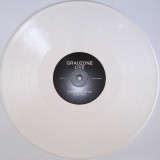
WRWTFWW Records is very happy to release Swiss cult band Grauzone’s recording of their April 12th 1980 live show at Gaskessel in their hometown of Bern. The 9-track album, documenting the very beginnings of the group, is available as a limited edition white vinyl LP in heavy 350gsm sleeve with special artwork by band member Stephan Eicher.
Experience the early Grauzone days, live from Bern, Switzerland, with a concert recorded at legendary local venue Gaskessel, with Martin Eicher on guitar and vocals, Christian G.T. Trüssel on bass, Marco Repetto on drums, Stephan Eicher on synth, and Claudine Chirac on saxophone. The performance is a true time capsule of the early 80s underground, showcasing the punk side of Grauzone with renditions of songs that were never officially released, as well as future fan-favorite “Moskau”. A piece of Swiss music history, This limited release is a must have for all Grauzone fans and DIY archivists.
About Grauzone:
The pioneering band from Bern (Switzerland) had a short-lived but highly-regarded career which birthed a cult discography that still fascinates and resonates today. Consisting of core members Martin Eicher, Stephan Eicher, and Marco Repetto, and on-and-off participants Christian GT Trüssel, Claudine Chirac, and Ingrid Berney, the elusive group broke new grounds in the early 80s, experimenting with punk and industrial music, early techno sounds, minimalism, new wave, pop, and various electronics. With an innovative and polished approach to design, visuals, performance, and all around style and philosophy on top of their superb music, the constantly transforming unit developed a whole experience - the Grauzone experience: wild and unpredictable, yet sophisticated and cohesive, or as Swiss music historian Lurker Grand would call it, "an Art band with a Punk attitude".
Completely rejecting the music industry rules and refusing to play the game of promotion, touring, release schedules, and TV appearances even though they had a multi-platinum international hit with the song "Eisbär", the band quickly disintegrated in full convention-defying glory, leaving behind an inspiring music legacy for the world to discover and discover again, one generation after the other.
Stephan Eicher went on to be, arguably, the most successful Swiss musician ever, with an international career extending from pop chanson to experimental escapades and collaborations with Moondog, artists Sophie Calle and Sylvie Fleury, and author Martin Suter among many other luminaries. Marco Repetto flourished as a techno and ambient producer, releasing multiple projects including releases on Aphex Twin’s Rephlex label.
out of Stock
Last delivered 15 months ago available to reorder, subject to availability
From a 4x5m room stacked with vinyl, ashtrays, magazine drafts, and semifunctional synths, Stompin n Risin rises again—reincarnated but not revised.
Originally a spontaneous ritual from the days of blunted dreaming and one-eyeopen ambition, this track first snuck into the world under a different name (Jacobite Fool, courtesy of those tasteful Belgians at International Feel) and went on to become a cult curio. Now, it’s back—rebuilt with the very same machines that once hummed beside the mattress, but still left to run wild like they used to.
The rest of the EP stays close to that spirit: music as lived experience, jammed with friends, lovers, and ex-boyfriends (literally). Lucy’s Electricity is a shimmering daydream, born from a jam with Daniele Labbate, recharged by a whirlwind wedding, and soundtracked by a bittersweet guitar line courtesy of the groom’s bride’s ex. A track for walking into churches—or out of time entirely. A personal favorite of the artist, and maybe the only funeral anthem with this much static joy.
One takes things inward—made with the Moog One for open-air yoga sessions during the era of no-dancing-but-still-dreaming. It’s a sun-dappled, slow-motion dancefloor where breath and bass align. Love 2 Love closes the circle: an unearthed jam with long-time collaborator and platonic supermodel Hanne Uekermann, revived from hard drive purgatory and infused with new life. A love song to the music, the moments, and the friendship behind it.
This record isn’t just a collection of tracks. It’s a lived-in photo album, a soft pulse through oceanic memory, a reminder that all sound comes from life, and maybe all life comes from sound.
out of Stock
Last delivered 14 months ago available to reorder, subject to availability
Following his 2019 debut on the label with Amphibious / Lucid Dreams, Bristol-based producer Drone returns to System Music for another exploration into the darker corners of sonic frequencies and low end pressure.
Entitled Flooded EP, this is Drone’s biggest project to date and features 4 original, epic tracks accompanied by an incredible remix from SP:MC. The EP kicks off with 20k, an introduction laden with off-kilter, haunting eeriness and pulsating bass and percussion. Next up is Entropy, a truly ethereal track. Spatially beautiful yet isolating and cold. The title track, Flooded, is a monster of a track which intimidates and excites with eyes down and gun fingers raised. Rounding off the body of work is Fear which hits hard with crisp drum patterns and a throbbing bassline, almost evoking a sense of nostalgia, tying it in seamlessly with a typically electrifying remix from SP:MC
out of Stock
Last delivered 14 months ago available to reorder, subject to availability
Hothouse Flowers' sophomore album, Home, released in 1990, built on the success of their debut People while showcasing a more mature and introspective sound while maintaining their signature heartfelt, genre-blending approach to music. The album continued their signature fusion of rock, folk, gospel, and blues, its tracks demonstrating both introspection and a vibrant energy.
Home reached No. 1 on the Irish Albums Chart and peaked at No. 5 in the UK. The album was certified Gold in the UK and Platinum in Ireland, reaffirming the band's status as one of Ireland's most successful exports at the time. Lead single 'Give It Up' became a fan favourite, while the band's cover of Johnny Nash's 'I Can See Clearly Now' broadened their appeal, a Top 5 in Ireland and chart hit in UK and Australia.
The band's relentless touring and powerful live shows helped sustain Home's international momentum and commercial success. For 2025 Hothouse Flowers celebrate both Home and its predecessor People with a UK national tour revisiting both albums in full.
London Records celebrate the tour with represses of People and Home on vinyl, with restored artwork faithful to the original editions.
New R&B discoveries continue to emerge and entertain the many followers of the New Breed musical cult; nobody finds more than the Kent connoisseurs.
Berna Dean’s two previously unheard recordings are by far her best. They were laid down at Cosimo Matassa’s New Orleans’ studios by GNP Crescendo but eschewed in favour of two relatively average sides. The great 50s R&B songwriter Jesse Stone provides a rocker for the much-admired Jimmy Breedlove and a super-catchy ‘This Morning’ for an unknown mixed vocal group that has a joyous gospel feel. Jesse also penned ‘Private Eye’, a classic early 60s story-song, for Buddy Wilkins which was issued on Al Sears’ Tri-Ess imprint.
The title track is used twice, on two very different Fraternity recordings. Kenny Smith’s version was issued in 1964 and has many followers, but the equally meritorious Coasters-inspired composition by the Citations is newly discovered. Win Menifee’s ‘I’m Runnin’ Around’ from the same Cincinnati label comes complete with a fascinating back-story.
There are three cover versions. Vermettya Royster’s ‘All Around The World’ is backed by James Brown’s 1961 band, while Roosevelt Lee's 1970 update of the 1947-originated ‘Hey Little Girl’ funks the tune up a la Godfather of Soul. The cover that will make the biggest noise is undoubtedly west coast band the Afterglows’ version of Barbara Lynn’s evergreen dancer ‘I’m A Good Woman’ – this is a future monster.
Golden Crest provides two fabulous male vocal group sides – the swinging ‘What’s On Your Mind’ by Eddie Daye’s Four Bars and the delightful harmonies of the appropriately-named, but unknown Delights ‘Mary Don’t You Weep’.
Blues still thrived into the 70s as Albert Washington’s mean and moody ‘Case Of The Blues’ proves. Smokey Wilson took the music into the late 70s with the storming ‘Goin’ Away Baby (Round Like An Apple)’, which benefits here from a 45-style edit. His Pioneer Club on 88th Street in South Central L A provides the atmospheric photo for this collection.
More early 60s movers come from Wilbur “Hi-Fi” White with ‘Don’t Look Now’, future hit songwriter Johnny Madara’s raucous ‘You Make Me Mad’ and Big Boy Groves ‘Bucket O’ Blood’ which brilliantly describes the kind of club these tracks would fit right into.
The LP version loses a few tracks, but so many collectors have strong preferences we’ve thrown the vinyl junkies a lifeline.
The Advent a.k.a. Cisco Ferreira has a firm footing in quality techno DJs' bags - as well as in dance music history - and today we announce a special treat for the heads: Paraiso is releasing three never before heard tracks, rescued from a DAT lost sometime in the 90s. Titled 'Passado Distante' - you probably guessed it, it means Distant Past - we're talking about a trio of no-frills yet creative and highly energetic technoid ammunition. Classics that never were but now are given a new chance to grace our dancefloors. Opening this record, 'Driven' gifts our ears with syncopated claps and percussion while relentless rushes of hi hats and snares create a steady rhythmic core, creating a funky as hell piece that has the original spirit of techno inscribed in it. Things remain fast-paced and to the bone in the following track 'Circulate', a rolling bassline supporting snare rolls and a cheeky, minimalistic bleep reminiscent of sci-fi worlds. Dense yet concise, like techno bangers ought to. Closing this triad is the irresistibly rhythmic 'Tres Trax', a geeky but powerful closing act that shows Cisco's early wide-eyed aura, blending complex percussion and a bassline so soaked in swing it will have your hips drawing rave sigils as they naturally learn the groove. Dubby details add mystery to this incredibly imaginative Detroit-tinged wonky banger. Cisco did it again.
out of Stock
Last delivered 3 months ago available to reorder, subject to availability
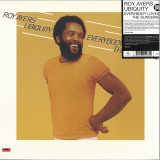
Mit "Everybody Loves the Sunshine" (1976) vermischt Roy Ayers nahtlos die Genres Soul, Funk & Jazz und erschafft einen zeitlosen Sound, der Musiker und DJs auf der ganzen Welt noch immer beeinflusst, mit dem Vibraphon als zentrales Instrument, ein Ansatz, der Ayers einzigartigen Stil definiert. Im Jahr 1976 veröffentlichte der legendäre Musiker und Komponist Roy Ayers mit ELTS eines der bedeutesten Alben seiner Karriere. Dieses Album festigte nicht nur Ayers' Stellung als Schlüsselfigur in der Welt des Jazz, sondern markierte auch einen Meilenstein in der Soulmusik und im zeitgenössischen Jazz-Funk. Es zeichnet sich durch eine raffinierte Mischung aus unwiderstehlichen Grooves, sanften Melodien und einem einzigartigen Sound aus, der über die Jahre hinweg nicht verblaaste und für mehrere Generationen von Musikern und Hörern zu einer Referenz wurde. Mitte der 70er Jahre hatte sich Ayers bereits mit seiner Band Roy Ayers Ubiquity und seinem unverwechselbaren Einsatz des Vibraphons, das zu seinem persönlichen Markenzeichen wurde, einen Namen gemacht. Und mit ELTS wagte sich Ayers an einen noch zugänglicheren Sound, auch als Reaktion auf den Aufstieg von Disco und das wachsende Interesse an Musik afro-amerikanischer Prägung überhaupt. In den zehn Tracks des Albums schafft Ayers eine Klangatmosphäre, die sowohl die Wärme des Sommers als auch die Raffinesse des Jazz jener Zeit heraufbeschwört, alles vor dem Hintergrund des modernen Soul. Produziert von Ayers selbst zusammen mit seinem Engineer und Freund David R. Williams zeichnet sich ELTS durch den wunderbaren Klang des Fender Rhodes Pianos von Phillip Woo sowie die kraftvolle Energie der restlichen Band aus, wodurch eine unverwechselbare Authentizität und Frische erreicht wird. Zu den bekanntesten Songs gehören der Titeltrack, "The Golden Rod" und "The Third Eye", die schnell zu Klassikern des Jazz-Funk und Soul wurden. Dieses Album ist für Roy Ayers' Karriere von entscheidender Bedeutung, da es seine Fähigkeit unter Beweis stellt, in einer sich ständig verändernden Musikindustrie relevant und kreativ zu bleiben. Im Laufe der Jahre wurde "Everybody Loves the Sunshine" zu einem Kultalbum, das häufig in DJ-Sets von Künstlern wie Gilles Peterson, Theo Parrish und Lefto gespielt Verwendung findet. Der Sommer-Soul-Klassiker jetzt wieder auf klassischem schwarzem 180g-Vinyl!
out of Stock
Last delivered 5 months ago available to reorder, subject to availability
Tobias Bernstrup is a contemporary musician and video artist born 1970 in Gothenburg, Sweden. He received an MFA from Royal College University of Fine Arts Stockholm in 1998. Using the visual language of pop culture, video games, sci-fi, classicism and gothic noir, he has created a stage persona with notorious live performances. Dressed in elaborate costumes of skin-tight rubber suits and fetish gear, Tobias' external appearance is androgynous. He raises questions about representation of identity, the body and physical space in both virtual and non-virtual realities. Between 1997 and 1998 he self-released two limited CD-R EPs. In 2002 his debut album 'Re-Animate Me' was released by Tonight Records followed by two limited 12' singles for the song 27' and the Italian version Ventisette'.
.
27' is a 5-song EP collecting 4 different mixes of the title track plus one unreleased song from the 'Re-Animate Me' recording sessions. The material on this EP is closely connected with the world of computer games which Bernstrup also inhabits. Bernstrup's music is influenced by 1980s Italo disco and synth pop, reminiscent of Kraftwerk, Depeche Mode and Ken Lazlo. On the A-side is the original mix at 115 bpm followed by the Lazer Mix set to an faster beat and additional arpeggiations and heavier bass drum beats. Lyrically the song tells the story of a good looking 27-year old boy from a small town searching for love with any man who can spoil him. On the B-side are both the vocal and instrumental of Ventisette', the Italian translation of the song 27.' Both versions of Ventisette' are stripped back compared to the A-side but keep the melodies in tact. Also released for the first time ever is the demo Dirty Money' a Pet Shop Boys influenced song about male prostitutes ready for a night out working the streets.
All songs have been remastered for vinyl by George Horn at Fantasy Studios. For the jacket Eloise Leigh transformed the original portrait of Tobias into a Warhol-like painted polaroid with a striking likeness to Liza Minelli with blue eye shadow and red lipstick. Each copy includes a photo postcard with lyrics and notes. I would rather create alternative routes to experiencing and understanding the world, understanding what it means to be human today,' says Bernstrup. We are more artificial than we want to admit.'
out of Stock
Last delivered 17 days ago available to reorder, subject to availability
Love in the time of collectively assured techno-capitalist-nuclear holocaust! It’s the endless summer the Brits have been harping on about since they think they won the World Cup. The soundtrack is the debut album of the Content Provider; where Octatrack illbient and industrial chanson mesh in a singed postcard addressed to the UK Border Force and co-signed by aliens plucked from the petri dishes of Young Echo, Cold Light and Avon Terror Corps.
It’s a name she tried to keep anonymous, but Drowned By Locals and Bokeh Versions are breaking contract to reveal that the Content Provider is in fact the shock production alias of DALI DE SAINT PAUL. Patron saint of Bristol’s self-destructive improv idols EP/64 as well as post-feminist chamber collective Viridian Ensemble, avant-terror duo Harrga and constant collaborator with the likes of *breathe* Moor Mother, Valentina Magaletti, Mariam Rezaei, Vincent Moon, Maxwell Sterling, Ossia, Ben Vince.
And isn’t it such a strange release? And won’t people be surprised? Endless Summer is grubby and heartfelt, defiant and hopeful, with flecks of warped reggae on E-System nudging the freeform dream balladry of A Feeling and Sunday Morning, Kode9 & Spaceape-worthy dread poetry of Close Ur Eyes next to anthemic electro-crush of Overdrive. Even to those that know her well, and EVERYONE with their belly in the Bristol underground knows her, Endless Summer is a revelation. Perhaps the apex of the known Dali-verse……where her live gigs have boiled with an experimental volcanic vocal force, Endless Summer is twisted, syrupy, sultry, POP.
Ein Mensch verbringt den ganzen Tag damit, eine Maschine zu bauen, nur damit sie ihn die ganze Nacht hindurch quält. Als ob das nicht schon verdreht genug wäre, gefällt es ihnen auch noch. Es gefällt ihnen sogar so gut, dass sie am Morgen verjüngt aufwachen und eifrig an der Maschine feilen, bis sie in ihrem Kopf perfekt läuft.
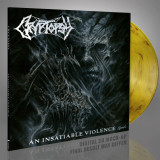
Dies ist die nächtliche Vision, die Cryptopsy zu ihrem neunten Album Nightmare inspiriert hat. "Hüte dich vor dem Scheinwerferlicht", warnt Sänger Matt McGachy, bevor "Dead Eyes Replete" mit einem schmerzerfüllten Breakdown vor deinen Augen aufblitzt. An Insatiable Violence spiegelt unsere toxische Beziehung zu den sozialen Medien wider, aber obwohl es unheimlich vorausschauend ist, ist das Album von den vielen Mutationen beeinflusst, die die Hall of Fame-Diskografie der Band geprägt haben. Inspiriert von einem Mukbang, der furchtbar schief gegangen ist, ist der gefräßige Opener "The Nimis Adoration" ein Sammelsurium an Blasts, Christian Donaldsons Fishhook-Riffs und einer kräftigen Portion Groove, der die Boxen zum Beben bringt.
Cryptopsy wissen, dass nicht jede brutale Technical-Death-Metal-Band lange genug durchhält, um nach 30 Jahren einen kanadischen Grammy zu gewinnen. Das Cover von "An Insatiable Violence" wurde von dem verstorbenen, großartigen Martin Lacroix gestaltet, der mit unheiligem Vergnügen über die frischen, fetthaltigen Tiefen von McGachys falschem Akkordschrei grölen würde. Ein anderer ehemaliger Sänger kehrt auf "Embrace the Nihility" zurück, um alle flüsternden Zweifel an seiner Vormachtstellung zu zerstören. Doch obwohl Cryptopsy bereits auf ihrem zweiten Studiowerk die Krone der abscheulichsten Death-Metal-Band für sich beansprucht haben, gehen sie immer noch an die Grenzen des Extremen.
Die Leadsingle des Albums rumpelt und knirscht zu Olivier Pinards schaurigen Bassschlägen - und doch erhebt "Until There's Nothing Left" im Kern den Anspruch, Cryptopsys größter Ohrwurm zu sein. Selbst Flo Mounier - der buchstäblich das Buch des extremen Metal-Drummings geschrieben hat - hat neue Techniken verfeinert, um die Blasphemie von An Insatiable Violence frisch zu halten. Zum Abschluss kommt "Malicious Needs" im Schneckentempo daher, bevor es wie eine Fledermaus in eine schwarze Rauchwolke aufsteigt.
Verbeugt euch vor der neuen Abscheulichkeit der Könige des extremen Metal.
GÉNESIS is a work that explores a catwalk of artistic and conceptual capabilities of the corrido in 2023; just at the moment when Peso Pluma has all eyes on him. A snapshot of the present of Mexican music at its best commercial and artistic moment. The name of the album is the beginning of a new era. Presenting a project that shows his artistry, in GÉNESIS we get to know Pluma in his rawest state.
GÉNESIS, his third studio album, is a clear attempt to portray an artist more concerned with the longevity and legacy of his work than with specific or momentary hits.The menu is served with 14 tracks in a row in different forms, from the most romantic to the most warlike and back again.
Benét betrachtet sein neues Indie-Rock-Album „Make `Em Laugh“ als eine Art Clue-Spiel. Er versucht herauszufinden, wann und wie genau eine Beziehung gescheitert ist. „Make`Em Laugh“ ist ein Dokument der Entdeckung und Selbstverwirklichung, das eher Fragen als Antworten enthält und Benéts Fähigkeit, viele komplexe und widersprüchliche emotionale Zustände zu durchlaufen, prägt auch den Klang der Musik: Das Album ist dynamisch, lebendig und genreübergreifend. Seine warme Stimme glänzt in nachdenklichen Indie-Rock-Stücken wie „Pieces Of Me“ und „Demon“. In „Too Scared to Say“ setzt er Autotune ein, um ein Gefühl der Verwirrung zu vermitteln, ein Gefühl, das in dem experimentellen elektronischen Stück „Slimmer“ noch verstärkt wird. Benét und die Sängerin AnnonXL tauschen ihre Strophen aus, während sich die Produktion von kristallin und sanft zu aufregend laut und energiegeladen wandelt. Benét genoss auch die Zusammenarbeit mit den Künstlern, die auf dem Album vertreten sind. Er entdeckte die Musik von Margaux, als sie in dem Brooklyner Lokal Baby's All Right auftrat, in dem er arbeitet, und war begeistert, als er feststellte, dass die Fans in den YouTube-Kommentaren zu seinen Videos bereits eine Verbindung zu ihrer Arbeit hergestellt hatten. Faye Webster ist seine beste Freundin und jemand, von dem er glaubt, dass sie zu seiner Begabung passt, scharfsinnige Fragen über Beziehungen zu stellen. Und der wirbelnde, vibrierende Vers von AnnonXL auf „Slimmer“ war so gut, dass er Benét kreativ anspornte. „Make `Em Laugh“ mag damit begonnen haben, eine Trennung zu verarbeiten, aber als Gesamtwerk blickt es weit über die Besonderheiten einer einzelnen Beziehung hinaus. Es ist Musik, die sich über die großen Fragen des Lebens Gedanken macht, die uns alle verbinden, und die Trost in der Gemeinschaft findet. Wenn das Album ein Clue-Spiel ist, dann eines, das alle Einsichten und Geschichten der unzähligen Spieler im Raum ebenso einfängt, wie es sich auf das Ergebnis des Spiels selbst konzentriert.
Benét betrachtet sein neues Indie-Rock-Album „Make `Em Laugh“ als eine Art Clue-Spiel. Er versucht herauszufinden, wann und wie genau eine Beziehung gescheitert ist. „Make`Em Laugh“ ist ein Dokument der Entdeckung und Selbstverwirklichung, das eher Fragen als Antworten enthält und Benéts Fähigkeit, viele komplexe und widersprüchliche emotionale Zustände zu durchlaufen, prägt auch den Klang der Musik: Das Album ist dynamisch, lebendig und genreübergreifend. Seine warme Stimme glänzt in nachdenklichen Indie-Rock-Stücken wie „Pieces Of Me“ und „Demon“. In „Too Scared to Say“ setzt er Autotune ein, um ein Gefühl der Verwirrung zu vermitteln, ein Gefühl, das in dem experimentellen elektronischen Stück „Slimmer“ noch verstärkt wird. Benét und die Sängerin AnnonXL tauschen ihre Strophen aus, während sich die Produktion von kristallin und sanft zu aufregend laut und energiegeladen wandelt. Benét genoss auch die Zusammenarbeit mit den Künstlern, die auf dem Album vertreten sind. Er entdeckte die Musik von Margaux, als sie in dem Brooklyner Lokal Baby's All Right auftrat, in dem er arbeitet, und war begeistert, als er feststellte, dass die Fans in den YouTube-Kommentaren zu seinen Videos bereits eine Verbindung zu ihrer Arbeit hergestellt hatten. Faye Webster ist seine beste Freundin und jemand, von dem er glaubt, dass sie zu seiner Begabung passt, scharfsinnige Fragen über Beziehungen zu stellen. Und der wirbelnde, vibrierende Vers von AnnonXL auf „Slimmer“ war so gut, dass er Benét kreativ anspornte. „Make `Em Laugh“ mag damit begonnen haben, eine Trennung zu verarbeiten, aber als Gesamtwerk blickt es weit über die Besonderheiten einer einzelnen Beziehung hinaus. Es ist Musik, die sich über die großen Fragen des Lebens Gedanken macht, die uns alle verbinden, und die Trost in der Gemeinschaft findet. Wenn das Album ein Clue-Spiel ist, dann eines, das alle Einsichten und Geschichten der unzähligen Spieler im Raum ebenso einfängt, wie es sich auf das Ergebnis des Spiels selbst konzentriert.
2023 gab Saxofonist Joshua Redman sein erfolgreiches Blue Note-Debüt mit dem für ihn überraschenden Album ”where are we”, seinem ersten Projekt mit durchgehender Beteiligung einer Vokalistin: Gabrielle Cavassa.
Auf seinem neuen Album kehrt Redman nun zum instrumentalen Jazz zurück - Gabrielle Cavassa singt nur einen einzigen Titel -, stattdessen interpretiert Redman stimmungsvolle Originale aus eigener Feder, die er in den letzten Jahren ohne ein bestimmtes Projekt im Kopf erarbeitet hat, mit ebenso jungen wie sensationell guten neuen Musikern (Pianist Paul Cornish, Bassist Philip Norris und Schlagzeuger Nazir Ebo). Als Gäste setzen Saxofonistin Melissa Aldana und Trompeterin Skylar Tang Akzente.
"Bookends" bildet soetwas wie das Herzstück des am 20. Juni erscheinenden Albums. Die weitläufige Ballade zollt ihrem verstorbenen Freund Riley Gale Tribut, ehemals Sänger der Band Power Trip. Sie ist auch inspiriert von John Careys Buch "Eyewitness To History", einer Sammlung von über 300 historischen Augenzeugenberichten zu prägenden Ereignissen der menschlichen Geschichte. Zu Bookends erscheint ein Video von Caity Arthur. "Im Video geht es um Tod und Absolution, wie der Tod eines der wenigen sicheren Dinge im Leben ist, der große Gleichmacher, nolens volens", so Arthur. "Es untergräbt aber auch das traditionelle Narrativ vom Tod als verzweifelte Leere und porträtiert ihn mit seinem halluzinogenem Sixties-Ensemble stattdessen als euphorische Übergangserfahrung samt TV-Pop-Performance und Taschenspielertricks, während Megs Lyrics den Tod in all seinen Formen beschwören." Für "Scratch It" hat Meg Remy mit Gitarrist Dillon Watson eine Band zusammengestellt - ursprünglich für einen einmaligen Festivalaufrtitt, aufgrund der guten Chemie schließlich gleich für ein ganzes Album. Mit Watson an der Gitarre, Jack Lawrence (The Dead Weather, The Raconteurs, Loretta Lynn) am Bass, Domo Donoho am Schlagzeug und Jo Schornikow und Tina Norwood an den Keys entstand "Scratch It" innerhalb von zehn Tagen in Nashville. Zwischendurch schaute auch Mundharmonika-Legende Charlie McCoy vorbei, der bereits mit Elvis, Bob Dylan und Roy Orbinson gearbeitet hatte und seine Künste für einige Songs einbrachte. Die Authentizität der analog produzierten Songs ist unmittelbar, ein Zeugnis der Chemie zwischen allen Beteiligten, Remy klingt relaxt wie kaum je zuvor. Das Album verwebt Country, Gospel, Garage Rock, Soul, Disco und Folk, während sich Remy in den Lyrics mit Patti Smith auseinandersetzt, mit junger Liebe, Mutterschaft, Macht-Dynamiken, der Kraft von James Brown, verstorbenen Weggefährten, dem Goldrausch am Yukon - oder dem eigenen nach einer Tequila-getränkten Nacht. Dabei lässt sie wie immer auch ihren beißenden Humor spielen.