Louis Armstrong is one of the most important jazz musicians. He belongs to those who transformed the local music scene born in the Southern States of the United States - around New Orleans - into an international language.
It was in the 1920's, in Chicago, that he recorded his first records with His Hot Five and His Hot Seven. His personality and his natural enthusiasm, combined with his talent as a trumpet player and singer, helped him pave his way to success.
He traveled the United States with his orchestra throughout the 1930's and the 1940's, and appeared on television sets from all around the world throughout the 1950's and the 1960's. In five decades, Armstrong's music had evolved into jazz music, then known as a familiar universal language, popular on five continents.
The four sides of this double album revive the history of jazz, from "Muskrat Ramble" to "Hello Dolly".
out of Stock
Last delivered 6 years ago available to reorder, subject to availability
In the late 90’s, east-side LA was in the throws of a post-indie explosion; a network of stoned bands ranging from neo-psychedelia to pseudo-country overran Spaceland (our generation’s Troubadour) and the local Silverlake Lounge. I was playing freakbeat records twice a week in dive bars, half of Spacemen 3 was crashing at my house (my drop-out roomate was Sonic Boom’s tour drummer) and it was during this blur that I met Raymond Richards, a clean-cut all-American pedal steel guitarist playing in Mojave 3 (the country-tinged side project of 4AD shoegaze royalty, Slowdive). I was instantly swept off my feet, head over heals in love with Raymond's weeping tone—the most chill-inducing, emotionally responsive dialog I’d had with music since discovering Satie as a child—it was then and it is now, truly haunting. After a year of personnel trials, my roomate and I stole Raymond for our own band, and not only did he smother our songs with his enchanting steel, he was virtuosic with a variety of atypical instruments such as baritone guitar and theremin, he utilized them all. The band was short-lived—I joined Ariel Pink, Raymond fled to Portland and me subsequently to New York City—but in founding the ESP Institute years later, there was always a recurring mental note; we must make Raymond’s pedal steel album. I had managed to wrangle his blessed performance on a remix for Project Club’s El Mar Y La Luna, but it took almost a decade until I once again wore the producer hat and we began working on The Lost Art Of Wandering, a title borrowed from Sam Shepard’s Stories. Spiritually candid, expansive yet enveloping, this is the strung-out, visceral country music that simply radiates from Raymond. Each song is his set of coordinates in a vast open terrain, holding a sentimental familiarity, a truthful longing for the simple comforts that diffuse life’s complications, a place to get lost. –Lovefingers
out of Stock
Last delivered 5 years ago available to reorder, subject to availability
Taken from a Detroit Underground CD on FAMILIAR RECORDS (FMLR 001) first issued in 1999. Only available direct from DETROIT, USA as part of a very small run of self released CD's. All music is by local Artists. The original FORWARD Album was 10 tracks. We selected our favorites and remastered four tracks for release on the Preservation Sound label in 2020. The music spans Club Techno and Electronica. Cover Art are photographs of "Detroit In The Rain" by Chrissie Clees, who originally sent me a copy of the Album. Ltd Edition of 303 with Full Art Cover.
out of Stock
Last delivered 6 years ago available to reorder, subject to availability
The music of Clan Caima´n is primitive and hypnotic. It is located in the pre-rock era and from there, it proposes a different evolutionary path for music from the 1950' s to present day. Like a different musical development in a parallel timeline. Gamelan, Hawaiian music, surf, exotica, rainforest or aquatic; these elements make up the palette which constructs a mystic and profound music that seeks ancestral connection.
Formed in 2016 by Argentinian musician, composer and producer Emilio Haro, looking to create music generated by group dynamics, Clan Caima´n differs from his past two solo albums ( 'Panora´mico' in 2007 and 'Estrambo´tico' in 2012, both on Radiaciones Armo´nicas) in that these were studio works and not meant to be played live.
The quintet's enigmatic sound is built upon the kalimbafo´n, an instrument created by Haro using several kalimbas, Diego Voloschin's wild and hypnotic percussion (no cymbals, no snare), Gonzalo Cordoba's lap steel and baritone guitar, Facundo Gomez's psychedelic guitar tones and Claudio Iuliano's dry and percussive bass sound. This debut album contains eight anachronistic and oddly familiar compositions that range from introspection to trance, tracing their own sonic landscape.
out of Stock
Last delivered 6 years ago available to reorder, subject to availability
'Esoteric, modal and deep jazz from the undergound, 1968-77'
Jazzman Records presents the sound of the unsung musicians who – in the midst of the Vietnam War and the fallout of the Civil Rights struggle – created some of the most beautiful Spiritual and meditative music of the era. Sometimes funky, sometimes mellow, but always trying to say something about the world in which we live.
Existing completely under the critical radar and largely ignored or unknown by music fans and critics alike, most of the musicians featured in this album won't be familiar to even the most seasoned aficionado. Their records, frequently turned down by distributors and record stores, saw little attention when first released - and have seen even less since. But in this era of musical apathy, where so many music junkies look to the past for their musical fix, we have re-discovered hidden, obscure and esoteric jazz musicians who looked to the four corners of the earth - and beyond - for inspiration. Here we evaluate Spiritual Jazz – music that is a snapshot of the era after Coltrane, a time which saw the evolution of an underground jazz that spoke about the reform of the soul, the reform of the spirit, and the reform of society: a music which was local and international at once, which was a personal journey and a political statement, and which was religious and secular in one non-contradictory breath.
The music on this album reflects the social and historical forces at work during the closedown of the '60s dream; music made by close-knit collectives and individual visionaries, by prisoners and eccentrics, by mystics and political radicals. It includes music by acknowledged masters, and moments of brilliance by unsung figures known to us from just one or two recordings. It is the jazz music of America in the age of civil rights, brutal repression, political assassination and war; a music that would guarantee the survival of the spiritual dimension in a society that was angry and traumatized, but nevertheless had seen hope of better days to come.
out of Stock
Last delivered 6 years ago available to reorder, subject to availability
Moon Boots a.k.a Pete Dougherty returns with his second studio album ‘Bimini Road’ on September 6 via Anjunadeep. An ambitious and evocative follow-up to his acclaimed debut First Landing, Bimini Road combines delectable club-ready grooves with soulful songcraft into a seamlessly organic whole. Inspired by notions of mysterious lost civilizations, ancient magic utopias and the sci-fi landscapes of the mind, ‘Bimini Road’ is a joyously celebratory listen that builds off the ‘deep textures and funky melodies’ (Mixmag) of his album 'First Landing', a disco house masterpiece supported by KCRW, Annie Mac and others. Featuring familiar faces KONA, Black Gatsby and Nic Hanson among the featured vocal talent, ‘Bimini Road’ also includes new collaborators like rising US talent Niia, Kaleena Zanders and notable British sing-songwriter Little Boots. OutJuly 9, ‘Tied Up’ is the first single off the album, a sexy slice of deep house pop sure to ignite dancefloors and bedrooms alike. Moon Bootsembarks on his Live Bimini Road Tour this Fall, with dates across North America and Europe. Born in Brooklyn, Moon Boots’ musical obsession started not long after he could walk. His early love of piano lead to a passion for keyboards and synthesizers. Teenage nights lost in the work of Daft Punk, ATribe Called Quest and Herbie Hancock followed. Inspired by legends like Frankie Knuckles and Derrick Carter, he moved to the house music epicenter of Chicago, where he tirelessly passed out demos to local DJs and scoured the web for like-minded people with whom he could share and expand on his sound. Heplayed in a synth-pop trio whose demo caught the attention of Lupe Fiasco, and after a stint touring alongside the hip-hop icon, Dougherty went back to DJing with a renewed focus. The stars aligned when he had a chance encounter withPerseus, founder of an adventurous label, French Express. A fellow junkie and fan of French House and R&B-infused dance music, Perseus became a friend and mentor, the Splinter to Boots' Donatello. The label eventually disbanded but Boots has stayed true to his mission of making dance tracks that can’t be confined to one style. Pete blends the music he loves --jazz, house, funk and soul -- into songs that last longer than their runtime. Songs not just for DJs, but for everyone.
out of Stock
Last delivered 4 years ago available to reorder, subject to availability
Season Four of Outlander continues the story of time-travel 1960’s Claire Fraser and her 18th century husband Jamie Fraser as they try to make a home for themselves in the rough and dangerous ‘New World’ of America. The score to the series is composed by American film and television composer Bear McCreary (The Walking Dead, Cloverfield, Black Sails). The settings of the series were a challenge for the composer, because each culture and geographical location offers other potential musical influences for the score. The score supports all these different locations and he even used the banjo this time. As it was one of the most exhilarating creative challenges of his career you’ll hear the integration of both bagpipes, fierce Afro-Cuban polyrhythms and French baroque ornaments. Above all the typical folk music will set the tone for all the settings in the movie.
Outlander Season 4 is available as a limited edition of 500 individually numbered copies on coloured (gold & black mixed) vinyl. The package contains an insert.
out of Stock
Last delivered 7 years ago available to reorder, subject to availability
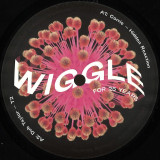
Wiggle celebrate 25 years and relaunch their iconic label with a releases including co-founders Terry Francis, Nathan Coles and Eddie Richards, as well as artists like D’julz, Silverlining, Mihai Popoviciu, and more.
Wiggle, the brand that gave birth to tech house a sound that would power London’s club music community for over two decades, step out into their 25th year. To mark reaching this remarkable milestone, they plan a special series of international shows and a relaunch of their influential and ground-breaking label.
Taking their lead directly from the acid house movement, Nathan Coles and Terry Francis first brought Wiggle to life through their heady warehouse parties in the early 90s. Unpretentious to their core, these now infamous events were known for their purist values – community and a sound that booms. Finding a kindred spirit in another new face, Eddie Richards became resident from early sets and was a key figure from the off.
Through these now historic events, they embedded themselves deeply into London’s party landscape becoming familiar faces at cultural institution fabric. Heavily based around the core residents they also invited parts of the international and local world from Richie Hawtin, Jay Tripwire, Abe Duque and Colin Dale.
It’s about here we acknowledge Wiggle’s place in originating tech house - working the hard line swagger of techno together with the depth of feeling of house, matching rhythm with bass in a way perfectly aligned with endless hours of hedonism. This potent mix of musical elements is where it began and set down the foundation of London’s rich and active community of DJs, producers and ravers.
The label was founded close to the parties, sourcing tracks from the ever building network of producers who were fuelling this sound evolution. For their 25th birthday you can expect to see the Wiggle imprint coming back in strength - returning to cutting tracks to wax and continuing its legacy for bass fuelled party sounds and pioneering new talent.
2019 will see a series of international shows and a quarterly London party bringing the much loved Wiggle sensibilities and celebrate what they are and have achieved.
out of Stock
Last delivered 26 days ago available to reorder, subject to availability
Initially a duo formed in Berlin, FITH have since multiplied and expanded to become a revolving collective of musicians and poets spread out across a Paris/Manchester/Berlin axis. The project, currently comprised of members Dice Miller, Enir Da, Rachel Margetts, ChrIs Lmx, & Arnaud Mathé gesture towards notions of the literary salon, expanded cinema happenings, and the ancient traditions of Greek oratory and religious sermons. Driven by the spell of the spoken word, minimal percussive refrains, oneiric textures & deep melodic synths, FITH channel cinematic imagery, enigmatic narratives & spiritual frenzy.
Their self-titled debut 12' album was released via their collectively run imprint Wanda Portal in November 2016, a 'quietly alluring debut of post punk tempered avant-pop songs' (Boomkat) that laid out the project's foreboding mystique and intoxicating dream sequences with a lurking, devastating sense of purpose and (mis)direction. Other outings have included myriad solo collections of poetry, a two-track release of lurid dissonance and elegiac elevation (Signs / Cornerstone, December 2016) and an extraordinary reinterpretation of the soundtrack for cult film & iconic document of modern alienation Wanda (1971, dir. By Barbara Loden)
With Swamp, their sequel to this activity and their first appearance on Outer Reaches, FITH become a refined force, on a record where all their compelling pluralities and attributes are honed and augmented; everything dilated to delirium. The atmosphere here is one of veiled dread and psychic disturbance, a haunting and macabre psychedelia strewn with echo and dub FX, fragmentary fever dream poetics, elemental drum patterns and volatile synthetic interference. Although the collective conserve the raw crux of their earlier material their execution is, in this special instance, heightened by an intent to broaden and prolong their unique strain of intensity.
Emphatically sinister openers like Forest and Pound present sidereal sequences before building to barrelling, corrosively processed percussion, paroxysmal free jazz and a baleful, concrète-inflected score of electronics, while Swamp introduces phasing currents and a vocal evocative of a chorale from some forgotten giallo film. Elsewhere l'au delà (the beyond) presents a stunning, sombre passage to another state entirely, like some desolate new inflection on Coil's Going Up, before Bialystok shifts into a finale of transportive and meditative evaporation. Together these tracks make for an incredibly immersive and congruous conception; an utterly complete and mesmerising document.
In Swamp's various dimensions perhaps there's comparisons to be drawn with the ritualistic krautrock of Conny Plank and Holger Czukay's Les Vampyrettes, with the hallucinatory, tribal rhythm cycles of Shackleton & Anika's Behind The Glass collaboration, with the primeval drone of Jeremie Sauvage, Mathieu Tilly and Yann Gourdon's France project, with the echoic, disquieting chamber intimacies of Tuxedomoon's Pink Narcissus material and with Lucrecia Dalt's eerie free verse abstractions. But really, we've not heard anything like this before.
Discussing their own inspirations and touchstones the collective cites Franz Kafka, Dario Argento, Lucrecia Martel's La Ciénaga (The Swamp - the film the record is named after) and Yiddish ghost theatre as figures, works and artforms that were prominently drawn upon during the making of Swamp. Yet whilst their imprints could be traced by some, they resemble more of a covert presence within a nuanced whole rather than obvious aspects which moor this record to any familiar setting.
Instead, the acutely unsettling yet poignant spoken word of Miller and the mercurial nocturnes and visitations produced by Margetts, Lmx, Mathé and Da make for a record of strange, novel and striking energies. In revealing the remarkable location and period in which Swamp was recorded Margetts and Miller give a vivid indication as to how these energies are so potently invoked:
'The record was mostly recorded in a caretaker's wing of a 17th century castle in Normandy. It was early March 2018, and our first encounter with the Spring. We had no idea how everything would unfold. There was a lot of tension. Some of us felt compelled to get out the attic room where we had set up our makeshift recording studio and just walk and walk down the vast flat meadows and explore the relics of the wartime barracks, others wanted to keep recording. The outside was serene and inviting, and even though we had been cooped up indoors recording for long stretches of time, we could see from the corner of our eyes, the branches of the trees quivering; an impersonal energy blew through us and then things just happened.'
Plr25.2 "spring", The Second Of Four Retrospective Records To Be Released In 2019. This One Is Packed With Robust Sf Talent: Elexos Park (formerly Ghosts On Tape), Lily Ackerman, Caltrop, Memeshift, And Kudeki. Copenhagen's The Hug Also Appears On The Release, Offering A Perfect Segue From Opening Track "sudden Bloom", A Truly Poignant Springtime Ode, To Ackerman's Highly Anticipated Vinyl Appearance Of Her Intriguing Track "bathroom". B3, meen Obat' From Oakland's Creative Memeshift, Is A Blistering Idm-esque Track Setting Us Up For The Next Record For The Collection, "summer", As It Promises Unstoppable Dance Floor Heat (stay Tuned For More Announcements.
Guadeloupe 1986. The football World Cup has all the Islanders' eyes riveted to their TV sets. At every half time breaks, local TV channel RFO broadcasts a music video on repeat: ''Tou't Jou Pa Min'm". Max Rambhojan, the local singer responsible for this monster tune, has arrived.
In the video, he effortlessly sings and kickstarts a joyous street party with his band, Show Man, his dancers, kids, friends, family and what seems like the whole neighbourhood. The song will gain cult status from then on, cementing the power of the 'Zouk Chiré' sound, a high tempo version of Zouk, highly influenced by Guadeloupe's Carnival mass drum bands. Max self-releases his first solo album on vinyl in 1985, enrolling some of the best musicians the scene has to offer: his band leader King Klero, Guy Jacquet of les Vikings de la Guadeloupe fame on production duties, Ramon Pyrmée on synths, Claude Vamur, Meliza... In 1992 a new solo album follows. By then the artists have familiarized themselves with computers and the sound has gone full-on digital. In that album Max records an updated version of his 'Tou't Jou Pa Min'm' anthem to great effect.
Reducing Max Rambhojan to a zouk artist would be a mistake. He's first and foremost a master of Gwo-Ka, a musical practice born during the transatlantic slave trade and performed by all ethnic and religious groups of Guadeloupe. It has never ceased to exist and has become a major part of the Island folk music culture. Max Rambhojan was schooled as a kid by Gwo-Ka pioneer Guy Conquette, and quickly joined the backing band of another legend, Ti-Sélès. That sound is the root of his particular style, especially vibrant on two tracks in his repertoire: 'Cecilia' and 'On Jou Matin', both featured on this release's b-side. A touch of Spiritual Jazz is also palpable, allowing a magical vibe to spread, giving birth to some of the deepest music from this era.
In 2019, Max still performs Gwo-Ka every week-end in Guadeloupe and also hosts a show on local radio Media Tropical, 88.1FM. Secousse and Hot Mule are proud to present those 4 lost gems on wax and digital, carefully restored and remastered.
Sami Baha is a Turkish producer based in South East London. His music was introduced to the world via his 2016 EP 'Mavericks'. Sami got into producing through being a rapper himself, working with local rappers in Turkey and producing beats for them, before setting his sights outside the country. 'Free For All' features MCs from all corners of the globe: UK drill squad 67's Dimzy, Stockholm's Yung Lean and Chicago rapper and singer DJ Nate (aka Flexxbabii). The record also features Egyptian MCs Dawsha and Abanob. Sami's production is refined and elegant, familiar tropes are reassembled in original ways, the instrumentation reflecting his background and influences simultaneously. Everything Sami brings to the album sounds relaxed and minimal, but tough, built from thoughtful arrangements and instruments, shot through with emotion and a dreamy night-time feel.
Verbos Electronics, Xaoc Devices, Noise Engineering, Metasonix, Folktek and Trogotronic might not be familiar names to many but modular enthusiasts will surely pounce. Moto Music, home for experimental and alternative dance music, turns its head towards the tiny island of Malta for a new project titled Parallaks; a project formed by duo Owen Jay (Gauss/Metrolux) & Ed Blank and themed around the concept of Nuclear Power Plants. While both artists have been involved in modular synthesis since the late 90's, they recently teamed up with the scope of performing a few live gigs at their locals events and the live recording from 'Klang@Liquid Club' caught the attention of Moto Music which lead to a debut EP of pure, raw & crunchy deep techno with Detroit & Chicago influences.
Double LP on heavyweight 180 gram audiophile black vinyl in a wide spined sleeve with new artwork layout. Re-mastered by John Rivers at Woodbine Studios especially for vinyl release. Includes a bonus track not on the CD version and new artwork design. Never has a record been so aptly titled, or so perfectly descriptive of a band's particular vision of the universe. For all that, the original appearance of Taking Drugs was in fact a bootleg on the semi-legendary/semi-notorious Father Yod imprint in 1990, later supplemented with contemporary outtakes and cuts for the Bomp reissue in 1994 and one further song for the Space Age version in 2000. The original seven tracks, dated January 1986 and the first recordings to feature Pete Bain on bass, are collectively known as the Northampton Demos, understandably named for the recording location in a studio outside said English city. Both Sonic and Pierce have been on record as long preferring these takes to the eventual versions that surfaced for the most part on Sound of Confusion. Certainly it's a fine set of performances, showing a definite step toward the more familiar sound of the group and away from the rougher takes on For All the Fucked Up Children of the World. "The Sound of Confusion," aka "Walkin' With Jesus," rips along with fierce energy, Pierce's singing and the rampaging, primitive wail and rumble of the band just wonderful. "Losing Touch With My Mind" takes things to an even higher level, a huge wallop of feedback and beat (Natty Brooker's drumming in particular delivers just what the doctor ordered), Pierce delivering the lines with a flat, cutting drawl. On the slightly lighter tip, "Come Down Easy" is more or less fully in place (aside from singing about it being 1986!), possessing a more upfront but less vocally distinct feel than the Perfect Prescription take. The tracks that surfaced on the later reissues come from a variety of different sessions, including the original take on "Feel So Good" and a good live version of "Things'll Never Be the Same," one of several cuts featuring Brooker's drumming replacement Rosco.
The music on this EP was conceived in China, between 1989 and 1993. The original tracks were mixed to DAT in real time, in a small neighbour-proof studio inside my apartment in Macau, a 19th floor with a view to the hurricanes. There's a small, unexpected or improbable story behind each track, some little magic fused with the local atmosphere, certainly guaranteeing their lasting authenticity 25 years later.
TAIPEI DISCO
Late 80s Guangzhou was an exotic city where the traditional past coexisted in harmony with the present and even already with the future.
I'd rather spend my weekends in Guangzhou than diving into Hong Kong consumerism - as most ex-pats in Macau did. I took a cab at the border and travelled 150 Km through chaotic roads with family and friends until reaching the hot, humid, mega South China metropolis.
We ate on street joints in the evenings, went on to a karaoke bar and ended up at Taipei Disco, the only proper club in town. All the others were inside hotels and played generic music or they were seedy, sleazy, smoky cabarets.
Taipei Disco used to be a cinema and played cantonese pop music and anglo-saxon pop/rock (that was new). The spacious dance floor was generously lighted, the atmosphere was airy and modern. Boys and girls were in the habit of dancing in pairs, one in front of the other, observing a respectful yet sensual distance. When the girl took a few steps back, the boy went along and vice versa. With legs and feet (more than the upper bodies) synchronized with the music, they never exceeded in extroversion. Cool.
I always carried a MicroComposer and a portable DAT recorder in my travels through China and weekends in Canton. Any spontaneous musical idea was imediately recorded and memorized. The MicroComposer allowed multitrack recording, which was very handy on the road. Based on the emphatic choreography of Taipei Disco's dancers, i started to compose a rhythm track while sitting at a table, with headphones, listening to Cantopop in the background. As if by magic - not a rare occasion in music - everything began fitting together. Odd as it may seem, the track ended up sounding more germanic (Kraftwerkian) than Cantonese pop.
The story ends in a circle: the cantonese DJ at Taipei Disco, whom i used to ask to play certain records, wanted to play my music at the disco when it was basically only just a rhythm track and little else. From a cupboard under his set up he took out a battered keyboard (unrecognizable brand) and invited me to play over the track with the available sounds on the keyboard. The circle was complete, with Cantonese clubbers happily dancing forwards and backwards, as if it were another Cantopop hit.
I didn't get payed but the house offered us free ice cream cups in which little Portuguese flags were sticked.
The track would be finished later, in studio, with vocoder strings ensemble and synth solos.
TAIPEI DISCO (LIVE)
The live version of 'Taipei Disco' was recorded during a live set at the China Pop venue, in Macau, 1993. China Pop was a rock club built in the ample space of an old fishing warehouse, located in the labyrinthic Inner Harbour area. It was decorated with large Mao Zedong and Cultural Revolution posters and memorabilia and had a unique atmosphere, fusing Pop Art with film noir. We began our performance at 1AM, pretty early for Macau's nightlife standards. We were lucky. An audience showed up. And in Macau there were always several friends among the audience, which tranformed a musical performance into a relaxed party.
The atmosphere was particularly surreal on that night. The front row was dominated by French Crazy Horse dancers, a sort of Oriental Moulin Rouge. The girls had finished their last performance of the evening at the Crazy Horse and were still energized from their show. During our performance, right in front of us and perfectly synched, we could hear the famous irreverent screams of can-can dancers. You always had to expect the unexpected in Macau.
RED MAMBO (IMPROMPTU)
I was familiar with the Portuguese-speaking African countries well before having lived in China. I found myself returning several times to one in particular, always attracted by its magic and very distinct, identitary culture and music: Cape Verde.
During the early years of DWART a lot of the inspiration for drum machine rhythms (Roland's TR series) came from African music, especially from new musical trends that gained full autonomy with Cape Verde's independence from Portugal, as was the case with funaná.
I had the privilege of having known and befriended some of the greatest Capeverdian composers, musicians and singers during the 70s and 80s, such as Bana, Luís Morais, Cesária Évora, Paulino Vieira, Chico Serra, Tito Paris, and historical bands such as Bulimundo (ambassadors of funaná) and Os Tubarões (great innovators of morna, coladera and funaná, with the sonic impact of an afro-beat big band).
When Luís Filipe de Barros began playing Os Tubarões for the first time on Portuguese radio, that was the turning point for African music in Portugal. The 'Tabanca' album was so widely heard and talked about that it quickly got a Portuguese release through one of the big labels of the time.
The mystic of this band from the Santiago Island would reach the East. Os Tubarões played to a packed room in Macau in 1992, and after the bombastic gig we arranged a dinner and party at my place.
We ate and drank generously and the moment came for a jam session at the small studio on the 19th floor. Because Os Tubarões didn't all fit in the studio, we recorded an impromptu with only three of the musicians: Tótó Silva (electric guitar), Mário Russo Bettencourt (bass) and Zeca Couto (piano). And there we were improvising without barriers, suddenly detached from cultural roots, labels and constraints, a truly unique moment. The track is now being released exactly as it was recorded, imbued with the real communion between the musicians. And it could only be titled 'Red Mambo'. I wish to dedicate it to the memory of Ildo Lobo and Jaime do Rosário, founders of Os Tubarões, sadly and too soon departed from the land of music.
The long awaited answer from the notorious southern-hemispherian sound system, Subtle Sound System. This debut release from their record label aptly named Subtle Recordings is bringing some heavy weight straight out of Christchurch, New Zealand, first up with local legend Headland. Exquisitely imprinted 'no holds bar' by the masterful Optimal Media in a full art sleeve, this 180 gram, vinyl only, no-repress recording superbly ushers in a new beginning for the sound system and is another pillar of foundation to the future sound of bass music.
Headland, with his atmospheric soundscapes, sparatic drums, jarring percussion and punishing basslines, has been taking his unique sound to the world for the past few years and has sequentially been picked up by some of the most forward thinking labels in the bass music scene. From notoriety like Innamind Recordings and Zam Zam Sounds, Headland is one of the most noteworthy artists on the scene today and is a staple in sets from artists including, Samba, Mala, VIVEK, Commodo, Sleeper, just to name a few. Headland's infamy continues on Subtle Recordings debut release with the two outstanding tracks, Quiver and Deathbed.
From a spacious beginning, Quiver quickly builds pressure, manifesting into a track that by the end of, you'll have to regroup your crew as all would have been taken on their own solo journey. Navigate through high level percussion, sonic stabs, sub-temperate basslines and menacing vocals, all encompassed within a 130 bpm landscape where the richters leave you feeling vulnerable and insignificant. Quiver is a force of nature not to be taken lightly. After setting the stage, this behemoth pushes to another level, with erratic note changes and misplaced beats, before opening up to a plateau of relative safety within rolling basslines and familiar haunts. Recollecting yourself, you are once again thrust into unknown territory. A barrage of death blows commences until eventually you find yourself on the other side, disorientated, demoralised, but thankfully unharmed. With support from dons like Gantz, Boofy, J Kenzo, Mr K, Quiver has begun to leave its mark through the next frontier of bass music.
A usually silent, still and chilly affair, Deathbed is anything but, with its uplifting groove, conscious beat scape and warm bassline. But don't get too cosy, cause this assortment of frequencies is cold. Foreboding basslines. Wholesome mids. Trademark Headland accents. Deathbed builds in monumental 140 bpm splendure, in a simplistic formation, that will have you calling home to tell Mum of your triumphant return. Bask in all the glory as the track sheds back into its essential ingredients before collapsing into a well rewarded breakdown. Another confident drop will re-immerse you within the ride, reminiscent of what has been conquered and celebrated in the dystopian sound Headland has crafted in this atmospheric masterpiece. Banging dancefloors worldwide by artists like, Commodo, VIVEK. Deathbed produces the goods for an old fashioned shelling.
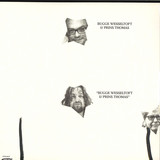
A long time ago, in a Norway far far away in time, keyboardist Bugge Wesseltoft introduced his New Conception of Jazz to the world. We're talking about the late 90s, when Bugge's cosmopolitan blend of jazz, hiphop and techno beats was pretty much the coolest music coming out of Norway at that moment. That was a golden time for Norwegian music, in fact, when the rest of the world began to sit up and take notice that something was stirring up north, and realised the music was more than just glacial tones hurtled from icy mountaintops and frozen lakes. This was the sound of urban Scandinavia.
A few years later came the electronic dance genre 'space disco'. Along with Todd Terje, Bjørn Torske and Lindstrøm, Prins Thomas was at the epicentre of this next big wave to surge out of Norway. Now, the two generations have come together in this exclusive collaboration between Bugge and Prins Thomas on the Smalltown Supersound label. Jazz and electronics combine for that energising vitamin D shot of Nordic sunshine.
The Rainbow Studio in Oslo is a familiar name to anyone who follows the ECM label - many of its classic 1970s jazz albums were recorded there under the eye of resident producer Jan Erik Kongshaug. Bugge and Thomas booked a couple of sessions at the legendary space with Kongshaug at the controls, and improvised some tunes in the style and spirit of some of their favourite ECM moments, like the fresh, open sounds of Codona, Egberto Gismonti, Oregon and Kenny Wheeler. Bugge had previously done a remix of Thomas's 'Bobletekno' in 2015 but this is the first time they have worked together as active musicians. The results - also partly taped at Thomas's home studio - fuse programmed rhythms, live synths and percussion, all captured in a sumptuously spacious acoustic.
For an even more authentic touch they called up one of their all time local heroes and one of Norway's most famous jazz drummers, Jon Christensen, who's been the go-to guy for Jan Garbarek, Terje Rypdal, Keith Jarrett and many more. At 75 years he's still pretty spry behind the kit, as you'll hear on several tracks here.
Make no mistake, though, this is not retro pastiche but contemporary music, coasting on gently insistent programmed grooves and bubbling basslines. The whole thing feels not so much like a consciously hip fusion of DJ and jazz musician, more like two great musicians totally enjoying themselves. Which is exactly what it is.
Key facts:
Bugge Wesseltoft is one of Norway's leading jazz figures. He set up Jazzland Recordings in 1996. His solo Christmas LP It's Snowing On My Piano remains Norway's best selling jazz album!
Prins Thomas's real name is Thomas Hermansen. His label, Full Pupp, means 'full breast'. He's released several albums under his own name, as well as collaborations with Bjørn Torske and Lindström. Check out his amazing Paradise Goulash mixtapes.
While notorious in the Chicago streets, RP Boo's music had been unfairly confined to a few white labels and self-released mixtapes until his two archival Planet Mu LPs Legacy and Fingers, Bank Pads & Shoe Prints introduced broader audiences to his sonic history, some of it fifteen years after it was first recorded. I'll Tell You What! is the next step in his mission, and the first time he's released an album of contemporary material. The title, a favorite maxim of his, welcomes listeners to sit down and let him narrate in the unforgettable abstract fashion he's known for. He explores familiar motifs such as the cosmos, movement, and opposition, using densely interwoven vocals, unpredictable percussion, and evil humming bass as his tools of choice. RP Boo's music doesn't follow the traditional rules that most compositions do. Layering decades of samples from yesteryear to the present over his commanding vocal cut-ups, he transports the listener to their own realm of the space-time continuum. The main difference between this record and his prior work is now we hear Boo tell new stories about preaching his gospel outside of Chicago, from his experiences frantically touring the globe over the last five years. The words 'things ain't been the same / since I hopped the plane' are repeated on top of engine sounds and rumbling bass on Flight 1235, a glorious paean to his new jet-setting adventures. The spirit of competition runs through RP's veins as much as blood does, something you can't unlearn when you've been making music for Chicago's footwork circuit as long as he has. The local culture has served as a shelter from the violence that has plagued the city, pitting kids against each other with their feet rather than weapons. On At War Boo reminds us 'we are at war in the streets', a double meaning to both the mayhem in this world and the sweetness of rivalry on the dance floor. Another battle-themed track Cloudy Back Yard, one of the spacier moments on this album, is an abstract on the state of footwork's home. Chicago remains the backyard of this artform even though it's left the porch and traveled to new neighborhoods worldwide. Back at home though, competition among the DJs and dancers continues, and as the man himself says, 'with all this hate, there's smoke, and it's cloudy'. I'll Tell You What! throws more than a few curveballs into the mix. Footwork has always borrowed from hip-hop, and many vocal tracks are almost condensed raps, dating back to the street chants pioneered on Dance Mania Records in the ghetto house days. On Bounty, Boo grabs the mic and brazenly lays down a full-on verse of terror over a thick atmosphere of his signature sweltering low-end and erratic Roland R-70 patterns. While he's most famous for his confrontational battle anthems, his melancholy moments are just as powerful. You get the best of both of those worlds on U-Don't No, with soulful samples finishing his own cocky sentences, one of the most elegant tracks RP has made to date. Deep Sole closes the record out, with the words 'It's always beautiful at the end' looping over waves of hypnotic synthesis, confidently looking death straight in the eyes.
Prairie is the project of multi-instrumentalist and producer Marc Jacobs, hailing from Brussels with roots in The Netherlands. He previously released an EP (I'm so in love I almost forgot I survived a Disaster - 2013) and an LP (Like a Pack of Hounds - 2015) on the Berlin imprint Shitkatapult. On stage, Prairie plays with two or three musicians and together they re-create a free association of musical ideas and atmospheres. Prairie has played in selected venues and festivals across Europe and toured with Apparat in 2016.If the apocalypse was painted in several layers of pastel gouache, its soundtrack might be PRAIRIE's Flash Flood. Listening to the album, we drift through a series of frozen landscapes that gesture at a post-apocalyptic ambience. This is a kind of blackened music that has been left to sediment, excavated from traces in ice core samples. Flash Flood showcases a deep sensitivity to narrative and rich cinematic textures as Marc Jacobs returns with palimpsestic sonic layers. It has been three years since PRAIRIE's last release—the 2015 Cormac McCarthy-inspired Like a Pack of Hounds—and it is clear that it has been several years of pensive reflection. Now, PRAIRIE takes the sentiment of his 2012 debut, I'm So In Love I Almost Forgot I Survived A Disaster, several steps further: it is after the apocalypse, and no one has survived. And yet with Flash Flood, we can hear the hum of this impossible future.
'After the Flash Flood' introduces the sonic ruins of distorted guitars, field recordings, drum programming and synths that create the textures of the entire album. The melancholic and subdued black metal churn of 'Raindeath' becomes the cold backdrop for unnerving, paranoiac speech. The third track, 'Sisters', foregrounds this coldness while slowly moving away toward alternate vistas where the acoustic timbres of the saz-driven 'A Permanent War Economy' take over. 'Underwater Body Hunting' and 'Rabid Ibrahim' are hard hitting beat-oriented tracks that insist on burning slow. There is a patience with PRAIRIE's FLASH FLOOD that is difficult to deny. The lamentation of 'Elephants Will Rise Again' perhaps signals that it is not only the human that is lost after catastrophe. The album closes with 'Hard Water: Cracked Ice' and 'Hayashi Clock'. The former is a beautiful coalescence of clean harmonious tones and softly overdriven drums, while the latter brings us back to a meditative state, drifting through the final pastel tapestry.
"... his cosmos is located somewhere between Bohren & der Club of Gore and Sunn O))), ambient is as familiar to him as brachial sounds, and he is as much acquainted with guitars as with synths and modern technology" (GROOVE)
"... Like Ben Frost, (Prairie) exudes a certain harshness while tempering his work with moments of sublime beauty. This isn't club material, it's music for the hammer in one's hand, the confrontation of the demon, the soul-shattering revelation." (A Closer Listen)
Here We Are Releasing The Second Album Of Cologne Born Producer Thyladomid Who Is Familiar To Many Through His Work On Hamburg Label Diynamic Which Has Lead Him To Perform Around The World, Together With Artists Such As: Adriatique, Solomun, Kollektiv Turmstraße, Hosh, David August, Stimming, And Many More. More Then 30 Minutes Playing Time, 6 Tracks And Artwork By Florian Kramer Offer A Lot To Discover. Thyladomid Is Famous For His Forward Thinking Deep Melodic Dance Music Which Earned Him Respect And Support From Many People Of The Scene And Evolved Also In Cooperations With Adriatique And The Singer Mahfoud. You Can Find Two Tracks Featuring Mahfoud On The Album. With His First Album "interstellar Destiny" In 2015 Thyladomid Has Already Changed Towards More Introspective Music And You Will Hear He Has Taken That A Step Further Here. In Comparison To His First Album, "places" Refers To Different Places Which Inspired Him To Write The Album And Offers A Higher Level Of Complexity In The Making Of Music Which Has Helped Thyladomid To Enhance The Moody Quality In A Dazzling Way Sometimes Even Spine Tingling When You Let Yourself Go To Explore The Abundance Of The Trax. As He Said In His Own Words: - the Albums Intention Was That Of An Organic Produced Album With Different Moods. Instruments Such As Piano And And Violin As Well As Field Recording Bring Alive A Special Quality. The Bouncing Of Stones On A Frozen Pond Recorded With Multiple Microphones Suggest For Example An Authentic Spacious Quality. The Self Recorded Percussion, Sometimes Quite Exotic Were Included In All Of The Tracks. The Combination Of Synthetic Sounds With Traditionally Instruments Was One Of The Big Challenges For Me. The Piano And Prophet 6 Und The Moog Sub37 Were The Main Instruments Used For The Album'. Thyladomid Started Working On The Album 2 1/2 Years Ago. His Classical Training On The Piano Helped To Quickly Come Up With A Musical Theme Which Is Based On Different Tonalities Which Were Then Linked To Each Other And Which Actually Helped To Structure The Whole Release. The Good Weather In Summer Was A Good Inspiration And Finally Led To The Idea To Dedicate Tracks To A Certain Place, A Place Which Means A Lot For Him. From That Idea The Title Of The Whole Album Derived: "places ". "a Little Church In Amsterdam" As He Says "is Such A Track Encouraged By The City Of Amsterdam I Love And Respects So Much And Actually Have Spend So Much Time In. It Is A Track I Played Outside In My Garden To Friends And Which Works Perfectly For Me.' "a Little Church In Amsterdam" Is A Track Where Melodies Bloom And Flourish. It Feels Like Zooming In On Nature Grasping A Time Lapse Symphony. "blossoming Limburg Ft Mahfoud" Was Born In The Capital Of Limburg Which Is Located In The South Of The Netherlands And Reflects The Summer Of 2017 And Was Recorded In A Warehouse. It Reflects The Intimacy And Synergetic Level Between Mahfoud And Thyladomid. The Fantastic Deep Vocal Track Is Spiced Up With Lots Of Acoustic Details Which All Happen In The Background But Effectively Surface To Pull The Listener Into His World. "night Owl" Is A Lyrical Dreamy Piano Piece With A Melancholic Note And An Ear For Details. Acoustic Finesse Presented On An Episodic Scale. We Guess The Track Was Influenced By The Works Of Four Tet Or Pantha Du Prince. "kollwitzplatz" Is A Small Park In Berlin's Prenzlauer Berg Which Was Thyladomid's Home For 2 Years . - the Cafes And Restaurants Laced By The Alleys Of The Kollwitz District Resemble A Piece Of Home For Me And Represents The Time Of My Stay In Berlin'. Musically "kollwitzplatz" Is Full Of Life. You Can Hear Children Talking While The Piano Attracts Sounds Like Moths Are Attracted To Light. The Track Offers This Richness Of Percussive Elements And Sound Sources Creating A Stunning Complexity Which Does Not Limiting Itself But Rather Creates This Free Flow Of Acoustic Signals. You Instantly Will Feel: There Is A Lot To Discover At "kollwitzplatz". "underwater Rhapsody", The Title Says It All: It Has That Episodic, Free-flowing Structure, Featuring A Range Of Highly Contrasted Moods, Color And Tonality. What It Actually Means To The Listener Is That Grande Chords Meet Dissonances Of Sound That Fly In Like Drones Cross The Big Time Melodies That Gain A Centrifugal Force At Times... And All This Leaves You Dizzy And Creates Another Big Listening Experience As The Whole Album Is Directed To Entertain You In A Smart And Distinguished Way.
New York City has had a long history of dance music fused with confrontational performance. Whether it came from within the late 70's No Wave canon projected through venues like the Mudd Club or the downtown avant-garde galleries such as The Kitchen, the feeling that influences and infects Brooklyn-based duo Wetware's overall being as a cohesive and confrontational unit is as much enigmatic as it is familiar. Formed in 2015, Wetware eased into its performative role with their live shows around their home base of Brooklyn, NY.
Vocalist Roxy Farman, who's familiar voice was last seen on Drew McDowall's 'Unnatural Channel' album, stole audience's attention from the moment they started, using her body in tandem with her voice as a weaponised vehicle for the band's anxiety filled performance. Matthew Morandi cut his teeth in the electronic music world through his solo tech-industrial project Jahiliyya Fields and partner to Inhalants, the techno collaboration of Morandi and Max Ravitz (Patricia). The synergy that developed between Farman and Morandi has been explosive. Wetware's live antics and behaviour has caused alarm and envy amongst their local audiences, causing Wetware the group to 'not be missed' on any particular bill that they are allowed to take part in.
Wetware stepped out from their live persona and self-recorded a selection of songs that viewers had grown accustomed to and were debuted on the flawlessly curated Primitive Languages imprint. Shortly following their recorded premier was an EP collection of demo recordings on the much praised Bank NYC label. Once the band reconciled with documenting their work, they set out, with the help of engineer Kris Lapke (Alberich / Hospital Productions) to formalise their most recent output in the context of their first full length album entitled 'Automatic Drawing'.
Given Wetware's penchant for endurance, as displayed by their 3 hour long production at Koenig & Clinton Gallery in the Summer of 2017, one would expect the usual restlessness on Wetware's debut full length. All of the apprehension and unease in Wetware seems to have been channeled into a string of cohesive electronic statements found on songs 'Frequent Dreamlands' and 'Ode to Joe'. Industrial dance rhythms bounce around Farman's poetic stance on 'Where Ever You Were', causing flashbacks of an early 80's dystopia that jumps around a confusing, uncomfortable backdrop. Inter-spliced with modular electronic instrumentals like the album's opener 'Pantomime', Wetware's devastating portrait is that of a society in peril.
Don't wanna move to Southern California / I wasn't really meant for LA...' So sang Dent May once upon a time, now he's eating those words with a side of avocado toast in his new Los Angeles bungalow. What made the lifelong Mississippi boy pull up stakes and head west No one looks at you funny if you wear a tuxedo to the supermarket.' What he means is he moved there to shake up his surroundings, clear his head, and write the most accomplished record of his young career, the magical mystery tour de force Across the Multiverse.
Following the lead of musical-polymaths-with-LA-ties before him like Brian Wilson, Van Dyke Parks, and Harry Nilsson, Dent's style on Across the Multiverse will be familiar to fans of his previous work. Yet there's something more refined about this collection... Stately strings mingle with boogie piano like old friends. Synths weave a celestial backdrop throughout. Every verse, bridge and chorus in its right place, giving it the unmistakable feel of a true songwriting craftsman at work. Lyrically Dent has never been sharper, musing on themes like modern romance ( Picture on a Screen', Face Down in the Gutter of Your Love'), existential dread ( Dream 4 Me', I'm Gonna Live Forever Until I'm Dead'), and the distance to the moon ( Distance to the Moon') as he searches for meaning among the infinite scrolling feeds of our 21st century augmented reality. The title track, a duet with Frankie Cosmos, is a deep space love song about finding love beyond impossible boundaries.
Across the Multiverse was written and recorded in a sunny bedroom in LA's Highland Park neighborhood, with Dent producing and playing nearly every instrument himself. The tracks were selected from dozens of songs written after the LA move, a gold rush of productivity inspired by late nights DJing rare disco funk cuts at local watering holes. It's his first record for new label Carpark and will be released August 18th.
Dent May is a self-described hotel bar lounge singer and aspiring daytime TV talk show host - has been charming his way into the hearts of music fans since the release of his debut album The Good Feeling Music of Dent May & His Magnificent Ukulele on Animal Collective's Paw Tracks label in 2009. The Mississippi-born, Los Angeles-based songwriter, performer, and Dolly Parton enthusiast has since released two more acclaimed records, Do Things (2012) and Warm Blanket (2013), dropped the holiday smash I'll Be Stoned For Christmas', and played hundreds of shows from Shanghai to Chicago. His latest album, Across the Multiverse, is an interstellar voyage of mythic proportions.
Version Galore is a newly found label, deeply rooted in the music culture. We bring you the selected reworks / versions from the top producers in the game, showing lots of respect and care for the original, but elevating it's spirit and taking it somewhere else. It's all about the dialogue of cultures and the idealistic desire to pass the music legacy on! No half-measures, played-out tunes, lazy cuts, or boring "808-kick boosting" biz!
K2 is an alias of someone who you should be very familiar with by now, especially if interested in quality house music. No clues He the music legend from Baltimore, one of the most versatile and technically-gifted DJs on the scene, a master of CDJs, who singlehandedly restored public's interest in gospel music with his ultimate dance bomb "Work It Out". Still Hesitant Ok we'll help you - it's the one and only Karizma!
A-side is a pure fire-starter! One of those tunes that works perfectly in any surrounding, location, context, club. Here Karizma flips a version of a certain African-American work song, which catchy refrain just seem to resonate with anyone, while the rough dirty beats with the cheeky start/pause technique destroy the dance floor! Essential party tool!
On B-Side the maestro travels in time to grace us with a retro-futuristic workout on the edge of jazz-fusion / prog-rock & Italo-disco. "In Spite Of" is a peculiar, yet beautiful combination of hypnotic chord progressions, step-sequenced synthetic bass-lines, the virtuoso dialogue of electric guitar and electric violin (yes), spiced up with African percussion and forceful beats, all working together in harmony in accordance with the intricate time signature of the song! That's Karizma at his most Balearic!
Danilo Braca (danyb) arrived in Brooklyn from his native Rome in 2012. Playing around town, running sound at local venues and slowly allowing these edits--informed by many years working the floors across Europe--to evolve on and off the dancefloors of New York City. Check his web radio TSoNYC - The Sound of New York City.
Busted Vol. 1 kicks off with something very special - a lovingly reworked, top secret, late 70's jam favoured recently by none other than DJ demi-god Harvey
Anyone who's heard him play in the last couple of years will be familiar with the original version of this truly magical 13 minute slo-mo Disco jam - it's a genuine holy grail moment !
Having established that quality is of the upmost importance, Busted continues with a beautiful duo of amended cuts on the flip. The uptempo, playful 'Play Me Hard' works the groove, hard !
while 'Have A Cake' is a gloriously sleazy mid-tempo workout
One hell of a 12" ladies & gentlemen !
Boris Werner returns with 'Daymare Dreamer EP' featuring collaborations with noisemaker 'Gretz & Rival of Mars' as well as 'Cinema Royale' and two fresh solo tracks 'Dance of the Hump Back Whale' and 'Frustration (No Strings Attached'). This EP by Werner, known for his infamous 23 hour DJ set in Amsterdam, kicks off with the title tune 'Daymare Dreamer' riding it's way in at 7min40secs in total for a breezy welcome of classic Werner style house beats. This opening track bubbles with roots influence that fans will be familiar with as well as some slick vocal slices drifting in and out. Having previously realised mixes and podcasts alongside the likes of beat creators and funky jammers such as Dj Buck, Lazare Hoche & Malin Génie, William Djoko, and Dj Deeon this new release comes after many live shows and events including his live set from an old wine bodega. His summer calendar is booked up with international tour dates at some of the most spot on locales for dance floor showdowns. This wealth of tour experiences, inspiration and excitement can be felt from the jazzy Dance of the Hump Back Whale' through to the funky pulsations of 'Frustration (No Strings Attached). 'King Hassan a track created with 'Cinema Royale' features superb 80s style house/electro cow-bell samples, mysterious murky baselines and forward motion keyboard funk.
Gone with the flow - after a little break the German musicians Julius Steinhoff and Abdeslam Hammouda revived their musical adventures and left all electricity untouched this time. For their new acoustic project the duo has chosen the alias Tonight Will Be Fine - a name that is familiar to those who followed their work in the past years. As Steinhoff & Hammouda they used the name for their first 12" on Smallville Records, the worldwide acclaimed house and beyond label and record store that Steinhoff co-runs. Now they reheated the phrase and chose it as the alias for a bittersweet acoustic singer/songwriter project. Their wonderful, captivating new musical venture came into life due to happenstance and old ferventness. After their trips into house music the duo parted geographically. Hammouda moved away from Hamburg while Steinhoff strengthened his label Smallville, built up a global DJ career and produced acclaimed house records on diverse labels - solo" and with his buddy Dionne as Smallpeople. In all the time Steinhoff and Hammouda never stayed out of touch, bound together through deep friendship.
At some point they met again for musical missions and started to record music that had nothing in common with their prior work. Steinhoff re-activated his self-taught guitar abilities and entered the studio of his friend Lawrence in the back of the Smallville record store to capture some steeldrums and vibraphone sounds. Hammouda brought more instruments like a banjo, a violine and tablas and they just started to record sketches and songs. Hammouda's musical backround leads to a widespread range of influences while growing up, before he got into producing hip hop and electronic music. For Steinhoff, the transformation from an electronic music producer into a singer/songwriter wasn't that new too, as his first musical steps have been routed in band music. Until his late teenage years, when he discovered house and techno, he played drums in a local indie group in Freiburg and for Tonight Will Be Fine he now also freed his old drum kit from cellar dust.
After the duo felt that their musical communication elevates into something more profound then a session thing, they provided themselves with additional instruments like new guitars, claves, an accordion, a piano and more. Initially the songs were very rough and sketchy. Musical ideas that did not have a real song structure. Then we started to arrange the tracks and added our voices and lyrics.' both reveal. Their charming singing covers almost the whole album with a characteristic sense of deep winking melancholy. Their lyrics are exercising the possibilities of words and are inspired by life, the world and all the those questions a human can ask in his time on earth. At some point both started to show their new songs to some friends and they liked it and encouraged the duo to move on. Somehow one of the tracks landed in Toshiya Kawasaki's mailbox. He instantly fell in love with it and asked if they would like to do an album for Mule Musiq. They did what was asked and after some reformatting and reinventing Tonight Will Be Fine originated 13 songs full of sweeping acoustic guitars, airy rhythms, piano melodies, gloomy accordion emotions, touching voices and a bunch of other exotic instruments, done without the help of electronics. They all form Elephant Island' - an incredibly inspirational place where impressionistic lyrics dance gently with kinetic acoustic music that comes out of plain jamming fun. The melange of a structured song base and free improvisation injects all songs a loose feeling. And shows two handsome fellas carving out their own musical utopia. It is a warming one, full of hope and musical freedom powered by an unabashed instrumental playfulness.
nstrumental playfulness.