Finally, finally, FINALLY! After many years of fruitless praying, a true collector grail can finally grace every turntable the world over. Bright And Shining is a miraculous leftfield library classic from the genius mind of Barbara Moore. It's Highly Addictive Happiness Music TM and one of the coolest records to come out of anywhere...ever! With originals almost impossible to find - and, when they do, going for over £300 - you already know how crucial this beautiful reissue is.
Recorded in 1981 for Sylvester Music Company, Bright And Shining is breezy, dreamy and funky in a perfectly smooth jazzy-soul-groove fashion, with Moore's patented celestial male-female vocal harmonies this time benefitting from the addition of Fender Rhodes and pumping bass lines.
As one particularly enthusiastic Discogs user put it: "If Eno is responsible for Music for Airports, Moore is responsible for Music for Holidays." Indeed, this is brilliantly unique, "maximum happiness music". If you miss the sun-dappled soft-psych soul of Koushik, the heavenly vocal arrangements of the great Library Music doyenne Barbara Moore - her depth, richness, sophistication and warmth - will see you just right.
The gigantic title track, "Bright And Shining", gallops out the gate, all sophisticated, jazzy leisure-soul with sax and guitars backing Moore's effortless vocal swag in this relaxed, mid-tempo head-nod strut. Worth the price of admission alone. Up next, the sunny, vibey "Fly Me High" features strolling, "unworded" vocals (aside from the refrain of the title) alongside breezy alto sax and electric guitar. Pastoral and perfect. The slow'n'sultry "Affluence" presents a moody elegance, a classical "downlifting" gem. Another crucial highlight is the breezy "Going On Holiday". It's happy. It's sunny. It's lively. It's cool and happy. Did we say happy? A mid-tempo, romantic sax workout, "Alto Sex"presents smooth jazzy funk before the first side closes out with the soaring, jazzy "Stay With Me". Seriously uplifting.
Side B opens with "Feel Fine", an excellent uptempo and bright jazz groove. Up next, "Canon" is wracked with refinement, a peaceful, smooth vocal harmony over repeating bass making for an elegant, late-night classic. It's followed by the laconic "Smooth And Soft", a laidback, casual sophisticated soul and easy-feeling jazz gem. The jazzy "Real Thing" is another exercise in strolling sophistication, complete with wordless vocal harmonies. The fairly self-explanatory "Voice Over Sax" sounds precisely how you would expect; a relaxed sax number with heavenly vocal support! To close, the carefree "Feeling Free" is a pleasant, light and breezy mid-tempo groove.
The audio for Bright And Shining has been meticulously remastered by Be With regular Simon Francis, ensuring this release sounds better than ever. Cicely Balston's expert skills have made sure nothing is lost in the cut whilst the records have been pressed to the highest possible standard at Record Industry in Holland. The original, iconic sleeve has been restored here at Be With HQ as the finishing touch to this long overdue re-issue. We'll grant the final word to MillionDollars. on discogs from about 10 years ago: "If you listen to the record on a sunny day you feel like going out surfing in a white linen suit with a blunt on your lips, catching a cool breeze."
out of Stock
Last delivered 7 months ago available to reorder, subject to availability
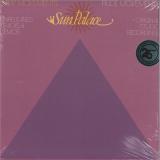
Way back in 1981, two musicians got together to make a record. Mike Collins played guitar and had just bought a Roland CR78 - the first programmable drum machine. Keith O'Connell played Fender Rhodes piano and Prophet 5 synthesizer. Excited about the quirky and unusual instrumental track they'd composed, when the duo entered London's Utopia Studios to finish off their creation, neither could have predicted what was to follow... Now viewed by many as one of the most influential early electronic dance records, 'Rude Movements' was swiftly picked up on by David Mancuso, who used it to devastating effect at his infamous 'Loft Parties', in turn introducing it to Larry Levan, Frankie Knuckles, David Morales and Kenny Dope, a group of young DJs who would go on to write the blueprint for dance music as we know it.
In the more than 35 years since its release, 'Rude Movements' has continued to inspire and excite, sampled by The Bucketheads' classic House track 'Whew!' (featured on recent BBE compilation '20 years of Henry Street Records') and listed by a veritable 'who's who' of dance music's elite as an all-time favourite. Rare and much sought-after on vinyl, BBE are happy to announce the release of a fully remastered version of 'Rude Movements' presented alongside the original demo version 'Raw Movements', plus three other versions of the iconic track. Also included on the vinyl package are the Afrika Bambaata inspired 'Street Beat' and 808/MiniMoog workout 'Palace Strut', as well as three other 80s SunPalace compositions. CD and digital versions expand the catalogue still further, with more experimental SunPalace magic. Timeless original, quirky and unique, these recordings are set to inspire yet another generation of DJs,
producers and music fans.
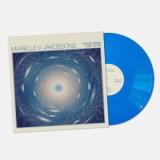
Marielle V Jakobsons has cultivated a signature voice molded by minimalist, ambient and spiritual traditions. Her recordings, from her early work with Date Palms, to the ongoing work with Chuck Johnson in Saariselka, and most definitively with The Patterns Lost to Air, show Jakobsons to be an exceptionally skillful sound sculptor, a musician who knows the value of patience and control. An artist able to derive maximum impact from her chosen sound elements, the album"s layout is shaped by three primary voices of violin, Fender Rhodes, and Moog Matriarch and was recorded in 2024 in the studio Jakobsons built in Oakland, California.
Marielle V Jakobsons has cultivated a signature voice molded by minimalist, ambient and spiritual traditions. Her recordings, from her early work with Date Palms, to the ongoing work with Chuck Johnson in Saariselka, and most definitively with The Patterns Lost to Air, show Jakobsons to be an exceptionally skillful sound sculptor, a musician who knows the value of patience and control. An artist able to derive maximum impact from her chosen sound elements, the album"s layout is shaped by three primary voices of violin, Fender Rhodes, and Moog Matriarch and was recorded in 2024 in the studio Jakobsons built in Oakland, California.
Der in Berlin lebende syrische Musiker Khaled Kurbeh gibt sein Debüt bei Research Records mit Likulli Fadain Eqaéh Jedem Raum seinen eigenen Rhythmus, einem Klangteppich aus Sounds, die er über vier Jahre im Rahmen seiner Praxis muhawalat Versuche, Variationen und hawamesh Ränder geschrieben, aufgeführt und aufgenommen hat: ein Ausdruck von Gesten, klanglichen Fußnoten und Beobachtungen aus dem Alltag.
Kurbehs erste Veröffentlichung seit sieben Jahren weicht von seinem weitgehend akustischen Debüt "Aphorisms" ab, einer Zusammenarbeit mit dem Oud-Spieler Raman Khalaf und einem Ensemble mit Elementen aus Maqam und Jazz.
Likulli Fadain Eqaéh Jedem Raum seinen eigenen Rhythmus präsentiert eine Sammlung zehn elektroakustischer Kompositionen – grübelnd und experimentell mit Anklängen an Musique concrète. Die Trackliste impliziert eine Reisebeschreibung. Feldaufnahmen von Schwalben und dem Knacken und Entschalen von Sonnenblumenkernen im Zwischenspiel Nuzha I Exkursion I werden durch eine spärliche Komposition aus Low-End-Synth, Harmonium, Klavier und präpariertem Fender Rhodes, gespielt mit Schlägeln, auf Darb I–II Pfad I–II kontrastiert. Beckenmuster und bewegte Glockenklänge erklingen auf Jauqét Ajras Chor der Glocken, während Streichinstrumente auf al-Ajraf [Die Klippen] zittern und stottern. Die Veröffentlichung fängt vier Jahre sich überschneidender Klangwanderungen ein und balanciert fein die Spannungen von Harmonie und Dissonanz, Stille und Resonanz, Textur und Rhythmus – aufgenommen im Innen- und Außenbereich.
Das Gatefold-Cover zeigt Kunstwerke von Ida Lawrence und enthält ein Booklet mit zehn gemalten Variationen einer Szene. Auf der Außenseite erstrecken sich Wege unter einem dramatisch akzentuierten und lebendigen Himmel; im Inneren erscheint dieselbe Landschaft immer wieder in unterschiedlichem Licht.
Likulli Fadain Eqaéh [Jedem Raum seinen eigenen Rhythmus] erscheint im Sommer 2025 bei Research Records, Naarm/Melbourne. Ein weiteres Solo-Klavieralbum von Kurbeh, aufgenommen in seinem Studio in Berlin-Kreuzberg, erscheint noch in diesem Jahr.
out of Stock
Last delivered 7 months ago available to reorder, subject to availability
Bass: Sam Jones
Cello, Bass: Isao Suzuki
Drums: Billy Higgins
Electric Guitar: Kazumi Watanabe, Kazumasa Akiyama
Recording & Remix Engineer: Yoshikane Okada
Executive Producer: Toshinari Koinuma
Piano, Electric Piano, Fender Rhodes: Cedar Walton
A gem of a crossover album from Isao Suzuki, who has continued to lead the Japanese jazz scene as a bassist.
Capturing the vibrant energy of the 1970s, this record has been rediscovered by club music aficionados and rare groove collectors alike.
The album fuses Van Morrison–like bluesy grooves with deep funk and jazz sensibilities, along with a uniquely Japanese melodic sense.
Robohands, das Projekt des Londoner Schlagzeugers/Komponisten Andy Baxter, gilt mit seiner experimentellen Erkundung des Jazz, Krautrock, Ambient und cineastischer Soundscapes als aufstrebender Name der internationalen Jazz/Ambient-Szene - mit über 10.000 verkauften LPs seiner fünf Alben und Auftritten bei den London Jazz, Montreal Jazz und Waking Life-Festivals. Die neue LP "Oranj" ist eine Hommage an die Pioniere der analogen Aufnahmetechnik mit Röhrenverstärkern, einem 1960er Fender Jazz-Bass, Fender Twin Reverb-Verstärkern und einer Vintage-Hammond-Orgel. Die Tracks vereinen die Wärme der 1960er/70er Jazz-Fusion und Soundtracks der Spät-1970er/80er mit modernen Einflüssen von Boards Of Canada bis Robert Glasper. Frenetische Uptempo-Nummern balancieren mit besinnlichen und experimentellen Momenten. Teils auf Tonband für zusätzliche Klangsättigung aufgenommen, ist es das bisher rohste und spontanste Album von Robohands.
out of Stock
Last delivered 4 months ago available to reorder, subject to availability
Helsinki's We Jazz Records presents "Ateneum 2019", part 2 of their ongoing "We Jazz Live Plates" series documenting the label's live activity. Recorded at the historic Ateneum Art Museum in Helsinki during spring 2019, the intense live compilation brings together three acts on the label's roster: Timo Lassy & Teppo Mäkynen, OK:KO and Alder Ego, each performing two tracks here.
OK:KO opens proceedings with their sound electrified by Toomas Keski-Säntti changing from piano to Fender rhodes, a little touch that opens up new avenues in their sound. The band who made a big splash with their 2019 debut album "Syrtti", present energetic new versions of the title track and the looping "Piik". Alder Ego, led by drummer Joonas Leppänen, shifts gears with a new deep version of their 2018 album track "Cubism", and add a new track "Mystery Room Nr. 6" into the mix. Timo Lassy & Teppo Mäkynen strecth out their compact tracks "Fallow" and "Goldenrod", which grow into new lenght and depth in the live setting.
"Ateneum 2019" released together with "Lonna 2019", We Jazz Live Plates vol. 3, is an inspiring example of the active and high quality jazz scene in Helsinki.
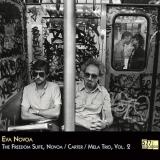
"Brooklyn-based pianist Eva Novoa returns with The Freedom Suite: Novoa / Carter / Mela Trio, Vol. 2 — the second radiant release from her compelling trio with saxophone icon Daniel Carter and celebrated drummer Francisco Mela. This marks Novoa’s sixth album with 577 Records. The trio first came together live in 2021, followed by a series of performances, including appearances in Cambridge (Boston) and later at the Brooklyn edition of the NY Forward Festival.
"The Freedom Suite is an homage to jazz titan Duke Ellington — particularly his masterful big band suites and legendary orchestra featuring Johnny Hodges and other luminaries who helped define an era of jazz greatness. In contrast, Novoa presents her Suite in a more intimate format: the piano trio. The album comprises twelve pieces — mostly brief — with a few extended tracks such as Free to Be Free and Cyborgs.
"For this recording, Novoa also steps in as a vocalist on several tracks, including Mainstream Media, Big Grande, Global, Free to Be Free, Dream, and Cyborgs. These pieces often feature a vocal dialogue between Novoa and Mela, whose expressive, word-infused style draws from rich Cuban traditions.
'Words are powerful,' says Novoa. 'They define who we are, where we come from, and who we hope to become. Without words, there is no conversation — and without conversation, there is no real sense of time, space, or connection.'
The Freedom Suite emerged from deep philosophical and creative conversations — spoken, written, and improvised — between Novoa, Carter, and Mela. In the studio, Novoa introduced printed texts that served as thematic foundations for spontaneous, in-the-moment musical interpretation. The result is an urgent and organic interplay, where instruments speak to one another in a language as fluid as it is fearless.
"Standout track Cyborgs begins with Novoa’s percussive piano, exemplifying the trio’s dynamic, conversational energy. Creative Destruction features Novoa on electric harpsichord in a wild, electric exchange. While Free to Be Free stands out as the album’s leading single, it also captures the essence and message of the entire Suite.
"Recorded in 2021 at New York City’s legendary Sear Sound Studio, the album captures a creative explosion of sound and spirit. Novoa dazzles on piano, Fender Rhodes, electric harpsichord, Chinese gongs — even whistle — showcasing her expansive sonic palette. Together, the trio embodies the power of free improvisation and emotional storytelling.
"Originally from Barcelona, Spain, Eva Novoa has been cultivating her distinctive voice since childhood. Now a staple of the New York creative music scene, she has performed across the globe and collaborated with some of the most adventurous voices in jazz and beyond."
GAMM is proud to welcome New Zealand born, but these days based in Berlin, Philippa to our camp.
Over the last years, Philippa has been releasing amazing, warm, soulful, and highly distinctive dance music on labels like Slothboogie and Freerange as well as building her DJ roster. For her premier GAMM release,'Cloud Walking EP', Philippa has three amazing tracks that all mix up samples, live musicality, and vocals. If you put Moodymann and Henrik Schwarz in a blender somewhere in the Balearic Islands, you're kinda close. Either way, it's deep, organic, and almost kinda orchestral at some points. If you ask us, we would simply call it dance MUSIC.
Opening the EP is the title track 'Cloud Walking' which is a deep Fender Rhodes affair with vocals inspired by Aretha's Day Dreaming classic. Moving on, on 'Hear Me' Philippa shows off her musical piano skills with a lush and atmospheric deep house jam. On 'Return To The Red Kite' we follow a similar theme but with big warm orchestral strings, spoken words, and live guitars. Again, very Balearic yet very soulful and incredibly pleasant to your ears :)
out of Stock
Last delivered 58 days ago available to reorder, subject to availability
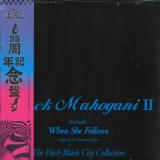
Released in limited numbers in tandem with Black Mahogani back in 2004 and never repressed. Black Mahogani II was a departure from Kenny Dixon Jr's usual house based music and featured cuts from Kenny Dixon Jr's late night jazz band sessions
The centrepiece is the eighteen minute 'When She Follows', a deep jazz session skittering live drum rolls into an electric Fender Rhodes, loping acoustic bass and distant saxophone all wrapped up in an amorphous vocal that drifts ever onwards like some epic detroit techno cut replayed by Gil Scott Heron's band in 1970. Incredible music.
'Rectify' follows in a similar mode, jazz in a detroit techno framework, while the final two tracks 'Dirty Little Bonus Beats' and 'When She (Reprise)' are revisions of the main cut, the former altering the bassline, adding vocal sighs and more rhythmic drums, while the latter shifts up the tempo with a wigged out techno synth element.
Stone, cold.
out of Stock
Last delivered 7 months ago available to reorder, subject to availability
Sometimes artistic genius can be hiding in plain sight. Innovators and sonic pioneers that are stalwarts of the 140 dubstep scene can be taken for granted with just how damn good they are.
With DDD favourite Abstrakt Sonance’s second LP on the label ‘Nature of Things’, he is taking his organic fuelled, harmonically intuitive, bass driven madness to new heights.
With his signature blend of primitive percussion, scattered chops and savage sub frequencies - Abstrakt’s record is an 11 track tour-de-force of production mastery, impish tendency and true artistic expression.
To single out particular tunes on the album seems a fallacious exercise, given the strength in-depth of the sequence of work - with guest appearances scattered in from producers Wraz., Coltcuts and Outsider, alongside the stunning vocals of Sahala and bars from the godson of grime, Saskilla.
Let us just tell you that each one will have you flying through the jungle like tarzan on speed, with enough adrenaline to fend off any silverback gorilla and emotional guile to lead a troop of chimpanzees.
Existential musings over the Nature of Things can be confusing at best - but with Abstrakt Sonance it equates to sonic and visual clarity.
Careful though, he could still pop you with the Snipa.
out of Stock
Last delivered 8 months ago available to reorder, subject to availability
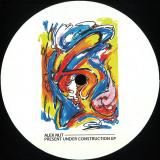
After years of shaping the UK underground from behind the scenes, Alex Nut steps out with his first official solo EP, serving up an intoxicating blend of Spiritual Jazz, Deep House, Dub, Hip Hop and analog electronics. The Present Under Construction EP is rooted in a deep musical language and future-facing energy, it captures a moment of creative transformation and exploration.
Built up over a few years from rough sketches made on an old MPC2000XL, the tracks were revisited, reshaped and eventually brought to life in the studio with longtime friend and collaborator Sam Crowe (Cleo Sol, Lianne La Havas). Together, they added a range of analogue sounds using the Dave Smith Prophet Rev 2, a Fender Rhodes, and a Moog Sub 37. Those recordings were then chopped, resampled, and restructured into the versions you hear on the record today. The records lead track 'andthenitstarted' features saxophonist James Mollison (Ezra Collective, Nala Sinephro) and includes remixes from Detroit House legend Patrice Scott and fellow Eglo Records alumni Last Nubian.
Best known as a DJ, broadcaster, curator and co-founder of Eglo Records, Alex has spent over a decade championing soulful underground music, through fabled Radio shows to legendary club nights, his fingerprints are all over a scene that continues to evolve. Initially making noise alongside the likes of Floating Points, Steven Julien, and Fatima, Alex Nut has long been a cornerstone of the UK's soulful underground. His work continues to champion the evolution of Jazz, Soul, House, and Broken Beat — nurturing a generation of artists now reshaping the global soundscape.
out of Stock
Last delivered 7 months ago available to reorder, subject to availability
Nachdem sie sich bereits einen beispiellosen Ruf als Singer/Songwriterin und Toursängerin mit The Pogues erarbeitet hat, veröffentlicht Iona Zajac aus Glasgow ihr Debütalbum ""Bang"". Zajacs Stärke liegt in ihrer Fähigkeit, Licht und Dunkelheit mit verblüffender Leichtigkeit auszubalancieren. Während einige Songs sich mit Gewalt und Intimität auseinandersetzen, stehen an anderer Stelle Surrealismus und Humor im Mittelpunkt. Diese klangliche Gewandtheit, zugleich gefühlvoll und verspielt, stellt Zajac neben Gleichgesinnte wie PJ Harvey und Angel Olsen - Künstlerinnen, die sich nicht scheuen, das Intime mit dem Explosiven zu verbinden. Ihre beeindruckende Stimme führte sie auf Touren mit Mercury Rev, Arab Strap, Lankum, Cassandra Jenkins sowie 2025 mit Alison Moyet. Letztes Jahr trat sie mit den Pogues bei deren bahnbrechender Reunion in Dublin auf. ""Bang"" wurde in Edinburgh mit Produzent Dani Bennett-Spragg (black midi, English Teacher, IDLES, Sam Fender, Wunderhorse) aufgenommen und verbindet intime akustische Momente mit der Dynamik der gesamten Liveband.
Nach einem erfolgreichen Jahr 2025, in dem Sam Fender Konzerte im London Stadium und dreimal im St
James’ Park in Newcastle ausverkaufte, neben einer Nominierung für den Mercury Music Prize und dem am
schnellsten verkauften britischen Album des Jahres, erscheint am 5. Dezember „People Watching Deluxe“.
Die Deluxe-Version enthält acht zusätzliche Songs, darunter „Rein Me In“ (mit Olivia Dean) und die neue
Single „Talk to You“ (mit Elton John).
Das Deluxe Album von ”People Watching” erscheint auf CD und Vinyl.
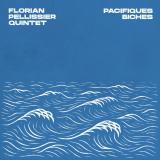
Wild by nature, the Does of the Florian Pellissier Quintet could never be contained in a creative pen that would have forced them never to cross potential geographical limits. Travelers, spending their energy without restraint to let the hard bop of their jazz wander and export itself wherever the groove guided them, they went as far as Africa or South America, from the Cape of Good Hope to Rio. Rio, precisely where, for their last appearance, exposure to a brief electric current had carried them into outer space. A revelation.
Furious strides, exhausting gambols, the Does had done so much that they could not escape the obvious call of calm and serenity. Freed from distances, and after a stop in Colombia to mingle with the crowd at the Barranquilla carnival, it was California and its Pacific coast they reached, to rest before the peaceful immensity of the ocean.
One hundred sixty-five million square kilometers, an infinite expanse to contemplate in order to fling wide open the gates to an even vaster space. A spiritual domain conducive to the search for new sounds. That of the open sea, where measuring miles is neither relevant nor meaningful, and where the only compass becomes the musical tracks the Does follow.
Beneath their coppery hooves, to the crystalline sound of the Fender Rhodes and the sweep of electric layers, the path to take revealed itself in this meditative and abstract realm they had never before explored. Invited to join the purely organic textures, the synthetic notes distilled a few aromas of sweetness into an album of ten tracks, where the FPQ abandoned written scores on some pieces in order to be guided only by the inspiration born of a newfound freedom.
Blue when they began their journey five albums ago, their coat has now taken on the colors that illuminate the Pacific coast. That moment when, as you gaze at the horizon swallowing the sun, only glowing shades filter through—reddish, orange, violet.
Departing without haste or frenzy from one of the shores bordering the ocean, the voices of Archie Shepp, Iggy Pop, and DjeuhDjoah still resonating in their antlers, the Does may now be on the opposite shore. Carried all the way to the Japanese coast by Hokusai’s wave…
At the beginning of the 1960s, at the Berklee College of Music, Byard Lancaster met some feisty friends: Sonny Sharrock, Dave Burrell and Ted Daniel. It is easy to see why he rapidly became involved in free jazz. Once he was settled in New York, he appeared on Sunny Murray Quintet, recorded under the leadership of the drum crazy colleague of Albert Ayler.
In 1968, the saxophonist and flutist recorded his first album under his own name: It’s Not Up To Us. The following year he came to Paris in the wake of… Sunny Murray. He would come back to France in 1971 (again with Murray) and in 1973 (without Murray for a change). This is when he met Jef Gilson, the pianist and producer who encouraged him to record under his own name again.
On Palm Records (Gilson’s label), he would release four albums: Us, Mother Africa, Exactement and Funny Funky Rib Crib. “Us”, the first of the four records was recorded on November 24th, 1973 with Sylvin Marc on electric bass (a Fender… Lancaster?) and the evergreen Steve McCall on drums.
On the album, the trio works from the John Coltrane model; free jazz shook up by the timely contributions of the bassist, followed by a mesmerizing atmospheric music. Then, Lancaster delivers a sinuous solo path, which is a reminder of his unique tone. On the album’s companion single, the trio launches into great black music of a different genre which would lead the clairvoyant François Tusques to claim that Byard Lancaster is an “authentic representative of soul/free jazz”, to sum up this is Great Black Music!
crédits
Wild by nature, the Does of the Florian Pellissier Quintet could never be contained in a creative pen that would have forced them never to cross potential geographical limits. Travelers, spending their energy without restraint to let the hard bop of their jazz wander and export itself wherever the groove guided them, they went as far as Africa or South America, from the Cape of Good Hope to Rio. Rio, precisely where, for their last appearance, exposure to a brief electric current had carried them into outer space. A revelation.
Furious strides, exhausting gambols, the Does had done so much that they could not escape the obvious call of calm and serenity. Freed from distances, and after a stop in Colombia to mingle with the crowd at the Barranquilla carnival, it was California and its Pacific coast they reached, to rest before the peaceful immensity of the ocean.
One hundred sixty-five million square kilometers, an infinite expanse to contemplate in order to fling wide open the gates to an even vaster space. A spiritual domain conducive to the search for new sounds. That of the open sea, where measuring miles is neither relevant nor meaningful, and where the only compass becomes the musical tracks the Does follow.
Beneath their coppery hooves, to the crystalline sound of the Fender Rhodes and the sweep of electric layers, the path to take revealed itself in this meditative and abstract realm they had never before explored. Invited to join the purely organic textures, the synthetic notes distilled a few aromas of sweetness into an album of ten tracks, where the FPQ abandoned written scores on some pieces in order to be guided only by the inspiration born of a newfound freedom.
Blue when they began their journey five albums ago, their coat has now taken on the colors that illuminate the Pacific coast. That moment when, as you gaze at the horizon swallowing the sun, only glowing shades filter through—reddish, orange, violet.
Departing without haste or frenzy from one of the shores bordering the ocean, the voices of Archie Shepp, Iggy Pop, and DjeuhDjoah still resonating in their antlers, the Does may now be on the opposite shore. Carried all the way to the Japanese coast by Hokusai’s wave…
HighSchool veröffentlichen ihr lang ersehntes selbstbetiteltes Debütalbum. Das Melbourner Duo Rory Trobbiani und Luke Scott sorgte erstmals mit der Debüt-EP „Forever At Last“ für Aufsehen, zog daraufhin nach London um mit Dan Carey (Wet Leg, Fontaines D.C., Franz Ferdinand) einige Songs aufzunehmen. Mit ihrem aufregenden Mix von Lo-Fi-, New-Wave-, Gothic- und Post-Punk-Sounds konnten sie bereits das Publikum auf zahlreichen Festivals und Supports für Sam Fender, Chvrches und zuletzt Wunderhorse begeistern. Für die Arbeit an ihrem Debütalbum zogen Trobbiani und Scott nach Australien zurück, holten sich Unterstützung von den Produzenten Ben Hillier (Blur, Depeche Mode) und Finn Bellingham (RIP Magic, Sam Akpro, Sunken) und haben nun eine essentielle Platte im Gepäck. Kernthema ist passend zum Bandnamen das Hochschulleben. Die 12 Tracks kanalisieren perfekt die rastlose Energie und die rosaroten Mythen der Jugend.
Concrete Noir is the latest project from multimedia artist and sound designer Piero Fragola, known for genre-defying ventures like We Love (BPitch Control) and ANGLE (Tiptop Audio Records). With this project, he explores a hybrid space where electronics, voice and image merge into an introspective and shadowy form. The debut album, Romance Ruins, is the first release on the newly founded Frequens Records.
Composed entirely using Tiptop Audio’s ART modular system, it unfolds as a series of layered, emotionally charged compositions. These are structured songs with a physical low-end impact.
Musically, Romance Ruins moves beyond genre boundaries to inhabit a space shaped by contrast and collision. The result is a form of modern hybridization—melancholic yet forceful, intimate yet expansive. The sonic identity is carefully constructed but deliberately raw, emphasizing emotion over precision.
The title itself captures the core of this paradox. Romanticism, in its intensity, may ultimately destroy. And yet, from that destruction, something vital emerges. The album embraces the figure of a decadent hero—a child of broken ideals who reclaims beauty from collapse. It’s a romantic vindication of decadence, a belief that clarity can rise from ruin, and meaning from fragmentation.
Moving through a broad range of tempos, the tracks explore murky, melancholic, tactile and cinematic moods. Synths intertwine with guitars (Fender and Gretsch Dobro). All vocals are performed by Piero Fragola, except on Faraway Places, where his voice is joined by that of Viktoria Lishkee—the album’s only guest appearance.Nearly every track is paired with a video, expanding the work’s audiovisual dimension. As a designer for Tiptop Audio and instructor at IED and LABA in Florence, Fragola brings a multi-sensory vision to Concrete Noir—one where medium and message, form and feeling, are inseparable. With Romance Ruins, he delivers an artistic statement. A body of work that resists categorization and embraces the beauty of decay.
Romance Ruins marks the beginning of Frequens Records. Available in a 180-gram vinyl edition.
out of Stock
Last delivered 11 months ago available to reorder, subject to availability
Los Angeles-based artist Sam Wilkes is known for his genre-defying solo work and collaborations in the experimental and jazz community. His debut release for Psychic Hotline, 104.3 is part of the label's ongoing Singles Series. Stepping away from his bass guitar, Wilkes explores new territory on a borrowed Fender Stratocaster, lent to him by longtime friend Brian Robert Jones (Paramore, Vampire Weekend). On the very night he brought the guitar home, Wilkes recorded a live, loop-based version of Tom Petty's "Learning to Fly" in a single take, later layering in bass and background vocals. The whole thing started as an experiment; more about exploring an instrument than making a record. A few weeks later on his last night with the Strat, Wilkes recorded what would become the A-Side: his reimagining of Fleetwood Mac's "I Know I'm Not Wrong." "I just wanted to document what was happening without any other intention. Half of my time on bass is spent trying to make it sound not like a bass, so actually getting to play a different instrument felt incredibly liberating," says Wilkes. Both arrangements are intuitive and spontaneous. Captured without pretense, the result is a pair of understated songs, perfect for a summer drive. This release is the latest installment in our long-running Psychic Hotline Singles Series, which has featured standout tracks from artists like Kieran Hebden, Sam Gendel, Blake Mills, Flock of Dimes, Anjimile, and Bartees Strange. With each new entry, the series continues to showcase boundary-pushing work from across our extended creative family.
DIIV teams with In Sheep's Clothing to release their previously digital-only 'Frog in Boiling Water' Remix EP on a limited edition white label 12". Featuring remixes from Minor Science, Mount Kimbie, Daniel Avery and upsammy.
Mr Bongo proudly presents, ‘AFIM’, the second solo album by one of Brazil’s most exciting new talents, Zé Ibarra. You may be familiar with the hypnotic, entrancing tones of Ibarra’s vocals through his work with the Latin Grammy award-winning, four-piece, Bala Desejo and the band Dônica. He has also toured with the musical titan, Milton Nascimento, performing guitar and vocals, which is quite the honour and a testament to Ibarra's craft. As a solo artist, he has performed headline solo shows in Japan, Portugal and the US, as well as recently completing a support tour with the great, Seu Jorge.
‘AFIM’ is comprised of eight tracks, featuring Zé’s own compositions as well as cover versions of tracks by contemporaries and friends, Sophia Chablau, Tom Veloso, and Dora Morelenbaum. It combines elements of MPB, jazz, pop and progressive rock in a bold, authoritative style. The album represents the intersection between different facets of the artist, from the stripped-down, intimate, guitar singer-songwriter, to dense arrangements with sweeping strings sections. Writing this album allowed Ibarra "to explore sides of myself that had not yet been organized in an album: a certain darkness, a more cinematic musicality, a desire for new soundscapes.
The album features the single, 'Transe', a song with an instantly comforting tone reminiscent of classic Brazilian songs of the past (think Caetano Veloso). It is built on a rhythmic guitar that supports dynamic sound layers, opening space for Ibarra's intense interpretation. Cinematic atmospheres that lend an air of mystery come courtesy of string arrangements by Jaques Morelenbaum.
His unique cover version of Sophia Chablau's 'Segredo' is equally compelling, taking Sophia's punky-indie original in a different direction and making it feel like his own. 'Essa Confusão', a song celebrating the intensity of love and co-written by Dora Morelenbaum, is steered into epic, 70's AOR, singer-songwriter territory with wind arrangements by Ibarra, Jorge Continentino and strings by Jaques Morelenbaum.
The album is the result of the collaboration of experienced musicians and long-time partners of Ibarra. Fellow Bala Desejo and Dônica member Lucas Nunes co-produced the album. The core band featured on the record consists of Lucas Nunes on organs, Alberto Continentino on bass, Daniel Conceição and Thomas Harres on drums and percussion, Rodrigo Pacato on additional percussion, Chico Lira on Fender Rhodes and Guilherme Lírio on guitar.
The overall feel of the record is archetypically quintessential without slipping into retro mode. It is a stunning album from one of the finest musicians of his generation. A true star of Brazil’s blooming contemporary scene.
out of Stock
Last delivered 6 months ago available to reorder, subject to availability
Dutch old school power house Markie with some 6-am-type-of-shit light sabre wielding energizer, stomping ahead while trying to fend of a giggling swarm of robotic mosquitos. 150 beasts.
Pneumatix & Mental Reaper with some deep flowing reflection of the walls caging our existdance. Superbly crafted food for mind and feet best enjoyed in the middle of the forest with no walls.
160 beasts.
As’teka Nahuatl & La Tartine pump up the jam in da south style. Summoning Quetzalcōātl the spirally voluted one in it’s cyber incarnation to the modern dance, bringing with it a horde of spider monkeys that go ape all over the place. Can you scratch the itch?
165 beasts.
Original full sleeve artwork by Darkam. Design and Layout by TDSiNGZ. Mastered by Stefan ZMK.
Each 12“ EP comes with a 2 sided poster, a digital download code, and 2 artwork stickers.
out of Stock
Last delivered 11 months ago available to reorder, subject to availability
Belgian singer-songwriter Emma Hessels releases her debut EP 'Constant Distance' on October 24 via Unday Records. With a voice that lingers long after the song has ended and lyrics that feel like pages torn from a diary, Hessels has quickly carved out her place in the Belgian scene. She was named laureate of Sound Track in 2023, went on to play intimate yet arresting sets at Ancienne Belgique, Botanique, and the prestigious Cirque Royal, and appeared at Best Kept Secret this summer.
Milestones that signaled the arrival of a singular new voice in folk and soul.
'Constant Distance' gathers six songs bound by a recurring undercurrent: the presence of distance in its many forms - absence, longing, loneliness, the fear of loss, but also the desire for belonging. The songs weren't conceived around a single theme, but when brought together, a pattern revealed itself. Loss implies distance, longing implies distance, even love can. Yet the EP closes on 'Breaking', a gospel-tinged anthem of connection and alignment, written during a women's writer's retreat where community and music became inseparable.
Musically, 'Constant Distance' moves between folk and soul, carrying the feel of modern blues and occasionally leaning into gospel's call-and-response. The atmosphere is warm and nostalgic, drawing inspiration from Laura Marling, Damien Rice and Big Thief as much as from Aretha Franklin, Nina Simone and Richie Havens. Emma's voice remains the constant thread: soulful, unforced, quietly commanding. "I hope my songs can be like a warm blanket, something that keeps you company, that makes you feel a little less alone."
Though written solo on guitar, often during long train rides, the songs expanded into layered productions through collaboration with Aram Santy, Nard Houdmeyers and Fender Mackenson Rooms, with additional contributions such as Marthe van Droogenbroeck's evocative trumpet. Recorded over two intense days at Studio Beertje, the EP captures both intimacy and expansiveness. The result is music that carries the weight of Emma's fears and questions, but also the joy of collective creation.
With 'Constant Distance', Emma Hessels doesn't just deliver a debut - she opens a world where fragility and strength coexist, and where music becomes a way of closing the gap between people.
Nicola Conte & Nico Lahs return with their eagerly awaited second EP, continuing the musical journey they began with their acclaimed 12” Macumba de Oxalȧ / La Danse de l’Esprit.
This new release confirms the creative synergy between two producers who speak the same musical language: a refined blend of spiritual jazz, Afro-American rhythms and electronic sensibility, designed for the most eclectic and sophisticated dancefloors. The Tema Due project is aimed at a refined club scene, attentive to the depth and purpose of sound. Once again, Conte and Lahs are turning the dance floor into a ritual space, where body and spirit move in harmony in a musical language that not only entertains but also elevates.
In this “EP2”, Nicola Conte and Nico Lahs collaborate for the first time with the talented young Brazilian percussionist Gabriel Prado and consolidate their long-standing partnership with pianist Pietro Lusso, who plays a fundamental role in shaping the musical identity of this work. Among the tracks, “Share Your Love” stands out in particular, interpreted by Brazilian singer Nina Miranda, who brings emotional depth to a track that talks about peace, sharing and love between peoples, and is enriched by the participation of Giovanni Guidi on Fender Rhodes and synths.
“EP2” precedes the release of Tema Due’s full-length album, which is currently taking shape – a work that promises to further consolidate the duo’s shared vision, expanding their conceptual and sonic scope. To crown this creative cycle, the album will also be followed by a third EP with additional unreleased tracks, symbolically closing a trilogy of sound and vision. A coherent, intense and uncompromising musical journey, where club culture meets spirituality and artistic exploration.
out of Stock
Last delivered 7 months ago available to reorder, subject to availability
Shhh. The command to be quiet is not just part of the title of one of the two sprawling compositions on this pioneering album. It's also an apt metaphor for the relaxed hypnotism and spaced-out atmosphere that define In a Silent Way, a record that pushes the boundaries of studio possibilities, artist-producer relationships, and rock-jazz chasms. Recognized as Miles Davis' first full-on fusion effort and part of his "electric" era, the 1969 landmark claims a Who's Who line-up that sends the music into an ethereal stratosphere.
Mastered from the original master tapes and pressed at RTI, this unsurpassed 180g LP edition lifts the veil on the cutting-edge assembly process that created the pair of lengthy suites. Helmed by three electric instruments, the bevelled compositions melt away all preconceived notions of "jazz," ˜rock," and "ambience," following a loose theory Davis dubbed "New Directions."
Few albums are so delicately textured. And on Mobile Fidelity's meticulous reissue, such sulcate elements pour over ink-black backgrounds on a canyon-wide soundstage. In particular, Tony Williams' inventive percussive touch – he causes the cymbals to shimmer as a pieces of silver tend to do when exposed to sunlight – is broadcast with lifelike three-dimensional qualities, the panoramic view extending to Davis' nocturnal trumpet, Wayne Shorter's ribbon-unfurling saxophone, Dave Holland's extrapolative bass, and the mosaic of keys.
If the record's only accomplishment is its introduction of guitarist John McLaughlin to the world, it alone would be enough. Yet In a Silent Way continues to bedazzle, puzzle, and inspire for myriad reasons – not the least of which is the seemingly telepathic communicative methods employed by the group's members. The line-up is great on paper, but, if it's even possible, the octet sounds even better in practice, with the instruments and tonalities conjoining in avant-garde communion like hyper-sensitive tentacles exploring the stippled landscapes of an undiscovered planet.
Diverting from expectation, tubular grooves twist, turn, and spin, sometimes piling atop of each other, always shying away from structure and melody. Ellipsoidal solos provide hesitant guidance, ranging from Chick Corea's Fender Rhodes phrases to Davis' decorative spirals. And as colour is the primary unit of currency on Davis' Sketches of Spain, laid-back episodes, geometric spaces, and quiet sensuality reign here, with the set's maverick reputation attained via musings on solitude rather than explosions of noise.
Controversial for the period, the heavily edited production of In a Silent Way blew open the once-locked doors on what producer's could attempt – and how artists could assist them. Knitted together as one would construct a cross-hatched quilt, songs contain grafts of repeat passages that provide unifying structure and experimental continuity. What a statement.
out of Stock
Last delivered 12 months ago available to reorder, subject to availability
A photo in Rodney Stepp’s scrapbook sums this period in his life in music. It’s 1974, The Spinners were headliners at the “Zaire 74” music festival, a sideshow to Muhammad Ali’s fabled “Rumble in the Jungle” fight with George Foreman. Among the faded snapshots, there’s a picture of Stepp backstage posing arm in arm with Ali; another image shows The Greatest seated at Stepp’s Fender Rhodes alongside vocalist Etta James. It was all a dream for this Naptown wunderkind, who had previously recorded for Herb Miller’s LAMP Records as the Diplomatics and had issued the sweet soul killer “Young Girl” as Jazzie Cazzie and the Eight Sounds on a rare Knaptown 45. (These recordings have been documented on the Now-Again LAMP anthology and our Loving On The Flipside compilation.) But as exciting as his rise out of those local status was, as exciting as it was to headline festivals and arenas and appear on late night talk shows, Stepp grew restless with the mechanical routine of being a sideman. He grew tired of playing the same charts night after night. He was hungry for a creative outlet that mimicked his earliest days in recorded music. So, in 1978, Stepp left The Spinners and returned to Indianapolis, where he established an all-stargroup of musicians–including members of Jazzie Cazzie and the fabled Amnesty–and he named the band Rapture. They inspired countless others. They recorded an album’s worth of material. Now-Again’s Egon first got tapes from Stepp in 2002 and dutifully transferred them, but the time was not right for a foray into this wealth of material. Come 2025, and this is the first time it Rapture’s music is seeing the light of day, a triumphant, late career moment for Stepp and a cause for celebration of those intrigued by deep, sweet soul and disco funk
Blue House Rockin’ is the result of a unique collaboration between Soul Sugar and Dub Shepherds — two projects united by a shared love for roots reggae, vintage studio gear, and warm analog sound.
The album was recorded live over two intense days at Blue House Studio by Christophe “French kiss” Adam, using ribbon and tube microphones from the ’50s and ’60s from the ’50s and ’60s, a Hammond organ, upright piano, Fender bass and Gibson guitars, classic amps and preamps, along with drums, syndrums and percussion. The sessions were transferred to a 24-track tape machine, and final mixes were crafted the old-school way by the Dub Shepherds at their own Bat Records Studio, using analog consoles and hardware vintage effects.
The tracklist brings together deep cuts, timeless classics, and original compositions. Curtis Mayfield’s Give Me Your Love and Aaron Frazer’s My God Has a Telephone (Colemine Records) — two soul gems, one vintage, one modern — are reimagined in reggae style, both featuring the great Jolly Joseph on lead vocals, working wonders with his falsetto. He also shines on Hold My Hand, a sweet and mellow original composition with lovers rock flair, written on the spot during the session.
Other standout moments include the soulful fire of UK singer Shniece McMenamin, who lights up Family Affair (Mary J. Blige / Dr. Dre) — flipped into a fiery hip-hop-meets-reggae version packed with energy and attitude.
Instrumentals like Disco Jack, Choice of Music, and Drum Song — all originally composed by Jamaican organ legend Jackie Mittoo — bring Guillaume “Booker G” Metenier’s Hammond work to the front. The playful exchange between organ, guitar, and a rock-solid rhythm section is elevated by swirling spring reverb, dub echoes, and filter sweeps.
The album’s explosive title track — Blue House Rock — was composed and recorded on the spot at the end of the session. A raw, greasy groove that sounds like The Meters jamming at Studio One or a lost instrumental from a Beastie Boys B-side.
Blue House Rockin’ is a vibrant blend of soulful roots reggae and funk, wrapped in the deep, dusty tones of analog tape. A joyful and authentic studio experience, captured live — and played loud.
The song sets the tone of this album. A simple structure, over which a web of rhythm is woven using an instrumentation of old drum machines in dialogue with live drums and percussion. Lots of sax, tenor and baritone! A pumping bass. A frisky pizzicato violin. And some classic keyboards: the Fender Rhodes, the Hohner Clavinette D6, the L-100 Hammond organ. And lots of analogue synthesisers: a rippling Juno-106 marks the path to follow, which is crossed with phrases from other museum pieces: Crumar's Stratus, Farfisa's Synthorchestra, Sequential's Prophet-10. Or still the Casio Club M-100, which is basically a toy, but has been subtly colouring SKC's songs for years!
SKC has often dived deep into the repertoire of artists he holds in high esteem, looking for pearls, forgotten or not, to work on. Likewise on this album with versions of songs by Prince, Dez Mona, Alain Bashung…
LA-based composer/arranger E. Lundquist (aka Eric Borders) returns with ‘Art Between Minds’. Having cut his teeth in the LA hip-hop and beats scene and explored realms of cosmic-funk under previous monikers, E. Lundquist’s music displays a rich tapestry of influences including the cinematic & experimental jazz-infused library music that influenced his previous LP ‘Multiple Images’. Now he is back with another ample helping of his hallucinogenic sonics, utilizing a bevy of vintage gear to replicate that warm glow of ’70s jazz-funk. From the Fender Rhodes MKI to the ARP Odyssey, to the Mellotron, the keys and synths he employs on these tracks display a genuine appreciation for the groove-driven music of The ‘Me” Decade.
The album plays like the score to a cult classic B-movie. The sun-drenched haze of “Soliloquy” could easily be what you hear during the calm before the storm in a Blaxploitation flick and the laidback crawl of “Euphoria” seems ripped right out of a fuzzy ‘70s blue movie. But there is a certain sophistication here, like the way the horn section, slinky guitar, and trippy synths combine on “Escape” to sound like liquid one moment and like a summer breeze the next.
While E. Lundquist’s artistry will eventually take him to new plateaus of sound, where he is right now is undoubtedly a high watermark in his career. He has become a torchbearer for jazz-funk in a new jazz revolution, updating the sub-genre with his delicate balance of digital and analog elements that will easily appeal to fans of Kamaal Williams, Surprise Chef, BADBADNOTGOOD, Khurangbin, Robohands and similar.
out of Stock
Last delivered 13 months ago available to reorder, subject to availability
„Rivière Noire“ ist das erste Album von Reginald Omas Mamode IV auf dem Kölner Label Melting Pot Music und sein erstes Solo-Projekt seit 2022.
Reginald Omas Mamode IV ist ein anglo-mauritischer Sänger, Produzent und Multiinstrumentalist. Geboren und aufgewachsen in Großbritannien, pflegt er eine enge Verbindung zur afrikanischen Insel Mauritius, der Heimat seines Vaters. Seine musikalischen Wurzeln reichen von Süd-London bis zu den Maskarenen-Inseln (Réunion, Mauritius und Rodrigues), wo seine Familie einst an den legendären „Electric Sega“-Aufnahmen der 1970er beteiligt war. Musik liegt den Mamodes im Blut: Auch seine Brüder sind als Musiker aktiv.
Reginalds Stil vereint Elemente aus Golden Era Hip-Hop, Jazz, Soul, Afro, Funk sowie den traditionellen mauritischen Stilen Sega und Maloya. Man hört Einflüsse von J Dilla und D’Angelo, aber auch den Spirit von Sly Stone, Shuggie Otis oder Lee Perry. Mit vier Soloalben auf dem Londoner Label Five Easy Pieces sowie zahlreichen Kollaborationen gehört Reginald zu den prägenden Stimmen der britischen Beat- und Jazzszene. Seit 2012 wird er regelmäßig von BBC-Legende Gilles Peterson unterstützt, der seine Musik seither kontinuierlich spielt.
Gemeinsam mit seinen Brüdern Mo Kolours und Jeen Bassa sowie langjährigen Weggefährten wie Al Dobson Jr. und Tenderlonious zählt Reginald zu den Mitbegründern der 22a-Kooperative. Das US-Magazin The FADER beschrieb deren Sound einmal als „ein kaleidoskopisches Patchwork aus Hip-Hop-, House- und Groove-Explorationen – verbunden durch den zeitlosen Glauben an Rhythmus als universelle Sprache.“
„Rivière Noire“ markiert eine künstlerische Weiterentwicklung – fast schon eine Wiedergeburt. Zum ersten Mal verzichtet Reginald vollständig auf Samples. Stattdessen spielt er sämtliche Instrumente und Gesangsspuren selbst ein. In seinem bescheidenen Studio erschafft er organische Grooves aus Live-Drums, Drumcomputern, Perkussion, Gitarre, Fender Rhodes und Synthesizern.
Seine Musik ist Ausdruck einer tiefen Sehnsucht nach universeller Liebe und Mitgefühl. Sie reflektiert globale Herausforderungen ebenso wie persönliche Erfahrungen: wachsende Armut, politische Spannungen, ethnische Spaltungen – aber auch alltägliche Beobachtungen. „Rivière Noire“ ist Reginalds Aufruf an die Menschheit, sich ihrer Verbundenheit bewusst zu werden.
out of Stock
Last delivered 12 months ago available to reorder, subject to availability
Gold-braunes Farbvinyl (140g) mit zusätzlicher schwarzer Flexidisc mit zwei neuen Tracks in braunem Sleeve.
Carpal Tunnel Syndrome - die verrückte Soundcollage / 2000er Skratch-Odyssee des Musikgenies Kid Koala - wird zum 25-jährigen Jubiläum von Ninja Tune neu aufgelegt. Als wahrer musikalischer Visionär kombinierte Eric San alias Kid Koala eine sinnliche Herangehensweise an sein Handwerk mit wildem Humor und verlieh seiner Kunst damit eine völlig unnachahmliche Qualität. Als leidenschaftlicher Turntablist (Turntablism": die Kunst, Plattenspieler als Musikinstrument zu benutzen, um originelle Sounds, Mischungen und Rhythmen zu kreieren) nahm San Carpal Tunnel Syndrome ausschließlich mit Plattenspielern auf, indem er Vinylplatten von Hand auf einen Achtspurrekorder aufspielte. Das Ergebnis ist ein exzentrischer, fröhlicher Streifzug durch seinen einzigartig verdrehten und brillanten Verstand. Die neue Auflage ist erstmal auf Single LP mit umgedrehtem Artwork erhältlich inklusive einer Flexidisc mit zwei neuen Songs.
Following the resounding success of the first volume, which sold 600 copies during its confinement, Aktshun returns with a second E.P. featuring 6 vibrant, eclectic tracks. This new opus is rooted in smooth Detroit house, high-energy disco-funk, the wild nights of Paradise Garage and the unique ambience of Bronx block parties.
The Aktshun duo, formed by Marotti - producer and creator of electronic instruments - and Marrrtin - DJ, graffiti artist, producer and member of Funky Bijou -, unite their passions for house, disco, hip-hop, funk and musical illustration to offer a rich and captivating sonic experience.
The first track, “Light Headed”, featuring the American singer Saucy Lady, priestess of modern funk, who has collaborated with E Live and J-Zone, among others, blends frenzied percussion, warm Fender Rhodes chords and a heady melodic chorus, ideal for rocking dancefloors this summer.
“Respect” offers a hybrid fusion of house and disco, where we imagine Moodymann crossing paths with Chromeo, buoyed by a hypnotic Moog solo.
“Vibration” pays homage to Loleatta Holloway and her iconic ‘Love Sensation’, evoking David Mancuso's legendary evenings at the Loft, between gospel and dance.
“Brokjazz” has a deep house vibe, blending tropical vocals with bewitching sensuality.
“Chaussette” offers an irresistible jazz-funk groove, while ‘Gonalate’ is inspired by classic disco-funk sounds, with a piano reminiscent of the legendary compositions of bands such as Change, D-Train and West End Records legends.
Finally, the cover of this new E.P. is signed by Brazilian artist NIHAO, bringing a unique and colorful visual touch to this musical creation.
out of Stock
Last delivered 15 months ago available to reorder, subject to availability
Wiederveröffentlichung des zweiten Milkshakes-Albums als schwarze Vinyl-Stereo-LP! ,Vom eröffnenden Raspeln von ,SEVEN DAYS" bis zu den ausklingenden Tönen von ,WO' NOW" geht der rasende Beat weiter. Sogar die ruhigeren Tracks sind mit dem unverwechselbaren MILKSHAKES-Branding versehen, was darauf hindeutet, dass THE MILKSHAKES die unbestreitbaren Anführer des World Beat sind!", heißt es hier. Nach dem imaginären internationalen Erfolg ihres Debütalbums ,Talking Bout...", und der 45er Single "It's You" c/w ,Please Don't Tell My Baby" beschlossen die Milkshakes, das wenige Geld, das sie noch hatten, für einen weiteren Longplayer zu verschwenden. Das Ergebnis war das clever betitelte, wenn auch etwas prahlerisch klingende ,Fourteen Rhythm & Beat Greats". In der Tat, wenn man die Augen schließt und den Plattenspieler ausschaltet, könnten alle 14 - zähle sie (wenn du das nächste Mal deine Augen öffnest) - fein gearbeiteten Stücke auf dieser LP fast als ,großartig" bezeichnet werden, je nachdem, wo du musikalisch stehst. Mit Live-Favoriten wie ,Black Sails In The Moonlight" und ,Red Monkey" war der allgemeine Konsens, dass dies das bisher beste Werk von THE MILKSHAKES sei (fragt sie selbst). Das muss zum Teil stimmen, denn das renommierte Londoner Label Big Beat Records fand das Album gut genug, um es auf seinem eigenen renommierten Label Big Beat wiederzuveröffentlichen - und das gleich zweimal. Aber das war vor über 40 Jahren, also versucht bitte, eure Begeisterung zu zügeln und bildet eine geordnete Schlange... obwohl, je schneller sie ausverkauft ist, desto eher kann sie - wieder einmal - nachgepresst werden. Bassist Russ Wilkins erinnert sich an die Aufnahme der LP: ,Die Aufnahmen fanden in Herne Bay in Oakwoods zweitem Studio statt. Ich glaube, ich war gerade mit den Prisoners dort gewesen und hatte "Taste of Pink" aufgenommen. Ich benutzte meinen Framus Star Bass und fing gerade an, einen Fender-Bassverstärker zu benutzen, der mich im Studio im Stich ließ, also musste ich einen AC30 Top verwenden, der ziemlich verzerrt und nicht das war, was ich wollte, aber wir mussten damit arbeiten. Man kann es bei "No-one Else" hören, das bei den Proben großartig klang. "Can You Tell Me" war der Beginn des Strippings, bei dem wir versuchten, so minimal wie möglich zu sein, und ich schaffte es später, es auf nur zwei Noten zu reduzieren. Es gab natürlich auch die Wall City Version der Platte, die von Hansi Steinmetz in Berlin herausgebracht wurde - mit einem andersfarbigen Logo auf der Vorderseite. Da sind auch viel mehr Backing Vocals drauf. Ich denke, dafür muss ich etwas Verantwortung übernehmen. Es wurde eher wie die vorherigen Pop Rivets-Alben aufgenommen, indem wir uns alle zusammen in einem Raum aufstellten und live spielten, mit sehr wenigen Overdubs, abgesehen von dem einen oder anderen Solo. Wir haben noch ein weiteres in dieser Art gemacht und dann die Richtung geändert, als wir die sieben Alben an einem Tag oder was auch immer veröffentlichten." RUSS WIILKINS, MAI 2025
Motel d'amour - A Lost Electro-Funk Gem from the NDW Era Resurfaces
When we first collaborated with Collage member Markus Kammann on the EP project "Mit den Puppen tanzen" at the end of last year, we never imagined what would follow: Kammann approached us with a completely unreleased full-length album by his former band. Upon receiving the first three preview tracks, we were floored. One of them was "Nachtcafé" - a track that kicks off with a funky bassline layered over the punchy rhythm of a Roland TR-808. Add shimmering synths and Katrin A. Kunze's sharp, distinctive vocals, and we instantly knew we were hearing something special.
For a label dedicated to rediscovering lost treasures, this was exactly what we'd been searching for. The next two tracks - "Rendezvous" and "Casanova" - were just as compelling. When Kammann sent us the full album, we realized we were holding an electro-funk grail from the late golden days of the German Neue Deutsche Welle (NDW). We were listening to "Motel d'amour".
"Motel d'amour" is a concept album, offering a sharp, vibrant perspective from a confident, intelligent, and radiant young woman eager to experience nightlife, love, and music. Kunze's lyrics paint vivid scenes of flirtation ("Nachtcafé", "Rendezvous"), encounters with men ("Casanova"), the pulse of nightlife ("Die Nacht ist noch jung"), love ("Rotes Licht für rote Liebe"), one-night stands ("Motel d'amour"), and more. Rarely has a German album from that era captured emotional nuance and social dynamics so insightfully. Without veering into the overly personal, Kunze's direct, daring lyrical style was groundbreaking at the time - and remains refreshingly bold today.
While German listeners will fully appreciate the lyrical depth, the music speaks volumes on its own. Kunze's words are masterfully complemented by the production of Markus Kammann and Jürgen Grah. As heard on the in-demand "Mit den Puppen tanzen", their creativity seemed boundless. Each track is tightly composed, catchy, and full of character. While many German bands at the time leaned into rock, Kammann drew from the deep grooves of Earth, Wind & Fire, The Isley Brothers, Brothers Johnson, The Commodores, and the electro-futurism of Afrika Bambaataa's "Planet Rock" and "Looking for the Perfect Beat". The result: tracks with unmistakable electro-funk flair, powered by the classic 808 drum sound.
Though primarily rooted in funk and electro, the album retains flashes of NDW aesthetics - "Wir haben getanzt heut' Nacht" being a prime example. The instrumentation is a dream list for vintage gear lovers: Yamaha keyboards, Roland Juno-60, vocoder, Micromoog, Hohner D6 Clavinet, Fender bass, and a Telecaster guitar all feature prominently.
Recorded in 1985 at the high-profile Delta Studio by Richard Rossbach, the album attracted interest from Polydor. However, the label proposed using the compositions for a solo project with singer Inga Humpe (of Neonbabies), who was already signed to their roster. This would have required replacing Kunze as the vocalist, an idea the group firmly rejected. As a result, "Motel d'amour" was shelved, and Kammann, Grah, and Kunze moved on to form Cold End.
The album cover features a rare archival photo of Katrin A. Kunze - rediscovered by Kammann and now finally seeing the light of day, 40 years later.
We believe Motel d'amour deserves recognition alongside cult German classics like P!OFF?, 1. Futurologischer Congress' "Wer spricht?", Ami Marie's "Verrückt nach Glück", the funkier cuts of Cosa Rosa, or Piet Klocke's groove classic "Heute ist nicht sonst". It's a record that fits into adventurous DJ sets but also rewards a full, start-to-finish listen.
A note on audio quality: Sadly, the original master tapes were lost. The tracks were restored from a vintage TDK cassette. Thanks to modern digital tools, we were able to remaster them to a high standard - but in some songs light distortions remain. We appreciate your understanding and hope you enjoy this lost and undiscovered gem.
out of Stock
Last delivered 15 months ago available to reorder, subject to availability
Motel d'amour - A Lost Electro-Funk Gem from the NDW Era Resurfaces
When we first collaborated with Collage member Markus Kammann on the EP project "Mit den Puppen tanzen" at the end of last year, we never imagined what would follow: Kammann approached us with a completely unreleased full-length album by his former band. Upon receiving the first three preview tracks, we were floored. One of them was "Nachtcafé" - a track that kicks off with a funky bassline layered over the punchy rhythm of a Roland TR-808. Add shimmering synths and Katrin A. Kunze's sharp, distinctive vocals, and we instantly knew we were hearing something special.
For a label dedicated to rediscovering lost treasures, this was exactly what we'd been searching for. The next two tracks - "Rendezvous" and "Casanova" - were just as compelling. When Kammann sent us the full album, we realized we were holding an electro-funk grail from the late golden days of the German Neue Deutsche Welle (NDW). We were listening to "Motel d'amour".
"Motel d'amour" is a concept album, offering a sharp, vibrant perspective from a confident, intelligent, and radiant young woman eager to experience nightlife, love, and music. Kunze's lyrics paint vivid scenes of flirtation ("Nachtcafé", "Rendezvous"), encounters with men ("Casanova"), the pulse of nightlife ("Die Nacht ist noch jung"), love ("Rotes Licht für rote Liebe"), one-night stands ("Motel d'amour"), and more. Rarely has a German album from that era captured emotional nuance and social dynamics so insightfully. Without veering into the overly personal, Kunze's direct, daring lyrical style was groundbreaking at the time - and remains refreshingly bold today.
While German listeners will fully appreciate the lyrical depth, the music speaks volumes on its own. Kunze's words are masterfully complemented by the production of Markus Kammann and Jürgen Grah. As heard on the in-demand "Mit den Puppen tanzen", their creativity seemed boundless. Each track is tightly composed, catchy, and full of character. While many German bands at the time leaned into rock, Kammann drew from the deep grooves of Earth, Wind & Fire, The Isley Brothers, Brothers Johnson, The Commodores, and the electro-futurism of Afrika Bambaataa's "Planet Rock" and "Looking for the Perfect Beat". The result: tracks with unmistakable electro-funk flair, powered by the classic 808 drum sound.
Though primarily rooted in funk and electro, the album retains flashes of NDW aesthetics - "Wir haben getanzt heut' Nacht" being a prime example. The instrumentation is a dream list for vintage gear lovers: Yamaha keyboards, Roland Juno-60, vocoder, Micromoog, Hohner D6 Clavinet, Fender bass, and a Telecaster guitar all feature prominently.
Recorded in 1985 at the high-profile Delta Studio by Richard Rossbach, the album attracted interest from Polydor. However, the label proposed using the compositions for a solo project with singer Inga Humpe (of Neonbabies), who was already signed to their roster. This would have required replacing Kunze as the vocalist, an idea the group firmly rejected. As a result, "Motel d'amour" was shelved, and Kammann, Grah, and Kunze moved on to form Cold End.
The album cover features a rare archival photo of Katrin A. Kunze - rediscovered by Kammann and now finally seeing the light of day, 40 years later.
We believe Motel d'amour deserves recognition alongside cult German classics like P!OFF?, 1. Futurologischer Congress' "Wer spricht?", Ami Marie's "Verrückt nach Glück", the funkier cuts of Cosa Rosa, or Piet Klocke's groove classic "Heute ist nicht sonst". It's a record that fits into adventurous DJ sets but also rewards a full, start-to-finish listen.
A note on audio quality: Sadly, the original master tapes were lost. The tracks were restored from a vintage TDK cassette. Thanks to modern digital tools, we were able to remaster them to a high standard - but in some songs light distortions remain. We appreciate your understanding and hope you enjoy this lost and undiscovered gem.
out of Stock
Last delivered 15 months ago available to reorder, subject to availability
Novoa/Kamaguchi/Cleaver Trio Delivers Electrifying Second Volume
A Bold, Experimental Fusion of Density and Dialogue
"The wait is over. If you’ve been holding your breath since hearing Novoa/Kamaguchi/Cleaver Trio, Vol. 1, it is time to let it out. Vol. 2 is almost here! The group has returned to 577 Records once more, serving a heaping second helping of addictive musical brilliance that comes out in May.
Even The Wire magazine celebrated the trio's first album, calling it “a deep and thoughtful release” – and Vol. 2 is no different. Eva Novoa is the Barcelona-born pianist/composer taking the world by storm with her creativity and talent. And she is back to wow us again on the piano, Fender Rhodes, Chinese gongs, and a little whistling.
To complete the trio, she chose her longtime comrade and collaborator of some fifteen years, bassist Masa Kamaguchi, and Detroit drum wizard Gerald Cleaver. The group has performed live in NYC since 2017. They made their first record (Vol. 1) with 577 Records in 2024. Their highly anticipated Vol. 2 marks Eva's fourth album with the label.
In their upcoming release, Novoa steers the trio through elegant experimentation of its full potential, confidently grasping golden threads from great masters of music to shape her own melodic universe. The multi-instrumentalist says it’s where melodic density meets contrapuntal dialogue, a free interplay of rich textures and riveting, masterly improvisation. This smooth complexity is what gives rise to the group’s uniqueness.
Like Vol. 1, the album cover art features the work of Novoa’s friend and collaborator, popular street photographer Richard Sandler."
Eva Novoa - Piano, Fender Rhodes, Chinese Gongs & Whistling.
Masa Kamaguchi - Bass.
Gerald Cleaver - Drums.
Recorded on January 19, 2020 at Oktaven Audio, Mount Vernon, NY by Jeremy Loucas.
Mixed and mastered by Jeremy Loucas at Sear Sound, New York City.
Photography by Richard Sandler.
Graphic design by Sergio Vezzali.
Graphic support by Mark Smith.
"Chasing the funky symphonies that filled my head and my dreams..."
December 25th, 2023 - an Instagram post. Stimulator Jones shared half a dozen FIRE tracks from his beat tape archive. We were immediately drawn to the rough hewn boom bap.
"I'd release that", Rob commented.
Hours of material was shared and the result is this: Cool Green Trees (1999-2005). A collection of beats and loops Stimulator Jones created between the ages of 14-20 at home in his basement, bedroom and computer room in Roanoke, Virginia.
You will not believe the profound soulful genius contained within these naive schoolboy melodies.
December 25th, 1998 - 25 years ago to the day and his much-coveted Yamaha SU10 sampler was finally bestowed upon young Stimmy AKA Sam Lunsford: "I immediately hooked up a CD Walkman to the input jack and looped the beginning two bars of Grover Washington Jr.'s "Mercy Mercy Me". I don't know what exactly was so thrilling about hearing two measures of music repeating over and over but it was so infectious and hypnotizing and enthralling to me. I'll never forget that ecstatic rush of making my first loop - an uncontrollable, gleeful smile plastered all over my face." When you hear the pocket breakbeat symphonies featured here on Cool Green Trees, you'll feel the same sense of frisson.
In the wake of his Stones Throw breakthrough - Exotic Worlds & Master Treasures - Stimulator Jones was pegged by many as a 90s throwback artist. However, he literally IS a 90s artist. He's been recording music most of his life and he's now 40. He created the bulk of Cool Green Trees as a teenager. Everything before 2004 was recorded when Sam was still in school. He was in 8th grade when he made the 1999 tracks - he didn't even have his learner's permit. This album is a snapshot of a young man in a simpler time. Things were still mysterious back then and he was flying blind, relying on his ears and having to figure things out for himself: "I had no road map for becoming a beatmaker. I have been collecting music since I was a kid, I am a lifelong digger and seeker of cool and interesting sounds. I was there in the golden age of Hip Hop, and while I may have been a suburban white kid in Roanoke, Virginia, I was tuned in and I bought so many classic albums when they came out. I was attracted to Hip Hop because of the musical and poetic quality. I was hypnotized by the rhythms, partially because I was a drummer. I didn't brag about collecting my breakbeat records or making beats - it was something I did in isolation. It wasn't something I generally wanted to bring attention to and it didn't really score me any cool points. I certainly wasn't flexing on social media about it."
Hell, he can do that now!
Opener "Pharoah Jones" was inspired by Yesterday's New Quintet and Madlib's ability to capture that classic 70s sound whilst playing all the instruments. Sam created this one stoned afternoon by laying down a 2 bar loop and a shaker loop on his Yamaha SU700 sampler. He hung a microphone from the ceiling and played his Yamaha Stage Custom drum kit over the top before adding ender Rhodes and playing his dad's Selmer tenor sax through an Electro Harmonix Memory Man echo pedal. Yes! Up next, "Ghost Gospel" utilises a dope loop from a gospel record and adds some soul-funk drums overtop, whilst working that filter knob. Says Sam: "The loop reminded me of something Ghostface would rap over. The sample was in 3/4 waltz time but I flipped it for a 4/4 groove, a technique I picked up from RZA. "Ill Feeling" uses sped-up pieces from a dusty old funk record and putting them over a classic NOLA drum loop; gain chopping up a slow, bluesy 3/4 time signature and bending it to a 4/4 groove. Classy shit. "Capital Punishment" features drums tapped in live, inspired by MF Doom's Special Herbs series. "Do Not Adjust" consists loops found on a compilation of 70s French music at Happy's Flea Market, a classic Roanoke digging spot.
The sublime, evocative title track, "Cool Green Trees" was created when Sam was still living at home. He dumped samples off his SU10 into the family desktop and arranged them in a demo version of Pro Tools: "This track was sort of my ode to the DJ Shadow style of sample based production. Super spacey, slow, and moody. The heavily filtered drums were inspired by Alec Empire's 'Low on Ice' album. I later added some scratches and sounds from a Spider Man storybook record." "Chill Scratch" snags the final bit of a bossanova record and pairs it with a drum loop before adding experimental scratching run through an Electro Harmonix Memory Man echo pedal. "Poisonous Fumes" was made using a sampler, mixer and a turntable; a kind of mixtape beat collage with added scratches and sounds from various records. Using dialogue from superhero records was a nod to Madlib. "Welcome Aboard The Starship" is dark, downtempo trip-hop with a spooky bent. Sam paired a slow, hard drum loop with a guitar sample grabbed off a psychedelic rock record. To finish, he added various backwards sounds and weird atmospheric effects and a little scratching. Swoon.
Side B opens with "Keep On Runnin", made on a borrowed Roland SP202 sampler. Having always loved the sound of the Lo-Fi filter on those machines, reminiscent of the Emu SP1200, Sam always imagined Del or another of the Hieroglyphics crew rapping over this beat. You can certainly hear why. "Sounds Impossible" sees Sam experimenting with layering multiple kick samples at different volumes to create patterns similar to those heard by Showbiz and Lord Finesse during their God-level 1995 period. "Painted Faces" was made by chopping up a REDACTED record which he had gotten from Happy's Flea Market and paired it with a REDACTED drum loop. By the time Sam recorded "The Knew Style", he had acquired a shitty old 1960s portable turntable off eBay. It didn't function properly when he bought it but his brother opened it up, cleaned it out and got it working: "I remember he told me that there was a bunch of sand inside of it when he opened it up, as if its previous owner had taken it to the beach. I would take that turntable on my Happy's Flea Market digs so I could preview records...that's how I found this loop."
"Chicken Wing Blues Sauce" loops up a classic blues joint and pairs it with some REDACTED drums. A bit of filtering and arranging et voilà! "Kool Breeze", from 1999, is one of Sam's oldest surviving beats, as is "Sexx Bullets". The Roots sampled the same record, leaving Sam frustrated yet vindicated. "Soul Child" was an early SU10 creation, looping a dusty old Soul Children 45 and pairing it with 70s rock drum loops to great effect. "Take Off Runnin" was another loop found digging with a portable turntable. Paired with some boom bap drums it makes for a hypnotic head-nod groove. "Centurian" was intended to be a little beat interlude a la Pete Rock. The sample is from a sun-dappled soft-psych record and it's paired with a Robin Trower drum loop that just happens to fit perfectly. Sometimes you slap things together kind of haphazardly and magic happens. "Bozack" was the first beat Sam made using Pro Tools, his first foray into using chopped sounds instead of loops, an exciting new world. "Church" is beat interlude using a Phil Upchurch loop with the "Long Red" drums - a favourite break of Dilla et al. Sam was really on a tear in late 2004, probably because he was unemployed and phoneless and able to just make beats all day. He made "Splash One" on a borrowed Yamaha SU700 and again was experimenting with tapping the drums in live with his fingers, instead of using a loop or sequenced pattern. Channeling 9th Wonder, Sam used a water splash sound effect from a Batman record as a percussive element, hence the title (also a 13th Floor Elevators reference). The main loop is a backwards portion of one of his favourite Roy Ayers songs.
"Hank" is another fun little beat interlude thing, created on a borrowed Roland SP202 sampler with the fantastic Lo-Fi effect that resembled the Emu SP1200 at a fraction of the price. "73 goatee", from 99, is another of his oldest surviving beats, created in his bedroom with his Yamaha SU10 and his brother's Vestax MR-300 4-track recorder: "This one will always feel special. I can remember having a feeling all the way back then on the night that I created it that this was a solid beat with a catchy loop. There was something in the Fender Rhodes melody that resonated with me emotionally, and I had never heard a producer sample that portion before. I felt like I had found my own unique sound, my own unique loop. It came from an Ahmad Jamal '73. I actually even recorded myself rapping and scratching over this beat way back then, I still have that version in all its imperfect sloppy glory."
Sam explains just how much these tracks mean to him: "They all have immense historical and sentimental value and I'm proud of them. These beats come from an innocent, simple time when I was just figuring out how to craft these sounds. They're something very personal to me. They are the initial part of a journey that I really was taking *alone*. There was no YouTube. I couldn't Google shit. I didn't even know any other beatmakers, producers or DJs in my town that could teach me anything. It was always just me, alone, in a room with some equipment - chasing the funky symphonies that filled my head and my dreams. What I was doing wasn't cool. Most of my peers thought I was a weirdo and couldn't care less. Creating these sounds was an anti-social endeavour. In a sense, I felt like it was me against the world, and all I had to instruct and assist me were the recordings produced by my heroes - RZA, DJ Premier, Erick Sermon, Beatminerz, Showbiz, Diamond D, Beatnuts, Prince Paul, The Bomb Squad, Pete Rock, Q-Tip, E-Swift, Mista Lawnge, DJ Shadow, Cut Chemist, Peanut Butter Wolf, El-P and so many more...I dedicate this collection to them, and to my older brother Joe who has always been a musical and technical guiding light for me.
This was a time before every kid was a self-described producer and beatmaker, before everyone had a DAW, before Kanye and "chipmunk soul", before Red Bull beat battles, before there was any social media beyond chat rooms and AOL Instant Messenger, before Soundcloud, before SP-404 mania, before lo-fi beats to study to, before Splice, before targeted ads for MIDI chord packs, etc. In 99 when I told people that I had a sampler and made beats I was mostly met with bewildered confusion and indifference. Kids and adults alike would wonder why I got this weird machine for Christmas instead of something worthwhile like a Playstation or a mountain bike or even a guitar for that matter because at least that could be used to make "real music". Back then, sampling was still not widely respected as an art form - it was seen as lazy, talentless and unoriginal at best and outright criminal theft at worst. I had gotten respect for playing drums and guitar and things of that nature but this was a step in the wrong direction in the eyes of many."
The cover photo is a picture of Sam standing on his back porch in the latter part of 1998, just before he got his first sampler. He was 13 years old, in 8th grade. His dad took the picture with his 35mm film camera: "I actually wanted to be pointing my dad's .22 pistol at the camera lens but he wouldn't let me. He gave me an old walking cane to use instead. The Tommy Hilfiger puffer jacket came from the lost and found at William Fleming High School where my mom worked as a secretary. I was thrilled when she brought it home because we never spent money on expensive name brand clothing like that - we were for the most part strictly a sale rack, bargain bin, thrift store, yard sale, flea market kind of family when it came to clothes. My watch is some cheap off-brand fake gold department store watch." Mastering for this vinyl edition was overseen by Be With regular Simon Francis and it was cut by the esteemed Cicely Balston at Abbey Road Studios to be pressed in the Netherlands by Record Industry.
out of Stock
Last delivered 15 months ago available to reorder, subject to availability