ANNE and Sera J close their Symbiosis series on Mutual Rytm with third and most refined EP yet.
This final chapter reflects everything the collaboration has stood for across a trio of inventive techno releases on SHDW's imprint. Creative and life partners ANNE and Sera J have been two voices growing in parallel, evolving separately but moving with the same pulse. ANNE is well established thanks to standout EPs on the likes of Soma and Hardgroove, while Sera J has released on the likes of Life in Patterns and Renegade Methodz, and both have featured on Mutual Rytm's 'Federation Of Rytm' series before now. 'Symbiosis III' is the moment where everything comes full circle: the culmination of a journey built on respect, creativity, and the freedom to explore their own paths while lifting each other forward.
Sera J kicks off with 'Ransomware', a commanding and driving techno cut lit up with flashy synths but always moving with urgency. 'Phosphate' keeps the energy levels high with stripped-back drums and bass designed to perfection, while 'Anthrax' has an anxious edge. The synths are wispy but evocative as bass kills and swiping filters bring the drama.
ANNE then ups the ante with the acid-tinged 'Dementia', which is loopy and unrelenting before 'A Taste of a Real Woman' gets more seductive with a sultry spoken word and sustained chords that bring the paranoia. 'Heart Rate' is propulsive with Detroit-style synth soul and an aching vocal, before Sera J returns with 'On the Run' - a percussive, trippy and eerie roller. His final Cut 'Similar Minds' has a searching synth surveying a desolate landscape, before ANNE then closes the EP with the punchy drum patterns and icy hi hats of 'Primal Howl Of Ego' and a blend of deep drums and evocative synth work on the 'Analog Heartbeat' - which proves potent techno can be beautiful.
Cerca:filter
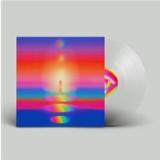
A chance meeting in Mexico City set Points of Inaccessibility into motion. When Ibero-American composer Rafael Anton Irisarri crossed paths with Dutch media artist Jaco Schilp at MUTEK in 2024, a conversation about how technology shapes perception revealed an unexpected common ground. Schilp invited Irisarri to a spring 2025 residency at Uncloud, the Utrecht-based collective he co-founded, where Irisarri's sound began to take form amid an environment shaped by Schilp’s visual research.
The Uncloud studio was located inside the former Pieter Baan Centre, a forensic psychiatric prison where suspects of violent crimes were once confined. Its long history of silence and containment shaped the atmosphere in which the project developed. Within this setting, Irisarri coaxed long bowed-guitar tones through a network of pedals and looping systems. The raw gestures thickened into a vaporous and architectural field of sound. Schilp processed the material through a custom point-cloud software patch that produced images in continuous flux. The visuals flickered, dissolved and reformed like memories that resist coherence, functioning as a digital Rorschach that reflected the observer’s own perception.
Amid these spectral echoes, the project evolved into an examination of how the past persists within present signals. Memory endures as residue and interference, continually shaping perception even when its source has faded.
Schilp’s visual process required a continuous stream of sound in real time. Irisarri improvised throughout the residency, generating material that allowed the visuals to develop in parallel. Once back in his New York studio, he began shaping the recordings by carving pathways through the improvisations and mapping selected passages into MIDI. This process allowed him to build outward from the bowed-guitar material with minimal overdubs, adding Prophet 5 textures, Moog bass and strings that expanded the harmonic field while keeping the original performances at the center. To refine the structure, Abul Mogard provided editorial input, working with Irisarri’s stems to guide transitions and strengthen the overall pacing. The material, originally created under conditions of immediacy and constraint, evolved into a fully realized work through careful revision, patience and sustained reworking.
The title engages the geographic concept of the Poles of Inaccessibility, locations defined solely by their distance from all surrounding points. Irisarri adapts this idea to the conditions of digital life, where new forms of inaccessibility arise through the informational enclosures that structure perception. What appears to be a fully connected network often produces a deeper kind of separation, one shaped by the filtering logic of the systems that mediate experience. In this sense, the digital sphere mirrors its geographic counterpart. We inhabit spaces saturated with signals, yet the possibility of genuine contact becomes increasingly remote.
At its core, Points of Inaccessibility considers what can be understood as the new rituals of capitalist realism. Irisarri uses the term digital shamanism to describe the forms of simulated connection that organize contemporary life. These systems promise comfort through algorithms, influencers and AI interlocutors, yet they often reproduce the same conditions that generate loneliness in the first place. What appears as connection becomes the echo of connection, a sequence of gestures that imitate solidarity while withholding it. Like the geographic poles, these rituals are defined by distance. They pull us into environments where everything is illuminated, yet meaningful proximity becomes increasingly rare. In this sense, the work approaches a hauntology of the present, a reflection on futures that have stalled and intimacies that have been thinned by the algorithmic infrastructures that surround us.
This thematic tension unfolds across the album’s four movements. Faded Ghosts of Clouds introduces the work with textures that rise and dissipate in slow cycles, creating an atmosphere that resists clear definition. Breaking the Unison occupies a pivotal position in the sequence and focuses on the moment when the individual and the system fall out of alignment. Its shifting patterns trace the scattering of signals that once suggested connection, revealing the instability at the heart of contemporary perception. Signals from a Distant Afterglow forms the center of the album and features vocals by Karen Vogt, whose presence enters the sound field like a fragile transmission shaped by distance and delay. The closing piece, Memory Strands, follows motifs that appear, recede and briefly intersect before returning to quiet. Across these movements, the album outlines a landscape in which emergence and disappearance continually inform one another.
Listening to Points of Inaccessibility is an encounter with a sound field that is constantly in flux. Elements surface briefly, shift position and recede, creating a sense of motion that resists stable interpretation. The music moves between closeness and vastness, carrying traces of memory while withholding a clear point of resolution.
The album’s visual identity completes the project’s conceptual arc. In Mexico City, where Irisarri and Schilp first met, Daniel Castrejón transformed stills from Schilp’s point-cloud visuals into the cover image. The final artwork captures a single suspended frame of the digital material, a moment extracted from a field that is normally in constant motion. Its surface recalls the texture and abstraction found in the work of Catalan artist Antoni Tàpies, where material presence and erasure coexist within the same plane.
What emerges is a work that examines the tension between technological systems and human presence. Points of Inaccessibility asks whether connection is still possible within environments shaped by mediation and delay, or whether we have become isolated points within the very networks that promise proximity. What possibilities for relation persist within environments organized by algorithms and interruption? And how are we meant to understand presence when so much of it is constructed at a distance?
Points of Inaccessibility will be released on BioVinyl on February 6, 2026, with audiovisual performances planned throughout 2026.
Mastered by Stephan Mathieu
Artwork by Jaco Schilp
Design and layout by Daniel Castrejón
Artist photo by Iulia Alexandra Magheru.
If there is a year zero for the introduction of reggae music to Japan, you’d be forgiven for thinking it was 1979 when Bob Marley and the Wailers toured the country, trailed by an entourage of journalists, photographers and fans ready to spread the message of the music into all corners of Japanese society.
But the story of Japanese reggae is not a linear one, and the music that is collected on Tokyo Riddim 1976-1985 captures the moment J-reggae entered the broader public consciousness, merging commercial city pop style with an infectious backbeat, that has drawn comparisons with the emergence of Lovers Rock in the UK.
Rather than look directly to Jamaica, many producers and artists in Japan were inspired instead by the more approachable sounds of The Police and UB40, their reggae fix arriving pre-filtered through the lens of new wave pop from the UK. Playful and groovy, these album deep cuts have been overlooked for too long.
Among them are Miki Hirayama, the idol singer who borrowed the bassline from Bob Marley’s Natural Mystic on ‘Denshi Lenzi’, Chu Kosaka, who headed to Hawaii to cut the Jimmy Cliff-inspired ‘Music’ and Marlene, the Philippine songstress whose cover of Roberta Flack’s ‘Hittin’ Me Wear It Hurts’ owed much to her producer’s obsession with Sly & Robbie’s Compass Point sound.
Then there was Izumi “Mimi” Kobayashi, who enlisted the Babylon Warriors to perform on a dubbed-out version of her own track ‘Lazy Love’, the city pop-meets-new wave reggae sound of Miharu Koshi’s ‘Coffee Break’, Junko Yagami’s anti-apartheid deep cut ‘Johannesburg’ and Lily, whose ‘Tenkini Naare’ was produced by Ryuichi Sakamoto and closes out the compilation with a flourish.
While these stories may not always conform to neat narratives, they do provide a more accurate reflection of the indirect ways in which styles infiltrate one another and, in their naivety, have the potential to create something beautifully strange and entirely new. Previously only available in Japan, the tracks on this compilation are a testament to that curious alchemy.
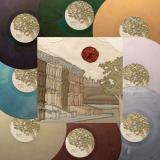
Tokyo Riddim 1976-1985 is released on vinyl and as a full album download (no streaming), featuring original artwork by Japanese Fukuoka-based artist Noncheleee, whose cover pays homage to the iconic dancehall album art of Wilfred Limonious.
Released on 1st September, Tokyo Riddim 1976-1985 is part of Time Capsule's Nippon Series, a loose series of compilations exploring different musical scenes from Japan between the 1960s and 2010s.
- 1: Sunshine Kisses
- 2: Louisiana Hound Dog
- 3: Two Of Hearts
- 4: Anything Without You
- 5: Baby, Please Don't Go
- 6: I Went To The Levee
- 7: Deep River
- 8: Tall Lonesome Cowboy
- 9: Lovely Lonely
Sabine McCalla creates her own version of multi-cultural American roots music. It's a sound that crosses borderlines, pulling everything from Brazilian samba to southern soul to British rock & roll into its orbit. On Don't Call Me Baby, Sabine filters those influences through the lens of her Haitian heritage and her music community of New Orleans, creating a debut album that's every bit as multi-faceted as the woman who wrote its songs.
The daughter of first-generation Haitian immigrants, Sabine was raised in the suburbs of New York City, where she grew up alongside her sister Leyla McCalla (Sons of Our Native Daughters, Carolina Chocolate Drops). Introduced to chamber music at an early age, Sabine began playing classical violin in orchestras, music camps, and conservatory classes as an 8 year old. Back at home, she filled her head with Motown classics, girl group hits, Bob Marley albums, Beatles standards, and Haitian folk music. It was a wide constellation of sound that spanned more than a half century, and Sabine made it all her own, drawn to the connections binding everything together.
Don't Call Me Baby shines a light on those connections. The follow-up to her critically-acclaimed Folk EP, whose pre-war sound earned her a slot at the Newport Folk Festival in 2019, the album transcends genre and generation, creating a raw, rich mix of country, R&B, folk, and soul that exists on its own timeline. Co-produced by Sam Doores of the Deslondes and featuring a cast of New Orleans’ most spirited and gifted (including guest vocals from Riley Downing, Leyla McCalla, and The Lostines), Sabine McCalla reaches beyond her beloved New Orleans Americana scene with Don't Call Me Baby, building a bridge between the world-spanning sounds that have captured her attention.
Killer set of six from Picture aka Central aka Natal Zaks.
Speedy, flighty stuff. Filter dials turning, little licks, sometimes small vocal hits. Zephyr and pressure. Some midwestern techno vivre carrying the whole thing along. If you've caught any of the Picture records from the last few years you might know the momentum at play already, a mix of breezy euphoria and deeper, dubbier minimalist force.
Combining a live and impactful improvised energy with Nat's signature twinkling production that has always been in a class of its own. Club tools as well as multifarious instruments of levitation. You could have the 38 most productive minutes of your life with it spinning as your soundtrack next to you.
Mastered & cut by Mike Grinser at Manmade.
Art by Mammo.Works.
St. David Unleashes 'Deep House Damage EP' on Definitive Recordings.
Definitive Recordings is proud to present a brand-new four-track outing from Italian house innovator St. David, titled 'Deep House Damage EP'. Following his acclaimed remixes earlier this year for label classics like 'Good Music' (John Acquaviva, Dan Diamond, Alex D'Elia, Nihil Young) and 'Do It' (Las Americas), St. David now steps forward with a full EP that delivers nothing less than pure oldschool house fire.
The release opens with 'Touch Me (Sexy Hard Dub)', a shuffling house cut with a vintage edge, driven by a rolling bassline and a sensual spoken-word female vocal that sets a playful, club-ready tone. 'I Like It Deep' heads into deep house territory, pairing organ stabs and a steady oldschool beat with both male and female spoken-word phrases, creating a hypnotic, afterhours mood. On 'Dub Swagin'', the energy kicks back up with stomping drums, chopped samples, and filtered percussion. All wrapped in unmistakable 90s house flavor. Closing things out, 'Gonna Work It' is a peak-time smasher stacked with classic vocal samples and grooving organ chords that lift the track into euphoric territory.
Born in Bari, St. David (real name Davide Disanto) has carved a reputation as one of today's most authentic purveyors of oldschool house. Deeply inspired by the American house scene, his tracks blend groove, funk, and raw analog warmth, consistently topping vinyl charts and earning support from global heavyweights like The Martinez Brothers, Riva Starr, Jovonn, and Chris Stussy. He is the founder of Theory of Swing Records, a vinyl-only label dedicated to preserving the magic of 90s house. His music has been featured on Cinthie's DJ-Kicks and he has released on respected imprints including Snatch! Records, Body N' Deep, Heist Recordings, Skylax, and Let's Play House.
With 'Deep House Damage EP', St. David confirms his role as one of the most vital voices in contemporary house, channeling the spirit of the past into tracks made for the dancefloors of today.
- Spandrel?
- Pitch Black
- Oil/Too Much
- Closer To Midnight
- Body/Prison
- Lies?
- Eyes/Not Enough
- The Lungs Of A Burning Body
- Xyz/Labyrinth
- Black Hole
In der Evolutionsbiologie beschreibt der Begriff ,Spandrel" die Merkmale eines Organismus, die nicht fürs Überleben wichtig sind und keinen offensichtlichen Zweck haben. Das Wort kommt aus der Architektur und bezeichnet die dreieckigen Räume in den Ecken eines Bogens: kleine ästhetische Elemente, die für Symmetrie sorgen und Grenzen markieren. Die Musikerin und Sängerin Evita Manji stellt auf ihrem Debütalbum eine undurchsichtige Frage und fragt sich angesichts eines großen Verlusts, welche Teile von uns zum Durchhalten beitragen und welche vielleicht nur Deko sind. Ihre Tracks, die aus den Dämpfen zeitgenössischer Clubmusik, Barock-Pop und experimentellem Sounddesign zusammengesetzt sind, sind für Manji eine Möglichkeit, ihre Beziehung zur Welt im Allgemeinen und zu sich selbst im Besonderen zu untersuchen, Kontrollsysteme zu zerlegen und die Vernetzung hervorzuheben. Manji ist seit einigen Jahren eine ätherische Präsenz in der Szene und arbeitet als Soundkünstler und Kreativdirektor mit zahlreichen Künstlern zusammen. Letztes Jahr starteten sie ihre eigene Plattform myxoxym, wo sie zwei Singles aus ,Spandrel?" veröffentlichten und eine ambitionierte Fundraiser-Compilation mit Rainy Miller, Palmistry, Cecile Believe und anderen zusammenstellten, um Geld für den griechischen Tierschutzfonds ANIMA zu sammeln. Manji trat weltweit auf Festivals wie Unsound, Lunchmeat und Rhizom auf, spielte in Clubs in Berlin und London und wurde ausgewählt, die Plattform Shape+ im Jahr 2022 zu vertreten. Diese Erfahrungen fließen in ,Spandrel?" ein und helfen ihnen, ein komplexes künstlerisches Gewebe zu weben, das weit unter die Oberfläche des Daseins blickt und versucht, das Unheil des globalen Klimawandels mit Themen wie Selbstverwirklichung, Liebe und körperlicher Autonomie in Einklang zu bringen. Das Album beginnt mit dem Titeltrack, einer einleitenden Zusammenfassung, die die Zuhörer auf das vorbereitet, was sie gleich hören werden. Manjis Gesang schwingt mit einem eingestöpselten Gefühl kybernetischer Melancholie und filtert die Flut von Rhythmen und harmonischen Themen der Welt zu geschmeidigem, clubtauglichem Pop, der von ihrer fortschrittlichen Klangwelt getragen wird. Von dort aus werden wir in die Traurigkeit des atmosphärischen Klagelieds ,Pitch Black" hineingezogen, einer Meditation über den Tod, die tiefe Bässe unter Schichten von choraler Glückseligkeit versinken lässt und an die Kirche und die Tanzfläche erinnert, ohne die Kraft der beiden gegensätzlichen Elemente zu opfern. Ihre Dunkelheit wird in ,Oil Too Much" von innen nach außen gedrängt, einem Kommentar zur Ölindustrie aus der Perspektive des Tierreichs, der gleichzeitig als neonfarbener Ausdruck der zeitgenössischen Depression dient. Aber in ,Body/Prison" klingt Manji am offensten, spricht ehrlich über die dunkelsten Momente ihres Lebens und gesteht ihre tiefsten Gefühle über sengende, von Trance inspirierte Synthesizer und groteske Percussion. ,Spandrel?" ist ein Album, das Zeit braucht, um sich zu entfalten, und Manjis Themen hallen durch eine Geschichte wider, die älter ist als die Popmusik. Es ist tragisch, romantisch und poetisch und weigert sich entschieden, sich von den drängendsten Themen unserer Zeit abzuwenden.
- A1: Tucked In
- A2: Cruise Your New Baby Fly Self
- A3: Kill The Sex Player
- A4: (I) Don’t Got A Place Psychic Know-How
- B1: Explicity Yours
- B2: From Now On
- B3: Raindrop
- B4: The Royal Lowdown
- B5: My Martini
- B6: Glazed-Eye
Suspended Gold Vinyl[28,53 €]
Originally released in 1994, GVSB’s second full-length release for Touch and Go Records, Cruise Yourself, is characterized by catch vocal lines wrapped in a sonic double-bass low end. Guitars filter in and out of songs driven by heavy powerhouse groove drumming. There is noise, there is melody. “Tucked In” churns, “Kill the Sexplayer” pounds relentlessly, “(I) Don’t Got A Place” glides, and “Psychic Know-How” blows your head off… but you regain it immediately in the ominous groove of “Explicitly Yours.”
Alan Vegas selbstbetiteltes Debüt-Soloalbum kam 1980 raus, zur gleichen Zeit, als Suicide ihr zweites Album "Suicide: Alan Vega and Martin Rev" veröffentlichten. Während Suicides Plattenlabel ZE Records das Duo in Richtung eines synthetischen Disco-Sounds drängen wollte, der von Moroders Produktion von Donna Summers "I Feel Love" inspiriert war, zog es Vega in eine andere Richtung. Er wollte tiefer in die Wurzeln seiner eigenen musikalischen Identität eintauchen, die von Blues, Rockabilly, frühem Rock ,n' Roll und seiner anhaltenden Liebe zu Elvis Presley geprägt war. Vega nutzte die Zeit zwischen den Aufnahmen mit Suicide, um seine selbst geschriebenen Songs auszuarbeiten, begann mit der Produktion seines ersten Albums und trat live auf, um diesen Sound weiterzuentwickeln. Wie auch in seiner bildenden Kunst schichtete Vega Klänge auf minimalistische, dynamische und bewusste Weise. Das Ergebnis war ein einzigartiges Album, das aus rohen Materialien entstand und tief in Vegas künstlerischer Vision verwurzelt war. Tracks wie die klassische Hymne "Jukebox Babe" mit ihrem schwungvollen Rhythmus und ihrer minimalistischen Selbstsicherheit fingen diesen Ansatz perfekt ein und wurden in Frankreich zu einem Hit. "Kung Foo Cowboy" hat einen südstaatlichen Touch und lehnt sich stark an den Blues an, während der goldene Pop-Glanz von "Ice Drummer" mit melodischem, aber klagendem Gesang, marschierenden Trommeln und einem geschmackvollen Mundharmonika-Solo überzeugt. "Bye Bye Bayou" ist ein eindringlicher Mutant-Rockabilly-Song, der den Rock der 50er Jahre mit Vegas exzentrischem Performance-Stil verbindet und später in der Coverversion von LCD Soundsystem aus dem Jahr 2009 neu interpretiert wurde, wodurch Vegas Solowerk einer neuen Generation vorgestellt wurde. In ähnlicher Weise würdigte die Coverversion von "Ice Drummer" durch The Flaming Lips Vegas Außenseitergeist. Jetzt von Josh Bonati anhand der Originalbänder neu gemastert und erstmals auf Streaming-Diensten verfügbar, wurde Alan Vega von Sacred Bones Records originalgetreu neu aufgelegt, wobei die rohe Intensität von Vegas Originalaufnahmen erhalten blieb und sie gleichzeitig für Hörer auf der ganzen Welt neu zugänglich gemacht wurden. "Alan Vega" ist mehr als ein Solo-Debüt, es ist eine Erklärung der künstlerischen Unabhängigkeit und Freiheit eines der einflussreichsten und kompromisslosesten Künstler New Yorks. Ohne die intensive Elektronik von Suicide, aber mit Vegas Außenseiter-Energie und Schärfe, übersetzt das Album den frühen Rock 'n' Roll durch einen Art-Punk-Filter, der sich als eigenständiges Kult-Meisterwerk bewährt hat.
- Jukebox Babe
- Kung Foo Cowboy
- Fireball
- Love Cry
- Speedway
- Ice Drummer
- Bye Bye Bayou
- Lonely
- Ice Drummer (Demo)
- Fireball (Demo)
- Speedway (Demo)
- Love Cry (Demo)
- Kung Foo Cowboy (Demo)
- Lonely (Demo)
- Bye Bye Bayou (Demo
Alan Vegas selbstbetiteltes Solo-Debütalbum, das ursprünglich 1980 rausgekommen ist, eröffnete ein neues Kapitel für eine der einflussreichsten und kompromisslosesten Stimmen New Yorks. Vega stürzte sich voll und ganz auf die Wurzeln seines persönlichen Sounds, inspiriert von Blues, Rockabilly und seiner großen Liebe zu Elvis Presley. Ohne die konfrontative Elektronik von Suicide, aber mit Vegas Außenseiter-Energie und Stimme, filtert das Album den frühen Rock 'n' Roll durch einen Art-Punk-Filter und ist ein echtes Kult-Meisterwerk. Minimalistisch, eindringlich und zutiefst persönlich hat es sich einen einzigartigen Platz im Underground-Kanon erobert. Die limitierte Deluxe-Doppel-LP-Edition kombiniert das neu remasterte Originalalbum auf der zweiten Platte mit bisher unveröffentlichten frühen Demos und bietet einen seltenen Einblick in den kreativen Entstehungsprozess dieses Kultklassikers sowie exklusives alternatives Artwork. "Alan Vega (Deluxe Remastered Edition)" ist ein Begleitwerk, das neues Licht auf Vegas Schaffensprozess und Vision während dieser entscheidenden Ära wirft und es zu einem Muss für Sammler und langjährige Fans macht.
Kontakt Records presents KNT-47 “Chromatic Noise”, a deep exploration of dub techno and dub-infused house from Canadian producer Matt Thibideau. Across three extended cuts, Thibideau sculpts spacious, analogue-leaning grooves where every element has room to breathe. Subtle saturation, soft tape hiss and finely tuned low-end weight create that unmistakable sense of depth, while shimmering chords and carefully placed delays drift in and out of the stereo field. The result is music that feels both hypnotic and alive, built for long blends, late sessions and sound systems that reward detail. “Chromatic Noise” sits comfortably in the Kontakt Records tradition: timeless dub aesthetics, modern production values and a focus on atmosphere over obvious peaks. It’s the kind of 12" that works just as well as a DJ tool as it does for attentive home listening – patient, understated and endlessly playable. Tiny shifts in texture, filter movement and echo tails keep the tension moving forward without ever breaking the spell.
The third instalment of the remixes from J:Kenzo's album 'Taygeta Code' sees four killer producers take on each remix in their own unique style across the 140 bpm spectrum.
BOYLAN (Sentry / Mean Streets) leads the dance with his 140 bpm jungle / breaks flip of 'Like A Hawk' which features vocals by the mighty FLOWDAN. Bringing the heat in heavy and devastating fashion!
MANI FESTO (Rupture / Club Glow) steps up with his electro breaks remix of the modular dance floor heater 'Deadbull', with filtered breaks and a high energy bounce.
Canadian dubstep producer MYTHM (Artikal / Wheel & Deal) delivers his heavyweight remix of album highlight 'Narky'. The Vancouver native flips the groove and levels up the energy bringing additional heat to his version.
The final remix is from UNKEY (Foto Sounds) who takes on the album opener 'Desired State'. Unkey turns the air dark, strips back the vibe and uses sub heavy minimalism to inject a feeling of dread throughout his remix to put a stamp on the finale covering 4 corners of the world of Dubstep and 140 music.
Mexican DJ and producer Hotmood is a Blur label regular who has already dropped his red-hot 'Disco Power' EP here. 'ReWax' is a new selection of his remixes of big, party-ready disco jams. Scruscru's 'Just House' is first up and comes on song with big rolling bass and dusty samples, 'Burnin'' by Jack District has a filtered funk edge and jazzy synth work and Manuel Kane's 'Disco Visions' then brings silky and syrupy chords for a sundown boogie. The flip features three more smart tweaks, from the sliding drums of 'Blue Nights' to the classic house and soul swagger of 'Selva'. A great mix of vintage charm and new school cool.
In spring 2022, Sankt Otten released their album “Symmetrie und Wahnsinn”, and now the next record is ready to enlighten our maltreated minds. “Tote Winkel” (Blind spots) is once again part of an album series with a geometric context, both creatively and musically.
Stephan Otten and Oliver Klemm made productive use of 2021, which has been decelerated to the maximum by Corona. For the first time, an external studio was booked (Mühle der Freundschaft, Bad Iburg) and the pool of analog synthesizers and other sound generators there was dusted off. Sankt Otten came up with the master plan to first free the spirit of 50 years of German electronic music trapped in the antiquated keyboards and oscillator housings, then to dismantle it, turn it inside out and reinterpret it. Echoes of music from Düssel- dorf are joined by sounds familiar from the Weserbergland, or mystical, sublime arcs of sound and, of course, the sequences typical of the Berlin School - whether side by side or interwoven. In a departure from the usual way of working, the majority of the tracks were created in the studio and in part from improvisations, which makes “Tote Winkel “ the most organic material we have heard from Sankt Otten to date.
New York-based Rafael Anton Irisarri mastered “Tote Winkel”, as he has done on productions by Biosphere, Ryuichi Sakamoto, Tycho, Terry Riley, Fennesz and many more. As part of the series of graphic covers, this extraordinary die-cut artwork was also designed by Daniel Castrejon. The vinyl version comes in a die-cut cover and colored vinyl, the CD in an elegant cardboard slipcase.
The Osnabrück duo Sankt Otten, founded in 1999, have been releasing on DENOVALI since 2009. “Tote Winkel” is their 14th album of timeless (instrumental) music. The band has dedicated itself to the holy trinity of Krautrock, Ambient and contemporary Elecronics.
- Desire
- Loner
- Haha
- Drip Drop
- Month
- Disappear
- Flood
- Letter
- Nobody
- No Time
- Moonlight
- Apart
- Flying
"I want nothing more than to be a loner," Emily Kempf sings early on Flower of Devotion, the new album by Chicago trio Dehd. It's a startling admission coming from a songwriter who, just a year ago on Dehd's critically acclaimed Water, wrote eloquently about the joys and pains _ more than anything, the necessity _ of love, compassion, and companionship. But then, "admission" isn't really the right word here, given the stridency of Kempf's tone. "Loner" is a declaration. The record ups the ante on Dehd's sound & filters in just enough polish to bring out the shining and melancholy undertones in Jason Balla and Emily Kempf's songwriting, even as it captures them at their most strident. Balla's guitar lines at times flirt with ticklish cosmic country, while at others they reflect the dark marble sounds of Broadcast. Kempf, meanwhile, establishes herself as a singer of incredible expressive range, pinching into a high lonesome wail, letting loose a chirping "ooh!," pushing her voice below its breaking point and letting it swing down there. When she and Balla bounce descending counter-melodies off one another over McGrady's one-two thumps, or skitter off over a programmed drum pad, they sound like The B-52s shaking off heartache. What makes Flower of Devotion so impressive is how its creation seems to have strengthened its creators, both as individuals and as a unit, even as they've stared down their own limitations. It's also striking just how much fun they seem to be having in the process. "It's okay to be lighthearted in the face of despair," Kempf says. It's a theme that runs through the album, from the opening back-and-forth build of "Desire" to the click-clacking chorus of "Haha," which finds them deflating their own history. Flower of Devotion was recorded in April and August of 2019 in Chicago. It will be released on Fire Talk Records on July 17th 2020.
R2 2-CHANNEL ROTARY DJ MIXER
Introducing the Headliner R2, a 2-channel rotary DJ mixer that
is perfect for DJ’s looking for precise control and a warm sound,
without breaking the bank. The R2 is packed with features, like an
analog filter and 3-band isolator EQs on each channel, and uses
only high-quality components, including genuine ALPS potentiometers.
Featuring two stereo channels with selectable Line and Phono
RCA inputs, each channel on the Headliner R2 comes equipped
with gain control with a peak LED, a 3-band isolator EQ, a headphone cue selector, a large channel volume control knob, and a
filter activation switch.
The Master channel boasts an analog filter, headphone monitoring,
and output control section. The analog filter features selectable
High Pass / Low Pass Filter modes with Frequency and Resonance
controls, giving you precise control over your sound. Independent
Master and Booth outputs with volume controls, both with balanced
XLR and unbalanced RCA connectors, give you the flexibility to
connect to any sound system.
The Headliner R2 features genuine ALPS potentiometers, and a
sturdy metal enclosure with stained wood side panels for a classic
look that will complement any DJ setup. The modular internal
construction, coupled with the external power supply connected
via locking Mini XLR ensure superior audio performance.
The Headliner R2 is a reliable, high-quality mixer that will give
your DJ performances that classic vibe. Whether you’re spinning
house, techno, or classic funk/soul/disco jams, this fun little mixer
is the perfect addition to your setup.
• Two stereo channels with selectable Line and Phono RCA inputs
• Each channel features Gain control with Peak LED, 3-Band Isolator EQ, Headphones Cue selector with LED, channel
volume control and filter activation switch with LED
• Master channel features analog filter, headphone monitoring and output control section
• Analog filter features selectable High Pass / Low Pass Filter modes with Frequency and Resonance controls
• Genuine ALPS potentiometers
• Headphone Cue control section features volume control, mix control (Cue/Master), and split monitor switch
• High current headphone amplifier with dual 1/4” and 1/8” jacks
• Independent Master and Booth outputs with volume controls, balanced XLR outputs and unbalanced RCA outputs
• Additional Record output with unbalanced RCA jacks
• Dual LED level meters for the Master output
• Microphone input with level control on front panel
• Sturdy metal enclosure with stained wood side panels
• Modular internal construction for superior audio performance
• External split rail power supply connected via locking Mini XLR connector and push-button power switch
• Measurements: 320 x 219 x 106 mm
• Weight: 2.8 kg
Microphone Input
Nominal Input Level: -50dBu
Frequency Response: 20Hz – 20kHz (+/- 0.1dB)
THD + N: 100dB
Crosstalk: 100dB
Übersprechen: < -65dB
THD + N: < 0,05%
Kopfhörerausgang
Maximaler Ausgangspegel: 70mA/Kanal in 150Ω
Minimale Lastimpedanz: 32 Ohm/Kanal
Stromversorgung
Typ: Extern mit verriegelbarem Mini-XLR-Stecker
Eingangsspannung: 100-240v ~ 50/60Hz
Ausgangsspannung: +/-15V; 500mA
Spannungsbereich: 32 Ohm/Kanal
Coming straight from the Cozmo comes RudyLane with a debut EP The Return Of The Synth. Landing the ship on new imprint Drag Vader comes a four tracker from the heavenly isles. Leading the arrival we have ' The Goat' a low hung brooding affair which then builds into haunting territories twisting into funk infused techno awakenings. ' 2 yrs L8' slips us onto at first a desolate plaine, trying to find a signal, with stripped vocal stabs swung groove, smokey juno bass into a hook that the Dark Synth would be proud of. ' Thirsty Pool' on the flip is a more minimal workout weaved within hypno vocals driving us forward into hopeful waters. 'Protests Digital' closes out the party blending worlds of emotive melodies and gnarly walking basslines through arpeggiated mid riffs dusted with dub kissed filterness. Landing firmly on the ground RudyLane is off to a strong start.
Excited to hear what's next on this journey.
Kontakt Records presents KNT-47 “Chromatic Noise”, a deep exploration of dub techno and dub-infused house from Canadian producer Matt Thibideau. Across three extended cuts, Thibideau sculpts spacious, analogue-leaning grooves where every element has room to breathe. Subtle saturation, soft tape hiss and finely tuned low-end weight create that unmistakable sense of depth, while shimmering chords and carefully placed delays drift in and out of the stereo field. The result is music that feels both hypnotic and alive, built for long blends, late sessions and sound systems that reward detail. “Chromatic Noise” sits comfortably in the Kontakt Records tradition: timeless dub aesthetics, modern production values and a focus on atmosphere over obvious peaks. It’s the kind of 12" that works just as well as a DJ tool as it does for attentive home listening – patient, understated and endlessly playable. Tiny shifts in texture, filter movement and echo tails keep the tension moving forward without ever breaking the spell.
KRONERT003 continues the label’s mission: honest, floor-ready house music with depth and character. Warm low-end, rolling grooves and hazy chords shape an EP that feels tailor-made for late-night floors and after-hours rooms. Kronert delivers functional but emotional tools with his unmistakable touch. Subtle details, careful sound design and a strong sense of movement make each track both a DJ weapon and a story on its own, a modern house record that aims straight at the dancefloor without losing soul.
DJ Popinjay balances fresh cuts with beloved favourites on his new one for the irrepressible Blur. The title track opens with silky keys and mellow percussion that capture the warmth of golden hour, while 'Whyalla' brings breezy pads and crisp beats to organic percussive. Reissued highlights like opener 'Take U' have filtered soul magic, and 'Not Too Shabby' brings dusty funk and jazzy cool, while 'So Much Fun' bursts with disco-fueled joy. The closer, 'Soul Searching' has swinging, Chic-style grooves and layers up endlessly playable house vibes.
An alto saxophone and acoustic piano engage in an intimate musical dialogue, reflecting on the current state of improvised music. Okuda and Dyberg’s album unites two artists at the peak of their musical collaboration, deconstructing jazz history into shimmering fragments, reassembling them in new forms that deliberately move away from traditional references. The music incorporates diverse influences—glimpses of classical composers like Webern and Prokofiev, abstract electronic elements reimagined acoustically, and a genuine spirit of exploration seeking a unique musical fusion.
Rooted in jazz, the Okuda / Dyberg Duo performs conceptual improvisations that include pulse, durations, interactions, natural/everyday life objects, soundalized: water dropping, light rain comes to a coffee-filter dripping, construction work or glass breaking sounds. Born in 2018. Glasscut is their third release – the first on vinyl – after Nigatsu 二月 (2019) and Naboer (2020).
- 1: Intro
- 2: Simple Things
- 3: Forever
- 4: Road To Braemar
- 5: Before & After
- 6: Mirrors
- 7: Days Of Lily
- 8: Stepping Stones
- 9: Hope
- 10: Bravery
- 11: Chances
- 12: Stepping Out
Drawing from her constant searching for her own unique sound she filters her love of rhythm and groove through her Nordic sensibility to create an accessible, compelling blend of excitement and introspection. Growing up on the island of Saaremaa in her native Estonia, Britta Virves was a keen piano student playing a strictly classical repertoire. A chance encounter introduced her to jazz: "I wanted to learn guitar. So I went to my teacher Tit Paulus, and he told me to stay with piano, and introduced me to Keith Jarrett, Herbie Hancock, Bill Evans - my mind was blown - a new world opened up." Britta immersed herself in the music and her talent soon attracted attention.
Moving to Sweden to further her studies, she was soon touring Europe with the acclaimed Norrbotten Big Band, under the direction of Joakim Milder, working closely with featured guest vocalist Genevieve Artadi and accompanying Artadi on a duo tour opening for Louis Cole. Each tune on the album draws inspiration from an aspect of Britta's own life. "Simple Things" has the directness of a pop song married to the depth of jazz, as Genevieve Artadi's ethereal vocals float over an insistent backbeat that supports limpid depths of harmony.Other tracks include "Bravery", whoch showcases the subtlety and dynamic control of the rhythm team and is one of Britta's favorite tracks on the album - "I feel it's like a big waterfall that's rushing down and making its path just by flowing naturally." By contrast, "Chances" plays with a neatly delivered set of accents that tie the roots effortlessly
- 1: The Weed (.5)
- 2: Carnaval De Barranquilla (7.0)
- 3: Archie Et John Feat Archie Shepp (4.26)
- 4: The Movie Critic (3.2)
- 5: La Naissance De La Comédie (2.4)
- 6: Wonderful World Leaders (.03)
- 7: Pacifiques Biches (5.25)
- 8: Only Fan Feat Iggy Pop ( 2.10)
- 9: Où C’est ? Qui Sait ?Feat Djeuhdjoah ( 5.55)
Wild by nature, the Does of the Florian Pellissier Quintet could never be contained in a creative pen that would have forced them never to cross potential geographical limits. Travelers, spending their energy without restraint to let the hard bop of their jazz wander and export itself wherever the groove guided them, they went as far as Africa or South America, from the Cape of Good Hope to Rio. Rio, precisely where, for their last appearance, exposure to a brief electric current had carried them into outer space. A revelation.
Furious strides, exhausting gambols, the Does had done so much that they could not escape the obvious call of calm and serenity. Freed from distances, and after a stop in Colombia to mingle with the crowd at the Barranquilla carnival, it was California and its Pacific coast they reached, to rest before the peaceful immensity of the ocean.
One hundred sixty-five million square kilometers, an infinite expanse to contemplate in order to fling wide open the gates to an even vaster space. A spiritual domain conducive to the search for new sounds. That of the open sea, where measuring miles is neither relevant nor meaningful, and where the only compass becomes the musical tracks the Does follow.
Beneath their coppery hooves, to the crystalline sound of the Fender Rhodes and the sweep of electric layers, the path to take revealed itself in this meditative and abstract realm they had never before explored. Invited to join the purely organic textures, the synthetic notes distilled a few aromas of sweetness into an album of ten tracks, where the FPQ abandoned written scores on some pieces in order to be guided only by the inspiration born of a newfound freedom.
Blue when they began their journey five albums ago, their coat has now taken on the colors that illuminate the Pacific coast. That moment when, as you gaze at the horizon swallowing the sun, only glowing shades filter through—reddish, orange, violet.
Departing without haste or frenzy from one of the shores bordering the ocean, the voices of Archie Shepp, Iggy Pop, and DjeuhDjoah still resonating in their antlers, the Does may now be on the opposite shore. Carried all the way to the Japanese coast by Hokusai’s wave…
Wild by nature, the Does of the Florian Pellissier Quintet could never be contained in a creative pen that would have forced them never to cross potential geographical limits. Travelers, spending their energy without restraint to let the hard bop of their jazz wander and export itself wherever the groove guided them, they went as far as Africa or South America, from the Cape of Good Hope to Rio. Rio, precisely where, for their last appearance, exposure to a brief electric current had carried them into outer space. A revelation.
Furious strides, exhausting gambols, the Does had done so much that they could not escape the obvious call of calm and serenity. Freed from distances, and after a stop in Colombia to mingle with the crowd at the Barranquilla carnival, it was California and its Pacific coast they reached, to rest before the peaceful immensity of the ocean.
One hundred sixty-five million square kilometers, an infinite expanse to contemplate in order to fling wide open the gates to an even vaster space. A spiritual domain conducive to the search for new sounds. That of the open sea, where measuring miles is neither relevant nor meaningful, and where the only compass becomes the musical tracks the Does follow.
Beneath their coppery hooves, to the crystalline sound of the Fender Rhodes and the sweep of electric layers, the path to take revealed itself in this meditative and abstract realm they had never before explored. Invited to join the purely organic textures, the synthetic notes distilled a few aromas of sweetness into an album of ten tracks, where the FPQ abandoned written scores on some pieces in order to be guided only by the inspiration born of a newfound freedom.
Blue when they began their journey five albums ago, their coat has now taken on the colors that illuminate the Pacific coast. That moment when, as you gaze at the horizon swallowing the sun, only glowing shades filter through—reddish, orange, violet.
Departing without haste or frenzy from one of the shores bordering the ocean, the voices of Archie Shepp, Iggy Pop, and DjeuhDjoah still resonating in their antlers, the Does may now be on the opposite shore. Carried all the way to the Japanese coast by Hokusai’s wave…
The inimitable Richard Youngs returns to Black Truffle with this third full-length for the label, Hidden. Like CXXI and Modern Sorrow, Hidden unfolds across two side-long pieces at once eminently listenable and possessed of the ‘bloody-minded’ dedication to ‘having an idea and sticking with it’ that Youngs himself has identified as one of the key qualities of his work.
At the core of both pieces are rapid, randomised arpeggios generated with a Moog Grandmother, hypnotic patterns that wouldn’t be out of place on a Berlin School classic. Alongside these arpeggios, across the seventeen minutes of the first side-long piece Youngs builds an airy structure of shakers, synthetic handclaps and a brief, repeated sample, impossible to identify but sounding like a glitched foghorn. Over the top we hear his unmistakable voice, repeating single syllables—Ha, Ho—with a slow delay, something like a lonely one-man-band take on Anthony Moore’s Pieces from the Cloudland Ballroom or a more musical elaboration of the hypnotically overlapping delayed phonemes of Anton Bruhin’s Rotomotor. Like much of Youngs' work, the arrangement of sounds is sparse, each layer punctuated by spaces that allow others to shine through, in a way that seems to have more to do with dub or early hip-hop than high-brow models of musical reductionism.
On the flipside, the arpeggios return, now accompanied by ringing, filtered guitar chords and long flute tones. The use of a similar ground layer across the two pieces with strikingly different overdubs calls up Youngs' first solo record, the classic Advent, reminding us of how consistent ‘theme and variations’ is as an approach in his enormous body of work. Joined by handclaps and a chiming sound, the piece almost feels like it is about to achieve dance-floor lift-off at times, only for the percussion to disappear and leave the listener once again floating among the guitar and flute, now joined by occasional cut-off vocal snippets, like a radio turned quickly on and off. The suspension of these disparate elements over the steady foundation of the Moog arpeggios might remind some listeners of the free-form studio explorations of Moebius & Plank and Holger Czukay or even give a nod to Youngs’ formative encounter with Cabaret Voltaire.
Like some of Youngs’ much-loved work with Simon Wickham-Smith, Hidden approaches relatively familiar sounds and instruments from skewed angles, delighting in loose structures of interaction that border on gleeful incoherence while remaining outwardly beautiful. Coming up to almost four decades of persistent activity, like little else in contemporary music Youngs’ work beams with the simple joys of exploration and experiment.
- 1: Lexachast I
- 2: Lexachast Ii
- 3: Lexachast Iii
- 4: Lexachast Iv
- 5: Lexachast V
- 6: Lexachast Vi
- 7: Lexachast Vii
- 8: Lexachast Viii
- 9: Lexachast Ix
Lexachast is an ongoing collaborative work by Amnesia Scanner, Bill Kouligas & Harm van den Dorpel.
Initially birthed as a joint, improvised performance between Amnesia Scanner and Kouligas at the ICA, London in 2015, it was later recreated and extended with visual artist van den Dorpel into a 15-minute online-only audiovisual work – known simply as Lexachast. Since then, it has expanded into a live show that has been performed at Transmediale, CTM Festival, Unsound Krakow & Adelaide, Next and LEV Festival and during Paris Fashion Week in collaboration with the brand Ottolinger. Now to be released on PAN, is a new document of Lexachast in its current, full-grown form.
Whilst broadly inspired by the experience derived from and exposure to algorithmic patterns as generated by visual artist Harm van den Dorpel’s specially- devised program, the work is a sonic reference to the fallouts of avant-EDM and cyberdrone. This in turn is simultaneously mirrored by the perturbing visuals, created by a unique algorithm that sources and blends various filtered imagery from DeviantArt and Flickr in real time – with a bias towards the NSFW, extreme banality, and ornamental melancholia. The results were a perfect fit for the deliberate intention of non-intent, an anti-video of sorts, which ended up as a defining element for the project.
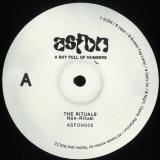
The first ASFON release has been a year-long labour of love that has come into being from what felt like a lucid dream, off in the distance, too crazy to believe was real. From our first meeting in the Freerotation yurt to late-night exchanges in Bristol, Winkles (Jamie Slater) has been sharing tracks that lingered long after the party ended. Their raw textures and warped sense of time found a natural home in our sets, eventually leading to the emergence of ‘The Unavoidable EP’, a collection of four diverse tracks which form a singular, immersive experience.
On A1 journey, The Unavoidable Consequence Of Familiarity, a knocking kick opens the door to this new sound world, introducing us to the granular clicks, crazed telephony and vocoded grunts which populate the deep space of Winkles’ imagination. Machines whir and perception shifts in the space between distant synth stabs, while a pulsating bassline battles to break through the filter and create a throbbing low end. Hallucinatory and deep, this is the perfect introduction to both the EP and the ASFON outlook.
Semi Stretches sees Winkles pick up a signal from beyond the outer rim, fire up the hyperdrive and lock into the rolling hum of intergalactic techno. Juggernaut bass forms the perfect counterpoint to the rapid fire rim shots trembling away up top as this Venusian club craft battles static, drives through the milky cosmic and transports the dancing bodies to a Multicoloured Plasticine Universe.
Cutting the engines and switching to suspended animation, Winkles lets us drift through a hazy dream-space where there’s no up or down, where twinkling arps, insectile electronics and hazy sirens coalesce into a psychotropic swirl.
Out of this multicoloured mirage comes Osaka-based astral traveller Erik Luebs, who translates that peak-time ambient bubbler into a Balearic chugger which emerges from the ether to add another dimension to the EP. Rubberised bass, velvet pads and nuanced percussion ensure this is perfect for poolside play in a land of pink sand and sideways tides.
First Word Records are proud to present the sophomore solo EP from Victoria Port.
'Barefoot In The Garden' is a 5-track selection merging classic soul with contemporary sounds.
Put together from sessions recorded at the world famous Abbey Road Studios in London, and Victoria's home studio Candle Shop, this project exemplifies her talents as a singer-songwriter, developing upon the building blocks of her debut EP 'Did it Again' and Victoria's work as one half of electronic-soul duo, Anushka (BBE / Tru Thoughts / Brownswood).
On this EP, Victoria is accompanied by a wealth of talented artists in their own right, including frequent collaborators Hemai and JNR Williams, the highly-acclaimed drummer Moses Boyd, and vocalists such as Lea Lea, to name just a few.
The sonic tapestry stitched together on this EP epitomises the quality of British soul music of modern times; a vintage symphonic feel approach with modern-day production techniques, encompassing the Ronson-era of the late great Amy Winehouse, to the pack leaders of nowadays such as SAULT and Jungle. It's a logical progression considering Victoria's lifelong influences of US luminaries like Minnie Riperton, Gladys Knight, Nina Simone and Dionne Warwick.
Her fanbase includes Gilles Peterson (BBC 6 Music / Worldwide FM) who has tipped her as "an exciting emerging new artist whose sound fits alongside current successful acts like Cleo Sol, Lynda Dawn and Yazmin Lacey."
Victoria's previous EP had support from a wide range of tastemakers, including Cerys Matthews, Huey Morgan, Somewhere Soul, Mo Ayoub (Selector Radio), Ronnie Herel (Mi-Soul Radio's "One to Watch"), Tony Minvielle (Jazz FM) and across platforms like Rinse FM, NTS, Soho Radio and Global Soul, whilst her work with Anushka also received airplay from Annie Mac, Jamz Supernova, Huw Stephens and BBC Radio 1.
Victoria says "this EP comes from a place of nostalgia. It's kind of reflective of parts of life up to this moment, culminating in 'Barefoot in the Garden'. I guess it's me starting to understand the things that are truly important to me. How I want to love and be loved, the way I want to spend my time, and just me starting to filter out a lot of the noise. Sonically it's been such a dream to explore elements of old soul and jazz with so many incredible musicians, and to put our own unique spin on the genre."
Already a seasoned live perfomer, additionally to various live appearances solo past & forthcoming including We Out Here, Jazz Cafe, Koko and the London Jazz Festival, Victoria Port is set to be one of the leading lights in the world of British soul music. This EP provides some solid examples as to why.
'Barefoot In The Garden' is due to be released on vinyl and digital, November 7th 2025.
Big remix package for TOY TONICS'S boss KAPOTE. His song "Mystery" from the last album reworked by HARVEY SUTHERLAND, OPOLOPO, CLOSE COUNTERS with a bonus remix by french house master CASSIUS. Turning Kpaote's New school house anthem into super fresh jazz-funk disco, NYC 1990ies House hit and proto-dance bangers. There is no way there is not one version that every good DJ with an interesting fresh sound can't play.
It's 2025 and Toy Tonics one more time tries to define what are the perfect vibes for the "post-dark-electronic music age". Yes. After 10 years of explosion of hard techno, dark trance and fast race sounds Toy Tonics is trying every month to bring ideas for a more positive, high quality, forward-thinking dance music.
Opolopo: Opolopo brings his legendary touch to "Mystery." With a career spanning decades and a reputation for fusing boogie, funk, and broken beat, his remix promises a soulful journey. An artist who's famously remixed everyone from Gregory Porter to Stevie Wonder, Opolopo's version is pure, unadulterated groove.
Harvey Sutherland: Straight from the heart of Melbourne's electronic underground, Sutherland delivers his signature "Neurotic Funk." The celebrated synthesist and producer, known for his distinctive analog textures and a discography that's earned him ARIA Award nominations, is sure to inject his unique genre-bending energy into the track.
Close Counters: The duo from Melbourne, Close Counters, are set to turn "Mystery" into an electrifying fusion of house, soul, and jazz. Known for their dense synths and infectious energy, they have earned praise from tastemakers like Gilles Peterson and have wowed crowds at festivals like Splendour in the Grass.
Finally, the package features "Berlin Boogie Town" with a new interpretation from Parisian legend Cassius, adding some uplifting French Touch filter vibes.
- A1: Riot Radio
- A2: A Different Age
- A3: Train To Nowhere
- A4: Red Light
- A5: We Get Low
- A6: Ghostfaced Killer
- B1: Loaded Gun
- B2: Control This
- B3: Soul Survivor
- B4: Nationwide
- B5: Horizontal
- B6: The Last Resort
- B7: You're Not The Law
- C1: Too Much Tv Dub
- C2: Invader Dub
- C3: D-60 Fights The Evil Force
- C4: No Control Dub
- C5: Tower Block Dub
- D1: Cns Lazer Attack D-60
- D2: Police Radio Dub
- D3: Flight Mission Dub
- D4: No Good Town Dub
- D5: Game Over
The Dead 60s seminal self-titled album gets a timely Deluxe edition reissue on Vinyl for its 20th Anniversary, on Deltasonic Records
“Back in the day, punk and dub weren’t just sharing space—they were smashing into each other headfirst. Late '70s Britain was a pressure cooker, and for kids like me, growing up between Brixton’s bass bins and the chaos of King’s Road, that collision was everything. Jamaican sound system culture met punk’s raw spirit in a haze of smoke, sweat, and feedback. It wasn’t about genre—it was about energy. Identity. Defiance. so when The Dead 60s came along, post-Britpop and post-bullshit, it felt like someone had dusted off the blueprint and run it through a battered old tape echo. These weren’t just lads with good taste—they understood the assignment. They took the DNA of two rebel cultures and mutated it into something that could stand tall in the 21st century. Dub-soaked, punk-fuelled, dripping with that Liverpool attitude. I remember first hearing them and thinking—yeah, here we go again. Not in a retro way, but in a real way. Guitars that cut like sirens in the night. Basslines fat and warm, straight out the Channel One playbook. Lyrics that painted the grey corners of Britain like CCTV poetry. It was the sound of youth under pressure. The sound of not fitting in—and not wanting to.
Their debut album dropped in 2005, and it hit like a flare in the dark. “Riot Radio” was a pirate broadcast from the concrete frontlines. “Control This” swaggered with menace and reverb. It was like someone opened a time capsule from the punky-reggae party and rewired it for a new generation.
Now, with this 20th anniversary vinyl reissue—complete with the full dub companion produced by Central Nervous System—we get to hear the bones and blood of it all. The dub versions pull the tracks apart and let the ghosts speak. Reverb, delay, space—it’s not just production, it’s meditation. Revolution slowed down to a heartbeat. It’s music that makes you move and think. What they’ve done here is more than remix a record—they’ve revealed its soul. That’s what dub does when it’s done right. And The Dead 60s, they got that. They weren’t tourists in the culture—they were students of it, shaped by it, and ultimately, contributors to the legacy. Liverpool’s long had a love affair with Jamaican music—you can hear it in the streets if you’re really listening. The Dead 60s tapped into that lineage, but they brought their own thing to the table. Punk's fire. Dub’s depth. Ska’s bounce. All filtered through a Northern lens and blasted out like protest graffiti. This 20th anniversary reissue ain’t about nostalgia. It’s a reminder. A celebration. A call to arms. Music like this doesn’t belong in a museum—it belongs on a system, shaking walls and waking minds. Crate diggers, completists, young punks, old heads—this one's for all of you.
So put it on and turn it up. Let the punk edge sharpen your thoughts, and the dub shake your bones ‘cos this isn’t just a reissue - it’s resistance on wax.....”
- Killing Saturday Night
- E.s.p
- Sagittarius A (Ft. Gabe Mantle (Gob) (Previously Unreleased Version)
- That Girl (Jay Ruston-Mix)
- Jackknife (Jackal/The Crimson Ghosts Remix)
- Renegades Of The End Times
- Killer Creature Double Feature
- In The Night
- Saturday Night Creepers
- Suicide Pact With Rock N Roll
- Down The Roads Of A Wrecked Mind (Previously Unreleased Track)
- Ufo (Previously Unreleased Track)
- Astronomicon (Todd Rundgren Mix)
CLEAR RED CROSSED VINYL[22,06 €]
The first-ever best of of Nim Vind is called Anthology 1 and is released by Sunny Bastards Records! This collection of audio medicinals created in a UFO vibrating in the Key of NV is guaranteed to blow your mind. Experience the energy and indulge in some Halloween candy with Nim Vind's 180-gram Vinyl album. This collection includes Nim Vind's most popular tracks from regular albums Fashion Of Fear, Stillness Illness & Saturday Night Seance Songs, along with some special versions or tracks that have never been released before. Nim Vind was introduced to Europe through Zillo Magazine and the Goth club "Pagan Love Songs". This led to the release of his first album, "Fashion of Fear", on Fiendforce Records Germany. The album was recognized by Metal Hammer UK, Maximum Rock n Roll and many other magazines that support underground artists. Rue Morgue Magazine (the world's biggest Horror Entertainment Print magazine) selected Nim's album "Saturday Night Seance Songs" as the Album of the Year. He has shared stages with the likes of Gary Numan, Filter, Blitzkid, The 69 Eyes, Todd Kerns (Slash with Miles Kennedy and the Conspirators), Peter Murphy of Bauhaus, and many more. The album kicks off with NV classic "Killing Saturday Night", which has garnered 1.7 million plays on Spotify and more than 330,000 views on YouTube. The collection attempts to showcase some of the songs that have been a part of his story, bringing us up-to-date with his current work. If you're a Horrorpunk, Goth, Post-Punk, Rock N Roll or Alternative collector, this collection is a must-have! Vinyl only compilation, for fans of MISFITS, JERRY ONLY, CHRIMSON GHOSTS, BLITZKID, THE OTHER.
Following up on a cracker split single in 2023, Overload Liverpool enterted into 2024 firing on all cylinders with a 5 shooter of freaked-out electro, warm house, deep dub cuts, and gorgeous ambient.
Firstly, Liverpool-based label boss Morrison highlights two of his distinct and dissociative styles. On the front end of the A-side, his The Motorist alias provides us with a freaked-out formant-filtered electro that’s bursting at the lips. On the back end, a deep yet bright house cut from his The Cyclist alias, with warm warbling synths layered over his Wurlitzer electric piano and suitably grooved and jaunty beats.
To kick off the deeper B-side of the 12”, Wax Tek, a founder of the Liverpool Soundsystem crew Polyone Audio, hits us right in the chest with his dubbed-out breakbeat wonder, Get Set, which diverges through Balearic, bass music, a delirious breakdown, and hard-hitting breakbeats.
Deeper still, the second B-side from Puncta, another Liverpool-based artist, who last year came to light with their release on Sputnik One’s N-Face, dives into the deep Arctic seas with Snow Crab, an exercise in dubbed-out electro-style bass music.
Finally, Belfast-based Aaron Thomas brings the 12” EP to a fitting closure with Concert², which, washing over the listener, dances like opulent drapes with its ethereal synths that crash to and fro.
- A1: Oasis - Fade Away
- B1: The Boo Radleys - Oh Brother
- A1: The Stone Roses - Love Spreads
- B1: Radiohead - Lucky
- A1: Orbital - Adnan
- B1: Portishead - Mourning Air
- A1: Massive Attack - Fake The Aroma
- B1: Suede - Shipbuilding
- A1: The Charlatans & The Chemical Brothers - Time For Livin
- B1: Stereo Mc's - Sweetest Truth (Show No Fear)
- A1: Sinéad O'connor - Ode To Billy Joe
- B1: The Levellers - Searchlights
- A1: Manic Street Preachers - Raindrops Keep Fallin' On My Head
- B1: Terrorvision - Tom Petty Loves Veruca Salt
- A1: The Massed Pipes And Drums Of The Children's Free Revolutionary Volunteer Guard & The One World Orchestra - The Magnificent
- B1: Planet 4 Folk Quartet - Message To Crommie
- A1: Terry Hall & Salad - Dream A Little Dream
- B1: Neneh Cherry & Trout - 1, 2, 3, 4, 5
- A1: Blur - Eine Kleine Lift Musik
- B1: The Smokin' Mojo Filters - Come Together
Zum 30-jährigen Jubiläum des legendären HELP-Albums veröffentlicht War Child Records eine streng limitierte 7”-Box-Edition (nur 500 Exemplare, einzeln nummeriert, mit bislang unveröffentlichten Fotos).
Das 1995 in nur einem Tag aufgenommene und von Brian Eno gemischte Album gilt bis heute als bedeutendstes Charity-Album aller Zeiten. Es vereinte Größen wie Oasis, Blur, Radiohead, Massive Attack, Portishead, Neneh Cherry sowie das Superprojekt The Smokin’ Mojo Filters (Sir Paul McCartney, Paul Weller & Noel Gallagher).
Das Album entstand als Reaktion der Musikindustrie auf den Jugoslawienkrieg und brachte mehr als £1,25 Mio. für die Kinder in Bosnien ein.
Ein unverzichtbares Sammlerstück – Musikgeschichte und Charity vereint in einer einzigartigen Edition.
Many Amerindian cultures share the belief that the future lies behind us, while the past is what we face ahead. This challenge to Western chronology is, however, rooted in common sense: the open possibilities of what is to come are, in theory, what we cannot see—the uncertain—whereas the events that have already happened unfold before our eyes and are available for us to learn from.
This second album by Chilean producer, live performer, and DJ Valesuchi could be described as an experiment with time through music. Some years after relocating to Rio de Janeiro, she released Tragicomic LP (2019) on MAMBA rec—a label founded by the boundary-pushing Brazilian party Mamba Negra—and the self-released EP Cascada (2024). In both works, we can already appreciate her musical imprint: rhythmic and emotional timbral lines—wet, filtered, mathematical,
devotional, multilingual, fantastic, and unreal. However, in Futuro Cercano (Discos Nutabe, 2025), we can hear a leap: the sedimentation of her lived experiences in electronic communities across Latin America, her search for a universal yet personal language to convey emotion and new spiritual meaning, finds in this release a consistency and spontaneity that is rarely heard these days.
In a time when all cultural expression is not only expected to be taggable, but is also increasingly produced from templates that precondition our perception—favoring categorization and connections to works or scenes of the past—the tracks on this album are generically unclassifiable. They represent an openness to experiment without prejudice with electronic instruments and rhythms that are asancestral as they are futuristic. They publicly reveal an intimacy born from the compositional process, a bond formed through the encounter—sometimes tense, sometimes harmonious—between human will and that of the machines themselves. Or, as Valesuchi put it, "cyborging my friendship with the machine and becoming a tempest." Tempest as an eruption of the unknown into the present, the result of opening oneself to a nearly meditative state to uncover the deepest feelings through improvisation on cybernetic feedback and loops. And in that improvisation, to develop “técnicas para estirar o medir el tiempo”
“techniques to stretch or measure time” as she sings in 22, the album’s first track. “Connecting knowledges” as a portal to access that future so near it lies behind us, and to anticipate it as intuition and prospection.
That’s why Futuro Cercano is more than just electronic music: it is a technological ritual, an immersion into the secrets that machines hold as artifacts of human and non-human knowledge, as mysterious objects that allow us to connect with our own otherness—the personal alien hiding beneath the skin that opens us up to uncertainty as possibility rather than catastrophe.
L.A.B return with a brand new remix album L.A.B In Dub. The ten-track album features an array of dubbed-out L.A.B remixes by Italian producer & remixer Paolo Baldini DubFiles. Eight tracks are also accompanied by a Live Mixdown Video. With the tracks hand picked from L.A.B"s catalogue, L.A.B In Dub see"s Baldini bring a new light with his dubbed-out versions. Combining a range of L.A.B"s eclectic sounds including funk-inspired tune "Fashion Dread" and reggae-pop fan favourite "Why Oh Why", the album sees Baldini bring his signature dub-filtered sound, approaching each track with with his analogue techniques inspired by Jamaican pioneers King Tubby and Scientist. Following on from multiple number one singles & albums, alongside a growing list of platinum sales & awards across New Zealand & Australia, this is the band"s first ever full length remix album in collaboration with Loop and German-based Dub-focused label Echo Beach, further cementing L.A.B as one of NZ"s hardest working acts. This is a project which has been in the works for a number of years, and has continued to expand as L.A.B"s catalogue has grown.