A holy grail for fans of French boogie, early hip hop, Arabic funk and Balearic bops,"Ettika" has been seriously sought after since Vidal Benjamin found it in the 1€ bin back in 2006. Teasing the ears of the underground via Vidal's 'Balearic Nightmare' mix for Noncollective, copies of the original were soon snapped up completely, and the later adopters were sated by a Blackdisco edit from Alexis Le-Tan (himself gifted Vidal's second copy), which is now also rare as hen's teeth. The fervour for the track is easy to understand.
Underpinned by an endlessly buoyant bass groove, chanted female vocals dart out the speakers like a post- modern mantra while synth vamps flare in stuttering stereo.
Middle-Eastern motifs add an air of mystery, but this truly belongs in a dance floor utopia. That the track was the product of a 'back-to-work' scheme aimed at unemployed immigrant youth in Rouen only adds to the appeal. Led by teacher Bernard Guégan, a quartet of students delivered lyrics in French and Arabic inspired by their rejection letters, serving a little social commentary and a lot of funk. If you're mad on Ahmed Fakroun and Shams Dinn, or even those folks in the Bush of Ghosts, then this is a must have for you.
Поиск:folks
Все
This batch of releases is what Deeper Knowledge Records is really all about - showcasing and making available fantastic music that has been rarefied, but with no correlation to its quality. That is to say, music that we feel is every bit as great as well known, much-loved and canonized classics, but just never reached the ears of as many folks, only due to its unavailability. And the music made by the close-knit foursome of Trevor Byfield and Clive Matthews as artists, and Norman "Fox Fire" Vassell and the late Clinton "Percival" Williams as producers, is just that. Starting in the late '70s and into the early '80s, this foursome cut some of the best and heaviest roots reggae tunes of the era. We will be issuing eight great singles from these folks. Trevor Byfield's "Tell Me That You Love Me" is one of the most dread love songs that we've heard, and the flip is one of the most truly psychedelic, heavy and unique Tubby's dubs ever mixed. In fact, the crew liked this rhythm for this song so much that they cut three tunes on it!
This batch of releases is what Deeper Knowledge Records is really all about - showcasing and making available fantastic music that has been rarefied, but with no correlation to its quality. That is to say, music that we feel is every bit as great as well known, much-loved and canonized classics, but just never reached the ears of as many folks, only due to its unavailability. And the music made by the close-knit foursome of Trevor Byfield and Clive Matthews as artists, and Norman "Fox Fire" Vassell and the late Clinton "Percival" Williams as producers, is just that. Starting in the late '70s and into the early '80s, this foursome cut some of the best and heaviest roots reggae tunes of the era. We will be issuing eight great singles from these folks. Clive Matthew's "Live Not For Vanity", a serious warning given thru a heavy tune, backed with a great dub mix.
Charlie Ingui a veteran blued eyed soul singer who formed the band The Soul Survivors In the 60's is back with a brand new single.
'Wake Up Old World' is a song about making the world a better place.
Charlie explains 'This has always been a theme in our songs inspired very much by our collaboration with Kenny Gamble and Leon Huff of Philadelphia International Records whose songs like "Love Train" and "Love Is The Message" had a positive and spiritually uplifting message.'
In 1967, Charlie Ingui formed the band The Soul Survivors. They scored a #2 record with Gamble and Huff' first major hit with the song "Express Way To Your Heart.' They were a bunch of hoods from The Lower East Side of New York.
They were part of the same scene in NY with The Rascals, Joey Dee and the Starlighters, The Soul Survivors, The Vanilla Fudge, and many other Blue Eyed Soul Bands that paved the way for folks like Hall and Oates.
Originally they were a trio and had a third singer, Kenny Jeramiah, who went on to have success in Atlantic City.
They went on to have several other great records. The first was in 1969 with Muscle Shoals producer. Rick Hall. The Swampers with Duane Allman played on that one. In 1974, Gamble and Huff got a custom CBS label – Philadelphia International Music and signed the Soul Survivors once again. They made a fantastic record with their amazing band, Charlie and Richie Ingui, John "Beedo"Dzubak The amazing Fred Beckmeier on bass. He was a major influence
Wake Up Old World is going to be the first side of a limited edition 7" vinyl to come on LRK Records.
Went straight in at num one in the UK soul breakers
Spun on all the indie soul stations like starpoint, solar etc
Mint Condition - A record label focused on excavating the outer fringes of classic House and Techno. Unreleased mixes, classics, overlooked gems and never heard before material, mined from the last 30+ years of contemporary dance music are the order of the day. From Chicago, Detroit and New York to Manchester, London and beyond. Mint Condition have got their digging hats on to bring you exclusive heat and those rarer than rare jams that have been in your wants list for years. Dig in......
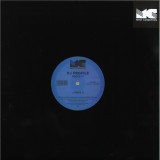
MC065 presents a highly anticipated reissue of Kilowatt's 'The Last EP' – a coveted 4-track compilation featuring a blend of technoid electro-funk and Detroit-inspired house grooves. Originally unleashed on Rob Gretton's legendary Manchester label 'Rob's Records', this EP seamlessly meshes with contemporary sounds and promises an immersive experience on a powerful sound system. Catering to aficionados of the more intricate and funk-infused facets of electronic music, Kilowatt unleashed this underground gem in 1995, earning it a well-deserved cult status among dedicated music explorers and DJs alike. Secure your copy of this exceptionally rare piece of UK musical brilliance now, courtesy of your friends at MC.
All tracks have been lovingly remastered by London's Curve Pusher from the original sources especially for Mint Condition. 100% legit, licensed and released. Dug, remastered, repackaged and brought to you by the caring folks at your favourite reissue label - Mint Condition.
- A1: The M.v.p.'s - Turnin' My Heartbeat Up
- A2: Major Lance - You Don't Want Me No More
- A3: Paul Anka - I Can't Help Lovin' You
- A4: The Vibrations - 'Cause You're Mine
- A5: Laura Greene - Moonlight Music In You
- A6: Lou Edwards & Today's People - Talkin' 'Bout Poor Folks Thinkin' 'Bout My Folks
- A7: The Seven Souls - I Still Love You
- B1: Dana Valery - You Don't Know Where Your Interest Lies
- B2: Shane Martin - I Need You
- B3: The Metros - Since I Found My Baby
- B4: Sandi Sheldon - You're Gonna Make Me Love You
- B5: Lorraine Chandler - I Can't Change
- B6: Lou Courtney - Trying To Find My Woman
- B7: Johnny Robinson - Gone But Not Forgotten
Wigan Casino - the original UK dance culture super club - ran its’ first Nothern Soul All-Nighter in September 1973. It’s last session was in December 1981, and by then its 500 plus frantic All-Nighter had firmly stamped Northern Soul as an integral part of the British music landscape,
Wigan Casino Classics 1973 - 2023 proudly celebrates 50 years since the birth of the most important ever Northern Soul venue with 14 all time classic floor fillers. The Sandi Sheldon, Major Lance, The Seven Souls and Johnny Robinson gems were originally released on the Uber cool Okeh label but despite being part of the mighty Columbia Records empire sank without trace on release in the USA only to be discovered (and revered) by UK Soul devotees.
The Metros and Lorraine Chandler tracks were produced by Detroit’s mighty Pied Piper Productions crew and demonstrate that Motown were far from the only Motor City set up that knew how to conjure up truly breathtaking music.
In Northern Soul lore there is an intriguing story behind all 14 tracks - who produced and wrote them, which Rare Soul detectives - the original crate diggers - discovered them, what DJs played them..
But at the centre of it all is Wigan Casino, the seen better days Lancashire dance hall where 2,500 plus Soul fanatics flocked to every weekend to dance dance dance at the pre Rave era ultimate Rave. The recent 50th Anniversary celebration in Blackpool attracted a 5,000 turn out. The legend lives on.
This release marks the return of the always style wise Joe Boy label. Their trademark on point graphics are reinforced with the LP front sleeve being devoted to an iconic photograph by Francesco Mellini taken at the last ever Casino All-Nighter.
Soul plus Art from The Heart of Soul.
I Talk To Water, the fifth album for Kompakt by Danish producer Kölsch, is the artist’s most personal statement yet. While all the trademarks that make his music so popular and powerful are still present – lush, melodic techno; swooping, trance-like figures; sensuous, shivery texturology – I Talk To Water is also a deep and intimate rapprochement with family and history, a beautiful, finely detailed document of loss and memory, and a tracing of the long, unbroken thread of grief that runs through our lives once we’ve lost those we loved.
The emotional core of I Talk To Water, then, is a cache of recordings by Kölsch’s father, Patrick Reilly, who passed away in 2003 from brain cancer. With time rendered elastic by the pandemic and its associated lockdowns, its sudden, alienating shifts in everyday living, Kölsch found himself reflecting on his father’s passing and ongoing spiritual presence, thinking about how best to memorialise such a significant figure in his own life. Those recordings opened a gateway, of sorts, for Kölsch to move through – a way to bring past and present together and entwine them in a sensitive, poetic manner.
Kölsch’s father was a musician – “touring in the sixties and seventies, in the Middle East especially, he was doing the whole hippy trail, playing guitar, and wrote some songs over the years,” he recalls. “But all in all, he decided to focus on family rather than pursue a musical career.” Reilly kept playing and writing music over the years, though Kölsch hadn’t listened to the material for some time: “I’d never had the guts to listen to it, because I just felt too fragile listening to his voice. It’s such a tough thing to go through.”
During the pandemic, though, Kölsch listened through the fragmented body of work that his father had produced over the years. “I decided I’m gonna finally release my dad’s music twenty years after his passing,” he reflects. “This whole album is about the process of loss, and for me it’s been one of my main driving forces in my musical life, the whole emotional aspect of whatever I’ve done has been based in that feeling that he’s not there anymore.”
Recordings of Reilly appear on three songs across I Talk To Water. His guitars drift pensively across “Grape”, offering a lush thread of melody that Kölsch wraps with clicking, driftwood rhythms and droning, melancholy bass. “Tell Me” is a lovely three-minute art song, a sadly beautiful reflection, minimally adorned with gentle keys and a muted pulse. And on the closing “It Ends Where It Began”, Kölsch lets his father’s acoustic guitar take centre stage for a lament that’s unexpectedly folksy, a guitar soli dream, which Reilly originally recorded in 1996. “He actually recorded it for my first album that never came out,” Kölsch reveals, “and I had it sitting around forever. That is purely him.”
These three imagined collaborations between father and son are poised and delicate. But their relationship also marks the gorgeous music Kölsch has made across the rest of I Talk To Water, from the itchy yet lush “Pet Sound” (titled in tribute to one of Reilly’s favourite albums), the flickering synths and yearning vocal samples that slide through “Khenpo”, the ecstatic shuddering that marks “Only Get Better”, or “Implant”’s slow-motion pans and subtle reveals.
There’s also the title song, where Kölsch is joined by guest Perry Farrell (Jane’s Addiction, Porno For Pyros), singing a mantra for internal reflection: “I talk to water / Searching for myself / Looking for answers / Oceans of you.” Farrell’s appearance brings another timbre, another spirit to the album, aligning neatly with his recent interest in electronic music. “He was completely taken by this idea of talking to water,” Kölsch says, thinking about the ways we collectively lean towards the natural world as a comfort and a listener, a guide through mourning, a way to map out the terrain of the heart. This mapping is something that Kölsch has proven remarkably adept at through the years; dance music for both body and mind, but also both for the here-and-now, and for the hereafter.
“I Talk To Water”, das fünfte Album des dänischen Produzenten Kölsch für Kompakt, ist zweifellos das persönlichste Statement des Künstlers bislang. Während alle Markenzeichen, die seine Musik so beliebt und kraftvoll machen, immer noch präsent sind – üppige, melodische Techno-Tracks; schwebende, tranceartige Elemente; sinnliche, fiebrige Texturen – ist “I Talk To Water” auch eine tiefe und intime Annäherung an Familie und Geschichte. Es ist ein wunderschönes, fein ausgearbeitetes Dokument des Verlusts und der Erinnerung, und es verfolgt den langen, ungebrochenen Faden der Trauer, der durch unser Leben läuft, sobald wir diejenigen verloren haben, die wir liebten.
Der emotionale Kern von “I Talk To Water” besteht aus Aufnahmen von Kölschs Vater, Patrick Reilly, der 2003 an Hirnkrebs verstarb. Durch die Pandemie und ihre damit verbundenen Lockdowns, die plötzlichen, entfremdenden Veränderungen im Alltag, fand Kölsch sich in Gedanken an den Tod seines Vaters und seine fortwährende spirituelle Präsenz wieder. Er überlegte, wie er eine so bedeutende Figur in seinem eigenen Leben am besten verewigen könnte. Diese Aufnahmen öffneten ihm sozusagen ein Portal, um Vergangenheit und Gegenwart miteinander zu verbinden und sie auf sensible und poetische Weise zu verweben.
Kölschs Vater war Musiker – “er tourte in den sechziger und siebziger Jahren, vor allem im Nahen Osten, auf dem Hippie Trail, spielte Gitarre und schrieb im Laufe der Jahre einige Songs”, erinnert sich Kölsch. “Aber alles in allem entschied er sich, sich auf die Familie zu konzentrieren, anstatt eine musikalische Karriere zu verfolgen.” Reilly spielte und schrieb jedoch im Laufe der Jahre weiterhin Musik, obwohl Kölsch das Material lange Zeit nicht angehört hatte: “Ich hatte nie den Mut, es anzuhören, weil ich mich einfach zu zerbrechlich fühlte, seine Stimme anzuhören. Es ist so schwer, das durchzustehen.”
Während der Pandemie hörte sich Kölsch jedoch durch das fragmentierte Werk, das sein Vater im Laufe der Jahre produziert hatte. “Ich beschloss, die Musik meines Vaters zwanzig Jahre nach seinem Tod endlich zu veröffentlichen”, reflektiert er. “Dieses ganze Album handelt von dem Verlustprozess, welcher für mich generell eine der Hauptantriebskräfte in meinem musikalischen Leben ist. Der ganze emotionale Aspekt von dem, was ich getan habe, basierte auf dem Gefühl, dass er nicht mehr da ist.”
Auf “I Talk To Water” sind Aufnahmen von Reilly in drei Songs zu hören. Seine Gitarren ziehen nachdenklich durch “Grape”, bieten einen üppigen Melodiefaden, den Kölsch mit klickenden, treibenden Rhythmen und dröhnendem, melancholischem Bass umwickelt. “Tell Me” ist ein schönes dreiminütiges Kunstlied, eine traurig-schöne Reflexion, minimal geschmückt mit sanften Tasten und einem gedämpften Puls. Und auf dem Abschlusstrack “It Ends Where It Began” lässt Kölsch die akustische Gitarre seines Vaters im Mittelpunkt stehen, ein überraschend folkiger Klagegesang, den Reilly ursprünglich 1996 aufgenommen hatte. “Er hat es tatsächlich für mein erstes Album aufgenommen, das nie veröffentlicht wurde”, enthüllt Kölsch, “und ich hatte es ewig liegen.”
Diese drei erdachten Kollaborationen zwischen Vater und Sohn sind ausgewogen und zart. Aber ihre Beziehung prägt auch die wunderschöne Musik, die Kölsch im Rest von “I Talk To Water” geschaffen hat, angefangen bei dem nervösen, aber üppigen “Pet Sound” (benannt als Hommage an eines von Reillys Lieblingsalben), den flimmernden Synthesizern und sehnsüchtigen Vocal-Samples in “Khenpo”, den ekstatischen Erschütterungen in “Only Get Better” oder den langsamen Schwenks und subtilen Enthüllungen in “Implant”.
Es gibt auch den Titelsong, in dem Kölsch von Gast Perry Farrell (Jane’s Addiction, Porno For Pyros) begleitet wird, der ein Mantra für die innere Reflexion singt: “I talk to water / Searching for myself / Looking for answers / Oceans of you.” Farrells Auftritt bringt eine weitere Klangfarbe, einen weiteren Geist in das Album, der gut zu seinem jüngsten Interesse an elektronischer Musik passt. “Er war völlig fasziniert von der Idee, mit Wasser zu sprechen”, sagt Kölsch und denkt darüber nach, wie wir kollektiv zur Natur als Trost, Zuhörer, Führer durch die Trauer neigen, um die Gelände des Herzens zu kartieren. Diese Kartierung ist etwas, in dem Kölsch im Laufe der Jahre erstaunlich geschickt war; Tanzmusik für Körper und Geist, sowohl für das Hier und Jetzt, als auch für das Leben danach.
Two mavericks, out on the weekend, trying to make it pay...
"Maverick was the word that came to mind when I listened to this music. A slightly wayward independence of spirit and outlook. The word originally referred to an unbranded male calf that had become separated from the herd (because Texan rancher Sam Maverick was so negligent in his branding - ‘if it ain’t branded, it’s a Maverick’). But Sam’s grandson Maury Maverick gave it a different twist in his short but stormy Congressional career as the only liberal member of the Southern Democratic caucus. Maury was so out of step with his own folks that he not only voted in 1937 to make lynching a federal crime, he even addressed the House to condemn the practice as barbaric. His attempt to ban racist mob murder sadly failed, but it’s that refusal to march in step which distinguishes the two ‘mavericks’ who made this record.
Who would attempt to combine cunning ethnological forgery, Scottish folk songs, claw-hammer guitar, untutored horn-tootling, elastically relaxed drumming and garage electronic fuckery? Only Greg and Stefan, high on sea, sunshine and mis-judged micro-dosing – that’s who. ‘Don’t drown’ was offered as practical advice during the self-described ‘Yellow Submarine’ phase of making this record. And while they managed to avoid literally doing so (phew), they sound here like they got pretty ‘deep in’ to an Octopus’s sound world all their own. This surprisingly clear analogue recording has just enough Bikini Bottom grit to ensure traction. The tunes are inviting, and the sonic disruptions are too good-natured and goofy to upset even the most delicate digestion.
The sessions have had a couple of years to marinate, courtesy of some pandemic, and are here offered in that most Archducal of vinyl formats, the double ten inch. What are you waiting for, a side of Crabby Patties? Get your water-wings and dive in (unless you’re tripping)!" - Bruce Russell (The Dead C)
Pumice is the long-running, endlessly inventive project of New Zealand native Stefan Neville (1974), whose shambolic music is equally reminiscent of Kiwi pop groups such as The Clean and Tall Dwarfs as well as the country's experimental noise-rock bands like the Dead C. Largely recorded solo by himself on junky equipment, his songs typically feature blown-out guitars, wheezing chord organs, and vocals disguised by tape hiss and static.
Greg Malcolm (1965) is a guitarist from New Zealand who has played everywhere on the globe and with all most everyone, including Rosy Parlane, Toshimaru Nakamura, Tetuzi Akiyama and Bruce Russell, as well as solo releases on his own label, Corpus Hermeticum, Kraak and Celebrate Psi Phenomenon.
Black Vinyl[16,77 €]
A Colourful Storm presents Seance, a new set of songs by Maxine Funke.
Following a productive recording period beginning with Silk (2018) and ending with Forest Photographer (2020), Seance marks a remarkable levitation of Funke’s tender, softly spoken songcraft first documented on Lace (2008) and Felt (2012) into new creative heights. Folksong confessionals with the burden of memory. Ghostly confines, murmurs from the cracks. Soil, blood and skin. The beauty and mundanity of the everyday.
The voice of Funke is a distinctive instrument, one which perfectly elucidates her sometimes confessional, at other times deeply inward allusions to love, loss, joy and disquiet. Lyrics grounded in observation and adventure (“Eyeballs, asphalt, grass clippings, peppercorns”) unravel into uneasy truths daubed in self-consciousness and forbidden desire (“I’m not shy / There's just a sparkle in your eye and I don't feel right”). The simplest things can be the most difficult to express.
Opener ’Fairy Baby’ and ‘Homage’ are sensuous and probing, celebrating new beginnings while cautiously closing old chapters. ‘Quiet Shore’, a seven-minute reverie of guitar strum and poetry, conjures spirits long forgotten and shines as Funke’s first solo foray into longform songwriting. A perfect accompaniment to the album’s centrepiece, ‘Lucky Penny’, a euphoric, entrancing rush foreshadowing the delicate dreamspeak still to come.
An assertive, visionary recording by one of New Zealand’s most extraordinary voices, Seance is a lover’s lament, a revealing of self and a secluded wander through fields of enchantment.
The second EP from this mysterious edit series and they definitely don’t disappoint!
On the edit block this time... Tropical Jazz funk, African boogie, killer lost female AOR, & a Rare Gospel meets Street Soul cut. The first EP sold out fast so don’t sleep on this one folks!
Mint Condition - A record label focused on excavating the outer fringes of classic House and Techno. Unreleased mixes, classics, overlooked gems and never heard before material, mined from the last 30+ years of contemporary dance music are the order of the day. From Chicago, Detroit and New York to London and beyond. Mint Condition have got their digging hats on to bring you exclusive heat and those rarer than rare jams that have been in your wants list for years.
Dig in...
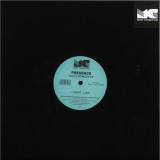
East Midlands house legend, Charles Webster, relocated to San Francisco in 1992, setting up Spirit Studios in the heart of the city and a highly productive period ensued. The 'White Powder' EP released in 1995, under Charles' Presence moniker is widely regarded as a classic of its genre, up there with any of its contemporaries on Prescription or Murk. All 4 tracks are flawless and groundbreaking in their ability to to draw together elements of soulful deep house, tribal percussion and the deep melodic tech-house sounds emerging from Europe and America's midwest into a unique whole.
EP opener 'Heart' features the haunting vocals of Sarah Jay, the track builds delicately, adding dark bass, before soaring strings lead into a melodic breakdown. $10's deftly programmed drums really deliver the funk, the deep melodic synth and pad progressions are mesmerising, whilst an unforgettable bass-line underpins the journey. Over on the flip 'Giving Love' intro's with gorgeous pad before shuffling percussion and an uplifting piano turn this track into a joyous ride. Lastly 'Powder Chords' sets the controls for heart of the dance floor, heavy kicks launch a much more techno influenced affair, it's dark and brooding but no less effective in its atmosphere and execution.
'White Powder' is all killer, no filler, a highly sought after slab of wax that has achieved cult status amongst the most discerning DJs, record collectors and music heads alike. Legitimately re-released with the full involvement of Charles Webster, lovingly remastered by London's Curve Pusher from the original sources especially for Mint Condition. 100% legit, licensed and released. Dug, remastered, repackaged and brought to you by the caring folks at your favourite reissue label - Mint Condition!
Mint Condition - A record label focused on excavating the outer fringes of classic House and Techno. Unreleased mixes, classics, overlooked gems and never heard before material, mined from the last 30+ years of contemporary dance music are the order of the day. From Chicago, Detroit and New York to London, Nottingham and beyond. Mint Condition have got their digging hats on to bring you exclusive heat and those rarer than rare jams that have been in your
wants list for years. Dig in....
Back in 1997, UK house legend Charles Webster, this time under his DJ Profile alias, unleashed these killer tracks. Originally released on the sorely missed London nightclub The End's label, this fine 12" set a benchmark for what would become a very exciting time for the UK's underground scene, both tracks are widely considered to be up there with Charles' most sought after work.
A-side 'Prove It' kicks off with swinging drums that deliver the funk, percussive elements rattle & shake and the low slung bass line keeps the track firmly on the dancefloor. The soothing chords, acid overtones and the evocative vocal hook are mesmerising and soulful.
Over on the flip, 'Realization' is a bumping analogue monster. The kicks are solid, the snares swing and an infectious rolling bass line carries the track throughout. Darker acidic touches sit alongside delicate synth riffs and emotive chords that lift, drift and lose you in a world of wonderfully woozy deep house sonics.
Never has the late night dance floor sounded so good, and this slab of wax is a must have that typifies a halcyon period in underground house history. The tracks themselves have remained exciting and relevant, achieving cult status amongst the most discerning DJs, record collectors and music heads alike. Legitimately re-released with the full involvement of Charles Webster, lovingly remastered by London's Curve Pusher from the original sources especially for Mint Condition. 100% legit, licensed and released. Dug, remastered, repackaged and brought to you by the caring folks at your favourite reissue label - Mint Condition!
with his third album 'vin ploile' the bucharest, romania based producer, musician and dj petre in-spirescu captured a whole new audience in 2015 and reached out with minimal leftfield ambient sounds to music loving folks, that are not part of the world-wide dance music universe.
well known as one of the key figures of the romanian electronic dance music scene since his first ep 'tips' on luciano's label cadenza, inspirescu stepped away from club sounds that made him famous due to releases on labels like vinyl club, lick my deck or amphia.
also his two solo albums 'intr-o seara organica...' and 'gradina onirica', both released on (a:rpia:r), the record label he initiated with his buddies rhadoo and raresh in 2007, do not have much in common with the sound of 'vin ploile' - a mesmerizing deeply musical album that he only tuned in with some elements of piano, string and wind instruments as well as analogue electronics.
at the end of 2015 his nine slow swinging arrangements where celebrated in many polls and now, just a bit more than one year after the release of 'vin ploile' petre inspirescu delivers 'vîntul prin salcii' - another longplayer enlarged with seven, up to epic twelve minutes long arrangements, that continue where 'vin ploile' ceased.
they all listen to the name 'miroslav' and only differ numerically in their title. you can call them ambi-ent. you can call them minimal music in the sense of classic compositions by steve reich or terry riley. they groove - sometimes more, sometimes less. and they spread the sounds of flutes or saxophones, delicate piano figures, organic jazz drumming, arpeggiated analogue synth-lines, mesmerizing strings, choral singing, alienated looped vocals and spaced out new aged spheres.
what unites them all is the way, the melodies dance upon and in each single tune. their beautiful tex-tures ensnare and they are continuously engaged with experimentation. a mystical album full of evolu-tionary music to which each listener is able to paint his very own emotional picture. moody, dark and at the same time light-flooded shape-shifting compositions - made for those who love to surrender them-selves to a gentle dance between experimentation and attractiveness.
the cover artwork for petre inspirescu's album was made again by the illustrator and photographer julian vassallo, who's artistic works fascinate with a touching spirit of distance, that captures the truth in each single motif. just like petre inspirescu's music, only that his art grooves with notes that tell somehow: there is no truth. there is only perception.
Musik Krause, the label with that special funk and the wide view releases the fourth album in their 10-year history. The circle is complete. In 2002 they started with Metaboman. Now there is the album. As a part of the record-spinning Krause Duo he's known a number of escapades having to do with the 'bash' or rather party culture. Inventively they go about things on a winding path. The have a developed a completely singular metaphoric like a Krauzy schroud and trashno effect. Even if on this long player there is a good deal of gravitation and disengaged handbrake, the beloved notorious krause-vibe swings in every beat, as Metaboman forges the iron. He wants to go further and let himself be taken away, and above all with the musicians he has won over with his live-project to massage the masses from the stage. Krause Duo remains. The album comes in this regard as a gesture providing the direction. Solo here is the conductor, the arranger and the composer in one. Various artists is the keyword, good ol' Metaboman. On all ten songs our friendly neighborhood sonic meister sets the notes and vibes between the skillful, grooving rhythms. In this way there is a bonafied club album in the room that understands rhythm-feeling. Music that in the club context brings an attribute that stands far above the plain acoustic shock and scream. Party But of course, yet still both feet in the game with not a little insubordination, depth, plumes of smoke and indulgence. Metaboman has always had his own vision, which plays out and mirrors his own authentic uniqueness. He doesn't find sounds. He finds shapes and forms and that is the progressive aspect, not the new sounds but rather the new forms. He 's not merely about the subteranean bassdrum, but rather telling his own story. He gives his pieces space and depth. The music itself is positioned somewhere within a sonic cosmos. The listener can functionally hear the record in a club. A freak and his freaks invite you and in your heart you know long before it is apparent that you belong. You can clearly hear that this dude and his folks want me to be there! This album encompasses the moment and keeps it safe for posterity. This music is the language of Metaboman and it is the understood. inkl. digital download code
- Take A Number
- Meaning Business
- Old Myth Dying
- Another Lifetime Floats Away
- It's Here
- Vanity Paradox
- Curious Bird
- The Ultraworld
- Will You Dare
- The Walls
Wendy Eisenberg hat die letzten zehn Jahre als feste Größe der Independent-Musikszene und als Künstlerin von inspirierender Vielseitigkeit verbracht. Als Singer-Songwriterin, Improvisatorin und virtuose Gitarristin sind die Koordinaten ihrer Kunst ständig im Wandel, von Art-Rock über Jazz bis hin zu mitreißender freier Improvisation und ausdrucksstarker Folk-Musik. Mit Höhepunkten wie dem 2020 erschienenen Album Auto" und dem 2024 Free-Jazz-Album Viewfinder" hat sie sich einen Namen als ambitionierte Künstlerin gemacht. Nachdem sie die letzten fünf Jahre damit verbracht hat, in verschiedenen Bands, Genres und kreativen Herausforderungen zu experimentieren, und nach einer Phase der Selbstkonfrontation, die sie mit einem persönlichen Exorzismus vergleicht, hat Eisenberg einen Meilenstein erreicht. Die poetischen und formal gewagten Folksongs von Wendy Eisenberg sind ihre bisher klarste Vision. Die Songs begannen 2020 Gestalt anzunehmen, als Eisenberg aus West-Massachusetts wegzog, wo sie nach ihrem Studium am New England Conservatory in Boston einige Jahre gelebt hatte, und nach Brooklyn zog. Aus Sehnsucht nach der ländlichen Atmosphäre ihres früheren Zuhauses fühlte sich Eisenberg zu den warmen Klängen von Country und Folk hingezogen. Die Songs sind echte Folk-Lieder", sagt Eisenberg über ihr Album. Bei der Produktion geht es weniger darum, zu sehen, was die Gitarre leisten kann, sondern vielmehr darum, die inhärente Fremdartigkeit der Sprachen zu akzeptieren, die sie seit anderthalb Jahrhunderten spricht." Auf Wendy Eisenberg schafft die Künstlerin ihr eigenes Paradigma mit einem eng verbundenen Kreis von langjährigen Freunden und Mitwirkenden, darunter Bassist Trevor Dunn, Schlagzeuger Ryan Sawyer und Co-Produzentin Mari Rubio (more eaze), die für Pedal Steel, Synthesizer und Streicharrangements zuständig war. Die Aufnahmen fanden oft in Eisenbergs Haus statt und verliehen jeder Note eine wunderschöne Ensemble-Textur. Endlich war ich von Menschen umgeben, die mich akzeptierten", sagt Eisenberg. Viele der Songs auf diesem Album sind in diesem neuen Gefühl entstanden. Ich wollte, dass es unglaublich beruhigend wirkt, da es einige massive Veränderungen im Selbstverständnis und Selbstwertgefühl beschreibt. Es geht um Erleichterung."
- Osmos
- Peace Of The Unsaid
- Cloudmachine
- Skin Dress
- Unleash
- Jeanne De Rien
- Kiss The Lion's Tongue
- Throw Ashes!
- Samadhi
- Hora Et Devoura
Devotional music most often gets distilled into earthy chants and ancient folklore, it doesn't always ascend to the sky like Julinko’s ‘Naebula’ an album that from the first organ note clearly trades in terrestrial dreams for ethereal visions. A feverish quality permeates the whole record, as if a ritualistic performance was being captured from start to finish, a collection of hallucinatory doom, synthetic neo-folk hymns and ghostly art-rock.
Julinko, stage name for Giulia Parin Zecchin, has long been one of the best kept secrets of the experimental community in North-East Italy, with three records that helped define her unique blend of heavy psychedelia, slowcore and dark ambient. On ‘Naebula’ what really stands out is how powerful and soaring her voice is, a weapon of undeniable force that can transform into a vessel of raw fervour or glide effortlessly as a delicate lament. Her unconventional approach shines through on tracks like ‘Jeanne De Rien’, where a marching pulse acts as a pillar for an extended mantra, almost verging into powwow territory. ‘Peace Of The Unsaid’ uses its arrhythmical structure to create space, a crepuscular night ode that reaches the heights of Sinead O’Connor’s most intimate force-fulness while retaining a sweet composure. Whether it’s glacial murderous shrieks or gospel-esque vitality, songs like ‘Cloudmachine’ or ‘Kiss The Lion’s Tongue’ seem to draw as much from a tradition of European minimalism, the use of drones and repetition, to the tradition of folksongs as hymns, where modal harmonies make way for an apparent stasis. Another key element in Julinko’s songwriting is the seamless blend of her minimalistic approach with these dense textures borrowed from a distant outsider metal heritage, Lynchean noir on steroids or wordless exorcisms with deep undercurrents.
- 01: Bunny&Apos;S Pie (Feat. Bruce Johnson, John Abercrombie &Amp; Chip White)
- 02: Trial N. 5 (Feat. Bruce Johnson, John Abercrombie &Amp; Chip White)
- 03: Dimenticare Stanca (Feat. Bruce Johnson, John Abercrombie &Amp; Chip White)
- 04: Katcharpari (Feat. Bruce Johnson, John Abercrombie &Amp; Chip White)
- 05: Fluid Connection (Feat. Bruce Johnson, John Abercrombie &Amp; Chip White)
- 06: Cheerin&Apos; Cherry (Feat. Bruce Johnson, John Abercrombie &Amp; Chip White)
- 07: Peace (Feat. Bruce Johnson, John Abercrombie &Amp; Chip White)
The breakthrough album. Enrico Rava's second solo record, recorded in Milan in January 1973 and released on the German BASF label, is nothing less than a cornerstone of Italian jazz-rock - the record that caught Manfred Eicher's attention and opened the doors to ECM. Rava himself has called it his breakthrough, and history proved him right.
The lineup is killer: John Abercrombie on guitar, Bruce Johnson on bass, Chip White on drums. Four musicians operating at the absolute peak of early seventies fusion energy - electric, cosmopolitan, burning with that particular fire that only existed in that brief window when jazz met rock and nobody knew the rules yet. Abercrombie, already on his way to becoming one of the most distinctive voices in electric jazz guitar, delivers some of his most ferocious early work here. White's drumming is relentless, pushing the music forward with an intensity that never lets up.
If Miles' Bitches Brew-era speaks to you, if Ian Carr's Nucleus gets you moving, if you know Sun Ra's Lanquidity and Don Cherry's Relativity Suite by heart - this is essential listening. Rava's vision was already fully formed: South American rhythms, Mediterranean warmth, free jazz ferocity, rock power - all flowing together without borders or categories. By the early seventies, Rava had absorbed everything - the New Thing, the European free scene, the electric revolution coming out of Miles' studio - and forged something entirely his own.
The seven tracks cover serious ground. "Bunny's Pie" introduces the music with an almost cosmic atmosphere of suspense, hovering in that liminal space before it trails off into the up-tempo vibrant frenzy of "Trial N. 5" - Abercrombie and Rava trading swirling solos at full intensity, the rhythm section locked in tight. "Dimenticare Stanca" moves from Rava's expressive balladic intro into pure funk, guitar and trumpet steering over the rhythmic drive with absolute confidence. The title track carries the lyrical feel and cadence of an Incan-Peruvian folksong - that cosmopolitan spirit made audible. "Fluid Connection" rides a funky bass riff into fusion heaven, with standout trumpet and guitar solos that build and release with perfect tension. "Cheerin' Cherry" pays homage to the great Don Cherry - Rava's spiritual mentor and fellow traveler in world music - exploring a North African soundscape that points toward the global jazz to come. Johnson's "Peace" closes the album with a minute and a half of serene, blissful calm - a moment of stillness after the storm.
This audiophile reissue - cut from the original masters, pressed by Pallas in Germany on 180gm vinyl, housed in a thick laminated hand-glued gatefold - does full justice to an album that remains a collector's holy grail.
Don't sleep on this one. Limited Edition.
Xylitol, aka producer and DJ Catherine Backhouse, shifts up the refinement and musical breadth for her second album Blumenfantasie, the follow-up to her Planet Mu debut Anemones.
With Blumenfantasie, Xylitol wanted “to make space and for the music to float and propel at once”, finding routes through the pointillistic figures, cascading synths and the meditative stillness of kosmische musik and bolder breakbeat programming. She reaches this delicate balance through careful subtraction, hoping “to convey a sense of intimacy and sadness but without sentimentality” which she manages with a feel and sound that's raw and intuitive.
Blumenfantasie rolls through detailed jungle workouts that flutter and bleep, through beatless ambience, taking a rare dip below 160 bpm for the elegiac Mirjana, the album’s most explicit nod to Krautrock with a drum break chopped up from Amon Duul II’s anthemic ‘Archangel’s Thunderbird’, through to Halo, a bare bones grime rhythm that calls to mind the missing link between industrial pioneers Nurse With Wound and Wiley's Eskibeat.
Catherine cast her net to draw in experimental audiovisual duo Sculpture and Reading based post-rock band The Leaf Library as collaborators, pulling the former’s whirling eddies of musique concrète into a slice of sublime aquatic jungle, and the latter’s radiophonic folksong into a dark and disorientating breakbeat workout equally indebted to Source Direct as to Broadcast.
Blumenfantasie moves with a confident, self-effacing fluidity which has been informed by DJ Bunnyhausen’s more regular DJ gigs. She speculates ‘if this album feels more cohesive than its predecessor it's likely because I've been DJing a lot more, with Worthing Techno Militia, with central and eastern european electronica collective Slav to the Rhythm, as well as being part of Italo Disco crew Flex. Moving between these zones seemed to open up hidden pathways between the disparate musical trajectories they represent.'
While Anemones contrasted the rough and the delicate, its successor is an album built for the head, hips and heart, with painterly sounds and a sense of intimacy that encourages deep listening while keeping its eyes on the strobelight and its feet on the dancefloor.
- A1: I Put A Spell On You (2:36)
- A2: Tomorrow Is My Turn (2:50)
- A3: Ne Me Quitte Pas (3:37)
- A4: Marriage Is For Old Folks (From The Musical The Secret Life Of Walter Mitty) (3:30)
- A5: July Tree (2:44)
- A6: Gimme Some (3:01)
- B1: Feeling Good (From The Musical The Roar Of Greasepaint) (2:55)
- B2: One September Day (2:50)
- B3: Blues On Purpouse (Instrumental) (3:18)
- B4: Beautiful Land (From The Musical The Roar Of Greasepaint) (1:56)
- B5: You've Got To Learn (2:44)
- B6: Take Care Of Business (2:06)
black vinyl[24,79 €]
Given her extensive and varied recording catalog, if you're looking for a place to explore the talents of the late Nina Simone, then 1965's I Put a Spell On You is a great place to dip your toes - particular if you want to start with her more pop oriented sides.
The set features a truly eclectic mixture including stabs at jazz (the instrumental "Blues On Purpose"), R&B (the title track), French chanson ("Ne Me Quitte Pas") and a number of show tunes.
- All Closed Eyes Ain't Sleep
- Party With Me
- All Closed Eyes Ain't Sleep (Extended Mix)
- Party With Me (Instrumental)
DEVANDO is back again with a boogied-out banger 45, featuring pulsing beats, ascending bass synth lines and vocoders that will make even the most rhythm deficient folks bob along. "All Closed Eyes Ain"t Sleep" is a steady stream of danceable energy, while "Party With Me" is a falsetto-rich disco collaboration with the One, DeRobert Adams. Get blissed with this sophisticatedly bumpin" 45.
For a few fleeting moments during a sunset, the sky is cast a vivid shade of amber. A dramatic flare of colour, a moment belonging to both the day and the night. It is within this vibrant, ephemeral world, that Mongolian-born, Munich-based Enji has written her new album Sonor.
Sonor is a reflection of Enji's personal evolution and the complex emotions that accompany living between two worlds. The album's themes revolve around the unplaceable feeling of being between cultures, not as a source of conflict, but as a space for growth and self-discovery. Enji explores how distance from her traditional Mongolian roots has shaped her identity, and how returning home brings a heightened awareness of these changes. Backed by a band of renowned jazz musicians (Elias Stemeseder on piano, Robert Landfermann on bass, Julian Sartorius on drums and co-composer Paul Brändle on guitar), Enji isn't just revisiting tradition, she's distilling the feeling of home, of small joys that reveal their significance only when viewed from afar.
Like a familiar song hummed by a parent, her music captures the essence of belonging, not tied to a single place, but to the emotions and memories that shape us.
LP, Luxe letterpressed covers
The first live LP from the legendary June of 44, dating back to their first "reunion" tour. Recorded live at a 2023 Tokyo date, the set covers their expanded catalog and hits all periods of the band's studio work. A delightful recording housed in a luxe and gorgeous letterpress jacket (assembled and printed by Jeff Mueller of the band - keeping it close!), this is a delightful addition to the collection of the fans of June of 44 (and Rodan, Shipping News, Saint, etc.) that folks figured would never happen. Always fun with that sort of stuff happens, right?
For 20 years Bart De Paepe has carved a distinctive trace in the realm of psychedelic underground and counterculture. With several outstanding solo albums on a.o. Astres d’Or, Ultra Eczema, No Basement Is Deep Enough and with many studio and concert ventures with Sylvester Anfang’s funeral folks, Louise Landes Levi, Timo van Luijk, Raymond Dijkstra to name a few, Bart De Paepe developed a wide and sharp spirit within the orbit of psychedelic improvisation. Since 2007, Bart also curates the Sloow Tapes and Sloowax labels with an impressive catalog of music and poetry by a wide range of resonating artists. Bart’s visual work (drawing and painting), parallel to his musical universe, has been used on many of these releases. He is a genuinely curious traveler, always discovering new dimensions, which is clearly to be heard on the four tracks of this album.
Zürahümnah is an immediate and immersive dive into solitary inner and outer worlds of light and darkness. Zürahümnah is a floating vibration of flickering twilight. Zürahümnah is a mysterious journey through detached time and space. Equipped with Hawaiian guitar, piano, organ and cymbal, Bart De Paepe sets the controls for the heart of the sun.
- 1: The Barbarian
- 2: Take A Pebble
- 3: Knife-Edge
- 4: The Three Fates A. Clotho B. Lachesis C. Atropos
- 5: Tank
- 6: Lucky Man
Supergroups existed before Emerson, Lake & Palmer formed in 1970. And, as we all know well, many came after. But few, if any, matched the English trio’s chemistry and its elevated combination of virtuosity, vision, and verve. Having influenced a multitude of followers, ELP’s prowess was obvious from the start. The band’s self-titled debut stands as a towering statement of creative imagination, execution, and discipline more than five decades after its original release.
Mastered at MoFi’s California studio, housed in a Stoughton jacket, and pressed at Fidelity Record Pressing, Mobile Fidelity’s numbered-edition 180g 33RPM LP of Emerson, Lake & Palmer presents the benchmark album in audiophile sound. Clear, dynamic, and balanced, this collectible edition honors the perfectionist approaches that both informed the playing and recording of the record.
Distinguished with black backgrounds, this reissue brings to light the epic scope, tonal depth, and mind-bending degrees of musicianship on display. Aspects — textures, nuances, effects, melodies, tempo changes — that go hand-in-hand with the trio’s compositions and interplay are rendered amid broad soundstages and delivered with pinpoint detail. Whether you’ve owned multiple copies of this touchstone or seeking out your first version, you’ll relish the presence, separation, imaging, and crispness that help make every song come across as if the group has set up shop in your listening space.
Opening the door to the seemingly infinite possibilities of progressive rock while steering clear of excess, Emerson, Lake & Palmer achieved a rare feat in that its complex, cerebral music didn’t prevent it from attaining mainstream success. The gold-certified effort launched the career of a band that would sell tens of millions of records. It also landed a Top 50 single in the form of the ballad “Lucky Man,” whose vocal harmonies, folksy strumming, multi-tracked instrumentation, and breakthrough Moog solo almost feel quaint in the face of the other fare on the album.
Comprised of genre-defying originals and hybrid arrangements of two classical pieces, the album Rolling Stone originally and rightly said is “best heard as a whole” matches outrageous ambition with the otherworldly skills of three musicians who remain among the finest to ever pick up their respective instruments. While Emerson soon drew the lion’s share of headlines for his ability on keys — clavinet, Moog, piano, Hammond organ, and pipe organ included — Greg Lake’s aptitude on guitar and bass, along with well as Carl Palmer’s monster talents behind the kit, created a three-headed hydra that devoured everything in front of it.
That extends to the radical reinterpretation of Bela Bartok’s “The Barbarian” that begins the LP, a performance that in less than four-and-a-half minutes runs the gamut from distorted to churchy to angular and blustery. More classical flourishes, keyboard wizardry, hard-rock heaviness, and gothic signatures emerge throughout “Knife-Edge,” which reimagines music by Leos Janacek and J.S. Bach — and ultimately invites you to explore a cathedral of sound teeming with separate bursts of keys and percussion.
And did someone say “drumming”? Check out Palmer’s monster salvo on “Tank,” a rhythmic showcase that marches out with knee-bent notes and mirror-reflected passages. Or dive into the mythological suite “The Three Fates.” Replete with three parts and Emerson playing the pipe organ at Royal Festival Hall, it shoots off sonic fireworks via sophisticated arpeggios, jazz improvisations, dancing counter-meters, sizzling chords, and a few explosions. Please don’t hold anyone at MoFi responsible if your system cannot handle it; this is heady stuff.
Indeed, everything on Emerson, Lake & Palmer is there for a purpose. Whether you aim to attempt to dissect all of the notes, shifts, and polyrhythmic bluster or just want to absorb this album as one living, breathing organism, this version invites you to do both as many times as you desire.
- Mean Street
- Dirty Movies
- Sinners Swing!
- Hear About It Later
- Unchained
- Push Comes To Shove
- So This Is Love?
- Sunday Afternoon In The Park
- One Foot Out The Door
The song titles on Van Halen's aptly titled Fair Warning don't lie. The likes of "Unchained," "Mean Street," "Push Comes to Shove," "One Foot Out the Door," and more indicate the mood the band channels on its double-platinum 1981 record — the nastiest, darkest, and fiercest album of the group's storied career. For the fourth time in four years, Van Halen throws down the gauntlet to all challengers and emerges victorious.
Sourced from the original analog tapes, pressed on MoFi SuperVinyl at Fidelity Record Pressing, and strictly limited to 5,000 numbered copies, Mobile Fidelity's UltraDisc One-Step 180g 45RPM 2LP set plays with unfettered clarity, dynamics, and immediacy. Benefitting from superb groove definition, an ultra-low noise floor, and dead-quiet surfaces, this vinyl edition captures what went down in the studio with tremendous realism and involving presence.
Taking a more controlled approach in the studio and still completing everything in less than two weeks, Van Halen and producer Ted Templeman relied on studio amplifiers to direct the sound. Further diverging from the live-on-the-floor approach of its earlier albums, the ensemble also employed overdubs to great effect. The result: Dense, stacked architecture that underlines the hard-hitting tenor of the songs — and which comes alive like never before on this reference edition that looks as good as it sounds.
The premium packaging and gorgeous presentation befit the reissue's select status. Housed in a deluxe slipcase, it features special foil-stamped jackets and faithful-to-the-original graphics that illuminate the splendor of the recording. Aurally and visually, it is made for listeners who want to immerse themselves in everything involved with the album, including the iconic cover art adopted from William Kurelek's haunting painting, "The Maze."
Isolated frames from Kurelek's childhood-inspired work — including a man bashing his head into a brick wall, a guy pinning down an adversary as he delivers bare-fist blows to his face and others watch with apparent glee, a boy tied down on a conveyer belt and being sent through the equivalent of a meat saw — adorn the front and back covers. The sunnier visual disposition of Van Halen's prior efforts gives way to something sinister and tortured, traits reflective of the music within. The band members, too, are visually depicted not in glamorous shots but in a serious black-and-white portrait in which the quartet is clad in black leather jackets.
Tough, aggressive, stark: Fair Warning comes on like a series of bare-knuckled punches to the solar plexus and boasts lyrical narratives to match. Though not a concept record, the concise album revolves around themes of roughing it on the streets and struggling to survive amid dim prospects. Singer David Lee Roth reportedly penned many of the initial lyrics after traveling to Haiti and observing extreme poverty. The characters and situations populating Fair Warning reflect hardscrabble existence, last-chance desperation, and underlying danger.
Witness the crazies, poor folks, and hunters of “Mean Street”; the former prom queen turned pornographic actress on “Dirty Movies”; the menace and vice of “Sinners Swing!”; the streetwise hustle of “Unchained”; the isolation and alienation of “Push Comes to Shove”; the desire for escape on “One Foot Out the Door”: A carefree California beach party Fair Warning is not.
Having said he felt angry and frustrated during the sessions, guitarist Eddie Van Halen uses the forceful arrangements as a playground for his seemingly unlimited arsenal. Supported by a crack rhythm section and a hyped-up Roth, he performs with an almost impossible combination of punk-like intensity, technical finesse, lyrical fluidity, and unbridled emotion. The virtuoso was increasingly butting heads with Templeton and seeking a freedom in the studio he believed denied him.
No wonder he plays like a bat out of hell. Listen to the rapid-fire manner in which he slaps the high and low E strings on the 12th fret of his instrument on “Mean Street,” instilling the tune with funk flair and metal-spiked sharpness. For the pouty strut of “Dirty Movies,” Eddie Van Halen contributes slide guitar magic made possible after he sawed off the lower portion of a Gibson SG so he could reach further down the fretboard.
Related intensity, urgency, and daredevil momentum punctuate the surging “Sinner’s Swing!” A heavily flanged, delicately melodic introduction frames the attitudinal “Hear About It Later,” among the most creative arrangements of Van Halen’s career. And do riffs come any bigger or magnetic than those on the high-wire kick of “Unchained”? As for the out-of-left-field “Sunday in the Park,” an instrumental composed on an Electro-Harmonix micro-synthesizer: Who but Eddie Van Halen to supply creep factor in such an ingenious way?
Despite selling fewer quantities than Van Halen’s prior efforts, Fair Warning remains for many diehards the record that epitomizes all of the band’s immense strengths —Roth’s manic energy and tongue-wagging humor, Alex Van Halen’s rhythmic heartbeat-in-your-chest bombast, and Michael Anthony’s lucid bass lines included. Arriving when the New Wave of British Heavy Metal and new-wave movements were taking flight, it signaled a shot across the bow from a band determined to stay a step ahead and provide proof nobody could touch what it delivered.
More than four decades later, Fair Warning still sounds that alarm.
- 1: Amsterdam Blues
- 2: Unrequited
- 3: E.s.p
- 4: Old Folks
- 5: Pent-Up House
- 1: Simone's Dance
- 2: Everything Happens To Me
- 3: Satellite
- 4: Malida
Live at Smoke captures master drummer Al Foster in peak form during his final birthday celebration—a weekend of inspired performances at NYC’s Smoke Jazz Club in January 2025. Joined by an all-star quartet featuring Chris Potter, Brad Mehldau, and Joe Martin, Foster leads a group full of fire, grace, and deep swing. Drawn entirely from Saturday and Sunday night sets, this double LP-length live recording is both a celebration and a moving farewell from one of jazz’s great rhythmic voices.
- Fire (Luke 12:49)
- Nature Is A Song
- Springtime (In Australia)
- Mass-Emmanuel
- Messe Du Saint Esprit
- Light (John 8:12)
- O Brother (Matt. 7:1-5)
- Mary Was Here
- Teenager's Chorus
- O Great Mystery (John 6)
- Christ Our King (Col. 1:13)
- Keshukoran
FIRE VINYL[24,79 €]
Fire of God's Love ist das legendäre Album der australischen Nonne Schwester Irene O'Connor aus dem Jahr 1973 - eine aufrichtige, gefühlvolle und unbewusst psychedelische Songfolge, die der Selbstreflexion und dem Erwachen des inneren Geistes gewidmet ist. Das Album ist eine Sammlung von originellen spirituellen Folksongs, die von O'Connor geschrieben und mit Gitarre, E-Orgel, Drumcomputer und ihrer engelsgleichen Stimme interpretiert wurden. Es wurde von ihrer Mitschwester und Toningenieurin Sister Marimil Lobregat auf erstaunlich futuristische Weise aufgenommen und abgemischt. Freedom To Spend bietet die erste autorisierte Neuauflage dieses heiligen Grals seit 1976; das Album wurde mit Sorgfalt und Bedacht aus den besten verfügbaren Quellen restauriert und remastered. Als junge römisch-katholische Nonne im Orden der Franziskanerinnen von Maria begann Schwester Irene 1953 ihre musikalischen Aktivitäten, als sie von Sydney in ein Kloster in Singapur zog und begann, Kinder mit Lernschwierigkeiten zu unterrichten. Nachdem sie sich eine Akustikgitarre zugelegt und drei einfache Akkorde gelernt hatte, blühten Irenes Lieder dank der Begeisterung der Kinder auf. Durch einen glücklichen Zufall arbeitete ein Elternteil eines Schülers bei einem kommerziellen Radiosender in Singapur, und Irene wurde eingeladen, im Studio des Senders aufzutreten und aufzunehmen. Sie ging hin, trug ihre Ordenstracht und hatte ihre Gitarre dabei, und nahm dort 1965 ihren ersten eigenen Song auf. Unter dem Pseudonym Myiriam Frances, um innerhalb ihres Ordens anonym zu bleiben (,Nonnen machten so etwas nicht", bemerkte O'Connor), veröffentlichte Phillips Ende der 1960er Jahre eine Reihe von Platten von Schwester Irene. Im Kloster in Singapur lernte Schwester Irene Schwester Marimil Lobregat kennen, eine Mitbrüderin aus dem Franziskanerorden, die Anfang der 1960er Jahre von den Philippinen auf die Insel gezogen war. Mehr als ein Jahrzehnt später trafen sie sich, wie durch göttliche Fügung, in einem anderen Kloster in Point Piper in Sydney wieder. Marimil, ebenfalls Musikerin und Klangenthusiastin, arbeitete als Audio- und Videotechnikerin beim Catholic Radio and Television Centre in Homebush im Westen Sydneys. Schwester Irene, die treu an ihren musikalischen Fähigkeiten feilte, und Schwester Marimil schmiedeten den Plan, sich an mehreren Sonntagnachmittagen im Zentrum zu treffen und die Lieder zu komponieren, die später auf ,Fire of God's Love" erscheinen sollten. Die Lieder von ,Fire of God's Love" werden von Schwester Irene mit ihrer engelsgleichen Sopranstimme gesungen (mit Texten in Englisch, Latein und Malaiisch) und von Schwester Marimil produziert und auf einem Teac 3340S 4-Spur-Tonbandgerät aufgenommen. Marimil trug maßgeblich dazu bei, die unheimliche Jenseitigkeit zu zaubern, die das Album durchzieht. Die kristallklare Stimme von Schwester Irene wird exquisit von einem schimmernden Mosaik aus Hall und analogen Synthesizer-Klängen umhüllt, während sie wie eine Glocke in der Dunkelheit erklingt und so lange nachhallt, bis die Wahrheit oder das Göttliche erscheint. Themen wie Barmherzigkeit, Gnade, Licht und Geheimnis werden von sanften Akustikgitarrenklängen und ewigen Pianotönen untermalt, die sich langsam auf vibrierenden Fäden drehen. Bei den Songs mit Keyboards spielte Schwester Irene alle Parts live in Echtzeit, einschließlich der Basspedale. Die Drum Machine wurde von derselben Orgel erzeugt, die sie spielte, und gleichzeitig ausgeführt. All dies trägt zu einer Atmosphäre erhöhter Präsenz bei, einem organischen Blitz, der tief aus dem Unterbewusstsein kommt. Entstanden aus Ideen, die in einem ruhigen Kloster und abgeschieden von weltlichen Einflüssen entstanden sind, wird der liturgische Rahmen des Albums durch die innige Hingabe zweier Schwestern gefiltert - ihre eigene Interpretation von Popmusik, befreit von Anmaßung und oberflächlichem Glamour. Der Titel des Albums stammt, wie viele seiner Songs, aus einem Bibelvers, in diesem Fall Lukas 12:49. Aber Schwester Irene und Schwester Marimil haben ihn in einen Raum gebracht, in dem alle spirituell Suchenden die Übertragung oder: ungewöhnliche Hermeneutik schätzen können. Die Texte sprechen universelle Bedürfnisse, Wünsche und Sehnsüchte an: ewige Liebe und Zuneigung, ein Ende der Einsamkeit, eine neue Form der Erleichterung, Befreiung von der Angst vor dem Tod. Anstelle von Hymnenformeln bedient sich Schwester Irene, vielleicht unbeabsichtigt, der damals modischen Folk- und Psychedelic-Musik, um eine Predigt zu halten, die sich wie Liebesbriefe an eine göttliche Präsenz liest und über jede formale Religion hinaus zur Seele spricht. ,Fire of God's Love" ist ein inspirierendes Archiv früher elektronischer Experimente zwischen zwei befreundeten Frauen und Mystikerinnen, eine Dokumentation ihrer göttlichen Energie, die auf disziplinierte Weise kanalisiert wurde. Bei seiner Erstveröffentlichung war es weder ein durchschlagender Erfolg noch ein Misserfolg, sondern wurde vor allem mit Neugierde aufgenommen. Die beiden haben nie wieder gemeinsam Musik gemacht, und in den 50 Jahren seitdem zieht ihre einmalige Zusammenarbeit weiterhin Zuhörer an, die sie in Plattenläden entdecken (sei es die Originalpressung von Phillips oder die klanglich überlegene Neuauflage von 1976 bei Alba House Communications) oder eher über YouTube, als zufällig entdeckter und heiß diskutierter Kultklassiker. Heute lebt Schwester Irene in Sydney, Australien, und freut sich, dass ein neues Publikum in ihrer Musik mit Schwester Marimil einen Sinn findet. Ihre Geschichte ist ein Beweis dafür, dass man nicht viel braucht, um ein visionäres, zeitloses Album zu schaffen: ein Tonbandgerät, Freundschaft und ,The Fire of God's Love", um den Weg in die Zukunft zu ebnen. Das kann ein spiritueller Freund sein oder ein irdischer Begleiter direkt neben einem. Sister Irene O'Connors ,Fire of God's Love" wird am 14. November über Freedom To Spend auf Vinyl, CD und als digitale Ausgabe veröffentlicht.
- 1: Rhythm Riff
- 2: Easy To Love
- 3: Old Folks
- 4: Tangerine
- 5: After You've Gone
- 6: Pennies From Heaven
During the past 50 years, tenor-saxophonist Scott Hamilton has been one of the most consistent jazz artists, always taking thoughtful and swinging solos while displaying a warm tone. His 2004 live recording brought a top-notch quartet to the Jazzclub De Tor, Enschede, the Netherlands. Accompanied by pianist Rein de Graaf, bassplayer Marius Beets and on drums Eric Ineke, Scott Hamilton plays six jazz tracks from the set including "Rhythm Riff", a 12-chorus solo that gradually builds in excitement. Live at De Tor is available as a limited edition on silver coloured vinyl, contains liner notes on back of the sleeve by jazz journalist/author Scott Yanow.
- A1: Jimmy Reed Highway Feat Lou Ann Barton
- A2: Baby What You Want Me To Do
- A3: Bright Lights Big City Feat Kim Wilson
- A4: Big Boss Man Feat Kim Wilson
- A5: Good Lover Feat Lou Ann Barton
- A6: Caress Me Baby Feat Lou Ann Barton & James Cotton
- B1: Aw Shucks, Hush Your Mouth
- B2: You Upset My Mind Feat Lou Ann Barton & Kim Wilson
- B3: I'll Change My Style
- B4: Bad Boy
- B5: Baby, What's Wrong Feat Gary Clark Jr
- B6: Hush Hush Feat Delbert Mcclinton
- B7: You Made Me Laugh
It runs through the minds of men and women of a certain age, complexion, and place who grew up during the era of segregation and who defied their parents, the law, and all genteel propriety and custom by answering one bluesman's invitation to cross the color line and join him getting lowdown and dirty as he serenaded a generation from the bandstand, on jukeboxes, and through the radio.
To them, the slurred guttural sound of a wise man singing "Hush, Hush," putting down the "Big Boss Man" or advising the listener to "Take Out Some Insurance" before they behold the "Bright Lights, Big City" was a siren's call they had no choice but to answer. Even if they tried, they couldn't resist the steady, dirty rhythm punctuated by the twanging sting of an electric guitar note and the sweet wail of a harmonica. And when they leaned in close, they could even hear the barely perceptible sound of a woman's voice whispering forgotten lyrics into an ear.
Ain't nobody can do Jimmy Reed like Jimmy Reed could. But this drive down Jimmy Reed Highway with fellow Mississippian Kent "Omar" Dykes at the wheel with Jimmie Vaughan (older brother of the legendary Stevie Ray Vaughan) riding shotgun and folks like, Kim Wilson, Miss Lou Ann Barton, James Cotton, Delbert McClinton, and Gary Clark, Jr., joining the duo, comes mighty close. As Omar guns the engine and peels rubber on the two- lane blacktop lined with no- good women, empty whiskey bottles, too many cigarette butts and bad intentions, he leaves John Law trailing behind eating his dust. Hop in for a ride and turn up the volume. The electric bluesman who shaped the minds and moves of a musical generation is alive and well. (by Joe Nick Patoski)
- Close To You + Karen Is The Drummer
- I Like It When You're Happy
- I'm Sorry I'm Mentally Ill
- Mud
- This Place
- About That
- I'm Not Myself
- Tiny Specks
- The Ceiling
- Fat Pig
- I'm Sorry (Derwood Mix)
- You Keep Saying + Close To You
Punk pioneer/Eater main-man, Andy Blade's 7th solo album and follow up to 2024's critically acclaimed & heavily rotated, Sparks bros endorsed "Being Alive Is Fun". It is imbued with the usual left-of-centre Blade-ism's & themes: star maps, UFO's & a slightly twisted nod to tragic 70's heroine Karen Carpenter. You get what you deserve with Blade, and with Tiny Specks you are rewarded with a rich code to decipher at your leisure. Most of all, however, it is all about the quality of his songwriting. Opening track 'Karen Is The Drummer' (featuring Blade's regular singing collaborator - PseudoPomp's Katerina Sharkova) seems unsettlingly self-explanatory, but all does not seem well in the Carpenter M.O.R world - 'It's just her & her brother & her folks indifference to that girl'. Occasional Dinosaur Jr vocalist Tiffany Anders gives 'I'm Not Myself' a poppy but eerie nuance. PollyPikPocketz's Myura Amara pops up on the short but very sweet 'About That'. Matilda Scotland, Quick Romance's uber-cool punky-chanteuse - adds her Gen Z aura to the summery 'I Like It When You're Happy'. Former Generation X guitarist Bob 'Derwood' Andrews, with whom Blade has worked with consistently of late, once again features heavily on 'Tiny Specks'_ Like with Katerina Sharkova's voice, Derwood guitar lines interweave with Blade's honeyed vocal as though they made for each other. 'This Place' is another key track, capturing the claustrophobic-genocidal mood of what has been taking place in Gaza/Palestine for over two years now, and counting. 'This is not so much a protest song as it is the noise in my head'. If John Lydon is the Widow Twanky of Punk, and Billy Idol, its Elvis, then Andy Blade must surely be the Sinatra of Punk.
An’archives presents Kagome Kagome, the first collaboration between France’s Delphine Dora and Japan’s Ayami Suzuki. Curious listeners might know Dora from the string of lovely, idiosyncratic albums she’s released over the past two decades, most recently for labels like Modern Love, Morc and Recital; she’s also worked with the likes of Michel Henritzi and Sophie Cooper. Suzuki’s performances, predominantly for voice, place her within a tradition of Japanese improvised music – see the music she’s made with artists such as Takashi Masubuchi, TOMO and Leo Okagawa – but her approach also takes in folk song, ambience and claustrophobic drone.
On Kagome Kagome, Dora and Suzuki play to their many strengths: a gentle, free-willed folksiness; long, aerated drone constructs; ghostly, time-warping explorations for voice. They met on Dora’s May 2024 tour of Japan, though they’d been in touch beforehand, with Dora proposing the collaboration to Suzuki, developed around “concepts of ‘otherworldliness’ and ‘impermanence’,” the latter says, “and explored the relationship between ‘the invisible’ and sound in Japanese culture – a common interest we share.”
They recorded across several days that month, with the sessions for Kagome Kagome taking place in Kanumi, in Tochigi prefecture, at a space named Center. “I was particularly looking forward to seeing Delphine encounter the vintage 104-year-old harmonium from Nippon Gakki Seizo Co. that had just been repaired at Center,” Suzuki recalls. “It was as if the harmonium had been waiting for Delphine to draw sound from it. I felt it was a beautiful relationship where they could guide each other.”
Indeed, there’s something channelled about the music that Dora and Suzuki made together in the session that constitutes Kagome Kagome. Dora’s harmonium might be the spine of the album, but Suzuki’s free- floating voice, and gaseous, muddied banks of electronics, wrap around the wheezing, ancient tonality of the harmonium beautifully – they, too, sound as though they were just waiting to be willed out of the daytime air. Their voices nestle together beautifully – “when we sang together in a tunnel,” Suzuki says, “there were times when we sang the exact same melody without planning. It happened so naturally that the boundaries between us became blurred.”
And that title? It’s drawn from a Japanese children’s song, and the song titles themselves constitute the song’s lyrics, in alternating Japanese (Romanized) and French language. Urban legend connects the song “Kagome Kagome” to the Nikko Toshogu Shrine, nearby Center, that Suzuki and Dora visited while they were in Kanumi. “The mysterious lyrics of ‘Kagome Kagome’ and its puzzle-like connection to Nikko Toshogu were a perfect fit for this mysterious album,” Suzuki reflects, “which I think has its own kind of puzzle-like elements.”
A deep album of prayer and magic, of divination and ritual, Kagome Kagome’s sense of serious play, its rich beauty, feels somehow dislocated from our time. If you’ve ever enjoyed the music of Nico, Kendra Smith, Charalambides, or other channelers of ghostly mystery, its eerie otherness will, somehow, feel oddly familiar.
Rare groove fans, take note of yet another gem from the good folks at P-VINE as they reissue Les DeMerle's iconic cover of 'A Day In The Life,' famously sampled in O.C.'s hip-hop classic 'Time's Up.' It's a laidback and jazzed up sound with deep cut rhythms, big horns and conversational sax leads that hit different. Alongside the jazz-funk gem comes 'Aquarius' with DeMerle's sharp drum breaks (which in the past have been sampled by Jurassic 5, De La Soul and DJ Shadow) ride beneath funky keys work and joyous horns that persuade you to get up and move. Pressed in very limited quantities, it's a vital addition to any hip-hop or rare groove set.
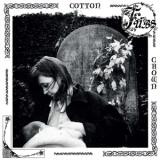
Mit "Cotton Crown" erweitert die Band ihre Klangpalette um eine kaleidoskopische Bandbreite an Einflüssen: Von gefühlvollem Pub-Rock über HÜSKER DÜ-Aggression bis hin zu melancholischem Sophisto-Pop ist alles dabei. Wie Pitchfork feststellte, sehen THE TUBS den Jangle als eine "riesige Welt der Stimmungen und Musen" und "Cotton Crown" zeigt, wie sie diese Welt weiter erforschen und dabei einen unverwechselbaren Tub-ular-Sound kreieren. Das liegt nicht zuletzt an der Gesangsleistung von Owen 'O' Williams, der oft mit einem jungen RICHARD THOMPSON verglichen wird, und an seinen offenen, düster-komischen Texten. In "Cotton Crown" widmet er sich weiter seinen Lieblingsthemen: Liebespsychose, unsympathisches, psychisch krankes Verhalten und die Demütigungen des Musikerdaseins in London. Dieses Mal ist jedoch ein Gefühl des Risikos in seinen Selbsteinschätzungen und Bekenntnissen spürbar. Im Mittelpunkt steht das Leben in der Zeit nach dem Selbstmord seiner Mutter (der Folksängerin Charlotte Greig), und Williams singt über die unbeholfenen, aufdringlichen und gut gemeinten sozialen Interaktionen, die darauf folgten. Das Albumcover zeigt ein Bild von Williams als Säugling, der von Greig auf einem Friedhof gestillt wird - ein Werbefoto, das um die Veröffentlichung des Debütalbums von Charlotte Greig herum aufgenommen wurde. Der wesentliche Trick von "Cotton Crown" besteht darin, die lyrische Düsternis von Williams durch fröhliche, hakengeladene Pop-Perfektion zu kompensieren. Das liegt vor allem an der Gitarrenarbeit von George Nicholls, der auf dem Album mühelos zwischen dem virtuosen Jangle von JOHNNY MARR, dem treibenden Folk-Rock von PENTANGLE und den Refrain-lastigen Hi-Fi-Grooves zeitgenössischer Bands wie TOPS oder THE 1975 hin- und herwechselt. Dazu kommt die halsbrecherische Rhythmusgruppe von Taylor Stewart (Schlagzeug) und Max Warren (Bass) - die jeden Song mit einer Power-Pop-Wut angreifen, die an GUIDED BY VOICES in ihren besten Zeiten erinnert - und schon hat man ein Rezept für großartigen Indie-Rock. Das Debütalbum der Band, "Dead Meat", wurde durch Mundpropaganda zu einer Sensation, die der Band Auszeichnungen von Pitchfork, The Guardian, MOJO, Uncut, SPIN und anderen einbrachte. Sie gewannen sogar einige prominente Fans: der unnachahmliche Mark Proksch (The Office, Better Call Saul, What We Do in the Shadows) spielte die Hauptrolle im Video zu ihrer Single "Round The Bend" und die Punk-Legende IGGY POP lobte sie in seiner BBC 6Music Radiosendung. Owen Williams, Max Warren und George Nicholls waren zuvor Mitglied von JOANNA GRUESOME - eine Band, die den Welsh Music Prize gewann, ausgiebig durch Großbritannien und die USA tourte und von Pitchfork, Rolling Stone, The New York Times, The Guardian und anderen gelobt wurde. Sängerin Lan McCardle, mit der Williams sowohl bei JOANNA GRUESOME als auch bei EX VOID zusammen musizierte, steuert bei einigen Stücken auf "Cotton Crown" Backing Vocals bei.
"Dunya", der Titel von Mustafas meisterhaft ausgearbeitetem und atemberaubend zärtlichem Album, bedeutet aus dem Arabischen übersetzt so viel wie "die Welt mit all ihren Fehlern". Ein hochtrabendes Thema für einen jungen Songwriter, aber wie bei jedem Thema, das im Mittelpunkt der Arbeit des sudanesisch-kanadischen Künstlers steht - von religiöser Hingabe bis zu Kindheitstraumata, von Bandengewalt bis zu romantischer Intimität - nähert er sich durch eine persönliche Sichtweise. Er mischt Genres und Stimmungen, verwebt romanhafte Details in einprägsame Folksongs und hat ein Album geschaffen, das sich wie eine Reihe persönlicher Durchbrüche anfühlt, die einer nach dem anderen eintreffen. Was zuerst an Mustafas Musik auffällt, ist seine Art zu schreiben: ein einfacher, durchdringender Ton, der jede Geschichte so roh und ernsthaft wirken lässt wie die Worte eines Liebesliedes. Mit seinem leisen Vortrag, der seine Umgebung zum Schweigen bringen kann, entwickelte sich Mustafa schnell vom Wunderkind, das in seiner Heimatstadt Toronto Gedichte rezitierte, zu einer Kraft, die hinter den Liedern steht und Popsongs schreibt. Auf "Dunya" ist er zu einem eigenständigen Autoren gereift. "Ich versuche, das gewöhnliche Leben im Ghetto zu bewahren und zu feiern", beschreibt Mustafa seine lyrische Inspiration. Die Songs, in denen er sein Aufwachsen und seinen weiteren Lebensweg beschreibt, sind gleichermaßen entwaffnend in ihrer Einfachheit und vielschichtig in ihrer emotionalen Bandbreite. Durch die Zusammenarbeit mit Aaron Dessner, Rosalía, Clairo, Nicolas Jaar und anderen sowie Mustafas langjährigem kreativen Partner Simon Hessmann offenbart die Musik eine selbstbewusste, unverwechselbare Stimme, die noch nie so massenkompatibel geklungen hat.
Ryan Silva, known professionally as Plato III, is an American rapper, producer, and songwriter. He is recognized for his introspective lyrics, fusing personal narratives with sharp insights on race, class, and identity. His music blends hip-hop with influences ranging from indie rock to r&b and funk, creating a sound that is both boundary-pushing and deeply rooted in his experiences.
After self-releasing several projects throughout the 2010s, Plato III gained wider attention with his 2022 Polyvinyl debut, The Devil Has Texas, a vivid exploration of his trailer park upbringing in West Texas. On his new album, Grown, Silva pushes his artistry even further, with a more pop-forward approach that showcases his innovative sound and compelling storytelling. Produced by Phillip Odom (Militarie Gun, Say Anything), Grown features Silva’s most mature work to date, examining the weight of responsibility and aging under the strain of capitalism. Musically, the album bridges modern rap with "grown folks music," drawing inspiration from the soul of Al Green and Marvin Gaye to the funk and boogie of Prince and Earth, Wind & Fire. Grown offers a fascinating look at Silva’s reflective inner dialogue, cementing his status as one of contemporary music’s most original voices.
- Rough Roads
- Horseback
- Enchantment
- I Just Moved Here
- Magic Moment
- Meet Me Anywhere
- Looking Back
- I Get It
- Settler's Bend
- Last Riders Crew
- I Was A Runner Once
Man kann nicht über Wicca Phase Springs Eternal sprechen, ohne über Verwandlung zu sprechen. Seit über einem Jahrzehnt nutzt der Sänger, Songwriter und Produzent Adam Andrzejewski diesen Künstlernamen als kreativen Sammelbegriff, unter dem er ein umfangreiches Werk geschaffen hat, das ebenso beständig fesselnd wie ständig im Wandel begriffen ist. Diese geschickte Fähigkeit, Sounds und Stile zu vermischen, ist zu seinem Markenzeichen geworden, aber unabhängig von den Genre-Kennzeichen - von Rap-Beats über New-Wave-Synthesizer bis hin zu Goth-Atmosphären - ist das schlagende Herz von WPSE Andrzejewskis einzigartige Stimme und seine esoterische und doch emotionale Lyrik. Diese Schlüsselelemente haben das Projekt durch musikalische Erkundungen geprägt, und auf seinem neuesten Album Mossy Oak Shadow" stellt Andrzejewski sie nun auf die Probe. Er verzichtet auf wummernde 808s und aufwendige Produktionen zugunsten einer schnörkellosen Band und spärlichen Live-Aufnahmen. Das Album ist eine mitreißende Sammlung von verträumten Folk-Rock-Songs, die beweisen, dass Wicca Phase Springs Eternal wirklich alles sein kann. Ich habe immer irgendwie gedacht, dass ich, solange ich den Namen Wicca Phase Springs Eternal habe, alles machen kann, was ich will", erklärt Andrzejewski. Der Name bietet einen Rahmen für die Texte und die Ästhetik des Projekts - mein Songwriting mit einer mystischen Überlagerung - und solange ich etwas darinnen zum Funktionieren bringen kann, ist das Genre nicht wirklich wichtig." Diese gewagte kreative Mentalität war es, die Andrzejewski antrieb, als er das WPSE Projekt ins Leben rief, neben seiner Arbeit als Mitbegründer des einflussreichen Kollektivs GothBoiClique oder als Mitglied von Thraxxhouse und Misery Club und seinem Punk-Nebenprojekt Pay For Pain. Dennoch hätten wohl nur wenige ahnen können, dass das neue richtige Album von Wicca Phase Springs Eternal eine Sammlung von countrylastigen Folksongs sein würde, die ohne auch nur einen Hauch von Ironie dargeboten werden. Wie bei allem, was Wicca Phase Springs Eternal macht, zeigt sich Andrzejewski auch auf Mossy Oak Shadow" voll und ganz engagiert. Mossy Oak Shadow" mag für Fans von Wicca Phase Springs Eternal, die durch seine beatlastigen modernen Klassiker wie Secret Boy" (2016) oder Suffer On" (2018) auf ihn aufmerksam geworden sind, wie eine drastische Kehrtwende erscheinen - aber das sollte keine völlige Überraschung sein. WPSE-Veröffentlichungen haben sich schon immer mit reduzierten Akustiksongs beschäftigt, und noch weiter zurück gibt es Andrzejewskis frühere Arbeit als Mitglied der Emo/Indie-Größen Tigers Jaw. Als er diese Band 2013 verließ, um sich auf Wicca Phase Springs Eternal zu konzentrieren, stieß er auf Skepsis bei den Zuhörern, die zögerten, seine neue Persönlichkeit und seinen experimentellen Trap-Sound anzunehmen. Ironischerweise hat Andrzejewski jetzt Wicca Phase Springs Eternal so gründlich etabliert, dass er seine Fans erneut mit einem krassen Klangwandel herausfordert - diesmal jedoch durch die Rückkehr zu dem gitarrenorientierten Songwriting, das er beiseite gelegt hatte. Dylan, Will Oldman, Richard Thompson - was ich an diesen Songwritern am meisten mag, ist, dass ich ihnen vertrauen kann", erklärt Andrzejewski . Wenn sie etwas völlig Seltsames machen, vertraue ich darauf, dass sie wissen, was sie tun, weil es von derselben Person kommt, die all diese anderen Songs geschrieben hat, die ich liebe. Auch wenn es vielleicht etwas Zeit braucht, bis ich dort bin, wo sie sind, möchte ich es versuchen."
It’s been ten years since Drew Lustman aka FaltyDL last released on Planet Mu. In the meantime he's been running his own label Blueberry Records, been in-house producer for Mykki Blanco and has become a dad. The best things come out of play and it was Drew’s relationship with his young daughter that switched on this playful side of his music. The album in question, ‘Neurotica,’ expresses Drew’s fun in creating such energetic pieces people will want to move to. It's a dizzying sugar-rush at a high-speed bounce; the music is fresh and inviting and most important of all, joyful."Summer of ’24, we were in Catalonia. My girl, our young daughter, the old folks. Days by the village pool, afternoons on the dirtbike. At night, I made salads. Simple things. Good things. One afternoon, lying back, phone in hand, I saw a friend post a GRWM. The music behind it stopped me. A song grabbed hold. The track was ‘Secret’ by Mietze Conte, which is fast-paced euro-pop dance music, like soft fluffy gabber with childlike vocals. I hunted down the full version. Played it again. And again. Twenty times over the next few days. It unlocked something. The best music does that. Like the first time I heard Burial. Had to know what was happening under the surface. That time, it led to ‘Love Is A Liability’ in 2009. This time, it led to ‘Neurotica.’“ “I started to record, getting down fast, bright, sugar-rush sounds. 185 to 200 BPM. I wrote them quick—half a day per track. In between, I slowed things down. Gave space for breath. Mike Paradinas helped shape the album, his ear guiding the flow. I tested the tracks. Played them for kids barely out of diapers and grown folks who still move like they are. It worked, on all ages. I kept it simple. Only two rules: keep it moving and don’t look at my phone. Cut the vocals like I used to.” ‘Neurotica’ is FaltyDL with his mojo refreshed, a new life squared, do yourself a favour, crack a smile and feel the joy.
MEMOTONE, aka Will Yates, has announced details of a new 12-track album, smallest things, set for release on World of Echo on 1 August 2025 on vinyl and digitally.
The album launches today with first track, ‘Time Is Away Theme’, a live favourite that is finally available on album. Watch the video HERE Talking about the release, Will has said, “Staring at a square inch of neglected concrete, I recognise the beauty of existence. Quietly hysterical. While humanitarian catastrophes bubble across the planet, the tides remain in constant and disinterested motion. Your money is worth less than the dusty moss that powders this pavement.
It's certainly not worth a life. We are the smallest things, along with everything else." Will Yates has made music as Memotone since 2007. He operates in the tradition of what Robert Fripp has called 'a small, independent, mobile, and intelligent unit.' If you book him, he will come. When he arrives, he will have everything he needs to make his complex, engaging music: a clarinet, a guitar, synths, samplers and pedals, quickly unpacked in the corner of a club, gallery or village hall. Starting small, he will build layer upon layer of melody, accompanying himself and cutting across himself, creating a music that avoids cliche and moves beyond easy description. His recordings have followed the same trajectory. Moving quickly, he has released fifteen or so albums across various labels (including Trilogy Tapes, Discrepant, Soda Gong). Taken together, these recordings are the sound of a skilled, inventive composer pushing at the edges of what he wants to listen to himself. It is possible to hear a variety ofinfluences in his music: folk and jazz forms, the textural inventiveness of British DI electronica and Chicago post-rock and the blurred sci-fi brass of Jon Hassell are all discernible. But mostly, Will's work seems to stem from a constant drift between long hours in his home studio, and time spent outside in the woods and hills around his home in Wales.
Listening to the album, lushness creeps in at the edges, tiny green shoots appear on what might at first appear to be bare soil. smallest things sheds the skin of Will's previous recordings, removing the electronics and the looping and layering of previous work, to create something almost entirely acoustic. But don't be fooled into imagining music that's folksy, pastoral or twee. Opening track 'I Could See the Smallest Things' is a statement of intent. Widely spaced guitar is underpinned by earthy cello and sleepwalking clarinet, making a gorgeous threadbare pattern, which recalls a Morton Feldman miniature or a Morandi still life.
Beyond the skill involved and the years of self-taught music making that have gone into putting this record together, it is Will's close, careful attention and his talent for existing, observing and creating in the moment that make his work special. Memotone will perform at World of Echo’s annual birthday celebration on 8 Nov Expected Music, when they take over Walthamstow Trades Hall for an inter-genre, day-long investigation into some of the more outré manifestations of the contemporary worldwide underground.