Atmosphärische Instrumentals für den Post-Hardcore-Aussteiger. Tristezas Y2K-Album für Tiger Style kehrt ein Vierteljahrhundert später zurück auf den Konsummarkt. Aufgenommen in Chicago - der Post-Rock-Hauptstadt der Welt - verwebt "Dream Signals In Full Circles" schimmernde kontrapunktierte Gitarren, mathlete präzise Perkussion, Synthesizer-Glasur und dramatische Streicher zu einem Trance-induzierenden klanglichen Bildschirmschoner.
Will Johnson und die verbleibenden Mitglieder der beliebten Band Magnolia Electric Co. haben sich für neue Aufnahmen als Magnolia & Johnson Electric Co. zusammengetan. Im September werden Magnolia & Johnson Electric Co. ihrem verstorbenen Kollegen Jason Molina Tribut zollen und vom 18. bis 21. September 2025 vier Konzerte in Texas geben. Will Johnson ist der texanische Songwriter von Centro-matic, South San Gabriel und derzeitiges Mitglied der 400 Unit mit Jason Isbell. Johnson veröffentlichte im April 2025 sein zehntes Soloalbum "Diamond City" und war Teil des 2009 erschienenen Gemeinschaftsalbums "Molina and Johnson", für das eine Tournee aufgrund von Molinas Alkoholproblemen abgesagt werden musste. Die vier Konzerte folgen den ausgetretenen Pfaden von Molina und Magnolia während ihrer sieben Jahre als Magnolia Electric Co. und markieren den 20. Jahrestag einer Texas-Tournee, die 2005 zur Unterstützung der Alben "What Comes After the Blues" und "Trials and Errors" stattfand. Magnolia & Johnson Electric Co. (mit Will Johnson und Mike Brenner, Jason Evans Groth, Michael Kapinus, Mark Rice und Pete Schreiner) trafen sich Anfang des Jahres in Texas, um neue Studioversionen der Songs von Molina und Johnson aufzunehmen, angelehnt an die 2018er Zusammenarbeit "Goshen Electric Company" von Magnolia und Oaks erinnern. Die Sessions wurden von Johnsons langjährigem Kollegen Britton Beisenherz aufgenommen und gemischt und von Magnolia-Mastering-Ingenieur Matthew Barnhart gemastert. Das Cover ziert ein ikonisches Artwork von Will Schaff, dessen Kunstwerke mittlerweile untrennbar mit Jason Molinas Songwriting verbunden sind.
Spanish producer Larsson delivers a deep and hypnotic 4-tracker for Fuxbau Records, marking his vinyl debut on the label. Written in the rural village where Larsson grew up, the EP carries a sense of groundedness and clarity. Created in his parents' home, surrounded by nature and far from urban distraction, the tracks reflect a setting where ideas unfold organically. The result is a tightly cut selection of groovy, rolling techno - stripped back, hypnotic, and full of tension. That contrast between calm surroundings and high-impact club energy runs through all four tracks: stripped-back yet detailed, functional yet full of soul.
out of Stock
Last delivered 12 months ago available to reorder, subject to availability
"Der britische Rapper Kojey Radical veröffentlicht am 19.09. sein zweites Studioalbum ""Don´t Look Down"".
In den letzten zehn Jahren hat sich Kojey Radical als einer der kreativsten und einzigartigsten Künstler der britischen Musikszene etabliert. Sein Debütalbum „Reason to Smile“ (2022) wurde von Kritikern hoch gelobt und machte ihn zu einer der prägenden Stimmen der britischen Kultur.
Begleitend zur Ankündigung veröffentlichte Kojey auch einen Trailer für einen Kurzfilm, der zusammen mit dem Album im September erscheinen soll. Seine Rückkehr war nichts weniger als beeindruckend: Er sorgte mit einem Überraschungsauftritt bei der Fête de la Musique im Juni für Aufsehen und lieferte eine herausragende Performance während des gefeierten Glastonbury-Auftritts von Ezra Collective."
François and Sylvain Rabbath have turned six years of touring into a joint album that patiently and intensely distills a variety of musical flavors gathered from around the world.
Since the early 1960s, François Rabbath's double bass has resonated through enough landmark recordings to fill several shelves in a record collection. As an arranger, composer, and musician, his imprint on music goes far beyond his collaborations with Barbara, Paco Ibáñez, Charles Aznavour, or Édith Piaf. Aspiring double bassists owe him a groundbreaking method for learning the instrument. Born into a lush musical universe that quickly became his own, his son Sylvain first accompanied him on his travels before settling at the piano and sharing stages around the world at his side.
Those years of accumulating visas in their passports were put to good use by father and son. The continents, countries, and cities they passed through became a rich source of inspiration for composing Amall, the album by the Rabbath Electric Orchestra.
Long hours spent in the air or on the road, watching passing landscapes that never stayed the same, were transformed into compositions imbued with the atmospheres of the places they crossed or visited. Inspiration sometimes struck with force, like a green oasis appearing in a desert of stone—unexpectedly, as glowing red rocks suddenly dominated an otherwise open landscape with an endless horizon, while the mind wandered into a state between meditation and introspection.
Born from these travels, the pieces took on their final colors once brought into the studio, refined, and finally arranged to welcome the guitars of Keziah Jones and Matthieu Chedid, the piano of Laurent de Wilde, the bass of Victor Wooten, the saxophone of Raphaël Imbert, and the percussion of Minino Garay. Enhanced by the scale of the jazz-soul orchestrations, by the richness of arrangements bursting from strings, brass, rhythms, or keyboards, the epic breath of vast plains became ingrained. The urban tension of funk, echoing their movements, found its place—alongside more electric expressions or the ambience of a darkened room.
Melancholic and melodious, expressive and edgy, the bowed double bass—played in the high register where few dare to go—emerged as the musical guide. One that draws a path between Seville and Minneapolis, connects François Rabbath's native Syria to France, and bridges South America to Europe. It sets the tone to follow—the emotion that will carry the piece, and if not filled with light, will carry it there nonetheless.
Musical visions packed in luggage, transported in cargo holds, or imprinted in their minds just long enough to cover the distances to the next stop—father and son deepened their bond, beyond family and art. And their hands have never held each other more tightly.
François et Sylvain Rabbath ont fait fructifier six ans de tournées pour un album commun distillant patiemment et intensément la variété de parfums musicaux récoltés autour du monde.
Depuis le début des 60’s, la contrebasse de François Rabbath résonne dans assez de références pour combler plusieurs étagères d’une collection de disques. Arrangeur, compositeur, musicien, l'empreinte laissée dans la musique va bien au-delà de ses collaborations avec Barbara, Paco Ibanez, Charles Aznavour, ou Edith Piaf. C’est à lui que les
apprentis contrebassistes doivent une méthode novatrice pour apprendre l’instrument.
Né dans un univers musical luxuriant qui est vite devenu aussi le sien, c’est d’abord dans ses voyages que son fils Sylvain l’a accompagné, avant de s’installer au piano, et parcourir les scènes du monde à ses côtés. Ces années où les visas se sont entassés sur leurs passeports, père et fils les ont mises à profit. Continents, pays, et villes qui se sont succédés sont devenues un gisement pour composer Amall, l’album du Rabbath Electric Orchestra.
Les longs moments passés dans les airs ou sur la route à contempler un paysage qui défile sans pour autant rester le même, se sont convertis en compositions habitées par les ambiances de ces endroits traversés ou visités. Là où l’inspiration s’est imposée parfois brutalement, sous
la forme d’un oasis de verdure surgissant au milieu d’un désert de pierres. Au hasard d’imposantes roches rougeoyantes s’invitant dans un paysage jusqu’alors dégagé sur un horizon sans fin, quand l’esprit se laisse aller à un mélange de méditation et d'introspection.
Nés de ces pérégrinations, les titres ont pris leurs couleurs définitives une fois ramenés en studio, peaufinés puis, enfin, pensés pour y inviter les guitares de Keziah Jones et de Matthieu Chedid, le piano de Laurent de Wilde, la basse de Victor Wooten, le saxophone de Raphaël Imbert, les percussions de Minino Garay. Sublimé par la dimension des orchestrations jazz-soul, par la richesse des arrangements jaillissant des cordes, des cuivres, des rythmiques ou des claviers, le souffle épique des plaines immenses s’est imprimé.
La nervosité citadine du funk rythmant les déplacements a trouvé sa place, non loin d’une expression plus électrique ou d’une atmosphère de salle obscure.
Mélancolique et mélodieuse, expressive et nerveuse, la contrebasse jouée à l’archet, dans les notes hautes du manche où peu s’aventurent, s’est érigée en guide musical. Celui qui trace le chemin entre Séville et Minneapolis, relie la Syrie natale de François Rabbath à la France,
réduit la distance entre l’Amérique du Sud et l’Europe. Donne la note à suivre, l’émotion qui traversera le morceau qui, s’il n’est pas habité par la lumière, le portera néanmoins jusque là.
Visions musicales mises dans le coffre, transportées en soute ou imprimées dans l’esprit le temps de couvrir les distances qui les mèneront aux prochaines, c’est côte à côte que père et fils ont prolongé leur lien par delà des seules limites familiales et artistiques. Et leurs mains ne se sont jamais serrées aussi fort.
credits
Frantic (2002) ist ein von Kritikern gefeiertes Soloalbum von Bryan Ferry, das den legendären Künstler in
seiner kreativen Renaissance zeigt und seinen unverwechselbaren Gesangsstil mit einer reichen Mischung
aus Rock, Blues und atmosphärischen Balladen verbindet. Mit herausragenden Eigenkompositionen wie
„A Fool for Love“ und „San Simeon“ sowie eindrucksvollen Interpretationen von Bob Dylan- und Lead
Belly-Klassikern demonstriert das Album Ferrys meisterhafte Fähigkeit, Songs mit Eleganz und emotionaler
Tiefe neu zu interpretieren. Mit Gastauftritten von Brian Eno von Roxy Music und Johnny Marr von The
Smiths ist Frantic nicht nur ein Karrierehöhepunkt, sondern auch ein unverzichtbares Sammlerstück – ein
fesselndes Hörerlebnis von Anfang bis Ende, das Ferrys avantgardistische Wurzeln mit zeitlosem Songwriting
verbindet. Ein Muss für Fans anspruchsvoller, genreübergreifender Musik.
Das Album erscheint zum ersten Mal seit 2002 als limitierte blaue 1LP-Vinyl- und 1CD-Edition. Bryan
Ferry hat auch die aktualisierten Grafiken für beide Formate überwacht.
Der aus Harlem/New York stammende Pianist Freddie Redd (1928-2021) wurde 1959 durch die Musik
bekannt, die er für das mit mehreren Preisen ausgezeichnete Off-Broadway-Theaterstück “The Connection” geschrieben hatte. Der Soundtrack des Theaterstücks, in dem es um das Leben heroinabhängiger
Jazzmusiker geht, erschien ein Jahr später bei Blue Note. Noch im selben Jahr spielte der von Charlie
Parker, Thelonious Monk und Bud Powell beeinflusste Pianist mit “Shades Of Redd” sein zweites Album für
das Label ein. Darauf stellte er sein kompositorisches Können mit einem formidablen Hard-Bop-Quintett
noch nachhaltiger unter Beweis.
Vor zwanzig Jahren kam der Film „Brokeback Mountain“ heraus, der längst als jüngerer Klassiker Hollywoods gilt und mit seiner dramatischen und anrührenden Story ein riesiges Publikum erreicht hat. Oscars
gab es nicht nur für die beste Regie und das beste Drehbuch, sondern auch für die Filmmusik von Gustavo
Santaolalla (The Last Of Us, August: Osage County, Babel).
Das Soundtrack-Album zum Film wurde ebenfalls ein großer Erfolg, es enthält neben dem Score auch
Titel von u.a. Willie Nelson, Rufus Wainwright, Linda Ronstadt und Emmylou Harris. Zum zwanzigsten
Jubiläum des Films erscheint der Soundtrack jetzt weltweit erstmals als LP.
'Rainy Sunday Afternoon' wurde im vergangenen Herbst in den Abbey Road Studios aufgenommen und ist das dreizehnte Album von The Divine Comedy, ihr erstes Studioalbum seit dem britischen Top-5-Album 'Office Politics' von 2019. Die letzte Veröffentlichung der Band war die Best-of-Compilation 'Charmed Life' von 2022, die ebenfalls Platz 5 der britischen Albumcharts erreichte. Neil Hannon schrieb zuletzt die Original-Songs für den Warner Bros. Blockbuster 'Wonka'.
Neil sagt: "Mein musikalisches Schaffen ist im Guten wie im weniger Guten ein Spiegelbild meiner Persönlichkeit. Ein großer Teil dieser Persönlichkeit genießt die Ausgelassenheit, zelebriert die Albernheit. Und davon habe ich in den Wonka-Liedern reichlich Gebrauch gemacht. Aber wie jeder Mensch habe auch ich eine dunkle, melancholische Seite. Und aus irgendeinem Grund war die in letzter Zeit sehr präsent. Ich brauchte dieses Album als Ventil für diese Gefühle. Um gewisse Dinge zu verarbeiten. Sterblichkeit, Erinnerungen, Beziehungen, politische und soziale Umwälzungen. Jeder sollte hin und wieder die Gelegenheit bekommen ein orchestrales Pop-Album zu machen. Es sollte Teil der Grundversorgung sein durch den National Health Service.“
'Rainy Sunday Afternoon' wurde im vergangenen Herbst in den Abbey Road Studios aufgenommen und ist das dreizehnte Album von The Divine Comedy, ihr erstes Studioalbum seit dem britischen Top-5-Album 'Office Politics' von 2019. Die letzte Veröffentlichung der Band war die Best-of-Compilation 'Charmed Life' von 2022, die ebenfalls Platz 5 der britischen Albumcharts erreichte. Neil Hannon schrieb zuletzt die Original-Songs für den Warner Bros. Blockbuster 'Wonka'.
Neil sagt: "Mein musikalisches Schaffen ist im Guten wie im weniger Guten ein Spiegelbild meiner Persönlichkeit. Ein großer Teil dieser Persönlichkeit genießt die Ausgelassenheit, zelebriert die Albernheit. Und davon habe ich in den Wonka-Liedern reichlich Gebrauch gemacht. Aber wie jeder Mensch habe auch ich eine dunkle, melancholische Seite. Und aus irgendeinem Grund war die in letzter Zeit sehr präsent. Ich brauchte dieses Album als Ventil für diese Gefühle. Um gewisse Dinge zu verarbeiten. Sterblichkeit, Erinnerungen, Beziehungen, politische und soziale Umwälzungen. Jeder sollte hin und wieder die Gelegenheit bekommen ein orchestrales Pop-Album zu machen. Es sollte Teil der Grundversorgung sein durch den National Health Service.“
GOODWIN, das Soloprojekt des The Slow Show-Sängers Rob Goodwin, hat das Debütalbum 'PEEKABOO' angekündigt, das am 19. September 2025 über PIAS Recordings veröffentlicht wird. An Goodwins Seite ist dabei Lambert, der mysteriöse, maskierte Pianist und Komponist, der u.a. für seine Zusammenarbeit mit Künstlern wie Nils Frahm und Ólafur Arnalds bekannt ist.
'PEEKABOO' geht über die cineastische Wucht seiner Band hinaus und liefert etwas Intimeres und Ungeschliffeneres. Eine Sammlung zutiefst persönlicher Songs, die in stillen Momenten entstanden sind und in Berlin-Neukölln mit Lambert geformt wurden. Als Produzent bringt Lambert seine Handschrift - sowohl spielerisch als auch tiefgründig - in 'PEEKABOO' ein. Er verwebt eindringliche Pianos und Arrangements mit Goodwins intimem Storytelling und lässt jeden Song in seinem eigenen ruhigen Raum atmen. Gemeinsam geht es auch auf 'PEEKABOO' Tour im Herbst.
Getragen von Goodwins unverwechselbarem Bariton - einer Stimme, die sowohl zärtlich als auch donnernd und voller Sehnsucht ist - entfalten sich die zehn Songs wie eine Reihe stiller Bekenntnisse. Inspiriert von den stimmungsvollen Atmosphären von Leonard Cohen und Nick Drake, behandeln die Lieder das Gewicht von Liebe, Verlust und stiller Tapferkeit. Romantische, traumhafte Geschichten für Menschen, die verstehen, dass manchmal die kleinsten Momente die größte Bedeutung haben. “These songs are fragments of myself. Sharing them feels exhilarating and terrifying, as vulnerability often does.”
Freak Show is the second album by the popular Australian band Silverchair, which charted in different lists all over the world (US, UK, Australia, Canada and many more). After their debut Frogstomp they were fusing more elements together in their music. Freak Show contains a lot of strong hooks and the song writing skills increased. This post-grunge album is more versatile in comparison to their earlier work and it marks the beginning of the definitive band sound.
Silverchair were an Australian rock band formed in 1992, who have sold over 9 million albums worldwide. Their sounds evolved during the years from the grunge and alternative rock to pop and art rock. In 2011 they announced their “indefinite hibernation” and it is still unknown if they ever going to return on stage.
Freak Show is available as a limited edition of 5000 individually numbered copies on flaming (red & yellow swirled) vinyl.
Two years after their formation, the English power pop band The Only Ones released their self-titled debut album in 1978.
The Only Ones played not-so-fast guitar rock that sounded deeply indebted to the New York Dolls and other mid-70s proto-punks.
Their debut album The Only Ones is regarded as a classic of the first wave of UK punk and features the brilliant hit
“Another Girl, Another Planet”, which is their most successful track and has since been covered by many other performers.
Since the Nineties, the album has appeared on several all-time greatest albums lists, including the book 1001 Albums
You Must Hear Before You Die in 2006. This edition of The Only Ones features remastered audio and is available on black vinyl.
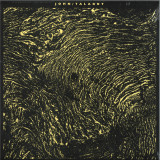
If there is one person, who has been causing a stir on the international club circuit recently, it is Barcelona's John Talabot. Already his debut “My Old School“ (which is meant literally by the way) on Permanent Vacation in 2009 and shortly after that the single “ Sunshine”, which he put out on his own Hivern Disc imprint, made him one of the most promising musicians of the Spanish electronic scene. And those two releases also already set the mark for John Talabot’s unparalleled music: raw, loopy, heavy on the kick drum, sample based, moderate on the tempo, distorted on the drums and light years away from the clean and ever revolving house sound of today. This unique style which also blends influences from afro beat, Detroit techno, Chicago house and cosmic disco, but also northern soul or the energy of Flamenco, immediately turned some heads around. James Murphy, Âme and Aeroplane started including Talabot music in their sets like it was the most natural thing. However - and this is quite rare - he not only gained legions of fans in the house and disco community, but also amongst the leftfield pop and indie rock followers. NME and Resident Advisor both had “Breakthrough“ features on John Talabot and he can be proud of a “Best New Music“ dubbing on
Pitchfork. (Being rather elusive on showing his face in magazines or the web it also came to some funny rumors that John Talabot was the alter ego of a well-known techno producer from Detroit).
At the same time he drew the attention of like-minded artists like James Holden and Luke Abott from Border Community, Blondes or Delorean, which lead to a bunch of fertile collaborations: Luke Abbott and Blondes remixed Talabot’s “Sunshine“ single , John Talabot remixed a track by Delorean and vice versa Delorean’s Ekhi contributed vocals to the track “Journeys “ on John’s album). Another example is the Young Turks Label (home of Jamie XX, Holy Fuck, El Guincho or SBTRKT ) on which he released the “Families“ EP in 2010. It was praised beyond limits. Pitchfork for
instance hailed: “… where pop and house influences sweetly buffer up against one another to provide an unyielding sense of elation“ and even brought Talabot a comparison with artists like Four Tet or Caribou.
While staying true to his sound, John Talabot has nevertheless shown a constant evolution as a producer since his first release. He has traced a solid musical path that has turned him into one of the big references of European House and has made him also a highly in demand Remixer (for the likes of The XX, Francesco Tristano’s “Aufgang” project, Shit Robot on DFA, Thaiti 80, Joakim or Teengirl Fantasy to name just a few ).
A progression that now crystallizes in “ƒin”, his first full-length album for Permanent Vacation. A record, in which the Barcelona mastermind sets aside the danceable immediacy to expand his stylistic palette more than ever. For that purpose, Talabot melts all the elements that have constructed his distinctive sound until now and makes them emerge from a new perspective, in which the construction of complex song structures, intricate rhythms and superpositions of ever-evolving melodies and atmospheres pick up the baton of the “a kick-drum and a sampler” philosophy of his initial productions. The result brings us 11 tracks (we should call them songs really!) dominated by dark ambiances, gaseous textures and bittersweet moods that, above all, reveal a kind of vivacity that’s really hard to find in contemporary electronics. “Fin” is far from being a track collection. From the majestic opener “Depak Ine“ to it’s solemn ending with
“So Will Be Now“ , one of the two tracks that features Talabot’s soul and label mate Pional, each song traces an overall dialogue with the rest, culminating a highly emotional journey through Talabot’s always compelling and unique musical vision.
out of Stock
Last delivered 6 months ago available to reorder, subject to availability
Often touted as a "masterpiece of jazz-funk live albums," The Wooden Glass's 1972 live recording proves it's more than just hype. Featuring vibraphonist Billy Wooten who previously played with Grant Green, this record was recorded at Indianapolis' The 19th Hole club and captures the essence of fusion driven by soulful 60s influences. Wooten's gentle melodies contrast with the gritty, distorted sound of Harold Cardwell's powerful drumming and Emmanuel Riggins' Hammond organ while the energetic performance from the band, including guitarist William Roach, creates a tapestry of intensity and dreamlike vibes. It's raw, electrifying, high-energy jazz.
SCHWERT AUS HOLZ“ klingt euphorisch, leicht und positiv. Bei aller Holz-Melancholie, erlauben es sich die DONOTS, sämtliche Songs neu zu denken mit anderem Vibe, neuen Rhythmen, alternativen Melodien und trotzdem immer mit genügend Grip und auch Drive - denn schnelle Songs wie der Live-Klassiker „Dead Man Walking“ oder der heimliche Sommerhit „Problem kein Problem" treten auch auf dem Akustikalbum durch den Holztisch. Frischen Wind pusten aber nicht nur die neuen Arrangements durch das DONOTS eigene Heavy Kranich Studio, in dem die Songs in diversen Sessions neu gedacht und recorded wurden. Die DONOTS haben sich alte Freund:innen und Wegbegleiter für diverse Gänsehautmomente eingeladen.
So ist aus dem DONOTS Hit „Stop The Clocks“ ein Duett mit Campino von Die Toten Hosen geworden, während Kuddel von Holst (ebenfalls Die Toten Hosen) ein wunderschönes Gitarrensolo zum ersten neuen englischsprachigen DONOTS Song in 13 Jahren eingespielt hat. Frank Turner darf in der Neuauflage von „So Long“ selbstredend nicht fehlen, Chuck Ragan von Hot Water Music und Matt Hensley von Flogging Molly empfehlen sich mit Reibeisenstimme und Akkordeon und Shitney Beers singt auf ihre wunderbare Shoegaze Art und Weise das Intro zu „Keiner kommt hier lebend raus“.
Die Vorab-Singles „Allein zu allein“ und „Problem kein Problem“ haben schon diverse Herzen eingesammelt und das „SCHWERT AUS HOLZ“ dürfte sämtliche restlichen Herzkammern fluten - auch auf der restlos ausverkauften Vorab-Akustik-Tour zum Albumrelease. It’s a love thing…
The Wee Small Hours: B-Sides and Other Detritus 2011-2025" besteht aus Raritäten, die das letzte Jahrzehnt von Real Estate bei Domino Records abdecken!
Der älteste Track der Compilation ist eine Coverversion von The Strokes' "Barely Legal", die für ein Stereogum-Tribute-Album aufgenommen wurde sowie die B-Seite der "It's Real" / "Blue Lebaron" 7". Weitere Cover sind "Paper Dolls" (The Nerves) von 2014, "Days" (Television) von 2021 und natürlich "Daniel" (Elton John) von 2024.
Außerdem enthält die Compilation "In My Car", das ursprünglich auf einer Record-Store-Day-Fanzine-Flexi-Disc aus dem Jahr 2012 veröffentlicht wurde, weitere B-Seiten, darunter die Tracks von der Atlas-Bonus-7" aus dem Jahr 2013, sowie einen unveröffentlichten Track namens "Two Part" aus den Atlas-Sessions.
The undiscovered recordings of jazz pianist Fumio Itabashi's iconic work Watarase were compiled from the perspective of a pioneering figure in the Japanese jazz scene, Minoru Wakatsuki, and garnered widespread acclaim with Watarase ECHO. The second installment, Watarase VOICE, focused on "voice" and featured unpublished tracks with a diverse range of vocalists. Now, as the third volume in the series, the complete version of the 2001 performance of Symphonic Poem “Watarase” by the Kanagawa Philharmonic Orchestra, conducted by Kazuhiko Komatsu, with Fumio Itabashi and Yukki Kaneko, will finally be released! The full version could only be heard on VHS video at the time, and is now being released for the first time as a physical edition, making it a highly anticipated and long-awaited release.
To All That We Lose And All We Fight For is the debut album by Vera Logdanidi - the
culmination of nearly two decades of musical evolution. Her journey began in the world of drum & bass and jungle, gradually expanding into deep explorations of house, dub techno, and techno. Over the years, Vera has performed on leading stages across Ukraine and internationally, while also mentoring a new generation of DJs and producers, hosting radio shows, and supporting the scene through her label and community work.
This album was written during a time of deep upheaval. The outbreak of full-scale war forced Vera to leave behind a well-established life and begin again on the international stage. While the music often feels dreamy and introspective, To All That We Lose And All We Fight For is a profoundly personal record - a sonic refuge shaped by grief, uncertainty, and resilience.
The album doesn't follow formulas; it's driven by intuition, texture, and a genuine connection to sound. It's rich, emotional, and occasionally unexpected. The tracks form the core of Vera's current live set, which has resonated at major festivals such as Draaimolen or Strichka - captivating audiences with its depth and subtle, immersive energy.
The cover art, created in close collaboration with Vera's longtime visual team, is a real
photograph - not a digital effect. It captures the tension between anxiety and hope: a glance back, and a step forward into the unknown. This visual metaphor reflects the emotional landscape of the album - the fragility of what's been lost, and the courage to embrace what lies ahead.
This release also marks a new chapter for Rhythm Buro Records - one that moves towards music that is more personal, intimate, and unconstrained by expectations.
To All That We Lose And All We Fight For is released alongside another important Rhythm Buro release: RB011 - Your Curves EP by Na Nich. Ukrainian producer Oleksandr Pavlenko, formerly known as Sunchase, returns to his roots in broken beats and bass music, blending them with house and techno sensibilities. The four-track EP ranges from deep grooves to melancholic late-night moods - a compelling counterpoint to Vera's album and a testament to the label's evolving identity.
Order RB012 n
out of Stock
Last delivered 5 months ago available to reorder, subject to availability
Na Nich returns to his roots after a series of successful releases on respected labels such as Delsin, Semantica, On Board, and Fur:ther Sessions. The Ukrainian producer's latest EP pays tribute to his foundation in broken beats and bass music - the core of his craft before adopting the Na Nich moniker.
Co-founder of Rhythm Buro and formerly known as Sunchase, Oleksandr Pavlenko shifted from his decades-long bass music career towards house and techno about ten years ago. Yet those early influences never truly disappeared. On Your Curves, Oleksandr skillfully blends his bass-heavy legacy with the sonic palettes characteristic of his later work, merging two worlds into a cohesive sound.
The A-side opens with 'Unfulfilled Expectations', a deep roller rich with bass textures and mellow synths. It's followed by 'Everything', a slow burner infused with '90s vibes, featuring oldschool vocal samples and a drum pattern reminiscent of UK garage. On the flip side, 'Rain Inside' delivers the EP's grooviest moment, with broken beats crafted for the dancefloor and an intimate, close-your-eyes 4 a.m. mood. The title track, 'Your Curves', closes the EP with a deep and melancholic atmosphere.
This release stands out amid contemporary offerings, reminding listeners that essence always triumphs over form.
out of Stock
Last delivered 12 months ago available to reorder, subject to availability
After a ten-year absence that left a palpable void in the hearts of millennial emo kids, MOTION CITY SOUNDTRACK are finally back-and yes, it"s everything we hoped for. The Same Old Wasted Wonderful World feels like coming home: a dizzying, emotionally articulate blast of guitar-laced pop-punk that reminds us why this band meant so much in the first place. It"s a sonic time machine, sure, but it never gets stuck in the past. Instead, it builds on it-older, a little bruised, but somehow more alive. Justin Pierre"s voice still wobbles gloriously between a scream and a sigh, only now it carries the weight of experience, not just anxiety. Rather than reinventing themselves, MOTION CITY SOUNDTRACK double down on what they"ve always done best: big hooks, bigger feelings, and that perfect tightrope walk between chaos and control. Tracks like "Particle Physics" (with Patrick Stump of Fallout Boy) and "Your Days Are Numbered" (featuring Mat Kerekes of Citizen) channel the kind of clarity that only comes after surviving your own worst years. In a world drowning in lazy nostalgia, The Same Old Wasted Wonderful World is a rare and welcome return that feels less like a reunion and more like a long-overdue continuation.
After a ten-year absence that left a palpable void in the hearts of millennial emo kids, MOTION CITY SOUNDTRACK are finally back-and yes, it"s everything we hoped for. The Same Old Wasted Wonderful World feels like coming home: a dizzying, emotionally articulate blast of guitar-laced pop-punk that reminds us why this band meant so much in the first place. It"s a sonic time machine, sure, but it never gets stuck in the past. Instead, it builds on it-older, a little bruised, but somehow more alive. Justin Pierre"s voice still wobbles gloriously between a scream and a sigh, only now it carries the weight of experience, not just anxiety. Rather than reinventing themselves, MOTION CITY SOUNDTRACK double down on what they"ve always done best: big hooks, bigger feelings, and that perfect tightrope walk between chaos and control. Tracks like "Particle Physics" (with Patrick Stump of Fallout Boy) and "Your Days Are Numbered" (featuring Mat Kerekes of Citizen) channel the kind of clarity that only comes after surviving your own worst years. In a world drowning in lazy nostalgia, The Same Old Wasted Wonderful World is a rare and welcome return that feels less like a reunion and more like a long-overdue continuation.
out of Stock
Last delivered 6 months ago available to reorder, subject to availability
múm are returning with a new album on Morr Music. »History of Silence« is the first full body of work by the Icelandic collective since 2013's »Smilewound« and their seventh studio album to date—recorded, deconstructed, put back together again, refined and finished over the course of two years. Vibrantly oscillating around a carefully curated palette of electronic and analogue sounds, the eight new tracks reflect the group's continuous strive to explore sonic spaces through subtle yet gripping songwriting.
For a long time now, múm have been exploring the idea of distance in their music. In the beginning, this was born purely out of necessity. Founded in Iceland in the late 1990s, the members soon began embarking on journeys across the world—collectively while touring, but also individually, exploring new places to live and create. Settling in, moving on, catching up: The concept of distance soon became an integral part of the collective's process. »History of Silence« leans into this idea, with space and time becoming indispensable pillars of the arrangements. While being coherent and structured, they echo their origins from different seasons, cities, and spaces—neatly stitched together with unparalleled craftsmanship. They breathe an overall airy and intimate atmosphere, yet resonate with the structural heft of time.
On »History of Silence« time manifests in unexpected, liberating, and mesmerizing ways. It does not move reliably forward; it drifts, takes twists and turns, even disappears completely. Electronic textures blur into acoustic sounds, voices flicker and dissolve, melodies stumble and repeat. The arrangements often feel like they’re wandering, gently resisting direction. »Our Love is Distorting,« for instance, begins with a subtle piano motif, playing hide and seek with feedback noises, digital artefacts, and lush—yet very quiet—string arrangements, before gradually forming into a distinctive song. It's a perfect illustration of múm's general approach on this album. »Mild at Heart« turns this idea upside-down, flowing freely from start to finish with moments of silence sprinkled in—serving to emphasize the musical elements. The music on »History of Silence« moves like weather: unexpected, intimate, quietly detailed. Contrasted with vivid phrases, rhythmic shifts, and small hooks, the album offers a new angle of compositional clarity and vision.
Work on »History of Silence« began at Sudestudio in southern Italy. Additional recordings were made in Reykjavík, Berlin, Athens, Helsinki, New York, and Prague. The strings were recorded by Sinfonia Nord at the Hof concert hall, Akureyri, arranged and conducted by Ingi Garðar Erlendsson, who has worked with the band for many years. The orchestral elements don’t dominate the record—instead, they surface gently, adding depth and resonance to the songs without disturbing the songs' fragility.
Contrary to what the album title suggests, »History of Silence« is a collection of bold and colorful songs, no matter how muted they might sound at times. They tickle like a feather drifting through the wind, ending up in unexpected places, stimulating long-forgotten thoughts and feelings, intimate moments of introspection. The songs move through the echoes those moments leave behind: the emotional traces of things unsaid, the weight of stillness. Offering closeness by means of distance and much-needed support.
múm are returning with a new album on Morr Music. »History of Silence« is the first full body of work by the Icelandic collective since 2013's »Smilewound« and their seventh studio album to date—recorded, deconstructed, put back together again, refined and finished over the course of two years. Vibrantly oscillating around a carefully curated palette of electronic and analogue sounds, the eight new tracks reflect the group's continuous strive to explore sonic spaces through subtle yet gripping songwriting.
For a long time now, múm have been exploring the idea of distance in their music. In the beginning, this was born purely out of necessity. Founded in Iceland in the late 1990s, the members soon began embarking on journeys across the world—collectively while touring, but also individually, exploring new places to live and create. Settling in, moving on, catching up: The concept of distance soon became an integral part of the collective's process. »History of Silence« leans into this idea, with space and time becoming indispensable pillars of the arrangements. While being coherent and structured, they echo their origins from different seasons, cities, and spaces—neatly stitched together with unparalleled craftsmanship. They breathe an overall airy and intimate atmosphere, yet resonate with the structural heft of time.
On »History of Silence« time manifests in unexpected, liberating, and mesmerizing ways. It does not move reliably forward; it drifts, takes twists and turns, even disappears completely. Electronic textures blur into acoustic sounds, voices flicker and dissolve, melodies stumble and repeat. The arrangements often feel like they’re wandering, gently resisting direction. »Our Love is Distorting,« for instance, begins with a subtle piano motif, playing hide and seek with feedback noises, digital artefacts, and lush—yet very quiet—string arrangements, before gradually forming into a distinctive song. It's a perfect illustration of múm's general approach on this album. »Mild at Heart« turns this idea upside-down, flowing freely from start to finish with moments of silence sprinkled in—serving to emphasize the musical elements. The music on »History of Silence« moves like weather: unexpected, intimate, quietly detailed. Contrasted with vivid phrases, rhythmic shifts, and small hooks, the album offers a new angle of compositional clarity and vision.
Work on »History of Silence« began at Sudestudio in southern Italy. Additional recordings were made in Reykjavík, Berlin, Athens, Helsinki, New York, and Prague. The strings were recorded by Sinfonia Nord at the Hof concert hall, Akureyri, arranged and conducted by Ingi Garðar Erlendsson, who has worked with the band for many years. The orchestral elements don’t dominate the record—instead, they surface gently, adding depth and resonance to the songs without disturbing the songs' fragility.
Contrary to what the album title suggests, »History of Silence« is a collection of bold and colorful songs, no matter how muted they might sound at times. They tickle like a feather drifting through the wind, ending up in unexpected places, stimulating long-forgotten thoughts and feelings, intimate moments of introspection. The songs move through the echoes those moments leave behind: the emotional traces of things unsaid, the weight of stillness. Offering closeness by means of distance and much-needed support.
múm are returning with a new album on Morr Music. »History of Silence« is the first full body of work by the Icelandic collective since 2013's »Smilewound« and their seventh studio album to date—recorded, deconstructed, put back together again, refined and finished over the course of two years. Vibrantly oscillating around a carefully curated palette of electronic and analogue sounds, the eight new tracks reflect the group's continuous strive to explore sonic spaces through subtle yet gripping songwriting.
For a long time now, múm have been exploring the idea of distance in their music. In the beginning, this was born purely out of necessity. Founded in Iceland in the late 1990s, the members soon began embarking on journeys across the world—collectively while touring, but also individually, exploring new places to live and create. Settling in, moving on, catching up: The concept of distance soon became an integral part of the collective's process. »History of Silence« leans into this idea, with space and time becoming indispensable pillars of the arrangements. While being coherent and structured, they echo their origins from different seasons, cities, and spaces—neatly stitched together with unparalleled craftsmanship. They breathe an overall airy and intimate atmosphere, yet resonate with the structural heft of time.
On »History of Silence« time manifests in unexpected, liberating, and mesmerizing ways. It does not move reliably forward; it drifts, takes twists and turns, even disappears completely. Electronic textures blur into acoustic sounds, voices flicker and dissolve, melodies stumble and repeat. The arrangements often feel like they’re wandering, gently resisting direction. »Our Love is Distorting,« for instance, begins with a subtle piano motif, playing hide and seek with feedback noises, digital artefacts, and lush—yet very quiet—string arrangements, before gradually forming into a distinctive song. It's a perfect illustration of múm's general approach on this album. »Mild at Heart« turns this idea upside-down, flowing freely from start to finish with moments of silence sprinkled in—serving to emphasize the musical elements. The music on »History of Silence« moves like weather: unexpected, intimate, quietly detailed. Contrasted with vivid phrases, rhythmic shifts, and small hooks, the album offers a new angle of compositional clarity and vision.
Work on »History of Silence« began at Sudestudio in southern Italy. Additional recordings were made in Reykjavík, Berlin, Athens, Helsinki, New York, and Prague. The strings were recorded by Sinfonia Nord at the Hof concert hall, Akureyri, arranged and conducted by Ingi Garðar Erlendsson, who has worked with the band for many years. The orchestral elements don’t dominate the record—instead, they surface gently, adding depth and resonance to the songs without disturbing the songs' fragility.
Contrary to what the album title suggests, »History of Silence« is a collection of bold and colorful songs, no matter how muted they might sound at times. They tickle like a feather drifting through the wind, ending up in unexpected places, stimulating long-forgotten thoughts and feelings, intimate moments of introspection. The songs move through the echoes those moments leave behind: the emotional traces of things unsaid, the weight of stillness. Offering closeness by means of distance and much-needed support.
Das neue Duo Boo Boos – bestehend aus E von EELS und Kate Mattison von 79.5 – kündigt sein Debütalbum „Young Love“ für den 19. September 2025 via PIAS an. Die ersten beiden Singles „C’mon Baby“ und „That’s Not A Thing“ sind bereits erschienen und geben einen Vorgeschmack auf das nostalgisch-soulige Songwriting des Duos. Die Zusammenarbeit begann über 3000 Meilen hinweg zwischen Los Angeles und Brooklyn – und wurde zu einer einzigartigen musikalischen Verbindung. Mit BOO BOOS formieren sich zwei starke Persönlichkeiten zu einem neuen Supergroup-Projekt mit Herz, Humor und viel Groove.
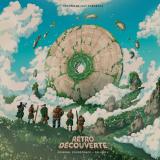
These albums are the end result of a collaboration between Cartridge 1987 and the YouTuber Edward who created the YouTube channel "Retro Discovery". With over 200,000 subscribers, this YouTube channel aims to highlight everything related to the "Retro Gaming" culture and the nostalgia that surrounds it.
These albums put together all the musical credits of the 3rd and 4th seasons of Edward's YouTube channel. All the remixes come from the games featured in Edward’s videos.
This is like a tribute to the original composers of these tracks, who have carried these videogames even further than expected, thanks to their musical talents.
Man kann nicht über Wicca Phase Springs Eternal sprechen, ohne über Verwandlung zu sprechen. Seit über einem Jahrzehnt nutzt der Sänger, Songwriter und Produzent Adam Andrzejewski diesen Künstlernamen als kreativen Sammelbegriff, unter dem er ein umfangreiches Werk geschaffen hat, das ebenso beständig fesselnd wie ständig im Wandel begriffen ist. Diese geschickte Fähigkeit, Sounds und Stile zu vermischen, ist zu seinem Markenzeichen geworden, aber unabhängig von den Genre-Kennzeichen - von Rap-Beats über New-Wave-Synthesizer bis hin zu Goth-Atmosphären - ist das schlagende Herz von WPSE Andrzejewskis einzigartige Stimme und seine esoterische und doch emotionale Lyrik. Diese Schlüsselelemente haben das Projekt durch musikalische Erkundungen geprägt, und auf seinem neuesten Album Mossy Oak Shadow" stellt Andrzejewski sie nun auf die Probe. Er verzichtet auf wummernde 808s und aufwendige Produktionen zugunsten einer schnörkellosen Band und spärlichen Live-Aufnahmen. Das Album ist eine mitreißende Sammlung von verträumten Folk-Rock-Songs, die beweisen, dass Wicca Phase Springs Eternal wirklich alles sein kann. Ich habe immer irgendwie gedacht, dass ich, solange ich den Namen Wicca Phase Springs Eternal habe, alles machen kann, was ich will", erklärt Andrzejewski. Der Name bietet einen Rahmen für die Texte und die Ästhetik des Projekts - mein Songwriting mit einer mystischen Überlagerung - und solange ich etwas darinnen zum Funktionieren bringen kann, ist das Genre nicht wirklich wichtig." Diese gewagte kreative Mentalität war es, die Andrzejewski antrieb, als er das WPSE Projekt ins Leben rief, neben seiner Arbeit als Mitbegründer des einflussreichen Kollektivs GothBoiClique oder als Mitglied von Thraxxhouse und Misery Club und seinem Punk-Nebenprojekt Pay For Pain. Dennoch hätten wohl nur wenige ahnen können, dass das neue richtige Album von Wicca Phase Springs Eternal eine Sammlung von countrylastigen Folksongs sein würde, die ohne auch nur einen Hauch von Ironie dargeboten werden. Wie bei allem, was Wicca Phase Springs Eternal macht, zeigt sich Andrzejewski auch auf Mossy Oak Shadow" voll und ganz engagiert. Mossy Oak Shadow" mag für Fans von Wicca Phase Springs Eternal, die durch seine beatlastigen modernen Klassiker wie Secret Boy" (2016) oder Suffer On" (2018) auf ihn aufmerksam geworden sind, wie eine drastische Kehrtwende erscheinen - aber das sollte keine völlige Überraschung sein. WPSE-Veröffentlichungen haben sich schon immer mit reduzierten Akustiksongs beschäftigt, und noch weiter zurück gibt es Andrzejewskis frühere Arbeit als Mitglied der Emo/Indie-Größen Tigers Jaw. Als er diese Band 2013 verließ, um sich auf Wicca Phase Springs Eternal zu konzentrieren, stieß er auf Skepsis bei den Zuhörern, die zögerten, seine neue Persönlichkeit und seinen experimentellen Trap-Sound anzunehmen. Ironischerweise hat Andrzejewski jetzt Wicca Phase Springs Eternal so gründlich etabliert, dass er seine Fans erneut mit einem krassen Klangwandel herausfordert - diesmal jedoch durch die Rückkehr zu dem gitarrenorientierten Songwriting, das er beiseite gelegt hatte. Dylan, Will Oldman, Richard Thompson - was ich an diesen Songwritern am meisten mag, ist, dass ich ihnen vertrauen kann", erklärt Andrzejewski . Wenn sie etwas völlig Seltsames machen, vertraue ich darauf, dass sie wissen, was sie tun, weil es von derselben Person kommt, die all diese anderen Songs geschrieben hat, die ich liebe. Auch wenn es vielleicht etwas Zeit braucht, bis ich dort bin, wo sie sind, möchte ich es versuchen."
Montreal duo Flabbergast—aka Guillaume Coutu Dumont and Vincent Lemieux—return to Circus Company, the label where it all began with their debut EP in 2015. Now seasoned veterans of leftfield club experimentation, they deliver Weirdo Active, a two-track vinyl release that distills their signature
blend of groove, absurdity, and refined weirdness.
On the A-side, “Timecrowave” is a swung, syncopated burner built around fragmented drum programming, warbled synth textures, and subtly detuned atmospheres. It's a tool that thrives in the inbetween moments of a set—unpredictable yet fluid.
On the B-side “Serpentoute,” a slinky groove laced with dubwise processing and modular squelch, maintaining tension through micro-edits and playful FX. Perfect for after-hours transitions or more openminded floors.
Following standout releases on Yoyaku, Copier/Coller, and Chapelle XVI, Flabbergast continue to offer up dance music that’s deeply heady, subtly unhinged, and always full of intent. A finely sculpted dose of dancefloor surrealism—just the way Flabbergast likes it.
out of Stock
Last delivered 5 months ago available to reorder, subject to availability
Blue House Rockin’ is the result of a unique collaboration between Soul Sugar and Dub Shepherds — two projects united by a shared love for roots reggae, vintage studio gear, and warm analog sound.
The album was recorded live over two intense days at Blue House Studio by Christophe “French kiss” Adam, using ribbon and tube microphones from the ’50s and ’60s from the ’50s and ’60s, a Hammond organ, upright piano, Fender bass and Gibson guitars, classic amps and preamps, along with drums, syndrums and percussion. The sessions were transferred to a 24-track tape machine, and final mixes were crafted the old-school way by the Dub Shepherds at their own Bat Records Studio, using analog consoles and hardware vintage effects.
The tracklist brings together deep cuts, timeless classics, and original compositions. Curtis Mayfield’s Give Me Your Love and Aaron Frazer’s My God Has a Telephone (Colemine Records) — two soul gems, one vintage, one modern — are reimagined in reggae style, both featuring the great Jolly Joseph on lead vocals, working wonders with his falsetto. He also shines on Hold My Hand, a sweet and mellow original composition with lovers rock flair, written on the spot during the session.
Other standout moments include the soulful fire of UK singer Shniece McMenamin, who lights up Family Affair (Mary J. Blige / Dr. Dre) — flipped into a fiery hip-hop-meets-reggae version packed with energy and attitude.
Instrumentals like Disco Jack, Choice of Music, and Drum Song — all originally composed by Jamaican organ legend Jackie Mittoo — bring Guillaume “Booker G” Metenier’s Hammond work to the front. The playful exchange between organ, guitar, and a rock-solid rhythm section is elevated by swirling spring reverb, dub echoes, and filter sweeps.
The album’s explosive title track — Blue House Rock — was composed and recorded on the spot at the end of the session. A raw, greasy groove that sounds like The Meters jamming at Studio One or a lost instrumental from a Beastie Boys B-side.
Blue House Rockin’ is a vibrant blend of soulful roots reggae and funk, wrapped in the deep, dusty tones of analog tape. A joyful and authentic studio experience, captured live — and played loud.
Auf Jestures, dem weitläufigen neuen Album von Atmosphere, taucht Slug tief in die Komplexität des Lebens ein und konfrontiert uns mit den unerwarteten Reibungspunkten des häuslichen Alltags und der Stabilität im mittleren Lebensalter. Längst hat er den Glauben hinter sich gelassen, dass große Kunst großen Schmerz erfordert, und stellt die Vorstellung in Frage, dass Kreativität aus Traumata entstehen muss. Stattdessen erkundet ihr fünftes Album der 2020er Jahre eine andere Art von Spannung - eine, die in Reflexion, Verantwortung und den stillen Offenbarungen des Alltags verwurzelt ist. Das Ergebnis ist ein Album, das persönliche Entwicklung einfängt, ohne die Vergangenheit zu romantisieren oder die Zukunft zu fürchten. Das Format des Albums ist ebenso ambitioniert wie seine Themen: 26 Songs, die jeweils mit einem anderen Buchstaben des Alphabets beginnen und in der Reihenfolge von A bis Z angeordnet sind. Selbst die Gastbeiträge folgen diesem Muster - Evidence ist auf ,Effortless" zu hören, Kurious auf ,Kilowatts" und Musab, Muja Messiah und Mike the Martyr alle auf ,Mash". Die Trackliste mag zwar umfangreich erscheinen, doch viele dieser Songs sind überraschend kurz - oft nur ein oder zwei Strophen - und vermitteln ihre Kernaussagen mit chirurgischer Präzision. Der Effekt ist ein kuratiertes, fließendes Mosaik, das einen vollständigen emotionalen und kreativen Bogen spannt, ohne sich in die Länge zu ziehen. Jestures ist mehr als eine Retrospektive, es ist eine Meditation über Bewegung und Bedeutung - darüber, wie die Zeit uns prägt und wie selbst Alltägliches transformativ sein kann. Slug verbindet Vergangenheit und Gegenwart mit Leichtigkeit und verweist auf ikonische Atmosphere-Sounds, während er sich mit sich entwickelnden Beziehungen, Erinnerungen und Selbstbewusstsein auseinandersetzt. Ants reichhaltige Produktion bietet den perfekten Hintergrund und wechselt zwischen Electro-Glitch, düsteren Drones und verspieltem Twang. Im Kern ist Jestures eine Geschichte des Fortschritts, die auf eine Zukunft hinarbeitet, die von Widerstandsfähigkeit und kreativer Klarheit geprägt ist.
Auf Jestures, dem weitläufigen neuen Album von Atmosphere, taucht Slug tief in die Komplexität des Lebens ein und konfrontiert uns mit den unerwarteten Reibungspunkten des häuslichen Alltags und der Stabilität im mittleren Lebensalter. Längst hat er den Glauben hinter sich gelassen, dass große Kunst großen Schmerz erfordert, und stellt die Vorstellung in Frage, dass Kreativität aus Traumata entstehen muss. Stattdessen erkundet ihr fünftes Album der 2020er Jahre eine andere Art von Spannung - eine, die in Reflexion, Verantwortung und den stillen Offenbarungen des Alltags verwurzelt ist. Das Ergebnis ist ein Album, das persönliche Entwicklung einfängt, ohne die Vergangenheit zu romantisieren oder die Zukunft zu fürchten. Das Format des Albums ist ebenso ambitioniert wie seine Themen: 26 Songs, die jeweils mit einem anderen Buchstaben des Alphabets beginnen und in der Reihenfolge von A bis Z angeordnet sind. Selbst die Gastbeiträge folgen diesem Muster - Evidence ist auf ,Effortless" zu hören, Kurious auf ,Kilowatts" und Musab, Muja Messiah und Mike the Martyr alle auf ,Mash". Die Trackliste mag zwar umfangreich erscheinen, doch viele dieser Songs sind überraschend kurz - oft nur ein oder zwei Strophen - und vermitteln ihre Kernaussagen mit chirurgischer Präzision. Der Effekt ist ein kuratiertes, fließendes Mosaik, das einen vollständigen emotionalen und kreativen Bogen spannt, ohne sich in die Länge zu ziehen. Jestures ist mehr als eine Retrospektive, es ist eine Meditation über Bewegung und Bedeutung - darüber, wie die Zeit uns prägt und wie selbst Alltägliches transformativ sein kann. Slug verbindet Vergangenheit und Gegenwart mit Leichtigkeit und verweist auf ikonische Atmosphere-Sounds, während er sich mit sich entwickelnden Beziehungen, Erinnerungen und Selbstbewusstsein auseinandersetzt. Ants reichhaltige Produktion bietet den perfekten Hintergrund und wechselt zwischen Electro-Glitch, düsteren Drones und verspieltem Twang. Im Kern ist Jestures eine Geschichte des Fortschritts, die auf eine Zukunft hinarbeitet, die von Widerstandsfähigkeit und kreativer Klarheit geprägt ist.
Gabriel Birnbaum, der Hauptsongwriter der Brooklyn-Band Wilder Maker, sagt, dass das neueste Album der Gruppe, The Streets Like Beds Still Warm, ,einer allgemeinen formalen Asymmetrie folgt, wie einer Traumlogik". Es ist reichhaltig strukturiert, stimmungsvoll und tiefgründig und ebenso narrativ wie experimentell. Es als Konzeptalbum zu bezeichnen, so groß dieser Begriff auch ist, würde ihm eigentlich nicht gerecht werden. Tatsächlich ist es nur der erste Teil einer Konzepttrilogie, die die Geschichte einer langen Nacht in der Stadt erzählt, von der Dämmerung bis zum Morgengrauen. Das Album folgt einem einsamen Erzähler, der durch die Straßen treibt und Bars und Krankenhauszimmer betritt und wieder verlässt. Wenn das ein bisschen noir klingt, dann liegt das daran, dass es das auch ist. ,Film noir Detektive sehen am Anfang immer makellos aus, aber am Ende des Films haben sie einen zerrissenen Kragen, ein blaues Auge, ihre Hosen sind fleckig und sie fangen an, aus Verzweiflung Leute zu schlagen", sagt Birnbaum. ,Sind sie noch die Guten? Ich finde das faszinierend und ich liebe die visuellen Hinweise, die die innere Landschaft widerspiegeln." Zwar gibt es auf The Streets Like Beds Still Warm keine visuellen Hinweise im eigentlichen Sinne, doch das Album verdankt sein großartiges Debüt der Kinematografie. Impressionistische Wirbel aus verzerrter Gitarre, Schlagzeug und Saxophon untermalen Birnbaums heiseres, weltmüdes Bariton-Crooning, das manchmal an Bill Fay erinnert. Aber manchmal, in all den düsteren Bar-Geschichten, denkt man auch an Tom Waits. Es ist ein Vergleich, der sowohl irreführend als auch verkürzend sein kann, aber es ist schwer, diese Assoziationen beim Hören von The Streets Like Beds Still Warm nicht zu sehen - vielleicht eine langsam schwingende Tiffany-Lampe direkt über dem Kopf des Erzählers, der etwas mehr als halbtrunken ist und eine brillant poetische, antiheroische Geschichte auf eine Serviette in einer Bar kritzelt. Seien Sie jedoch versichert, dass dies nicht ,The Heart of Saturday Night" und auch nicht ,In the Wee Small Hours" ist. Tatsächlich stammen die musikalischen Vorläufer von ,The Streets Like Beds Still Warm" aus ganz anderen Ecken des musikalischen Universums. Die Band lässt sich direkt von den Werken der zeitgenössischen Alt-Jazz-Musiker Anna Butterss und Jeff Parker sowie vom Ambient-Pionier Brian Eno ,The Streets Like Beds Still Warm" ist insgesamt ein Statement für nächtliches und hypnotisches Storytelling - sowohl in Bezug auf Stil als auch Inhalt. Birnbaums Engagement für die Erzählung, die letztendlich von Menschlichkeit handelt, spiegelt sich in der traumhaften Art und Weise wider, wie sich die Melodien entfalten. Es könnte gar nicht anders funktionieren. Tief empfunden und fokussiert, unbestreitbar hörenswert, aber schwer zu fassen - ,The Streets Like Beds Still Warm ist wunderschön seltsam - und es fühlt sich genau wie etwas an, das in zehn Jahren die Anerkennung erhalten wird, die es verdient.
Focus Track: Bear Hill Album Description: Raekwon’s The Emperor’s New Clothes is a sharp return to form, showcasing the Wu-Tang veteran’s lyrical precision and timeless street wisdom. The album is powerful with equal parts - high-quality bars and carefully sculpted production. Raekwon recruits a stacked lineup of guests, including Nas, Griselda, Method Man, Inspectah Deck, and Ghostface Killah, injecting the project with gritty energy and legacy chemistry. Marsha Ambrosius and Stacy Barthe provide smooth, soulful hooks, adding emotional layers to the hard-edged verses. Production comes courtesy of Nottz, Swizz Beatz J.U.S.T.I.C.E League and more. The LP is a reminder of Raekwon’s enduring power as a lyricist and curator. A veteran artist showing that mastery doesn’t need excess. The Emperor’s New Clothes is regal, streetwise, and sharply tailored for those who value craft.
Much sought-after funk 45 originally recorded and released in Tasmania on the Candle label in 1976.
Written and performed by Lyn Thomas to celebrate the opening of the Silvers Nightclub at the Hobart Casino.
out of Stock
Last delivered 12 months ago available to reorder, subject to availability
Austin Ato is back with Vol 2 of his I Love Your Edits series. “Lisa” is a rolling, modern house take on an early 2000s forgotten hip hop banger. “Carnival” is a rework of a jazz-funk classic with whole new layers of live keys and chopped-percussion. Was built to be a DJ set closer. “Human” reworks our Icelandic queen into a swung, deep house tune. “Pop Off” takes French disco, chops it up and lays fat synth basslines over it.
Limited Pressing get in quick!
out of Stock
Last delivered 8 months ago available to reorder, subject to availability
Strut Records proudly presents the official reissue of Hidden Fire Volumes 1 & 2, the final album released by Sun Ra on his El Saturn label in 1988.
Captured live over three nights at the Knitting Factory in New York City, these performances mark the closing chapter of a 33-year odyssey of radical, independent music-making. Originally issued in tiny quantities with minimal packaging and cryptic artwork—often featuring hand-written labels or Ra’s own handmade designs—Hidden Fire was among the most elusive entries in Sun Ra’s vast discography.
Musically, these recordings stand apart from Ra’s other '80s compositions. Here, Hidden Fire plunges into darker, more dissonant territory. Ra performs exclusively on the Yamaha DX7 synthesiser, pushing its digital sound palette into alien dimensions. The Arkestra lineup is uniquely configured, featuring a rare and heavy string section with three violins, including the legendary Billy Bang, and the singular space vocalist Art Jenkins, whose eerie textures and vocalisations had not been heard so prominently since the early 1960s Choreographers Workshop sessions. The music is raw, unsettled, and often overwhelming.
“Retrospect / This World Is Not My Home” opens with a palindromic riff that evokes Ellington before unraveling into a stark sermon from Ra, warning of death’s dominion over Earth-bound minds. “Hidden Fire Improvisation” is a furious explosion of tone science, with Marshall Allen, Billy Bang, and John Gilmore delivering fire-breathing solos over relentless drumming and Ra’s cascading synth clusters. “Hidden Fire Blues” offers a warped, electrified version of Ra’s familiar blues feature, led by Bruce Edwards on guitar and Rollo Radford on electric bass, transformed through the haze of DX7 textures. “My Brothers The Wind And Sun #9” evokes the experimental weight of The Heliocentric Worlds with its crashing percussion, pulsing synth-vocal duets, and string- driven chaos that seems to spiral into oblivion.
Even the quieter moments—such as “Hidden Fire II,” a duet between Ra and Art Jenkins—feel thick with unease and shadowy beauty. These performances represent a Sun Ra less concerned with cosmic joy or outer-space swing, and more focused on conjuring portals to the unknown.
Remastered from original sources and presented with archival photos, new liner notes by Paul Griffiths, and restored artwork inspired by the original Saturn editions, this reissue offers a definitive window into the last creative surge of one of music’s most visionary figures across two Vinyl LP’s.
With its 10th edition, Dalmata Daniel's split series brings together two artists who have both left their mark on the label's compilations, now presenting their first full releases on the imprint. Anatolian Weapons and The Spy approach electronic music from different angles, one rooted in hypnotic techno rituals, the other in raw electro and post-punk energy. Both craft sounds that thrive in the shadows of the dancefloor.
On the A-side, Anatolian Weapons delivers three cold, hypnotic cuts. "Trapped" opens with heavy EBM percussion and a buzzkill bassline, setting a tense, mechanical tone. "Further Spiralling Down" sinks deeper into darkness with a grinding low end, tight drums, and electro-tinged claps, forming the side's relentless highlight. "Apathy Through Shock" closes with pounding, catatonic rhythms and a mournful, otherworldly melody, pushing the listener into disorienting depths.
Flipping over, The Spy's raw, electro-driven energy takes hold. "Same Blur" channels sharp electro beats with a punkish sneer and cosmic synth lines. "Falling", featuring The Spy's own vocals, leans into melancholic new wave, pairing bouncy rhythms with bittersweet melodies. The closing "Pretending" drifts into the darkest corners, offering low-slung, haunted electro layered with distant, spectral harmonies.
out of Stock
Last delivered 8 months ago available to reorder, subject to availability