
Hailing from the North East of England, Smoove & Turrell have dominated the UK funk & soul scene for over a decade with their unique blend ...
In Stock
Disponibile in Stock e pronto per la spedizione
Last In: 2 years ago
15,08 €
Hailing from the North East of England, Smoove & Turrell have dominated the UK funk & soul scene for over a decade with their unique blend ...
Disponibile in Stock e pronto per la spedizione

Ordina ora e ordineremo l'articolo per te presso il nostro fornitore.

At Cambium we like to keep it brief and let the music do the talking. Here we have a fresh release from none other than V.I.C.A.R.I. with his 'Still Be There EP' From deep rolling bass lines to hypnotic synths and bouncy rhythms this is a must have for any vinyl collection
Ordina ora e ordineremo l'articolo per te presso il nostro fornitore.

Das 2016 erschienene "Teens of Denial" markiert einen entscheidenden Wendepunkt in der Karriere von Car Seat Headrest und insbesondere von Frontmann Will Toledo. Nach einer Reihe von lo-fi Bedroom-Produktionen, die Toledo größtenteils allein aufgenommen hatte, war es das erste Album, das mit voller Bandbesetzung und größerem Studioaufwand entstand. Veröffentlicht wurde es über das renommierte Indie-Label Matador Records, bei dem Toledo kurz zuvor unter Vertrag genommen wurde. Das Album verbindet introspektive Texte mit energiegeladenem Indie-Rock und greift Themen wie Selbstfindung, Angst, Isolation und Jugendkultur auf. Songs wie "Fill in the Blank", "Drunk Drivers/Killer Whales" und "Destroyed by Hippie Powers" wurden schnell zu Publikumslieblingen und halfen der Band, ein deutlich größeres Publikum zu erreichen. "Teen Of Denial: (Joe"s Story)" ist nun ein komplettes Remake dieses 10 Jahre alten Klassiker. Toledo, der seinen Songbook gerne neuinterpretiert, wechselt hier die Perspektive und erzählt die Geschichte aus der Sicht von Joe. Auf dem Originalalbum verwendete Toledo häufig den Namen "Joe" als Pseudonym - eine subtile Hommage an Daniel Johnston. Als er Teens im Vorfeld seines 10-jährigen Jubiläums erneut aufgriff, verspürte er den Drang, Joe eine eigene Hintergrundgeschichte zu geben, und begann, das Album entsprechend anzupassen, um diese Geschichte zu erzählen. Die Band kehrte gemeinsam mit dem Teens-Produzenten Steve Fisk ins Studio zurück, um das Werk zu überarbeiten - mit angepassten Texten, überarbeiteten Arrangements und neuen Aufnahmen im "Denial-Stil", darunter "Optimistic Son" und die hymnische Single "Joe Drives Again". Das Ergebnis bewahrt die düstere Note und den jugendlichen Zynismus von Teens, lässt aber zugleich eine Spur mühsam errungener Mitmenschlichkeit in den Gesamtklang einfließen.
dovrebbe essere pubblicato su 16.10.2026

*COMES IN GATEFOLD 2LP WITH LINER NOTES*
The premise of this compilation is simple: music we’d like to hear at the airport.
The idea came after learning that Honolulu’s international airport has been playing AI-generated music over its speakers since November 2025. First reported by Civil Beat, the news has caused frustration and disappointment among residents and visitors, as well as within the local music community.
Everyone knows Hawaii is one of the most musically rich regions in the world — why then is the airport using AI music? 'Music For The Airport' is our response.
Located in the middle of the Pacific at the outskirts of one the most remote cities on the planet, Honolulu’s Daniel K. Inouye International Airport (HNL) is for most people the first place they encounter when they arrive in Hawaii. Warm sun, tropical tradewinds, playful palm trees and majestic mountains welcome every traveler, as do the sounds of birds, familiar music from Hawaiian artists like Aunty Genoa Keawe and Israel Kamakawiwo’ole, and—at least for now—seventeen “island-themed” AI-generated songs.
In late 1977, while sitting in Germany’s Cologne Bonn Airport on a Sunday morning, Brian Eno noticed how terribly uncomfortable he felt hearing the airport’s “muzak” overhead. For a harried, hurried place like the airport where travelers scramble to their gates, stand in long border control lines, and wait impatiently for their luggage at the carousels, music can create more anxiety than calm. Asking himself, "What should we be hearing here?", Eno soon created ‘Ambient 1: Music For Airports’, a sonic remedy aimed at reducing nervousness in public spaces.
When we heard the news that HNL airport is playing AI-generated “muzak”, we were immediately reminded of Eno’s genre-defying 1978 album. And we were similarly inspired to react. But how? Recreating an ambient masterpiece wasn’t in our wheelhouse. We started digging through our catalog of licensed music which we haven’t yet re-released. We quickly realized this was our chance to highlight some of favorite songs from the so-called CD era: the 1990s and 2000s (with a few exceptions). In less than 20 minutes, we pulled 17 original songs recorded by local artists between 1984 and 2017.
The speed at which this project came together surprised us; reactionary gut instinct often produces swift and lasting results. Ironically, our new compilation likely took less time than it did for the state Department of Transportation to commission its AI songs in question. But even though ‘Music for the Airport’ came together in less than one week, the truth is that this collection of 17 songs is the result of years of hard work, trust, sacrifice, patience, and understanding. Building relationships with and licensing music from artists doesn’t happen overnight, but more importantly: these songs are the result of people pouring their hearts and souls into something they believe in. This music wouldn’t exist today without the artists and their loved ones who supported them along the way.
As of this writing, the DOT states its intention in creating AI-generated songs is to “highlight different aspects of the islands, aviation and the airport” and that “no state funds were used to produce them”. Okay, but at what cost? Technology disrupting the music industry isn’t news to anyone. AI music in public spaces are cost-saving measures, since its users (airports, for example) don’t have to pay the licensing fees typically required, which can be a worthwhile source of revenue for artists. But what happens when a place like HNL airport, which hosts more than 21 million passengers annually, uses music created by machines instead of people to represent Hawaii? The identity of a place beings to erode, diluted by a language learning model’s conceptual summary of what a people and its culture sounds like. To echo Brian Eno: what should we be hearing here? In other words: what should the music of Hawaii sound like?
We believe in the power of music, especially when it comes from the soul. We believe in supporting artists, especially as AI disrupts our lives. We believe that Hawaii must be represented authentically, especially when it comes to song. And of course we believe in vinyl, especially since it was a record from 1978 (Mackey Feary Band’s debut LP) that inspired Aloha Got Soul’s origins in 2010.
We hope you find as much joy in this compilation as we have. Perhaps it’ll soundtrack your next journey to Hawaii. At the very least, we hope some people take a moment to hear these sounds: in your headphones for now‚ maybe someday overhead at the airport in Honolulu.
dovrebbe essere pubblicato su 16.10.2026
dovrebbe essere pubblicato su 16.10.2026
LUCIANO LAMANNA — A CARLO Blackwater Label — 2026 Distributed by Triple Vision More than ten years in the making, A CARLO is a single-sided EP by Luciano Lamanna for Blackwater Label, dedicated to Carlo Giuliani and to the memory of the events that unfolded during the G8 protests in Genoa in 2001. This record is the result of a long process, one that began more than a decade ago and has remained unfinished until now. Two tracks, both carrying the name and memory of Carlo, finally complete a circle that has been open for years. The first track, “Il Giorno del Sole”, was previously released on physical CD through Blackwater Label. The second, “Amore Infinito”, arrives more than ten years later, completing the dialogue between the two pieces and giving the project its long-awaited counterpart. Together, the tracks form a deeply emotional and personal statement: melancholic, haunting and at the same time driving and hopeful. Lamanna moves through the industrial language that has always characterised his work, while “Amore Infinito” explores a darker, more intimate territory, evoking the emotional intensity of Coil. A CARLO is not intended as a historical reconstruction or a conventional political statement. It is an act of memory.
For Blackwater Label, memory is political. For more than twelve years, Blackwater has built its identity around what we call Socialismo Sonoro: a way of understanding music and cultural production as a space for autonomy, resistance, collective consciousness and taking a position. We have never been interested in remaining neutral when the reality surrounding us contradicts the values we believe in. This record belongs entirely to that vision. Putting this record out today means continuing to pronounce the name Carlo. Keeping a memory alive. Refusing to allow silence to become the final form of history. Blackwater continues to expose itself, in its own way, through music, without claiming to speak for anyone else, but accepting the responsibility to say what it believes needs to be said. A CARLO is therefore both a tribute and a continuation: a record born from grief, transformed through sound, and ultimately directed towards memory and hope. CREDITS: Written, produced, mixed & mastered by Luciano Lamanna Released by Blackwater Label © 2026 Blackwater Label Distributed by Triple Vision N·C·V·A·F Nvmqvam Cede // Vsqve Ad Finem
dovrebbe essere pubblicato su 23.10.2026

Aaron Dilloway kehrt mit ,No Skill Comedy Mind Reading" zu Dais Records zurück - seinem ersten echten Album in voller Länge seit 2017, einer Sammlung von typisch verstörendem, absurdem Material. Geprägt von seinen typischen Verzerrungen und Verformungen - von Feedback umhüllte Fundstücke, Feldaufnahmen und Gesangsimprovisationen - versammelt ,No Skill" fast ein Jahrzehnt ausgewählter Soloarbeiten und wirkt dennoch ganz und gar zeitgemäß: ein sprunghaftes Produkt der Unbeständigkeit, zugleich hart und humorvoll. Nur wenige zeitgenössische Experimental-Künstler des letzten Vierteljahrhunderts sind so produktiv und verehrt wie Dilloway, ein Pionier der amerikanischen Noise-Szene im Mittleren Westen, ehemaliges Mitglied von Wolf Eyes und Gründer des in Oberlin ansässigen Labels und Plattenladens Hanson Records. Doch trotz seines immensen Gesamtwerks hat er nur zwei richtige Solo-LPs veröffentlicht, neben einer regelmäßigeren Produktion von Kassettenveröffentlichungen und Kollaborationsprojekten. Mit ,No Skill" vollendet er nun eine vieldeutige Albumtrilogie, die mit seinem wegweisenden Werk ,Modern Jester" aus dem Jahr 2012 begann. ,Ich habe fast das Gefühl, dass sie irgendwie Teil eines Ganzen sind. Alle drei Alben versuchen, in den schlimmstmöglichen Situationen Humor zu finden. Je nachdem, wer zuhört und wie die jeweilige Einstellung ist, könnten sie als lustig oder einfach nur als grauenhafte, schreckliche Alben empfunden werden." Halb im Ernst fährt Dilloway fort: ,Für mich ist dieses hier das Ergebnis von, na ja, verkorksten Sachen: psychische Erkrankungen, Medikamente, Scheidung, komischer Scheiß. Das Eintauchen in seltsame Dinge fasziniert mich immer auf die eine oder andere Weise." Neben den bereits erwähnten Einflüssen aus der menschlichen Erfahrung greift ,No Skill" auf verschiedene technische und ästhetische Kuriositäten zurück: das methodische Sounddesign von Alvin Lucier, Andy Milligans Low-Budget-Kult-Horrorfilm ,The Weirdo" aus dem Jahr 1989 und die pop-exzentrische Art des Filmkomponisten Hugo Montenegro. Dilloway stieß bei einer Lagerraumversteigerung auf dessen skurrile Habseligkeiten, darunter Notizen zu den frühen elektronischen Experimenten des Komponisten. Einige der beunruhigendsten Momente des Albums, wie das Lachen, das ,Bring Me The Head Of The Unknown Comic" heimsucht - klanglich eine Anspielung auf die Avantgarde-Größen Nurse with Wound und thematisch auf den Komiker aus den 1970er Jahren mit der Papiertüte über dem Kopf -, lassen sich auf den Einfluss dieses wahrhaft ungewöhnlichen Fundes zurückführen. ,No Skill" knüpft zudem an Dilloways jüngste künstlerische Ausflüge an: seine Umsetzung von John Cages 88-Band-Loop ,Rozart Mix"; die Originalmusik für ,The Absence of Milk In The Mouths of the Lost"; Gemeinschaftsalben mit Lucrecia Dalt (Lucy & Aaron) sowie Kim Gordon & Bill Nace (Body/Dilloway/Head). Während er an diesen und anderen Projekten arbeitete, legte er in Gedanken einen Ordner für sein nächstes Dais-Album an und sammelte Aufnahmen, die zu einer ziemlich vagen Vision passten. ,Dieses Album hat mich irgendwie völlig in Beschlag genommen, seit ich ,The Gag File` 2017 fertiggestellt habe. Zuerst dachte ich, es würde eher ein Pop-Album werden, aber dann hat mir das Lucrecia-Projekt diese Idee irgendwie aus dem Kopf getrieben. Es begann, eher wie meine Live-Sets zu fließen." Er entschied sich für eine Abfolge, die den Hörer ein wenig im Ungewissen lässt - ob erschrocken, amüsiert oder verwirrt; der Effekt soll absichtlich den Eindruck erwecken, dass etwas kaputt ist. Das Album beginnt mit schrillen Kreischen, bevor es in Drone-Passagen eintaucht, die durch zwei aneinander geriebene nepalesische Sarangi-Bögen entstehen, begleitet vom ersten Auftauchen seiner ogerartigen stimmlichen Präsenz. Anschließend werden mehrere Minuten von weißem Rauschen verschluckt (,Forced Auctioneer"). Dilloway verweist auf The Weirdos seltsamen Einsatz ausgedehnter Übergänge mit schwarzem Raum und seine lebenslange Liebe zum Bandrauschen. Er bekam Kassetten von älteren Kindern und hörte diese Geräusche als Teil der Songs, nur um später zu erfahren, dass es sich um klangliche Artefakte handelte, die von Generationen des Kopierens auf Kassette übrig geblieben waren. ,Ich stehe total auf die Idee, all diese Schichten aufzubauen und sie in etwas anderes zu verwandeln. Wenn ich zum Beispiel live spiele, kann es rauer zugehen als bei meiner aufgenommenen Musik, und dafür wollte ich genau dieses Gefühl einfangen - dass diese Ausbrüche laut sind, aber ein bisschen gedämpfter. Dieser totale Rauschklang, fast so, als wärst du unter Wasser." Dilloway sammelt Tonpoesie-Platten, und obwohl er seine eigene Arbeit nicht gerne in dieses Genre einordnet, spricht die Absurdität dieses Handwerks - die Verwendung von phonetischen Lauten und nonverbalen Geräuschen als Ersatz für traditionelle semantische Bedeutung - durch sein Werk. Auf ,Possession Audition Tape" liest er verschiedene Passagen aus einem Buch vor, das von einer französischen religiösen Gruppe aus dem 18. Jahrhundert handelt, die zu öffentlichen Unruhen neigte, und schneidet diese digital auseinander, wodurch er im Mix seine eigenen, echoartigen Stotterausbrüche erzeugt. ,No Skill Comedy Mind Reading" endet mit einem Stück aus Synthesizer und Orgel-Rhythmusmaschine, das auf Musik basiert, die er für den Film ,Supporting Actor" von Pieter Schoolwerth und Phil Vanderhyden komponiert hat - in dem ein Avatar von Dilloway in ein Portal gezogen wird. Dort trifft er in einem fantastischen Club auf posthumane Wesen. Die Szene, die sich irgendwie auf Audio übertragen lässt, versetzt das Set in einen passend verwirrenden Traumzustand. Ein Star der Noise-Musik, ein moderner Hofnarr, der aus dem Unbekannten berichtet.
dovrebbe essere pubblicato su 30.10.2026
Disponibile in Stock e pronto per la spedizione
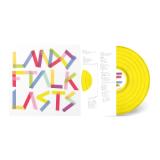
Land of Talk is still here. That wasn’t always a guarantee. Over the multi-faceted twenty year history of their project, Lizzie Powell has drifted from and back to music, always interrogating their role as an artist. In the time since 2023’s Performances, they found themselves utterly worn down by the vicissitudes of the music industry and wracked with worry around their aging parents. Yet the music didn’t stop: Powell heard songs in traffic and in birds chirping, in their downstairs neighbor’s daily prayers and in the babble of children on the street. Melodies slowly cohered over time. “Life can become so unbearable, and music is where I go to metabolize it,” they explain. “I know the music was the only thing that was going to help me.” Soon Powell reemerged with the sixth Land of Talk album, LASTS.
LASTS is full of double meanings — both resilience and finality, acting as a noun and a verb. Though LASTS is haunted by crises including climate collapse, political upheaval, and genocide, the mangitude of global turmoil led Powell towards smaller, humane depictions of suffering and grief. As both their parents became ill, Powell reflected on the last time a person might walk, might talk to a loved one. Yet watching their parents near the other side of life’s arc also made Powell consider all they had survived across their own decades on this earth, their new songs channeling both gratitude and rage. LASTS became a phrase, honoring Land of Talk’s circuitous route and all Powell’s reckoned with through the years. “I think of this record as a love letter to life,” they say.
The end result is an album both lean and winding, allowing Powell’s words and melodies to take centerstage, uncrowded in visceral, shot-no-chaser arrangements. LASTS jumps right in with “Broken Tongue,” a wiry track built on thrumming electric guitar and ghostly synths as Powell rails against the lack of justice for victims of abuse. The trio’s interplay is readily evident in “Saffron” and “4:44,” two earworm songs that also allow themselves to unspool into extended instrumental codas. Early in the record, there are seething tracks like “Dogs” — “Just your basic instinct / Even dogs know better,” Powell growls in the chorus, before the song quiets into a plaintive plea of “Leave us alone now” — and later there are more vulnerable, wandering moments. In “Projections” and “Cedars,” Powell ventures deep into their head, inviting their co-conspirators and listeners alike to follow the songs wherever they meander.
dovrebbe essere pubblicato su 13.11.2026
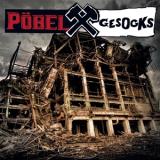
Pöbel & Gesocks haben 2010 ihr bislang letztes Studioalbum "Becks Pistols" genannt. Mit dem Titel schließt sich der Kreis der berühmt-berüchtigten "Oi-Punk-Pervers" Band aus dem Ruhrpott. Gegründet unter dem Namen Beck's Pistols von Sänger und Kultikone Willi Wucher, wurde ihr bekanntester Hit, Schlachtruf und erster Albumtitel "Pöbel & Gesocks" zwangsweise nach rechtlichen Schwierigkeiten mit einer Brauerei als neuer Bandname genommen und seit dem 1994er Debüt "Schönen Gruß" verwendet. 2010 erschien dann der nun wiederveröffentlichte Longplayer "Becks Pistols" und über die Jahre mauserte sich die Truppe zu einer der erfolgreichsten, deutschen Punkbands! Mittlerweile scheint auch die Brauerei mehr Spaß zu verstehen und hat den Titel bislang nicht beanstandet (finger crossed!) Klingt verrückt und chaotisch, passt aber perfekt wie der Kronkorken auf die Bierflasche, denn: Pöbel & Gesocks waren schon immer eine Band, die sich stets einen Dreck darum kümmerten, ob ihre deftig-asozialen Sauf- und Party-Songs in dieser biederen Gesellschaft irgendwo anecken! Das Album "Becks Pistols" war über 10 Jahre ausverkauft, erscheint limitiert als Reissue in schwarz sowie blaues mir mehrfarbigen Splatter 180g Vinyl!
dovrebbe essere pubblicato su 13.11.2026
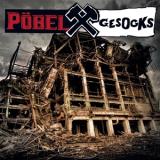
Pöbel & Gesocks haben 2010 ihr bislang letztes Studioalbum "Becks Pistols" genannt. Mit dem Titel schließt sich der Kreis der berühmt-berüchtigten "Oi-Punk-Pervers" Band aus dem Ruhrpott. Gegründet unter dem Namen Beck's Pistols von Sänger und Kultikone Willi Wucher, wurde ihr bekanntester Hit, Schlachtruf und erster Albumtitel "Pöbel & Gesocks" zwangsweise nach rechtlichen Schwierigkeiten mit einer Brauerei als neuer Bandname genommen und seit dem 1994er Debüt "Schönen Gruß" verwendet. 2010 erschien dann der nun wiederveröffentlichte Longplayer "Becks Pistols" und über die Jahre mauserte sich die Truppe zu einer der erfolgreichsten, deutschen Punkbands! Mittlerweile scheint auch die Brauerei mehr Spaß zu verstehen und hat den Titel bislang nicht beanstandet (finger crossed!) Klingt verrückt und chaotisch, passt aber perfekt wie der Kronkorken auf die Bierflasche, denn: Pöbel & Gesocks waren schon immer eine Band, die sich stets einen Dreck darum kümmerten, ob ihre deftig-asozialen Sauf- und Party-Songs in dieser biederen Gesellschaft irgendwo anecken! Das Album "Becks Pistols" war über 10 Jahre ausverkauft, erscheint limitiert als Reissue in schwarz sowie blaues mir mehrfarbigen Splatter 180g Vinyl!
dovrebbe essere pubblicato su 13.11.2026
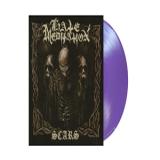
Hate Meditation's cult 2013 black metal full-length Scars, led by Blake Judd, returns via Back On Black Records on CD and a stunning limited purple vinyl LP reissue, capturing raw, malevolent tempo shifts and icy melodic hooks.
dovrebbe essere pubblicato su 20.11.2026

b A2 Let's Try = Let's Try!; Written-By Original Score Written By – Koji Kondo
[c] A3 お花畑にて = In The Flower Garden; Written-By [Original Score Written By] – Koji Kondo
[e] A5 対クッパ戦 = Battling Bowser; Written-By [Original Score Written By] – Koji Kondo
[g] A7 Super Pipe House = Super Mario House; Written-By [Original Score Written By] – Koji Kondo
[p] B7 ごきげんスター = Irrepressible Star; Written-By [Original Score Written By] – Koji Kondo
[z] C5 ねぇねぇジーノごっこしようよ = Play "Save The World" With Me!; Written-By [Original Score Written By] – Koji Kondo
[xd] D1 土管からコンニチハ = Greetings From The Pipes; Written-By [Original Score Written By] – Koji Kondo
[xk] E1 Long Long Ago… = Long, Long Ago...; Written-By [Original Score Written By] – Koji Kondo
[xl] E2 ちょっとドキドキ = A Little Anxious; Written-By [Original Score Written By] – Koji Kondo
[xt] F2 対 クリスタラー戦 = Battling Culex; Written-By [Original Score Written By] – Nobuo Uematsu
[xu] F3 クリスタラー戦での勝利 = Victory Over Culex; Written-By [Original Score Written By] – Nobuo Uematsu
[xv] F4 クリスタラーの会話 = Conversation With Culex; Written-By [Original Score Written By] – Nobuo Uematsu
[yb] G5 オノレンジャー参上 = The Axem Rangers Bust In; Written-By [Original Score Written By] – Koji Kondo
[yc] G6 クッパ城(其ノ弐) = Bowser's Keep (Second Visit); Written-By [Original Score Written By] – Koji Kondo
[yi] H5 お・し・ま・い・! = The End!; Written-By [Original Score Written By] – Koji Kondo
[b] A2 Let's Try = Let's Try!; Written-By [Original Score Written By] – Koji Kondo
[c] A3 お花畑にて = In The Flower Garden; Written-By [Original Score Written By] – Koji Kondo
[e] A5 対クッパ戦 = Battling Bowser; Written-By [Original Score Written By] – Koji Kondo
[g] A7 Super Pipe House = Super Mario House; Written-By [Original Score Written By] – Koji Kondo
[p] B7 ごきげんスター = Irrepressible Star; Written-By [Original Score Written By] – Koji Kondo
[z] C5 ねぇねぇジーノごっこしようよ = Play "Save The World" With Me!; Written-By [Original Score Written By] – Koji Kondo
[xd] D1 土管からコンニチハ = Greetings From The Pipes; Written-By [Original Score Written By] – Koji Kondo
[xk] E1 Long Long Ago… = Long, Long Ago...; Written-By [Original Score Written By] – Koji Kondo
[xl] E2 ちょっとドキドキ = A Little Anxious; Written-By [Original Score Written By] – Koji Kondo
[xt] F2 対 クリスタラー戦 = Battling Culex; Written-By [Original Score Written By] – Nobuo Uematsu
[xu] F3 クリスタラー戦での勝利 = Victory Over Culex; Written-By [Original Score Written By] – Nobuo Uematsu
[xv] F4 クリスタラーの会話 = Conversation With Culex; Written-By [Original Score Written By] – Nobuo Uematsu
[yb] G5 オノレンジャー参上 = The Axem Rangers Bust In; Written-By [Original Score Written By] – Koji Kondo
[yc] G6 クッパ城(其ノ弐) = Bowser's Keep (Second Visit); Written-By [Original Score Written By] – Koji Kondo
[yi] H5 お・し・ま・い・! = The End!; Written-By [Original Score Written By] – Koji Kondo
[b] A2 | Let's Try = Let's Try!; Written-By [Original Score Written By] – Koji Kondo
[c] A3 | お花畑にて = In The Flower Garden; Written-By [Original Score Written By] – Koji Kondo
[e] A5 | 対クッパ戦 = Battling Bowser; Written-By [Original Score Written By] – Koji Kondo
[g] A7 | Super Pipe House = Super Mario House; Written-By [Original Score Written By] – Koji Kondo
[p] B7 | ごきげんスター = Irrepressible Star; Written-By [Original Score Written By] – Koji Kondo
[z] C5 | ねぇねぇジーノごっこしようよ = Play "Save The World" With Me!; Written-By [Original Score Written By] – Koji Kondo
[xd] D1 | 土管からコンニチハ = Greetings From The Pipes; Written-By [Original Score Written By] – Koji Kondo
[xk] E1 | Long Long Ago… = Long, Long Ago ..; Written-By [Original Score Written By] – Koji Kondo
[xl] E2 | ちょっとドキドキ = A Little Anxious; Written-By [Original Score Written By] – Koji Kondo
[xt] F2 | 対 クリスタラー戦 = Battling Culex; Written-By [Original Score Written By] – Nobuo Uematsu
[xu] F3 | クリスタラー戦での勝利 = Victory Over Culex; Written-By [Original Score Written By] – Nobuo Uematsu
[xv] F4 | クリスタラーの会話 = Conversation With Culex; Written-By [Original Score Written By] – Nobuo Uematsu
[yb] G5 | オノレンジャー参上 = The Axem Rangers Bust In; Written-By [Original Score Written By] – Koji Kondo
[yc] G6 | クッパ城(其ノ弐) = Bowser's Keep (Second Visit); Written-By [Original Score Written By] – Koji Kondo
[yi] H5 | お・し・ま・い・! = The End!; Written-By [Original Score Written By] – Koji Kondo
Disponibile in Stock e pronto per la spedizione
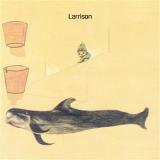
Connecters Vol. 1: Original Recordings, 1992-1999 ist die erste Veröffentlichung von Larrison, dem Pseudonym des bildenden Künstlers und Musikers Larrison Seidle aus dem Mittleren Westen. Larrison komponierte, programmierte und nahm alles komplett auf einem Casio CZ-5000 auf, während der guten alten Zeit der selbstgemachten Experimente und Entdeckungen in den frühen 90ern. Er lebte in einer Traumwelt, die er selbst erfunden hatte, mit Soundtracks aus Space-Age-Pop-Vignetten, gespickt mit hypnotischen, überschwänglichen, vielschichtigen Synthesizer-Melodien. Mit 26 Tracks, die alle neu restauriert und aus den Originalquellen gemastert wurden, erfindet sich Connecters Vol. 1 Song für Song neu, überwindet die Zeit und trotzt der vorbestimmten Vergessenheit dieser brillanten, diskreten Musik, die vor drei Jahrzehnten entstanden ist. Larrison Seidle wuchs in den 70er und 80er Jahren in Greenwood, Indiana, einem Arbeitervorort von Indianapolis, auf. Er stammte nicht aus einer Musikerfamilie, aber aus einem Haushalt, in dem Musikalität gefördert wurde. Sein Vater kaufte eine elektrische Orgel, in der Hoffnung, dass Larrison und sein älterer Bruder das Instrument lernen würden. ,Am Ende saß mein Vater einige Abende an der Orgel, improvisierte und spielte immer wieder dieses eine Lied, von dem ich mich noch an die ersten Takte erinnern kann", erinnert sich Larrison. Möglicherweise war es in diesem Moment, in dem es zwar keine formale Ausbildung gab, aber viel Ermutigung und Entdeckungsfreude, dass der Künstler seine ersten musikalischen Experimente machte. Diese Erlaubnis, sich auszuprobieren, sollte seine kreative Arbeit in den folgenden Jahren deutlich prägen. Während in Larrisons Elternhaus klassische Rockplatten leicht zugänglich waren, lieh sich sein Vater 35-mm-Dokumentarfilme aus der Bibliothek aus, um sie im Wohnzimmer zu zeigen, die alle mit skurrilen Instrumentalstücken unterlegt waren. Als Teenager nahm er John Carpenters und Alan Howarths Endthema aus ,Die Klapperschlange" mit einem kleinen Kassettenrekorder neben dem Fernsehlautsprecher auf und liebte Tangerine Dreams Beiträge zu Ridley Scotts düsterer Fantasy ,Legend". Seine Faszination für diese weitgehend textlosen, synthesizerbasierten Kompositionen führte zu einem eigenwilligen Verständnis davon, wie Musik nicht nur das ergänzt, was wir vor uns sehen, sondern auch das, was wir in den Tiefen unseres Bewusstseins erleben. 1985, als er dreizehn Jahre alt war, überzeugte Larrison seinen Vater, ihm ein Casio CZ-5000-Keyboard zu kaufen. Wie zuvor die Orgel war auch dieses Instrument eine Neuheit im Haushalt der Seidles. Erst nach seinem Highschool-Abschluss 1991 und dem Beginn seines Studiums an der Herron School of Art in Indianapolis entdeckte er den in das Casio integrierten Sequenzer und begann, seine Kompositionen auf Band aufzunehmen. ,Das CZ-5000 und sein 8-Spur-Sequenzer sind die einzigen Musikinstrumente, die ich benutzt habe. Es hat eine fast unbegrenzte Funktion zur Erzeugung neuer Klänge", erklärte Seidle. Während seiner Zeit an der Herron School of Art freundete sich Larrison mit seinem Kommilitonen und Klangkünstler Michael Northam an, den er bei einem Konzert auf dem Campus kennengelernt hatte. Nachdem Northam Larrison für die Musik von Severed Heads, Throbbing Gristle und Roger Doyle begeistert und damit seine Zuneigung und sein Vertrauen gewonnen hatte, überredete er ihn, nach Austin, Texas, zu ziehen, das in den frühen 90er Jahren für seine lebendige Kunst- und Musikszene bekannt war. Die beiden wohnten zunächst bei Northams Freund Daniel Plunkett, dem Herausgeber und Verleger von ND, einem einflussreichen Magazin, das sich von 1982 bis 1999 mit DIY-Musik und Tape-Trading beschäftigte. In seiner Blütezeit hatte ND Tausende von Lesern, und Plunkett verschickte die Ausgaben weltweit. In den letzten Monaten des Jahres 1993 und Anfang 1994 schrieb und nahm Larrison mit begrenzten Mitteln und grenzenloser Intuition eine Reihe von Songs mit seinem CZ-5000 in einer kleinen Wohnung nördlich der Innenstadt von Austin auf, bastelte eine farbenfrohe, illustrierte Beilage, in der einige Songtitel durch Linien oder Pfeile dargestellt waren, und gab sie an Plunkett weiter, damit er sie für ND rezensieren konnte. Diese einzelne Kassette mit dem Titel Connecters sic war eine von 1200, die im Laufe des Bestehens der Publikation bei ND eingereicht wurden und die Jed Bindeman, Mitbegründer von Freedom To Spend, 2020 erworben und fast wie durch ein Wunder entdeckt hat. ,Ich hatte große Schwierigkeiten, mir die Kassetten in dieser Sammlung anzuhören", gibt Bindeman zu. ,Aber dann legte ich Larrisons Connecters ein und dachte sofort: ,Wow! Was höre ich da?' Die Kassette war von Anfang bis Ende einfach fantastisch." Mit Musik von genau dieser Kassette und anderen Aufnahmen aus Larrisons Experimenten in den 90er Jahren ist Connecters eine Übersicht über Instrumentalmusik, die sowohl durch vielfältige konzeptionelle Strategien als auch durch spielerische Neugierde geprägt ist. Seidle arbeitete unter Bedingungen, die viele Musiker als Einschränkung empfinden würden, und entwickelte technisch innovative Ansätze, um die Klänge und integrierten Effekte des CZ-5000 zu modifizieren. Das Gerät ermöglichte es ihm, die Wellenform, die Hüllkurve und die Tonart von Klängen mithilfe der Phasenverzerrungssynthese zu verändern und so im Grunde genommen Instrumente zu schaffen, während er Songs komponierte. Die Tracks zeichnen sich durch eine durchdachte impressionistische Vielfalt aus, die mal lo-fi, mal symphonisch klingt. Inmitten der Zerlegung und Verstärkung der Fähigkeiten des CZ-5000 gibt es auch einen geschmackvollen Rückgriff auf eine kindliche Interaktion und Erfahrung von Klang. Vielleicht ist es diese Erfahrungsqualität, die es so schwierig macht, Larrisons Projekt einfach als Ambient oder Elektronik zu verstehen. Sein Wille, die ihm zur Verfügung stehenden Werkzeuge zu transformieren, hebt die daraus resultierenden Kompositionen auf eine persönliche Ebene und verleiht der Musik einen bezaubernden Sinn für Mystik. Connecters ist ein Beweis für eine künstlerische Vision, die sich nicht durch Grenzen einschränken lässt und keine Angst vor Informalität hat. Diese Aufnahmen, die dreißig Jahre nach ihrer Dokumentation auf magische Weise an die Oberfläche kommen, zeigen, wie personalisierte Produktionsmittel die Zeit ausdehnen und verkürzen können. Larrison lädt die Zuhörer ein, sich auf die Wunder der auditiven Vorstellungskraft einzulassen - eine Brücke zwischen visueller Erinnerung, emotionaler Resonanz und der grenzenlosen Möglichkeit, mit den uns zur Verfügung stehenden Mitteln Musik zu machen. Larrison's Connecters Vol. 1: Original Recordings, 1992-1999 wird am 3. April 2026 von Freedom To Spend als Vinyl- und Digitalausgabe veröffentlicht.
Disponibile in Stock e pronto per la spedizione

Antuni (translated from Armenian as “homeless”), Margenrot’s third album, was created over five years. It is a personal statement about fragility, vulnerability, and the search for grounding in a world where conflict has become part of everyday life. Antuni is a genre of gusan song (gusans were Armenian folk singers and rhapsodes) – a story told by a homeless, eternal wanderer, exiled and deprived of homeland.
The album’s title also refers to the melancholic ballad Antuni (“The Song of the Wanderer”) by the Armenian composer, folklorist, and monk Komitas. This work was dedicated to the victims of the Armenian Genocide of 1915. Lusia’s new album is about national identity and inner wandering – between contempo- rary wars and deeply personal, existential experiences. She asks an urgent, personal question: “What is my home, and where is it?”
The album weaves together traditional Armenian chants and chorales with electronic music and field recordings. Breakbeat is layered with conversations between Lucy’s relatives about the fading village of Naokhrebi (an Armenian village in Georgia), while samples of Komitas’ liturgy, recorded in a Catholic church, contrast with fractured rhythms.
Disponibile in Stock e pronto per la spedizione

"Morning Star" zeigt Kekht Aräkh auf dem Weg zu einer authentischeren, verfeinerten Version seiner selbst. Das Album wurde in Berlin und Stockholm aufgenommen und entstand in einer Phase intensiven persönlichen und künstlerischen Wachstums. Es verbindet aggressive Black-Metal-Passagen mit immersiven, strukturierten Klanglandschaften, die sowohl intim als auch weitläufig wirken. Seit seinen Anfängen in Mykolajiw, Ukraine, hat Dmitry (alias Crying Orc), der alleinige Kopf hinter dem Projekt, einen unverwechselbaren Weg innerhalb des Black Metal gesucht. Diese Vision entfaltete sich durch sein Debütalbum "Through the Branches to Eternity EP" (2018) und die Alben "Night & Love" (2018) und "Pale Swordsman" (2021), die eine charakteristische Spannung zwischen wildem, viszeralem Black Metal und zarten, introspektiven Balladen etablierten. Auf "Morning Star" erreicht diese Dynamik eine neue Tiefe. Das Album entstand in einer Phase künstlerischer Klarheit und erkundet eine rauere, persönlichere Gefühlspalette, geprägt von Stress, Angst und langen Phasen der Schreibblockade, was ihm eine seltene Unmittelbarkeit und Verletzlichkeit verleiht. Dmitry nahm fast alle Instrumente selbst auf, das Schlagzeug stammt von Jonathan (Spira Me, Vanskapth, Olycka). Bladee steuerte den Gesang bei und war Co-Autor der Texte zu "Eternal Martyr", eine unerwartete Zusammenarbeit, die eine intuitive Chemie offenbart. VS--55 und Varg2Ö fügen abstrakte Samples und subtile Texturdesigns hinzu, die "Morning Star" seine unverwechselbare Körnigkeit und analoge Wärme verleihen, während James Ginzburg (Emptyset, Osmium) sich um das finale Mastering kümmerte und die dynamische Tiefe und atmosphärische Fülle verstärkte. Mehrere Tracks greifen früheres Material mit neuen Perspektiven wieder auf. ,Wänderer" und ,Drömsang" wurden teilweise neu aufgenommen oder komplett neu interpretiert. Intensive, treibende Passagen kollidieren mit spärlichen, kontemplativen Zwischenspielen und erzeugen eine Landschaft, die sowohl viszeral als auch eindringlich ist. Themen wie Isolation und Wanderschaft tauchen in "Wänderer" auf, traumhafte Melancholie in ,Drömsang", existenzielle Kämpfe in "Angest" und Reflexionen über Zeit und Transformation in "Three winters away". Mit "Morning Star" verbindet Kekht Aräkh vergangene Erkundungen mit neuer kollaborativer Energie und produziert ein Album, das die Black-Metal-Tradition der 90er Jahre würdigt und gleichzeitig Lo-Fi-Wärme, melancholische Melodien, klangliche Experimente und emotionale Offenheit umfasst. Das Ergebnis ist ein zutiefst persönliches Statement - ein Album, das sowohl eine Ankunft als auch eine Fortsetzung seiner künstlerischen Reise darstellt.
Disponibile in Stock e pronto per la spedizione

Fides Records is ready to introduce the 4th chapter of the10-year anniversary series with. X4 leans into momentum and contrast with its hard-groove pressure, dub-chord depth, and melodic release that showcases a side of the label where functional club tools and emotional storytelling sit naturally together.
Side A begins with Rebecca Delle Piane’s “Genomica”, a driving techno train powered by tightly layered elements and rhythmic tenacity, marking another step forward for one of Italy’s most exciting rising artists. Rorschack follows with “Primeriti”, weaving dubby chords and rolling basslines around a haunting female vocal. Closing the side, Berlin-based SLV lands with “Ritual Resonance”, a hard-groove banger that fuses percussive urgency with dub-chord sophistication.
Flipping to Side B, OFF GRID’s “The Roots” stands out as a colorful, mental hardgroove tool: elegant in detail yet built for drive, striking a heady balance between control and impact. Francesco Devincenti’s “Joanaz” brings trance tinged melodic techno with harmonic depth and cinematic intensity, opening the door to a more emotive register. The record closes with Endrew’s “Alright”, a powerhous
Disponibile in Stock e pronto per la spedizione
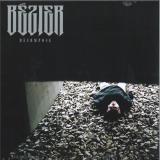
Bézier ripples their way back to Dark Entries with Decompose, an LP of doomed spa music. Multi-instrumentalist Robert Yang has made numerous appearances on Dark Entries for more than a decade, with releases spanning the stylistic gamut from hi-NRG disco floor-fillers to lush ambient epics. Decompose, Bézier’s second LP, is perhaps his most introspective work yet. It is an album almost ten years in the making, a deep investigation of life, loss, and the struggle of knowing oneself. If one were to pull a tarot deck for this album it would be the Nine of Swords. The album honors the lives of the fallen victims of Pulse Nightclub. It honors lives lost or suffering through the ongoing genocide in Gaza. The title track takes the form of a Buddhist chant, a brooding synth-driven meditation that scales steadily until breaking into John Carpenter-esque arpeggios halfway through. Tracks like “Egg,” “Marionette,” and “A Fading Citadel Atop Black Sand Bluffs” build on this soundworld, one in which intricate melodies and cavernous reverb induce in the listener feelings of both claustrophobia and free-fall. The album’s dancefloor-leaning moments, like “Codebreaking” and “Split a Path Towards the Thicket” are spartan, tunnel-vision techno tracks speeding towards ego-death. Decompose chronicles Yang’s journey to find peace with himself, as a gay Asian American. During this process, they learned to “repot” long-lost parts of their identity so they could grow forth in wholesome fashion. The sleeve for Decompose was designed by Eloise Shir-Juen Leigh, and features a photograph by Frankie Casillo of Robert laying on a bed of rocks in savasana pose, resembling an ascetic, evocative of the monastic vibes of the record.
Disponibile in Stock e pronto per la spedizione

WRWTFWW Records is proud to announce a super limited vinyl release of Christine Aufderhaar and City of Prague Philharmonic Orchestra's original soundtrack for the critically acclaimed, multiple award-winning 2022 animated-documentary film Aurora's Sunrise. The release comes as a 45rpm double LP in a heavyweight sleeve with inside out print.
Aurora's Sunrise is directed by Inna Sahakyan, and tells the extraordinary true story of Aurora Mardiganian, a survivor of the Armenian genocide who later became an actress in the United States. The film combines animated storytelling, archival footage, interviews, and rediscovered scenes from the 1919 silent film, and one of Hollywood's first blockbusters, Auction of Souls, in which Aurora starred. Aurora's Sunrise was Armenia's official submission for the 95th Academy Awards for best international feature film. It has won over 20 international prizes.
The composer, Christine Aufderhaar, is an accomplished German composer based in Berlin and Los Angeles, with over 20 years of experience and more than 50 films to her name. Her background spans classical, jazz, film scoring, and contemporary orchestral work, and she has been the recipient of numerous awards for her work.
The soundtrack performed by the City of Prague Philharmonic Orchestra is deeply emotional, blending intimate melodies and majestic orchestral work, and weaving together themes of memory, survival, loss, and hope. A perfect fit for collectors of film scores, contemporary classical music, and limited vinyl releases.
Disponibile in Stock e pronto per la spedizione

Following on from the November release of the Material Things / Pike album Rain & Cymbals, 12th Isle enter the new year with a limited vinyl edition of Through Global Frequency, a prescient work of ambient synth, electro-acoustic music and voice recordings by long-standing Dutch multimedia artist Michel Banabila (b. Amsterdam, 1961). Structured around a poem largely composed of titles from recordings he has made over the years, and written during a period marked by new Dutch migration policies, the genocide in Gaza, and the rise of the far right across Europe, Banabila enlists the voices of friends and family, each reciting the poem back to him in their native language. These voice recordings are set within a unique composition that works with the tonality, cadence and rhythm of the vocals, encompassing languages such as Arabic, Spanish, isiZulu, German, French, English, Japanese, Turkish, Ukrainian, and Dutch. Contributions come from Scanner (Robin Rimbaud), Ines Kooli, Sebastian Lee Philipp (Die Wilde Jagd), Yuko Kobayashi, Simone Eleveld, Cengiz Arslanpay and more.
“I felt the need to create something warm, something that embraced diversity. Every voice here is uniquely recognisable and reflects how I know them. I truly enjoyed working with these recordings, focusing on their personalities and the distinctive sound of their languages. For me, making music has always been a way to stay sane, and I have always loved working with voice recordings.”
Music, mix and poem by Michel Banabila,
track 3 featuring Robin Schaeverbeke,
track 8 featuring Cengiz Arslanpay,
track 10 featuring Machinefabriek.
Cello on track 9 by Peter Hollo.
Disponibile in Stock e pronto per la spedizione

Kate Bosone, rock star from Genoa and Milan-based producer and multi-instrumentalist, presents ‘Leave the Flesh!’. Active on the scene for over 10 years and closely linked to Genoa’s legendary Bonfim Club, this is his first release designed to rock the dancefloor. LASABBIA011.
Disponibile in Stock e pronto per la spedizione

Repress!
Before the Khmer Rouge took power in 1975, unleashing a horrifying genocide, Cambodia had one of the most vibrant and exciting music scenes in Asia. With a mixture of traditional Khmer music and a myriad of western genres (from French and latin music, to rock-and-roll , rhythm-and-blues, surf, psychedelia, soul and many more) the few pre 75 Cambodian recordings that survived -most of them were destroyed- are enough to make anyone with a taste for good music shocked by the amazing quality of the sounds created during those golden years. Gathered in this amazing album are some of the most talented and unique musicians from that amazing era with an explosive collection of tracks sure to blow the mind of the listener. A celebration of some of the best music ever made.
Disponibile in Stock e pronto per la spedizione

Jalapeno Records are celebrating their 25th anniversary in the business. The label are marking the occasion with the release of a 3LP compilation featuring some of label boss Trevor Mac's favourite dancefloor gems from across the years. From a humble start in a basement recording studio on Holloway Road to a quarter century anniversary celebrated from their Brighton offices – Jalapeno Records has been an indie label with a mission - to bring the funk to the masses. Along the way that has taken in so many genres from chill to house, gospel to soul, breaks to drum & bass but it has all had a common thread running through it - the funk. "Twenty Five years means there are too many artists to list and this album is not supposed to be a Greatest Hits. We did that on the 20th anniversary. The album is dedicated to all of the artists that trusted us with their music and all the people who supported us along the way" says Trevor
k 11. Back Again (Hot Toddy Remix) feat. John Turrell — Kraak & Smaak
n 14. Alone with You (Purple Disco Machine Remix) feat. Cleopold — Kraak & Smaak
[k] 11. Back Again (Hot Toddy Remix) [feat. John Turrell] — Kraak & Smaak
[n] 14. Alone with You (Purple Disco Machine Remix) [feat. Cleopold] — Kraak & Smaak
[k] 11. Back Again (Hot Toddy Remix) [feat. John Turrell] — Kraak & Smaak
[n] 14. Alone with You (Purple Disco Machine Remix) [feat. Cleopold] — Kraak & Smaak
Disponibile in Stock e pronto per la spedizione
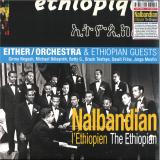
The Éthiopiques series returns! Essential archive recordings from an extremely fruitful period in Ethiopian music.
Before “Swinging Addis” took over the world, there was Moussié Nerses Nalbandian — the Armenian-born composer who shaped modern Ethiopian music. Mentor, arranger, and pioneer, he laid the foundations of Ethio-jazz.
This Éthiopiques volume revives his forgotten legacy, recorded live by Either/ Orchestra First issue ever with new exclusive photos and in depth liner 8-page insert.
“Ethiopian jazzmen are the best musicians that we have seen so far in Africa.
They really are promising handlers of jazz instruments.”
Wilbur De Paris
(1959, after a concert in Addis Ababa)
አዲስ፡ዘመን። *Addis zèmèn* **A new era.**
The time is the mid-1950s and early 1960s, just before "Swinging Addis" bloomed – or rather boomed – onto the scene. Brass instruments are still dominant, but the advent of the electric guitar, and the very first electronic organs, are just around the corner. Rock’n'Roll, R’n’B, Soul and the Twist have not yet barged their way in. Addis Ababa is steeped in the big band atmosphere of the post-war era, with Glenn Miller's *In the* *Mood* as its world-wide theme song, neck and neck with the Latin craze that was in vogue at the same period. Life has become enjoyable once again, with the return of peace after the terrible Italian Fascist invasion of Ethiopia (1935-1941). The redeployment of modern music is part and parcel of the postwar reconstruction. *Addis zèmèn* – a new era – is the watchword of the postwar period, just as it was all across war-torn Europe.
The generation who were the young parents of baby boomers** were the first to enjoy this musical renaissance, before the baby boomers themselves took over and forever super-charged the soundtrack of the final days of imperial reign. Music is Ethiopia's most popular art form, and very often serves as the best barometer for the upsurge of energy that is critical for reconstruction. Whether it be jazz in Saint-Germain-des-Prés or the *zazous* who revolutionised both jazz and French *chanson* after the *Libération*, be it Madrid's post-Franco Movida, or Dada, the Surrealists and *les années folles* that followed World War I, the periods just after mourning and hardship always give rise to brighter and more tuneful tomorrows. Addis Ababa, as the country's capital, and the epicentre of change, was no exception to this vital rule.
**Two generations of Nalbandian musicians**
Nersès Nalbandian belonged to a family of Armenian exiles, who had moved to Ethiopia in the mid-1920s. The uncle Kevork arrived along with the fabled "*Arba Lidjotch*", the** "*40 Kids*", young Armenian orphans and musicians that the Ras Tafari had recruited when he visited Jerusalem in 1924, intending to turn their brass band into the official imperial band. If Kevork Nalbandian was the one who first opened the way of modernism, pushing innovation so far as to invent musical theatre, it was his nephew Nersès who would go on to become, from the 1940s and until his death in 1977, a pivotal figure of modern Ethiopian music and of the heights it. Going all the way back to the 1950s. Nothing less. And it is Nersès who is largely to thank for the brassy colours that so greatly contributed to the international renown of Ethiopian groove. While the younger generations today venture timidly into the genealogy of their country's modern music, often losing their way amidst a distinctly xenophobic historiographical complacency, many survivors of the imperial period are still around to bear witness and pay tribute to the essential role that "Moussié Nersès" played in the rise of Abyssinia's musical modernity.
Given the year of his birth (15 March 1915), no one knows for sure if Nersès Nalbandian was born in Aintab, today Gaziantep (Turkiye/former Ottoman Empire) or on the other side of the border in Alep, Syria... What is certain is that his family, like the entire Armenian community, was amongst the victims of the genocide perpetrated by the Turks. Alep, the place of safety – today in ruins.
Before Nersès then, there was uncle Kevork (1887-1963). For a quarter of a century, he was a whirlwind of activity in music teaching and theatrical innovation. *Guèbrè Mariam le Gondaré* (የጎንደሬ ገብረ ማርያም አጥቶ ማግኘት, 1926 EC=1934) is his most famous creation. This play included "ten Ethiopian songs" — a totally innovative approach. According to his autobiographical notes, preserved by the Nalbandian family, Kevork indicates that he composed some 50 such pieces over the course of his career. This shows just how much he understood, very early on, the critical importance of song as Ethiopia's crowning artistic form. Indeed, for Ethiopian listeners, the most important thing is the lyrics, with all their multifarious mischief, far more than a strong melody, sophisticated arrangements or even an exceptional voice. (This is also why Ethiopians by and large, and beginning with the artists and producers themselves, believed for a long time — and wrongly — that their music could not possibly be exported, and could never win over audiences abroad, who did not speak the country's languages).
Last but not least, one of Kevork's major contributions remains composing Ethiopia's first national anthem – with lyrics by Yoftahé Negussié.
Nersès Nalbandian moved to Ethiopia at the end of the 1930s, at the behest of his ground-breaking uncle. Proficient in many instruments (pretty much everything but the drums), conductor, choir director, composer, arranger, adapter, creator, piano tuner, purveyor of rented pianos,... he was above all an energetic and influential teacher. From 1946 onwards, thanks to Kevork's connexion, Nersès was appointed musical director of the Addis Ababa Municipality Band. In just a few years, Nersès transformed it into the first truly modern ensemble, thanks to the quality of his teaching, his choice of repertoire, and the sophistication of his arrangements. It was this group that would go on to become the orchestra of the Haile Selassie Theatre shortly after its inauguration in 1955, which was a major celebration of the Emperor's jubilee, marking the 25th anniversary of his on-again-off-again reign.
At some point or other in his long career, Nersès Nalbandian had a hand in the creation of just about every institutional band (Municipality Band, Police Orchestra, Imperial Bodyguard Band, Army Band, Yared Music School…), but it was with the Haile Selassie Theatre – today the National Theatre – that his abilities were most on display, up until his death in 1977. To this must be added the development of choral singing in Ethiopia, hitherto unknown, and a sort of secret garden dedicated to the memory of Armenian sacred music, and brought together in two thick, unpublished volumes. Shortly before his death (November 13, 1977), he was appointed to lead the impressive Ethiopian delegation at Festac in Lagos, Nigeria (January-February 1977).
His status as a stateless foreigner regularly excluded him from the most senior positions, in spite of the respect he commanded (and commands to this day) from the musicians of his era. Naturally gifted and largely self-taught, Nerses was tirelessly curious about new musical developments, drawing inspiration from the very first imported records, and especially from listening intensely to the musical programmes broadcast over short-wave radio – BBC *First*. A prolific composer and arranger, he was constantly mindful of formalising and integrating Ethiopian parameters (specific “musical modes”, pentatonic scale, and the dominance of ternary rhythms) into his “modernisation” of the musical culture, rather than trying to over-westernise it. It even seems very probable that *Moussié* Nerses made a decisive contribution to the development of tighter music-teaching methods, in order to revitalise musical education during this period of prodigious cultural ferment. Flying in the face of all the historiographical and musicological evidence, it is taken as sacrosanct dogma that the four musical modes or chords officially recognised today, the *qǝñǝt* or *qiñit* (ቅኝት), are every bit as millennial as Ethiopia itself. It would appear however that some streamlining of these chords actually took place in around 1960. It was only from this time onward that music teaching was structured around these four fundamental musical modes and chords: *Ambassel*, *Bati*, *Tezeta* and *Antchi Hoyé*. A historical and musical “details” that is, apparently, difficult to swallow, especially if that should honour a *foreigner*. Modern Ethiopian music has Nersès to thank for many of its standards and, to this day, it is not unusual for the National Radio to broadcast thunderous oldies that bear unmistakable traces of his outrageously groovy touch.
Disponibile in Stock e pronto per la spedizione

Tóxico and Subject To Restrictions Discs present a retrospective on Switzerland’s hidden analogue gear scene from 2017 and 2018. A vibrant yet undocumented chapter in the country’s music history. The 10 tracks, originally released exclusively on cassette and heard only by a small circle of listeners, are now compiled for the first time on vinyl as “Tóxico Tapes”. The collection captures the scene’s raw, hands-on energy through off-kilter rhythms, low-key EBM, ominous wave and free-form synth excursions.
Founded and curated by the former DJ and producer Narco Marco, the Tóxico label became a hub for Switzerland’s analogue gear enthusiasts. Between 2016 and 2020, it released a series of 10 tapes – albums and compilations – that now stand as a blueprint of the DIY, machine-driven underground of the time. Narco Marco is a key figure in Swiss electronic music. As a long-time clerk at “Oldiesshop” record store in Bern, he has championed eclectic sounds across decades. His in-depth knowledge of 1980s music, combined with his work as a musician, avid record collector, and founder of the “Hot Jam” label, influenced an entire generation of musicians and DJs in Switzerland at the time.
Subject To Restrictions Discs joins forces with Narco Marco to present a selected set of 10 songs as a tribute to Tóxico and this creative era. The material draws primarily from the Autumn Tape and Winter Tape compilations, which spotlighted artists from Zurich and Bern – two cities at the heart of this analogue revival.
Disponibile in Stock e pronto per la spedizione

A trans-generational meeting of raw frequencies and spiritual drive, BTB007 bridges the roots of freetekno. On the A-side, 69db a true pioneer of the underground, delivers two live-crafted pieces that channel decades of improvisation and sound system energy. One track, reflects on the ongoing genocide in Palestine; the other turns its gaze toward the performative side of modern culture. Flipping the record, Gen Unit, the collaborative project of Kaisei Kitada and Scam Artist, respond with two dense compositions forged in the spirit of old-school freetekno: raw, hypnotic, and relentlessly physical. Together, they form a dialogue across generations and geographies, between chaos and control, analog heat and digital clarity, perfectly embodying the spirit of Beyond the Bridge.
Disponibile in Stock e pronto per la spedizione

CMDRPX presents their first LP. CMDRPX008 LP
Side A features Pahase and Cruz with their style that represents darkwave techno worldwide.
Side B features Alfalfa and Ivan & Stella with their refined melodies and sounds.
Side C and D feature tracks by five Genoa-based artists, residents of Bonfim club and CMDRPX.
Disponibile in Stock e pronto per la spedizione

Der Nachfolger ihres von allen Seiten gefeierten selbstbetitelten Debüts von 2014, das Minimal Techno mit orchestralen Schnörkeln und schwereloser Produktion neu interpretierte - ist endlich da. "II" ist lebendiger, aber es behält immer noch den charakteristischen Kiasmos-Stil des Übergangs von einer flüsternden, ruhigen Atmosphäre zu einem explosiven Dance-Beat, der aus den Socken haut. Kiasmos - sind weiterhin der isländische Komponist Olafur Arnalds und der färöische Musiker Janus Rasmussen - haben sich diesmal zehn Jahr Zeit genommen für ihr Nachfolgewer und die Entstehung von "II" war eine Bewährungsprobe für ihre Freundschaft, aber auch ein Beweis dafür, dass eine großartige musikalische Chemie immer noch genauso gut sein kann, wie sie einmal war. Kiasmos hatten schon immer ein beneidenswertes Gespür dafür, komplexe Emotionen und eindrucksvolle Bilder mit Instrumentalmusik zu vermitteln. Die gesammelte Erfahrung als Produzenten, auf die sie zurückgreifen können, die Filmmusikarbeiten von Olafur Arnalds als Grammy-nomminierter Komponist für Film und Fernsehen sorgen für ein reifes elektronisches Album. Sie verlagerten ihre Melodien subtil von Four-to-the-Floor auf die frenetischen gebrochenen Beats der britischen Tanzmusik, indem sie mehr mit BPMs experimentiert haben, was an Janus" Zeit als DJ in den großen Venues weltweit erinnert. Es gibt immer noch die schmerzenden Melodien, die die Fans kennen und lieben, aber sie sind auch eingängiger.
Disponibile in Stock e pronto per la spedizione

The Silence returns with this limited edition addendum to their debut album for the true diehards that need their darkness to be a little more complete. To sweeten the deal this EP contains an extended version of their tortured dubstep anthem 'Something Hardcore' and the already infamous 'Industrial Counter'.
Disponibile in Stock e pronto per la spedizione
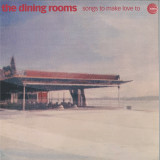
“Songs to Make Love To” is the 10th studio album by The Dining Rooms (Stefano Ghittoni and Cesare Malfatti), extending the Milanese duo’s classic sound legacy among psychedelic folk, cinematic atmospheres and hip hop-inspired downtempo rhythms. As always divided into instrumental and vocal tracks, it is entirely played and produced by Stefano and Cesare and features guest appearances on vocals by Chiara Castello (I’m Not a Blonde), Egeeno (of the Roman collective Tropicantesimo) and labelmate Tomaz Di Cunto aka Toco. “Songs To Make Love To” talks about love and relationship dynamics in every aspect, but also explores anthropological and ethnomusicological themes by making use of field recordings. “Songs To Make Love To” talks about love and relationship dynamics in every aspect, but also explores anthropological and ethnomusicological themes by making use of field recordings. “Songs To Make Love To”, whose artwork was made with works by artist Tatjana Zonca, talks about love and the explicit act of loving each other, but also and especially about the construction of love, the dynamics of love relationships inside and outside the couple, free and liberated love, without constraints and outside the concept of possession. A further peculiarity that contributes to the uniqueness of “Songs To...” is the in-depth exploration of anthropological and ethnomusicological themes, particularly dear to Alan Lomax: the classic TDR sound therefore blends, especially in the instrumental tracks, with classic field recordings of sounds from the Genoese carruggi, the Milanese dockyard, the Spanish quarters of Naples and cities such as Istanbul and São Paulo.
Disponibile in Stock e pronto per la spedizione

The word Datasal paints inner pictures for most people growing up in Sweden during the 1990’s. The datasal (a classroom for computers) was an ordinary classroom with few changes to fit the school’s 10 newly leased computers. The room represented the change of times in Sweden during this period: the fixed institutions and the awaiting digital flood wave.
The music of Datasal sounds captures the feeling of printing a downloaded picture of your favorite hockey player or music artist or the expectations building up as you wait for the modem to log in to interact with the thousands of users of the internet in 1995. The tracks this release manifests the excitement but also the bit of fright you felt connecting to the world in the mid 90’s - a time when the internet still was fun.
The sound is built around repetitive sequencer loops and programmed beats where electric bass, electric guitar and flute improvise around a theme, creating a sound that is best described as cosmic flute house. Datasal is an harmonic reminder of a time where digital progress seemed less harmful than today.
Disponibile in Stock e pronto per la spedizione
Speicher 125 is a most auspicious collaboration between two great, inimitable voices in techno: Kompakt co-founder Michael Mayer, and Magazine’s own Barnt. They’ve both been productive of late, Mayer with his “Brainwave Technology” EP in 2021, Barnt with his first release on Kompakt, "ProMetal Fan Decor Only Product" in 2022. Of course, they’re also busy with their respective record labels, and international DJing schedules.
You may already have heard their first track, which appeared on Michael’s "&" album from 2014, the psychedelic “Und Da Stehen Fremde Menschen”. For Speicher, though, they set their sights firmly on the peak time dance floor – the result is two stunning cuts of techno euphoria.
On “Teller” Barnt and Mayer unleash a synth storm, tense and thrilling. Percussion piles up against the incessant buzz, but before too long we’re submerged in waves of dense texturology, making the track an object lesson in tension and release. “Duration” is a bittersweet anthem about "life long love". A moving voice tells us about "faith in life" while gleaming, synths, choral swarms and snares shower down from above to form an epic tale about duration and devotion.
Weirding the groove and updating the emotions, Speicher 125 is a monster.
Speicher 125 ist die Zusammenarbeit zwischen zwei unnachahmlichen Stimmen des Techno: Michael Mayer, Mitbegründer von Kompakt, und Barnt von Magazine. Beide waren in letzter Zeit nicht unproduktiv, Mayer mit seiner "Brainwave Technology" EP, Barnt mit seiner ersten Veröffentlichung auf Kompakt, "ProMetal Fan Decor Only Product". Natürlich sind sie auch mit ihren jeweiligen Plattenlabels und internationalem DJing beschäftigt.
Vielleicht hast Du schon ihre erste Kollaboration gehört, die auf Michaels "&"-Album von 2014 erschienen ist, das psychedelische "Und Da Stehen Fremde Menschen". Für "Speicher" haben sie den Peak-Time-Dancefloor ins Visier genommen - das Ergebnis sind zwei atemberaubende Stücke voller Techno-Euphorie.
Auf "Teller" entfesseln Barnt und Mayer ein Synthie-Gewitter, spannend und mitreißend. Die Percussion türmt sich gegen das unaufhörliche Summen auf, aber schon bald tauchen wir in Wellen dichter Texturen ein, was den Track zu einer Lehrstunde in Sachen Spannung und Entspannung macht. "Duration" ist eine bittersüße Hymne über "lebenslange Liebe". Eine bewegte Stimme erzählt uns vom "Glauben an das Leben", während schimmernde Synthies, Chorschwärme und Snares von oben herab eine epische Geschichte über Ausdauer und Hingabe prasseln.
Speicher 125 ist ein Monster, das den Groove neu erkundet und die Emotionen auffrischt.
Disponibile in Stock e pronto per la spedizione

Als eines der beständigsten Aushängeschilder der Rockund Popgeschichte hat Shaky mehr gesehen und erreicht, als sich die meisten Menschen erträumen können, seit er als Teenager das Publikum zum ersten Mal verzauberte.
Mit "Re-Set" liefert Stevens nun ein weiteres aufregendes Kapitel in dieser einzigartigen Geschichte und freut sich sehr darauf, es mit seinen treuen Fans, aber auch neuen Bewunderern zu teilen. "Im Grunde genommen ist es eine Fortsetzung", sagt er, "aber es ist auch anders.
Die Menschen waren von "Echoes Of Our Times" überrascht, und ich schätze, dass das Gleiche mit "Re-Set" passieren wird."
Wie auch beim Vorgänger "Echoes Of Our Times" erzählen die Songs auf "Re-Set" zutiefst persönliche Geschichten, inspiriert aus der Familienchronik, aber auch auf das Arbeitermilieu anspielend, aus der der junge Michael Barratt heraus seine unglaubliche Karriere startete. Die einzigartige Kombination aus stimmlichem Können und unaufhaltsamer Entschlossenheit half ihm dabei, zu einem Star zu avancieren, der zum meistverkauften britischen Single-Künstler eines
Jahrzehnts wurde. Seine beeindruckende Erfolgsbilanz umfasst 33 Top-40-Hits in Großbritannien, vier Nr. 1-Hits, unzählige Hit-Alben und eine nach wie vor ungebrochene Popularität in ganz Europa und dem Rest der Welt.
Disponibile in Stock e pronto per la spedizione

KAU is an instrumental project based in Brussels consisting of André Breidlid (drums), Matteo Genovese (bass) & Jan Janzen (keys). Representing various European backgrounds, their coming-together is in the spirit of the city they grew up in.
Taking inspiration from jazz, they create a head-bobbing atmosphere using bassy beats and catchy melodies. By implementing acoustic instruments, the trio stays true to an organic and rich sound, granting themselves the liberty for improvisation & spontaneous happenings. Influenced by artists like BADBADNOTGOOD & Christian Scott, their music is contemporary, powerful, and audacious.
The EP "III" is the collaboration between the three core members of the band and Maxime Dereux, talented French saxophonist already guested on "II". Having built strong musical ties over the course of the last years, the idea to make more music together arose naturally without a shadow of a doubt.
The result is a 4 track EP with a high concentration of powerful riffs and sharp themes. The title song 'Mad Max' perfectly represents madness incarnated. On "Moonwalker" they go to new places with ever-changing melodies and sax lines. 4 minutes of holding on to your seat in anticipation of the next measure.
This EP also features Brussels born and bred rapper "Jay MNG" who has made a name for himself around many concert halls & festivals in Belgium. Having collaborated notably with Commander Spoon and Kuna Maze, the polylinguistic rhymes of Jay MNG left a mark on this emerging music scene. Enraged, banging in whatever language that may be, Dutch, French or English, he manages to make a massive impact on the atmosphere of the tracks and add his own flavour.
Disponibile in Stock e pronto per la spedizione

KAU is an instrumental project based in Brussels consisting of André Breidlid (drums), Matteo Genovese (bass) & Jan Janzen (keys). Representing various European backgrounds, their coming-together is in the spirit of the city they grew up in.
Taking inspiration from jazz, they create a head-bobbing atmosphere using bassy beats and catchy melodies. By implementing acoustic instruments, the trio stays true to an organic and rich sound, granting themselves the liberty for improvisation & spontaneous happenings. Influenced by artists like BADBADNOTGOOD & Christian Scott, their music is contemporary, powerful, and audacious.
"II" is the second EP released by KAU. After experimenting with beats and live instruments, this second opus marks the evolution towards a more hybrid and powerful sound defined by their willingness to create extended compositions. The trio adds a unique flavor to each track by inviting guest artists to take part in the production. The bobbing and gritting atmosphere reigning in this EP is in the continuum of their first release, keeping in touch with their identity.
Disponibile in Stock e pronto per la spedizione

This mini album was originally published on Semantica Records in 2010 as a extremely limited 100 copy only reference. 12 years later we recover this for the Drivecom’s catalogue and fans of the label. This is a re-press edition with a new mastering and cutting, focused in the audio quality more than trying to get a maximum volume or gain. So this is one of the reasons that the side A cutting is trying to keep the tracks in the outside area of the vinyl in the most possible way, trying to avoid distortions or other artifacts from the inner vinyl curvature.
This 12” contains the same tracks on vinyl as the original edition but a couple of bonuses as a digital download. Those tracks called "Axonal Destruction (1999 Rework)" and "Automatic Reconstruction" were never released.
Note: For the people who purchase a physical copy in the shops, please take a picture of your purchase and share it on social networks, then we’ll send you a special download code.
In the musical eld, this reference was introduced with minimal and repetitive mental synth lines, mainly triggered from TB303 sequenced lines as the vertebral spinae, slow and progressive cadence rhythms with a touch of experimental electro and vocoders on board, exception is the rst tittle “Ultralink” which gives the name to the reference and it’s also the most club-oriented track in the mini album. About the thematic is all surrounded of such as mental driving musical lines so all the tittles were focused in the neuroscience
Disponibile in Stock e pronto per la spedizione
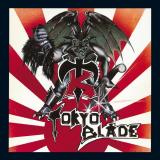
Die Wurzeln der NWOBHM-Legende Tokyo Blade gehen zurück bis in die frühen achtziger Jahre, als die Schulfreunde Andy Boulton (Gitarre), Andy Robbins (Bass) und Steve Pierce (Schlagzeug) in Wiltshire unter dem ursprünglichen Namen White Diamond starteten. Irgendwann tat man sich mit Sänger Alan Marsh zusammen und machte zuerst als Killer und dann als Genghis Khan weiter. Die Doppel-Single »Double Dealin’« erschien 1982 und sicherte Tokyo Blade einen Plattenvertrag beim neu gegründeten Label Powerstation Records. Im November 1983 stand schließlich das Debütalbum in den Läden.
Gründungsmitglied und Gitarrist Andy Boulton erläutert: “Die Platte wurde im Wickham Studio in Ost-London aufgenommen. Wir hatten lediglich vier Tage zur Verfügung und es war ein Albtraum. Immer wenn wir fertig waren, fielen wir todmüde um und schliefen sofort auf dem Studioboden ein. Und am nächsten Tag ging alles wieder von vorne los.“
Es wundert demnach kaum, dass Andy die Atmosphäre im Studio als angespannt bezeichnet: “Wir dachten, uns würden wenigstens zwei Wochen zur Verfügung stehen, aber am Ende mussten wir alles mehr oder weniger live aufnehmen. Im Grunde genommen haben wir die Songs für das Album ausgewählt, die uns am besten gefallen haben zu diesem Zeitpunkt.”
Während die Pressereaktionen im Vereinigten Königreich, speziell beim Kerrang!, nicht überwältigend waren, wurden Tokyo Blade in Kontinentaleuropa von Magazinen wie dem Aardschok (Niederlande) und Rock Hard (Deutschland) bereits als die neuen Iron Maiden gefeiert.
Diese erweiterte Re-Issue des ersten Albums von Tokyo Blade kommt mit einer Fülle von Bonus-Material: als da wären die vier Songs der »Midnight Rendezvous«-EP, nämlich “If Heaven Is Hell”, “Highway Passion”, “Midnight Rendezvous” und “Mean Streak”, sowie “Powergame” und ”Death On Main Street” von der »Powergame« 7”, plus ein Stück namens “Machine Run”, das 1982 auf der Ebony-Compilation »Metal Maniaxe« unter dem Bandnamen Madame Guillotine erschienen ist und in Hull aufgenommen wurde.
Transfer, Audio-Restaurierung und Mastering durch Patrick W. Engel bei TEMPLE OF DISHARMONY im Februar 2021 / Januar 2026. Cutting durch SST Germany auf Neumann-Geräten für optimale Qualität auf allen Ebenen. Die ultimative audiophile Ausgabe dieses zeitlosen NWOBHM-Klassikers!
dovrebbe essere pubblicato su 09.10.2026

Widow aus London (auch als Ritual bekannt) machten erstmalig 1983 im Zuge der NWOBHM-Bewegung auf sich aufmerksam, als ihr selbstbetiteltes Debütalbum auf Legend Records erschien. Zu jenem Zeitpunkt waren Re Bethe (Gitarre, Gesang), Phil Mason (Bass) und Rex Duval (Schlagzeug) allerdings bereits ganze zehn Jahre aktiv. Ihr allererster Live-Auftritt fand im September 1973 im ""Café des Artistes"" in der Fulham Road in London statt.
Heutzutage werden Widow/Ritual in bestimmten Kreisen als Säulenheilige der originalen Okkult-Rock-Welle verehrt. Re Bethe hingegen sieht wenig Parallelen zwischen seiner Band und Black Widow, Atomic Rooster oder Coven: ""Ich glaube, wir haben uns selbst niemals als Okkult-Rock-Band bezeichnet. Ich denke, wir waren eher ganz normaler Heavy Rock. Aber selbstverständlich haben wir beobachtet, was um uns herum musikalisch passierte. In den ganz frühen Tagen waren wir sicherlich ein wenig von Black Sabbath beeinflusst. Ich wollte schon immer wie eine Mischung aus Black Sabbath und Deep Purple klingen. Das waren wirklich die einzigen beiden Rockbands, die ich mir überhaupt angehört habe. Black Sabbath und Deep Purple hatten irgendwie den Dreh raus.”
Als Widow (oder Ritual) schließlich im Jahre 1983 ihre Platte vorlegten, hatte die NWOBHM ihren Höhepunkt bereits überschritten. “Wir sahen, was mit den anderen Bands geschah”, gibt Re Bethe zu Protokoll. “Wir fühlten uns dieser Bewegung auf eine bestimmte Art und Weise verbunden. Die Leute haben uns oft mit Samson, Quartz oder Pagan Altar verglichen. Im Grunde genommen gehörten wir aber einer früheren Generation an, die sich bereits vor der Punk-Revolution formiert hatte und nun mit der Schwierigkeit konfrontiert wurde, Arbeit an Land zu ziehen. Es war schier unmöglich, einen Deal zu ergattern, es war sogar unmöglich, überhaupt einen Vertrieb für die Platte zu bekommen.”
Audio-Restaurierung und Mastering durch Patrick W. Engel bei TEMPLE OF DISHARMONY im März 2026. Cutting durch SST Germany auf Neumann-Geräten für optimale Qualität in jeder Hinsicht.
dovrebbe essere pubblicato su 09.10.2026
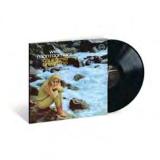
“California Dreaming”, im September 1966 aufgenommen, war das letzte Album, das Wes Montgomery
(1923-1968) bei Verve veröffentlichte. Seit er 1964 von dem Produzenten Creed Taylor bei dem Label
unter Vertrag genommen worden war, hatte sich der Gitarrist vom reinen Jazz immer mehr in Richtung
Pop bewegt - und “California Dreaming” bildete da keine Ausnahme. Obwohl das Album mit einem aktuellen Pop-Hit begann und neben Bobby Hebbs “Sunny” sowie drei Stücken aus dem Repertoire der damals
angesagten Band Herb Alpert & Tijuana Brass präsentierte, fand Montgomery reichlich Gelegenheit, seinen
charakteristischen, von Oktaven geprägten Jazz-Gitarrenstil zur Schau zu stellen. So kam es, dass Montgomery mit “California Dreaming” nicht nur Platz 4 der R&B-Album-Charts erreichte, sondern sich auch
erstmals an die Spitze der Jazz-Album-Charts von Billboard setzte.
dovrebbe essere pubblicato su 25.09.2026