Black Vinyl Repress
We have a proud introduced 4th vinyl-only release from our original series, featuring Romanian artists Funky Trip with two original cuts and Barac on remix duties. Titled “Alpha EP”, the record delivers a solid dose of inspiring minimal rhythms mastered by Mike Grinser at Manmade Mastering Berlin.
Funky Trip stands out from the Romanian new wave of electronic music producers, exploring an endless universe of distinct sounds and emotions reflected on his releases with Rawax, Nazca, Stamp Records, Artreform and others. On this EP, he invites acclaimed local artist Barac of Moment Records to join in and leave his fingerprint on the title track, laying out a soothing rhythm influenced by psychedelic elements.
Side A opens with the title track, “Alpha”, an immersive minimalistic composition powered by dreamy background atmospheres, swinging drumming patterns, a solid wobbling bassline and mysterious vocals that seamlessly intertwine with tension-building chords and breathing moments. Following, “Dreams” gets a bit more groovy, focusing on the percussion, the punching keyboard stabs and the phased effects that run throughout the track, all while having a subtle touch of melancholy radiating from the piano and complementary layers.
On the flipside, we find Barac‘s reinterpretation of A1 dropping a twisted progressive sound that constantly evolves as wave upon wave of spiralling synths and chugging drums mix in a massive dancefloor tool perfect for peak-time moments at any party.
Artwork by Jose Alvarez
Early support by Gescu, Sepp, Nu Zau, Mihai Pol, Sublee, Charlie, Lumieux, Tania Vulcano, Costin RP, Iuly.B, Crihan, Primãrie, Zenk and more..
quête:ges e
- A1: Inhale
- A2: Jamil Jamal
- A3: Misophonia
- A4: The Space Between The Fish And The Moon
- B1: La Saboteuse
- B2: Al Emadi
- B3: Inspiration Expiration
- C1: The Lost Pearl
- C2: Bloom
- D1: Beleille
- D2: Whirling
- D3: Organ Eternal
- D4: Exhale
virgin yellow-coloured vinyl[27,94 €]
2017 revolutionierte die bahrainisch-britische Trompeterin und Flügelhornistin Yazz Ahmed mit ihrem Album "La Saboteuse" den Jazz, indem sie ihr doppeltes Erbe mit elektronischen Effekten vermischte, um das Genre neu zu definieren. Die Platte taucht ein in ihre britischen und bahrainischen Wurzeln, mit Musikern wie Lewis Wright und Shabaka Hutchings, und zeichnet sich durch orientalische Melodien und stimmungsvolle Rhythmen aus, wobei auch der Einfluss moderner Jazzkünstler wie Kamasi Washington und Sons of Kemet nicht zu leugnen ist. Parallel fordert Yazz die von Männern dominierte Jazzsphäre heraus, gestärkt durch eine steigende Zahl weiblicher Musikerinnen.
Mit einer bemerkenswerten Reihe von Veröffentlichungen in kaum einem halben Jahrzehnt hat Loraine James aus London ihre künstlerische Identität durch eine Mischung aus raffinierten Kompositionen, düsteren Experimenten und unvorhersehbaren, komplizierten elektronischen Programmen geschaffen. Während die unter ihrem Namen auf Hyperdub veröffentlichten Titel zu IDM-beeinflussten, vokallastigen Kollaborationen tendieren, reserviert James ihr bei Ghostly International unter Vertrag stehendes Alias Whatever The Weather für einen Blick nach innen, der die angeborene "emotionale Temperatur" und die Umgebung erforscht (was sich in den gradbasierten Titeln der Tracks zeigt). Ihr zweites Album ist im Vergleich zu seinem Vorgänger deutlich wärmer, was durch den Wechsel vom arktischen Coverfoto von LP1 zu den Wüstengefilden von LP2 deutlich wird. Beiden Alben gemeinsam ist die Mastering-Arbeit von Josh Eustis (alias Telefon Tel Aviv), der James' Komplexität ein feines Ohr leiht, um ein auffallend dreidimensionales Klangerlebnis zu schaffen. Von hypnotischen Atmosphären über gesprenkelte Rhythmen bis hin zu verarbeiteten Collagen aus tagebuchartigen Feldaufnahmen - "Whatever The Weather II" ist eine überzeugende Verbindung organischer und menschlicher Elemente von einem der einfallsreichsten Talente der elektronischen Musik. Die Leadsingle und der Schlusstrack der neuen LP von Whatever The Weather (Loraine James), "12°C", driftet von belebten Räumen in einen konkreten Groove und verwebt Melodie und Textur zu einer wahrhaft ungewöhnlichen, seelenbewegenden Fülle. In den letzten Momenten gesellen sich eine träge Akustikgitarre und ein sanfter, mit den Fingern getippter Beat zu ihrer in der Tonhöhe verschobenen Stimme. "Whatever The Weather II" ist voll von solchen Passagen, in denen die formale Gestaltung wie ein Film im Negativ erscheint und Konventionen mit Witz, Intelligenz und Geschick umgestoßen werden.
2025 Repress
Following releases from Dublin’s Fio Fa & naive label head Violet, LA-based Cromie & Timedance affiliate rRoxymore and various artists compilation Visions Vol. 1, Holly Lester prepares the next chapter of dualistic bleeps, bloops and blends from Utrecht producer Tifra on Duality Trax. Re-imagining vintage club sounds through a contemporary lens, Tifra is no stranger to stretching the electronic music template into new forms and ideas. His left-field house and old-school breaks have found their way onto Gestalt Records and Rough Recordings, and here the producer turns in three cuts of blissed-out electronica, hedonistic progressive and jungle-run club with its sights firmly fixated front left, complete with a wicked remix from one of modern dance music's most reliable names Roza Terenzi. ‘Plastic Replicant’ is a vocal-laced electro-house roller that takes inspiration from the golden-era of 90s electronic music and fuses it with the organic, multi-genre blends of the current gen. The ravey continuum is laced with high-frequency vocal stabs and deep basslines designed for a heads-down approach on the dancefloor, before ‘Entomology’ captures the playful side of the club with its shape-shifting acid-lines, trance-licked melodies and kaleidoscopic blend of colour, feeling and mood. Out of the club and onto the beach, ‘International Waters’ is a trip-hop inspired, downtempo dub that will delight ambient and laid-back electronic-revellers with its chirpsing birds and aqua-like aesthetic, before Roza keeps the dualism alive with a stripped-back jungle flip of the original; the perfect score for the perfect daydream.
The album’s title deftly gestures to the sheer vastness of astronomical dimensions, while simultaneously capturing the musical breadth within, where the eight planets are imagined as the eight notes of an octave. The work draws inspiration not only from earlier compositions —most notably Gustav Holst’s The Planets—but also from the rich astronomical and cultural contexts surrounding these celestial bodies. Here, the focus transcends direct citation of melodic motifs, instead embracing an intriguing conceptual approach on a meta level, unfolding in a series of vividly contrasting soundscapes. These contrasts shape a sweeping sonic journey, one that fully embraces the album format with both arms, inviting the listener to venture into realms both strange and wondrous, feeling the immensity of the interstellar space that lies between them. Contrast, after all, is the brushstroke that enriches our world.
Embarking on an auditory voyage, "Astral Guide" establishes the sonic framework that propels us into the boundless expanses of the cosmos. Its ethereal tones evoke the vastness of space, crafting a mood ripe for exploration within the realms of sci-fi. The subsequent tracks unfold like constellations, weaving a rich tapestry of sound that seamlessly marries cinematic soundscapes with pulsating, club-oriented rhythms. This album invites listeners to traverse its immersive landscapes, whether nestled in the comfort of home or dancing under the starlit sky, each note a guide through the transcendent experience of a nocturnal journey.
"Solar Flares" draws its inspiration from the awe-inspiring expanse of solar phenomena, capturing the majestic power of the sun as it reaches into the cosmos. This track resonates with the idea that energy, while vital, can also be a force of destruction when unleashed with overwhelming intensity. The composition beautifully mirrors the sun’s duality, where brilliance and devastation coexist, inviting listeners to reflect on the delicate balance between creation and annihilation. Through its rich textures and dynamic shifts, "Solar Flares" serves as both a homage to the celestial and a poignant reminder of nature's formidable power.
"Mercury – The Winged Messenger" embodies a meticulously crafted soundscape where artistry meets astronomy. The tempo of 173.6 BPM, derived from precise astronomical data, propels the composition into a vibrant realm that resonates with cosmic energy. Synthwave sound design intertwines seamlessly with the fluid rhythms of Drum’n’Bass, imbuing the piece with an uplifting dynamism that evokes the ethereal grace of Mercury itself. In this sonic exploration, listeners are invited to ascend on wings of sound, navigating the celestial tapestry of the universe with each invigorating beat.
"Venus, The Bringer of Peace" strikes a decidedly cozy note, presenting a poignant contrast to the more tempestuous themes often found in cosmic narratives. This composition evokes a nostalgic vision of an optimistic era, one in which humanity transcended borders and embraced the infinite possibilities of space exploration, where no destination felt too distant. The dense, languid atmosphere envelops the listener, creating a tangible sense of serenity that unfolds gradually, allowing for a meditative journey through sound. Each note serves as an invitation to linger in this tranquil embrace, reflecting on the harmonious potential of our collective aspirations and the beauty of connection in a vast universe.
The central theme of „Gaia, The Bringer of Life“ —originally not part of the planetary cycle— is the profound enabler of life on Earth. The arrangement delicately mirrors the slow, tentative unfolding of this potential, marked by an initially sparse orchestration that gradually builds in momentum. This progression crescendos, embodying the explosive dynamism of the Cambrian burst of life, ultimately culminating in a euphoric fanfare—a triumphant, celebratory flourish echoing life’s victorious emergence.
"Blue Moon" unfolds as a contemplative reverie on the tranquil clarity of a night sky, now seldom glimpsed in its natural purity, unclouded by the relentless haze of urban light. The listener is drawn into the vast embrace of the star-strewn firmament, a journey that sways between euphoric awe at nature’s sublime beauty and a profound melancholy for its fragile and imperiled state. Musically, this duality finds expression in the delicate interplay of modal mixtures, while an ever-shifting triplet groove, poised at the intersection of Outrun and melodic house, lends a pulse that is both nostalgic and forward-looking—echoing the beauty and transience of a world on the brink.
Rather than replicating the original composition of „Mars, The Bringer of War“, this interpretation seeks to evoke its profound, foreboding atmosphere. Cyberpunk emerges here as an ideal genre, channeling the dark, relentless march synonymous with Mars, the ancient god of war. The piece reverberates with intensity, as distorted vocalizations rise, embodying the anguish and visceral torment that shadow war’s violent crescendo. This auditory descent into conflict captures the relentless pulse of warfare, where sound itself becomes an embodiment of suffering and fury.
Majestically, "Jupiter, the Bringer of Jollity" emerges on the celestial stage, sweeping away the somber tones with its radiant vigor. Drawing inspiration from the triumphant strains of the original, and borrowing a melodic motif in the refrain, the piece expresses joy and buoyancy through a shift to a major key and the lilting sway of a danceable 12/8 meter. Spirited and exuberant, it leaps boldly from major to minor and back again, playfully shifting time signatures to capture a mood of unbridled festivity and jollity.
Here, a more conciliatory concept is chosen than in the original inspiration. „Saturn“ aligns with the number six, being the sixth planet from the Sun and bearing the iconic hexagonal pattern at its northern pole. What, then, could be more fitting than to render this piece in a 6/8 time signature? The arrangement unfolds with a multifaceted richness, mirroring the countless stones and ice fragments that form the foundations of Saturn’s majestic rings.
„Uranus“ adopts the theme of a light-footed, dancing instrumentation, giving the impression of perpetual motion, never quite settling. This musical choice harmonizes with the planet’s own orbit, as it spins with breathtaking velocity, teetering and swaying, seemingly unable to attain rest or stability.
The chill and vastness of the cosmos find expression in „Neptune, The Mystic“. At its core, an electronic soundscape envelops a classical arrangement, its unreachability intensified by an ethereal, otherworldly choir. Hovering at the outermost boundaries of the solar system, where warmth is but a distant memory, the composition lingers in a slow, contemplative tempo, evoking a realm where space for speculation stretches wide and silence reigns supreme.
Though Pluto may have lost its planetary status, and its companion Charon never achieved one, this shift in classification subtly aligns with the cosmic scale invoked here—one that mirrors the musical tradition of an eight-note sequence. Fittingly, the album closes with „Kuiper Belt“, a composition emblematic of the turbulence and vitality of countless smaller
celestial bodies that, though diminutive, find their rightful place within the vast architecture of the solar system.
They say nature is the greatest composer, shaping the universe with a symphony of chaos and order, beauty and danger. It is this duality that fuels the artistic vision of Edictum—a producer who, armed with a doctorate in chemistry, delves as deeply into the mysteries of molecules as he does into the depths of sound. In the tension between the vastness of the cosmos and the microscopic processes that dictate life’s rhythm, Edictum creates sonic landscapes that dissolve the boundaries between science and art.
His music is a story of contrasts—a sonic tale where the raw forces of nature clash with the intricate structures of human culture. Opposites intertwine to form a harmonious whole: the primal rhythms of the earth meet the celestial melodies of the cosmos, the rigid laws of physics blend with the boundless freedom of art. Edictum explores these polarities with meticulous devotion, each composition an expedition into uncharted soundscapes—a quest to give voice to the unfathomable.
With over 20 years immersed in the realms of electronic music, Edictum has honed a keen sense for rhythm and movement. His driving beats compel both body and mind into a hypnotic flow. Yet beyond the pulse of dance lies a complex framework of conceptual thought. Today, his creative focus revolves around holistic album projects—self-contained worlds with overarching narratives that embrace contrast and complexity. Each track stands alone as a fragment of the whole, but together, they weave a cohesive tapestry, much like the chapters of a novel that guide the listener on an emotional and sonic journey.
Edictum’s distinctive musical signature has earned him international recognition. With over 150 releases, many on prestigious platforms like the iconic *NewRetroWave* label, and collaborations with artists such as Jan Johnston, Azumi Inoue, Powernerd, and Turbo Knight, he has solidified his place in the global electronic music scene. His latest work, *A Cosmic Scale*, marks his seventh vinyl album and is released under his own label, *Echoes of Expanse*. The label’s name is no coincidence—it captures the essence of his art: echoes of infinity, the vibrations of the universe distilled into a singular sonic experience that carries the listener ever further into the boundless expanse of sound and space.
“Sonically, the Swedish duo SHXCXCHCXSH distort the club context they work from by rendering functionality with an exceptionally refined and idiosyncratic palette. As logophiles, they contort the little descriptive context they afford audiences by imploding language into splintered and barely comprehensible character sequences. The impression is that each is the result of mutual process-driven experiments.
This is all true of '......t', their new album and debut recording for Northern Electronics.
However, working at this scale, SHXCXCHCXSH play with wider parameters and explore broader functions to produce their most comprehensive and focused work to date.
Across fifteen tracks, their bespoke dark matter is stacked with drone pyrotechnics, shredded vocals, and oblique, snatched sounds that eddy into frantic melodic storms. Sublime intensity is spiked with effervescent yet brooding intermissions throughout, staking '......t' as the most crucial volume of their catalogue as it gestures toward new references. ”
In ihrer bisher zwölfjährigen Band-Historie veröffentlichten Nicolás Jaar und Dave Harrington, zusammen bekannt als DARKSIDE, die beiden Alben ""Psychic" (2013) und ""Spiral" (2021). Mit ihrem langjährigen Freund und Kollaborateur Tlacael Esparza als neues Bandmitglied und Schlagzeuger kommt jetzt ihr drittes Album ""Nothing". Das Ergebnis ist faszinierend und vielschichtig. DARKSIDE schmücken ""Nothing" mit prägnanten Rhythmen, verzerrten Vocals und kreieren eine ganz eigene, wie ungewöhnlichen Ästhetik.
Um die Entwicklung zu verstehen, muss man die Hintergrundgeschichte kennen: Jaar und Harrington lernten sich in den frühen 2010ern während ihrer Schulzeit in Providence kennen. Während der Tour zu Jaars Solo-Debütalbum fand eine spontane Aufnahmesession an einem freien Tag in einem Berliner Hotelzimmer statt. Die Session war wortwörtlich brandheiß, denn sie endete mit durchgeschmorten Lautsprechern. Der Raum füllte sich mit Rauch und der an diesem Tag entstandene Song wurde ihre erste gemeinsame Single ""A1", DARKSIDE war geboren.
Zwischen den ersten beiden Alben legte das Duo eine sechsjährige Pause ein. In dieser Zeit verfolgten Jaar und Harrington jeweils eigene kreative Wege: Jaar etablierte sich als Solokünstler und Produzent, während Harrington als innovativer Gitarrist und Experimentalmusiker die Underground-Szene in L.A. aufmischte und die Rock-Band Taper"s Choice gründete. Die Geschichte setzt sich dann im Herbst 2022 in Los Angeles fort als das Duo eine Reihe von Shows buchte, um sich nach acht Jahren erstmals wieder als Live-Band zu vereinen. Esparza kam als festes Mitglied hinzu und veränderte grundlegend den Klang und die Energie der Band. Die Idee von ""Nothing" entstand während der Suche nach Achtsamkeit und Harringtons stillen Momenten mit seiner neugeborenen Tochter, in denen er Schönheit im Nichtstun fand. Für Jaar wurde ""Nothing" zu einem Symbol für die allgegenwärtigen, wie überwältigenden Probleme, unausgesprochene Gefühle und den Stillstand in globalen Krisen wie Klimawandel, politischer Heuchelei und wiederkehrender Gewalt.
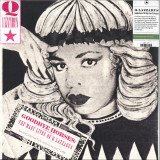
Der Einstieg in die Musik von Q Lazzarus erfolgte für fast alle über „Goodbye Horses“. Der Song tauchte erstmals 1988 in Jonathan Demmes „Married to the Mob“ auf, aber er sollte sich erst dann vollständig im Bewusstsein der Menschen verankern, als er 1991 in Demmes „The Silence of the Lambs“ wieder auftauchte. „Goodbye Horses“ fühlte sich an wie ein in sich geschlossenes Universum - traumhaft und völlig ungewöhnlich, ein sofortiger Klassiker, der die Zuhörer fesselte und neugierig auf die geheimnisvolle Stimme dahinter machte. Diese Stimme gehörte Diane Luckey, einer einzigartig talentierten Künstlerin, deren Musik ihrer Zeit voraus war und die letztlich zu Lebzeiten weitgehend unerkannt bleiben sollte. In Verbindung mit der Veröffentlichung des Dokumentarfilms „Goodbye Horses: The Many Lives of Q Lazzarus“ von Aridjis Fuentes veröffentlicht Sacred Bones eine Sammlung von Songs, die die gesamte Karriere von Q abdecken und die verschiedenen Epochen ihres Schaffens und die ganze Bandbreite ihrer Persönlichkeit zeigen. „Goodbye Horses“ ist die erste Musiksammlung, die den Segen von Qs verbliebener Familie erhalten hat, und hat die Besonderheit, ihre erste und einzige Albumveröffentlichung in voller Länge zu sein. Aufgenommen zwischen 1985 und 1995, spiegelt diese Fundgrube bisher unveröffentlichter Musik einige der interessantesten Facetten der Popmusik der letzten vier Jahrzehnte auf eine Weise wider, die sowohl versiert als auch wild eklektisch wirkt Das titelgebende „Goodbye Horses“ bleibt ein einzigartiges Stück gespenstischer New-Wave-Perfektion, und man könnte sich ein ganzes Q-Lazzarus-Album vorstellen, das sich um diese Ästhetik dreht, aber ähnlich den Gesangsikonen Alison Moyet, Annie Lennox oder Lisa Gerrard eignet sich Qs chamäleonhafte Stimme perfekt für eine Vielzahl von Stilen und Settings. Ihre Coverversion von Talking aHeads' „Heaven“ verwandelt den Song in eine aus voller Kehle gesungene Power-Ballade mit klimpernden Klavierverzierungen, während ihre Interpretation von Gershwins „Summertime“ wie eine dubbige Club-Reduktion klingt, die zu einem Grace Jones Stück der Nightclubbing-Ära hätte passen können. Tracks wie „My Mistake“ und „Hellfire“ flirten mit House-Musik und zeigen, wie frech und glockig Qs Stimme sein kann, wenn sie sich richtig austobt, während „Don't Let Go“ wie eine bombastische Radiosingle klingt, die Cher vor einigen Jahrzehnten hätte veröffentlichen können. Andere Songs wie „Bang Bang“ und „I See Your Eyes“ sind von einer gitarrenbetonten Alt-Rock-Sensibilität, die in einem Paralleluniversum auch auf MTVs 120 Minutes Show hätte laufen können. „Goodbye Horses“ verkörpert das Potenzial für so viele verschiedene Arten von Karrieren, die, aus welchen Gründen auch immer, nie vollständig verwirklicht wurden. Dass wir jetzt diese Songs in der Welt haben und ein klareres Bild von der Person dahinter, ist nichts weniger als ein Segen.
- A1: The Blow Monkeys - Save Me (Neville Watson's Dub)
- A2: Cisco Cisco - If You Want Me (Jay Shepheard Remix)
- A3: Bongo Entp. - Drømmen (Sirs Remix)
- B1: Darlyn Vlys - Wuzu (Tyu Tribe Remix)
- B2: Kimo - Whirl
- B3: Discoscuro - Discoscuro
- C1: Popular Tyre - Feel Like A Lazer Beam
- C2: Class B Band - Repli-Can (Edit)
- C3: Bal5000 - Bleu Infini
- D1: Phil Kieran - Find Love (Andrew Weatherall Remix)
- D2: Das Komplex - 89
- D3: Brioski - Calling 626 (Edit)
Red Vinyl[31,89 €]
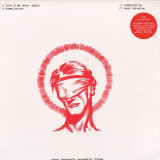
Seit der Gründung 2010 durch Andrew Weatherall und Sean Johnston entwickelte sich die Clubreihe "A Love From Outer Space" (ALFOS) zu einer britischen Institution, expandierte und erreichte ein internationales Publikum. Als Reaktion des Undergrounds auf den schnelllebigen Mainstream verfolgte ALFOS einen langsameren, nachhaltigeren Ansatz bei einem Tempo von maximal 122 bpm. ALFOS wurde für seinen eklektischen und hypnotischen Sound bekannt, der alles von Cosmic und House bis zu Dub und Post-Punk vermischte. Dieser Jubiläumssampler spiegelt die Musik wider, die ALFOS in den letzten 15 Jahren geprägt hat. Das von Johnston zusammengestellte und gemischte 19-Track-Album ist eine Hommage an die reiche Geschichte des Clubabends und sein Engagement, musikalische Grenzen zu erweitern. Es enthält zahlreiche exklusive Titel, darunter The Blow Monkeys' begehrten Neville Watson-Remix und Brioskis "Call 626", sowie eine breite Palette von Sounds, die sowohl die Vergangenheit ehren als auch die Zukunft begrüssen.
2025 Repress
Nach seiner "Heimischen Gefilde" CD vor zwei Jahren auf TRAUM, die den Preis der deutschen
Schallplatten Kritik gewann und als erste CD mit Moderation in die Techno-Geschichte einging, hat Eulberg
jetzt mit klarem Ziel vor Augen ein Album geschrieben, bei dem er alle Facetten elektronischer Musik ins
Visier genommen hat.
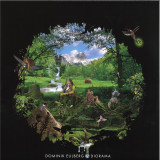
"Diorma" ist somit wieder etwas völlig eigenständiges und neues, eine Rückführung in den Urzustand
Eulbergscher Klangkunst und das mit höchstem Anspruch und zeitgemäßem Sound-Kolorit
Played by... Monika Kruse, Sebastien Leger, Gregor Tresher, DJ Sasha, Mauro Picotto, Alexi Delano, Ryan Davis, Marc Marzenit, Max Cooper, Morris Cowan, Steve Lawler, Fra Soler, Mihalis Safras, Igor Tchkotoua (pig and dan), Paco Osuna, Sebbo Suckfuell, Ekkohaus, Deepgroove, Tom Wax, Alland Byallo,
Grünbox, Scott Byrne, Axel Bartsch, SQL, Taster Peter, Goldfish & Der Dulz, Intu:itiv, Beatamines, Freska, Zidan, Sebastian Russell
75. Jahrestag dreier Top-10-R&B-Singles - 'Hobo Blues', 'Hoogie Boogie' und 'Crawlin' King Snake'. Diese 4-Track-EP enthält den Bonustrack 'Hastings Street Boogie', der ebenfalls seinen 75. Jahrestag feiert.
1952, lange bevor die Mods in ihren schicken Anzügen von John Lee Hookers ebenso gut geschnittenem Aussehen und seiner mitreißenden Musik angezogen wurden, hatte das britische Vogue-Label 'Hoogie Boogie' veröffentlicht, aufgenommen 1949, auf einer 78-rpm-Platte. Bluesmusik war damals etwas für Liebhaber, und die vier Titel auf dieser EP erinnern an diese frühesten Aufnahmen von John Lee Hooker. Drei Tracks dieser EP landeten 1949 in den Top 10 der US-R&B-Charts. John Lee Hooker pur, der zum Kern seines Blues und Boogie vordringt, nur Gitarre, Gesang und mit dem Fuß mitwippend. Diese EP ist in einem schönen, zeitgenössischem Sleeve untergebracht, die von Niall McCormack gezeichnet und gestaltet wurde.
Neuauflage zum 30-jährigen Jubiläum!
Zum ersten Mal seit seiner ursprünglichen Veröffentlichung im Jahr 1994 auf Vinyl erhältlich und jetzt auf über 2 LPs verteilt, um ein besseres Klangerlebnis zu bieten.
Das Doppelvinyl wurde von Frank Arkwright in den Abbey Road Studios geschnitten und von Robin Proper-Sheppard aus der Band betreut.
The God Machine waren eine alternative Rockband, die 1990 in San Diego gegründet wurde und in ihrer kurzen Lebensspanne zwei sehr einflussreiche Alben auf Fiction Records veröffentlichte, 'Scenes From The Second Storey' (1992) und 'One Last Laugh In A Place of Dying' (1994).
Jim Chancellor, Chef von Fiction, schreibt: "The God Machine sind einer der unbekanntesten Influencer dessen, was heute als Post Rock / Metal bekannt ist." Er zitiert Lobeshymnen von so unterschiedlichen Künstlern wie Tool, Rage Against the Machine, Mogwai, Converge und vielen mehr.
Arun Starkey von Far Out – The Independent Voice of Culture trifft den Nagel auf den Kopf, wenn er sagt: "The God Machine klingen wie nichts, was vor ihnen kam. Sie klingen wie The God Machine, was auch immer das ist, und der Name hätte nicht passender sein können."
Obwohl sie begeisterte Kritiken für ihre zwei bahnbrechenden Alben und Live-Auftritte als Support von Nick Cave & The Bad Seeds, The Cramps, The Fall, My Bloody Valentine und The Jesus and Mary Chain erhielten, litt die Band darunter, zwischen zwei Stühle zu fallen, weil sie "zu Indie für das amerikanische Publikum und zu rockig für das britische Publikum" war.
“Okie Dokie It´s The Orb On Kompakt“ is already the 13th album of one of Britian's most prized cult bands. We feel it's better that way, because the music of The Orb only has an intensive effect when taken in as a long playing full length. And it proves with this lovingly conjured collection of songs brought together like a collage. The first half of Okie Dokie showcase The Orb´s love for minimal Techno and Schaffel/Shuffle as it is so obviously present in the foreground, while the second half is only reserved to the classic Orb-ish ancestral domain. There are wonderful guest appearances by Schneider TM and Kompakt´s ambient-guru Ulf Lohmann. As many of you know, there is so much history about The Orb you could write a book. Since Jimmy Cauty and Alex Paterson, in the flush of euphoria invented Chill Out and Ambient House in the first summer of love 1988, an incredible amount of things have occurred. The following timeline should give you a rough idea. - Alex Paterson gives up his job as roadie for Killing Joke. - “A Huge Ever Growing Pulsating Brain That Rules From The Centre Of The Ultraworld” is not only the record with the longest title of the world, but it also marks the departure into the new sonic worlds of post-Rave Ambient. - While Cauty goes different ways with The KLF, The Orb re-form themselves and have a big hit with Little Fluffy Clouds in 1990. - The debut album “The Orb´s Adventures Beyond The Ultraworld“ hits the Top 30 in England. - The Orb produce “Higher Than the Sun“ for Primal Scream. - The Orb perform “Blue Room“ as chess-playing aliens at Top Of The Pops. Everything goes. - “Blue Room“ clocking in at 39:58 minutes goes into music-history as the longest time for a chart single ever. - The Orb achieve great success in Glastonbury '92 + '93. - The Copenhagen double concert “to the sunrise and sunset” is eternalized on record: “Live 93“ - Previously a floating member of The Orb, Thomas Felmann becomes a fix member in 1997 - No joke: Robbie Williams takes part of The Orb for a short time. The collaboration “I started A Joke“ is released on a benefit compilation - After 2002 The Orb found with Kompakt a new ambient-loving partner and release a row of singles and play live, as the trimmed-down version as Le Petit Orb. And one more for the extra hush-hush: The Orbs first album “A Huge Ever Growing Pulsating Brain...” was actually a Kompakt release. You can check it out. Besides the actual label Wau! Mr. Modo you can read... Kompakt Discos. Ha!!
Mit „Okie Dokie It´s The Orb On Kompakt“ liegt nun das circa 13. Album der britischen Kultband vor. Das ist gut so, denn The Orb's Musik wirkt eigentlich erst im Longplay-Format so richtig intensiv. Die Stücke sind, wie man das von ihnen kennt, liebevoll collagenhaft miteinander verwoben. In der ersten Hälfte tritt The Orb's Liebe zu Minimaltechno und Schaffel in den Vordergrund, während die zweite Hälfte ausschliesslich der Orbschen Ur-Domäne Ambient vorbehalten ist. Es gibt wunderbare Gastauftritte, wie etwa Schneider TM und Kompakt's Ambient-Guru Ulf Lohmann. Zur Geschichte von The Orb könnte man ganze Bücher schreiben, denn seit Jimmy Cauty und Alex Paterson im Rausch der Euphorie des ersten Summer of Love anno 1988 Chill Out und Ambient House erfunden haben ist viel passiert. Extrem viel. Die folgende Auflistung soll einen ungefähren Eindruck davon vermitteln. -Paterson hängt seinen Job als Roadie für Killing Joke an den Nagel -„A Huge Ever Growing Pulsating Brain That Rules From The Centre Of The Ultraworld“ ist nicht nur bis dato die Platte mit dem längsten Titel der Welt sondern markiert den Aufbruch in die neuen sonischen Welten des Post-Rave Ambient. - Während Cauty mit The KLF andere Wege geht, reformieren sich The Orb und landen 1990 mit “Little Fluffy Clouds“ einen Riesenhit. -Das Albumdebut “The Orb's Adventures Beyond The Ultraworld“ geht Top30 in England -The Orb produzieren „Higher Than The Sun“ für Primal Scream -The Orb performen „Blue Room“ als schachspielende Aliens verkleidet bei Top Of The Pops. Alles geht. -“Blue Room“ geht mit 39.58 Minuten als längste Chart-Single ever in die Musikgeschichte ein - The Orb legen 92 + 93 Glastonbury flach - Ein Copenhagener Doppelkonzert zum Sonnenauf- und Untergang wird auf Platte verewigt: „Live 93“ - Bisheriges „floating member“ Thomas Fehlmann wird 1997 festes Mitglied - Ohne Scheiss: Robbie Williams wird für kurze Zeit The Orb-Bestandteil. Die Kollaboration „I Started A Joke“ erscheint auf einer Benefiz-Kompilation. - Ab 2002 finden The Orb mit Kompakt einen neuen ambientverliebten Partner und veröffentlichen eine Reihe wunderbarer Maxis und treten live, vornehmlich in abgespeckter Form als Le Petit Orb in aller Herren Länder auf. Ein kleiner Treppenwitz am Rande für Erbsenzähler : Schon The Orb's erste Platte („A Huge Ever Growing Pulsating Brain...“) war eigentlich eine Kompakt-Veröffentlichung. Ihr könnt nachschauen. Neben dem eigentlichen Label Wau! Mr. Modo stand nämlich folgendes ...Kompakt Discos. Ha!
Tony Iommi ist ein englischer Musiker. Er war Mitbegründer der bahnbrechenden Heavy-Metal-Band Black Sabbath und war über fünf Jahrzehnte lang Gitarrist, Bandleader, Hauptkomponist und einziges ununterbrochenes Bandmitglied der Band. Er gilt als einer der Wegbereiter und Pioniere der Heavy-Metal-Musik und hat zahlreiche Subgenres des Metal inspiriert. Er gilt weithin als einer der größten Rockgitarristen aller Zeiten. Iommi hat eine Reihe von Preisen gewonnen. Dazu gehören Q Awards, Kerrang! Awards sowie drei Grammy Awards, die er als Mitglied von Black Sabbath gewonnen hat. Glenn Hughes ist ein englischer Musiker, der vor allem als Bassist und Sänger in der Hardrock-Band Trapeze und in den Mk. III- und IV-Besetzungen von Deep Purple bekannt ist. Außerdem war er Mitte der 1980er Jahre kurzzeitig Frontmann von Black Sabbath. Neben seiner Tätigkeit als aktiver Sessionmusiker verfolgt Hughes auch eine bemerkenswerte Solokarriere. Derzeit ist er Frontmann der Supergruppe Black Country Communion und war von 2013 bis 2015 Frontmann von California Breed und von 2019 bis 2023 Frontmann von The Dead Daisies. 2016 wurde Hughes als Mitglied von Deep Purple in die Rock and Roll Hall of Fame aufgenommen. Dies ist eine Neuauflage des zweiten Soloalbums des legendären Black Sabbath-Gitarristen Tony Iommi, das ursprünglich 2005 veröffentlicht wurde. Das Album enthält auch Gesang und Bassgitarre des ehemaligen Sabbath-Frontmanns Glenn Hughes. Diese Veröffentlichung enthält 3 Bonustracks.
For their eleventh release, Cedesciu Wax features three tracks from Germany's Eame as the Based on Earth EP. Featuring mpeg's remix on the title track.
Early support by Sepp, Gescu, Truly Madly, Lumieux, Nu Zau, Cosmjn, Miroloja, Sublee, Per Hammar, Mihai Pol, Gene On Earth, Alex Font, Iuly B, Direkt.
Mastering by: Marco Pellegrino
Art by: Camila Carini
- A1: Runaway
- A2: Eucalyptus
- A3: Tropic Morning News
- A4: New Order T-Shirt
- A5: Don't Swallow The Cap
- B1: Bloodbuzz Ohio
- B2: The System Only Dreams In Total Darkness
- B3: I Need My Girl
- B4: Lemonworld
- B5: The Geese Of Beverly Road
- B6: Lit Up
- C1: Alien
- C2: Humiliation
- C3: Murder Me Rachael
- C4: England
- C5: Graceless
- D1: Fake Empire
- D2: Smoke Detector
- D3: Mr November
- D4: Terrible Love
- D5: Vanderlyle Crybaby Geeks
Black Vinyl[32,98 €]
The National veröffentlichen mit "Rome" am 13. Dezember ein komplettes Live-Album mit 21 Tracks auf Doppel-Vinyl, als Doppel-CD und natürlich digital.
Das Konzert wurde am 3. Juni 2024 in Italien live (ohne Overdubs) aufgenommen wurde. Das Doppelalbum, welches von Peter Katis, einem langjährigen Begleiter der Band, abgemischt wurde, spannt einen Bogen über die mehr als 20 Jahre der Karriere von The National und zeigt, wie jeder Song auf der Bühne sein ganz eigenes und neues Leben entfaltet hat. Man muss diese Band live gesehen haben, die mittlerweile Stadien und große Arenen füllt. Warum das so ist, hört man auf "Rome". Aufgenommen in dem architektonisch beeindruckenden und nach dem berühmten italienischen Filmkomponisten benannten Veranstaltungsort "Parco Della Musica Ennio Morricone", zeigt die 21-Track-LP schillernde Versionen großer Songs wie "Bloodbuzz Ohio", "Don"t Swallow the Cap", "I Need My Girl", "The System Only Dreams in Total Darkness", "England" und "Fake Empire" - so wie Live-Interpretationen neuerer Tracks wie "Eucalyptus", "New Order T-Shirt", "Tropic Morning News" und "Smoke Detector". Die Band ändert ihre Setlist von Abend zu Abend, spielt Klassiker aus zwei Jahrzehnten und kombiniert diese mit Tracks aus den letzten Alben - kein Konzert ist wie das andere und beschert den Zuschauern jedes Mal im wahrsten Sinne ein einzigartiges Erlebnis. "Rome" ist geprägt von Raritäten wie dem Show-Opener "Runaway", "Lemonworld", "The Geese of Beverly Road", "Lit Up" und einer Tour-de-Force-Paarung von "Humiliation" vom von der Kritik gefeierten Album "Trouble Will Find Me" mit "Murder Me Rachael" von dem früheren Album "Sad Songs For Dirty Lovers". Als Zugabe gibt es in Rom die Wahlkampfhymne "Mr. November", "Terrible Love" von High Violet und das abschließende Fan-Singalong "Vanderlyle Crybaby Geeks". In ihrer Live-Kritik bezeichnete der Guardian The National als "eine die Ära definierende Band auf dem Höhepunkt ihrer Kräfte... als dieses atemberaubende zweieinhalbstündige Epos zu einer gemeinschaftlichen Katharsis wird". Auch der Rolling Stone UK schrieb: "Es ist klar, dass die Band...ihren Platz an der Spitze seit einem Jahrzehnt verdient hat.... Eine Show, die einfach euphorisch ist und die Band auf einem neuen Höhepunkt sieht." Das Doppel-Livealbum "Rome" ist das Zeugnis dafür.
Earquake 1991[22,48 €]
Earquake 1992[22,48 €]
Earquake 1993[22,48 €]
Earquake 1994[22,48 €]
Earquake 1996[22,48 €]
Earquake 1997[22,48 €]
Earquake 1998[22,48 €]
Earquake 1999[22,48 €]
It is the year 1995 and it’s summer, the second extremely hot summer after 1994, and the asphalt on Gladbacher Straße in Cologne is glowing. Ravers in much too wide and much too colorful clothes doze off in the glaring midday heat. These are the last days of the legendary Delirium record store, a socio-cultural biotope that would later become KOMPAKT. In June 1995, the store moved deeper into the Belgian Quarter, to Brabanter Straße 42 near Friesenplatz.
Wolfgang Voigt liked to wear too-big sunglasses even back then, just as he already had the master plan for the next few years, the new store, the renaming to KOMPAKT, and the upcoming takeover of the musical world order by minimal techno in his head. On less sunny days, the musician Wolfgang Voigt was tinkering with his very own label Profan, a new sound, new pseudonyms and masquerades. His alter ego Mike Ink had grown tired, another self, one of many, was now pushing forward to become the next torch in the storm.
By early 1995, the first Grungerman EP, "Hout," had been released on Profan. A nucleus of ambient loops that already announced the sonic aesthetics of GAS, stoic rhythmic structures that would shape the coming decade of minimal house and techno, and an all-encompassing gloom and heaviness that didn't want to fit at all with the gaudy reality of the nineties between Loveparade, Mayday and VIVA House TV. This probably most hedonistic decade of the 20th century had celebrated, besides techno, above all a rough guitar music called Grunge, coined and immortalized by a depressive, hyperactive and narcoleptic young man with matted blond hair who had taken his own life a year before. In no other track has Wolfgang Voigt packed these inner and outer contradictions of his art as well as of the mid-nineties more ingeniously than in "In Tyrannis". From wall to wall there are four steps.
"Klang" by Wolfgang Voigt originally comes from the first and only GAS EP on Profan, "Modern", from the spring of 1995 and is one of the most beautiful exhibits of Voigt's sound of those years, which relentlessly runs its course somewhere between glistening sunrises on Ecstasy and bad drugs in the dark Liquid Sky Cologne. With "Hocker DJ 1" and "Hocker DJ 2" there are two more musical references to this myth-enshrouded place in Kyffhäuserstraße, where for a few years the entire, so-called Sound Of Cologne had literally settled down.
Wir schreiben das Jahr 1995. Es ist Sommer, der zweite extrem heiße Sommer nach 1994, und der Asphalt auf der Gladbacher Straße in Köln glüht. Raver in viel zu weiten und viel zu bunten Klamotten dösen ihren Rausch aus in der grellen Mittagshitze. Es sind die letzten Tage des legendären Delirium Plattenladens, eines soziokulturellen Biotops, aus dem später die Firma Kompakt hervorgehen sollte. Im Juni 1995 erfolgte der Umzug tiefer hinein ins Belgische Viertel, in die Brabanter Straße 42 in der Nähe des Friesenplatz.
Wolfgang Voigt trug schon damals gerne zu große Sonnenbrillen, so wie er bereits den Masterplan für die nächsten Jahre, den neuen Laden, die Umbenennung in KOMPAKT sowie die anstehende Übernahme der musikalischen Weltordnung durch Minimal Techno im Kopf hatte. An weniger sonnigen Tagen tüftelte der Musiker Wolfgang Voigt an seinem ureigenen Label Profan, an einem neuen Sound, neuen Pseudonymen und Maskeraden. Sein Alter Ego Mike Ink war müde geworden, ein anderes Ich, eines von vielen, drängte nun nach vorne, um die nächste Fackel im Sturm zu werden.
Anfang 1995 war die erste Grungerman EP “Hout” auf Profan erschienen. Ein Nukleus aus ambienten Loops, die bereits die klangliche Ästhetik von GAS ankündigten, stoischen rhythmischen Strukturen, die das kommende Jahrzehnt Minimal House und Techno prägen sollten, sowie einer allumfassenden Düsternis und Schwere, die so gar nicht zur knallbunten Realität der Neunziger Jahre zwischen Loveparade, Mayday und VIVA House TV passen wollte. Dieses wohl hedonistischste Jahrzehnt des 20. Jahrhunderts hatte neben Techno vor allem eine raue Gitarrenmusik namens Grunge gefeiert, geprägt und unsterblich gemacht von einem depressiven, hyperaktiven und an Narkolepsie leidenden jungen Mann mit verfilzten blonden Haaren, der sich ein Jahr zuvor das Leben genommen hatte. In keinem anderen Track hat Wolfgang Voigt diese inneren und äußeren Widersprüche seiner Kunst wie auch dieser Zeit Mitte der Neunziger genialistischer verpackt als in “In Tyrannis”. Von Wand zu Wand sind es vier Schritte.
“Klang” von Wolfgang Voigt stammt ursprünglich von der ersten und einzigen GAS EP auf Profan, “Modern”, aus dem Frühling 1995 und ist eines der schönsten Exponate des Voigtschen Sounds dieser Jahre; ein Track, der irgendwo zwischen gleisenden Sonnenaufgängen auf Ecstasy und schlechten Drogen im dunklen Liquid Sky Cologne unerbittlich seine Bahnen zieht. Mit “Hocker DJ 1” und “Hocker DJ 2” finden sich zwei weitere musikalische Referenzen an diesen mythenumrankten Ort in der Kyffhäuserstraße, an dem sich für einige Jahre der gesamte sogenannte Sound Of Cologne im wahrsten Sinne des Wortes niedergelassen hatte.