
Cerca:hen

8
Scruscru dives into "the modern Yerevan bubble of music" with a new various artists outing that takes a look at the Armenian take on jazz, hip hop and house. It's utterly refreshing right off the bat with Vahagn M & Ycrow layering up jazzy keys with nice contemporary deep house swing, UNDO takes things into a vibey live jazz lounge and Your Friend Daao lays down shuffling and broken drum patterns that are effervescent with Neo-soul and nu-jazz energy. Elsewhere, Yerevan Calling's 'Next Step' brings stuttering jazz swagger and Shhau & Mesrop sink into a deep and soulful late-night sound on 'Andset'. There is a great deal of musical charm and originality to all of these fresh fusions, which makes this is vital LP.

SCHWERT AUS HOLZ“ klingt euphorisch, leicht und positiv. Bei aller Holz-Melancholie, erlauben es sich die DONOTS, sämtliche Songs neu zu denken mit anderem Vibe, neuen Rhythmen, alternativen Melodien und trotzdem immer mit genügend Grip und auch Drive - denn schnelle Songs wie der Live-Klassiker „Dead Man Walking“ oder der heimliche Sommerhit „Problem kein Problem" treten auch auf dem Akustikalbum durch den Holztisch. Frischen Wind pusten aber nicht nur die neuen Arrangements durch das DONOTS eigene Heavy Kranich Studio, in dem die Songs in diversen Sessions neu gedacht und recorded wurden. Die DONOTS haben sich alte Freund:innen und Wegbegleiter für diverse Gänsehautmomente eingeladen.
So ist aus dem DONOTS Hit „Stop The Clocks“ ein Duett mit Campino von Die Toten Hosen geworden, während Kuddel von Holst (ebenfalls Die Toten Hosen) ein wunderschönes Gitarrensolo zum ersten neuen englischsprachigen DONOTS Song in 13 Jahren eingespielt hat. Frank Turner darf in der Neuauflage von „So Long“ selbstredend nicht fehlen, Chuck Ragan von Hot Water Music und Matt Hensley von Flogging Molly empfehlen sich mit Reibeisenstimme und Akkordeon und Shitney Beers singt auf ihre wunderbare Shoegaze Art und Weise das Intro zu „Keiner kommt hier lebend raus“.
Die Vorab-Singles „Allein zu allein“ und „Problem kein Problem“ haben schon diverse Herzen eingesammelt und das „SCHWERT AUS HOLZ“ dürfte sämtliche restlichen Herzkammern fluten - auch auf der restlos ausverkauften Vorab-Akustik-Tour zum Albumrelease. It’s a love thing…

Dario Bassolino is pianist, producer and composer born in Naples, where he currently resides. With an eclectic taste and an genre-defying musical ability, he has produced for and played alongside alt-R&B vocalist LNDFK, jazz-funk legend Nicola Conte, Early Sounds boss Pellegrino and has collaborated with Nu Genea, Kurtis Rosenwinkel and rapper Pink Siifu to name a few. Inspired by the Brazilian funk greats Hermeto Pascoal and Airto Moreira and their Italian counterparts such as Franco Califano, Lucio Battisti, Panella, Enzo di Domenico and Gennaro D'Auria. Bassolino’s live show has a very organic form and is inspired by jazz, funk and disco improvisation, having extensive experience playing to enthusiastic international audiences as a session musician at prestigious festivals Primavera Sound, Montreux Jazz festival, Dour Festival and We Out Here.
Bassolino's new release is located where the sea begins and the sky ends. Two tracks that carry the horizon drawing a straight line between Naples, Tunisi and Beirut. A thin but tangible line that unites the Mediterranean poles. Hence the concept of "Popoli del Mare", the multiform sound waves intertwine a composition with an incessant rhythm: the Afro contamination of Charif Megarbane finds a fit with the Italian and dreamy harmonies of Bassolino. Baid Alik is a song of love and hope. The sound, purely inspired by the research of Habibi Funk, evokes the memory of an ancestral past shared by Bassolino with the Tunisian singer Marzouk Mejri.
His voice, halfway between proto- rap and melodic, mix perfectly to the disco-cinematic instrumental.

10
If any album could conjure up the revolutionary spirit of Jamaica in the mid 1970’s, Tapper Zukie’s invincible M.P.L.A. set would surely be a fighting contender. The coming together of great rhythms and meaningful lyrics in a time of unrest in the country seemed to have made the album all the more urgent and relevant. As time would tell it would also prove to be a lasting success, not only with the hard core reggae fans but also their punk counterparts. Who embraced its militant themes and crossed the album over to a whole new audience. Tapper Zukie (b. David Sinclair, Kingston, Jamaica.) had already returned from a trip to London England by the mid 70’s .Initially sent with help from his parents, brother Blackbeard and producer Bunny ‘Striker’ Lee to remove the youth from his troublesome ways on the streets of Kingston, Jamaica. He had performed some live shows in London and made some recordings for Larry Lawrence, that produced his debut ‘Jump and Twist’. Alongside other recordings that would emerge as his ‘Man A Warrior’ set. But feeling homesick he had returned to Jamaica in 1974 to work with Bunny Lee. His work would consist of arranging sessions and collecting payments to bodyguard, the now very successful producer. His frustration of Bunny Lee’s reluctance to record him led him cutting ‘Judge I Oh Lord’ for producer Lloydie Slim. Bunny Lee’s then recording of Tapper’s ’Natty Dread Don’t Cry’ and its subsequent release aboard, led to an altercation between Tapper and producer. The police had to be called and an offer to provide the singer with a set of rhythms put this matter to rest. The eight rhythms and a further two from Jo Jo Hookim and Ossie Hibbert alongside some free studio time at King Tubby’s Studio would result in the M.P.L.A album.
The rhythm provided by Jo Jo Hookim was a Channel One studio cut by The Revolutionaires based on Little Richards ‘Freedom Blues’ and provided the backdrop to M.P.L.A. The Ossie Hibbert rhythm again cut at Channel One based on The Royals ‘Pick Up The Rockers’ would provide the backdrop to Tapper’s ‘Pick Up The Rockers’. These and the remaining Bunny Lee rhythms, were all cut in a one hour session, at King Tubby’s Studio. ’Don’t Get Crazy’ cut on a rhythm based on the Joe Frazier rhythm to Tony Brevett’s ‘Don’t Get Weary’. ‘Go De Natty’ cut on Cornell Campbell’s ‘Please Be True’, originally a cut to Alexander Henry’s ‘Please Be True’. ‘Stop The Gun Shooting’ runs over Horace Andy’s ‘Skylarking’.’Ital Pot’ cut on Johnny Clarke’s version of Burning Spear’s ‘Creation Rebel. ‘Marcus’ see’s Tapper professing over Johnny Clarke’s ‘Poor Marcus’ .’Chalice To Chalice’ pulls on Johnny Clarke’s ‘Give Me a Love’,’ Don’t Deal With Babylon’ answers Junior Ross and The Spears ‘Babylon Fall’ and ‘Freedom’ rides on the great rhythm of Junior Ross and The Spears ‘Liberty’. An outstanding album cut by one of Jamaica’s finest DJ’s and producers the mighty Tapper Zukie. We hope you enjoy this now timeless set.

Vom "Klassik-Star der Gen Z" zum Pianisten der Stunde: Louis Philippson "My Way"Nur sieben Monate nach seinem Debüt "Exposition" beleuchtet "My Way" die rasante Entwicklung des jungen Pianisten, Social-Media-Stars und Moderators Louis Philippson vom "Klassik-Star der Gen Z" (Süddeutsche Zeitung) zu einem der Pianisten der Stunde. Vom britischen Sender Classic FM wurde Louis als einziger deutscher Künstler in die "Top 30 artists under 30 in 2025" aufgenommen, während BR-Klassik erklärte: "mit Louis Philippson hat die klassische Musik einen neuen Rockstar gefunden." Auch auf den 12 restlos ausverkauften Konzerten seiner Debüt-Tour im Mai 2025 und bei den Arena Shows der "Night of the Proms" im Winter 2024 begeisterte er tausende Menschen für die Klassik auf seine eigene Weise. Daran knüpft Louis Philippson mit seinem Album "My Way" an. Aufgenommen mit dem MDR Sinfonieorchester unter der Leitung von Dirigent Ben Palmer, verbindet es neue Originalkompositionen mit neuen Bearbeitungen bekannter Themen aus der Klassik oder Filmmusik für Solo Piano sowie Piano und Orchester. Zu den neuen Werken zählen unter anderem der virale Hit "Beethoven Virus" für Klavier und Orchester, "Show Waltz" für Klavier und Orchester, "Supernova" für Klavier, Sopran und Orchester, sowie mehrere Solostücke für Klavier. Unter den neu interpretierten Klassikern finden sich das mitreißende Medley "Dancing Bee" für Klavier und Orchester, "Cornfield Chase" für Klavier und kleines Ensemble, sowie eine Bearbeitung von Themen aus den Vierjahreszeiten mit dem Titel "Vivaldi Storm". Key Dates: • 6th June: German public broadcaster MDR broadcasting a studio concert featuring the MDR Radio Symphony Orchestra (reach 1 Mio)Pre-oder start and 1. Single "Für Elise"• 23rd July: German public broadcaster ARD "3nach9" talk show (reach 1 Mio)• 11th Sept: German public broadcaster TV gala ARD Deutscher Radiopreis - 2 performances live (reach 1 Mio +)• 12th Sept: German public broadcaster TV gala MDR Goldene Henne - Performance (reach 2 Mio)Album Release • September: pitch for ClassicFM Gala London • 26th Sept. German public broadcaster MDR Riverboat Talkshow (reach 2 Mio)• October - November: Concerts in GSA in venues up to 3,000 cap (e.g. Hamburg CCH / München Prinzregententheater / Düsseldorf Tonhalle etc.)• 6th Dec: German public broadcaster ARD charity show Ein Herz für Kinder (reach 3 Mio)• Dec: concert at Royal Albert Hall London • Spring 2026: Europa-Tour mit Konzerten in Paris, Benelux, Polen, Spanien usw.In the making: documentary about his life similar to Anastasia Kobekina

- A Refugee
- Refuge
- Blood
- Occupied
- At The Diner 2
- At The Penitentiary
- A Beggar
- People!
- A Generic Breakup Ballad
180g, turquoise vinyl. Perhaps the hardest thing about Soul music is convincing. If the place and the experiences don't somehow shine through and meet us, we risk missing out on what's on offer completely. "But first_ are you experienced?" as Jimi Hendrix asked. That's precisely why Soul music is difficult in Sweden. There are few who can portray their experiences in music in a way as convincing as in the Black US Soul tradition. This however seems almost provocatively easy for Bror Gunnar Jansson to do. On the album People, it's as if he pours both lyrics and melodies that have grown slowly in life and that come naturally if you grow up on the right soil. And on almost every song, it only takes a few bars for Bror Gunnar Jansson & The Escapism to show who their musical relatives are. Although Gunnar seems to move freely in musical landscapes ruled by the greats of seventies soul from Al Green, Curtis Mayfield and Aretha Franklin, as well as in some of the fringes of blues and jazz territory, both he and drummer and producer Christopher Cantillo explain that the album has took a long time brewing. And that what may appear obvious and simple has sprung out of a friendship that spans more than half of their lives.

- Buffalo Sky
- Ridin Hi
- Mexicali
- Like A Stray
- The Ballad Of Billy Major
- Pink Flamingos
- Frontier Romance
- Montana
- Massive Jesus
- Ragdolls
"Entweder du machst, was alle machen, besser als alle anderen oder du machst, ganz was anderes..." Was Sergio Leone für den Western war, ist Johnny Indigo für die Rock Musik. Anders, rauher, echt und kompromisslos. Johnny Indigo ist das Soloprojekt von dem Wahlwiener Mathias Kollos, der bereits für viele Künstler hinter den Kulissen und auf verschiedensten Bühnen tätig ist und war. Jetzt hat er den Schritt nach vorne getan und tritt mit seiner Band "The El Dorado Wildfire" mit eigens für Live arrangierten Versionen von seinem Debut Album "American Daydreams" gemeinsam auf. Wie klingt das verschmitzte Grinsen von Terence Hill? Was hört man, wenn Clint Eastwood seine unvergleichliche Miene verzieht? Den eigenständigen Mix aus Alternative Rock, Southern Rock, Country und Blues von Johnny Indigo. Das Album vermischt Roots und Country Elemente mit modernem Rock und Blues. Ästhetisch geprägt von dem Image der Spaghetti Western, ohne in unnötige Cliches zu verfallen. Vergangene Acts wie Led Zeppelin, Jimi Hendrix oder die Rolling Stones werden ebenso nicht vernachlässigt wie moderne Formationen wie Queens Of The Stone Age, The Black Keys oder Rival Sons.

We Jazz Magazine, Issue 16 / Fall 2025 "Thembi" for Pharoah Sanders. 128 pages, 170 x 240 mm in size and printed on 140g Edixion paper with laminated 300g Invercote covers. All articles presented in English. 50 pages of Pharoah Sanders by Henry Boon, Pierre Crépon, Tony Higgins, Arsi Keva, Patrick Preziosi, Andy Thomas and Seymour Wright, Tomoki Sanders by Tej Adeleye, Don Cherry by Magnus Nygren, Jameszoo by Rob Garratt, Discaholic column by Mats Gustafsson, album reviews, live reviews, photo essay & more.
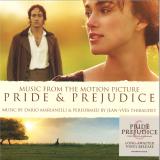
- A1: Dawn (2 23)
- A2: Stars & Butterflies (1 58)
- A3: The Living Sculptures Of Pemberley (3 00)
- A4: Meryton Townhall (1 14)
- A5: The Militia Marches In (0 58)
- A6: Georgiana (1 35)
- A7: Arrival To Netherfield (1 37)
- A8: A Postcard To Henry Purcell (2 39)
- A9: Liz On Top Of The World (1 12)
- A10: Leaving Netherfield (1 38)
- B1: Another Dance (1 17)
- B2: The Secret Life Of Daydreams (2 41)
- B3: Darcy's Letter (3 11)
- B4: Can't Slow Down (4 42)
- B5: Your Hands Are Cold (2 43)
- B6: Mrs Darcy (2 48)
- B7: Credits (4 57)
17

- A1: Malavoi - Te Traigo Guajira
- A2: Los Caraibes - Donde
- A3: Tropicana - Amor En Chachacha
- A4: Ryco Jazz - Wachi Wara
- A5: Eugene Balthazar - Dap Pignan
- A6: Roger Jaffort - Oye Mi Consejo
- A7: Les Kings - Oriza
- B1: Les Supers Jaguars - Tatalibaba
- B2: Super Combo De Pointe A Pitre - Serrana
- B3: L'ensemble Abricot - Se Quedo Boogaloo
- B4: Henri Guedon - Bilonga
- B5: Les Aiglons - Pensando En Ti
- B6: Los Martiniquenos - Caterate
13
In Guadeloupe, many people think that jazz and ka music are like a ring and a finger. To some extent, the same could be said about so called Latin music and the music played in the French West Indies.
Both aesthetics were born in the Caribbean and bear so many connections that they can easily be considered cousins. In constant dialogue, there are lots of examples of their fruitful alliance and have been for a while. The English country dance that used to be practiced in European lounges came to be called kadrille in Martinique and contradanza in Cuba. They both featured additional percussion instruments inherited from the transatlantic deportation. Drawing from shared feelings about the same traumatized identity – later to be creolized – it would be hard not to assume that they were meant to inspire each other. The golden age of the orchestras that graced the Pigalle nights during the interwar period further proves the point. As soon as the 1930s, Havana-born Don Barreto naturally mixed danzón and biguine music in a combo based at Melody's Bar. In the following decade, Félix Valvert, a conductor who was born and raised in Basse-Terre in Guadelupe, also worked wonders in Montparnasse with La Coupole, which was an orchestra made up of eclectic musicians. Afro- Caribbean performers of various origins were often hired on rhythm and brass sections in jazz bands, which used to enliven the typical French balls of the capital. In the 1930s and onwards, Rico’s Creole Band was one of them.
Martinican violinist-clarinettist Ernest Léardée, who would become the king of biguine music as well as the main figure of French Uncle Ben's TV commercials (a dark stigma of post-colonial stereotypes), had musicians from the whole Caribbean sphere play at his Bal Blomet – and they all enchanted "ces Zazous-là" (according the words of Léardée's biguine-calypso piece). In les Antilles (French for French West Indies), music history started to speed up in the 1950s, when trade expanded and radio stations grew bigger. The Guadelupean and Martiniquais youth tuned in their old galena radio sets to South American and Caribbean music. As for the women traders, les pacotilleuses, they bought and sold goods across different islands (the "passing of items through various hands" was thought to be most pleasurable) and brought back countless sounds in their luggage. Such was the case of Madame Balthazar, who once returned from Puerto Rico with the first 45rpm and 33rpm to ever enter Martinique.
Out of this adventure was created the famous Martinican label La Maison des Merengues, a music business she opened and undertook with her husband and which proved to be a major landmark. At the end of the 1950s, in Puerto Rico, Marius Cultier competed in the Piano International Contest playing a version of Monk's Round 'Midnight. He won the first prize and this distinction foreshadowed everything that was to come. Cultier, the heretic Monk of jazz, was quickly praised for writing superb melodies, always tinged with a twist that conferred a unique sound to his music. It didn't take long for the gifted self-taught musician to get to play with Los Cubanos, making a name for himself thanks to his impressive maestria on merengues.
The rest is history. Besides, in the late 1950s, Frantz Charles-Denis, born into the upper middle class in Saint-Pierre and better known by his first name Francisco, went back home after working at La Cabane Cubaine – a club located rue Fontaine where he had caught the Latin fever. Francisco's music was therefore heavily marked by his Cuban cousins' influence, which gave the combos he led a specific style and also led to renewal. Things were swinging hard in La Savane, located in the main square in Fort-de-France. He set up the Shango club close by and tested out the biguine lélé there, a new music formula spiced up with Latin rhythms. Soon afterwards, fate had him fly to Puerto Rico and Venezuela.
As for percussionist Henri Guédon (percussions were only a part of his many talents), he was born in Fort-de-France in May 22nd 1944, the day marking the celebration of the abolition of slavery. As an old man, he could remember that in " his father's Teppaz, a lot of hectic 6/8 music was constantly playing...". In the opening lines of his Lettre à Dizzy, a small illustrated collection of writings published by Del Arco, he highlighted the huge impact that cubop had on him as a teenage boy, around 1960. He eventually turned out to be the lider maximo in La Contesta, a big band steeped in Latin jazz. He was also the one who originated the word zouk to describe music which brought the sound of the New York barrio to Paris. It was the culmination of a journey that started in Sainte-Marie: "a mythical place for bélé, the equivalent of Cuban guaguancó". In the early 1960s, the tertiary economy developed to the detriment of agriculture. Yet rural life was where roots music emerged in Martinique and in Guadeloupe.
Record companies played a major part in the process of Latin versions sweeping across the islands – before reaching everywhere else. Producer Célini, boss of the great Aux Ondes label, and Marcel Mavounzy, both the head of Émeraude records - a firm which was founded in 1953 - as well as the brother of famous saxophonist Robert Mavounzy, were big names to bear in mind. Although there were many of them - all of whom are featured on this record - Henri Debs was definitely the major figure in the recording adventure. He proved to be so influential that he even got compared to Berry Gordy. In the mid 1950s, when he acquired his first Teppaz, he worked on his first compositions: a bolero and a chachacha. Then, he became the one man who made people discover Caribbean music, from calypso to merengue. He was among the first ones to rush out to San Juan, Puerto Rico, to buy records and distribute them through a store run by one of his brothers in Fort-de-France. He had members of the Fania All Star come and perform there, which he was madly proud about. He was also the first one to pay attention to Haitian music, such as compas direct and various other rhythms which would soon flood the market. As a result, many of the combos hitting his legendary studio would end up boosted by widespread "Afro-Latin" rhythms. However, he never denied his identity: gwo ka drums were given a major role, although they were instruments which had long been banned from the "official" music spheres. The present selection bears witness to such a creative swarming. Here are fourteen tracks of untimely yet unprecedented cross-fertilization: all types of music rooted in the Creole archipelago have found their way, whatsoever, to the tracklisting. Whether originating from the city or being more rural, they all go back to what Edouard Glissant, in an interview about the place of West Indian music in the Afro-American scope, called "the trace of singing, the one which got erased by slavery." "It is so in jazz, but also in reggae, calypso, biguine, salsa... This trace also manifests through the drums, whether Guadelupean, Dominican, Jamaican or Cuban... None of them being quite the same. They all point to the idea of a trace, seeking it out and connecting to each other through it. This is the hallmark of the African diaspora: its ability to create something new, in relation to itself, out of a trace. It may be the memory of a rhythm, the crafting of a drum, a means of expression which doesn't resort to an old language but to the modalities of it." The opening track features one of the emblematic orchestras of this aesthetic identity, criscrossing many music types from the archipelago. The 1974 Ray Barretto guajira – Ray Barretto was a major New York drummer influenced by Charlie Parker and Chano Pozzo – is magnificently performed by Malavoi, a legendary Fayolais group (i.e from Fort-de-France). Additionally, the compilation ends on a piece by Los Martiniqueños de Francisco. It symbolically closes the circle as it is a genuine potomitan of Martinique culture which also functions as a tireless campaigner for Afro-Caribbean music. Practicing the danmyé rounds (a kind of capoeiria) to the rhythm of the bèlè drum, it delivers a terrific Caterete, a kind of champeta of Afro- Colombian obedience which was originally composed by Colombian Fabián Ramón Veloz Fernández for the group Wgenda Kenya. The icing on the cake is Brazilian Marku Ribas, who found refuge in Martinique in the early 1970s, bringing his singing to the last trance-inducing track. These two "versions" convey the whole tone of a selection composed of rarities and classics of the tropicalized genre, swarming with tonic accents and convoluted rhythms. It is the sort of cocktail that the West Indians never failed to spice up with their own ingredients. For instance, the Los Caraïbes cover of Dónde, a famous Cuban theme composed by producer Ernesto Duarte Brito, has a typical violin and features renowned Martinique singer Joby Valente and his piquant voice.
The track used to be – or so we think – their only existing 45rpm. The meaningful Amor en chachachá by L'Ensemble Tropicana, a band which included Haitian musicians among whom was composer and leader Michel Desgrotte, also recalls how Latin music was pervasive in the tropics in the mid-1960s. They were the ones keeping people dancing at Le Cocoteraie in Guadelupe and La Bananeraie in Martinique. Around the same time, another "foreign" band, Congolese Freddy Mars N'Kounkou's Ryco Jazz, achieved some success on both islands by covering Latin jazz classics – such as their adaptation of Wachi Wara, a "soul sauce" by Dizzy Gillespie and Chano Pozo whose interweaving of strings and percussions can have anyone hit the dancefloor. How can you resist Dap Pinian indeed, a powerful guaguancó by Eugene Balthazar, performed by the Tropicana Orchestra and published by the Martinique-founded La Maison des Merengues? It also acts as a symbol of the maelstrom at work. Going by the name Paco et L'orchestre Cachunga, Roger Jaffory used to play guaguancó too: his Fania-inspired Oye mi consejo is one example of his style. Baila!!!!! Dancing was also one of the Kings' focus points. Oriza is a Puerto Rican bomba and a "classic" originally composed by Nuevayorquino trumpeter Ernie Agosto, which reserves major space for brasses, giving it a special sheen.
Emerging from the New York barrios crucible was also La Perfecta, a Martinique group originating from Trinidad, whose name directly references the totemic Eddie Palmieri figure as well as his own band, also called La Perfecta. Here they borrow Toumbadora from Colombian producer and composer Efraín Lancheros and interpret it by emphasizing percussions, which set fire to the track even more than the wind instruments. The same goes for Martinique's Super Jaguars, who use Tatalibaba – a composition by Cuban guitarist Florencio "Picolo" Santana which was made famous by Celia Cruz & La Sonora Matencera – as a pretext for sending their cadences into a frenzy. In a more typically salsa vein, the Super Combo, a famous Guadelupean orchestra from Pointe-Noire that was formed around the Desplan family and had Roger Plonquitte and Elie Bianay on board, adapt Serana, a theme by Roberto Angleró Pepín, a Puerto Rican composer, singer and musician also known for his song Soy Boricua. Here again, their vision comes close to surpassing the original. In the 1970s, L'Ensemble Abricot provided a handful of tracks of different syles, hence reaching the pinnacle of the art of achieving variety and giving pleasure. They played boleros, biguines, compas direct, guaguancó and even a good old boogaloo - the type they wanted to keep close to their hearts for ever, "pour toujours", as they sang along together in one of their songs. Léon Bertide's Martinican ensemble excelled at the boogaloo which had been composed by Puerto Rican saxophonist Hector Santos for the legendary El Gran Combo.
Three years later, in 1972, Henri Guédon, with the help of Paul Rosine on the vibraphone, tackled the Bilongo made famous by Eddie Palmieri. Such a classic!!!!! And so were the Aiglons, the band from Guadelupe: choosing to execute Pensando en tí, a composition by Dominican Aniceto Batista, on a cooler tempo than the original, they noticeably used a wonderfully (un)tuned keyboard in place of the accordion. On the high-value collectible single – the first one released by Les Aiglons under the Duli Disc label – there is a sticker classifying the track under the generic name "Afro". Now that is what we call a symbol. Jacques Denis

- A1: Farewell Transmission
- A2: I've Been Riding With The Ghost
- A3: Just Be Simple
- A4: Almost Was Good Enough
- B1: The Old Black Hen
- B2: Peoria Lunch Box Blues
- B3: John Henry Split My Heart
- B4: Hold On Magnolia
- C1: Farewell Transmission
- C2: I've Been Riding With The Ghost
- C3: Just Be Simple
- C4: The Old Black Hen
- C5: Peoria Lunchbox Blues
- D1: John Henry Split My Heart
- D2: Hold On Magnolia
- D3: The Big Game Is Every Night
- D4: Whip-Poor-Will

Yet another solid Soul/Funk nugget lifted from the vaults of Miami's CAT Records (Another T.K. Disco subsidiary).
Often sampled, re-edited & re-jigged but never bettered! Gwen McCrae's all time classic "All This Love I'm Giving" finally see's a timely repress, just as God intended, on a dinked 45 with all original artwork intact! That's right, you may recognize this number from Cassius' 1999 hit "Feelin' For You" but this track has long been a staple of rare groove dances & sophisticated soul parties with discerning DJ's & selectors clamoring for the original 45 at any cost.
Backed here with it's original b-side slow jam "Maybe I'll Find Somebody New" this rare 45 has been re-mastered, re-pressed & brought back for 2015's dance-floors in conjunction & with the permission of T.K. Disco / Henry Stone Music, Miami USA.

Limited Edition Three Blind Mice Premium Re-issue Collection
180g vinyl LP with obi and insert
Remastered and cut by Bernie Grundman
Pressed and printed in Japan
Orig. Rel.:1970
This is the first album by Takao Uematsu, who played in the George Otsuka Group.
His blackness of blowing, spirit and technique, which are directly descended from Joe Henderson, set him apart from other Japanese players.

- A1: Close To The Edge 6’58
- A2: Too Much Fun 3’58
- A3: Love Me Like A Vegetable 5’11
- A4: Baby Don’t You Worry That Much 6’19
- B1: It Just Won’t Stop 6’39
- B2: No Elevator In Your Mind 5’29
- B3: Get Yourself Together 2’43
- B4: Back In The City Again 7’13
- B5:
- C1: We Need Assistance – God Is Nowhere 4’49
- C2: Just Like You 6’29
- C3: The House By The River 7’00
- C4: The Right Way 3’48
- D1: You Fucked Up & So Did I 5’35
- D2: Like A Storm 5’12
- D3: In Dreams 7’34
- D4: Sick Of Words, Sick Of Language 3’55
17
I H8 Camera is the improvisation collective of ‘Master of Ceremonies’ Rudy Trouvé who, for more than 15 years now, has been leading an ever-changing line-up of absolute top-notch musicians through an insane adventure across rock, jazz, folk, krautrock, no wave, post-punk...boundless improvisation starting from a few brief pointers...innovative, contrary, abrasive and often very brilliant.
This double album was recorded during a 5 day residency at the famous club L’Archiduc in Brussels with a killer line up of Rudy Trouvé (Guitar, vocals) Stef Kamil Carlens (Bass, vocals), the late and dearly missed Matt Watts (Vocals), Teun Verbruggen (Drums), Teuk Henri (Guitar) and Jef Mercelis (Korg MS 10). Guest appearances by a.o. Roland Van Campenhout (Guitar) and Catherine Graindorge (Violin).
An intense and adventurous album, super hot CBGB’s vibes in Brussels!

- 1: Mein Fräulein
- 2: These New Communications
- 3: Tolerant Nation
- 4: Beryl
- 5: A Perishing Of Cherished Things
- 6: Property-Owning Democracy
- 7: Master Narrative
- 8: Pretty Straight Guy
- 9: The Contented Commuter
- 10: Brb
Barbara, das sind die Brüder Henry und John Tydeman aus Brighton, inspiriert von den Popgrößen der 1970er, The Kinks, ABBA, ELO, aber auch von charmanten, exzentrischen Werken britischer Schriftsteller wie George Orwell und Harold Pinter. Ihre Songs erzählen Geschichten von seltsamen Charakteren, die vom Leben hin- und hergerissen sind. Trotz der unvorhersehbaren Texte steckt in Barbaras Musik immer ein Hauch von Spaß, Uncoolem und – am wichtigsten – Tanz. Also, kommt zum Tanzen… und bleibt für die Geschichten. Oder auch andersrum. Barbara war mit The Divine Comedy, Haircut 100 und zuletzt Paul Weller auf Tour und erhält Probs von ihnen, den Medien, und dem legendären Produzenten Steve Lillywhite (Peter Gabriel, U2, Simple Minds, XTC, Ultravox).
- "Barbara ist eine der besten Gruppen überhaupt. Live sind sie großartig und ihre Songs auch. Clever und melodisch. Die Babs sind fabelhaft!" - Paul Weller
- "Sie sind genau mein Ding ... wirklich straffes Songwriting, sehr poptastisch!" - Neil Hannon (The Divine Comedy)
- "Diese Band ist mit nichts zu vergleichen, was ich je gehört habe, und ich liebe sie!" - Steve Lillywhite
- "Barbara ist wunderbar. Ich liebe ihre Songs und ihren Humor. Wir brauchen mehr Barbara in unserem Leben!" - Chris Difford (Squeeze)
- "Haircut One Hundred liebt Barbara. Sie sind so mutig wie unsere Blechbläser! Bacharach mit Schlägern und Bällen. Wir lieben sie!" - Nick Heyward (Haircut 100)
- "Barbara ist einer der einfallsreichsten und originellsten Musik-Acts, die ich je gesehen habe Eselsjahre! Sie machen in der britischen Musikszene bereits viel Lärm, und mit ihrer wunderbaren und originellen Herangehensweise an Text und Melodie, kombiniert mit einem mitreißenden und fröhlichen Vortragsstil, ist ihr zukünftiger Erfolg in einem unvermeidlich verrückten Musikgeschäft sicher. Geht hin und seht sie euch an!" - Dean Friedman
- "Barbara ist eine wahnsinnig talentierte Band mit einem angeborenen Gespür für Melodie und Arrangement ... Der ehrgeizige Umfang und die mitreißende Unmittelbarkeit ihres Sounds lassen ihr junges Alter nicht erahnen." - Phill Jupitus (BBC)
- "So ein fröhlicher, eingängiger und faszinierender Song." John Kennedy (Radio X) über "Property-Owning Democracy"
- "Ein absoluter Killersong ... eine Pop-Symphonie im Taschenformat!" Gary Crowley (BBC Radio) über "Property-Owning Democracy"

- Dizzy Magic
- Goat
- Tapping Hearts
- Thoughts On Fire
- Lost It
- Marla
- Violet
- Red
- Baby Girl
- God's Eye
Stellen Sie sich einen Schaltkreis vor. Eine geschlossene Form, ein in Komponenten und Hindernisse geschnitzter Pfad, dessen Signal eine Reihe von Tönen, neuen Klängen und subtilen Interaktionen erzeugt, laute Saiten und hart gepannte Vocals, die fest stehen, bevor etwas sich verändert. Eine tiefe Note hebt sich und gleitet davon. So schnell sind Sie mitten in einem Song. Dizzy Magic ist Sophie Weils viertes Album als Syko Friend, ihrem Soloprojekt, mit dem sie seit über einem Jahrzehnt in der Underground-Szene der USA aktiv ist - eine Klassifizierung, die so vage und genreübergreifend ist, dass sie fast bedeutungslos wäre, würde Weils Projekt nicht kontinuierlich bestimmte klare Verpflichtungen einhalten: Gitarren und Verstärker, Feedback und Texte, freie Komposition und festgelegte Songstruktur. Durch ihre Verflechtung von Tradition und Experiment, ihre reichhaltige organische Klangpalette und ihre mühelose Intimität ist die Musik von Syko Friend sofort erkennbar. Man muss nur eine ihrer Platten auflegen, um sie zu verstehen. Auf Dizzy Magic hat Weil diese Parameter beibehalten, aber verfeinert, indem sie die Studiotechnik verfeinert und die Arrangements zu traumhaft breit gefächerten Ereignissen erweitert hat, in denen Gefühle scharf und detailliert wiedergegeben werden, sei es in einem Solo-Gitarrenstück oder in einem der zahlreichen Stompers mit zusätzlicher instrumentaler Unterstützung von Evan Burrows, Hank Doyle und Henry Barnes. Diese Platte ist klar und erreicht bisher unbekannte Weiten, eine großartige Geste, die mit ihren kleinsten Bestandteilen in Einklang steht. Es ist ein Beweis für Weils Hingabe an die kontinuierliche Erforschung, an die kathartischen Fähigkeiten der Gitarrenmusik und an die Zusammenarbeit und die Anstrengungen beim Schreiben, Aufnehmen und Touren, die dem ständigen Streben nach Selbstverwirklichung am Rande zugrunde liegen. Dort habe ich Weil jedenfalls vor langer Zeit kennengelernt, irgendwo zwischen den Knotenpunkten der Underground-Landkarte, wo Musiker Nacht für Nacht ihre Route abfuhren und dachten, wir würden den Geist am Leben erhalten. Damals war dieser Signalweg schwer zu erkennen, wir waren zu sehr darin versunken. Aber hin und wieder taucht etwas wie Dizzy Magic auf und plötzlich offenbart sich die Bedeutung, diese Form, die man sehen, hören und fühlen kann. Eigentlich ist es ganz einfach. Stellen Sie sich einfach einen Stromkreis vor.

- Just Be Simple
- Blue Factory Flame
- The Dark Don't Hide It
- Leave The City
- When Your Love Has Gone
- The Old Black Hen
- Everything Should Try Again
- Lioness
- Whip-Poor-Will
- Hard To Love A Man
- Shadow Answers The Wall
Comet Dust Red Vinyl. Jason Molina war ein Künstler, der nicht gerne zurückblickte. Während seines gesamten Lebens und seiner Karriere als Singer-Songwriter trieb ihn ein rastloser und sich ständig weiterentwickelnder kreativer Impuls voran, der seinen Fokus auf das Wesentliche richtete. Seine unermüdliche Kreativität und Arbeitsmoral trugen Früchte. In seinem kurzen Leben erreichte Molina das, wonach die meisten Musiker streben: einen Sound, der sofort wiedererkennbar ist, sich aber selten wiederholt. Von den Ufern des Eriesees in seiner Heimatstadt Lorain, Ohio, bis hin zu internationalen Bühnen mit seinen Bands Songs: Ohia und Magnolia Electric Co. spielte Molina sein umfangreiches Repertoire an geheimnisvollen, romantischen, stürmischen und monumentalen Songs, die gleichzeitig innovativ und in der amerikanischen Tradition verwurzelt waren. Er tüftelte ständig an seinem Sound, seinem Image, seiner Band und seinem Zuhause, um seine Muse zu befriedigen. Ein Tenor-Gitarre spielender Außenseiter. Ein liebeskranker Lo-Fi-Indie-Rocker. Ein trauriger Slowcore-Barde. Ein Pionier des Roots-Rock des 21. Jahrhunderts. Ein kanonischer Songwriter des Mittleren Westens. Jason Molina hat seine kreative Flagge in all diesen Bereichen gehisst - um seinen Anspruch zu markieren, um zu zeigen, wie weit er gekommen war, und um eine Spur wertvoller Talismane zu hinterlassen. Mit ,I Will Swim to You: A Tribute to Jason Molina" - benannt nach einer Zeile aus Molinas Song ,Lioness" - würdigen Run For Cover Records und eine Gruppe befreundeter Künstler den bleibenden Einfluss des Songwriters. Die Compilation mit Molina-Covers wurde von einigen der visionärsten Singer-Songwritern der Gegenwart eingespielt, darunter MJ Lenderman, Hand Habits, Horse Jumper of Love, Sun June und viele mehr, und enthält einzigartige Interpretationen von Molina-Fan-Favoriten und weniger bekannten Stücken aus seinen Soloalben und weniger bekannten EPs. Das Ergebnis ist eine unverwechselbare Liebeserklärung, eine oft atemberaubende Gesamtdarbietung generationenübergreifender Talente, die einem der begabtesten, aber unterschätzten amerikanischen Songwriter Tribut zollen.


8
Back from the undead in the fresh (because we believe in upgrades & afterlifes!) is this new pressing of the first of all Gastr del Sol records, The Serpentine Similar. It is one of several distinct initiators of a definitive musical drift in the 1990s, and a drift all of its own, to boot! At the time, this album was largely heard within an underground whose boundaries were clearly defined - but if today"s sound-pool of "commercial" music is deeper and wider than it was back then, it is without a doubt due to the cracking open of certain doors of perception by Gastr del Sol, alongside their esteemed others. The year was 1992. After a bruising run of tour dates the year before, the final lineup of Bastro, a power-trio of David Grubbs, Ken (Bundy) Brown and John McEntire, retired, exhausted. Shortly thereafter, they were rebirthed, sans drums, via a new set of ideas composed in the cut-down configuration of Grubbs on guitars, keyboards and vocals and Brown on bass. Playing in duo format opened up sound and intention, leaving the need for speed (and the stock in rock) out, while letting in an expanse of brooding, droning acoustic space that highlighted the songs" serpentine shapes. This was something so radically different as to require a new calling card: henceforth, Gastr del Sol. Signing to Teen Beat, Gastr del Sol completed The Serpentine Similar in late 1992 for release the following year (the DC reissue came in "97). In the final rendering, Serpentine"s roof-rent, white-sky execution was attenuated with several percussion appearances from the prodigal John McEntire. Over the next five years, his cameo presence was a constant in Gastr del Sol"s steadily-evolving tradition of significant breaks from tradition at every turn. There would be an even more significant tradition-breaker onboard for all this; following the release of The Serpentine Similar, Jim O"Rourke joined Grubbs in Gastr as Brown exited (to focus on Tortoise, with McEntire et al). For the new Gastr duo, a world of new directions in music awaited, the future became the past, and the music of Gastr del Sol emerged from the thin air, then returned there. Now, The Serpentine Similar has been returned to vinyl from the temporal streams of contemporary music listening, a glorious rematerializing of all its spatial details on LP for the first time in 20 years.
