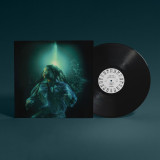
2025 marks 20 years of Tectonic, the pioneering dubstep and electronic label founded in 2005 by Bristol’s underground originator, DJ Pinch.
The Tectonic Sound compilation lays down the gauntlet for the future direction of the imprint. Split across 6 x 4-track 12”s, the compilation comprises many producers making their Tectonic debut, including Re:ni, Beatrice M., Yushh, Flora Yin-Wong, and Sicaria, alongside stalwarts like Om Unit, RSD, Peverelist and Kahn & Neek. It’s an exhilarating 24-track journey through experimental, bass-heavy electronic music, with almost all tracks created by the artists specifically with Tectonic's sound in mind - at the intersection where dubstep and techno meet.
“More so than just the sound, the music is in tune with the real ethos of the early dubstep scene,” - Label boss Pinch says: “People talk about 'heads in a scene - but it's led by hearts really. I've always tried to follow my heart when it comes to music and all the music here is from people I trust that do something worth communicating with the world. I love to watch and help artists grow just as much as I'm excited to release tracks from bigger names who are still passionate about what they do and have developed the powers and control to be able to output that effectively. It feels like Tectonic has been a part of so many communities over the years now, and that there is something that binds all the releases together, something that speaks for itself in a way that goes beyond words, something that's instinctive and immediate.”
Across Tectonic’s 150-strong catalogue there are seminal releases by 2562, Scientist, and Mumdance & Logos, side by side with appearances from Flying Lotus, Shed, Adrian Sherwood, Riko Dan and Photek. The label holds some of the earliest dubstep incantations of Skream, Digital Mystikz, and Joker as well as Pinch’s own productions. The evolution of the Tectonic sound branches into audio explorations encompassing sub-heavy techno and grimey soundscapes alongside leftfield electronica and future-facing beats. The common thread that binds is Pinch’s devotion to pushing underground music ahead of its time, always built to rattle a soundsystem
Cerca:her fr
2025 marks 20 years of Tectonic, the pioneering dubstep and electronic label founded in 2005 by Bristol’s underground originator, DJ Pinch.
The Tectonic Sound compilation lays down the gauntlet for the future direction of the imprint. Split across 6 x 4-track 12”s, the compilation comprises many producers making their Tectonic debut, including Re:ni, Beatrice M., Yushh, Flora Yin-Wong, and Sicaria, alongside stalwarts like Om Unit, RSD, Peverelist and Kahn & Neek. It’s an exhilarating 24-track journey through experimental, bass-heavy electronic music, with almost all tracks created by the artists specifically with Tectonic's sound in mind - at the intersection where dubstep and techno meet.
“More so than just the sound, the music is in tune with the real ethos of the early dubstep scene,” - Label boss Pinch says: “People talk about 'heads in a scene - but it's led by hearts really. I've always tried to follow my heart when it comes to music and all the music here is from people I trust that do something worth communicating with the world. I love to watch and help artists grow just as much as I'm excited to release tracks from bigger names who are still passionate about what they do and have developed the powers and control to be able to output that effectively. It feels like Tectonic has been a part of so many communities over the years now, and that there is something that binds all the releases together, something that speaks for itself in a way that goes beyond words, something that's instinctive and immediate.”
Across Tectonic’s 150-strong catalogue there are seminal releases by 2562, Scientist, and Mumdance & Logos, side by side with appearances from Flying Lotus, Shed, Adrian Sherwood, Riko Dan and Photek. The label holds some of the earliest dubstep incantations of Skream, Digital Mystikz, and Joker as well as Pinch’s own productions. The evolution of the Tectonic sound branches into audio explorations encompassing sub-heavy techno and grimey soundscapes alongside leftfield electronica and future-facing beats. The common thread that binds is Pinch’s devotion to pushing underground music ahead of its time, always built to rattle a soundsystem
Swiss maestro and Vibes and Grooves label head Shaka AKA aka Kurt Spichiger is a long-time soulful house devotee who has been at it since the mid-90s on labels like Nervous, Kolour LTD and Local Talk. Here he lands on Mister Bear with an EP that oozes classy house soul from the off with 'High On You' featuring original vocals written and performed by Eva Christine Flury. 'Smooth Cut' is just that, with its heartfelt pain chords and noodling synth solos, 'Latin Love Affair' brings the heart with a samba-inspired percussive shuffle and big horns to close an essential EP for summer fun.
Leipzig producer Old Man Crane makes her debut here with a new four-track 12" that explores new deep dubstep frontiers and subterranean bass excellence. Beatrice M's Bait label has been busy in the two years since it launched, as this marks a 16th outing, and their previous One Hundred and Fifty Steps compilation actually featured a first track from Old Man Crane. This fuller offering is class indeed, with 'Hepp' rolling on a nice, rounded, thudding kick as smattered tops tap out a rhythm. 'Brew' is darker and more driving with a rolling bass energy and eerie urban atmosphere up top. 'Veil' is a slower rhythm with blurting sounds and lonely bird calls and 'Quork' then ups the pace with potent dub weight and searching synths. A fine solo start to life on vinyl for Old Man Crane.
New label alert: Tuff Funk makes its debut here with, indeed, a tough funk workout built on raw and ragged breaks from a pair of well-schooled artists. Mighty Delrokz kicks off with blazing horns lighting up the rhythms of 'Renegade', which is a devastating tool. 'Scratch Loop' is a twisted mix of vocals drawn out for DJ deployment, and on the flip Netwerk comes through first of all with 'Mustard Break,' which has a rousing sense of power with mumble rap bars, live drums and a new school vibe. His seance is 'Doechi Break', another crucial tool with soulful vocals and yet more big breaks.
- All Night
- Happiness All Around
- Violent Pictures
- The Future's Just More Of The Same
- Walking-Away World
- Still Clouds At Noon
- Everything You Ever Loved
- Walk Through Any Wall
- The House They Went Past
- Writing Songs
Recorded as part of the same daydreaming puzzle as Unwishing Well, Still Clouds at Noon brings out the slowcore/sadcore elements that drift through The Reds, Pinks & Purples' melancholy catalog. Donaldson names '90s hometown San Francisco acts such as American Music Club and the more obscure Timco as pivotal to his guitar playing and development as a songwriter, both of which shine bright here. The slower tempo ballads on Still Clouds_ often culminate in heavy fuzz drenched codas and showcase the more abstract poetic side of Donaldson's lyricism. There's an inherent pop-sensibility always at work though, with ear-worm melodies appearing over intoxicating circular riffs. Formerly a Bandcamp only digital release, this white vinyl version is remastered and adds two unreleased tracks, one featuring Mark Monnone from Australian pop-legends The Lucksmiths on bass. Strictly limited edition of 500 ww.
"Astral Americana hymns hovering somewhere between the dirt and the stars" Pitchfork
"Mood music for moments of solitude, best experienced without distraction" The Times
"Overwhelmingly effective and ravishingly beautiful" The Wire
American Dust is an ode to the beauty of the American Southwest, where vast desert landscapes hold stories both stark and tender. Eve Adams’ characteristic folk noir weaves a vivid tapestry of love, sacrifice and quiet revelation, conjuring images of dust storms, stray dogs and far off trains.
The high desert of California is a vast and confounding place. Equally inspiring as it is punishing, it’s a landscape that carries magic in its deep dark nights, holding stories both tender and stark in the coarse layer of dust that settles upon everything. It’s long been a source of inspiration for musicians, writers, and painters, each of them adding to the same current, carried forward over time, through hope and hardship and the passing years.
Somewhere out there in that broad and boundless landscape, Eve Adams has been living her own desert life, quietly writing the follow-up to 2021’s Metal Bird LP. Where that album sang of liminal space, the dream-like turbulence of Hollywood’s golden age, American Dust is far more rooted in traditional storytelling; a eulogy for the American Dream channeled through that sweeping part of the country that holds such power and mystery. Slipping into different and varied costumes throughout its ten songs, it finds Eve not just observing the people around her but stepping into their shoes and peeling back the layers of their quiet lives.
Adams writes from within. A few years ago she moved out there, to “the middle of nowhere”, finding a slowness that didn’t exist in the city, and she knows only too well about the mystical nature of the land and those who live within it. Weaving together themes of grit and romance, American Dust holds its focus on the bittersweet poetry of lives lived in solitude, most notably the women who sustain life at the center of it all. “There’s something very radical about domestic life,” Adams says of this thread. “So many women live their entire lives behind closed doors, completely in the shadows. Within those lives is such sacrifice, devotion, and love. I wanted to honor that: the poetry in the mundane, the longing in the repetition. The way love survives boredom and dust and time.”
Eve is joined on American Dust by Canadian musician Bryce Cloghesy, aka Military Genius of Crack Cloud, who plays throughout and also helped produce the album. Musically bold and vivid, it’s an ambitious and detailed stride forward from what’s come before, the scope of the LP’s narrative reflected in the radiant sweep of the playing. On top of gentle piano and guitar, gorgeous strings drift through the album, lending the songs a woozy sense of romanticism; a collaboration with Gamaliel Traynor (Cello) and Caroline’s Oliver Hamilton (Violin).
For all the drama that’s coiled around these songs, it’s the recurring notion of love and hope fighting against everything that holds true throughout American Dust. Musically it’s lush and vibrant, intimate and cinematic side by side, and always bursting with warmth. But it’s what it holds in its weary bones that elevates it to something truly special, something more than just a collection of songs penned in the heart of the desert. The characters it speaks of, and from, feel shadowed but wholly real, like they’re bursting to share their stories that have remained hidden for years and years and they allow Eve Adams to grow as a songwriter right in front of our eyes.
“The same swirling dust that clung to the covered wagons of my ancestors as they crossed the Great American Desert is the same dust my great-great-grandmother swept off her porch during the Dust Bowl of 1936 in Oklahoma, is the same dust that blows in through the cracks in my windows here in the desert, carrying stories from a time long gone,” Eve says, reflecting on the personal narrative that runs through her new album.
“It’s not just dust—it’s American Dust, the kind that settles into the bones of a family and never leaves. I think about that dust as a symbol of the passage of time. I hope this album will be part of that same current, carrying forward for the next generations of my family to find. I’ve been lucky enough to have journals and poetry from my ancestors that documents their lives during times of pure hope and pure hardship. I’d like to think of this album as a contribution to that family history.”
Limited 180g black vinyl (500 copies worldwide)
“Marcel Wave combine sharp-eyed Northern lyricism with DIY guitar-janglers rooted in a retro C86 aesthetic. Epic finale ‘Linoleum Floor’...is a gloriously bleak rumination on the horrors of enforced late-night hedonism worthy of prime Pulp” UNCUT
Marcel Wave write eulogies for tragic actresses, ancient riverbeds and concrete obscenity. Their inaugural sonic instalment ‘Something Looming’ is part trades club symphony, part itchy serenade, and part wistful lament. As their heady concoction of ‘Meades meets Pat-E-Smith meets Kirklees Borough Council’ gets prepped to be formally baptised on a dank stage near you, Upset the Rhythm and Feel It Records have dutifully stepped in to deliver its songbook to the masses on both sides of the pond.
Formed when Lindsay Corstorphine and Christopher Murphy of Sauna Youth and brethren Oliver and Patrick Fisher of Cold Pumas were summoned by northern ink-slinger Maike Hale-Jones, Marcel Wave’s debut offering is a walk through a smoke-filled pub with yellowing wallpaper and all eyes on you. It’s a chronicle of the death of the docklands, the decline of industry, of the high street, of civic pride, of civilisations, of hopes and dreams. As Hale-Jones delivers the bad news in her low, West Yorkshire brogue, Corstorphine adds the bells and whistles via the frantic pulsations of a wheezing Hohner organ in tandem with Fisher O’s rasping guitar. MW are completed by the throbbing basslines of Murphy and Fisher P’s fervent rhythms.
The title itself sets the tone for the listener. There’s a sense of foreboding in Hale-Jones’ lyrics which sit at the quintet’s core—elegiac, sardonic and piquant in equal measure. A mixture of narrative epilogues and inward paeans, her words weave tales across a broad thematic church. Crooked tales of urban renewal and the voices left behind are probed in ‘Barrow Boys’ and ‘Stop/Continue’ and are at the fore in ‘Where There’s Muck There’s Brass’ with its refrain lamenting ‘Concrete and slate shine in the rain, cities destroyed, nothing to gain’. In these lyrics, tower blocks loom over terraced houses with the same shadows that the Hollywood sign casts over Peg Entwistle before she takes her tragic leap. ‘Peg’ and ‘Elsie’ are both meditations on two different actresses with different fates crushed by the cut-throat trappings of showbusiness: ‘The mad hopes break, fragile as glass. She traded it all, for the cutting room floor.’ A snaking, existential dread also runs through the album, stated more obliquely in the otherwise poppier interludes of the title track ‘Something Looming’ and album opener ‘Bent Out of Shape’, and present too on the comparatively ramshackle ‘Discount Centre’, where Hale-Jones reports ‘On a mini bus on the outskirts of Enfield, I’m losing all of my spark’. On the album closing weeper ‘Linoleum Floor’, it is laid barer still—a keyboard-led reflection on the deflating nights out of our early-twenties.
Marcel Wave invites the listener to dance to society’s decline, and then to later weep into its lukewarm pint.
- 1: I’ll Be With You 3:00
- 2: Left :0
- 3: Carmen Electra 2:45
- 4: Idr 1:3
- 5: Fumbled 1:46
- 6: “Affirmatively.” Pt 1 1:59
- 7: Honey I 2:10
- 8: Could You 3:31
- 9: Recognize Me 2:11
- 10: “Affirmatively.” Pt Ii 3:19
- 11: And 4:16
Blaney describes A Room With A Door That Closes as “a love letter to her blue,” an emotional state that she defines as “a kinetic, intense, and dark energy that needs to be expressed as soon as it is felt.” The eleven songs on the album span radioactive kiss offs, sorrowful meditations on yearning, and gossamer reveries about self image.
The music has a fittingly tumultuous, intricate sound: 1960s soul samples melt into warm drum n bass percussion, blips of glitch ping pong against grating synth, and Blaney’s vocals range from searing punk exclamations to gentle, exploratory croons. It’s the sound of a singer peering deeply within herself and presenting the world with everything she finds, unadulterated, in real time. Blaney produced the new project along with a tight team of three producers: Emerson Fossett, Harlan Steed (Show Me The Body), and Alex Farrar (MJ Lenderman, Wednesday, Squirrel Flower, Snail Mail).
Blaney had just started playing guitar and producing around the time she began writing the songs that would become the album. Being new to both producing and guitar playing opened up a sense of exploration and freedom for her. She felt emboldened to employ more adventurous riffs and unconventional song arrangements when she was writing. A Room With A Door That Closes is a collection of songs that rigorously pursue honesty, that present feelings as they arise without rushing to categorise them or explain them away. In the process of understanding her rage or discomfort, Blaney often lands on a sense of pride and assurance, but that’s never the ultimate goal. She eschews the easy comfort of neat resolution for the excitement of ongoing discovery. The album is an exercise in unfiltered self-expression, and a celebration of life at its messiest.
For many bands, having all their gear stolen would be catastrophic. For Third Ear Band, this unfortunate 1968 incident opened a portal to beneficial change. Leader/percussionist Glen Sweeney viewed the heist as a sign to alter Third Ear Band's approach, and they switched to exclusively using acoustic instruments. With electrified psychedelia in full bloom, Sweeney, Paul Minns (oboe, recorder, whistles, flutes) and Richard Coff (violin, viola) struck out on an individualistic path, blending Indian raga with chamber music – without plugging in.
Third Ear Band's 1969 debut album, Alchemy, established them as a solemn, powerful force in the global underground. On Alchemy, Sweeney laid down a steady pulse on hand drums, while Minns and Coff wove in melismatic patterns on oboe, recorder, violin and viola. This approach carried over to Third Ear Band's self-titled sophomore album, often called Elements due to its track titles being named after the four basic components of medieval European alchemists' doctrines.
On this 1970 LP, Third Ear Band sounded at once ancient and contemporary, yet they turned on the hippies with their epic, trance-inducing jams that suggested secret knowledge of infinity. Although Third Ear Band flourished during the West's countercultural zenith, they were peculiarly estranged from it on a sonic level. Even outré contemporaries such as Comus and Jan Dukes De Grey sounded like pop groups compared to TEB. Having no traditional front person or electric instruments, Third Ear Band forged a singular path that flowered most vividly on Elements.
The long songs here stream forth from their skilled hands, evoking a communal transcendence in sound – a hypnotic swirl that doesn't swing, but rather wafts and undulates with cloistered beauty. TEB's music exists in an eternal now, a perpetual wow. It is an ouroboros of organic textures, seemingly magicked into the air spontaneously, yet possessing a rigor that suggests long hours in the lab. Without electricity, it somehow burrowed deeper into your consciousness.
– Dave Segal (excerpt from the liner notes)
- A1: Got A Memory
- A2: Entangled
- A3: Every Journey From Here
- A4: Satellites
- A5: The Sky’s On Fire
- B1: We Don’t Dream Their Dreams
- B2: Settle Down
- B3: Falling
- B4: First Time Caller
- B5: Daylight
- B6: Going To The Moon
Get ready for a musical journey like no other as Apollo Junction, the dynamic and innovative indie rock sensation, prepares to launch their eagerly awaited new album, ’What In The World’ on August 22nd. The members of Apollo Junction hail from Leeds, UK. Known for their electrifying live performances and genre-blurring sound, the band has captured the hearts of music enthusiasts worldwide.
With a strong and dedicated fan base, Apollo Junction continues to push the boundaries of their craft, creating music that resonates on a profound level. Apollo Junction’s new album ‘What in the World’ has been years in the making - born from highs, lows, countless gigs, and all the chaos in between. It’s the most honest version of the band yet, a record shaped by every late-night argument, every breakthrough, every crazy story they have ever told each other.
Recorded at Chairworks Studio with David Watts (The Reytons, OMD, Paul Heaton, and Kaiser Chiefs) the album also features tracks co-written with Eliot Kennedy (known for his work with Bryan Adams and the Spice Girls) and includes a track with a powerful guest vocal from Brianna Corrigan of The Beautiful South. Lead singer Jamie Williamson explains the importance of the album: “This album feels exactly right for where we are now. Every track is a snapshot—of getting lost, finding our way back, and remembering why we started. It’s about making something that feels like home. We went looking for meaning and realised it was right in front of us: the band, the songs, this record. ‘What in the World’ isn’t just a title—it’s the answer we’ve been chasing all along.” Leeds-based quintet Apollo Junction is made up of Jamie Williamson (singer) Matthew Wilson (guitarist), Ben Hope (bassist), Jonny Thornton (drummer) and Sam Potter (keyboards). Their shared love of live music and dedication to performing, coupled with an incredible hard-work ethic has taken them on this magical journey which has included support slots for Shed Seven, Kaiser Chiefs, Richard Ashcroft and performing at festivals including the prestigious Isle of Wight Festival. Coming up this summer, the lads will be playing with Blossoms, Manic Street Preachers and Doves
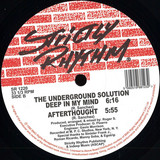
Absolutely ESSENTIAL record right here - The Underground Solution aka The 'S' Man aka the legendary Roger Sanchez is a name that you should all be familiar with by now, and his 1990 ANTHEM 'Luv Dancin' is an NYC deep house benchmark. That's right, this originally came out in 1990. That's a heck of a long time ago. Thing is, this record, when played at the right time will still cause maximum damage in the club. Riffing on disco classic 'Is it all over my face' and with elements of 'The bottle' interspersed with a deep, rolling garage bassline and dreamy keys and pads Sanchez crafted a solid gold cut, a timeless piece of dance music that still inspires today and is often imitated yet obviously never bettered! The flipside cuts 'Deep in my mind' and 'Afterthought' are also sublime exercises in the deepness, The 'S' Man's trademark eerie pads, bleeps and dope drum programming evident throughout, making these tracks huge hits from NYC to Sheffield and beyond! This whole EP is flawless and if you dig the deeper side of this stuff then you're in for a treat - Now's your chance to bag a bonafide, hands down classic record!
'Luv Dancin' has been skilfully remastered from all original master sources and fully licensed and reissued officially for 2017.
Dabei sein ist alles ist 100 Prozent Oxo 86 pur. Wenn es eine Band schafft auch bei Frust und schlechten Zeiten aus der Seele zu sprechen und zeitgleich ein Lächeln ins Gesicht zaubert, dann die Bernauer mit ihrem bissig-verschmitzte Humor. Das 2022er-Album nun wieder auf Vinyl in neuen Farben erhältlich. "Dabei sein ist Alles!" ist schlichtweg ein Bernauer-Meisterstück geworden....wer hätte auch ernsthaft daran gezweifelt? Auch in konzertlosen Pandemiezeiten und nach über 24 Monaten Corona-Scheisse hat sich die Band ihren spritzigen Charme und wohl einmaliges Händchen für sofort zündende Lieder bewahrt, wenngleich auch an OXO86 diese Zeiten in ihren Texten nicht spurlos vorbeigegangen sind! Aber keine Sorge: Von der ersten Note bis zum letzten Akkord gibt es 100 Prozent OXO86 pur! Und wenn es eine Band schafft Dir auch bei Frust und schlechten Zeiten aus der Seele zu sprechen und Dir zeitgleich ein Lächeln ins Gesicht zaubert, während Deine Füsse unmerklich anfangen zu wippen, dann wohl die Bernauer, oder? Natürlich kommt auch der bissig-verschmitzte Humor mit hundsgemeinen Ohrwürmern im unvergleichlichen OXO-Stil nicht zu kurz und so gibts auf "Dabei sein ist Alles" eigentlich alles in den 13 neuen Songs, was die Band schon immer ausmachte..." 2025er LP-Nachpressung des noch aktuellen OXO-Albums - limitiert auf 333 x als Ultraclear with Pink & BlacK Splatter Vinyl!
2025 Repress
Ash Ra Tempel is the eponymous debut studio album by the Krautrock band Ash Ra Tempel. It features guitarist Manuel Göttsching with drummer Klaus Schulze and bassist Hartmut Enke.
Engineered by Conny Plank it was recorded in March 1971 and released in June 1971 on Ohr Records.
This 50Th Anniversary Album will be Released in Memoriam of all the Musical Contributors to this Release and on Manuel Göttsching´s MG.ART label. It´s the fourth and headlining edition in this series and was finalised, carefully overseen by Manuel Göttsching himself in the late Autumn of 2022.
Much has been written about the record and band.
Having finished a first musical chapter with their Steeple Chase Bluesband and still at very young age of only 17 and 18 years old Manuel Göttsching and Hartmut Enke met Klaus Schulze. Together they started to write and and compose what, to many, became one the holy grails of Psychedelic Rock and early Electronic Music -
the German variant which was later also named "Krautrock":
Ash Ra Tempel´s self-titled first album "Ash Ra Tempel".
"The trio of Klaus Schulze, Manuel Göttsching and Hartmut Enke decided to abandon conventional composition and song writing, in favour of free-form improvising and developing a new musical language. As such, they became notorious for jams that could exceed 30 minutes." Says Discogs. "Some of these recordings can be found on Manuel Göttsching´s "The Private Tapes" releases", which will be re-released on MG.ART as well, following this edition.
"Krautrocksampler" author Julian Cope mentioned it to be "… one of the greatest rock 'n' roll LPs ever made." (Julian Cope Presents Head Heritage | Unsung | Reviews | Ash Ra Tempel - Ash Ra Tempel". 15 March 2000.)
AllMusic called the album "both astonishingly prescient and just flat out good, a logical extension of the space-jam-freakout ethos into rarified realms."
Here we would like the Band to be heard, for what can easily be said as the first time in 50+ years, with the exception of some early Journalists for whom the young Manuel Göttsching wrote a statement of intent (the original text can be found inside this edition) as following:
"Our musical concept is based on a combination of blues rock and delicate collages of electronic sound. These two elements should remain inseparable. And in their complex unity, the different musical philosophies of each musician find a common sweet spot. Our music is a permanently impulsive experience left to develop as it will, starting from a common fixed point of departure. This is where the difficulty of the music begins: No standardized formulation of our music can and should be possible. Only the constant reaction within the band can determine the musical result. And this requires constant listening with full concentration on the part of the creators. The idea of a particular musician will be - if flexible enough - absorbed by the others, transposed to their own instrument, and reflected back into the music as an individual contribution. This reciprocity within the band is then transferred over to the audience. And this process means that their reaction is not only a contribution to the end result; it actually makes them jointly responsible for the creation of the final musical product.
…
On our album, the track "Amboss" represents the first layer. Conventional instruments communicate familiar music which is in part expanded through electronic means. In the second track of the album - "Traummaschine" - the actual basic sound approach is dissolved into an electronic Nirvana which no longer allows the concrete identification of actual instruments. Innocent, virgin listening, free from any and every association, can finally begin - and the music can be absorbed and processed free from the limitations of categorization. That is the purpose of our music: To convey freedom without any predetermined criteria or traditions.
Thank you for your attention."
(Taken from the original A-R-T Bio 1970)
Hartmut Enke, Manuel Göttsching and Klaus Schulze aka. Ash Ra Tempel travelled to Hamburg in March 1971 to record their debut, with assistance of another Icon, legendary engineer Conny Plank.
The rest is history.
2025 Repress
Ash Ra Tempel is the eponymous debut studio album by the Krautrock band Ash Ra Tempel. It features guitarist Manuel Göttsching with drummer Klaus Schulze and bassist Hartmut Enke.
Engineered by Conny Plank it was recorded in March 1971 and released in June 1971 on Ohr Records.
This 50Th Anniversary Album will be Released in Memoriam of all the Musical Contributors to this Release and on Manuel Göttsching´s MG.ART label. It´s the fourth and headlining edition in this series and was finalised, carefully overseen by Manuel Göttsching himself in the late Autumn of 2022.
Much has been written about the record and band.
Having finished a first musical chapter with their Steeple Chase Bluesband and still at very young age of only 17 and 18 years old Manuel Göttsching and Hartmut Enke met Klaus Schulze. Together they started to write and and compose what, to many, became one the holy grails of Psychedelic Rock and early Electronic Music -
the German variant which was later also named "Krautrock":
Ash Ra Tempel´s self-titled first album "Ash Ra Tempel".
"The trio of Klaus Schulze, Manuel Göttsching and Hartmut Enke decided to abandon conventional composition and song writing, in favour of free-form improvising and developing a new musical language. As such, they became notorious for jams that could exceed 30 minutes." Says Discogs. "Some of these recordings can be found on Manuel Göttsching´s "The Private Tapes" releases", which will be re-released on MG.ART as well, following this edition.
"Krautrocksampler" author Julian Cope mentioned it to be "… one of the greatest rock 'n' roll LPs ever made." (Julian Cope Presents Head Heritage | Unsung | Reviews | Ash Ra Tempel - Ash Ra Tempel". 15 March 2000.)
AllMusic called the album "both astonishingly prescient and just flat out good, a logical extension of the space-jam-freakout ethos into rarified realms."
Here we would like the Band to be heard, for what can easily be said as the first time in 50+ years, with the exception of some early Journalists for whom the young Manuel Göttsching wrote a statement of intent (the original text can be found inside this edition) as following:
"Our musical concept is based on a combination of blues rock and delicate collages of electronic sound. These two elements should remain inseparable. And in their complex unity, the different musical philosophies of each musician find a common sweet spot. Our music is a permanently impulsive experience left to develop as it will, starting from a common fixed point of departure. This is where the difficulty of the music begins: No standardized formulation of our music can and should be possible. Only the constant reaction within the band can determine the musical result. And this requires constant listening with full concentration on the part of the creators. The idea of a particular musician will be - if flexible enough - absorbed by the others, transposed to their own instrument, and reflected back into the music as an individual contribution. This reciprocity within the band is then transferred over to the audience. And this process means that their reaction is not only a contribution to the end result; it actually makes them jointly responsible for the creation of the final musical product.
…
On our album, the track "Amboss" represents the first layer. Conventional instruments communicate familiar music which is in part expanded through electronic means. In the second track of the album - "Traummaschine" - the actual basic sound approach is dissolved into an electronic Nirvana which no longer allows the concrete identification of actual instruments. Innocent, virgin listening, free from any and every association, can finally begin - and the music can be absorbed and processed free from the limitations of categorization. That is the purpose of our music: To convey freedom without any predetermined criteria or traditions.
Thank you for your attention."
(Taken from the original A-R-T Bio 1970)
Hartmut Enke, Manuel Göttsching and Klaus Schulze aka. Ash Ra Tempel travelled to Hamburg in March 1971 to record their debut, with assistance of another Icon, legendary engineer Conny Plank.
The rest is history.
- A1: Cheb Bakr – Allom
- A2: Group Hewaya – Irja
- A3: Shahd – Erhal Keef Alshams Tgheeb
- A4: Ahmed Ben Ali – Jara
- B1: The White Bird Band– Ya Ummi
- B2: Khaled Al Melody – Jani Bigool
- B3: Fathi Aldiyqz & Sons Of Africa Band – Palestine Is My Homeland
- B4: Libya Music Band – Kol Al Mawaeed
- C1: Stars Of Africa – Baed Al Farha
- C2: Khaled Al Reigh – Zannik
- C3: Khaled Al Zlitni – Jiti Yam Eloyoun Buhoor
- C4: Murad Najah – Hubbi Leeki
- D1: City Lights Band – Kul Ghrub
- D2: Adil Al Ramli – Mawoud
- D3: The Hope Duo – La Tgheeb Anni Wala Youm
2x12"[28,15 €]
Habibi Funk is more than happy to announce our 31st release which happens to be our 3rd various artists compilation. The album is dedicated to the cassette tape scene in Libya from the late 80s to early 2000s, from disco to reggae to pop. All songs previously unreleased outside of Libya and not available on any DSP platforms.
This compilation isn’t a sweeping history of Libyan music — it’s a personal journey into the sounds we fell in love with while digging through tapes, conversations, and stories across Libya and beyond. Rather than spotlighting the country’s most famous musical exports, the compilation brings forward a mix of overlooked gems and local classics of the cassette era: artists whose work thrived despite political limitations, and scarce international exposure. The music featured here blends reggae rhythms, synthy disco grooves, gritty pop, house, and funk, a vibrant collision of genres that reflects Libya’s unique sonic landscape from the 1980s to the early 2000s. Many of these recordings were recovered from the TK7 cassette factory in Sousse, Tunisia, a now-demolished site that once played a quiet but vital role in distributing and manufacturing Libyan music. Other tracks were digitised in a Cairo hotel room in 2021, where we transferred nearly 100 tapes over the course of three days, on-site using a high-grade cassette deck brought into Egypt with us. From that trove emerged artists like Ahmed Ben Ali, Cheb Bakr, and Najib Alhoush & The Free Music, who have already featured on our earlier releases. Their sounds sit alongside contributions from this release from the likes of Khaled Al Melody, Fathi Aldiyqz & Sons of Africa Band, City Lights Band, Libya Music Band, and Group Hewaya. During this era, Independent artists relied on makeshift home studios or travelled abroad to record in Tunisia and Egypt, gradually building their own infrastructures for creativity. By the 90s and early 2000s, as access to digital equipment increased, a few of the artists began setting up their own studios — a shift that gave rise to a more self-sufficient recording culture across the country. The resulting sounds are anything but homogeneous. They reflect Libya’s geographic and cultural crossroads: North African rhythms meet Arab melodies and deep African roots. Reggae, in particular, took on a local Libyan flavour — not just musically, through the slowed-down cadence of traditional shaabi beats, but socially, as a vehicle for expressing identity and pride. What ties all the artists on this comp together is a boundary- pushing approach to genre and style: recorded in small studios, exchanged by hand, and shaped by a cross-pollination of influences, from Benghazi to Tripoli and beyond. All tracks are licensed from their creators and in the case of the artists being deceased from their estates. All profits are being split 50:50 between us in the licensors and ownership remains with the creators, we only licensed the music.
- 01: Stars Come After You
- 02: Wheels At Night
- 03: Icu2
- 04: Outstanding In The Rain
- 05: Annihilation
- 06: Falling On My Sword
- 07: Call You Back
- 08: Chlorine
- 09: Mean Streak
- 10: Your Ride
- 11: Standing At The Edge Of Fire
- 12: Paper House
LP[14,08 €]
TOPS - die Musiker David Carriere, Jane Penny, Marta Cikojevic und Riley Fleck - schreiben zeitlose Musik, die zuverlässig Unmittelbarkeit und Tiefe miteinander verbindet. "Bury the Key", ihr erstes komplettes Album seit 2020, erscheint auf ihrem neuen Label Ghostly International und ist eine fesselnde Wiedereinführung für die Band aus Montréal: immer verfeinert, zweifellos Meister ihres melodischen Handwerks, aber ohne Angst, sich weiterzuentwickeln und sich an anderen, manchmal dunkleren Tönen zu versuchen. Das Album stellt sich den Gefühlen, die einst unter Verschluss gehalten wurden, beschäftigt sich mit dem Hin und Her zwischen Glück, Hedonismus und Selbstzerstörung. Während oft von fiktiven Figuren bevölkert, schöpfen ihre leuchtenden, groovenden, selbstproduzierten Songs aus persönlichen Beobachtungen: Intimität (sowohl innerhalb als auch außerhalb der Band), toxisches Verhalten, Drogenkonsum und apokalyptische Angst. Als die Aufnahmen begannen, bemerkten sie eine Verschiebung und lehnten sich an etwas, das sie scherzhaft als "böse TOPS" bezeichnen, so Penny. "Wir werden immer als weiche Band gesehen oder wie naiv oder freundlich auf eine kanadische Art, aber wir haben es zu einer Herausforderung gemacht, die Welt um uns herum wirklich zu kanalisieren." Durch die Linse einer sich abzeichnenden Epoche und der Klarheit, die mit dem Alter kommt, tauchen TOPS mit "Bury the Key" in eine düsterere Disco-Welt ein und geben ihrem weichen Sophisti-Pop eine schärfere Kante.
- Buick Door
- Nora
- Bitter Root Lake
- Kentucky Cave
- Seventeen
- Wishing Stone
- In A Bungalow
- Tennessee
- Hallelujah
- Bluff
Im Jahr 2018 war Case Oats so etwas wie eine nebulöse Idee. Die Bandleaderin Casey Gomez Walker hatte bereits in Bands gespielt, und ihr Projekt Case Oats hatte eine selbst veröffentlichte Single, aber war keine Band, bis ein auswärtiger Freund sie fragte, ob Case Oats eine Show in Chicago headlinen könnten. Casey bluffte - ja, sie hatte eine Band, ja, sie waren bereit, eine Show zu spielen - und machte sich an die Arbeit. "Es war ein bisschen wahnhaft von mir", sagt sie, "aber ein bisschen wahnhaft zu sein hat ja auch etwas für sich." "Last Missouri Exit", das Debütalbum von Case Oats, ist ein bemerkenswert sicheres Album, bei dem sich die Band - Spencer Tweedy (Schlagzeug), Max Subar (Gitarre, Pedal Steel), Jason Ashworth (Bass), Scott Daniel (Fiddle) und Nolan Chin (Klavier, Orgel) - um Gomez Walkers Stimme und Gitarre gruppiert. "Last Missouri Exit" ist eine Sammlung scharf gezeichneter Charakterstudien. Gomez Walkers Hintergrund im kreativen Schreiben drückt sich in ironischen Beobachtungen und einem entwaffnend leichten Sinn für Lyrik aus, das Tiefgründige und Profane purzelt aus Songs wie "Bitter Root Lake" mit dem Gewicht eines Bekenntnisgedichts und der Leichtigkeit eines Gesprächs unter Freunden. Der rote Faden von Case Oats' erstem Auftritt bis zu ihrem Debütalbum ist Vertrauen, in die Songs und in ihre Spieler. "Last Missouri Exit" klingt aus den chaotischsten Kammern des Herzens und die Band schwillt um Gomez Walker herum an, die das Erwachsenwerden in Bezug auf die Loyalität zu verzweifelt fehlerhaften Menschen und schließlich, mit etwas Abstand von zu Hause, die Treue zu sich selbst beschreibt. Die Songs entstanden live, und die ersten Aufnahmen fanden, wie sich Gomez Walker erinnert, im Keller eines Hauses statt, das Ashworth, Subar und Tourmitglied Chet Zenor gemeinsam bewohnten. "Wir nahmen die Songs an drei heißen Augusttagen mit unseren Freunden auf und versuchten einfach, die Energie zwischen uns einzufangen". Tweedy, der die Session mit Ashworth und Subar aufnahm und das Album produzierte, sagt dazu: "Wir brachten gerade so viel Material mit in den Keller, dass wir es aufnehmen konnten. Wir hatten das Glück, in den Monaten vor der Session viele Konzerte gespielt zu haben, so dass wir einfach so spielten, wie wir gespielt hatten, ohne jede Wertigkeit." Diese anfängliche Kellersession ist das Zuhause, in dem "Last Missouri Exit" aufwuchs, und diente sowohl als Ursprungs- als auch als Zielort, da Gomez Walker und Tweedy den Gesang in getrennten Sessions zu Hause aufnahmen. Texte, die sich so wahrhaftig lesen wie "Your brother was the golden boy and you were your mother's pup / The safety of her guiding arms kept you from fucking up", heißt es in einem Couplet aus "Buick Door", das durch die Distanz zwischen Gomez Walker und den auslösenden Ereignissen ihrer Songs gestärkt wird. Ihre Stimme ist selbstbewusst und zart, sie fängt den Nervenkitzel eines Schlagzeugs oder die schmerzende Weite der Pedal Steel ein und kanalisiert den Schwung in die Hoffnungen und den Herzschmerz des Kleinstadtlebens im Mittleren Westen. Auf der Fahrt von Gomez Walkers Heimatstadt auf dem Freeway nach Chicago in Richtung Norden steht auf dem Schild kurz vor der Grenze zu Illinois unter anderem "Last Missouri Exit". Es ist ein Punkt auf der Landkarte und für sie ein Punkt, an dem es kein Zurück mehr gibt. Als sie ihn eines Tages überquerte, bedeutete das das Ende ihrer Kindheit und den Beginn ihres restlichen Lebens. Das Album ist ein Scharnier zwischen diesen beiden Zuständen, in dem sich die Schmerzen des Heimwehs mit dem Nervenkitzel des Aufbruchs zum Horizont überlagern. "In a Bungalow" betrachtet diese Überschneidung im Licht der goldenen Stunde, ein Lied, dessen leidenschaftliche Sehnsucht nach der Heimat - ihren süßen Quellen und langsamen Tagen und alten Freunden - nur möglich ist, weil sie einen Ort verlassen hat, der sich einst wie das Zentrum des Universums anfühlte. Wenn "Last Missouri Exit" ein Coming-of-Age-Album ist, dann deshalb, weil es um Wachstum und Perspektive geht, und weil es von einer Band gemacht wurde, die bereits jenseits des Horizonts lebt, nach dem das Album benannt ist. Es ist ein Album, das sich danach sehnt, gehört zu werden, während man den Sonnenuntergang von seiner Veranda-Schaukel aus beobachtet, aber seine wehmütige, idyllische Sicht auf den Mittleren Westen ist keine Nostalgie für die Vergangenheit - es ist das, was Case Oats einen Sommer lang im Keller auf einer Ad-hoc-Bühne gezaubert haben, ein Dokument einer Band, die um diese Songs herum zusammengewachsen ist, auf einem neu entdeckten Höhepunkt ihrer gemeinsamen Kräfte. Was sie geschaffen haben, ist warm und einladend, ein Album, das sich beim ersten Durchlauf offenbart und mit jedem Hören tiefer wird. Dies ist ihre Einführung; man fragt sich, was ihr Horizont noch bereithält.
- Is It Making You Feel Something
- Bruised Lung
- No Hope
- Care Less
- Climb The Walls
- Cue
- Everybody Dies
- Stuck In A Dream
- Train On Fire
- Some Green
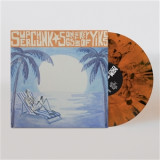
ORANGE & BLACK SWIRL VINYL[23,49 €]
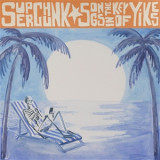
"Songs in the Key of Yikes" ist ein typisches Superchunk-Album: viszeral und zeitlos und verdammt eingängig - ein kathartischer Balsam für diese bedrückenden Zeiten. "Bruised Lung" - "No Hope" - "Care Less" - "Climb the Walls" - "Everybody Dies". Wenn man die Trackliste von "Songs in the Key of Yikes" überfliegt, fragt man sich unweigerlich: Sind Superchunk okay? In einer Welt, die wohl düsterer ist als die, die "Wild Loneliness" (2022) oder "What a Time to Be Alive" (2018) begrüßte, geht es uns da überhaupt noch gut? "Es war schon immer so, dass jeder etwas durchmacht, von dem man vielleicht nichts weiß", bemerkt Mac McCaughan. "Das gilt derzeit mehr denn je - aber es ist auch so, dass wir alle gemeinsam etwas durchmachen. Angesichts dessen, was nützt Kunst und wo findet man Glück? (Spoiler-Alarm: Ich weiß es nicht.)" Auf der Suche nach einer Antwort entfesselt "Songs in the Key of Yikes" einen Sound, der triumphierend und hell in der Dunkelheit ist, "Majesty Shredding" im Overdrive. Die Lead-Single ,Is It Making You Feel Something" gibt früh den Ton an, wobei die Band - McCaughan, Laura Ballance, Jim Wilbur und Laura King - aus dem Potenzial für Freude eine Hymne baut und in schlammverschmutzte Gewässer taucht und mit einer Perle wieder hochkommt. "No Hope" ist ähnlich widerstandsfähig, McCaughans Texte zeichnen ein niederschmetterndes Bild, bevor sie in den titelgebenden Refrain übergehen. Er wiederholt den Satz neun Mal, macht eine Pause und verwandelt die Stimmung vollständig, indem er den Gesang mit der Zeile "and here we are singing" unterbricht. Der Text ist scharf, gleichzeitig eine einfache Beobachtung und eine tiefgründige Aussage über das Sein, die erdrückenden Nächte und endlosen Tage, aber McCaughans Stimme findet eine gewisse Süße darin, durchgehalten zu haben und dies auch weiterhin zu tun. Paradoxerweise grenzt die Energie von "Songs in the Key of Yikes" an Euphorie und bricht manchmal sogar in sie aus, wie in "Stuck in a Dream", das wie eine oasenartige Fata Morgana zwischen "Everybody Dies" und "Train on Fire" auftaucht, ein voller Sprint, der die Menge begeistert und sich zum Pogen im Pit eignet. "Care Less" ist ein düsterer, komischer Spiegel dieser Energie, ein Garage-Jam, in dem ein scharfzüngiger McCaughan Zuflucht vor dem Sturm sucht, indem er so tut, als würde er nicht direkt vor seiner Tür toben. Diese Strategie funktioniert nicht. Natürlich funktioniert sie nicht. Es ist ein Song auf einem Superchunk-Album, und Superchunk-Alben sind Argumente gegen Engstirnigkeit und für Partys, die groß genug sind, um alle zu beherbergen. Dieses Album begrüßt nicht nur Laura King nach zwei Jahren als Tour-Schlagzeugerin in der Band, sondern enthält auch Beiträge von Rosali Middleman ("Bruised Lung" und "Everybody Dies"), Bella Quinlan und Holly Thomas von Quivers ("Cue") und der Tour-Bassistin Betsy Wright ("Care Less"). Das Album wurde von Paul Voran (The Menzingers, Hurray for the Riff Raff) und Eli Webb produziert und von Mike Montgomery (The Breeders, Protomartyr) gemischt. Gemeinsam kommen sie zu keinem Ergebnis darüber, was gute Kunst in Krisenzeiten ausmacht und schaffen gleichzeitig großartige Kunst.