Suche:house of disco

Since debuting on the label in May 2017, East London duo Earthboogie has been part of the extended Leng family. In rhat time, Izak Gray and Nicola Robinson have delivered a swathe of superb singles and a fine debut album, 2018’s critically acclaimed Human Call. Here they present their sole single of 2019, a two-track fusion of intergalactic, terrestrial and tribal elements reflective of their by-now trademark style. Fittingly, lead cut “Creepy Steve” – a previously unheard workout recorded during the sessions for Human Call – contains many of the musical ingredients that made Earthboogie such an enticing proposition. It boasts a raw, fuzzy and driving analogue bassline, densely layered tribal percussion, dub disco-influenced guitars, woozy electronics and sporadic blasts of African style chanting. As if that wasn’t enough to get the blood pumping, Gray and Robinson have also thrown in some extended, rock style guitar solos and more cowbells, bongos and timbales than you can shake a stick at
It comes accompanied by a previously unheard remix of “Human Call”, the title track from their superb debut album, by friend and fellow musical fusionist Joel Harrison. His version is warm, woozy, driving and percussive, brilliantly re-imagining Earthboogie’s original version as a supersonic slab of peak-time ready deep house. The band’s original chanted vocals, guitars and melodies slowly rise above bustling, all-action drums, weighty bass, alien-sounding electronic flourishes, poignant trumpet parts and seriously dreamy sustained chords.

Skyf Connection (pronounced skAyf) was a short lived project by long time friends Anthony Mthembu and Enoch Nondala. At the time they were working for Annic Music, an independent label run by married couple Anne and Nic Blignaut. Although the label was known mostly for Zulu, Sotho, Tsonga and other traditional styles, they had a few Disco releases on the label including groups like Keith Hutchinson’s Focus and Enoch’s discovery Lena, who went on to have huge success under the name Ebony a few years later.
In 1984, when an artist didn’t show up for a booked session they decided to make use of the studio time and began working on a demo. At the time Anthony and Enoch had been playing for a year at a new club called Gamsho, located on a farm on the outskirts of Kliptown Soweto. Along with Blackie Sibisi, Sepate Mokoena and Elijah “chippa” Khumalo they made up the resident house band. Due to cultural boycotts and American artists refusing to perform in the country, locals took it upon themselves to fill the market with the American sound the crowds demanded. The demo they recorded at Blue Tree Studios was going to be their product they could use to promote their brand of the American sound. They then took the demo to Universal Studios where their friend and trusted engineer Jan “fast fingers” Smit was working. It would be here that they would polish their demo into something they could take to their bosses and have pressed. Equipped with a DX 7, Linn Drum and some Juno synthesizers they were on their way. Jan lived up to his name and programmed the drums, it is rumoured he could program in almost real time, a skill that translated to the local arcade where he held high scores on many machines. Enoch would be singing and playing guitar while Anthony would do all the Bass and Keyboards. The result was 4 funky party anthems with synth work like no other recording at the time. Their take on what they believed the crowd would want to hear at the beloved club they called home.
From start to finish the 4 tracks portray what would have been a standard night at the Gamshu. Although the club would open earlier and the standard hours of most clubs was 6 to 6 , the band would start playing at 10pm. With their standard set time and Anthony and Enoch unique view on what a Disco should be, they chose the motto Ten to Ten as the album title because those were the hours when they were the stars and Disco ruled the dance floor. To get to the club was a bit difficult, you needed to drive along an empty road where thieves waited for any patrons trying their luck walking after dark. Since there was no transport during the night, the safest way to get home was to wait till the next morning to walk home. Even though in the summer months of Johannesburg light begins to peek in just after 4am, crowds refused to leave and stayed enjoying good music and company until 10am. The lead off track “Let’s Freak Together” has powerful lyrics encouraging people to let go of their worries, put aside any differences and let the music bring everyone to freak and dance together. The whole album is about the joy we can all feel when we share the same moments and how music can bring people together in a unique way, a philosophy shared with the original nightclubs of 70s New York. This approach to music is where the name Skyf Connection comes from, translating from slang to mean the connection we create through sharing, in this case Music and good times.
Skyf Connection would go on to play at Gamsho till the club’s closure in 1986. In those years their popularity lead to being booked for private events like weddings and birthday parties, as well as gigs in some other venues like Mofolo Hall. They would share the stage with many artists through the years learning artist’s songs and providing support as a backing band. After the club closed Anthony would go on to join the house band at The Pelican, another famous club located in Orlando East, as well as dabbling with songwriting for artists like Phumi Maduna and helping Enoch on many projects through the years. Enoch would ditch live music altogether and immerse himself in studio work, starting full time as a house producer and A&R for the recently formed Ream Music. He would go on to produce hit albums for pop artists like Percy Kay and Makwerhu but made his mark discovering countless artists that would become stars in the traditional market. They would remain friends until Anthony’s passing in 2016 and although Anthony is no longer with us his spirit lives in the grooves he left on this one of a kind record. His wife Vinolia will be accepting his portion of the profits on his behalf.

7
Hot off the heels of Aluxes, his 2018 Lumière Noire debut EP, young Mexican DJ/producer Iñigo
Vontier is inviting Chloé's label on a trip to the far corners of the body & mind with an album of
demented grooves, psychedelic take-offs and imaginary comic strips of mystical rituals. A
bewitching debut full-length. Mexicans may never possess the sonic science of the Germans,
the hedonistic madness of the English or the gift for synthesis of the French, but, as proven by
Iñigo Vontier's first full-length for Lumière Noire, their universe is much more exciting than
anyone would have ever thought.
The DJ/producer fully asserts his origins by brandishing the album’s title "El Hijo del Maiz" ("the
son of the corn") almost as an emblem: "in Mexico, corn is eaten daily. It has long been defined
as 'the gold of America', and I consider all Mexicans as children of corn". A spiritual and
embodied vision Iñigo's first Lumière Noire release, the four-track Aluxes, set the tone of the
young talent's distinctive interpretation of dark disco, which creeps up on the dancefloor from its
iconoclastic side. The two tracks and two remixes (one by Flügel, the other by Inigo himself)
featured on the 12" for lead single "Xu Xu" (featuring Red Axes-affiliate Xen's irrelevant vocals)
was a full-bodied confirmation that Vontier sees the dancefloor as an arena for the occult –
whether from the peoples of the equatorial jungle, the Middle East or, even from indocile
machines. But, while the spiritual element seems part and parcel of the Jalisco native’s output, it
is in no way the only ingredient of this first long-player: "this album best reflects my own vision
and spirituality, and the way I feel it" he says.
Whether contemplative or frenetic, the collection of tracks that make up “El Hijo Del Maiz” takes
the kitchen sink and throws it out the window: languid rhythms, haunted vocals, and mysterious
percussion fuel a discombobulated house set that scrambles the listener's five senses, leaving
one disoriented and exposed to the vagaries of vertigo. Following the demented, dystopian “Xu
Xu” EP, which explored an imaginary jungle that harbored Mayan and Egyptian pyramids,
Middle Eastern accents are once more present in the off-kilter “Bo Ni Ke” and its Japaneseinfluenced vocal trickery, which Moroccan flutes à la Jajouka transform into a feverish trance.
With the following three tracks, Iñigo Vontier raises himself to the same level of excellence as
the Pachanga duo (of which pride of the Mexican scene Rebolledo, is also known as a prolific
artisan of deconstruction): “Awaken”'s slumbering voice, heard as through the veil of hypnosis,
slowly introduces a techno beat which, as in follow-up “Time”, literally brings the listener to a
levitative state. In a housier vein, yet continuing in the same psychedelic, 90s-infused spirit,
“Don’t Go Back” disrupts the genre’s usual signatures with an out-of-tune keyboard that is
becoming the artist's trademark, destabilizing the listener into a drunken vertigo, with a good
helping of sexiness: "I think the sexy dimension definitely brings a kind of magic to music," says
Vontier. “I'm sure I felt this magic during my DJ sets, and I like to think that sorcerers use this
element in their practices. I might consider myself a bit of a sorcerer when I take over the DJ
booth, by the way." A mood and sound that can once again be found – in a quieter, more
bucolic version – on “Chiquitita” (feat. the flute stylings of pioneer DJ Rocca, now a partner of
cosmic disco legend Daniele Baldelli). The more cinematic, fast-paced and dreamy beat of the
no less captivating “Little Monster” might evoke the mischievous spirit of the Mayas' minor
mythological creatures, while ode to the magical herb Marijuana (feat Thomass Jackson)
proudly tramples into the debate that such a provocative title inevitably provokes: "psychedelic
drugs are powerful tools to reach a higher level of consciousness about what surrounds us, but
we must learn how to complete this psychic journey by ourselves, notably through meditation
and love.
In the end, El Hijo del Maiz is an album-length confirmation of Iñigo Vontier's uniqueness, and
his adherence to Lumière Noire's policy of letting artists fully express their vision – while letting
their passions guide their idiosyncrasies and explorations of innovative electronic signatures

For his return to Make Mistakes, Derek Russo ventures into the Belly of the Whale with three pieces of beautiful, retro future, dance floor chic.
Embryonic Speck opens up the record, evoking classic rave beats, in a crisp, clear, modern style. With this cut, Derek has crafted a late-night slayer for the discerning dance floor. A relentless groove drives the track along, creating the hypnotic, smoky dreams of rave’s past.
Night Sea Journey takes it down into disco depths. A wandering bassline swaggers through the track, crashing through dark waves of sound. Sexy and mysterious, made to drag the sweaty sea on the dance floor through the night.
Straddling, a piece of timeless, familiar house music, rounds things out by bringing in a touch more warmth and whimsy. Still for the darkness, but with a lighter mood, and booty wiggle bass. Deep, and grooving, with a playful sexiness, what more could you ask for?
“Consider the subtleness of the sea; how its most dreaded creatures glide under water, unapparent for the most part, and treacherously hidden beneath the loveliest tints of azure. Consider also the devilish brilliance and beauty of many of its most remorseless tribes, as the dainty embellished shape of many species of sharks. Consider, once more, the universal cannibalism of the sea; all whose creatures prey upon each other, carrying on eternal war since the world began.
Consider all this; and then turn to the green, gentle, and most docile earth; consider them both, the sea and the land; and do you not find a strange analogy to something in yourself? For as this appalling ocean surrounds the verdant land, so in the soul of man there lies one insular Tahiti, full of peace and joy, but encompassed by all the horrors of the half-known life. God keep thee! Push not off from that isle, thou canst never return!”
― Herman Melville, Moby Dick

TCB aka Chris Beißwenger, our boy on Jah bless road, goes a little something like: 1977, born cross-eyed, parents like Boney M; 1984, suburbia USA, DSNY, still cross-eyed; 1988, 98.7 Kiss FM New York on the school bus radio; 1989, Frankfurt Am Main, hyperactive, outsider, got lazered; 1991, drums and piano in cheesy school band; 1993, kicked out of Omen, kicked out of school band; 1994, kicked out of Omen again, got his own band; 1995, kicked out of band, finally in at Omen, The Box, Wild Pitch Club; 1996, got first car, Fasttracker, EMU ESI-32; 1999, no more car, no more Omen, Robert Johnson instead; 2002, first release, High Tide; 2003, Ableton 0.1 Beta, less MIDI, more gefrickel; 2004, exchange High Tide for CB Funk, kicked out of Cocoon; 2005, a silly move to Düsseldorf, Burkina Faso, more synthesizers; 2006, again silly in Düsseldorf, Brontosaurus, disco-house, love; 2007, Cologne and Frankfurt, back to piano, more love, still no car; 2008, with love to Frankfurt, Arto Mwambe on the road, storyteller; 2009, Mwambe still on the road, bored of work; 2010, Live At Robert Johnson, four-day week (thank God), four bike accidents; 2011, Europe, bored of piano, invention of The Citizen’s Band; 2012, modular cookery, thoughts of moving; 2013, Burkinian's death, Delphi's rise, almost made it, 2014, broke out of seven-year cycle too complicate

9
Gyedu-Blay Ambolley was born on the 11th Street in Sekondi, Ghana 72 years ago. On the cover photo you can see on the right side the house of his birth which was also his parental home. The Ghanian legend’s latest release shows off a pride of heritage, and his honed talent for mixing highlife with other genres like rap, Afro-funk and Disco Ghanaian highlife. Gyedu-Blay Ambolley returns with 11th Street, Sekondi, his 31st album since his debut in 1973. The charismatic stage personality, no stranger to mixing humour into his music and who has performed alongside Afrobeat legend Fela Kuti and highlife bandleader Ebo Taylor, has been a record collector’s staple since his appearance on the seminal Ghana Soundz compilation on Soundway in 2002, which re-introduced the world to his trademark ‘Simigwa’ style. Highlife, which started in Sierra Leone and Liberia, took hold in Ghana in the 1940s as a coming together of the musicians fed up with the foxtrot and quickstep parties originally hosted by English colonists. It began with big band horns and happy lyrics, popularised by artists such as E.T Mensah, before opening up in the ‘50s and ‘60s with a wave of guitardriven, socially conscious and more danceable Afro-funk hits -- a product of the easy movement of people between Nigeria and Ghana. It was then that Ambolley’s trademark baritone vocals burst onto the scene, under the tutelage of close personal friend Ebo Taylor.
Ambolley’s latest album, 11th Street, Sekondi, named after the area of West Ghana in which he grew up, is a look back at the area and musical styles that shaped the musician’s life. Black Woman is a funky number that opens the album with Ambolley on a tenor sax solo, while tracks like Little Small Girl showcase his renowned James Brown-influenced vocal flourishes. Soul, jazz, blues and comedy are present -- in keeping with his fervent belief that music must always be entertaining for the listener. The album is the second of his to be released on German label Agogo records, after acclaimed 2017 hit, Ketan. It also stays true to highlife's social ambitions, with reflections on the misguided pursuit of European ideals ahead of African values. Ambolley's career has been filled with accolades, including a Lifetime Achievement Award from the Charles R Drew University in Los Angeles, and formal recognition from the Ghana Embassy in Washington DC for producing the first ever commercially recorded rap album.

10
The debut album from the American female trio, originally released in 1973 on the Philly Groove Label
Classic Philadelphia sound featuring the disco anthem and title track that peaked at #28 on the Billboard Hot 100 and #16 UK charts. Other highlights include the hit singles ‘Smarty Pants’ (UK #9), ‘Newsy Neighbors’ and Northern Soul Classic ‘This Is The House’
Demon Music are proud to reissue this soul classic on 180g heavyweight vinyl, with printed inner sleeve and original artwork

8
TXLAX is Dave Aju’s first album in five years, and we couldn’t be more pleased to present it.
As always there is plenty of fresh genre-defying ideas in the music, but this time wrapped in a much more relaxed and focussed aesthetic - a fitting personal soundtrack for the homecom-ing theme of his move back to Los Angeles from Berlin, as the combined airport letters in the title suggest.
There is a sonic stylistic bridge of sorts between the sister cities on display as well, all im-bued with that inimitable combination of raw playfulness and warm refined soul as only Dave Aju does.
From the soaring West Coast future funk opener “Bird’s Eye”, the nautical disco-not-disco of tomorrow in “Out To C” and the bugged-out broken beat flavor of “Silverfish” to the slick me-lodic electro vibes of the title track, and gorgeous shuffling deep house closer “Yulia”, TXLAX is a masterwork filled with beauty, character, and detail that will reward many repeat listens. We hope you enjoy it as much as we do!

- A1: Power
- A2: Home
- A3: Anxiety
- A4: Future
- A5: Life & Dreams
- B1: Disco Pregnancy
- B2: Paris
- B3: Primal
- B4: Before America
- B5: Poem Song For Iggor
- C1: Power (Rhythmical)
- C2: Home (Rhythmical)
- C3: Anxiety (Rhythmical)
- C4: Future (Rhythmical)
- C5: Life & Dreams (Rhythmical)
- D1: Disco Pregnancy (Rhythmical)
- D2: Paris (Rhythmical)
- D3: Primal (Rhythmical)
- D4: Before America (Rhythmical)
- D5: Poem Song For Iggor (Rhythmical)
20
Rooted in the São Paulo contemporary art scene, Laima Leyton’s credentials in the world of music are firmly established as one-half of Mixhell alongside her husband Iggor Cavalera (Sepultura, Cavalera Conspiracy) and for her work with Soulwax.
Now the producer, musician, activist, artist, mother and teacher unites her multifaceted talents with her ambitious double-vinyl debut album ‘Home’. It will be pressed and distributed by The Vinyl Factory and released by Deewee on November 8th. Featuring two records that are designed to be played simultaneously: Laima’s vocal and synth tracks on the ‘TONAL’ disc alongside Iggor’s beats on the ‘RHYTHMICAL’ record. Syncing two records offers an unconventional way to experience the music.
Rather than passively hearing the music, the listener’s need to ritualistically sync both records makes for an immersive experience. There are two key elements that make ‘Home’ such a distinctive project. Thematically it explores how the two core contrasts that inform Laima’s life can coexist. On one hand it’s about domesticity – her love for her family and her frustration with domestic routine. Yet on the other, it’s about her creativity – her desire to express herself artistically while still tending to her role as a mother and a housewife. “It’s almost like a family photo album in another format,” says Laima. “I needed to find the balance in this dichotomy, to feel good with myself in both roles, and be aware of things that really mattered to me. To be a woman, a mum and a female producer: all of these feelings were in the music.”

There must be something in the air just now over in Italy with a steady stream of brilliant disco and house releases emanating from the country. Of all artists doing the business recently DJ Rocca has definitely stood out as being behind more than his fair share of incredible music.
Rocca is a veteran of the scene producing since the 1990’s. Recently he has had stand out tracks working with some of the key artists of the scene including Dimitri From Paris and Daniele Baldelli. There have also been a huge number of solo projects and remixes for everyone from Blaze to Andrew Weatherall to Soul Clap. It’s a varied and expansive list which shows the depth of his production skills.
His latest release a three track EP ‘Journey to Kizimkazi’ comes courtesy of one of the stand-out labels of 2019 in Samosa Records. This one is heavy on the Afro Disco feels with Combo Rox, Ju Ju Jackie and Kuma Rox all coming from slightly different angles of the genre.
Lead track ‘Combo Rox’ is peak-time hands-in-the-air disco goodness. Huge brass hooks cruise next to a bounce of a bassline, ever so funky guitars, smooth keys and a monster vocal hook. This is a track with everything in needs to cause a serious dancefloor commotion.
On the flip ‘Ju Ju Jackie’ combines a much heavier percussive drum line with multiple percussive motifs, it’s a track which will take no prisoners. Yet more off the wall vocal hooks merge perfectly with the carnival atmosphere of the percussion and some crazy brass licks. A unique and exciting track.
Last up is Kuma Rox a deeper hypnotic groove of a track, warm tribal vocals, smooth keys, a sparse but hooky bassline and brilliant percussion give this one a real timeless class.
Another top of the class release from Samosa.

10
Sam went into an almost psychotic state when making music. He wasn’t himself. He was immersed in the creativity to such an extent that it was almost like a psychotic trance. Here’s an example. He found all this giant kelp down at Western Port bay and he would bathe himself in it for weeks. He would replenish the water and put salt in the bath, but leave the kelp in there. I used to ask Julie, his partner and wife, “How’s everything going?” and she’d say, “Just go and have a look at the bath.” - Tony Rogers
Sam Mallet could have pursued a career as a French literature professor in Paris, but decided his true calling was to remain in Australia, dedicate himself to his music and find the plateau; a word he used to describe the sensory worlds residing in music. Under the influence of Eno, Jon Hassell, Arvo Pärt, John Coltrane and Robert Fripp, Sam explored a wide variety of musical styles and put them to service soundtracking the time based works of his peers. He crafted spatial ambience, somber jazz, and drum computer driven rockers for short films and experimental video works, television shows (including the original Australian Wilfred series), feature films and live theatre. The avant garde Anthill Theatre, known for its departure from conventional staging practices and having a keen eye for talent, enlisted Mallet to provide soundtracks for approximately 40 productions throughout the 1980s and early 1990s.
Sadly, Sam passed away in 2014. A crucial piece of his legacy is undoubtedly the body of work he produced during his life, and the archive of recorded works is vast and deep. Sam seemingly saved everything, from fragments to finished pieces; and often repurposed previously released tracks by collaging them into new pieces. He self released a small number of cassettes and CDs from the mid 1980s onward, the contents of which were culled from soundtrack work and original pieces, but the majority of his music was experienced only within the ephemeral live performances.
Wetlands is the product of countless hours spent with this archive by Rowan Mason (Sanpo Disco/Recurring Dream) and Tony Remple (Musique Plastique), offering a dynamic survey of Sam’s work, and housed in a jacket evoking the minimal design and colour palette of his earliest cassette releases. Two selections of Sam Mallet’s music were featured on the compilation Midday Moon (also produced by Rowan), released last year by Bedroom Suck Records. Along with Left Ear Records’ Antipodean Anomalies, Midday Moon has served to highlight outlier musics and scenes from Australia and New Zealand, and Wetlands plunges deeper into the catalog of this obscure yet groundbreaking artist.
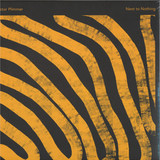
- A1: Next To Nothing Feat Ego Ella May And Emma-Jean Thackray
- A2: Sonnet 17 Feat Ego Ella May
- A3: Still Here
- A4: Somebody Else Feat Andrew Ashong
- A5: Tape Loop
- A6: Stack Feat Pie Eye Collective
- A7: Before The Sun Feat Ego Ella May
- B1: Step
- B2: Joyfulness Feat Alexa Harley
- B3: Circle
- B4 2: Minute Switch
- B5: Wall Street
- B6: Communication Control
13
Born and raised in South London, Hector Plimmer is a multi-faceted producer, composer and DJ whose sound is drenched in tribal rhythms and beautifully crafted bass. Influenced by beat-makers like Flying Lotus and Theo Parrish, but with the subtleties of the classic Metalheadz era drum and bass, his second album 'Next To Nothing' is released on 25th October 2019. The album features guests Ego Ella May, Emma-Jean Thackray, Andrew Ashong, Pie Eye Collective and Alexa Harley.
After featuring on Brownswood Bubblers 11, curated by Gilles Peterson, Hector proved his talent when he was selected as a winner of the PRS Steve Reid InNOVAtion award. At a performance at ‘Sounds Of The Universe’ Record store, Hector caught the attention of Albert's Favourites' label heads Adam Scrimshire & Dave Koor. A conversation was started which led to the transfer of almost a whole album's worth of material and resulted in his debut full length record ‘Sunshine’.
'Sunshine' was met with rapturous acclaim. The record went on to be awarded Gilles Peterson’s album of the week on his BBC 6 Music show and was championed by both Lauren Laverne and Tom Ravenscroft on the station as well as Jamie Cullum on BBC Radio 2. Its success on the airwaves transcended to streaming with the inclusion in the top 50 viral US chart on Spotify.
"This album has been a real labour of love. I spent the most part of a year trying to make music I thought would be fitting to follow my last album, whilst not actually knowing what that might sound like. 'Sunshine' had been received way more positively than I had anticipated and although praise is a lovely thing, it was the cause of much anxiety when the time came to start on this record. I put a lot of pressure on myself to produce music and kept going down routes that felt forced or just didn’t click for me, in hindsight I realise this was me making music not for myself, but for what I imagined other people might want to hear. In a way 'Next to Nothing' is my first real album, 'Sunshine' was more like a collection of four to five years worth of music compiled into the shape of one. This is my first dedicated attempt at creating a cohesive project, something that shows who I am right now and what got me here."
- Hector Plimmer
As a DJ Hector has a monthly slot on NTS radio. He has played alongside the likes of Gilles Peterson, Kutmah, Alexander Nut, MNDSGN, Onra, Dego, Kaidi, Max Graef & Glenn Astro; Hector finds himself in the good company of those talented selectors who play genres across the spectrum of Hip-hop, Beats, Funk, Soul, Disco, Afro-beat, House and Jazz.

- A1: Geraldo Pino - Shake Hands
- A2: Sonny Okosunds Ozziddi - Dance Of The Elephants
- A3: The Wings - We'll Get Home
- A4: Alhaji (Chief) Prof. Kollington Ayinla - E Ye Ika Se
- B1: Colomach - Kassa Kpa Sama Kpa
- B2: Geraldo Pino - Heavy Heavy Heavy
- B3: Mfb - Beware
- B4: Tony Grey And The Ozimba Messengers - You Are The One
- C1: Sonny Okosuns - Oba Erediauwa I
- C2: The Wings - Single Boy
- C3: Geraldo Pino - Power To The People
- D1: Original Wings - Igba Alusi
- D2: Don Bruce And The Angels - Sugar Baby
- D3: Geraldo Pino - Africans Must Unite
14
Soul Jazz Records’ Nigeria Soul Power 70 album showcases the influence of funk, rock and disco on Nigerian music during the 1970s. Originally released as a now-long-out-of-print collectors’ 7” RSD box, this fully expanded album release now also includes extra tracks from Sonny Okosuns, Wings, Chief Kollington Ayinla and more. While for many people the fusion of funk and jazz music with Nigerian rhythms and aesthetics began with Fela Kuti and his afro-beat sound, in fact this can be traced further back to the phenomena of the 1960s Nigerian artists and house bands in nightclubs and hotels who interpreted US soul and pop music with a local flavour and none more so than Geraldo Pino, the ‘African James Brown’ who features heavily in this collection. Other similarly inspired Nigerian funk and soul artists featured here included Tony Grey and his Ozimba Messengers and Don Bruce and The Angels. Nigeria Soul Power 70 includes a number of tracks from the group Wings originally known as BAF (Biafran
Air Force) Wings, an army band formed during the Biafran civil war in Nigeria. The groups’ heavy mixture of funk, rock and African styles was popular among many Nigerian groups at the time.
Beneath the shadow of the few Nigerian artists who signed international recording deals in the 1970s – Fela Kuti, King Sunny Ade, Chief Ebenezer Obey – lies of vast wealth of largely undiscovered musical transmutation and cultural cross-pollination, and included here are heavy afro-funk/rock and disco tracks
from artists such as the legendary Sonny Okosuns as well as rare cuts from little-known outside of Nigeria - groups such as Colomach and MFB. Most of these obscure artists signed to major labels in Nigeria in the commercial slipstream that opened up as Philips, Decca and EMI tried to emulate the international
success of the big three international Nigerian artists. Finally featured here is Kollington Ayinla, one of the co-founders of Nigerian Fuji music, who gives us perhaps the heaviest of all tracks on this album. Ayinla is the great moderniser of the Fuji sound and in the late 1970s began adding Bata drums and synthesizers to his authentic music to create a powerful and heavy new fusion of traditional and modernist aesthetics, embracing both new technology and experimentation while rooted firmly in Nigerian historical lineage. Nigeria Soul Power 70 is released as a heavyweight gatefold double vinyl LP (+ free download code),
deluxe slipcase CD and digital album.

5
birthportal presents its third release featuring tracks from Pete Zapatrón.
Drawing from bright synth stabs, racing arpeggios and housey re-percussions, the adventure makes way through Pete's sonic visions, painting intense firey landscapes, strolling through laid back disco groove, expressions of sincere gratitude, and a quenched drought thanks to the spiritual waters of life.

5
The first artist other than label head Patrick Topping to release on TRICK , his Geordie compatriot Adamson delivers an eclectic mix of tracks. The EP opener and title track, ‘Electric Acid Tater Tots’ is an acid-soaked techno slammer, strung together by Elliots own robotic vocals. Skream then steps up to deliver the labels first ever remix, a trippy, high-energy workout, before the Electric Acid Tater Vox offers a stripped-back vocal version which is available exclusively on the vinyl. Over on the B-side, ‘NYC Dada’ is an infectious disco-house edit destined to fill countless dancefloors, then ‘11am in Brisbane’ delves into melodic techno waters.
“I don't recall writing the lyrics, but I like to believe they appeared in the notes in my phone delivered by some divine spirit via the medium of an Apple iPhone XR - cheers Steve,” Adamson jokes. “About four instrumentals existed for about four weeks and I would often find myself standing on the table at parties singing out the lyrics excitedly trying to explain that 'this is my song.’” - Elliot Adamson The record is also accompanied by two exclusive bonus tracks. Lesgo Lesgo Lesgo is a true techno odyssey and bonus purely for digital copies of the EP. Then, there is the Electric Acid Tater Tots (Acid Mix) , a secret dubplate that has only been sent out to a select number of DJs. A true weapon for the warehouses.
“Elliot had to be the first artist, other than myself, to release on TRICK!” Topping enthuses. “ I’ve been championing his music for years and this release has been a long time coming. He’s now helping me A&R and is a resident at the label parties. His EP genre-hops and this is what TRICK is all about.” - Patrick Topping

4
One of the key figures in the Austrian house scene is definitely Roman Rauch. The MPC wizard has released quality tracks on cult labels like Philpot, klamauk, Quintessentials, Dirt Crew and Faces Records during this decade.
After 3 remixes and a collaboration with Precious K as Twinpeaks, he will return this autumn on the Viennese based imprint fortunea with a 5 track ep, called Blackout.
The A-side features the title track and a remix by New York’s Let’s Play House chief Jacques Renault. Roman delivers here his typical signature sound of crackling, dustfilled funk and r&b samples in combination with weighty rhythm sections. Jacques’ take is from it’s mood similar. But what stands out here is the addition of congas and a heavy compressed and funky bassline, that puts the dancefloor into a tribal gathering.
The B-side starts in a low-key deep house direction with „Oh Yeah“. A smooth warm bass chimes together with psychedelic rhodes and twirling low-cutted synth progressions. In contrary to this, Janefondas member Precious K takes these elements and transforms them into 2 different versions. The „More Dips Remix“ is a garage influenced party grenade, while the digital exclusive „Rawmix“ turns this tune into an exuberant, dirty warehouse experiment.
The vinyl is limited to 300 copies. There will be no repress!
Mastering by Patrick Pulsinger.
Support by Laurence Guy, Krewcial, Tensnake, Franck Roger, Loz Goddard, Baldo, Orlando B, Nice 7, Severino Panzetta (Horse Meat Disco), Replika, Tim Toh, Drei Farben House, Michael Reinboth, Clandestino, OOFT!, Sean Brosnan, Lars Berenroth

- A1: Cito Jarvis - Fighting Soldier
- A2: Roger Bain - Stand Up & Rock Your Body (Instrumental)
- A3: D Ivan - Fire (Extended Dub Edit)
- B1: Bill Campbell - Body Beat
- B2: Brother Resistance - Move It (Version)
- B3: Adonijah - It's Alright
- C1: Peter Britto - I Want Your Love
- C2: Juno D - Hotter & Hotter (Dub Edit)
- C3: Colin Jackman - D'jab Jab Dance (Bad Lad Mix)
- D1: Levi John - Soca
- D2: Spiking - Liberation Train
- E1: Mohjah - Zion Gates (Dub)
- E2: Andre Tanker - Wild Indian Band
- E3: Touch - Touch Music (Edit)
- F1: D' Rebel Band - Solid
- F2: The Millers - Last Days
- F3: Chocolate Affaire - Jump To Calypso
17
Body Beat: Soca-Dub and Electronic Calypso (1979-98) comprises 17 obscure Soca B-side versions, dubs, instrumentals and edits as well as vocal tracks influenced by disco, boogie, house-music, soul and the more conscious lyrics of roots reggae. This compilation traces the soca genre from its explosion in the late 1970s right up to the period just before contemporary soca became established around the end of the 1990s. TIP!!
Compiled by Soundway Records label founder Miles Cleret and DJ/collector Jeremy Spellacey, Body Beat, as with many compilations on the label, explores the fringes of this often maligned (by outsiders) genre. Boiled down to the bare bones of the matter though: soca is party music.
Soca was originally a re-invention of Calypso music; a genre that in the 1970s was fast becoming usurped around the Caribbean by Jamaican reggae and American soul, funk and later disco. The originator of soca (or sokah as he called it), the calypsonian Lord Shorty, began experimenting and modernising on the formulation of calypso in the early 1970s. His first album featured a strong emphasis on East African rhythms and a punchier recording style that emphasised the beat, and introduced arrangements that often owed as much to American funk and soul as to calypso.
So here you go - seventeen slabs of soca crossover, rapso, electronic calypso, and Caribbean ‘soca-soul’ for your enjoyment - and bound to fit well into modern, open-minded DJ sets alongside the resurgence of burger-highlife, digi-reggae, soukous and zouk.

13
From Far Out Recordings’ in-house producer, Daniel Maunick’s debut solo album Macumba Quebrada conjures scenes of collective hedonism from start to finish. Spanning Afro-Brazilian spiritual dance ceremonies, late-eighties Detroit techno parties and jungle and broken beat raves in nineties London, Maunick celebrates our instinctive, age-old desire to come together and lose our sense of self.
Daniel Maunick practically grew up behind the mixing desk. As the son of Brit-funk legend Jean-Paul ‘Bluey’ Maunick (of Incognito fame), he found himself immersed in music from an early age, and quickly became involved in London’s drum n’ bass, acid-jazz, house, broken beat and soul scenes, releasing his first production at the age of sixteen on Gilles Peterson and Norman Jay’s Talkin’ Loud label. Since then, he has produced albums by the likes of Azymuth, Marcos Valle, Terry Callier, Incognito, Ivan ‘Mamao’ Conti and Sabrina Malheiros.
Reflecting his dual residence between Rio de Janeiro and East London, Macumba Quebrada features deep house stompers and broken bangers littered with Brazilian rhythms - in the form of both dusty percussion and Maunick’s intricate drum programming. But the album sees Daniel draw inspiration from across the black music continuum, and the rich histories of communal celebration in Detroit techno, Chicago house, London D’n’B and New York disco. Bringing all this together in explosive peak-time club tracks, moments of eerie ambience, South American swing and tribal earthiness, Macumba Quebrada expands on Maunick’s recent vinyl-only EPs ‘A Vicious Circle’ and ‘Sombra Do Dragao’, with a 13-track double LP and 14-track CD and digital release.
Taking its title from a syncretism of South American spiritual practices, the cover art is photograph taken by acclaimed French photographer and self-taught ethnographer Pierre Verger, who travelled the world documenting civilizations that would soon be effaced by progress. Settling for good in Salvador, Brazil, Verger became initiated into the Candomblé religion, eventually officiating rituals and ceremonies within the community. Without having become an ordained priest, Daniel Maunick shares both Verger and Far Out Recordings’ love for Brazil: its people, its culture and its music.
"He's been producing Azymuth and all kinds of great musicians in Brazil, and finally his debut album is about to be released." Gilles Peterson (BBC 6 Music)
"This one is a good one. Thanks!" Derrick Carter
"Wow couple of killers on there so it sounds!! Thanks a lot" ?? San Soda
"He is always brilliant!" Voclov (Neroli)
"Energetic, summery and full of groove. "It's like Theo Parrish went to Brazil and never decided to come back." Errol (Touching Bass)
"Super dope release from Daniel! proper Venom / Viper Squad vibes!!" Pablo Valentino (MCDE/Faces Records)
"Organic and bumpy...healthy dance music!" Mad Mats (Local Talk)
"really diverse, great sound" Chris Todd (Crazy P)
"super dope" Nick Tyson (XOA)
"Keep em coming man! ... Nice one" Earl Jeffers
"Feeling this! As always with Mr Maunick." Opolopo
"Dirty Trix is real nice!" Jkriv (Razor N' Tape)
"This is great!" Danny MoodyManc
"He's right on the money with this one, isn't he? Deep, profoundly funky stuff that Larry Heard would be proud of. You can feel it!!!!" Mark Webster (BBC 5 LIVE)
"this is so dope" Alex Attias (Visions Recordings)
"Love these tracks" Serkan Cetin (SunSplash)
"Great release, I love It! I-Robots approved!" I-Robots
"This is excellent. Dirty Trix and Somra Do Dragao are the ones!" Dane (The Love Below)

5
Casino Times? aka Nicholas Church and Joseph Spencer
from London have been betting against the house for
close to 10 years already, winning big with releases on
Wolf Music, Needwant, Omena and their own Casino
Edits label. The pair also hosts the radio Show “What’s
My Derivative?” on Bloop Radio.
Since Mireia Record’s big cheeses RSS Disco have been keen to gamble with the Time’s
music, routinely lighting up dancefloors with it, a loose connection and mutual admiration
formed over the years and eventually lead to this fine record here.
RUSH & KAWAI
Casino Times demonstrate their cunning yet natural and flowing sound with two originals:
“Rush” and “Kawai”. Both tracks are a proper trip of its own, psychedelic pinball machines
that’ll catapult you to the further edges of the known sphere.
An arpeggiated melody line leads the “Rush”, while a rock solid foundation of hard hitting
drums keep you steady. The melody filters into acidic fringes and a strange voice guides the
traveler to the core of this outer-body experience.
By intertwining a pulsating E-Bass with sharp percussions and a brazen guitar chords,
“Kawai” steers the travels even further out of world’s reach. A whole ensemble of sirens and
vocal fragments warn of imminent rapture. After this, it’ll be hard to return to the mundane.New Release Information
KAWAI (Conga Fever’s Belgian Fries Remix)
Leading the string of three remixes is Mireia’s Conga Fever. Known by now for impeccable
and inspired productions he might just have outdone himself again with this interpretation
of “Kawai”.
Taking cues from Belgian New Beat while sounding unconditionally modern at the same
time, Conga Fever has crafted a bona fide festival anthem. After confidently building up
tension and taking his time in the breakdown, the remix manages to release an incredible
amount of energy. We’ve seen people out of their minds and literally stage dive to this one.
KAWAI (Rigopolar Remix)
A new face and dream cast to the label: Rigopolar aka Menio Brown. The Brooklyn-based
producer and DJ has been on our radar for some years with a string of captivating releases
for Tom Tom Disco, Nazca Records and an upcoming EP on Duro. Especially “Sun Of
Lemuria’s” hypnotic brittleness turned our heads.
Adding a new high point to his repertoire, Rigopolar’s take on “Kawai” is an expansive, dark
journey into the void. Powerful lasers and strobe lights appear to lead the way, emergency
broadcast voices beckon the dancers to the floor. The clobbering bassline and twitching
melody help to reach previously unseen heights.
RUSH (Filburt Remix)
Working his signature slow-burn magic on his remix of “Rush” is Filburt. More than happy to
welcome him back to the label. The O*RS label head, DJ and producer is responsible for
some of our favorite material in the past and does not disappoint with this remix either.
Lush pad sounds oppose salient drumming, slowly tightening the atmosphere while a robotic
voice evokes a melancholic mood. The whole night’s rooted on this fervid bassline and it’ll
carry you into next Monday
