Robert Cotters lange verschollenes New York Funk Meisterwerk mit der pre-Chic 'Big Apple Band' mit den Mitgliedern Nile Rodgers, Bernard Edwards, Tony Thompson und Robert Sabino zum ersten Mal seit 1976 neu aufgelegt mit Original Artwork, Remastered Audio und neuen Liner Notes von Barbie Bertisch & Paul Raffaele (Love Injection).
out of Stock
Last delivered 5 years ago available to reorder, subject to availability
Under the alias 4E, producer Can Oral created his own unique sound of raw, futuristic acid-electro. The A-Side tracks "Ask Isadora" and "Conga Banana" first appeared on the album, Blue Note, released on Home Entertainment in 1996. On the flip are two unreleased tracks picked from his extensive archive and edited by FIT Siegel. These were also recorded during this era, which Can describes below:
"In the 90s I moved to NYC to start a band with Jimi Tenor. I had a small flat in the East Village with the apartment number 4E and that became my artist name for the downtempo and electro material I was working on. The style I called Futuristic Electro because I didn't want to relate to the old school with this. I had my studio on the kitchen floor and pretty much only used EMU SP-1200, TB-303, TR-808 and SH-101 by good ol’ Roland. In a way NYC was still developing because it was all about house music. In 1995, I opened Temple Records in Manhattan with Dr Walker from Air Liquide and DJ DB from Smile Communications. The record shop was inside the Liquid Sky clothing store. After a fire in the shop, along with a falling out with the owner I decided to talk to a fortune teller to find out what the future held. Her name was Isadora, and she had a TV show called "Ask Isadora." She told me on live television to move out, have my own shop and be independent, so I did. Thanks Isadora!"
out of Stock
Last delivered 2 years ago available to reorder, subject to availability
Repressed and note new dealer price. The members of Explosions in the Sky may just be four soft-spoken guys from Texas, but on Those Who Tell the Truth Shall Die, Those Who Tell the Truth Shall Live Forever they simply tear everything apart. Combining influences from classic rock to metal to goth, the band creates instrumental soundscapes that can turn from all-out destruction to heartfelt, dreamy melodies in the blink of an eye. The result is similar to Mogwai and Godspeed a musical journey that leads listeners through the entire range of emotion without even needing words. "Greet Death" matches a crunchy Dinosaur Jr hook with warm Cure-esque bass grooves. "Moon Down" chimes and twists through ten minutes of calm night, leaving the listener with the feeling that something awesome is sure to happen. On "Have You Passed Through This Night?" one of the members of Explosions in the Sky ponders in a near-whispering Texas drawl the meaning of the world. What follows is like the climax of a tense, mind-blowing movie, driven by relentless guitars and a thundering Master of puppets Metallica drum march. "Poor Man's Memory" follows, offering some consolation in a sentimental melody. The album ends with the grand, 12-minute-long "With Tired Eyes, Tired Minds, Tired Souls, We Slept," a song that moves from Sonic Youth to Joy Division to Explosions in the Sky. Those Who Tell the Truth Shall Die, Those Who Tell the Truth Shall Live Forever is nothing short of awe-inspiring and was one of the best records of 2001. A1 Greet Death A2 Yasmin The Light A3 The Moon Is Down B1 Have You Passed Through This Night? B2 A Poor Man's Memory B3 With Tired Eyes, Tired Minds, Tired Souls, We Slept
Angst: der große Spalter der Menschheit, aber auch ihr stärkster Vereiniger.
Es ist genau dieser Gedanke, der den Kern von POLARIS' drittem Album "Fatalism" ausmacht; eine Platte, die von dem Gefühl der Verzweiflung und Dystopie geprägt ist, das die Welt in den letzten Jahren erfasst hat, und von dem überwältigenden Gefühl, dass wir machtlos sind, den Kurs zu ändern.
Während der Vorgänger "The Death Of Me" aus dem Jahr 2020 eine ausgewogene Balance zwischen Licht und Schatten bot, stürzt sich "Fatalism" kopfüber in viel dunklere und schwerere Tendenzen und zeigt POLARIS in einem neuen, entschlossenen und aggressiven Licht, was zum großen Teil der akribischen Herangehensweise der Band bei der Gestaltung der Gitarrenarbeit und des Gesangs zu verdanken ist.
Angst: der große Spalter der Menschheit, aber auch ihr stärkster Vereiniger.
Es ist genau dieser Gedanke, der den Kern von POLARIS' drittem Album "Fatalism" ausmacht; eine Platte, die von dem Gefühl der Verzweiflung und Dystopie geprägt ist, das die Welt in den letzten Jahren erfasst hat, und von dem überwältigenden Gefühl, dass wir machtlos sind, den Kurs zu ändern.
Während der Vorgänger "The Death Of Me" aus dem Jahr 2020 eine ausgewogene Balance zwischen Licht und Schatten bot, stürzt sich "Fatalism" kopfüber in viel dunklere und schwerere Tendenzen und zeigt POLARIS in einem neuen, entschlossenen und aggressiven Licht, was zum großen Teil der akribischen Herangehensweise der Band bei der Gestaltung der Gitarrenarbeit und des Gesangs zu verdanken ist.
“Upopo Sanke“ means “Let's sing a song" in the Ainu language. Umeko Ando (1932-2004) was one of the best-known artists of the Ainu, an indigenous, long-suppressed community in northern Japan. She sings their traditional songs together with Oki Kano on the Tonkori harp, who also recorded the album. The two are supported by members of the female vocal group Marewrew as well as Ainu percussionists, a string player and a male singer who provides rhythmic shouts and also throat singing. The call-and-response structure of many of the songs is performed with a mantric quality in a vocal style that is perhaps best described as elastic and breathing. There seems to be a gentle smile in every note and syllable. This music softly hits the heart.
Upopo Sanke was recorded on a farm in Tokachi in the summer of 2003. We hear dogs barking, a distant thunderstorm and voices imitating animals. The liner notes that accompany the 2LP release gather the anecdotal memories of Umeko Ando and Oki Kano about the stories of the 14 songs. Oki Kano is a musical ambassador of the Ainu culture who tours worldwide with his Oki Dub Ainu Band and also gives solo concerts, always playing the Tonkori, the five-stringed Ainu harp.
The Ainu have suffered from the oppression of their culture and language by Japan, especially since the 18th and 19th centuries. Only recently, in 2008, were the Ainu officially recognized again as an indigenous people culturally independent of Japan. As a result of the marginalization, there are now only a few hundred native speakers of the Ainu language left, making it a particularly worthy object of preservation.
"Upopo Sanke" was mixed again in part by Oki Kano, before being mastered and cut to vinyl by Kassian Troyer. The 2LP plays on 45rpm and it sounds fantastic. This album was the second album by Umeko Ando, the follow-up to „Ihunke" and also re-released in 2018 by Pingipung together with Oki Kano.
out of Stock
Last delivered 2 years ago available to reorder, subject to availability
The West Indian-born alto saxophonist Joe Harriott was one of the most convincing boppers outside of the USA, though by the end of the 1950s he was exploring freer musical pastures, and the quintet with which he undertook the exploration was an outgrowth of the hard bop band with which he'd made a name on the British scene.
Often in the past the group's music, in which trumpet and flugelhorn player Shake Keane figured alongside Harriott in the front line, has been compared with that of the early Ornette Coleman quartets, but here it's far more interactive, a fact borne out most obviously by the lack of soloists. Here on Free Form (1961) is where the rhythm of that indigenously West Indian form is extraordinarily maintained in the midst of characteristic group exchanges.
16 moderne krautige elektronische Tracks inspiriert von Kraftwerk, CAN, Neu, Rother Klaus Schulze und Konsorten. Kuratiert und kompiliert von Compost Künstler Fred und Luna. Seine Auswahl (mit sechs exklusiven Stücken!) zeigt, wie gut jüngere Künstler die Kraut-Szene beleben. Die langjährig Bekannteren wie Pyrolator, Sankt Otten, I:Cube, sowieso. Und Vol. 2 ist auch schon in der Mache, folgt im Winter 2023. Die Collage auf dem Cover ist von der fantastischen Künstlerin Norika Nienstedt extra für die FSOK angefertigt worden. Sie lebt in der Kraut Metropole Düsseldorf.
Intro: Future sounds of Kraut, what’s it all about? Keine Ahnung, I don’t know. Überraschung, where we go...Alles andere als einfach oder im Grunde unmöglich, die Begriffe „Krautrock“ oder „Kraut“ zu definieren. Dennoch begeben sich Compost Records und Fred und Luna auf eine Zeitreise, um die unterschiedlichen Elemente deutscher elektronischer Musik der 1970er und 1980er Jahre und ihre Auswirkungen auf die neuere deutsche und weltweite Musikszene zu entdecken. Auf „Future Sounds Of Kraut, Vol. 1“ präsentieren die beiden Kuratoren Fred und Luna als erste „Forschungsergebnisse“ hauptsächlich Bands, die vom repetitiven Charakter vergangener deutscher Elektronika à la Kraftwerk, Can, Neu!, Harmonia und Cluster, beeinflusst sind.
Viel Vergnügen und erfolgreiches Krautifizieren!
out of Stock
Last delivered 3 years ago available to reorder, subject to availability
Östro 430 waren schon immer eine sehr besondere Band. Eine kurze Zeitreise: Es sind die späten 70er- und frühen 80er-Jahre, und in Düsseldorf proben Dutzende junger Gruppen die Revolution: Male, Mittagspause (später Fehlfarben), ZK (später Tote Hosen), S.Y.P.H., Der Plan, DAF. Ihre Barrikade, Bühne und Biertresen ist der Ratinger Hof, der schnell zum deutschen "Mekka des Punk" wird. Doch selbst hier verstoßen Östro 430 gegen jedes Gesetz. Ihre Musik ist aufgedreht, melodiös, brachial und Do-it-Yourself. Die Krönung sind die Songtexte: Lieder wie "Sexueller Notstand", "S-Bahn" und "Zu cool" werden zu Klassikern. Sie schaffen es ins Fernsehen, den britischen NME und sogar in die BRAVO. Die Welt braucht die Östros, aber sie verpasst ihre Chance: 1984 lösen sich Östro 430. 39 Jahre später bekommt die Welt eine zweite Chance. Östro 430 können nicht anders, als anders zu sein als alle anderen. Punkrock, aber nach Hausfrauenart: keine Gitarren - und trotzdem straight. Dazu Texte, die das Reimlexikon neu erfinden: Sie dichten "Diktator" auf "Vibrator" und "Hintern" auf "Pimpern". Sie teilen aus gegen jede Art von Spießertum: machtgeile Populisten, konservative Alt-Punks, ignorante Umweltschweine und politisch Überkorrekte, die Shitstorms diktieren. Und die Östros können sogar anders als anders, nämlich verletzlich sein. In "Bleib hier" heißt es: "Du sagst, ich lieb aus Angst vor dem Alleinesein und jedes Wort tritt meine Zukunft ein". Östro 430, die ungewollten Role-Models der Ü50-PunkerInnen, teilen wieder aus & prangern an - schmackhaft, nachhaltig & wohl bekömmlich. Auf "Punkrock nach Hausfrauenart" sagen nun auch Bela B. von den Ärzten, Bärchen & die Milchbubis und Stefan Stoppok mit ihren musikalischen Gastbeiträgen als Kronzeugen für die Gruppe aus. Einst waren Östro 430 Vorbilder, als es Bezeichnungen wie Rrriot Girls und Role Models noch nicht gab. Und auch heute sind sie wieder Wegbereiter. Wegbereiter wofür? Bis die Welt das passende Wort gefunden hat, nennen wir"s einfach "Punkrock nach Hausfrauenart".
Östro 430 waren schon immer eine sehr besondere Band. Eine kurze Zeitreise: Es sind die späten 70er- und frühen 80er-Jahre, und in Düsseldorf proben Dutzende junger Gruppen die Revolution: Male, Mittagspause (später Fehlfarben), ZK (später Tote Hosen), S.Y.P.H., Der Plan, DAF. Ihre Barrikade, Bühne und Biertresen ist der Ratinger Hof, der schnell zum deutschen "Mekka des Punk" wird. Doch selbst hier verstoßen Östro 430 gegen jedes Gesetz. Ihre Musik ist aufgedreht, melodiös, brachial und Do-it-Yourself. Die Krönung sind die Songtexte: Lieder wie "Sexueller Notstand", "S-Bahn" und "Zu cool" werden zu Klassikern. Sie schaffen es ins Fernsehen, den britischen NME und sogar in die BRAVO. Die Welt braucht die Östros, aber sie verpasst ihre Chance: 1984 lösen sich Östro 430. 39 Jahre später bekommt die Welt eine zweite Chance. Östro 430 können nicht anders, als anders zu sein als alle anderen. Punkrock, aber nach Hausfrauenart: keine Gitarren - und trotzdem straight. Dazu Texte, die das Reimlexikon neu erfinden: Sie dichten "Diktator" auf "Vibrator" und "Hintern" auf "Pimpern". Sie teilen aus gegen jede Art von Spießertum: machtgeile Populisten, konservative Alt-Punks, ignorante Umweltschweine und politisch Überkorrekte, die Shitstorms diktieren. Und die Östros können sogar anders als anders, nämlich verletzlich sein. In "Bleib hier" heißt es: "Du sagst, ich lieb aus Angst vor dem Alleinesein und jedes Wort tritt meine Zukunft ein". Östro 430, die ungewollten Role-Models der Ü50-PunkerInnen, teilen wieder aus & prangern an - schmackhaft, nachhaltig & wohl bekömmlich. Auf "Punkrock nach Hausfrauenart" sagen nun auch Bela B. von den Ärzten, Bärchen & die Milchbubis und Stefan Stoppok mit ihren musikalischen Gastbeiträgen als Kronzeugen für die Gruppe aus. Einst waren Östro 430 Vorbilder, als es Bezeichnungen wie Rrriot Girls und Role Models noch nicht gab. Und auch heute sind sie wieder Wegbereiter. Wegbereiter wofür? Bis die Welt das passende Wort gefunden hat, nennen wir"s einfach "Punkrock nach Hausfrauenart".
Black Truffle is pleased to announce The Leisure Principle, a new solo LP from London-based bassist and sound artist Otto Willberg. A key player in the London underground, Willberg is often heard on acoustic and electric bass in free improv settings and bands with Laurie Tompkins (Yes Indeed) and Charles Hayward (Abstract Concrete), as well as the fractured No Wave unit Historically Fucked. His previous solo releases have ranged from extended technique double bass to explorations of the acoustics of a 19th century artillery fort. But nothing Willberg has committed to wax so far prepares a listener for The Leisure Principle, six unashamedly melodic improvisational workouts created almost entirely with heavily filtered bass harmonica and electric bass. On the opening ‘Reap What Thou Sow’, a single-note bass harmonica loop pulses along underneath a roaming bass solo, the side-chained envelope filtering (where the dynamic behaviour of the bass determines the filter for both bass and harmonica) fusing the two instruments into a single stream of burbling shifts in resonance. After several minutes of patient exploration of this low-end landscape, the music suddenly opens up in widescreen with the entrance of Sam Andreae’s graceful melodica chords, spreading out across the stereo field. From this epic opener, each of the remaining pieces goes on to explore a slightly different aspect of the terrain. On ‘Shadow Came into the Eyes as Earth Turned on its Axis’, a similarly buoyant harmonica bass line provides the foundation, but this time playing a soulful descending riff, its almost R&B feel abstracted and half-obscured by the filtering. On ‘Mollusk’, echoed bass arpeggios skitter between elegiac chords somewhat reminiscent of the opening of John Abercrombie’s ‘Timeless’, before settling into a hypnotic groove. On the record’s second half, Willberg pushes further into the possibilities of his idiosyncratic instrumentation. On ‘Wetter’, bass and harmonica come together into a monstrous, growling jaw harp; on ‘Had we but world enough and more time’, the subtly shifting pulsating patterns start to feel almost like a kind of evaporated, drum-less dub techno until an eruption of wheezing bass harmonica gives the piece a comically folkish turn. Willberg’s melodically inventive and virtuosic bass performance calls to mind any number of fusion touchstones, from Jaco Pastorius to Mark Egan’s singing tone in the early Pat Metheny Group—even Anthony Jackson’s work with Steve Kahn. But with its radically reduced instrumentation, The Leisure Principle is also an exercise in minimalism, and the absence of percussion gives even its funkiest moments a strangely abstracted quality. At times, its uncanny blend of the abstruse and the immediate suggests the fried pop experiments of David Rosenboom or the skewed but deeply musical DIY of 80s underground groups like De Fabriek. Both easy on the ear and profoundly strange, The Leisure Principle proudly takes its place among the most eccentric offerings on the Black Truffle menu.
out of Stock
Last delivered 3 years ago available to reorder, subject to availability
An antidote to the tough-guy hardcore spreading from CBGB's, emo outliers Native Nod's unique genre juxtaposition of damaged art-rock, daring/naive songwriting, and raw, poetic vocals have set them apart from the glut of early-'90s post-hardcore. Compiled here are the band's trio of seminal 7" EPs for the Gern Blandsten label, with liner notes by Jenn Pelly and scores of unseen photographs and ephemera.
Synod was created at Concordia Teachers College by three sophomores. The band had a few personnel changes in its first couple of years, but remained very stable for more than four decades. In the 1970s they released two 45 RPM singles and one full length album. This 45 RPM single contains the fantastic "Sheryl Song". On the A-side you find a previously unreleased recording titled "Anchors Away". This fantastic double-sider is certainly made for fans of the Praise Poems series but also everybody else who is into soulful AOR / yacht rock.
"All The Old 45s - The Very Best of Deacon Blue" coincides with the band"s UK and Ireland tour of the same name, and charts their multi-million selling history - from bringing "Chocolate Girl" and "Dignity" to life in the corner of a Glasgow basement, to skyscraping, stadium-filling hits like "Wages Day" and "Real Gone Kid", via their swoon-inducing tribute to Bacharach and David ("I"ll Never Fall In Love Again"), their collective favourite single ("Your Swaying Arms"), and one of the most significant songs in the Deacon Blue canon, which followed a split in 1994 and the loss of two original members: 2012"s comeback single "The Hipsters" heralded a new lease of life for the group, and jump-started a second act that"s seen them more fired up, and prolific, than ever.
Originally released on tape in 1982, »Maraccaba« is the second solo album from electronic wizard Klaus Wiese. Member of the krautrock band Popol Vuh in the early 1970s – Voice, Zither, Tambura, Harmonium, Singing Bowls – Klaus Wiese (1942 – 2009) was a veteran musician, minimalist, and multi-instrumentalist. A master of the Tibetan singing bowl, he created an extensive series of albums using them, alongside zither, Persian stringed instruments, and chimes. Wiese is considered by some as one of the great ambient or space music artists alongside Robert Rich, Steve Roach, Michael Stearns, Constance Demby, and Jonn Serrie. His musical style is much more appropriately compared to the organic soundscapes of drone and dark ambient music, such as Oöphoi, Alio Die, Mathias Grassow, and Tau Ceti.
In the 1990s he founded the Nono Orchestra to play the giant sheetmetal instruments of Robert Rutman. Wiese is known also for his collaborations with Al Gromer Khan, Mathias Grassow, Oöphoi, Tau Ceti, Saam Schlamminger, and Ted de Jong. He collaborated with Deuter on his Silence is the Answer album in 1980 and East of the Full Moon in 2005
Das schwedische Quartett UNLEASHED gehört schon seit Ewigkeiten zu einer der agilsten und gleichzeitig besten Bands der weltweiten Death MetalSzene. Keine andere Band haut in regelmäßigen Abständen so unberechenbare Todesblei-Longplayer unters Volk, und versteht es dabei, sich von Album zu Album zu steigern. Hammer Battalion aus dem Jahr 2009 war ein weiterer Geniestreich aus dem Hause UNLEASHED. Die Jungs liefern haargenau das ab, was die Fans von ihnen erwarten. Hier gibt es reihenweise Elchtod-Granaten. Gradlinige Songs wie "Midsummer solstice" , "Home of the brave", "Entering the hall of slain" oder "Warriors of midgard" stehen in allerbester Stockholm-Tradition. Hammer Battalion gibt es nun als limitierte LP-Neuauflage in gelbem Vinyl
New album from the UK's most Northernly band Neon Waltz. The John O' Groats fourpice release 'Honey Now' on 1st September. Pre-Order alongside new single 'Thoughts / Dreams / Regrets' on 26th April!
Black cloud is descending – Black Magic Six set to release their fifth album in September, new single Blood of Babylon out now The title of Black Magic Six’s upcoming album Black Cloud Descending really sums up the mood and thoughts of its creators during the album making process. It tells stories of constant escaping, accepting defeat, destinies of outcasts, failures, and drunks. Tales of the wiser, exaggerated lies, vague rumours, fuzzy states of mind and suspicious circumstances – even the thought in the back of your head about the possibility of redemption while standing on the edge of the cliff right before falling in; it’s all there. The album’s first single Blood of Babylon is a garage rocking song about Sam Berkowitz’s relationship with Sam Carr’s speaking dog. Lyrical themes of the upcoming album are moving between reality and the imaginary world; remembering the moments at Belo Horizonte, how to use the powder that protects you from the evil eye, how it felt to wonder in the same alleyways with the werewolf of Istanbul or diving to safety to the bottom of a pond in Northern Savo. Listen Blood of Babylon here: https://youtu.be/S7mEujUIlrw Musically the album is on a narrow path. All the sounds heard on Black Cloud Descending are produced by Taskinen and Motherfuckin’ Japa. Sure, there are two exceptions; the gong heard in the end of Werewolf of Istanbul was recorded by Sakke Koivula at his home and the church bells in the outro of Full House Blues are ringed by unknown. Previous albums of BM6 had lots of guests playing guitar, percussions, harmonica, and visiting singers. People that one could call actual musicians. These past albums have had a softer, more versatile, and maybe even a livelier touch to them. This time around there’s only the core; the percussionist and the singing guitar player. The result is more raw, rugged, and rougher than before. Black Cloud Descending is out on September 1st on vinyl, CD, and digital platforms. The album was produced, recorded, and mixed by Mitro Kylliäinen at Kung Fu Audio along with BM6 during 2022-2023. Original art used for the album cover was made by Greger Grönholm. The band will play selected live shows to celebrate the new album in Finland, Germany, Denmark, and Spain. Dates of these gigs will be announced closer to the release date of the album.
The debut album from Nottingham UK’s chaotic metallers, Outergods, is pure intense grind with a hint of experimentation black metal and disgustingly ferocious and absolutely relentless. A Kingdom Built Upon The Wreckage Of Heaven fuses together elements of death metal, black metal and grindcore – blending Outergods’ abrasive early influences such as Morbid Angel and Strapping Young Lad with the intensity of more modern, expansive but intense bands like Full of Hell.
Celebrating Sir George Shearing, combines the punch of a big band with the intimacy of a small group, as this hard-swinging, highly melodic outfit showcases some of the UK's most gifted soloists. Whether reinterpreting classics such as Conception and Lullaby of Birdland or re-introducing lesser-known tunes such as Night Flight and Children's Waltz, its richly varied repertoire mirrors Shearing's own development, encompassing swing, be-bop, cool and Latin jazz, topped off with some of the most celebrated vocal numbers of the 20th century.
A group of five talented musicians from the northeast, led by the songwriting genius of Alan Hull. Lindisfarne were formed in 1968 when Hull joined Simon Cowe on guitar, Ray Jackson on mandolin and vocals, Rod Clements on bass and Ray Laidlaw on drums. Building a fearsome live reputation, by 1970 they had been signed to Tony Stratton Smith's Charisma label.
Their first album, Nicely Out Of Tune, contained Lady Eleanor and set up an eager audience for Fog On The Tyne, an album of tremendous light and shade. Known for the Rod Clements- written, Ray Jackson- sung Meet Me On The Corner, and Alan Hull's anthemic title track. The album succeeds in creating a mythical, twilight northeast, from the cover design inwards; of city lights, ragmen, sausage rolls, tattered tweeds and having a "wet on the wall." Fog On The Tyne is the sound of a band at both a commercial and creative peak. The musicianship is second to none, watertight, yet relaxed and freewheeling, recorded at London's Trident Studios by Bob Dylan and Leonard Cohen producer Bob Johnston and Bowie engineer Ken Scott.
"Featuring Nate Morgan on piano, Jesse Sharps on reeds, Danny Cortez on trumpet, Rickey Kelly on vibes, Joel Ector on bass and Derek Roberts on drums. This music was recorded in Santa Barbara in July of 1987. Since the passing of the great pianist /composer / bandleader Horace Tapscott, the Nimbus West label has continued to document the underground L.A. jazz scene that Mr. Tapscott was once at the center of. A number of great musicians who once collaborated
with Tapscott, like Jesse Sharps & Nate Morgan, have recorded albums as leaders on Nimbus West. The short liner notes state that "trying to play serious music in an area as shallow & fad-driven as Los Angeles, were too much for this band to deal with..." so they didn't last too long. No doubt. This LP is proof that this collective's music was strong, spirited, original and had a great deal to offer. I
can't say that I've heard of any of the rhythm section players but all six members of the collective are excellent musicians nonetheless.
Nate Morgan's "Retribution, Reparation" is first and it has one of those McCoy Tyner-like 70's ensemble vibes with spirited piano and Trane-ish tenor sax sailing on top. The entire sextet is in great form with impressive solos from trumpeter Danny Cortez, vibist Rickey Kelly and pianist Nate Morgan. How musicians as incredible as this escaped notice, I will never understand. The sextet is ultra-tight and swings furiously throughout. Bassist John Ector's "Big Spliff" has a most memorable theme that had me smiling all the way through. The long & inspired soprano solo by Jesse Sharps and that great piano interplay & solo makes this piece even more special. The only cover on this LP is Monk's "Well You Needn't" and it too is done exuberantly. There are over 100 minutes of outstanding music on this wonderful release. Another buried treasure to add to your collection of great gifts from the gods." - Bruce Lee Gallanter, Downtown Music Gallery
What will always stay the same with Blue Cranes no matter how much they change as people, as players and as composers is the vibrant emotional core within the music they create. Each song on My Only Secret has a core memory attached to it, whether it is the birth of a child ("Sloan"), a parent's comfort after the death of a beloved pet ("Rhododendron"), or the agony of the 2016 election results ("Forward"). They feel every moment of every song deeply, something which colors every note they play. "We're a good emotional band," says Cunningham. "We can go to that place." The beauty of My Only Secret, like all of the work Blue Cranes has produced to date, is that they want anyone and everyone to join them.
What began as a sunny San Francisco dorm- room duo in early 2015 by frontwoman Sabrina Mai, quickly evolved into a band as Marisa Saunders and Nat Lee entered the fold.
This self- titled debut has propelled the band to headline status in the U.S., and continues to bring on new listeners every day. This deluxe vinyl edition is pressed on 180g vinyl and includes a lyric sheet inside.
Das neue Album von PHIL CAMPBELL AND THE BASTARD SONS "Kings of the asylum" erscheint als lilane LP im Gatefold, inkl. Lyric Sheet.
Nach bereits weltweit gefeierten Veröffentlichungen, kommt das dritte Album des legendären MOTÖRHEAD-Gitarristen Phil Campbell und seiner Band bestehend aus seinen Söhnen sowie dem neuen Sänger Joel Peters mit 11 Songs zum abrocken und mitsingen - passend zu ihrer ausgedehnten Europa-Tour von September bis November 2023.
Das neue Album von PHIL CAMPBELL AND THE BASTARD SONS "Kings of the asylum" erscheint als lilane LP im Gatefold, inkl. Lyric Sheet.
Nach bereits weltweit gefeierten Veröffentlichungen, kommt das dritte Album des legendären MOTÖRHEAD-Gitarristen Phil Campbell und seiner Band bestehend aus seinen Söhnen sowie dem neuen Sänger Joel Peters mit 11 Songs zum abrocken und mitsingen - passend zu ihrer ausgedehnten Europa-Tour von September bis November 2023.
First Word Records is very proud to welcome Ruby Wood to the label, with her debut solo EP 'Sincerely'.
Ruby is a vocalist & songwriter hailing from Huddersfield, West Yorkshire. Her soulful yet distinctive voice has enabled her to front numerous projects; perhaps best known as lead vocalist of the critically acclaimed Submotion Orchestra, since 2009.
She also toured as lead vocalist for Bonobo's live band, for Nubiyan Twist, and with hugely successful 1940's-esque vocal trio, The Sugar Sisters. There have also been features for dance outfits such as GLXY & Franky Wah, additionally to writing & recording for the likes of Krept & Konan, Alfa Mist, Roska, Hemai, Barney Artist and XOA, to name just a few.
In 2021, Ruby was awarded a DYCP Arts Council grant to fund her own creative project, which was taken as an opportunity to go back to the drawing board creatively, spending time working out how her own music would sound and what messages she wanted to convey.
After initial sketches on her Native Instruments Maschine, she began to work with fellow Submotion Orchestra member, Chris 'Fatty' Hargreaves; a long time friend and collaborator, and a revered musician in his own right, with his low-end theory science triumphantly stamped across his other projects, such as Pengshui and Outlook Orchestra. Ruby and Chris began bouncing ideas back and forth, and gradually this solo project started to take shape and form the bulk of this debut EP.
In Ruby's words "After years of working in big projects with lots of people, I often struggled to feel like my voice was being heard. Branching out on my own is an opportunity for me to make music that I would actually listen to myself! This process has been healing for me, and I'm so proud of myself for continuing to learn and develop my craft, whilst learning how to produce songs from scratch.
Becoming a mother also changed me for the better, and provided me with a wealth of experiences and challenges that have gone on to fuel my lyrics. I've grown a lot, and this EP gives a snippet of my life thus far".
'Sincerely' is comprised of five tracks, firmly based in the realms of hip hop soul and neo soul sonically, with an unashamedly '90s R&B vibe throughout. Throughout the EP, Ruby's story tells tales of motherhood, relationships, commitment, independence and inspirations. Further collaborations on the set come from vocalist Isaac Malibu (on 'Mr. Unavailable'), wind player Arran Kent (on 'My Favourite Song'), and assistance on a couple of beats from acclaimed hip hop producer, Pitch 92 and San Diego's Martel Howard, along with more Submotion alumni, Danny Templeman, Dom Howard and Bobby Beddoe and the debut performance from Ruby's daughter, Amber!
A truly triumphant body of work, this is just the start of a new chapter for Ruby Wood.
FNUSSJEN is the brainchild of drummer / percussionist Nicolas Chkifi. In this band he brought together some extraordinary musicians in an unusual lineup: harpist Ann Eysermans, violinist Ananta Roosens, pianist Christian Mendoza and himself on drums. In their music, they drop the tempo, forcing the listener to immerse themselves completely in their delicate blend of contemporary classical, chamber music and jazz.
Ende der 1990er Jahre lernte der österreichische Musiker und Schriftsteller Hans Platzgumer den halbjapanischen Sänger Carl Tokujirô Mirwald auf einer Aftershow-Party in München kennen. Bei seinem spontanen Auftritt hatte Carl den unwiderstehlichen Sound eines japanischen Tom Waits, der traditionelle Gesangstechniken des Nô-Theaters mit westlichen Einflüssen mischte. Die beiden gründeten das Elektro-Duo Shinto und brachten mehrere Platten heraus, mit denen sie eine eingefleischte Fangemeinde anzogen und mehrfach durch Japan und Europa tourten. Als jedoch die Fukushima-Katastrophe 2011 nicht nur ihre japanischen Labelbüros zerstörte, sondern sie auch zwang, anstehende Tourneen abzusagen, legten sie die Band auf Eis. Dennoch blieb ihre euro-asiatische Zusammenarbeit bestehen. 2015 begann das Duo, sich mit der Taishô-Ära zu beschäftigen, einer Periode in der japanischen Geschichte vor genau hundert Jahren, die eine Fülle von neuen demokratischen und anarchischen Bewegungen mit zahlreichen gegensätzlichen Protagonisten hervorbrachte. Jetzt, 8 Jahre später, ist Hans' Roman Großes Spiel über diese historischen Kämpfe erschienen (Zsolnay/Hanser), gleichzeitig mit einer Sammlung von 10 neuen Liedern. Taishô Romantica vertont japanische Texte aus dem frühen 20. Jahrhundert, die die Nähe von Leben, Tod und ideologischem Glauben in den dramatischen Taishô-Jahren schildern, mit einer extravaganten Partitur, die Muzak und Electronica mit theatralischen Elementen und Kammermusik mischt. Die aktuelle CD/LP/digital "Taishô Romantica" wird am 1. September 2023 über Noise Appeal Records veröffentlicht.
Cursed to ride forever on this mortal plane after partaking in a satanic drug ritual, the Death Wheelers pledge allegiance to the god of hell and fire. However, in order to prove themselves to their newly anointed leader and for the spell to take effect, the club Will need to engage in a series of lewd acts of sex and violence across the country.Immortality comes at a price and you’re about to pay for it… The beating heart of The Death Wheelers is a rumbling engine. Since their self-titled debut in 2015 and in 2020’s cinematic-storytelling breakout, Divine Filth, the Canadian outfit have tapped into wind-through-hair freedom and careened down open roads of groove, not a cop in sight. Their third record, Chaos and the Art of Motorcycle Madness, more than lives up to its name on all fronts. With songs like “Morbid Bails” and “Lucifer’s Bend,” the in-the-know references abound, and The Death Wheelers draw from classic underground metal, scummer heavy rock and cast themselves into a cauldron of cultish biker devil worship, reveling in any and all post-apocalyptic dystopias with genuine glee at having just seen the world eat itself. You might hear some surf guitar. Crazy things can happen. A sample in “Triple D (Dead, Drunk and Depraved)” underscores the message: “We want to be free to ride our machines without being hassled by the man. And we want to get loaded.” That line, from Roger Corman’s 1966 film The Wild Angels, serves as a mission statement, and as “Lucifer’s Bend” starts by laughing about how you can’t get away from Satan, they might as well carve it into their forearms to be ready when the blast of distortion hits, as much Entombed as Motörhead, galloping and sinister, coated in road dust and blood. The band tells the story like this: “Cursed to ride forever on this mortal plane after partaking in a satanic drug ritual, the Death Wheelers pledge allegiance to the god of hell and fire. However, in order to prove themselves to their newly anointed leader and for the spell to take effect, the club will need to engage in a series of lewd acts of sex and violence across the country. Immortality comes at a price and you’re about to pay for it…” While forging songs adherent more to ideology than style, The Death Wheelers cast their biker cult in their own image, and on Chaos and the Art of Motorcycle Madness, they challenge death head-on as only those with no fear of it could hope to do.
Nach einem vielversprechenden Debütalbum im Jahr 2017 waren die dänischen Hardrocker JUNKYARD DRIVE bereit, 2018 mit ihrem zweiten Studioalbum "Black Coffee" in der Szene zu explodieren. Das Timing war richtig, die Band war irgendwie heiß, aber niemand konnte die erstaunliche Sammlung von Songs erwarten, die das Kollektiv für das Album schreiben und aufnehmen würde.Das Album war ein sofortiger Erfolg, mit Hits wie "Where I Belong", "Sweet Little Dreamer" und "Way Too Long", die massives Airplay im dänischen Radio erhielten, die Streaming-Charts anführten und Junkyard Drive Spots auf den wichtigsten Festivals und in Dänemark und den Start ihrer internationalen Karriere gewährten. Heute ist "Black Coffee" eines der meistgehörten dänischen Hardrock-Alben im Internet, mit über sieben Millionen Streams auf den wichtigsten Plattformen. "Where I Belong" ist sogar der beliebteste Junkyard Drive-Song mit mehr als drei Millionen Streams auf Spotify.Jetzt, nach Jahren des Ausverkaufs, wird "Black Coffee" endlich eine neue Vinyl-Edition bekommen. Es wird auf lila 180-Gramm-LP erhältlich sein, limitiert auf 500 Exemplare und handnummeriert. Ein klassisches Format für ein modernes klassisches Hardrock-Album, das sich die Sammler nicht entgehen lassen werden.
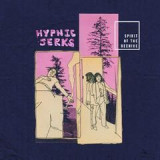
Unlike the spiraling momentum of the band's sophomore LP, pleasure suck, the spirit of the beehive takes a more grounded approach here, though the ground it's standing on is equally otherworldly. Dreamy is a fitting adjective, but the ten tracks on Hypnic Jerks never fully slip into the peaceful character of dream-pop. Hypnic Jerks has the quality of an indescribable dream fading from memory as you slowly begin to regain consciousness. Its warped guitar tones, transcendental synths and smattering of eerie audio samples conjure this purgatorial space between reverie and reality. It's an arena where the songs unexpectedly contort themselves and take on different textures, morphing in and out of one another. Once the celestial harmonies, balmy keys and creeping false climax of album closer it's gonna find you roll past, it's clear that the spirit of the beehive has secured a seat at this decade's table of musical visionaries.
Originally released on may 29, 1969, Crosby, Stills and Nash remains one of rock 'n' roll's most impressive debuts. It was big news in 1969 when former key members of the Byrds, Buffalo Springfield, and the Hollies - three of the finest bands of the '60s - splintered off to form their own trio. Despite their already-proven talents, few could have imagined the gossamer vocal blend that would become the trademark of supergroup Crosby, Stills and Nash. The band's debut effectively provided the soundtrack to the summer of '69. For his part, Steve Stills keeps exploring the progressive folk-rock sound that he'd pioneered with Buffalo Springfield; signature tune Suite: Judy Blue Eyes is an expansive, multi-section affair that makes full use of the group's vocal skills. Fresh from the Hollies, Graham Nash adds an accessible pop sensibility, epitomized by the effervescent ditty Marrakesh Express. David Crosby, always the wild card in the Byrds, here adds rough edges and flashes of mystery with his cutting protest rocker Long Time Gone and the exquisite art-folk of Guinnevere. With this kind of firepower under its belt, it's no wonder csn quickly became one of the biggest groups of their era.
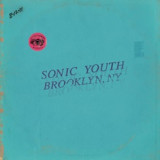
The final U.S. show, a triumphant and blistering bookend to the storied career of one of the most influential bands in rock music, featuring a unique and expansive eighty-five minute set list that spans Sonic Youth’s nearly three decade catalog. Mixed from multitrack by longtime live engineer Aaron Mullan and mastered and cut by Carl Saff. On August 12, 2011 Sonic Youth played their final US show on an outdoor stage overlooking the East River at the Williamsburg Waterfront in Brooklyn. Fitting that their storied career would bookend with a panoramic view of New York City where it all began 30 years before, having left in their wake one of one of the most powerfully influential careers in rock music. Following incredible sets from Kurt Vile and Wild Flag, the band took the stage. As the sun went down over the city, Sonic Youth ripped through a 17 song set that spanned from deep cuts off their first studio album and highlighting many other albums all the way through to their last, like a band with everything to prove. Or as Brooklyn Vegan’s Andrew Sacher said at the time: “While most bands who are thirty years into their career are either fading away or living off of the nostalgia of their older material, Sonic Youth continue to sound and perform as fresh as ever.” Steve Shelley explains the uniquely career spanning set list of Live in Brooklyn 2011 and how it came to be, as well as the importance of outdoor NYC summer shows in Sonic Youth’s legacy: “This show was a culmination of a run of really special outdoor summertime shows in New York City for us, starting in ’92 with Summerstage in Central Park when we played with Sun Ra. For the Williamsburg Waterfront show I wrote out the set list to present to the band and it was a lot of material we hadn’t played in a while, a lot of deep cuts, so I wasn’t sure if everybody would feel like doing it. After worrying about which songs the band might say yes or no to, I threw those concerns out the window and I just made a list of songs that I thought would be a great set. We practiced the week of the show at our space in Hoboken and put the set together. First we’d try and make sure we had a guitar in the song’s tuning, then we’d try to remember the arrangement and try and put it together, sometimes re-learning bar by bar. In the end I think the whole song list made it through. Even as early as ’86 and ’87 we stopped playing ‘Death Valley 69’ and ‘Brave Men Run’ with any regularity. We’d just get excited about new material coming into the set and songs would get ‘retired’ and wouldn’t get played again for years. So on this particular night in Brooklyn a lot of those retired songs and deep cuts got dusted off and played for this show. It turned out to be a pretty special event with a really special song list.” The band would go on to fulfill a contracted festival run in South America a few months later but, by then, the group’s center was severed beyond repair and the festival appearances didn’t hold the same kind of weight. “The stage was facing the East River from the Williamsburg, Brooklyn waterfront, and I recall the sun going down in the west during our set. It was a pretty magical, if kinda weird day. Fitting, somehow, that our ‘last show’ should be in New York City, our home and where it all began…” Lee Ranaldo The Williamsburg Waterfront show would fondly become referred to as ‘The Last Show’ by fans and band alike, equally for its triumphant high energy performance, its unique and expansive set list and locale. Newly remixed and remastered, Live in Brooklyn 2011 is presented for the first time on 2xLP, 2Xcd, August 18, 2023.
Blow Your Brains Out formed in 2019 with members of Stand United, Inside, Die Birth, Civil Defense and Soul Vice from Tokyo and Kanagawa. The band are all active members of their local hardcore communities whether it's putting on shows or running a popular radio show called Sick People. Hardcore fans were hyped for the demo with its instant hit mix of Cro-mags and Dynamo style influenced hardcore, and were excited to hear what the band would do next. However, as with all things at this time, they had to put everything on pause. Fast forward to 2023 and the band have recorded their debut 12” ‘The Big Escape’. This sees the band keep true to their demo influences but with greater flair, and will have you humming the tunes in no time at all. It was important for vocalist Kai to sing in Japanese, a language with a unique rhythm and flow that he wanted to match to the riffs, as well as to communicate about topics important to the local, as well as global community, using powerful Japanese words. ‘The Big Escape’ 12” talks about cult religions, political corruption, domestic violence, and companies that force people to work in poor conditions, as well as the suppression of citizens who resist authoritarian forces. I see through their lies and madness and act with the determination I have squeezed out, without succumbing to after-the-fact sophistry or threats. The underlying theme is the understanding that structural issues in society and politics cannot be easily solved, but it’s important to voice dissatisfaction and anger, and resist, and sometimes that’s by running away to survive, but it’s difficult to put this into practice in everyday life. However, there is hope that one day, the big escape will be achieved.
Comprised of two songs that build on OM’s use of cyclical rhythm, riff, and vocal intonation, the duo’s album Conference of the Birds blends metal, chant, drone, dub, and psychedelia. The band’s lyrics expound upon the structure of the universe, potentiality, and freedom from thephysical body. The second album from OM: comprised of two songs that build on om's use of cyclical rhythm, riff, and vocal intonation, the duo's new album "conference of the birds" blends metal, chant, drone, dub, and psychedelia. the band's lyrics expound upon the structure of the universe, potentiality, and freedom from the physical body. engineered by billy anderson and produced by the band, conference of the birds progresses beyond their debut, "variations on a theme", with more fully realized songwriting and production. om is al cisneros and chris hakius, rhythm section of legendary sludge and stoner rock pioneers, sleep
Blackball Records presents the 20th anniversary edition of Jawbreaker's beloved 1990 debut album Unfun--twelve groundbreaking tracks (sixteen on the CD) that captured the very inception of emo's big band and launched a galaxy of young, earnest bands and the scenes that love them. Unfun has been remastered by John Golden from the original analog tapes; the increased sampling rate boosts some of the bottom end and mid-range. It sounds fucking awesome. The vinyl version is available for the first time since 1992, and the CD and download versions of the record include the three-song Whack & Blite EP, as well as the 7-inch mix of "Busy" as an unlisted bonus track. This reissue features restored original artwork, and all formats include additional band photos from the time of recording. "Want" and "Fine Day" were in heavy rotation on college radio back in the day, and remained set list staples throughout Jawbreaker's run. Unfun wound up on a lot of fanzine top ten lists, and even the mainstream press took notice. Rolling Stone called it "a feast of heavy melody and righteous braying that roars along with all the spit and spirit of Husker Du's New Day Rising."
Alternative rock, or abbreviated to just simply alternative, first came to present in the early ‘70s as independent underground music and gradually developed into the ‘90s as a reaction to the mainstream pop music from that era. Alternative music was represented by bands who were signed to independent labels, but major labels also picked up on the trend, which led to commercial success in the international music charts. The 2LP 90’s Alternative Collected highlights songs by bands such as Faith No More, Nick Cave & The Bad Seeds, Kula Shaker, Eels, R.E.M., Oasis, Live, Soundgarden, Fun Lovin’ Criminals, Smash Mouth, and many others
Blonde on Blonde: A double album that transcends time, defies space, suspends reality, and looks through the human soul and tells the listener characteristics about themselves they didn't know. Professor Sean Wilentz, historian-in-residence for Bob Dylan's Web site, comes as close to summing up its brilliance in his superb Bob Dylan In America as any who've tried: "The songs are rich meditations on desire, frailty, promises, boredom, hurt, envy, connections, missed connections, paranoia, and transcendent beauty – in short, the lures and snare of love, stock themes of rock and pop music, but written with a powerful literary imagination and played out in a pop netherworld." No lie.
As part of its Bob Dylan catalogue restoration series, we are thoroughly humbled to have the privilege of mastering the iconic LP from the master tapes and pressing it on 45RPM LPs at RTI. We feel that the end result is the very finest, most transparent edition of Blonde on Blonde ever produced. Forever renowned for what the Bard deemed "that thin, that wild mercury sound," the album's famed aural character lives and breathes on this superb version, with wider and deeper grooves affording playback of previously buried information and lifelike presentation of the studio sessions.
Prized for a unique sound that cultural critic Greil Marcus tagged "the most glamorous record imaginable; listening you can see the chequered jester's suit Dylan had worn on stage for the nine previous, furious months," Blonde on Blonde is to music, production, prose, and performance as what hydrogen is to water. The secret to its inimitable aural character partially stems from Dylan's request in Nashville to producer Bob Johnston to remove the baffles from the studio room, allowing the musicians to interact as well as the music to assume a more organic quality that drifts from one microphone to another.
The story of Blonde on Blonde is almost as compelling as the music within. Dylan, frustrated with how initial attempts fared in New York, relocating to Tennessee and pairing with Nashville's top session players as well as members of what would become the Band, feverishly chasing perfectionism while also arriving at an on-the-fly feel that remains a reference point for recorded music. The Bard sweated over lyrics, demanded his band get the exact sounds he heard in his head, and limited most takes to a handful at most. A majority of songs were recorded long after midnight, the post-A.M. vibe reflected in the nocturnal aura, woozy optimism, inversion of intervals, and spiritual soulfulness of the playing.